Normal Reading Worksheets for Ages 3-9 - Page 15
345 filtered results
-
From - To
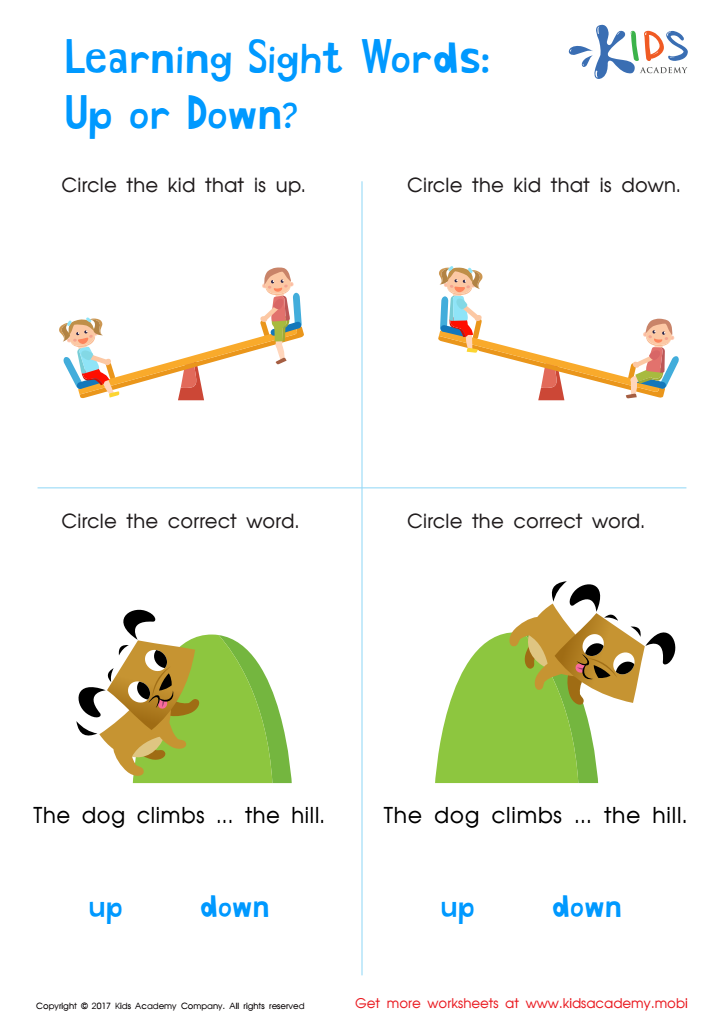
Up or Down Printable Sight Words Worksheet
 Assign to My Students
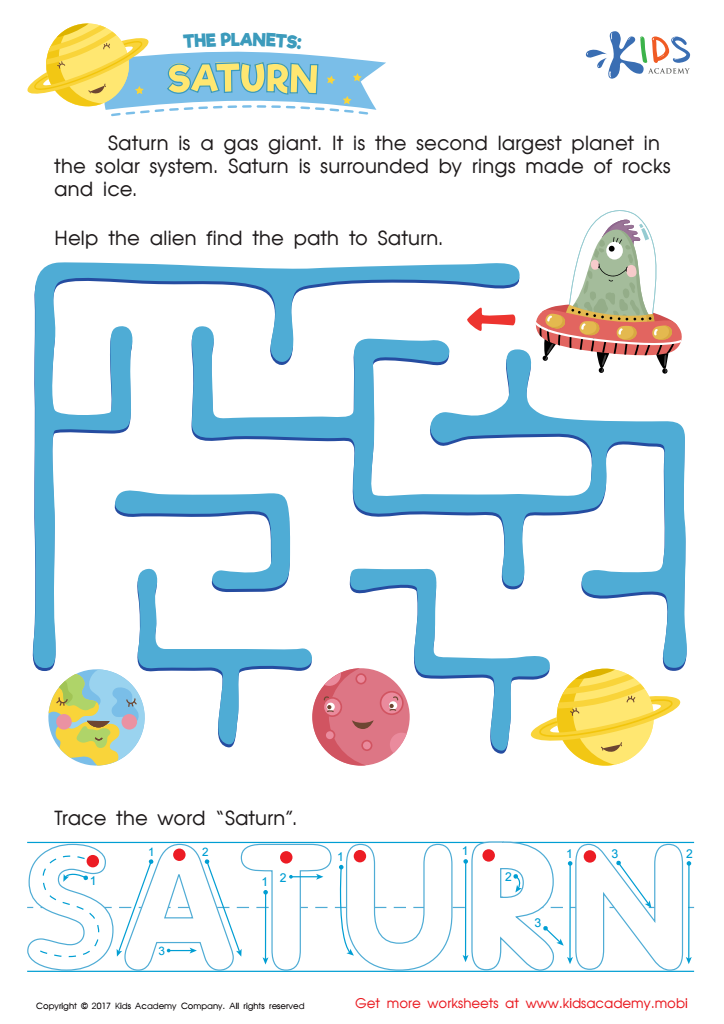
The Planets: Saturn Printable
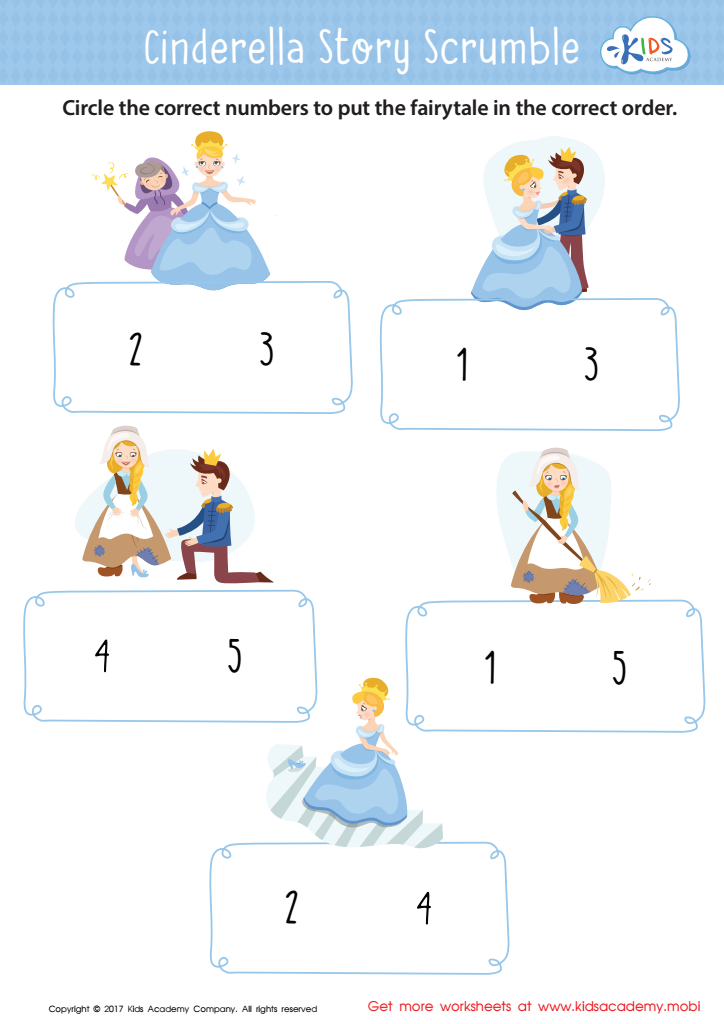
Cinderella Story Sequencing Worksheet

Rhyming Words Rhyming Worksheet
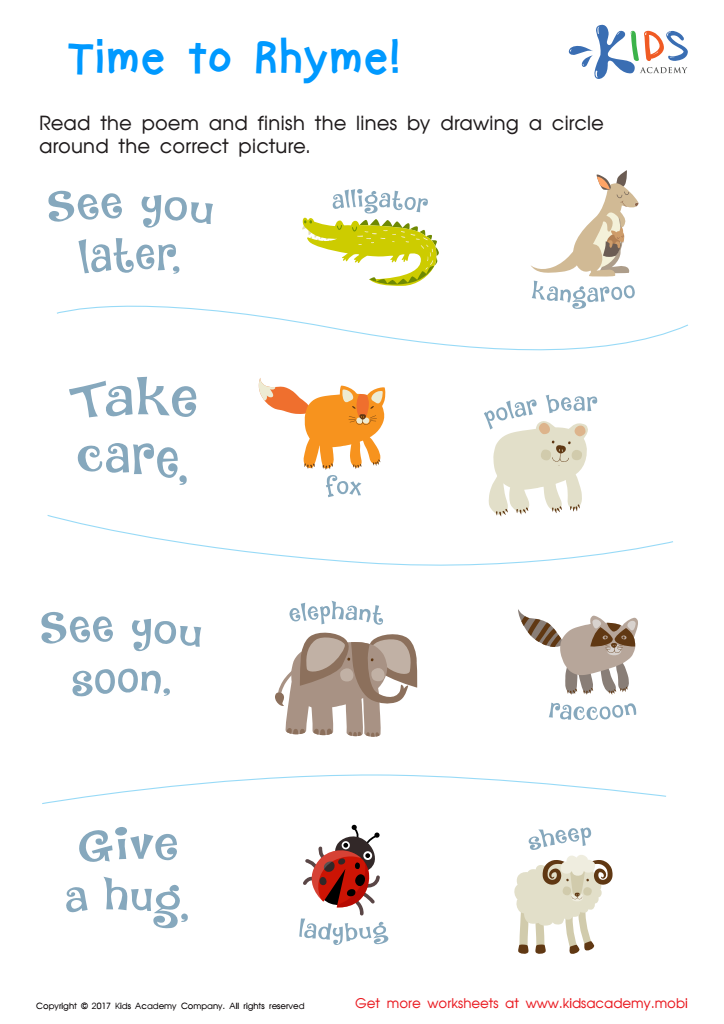
Time to Rhyme Rhyming Worksheet
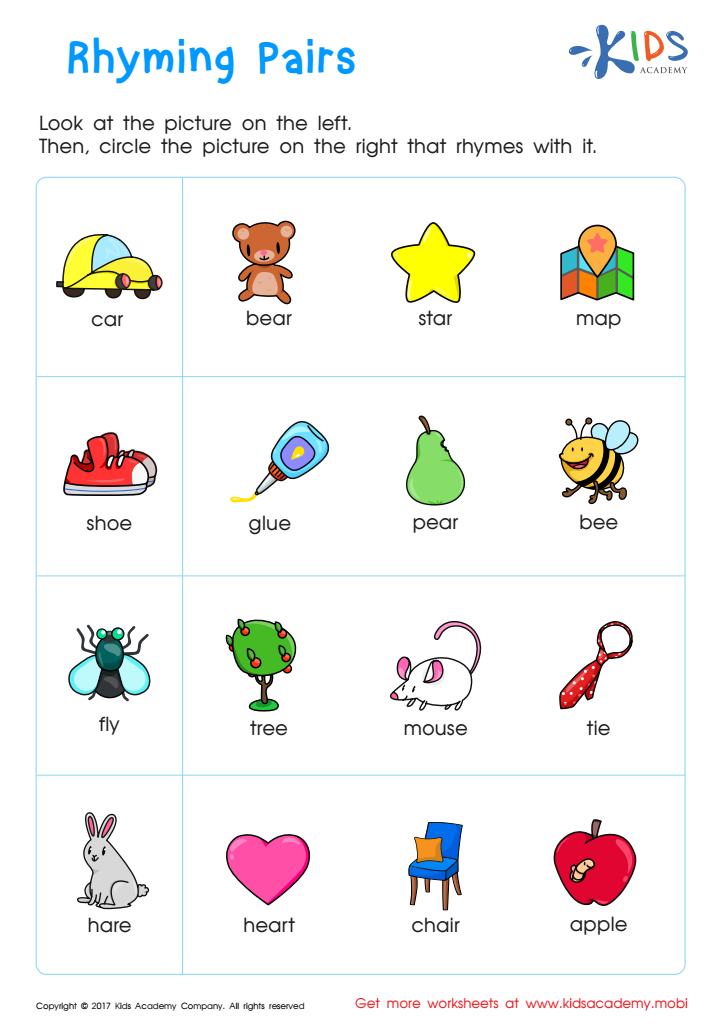
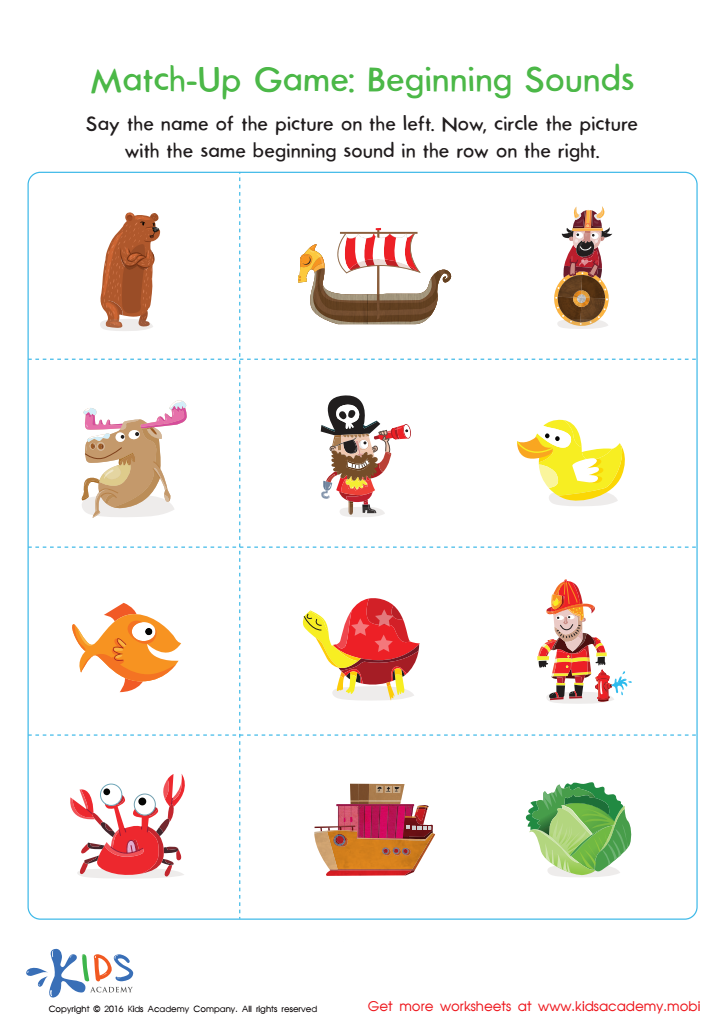
Match–Up Game: Beginning Sounds Worksheet
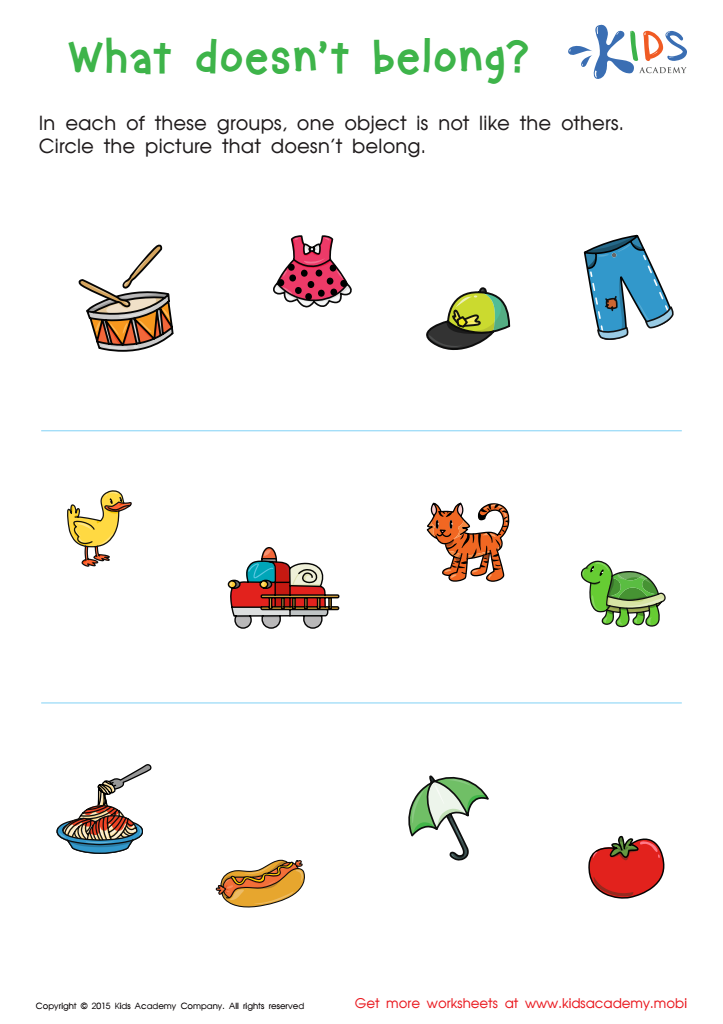
First Words: What Doesn't Belong Worksheet

First Words: Picture Rhymes Worksheet


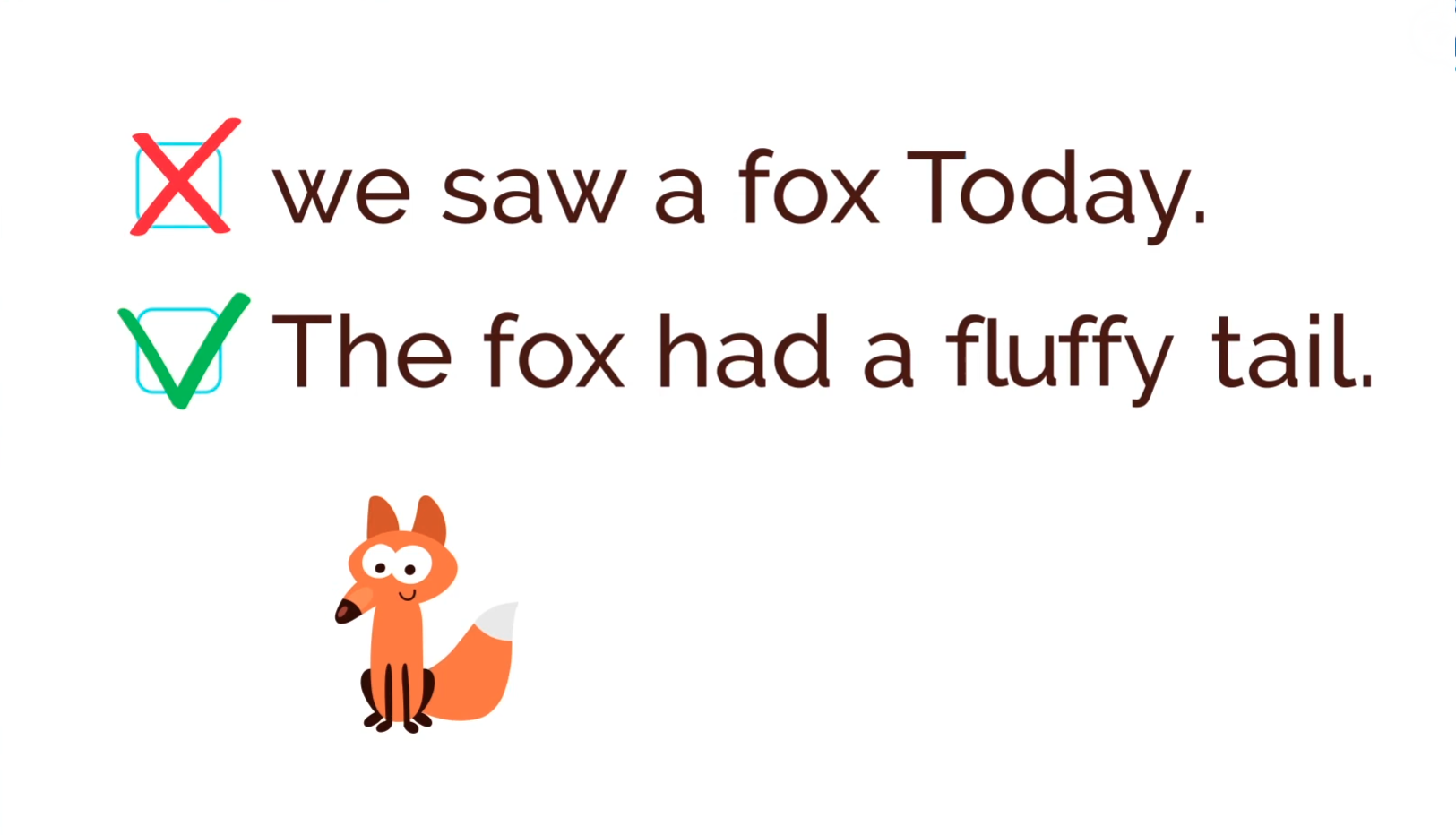



.jpg)

Parents and teachers should care about normal reading development for children ages 3-9 because it sets the foundation for lifelong learning and literacy skills. During these crucial years, children undergo significant cognitive, linguistic, and social development. A strong literacy foundation enhances their ability to communicate, express thoughts, and engage with others.
Understanding normal reading milestones helps parents and educators identify optimal periods for reading engagement and skill acquisition. By recognizing individual children's progress and challenges, adults can provide timely interventions, resources, and encouragement, which foster a love for reading. Early exposure to age-appropriate reading materials stimulates vocabulary growth, comprehension, creativity, and critical thinking.
Moreover, reading together during this stage strengthens the bond between adults and children, promoting a positive attitude toward learning. Encouraging frequent reading can also mitigate potential reading difficulties and prevent future academic struggles, thereby helping to create equitable opportunities for all children.
In today’s rapidly changing world, literacy is a fundamental skill that empowers children to navigate complex information and succeed academically and socially. Therefore, it’s vital for parents and teachers to actively participate in supporting healthy reading development during these formative years.








