Normal Matching Worksheets for Ages 4-7 - Page 2
42 filtered results
-
From - To
 Assign to My Students
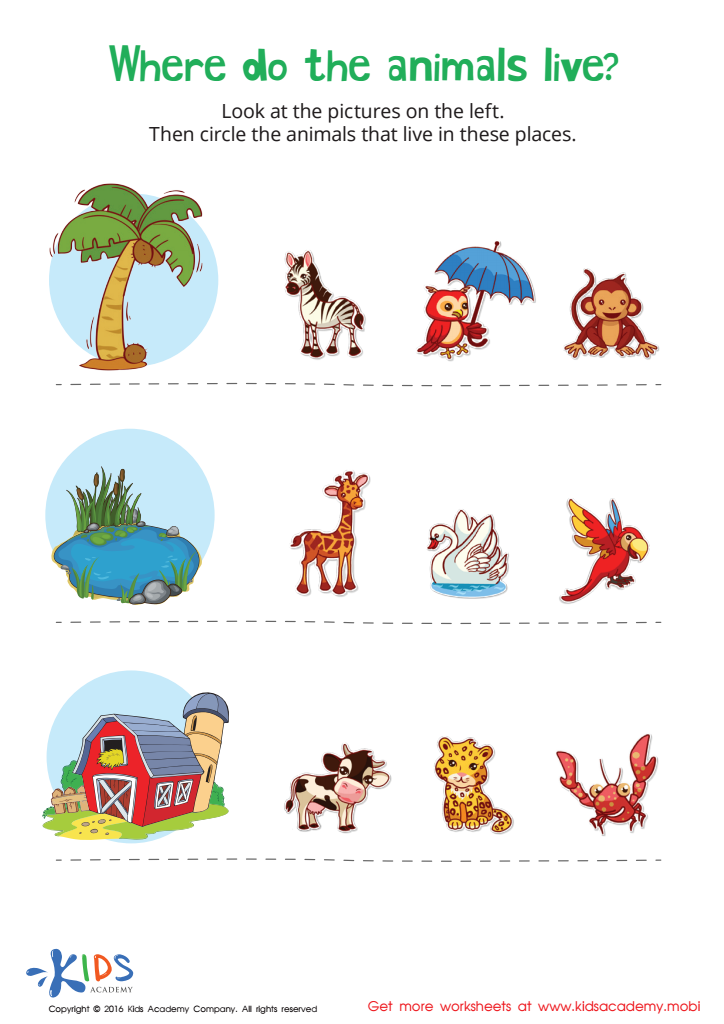
Where Animals Live Worksheet
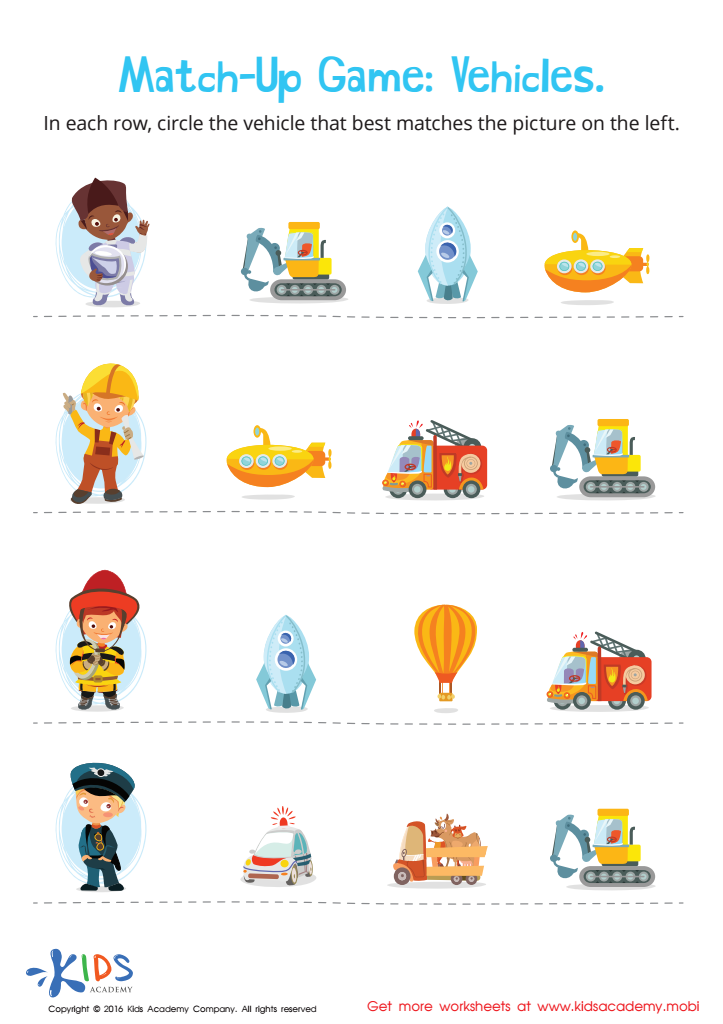
Vehicles Worksheet
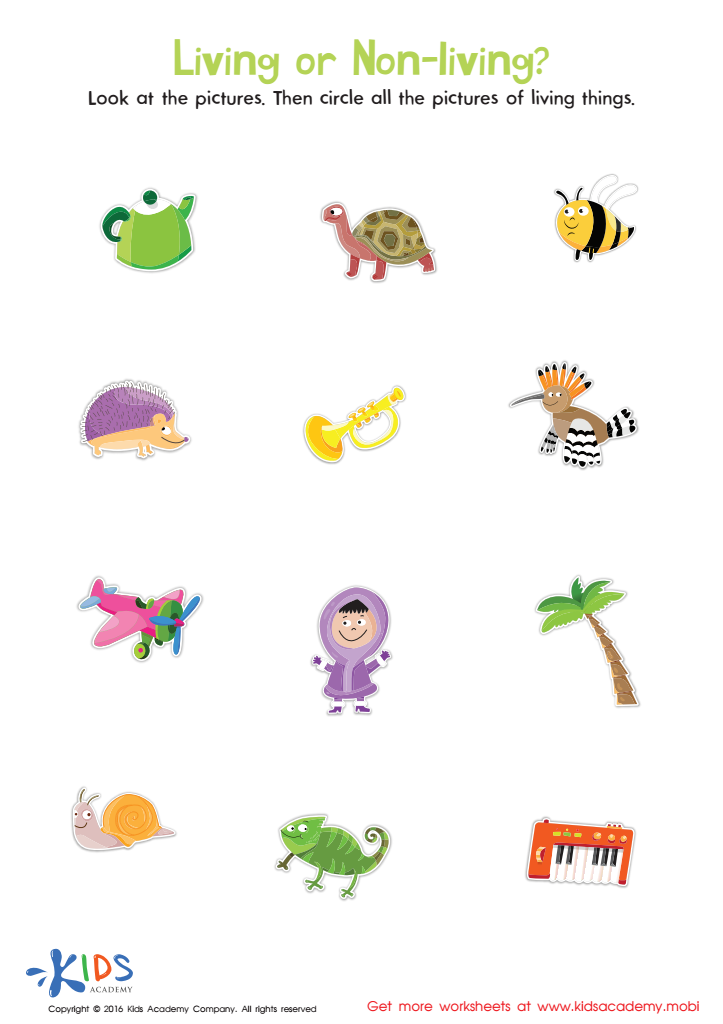
Identifying Living and Non–living Things Sorting Worksheet
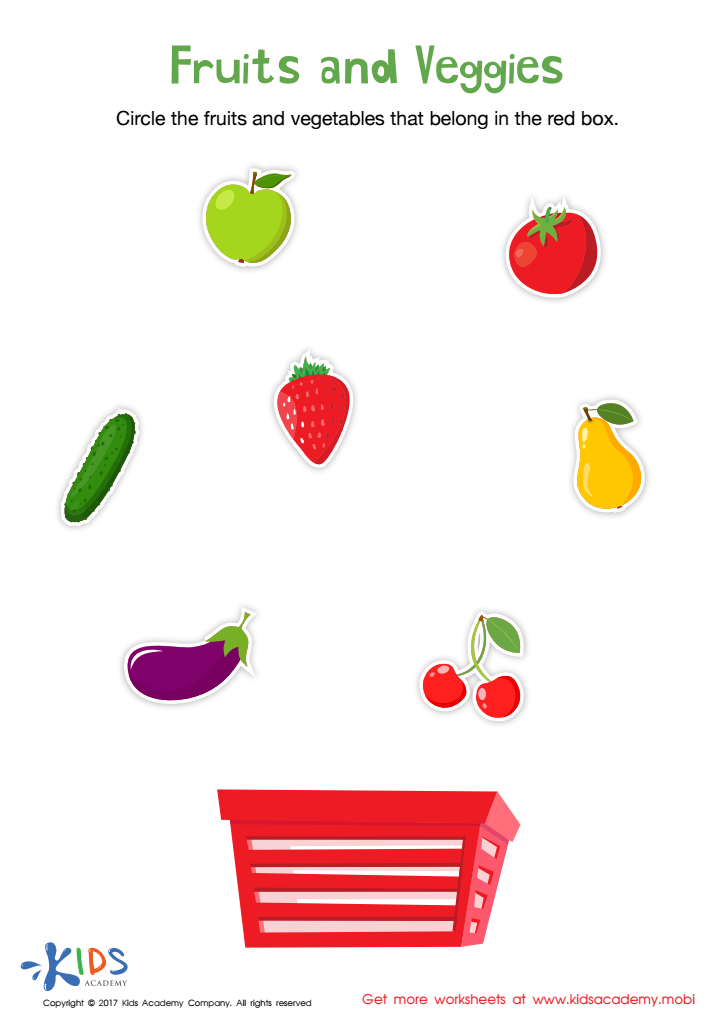
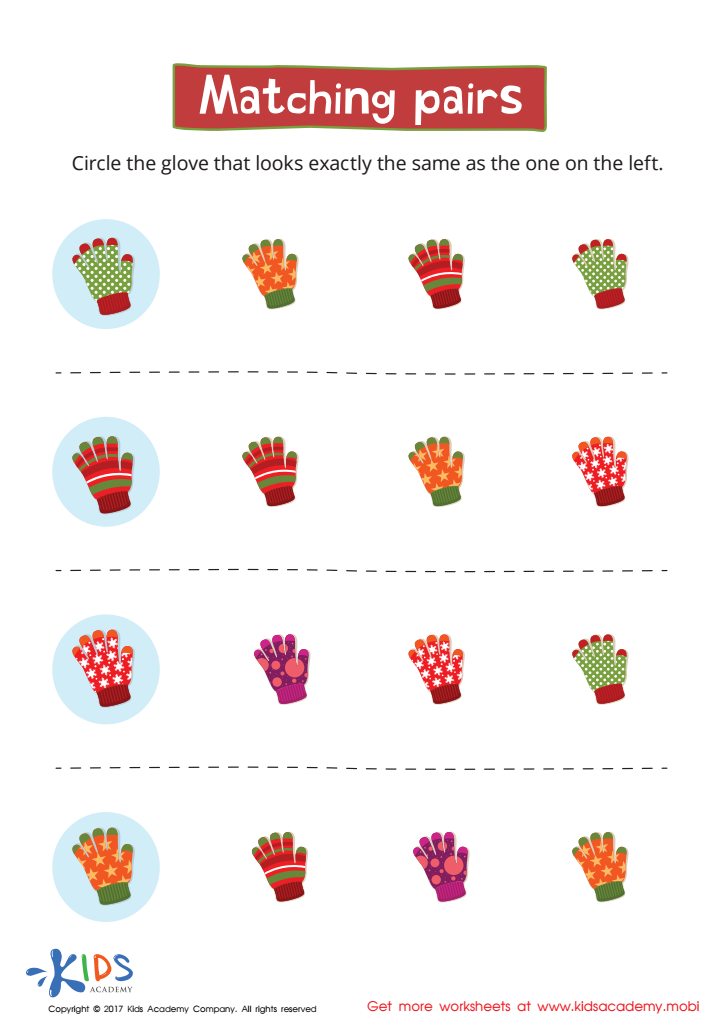
Matching: Matching Pairs Worksheet
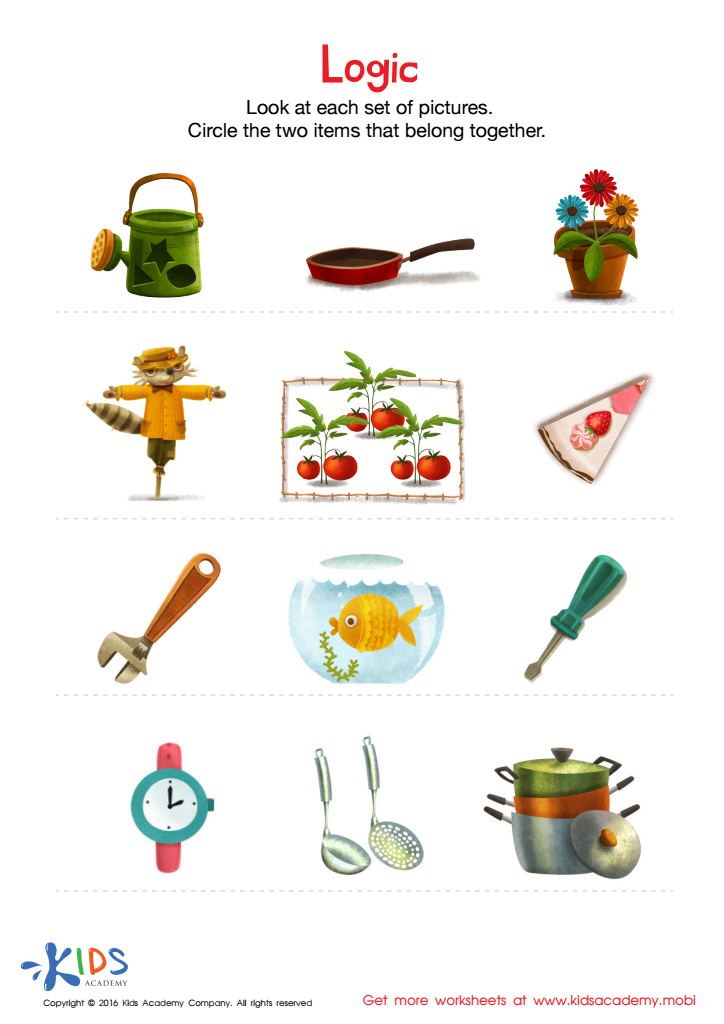
Logic Game Sorting Worksheet
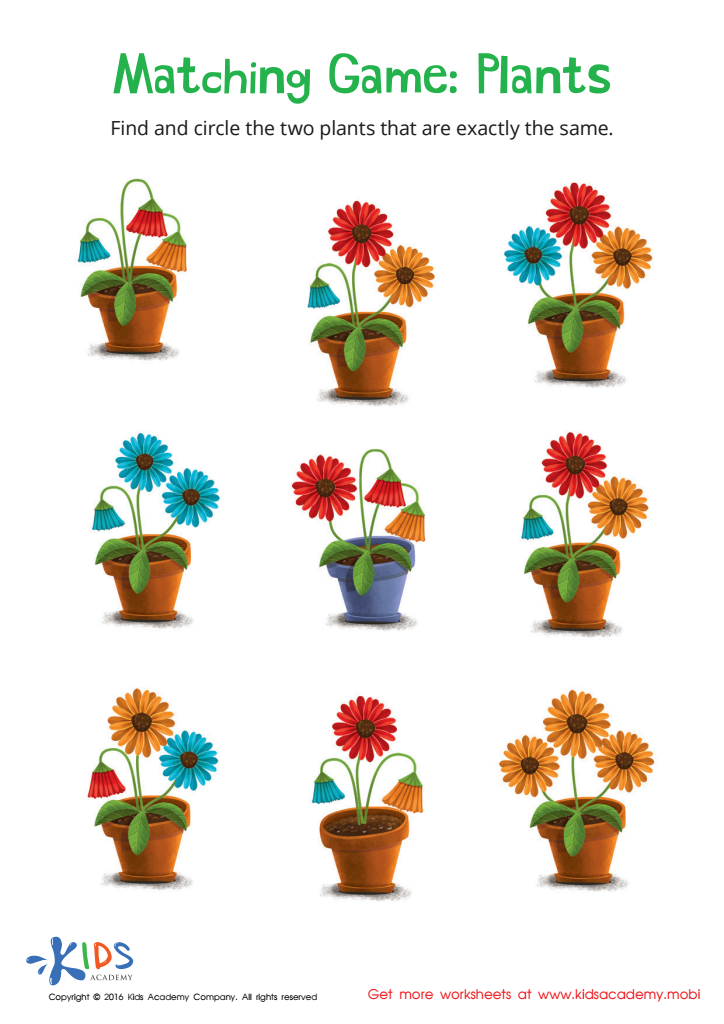
Matching: Plants Worksheet
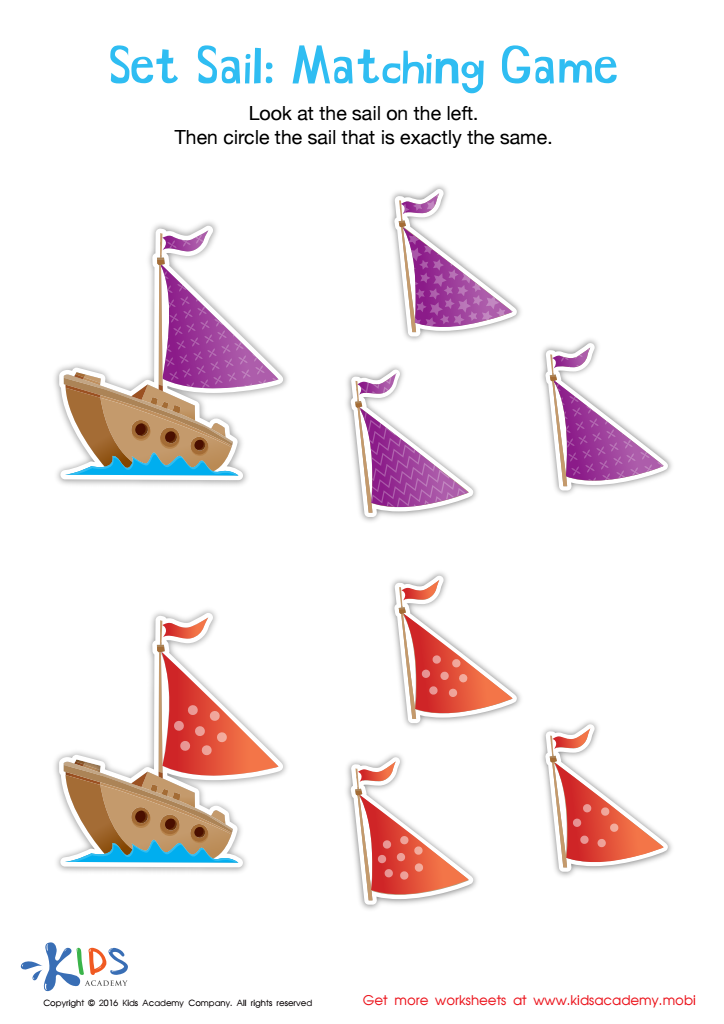
Set Sail Worksheet
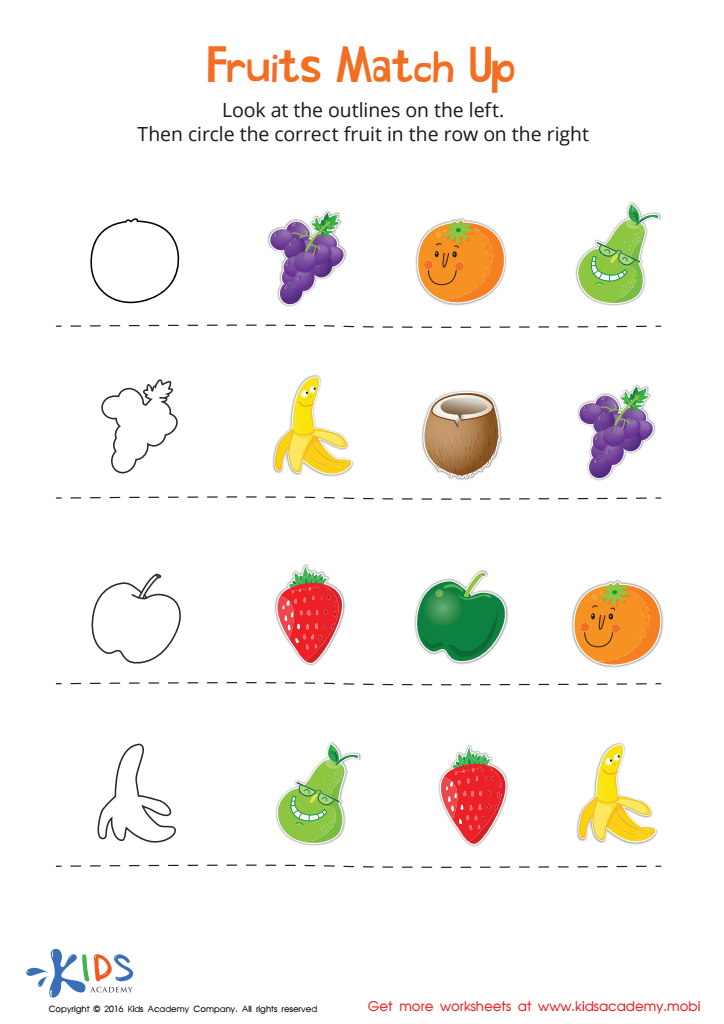
Fruits Match Up Worksheet
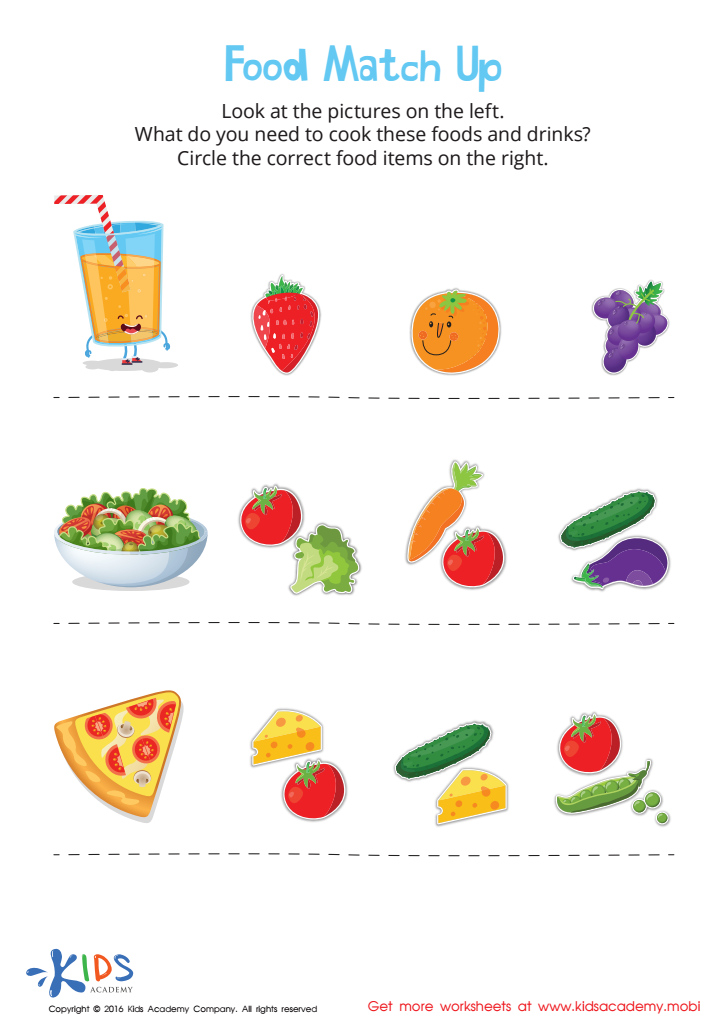
Food Match Up Worksheet
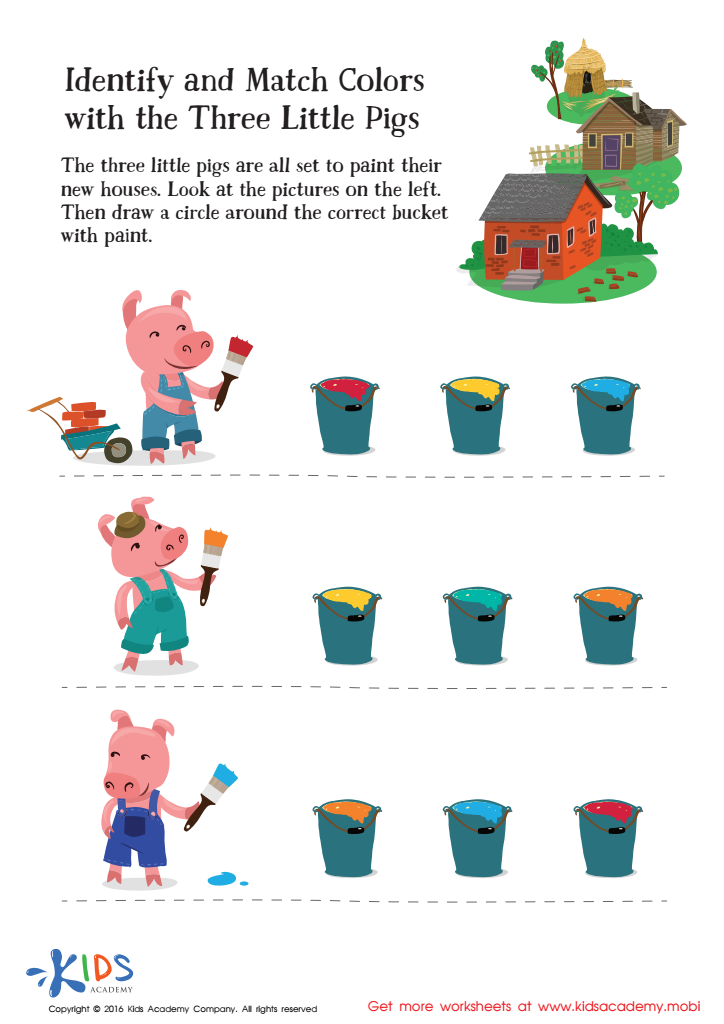
Fairy Tale Worksheet: Identify and Match Colors with Three Little Pigs
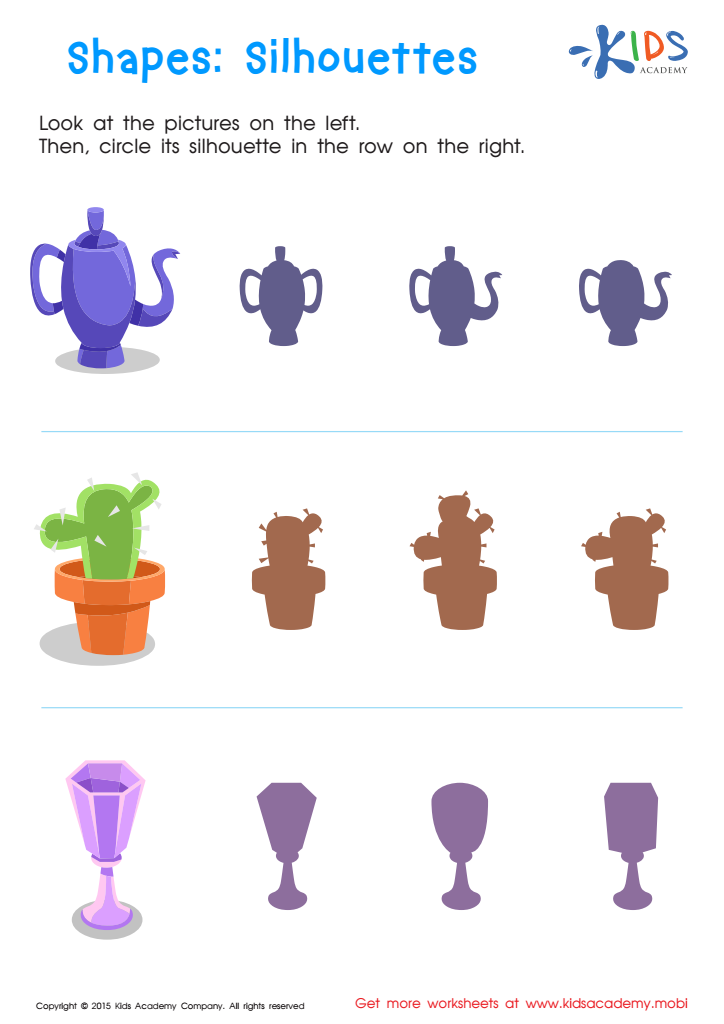
Silhouettes – Shapes Worksheet
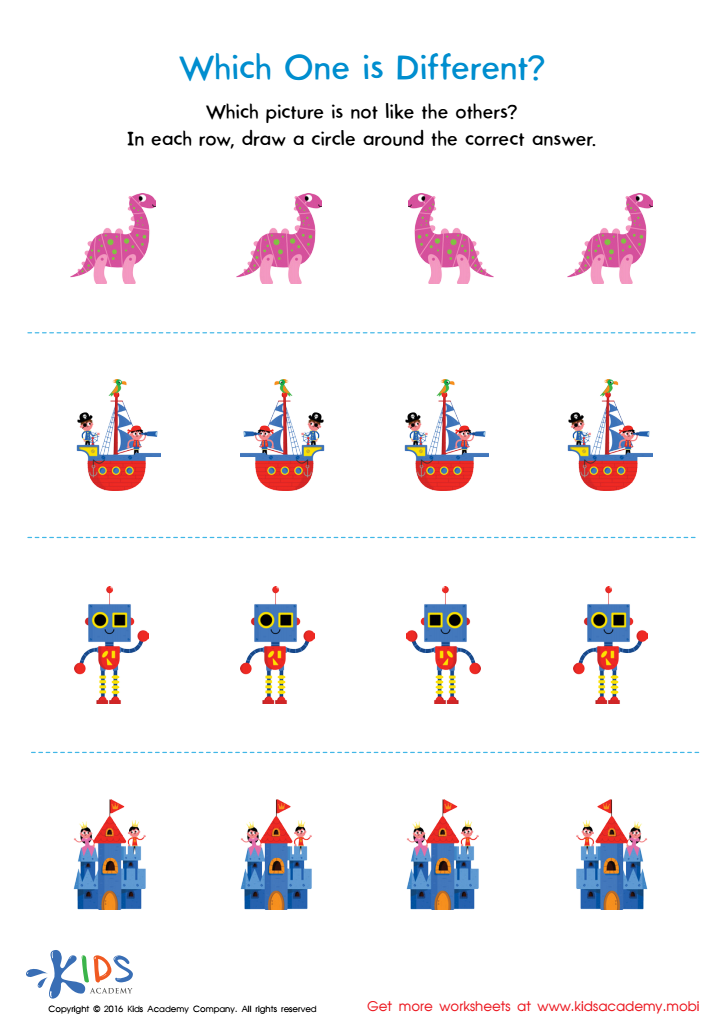
Which One Is Different Worksheet
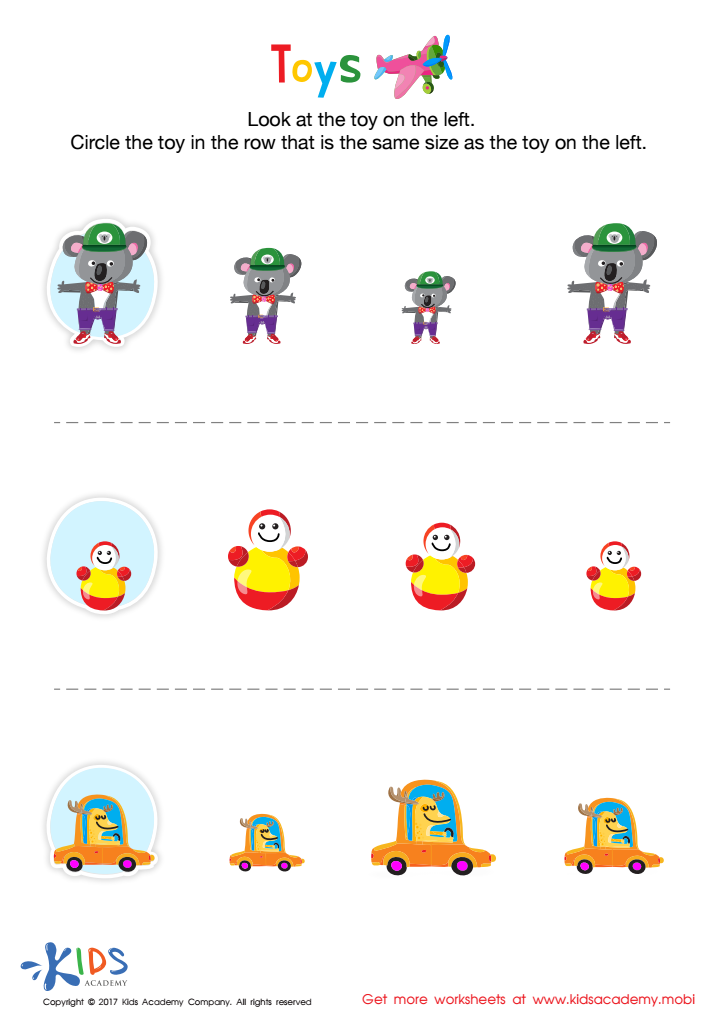
Matching: Classifying Toys by Size Worksheet
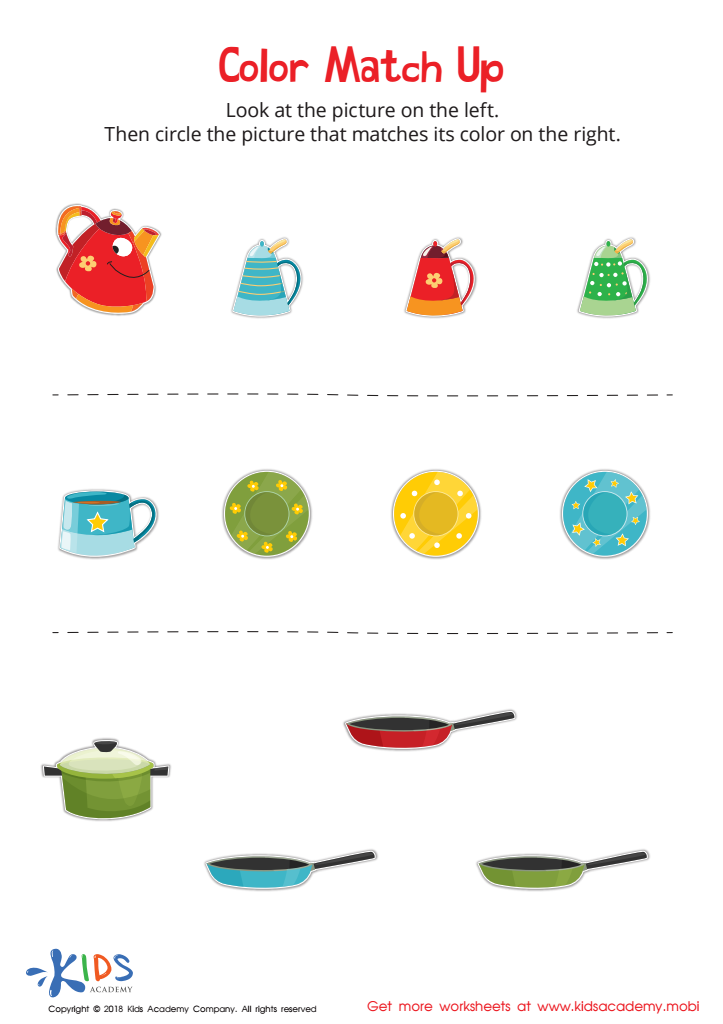
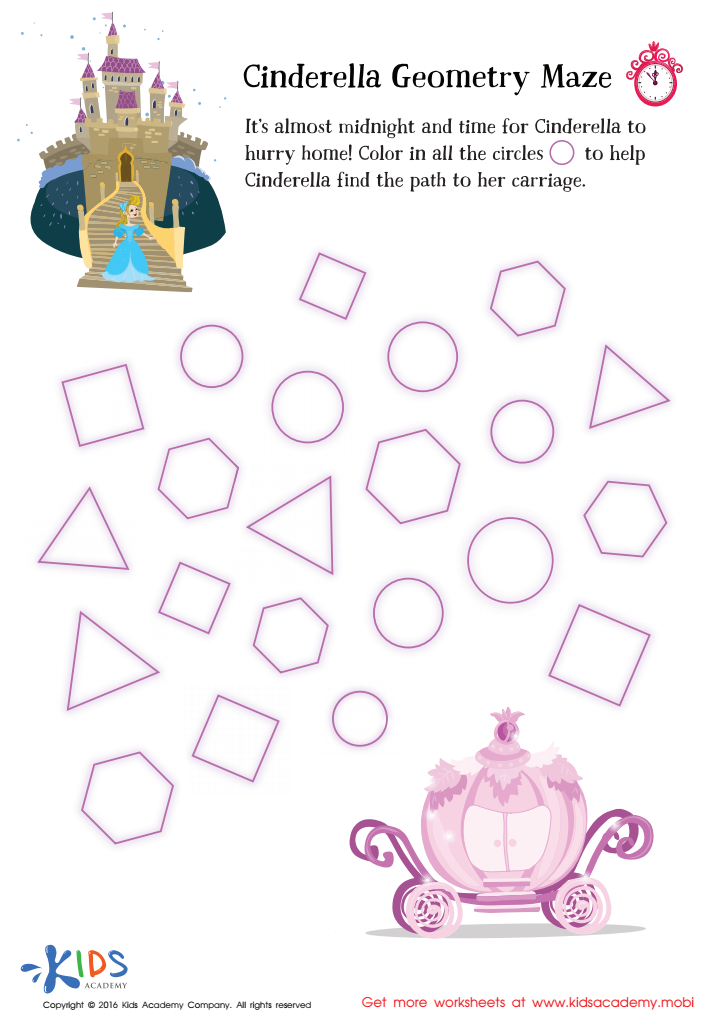
Cinderella Geometry Maze Worksheet
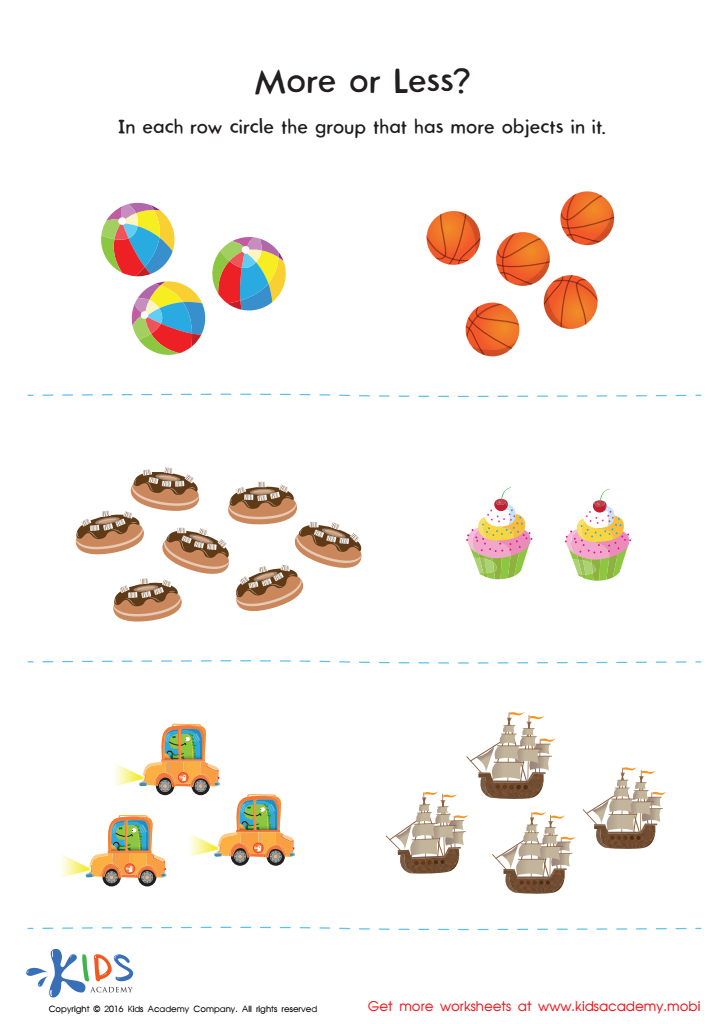








Normal Matching, often found in educational toys and games that align objects or symbols with corresponding pairs, is crucial for children aged 4-7 for several key reasons. Firstly, it promotes cognitive development through pattern recognition, essential for reading and mathematics later on. Children learn to observe similarities and differences, honing their critical thinking and analytical skills.
Secondly, matching activities enhance memory skills. By recalling information to find matches, children improve their short and long-term memory capabilities, foundational for all areas of learning.
Thirdly, these activities build fine motor skills and hand-eye coordination. Using manipulatives like cards or blocks to create matches encourages precise hand movements and coordination, essential for tasks like writing and daily self-care activities.
Socially, matching games often involve turn-taking and cooperation, fostering social-emotional skills such as patience and teamwork. When children engage in matching activities with peers or adults, they also develop communication skills, as they discuss choices and strategies.
For these holistic benefits—cognitive, memory, motor, and social-emotional—parents and teachers should integrate Normal Matching into educational curricula and playtime. It creates a multifaceted foundation that prepares children for successful learning experiences as they grow.