Normal 2D Shapes Worksheets for Ages 4-8 - Page 2
33 filtered results
-
From - To
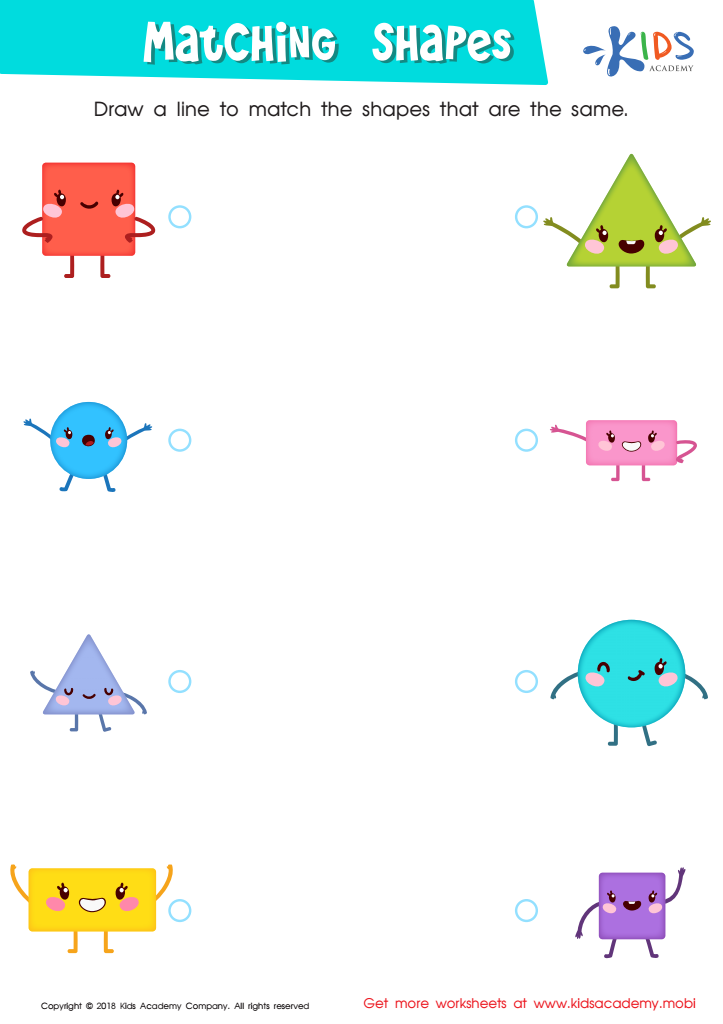
Matching Shapes Worksheet
 Assign to My Students


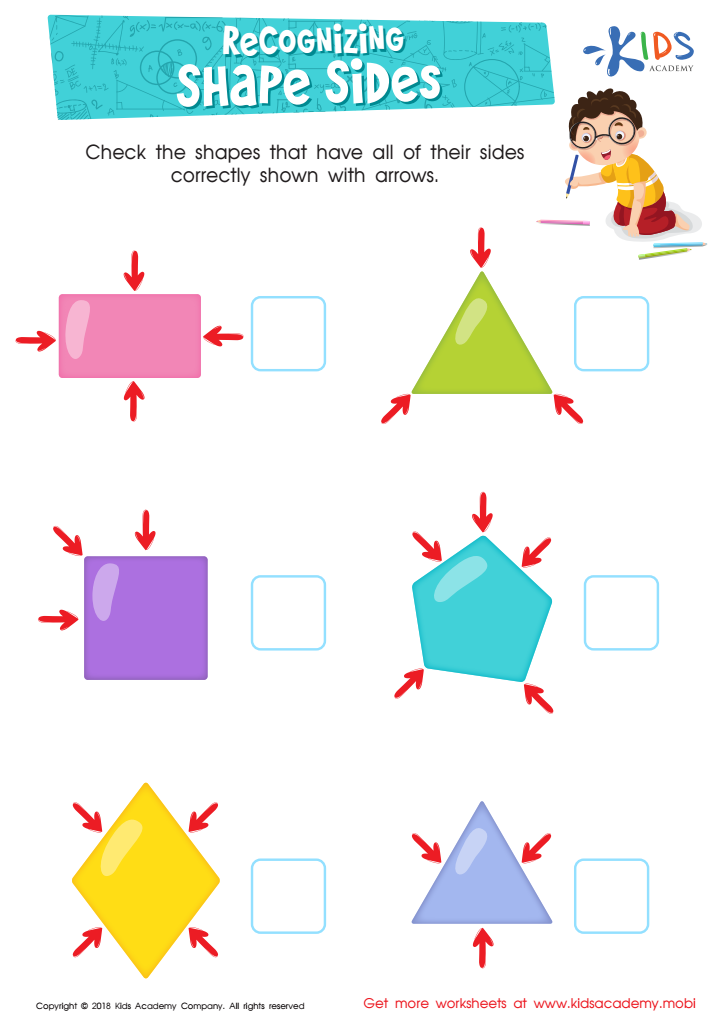
Recognizing Shape Sides Worksheet
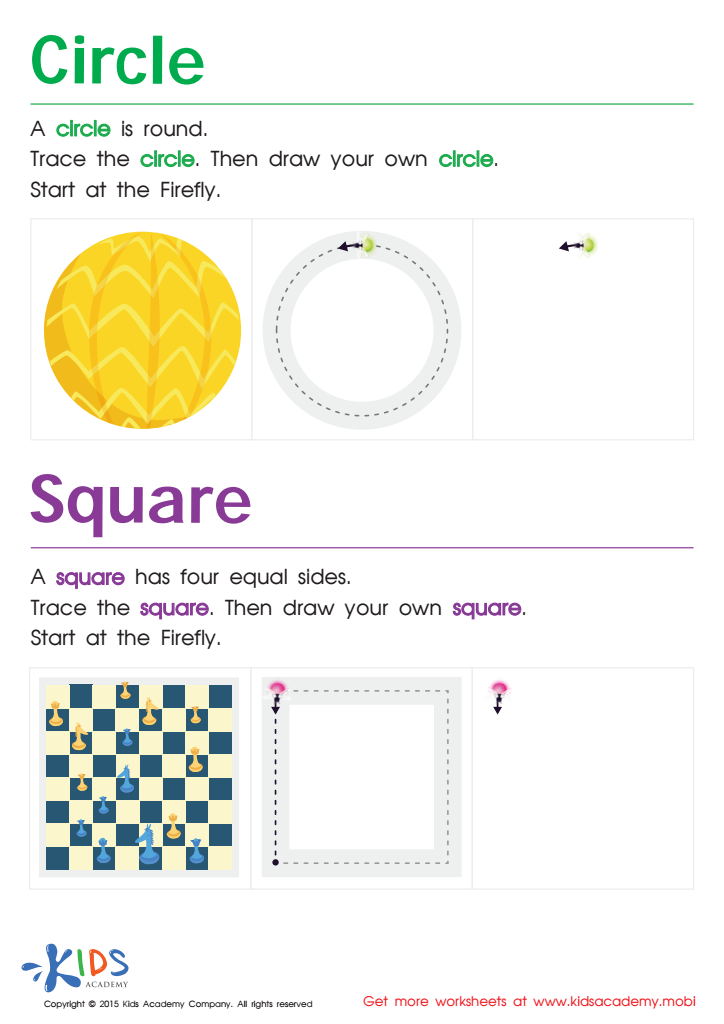
Trace And Draw a Circle And a Square Worksheet
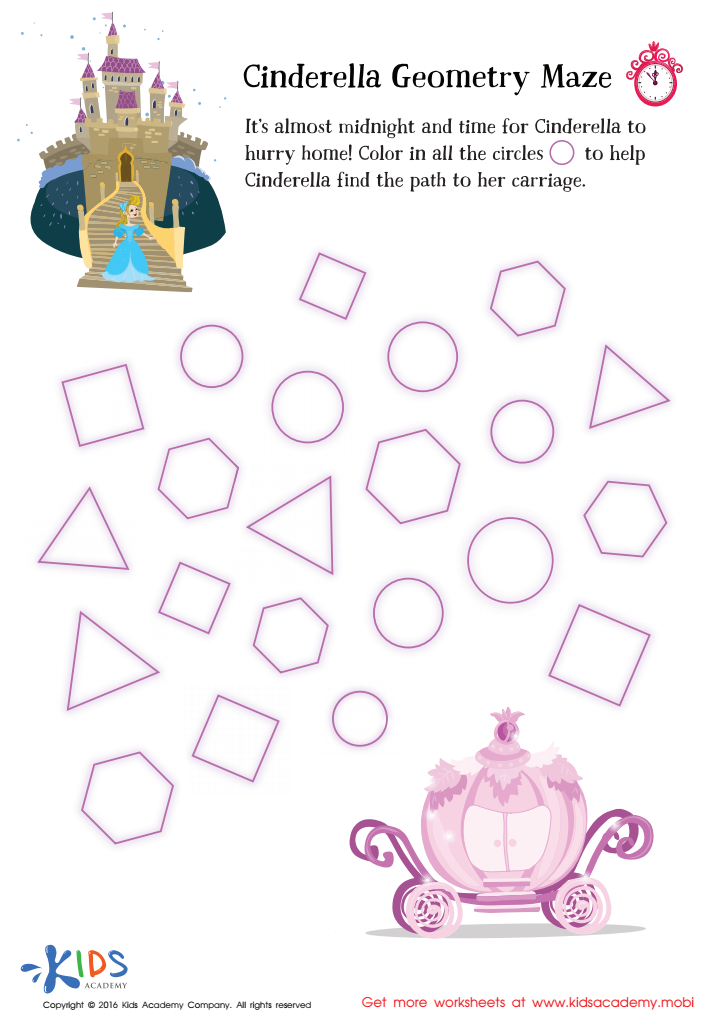
Cinderella Geometry Maze Worksheet
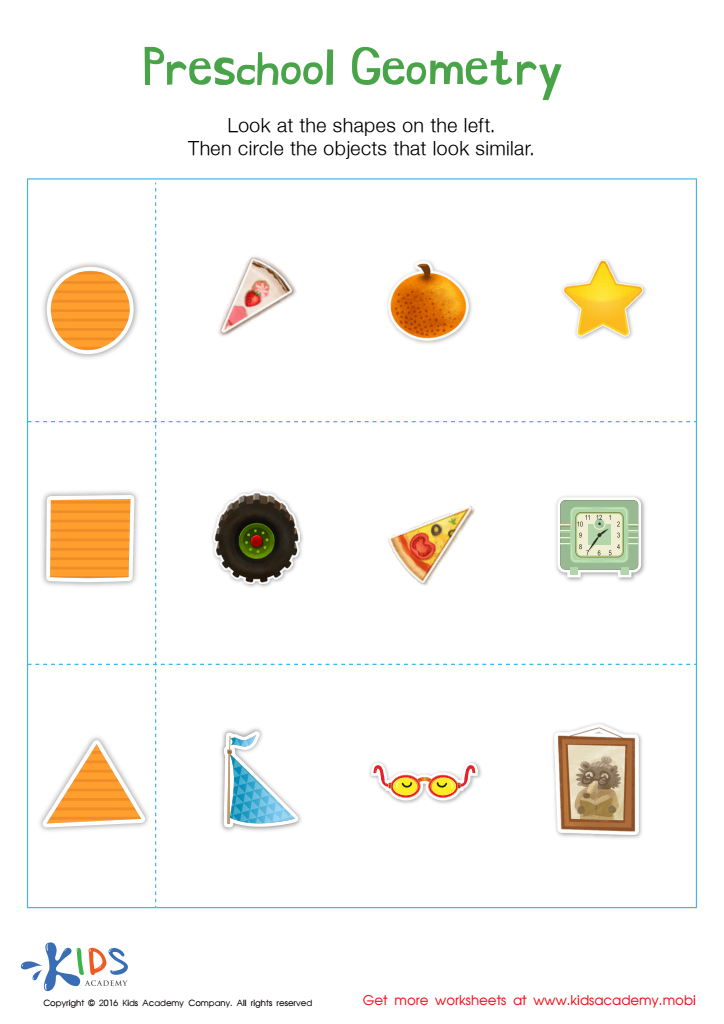
Preschool Geometry Match Up Worksheet
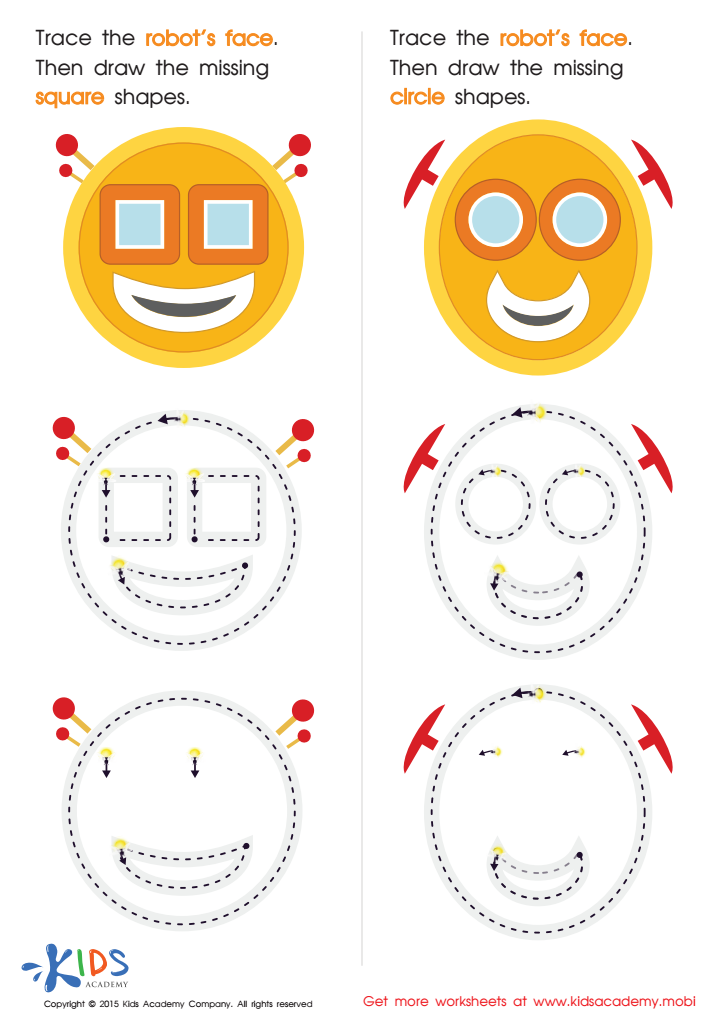
Practicing to Draw Circles And Squares Printable
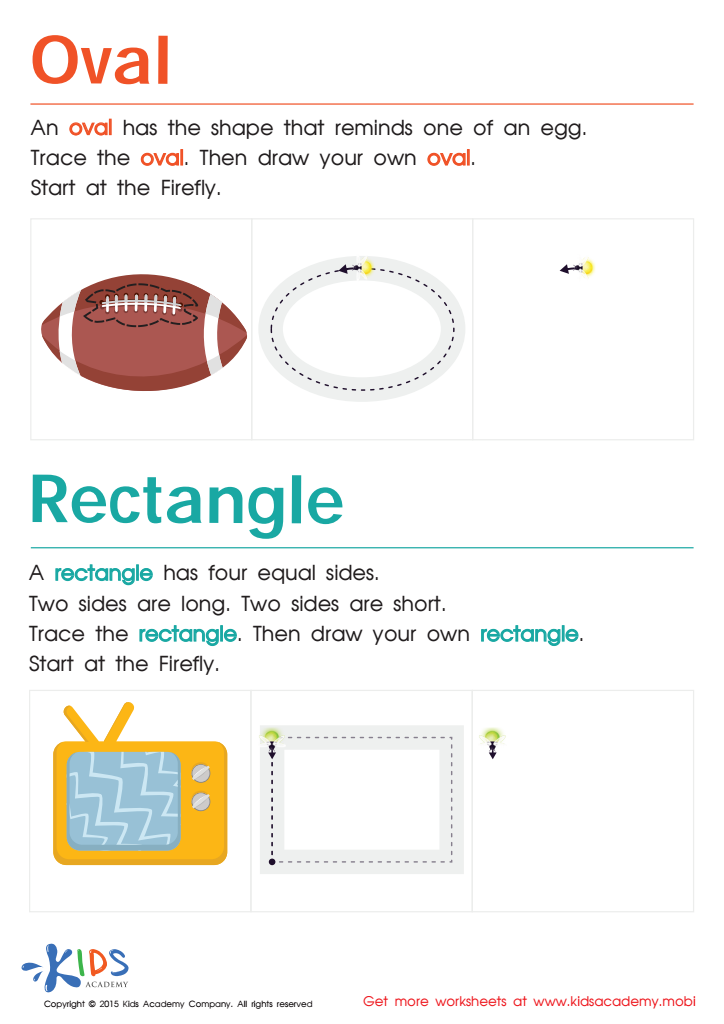
Easy Drawing of Ovals And Rectangles Worksheet
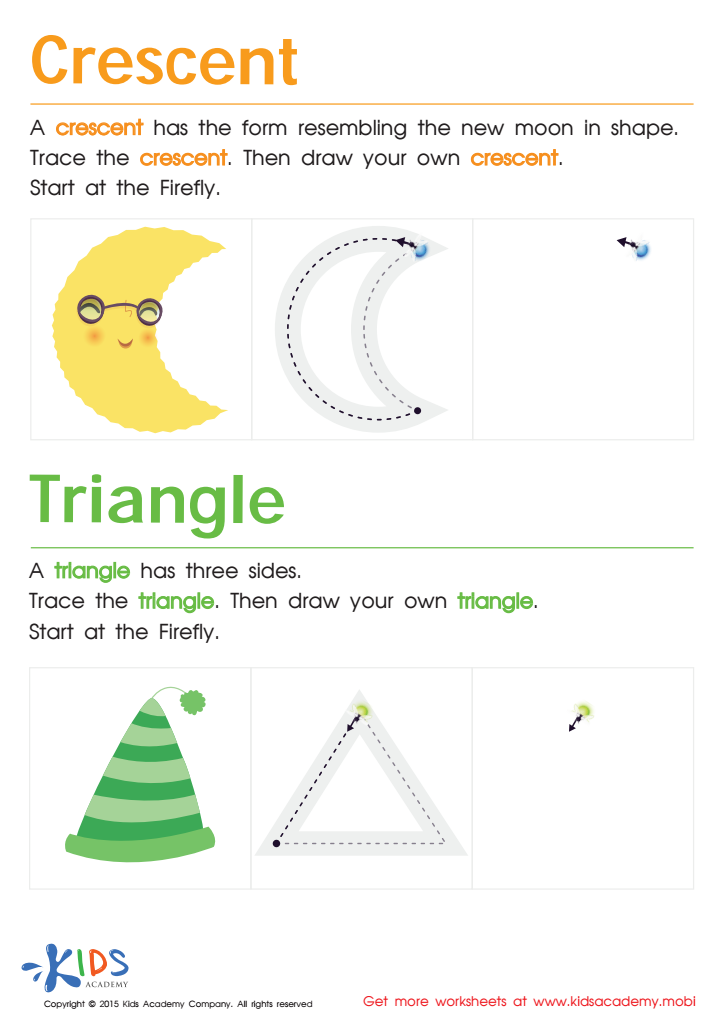
Learning to Draw Crescents And Triangles Worksheet
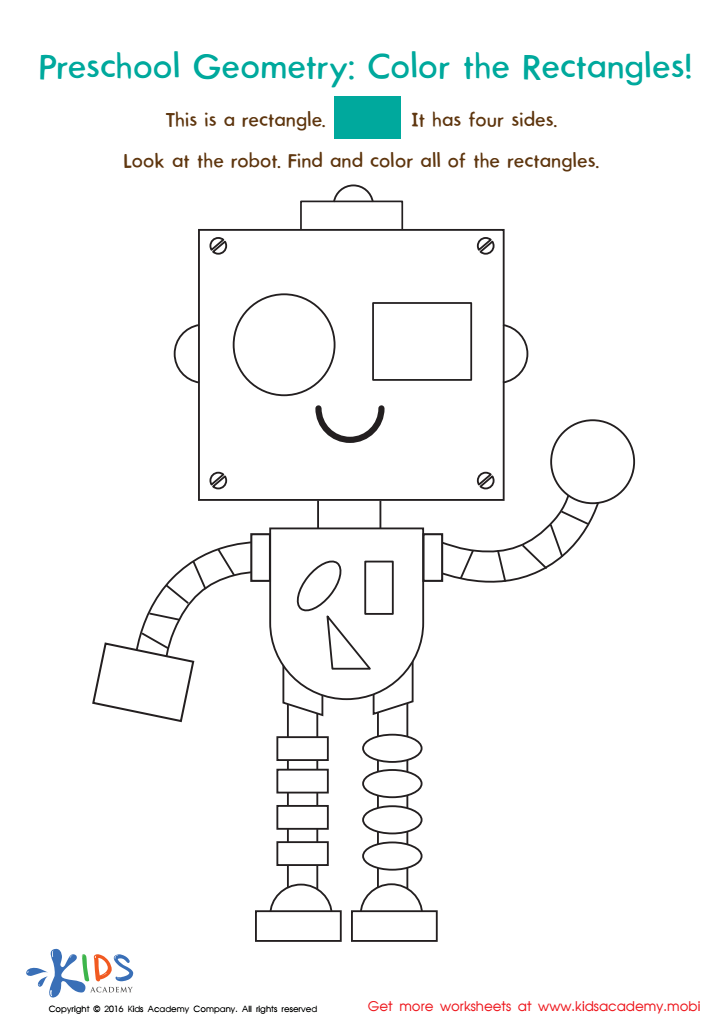
Geometry Worksheet








Understanding normal 2D shapes is crucial for children aged 4-8, as it lays the foundation for their mathematical development and cognitive growth. At this stage, children are naturally curious and eager to explore their surroundings, making it a perfect opportunity for teachers and parents to introduce basic shapes like squares, circles, triangles, and rectangles.
Learning about 2D shapes helps children develop spatial awareness, which is essential for everyday tasks, from navigating their environment to organizing objects. Recognizing shapes enhances critical thinking and problem-solving skills, as children begin to understand how shapes relate to one another and how they fit into larger concepts.
Additionally, shape recognition is key for developing literacy and language skills. Children who can describe shapes and identify them in various contexts are enhancing their vocabulary and communication abilities. Engaging children in fun, hands-on activities—like sorting, drawing, and building—further solidifies their understanding.
Moreover, mastery of 2D shapes prepares students for more complex mathematical concepts in later years, such as geometry and measurement. By nurturing a positive attitude toward shapes early on, parents and teachers can foster a lifelong appreciation of math and shape-based thinking that supports diverse learning pathways.