Normal Math Worksheets for Ages 4-8 - Page 23
545 filtered results
-
From - To
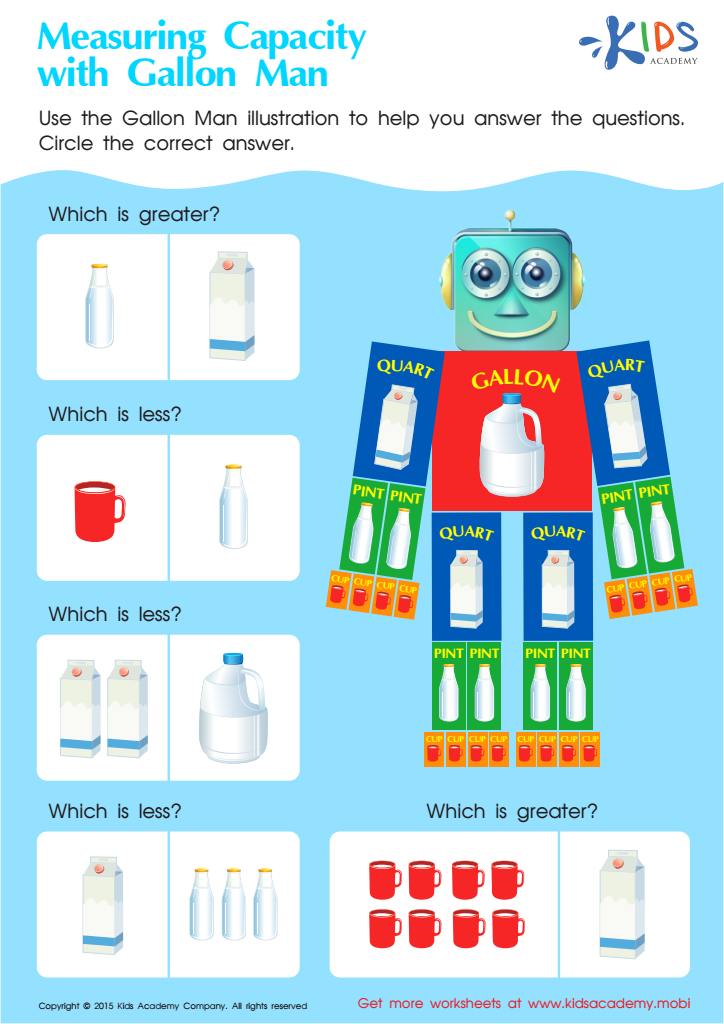
Measurement: Measuring Capacity with Gallon Man Worksheet
 Assign to My Students
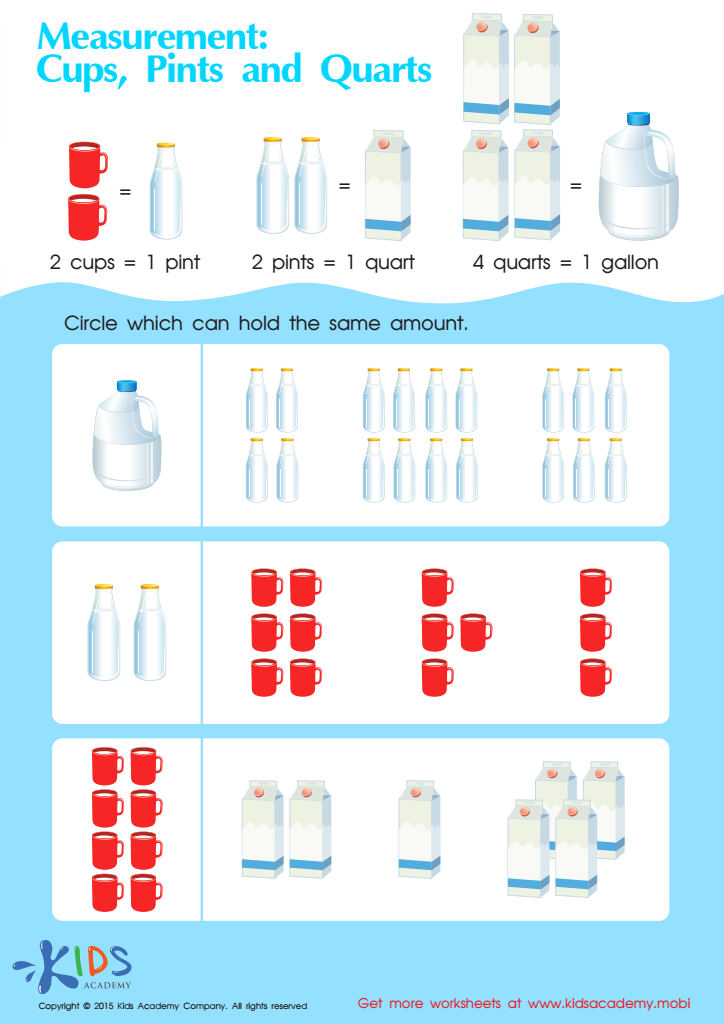
Cups, Pints and Quarts 2 Worksheet
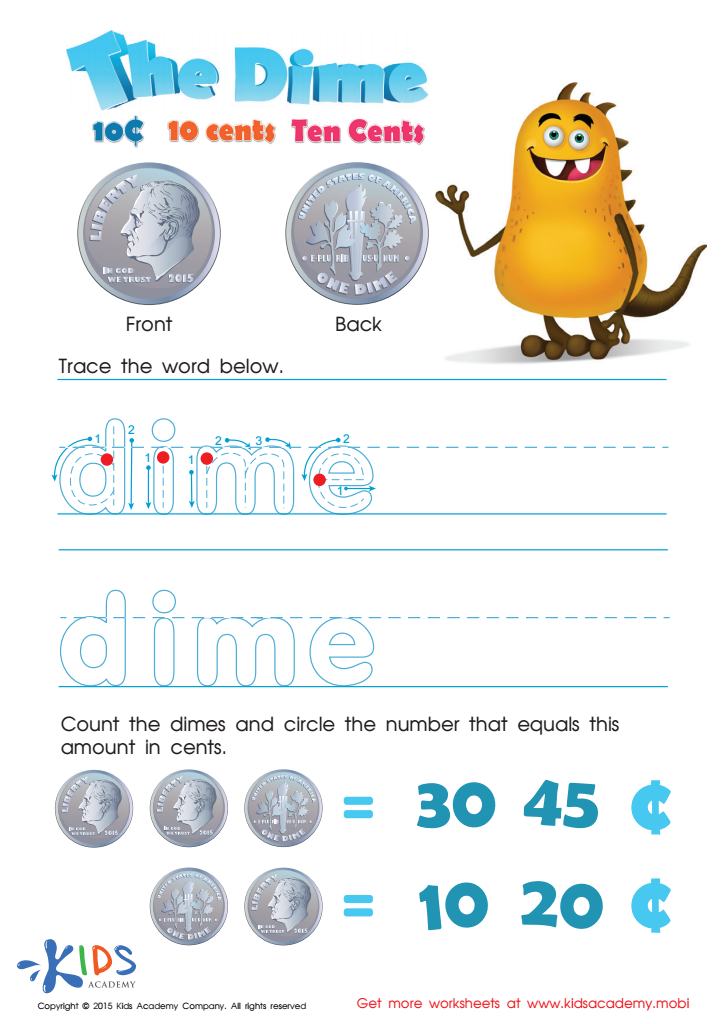
Ten Cents or the Dime Money Worksheet
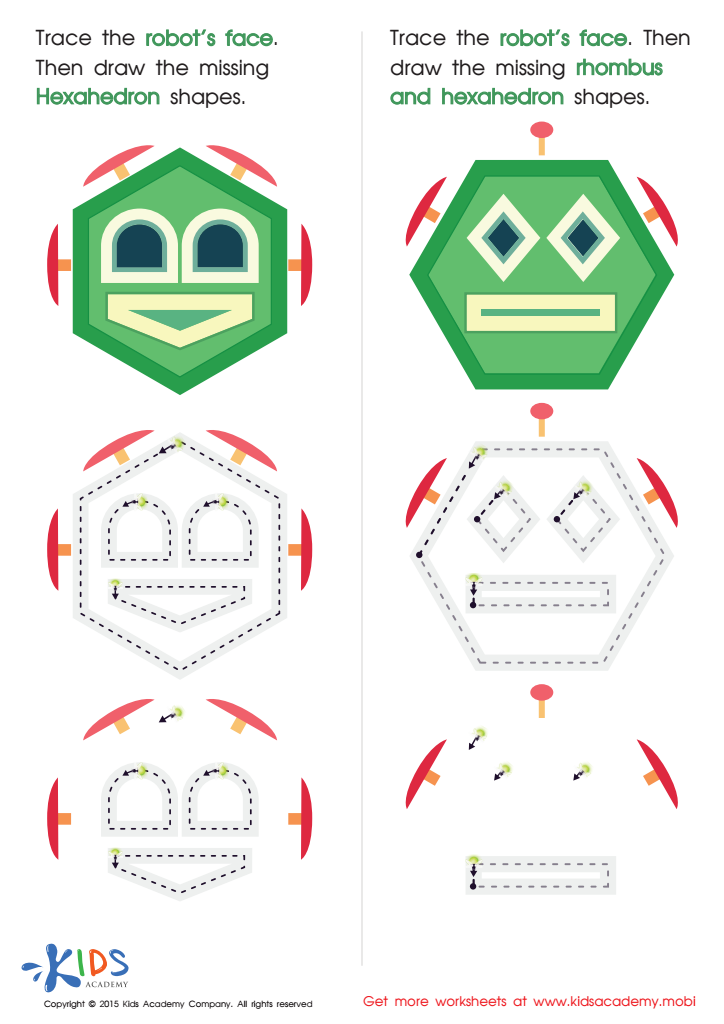
Practice Drawing Hexahedrons And a Rhombus Worksheet
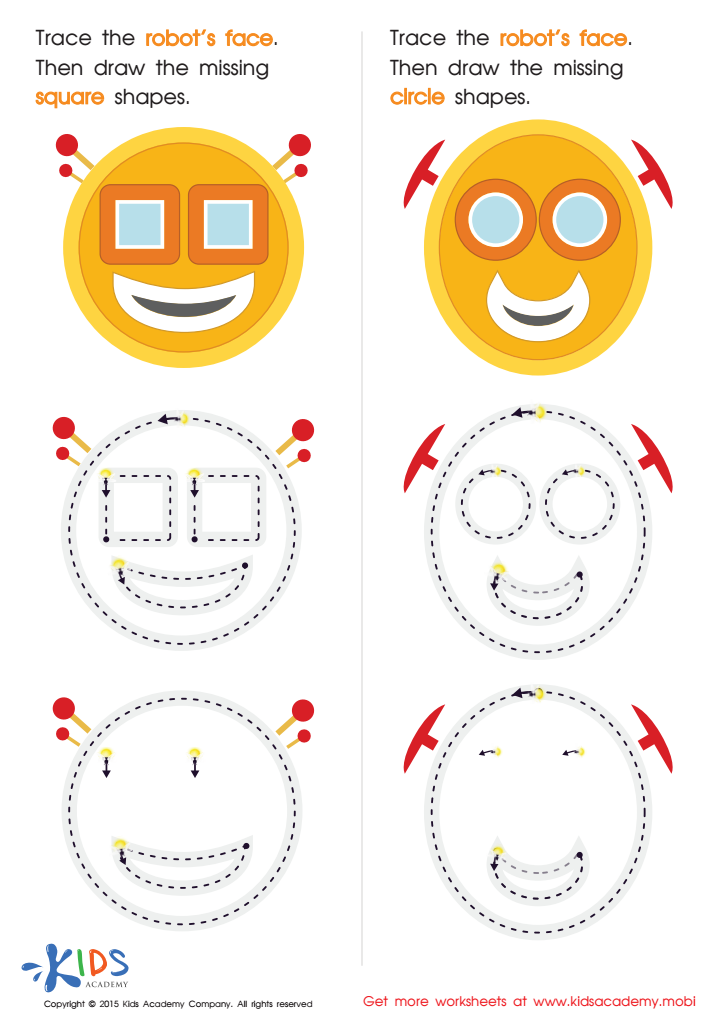
Practicing to Draw Circles And Squares Printable
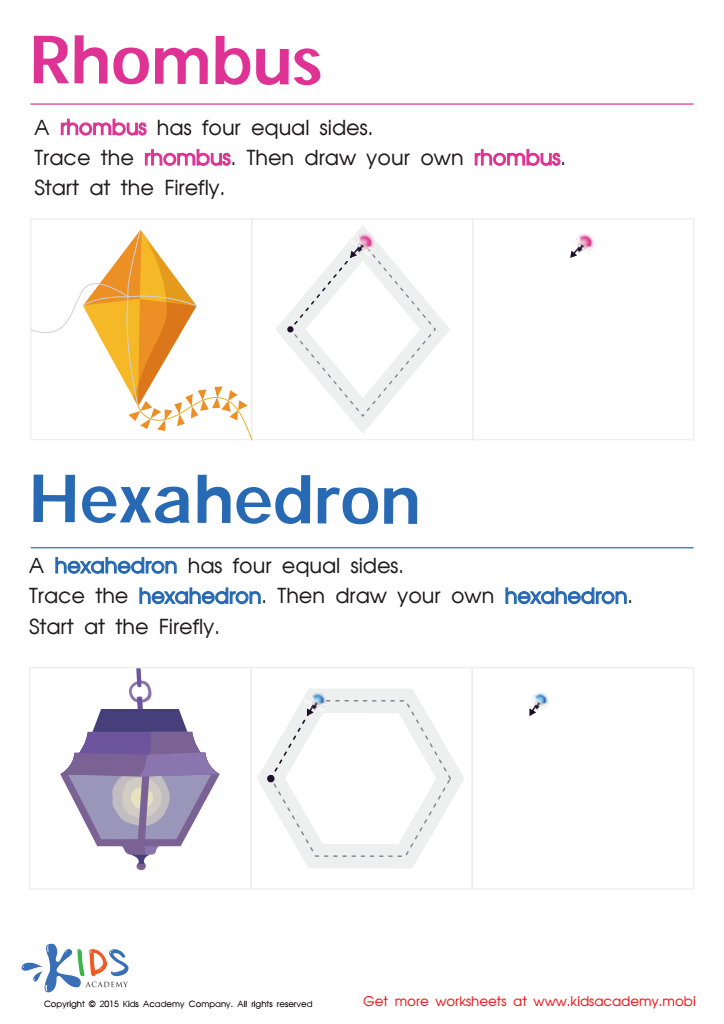
Draw a Rhombus And a Hexahedron Printable
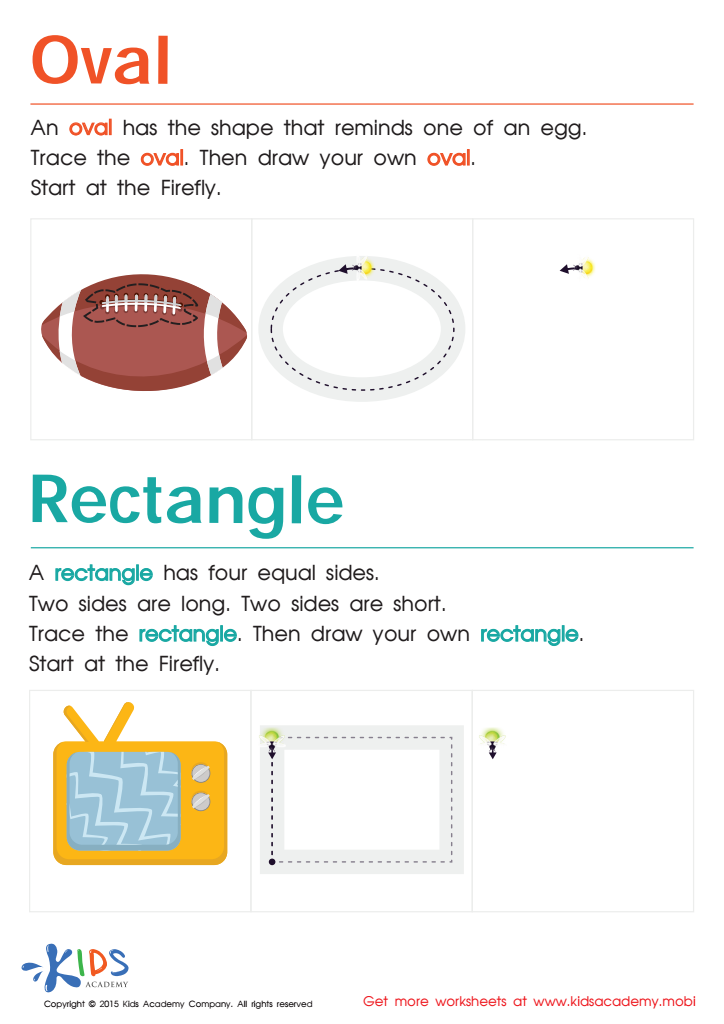
Easy Drawing of Ovals And Rectangles Worksheet
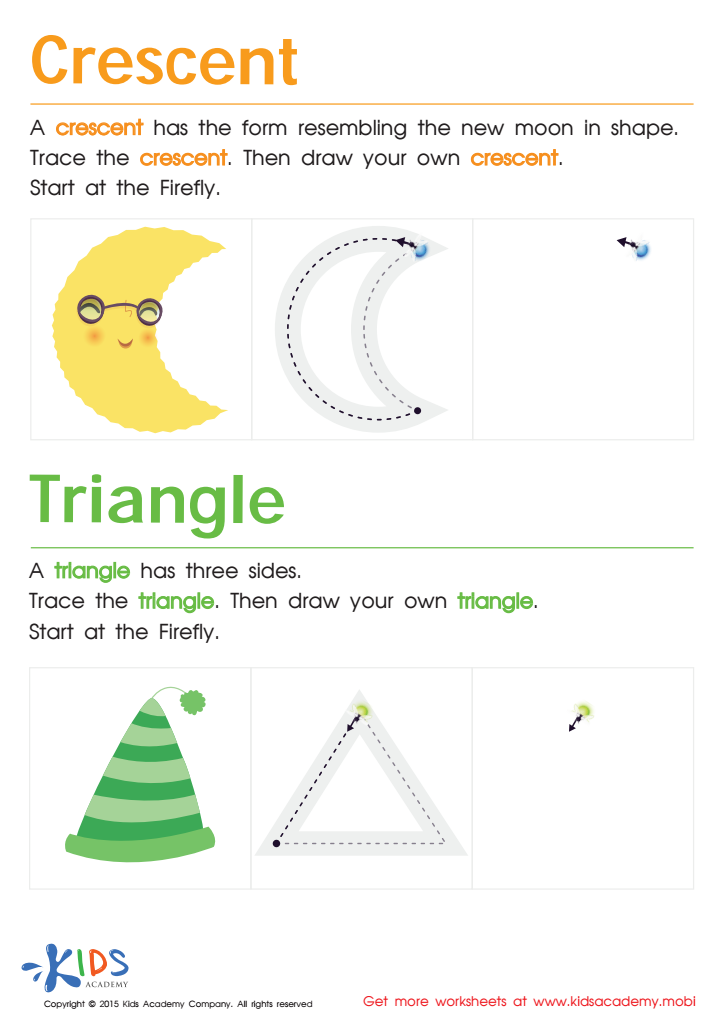
Learning to Draw Crescents And Triangles Worksheet
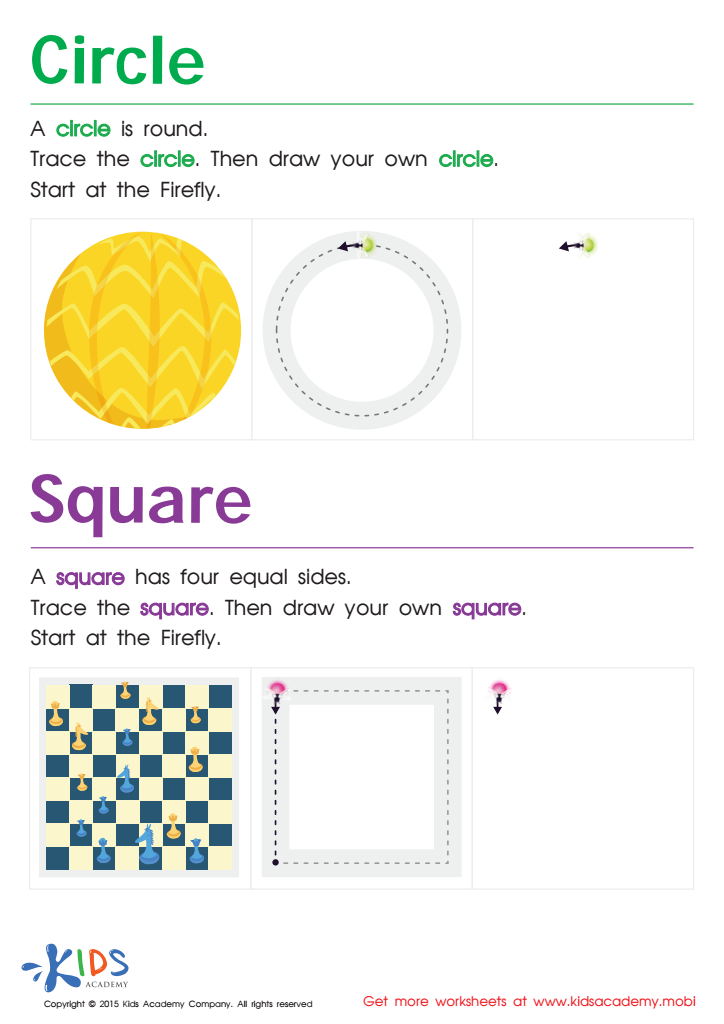
Trace And Draw a Circle And a Square Worksheet
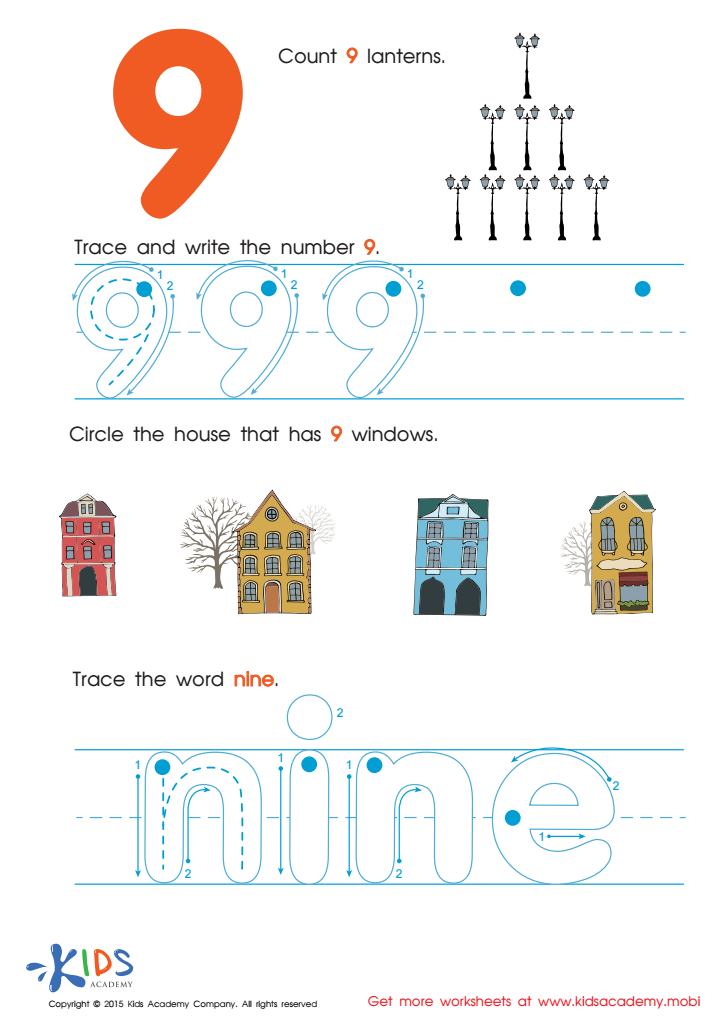
Tracing And Learning to Write Number 9 Worksheet
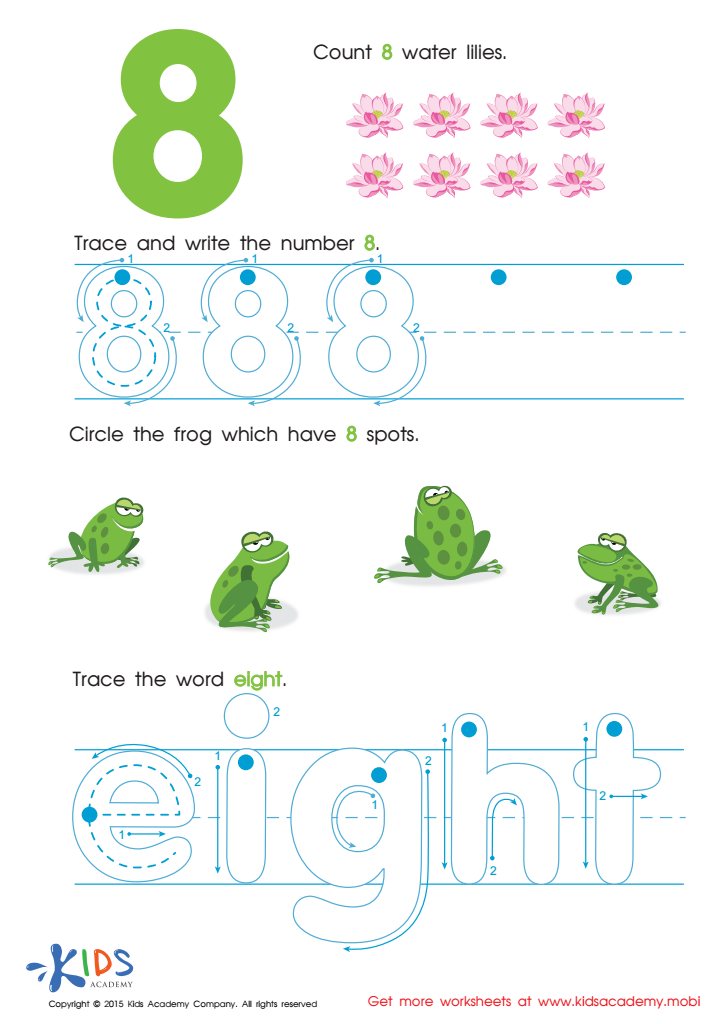
Learn Number 8 Easily Worksheet
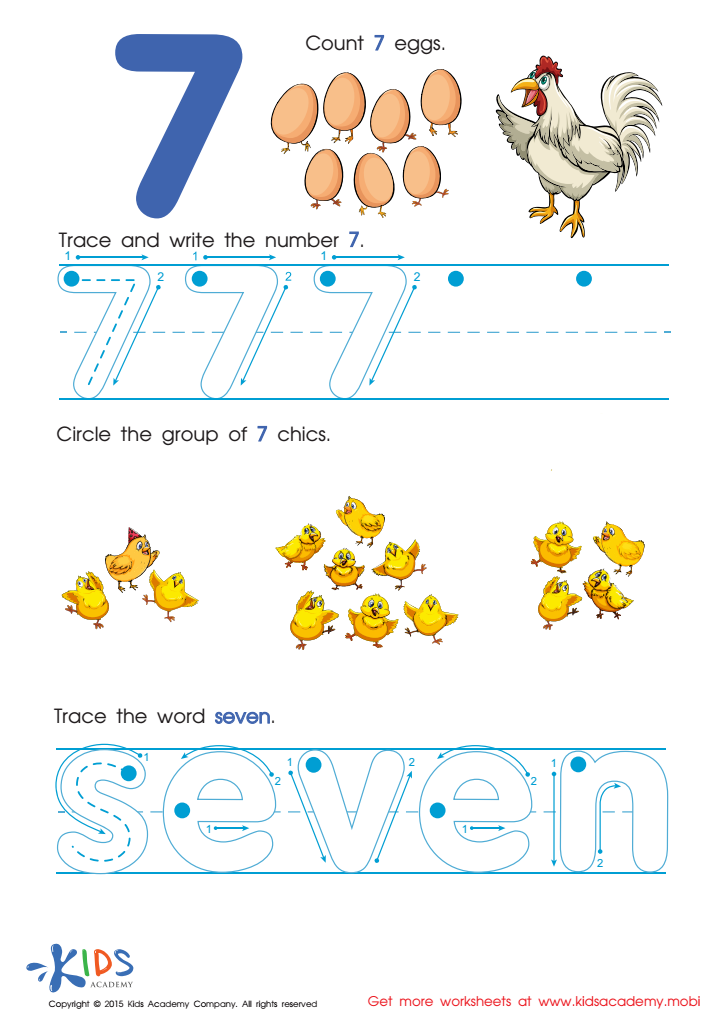
Trace And Write Number 7 with Fun Worksheet
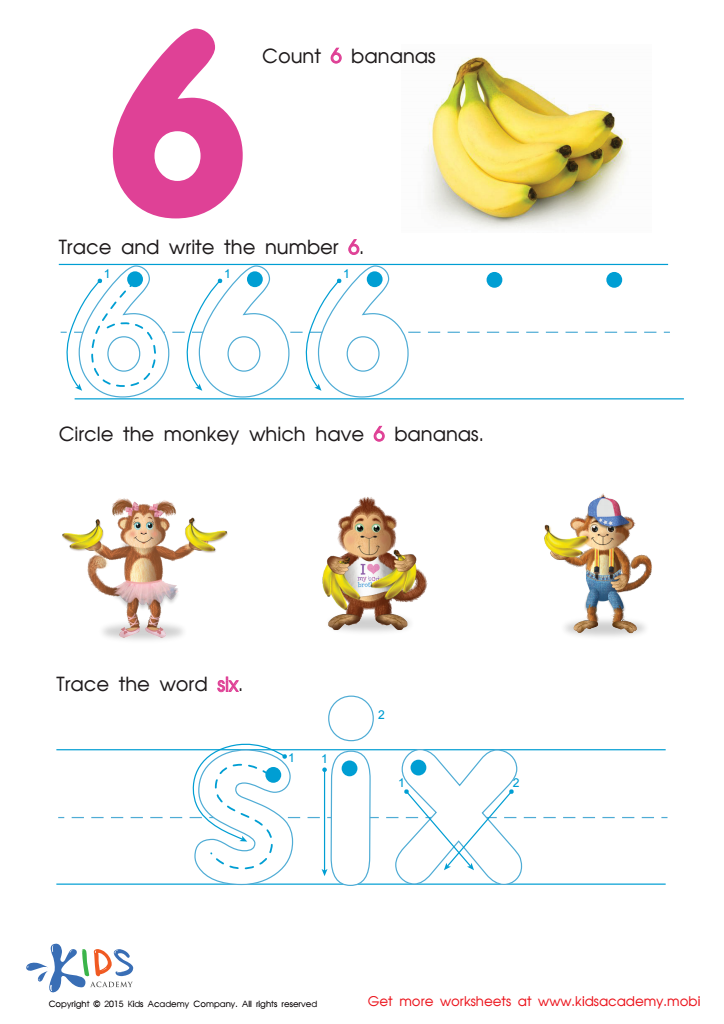
Tracing And Writing Number 6 Worksheet
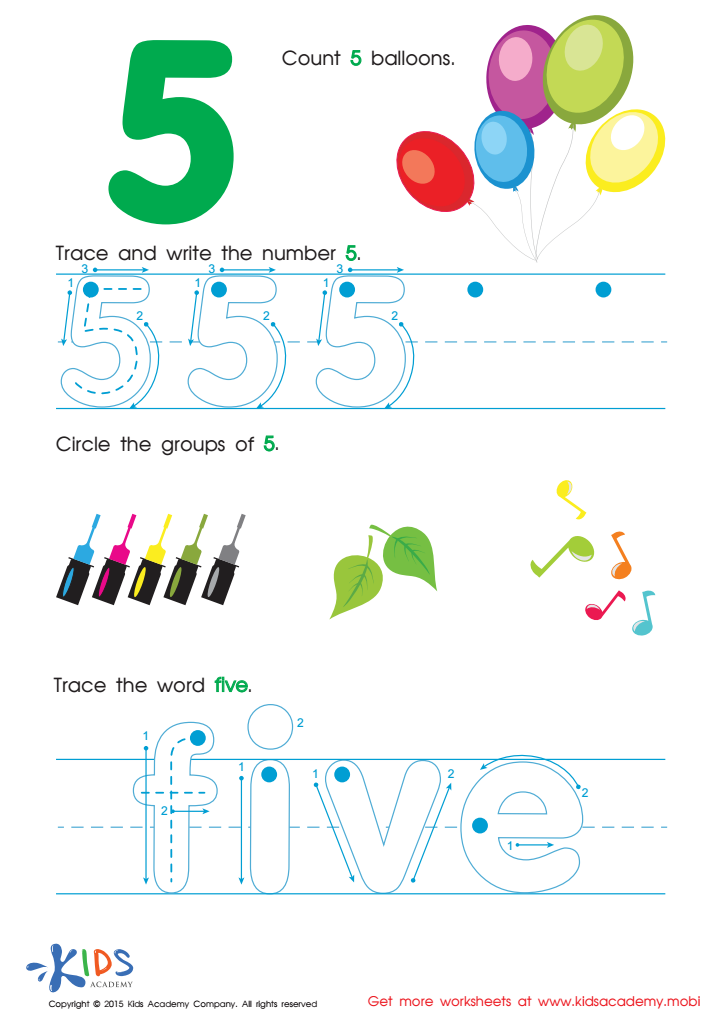
Practice Writing Number 5 Worksheet
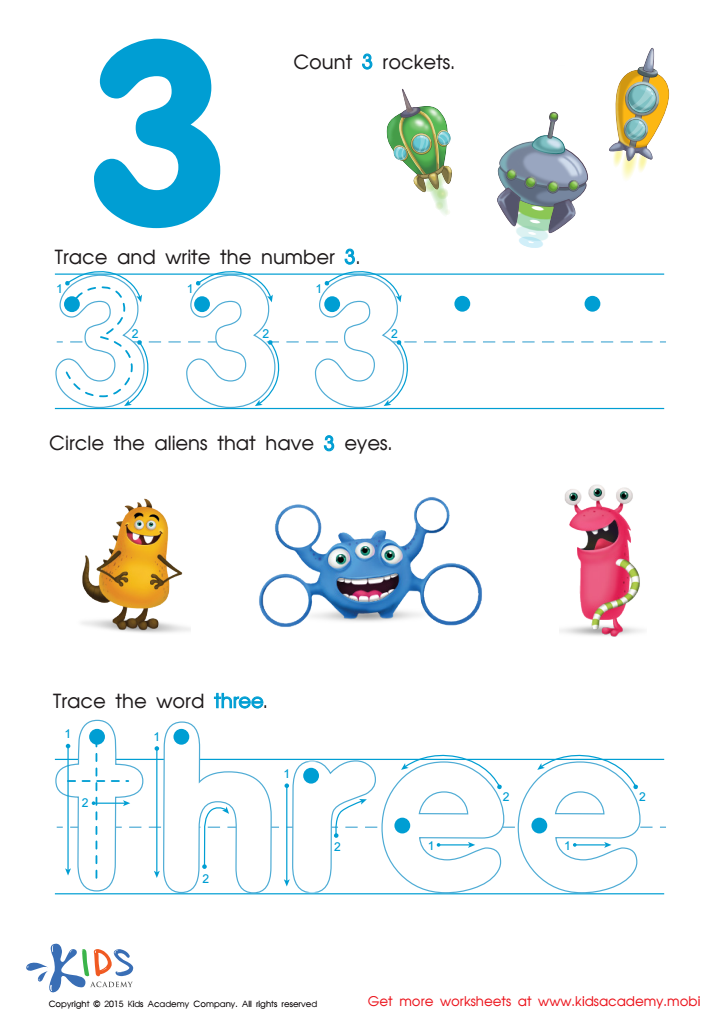
Learning Number Three Worksheet
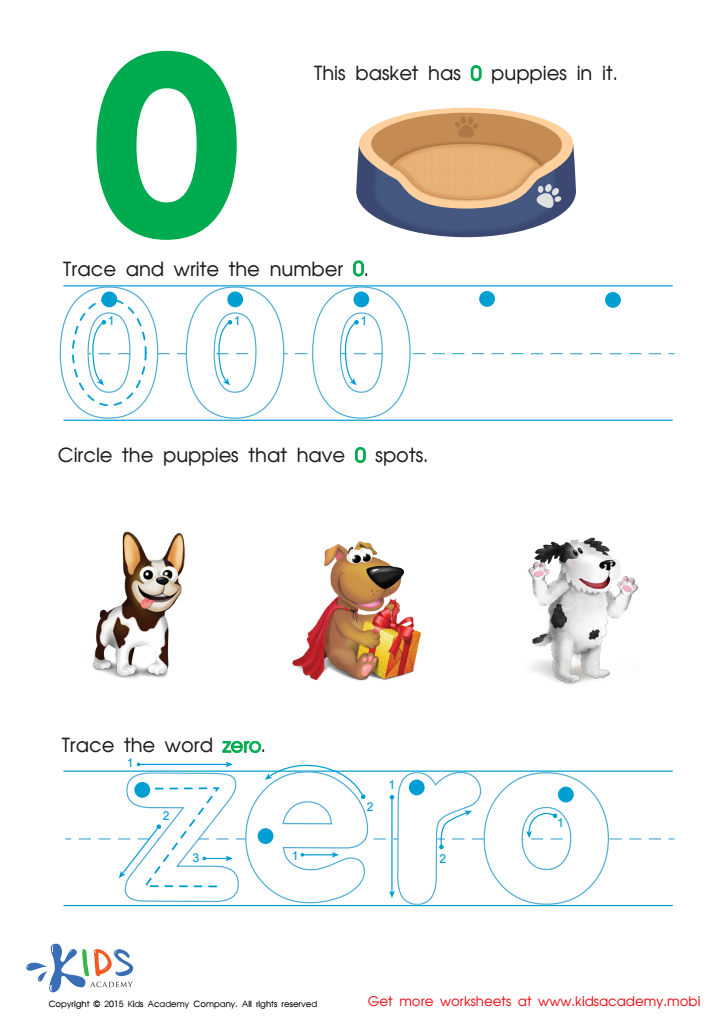
Trace And Write Number 0 Worksheet
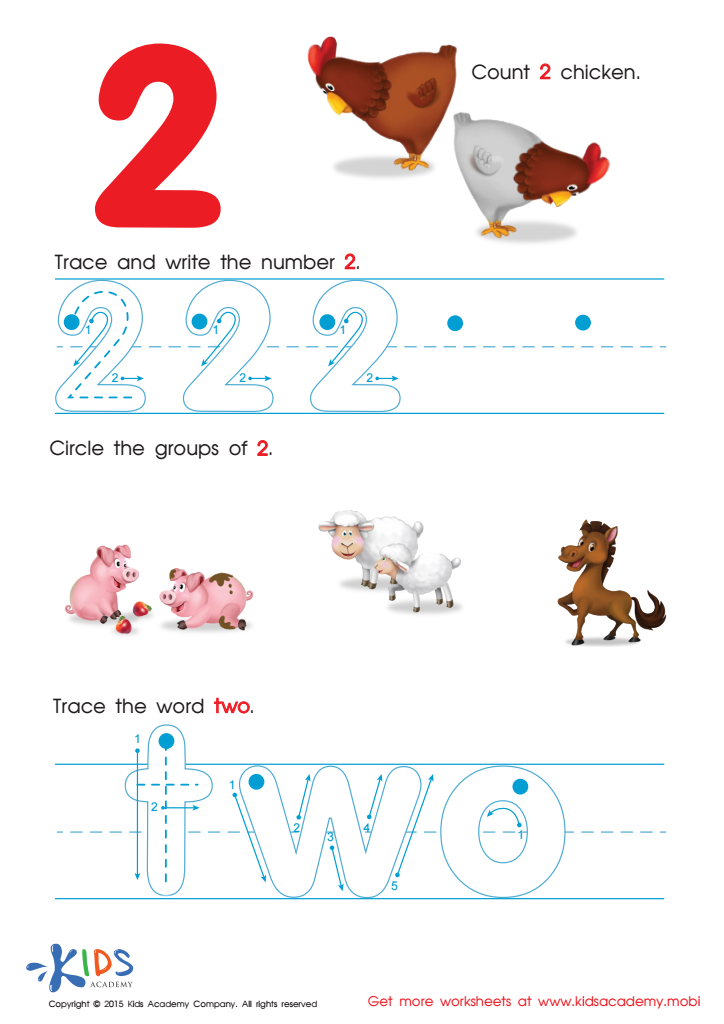
Learn to Write the Number 2 Worksheet








Norma Math for ages 4-8 is important because it forms the foundation for future mathematical learning and critical thinking abilities. At this developmental stage, children are naturally curious and capable of absorbing a great deal of information. Introducing them to basic mathematical concepts like counting, addition, subtraction, shapes, and simple patterns helps build essential skills.
When parents and teachers prioritize early math education, they are setting children up for long-term academic success. Mathematics is not just about numbers; it enhances cognitive and problem-solving skills that are applicable in all subjects and everyday life. A strong foundation in math contributes to better analytical, reasoning, and critical thinking abilities, which are vital for academic achievement and real-world problem-solving.
Engaging young children in fun and interactive math activities also nurtures a positive attitude toward learning. By making math enjoyable through games, stories, and playful exercises, children develop a love for the subject, which can make future learning experiences more positive and less intimidating.
Moreover, early math proficiency has been linked to greater future educational and professional success. Encouraging early math skills can close achievement gaps and set the stage for continued interest and excellence in STEM (Science, Technology, Engineering, and Math) fields.
In essence, focusing on Normal Math for ages 4-8 is an investment in a child's future, equipping them with essential skills and a lifelong love for learning.








