Normal Worksheets for Ages 4-9 - Page 3
1638 filtered results
-
From - To
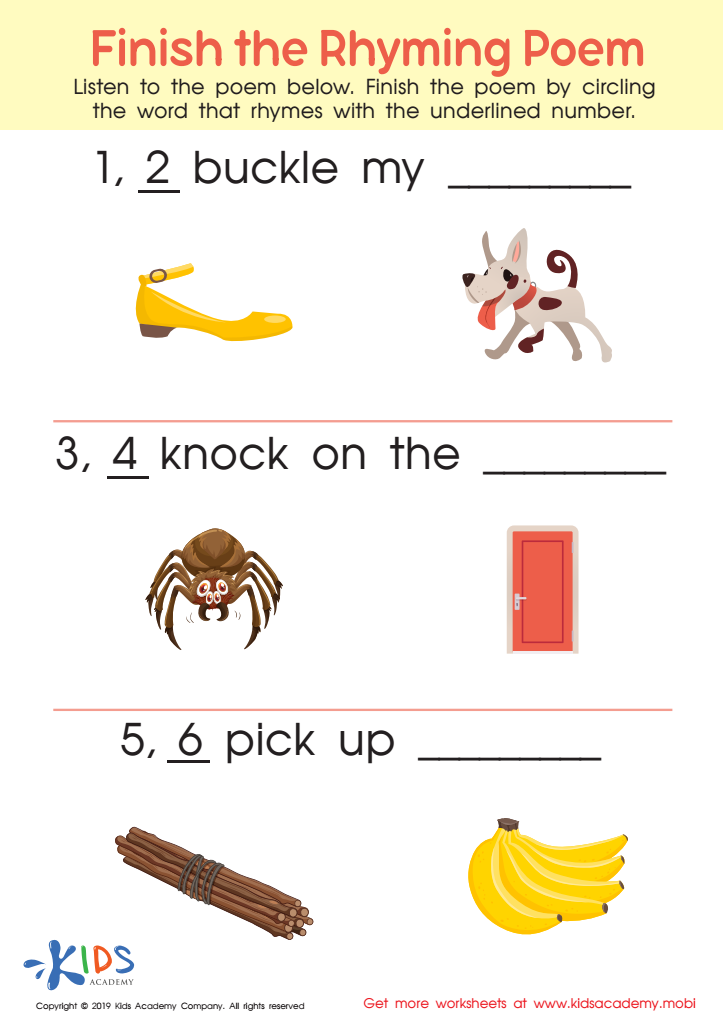
Finish Rhyming Poem Worksheet
 Assign to My Students
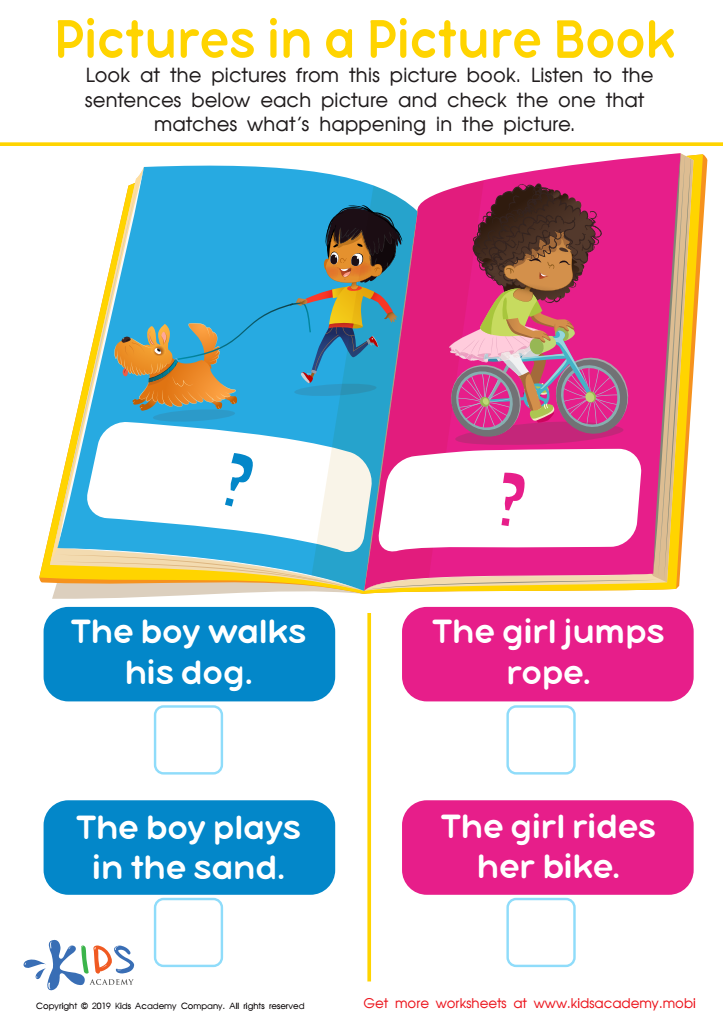
Picture in Books Worksheet

Picture Books Worksheet

Draw a Line to the Picture Books Worksheet

Point of View Worksheet
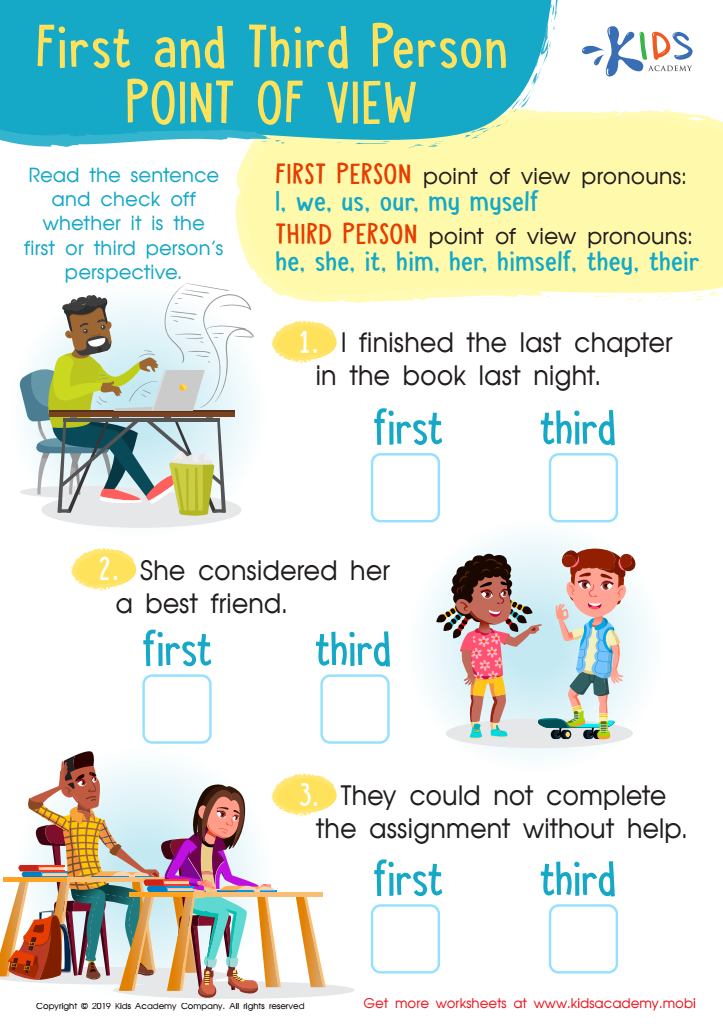
First and Third Person Point of View Worksheet
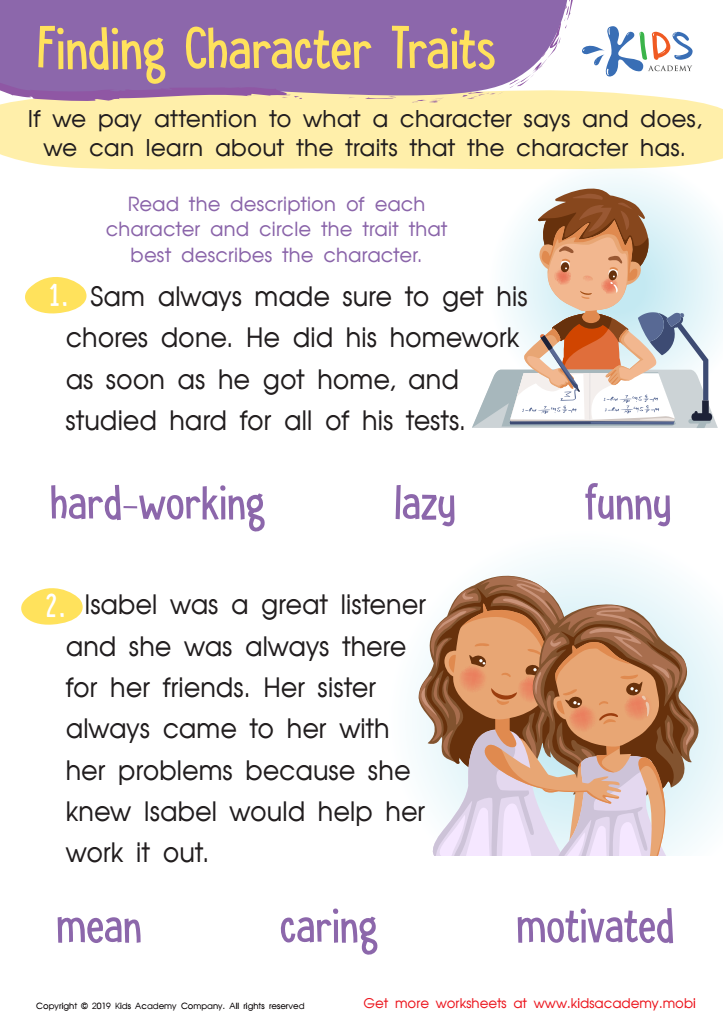
Finding Character Traits Worksheet
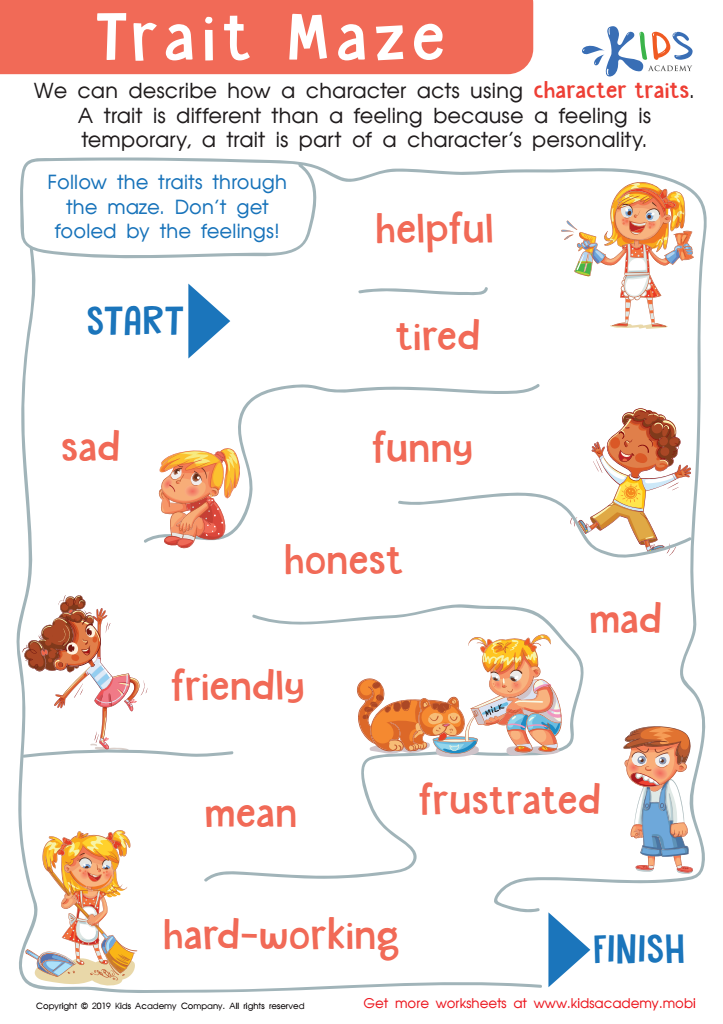
Trait Maze Worksheet
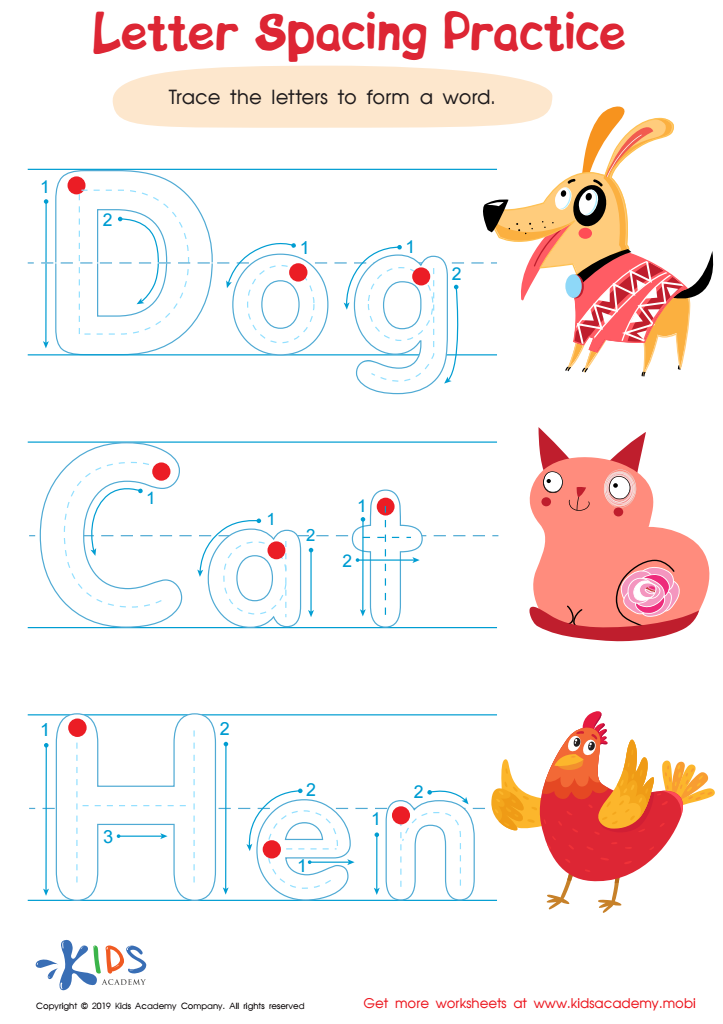
Letter Spacing Practice Worksheet
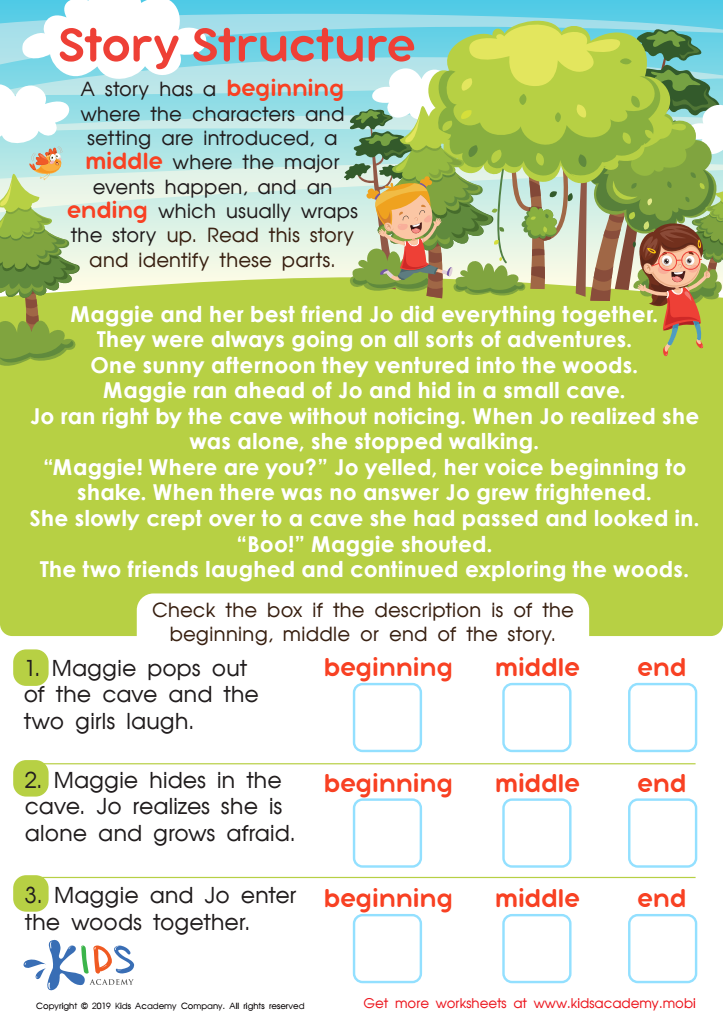
Story Structure Worksheet
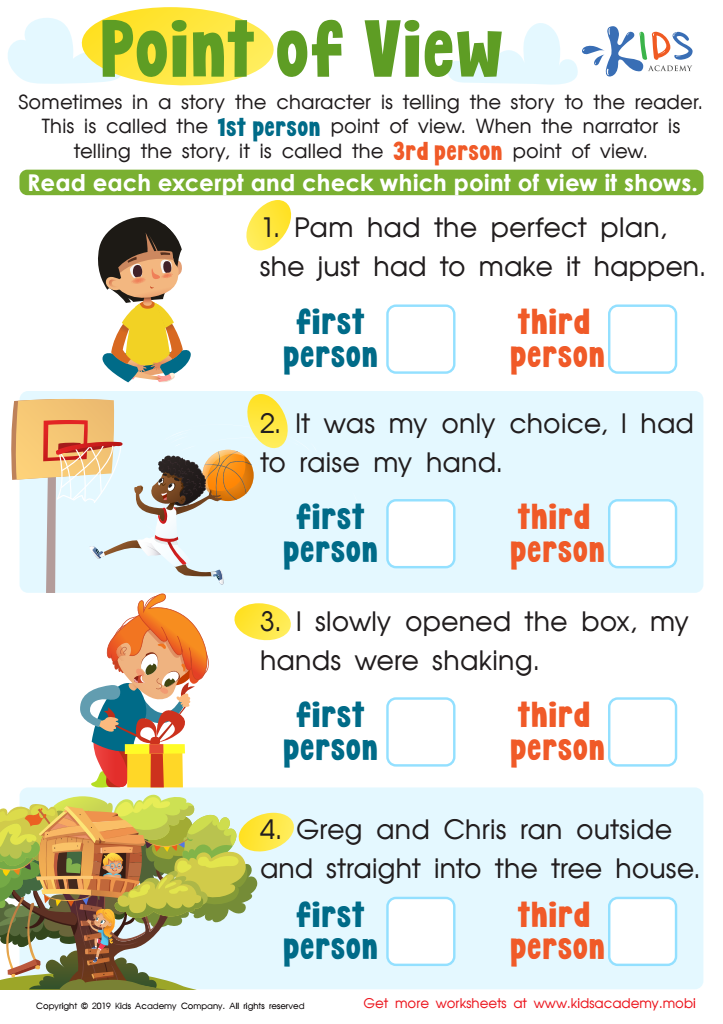
Point of View Printable

Find the Title Worksheet
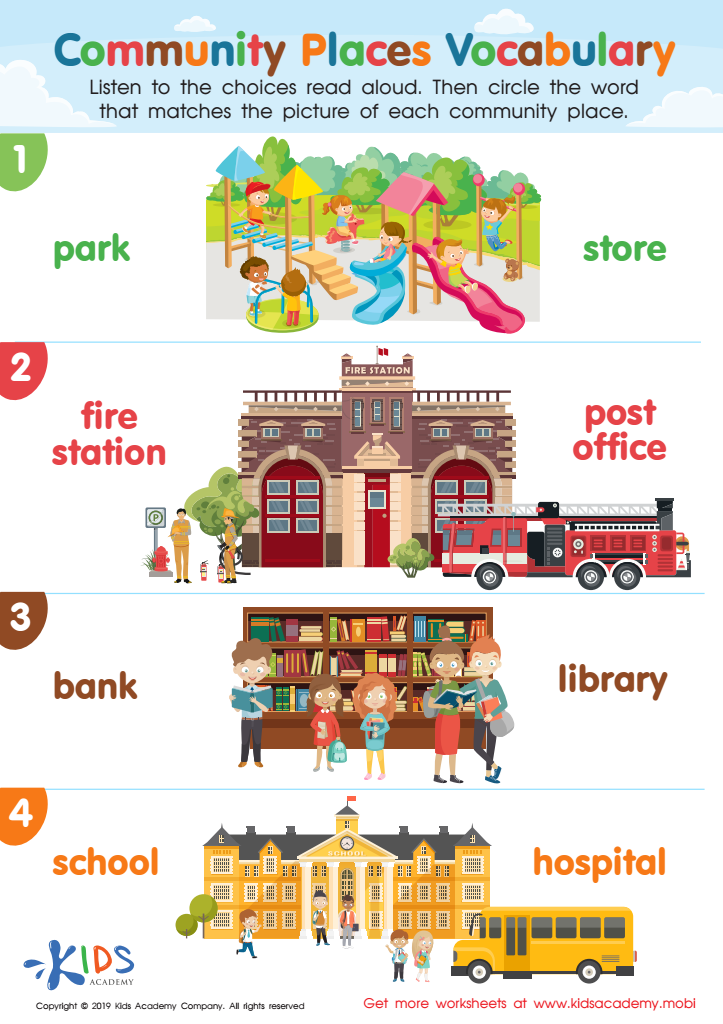
Community Places Vocabulary Worksheet
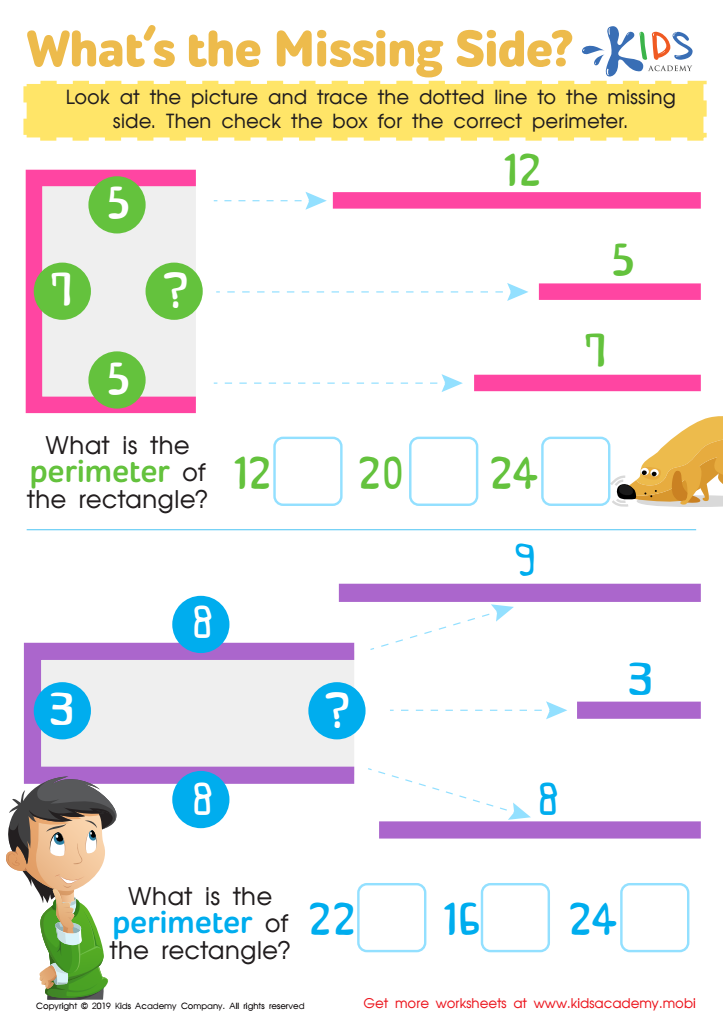
What's the Missing Side Worksheet
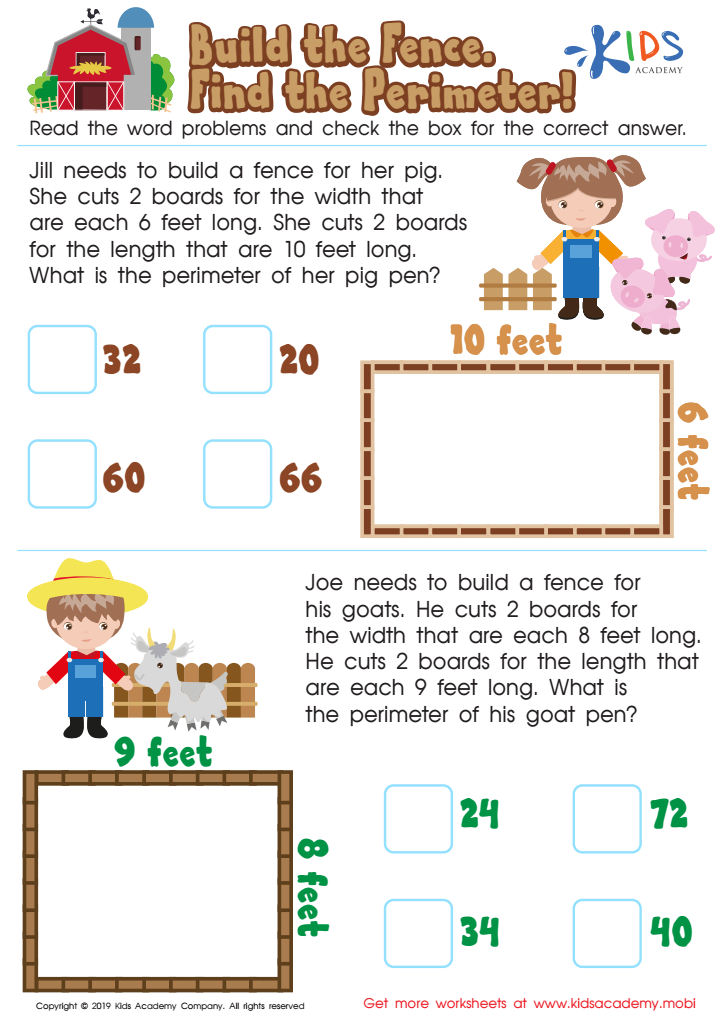
Build the Fence, Find the Perimeter Worksheet
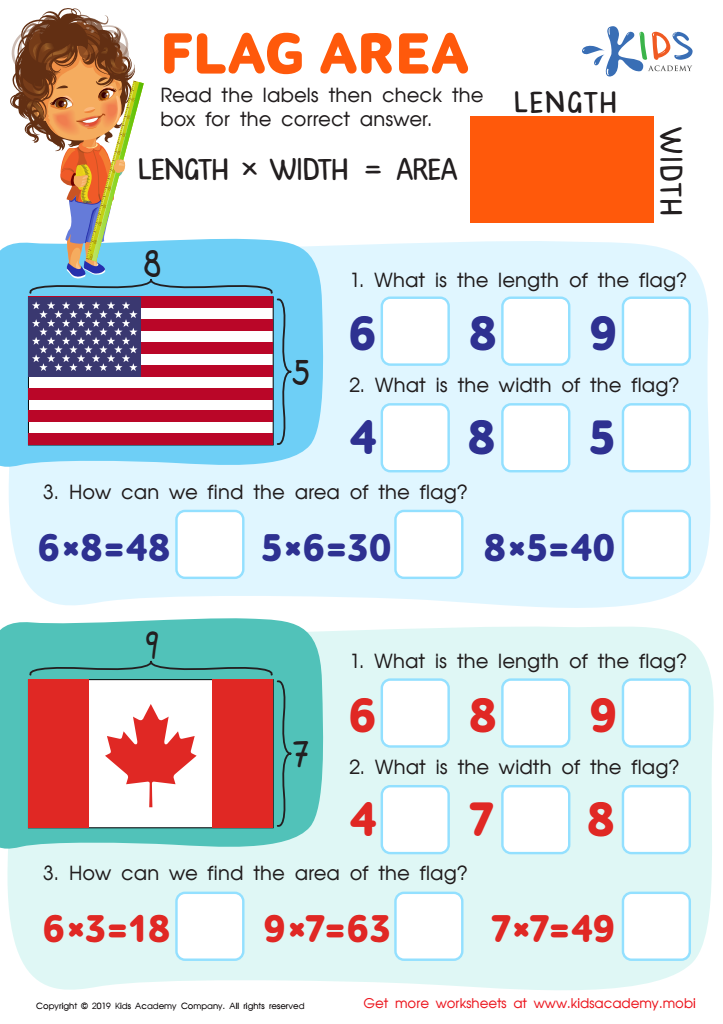
Flag Area Worksheet
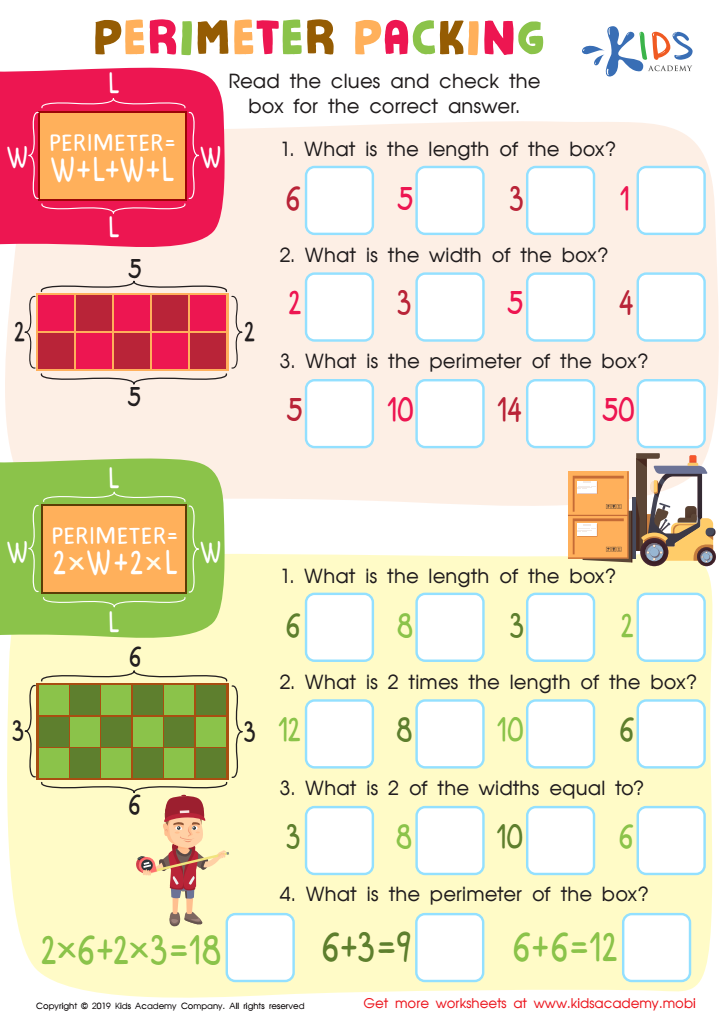
Perimeter Parking Worksheet
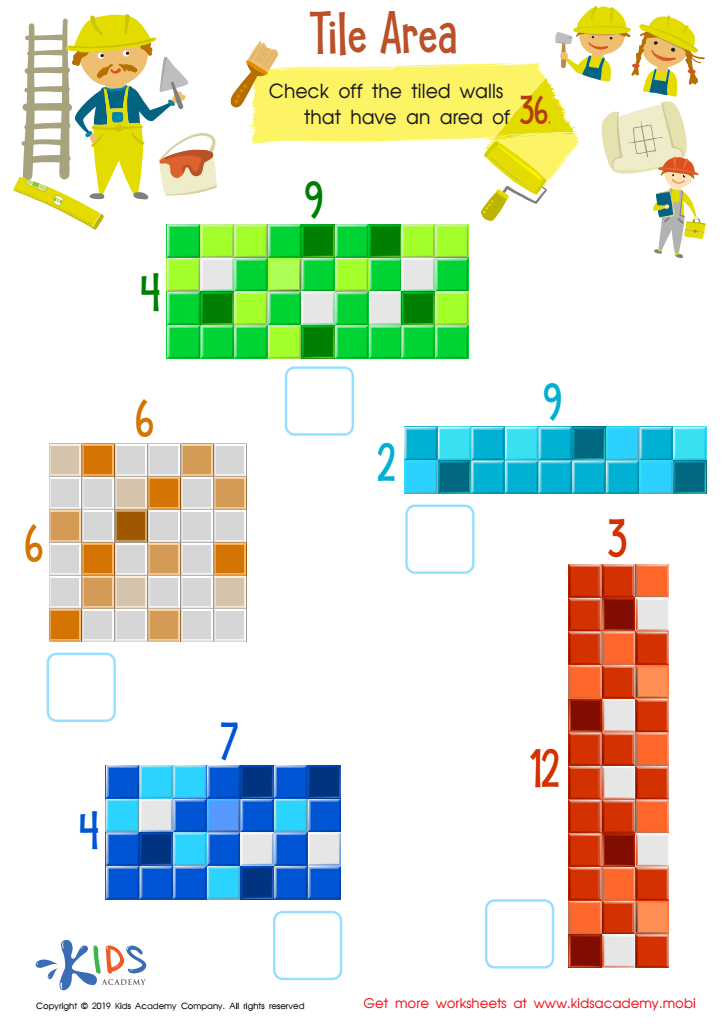
Tile Area Worksheet
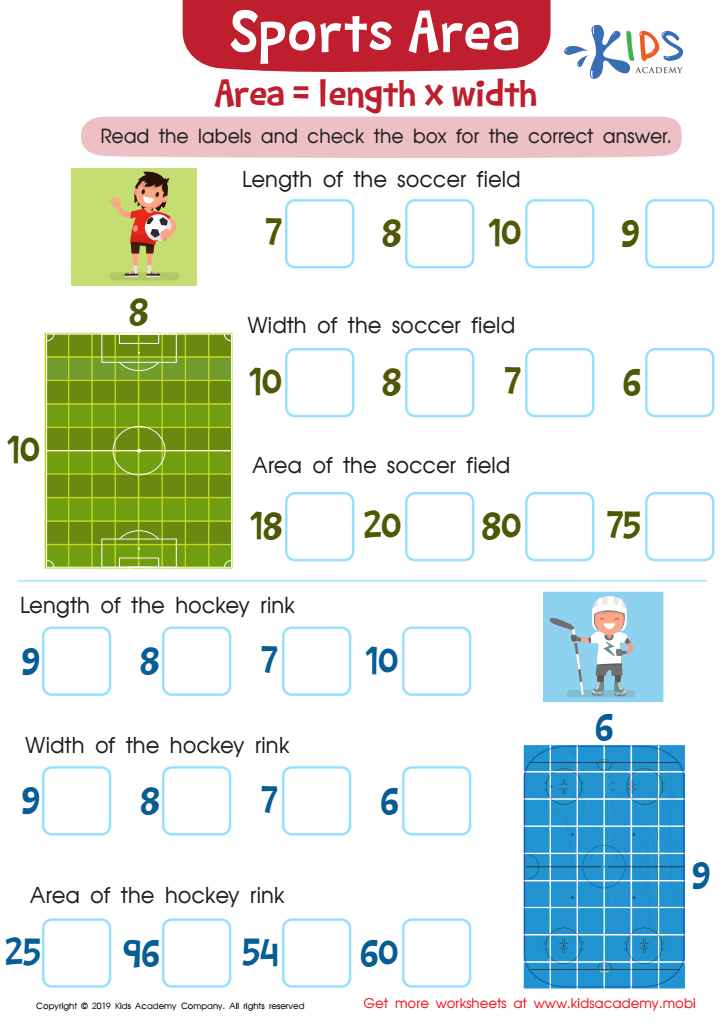
Sports Area Worksheet
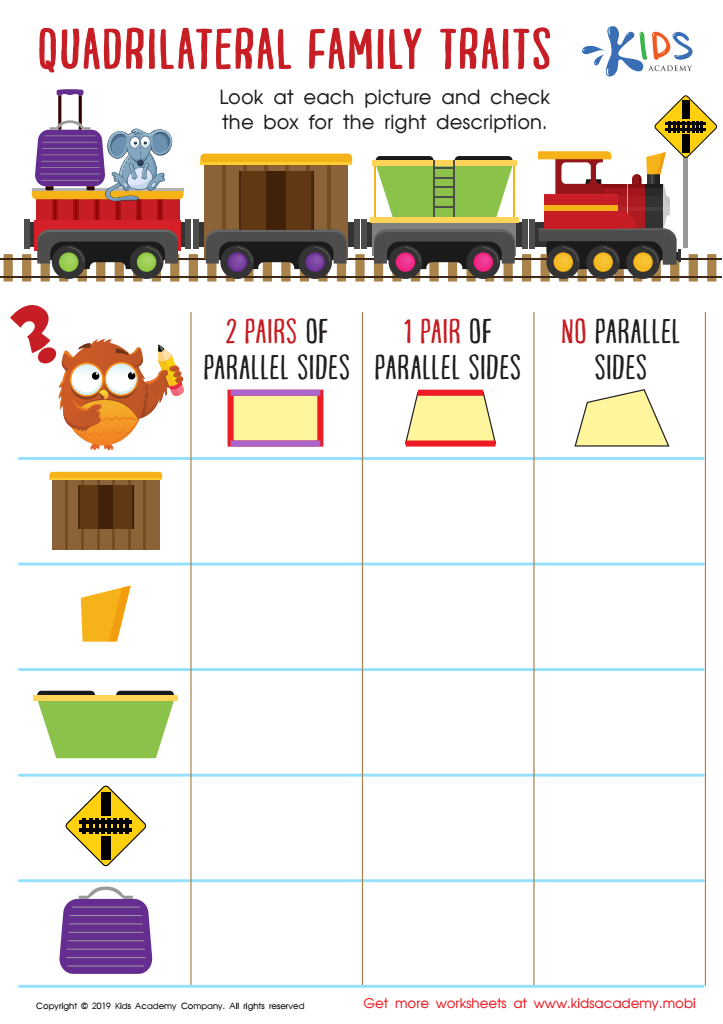
Quadrilateral Family Traits Worksheet
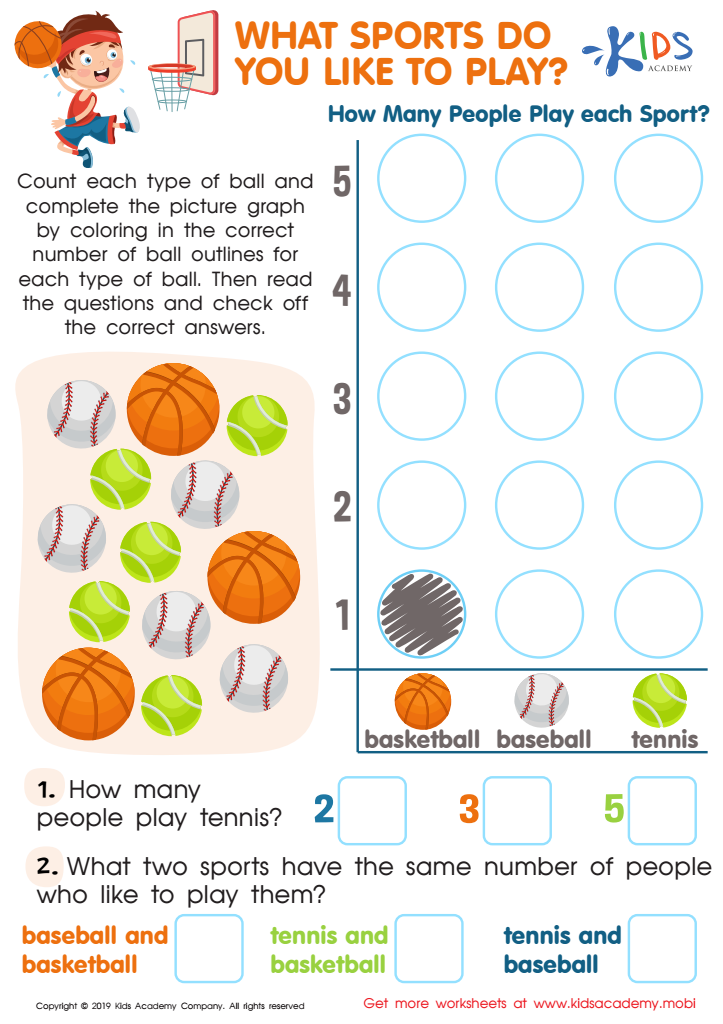
What Sports Do You Like to Play Worksheet
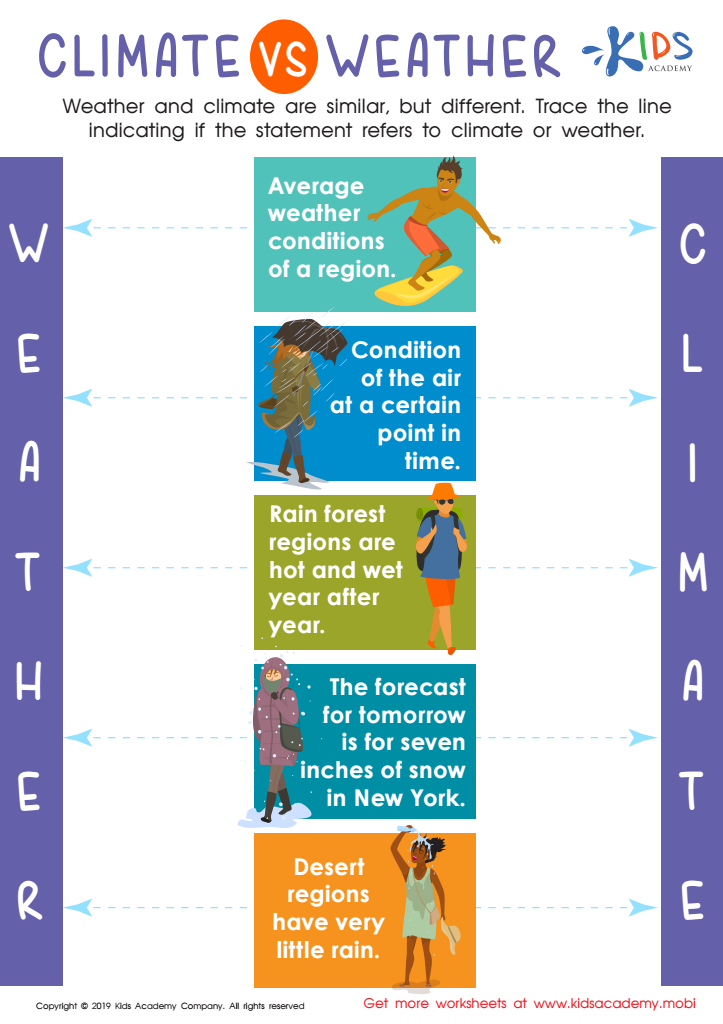
Climate vs Weather Worksheet

Climate Maps Worksheet
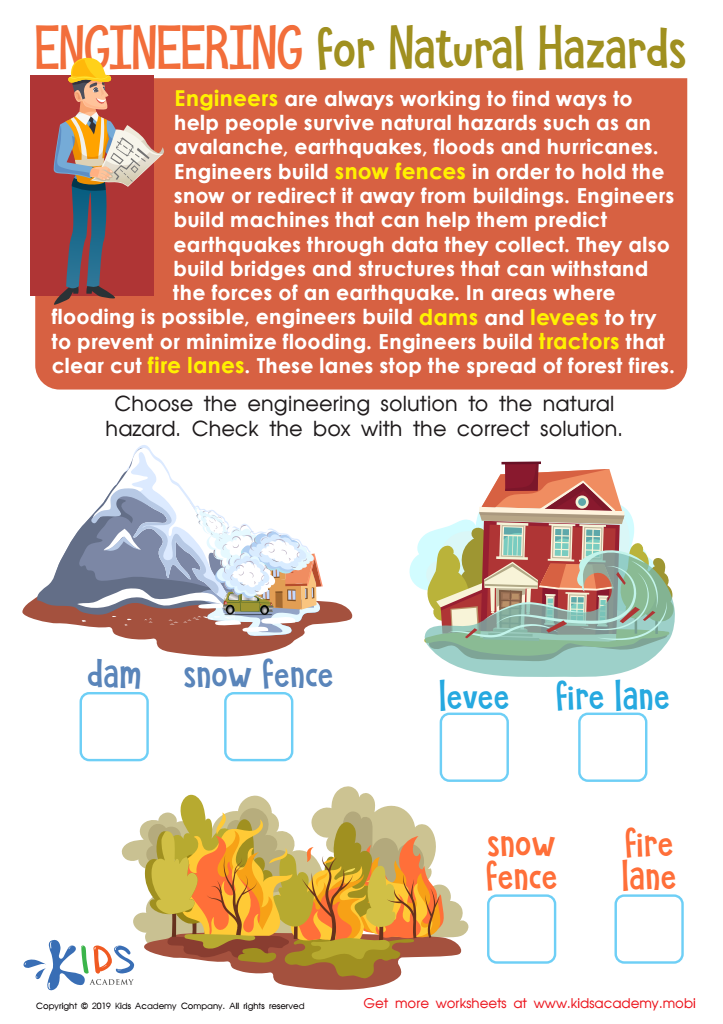
Engineering Natural Hazards Worksheet








Understanding the norms for children aged 4 to 9 is crucial for both parents and teachers to foster optimal development and create supportive environments. Developmental norms serve as important benchmarks that help identify whether a child is progressing typically in key areas such as physical growth, cognitive skills, emotional regulation, social abilities, and language acquisition. By knowing these norms, adults can better tailor their guidance, monitor progress, and detect any early signs of developmental delays or conditions that might require intervention.
For instance, if a child isn’t speaking as expected or struggling with tasks their peers discuss with ease, parents and teachers armed with knowledge of developmental norms can promptly seek evaluations and support for the child, thereby mitigating potential long-term issues.
Additionally, awareness of these norms enables caregivers to establish age-appropriate expectations and nurturing routines. This enhances children's self-esteem, reduces inappropriate demands, and contributes to a joy-filled, encouragement-based learning experience.
In essence, understanding these norms is about equipping children to thrive. It's about balancing patience and concern, being proactive instead of reactive, and nurturing each child's unique path while ensuring they’re not unfairly constrained by mismatched expectations. Boosting a child’s development supports a healthy, confident transition into later stages of growth.








