Normal Alphabet Worksheets for Ages 4-9 - Page 10
252 filtered results
-
From - To
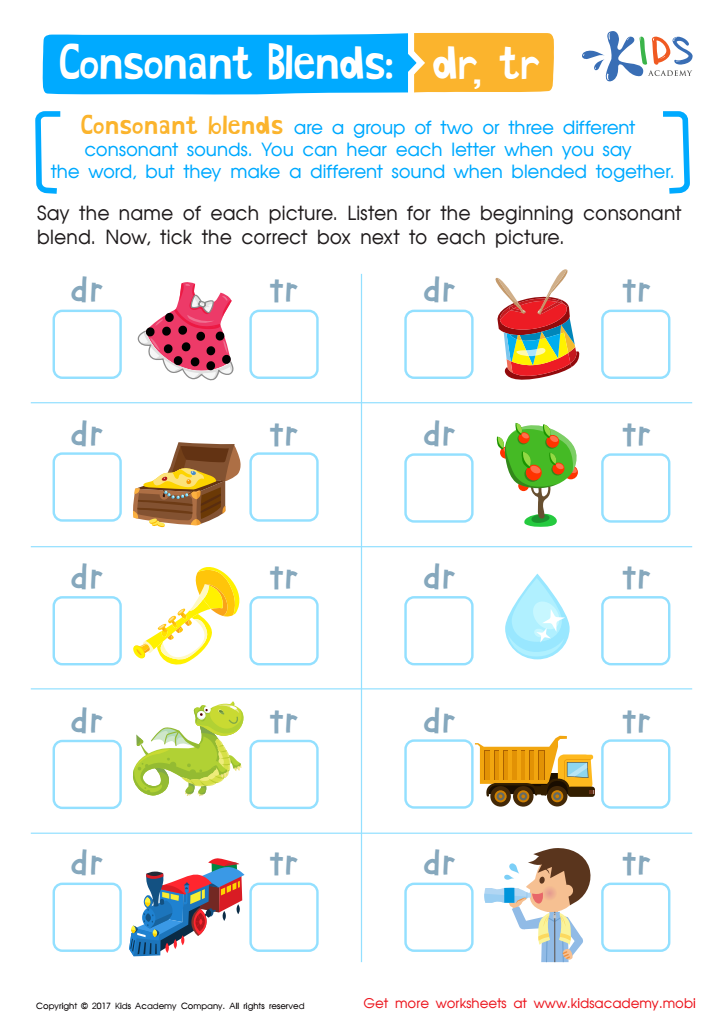
Consonant Blends: "Dr" and "Tr" Printable
 Assign to My Students
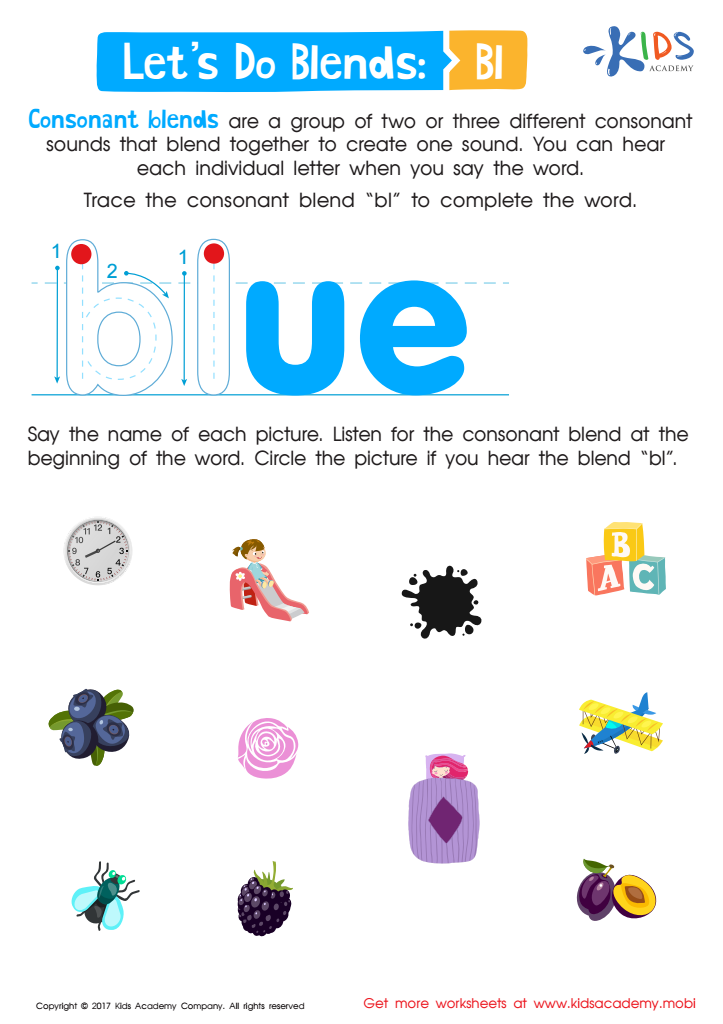
Beginning Blends: "Bl" Words Worksheet
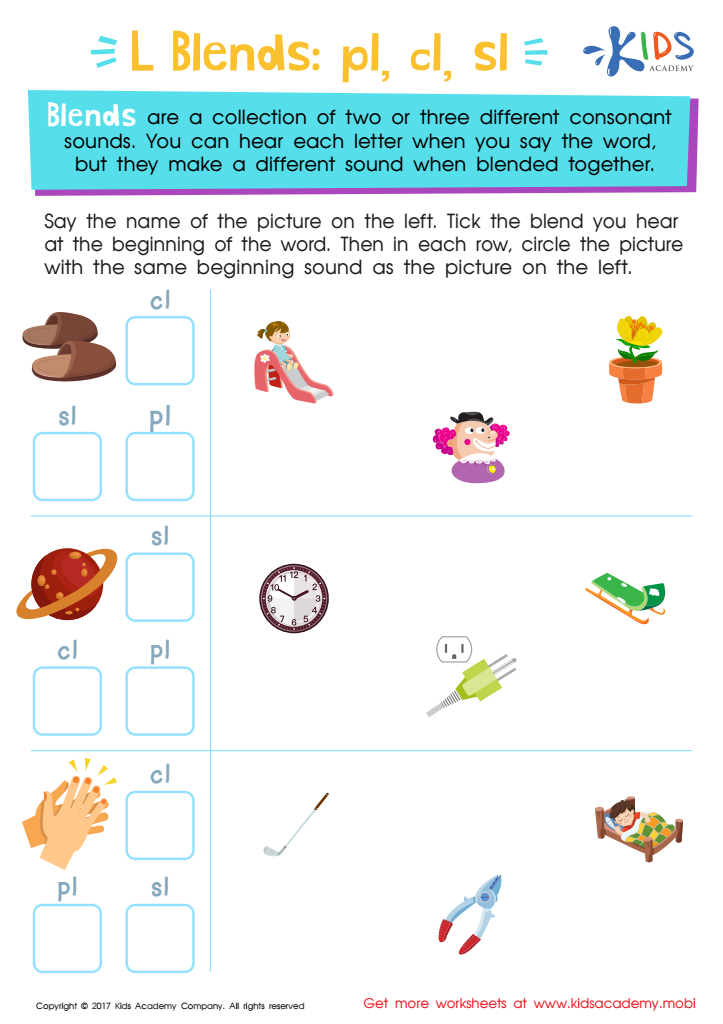
L Blends: "Pl", "Cl" and "Sl" Printable
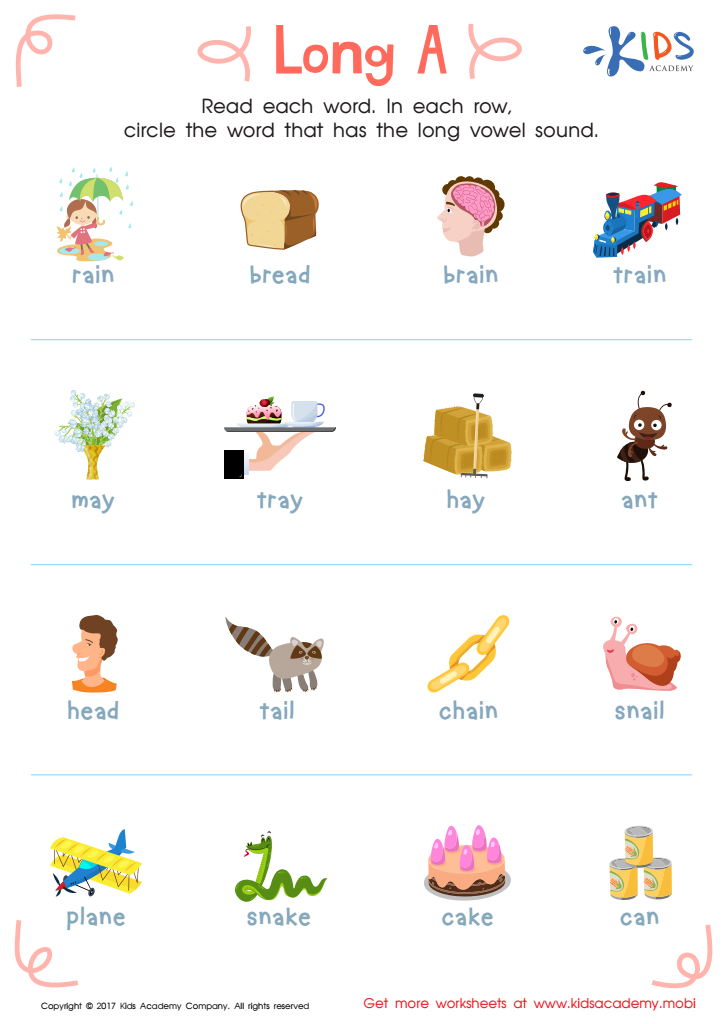
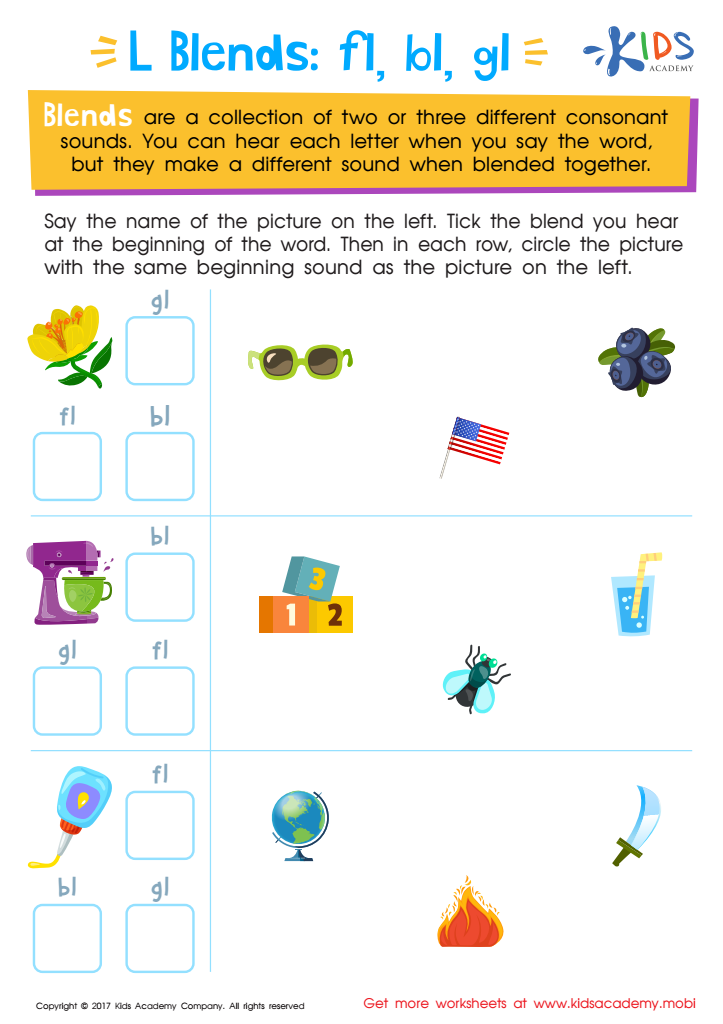
Blending Consonants: "Fl", "Bl" and "Gl" Printable
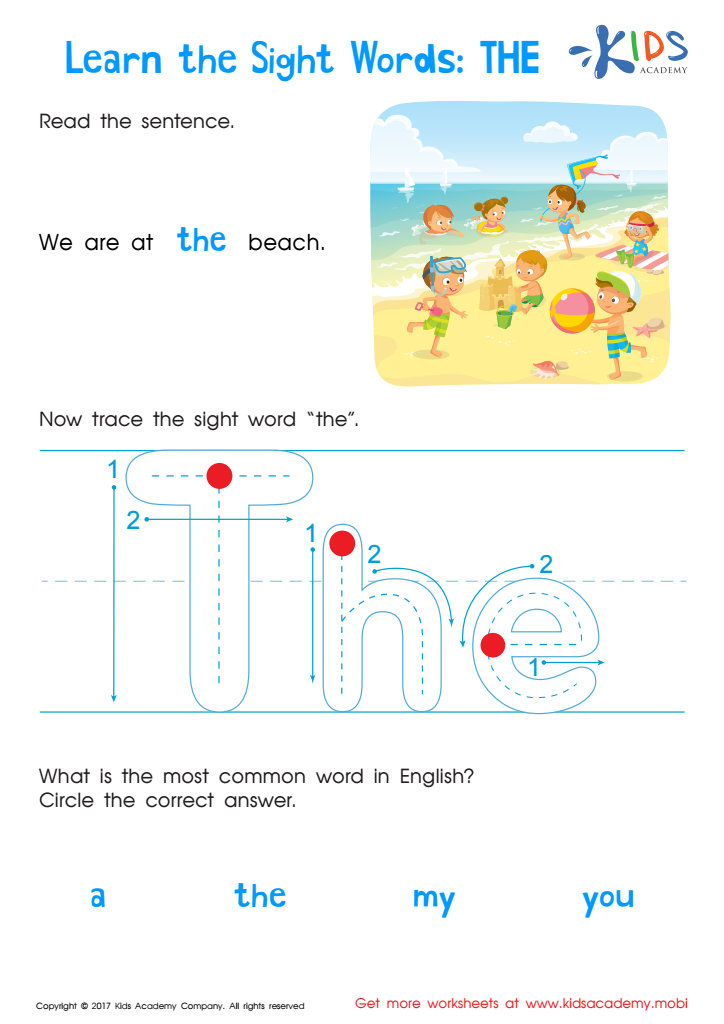
Sight Words: The Worksheet
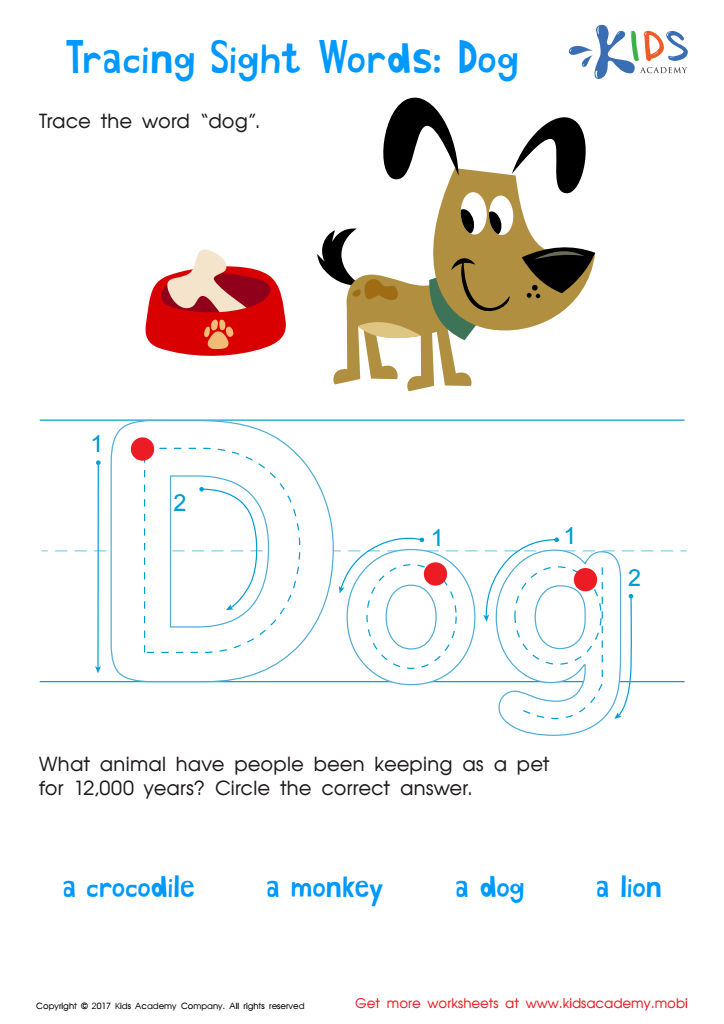
Dog Worksheet Sight Words Worksheet
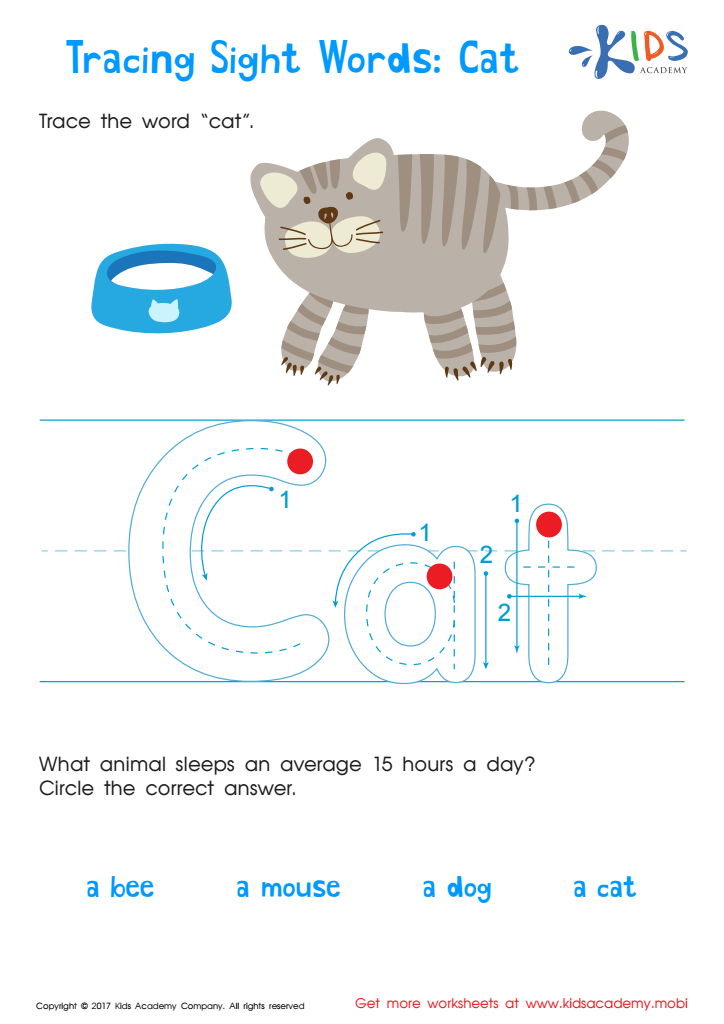
Cat Printable Sight Words Worksheet
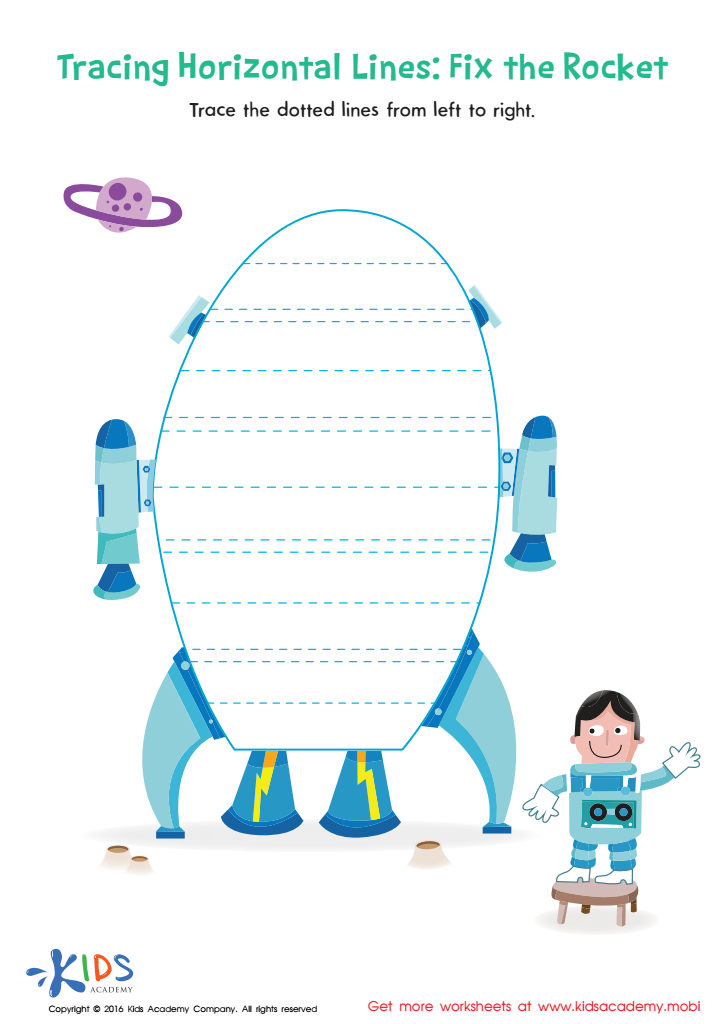
Tracing Horizontal Lines Worksheet
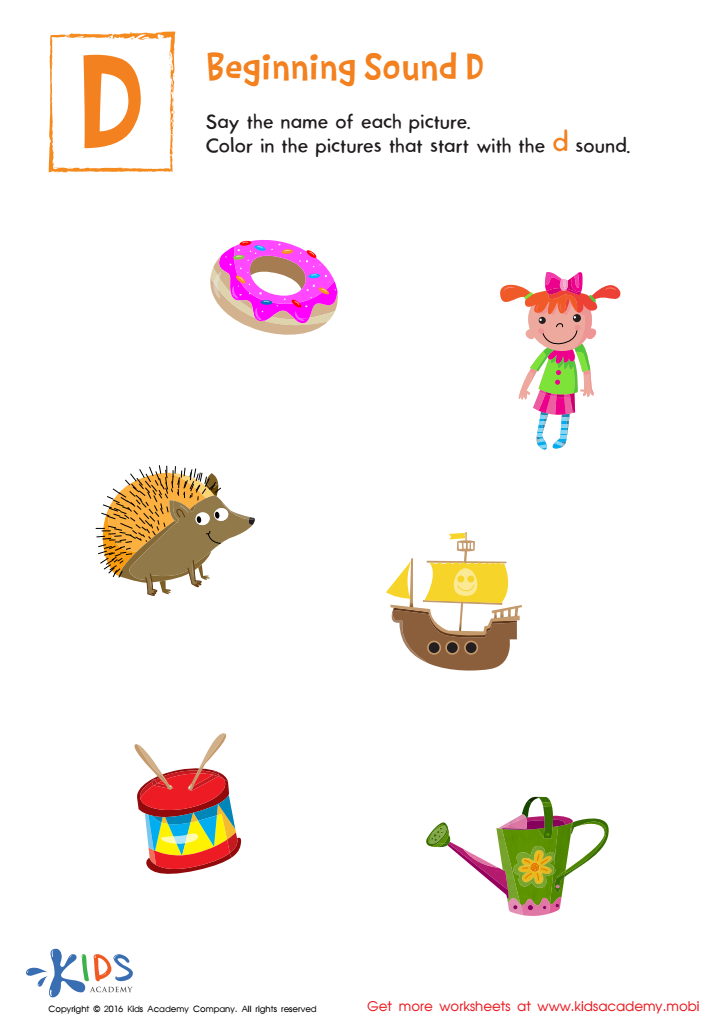
Beginning Sound D Worksheet
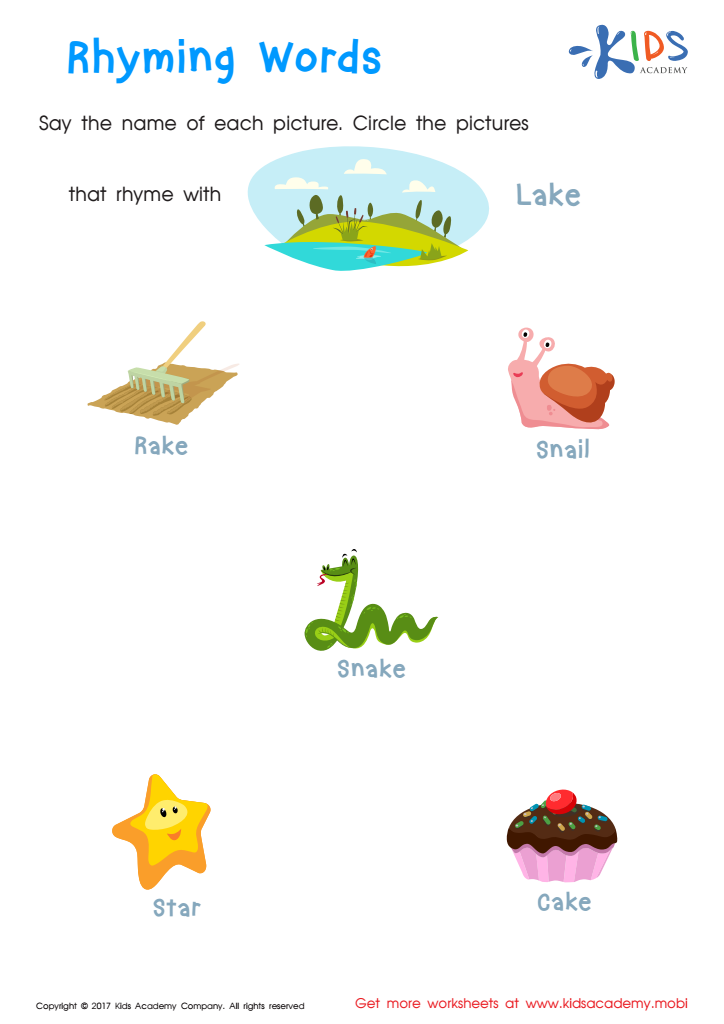
Rhyming Words Rhyming Worksheet
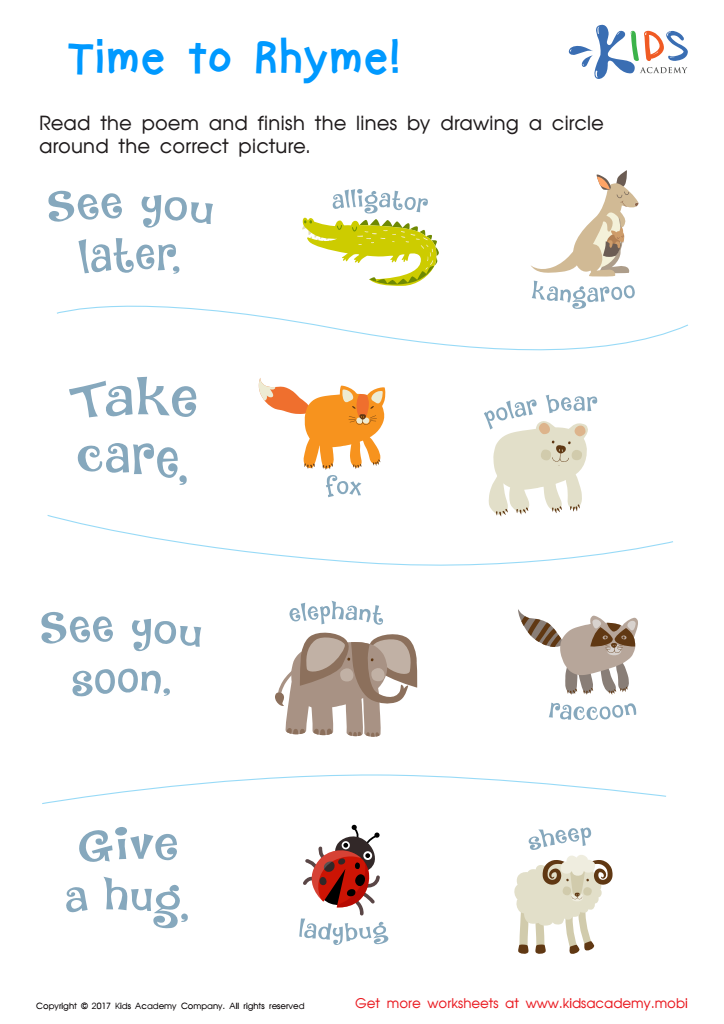
Time to Rhyme Rhyming Worksheet
Curved Lines Tracing Worksheet
Trace Diagonal Lines Worksheet
Letter P Sound Worksheet
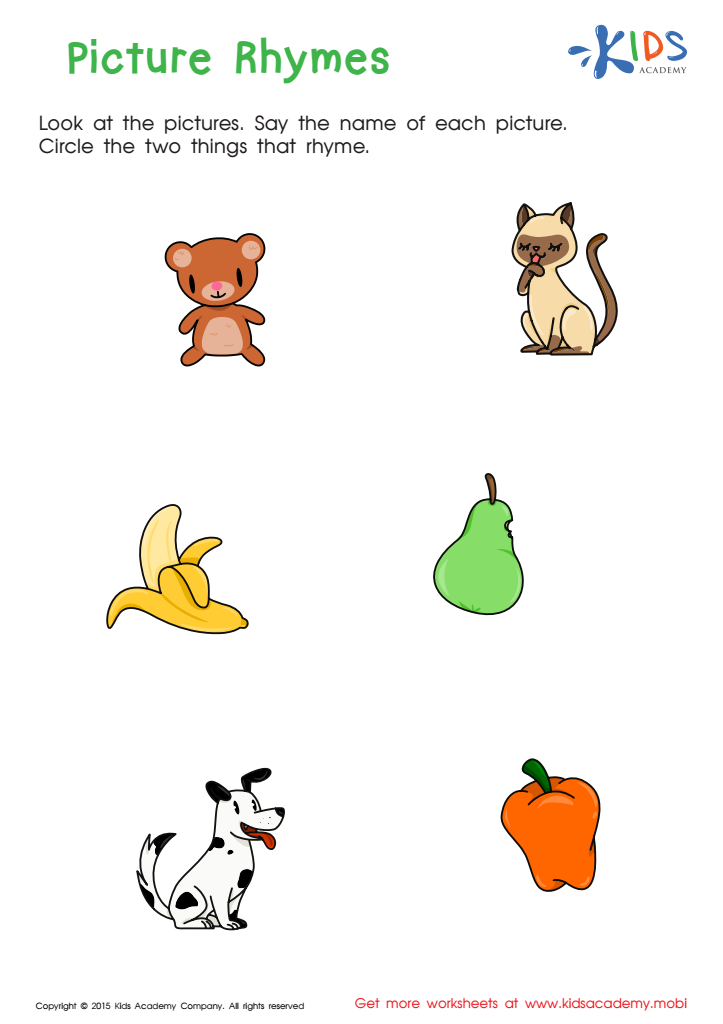
First Words: Picture Rhymes Worksheet
First Words: Let's Trace Lines Worksheet
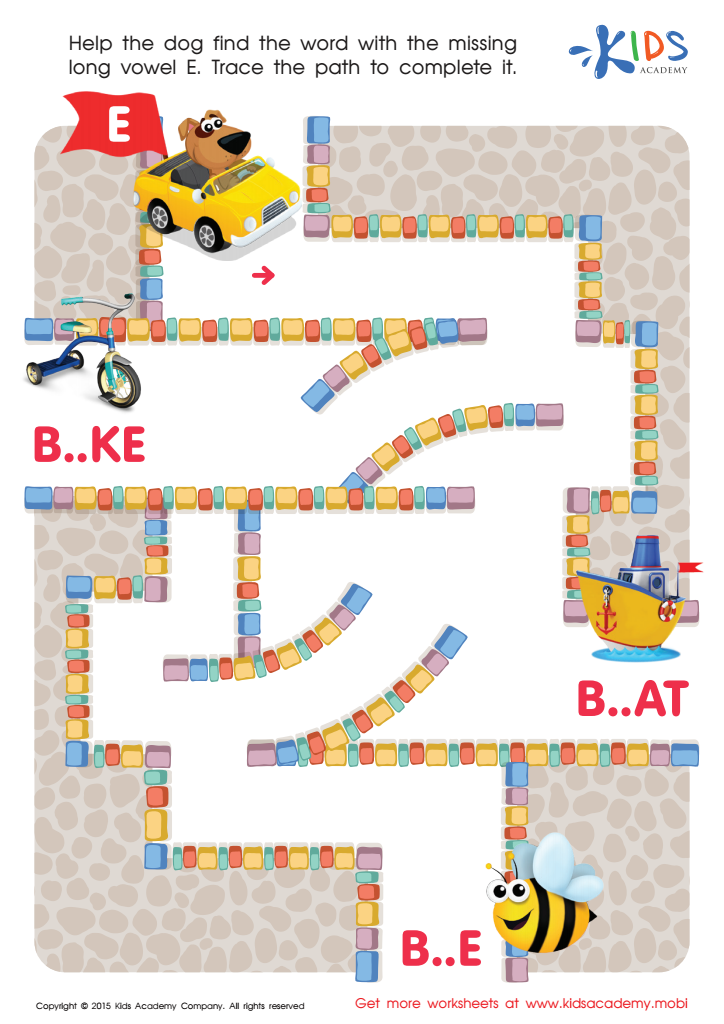
Long Vowel Sound E Worksheet
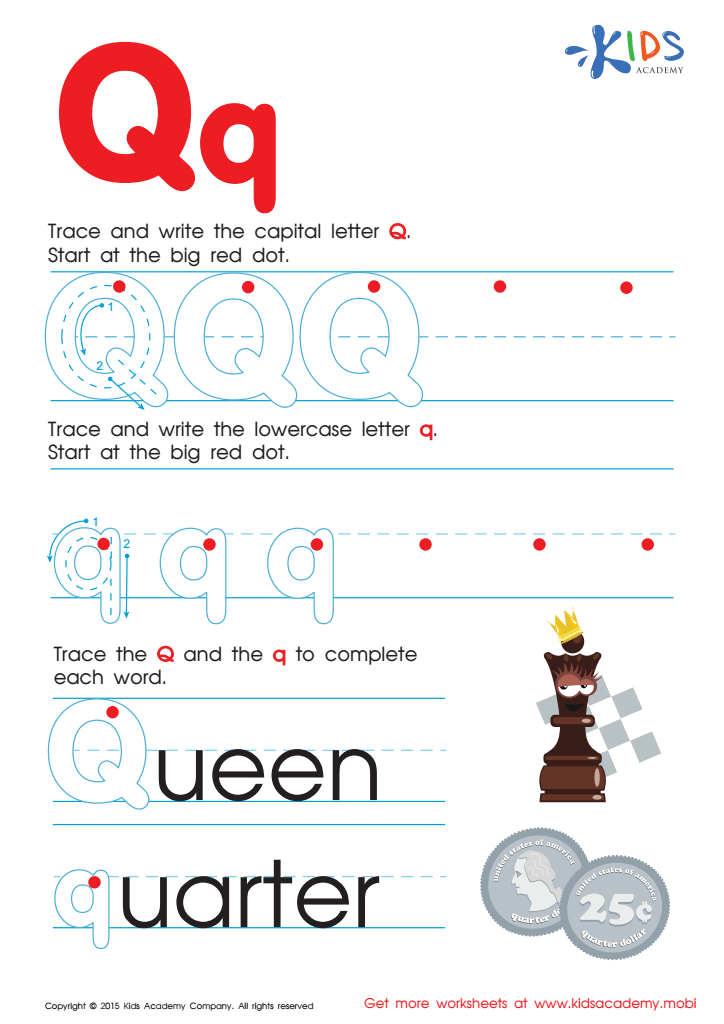
Letter Q Tracing Page

Letter P Tracing Page
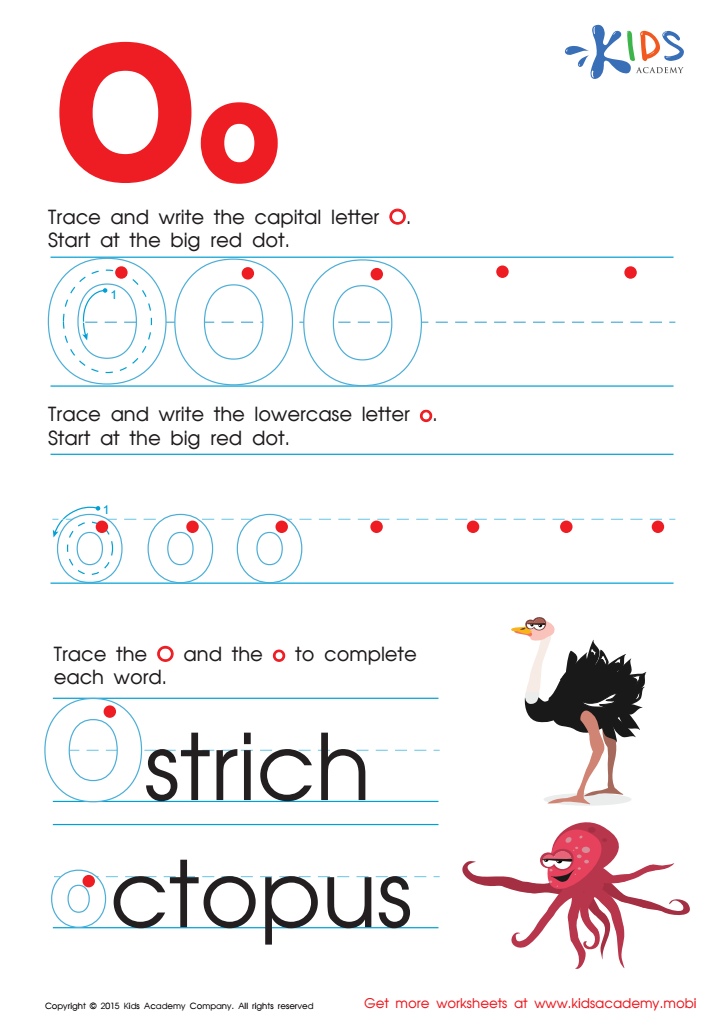
Letter O Tracing Page
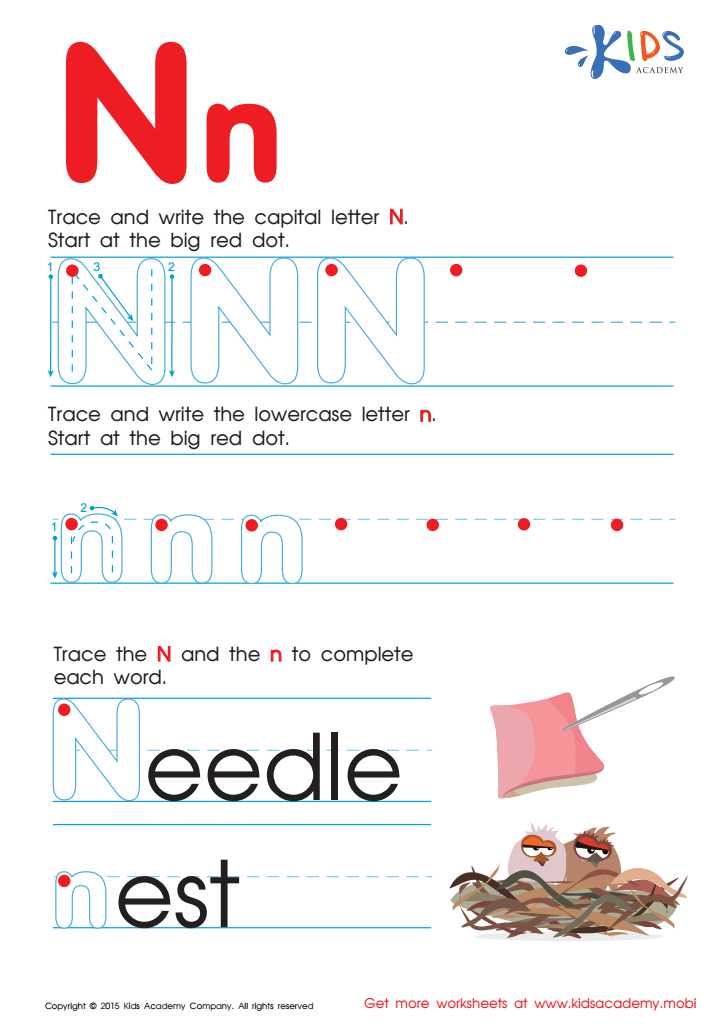
Letter N Tracing Page







Teaching the Normal Alphabet to children aged 4-9 is crucial for their early literacy and cognitive development. This foundational skill aids in reading and writing abilities, which are essential for academic success. For parents and teachers, understanding the significance of the alphabet provides a structured approach to language learning.
At the age of 4-9, children are in a critical stage of their brain development, where they absorb language faster and more efficiently. Introducing them to the Normal Alphabet helps them recognize letter shapes, sounds, and connections between letters and words. This knowledge fosters phonemic awareness, allowing children to blend sounds, read unfamiliar words, and develop a love for reading.
Additionally, targeted alphabet instruction boosts vocabulary, spelling, and comprehension skills. Engaging with the Normal Alphabet through interactive activities—such as songs, games, and storytelling—makes learning fun, helping to accelerate literacy development.
Furthermore, strong reading skills acquired early in life often lead to lifelong learning habits and academic achievement. When parents and teachers prioritize alphabet mastery within this age range, they equip children with the necessary tools to navigate more complex language structures and ultimately enhance their overall educational journey. Hence, investing in alphabet education is an investment in children's future success.







