Normal Tracing Words Worksheets for Ages 4-9 - Page 2
34 filtered results
-
From - To
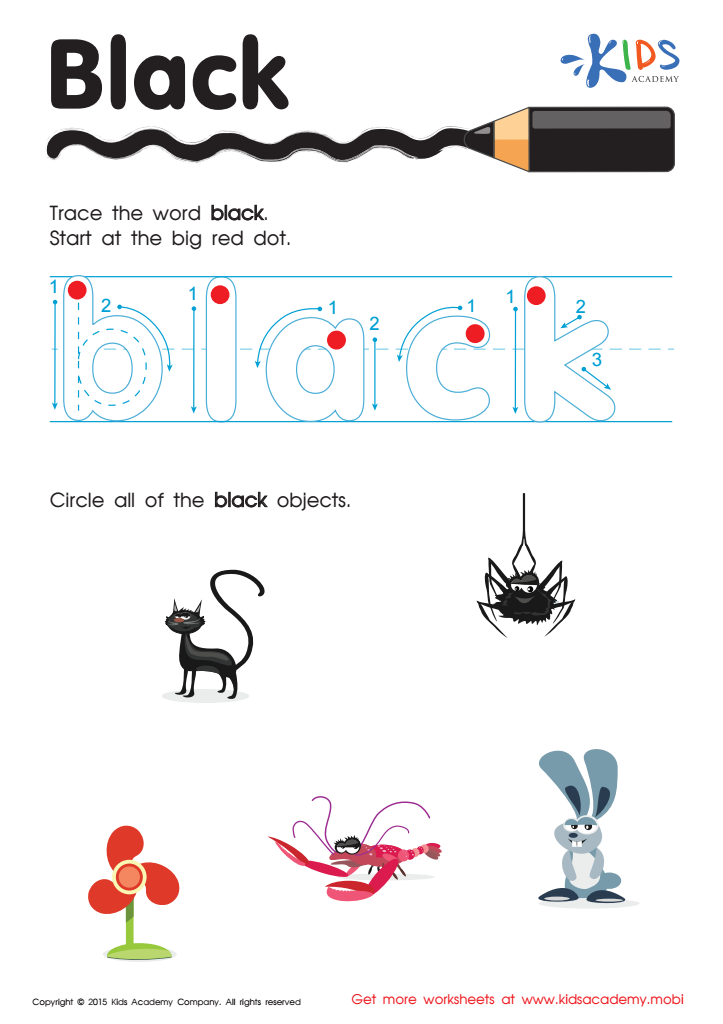
Black Tracing Color Words Printable
 Assign to My Students
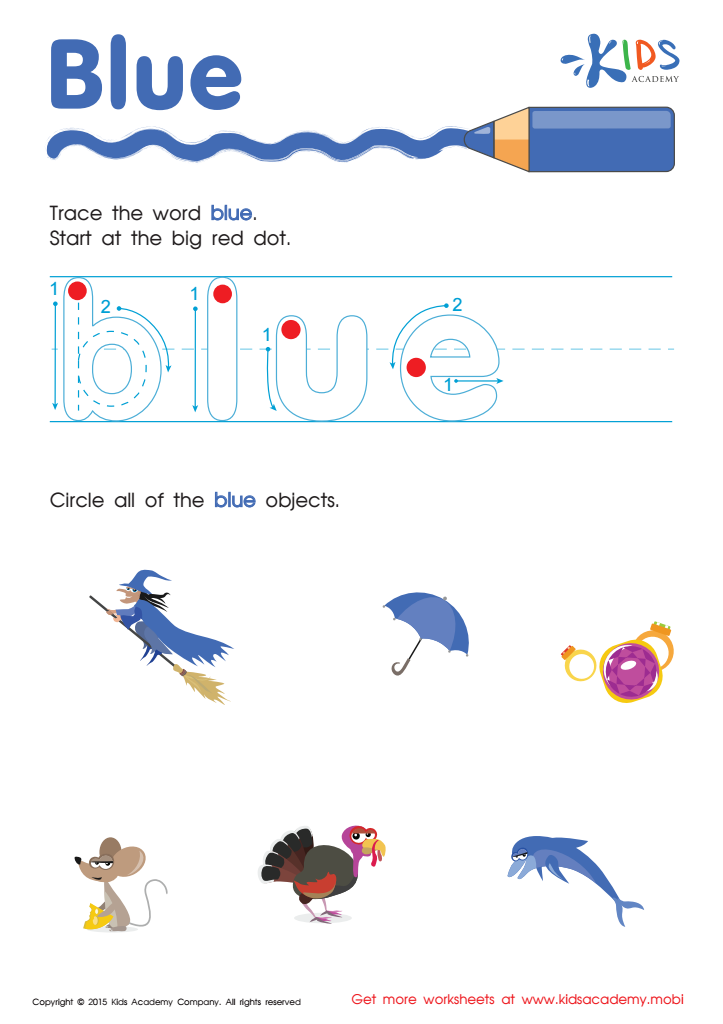
Blue Tracing Color Words Printable
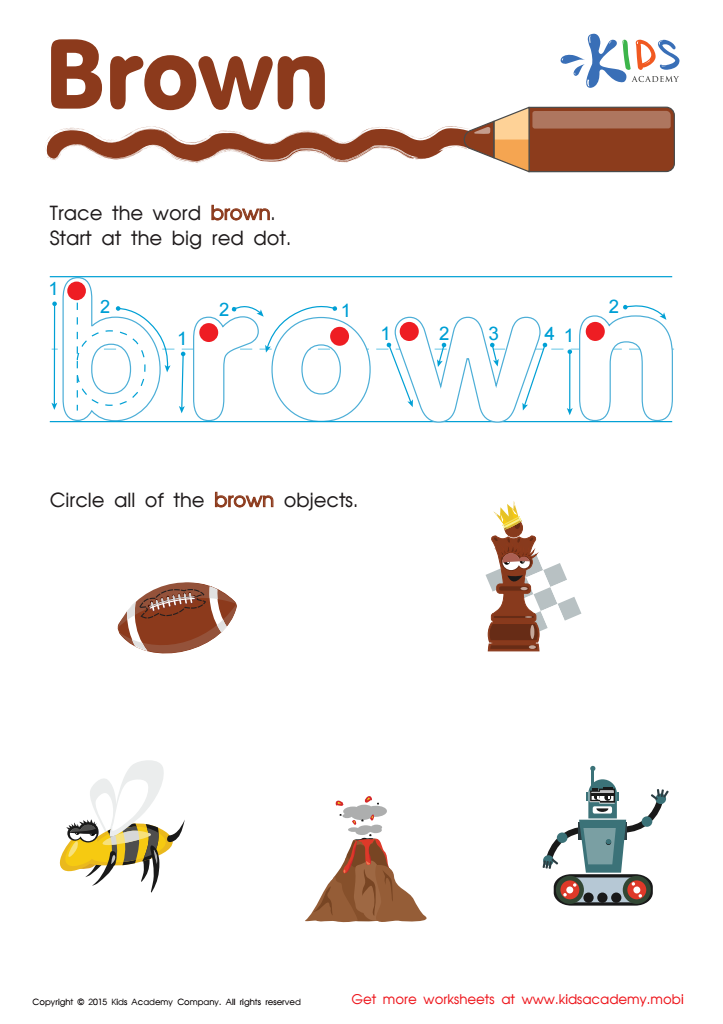
Brown Tracing Color Words Worksheet
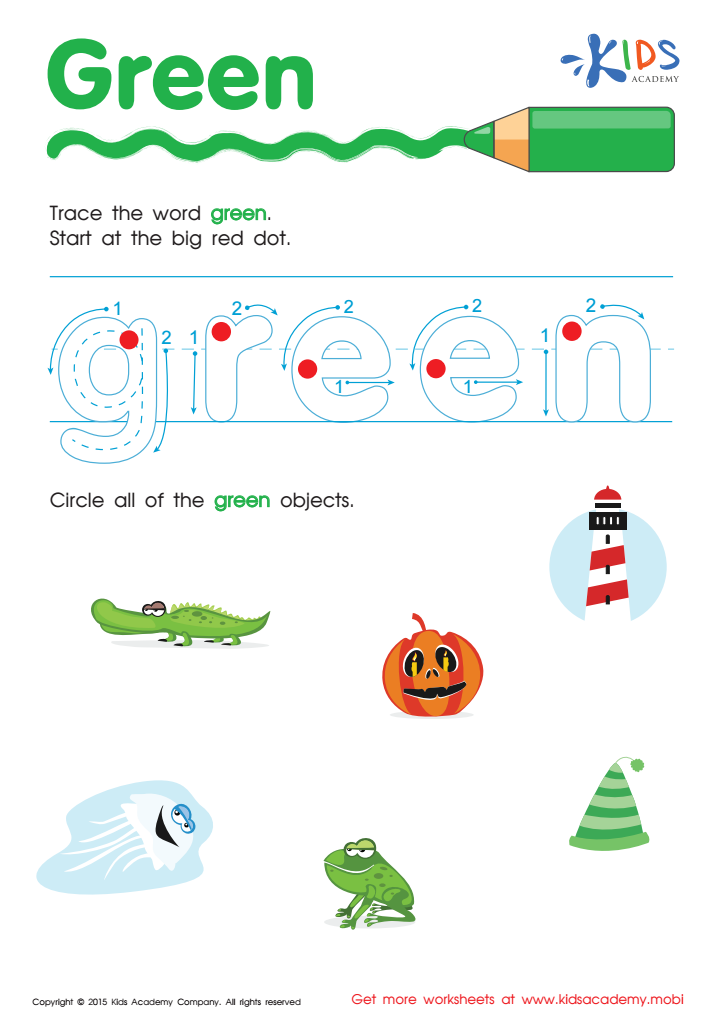
Green Tracing Color Words Worksheet
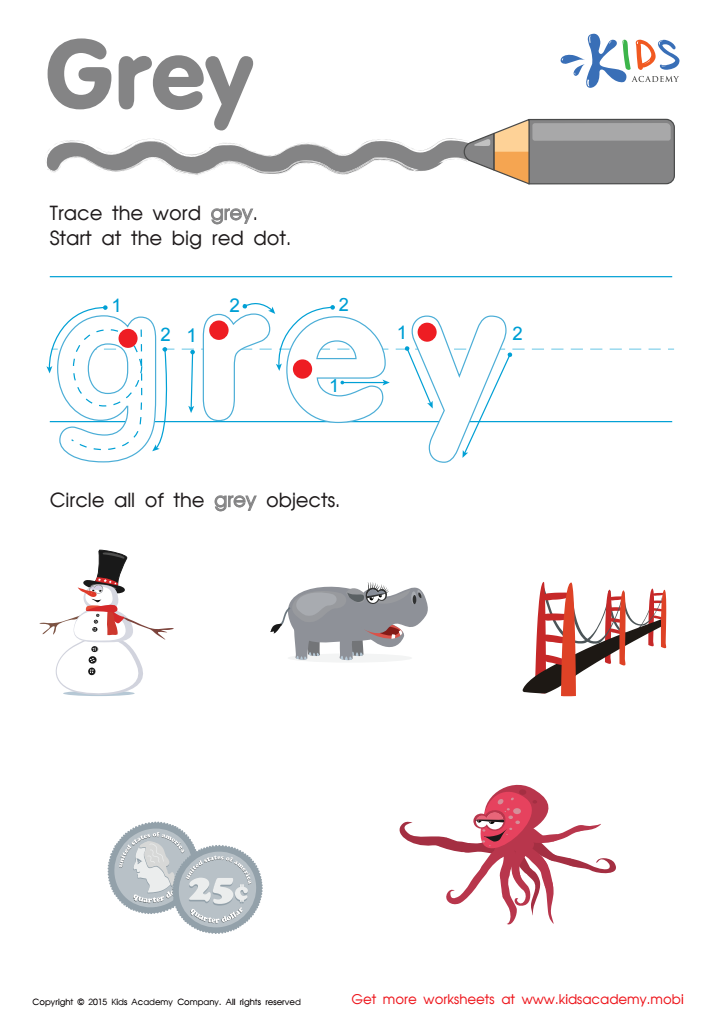
Grey Tracing Color Words Worksheet
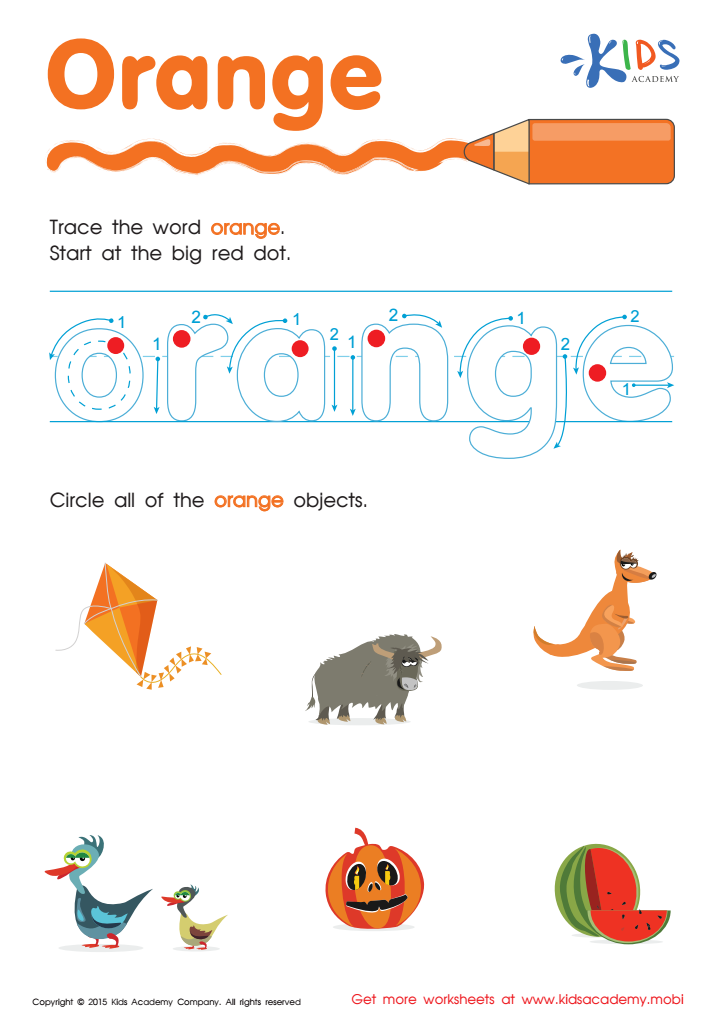
Orange Tracing Color Words Worksheet
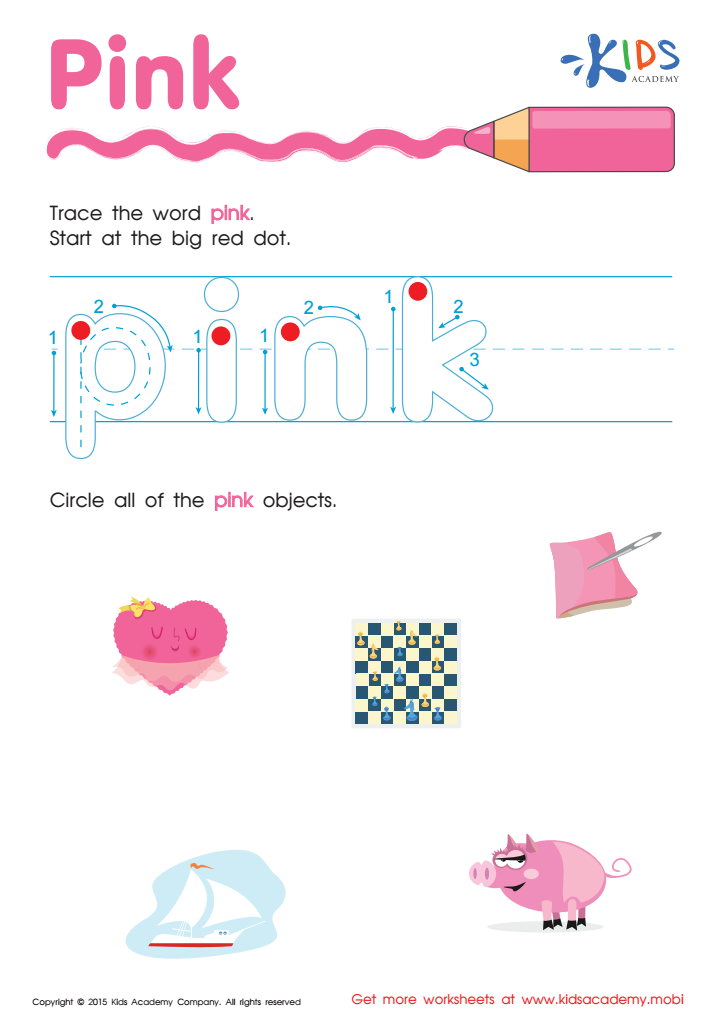
Pink Tracing Color Words Worksheet
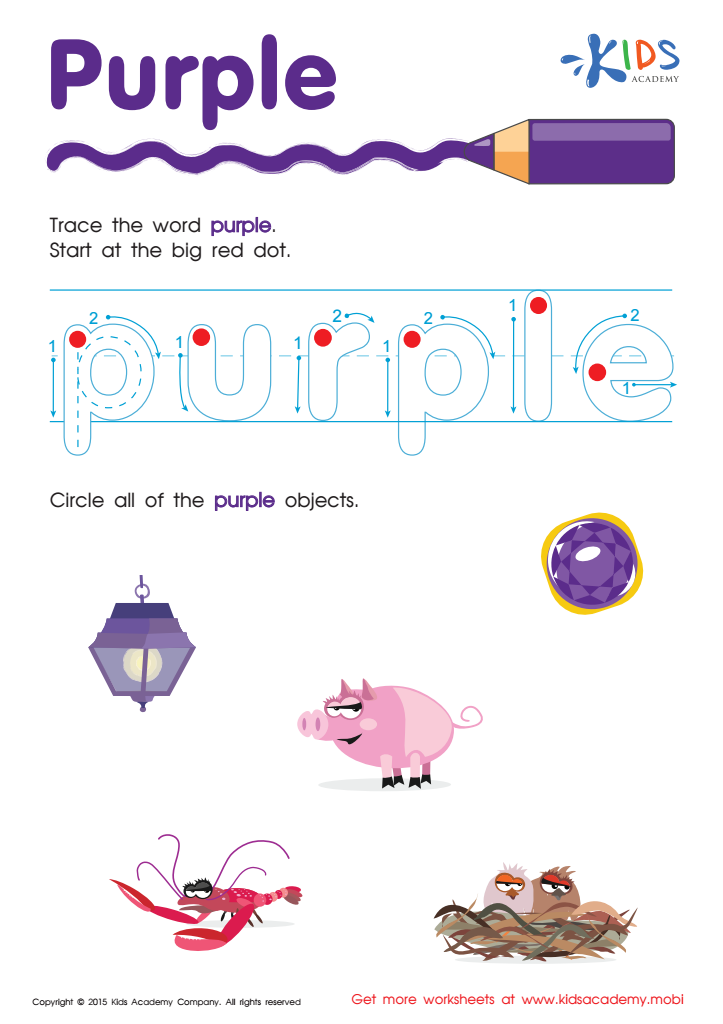
Purple Tracing Color Words Worksheet
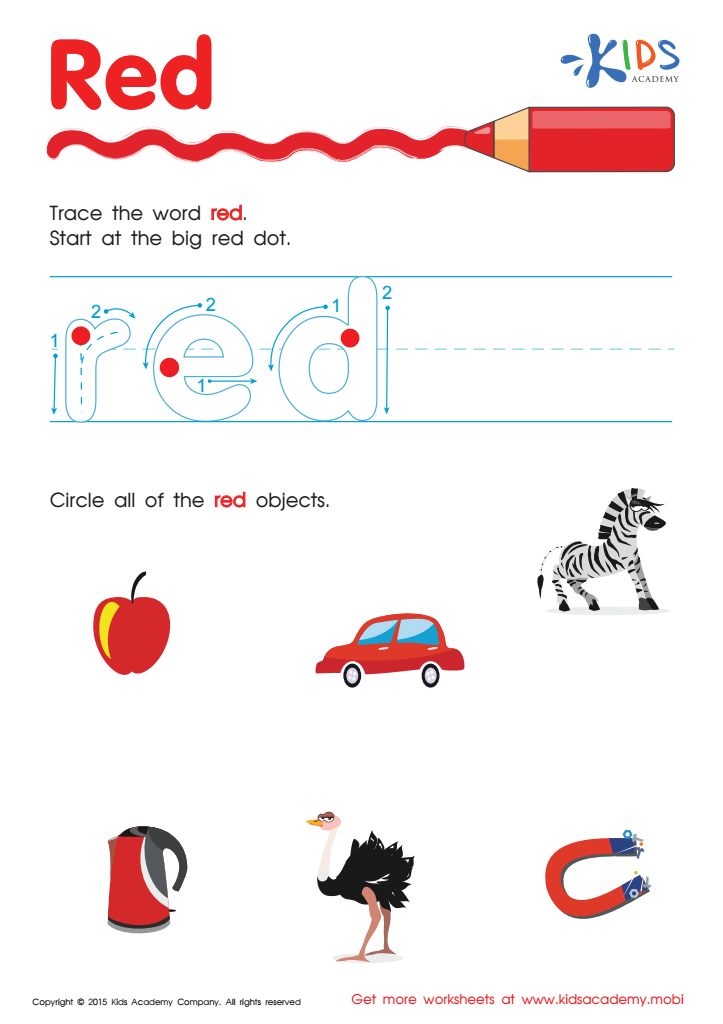
Red Tracing Color Words Printable
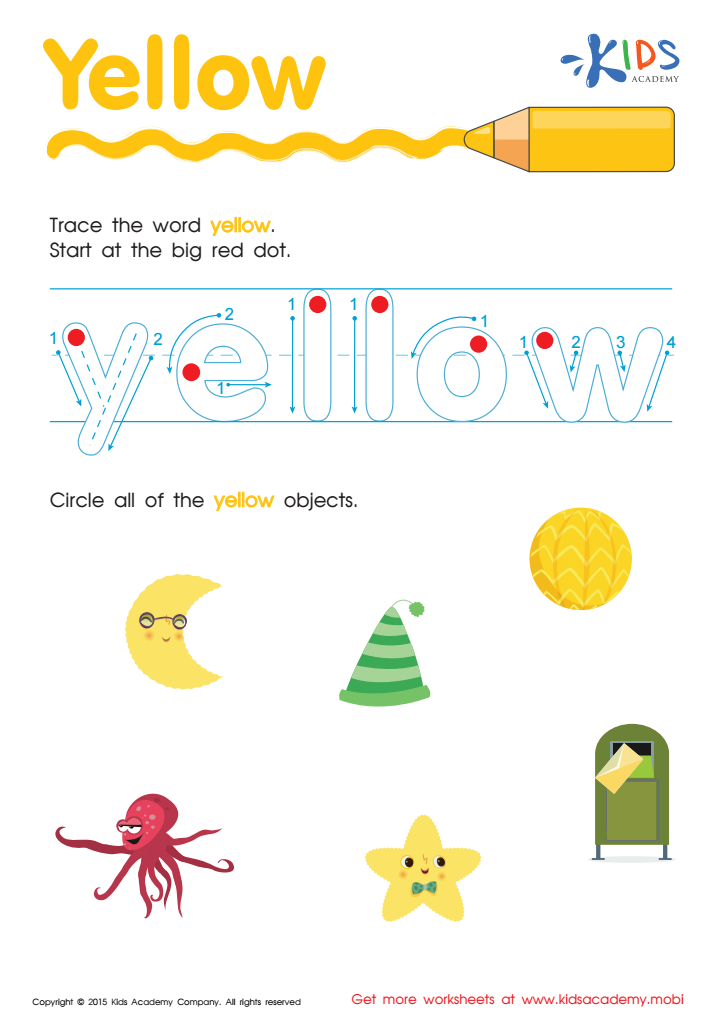
Yellow Tracing Color Words Worksheet







Normal tracing words for ages 4-9 play a crucial role in early childhood literacy and development. At this age, children are in a key phase of cognitive and motor skill growth, and tracing activities help enhance these skills in several ways.
Firstly, tracing reinforces letter recognition and phonemic awareness, fundamental components of literacy. When children trace words, they familiarize themselves with letter shapes and sounds, aiding in reading and writing readiness. This familiarity cultivates a strong foundation for future learning.
Secondly, tracing activities improve fine motor skills, such as hand-eye coordination and grip strength. These skills are essential for writing independently as children progress in their educational journey. Engaging in these activities also fosters concentration and patience, teaching children the importance of practice and perseverance.
Moreover, creating a fun and engaging environment for tracing words can foster a positive attitude toward learning. Parents and teachers who incorporate tracing into education can create memorable learning experiences that enhance motivation and self-esteem.
In essence, tracing words is a simple yet effective tool that promotes literacy, motor skills, and a love for learning. By prioritizing such activities, parents and teachers can significantly contribute to children's educational success and confidence.