Normal Phonics Worksheets for Ages 5-7 - Page 4
161 filtered results
-
From - To
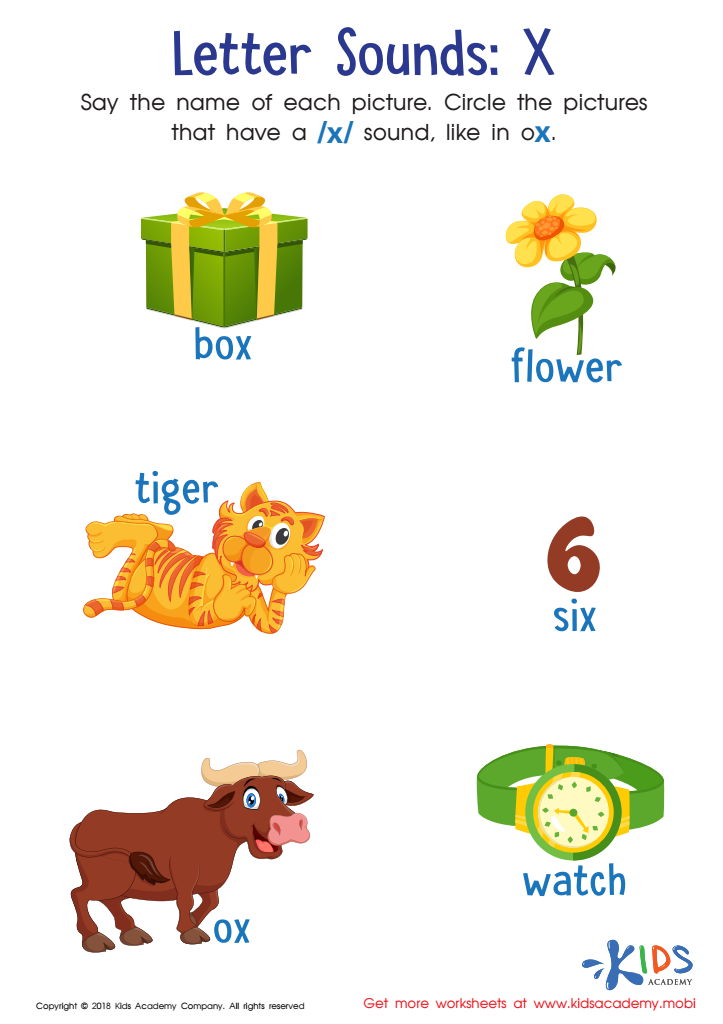
Letter X Sounds Worksheet
 Assign to My Students
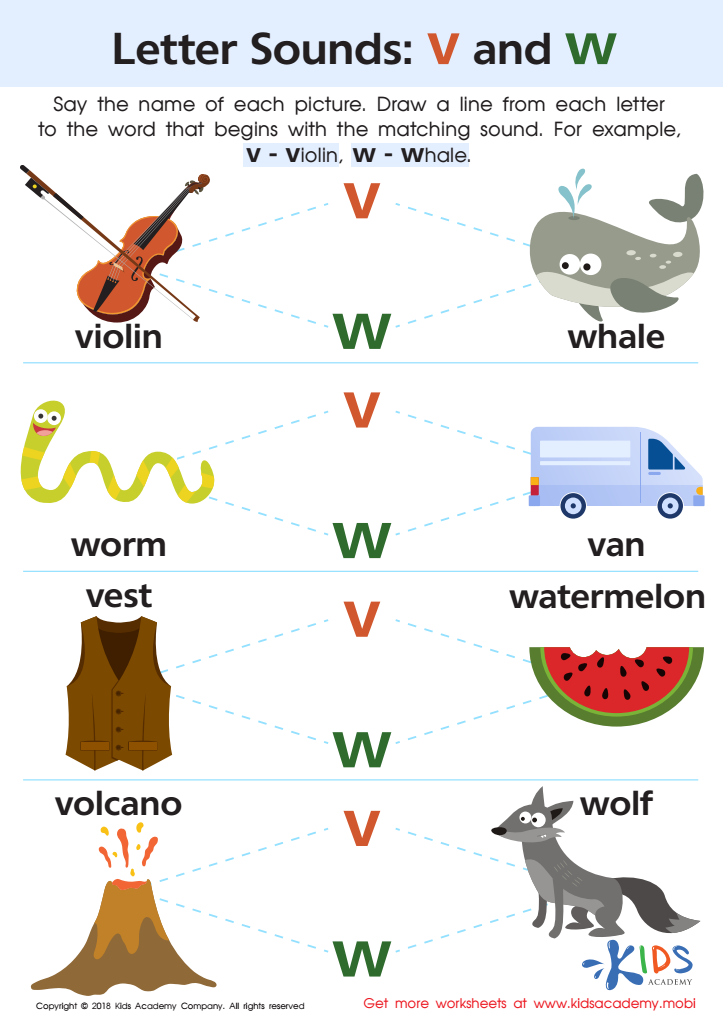
Letter V and W Sounds Worksheet
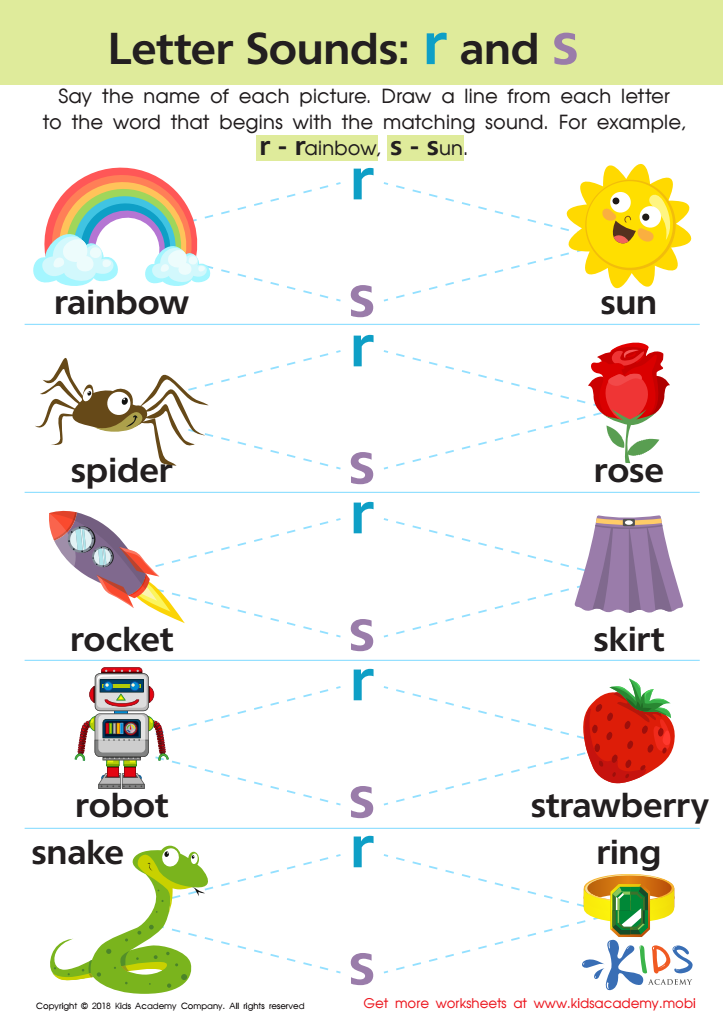
Letter R and S Sounds Worksheet
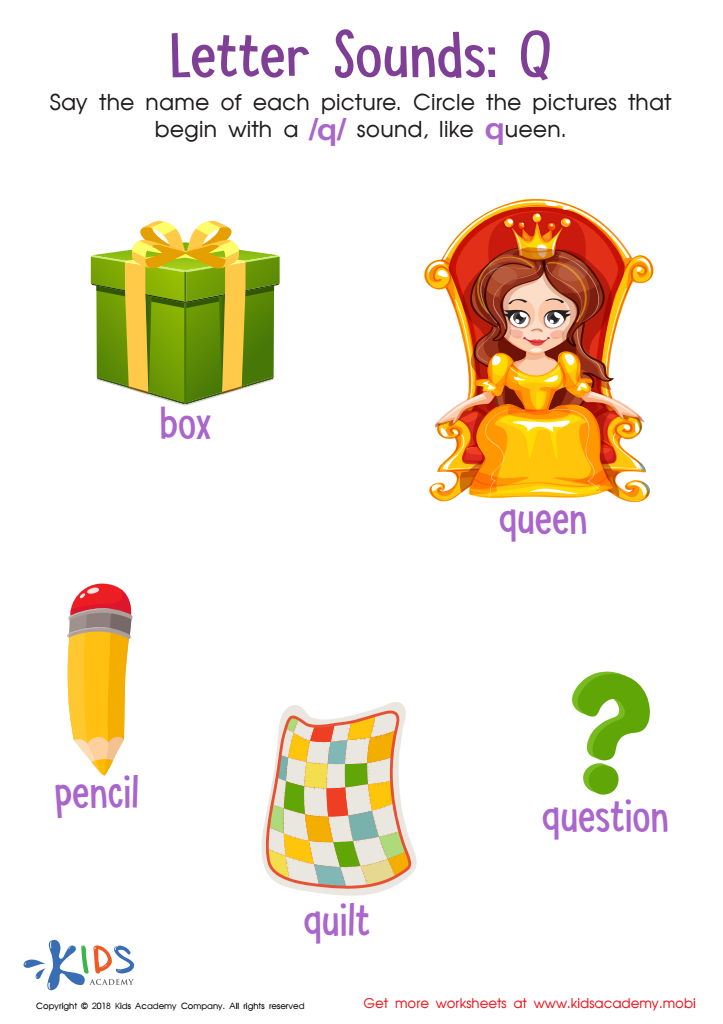
Letter Q Sounds Worksheet
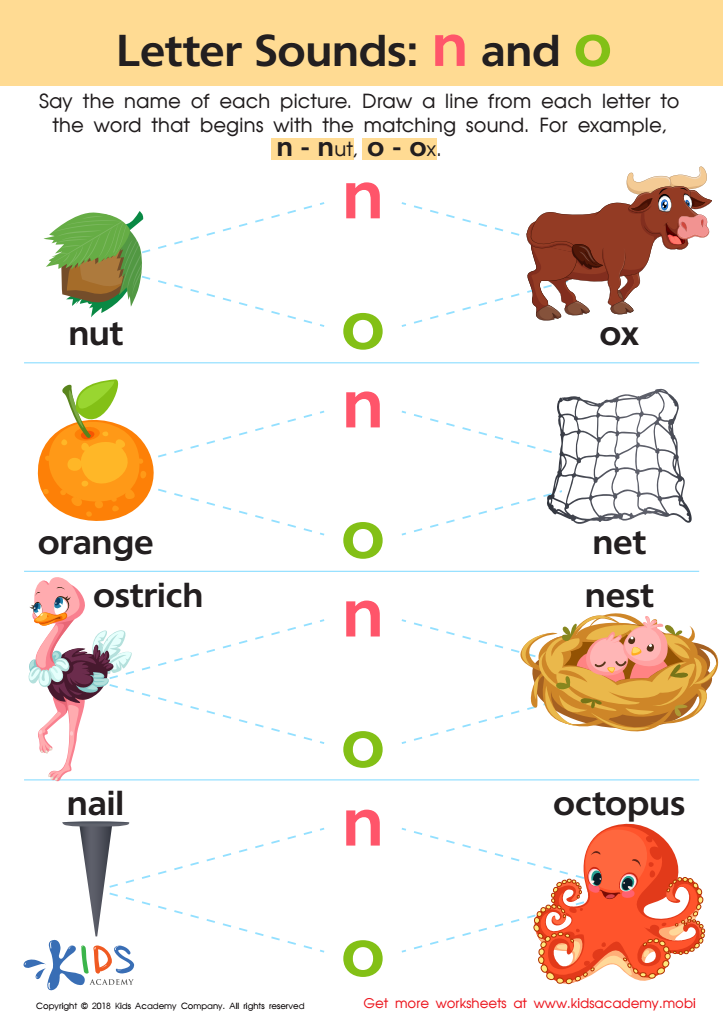
Letter N and O Sounds Worksheet
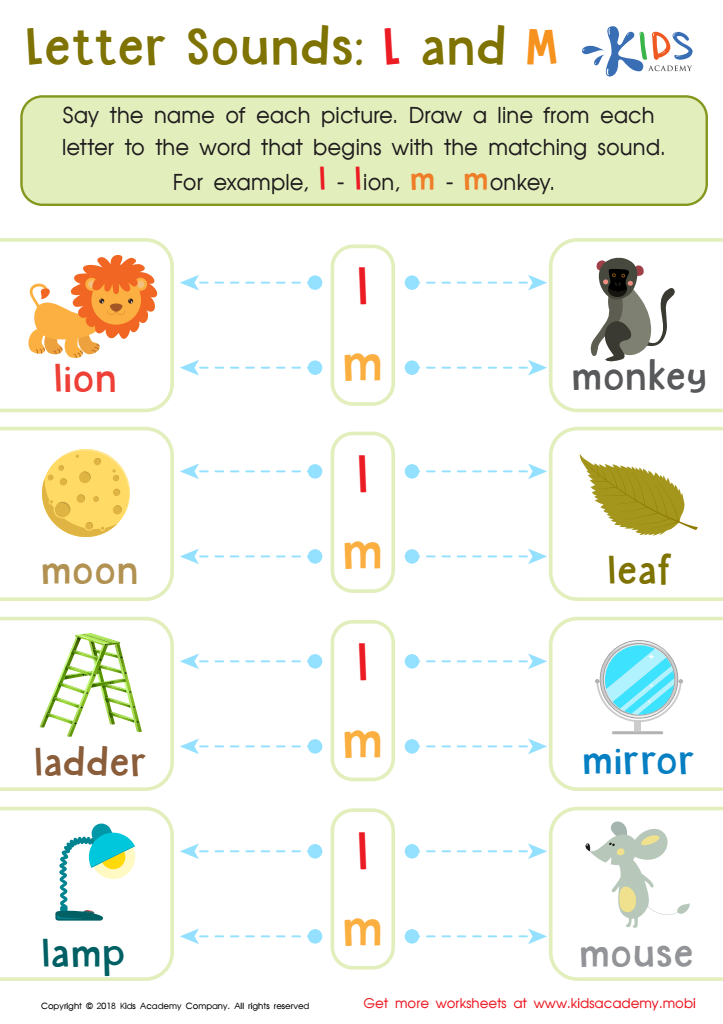
Letter l and M Sounds Worksheet
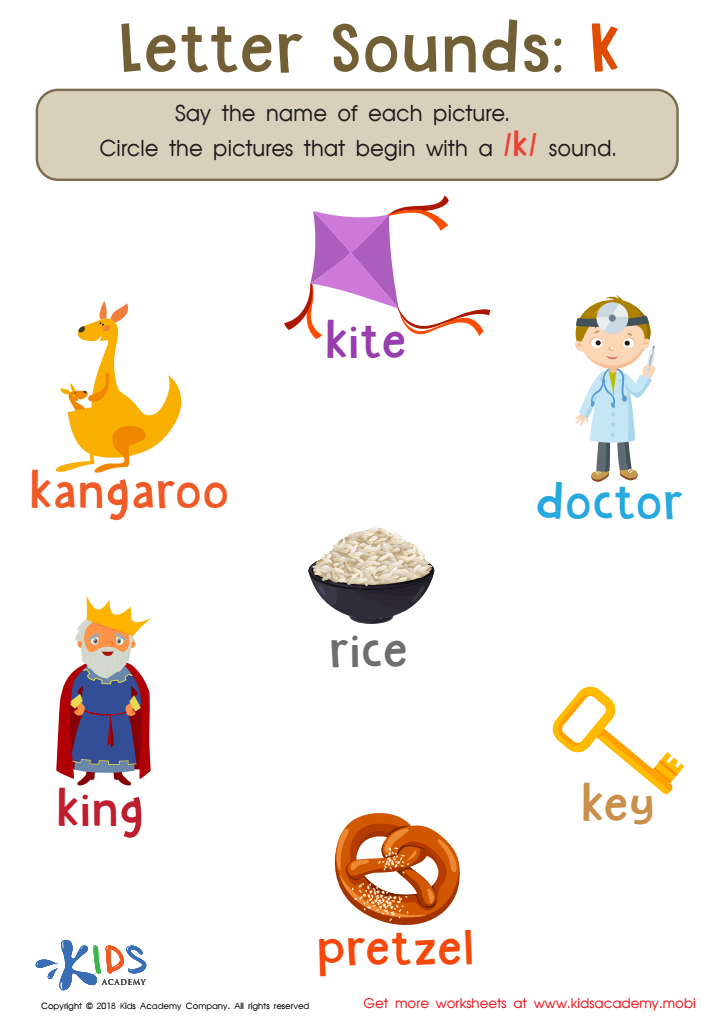
Letter K Sounds Worksheet
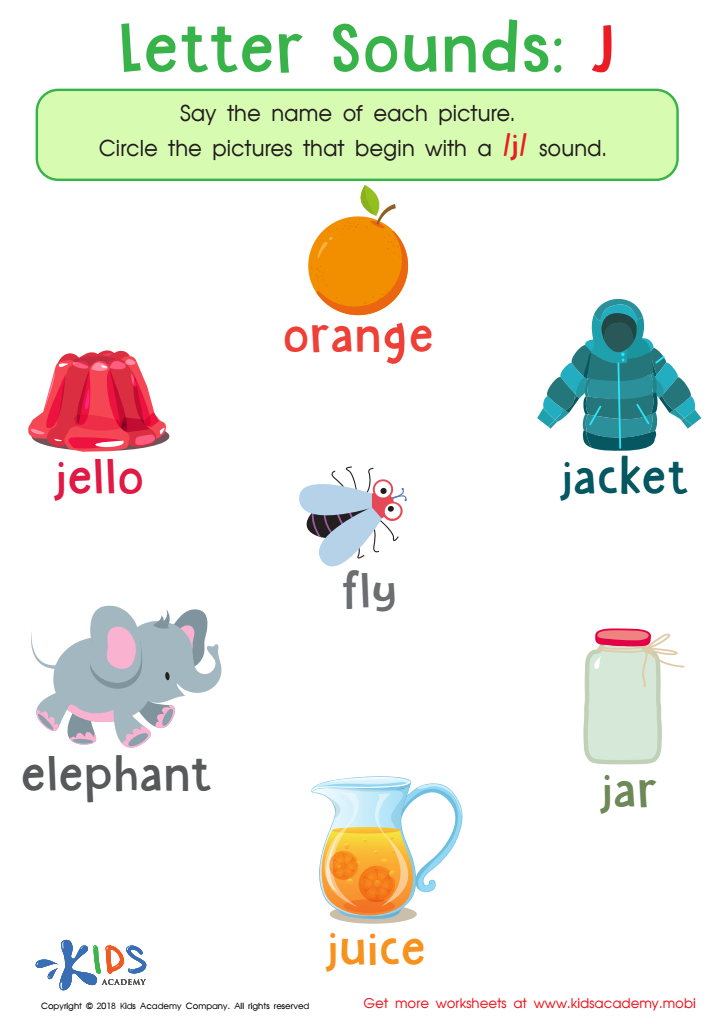
Letter Sounds: J Printable Worksheet
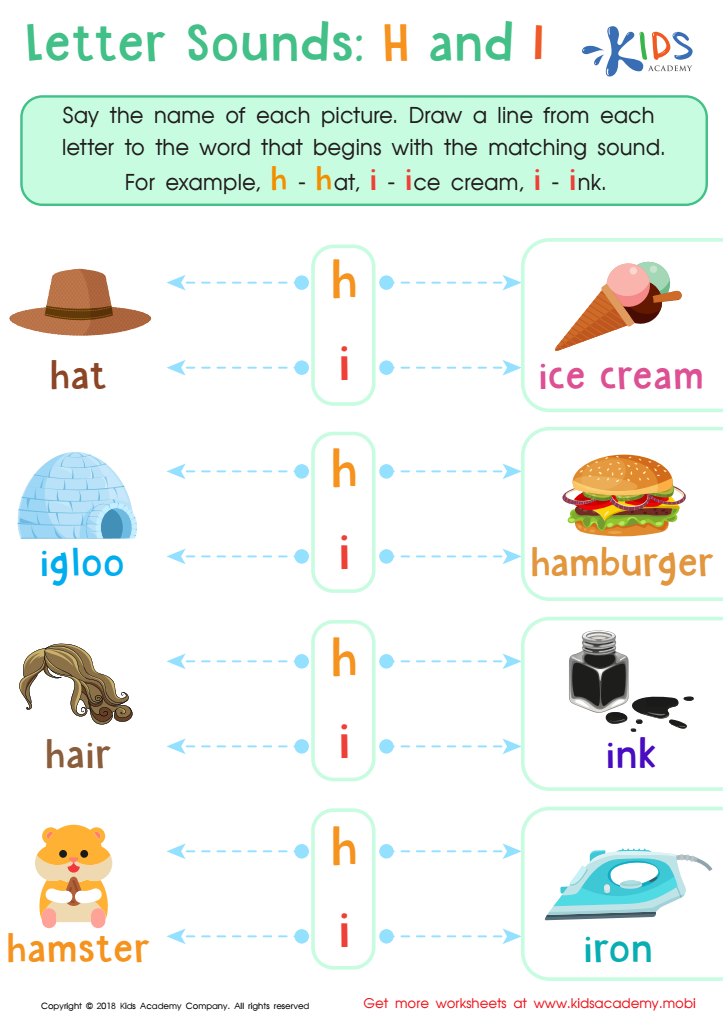
Letter H and I Sounds Worksheet
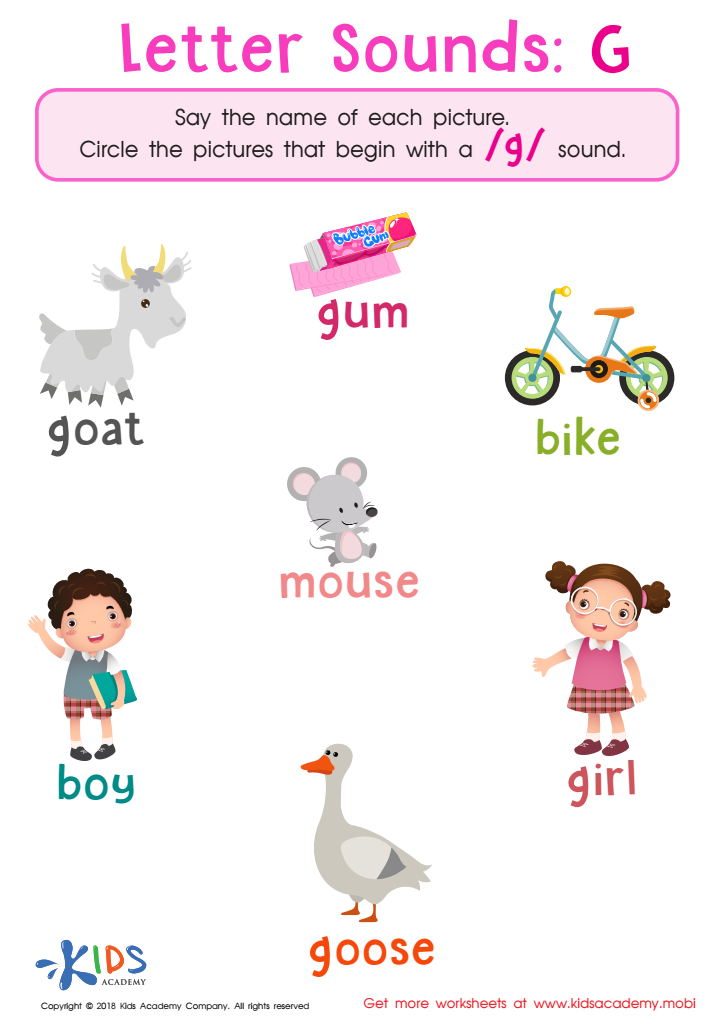
Letter G Sounds Worksheet
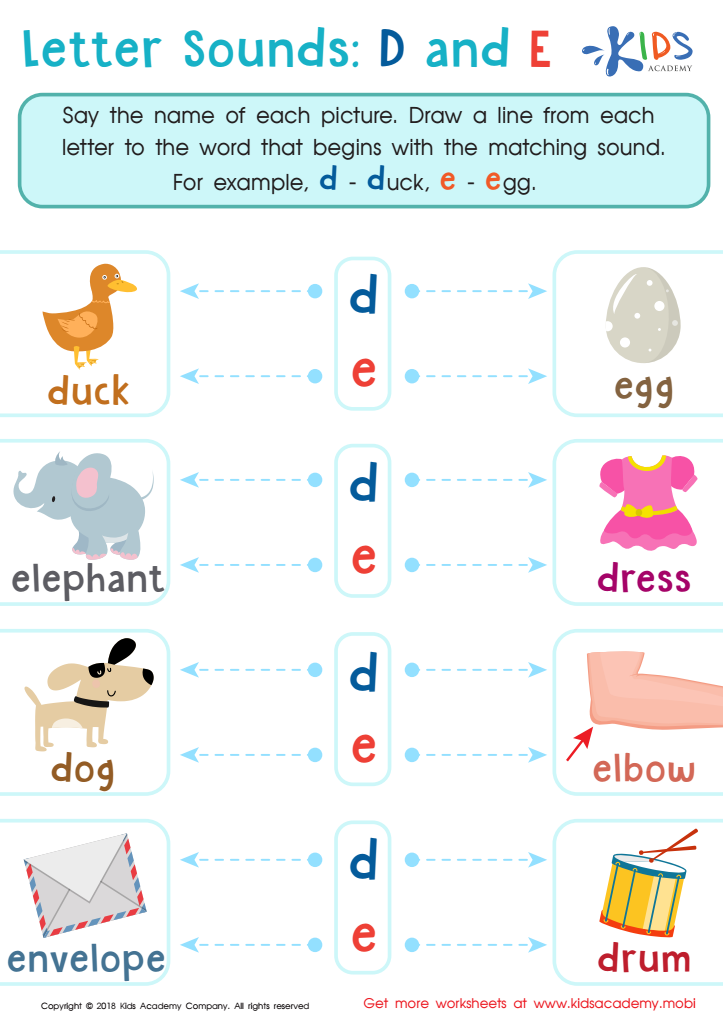
Letter D and E Sounds Worksheet
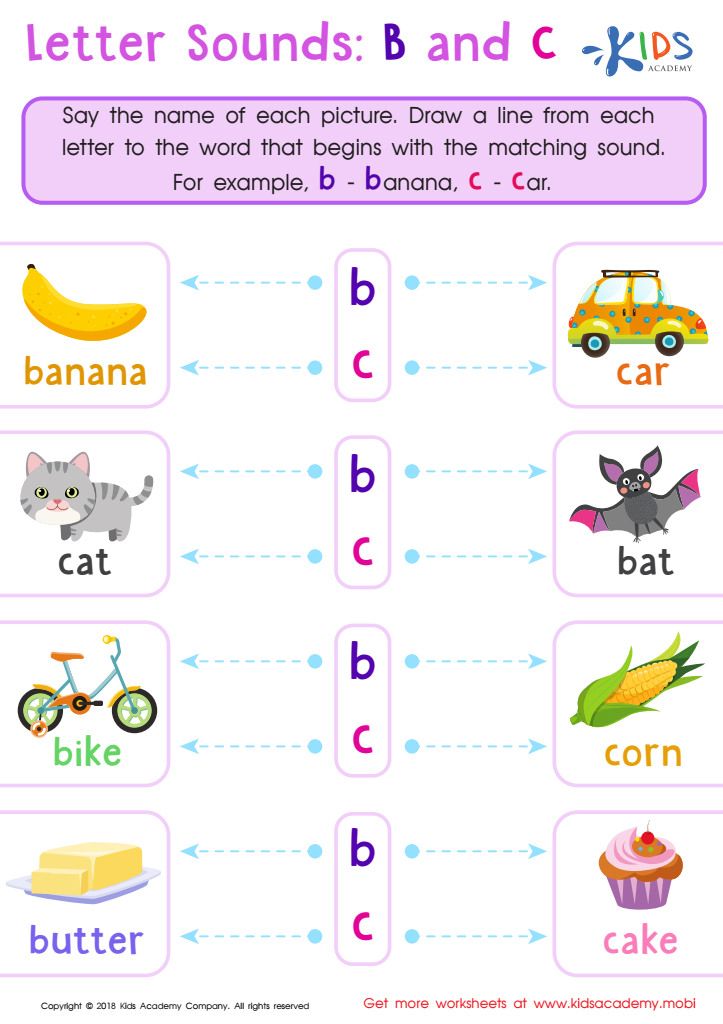
Letter B and C Sounds Worksheet
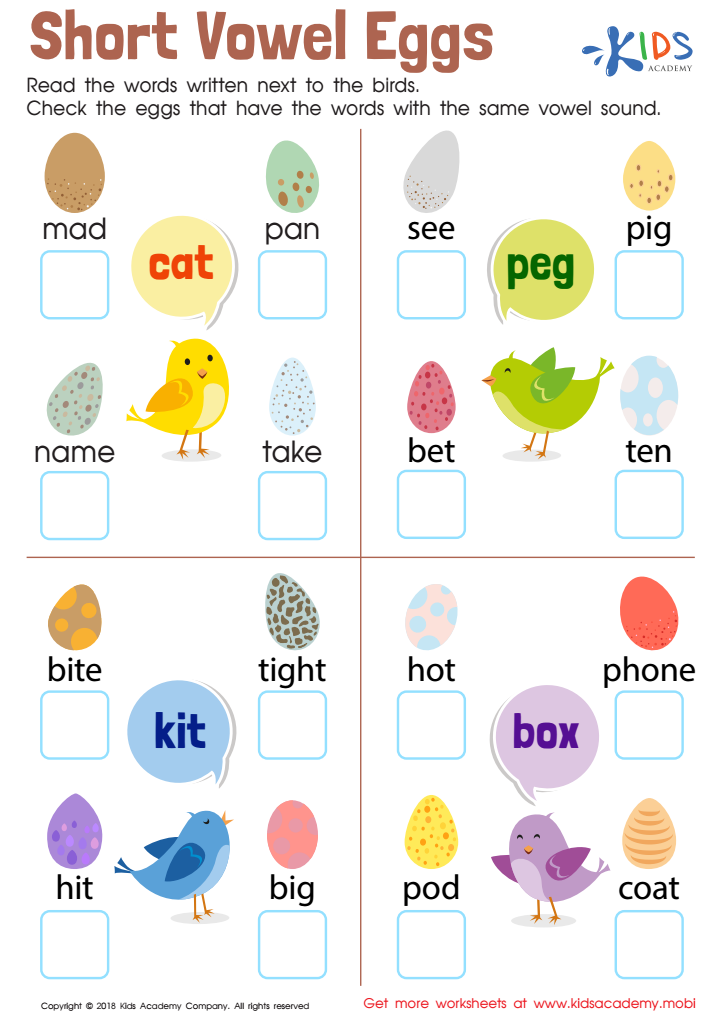
Short Vowel Eggs Worksheet
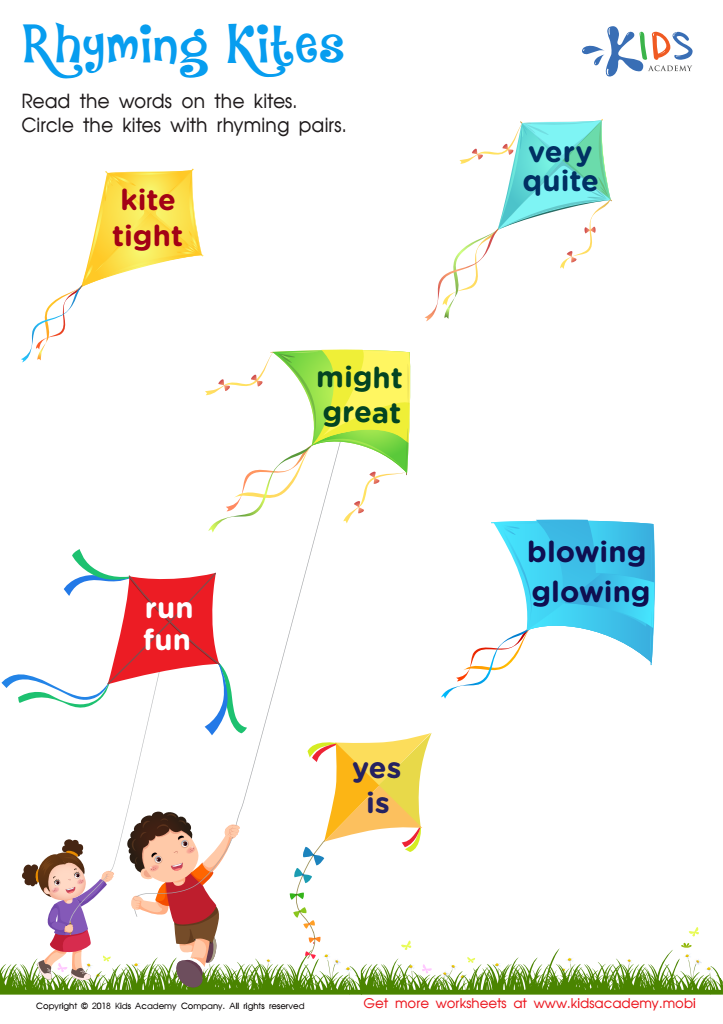
Rhyming Kites Worksheet
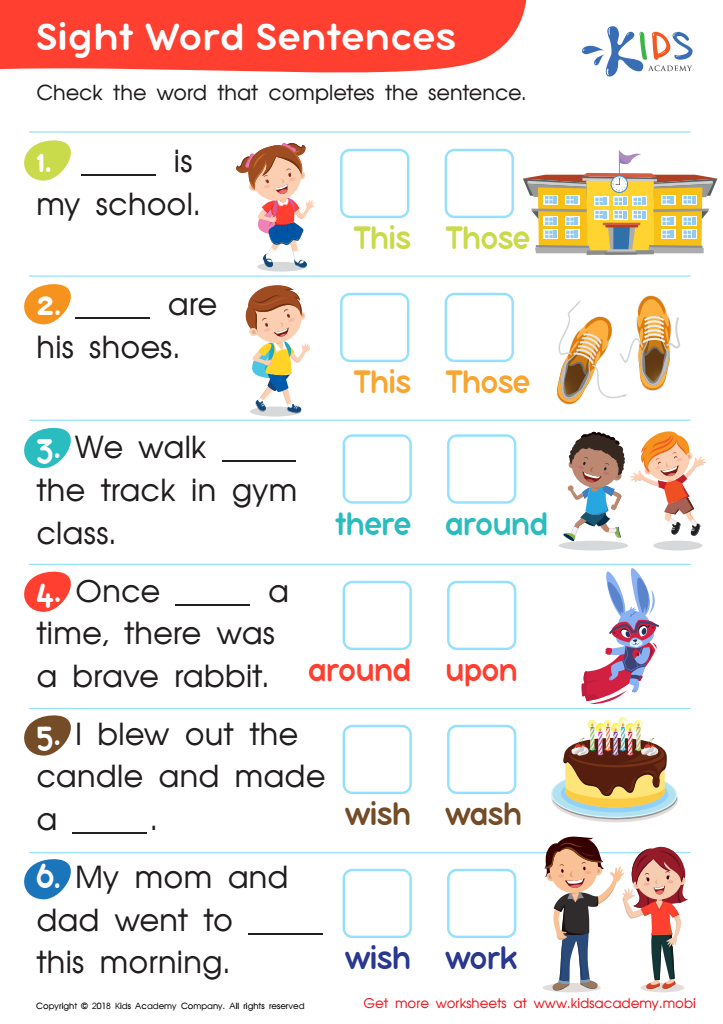
Sight Word Sentences Worksheet
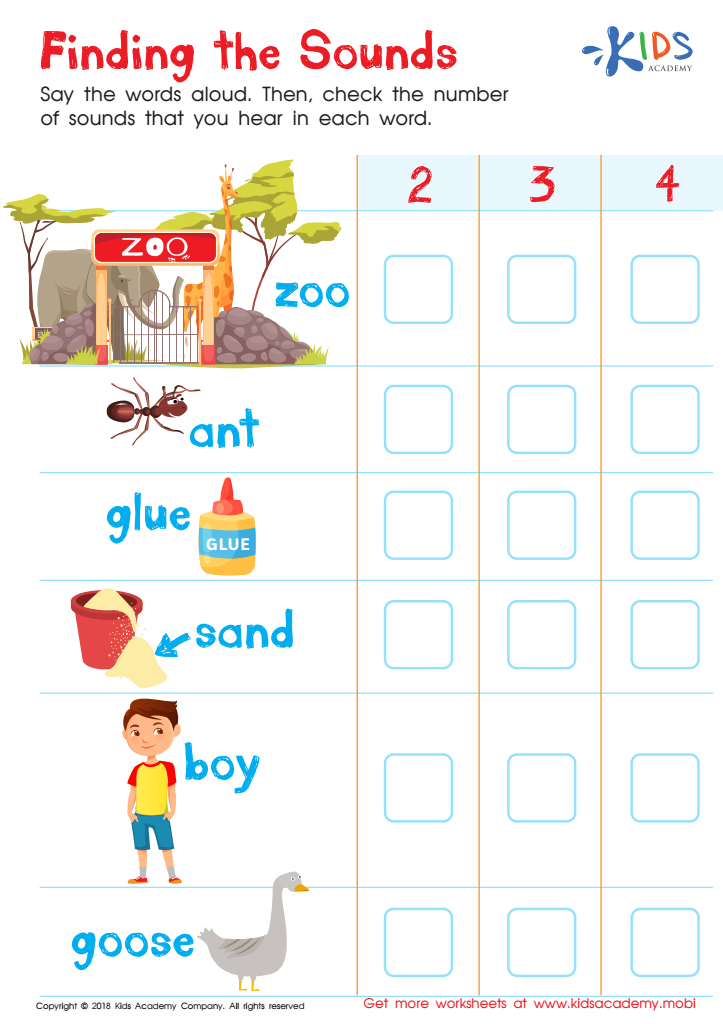
Finding the Sounds Worksheet
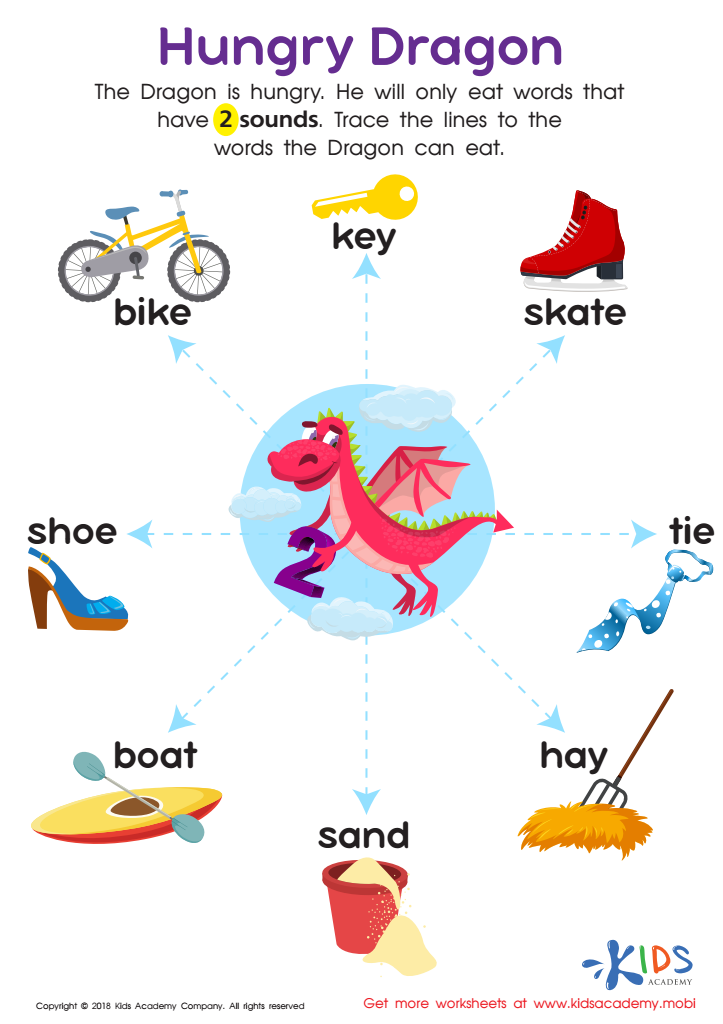
Hungry Dragon Worksheet
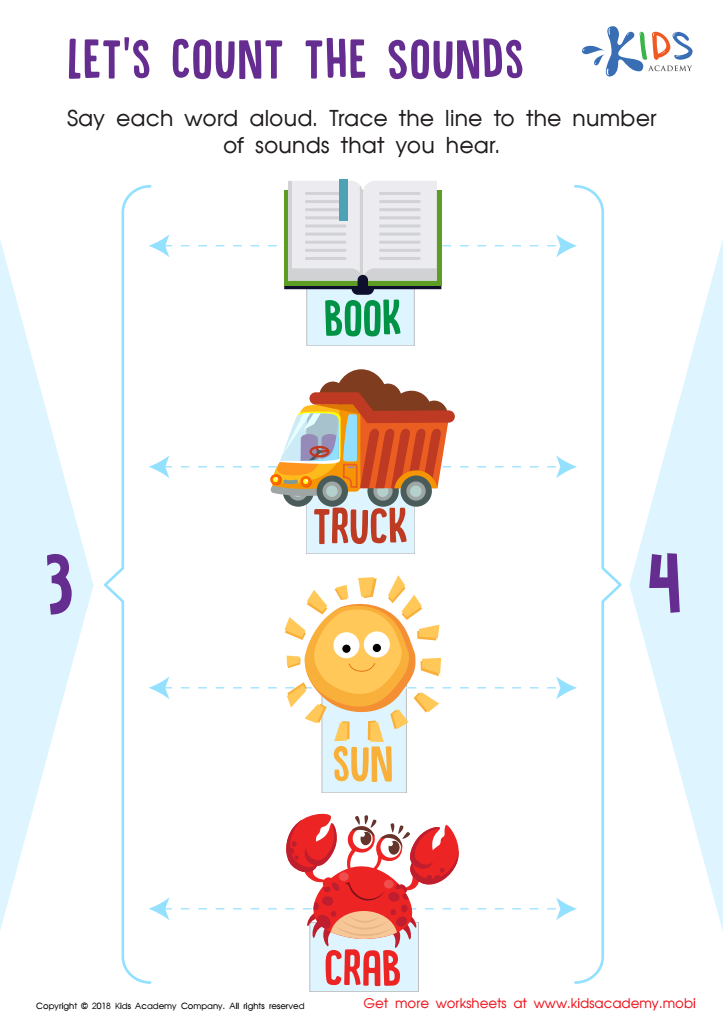
Let's Count the Sounds Worksheet
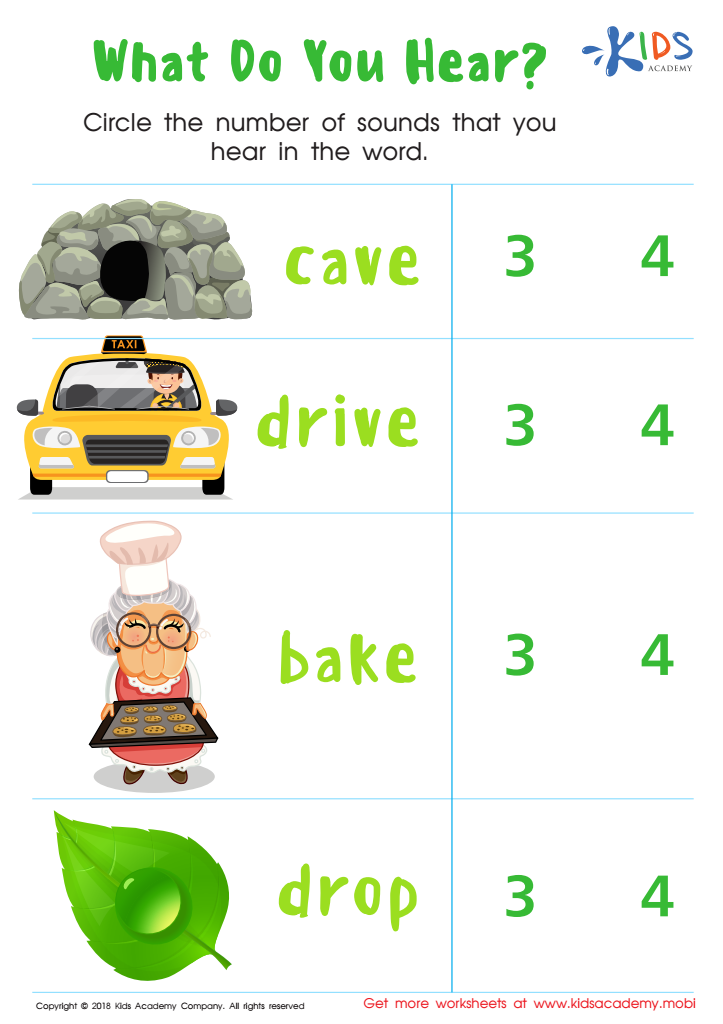
What Do You Hear? Worksheet
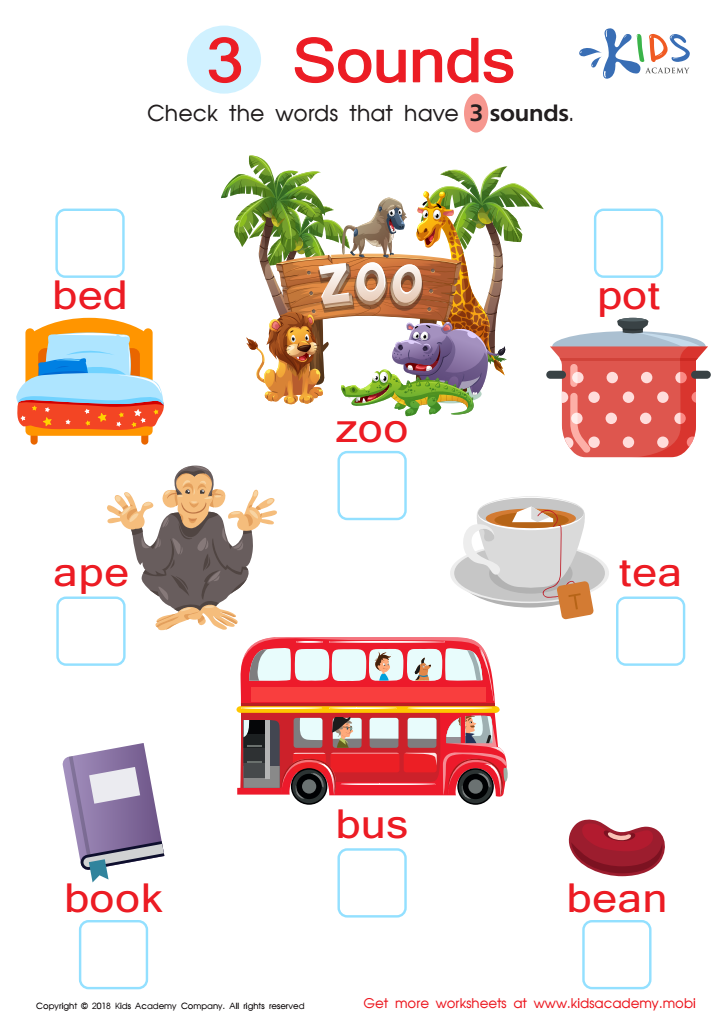
3 Sounds Worksheet
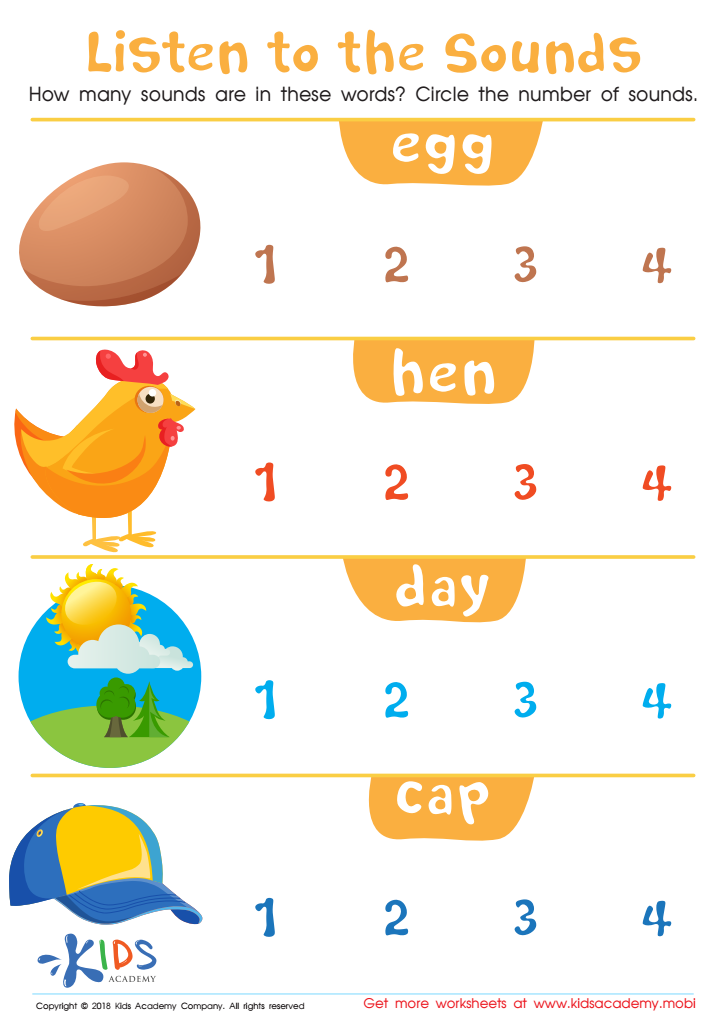
Listen to the Sounds Worksheet
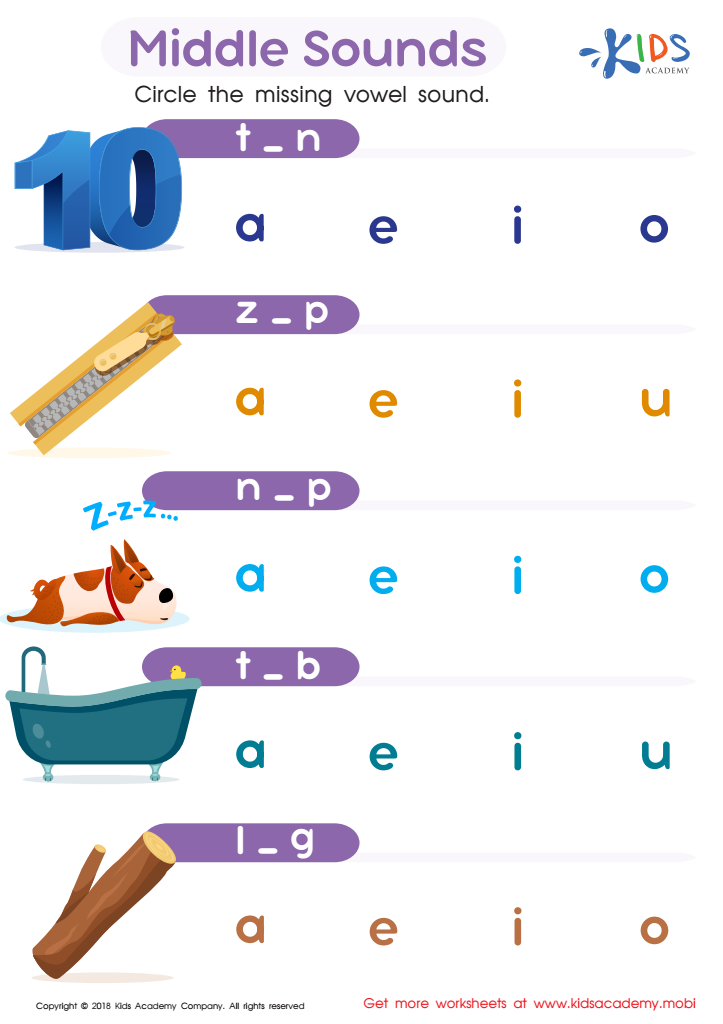
Middle Sounds Worksheet
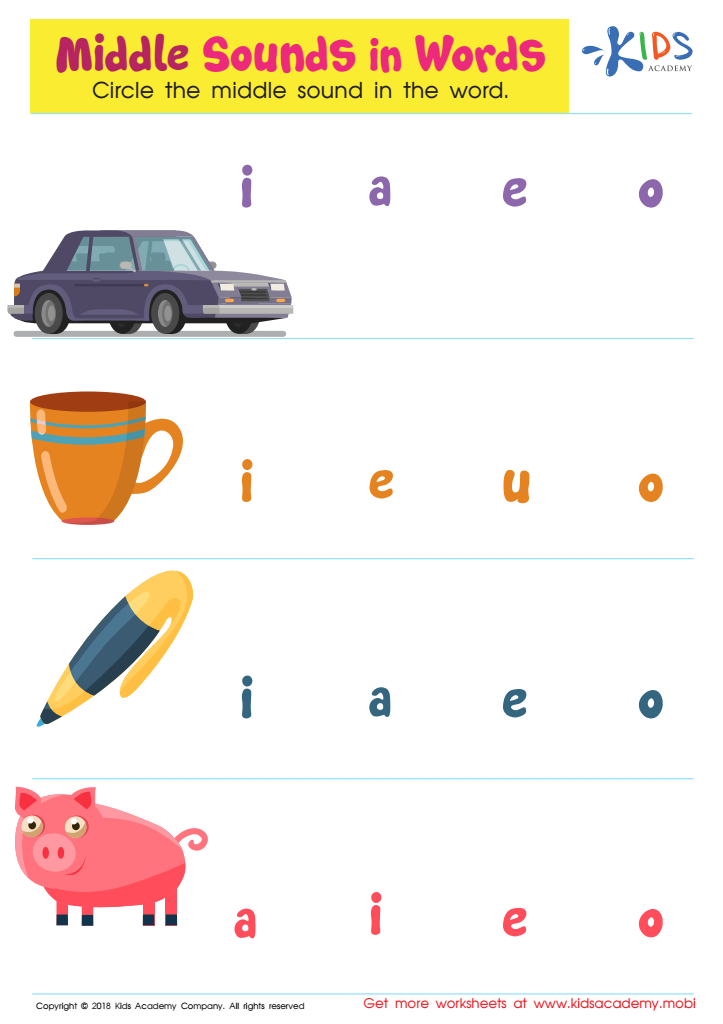
Middle Sounds in Words Worksheet
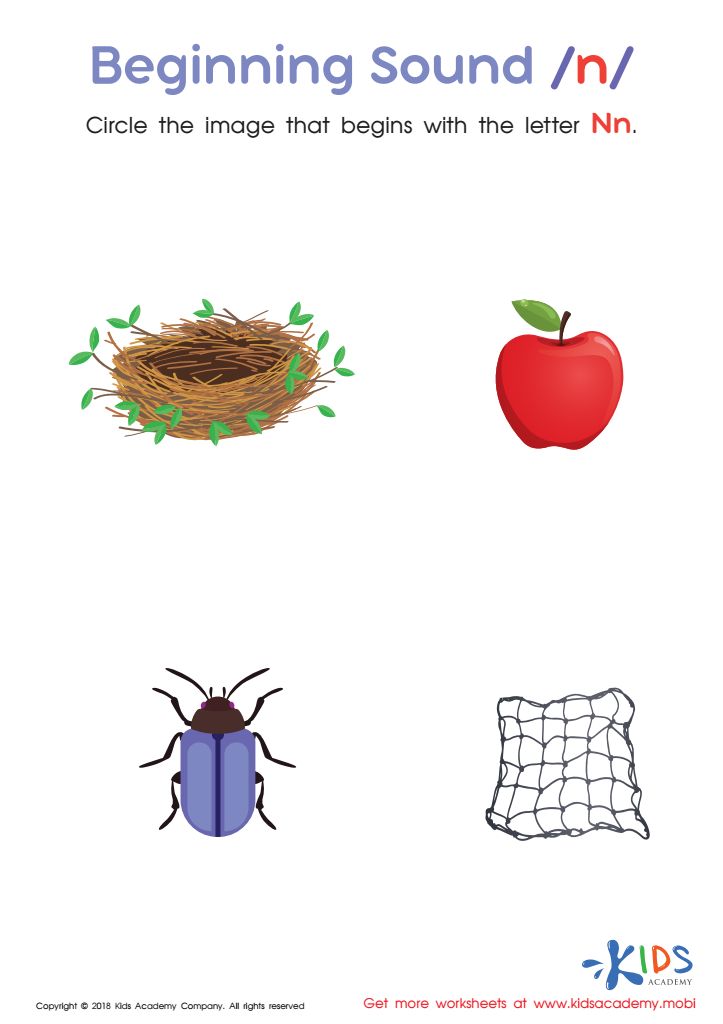
Beginning Sound «n» Worksheet








Parents and teachers should prioritize Normal Phonics for children aged 5-7 because it forms the crucial foundation for literacy development. At this age, children typically begin to decode words and understand the sounds that letters represent. Normal Phonics provides a systematic approach to teaching these phonetic principles, promoting a clear and structured learning experience that is essential for young learners.
Understanding phonics helps children in recognizing and sounding out words, which enhances their reading fluency and comprehension. It also fosters confidence, as students become more capable readers. Furthermore, phonics aligns with early educational standards, ensuring that children meet developmental milestones vital for future academic success.
Incorporating Normal Phonics can also mitigate reading difficulties and promote a love for reading, enabling students to engage more fully with literature and expand their vocabularies. As children grasp these concepts, they become independent learners, encouraging cognitive development and critical thinking skills.
Ultimately, understanding and supporting Normal Phonics can create a stronger educational foundation, nurturing lifelong readers and learners in children, which benefits not only the individuals but society as a whole. Parents and educators play a key role in fostering this essential literacy skill during critical early years.







