Normal Animals Worksheets for Ages 5-7 - Page 2
38 filtered results
-
From - To
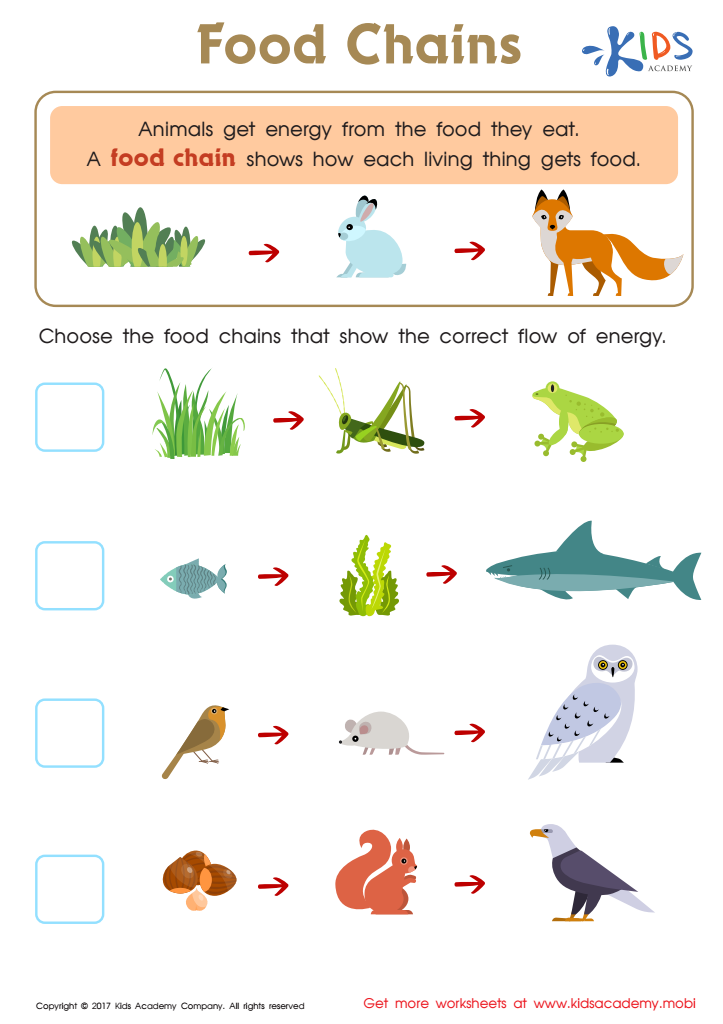
Food Webs and Food Chains Worksheet
 Assign to My Students
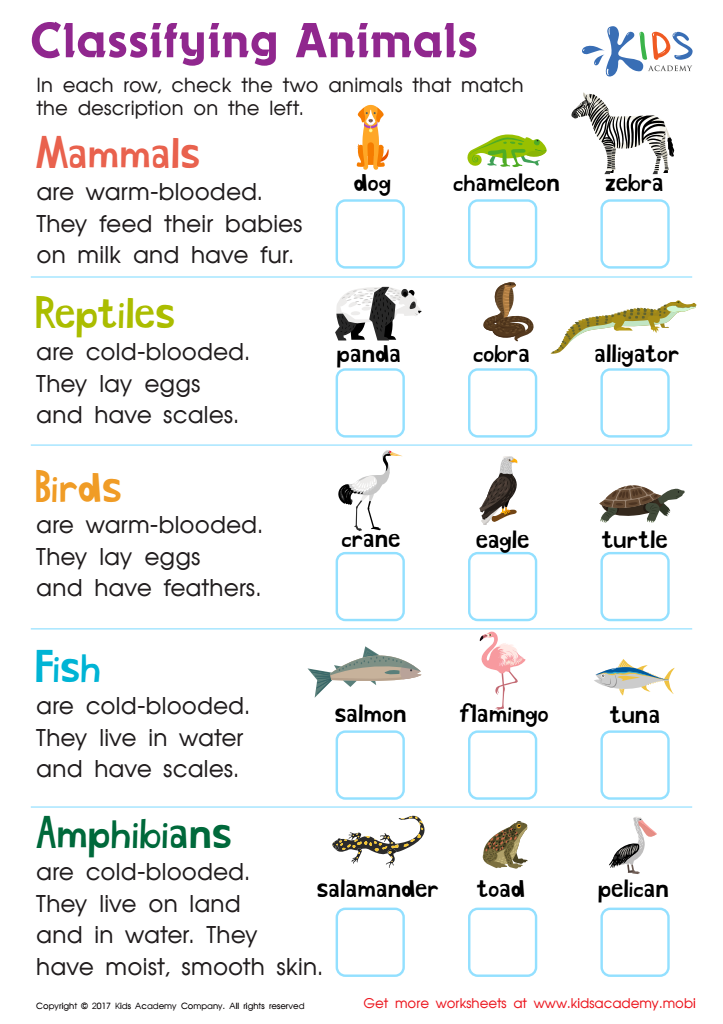
Classifying Animals Worksheet
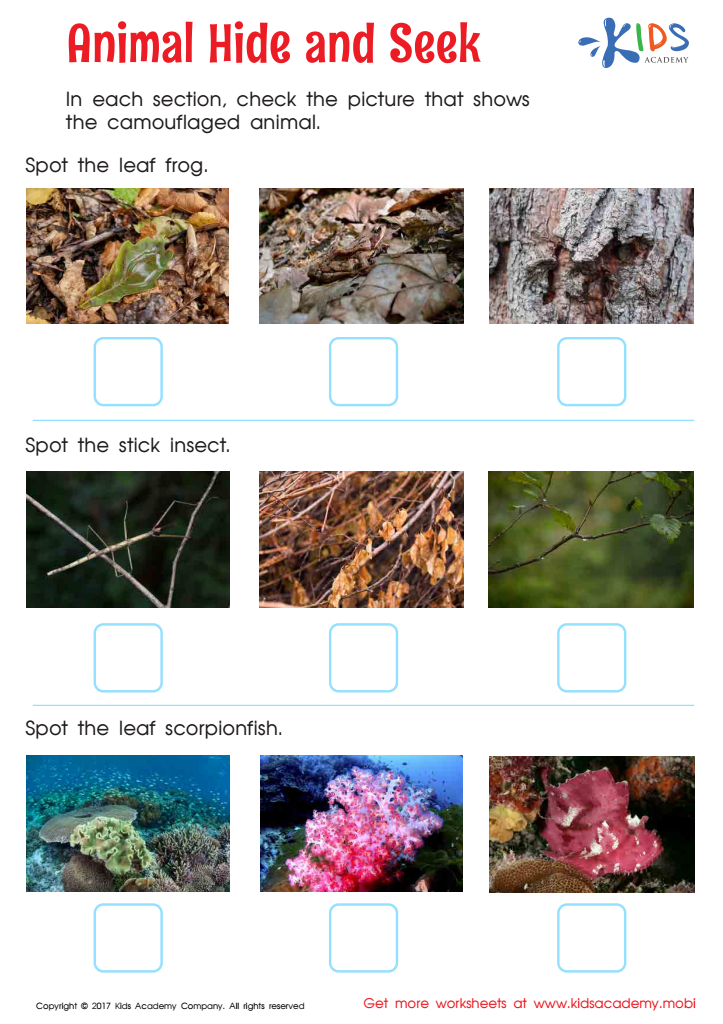
Animal Hide and Seek Worksheet
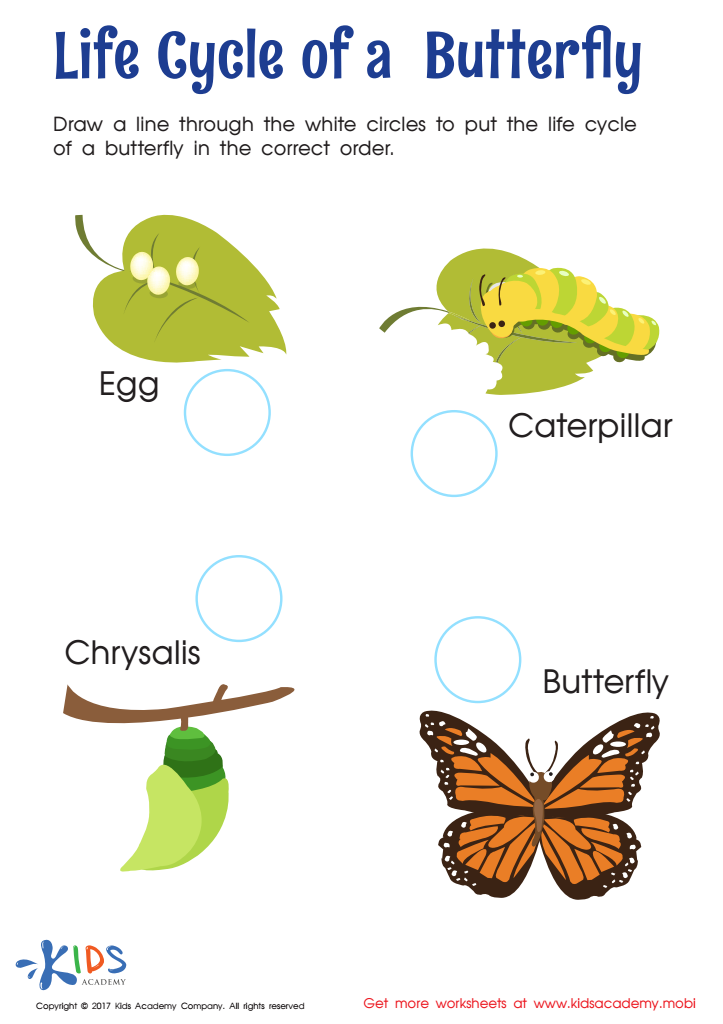
Life Cycle of Butterfly Worksheet
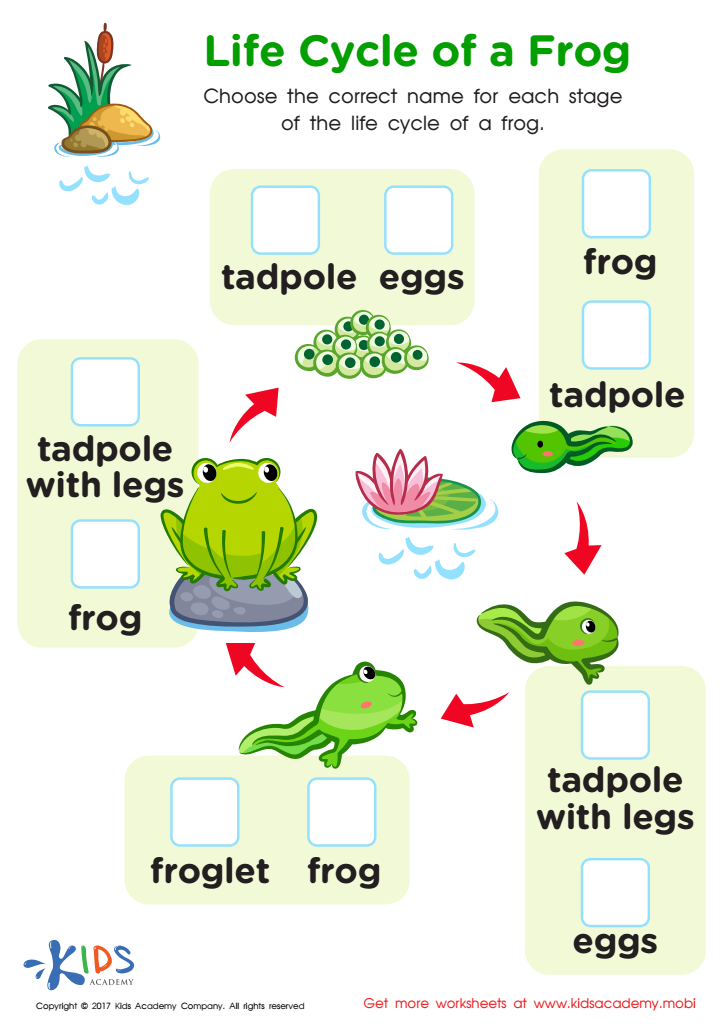
Life Cycle Frog Printable
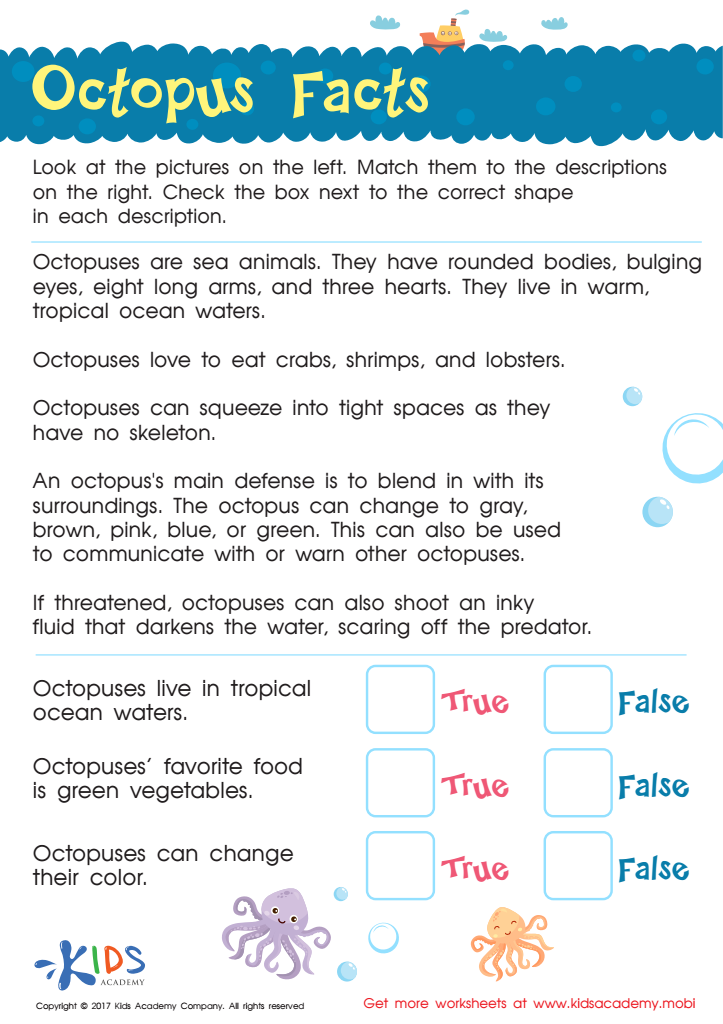
Octopus Facts Worksheet For Kids
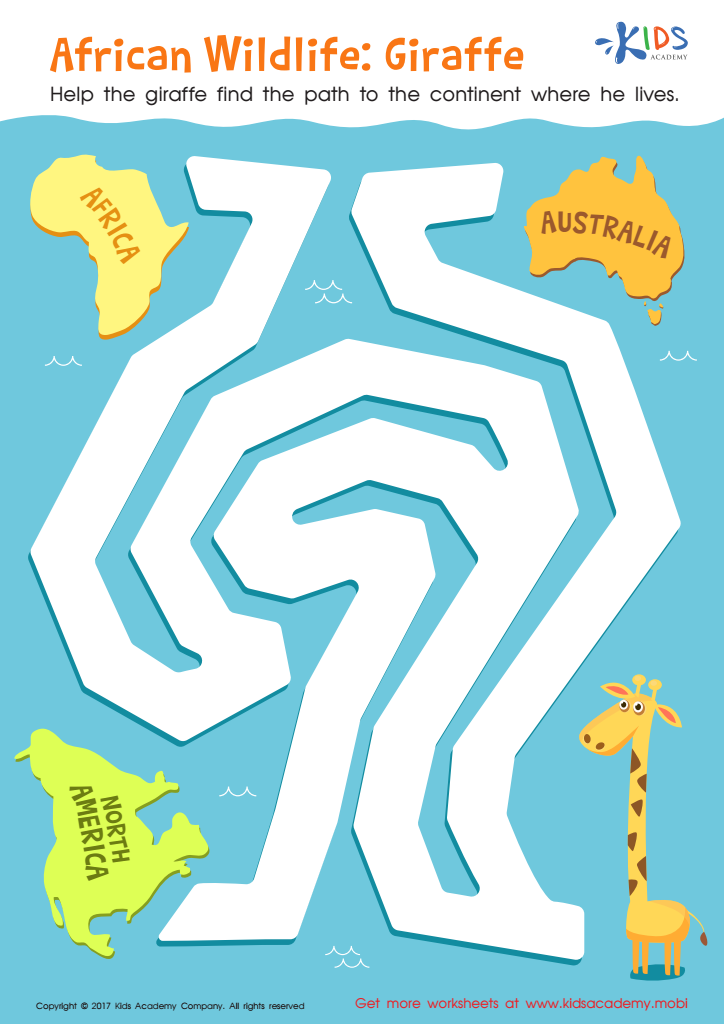
African Wildlife: Giraffe Worksheet
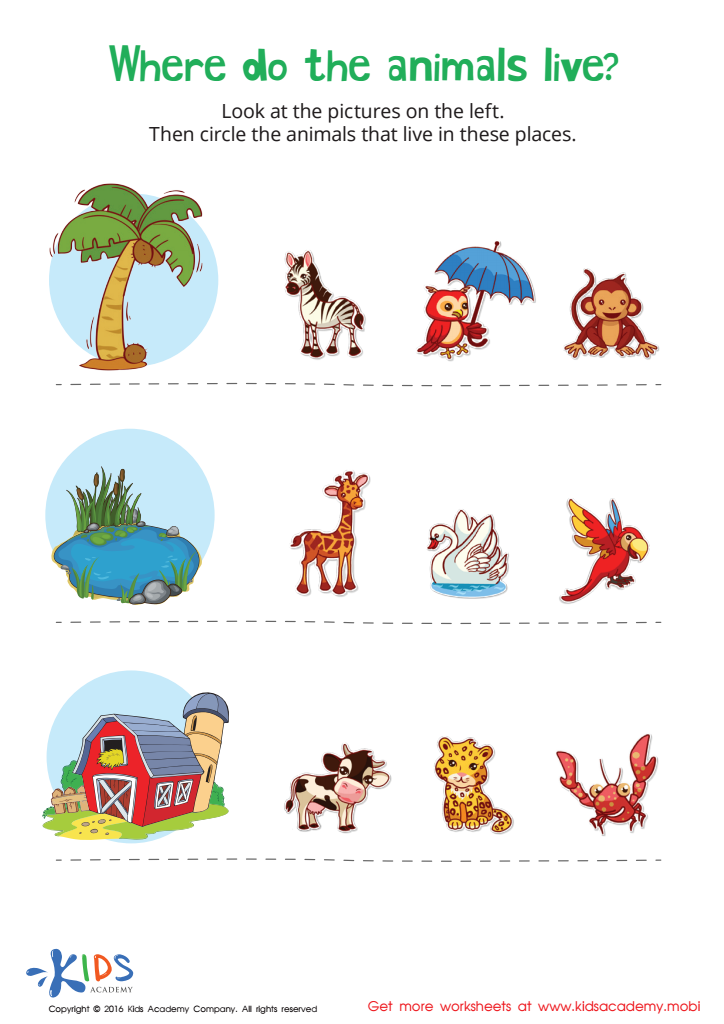
Where Animals Live Worksheet
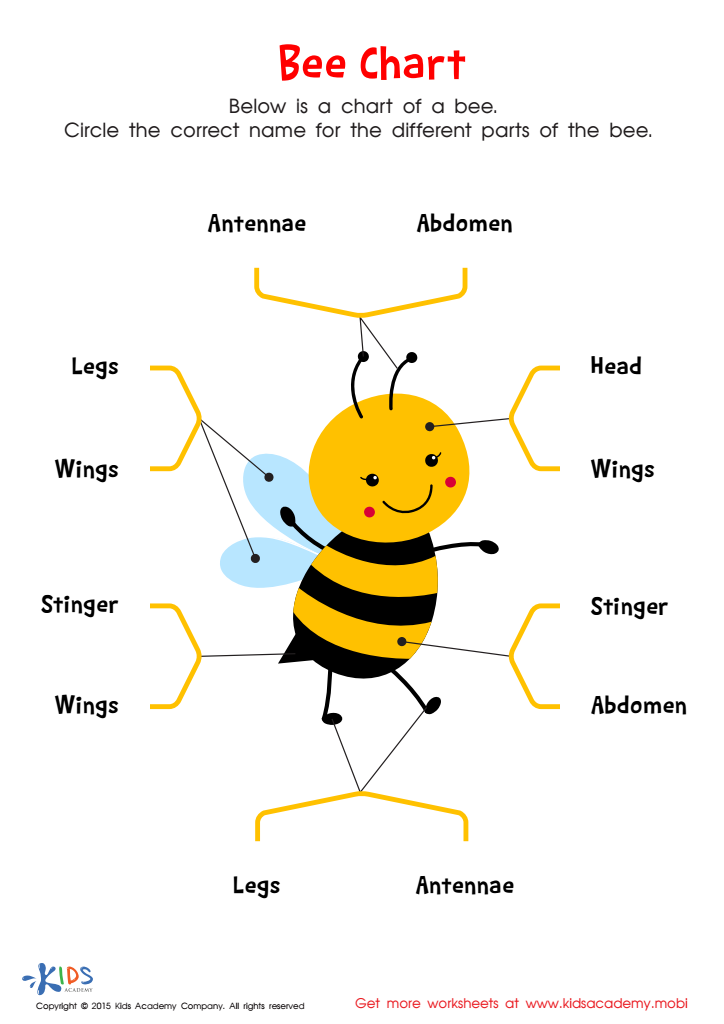
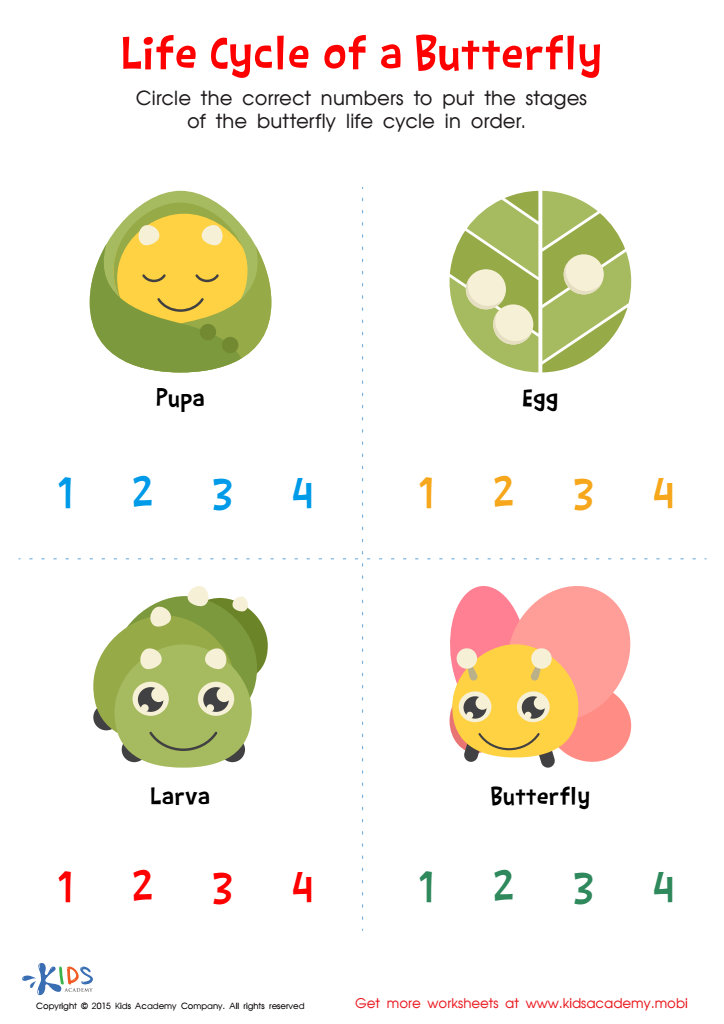
Life Cycle of Butterfly Printable
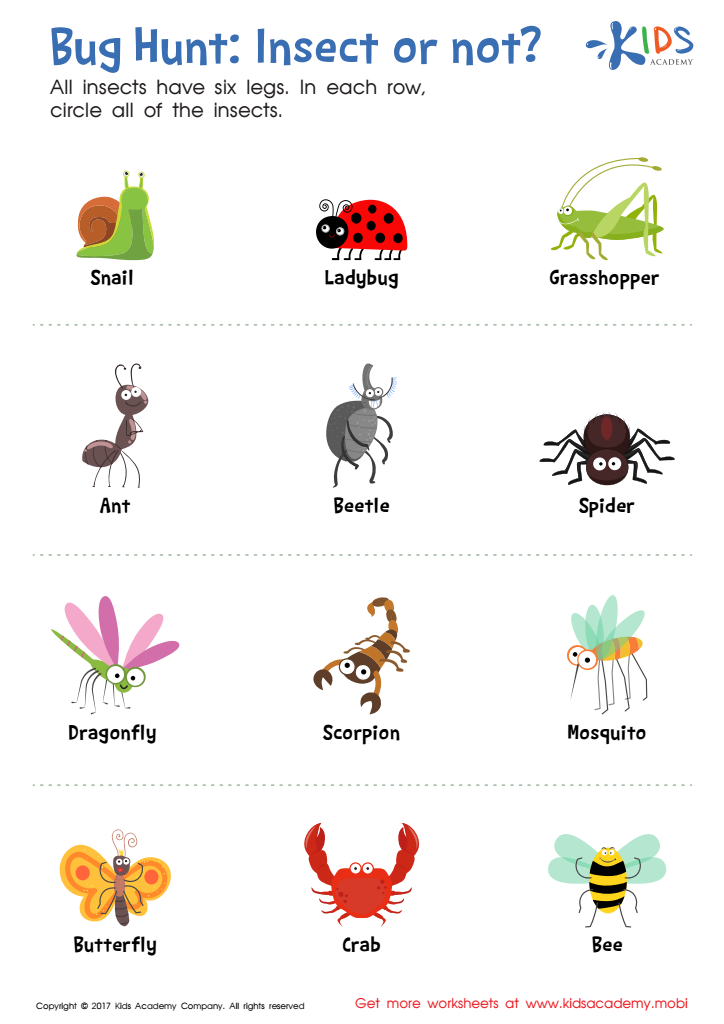
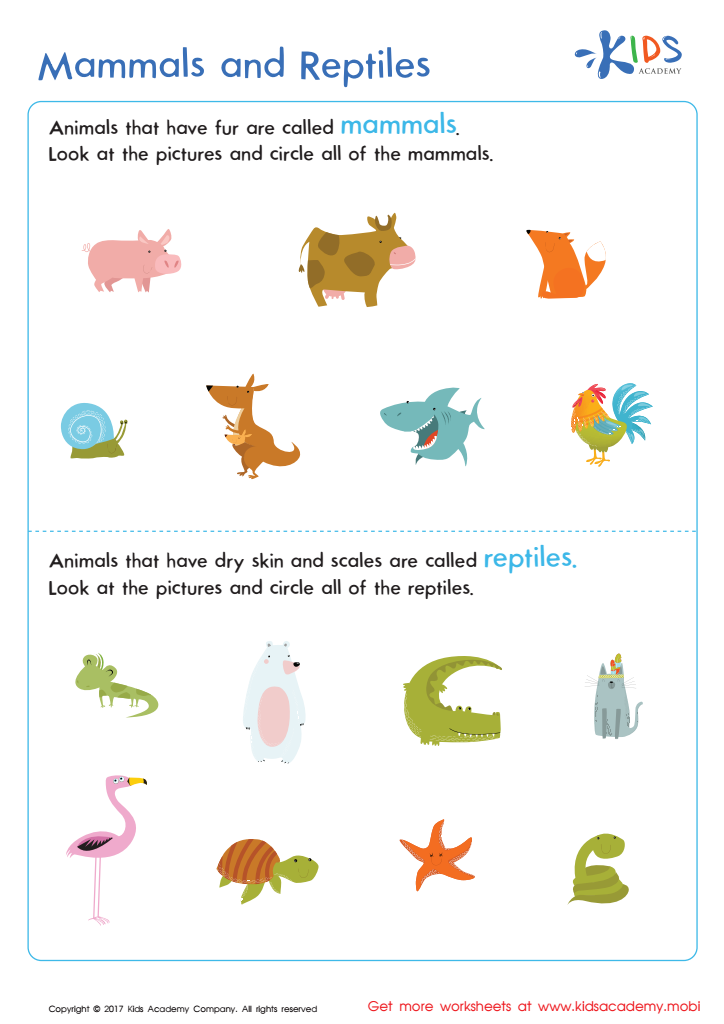
Mammals and Reptiles Worksheet
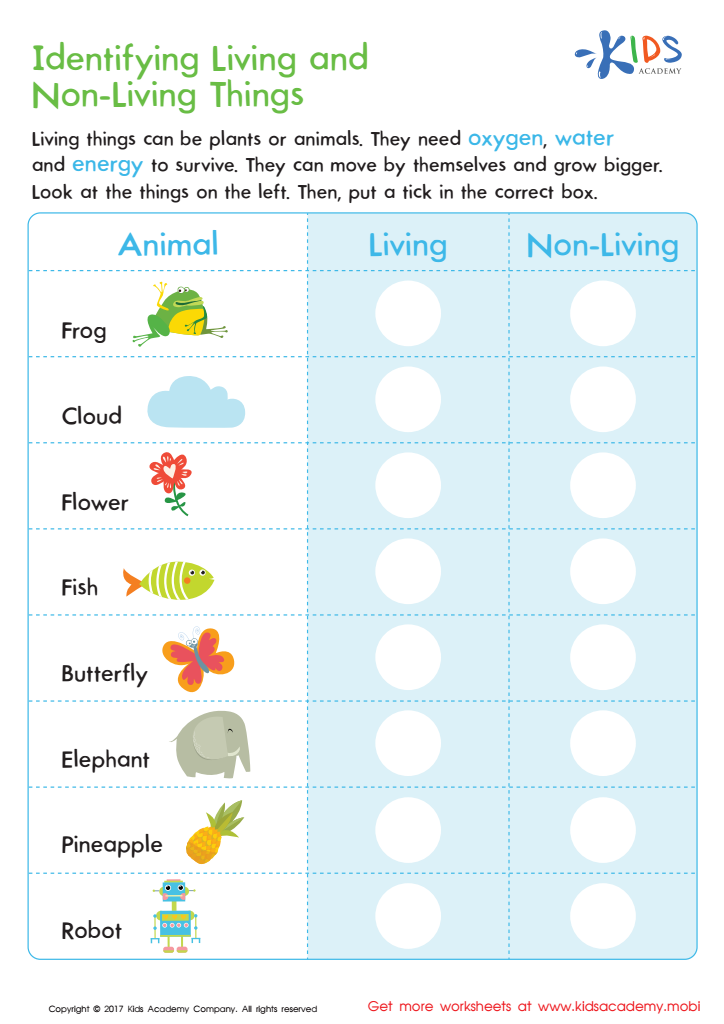
Identifying Living or Non–living Worksheet
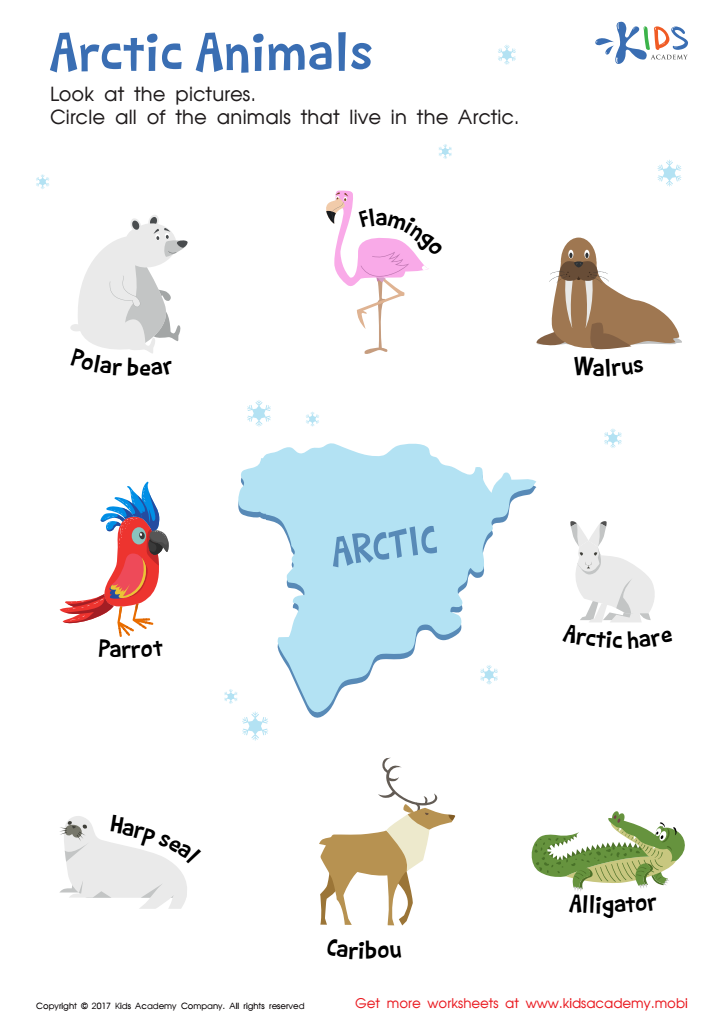
Arctic Animals Worksheet






%20(1).jpg)

Parents and teachers should care about normal animals for children ages 5-7 because these foundational years are critical for early education and development. Introducing young learners to normal animals—those that are commonly found in nature, such as dogs, cats, birds, and farm animals—fosters essential knowledge about the natural world. Understanding animals helps children develop empathy, promoting kindness and compassion toward living beings.
Additionally, learning about normal animals encourages curiosity and inquiry, stimulating cognitive development. It provides opportunities for language and vocabulary expansion, as children learn to describe various animals, their habitats, diets, and behaviors. Engaging lessons about animals also facilitate hands-on activities like storybooks, art projects, or even visits to local farms or zoos, supporting a rich, experiential learning environment.
Furthermore, discussing the characteristics of normal animals aids children in making observations and comparisons, enhancing critical thinking skills. Grounded in science and environmental awareness, this knowledge can instill a sense of responsibility and encourage stewardship of the planet from an early age. Ultimately, connecting children with the familiar world of normal animals creates a stronger bond to nature, promoting lifelong learning and healthy, informed habits.








