Normal Addition Worksheets for Ages 5-9 - Page 2
68 filtered results
-
From - To
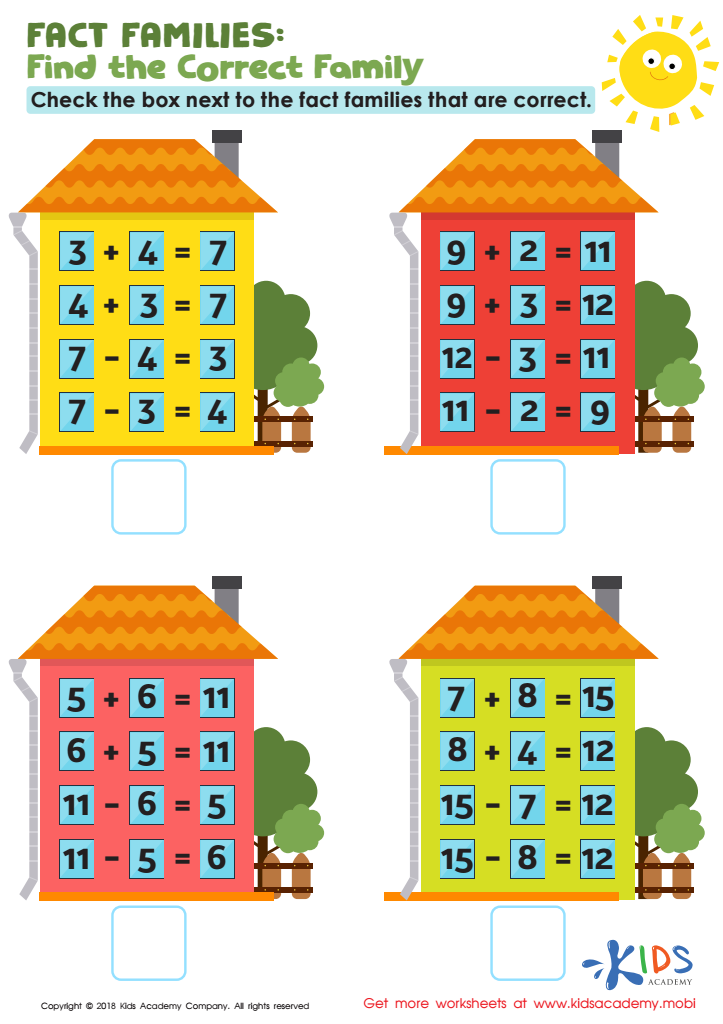
Fact Families: Find Correct Family Worksheet
 Assign to My Students
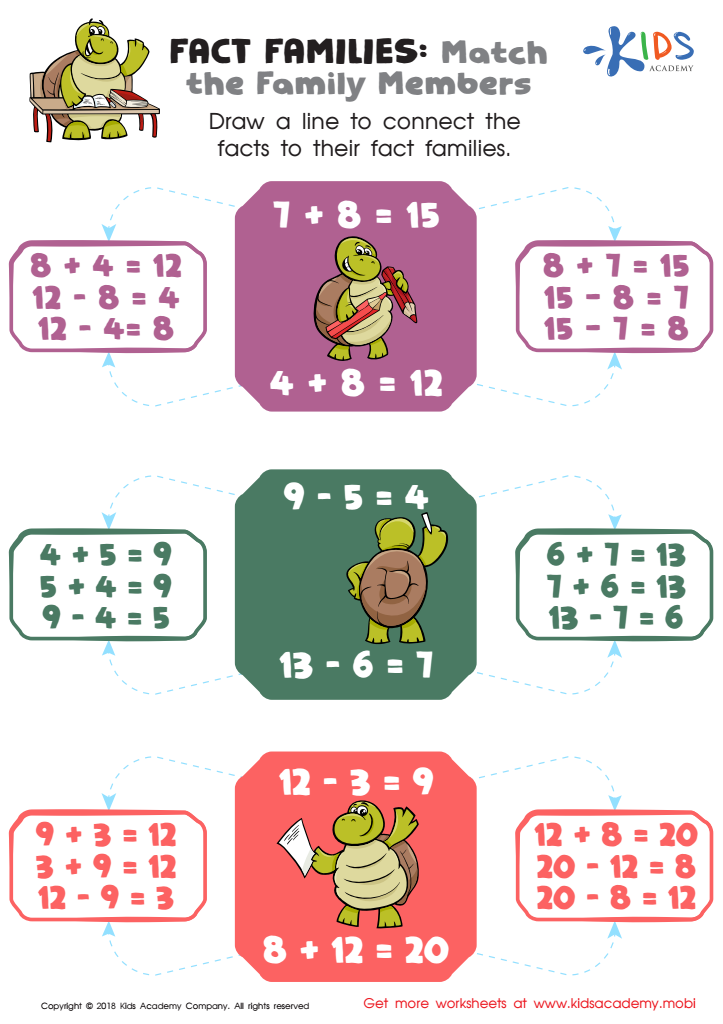
Fact Families: Match Family Members Worksheet
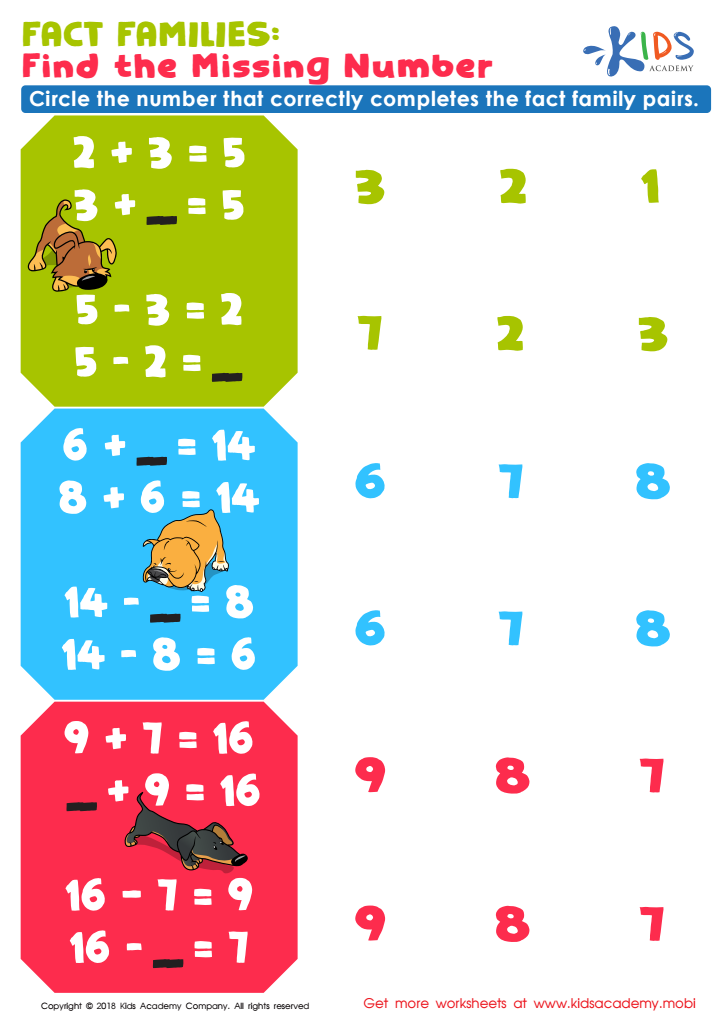
Fact Families: Find Missing Number Worksheet
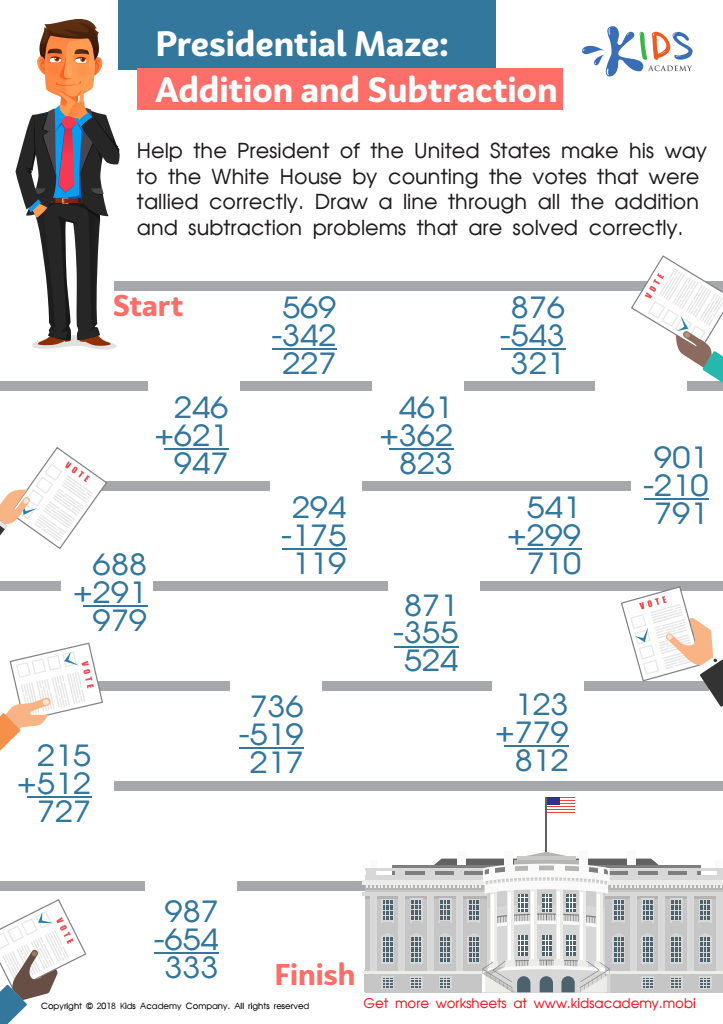
Presidential Maze: Addition and Subtraction Worksheet
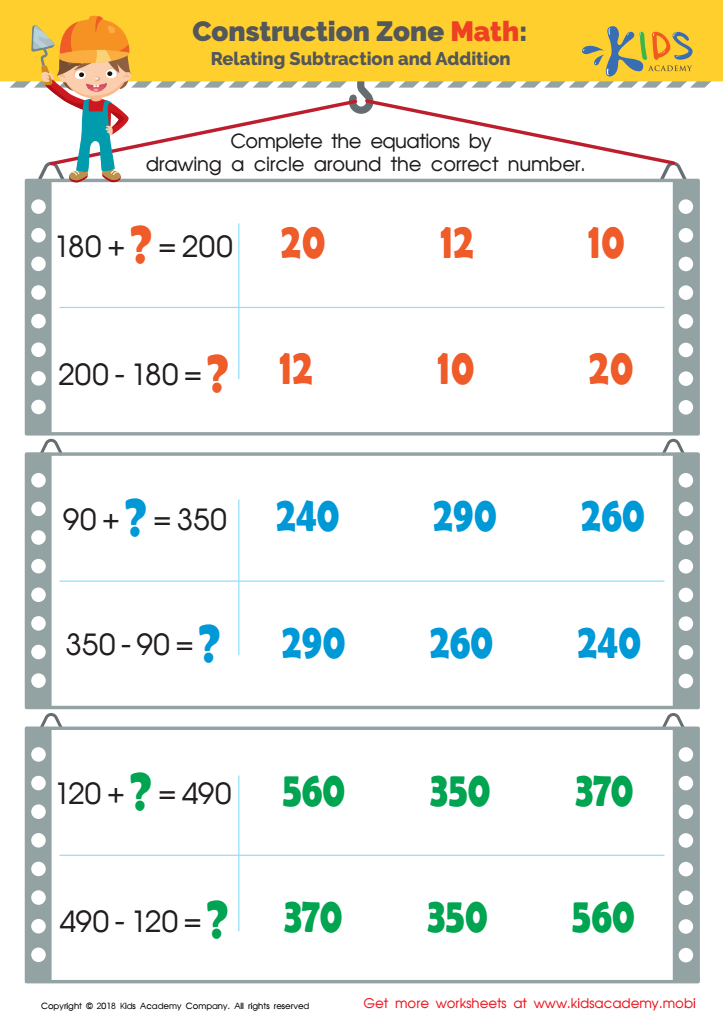
Construction Zone Math: Relating Subtraction and Addition Worksheet
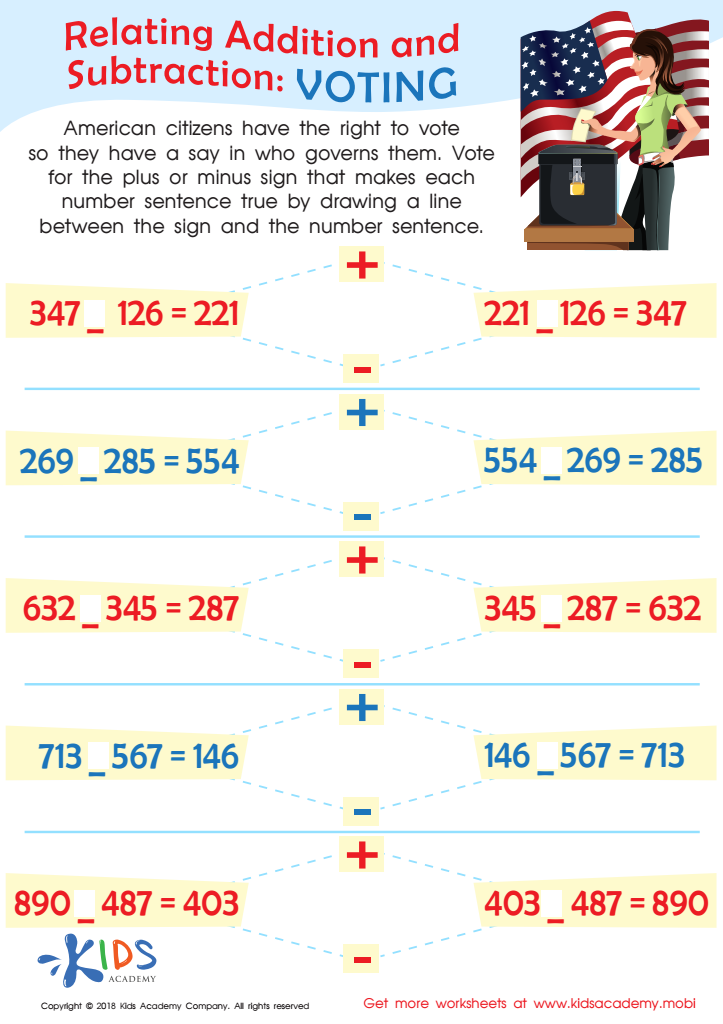
Voting Worksheet
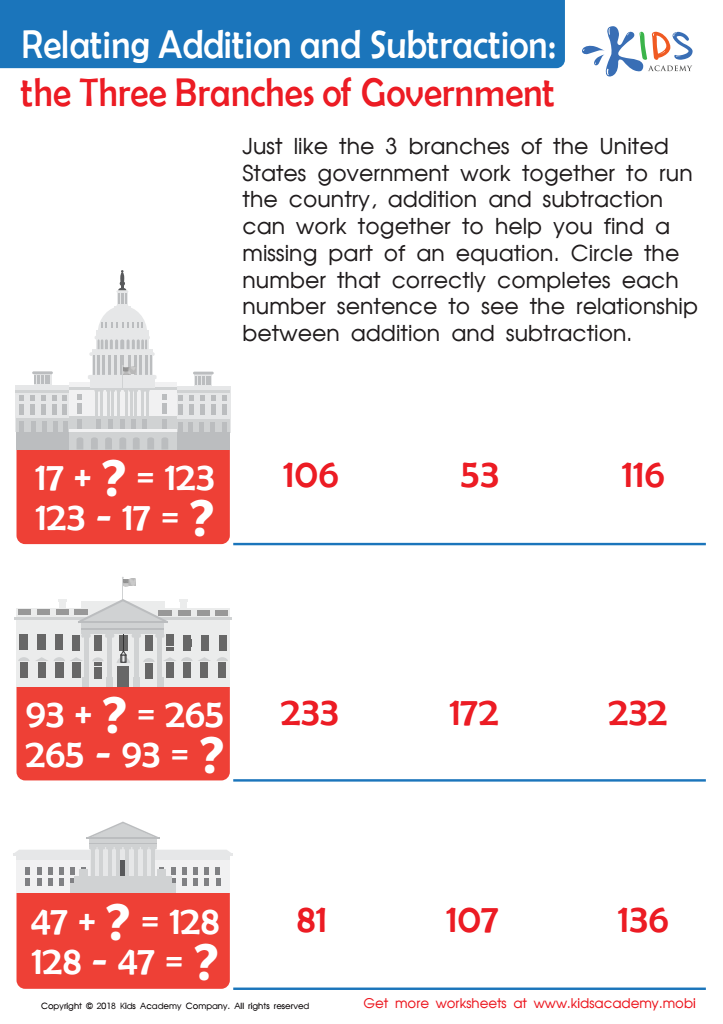
The Three Branches of Government Worksheet
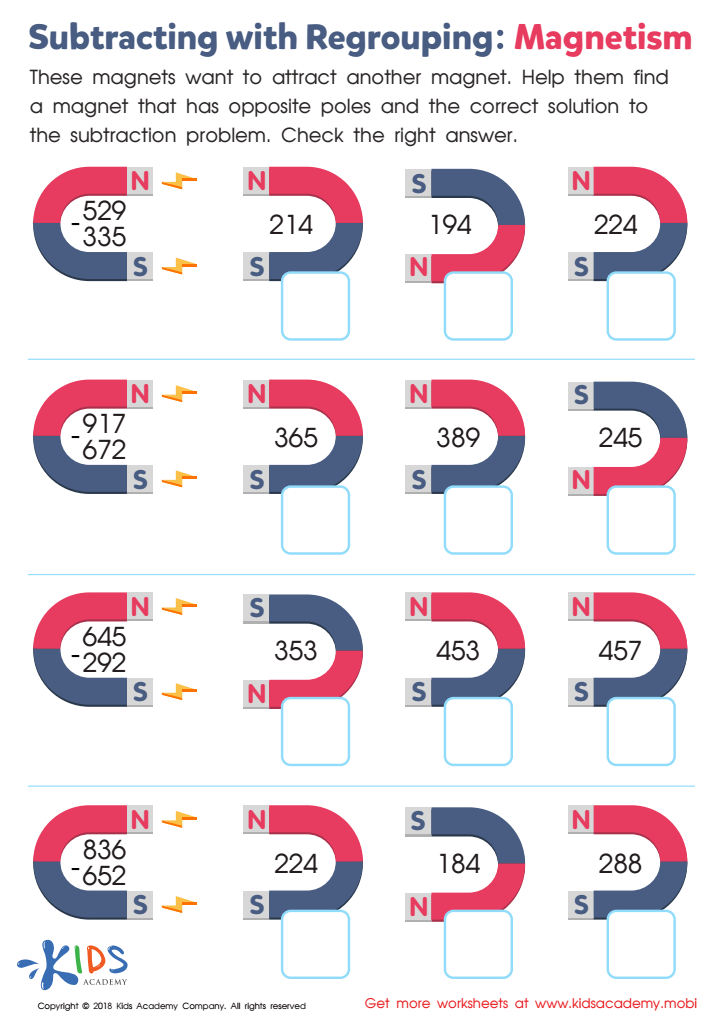
Subtracting with Regrouping: Magnetism Worksheet
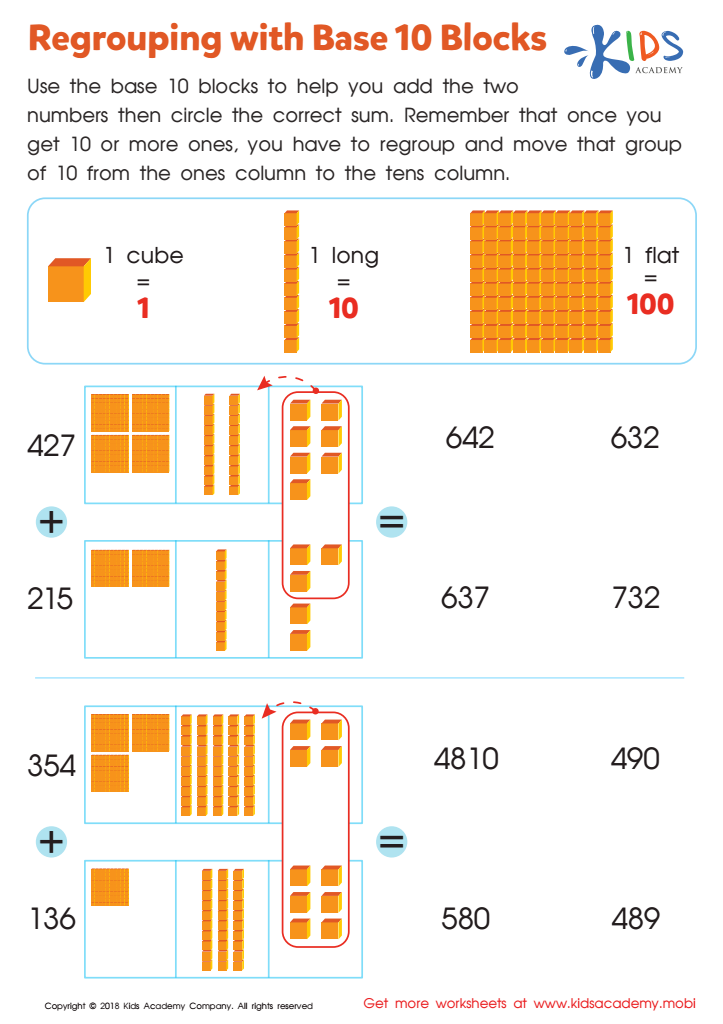
Regrouping with Base 10 Blocks Worksheet
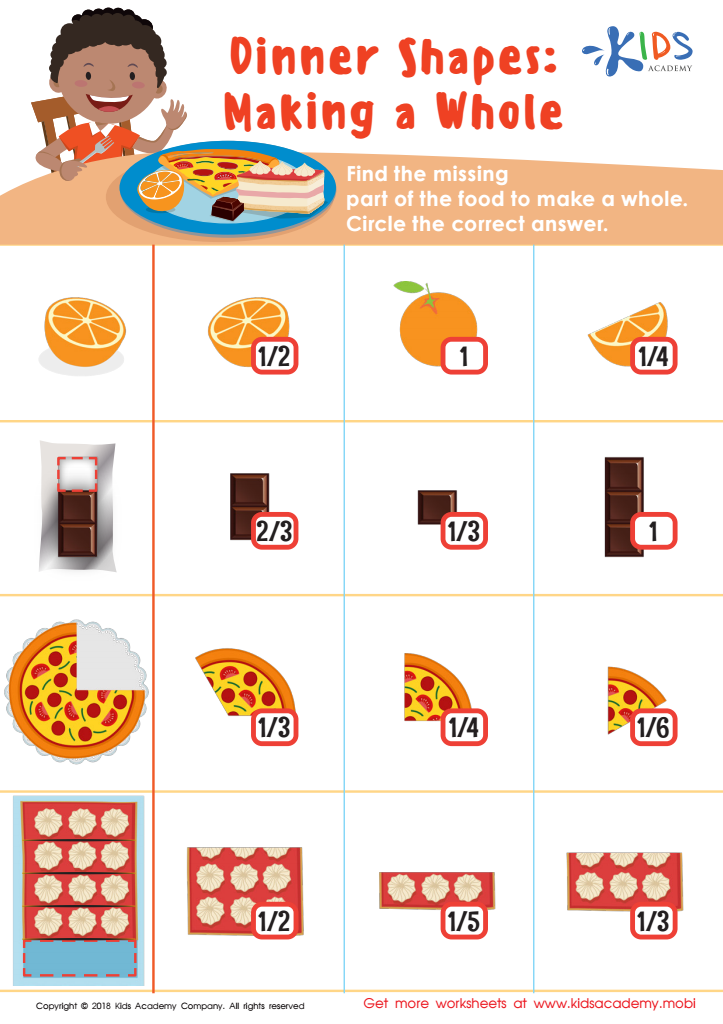
Dinner Shapes: Making a Whole Worksheet
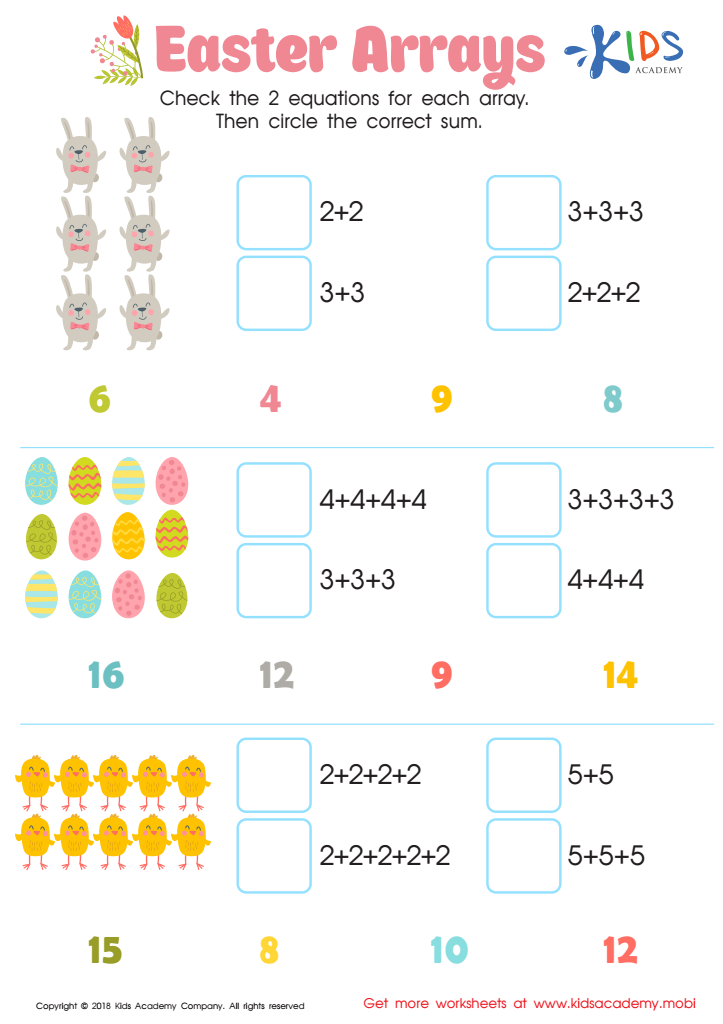
Easter Arrays Worksheet
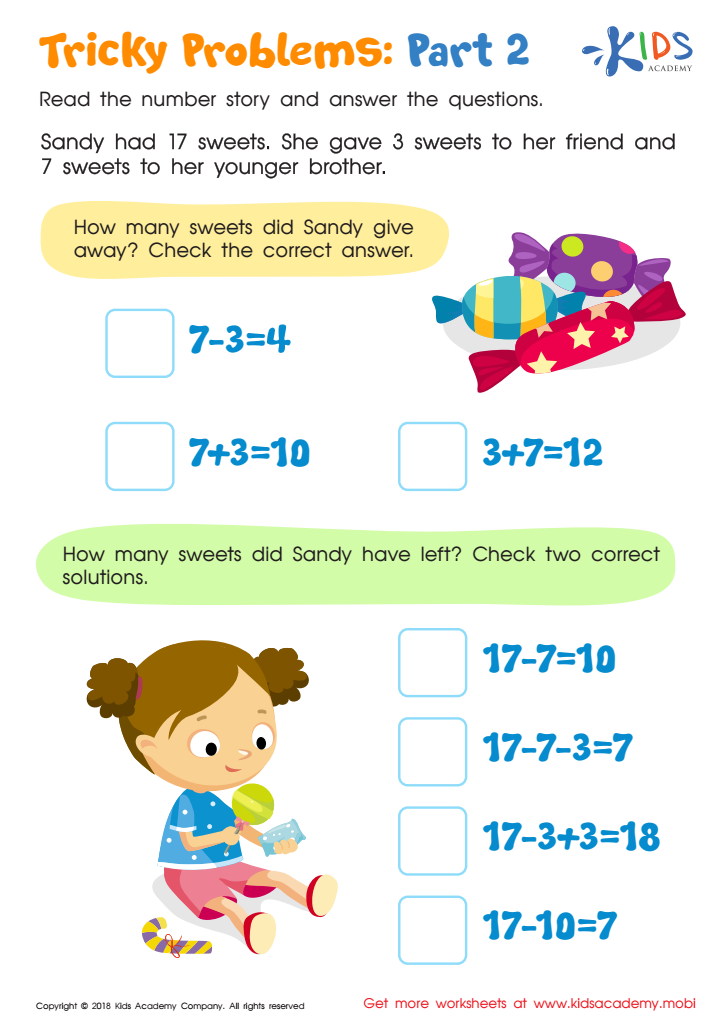
Tricky Problems Worksheet: Part 2
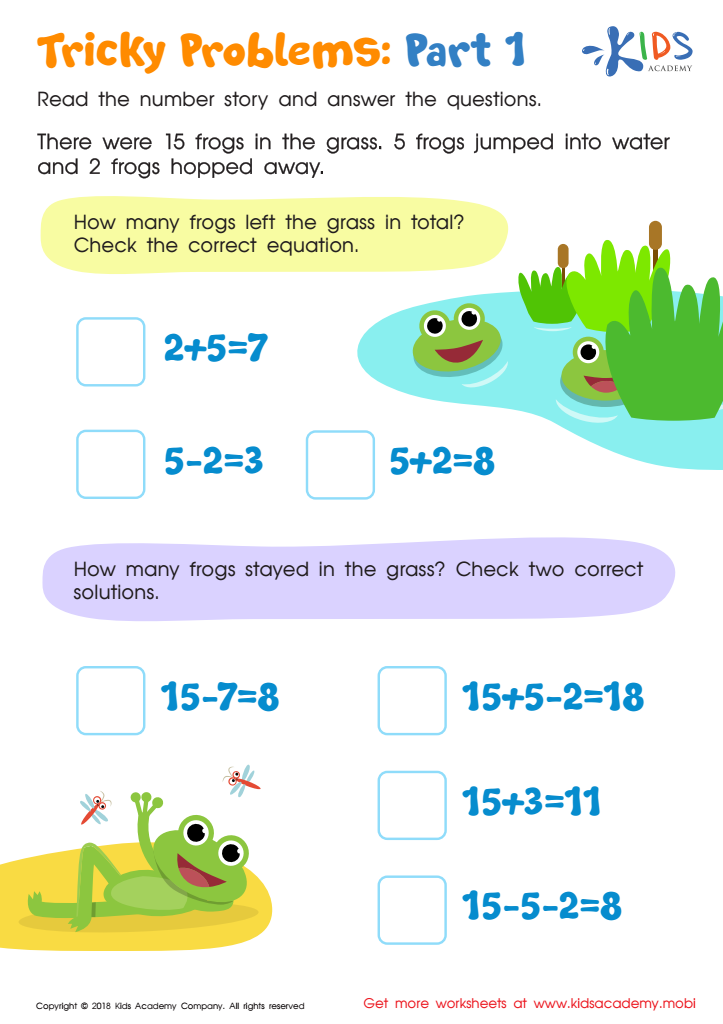
Tricky Problems Worksheet: Part 1
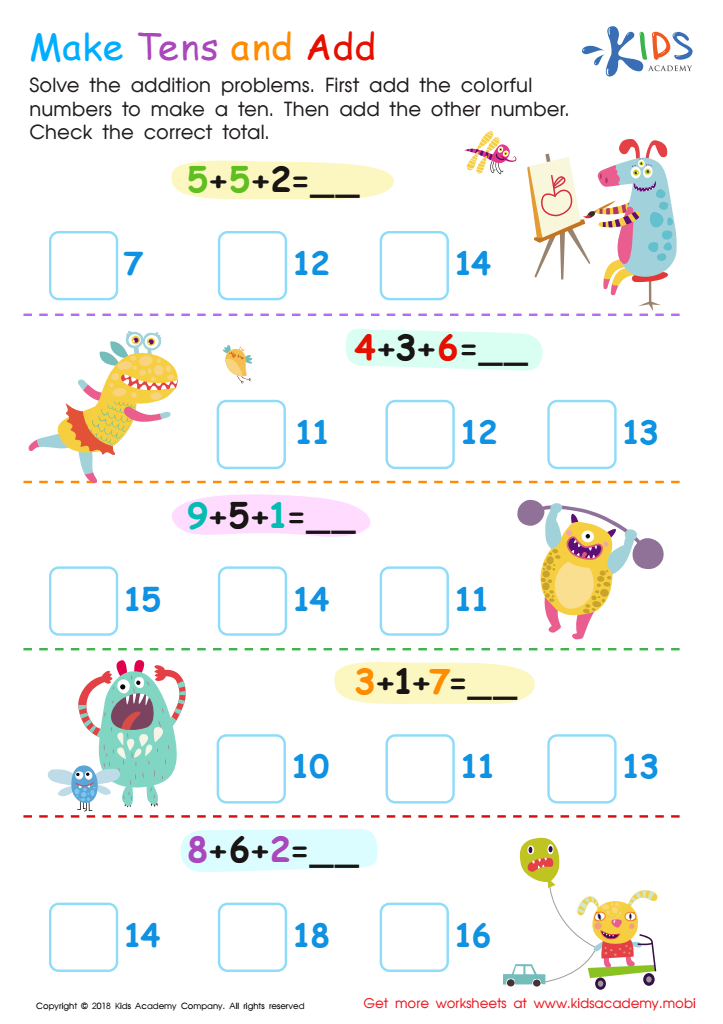
Make Tens and Add Worksheet
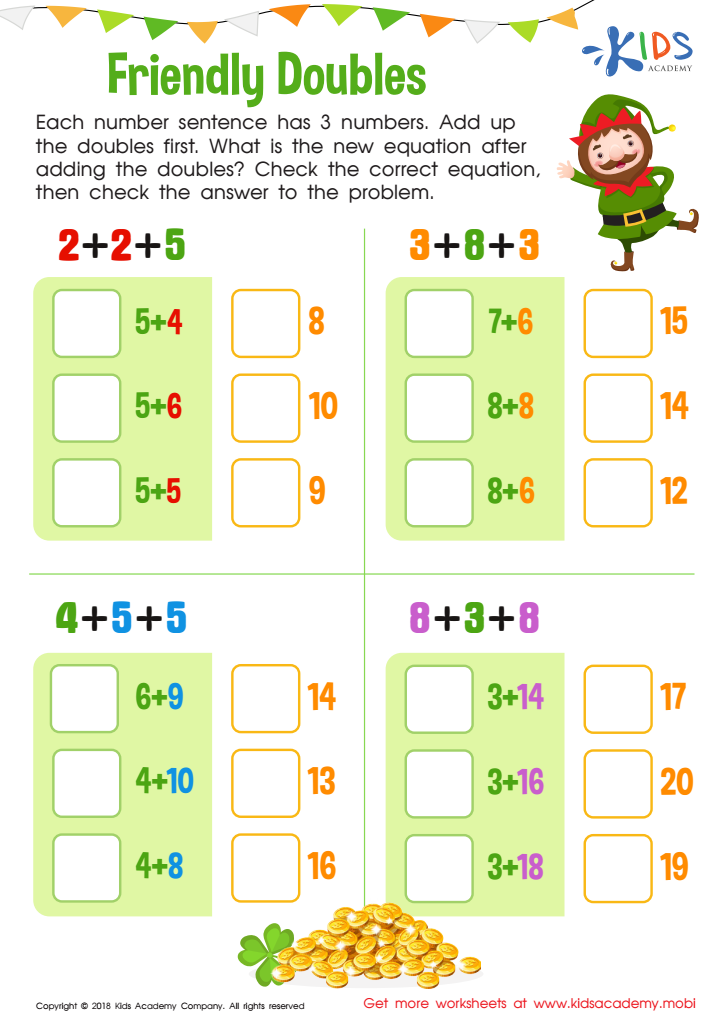
Friendly Doubles Worksheet
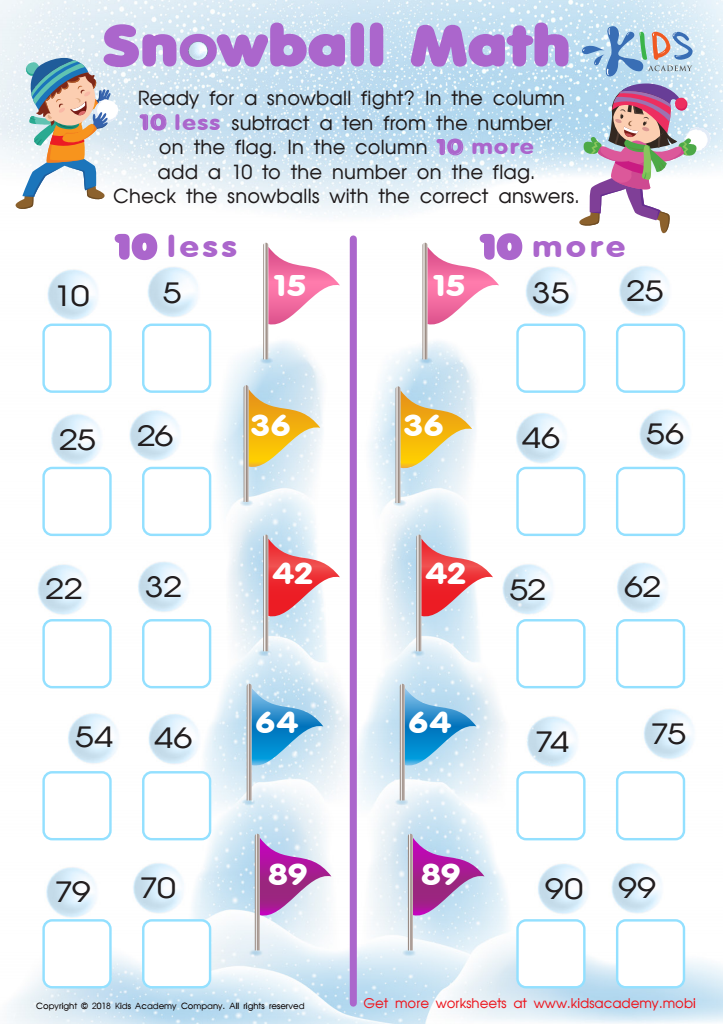
Snowball Math Worksheet
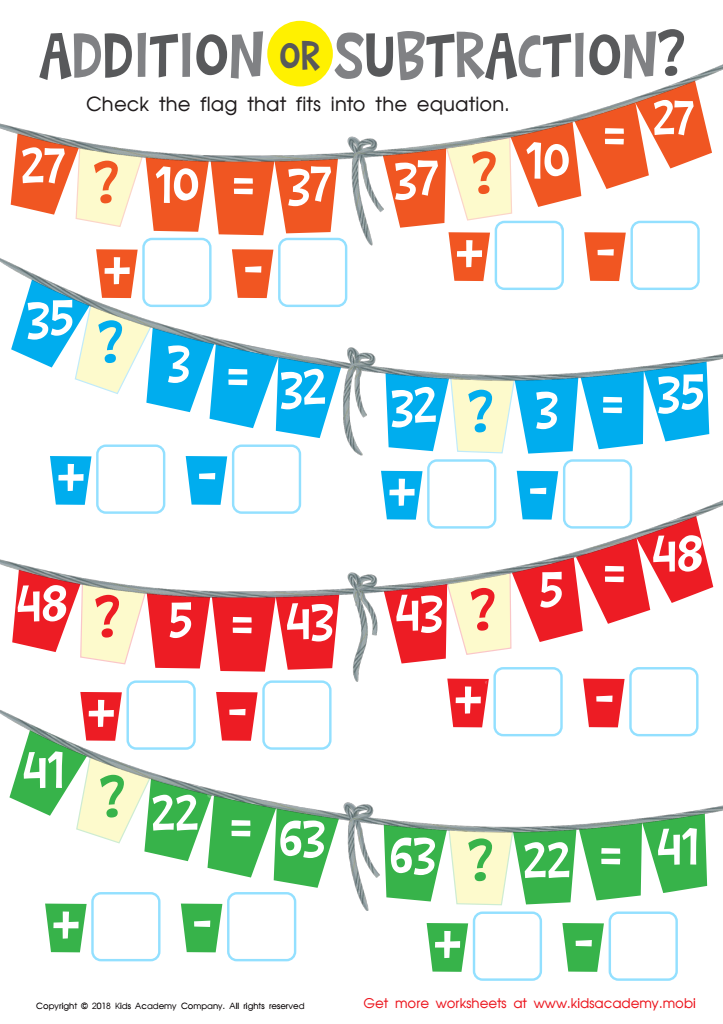
Addition or Subtraction? Worksheet
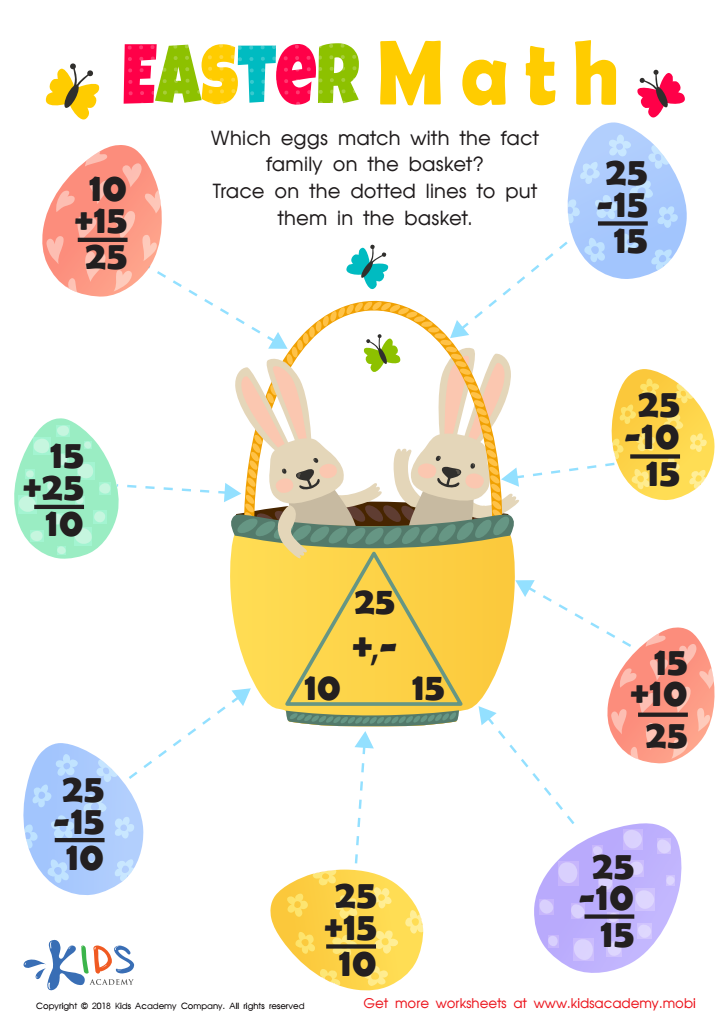
Fact Families: Easter Math Worksheet
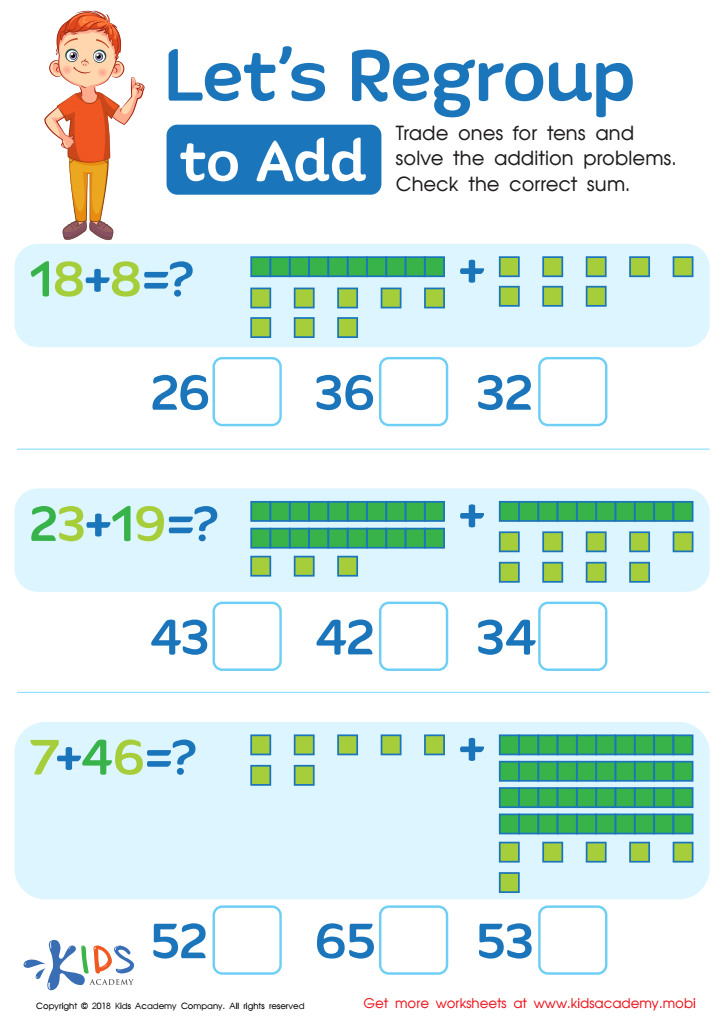
Let's Regroup to Add Worksheet
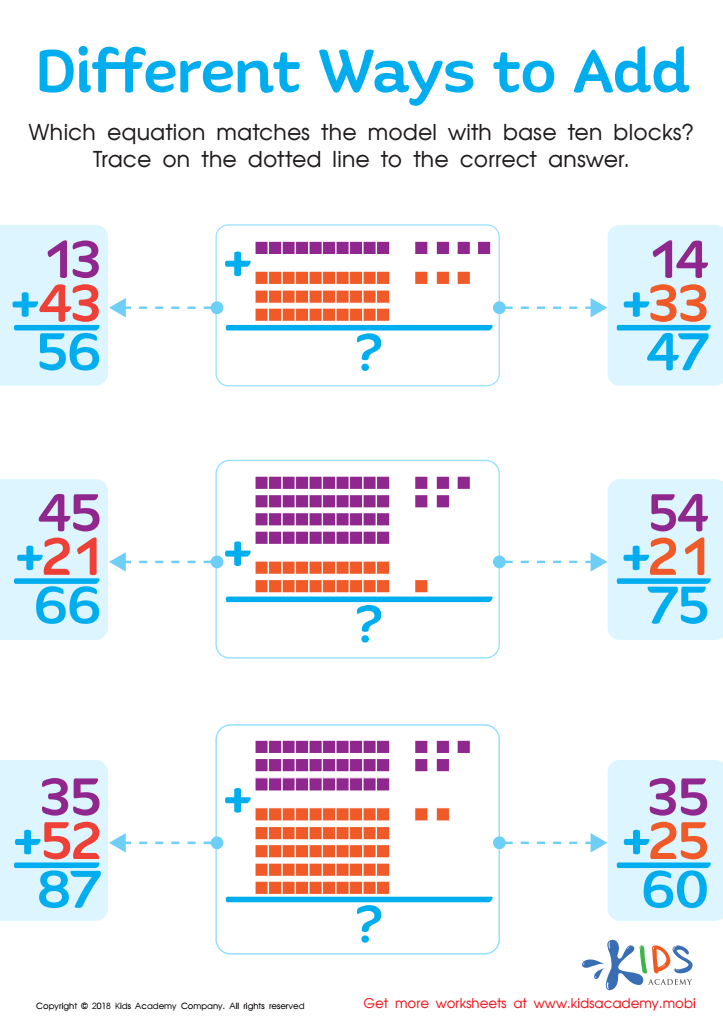
Different Ways to Add Worksheet
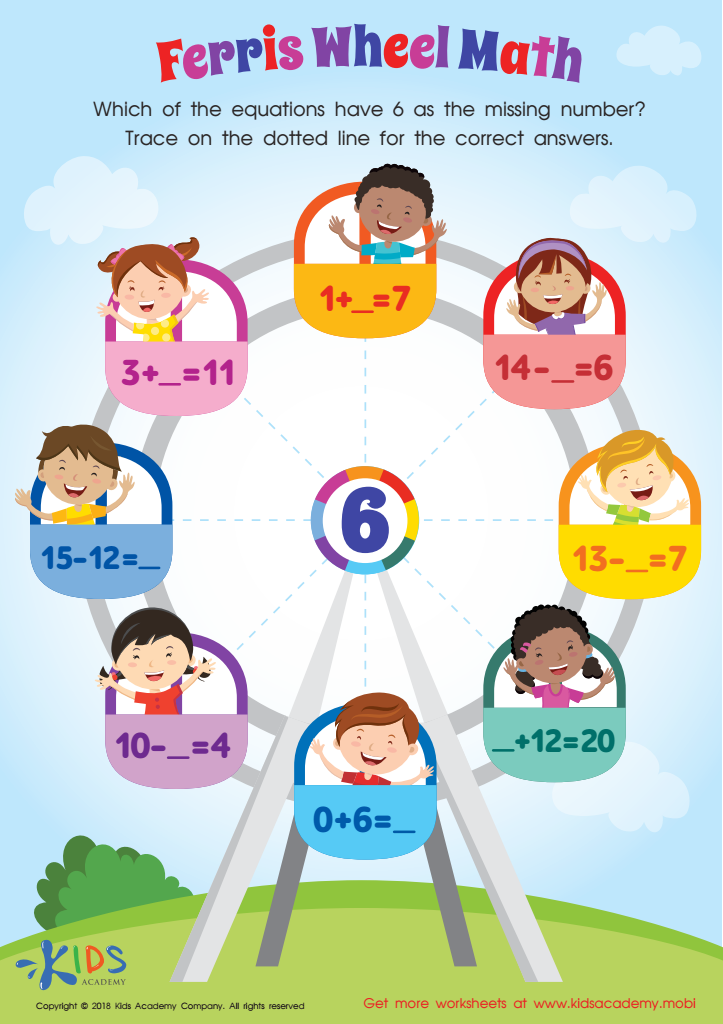
Missing Number: Ferris Wheel Math Worksheet
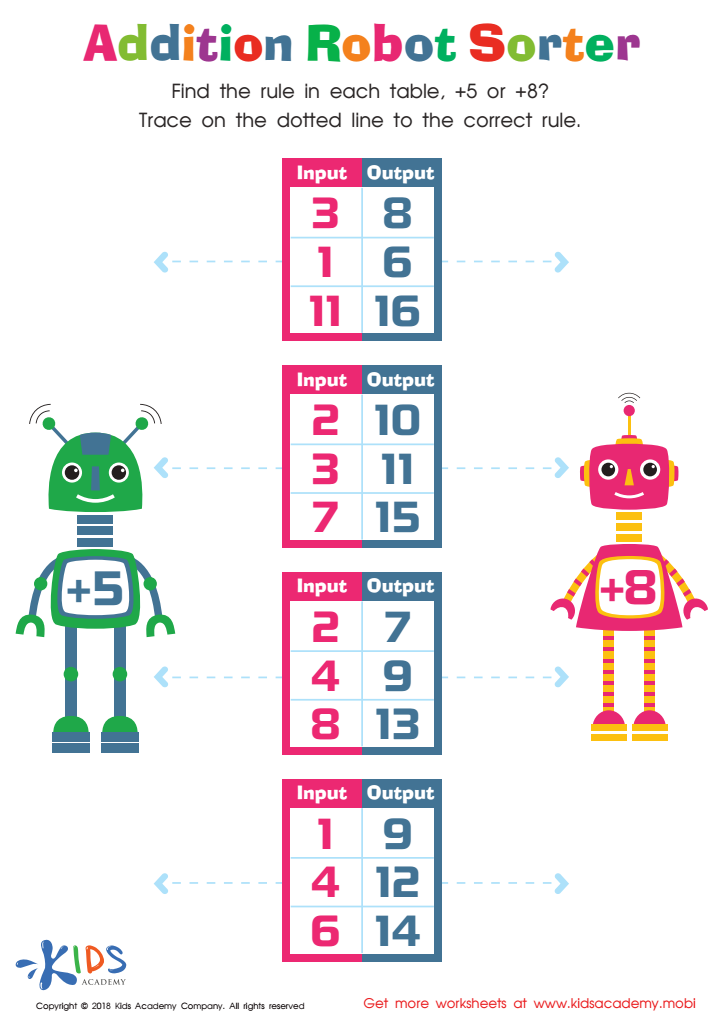
Addition Robot Sorter Worksheet
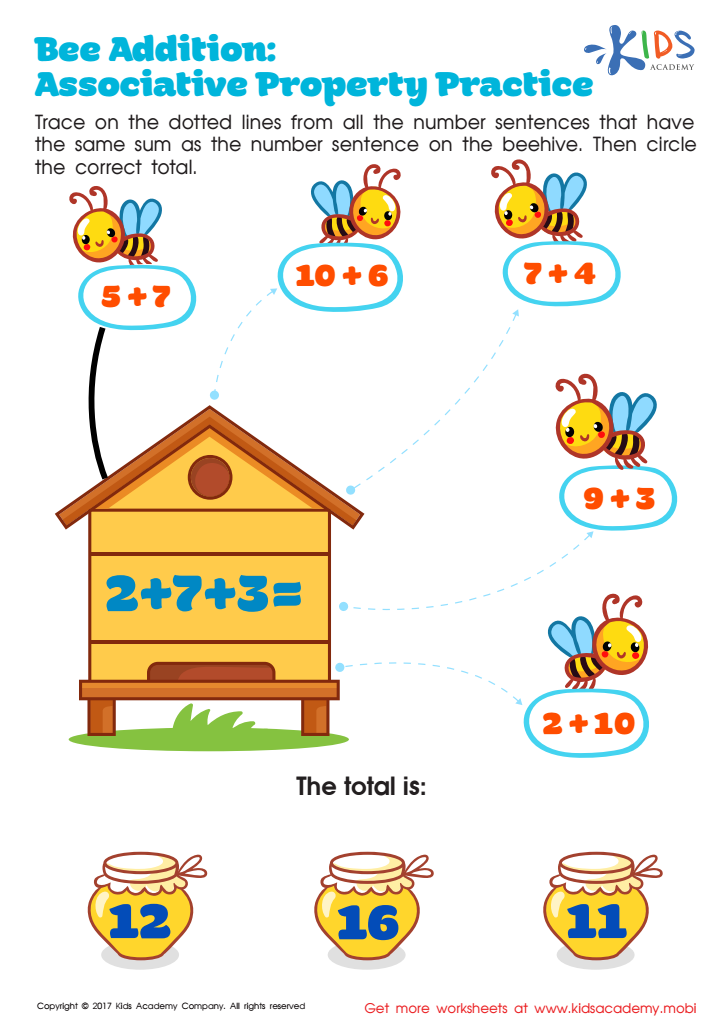
Bee Addition: Associative Property Practice Worksheet
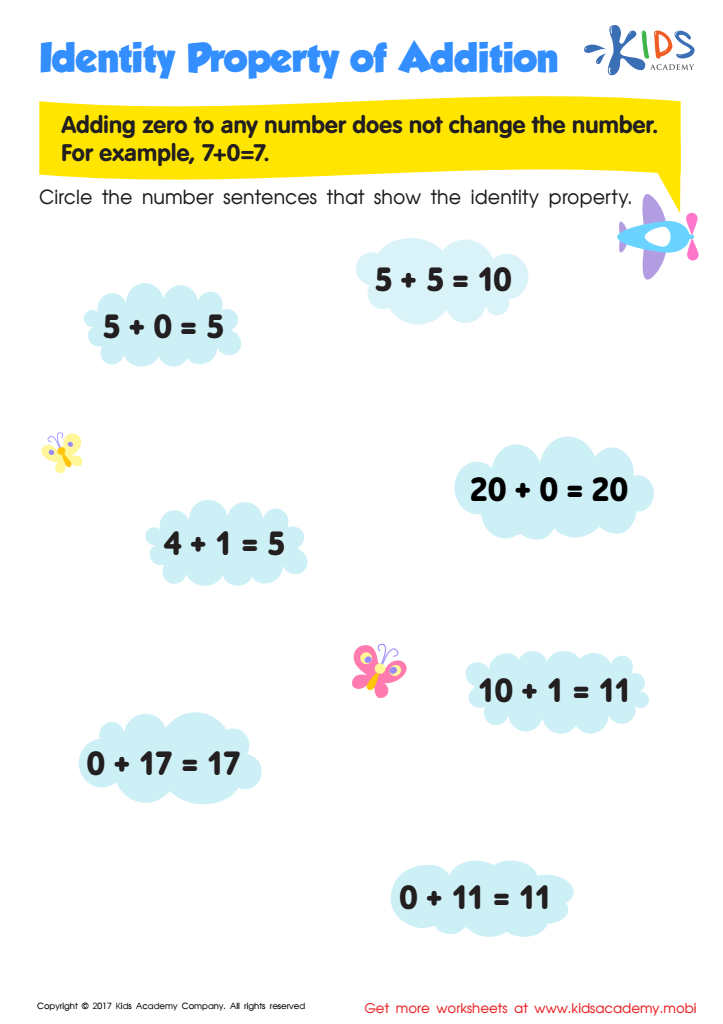
Identity Property of Addition Worksheet





.jpg)


Parents and teachers should care about normal addition for children ages 5-9 because it is a cornerstone of early mathematical development. Addition is more than just memorizing facts; it's crucial for developing number sense, problem-solving skills, and logical thinking. By mastering addition, children build a foundation that is essential for understanding more complex mathematical concepts and operations, such as subtraction, multiplication, and division.
At this age, children are at a critical stage of cognitive development. Introducing them to addition helps their brains to form neural connections that will support complex thinking processes in the future. This fundamental skill also enhances their ability to handle daily tasks requiring basic math, like counting items, handling money, or measuring ingredients in a recipe.
Moreover, early success in understanding addition can boost a child's confidence and interest in mathematics, setting a positive trajectory for their academic journey. This mathematical grounding facilitates better performance in school and opens doors to careers in science, technology, engineering, and math (STEM).
Teachers and parents play a pivotal role in making addition engaging and accessible, using tools like counting games, visual aids, and interactive activities. By emphasizing normal addition, we equip children with the critical skills needed for lifelong learning and practical problem-solving in everyday life.