Normal Multiplication Worksheets for Ages 6-8 - Page 2
34 filtered results
-
From - To
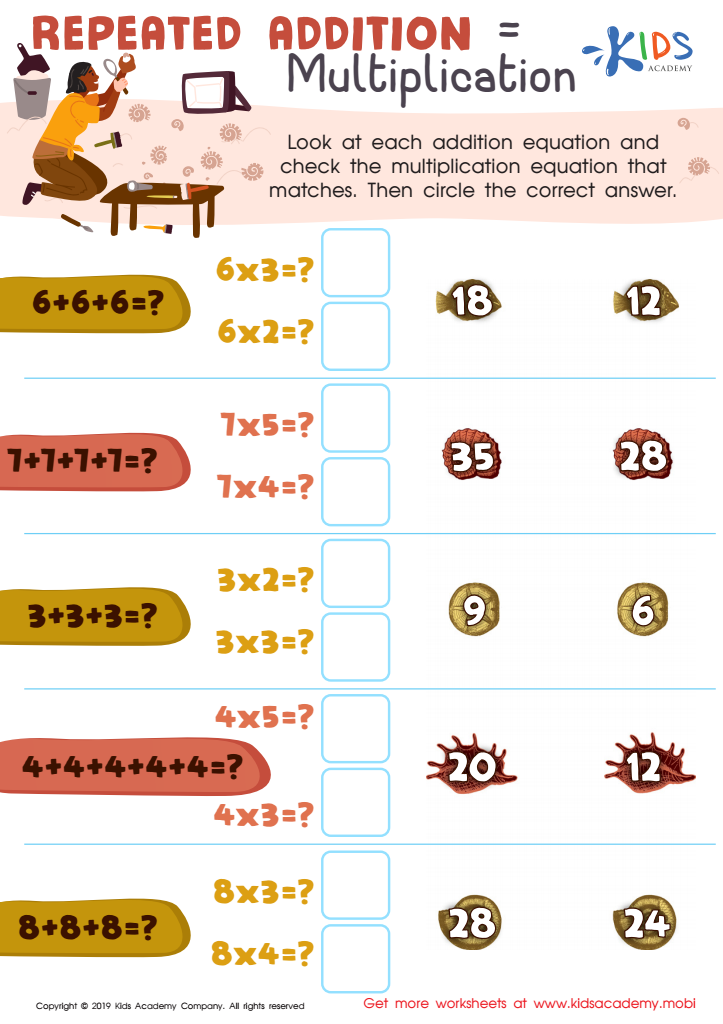
Repeated Addition = Multiplication Worksheet
 Assign to My Students
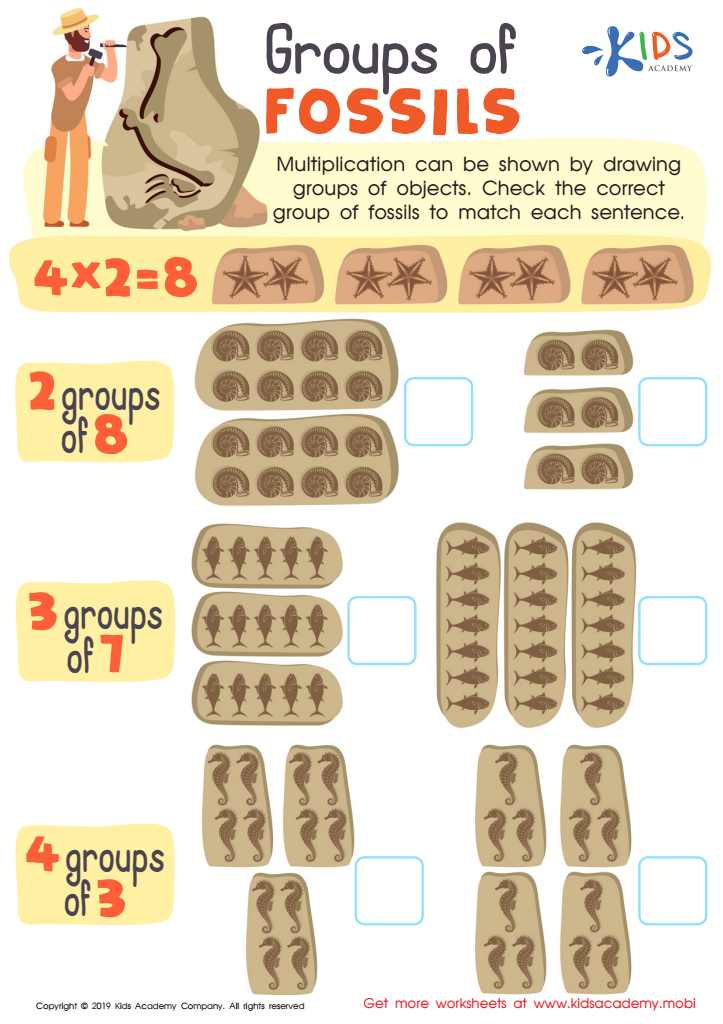
Groups of Fossils Worksheet
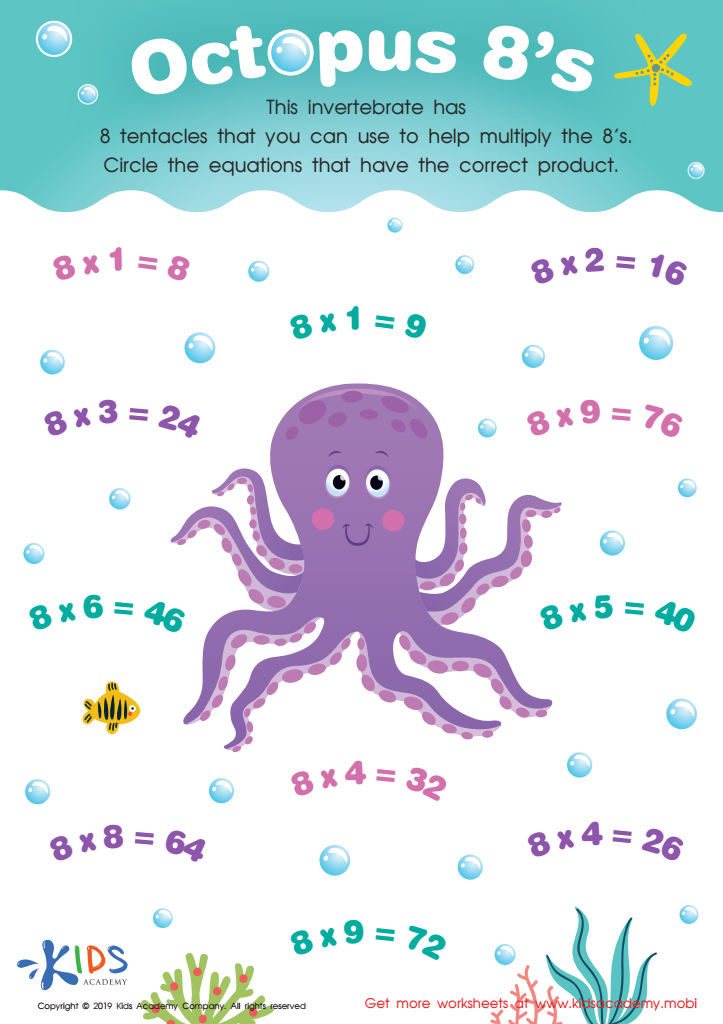
Octopus 8’s Worksheet
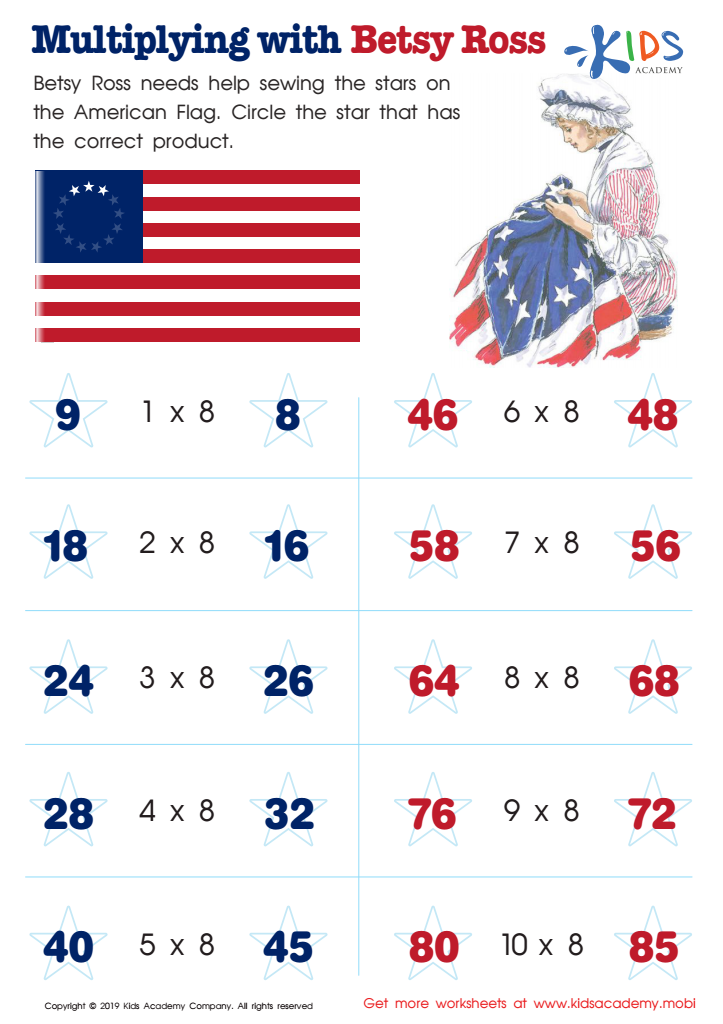
Multiplying with Betsy Ross Worksheet
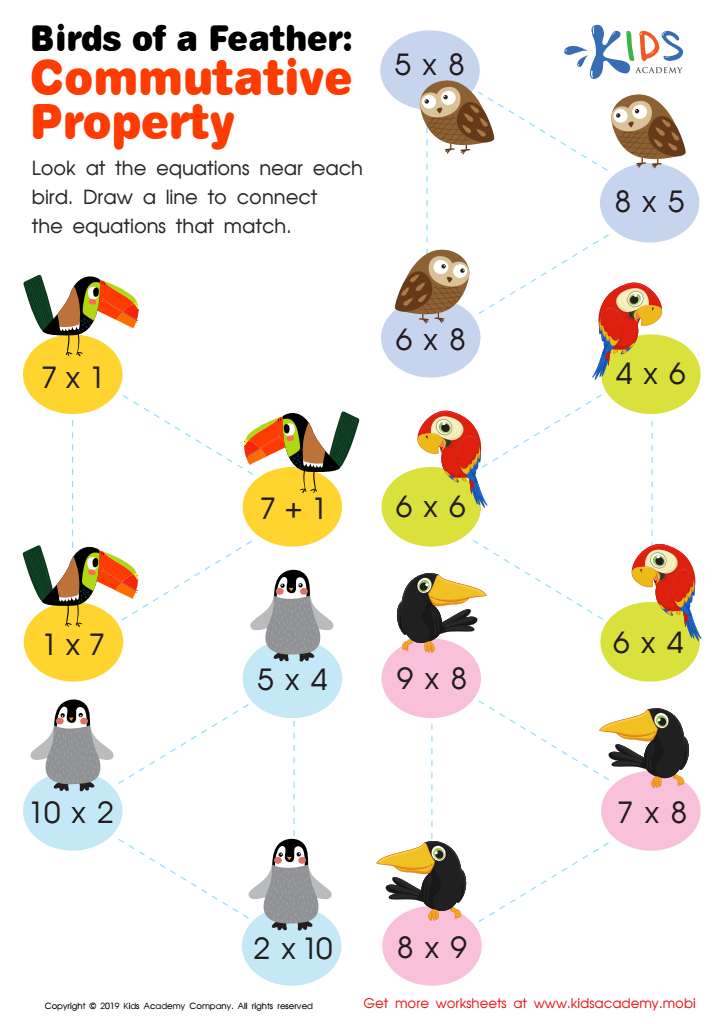
Birds of a Feather: Commutative Property Worksheet
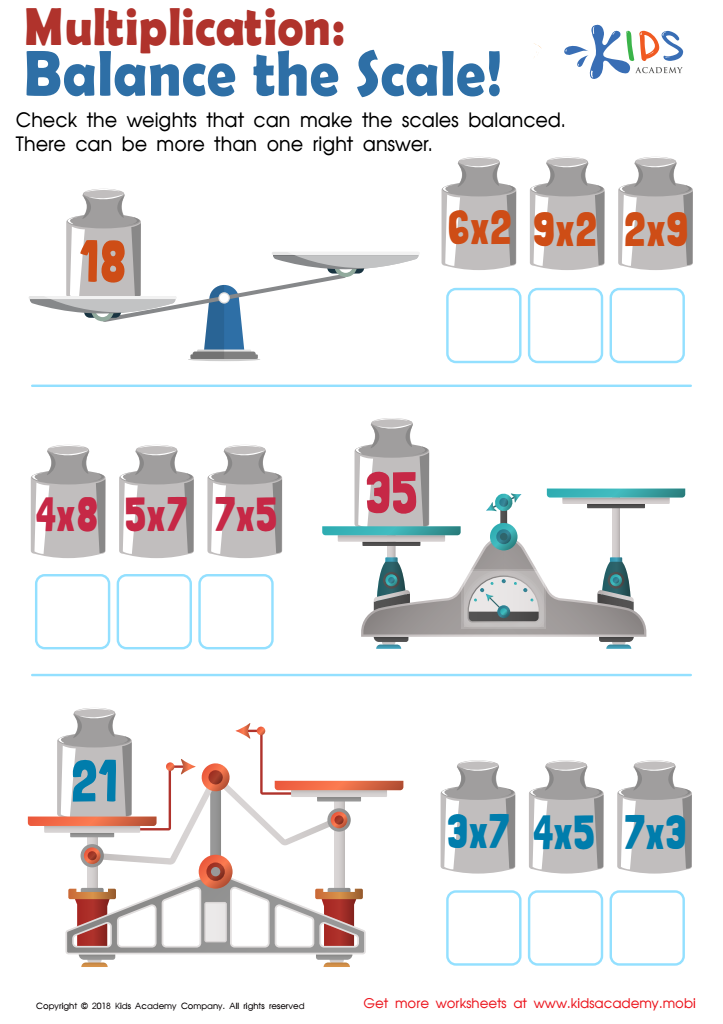
Balance the Scales Multiplication Worksheet
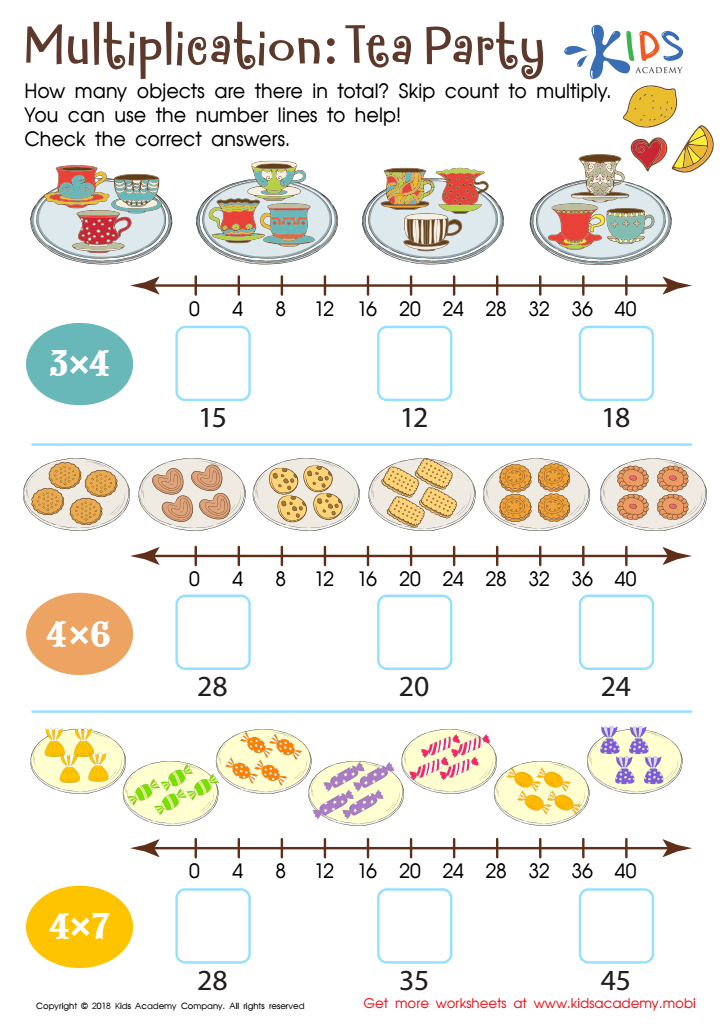
3rd Grade Math Worksheet Multiplication
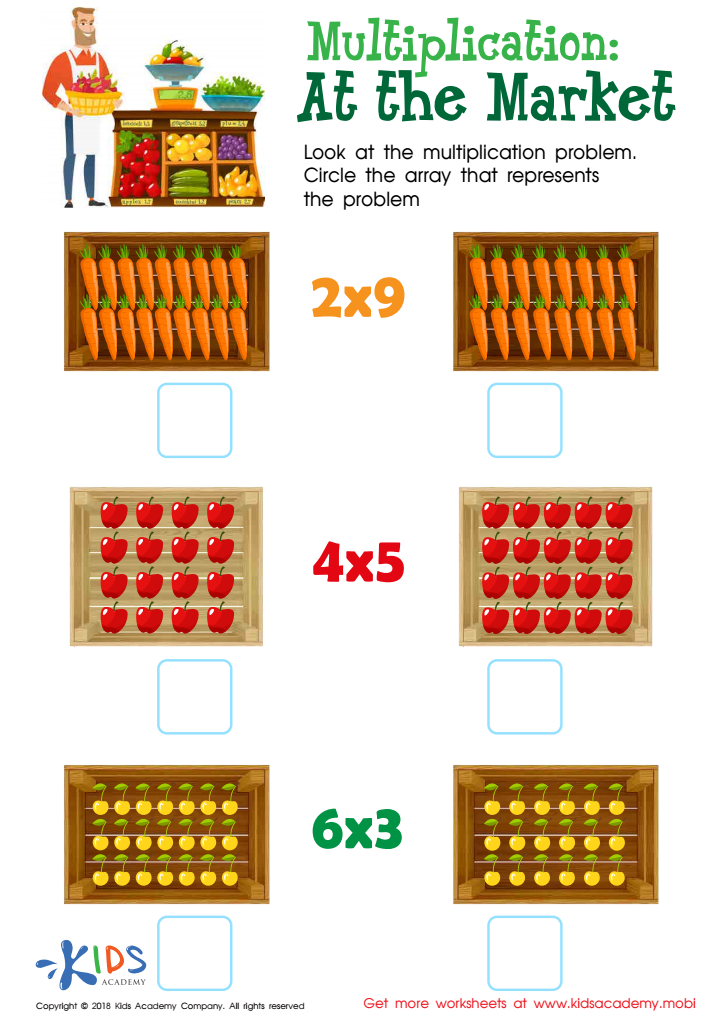
At the Market Worksheet
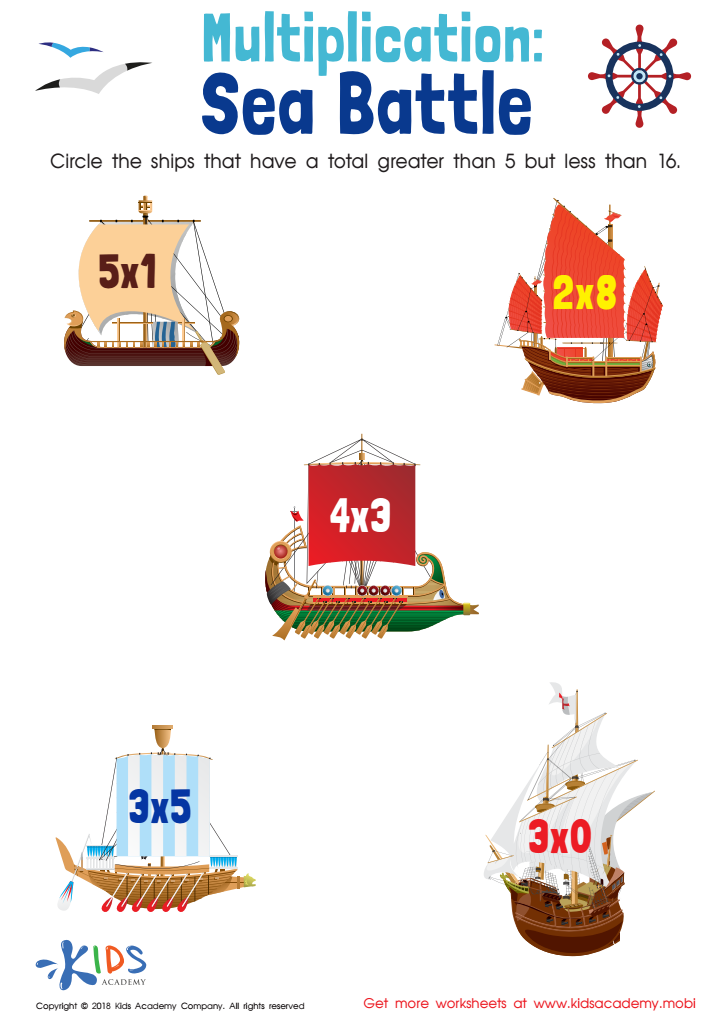
Sea Battle: Multiplication Worksheet
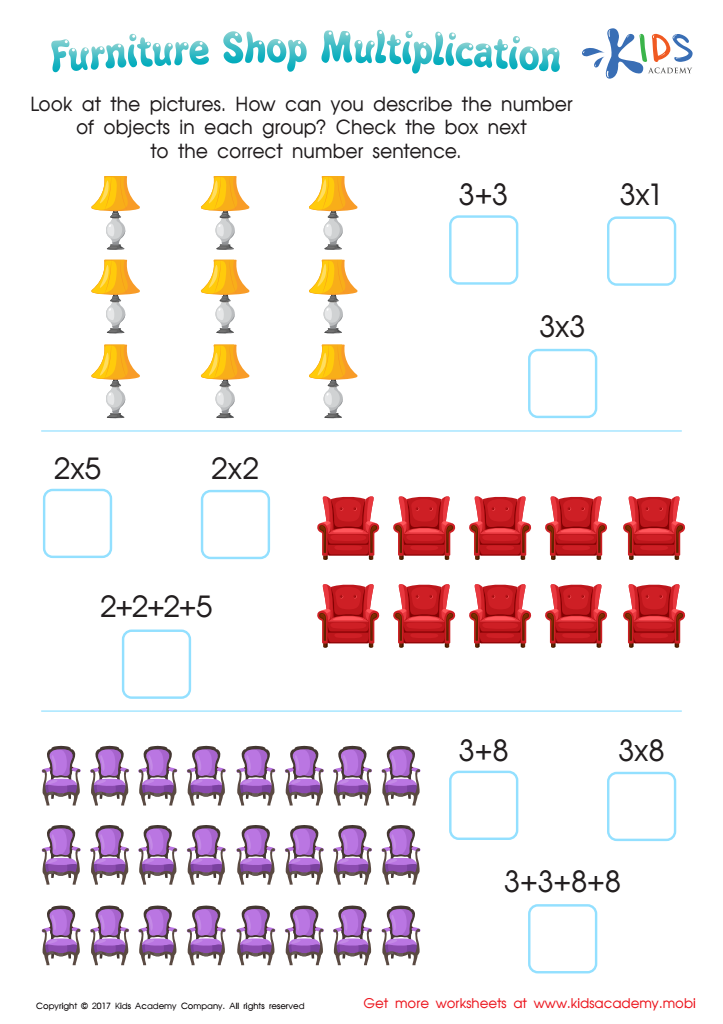
Furniture Shop Worksheet








Understanding normal multiplication at an early age is fundamental for children's mathematical development. For ages 6-8, grasping basic multiplication sets the foundation for future learning and problem-solving skills. At this stage, children transition from simple addition and subtraction to recognizing more complex patterns and relationships between numbers, making multiplication an essential building block.
Parents and teachers should care about teaching multiplication not just for academic success but for real-world applications. By mastering multiplication, children enhance their ability to quickly and accurately solve everyday problems, like dividing a pizza or calculating the total cost of multiple items. This competency provides a sense of confidence and independence in managing daily tasks.
Moreover, early proficiency in multiplication contributes significantly to cognitive development. It encourages logical thinking, attention to detail, and memory retention. Through engaging activities and repetitive practice, children can strengthen their mental math skills, positively impacting their overall arithmetic abilities.
Beyond academics, multiplication at an early age fosters a positive attitude towards learning. When children understand early on that they can tackle challenging concepts, they build persistence and resilience. Therefore, both parents and teachers play a crucial role in integrating multiplication into everyday learning, ensuring children are well-equipped with the essential tools for their future educational journey and beyond.








