Normal World Around Us Worksheets for Ages 6-8 - Page 3
60 filtered results
-
From - To
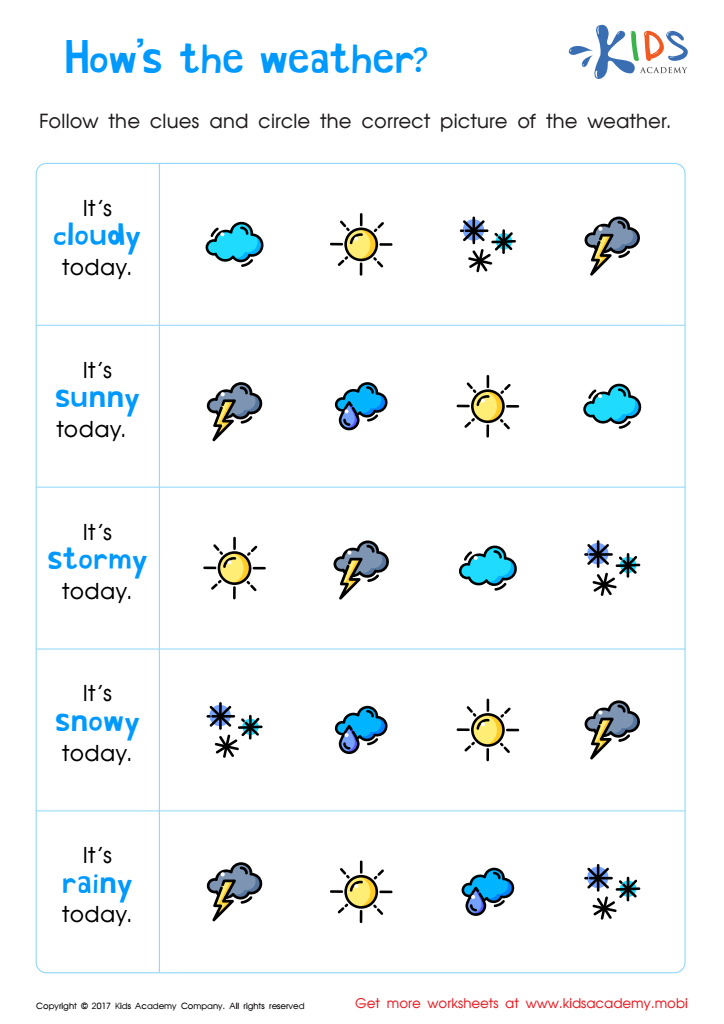
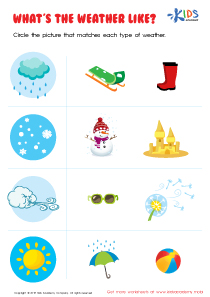
Hows the Weather Worksheet
 Assign to My Students
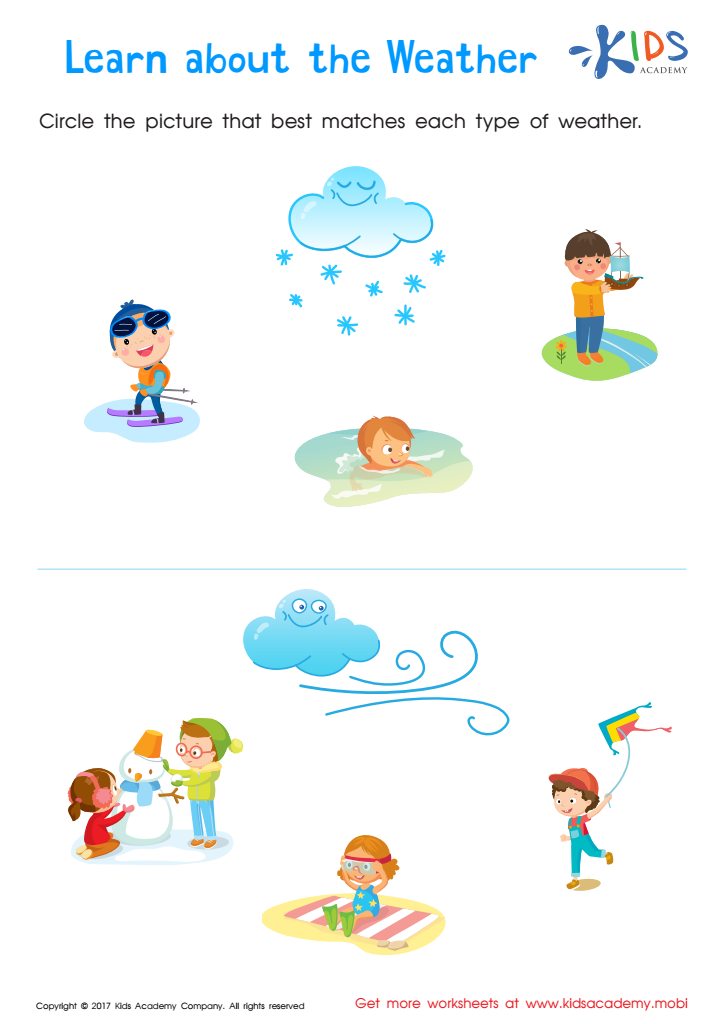
About the Weather Printable
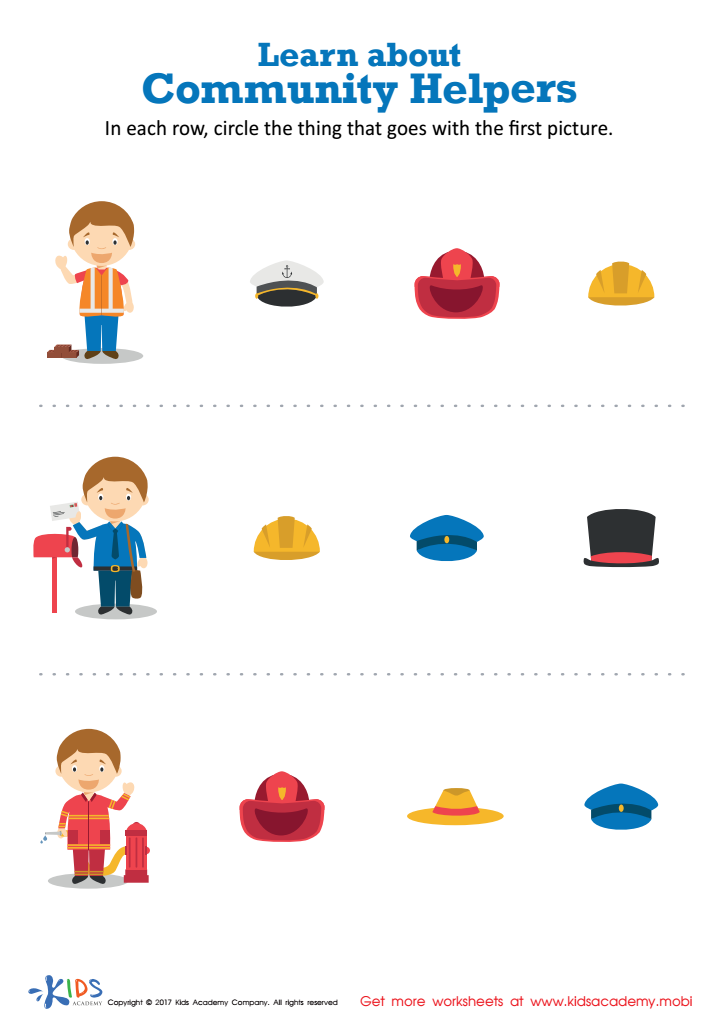
Learn about Community Helpers Printable
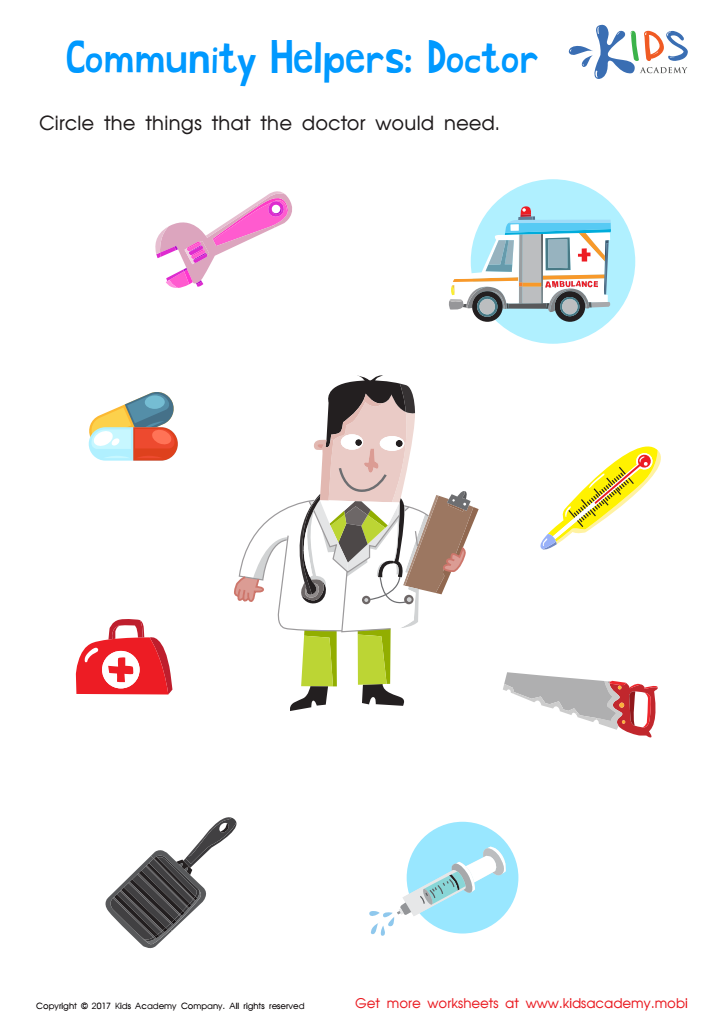
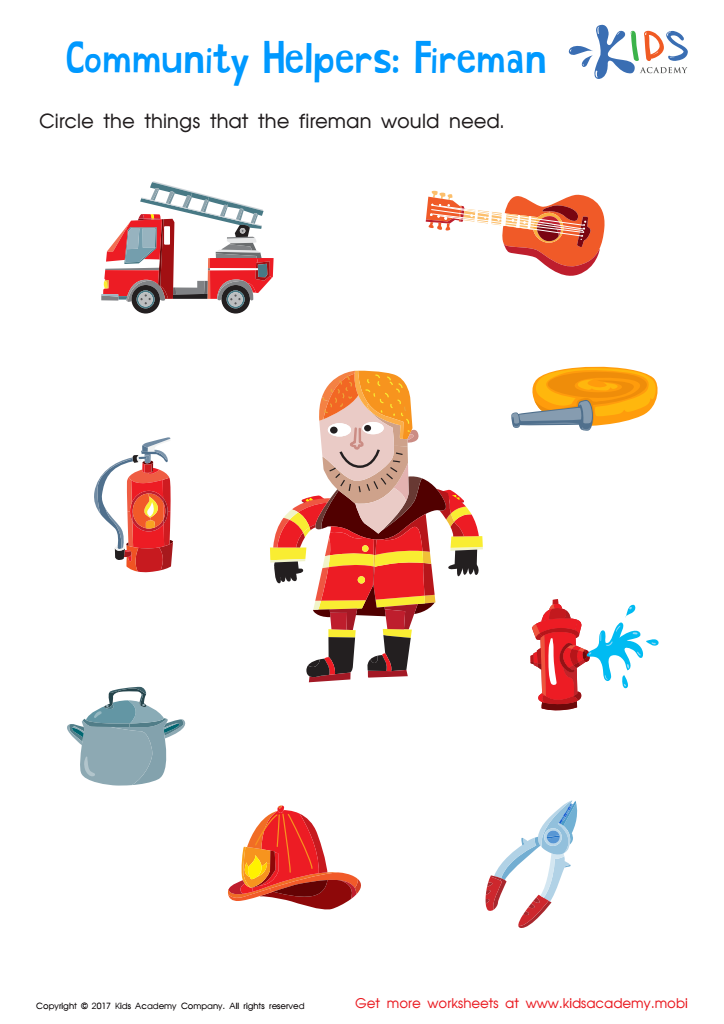
Fireman Worksheet
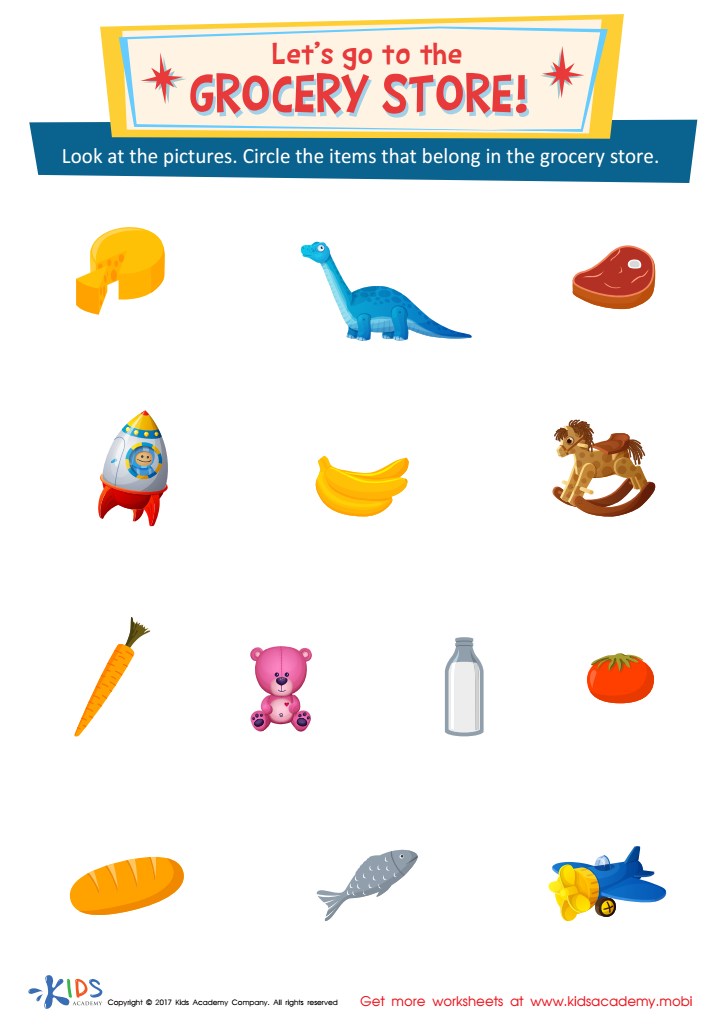
Grocery Store Worksheet
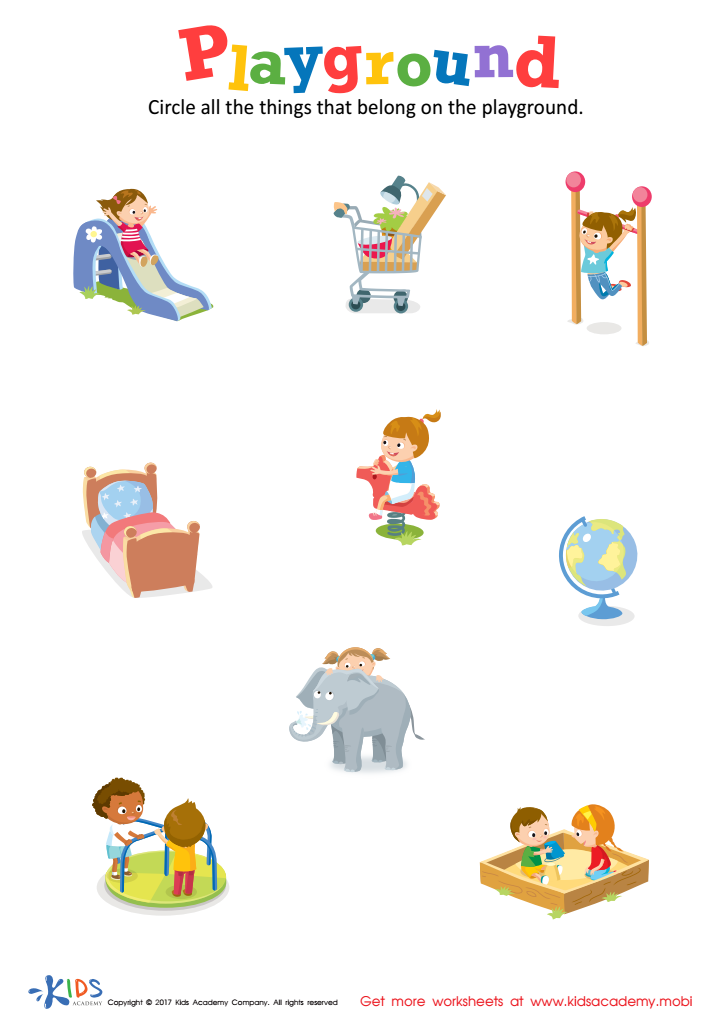
Playground Worksheet
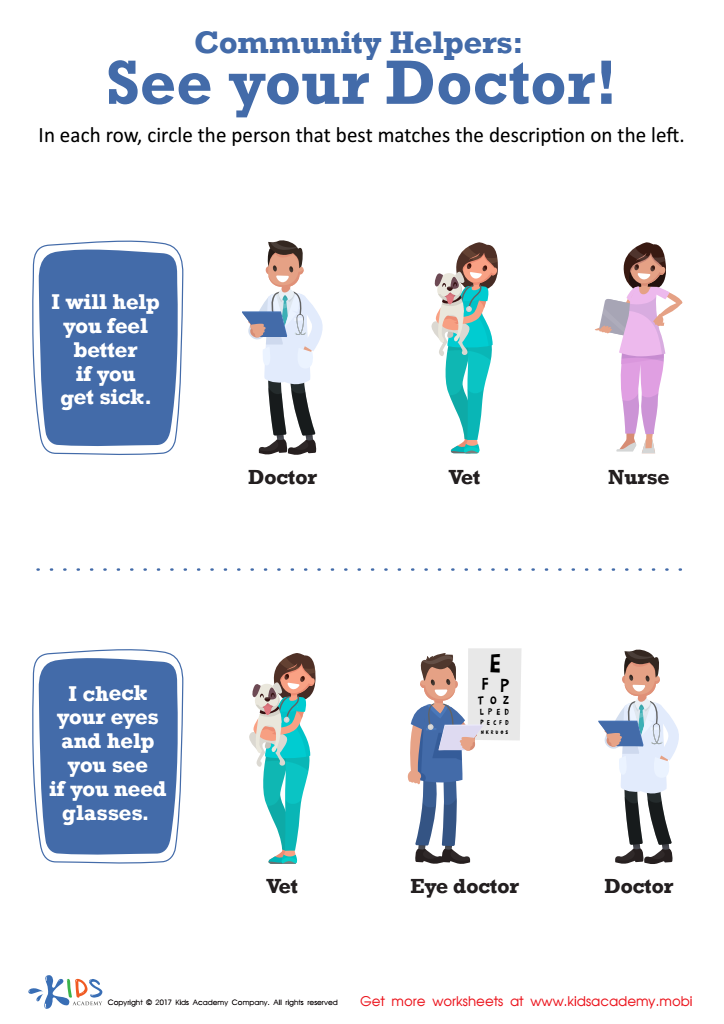
See Your Doctor (Part 1) Printable
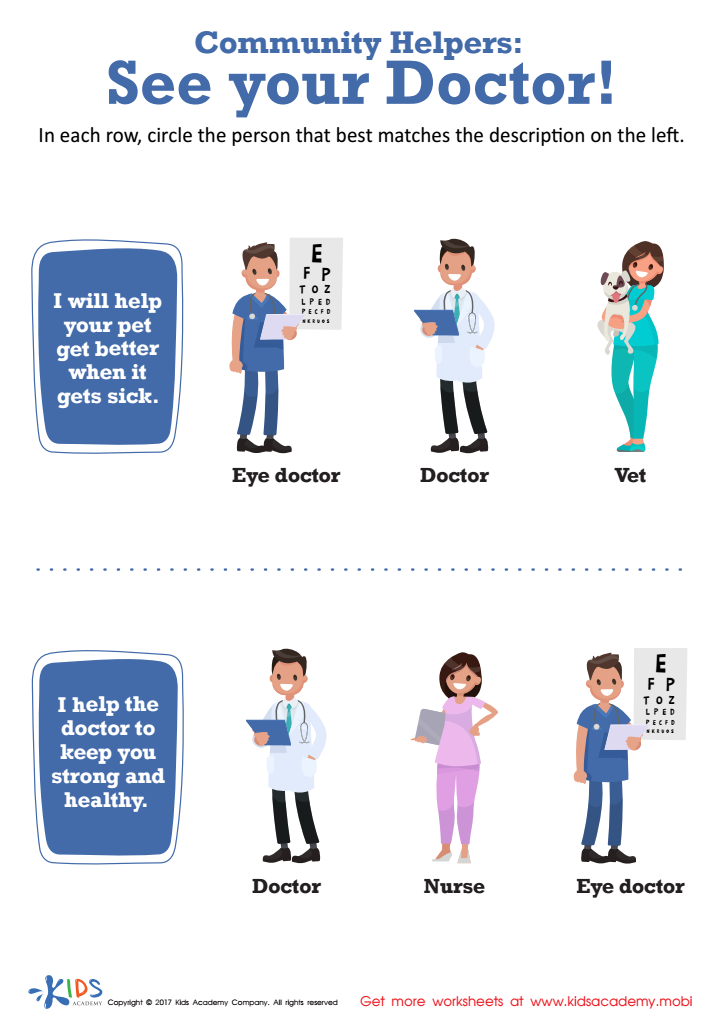
See Your Doctor (Part 2) Printable
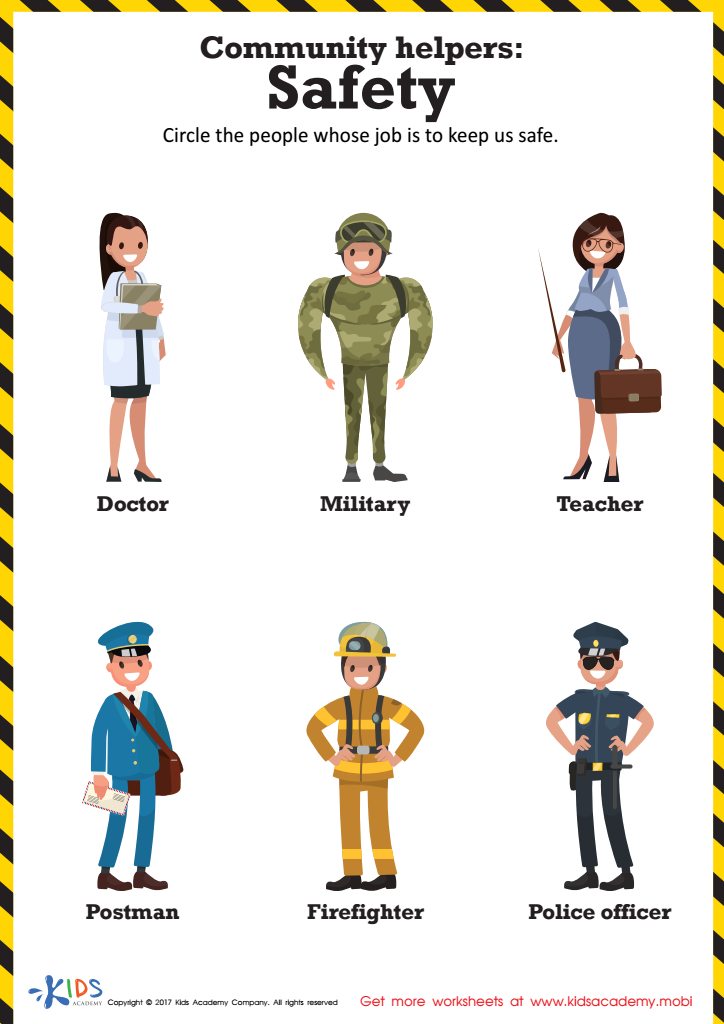
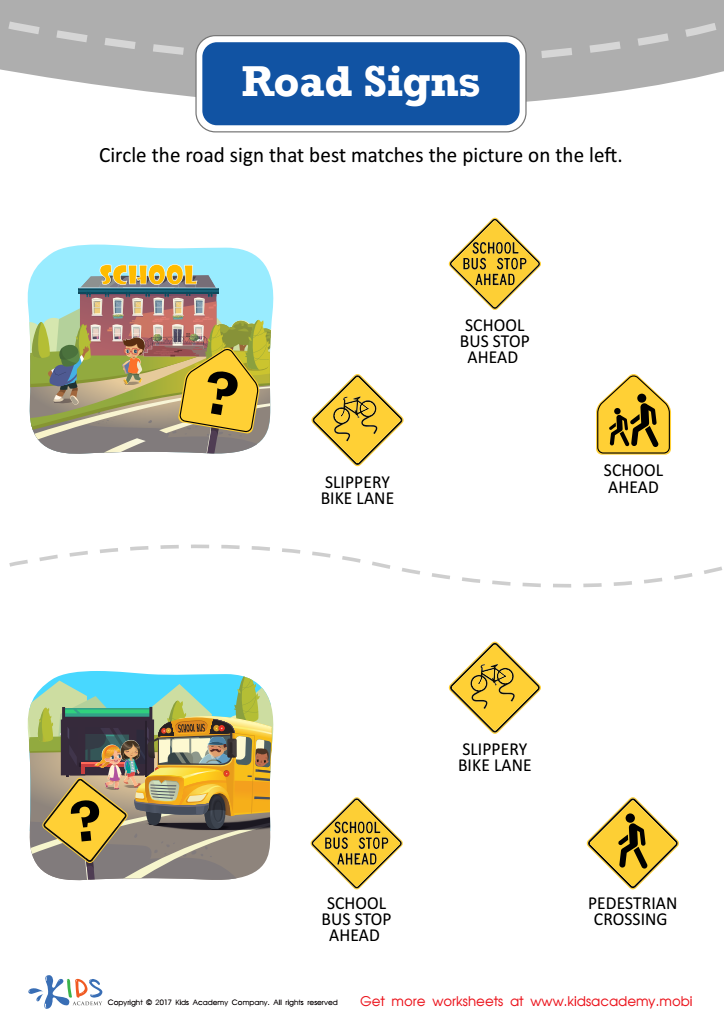
Road Signs (Part 1) Worksheet








Understanding the Normal World Around Us is crucial for children aged 6-8, as it lays the foundation for their social, emotional, and cognitive development. At this age, children are naturally curious and eager to explore their environment. Parents and teachers play a vital role in nurturing this curiosity by helping them make sense of their surroundings, including social norms, cultural practices, and everyday interactions.
By engaging with the Normal World, children learn essential life skills such as effective communication, empathy, and problem-solving. When teachers and parents guide discussions about observations they make, they foster critical thinking and allow children to express their thoughts and feelings. This supports not only academic learning but also emotional intelligence.
Moreover, understanding their environment helps children develop a sense of belonging and acceptance. It enables them to build healthy relationships with peers and adults, promoting inclusivity and kindness.
Educators and parents can create experiential learning opportunities, such as outings, community projects, or simple observations at home, that encourage children to explore, ask questions, and gain confidence in their understanding of the world. Ultimately, fostering this awareness enriches their lives and prepares them for future learning experiences.