Normal Reading Worksheets for Ages 6-9 - Page 14
316 filtered results
-
From - To
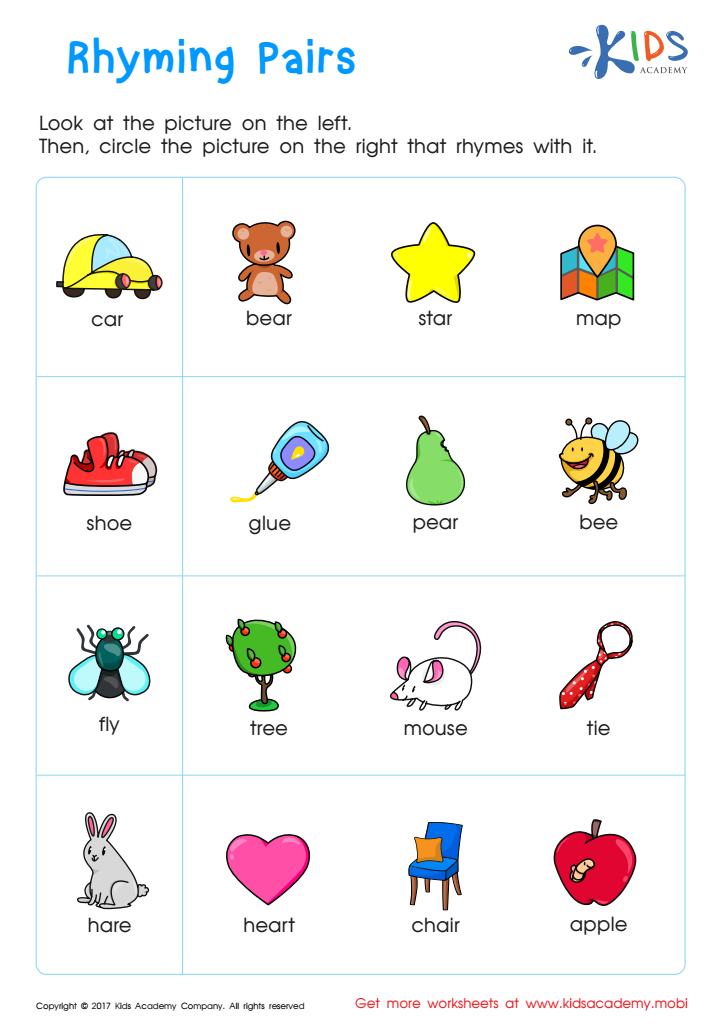
 Assign to My Students
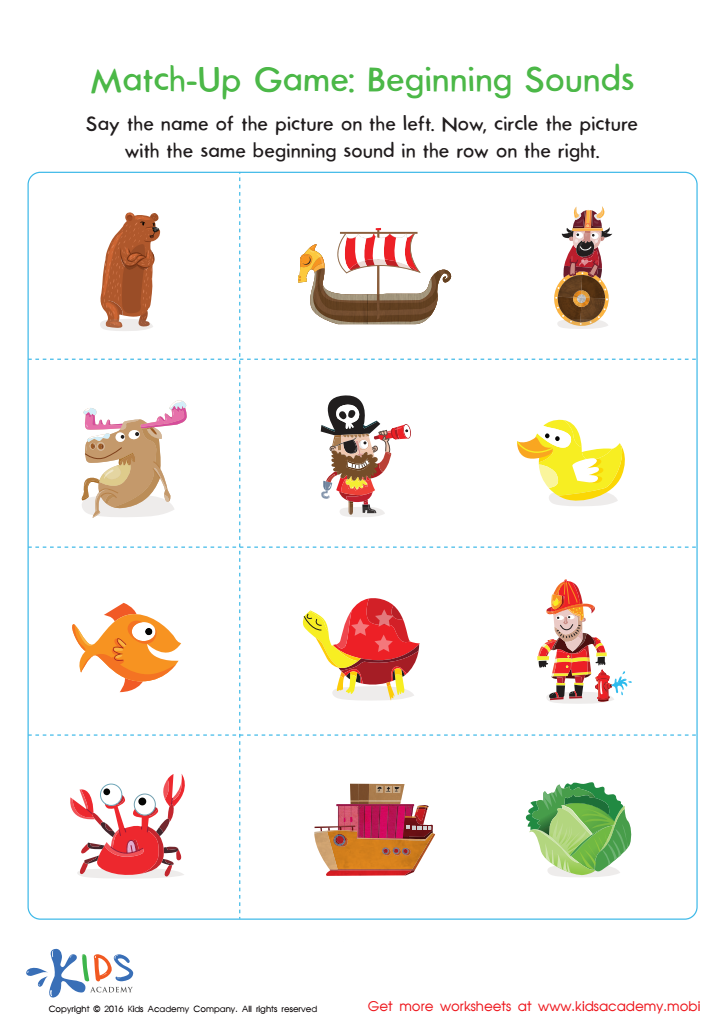
Match–Up Game: Beginning Sounds Worksheet
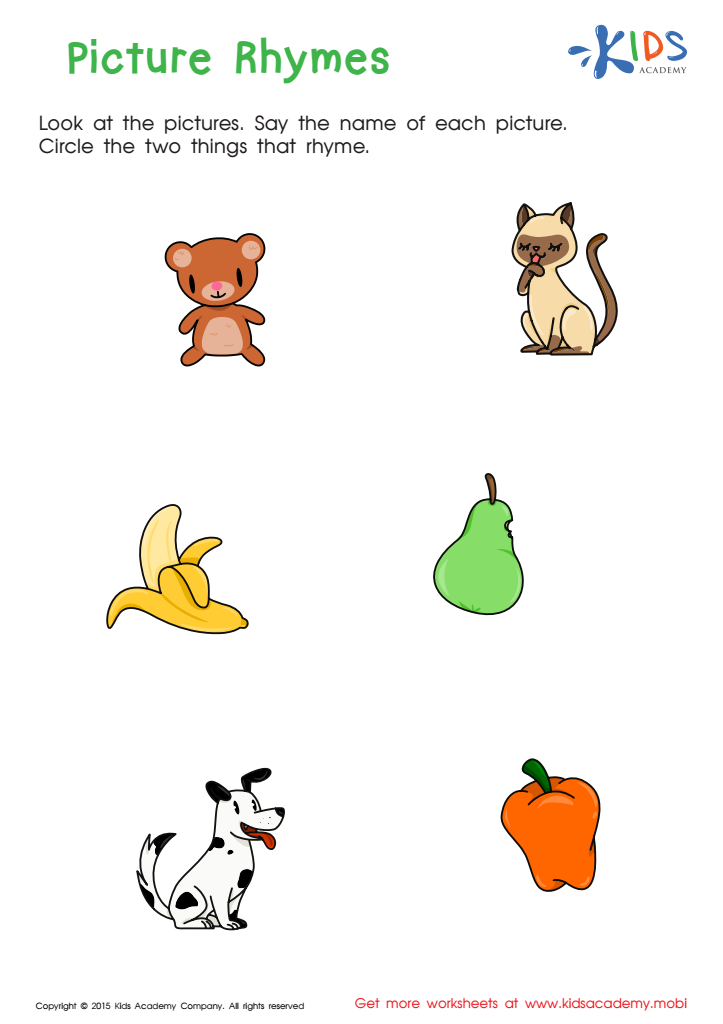
First Words: Picture Rhymes Worksheet
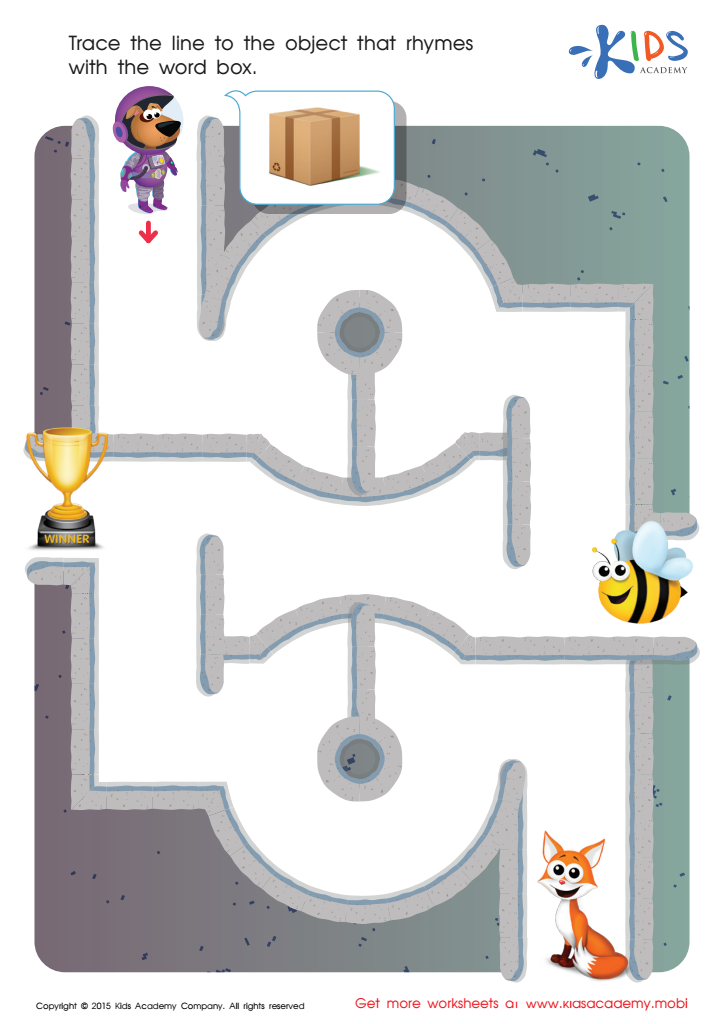
Box Rhyming Words Worksheet







Normal reading development for children ages 6-9 is a critical milestone that significantly impacts their overall academic success and lifelong learning. Parents and teachers should care about this phase because it's when children transition from learning to read to reading to learn. During these years, children develop essential skills such as phonemic awareness, vocabulary growth, and comprehension strategies, which lay the foundation for future literacy and communication skills.
Understanding normal reading progression helps adults recognize when a child may need additional support or resources. Early intervention can prevent potential reading difficulties that could hinder a child's confidence and academic achievements. Moreover, fostering a love for reading during this stage can enhance a child's cognitive and social-emotional development, as books can introduce diverse cultures, ideas, and problem-solving scenarios.
Additionally, a strong reading foundation correlates with improved performance across subjects, influencing critical skills like writing and verbal communication. By cultivating an environment that prioritizes reading, parents and teachers can empower students to become enthusiastic, skilled readers who enjoy learning and exploring new concepts. Engaging children in discussions about texts can also sharpen their critical thinking abilities. Thus, recognizing and nurturing normal reading behavior is vital for their holistic development.








