Normal Chess Worksheets for Ages 7-9 - Page 2
47 filtered results
-
From - To
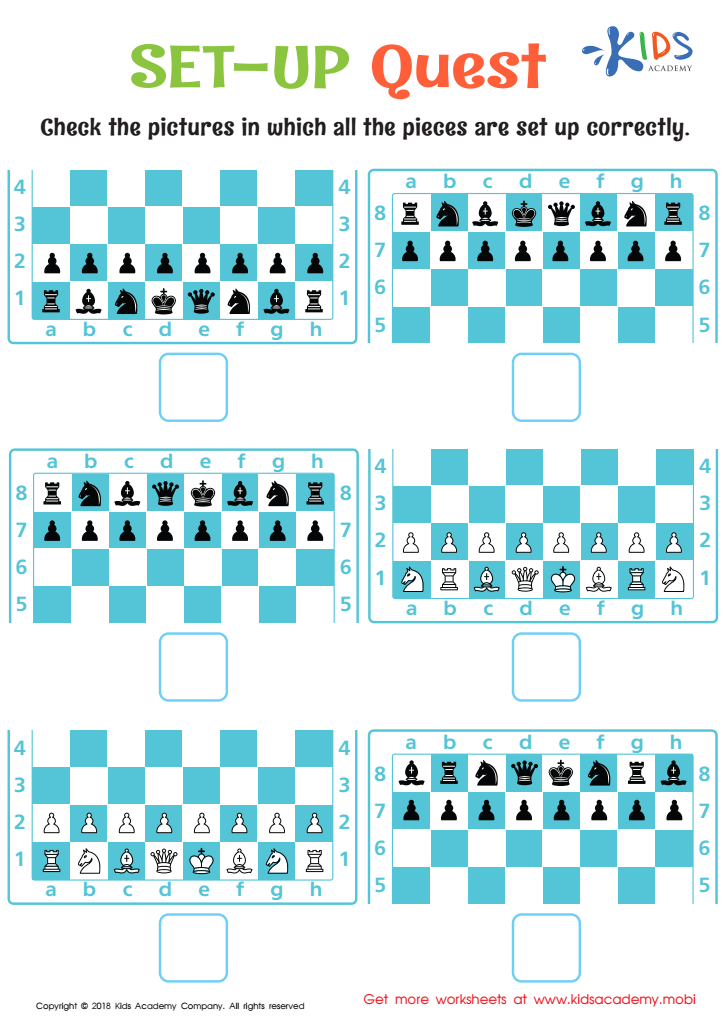
Set-up Quest Worksheet
 Assign to My Students
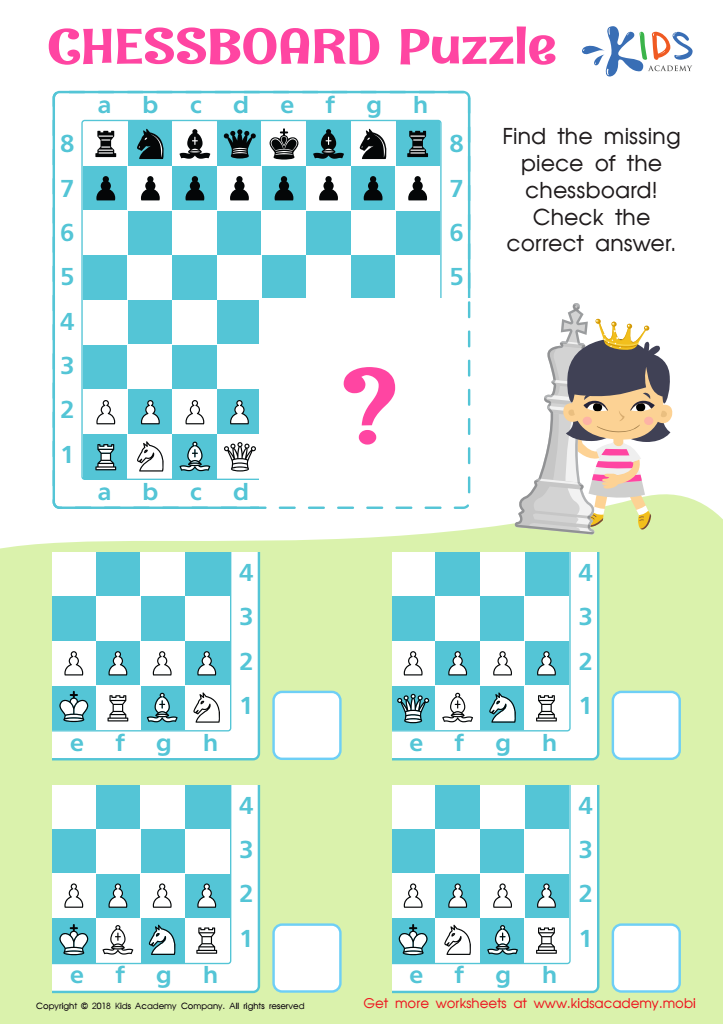
Chessboard Puzzle Worksheet
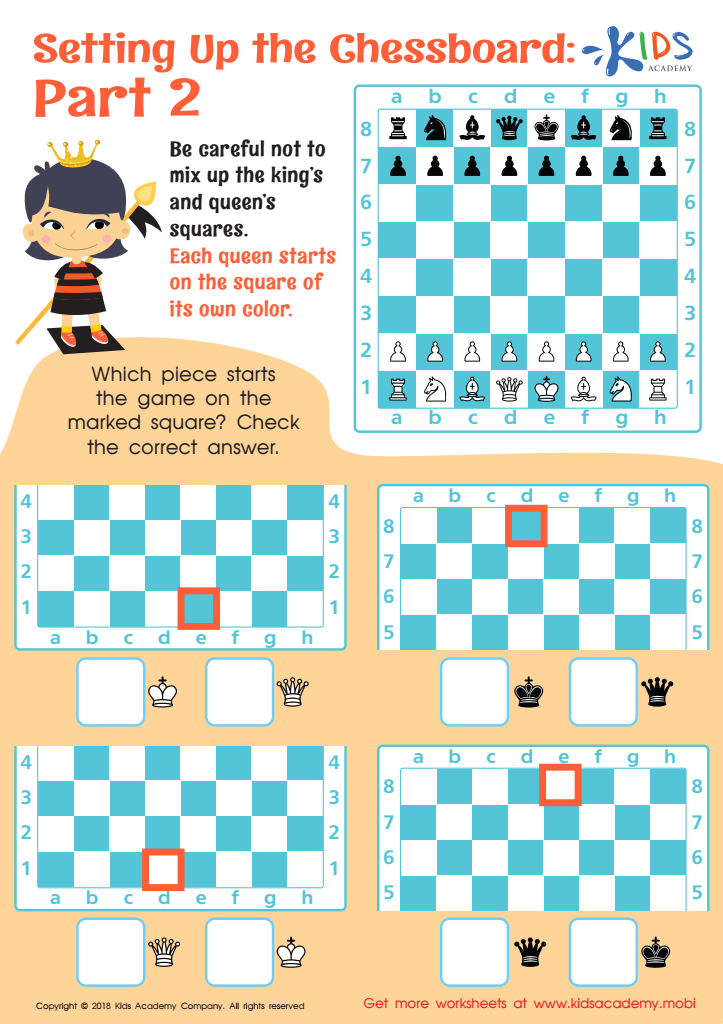
Setting up the Chessboard: Part 2 Worksheet
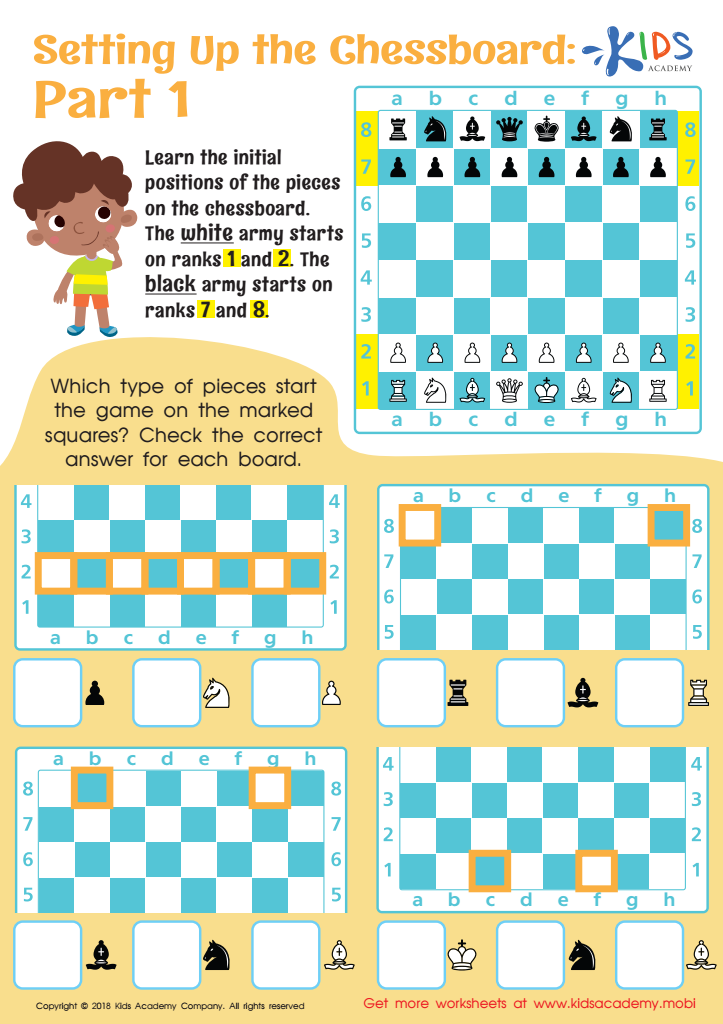
Setting up the Chessboard: Part 1 Worksheet
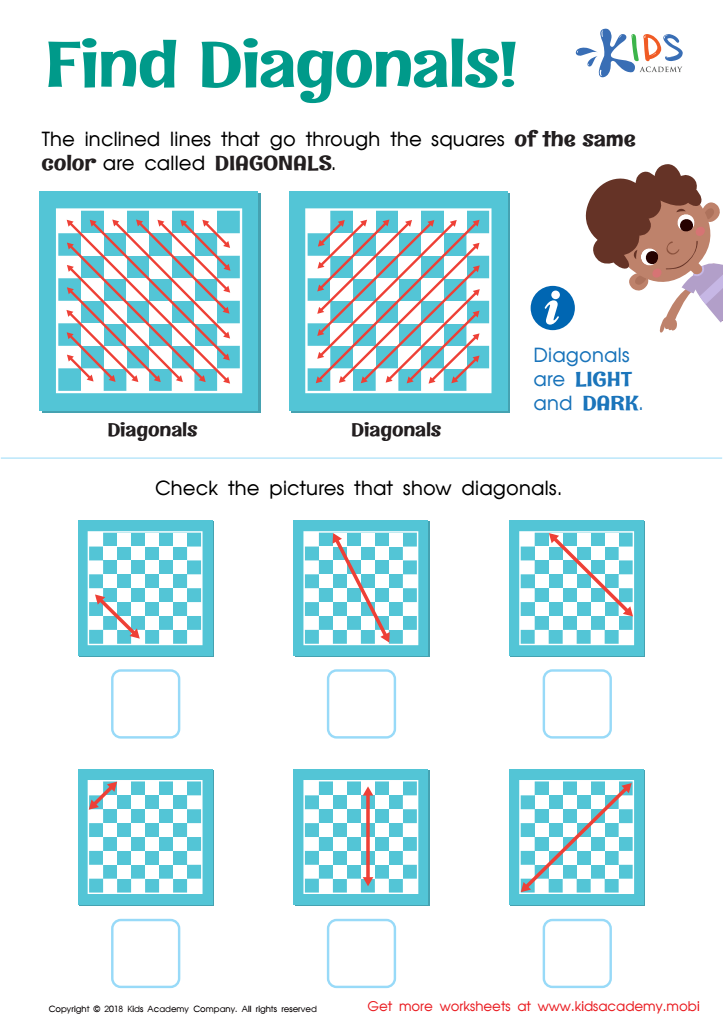
Find Diagonals Worksheet
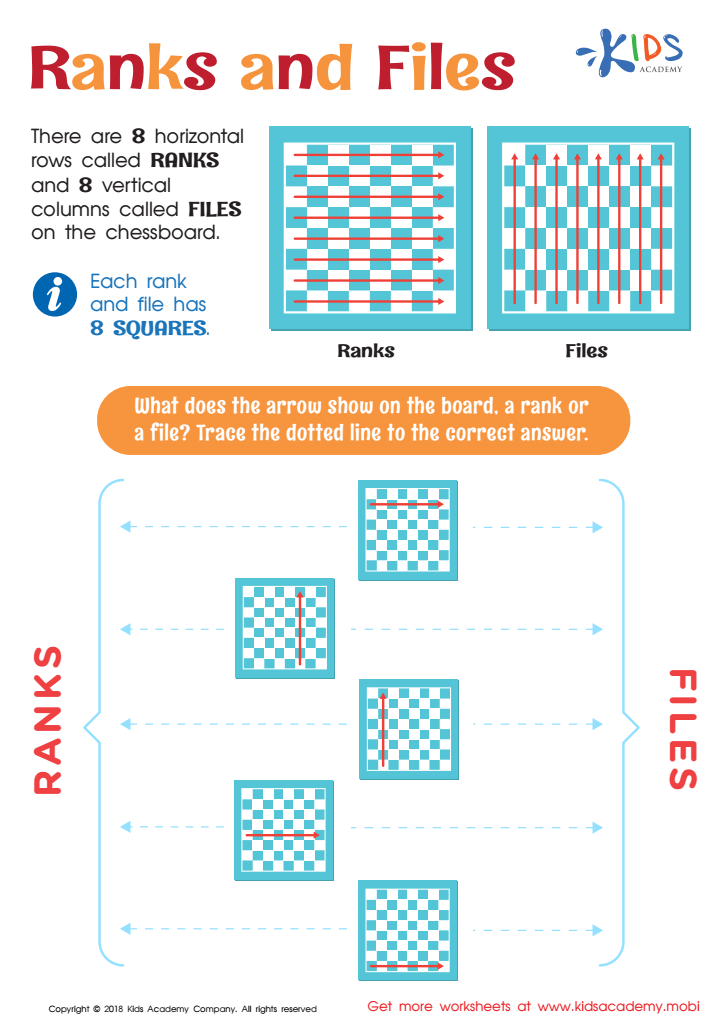
Ranks and Files Worksheet
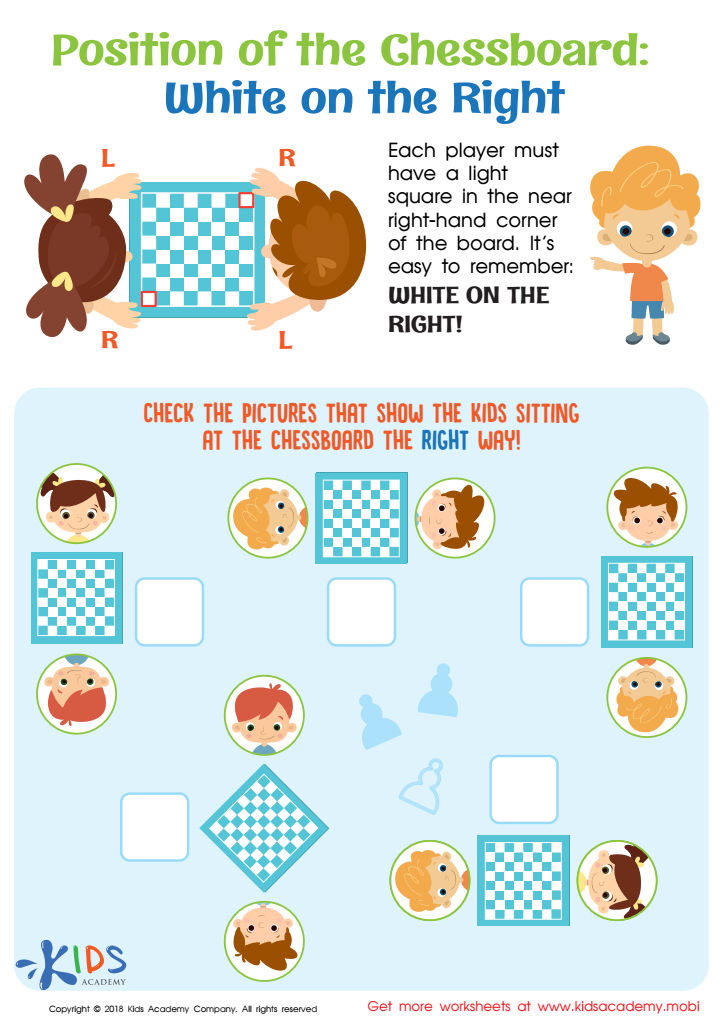
Position of the Chessboard: White on the Right Worksheet
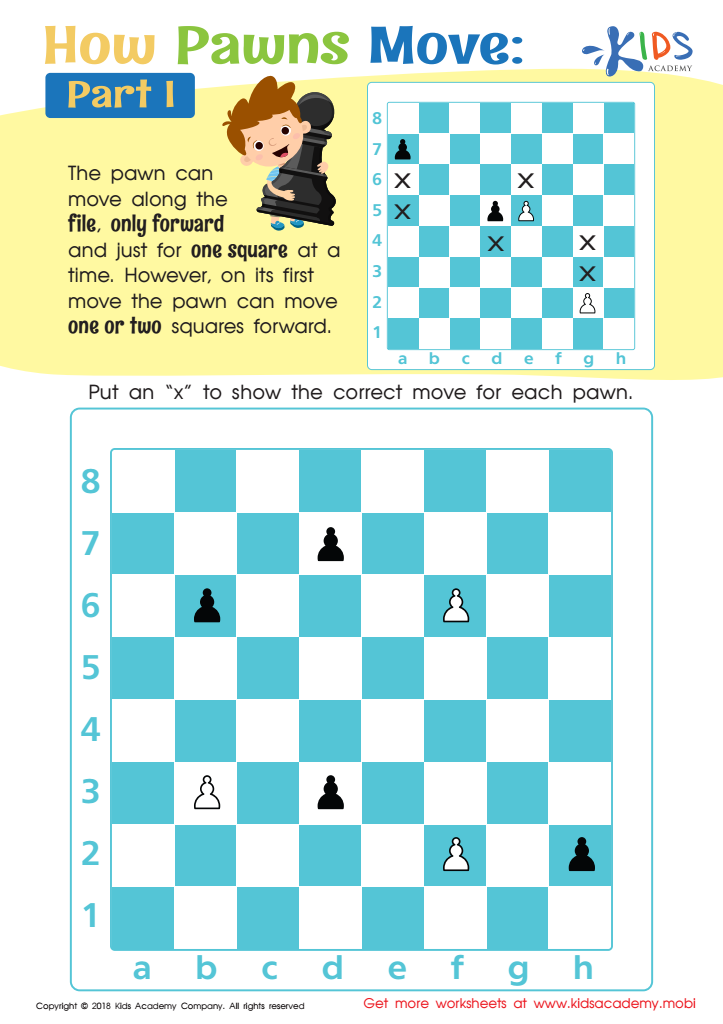
How Pawns Move: Part I Worksheet
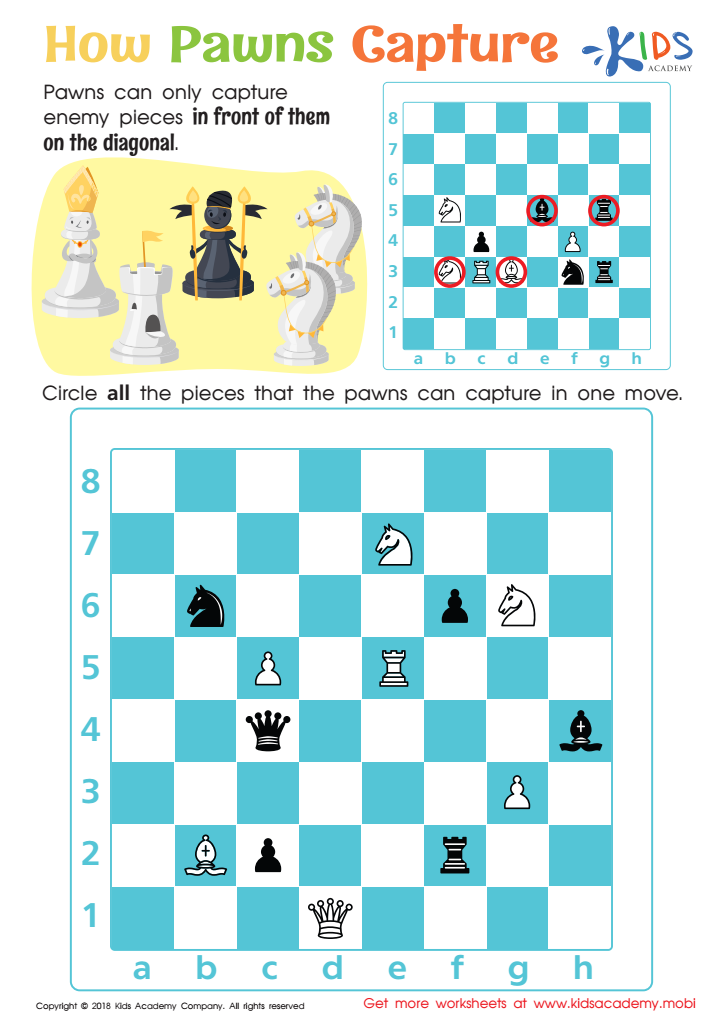
How Pawns Capture Worksheet
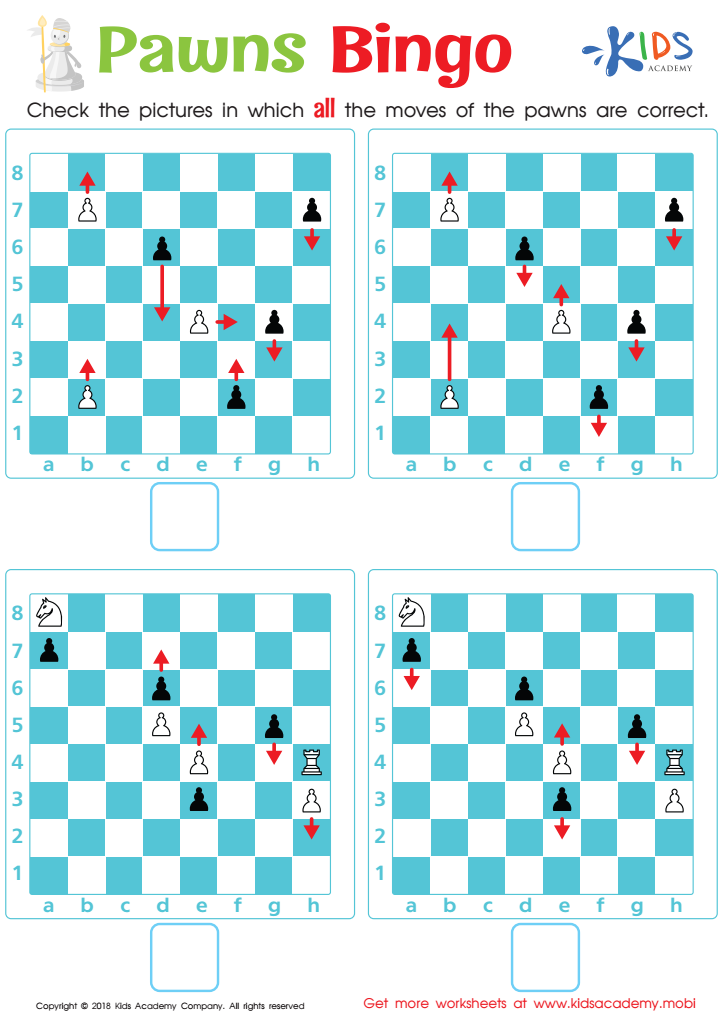
Pawns Bingo Worksheet
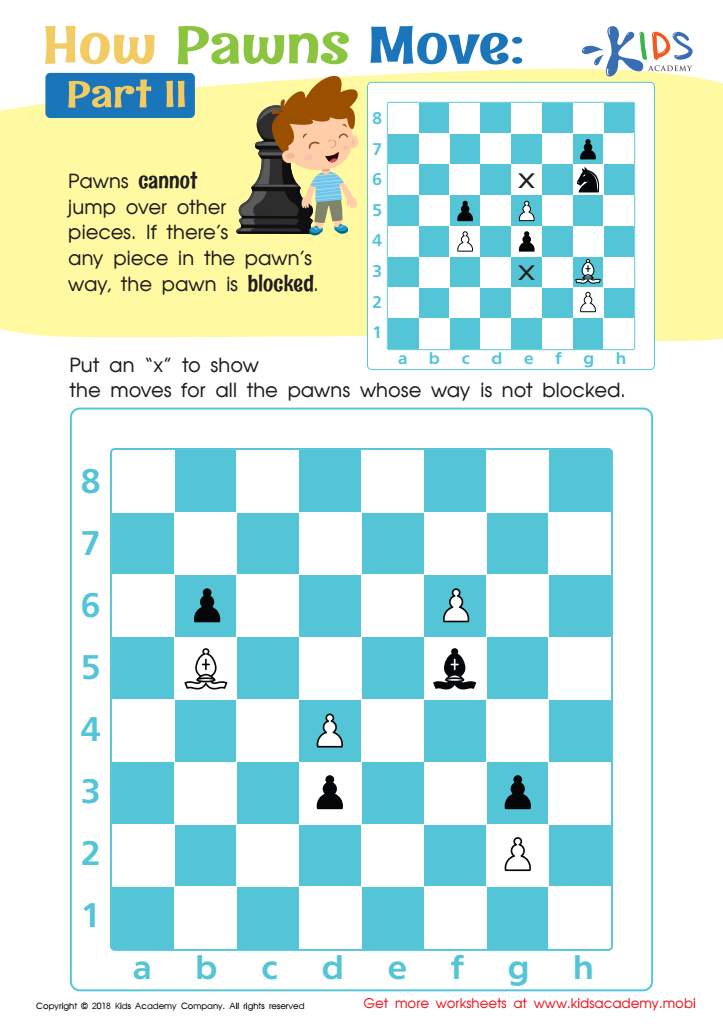
How Pawns Move: Part II Worksheet
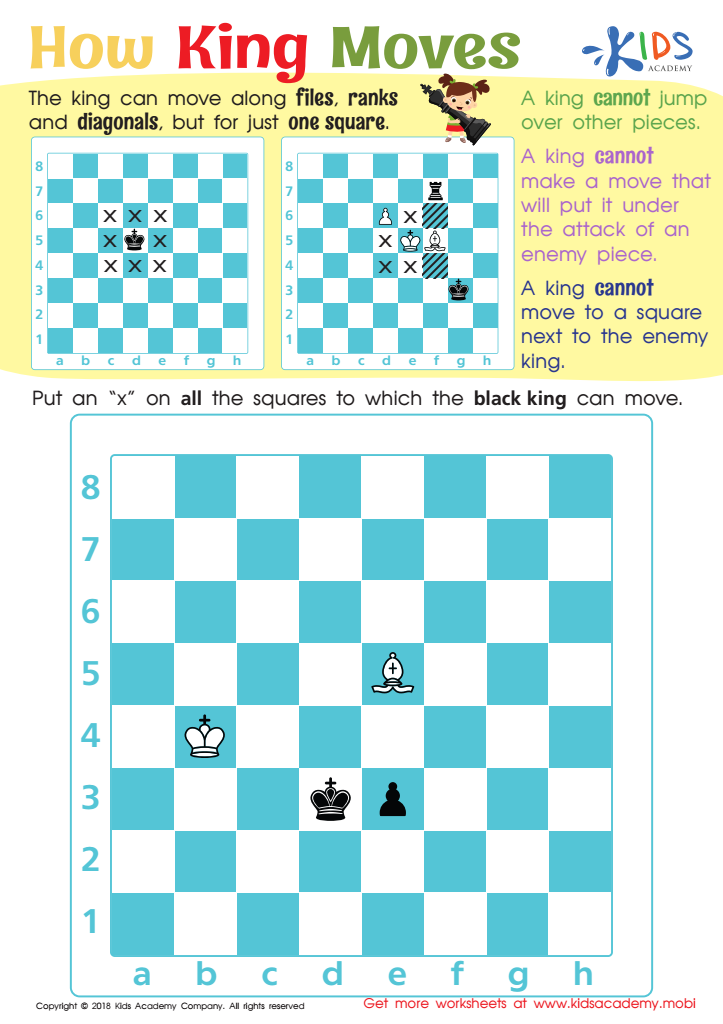
How King Moves Worksheet
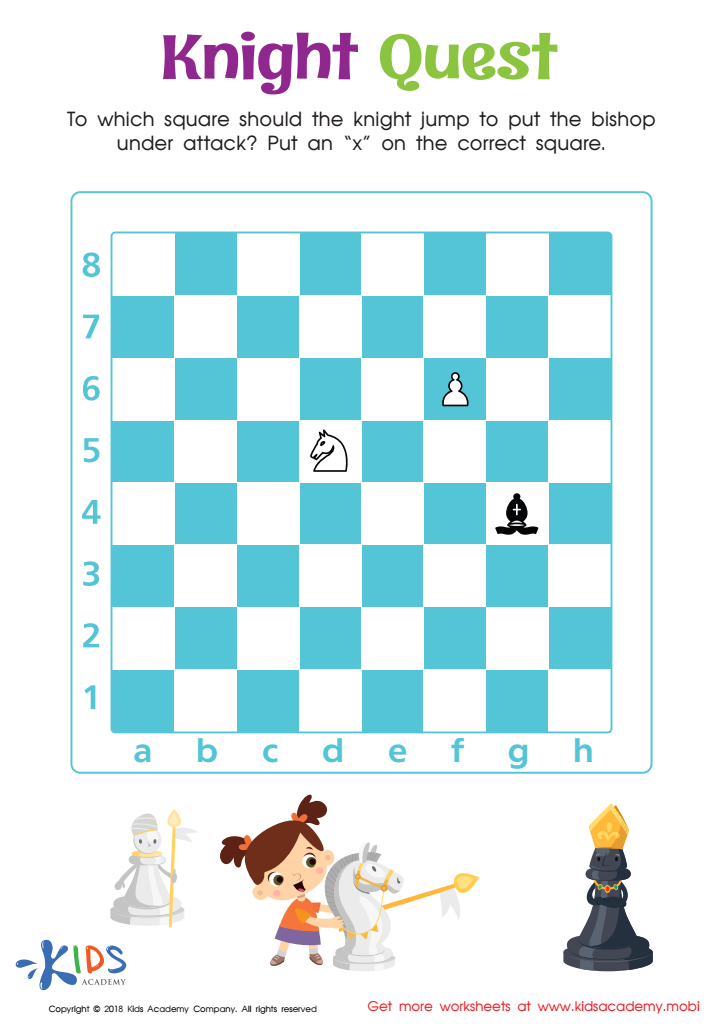
Knight Quest Worksheet
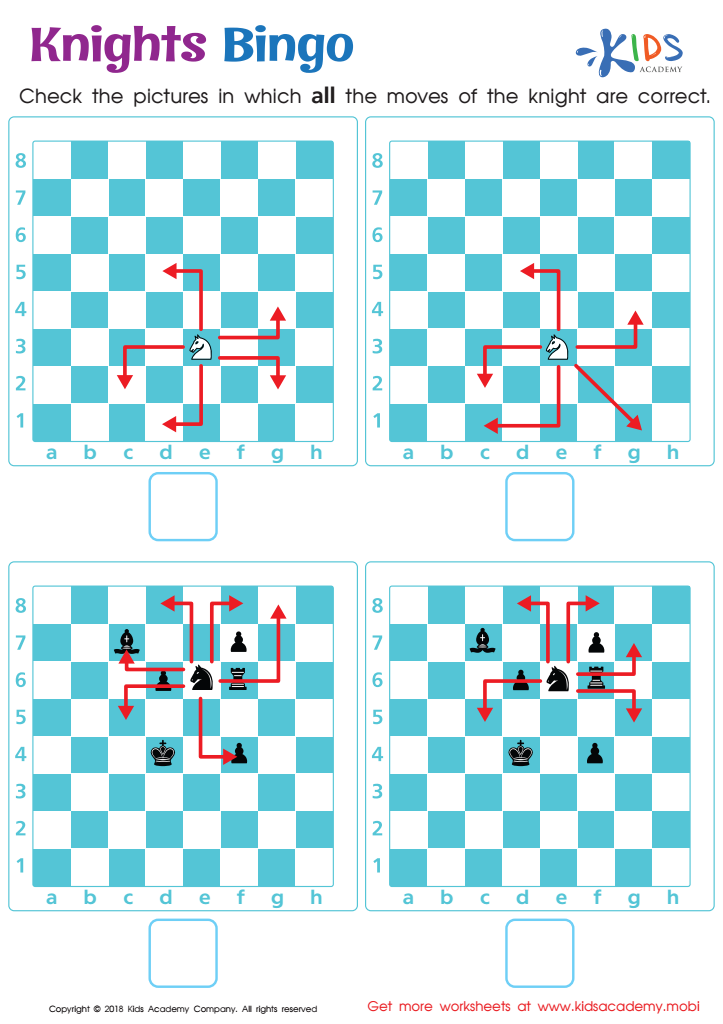
Knights Bingo Worksheet
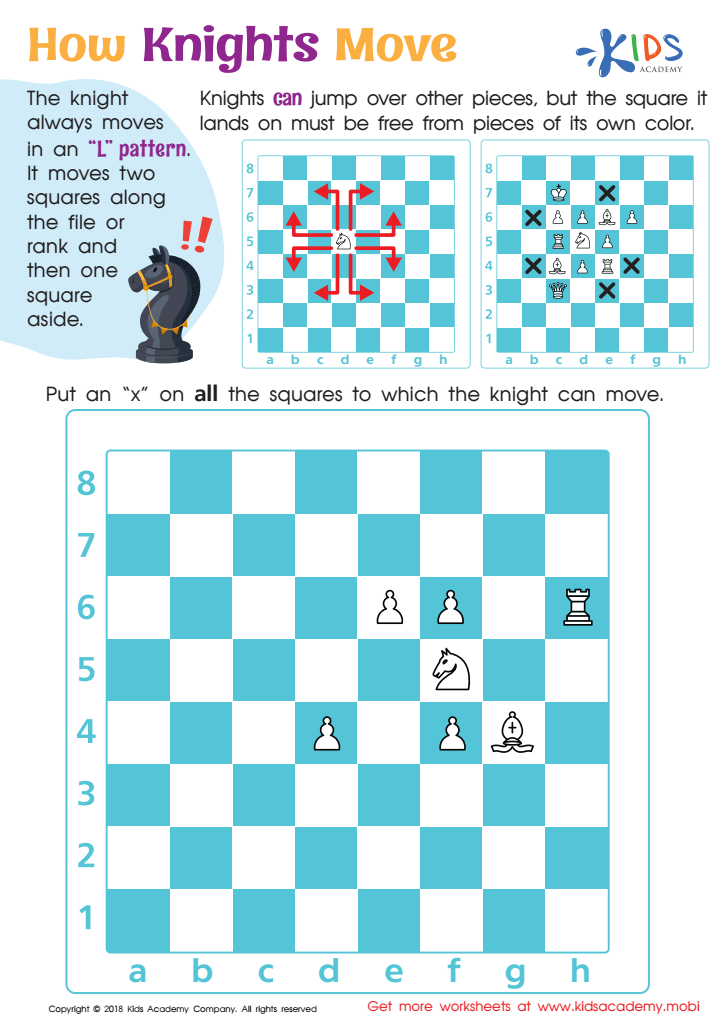
How Knights Move Worksheet
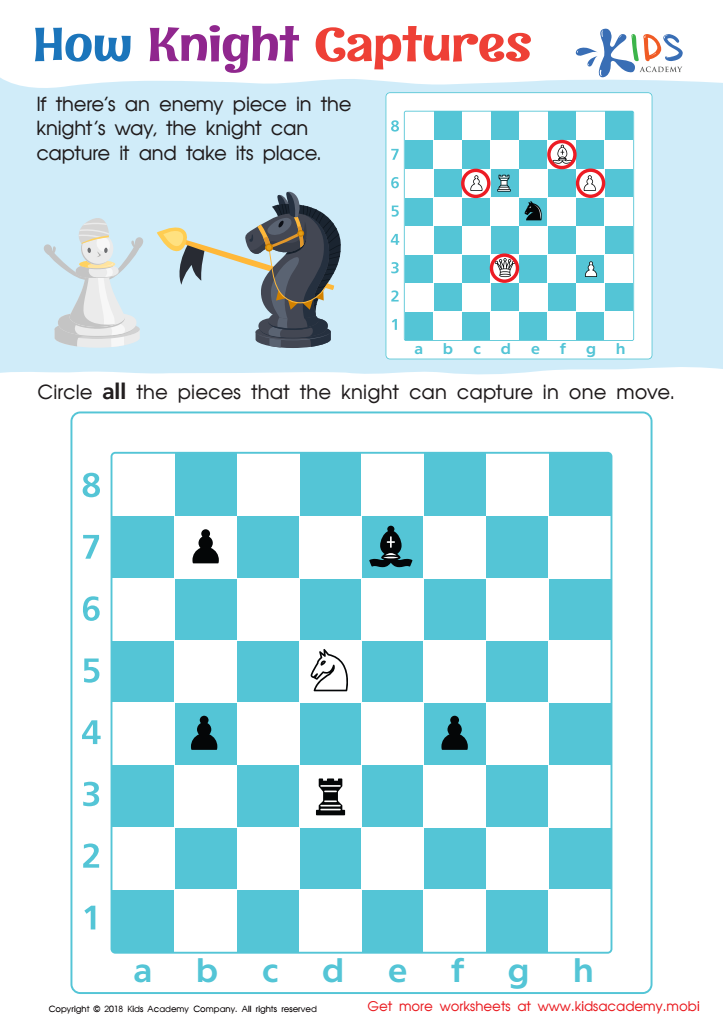
How Knight Captures Worksheet
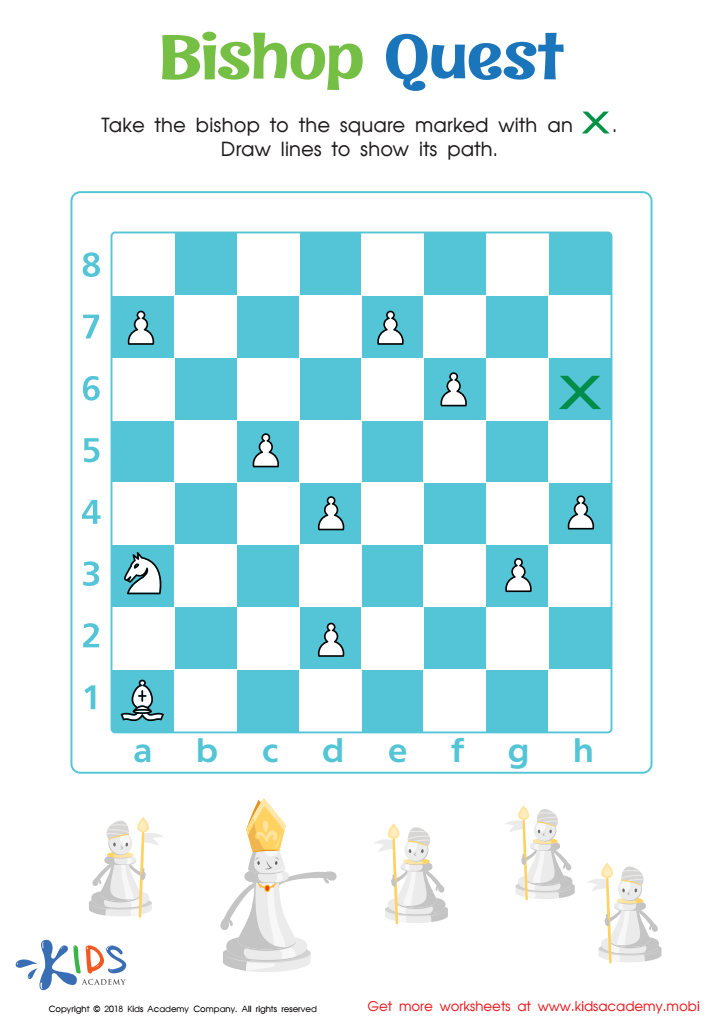
Bishop Quest Worksheet
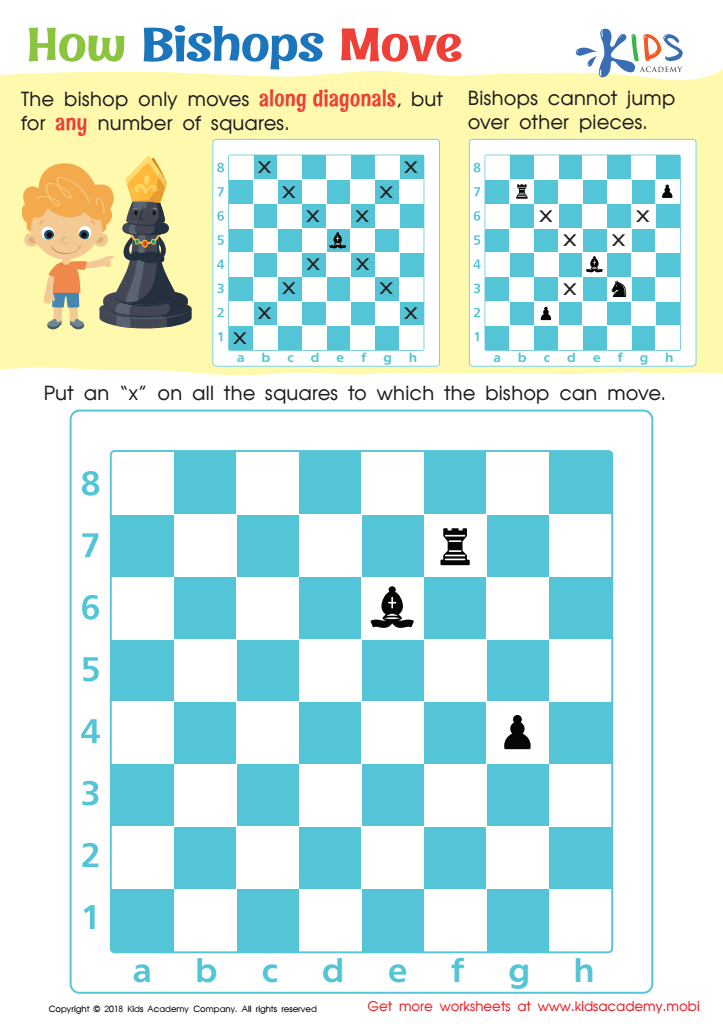
How Bishops Move Worksheet
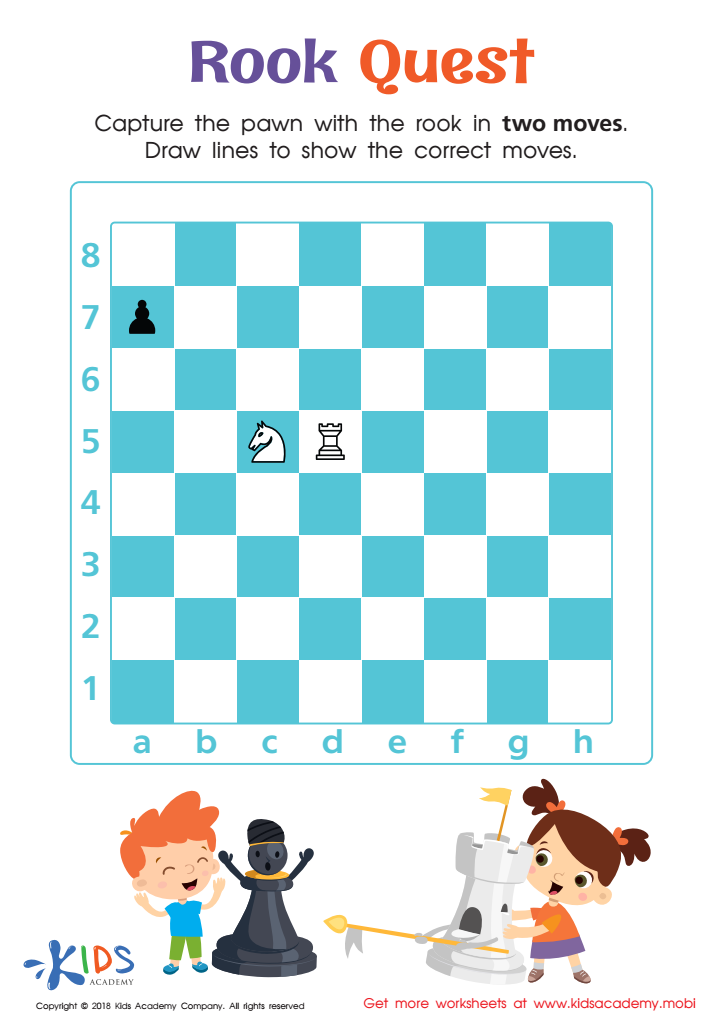
Rook Quest Worksheet
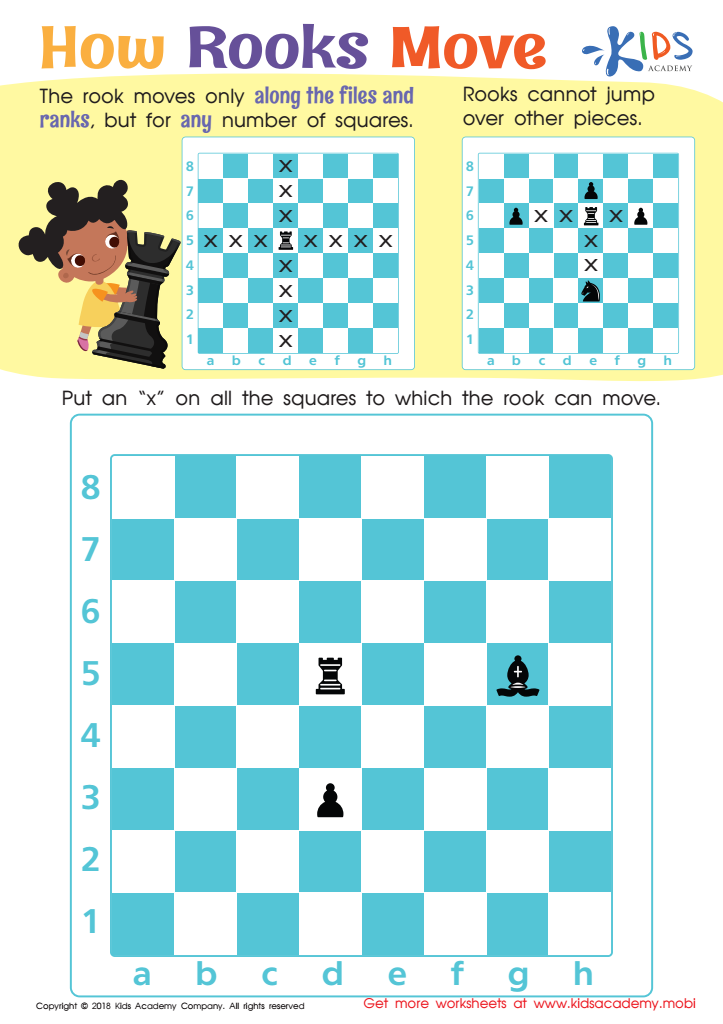
How Rooks Move Worksheet
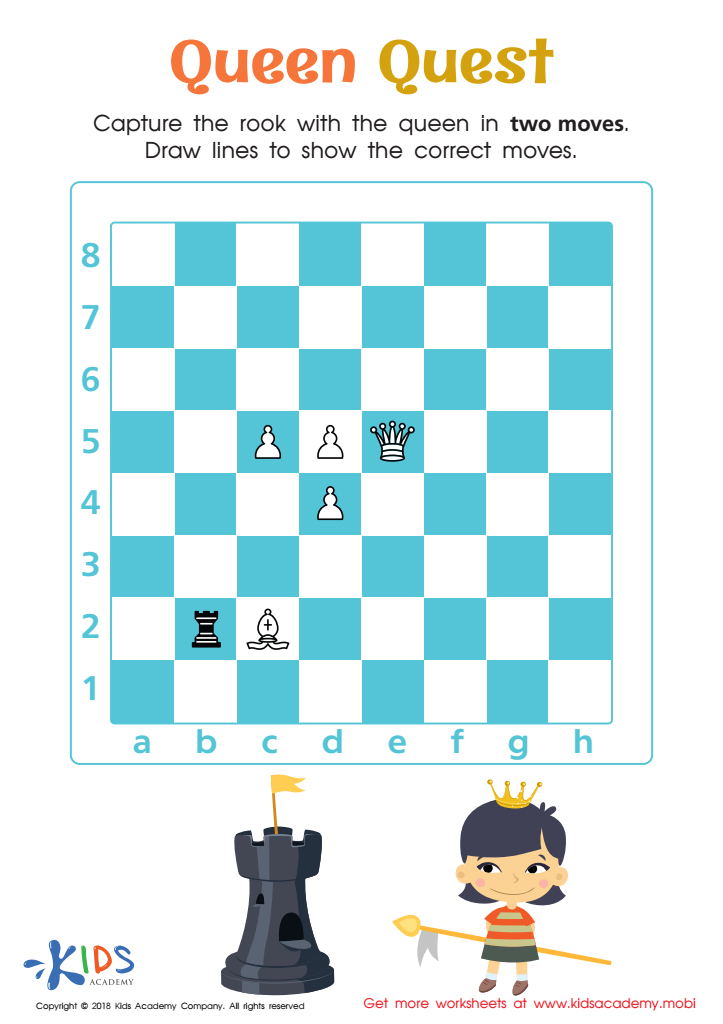
Queen Quest Worksheet
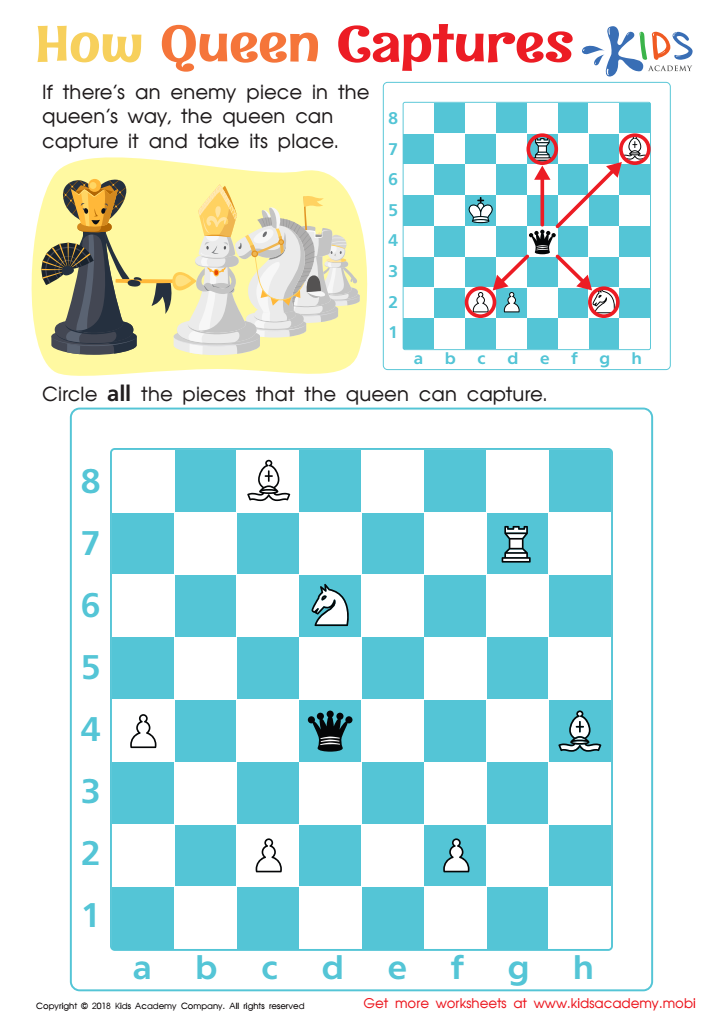
How Queen Captures Worksheet
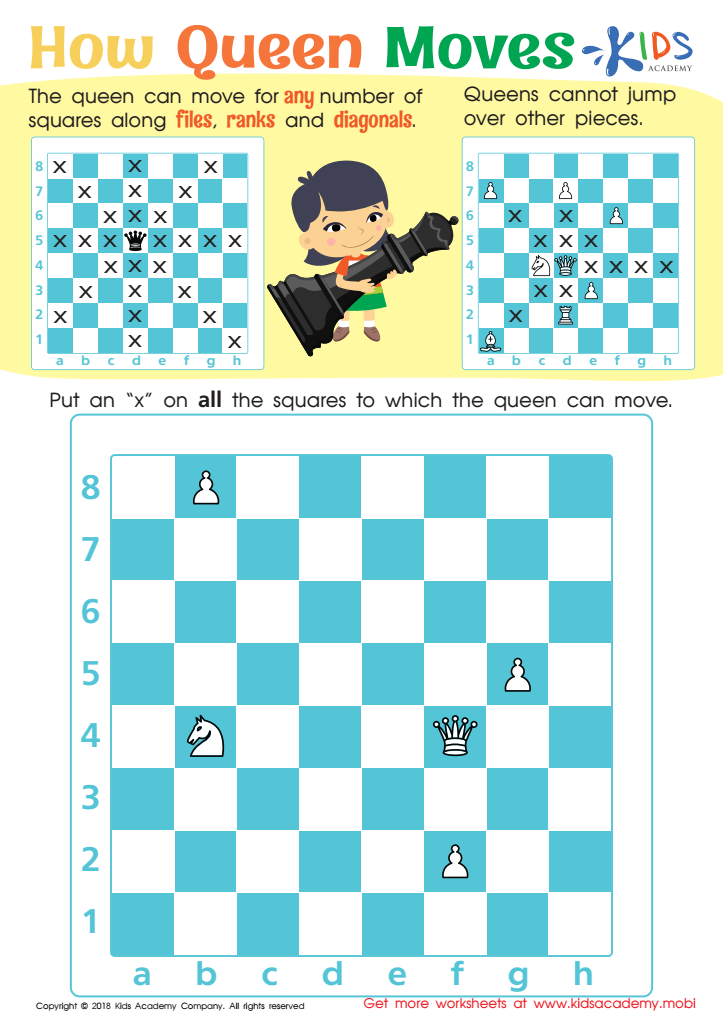
How Queen Moves Worksheet







Parents and teachers should care about Normal Chess for Ages 7-9 because it provides substantial cognitive and social benefits at a critical developmental stage. Chess fosters critical thinking and problem-solving skills, encouraging children to analyze situations, anticipate others' moves, and strategize. These skills are fundamental not only in chess but also in academics and life, laying the groundwork for logical reasoning and decision-making.
Additionally, playing chess enhances patience and concentration—a core value in a world full of distractions. Children learn to control impulsive behaviors and develop the ability to focus on a single task, which can lead to improved performance in school.
Furthermore, chess cultivates emotional intelligence by teaching children about winning and losing gracefully. They learn how to cope with losses and celebrate victories, building resilience and sportsmanship. The social aspect of chess also encourages children to interact with peers, fostering strong friendships and teamwork skills.
By introducing Normal Chess to children in this age group, parents and teachers can create a fun, engaging environment that promotes intellectual growth while reinforcing crucial life skills, making it an investment in their future success and personal development.