Shape Recognition Preschool Geometry Worksheets
21 filtered results
-
From - To
Discover our engaging "Shape Recognition Preschool Geometry Worksheets" designed to ignite young learners' interest in geometry! These worksheets provide a fun and interactive way for preschoolers to recognize and identify shapes such as circles, squares, triangles, and more. Each activity aims to strengthen visual recognition and spatial understanding, empowering children to see shapes in their surroundings. With vibrant illustrations and age-appropriate exercises, these resources promote early math skills and foster creativity. Perfect for home or classroom use, our worksheets are an excellent tool to support early childhood development, ensuring children build a solid foundation in geometry. Explore learning through shapes today!
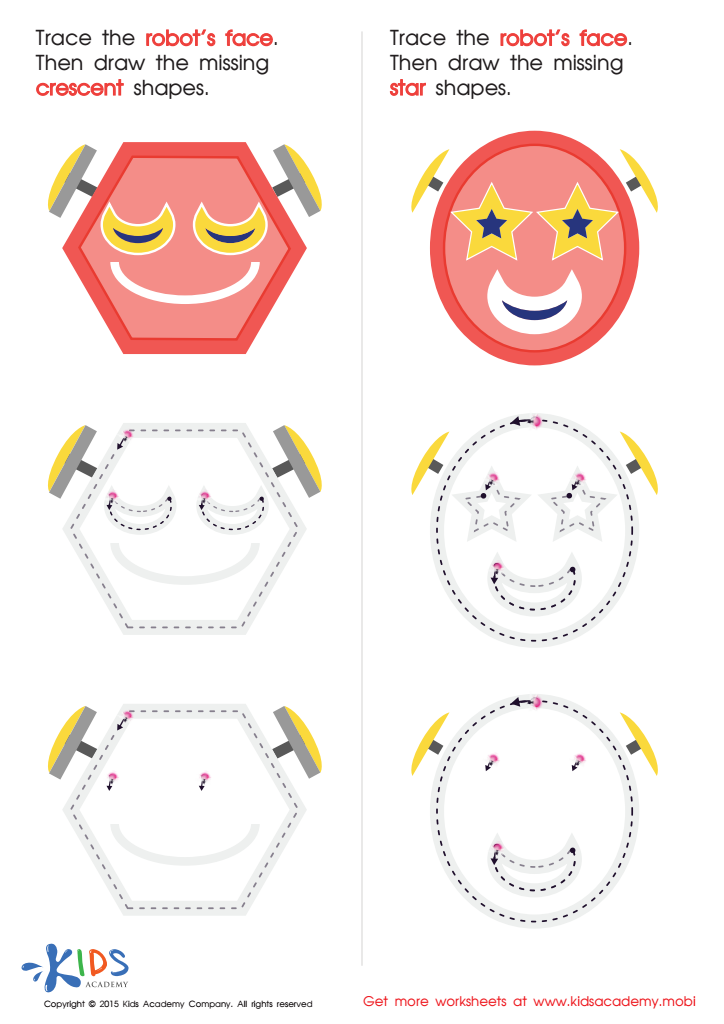
Composing a Robot's Face of Crescents And Stars Worksheet




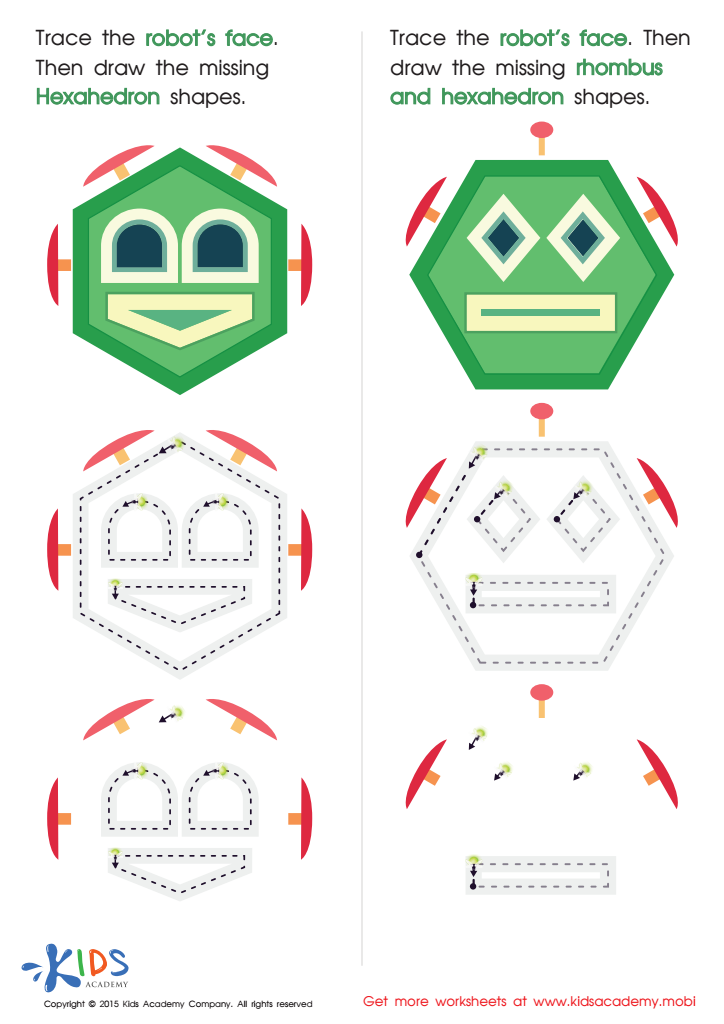
Practice Drawing Hexahedrons And a Rhombus Worksheet
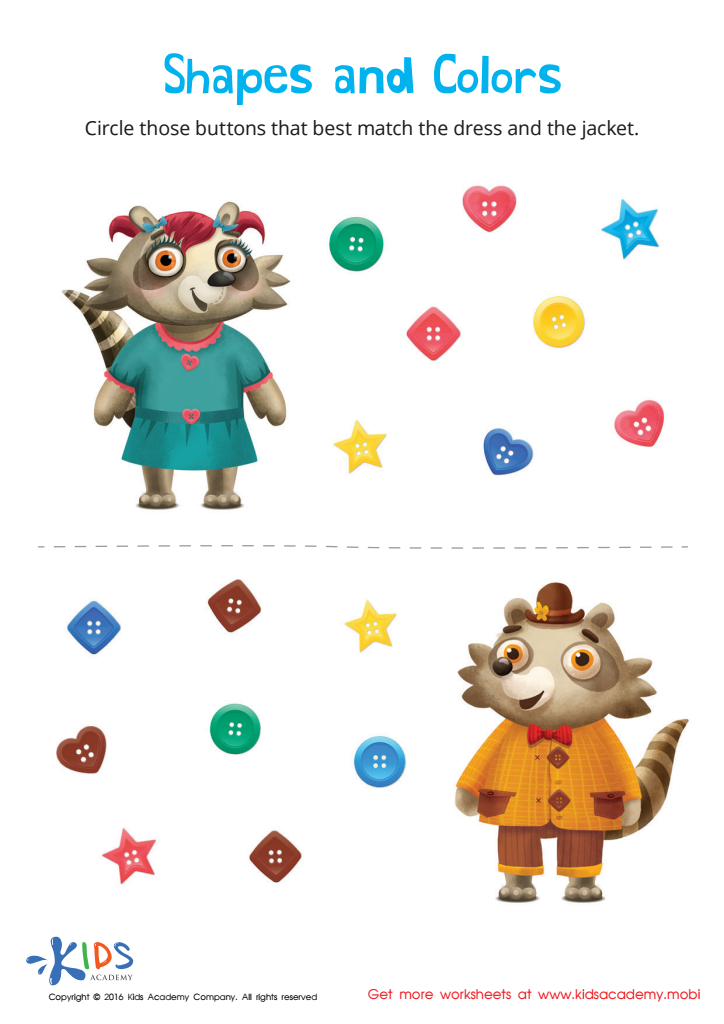
Matching: Shapes and Colors Worksheet
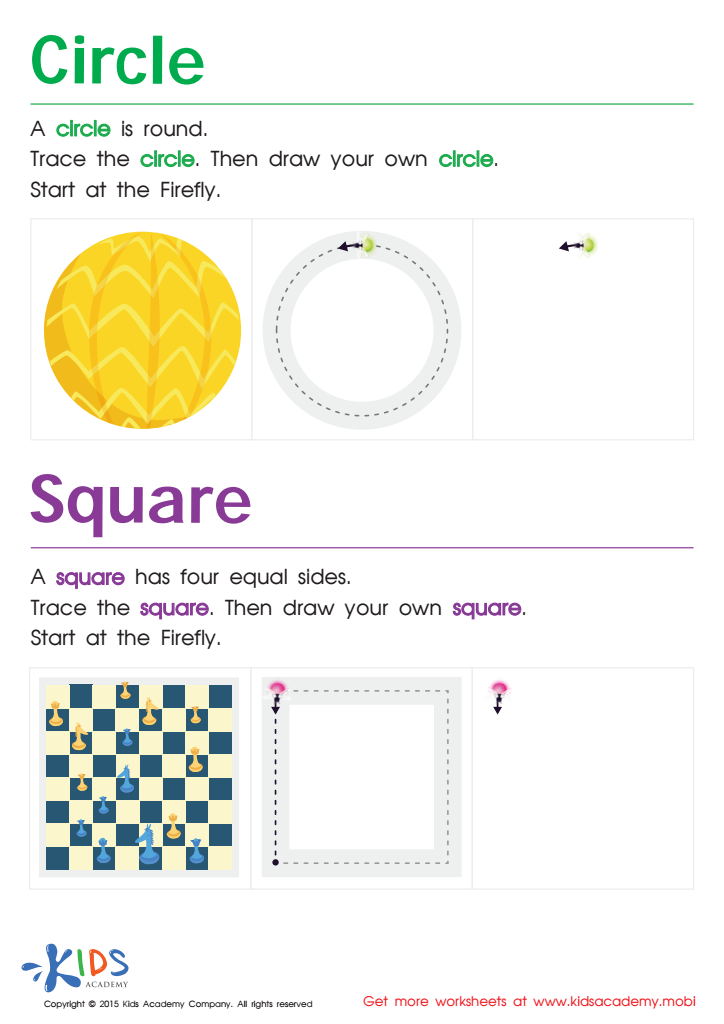
Trace And Draw a Circle And a Square Worksheet
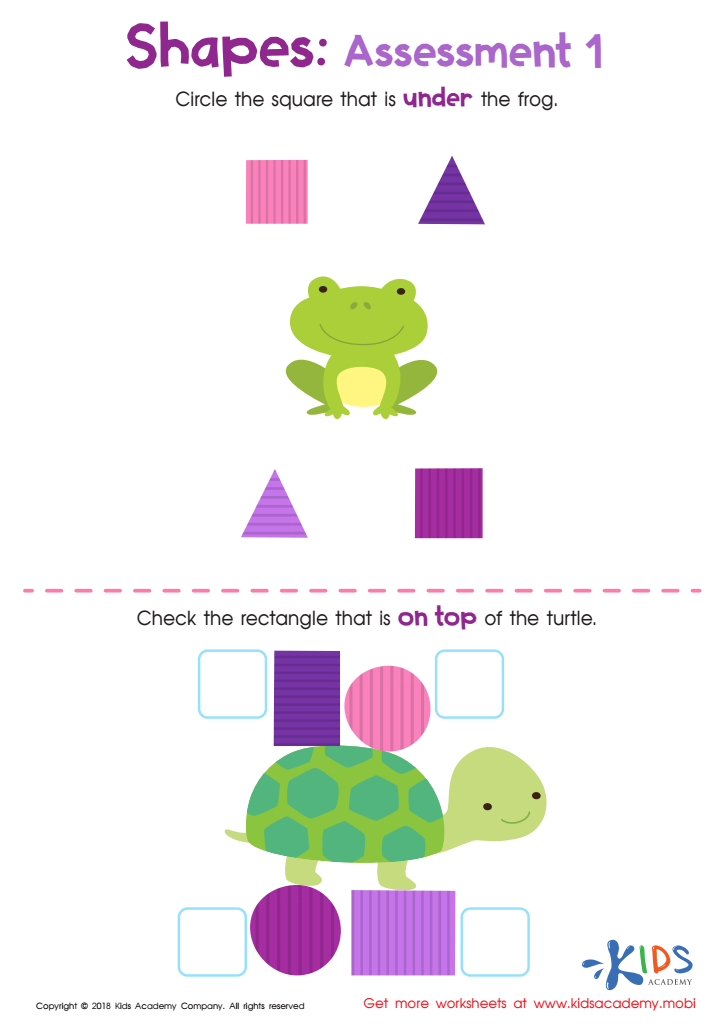
Geometry – Assessment 1 Worksheet
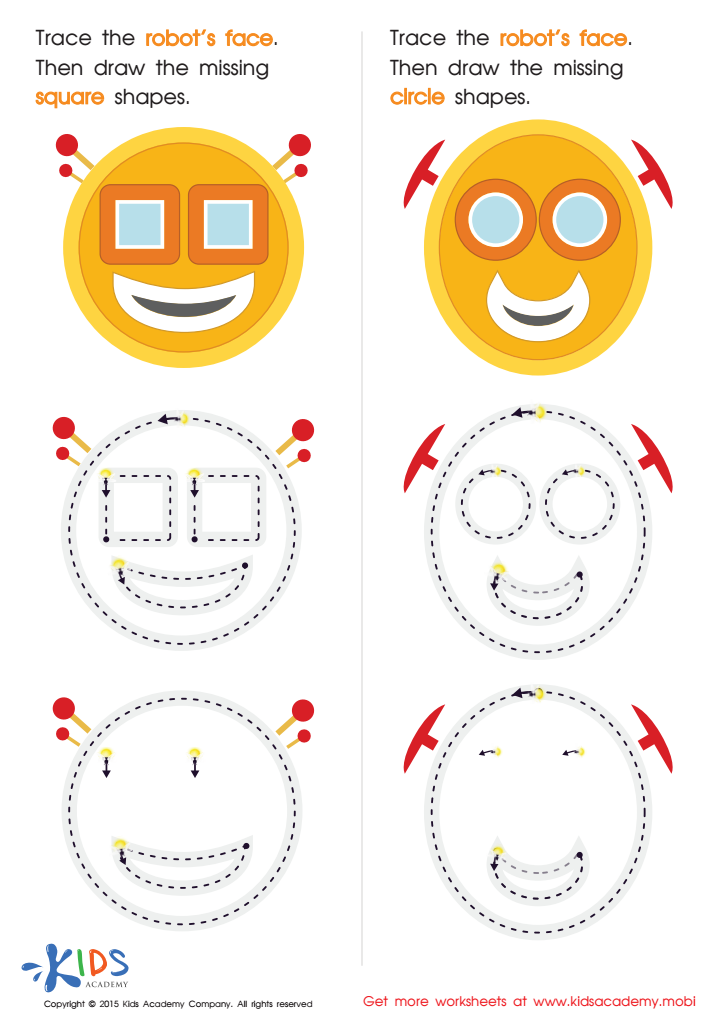
Practicing to Draw Circles And Squares Printable
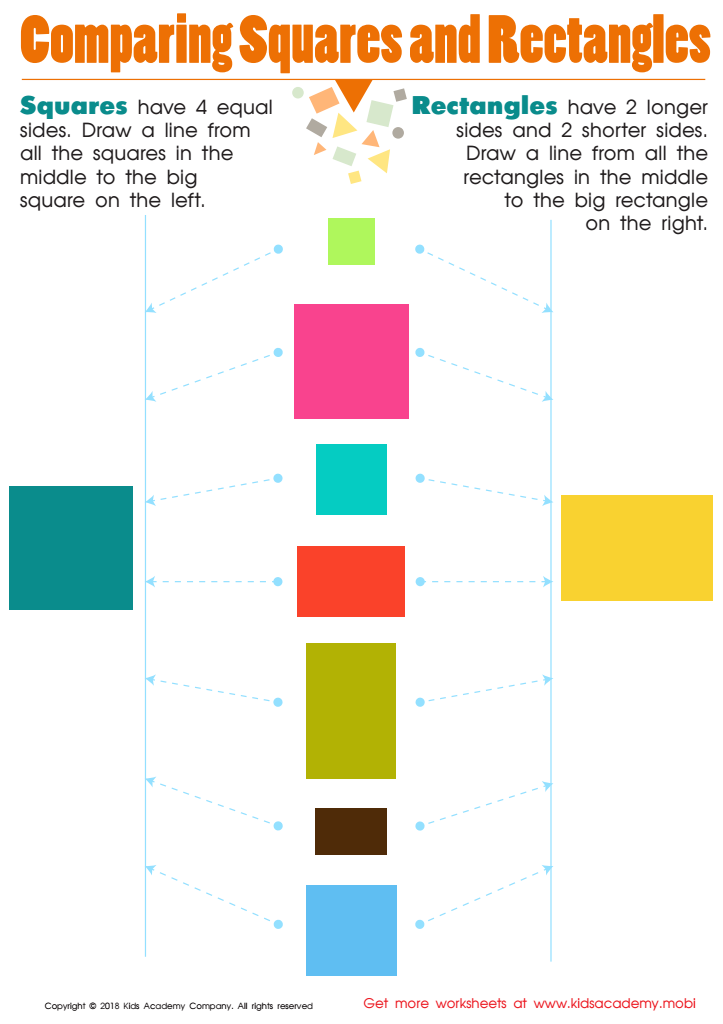
Comparing Squares Rectangles Worksheet
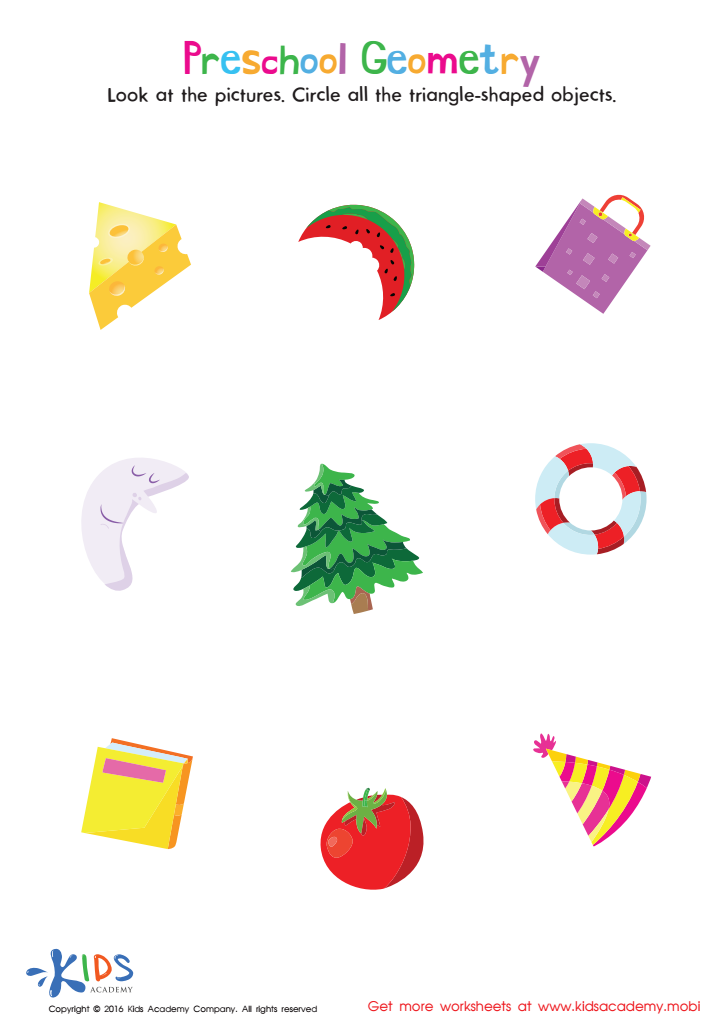
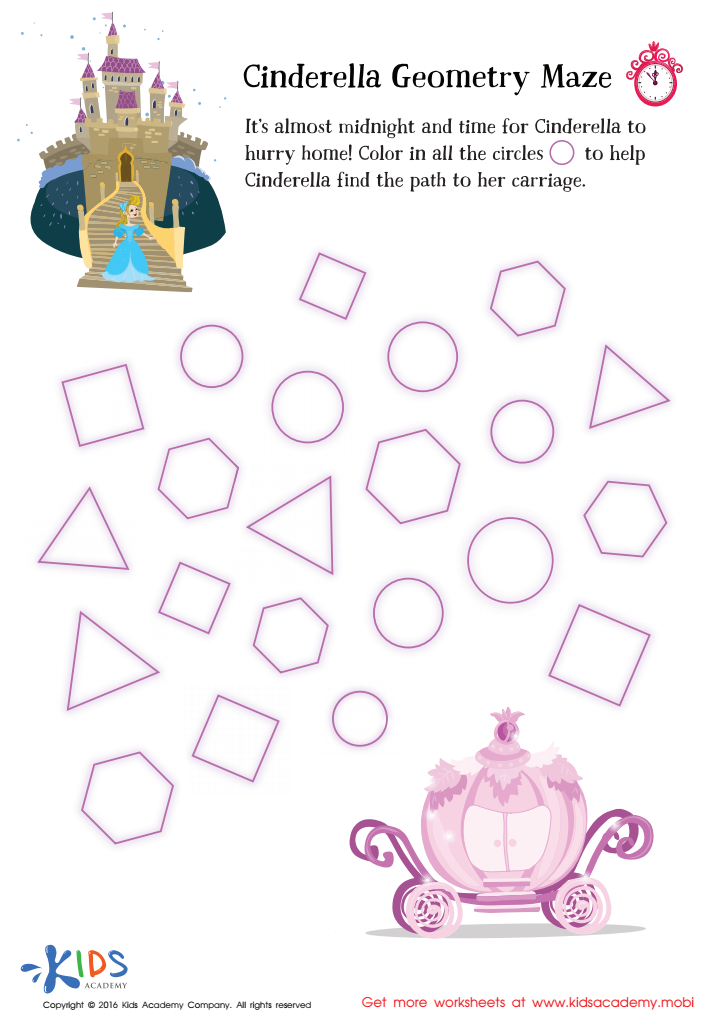
Cinderella Geometry Maze Worksheet
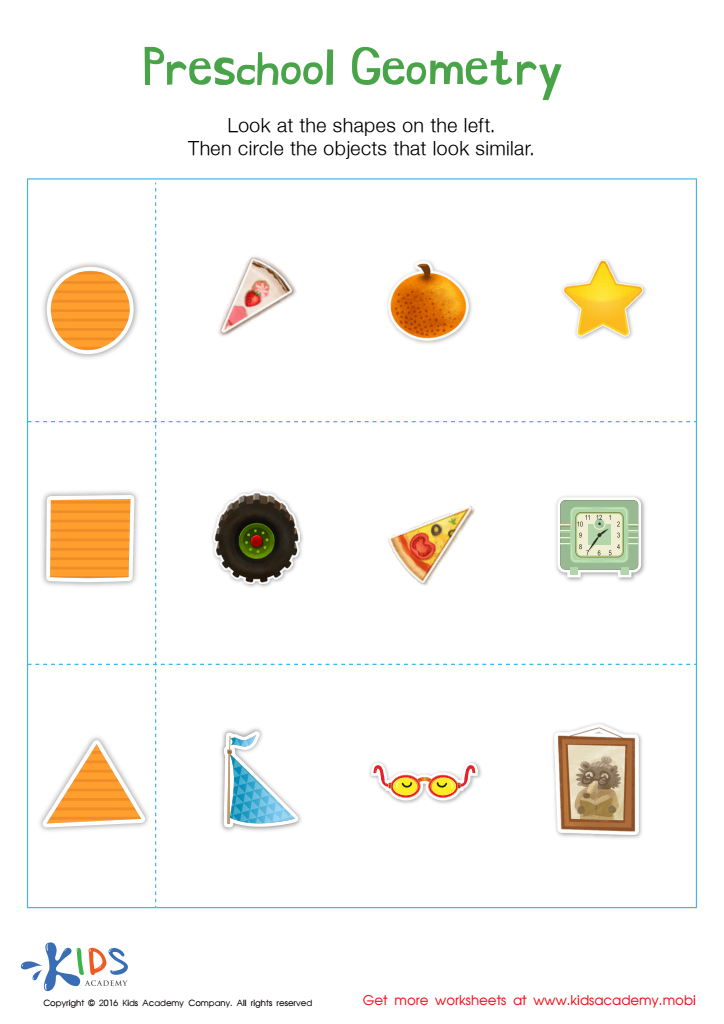
Preschool Geometry Match Up Worksheet
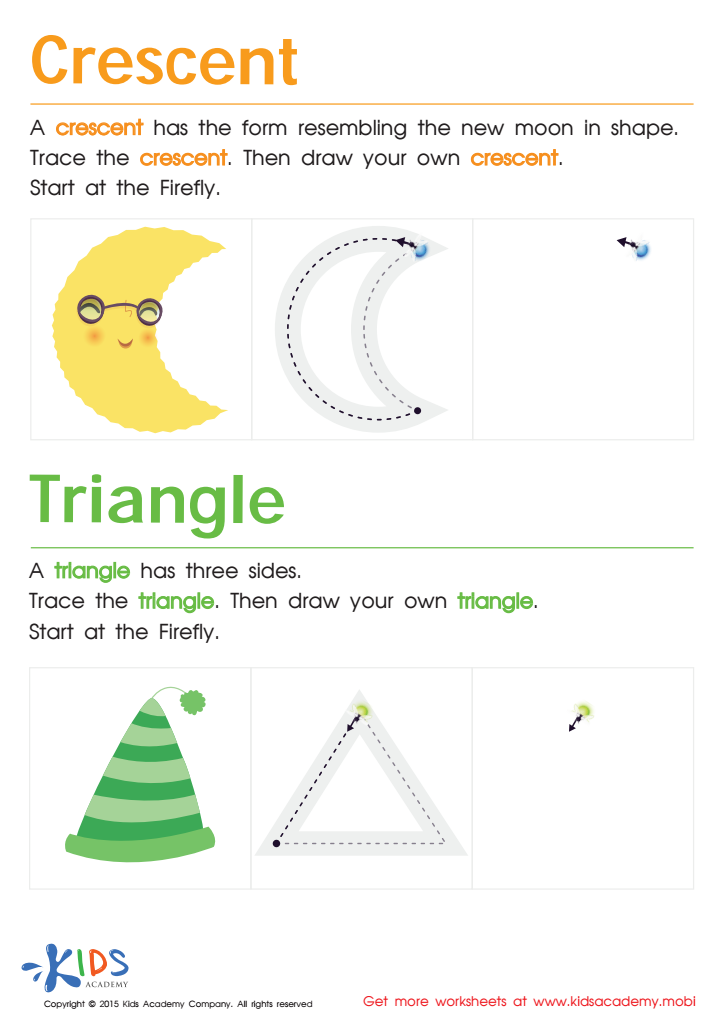
Learning to Draw Crescents And Triangles Worksheet
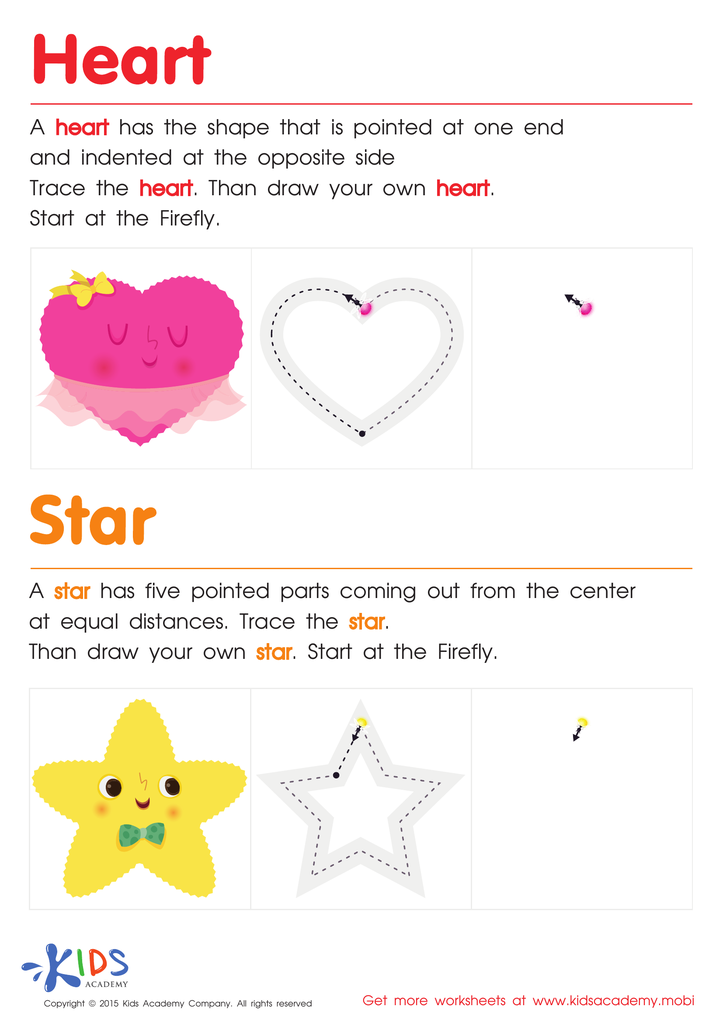
Let's Learn to Draw Hearts And Stars Printable
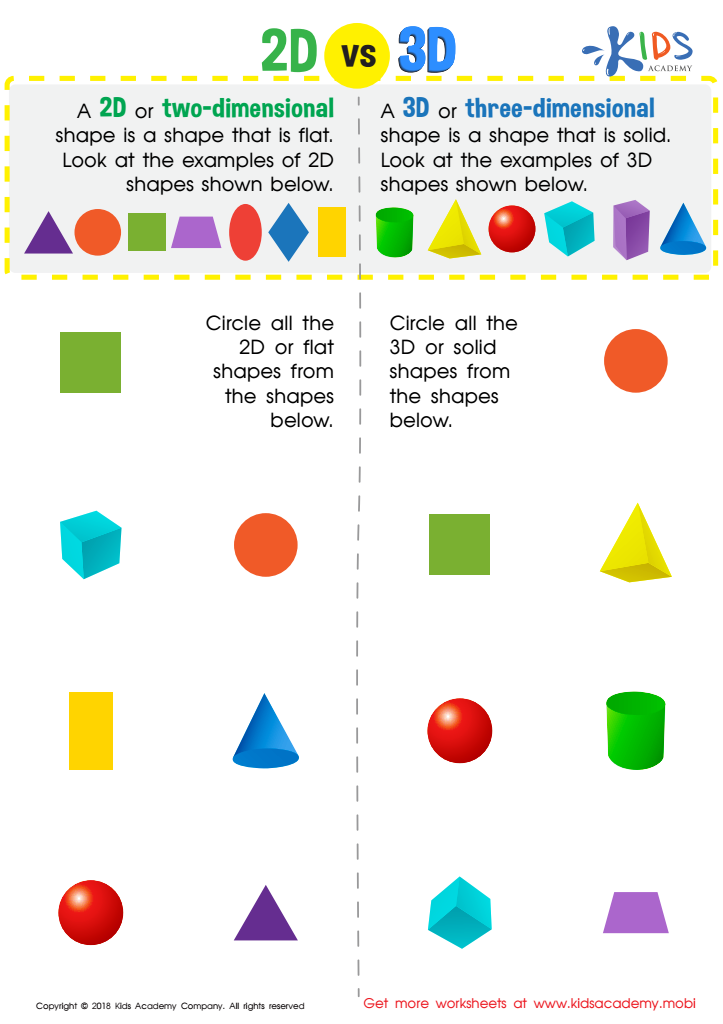
2D vs 3D Shapes Worksheet
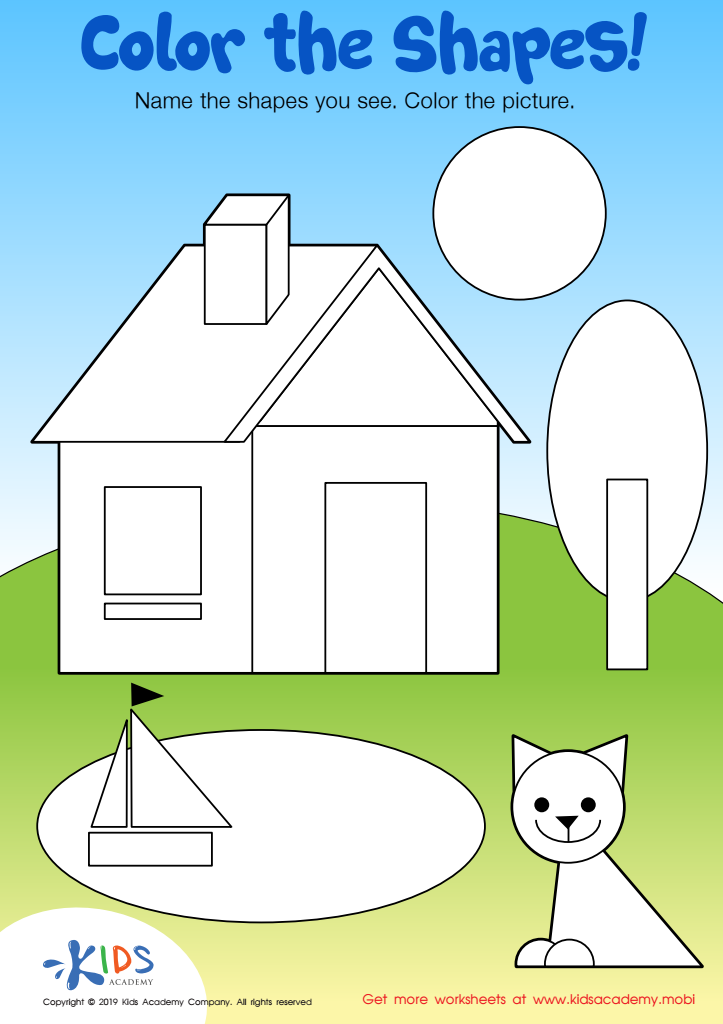
Color the Shapes Worksheet
 Assign to My Students
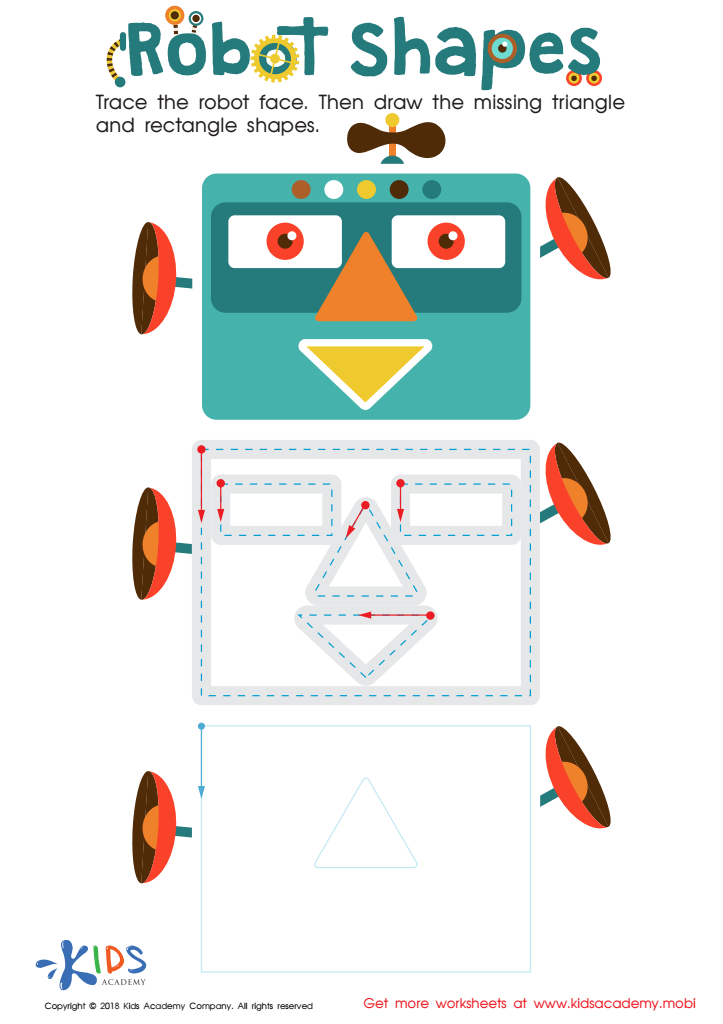
Robot Shapes Worksheet
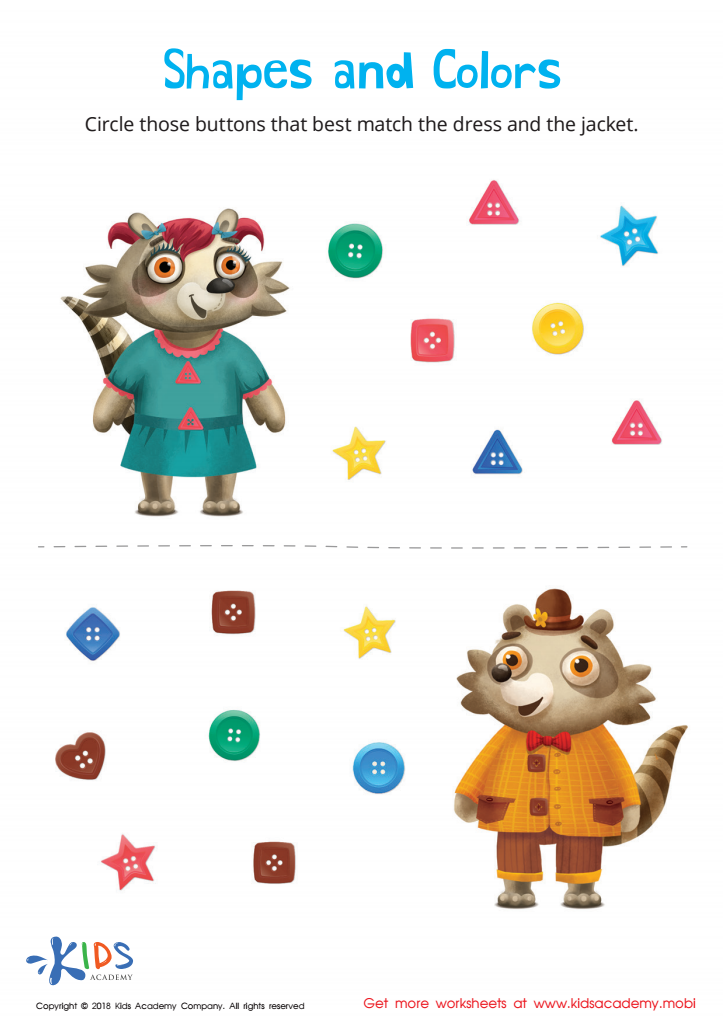
Shapes and Colors Worksheet
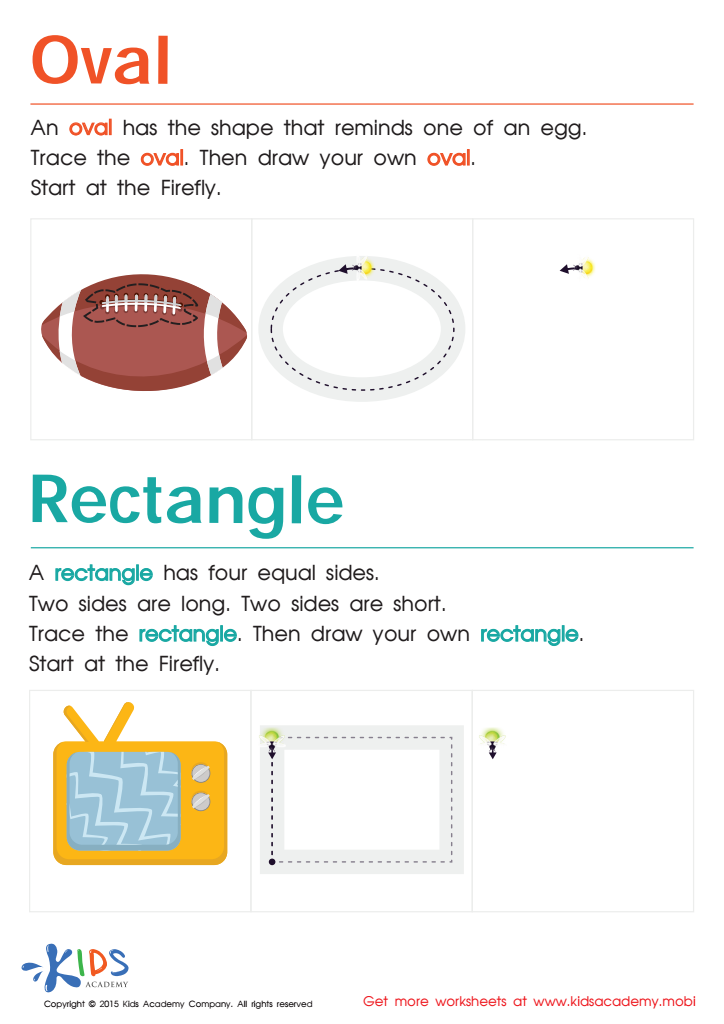
Easy Drawing of Ovals And Rectangles Worksheet
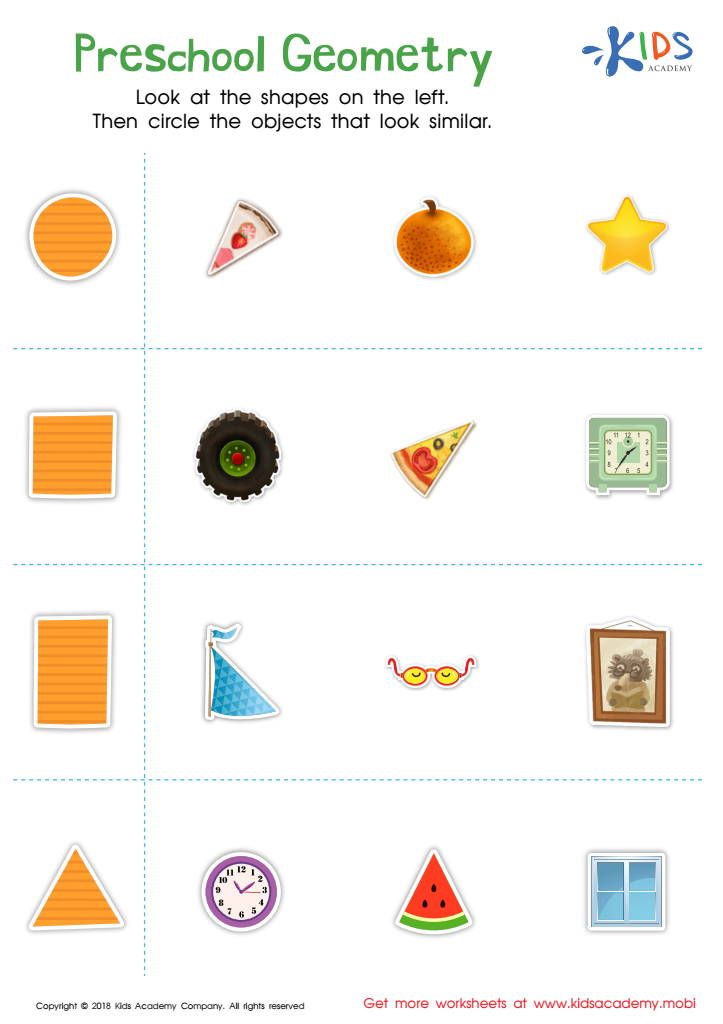
Preschool Geometry Worksheet
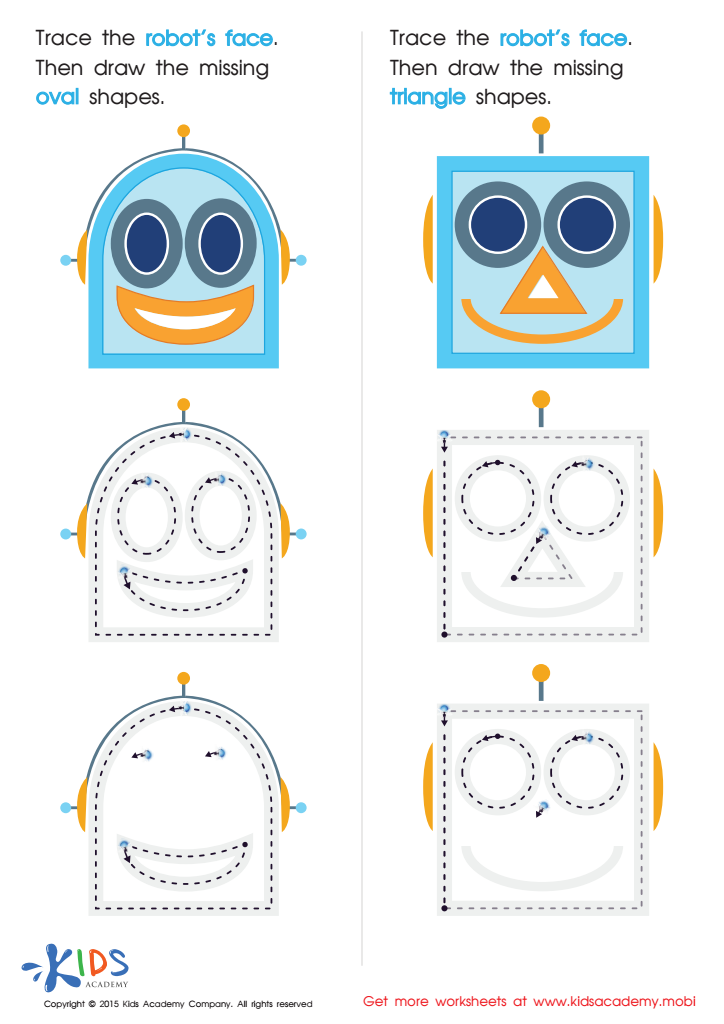
Drawing Ovals And Triangles with Fun Printable
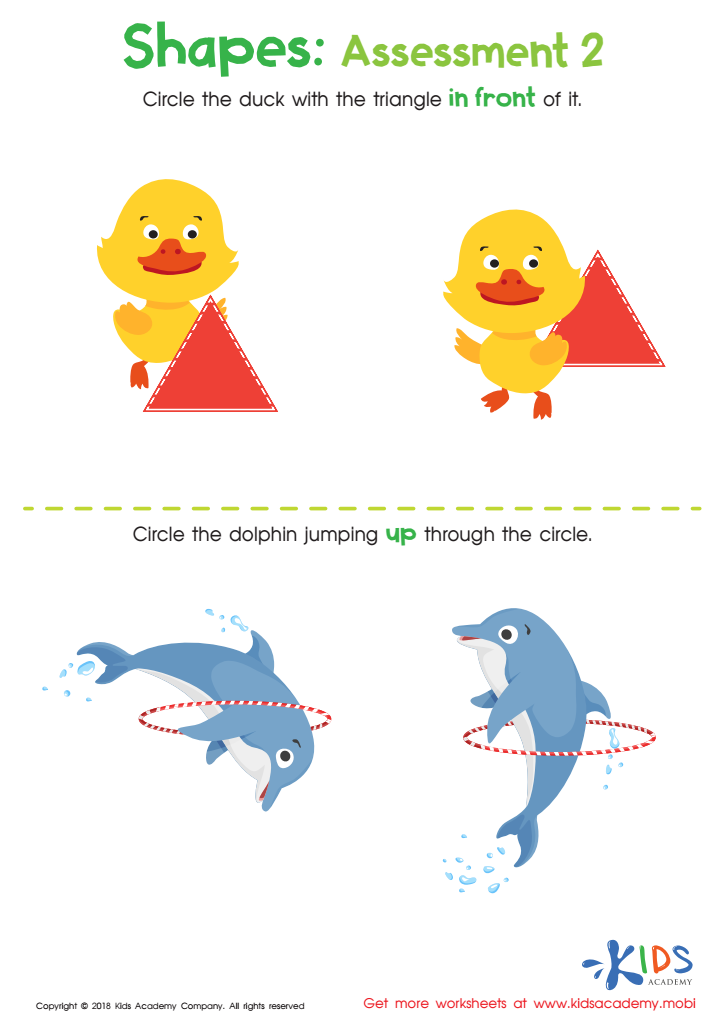
Geometry – Assessment 2 Worksheet
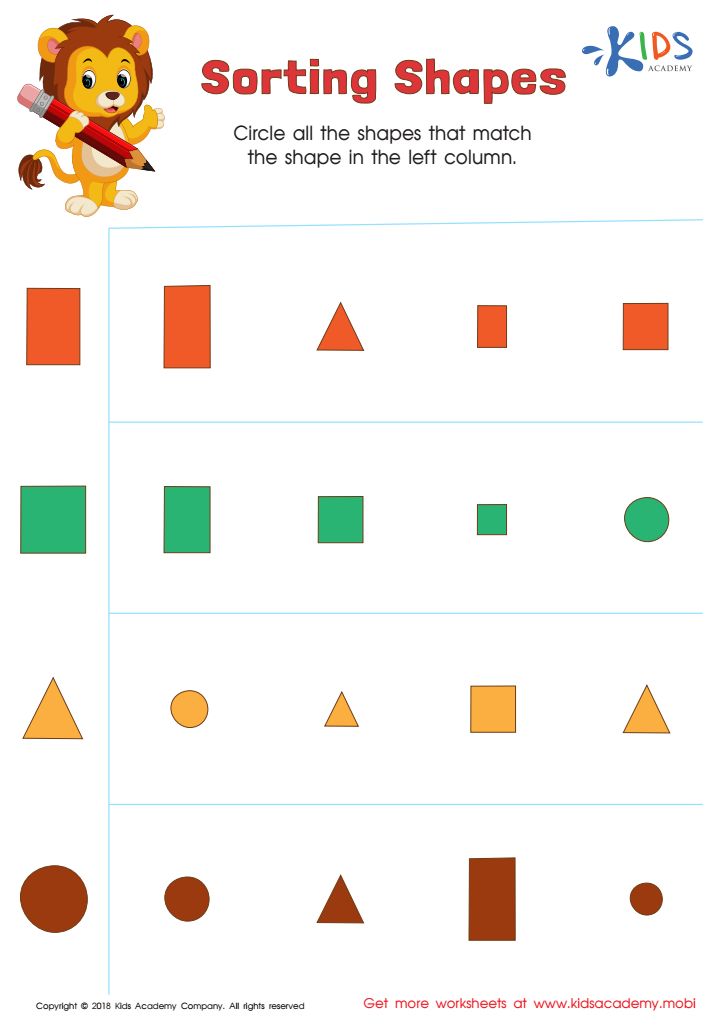
Sorting Shapes - Part 2 Worksheet








Shape recognition is a fundamental aspect of early childhood education, laying the groundwork for important cognitive skills. For parents and teachers, understanding the principles of preschool geometry is essential for several reasons.
Firstly, shape recognition enhances children's visual perception, enabling them to identify and differentiate between various forms in their environment. This skill not only strengthens spatial awareness but also fosters problem-solving abilities, which are critical in later math and science learning.
Secondly, engaging with shapes boosts language development. As children learn to describe shapes using terms like "circle," "triangle," and "square," they expand their vocabulary and communication skills. This also promotes early literacy as children connect words with concrete concepts.
Moreover, geometry in preschool encourages creativity and exploration. When children manipulate shapes through play—like building blocks or puzzles—they develop fine motor skills and learn about symmetry and design.
Lastly, foundational understanding of shapes directly links to future mathematical concepts, including measurement and pattern recognition. By prioritizing shape recognition, parents and teachers provide children with vital tools for academic success and cognitive growth, making it a crucial area of focus in early childhood education.