Tracing Words worksheets activities for Ages 4-9 - Page 2
42 filtered results
-
From - To
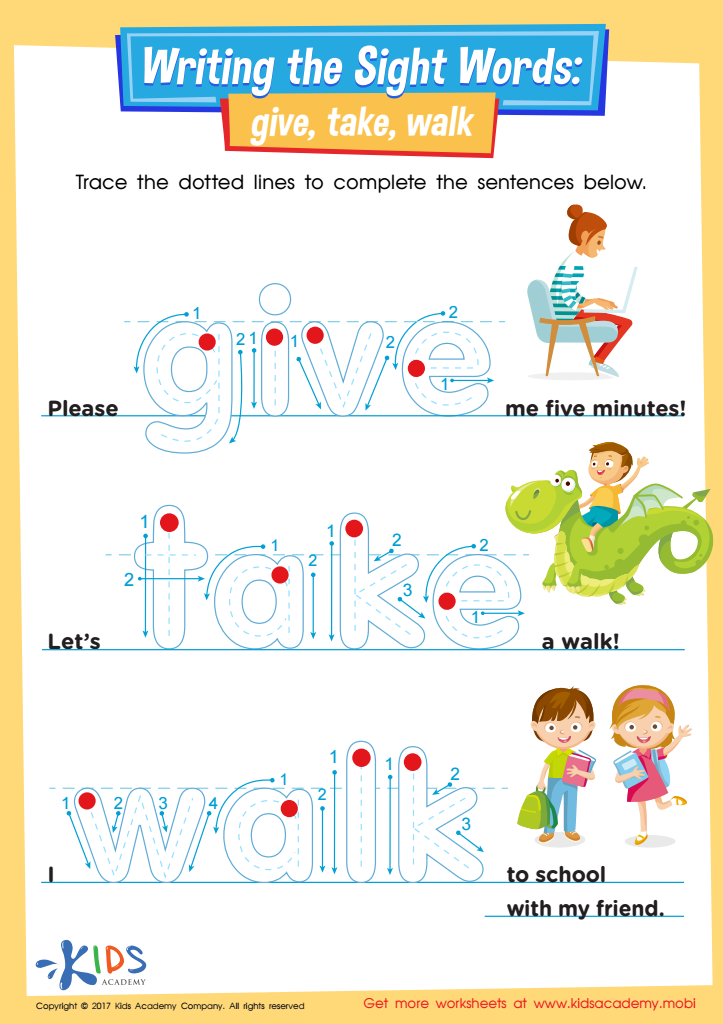
Give, Take, Walk Printable Sight Words Worksheet
 Assign to My Students
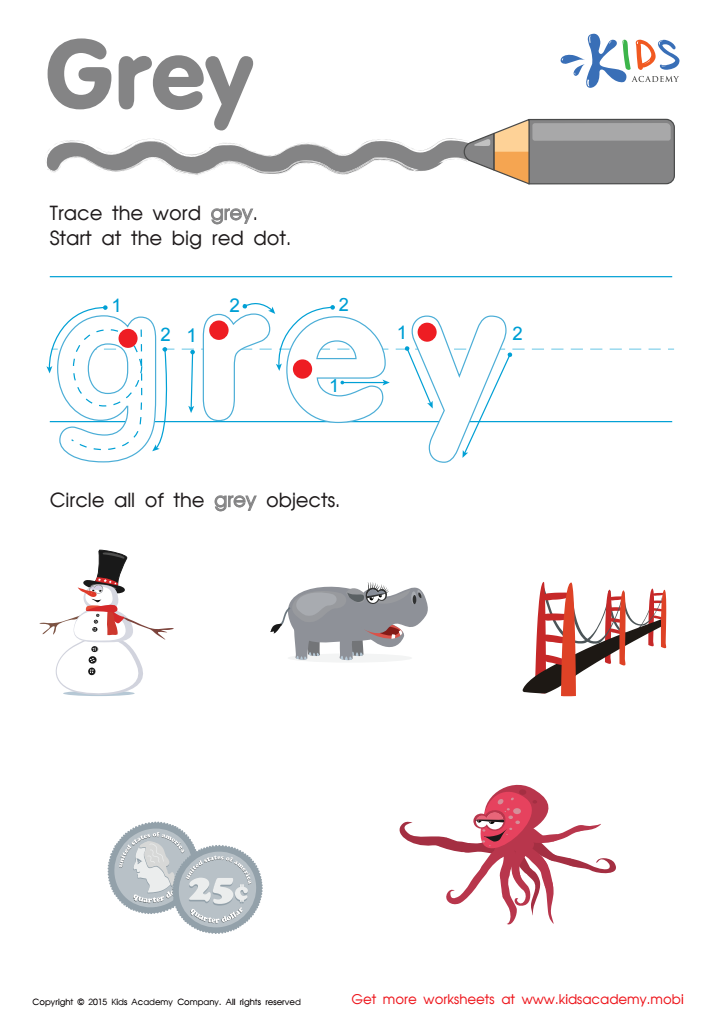
Grey Tracing Color Words Worksheet
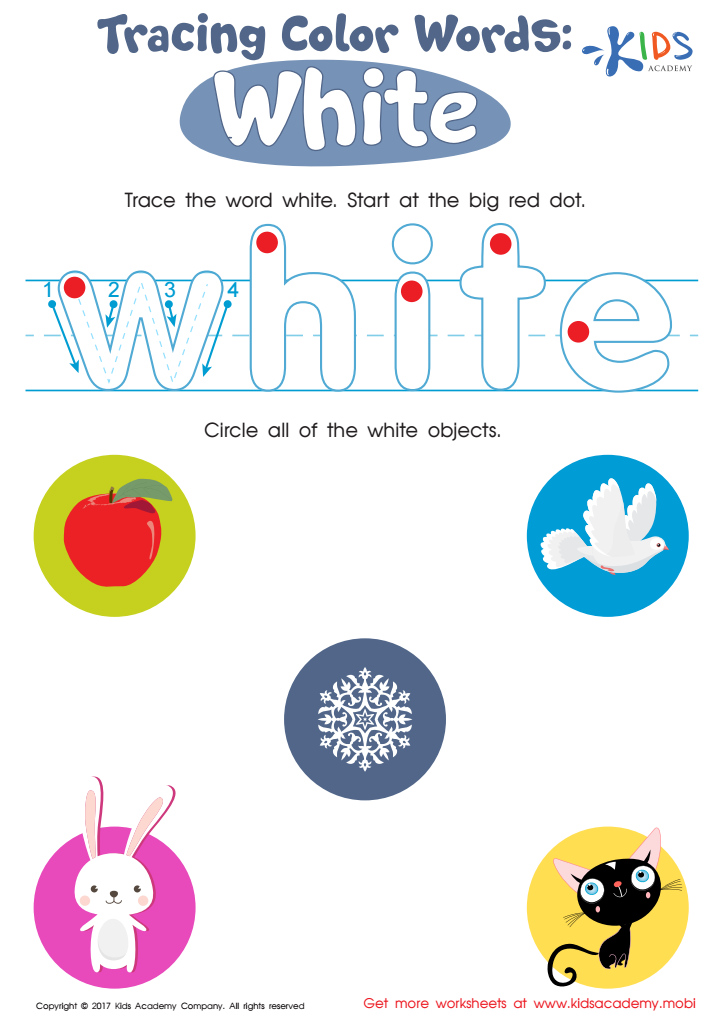
White Tracing Color Words Worksheet
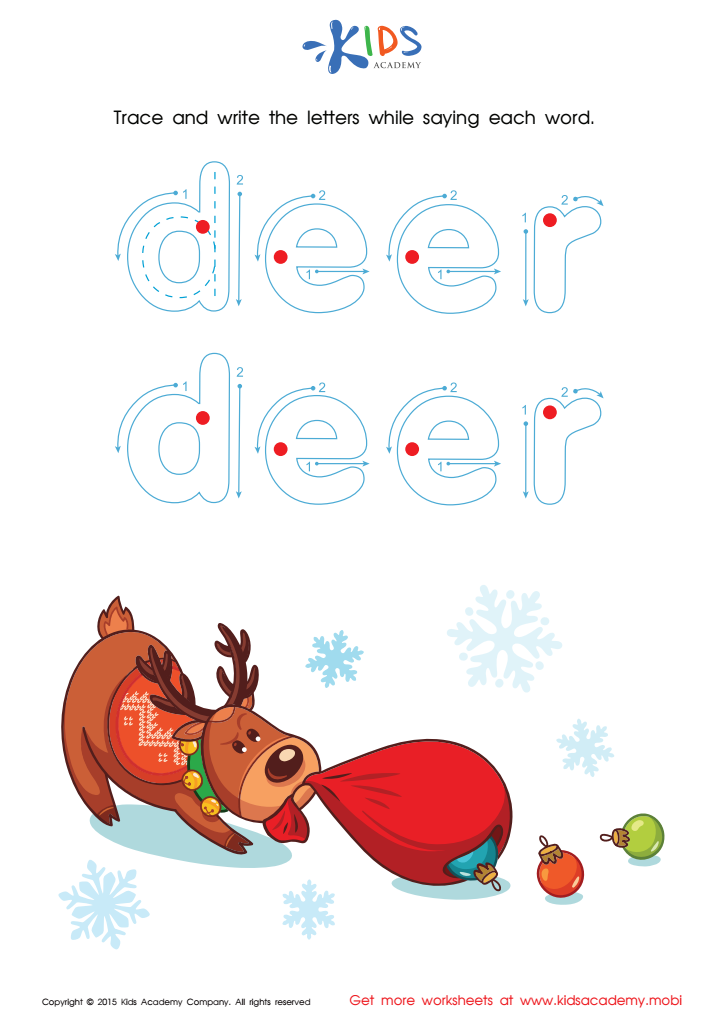
Deer Tracing Winter Words Worksheet
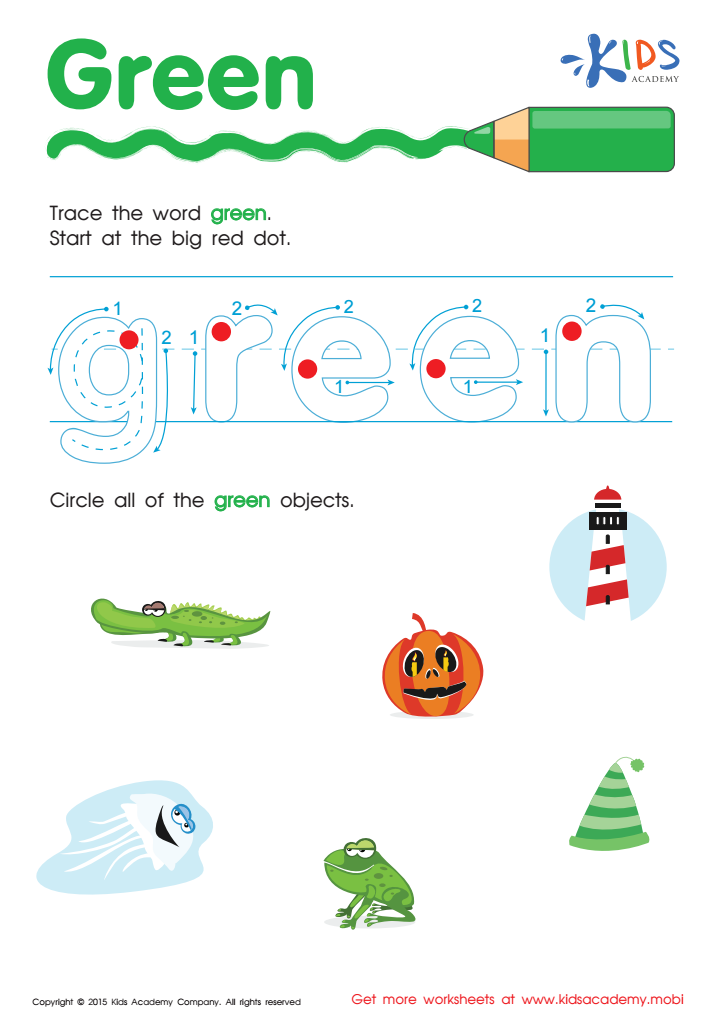
Green Tracing Color Words Worksheet
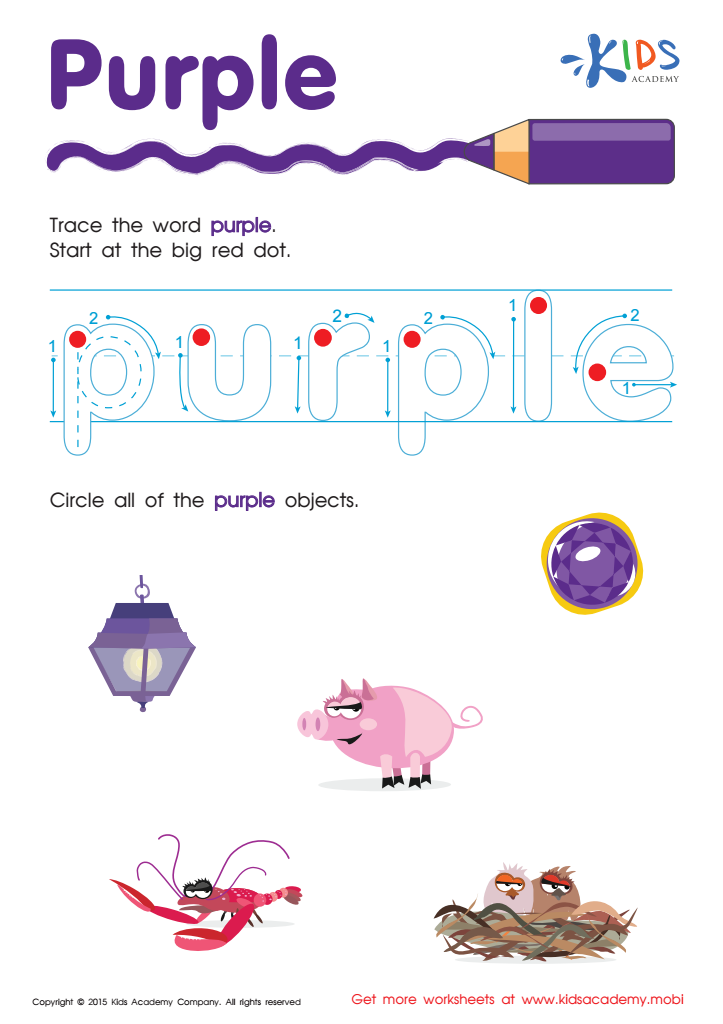
Purple Tracing Color Words Worksheet
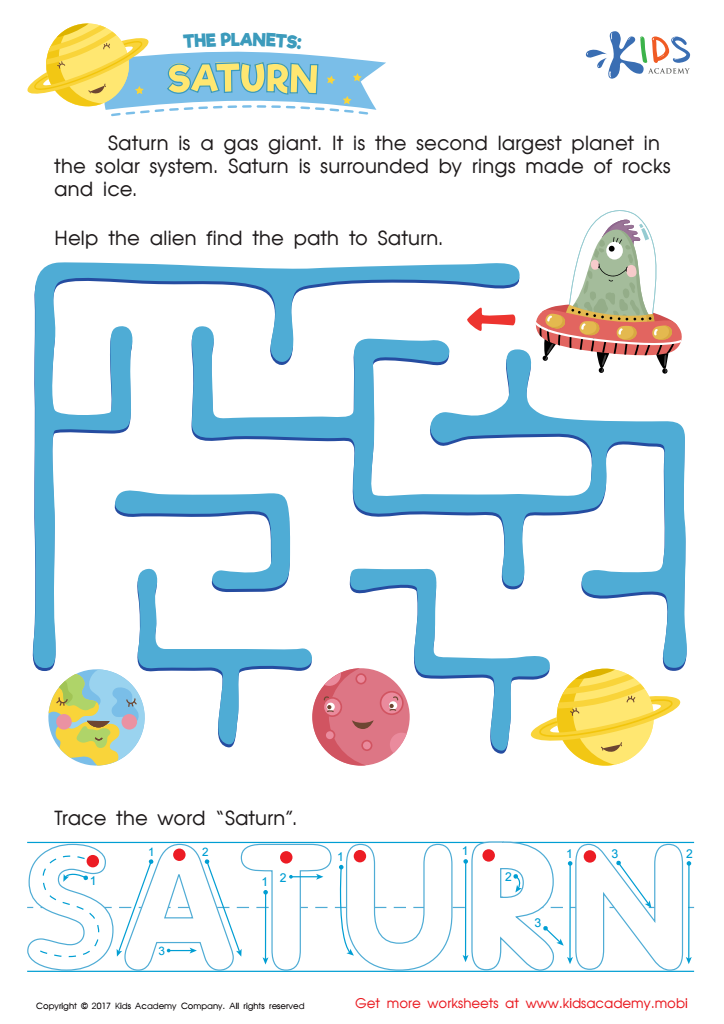
The Planets: Saturn Printable
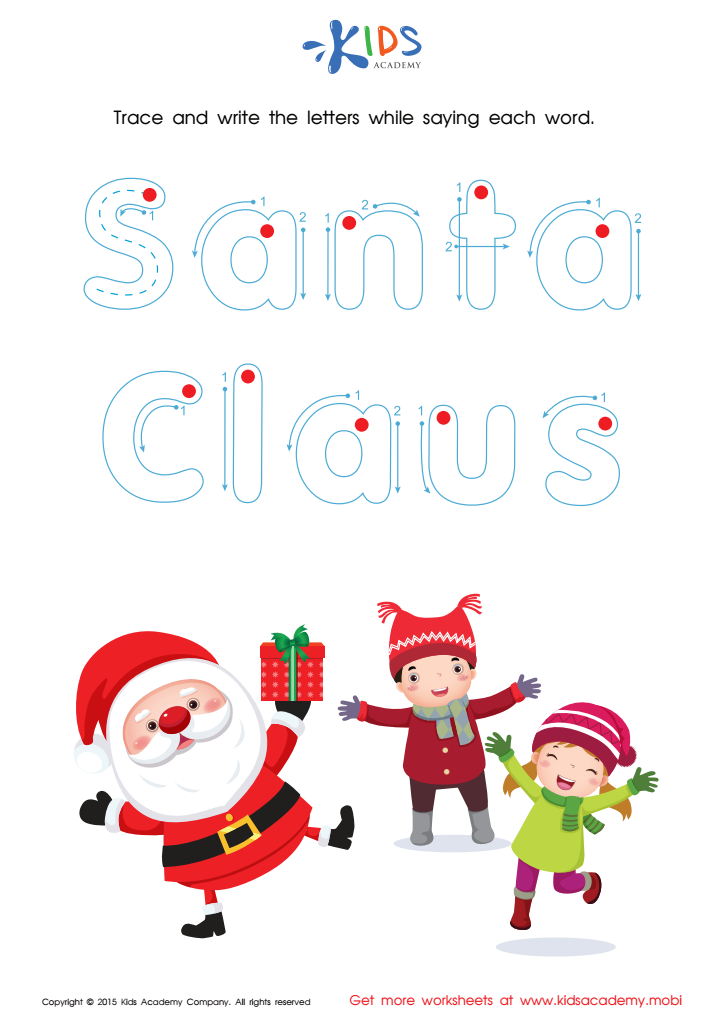
Santa Claus Tracing Winter Words Worksheet
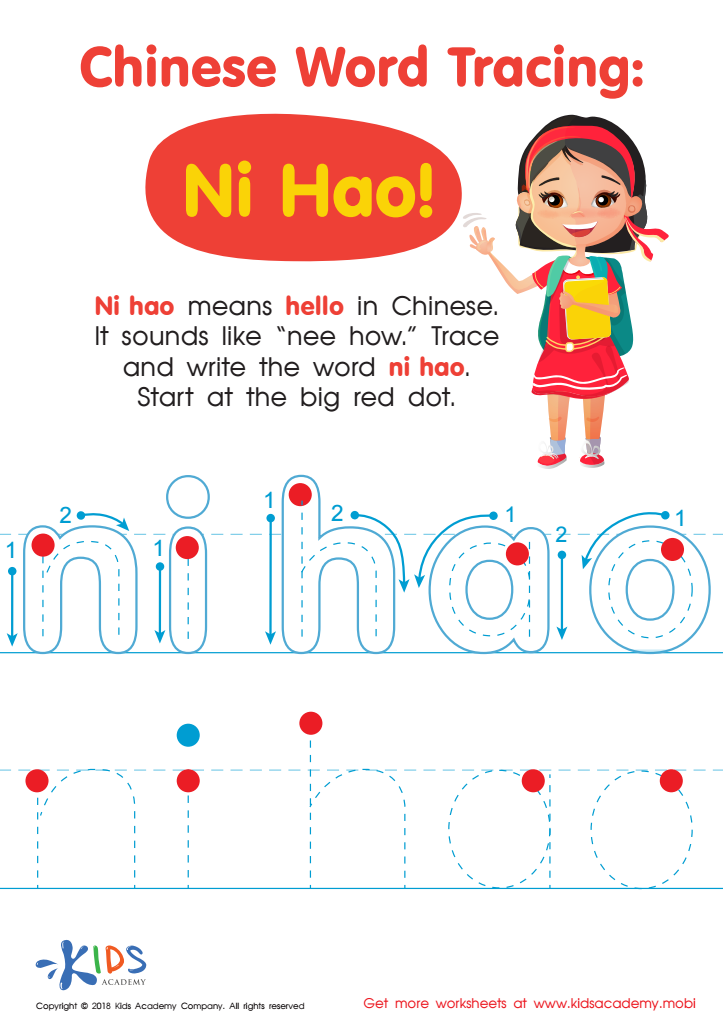
Chinese Word Tracing: Ni Hao Worksheet
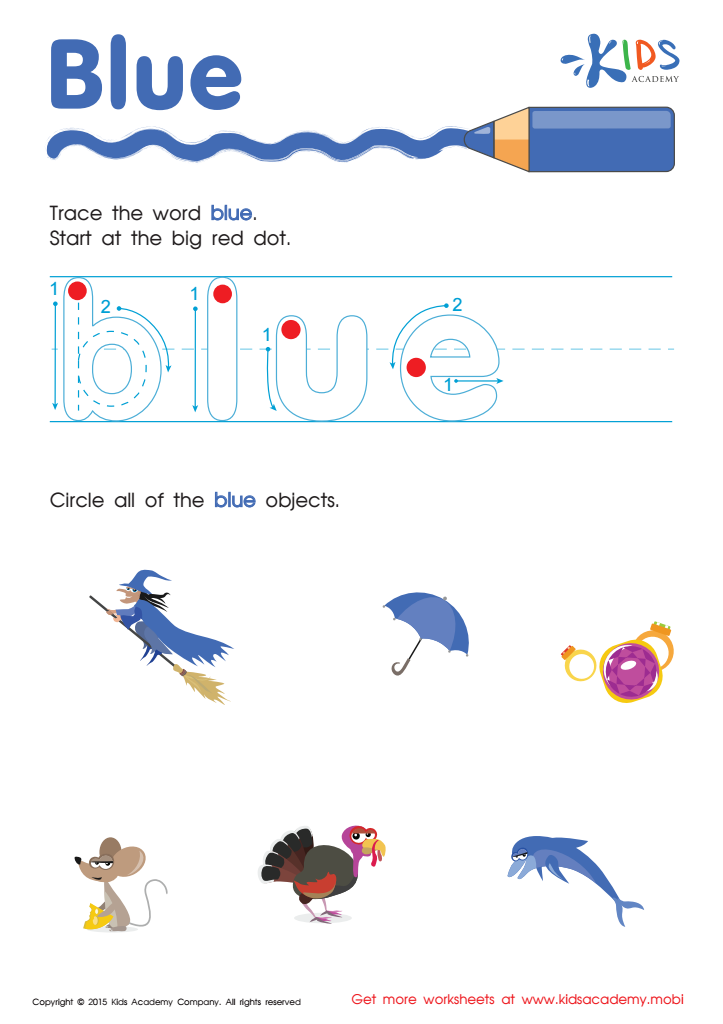
Blue Tracing Color Words Printable
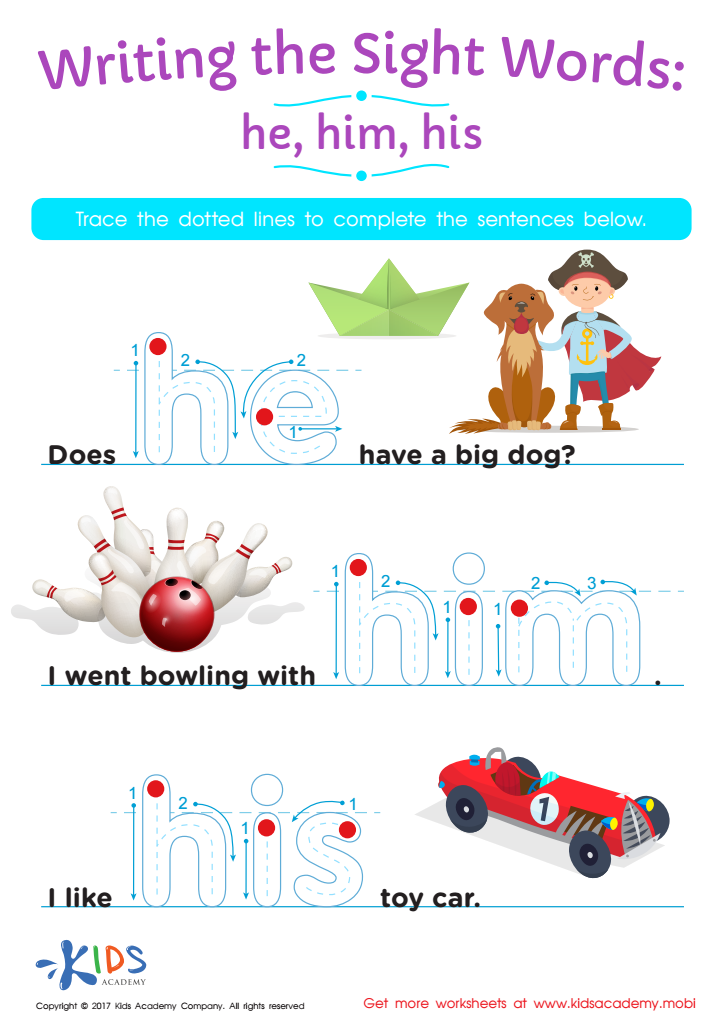
He, Him, His Printable Sight Words Worksheet
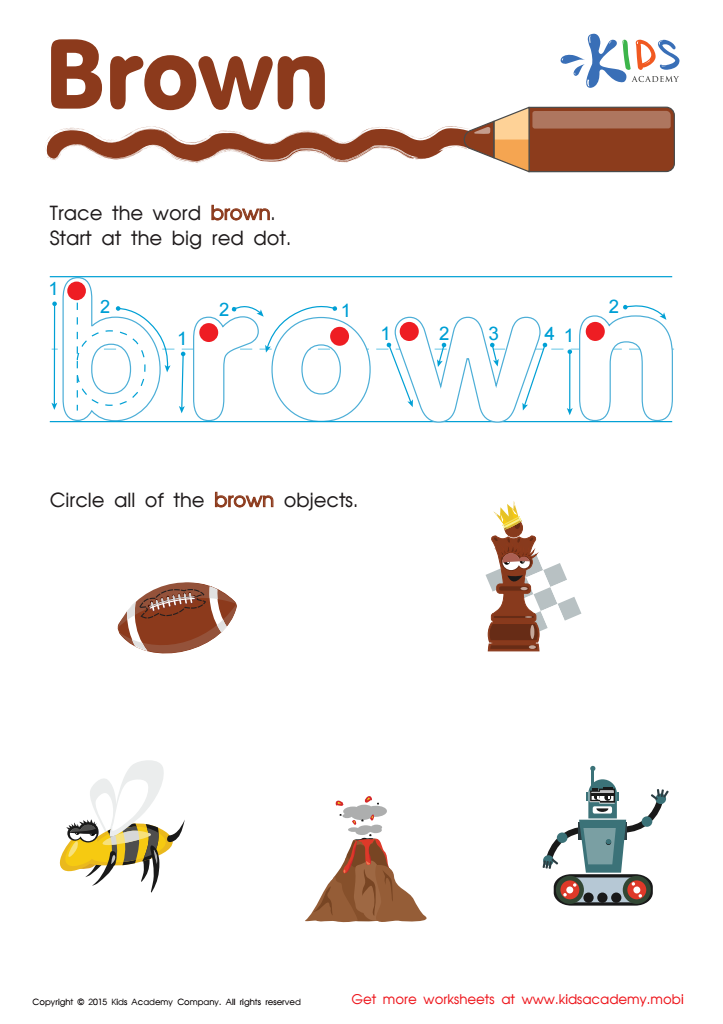
Brown Tracing Color Words Worksheet
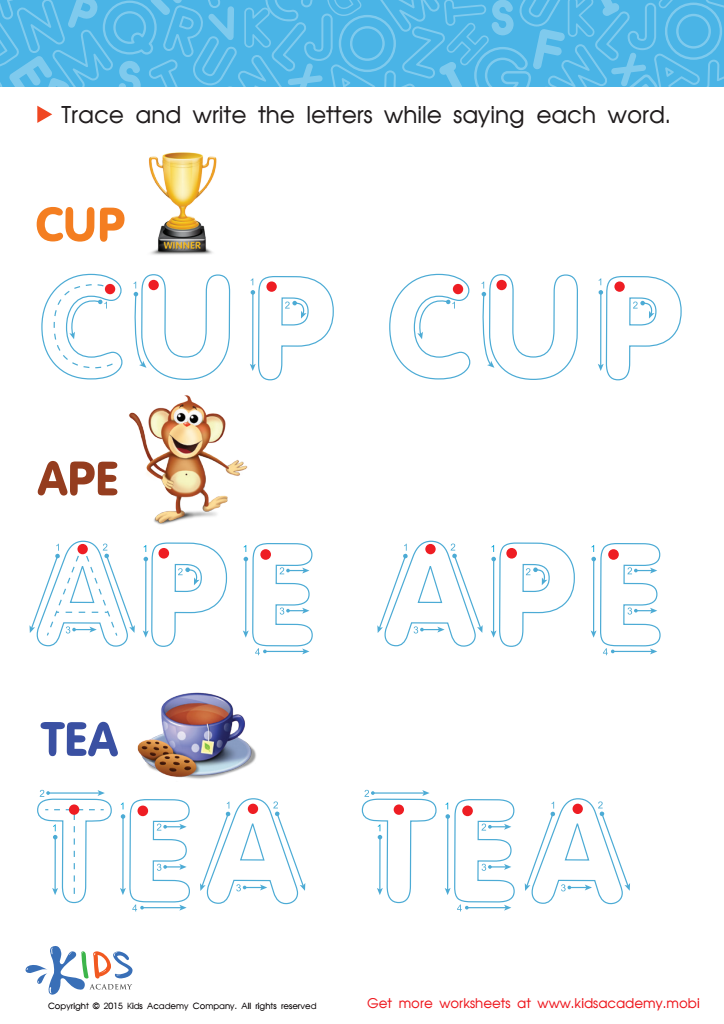
A Cup, an Ape and Tea Spelling Worksheet
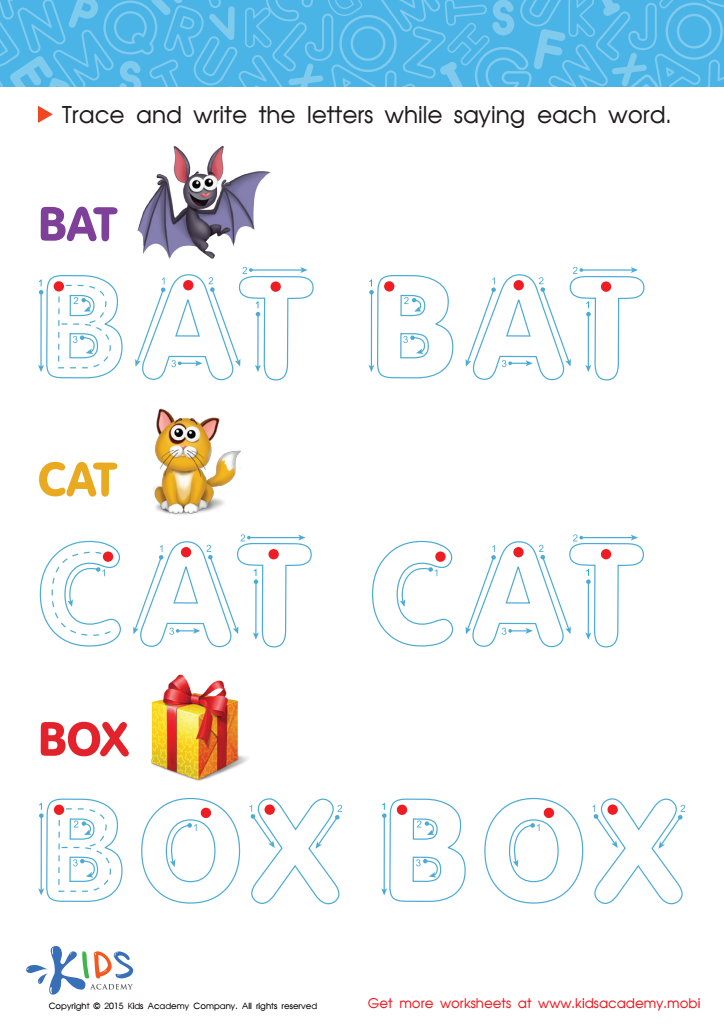
A Bat, a Cat and a Box Spelling Worksheet
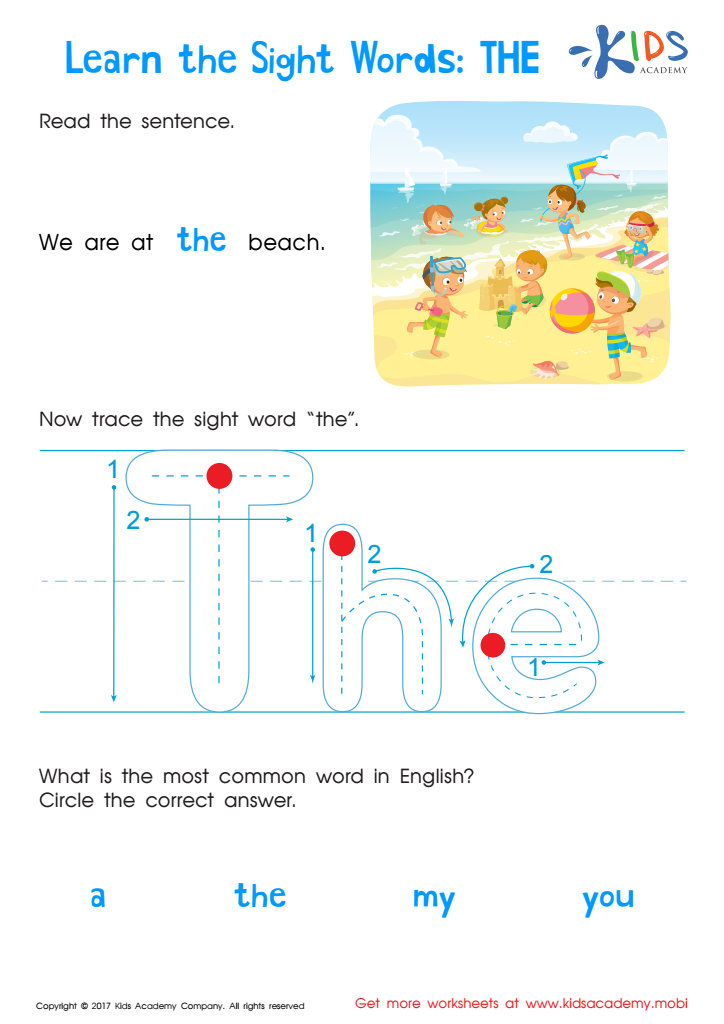
Sight Words: The Worksheet
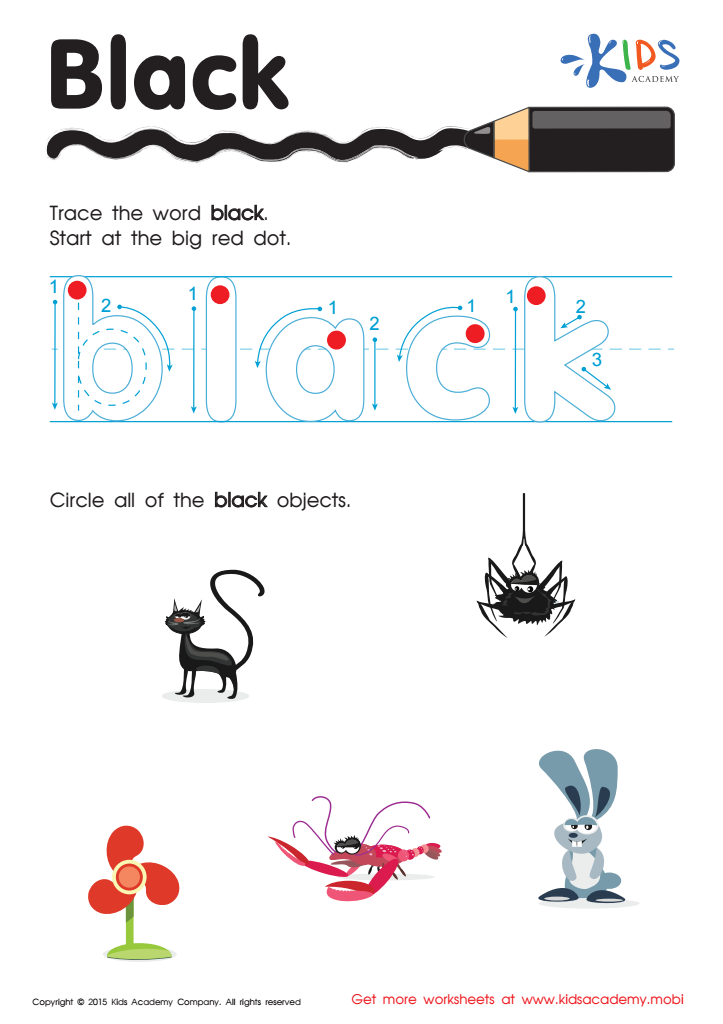
Black Tracing Color Words Printable
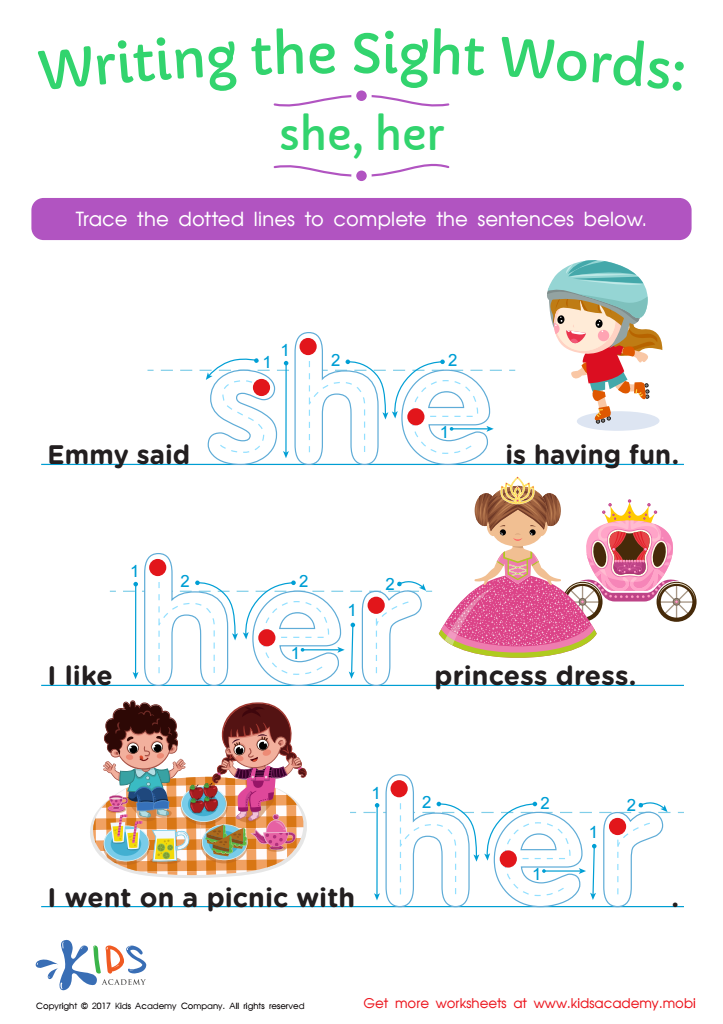
She, Her Printable Sight Words Worksheet
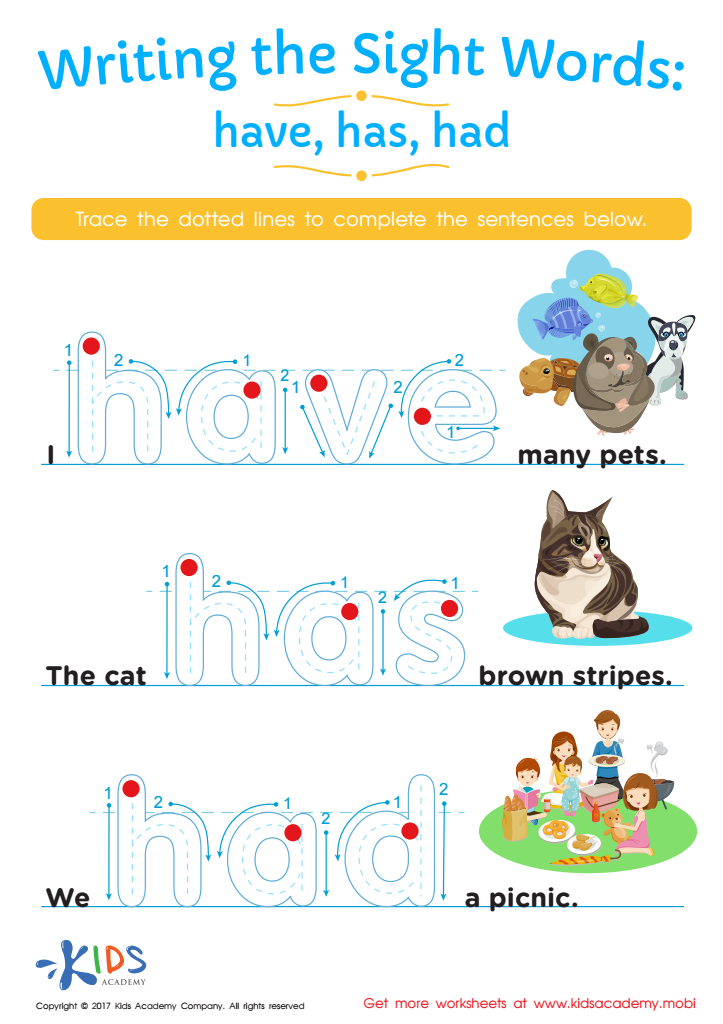
Have, Has, Had Worksheet Sight Words Worksheet








Tracing words activities serve as a fundamental building block in early literacy development for children aged 4-9. Parents and teachers should prioritize these activities because they enhance fine motor skills and promote hand-eye coordination, both of which are crucial for writing. As children trace letters and words, they internalize the shapes and strokes, facilitating better letter formation as they progress in their writing journey.
Additionally, tracing activities can increase vocabulary and phonemic awareness. As children engage with words—recognizing their shape, sound, and meaning—they cultivate a stronger understanding of language. This awareness is instrumental in reading development, paving the way for more comprehensive literacy skills.
Moreover, tracing activities can be tailored to different learning styles and can be integrated into various thematic units, making learning engaging and fun. They help create a positive environment for children to express creativity while laying the groundwork for academic success.
Using tracing activities fosters independence, as children can work at their own pace, building confidence in their abilities. Supportive involvement from parents and teachers can reinforce this growth. Ultimately, tracing words is not just an exercise in writing; it is a crucial step in cultivating a lifelong love for reading and writing.








