Normal Knowledge Check worksheets activities for Ages 3-9 - Page 2
46 filtered results
-
From - To
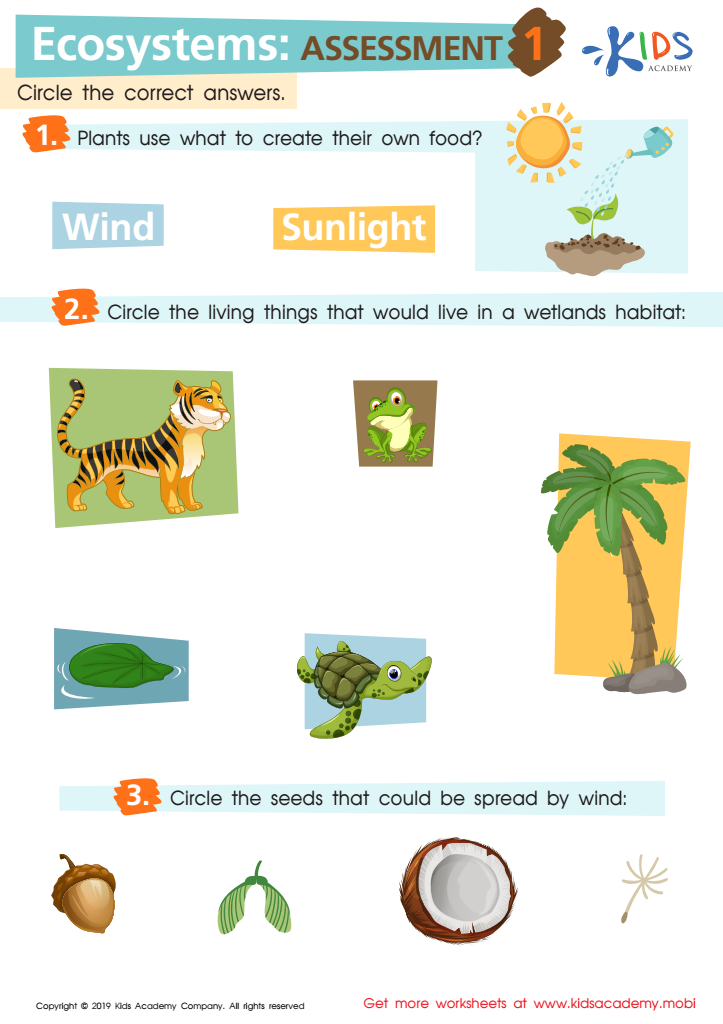
Ecosystems: Assessment 1 Worksheet
 Assign to My Students
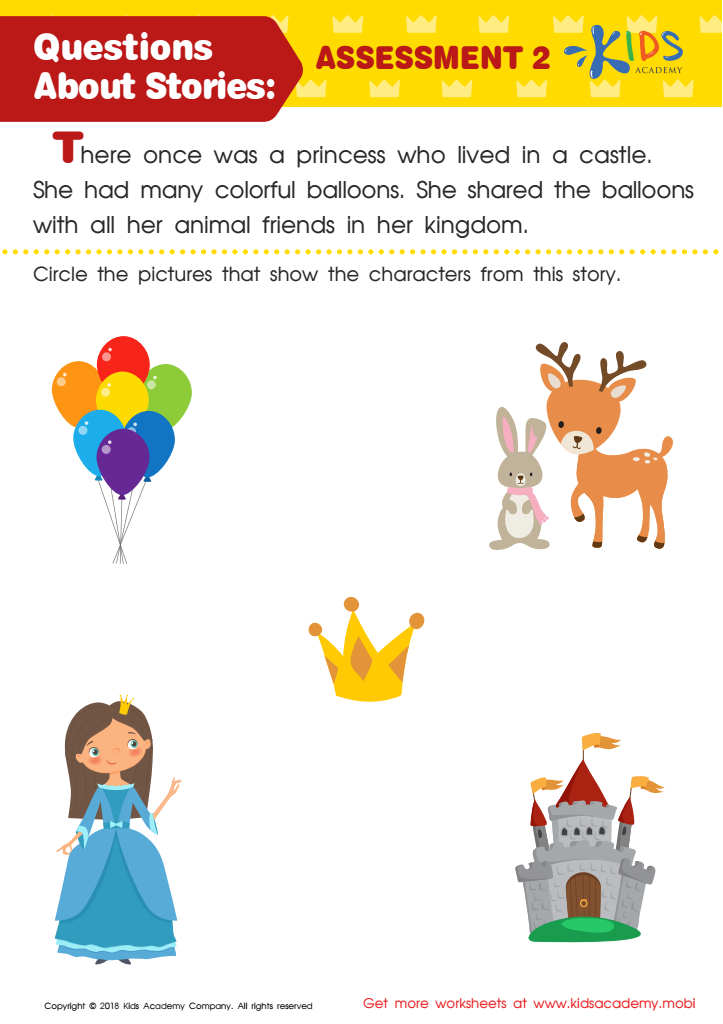
Questions About Stories: Assessment 2 Worksheet
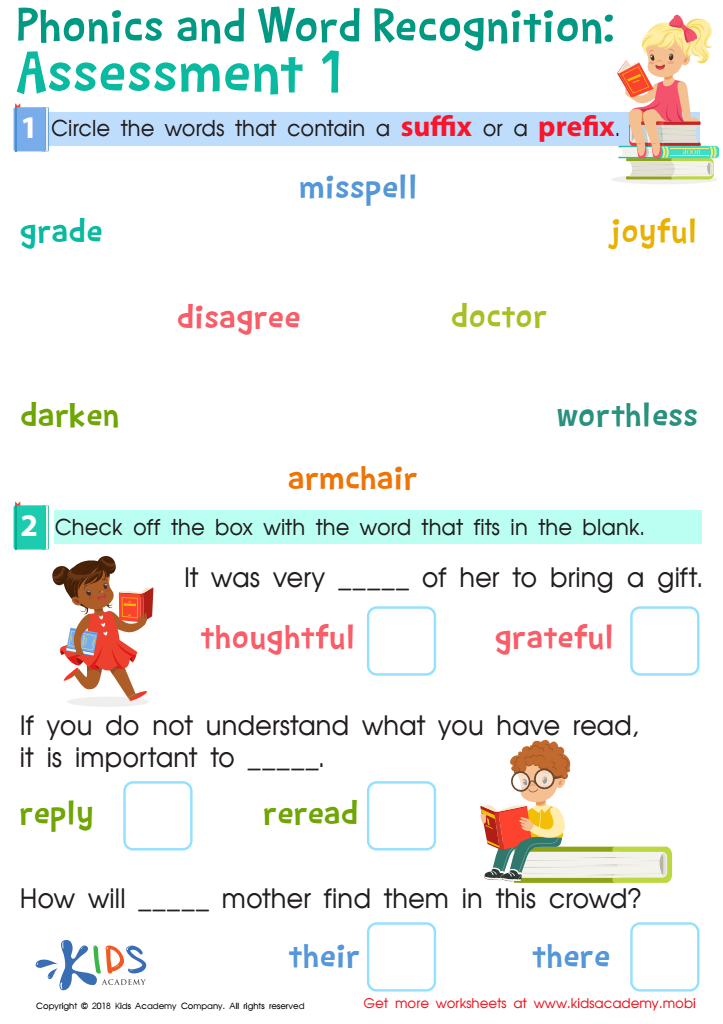
Phonics and Word Recognition: Assessment 1 Worksheet
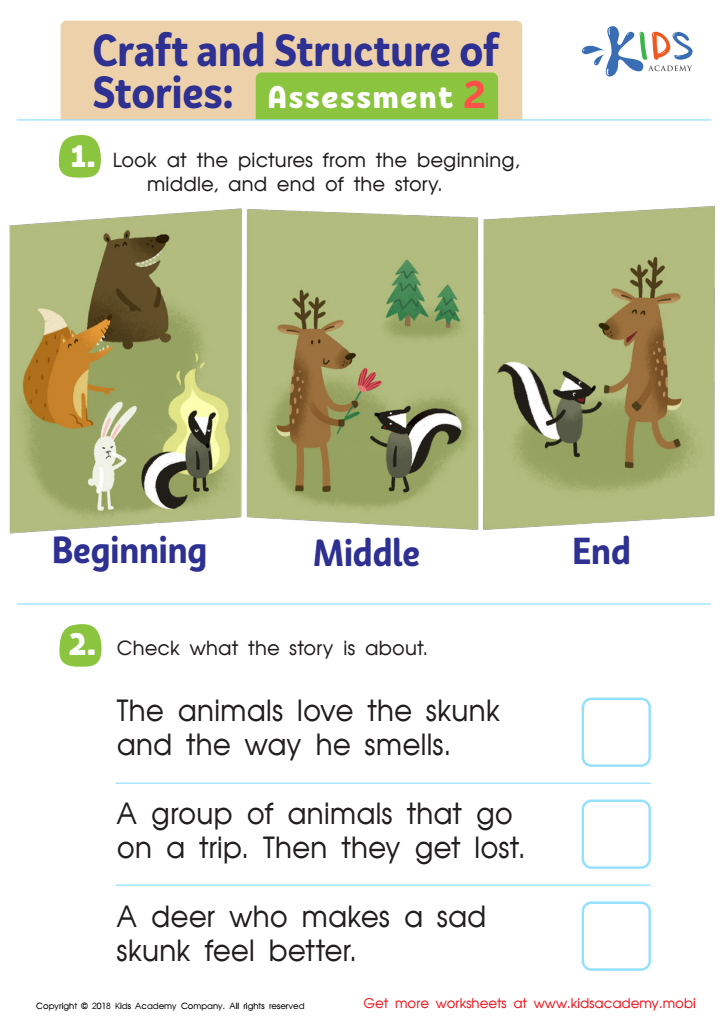
Craft and Structure of Stories: Assessment 2 Worksheet
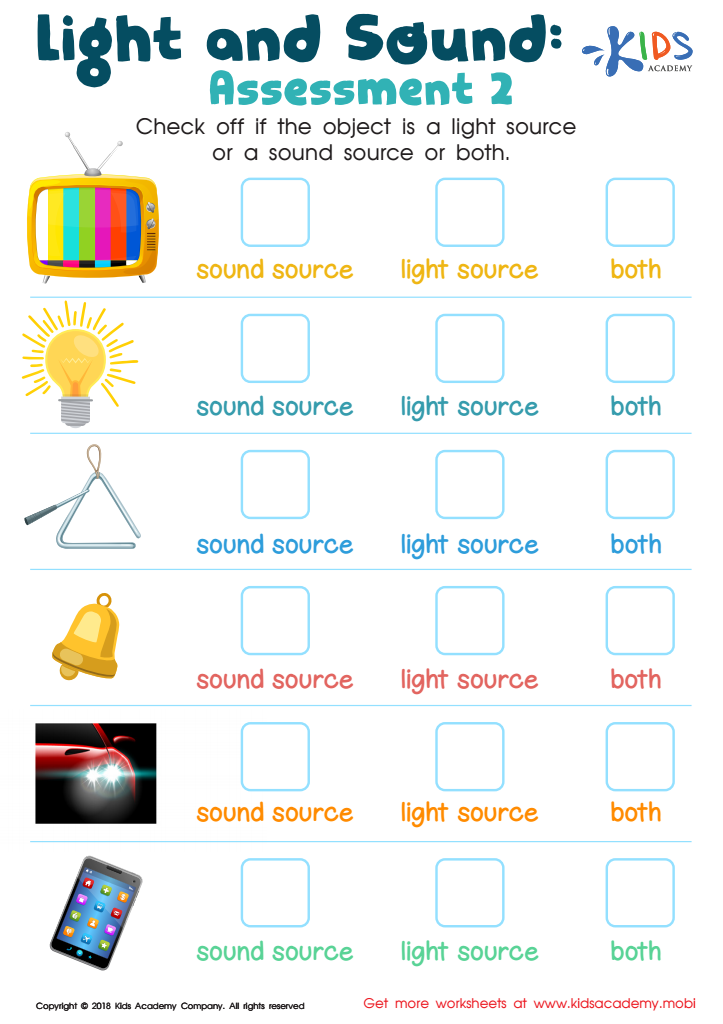
Light and Sound: Assessment 2 Worksheet
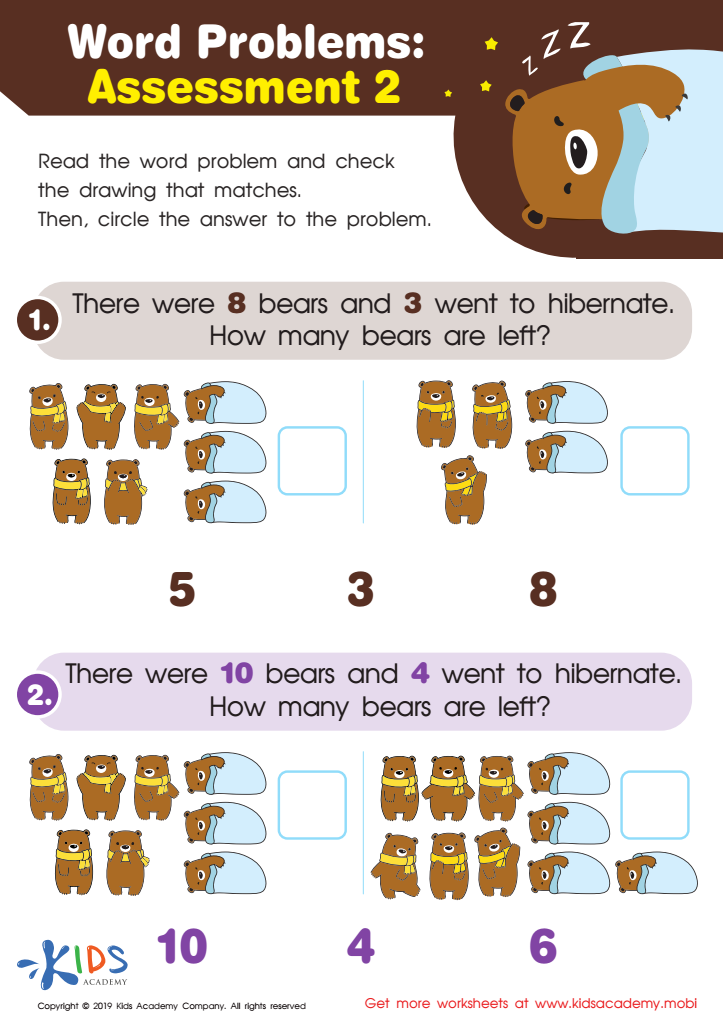
Word Problems: Assessment 2 Worksheet
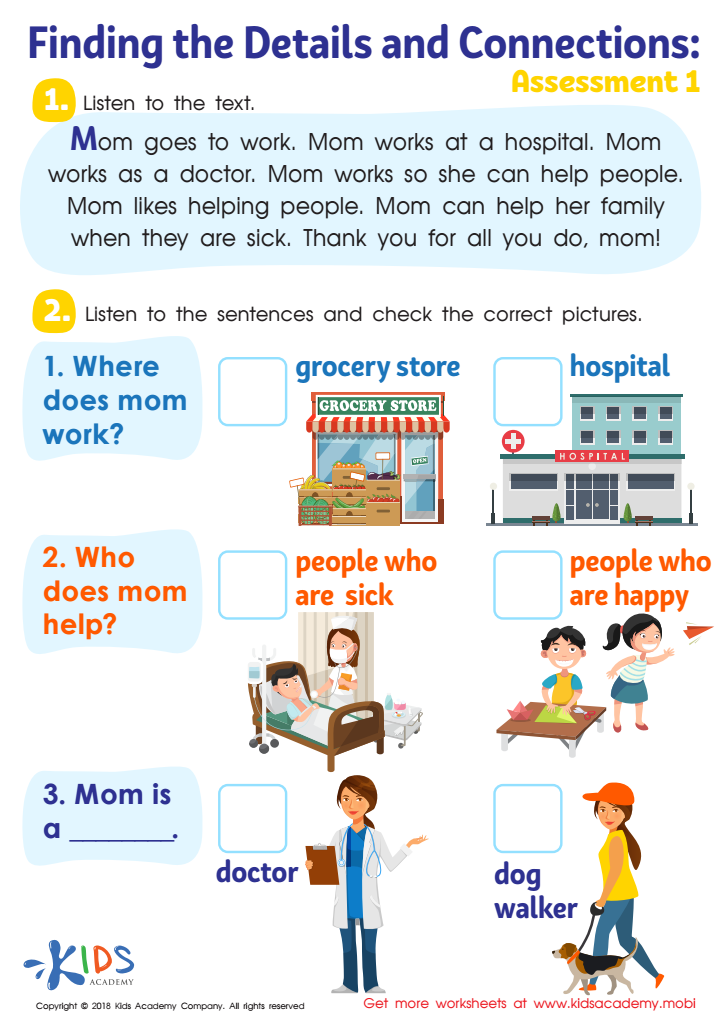
Finding the Details and Connections: Assessment 1 Worksheet
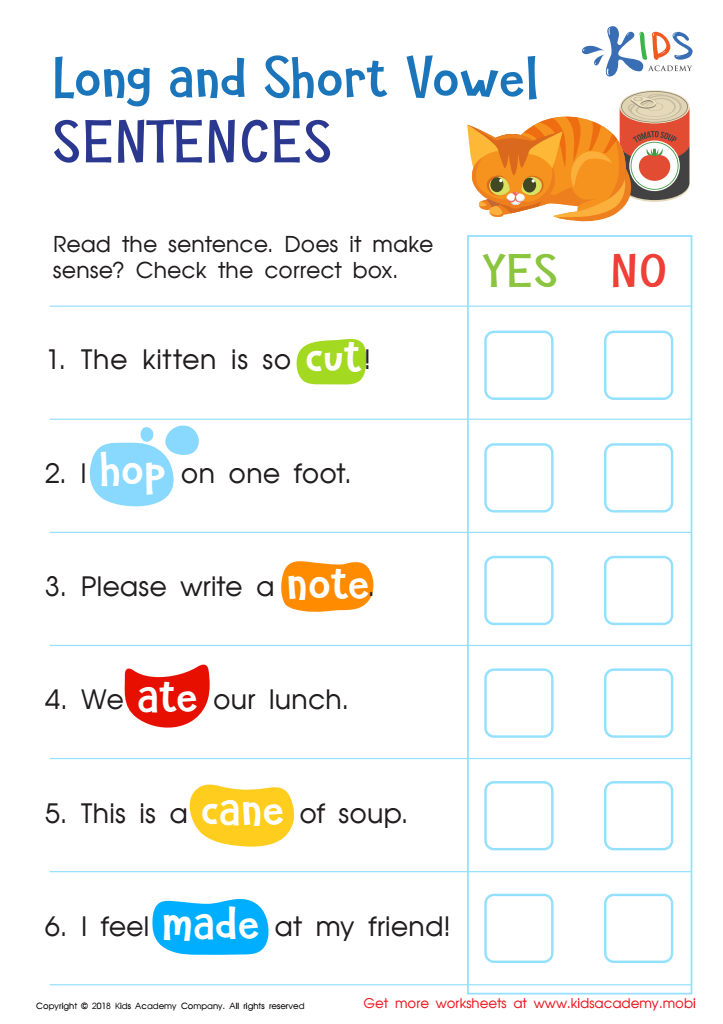
Long and Short Vowel Sentences: Assessment Worksheet
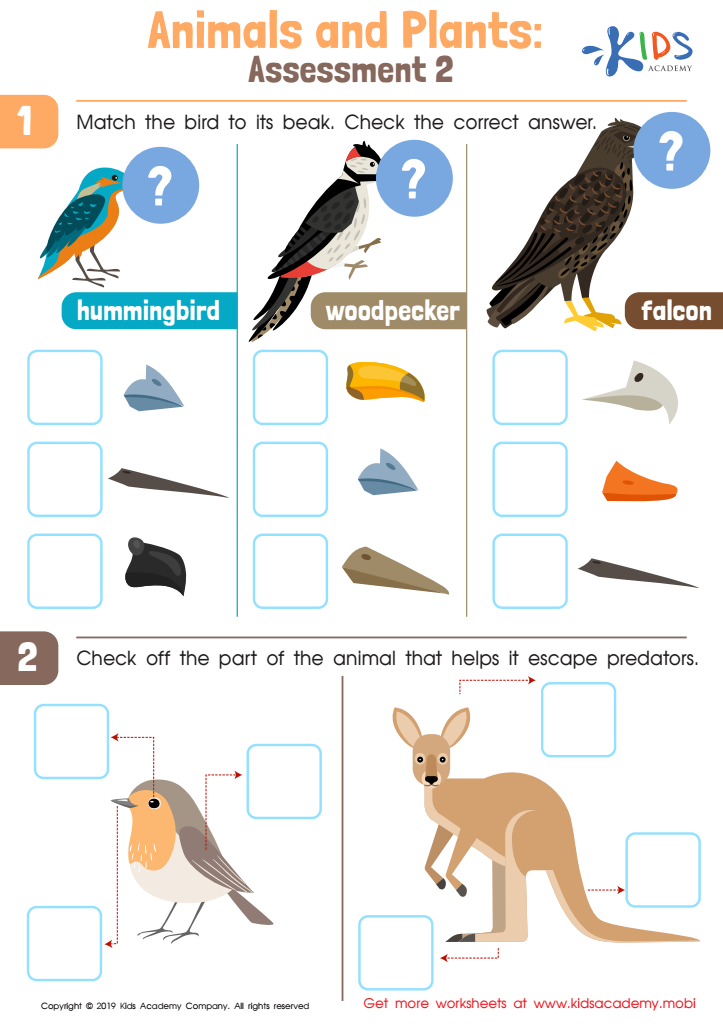
Animals and Plants: Assessment 2 Worksheet
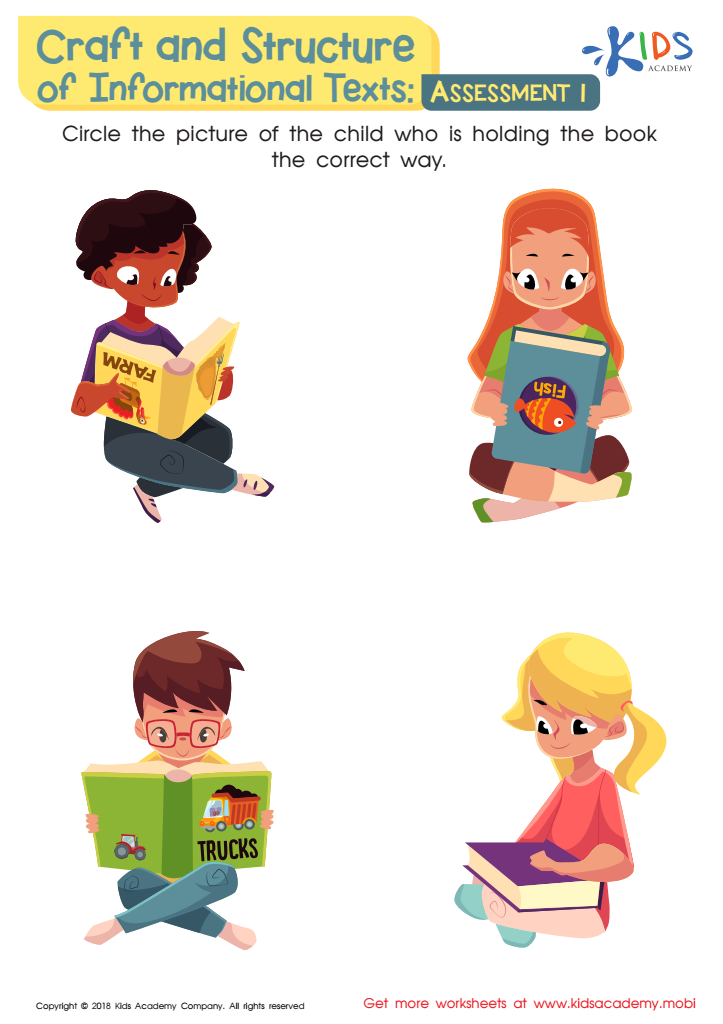
Craft and Structure of Informational Texts: Assessment 1 Worksheet

Assessment: First Thanksgiving Worksheet
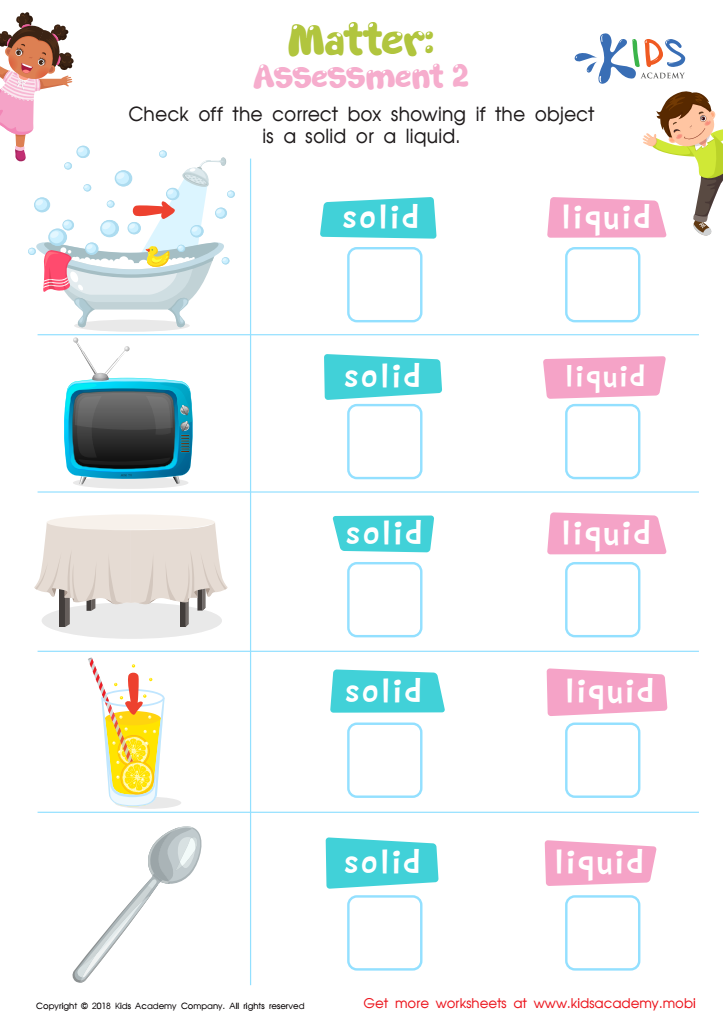
Matter: Assessment 2 Worksheet
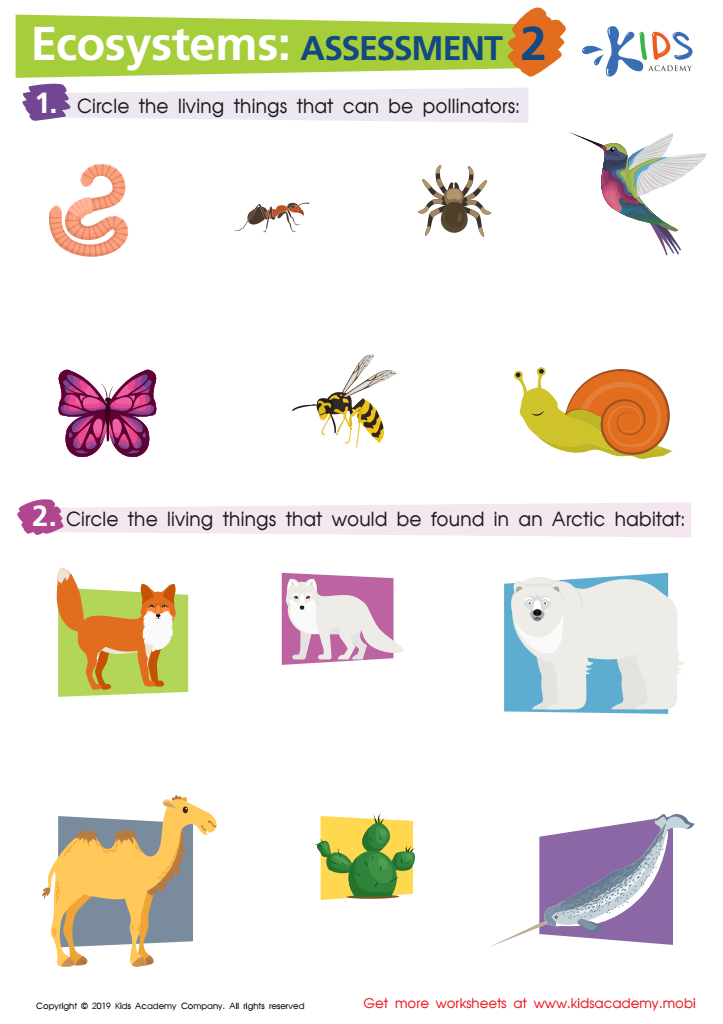
Ecosystems: Assessment 2 Worksheet
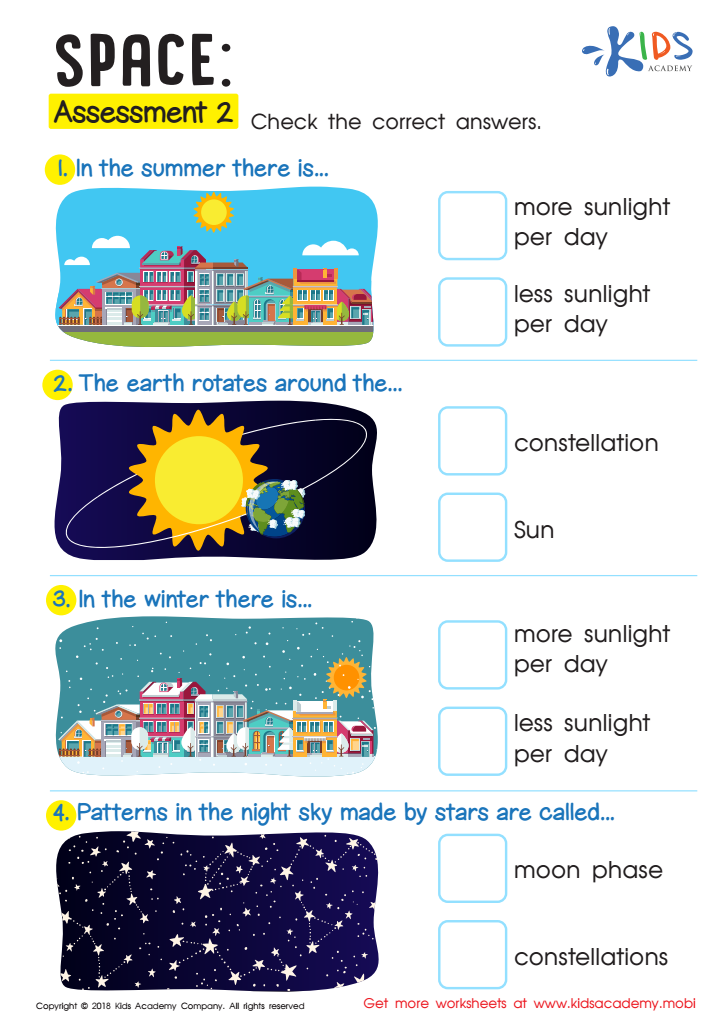
Space: Assessment 2 Worksheet
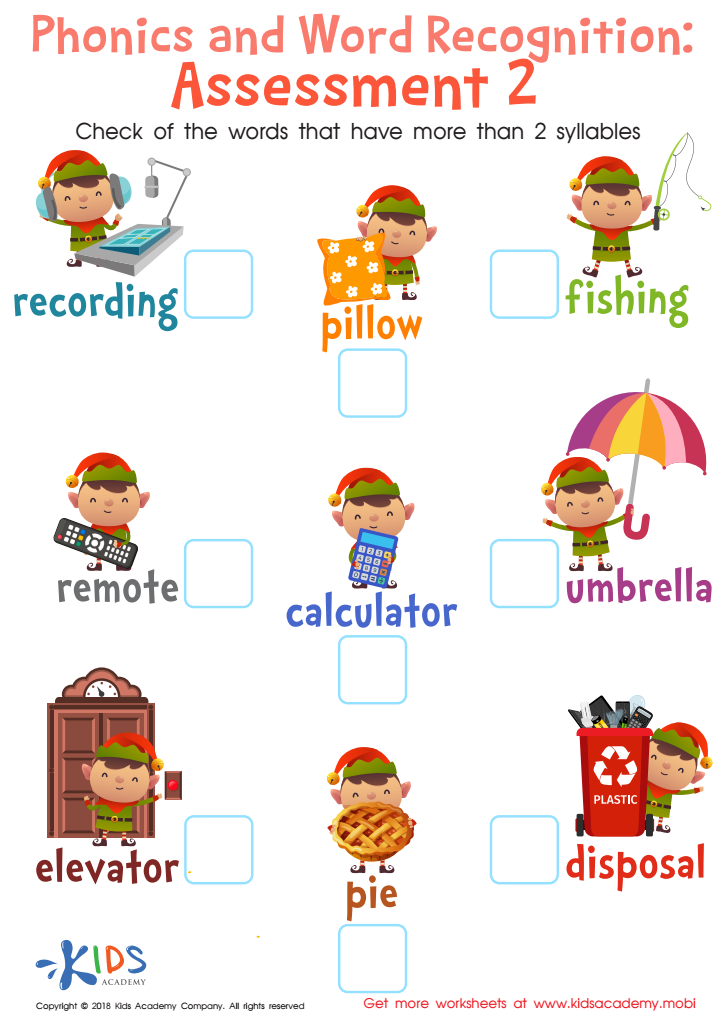
Phonics and Word Recognition: Assessment 2 Worksheet
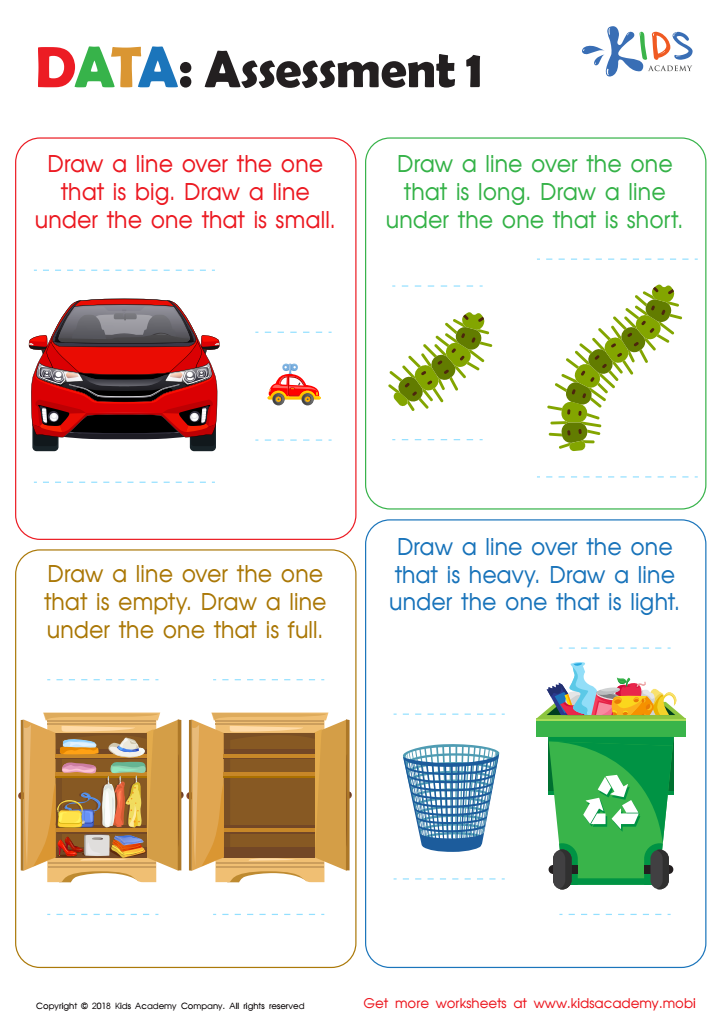
Data: Assessment 1 Worksheet
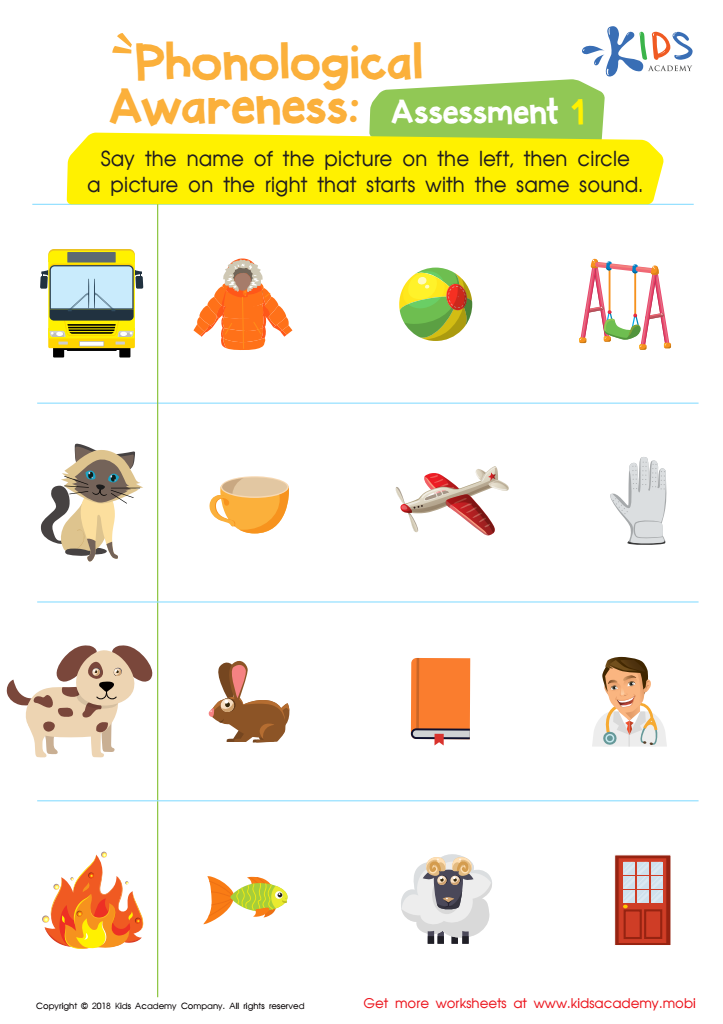
Phonological Awareness: Assessment 1 Worksheet
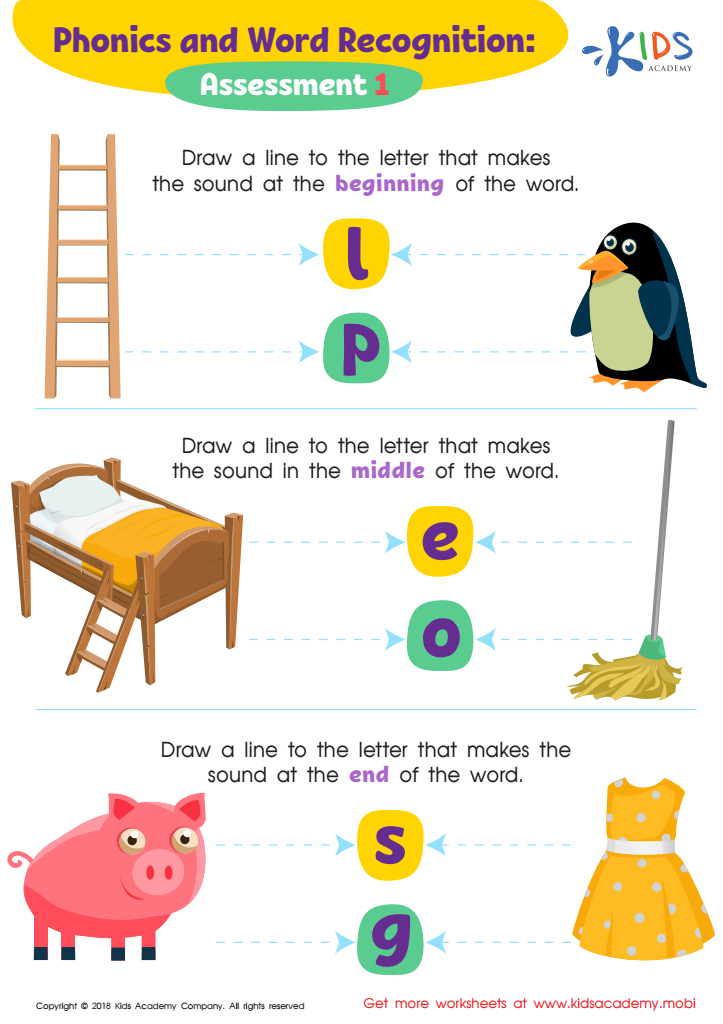
Phonics and Word Recognition: Assessment 1 ELA Worksheet
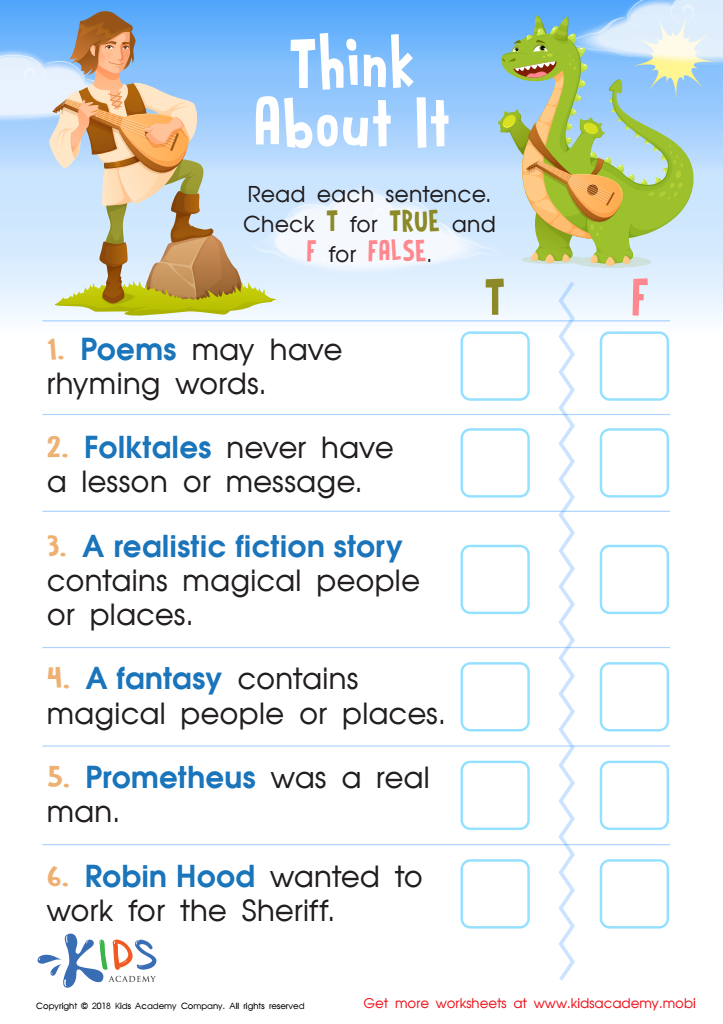
Think About It: Assessment Worksheet
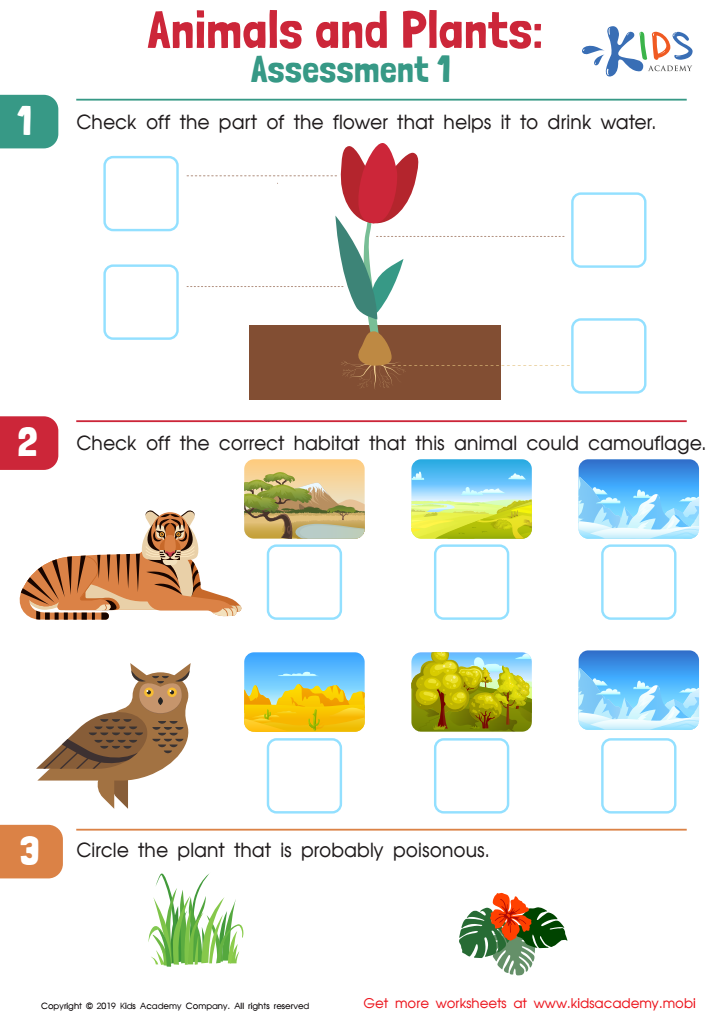
Animals and Plants: Assessment 1 Worksheet
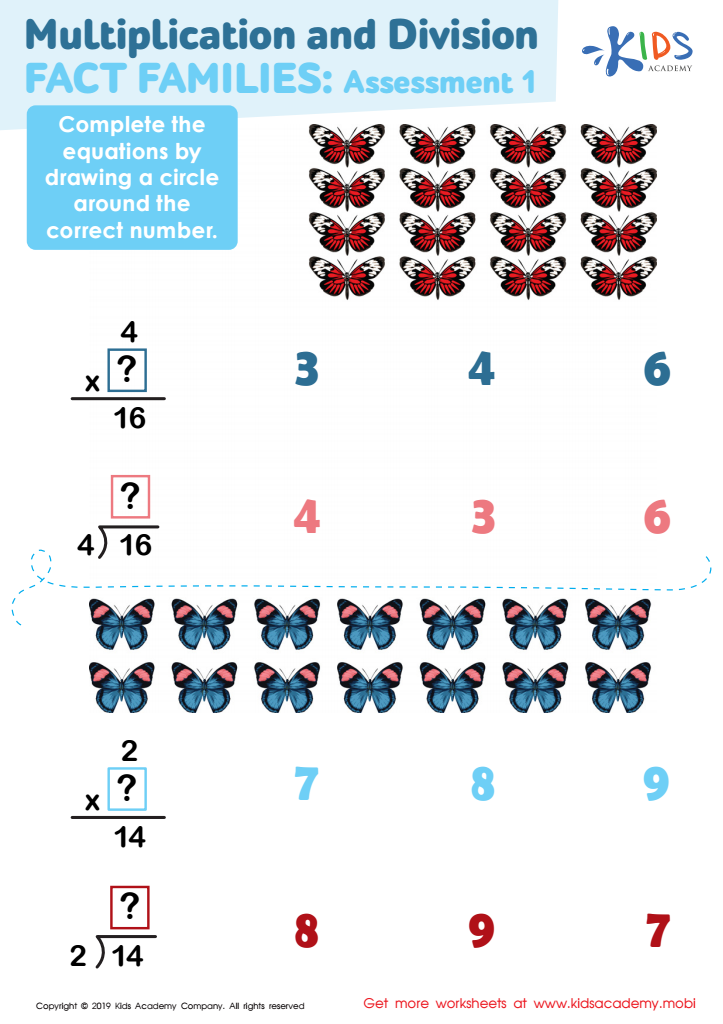
Multiplication and Division Fact Families Assessment 1 Worksheet
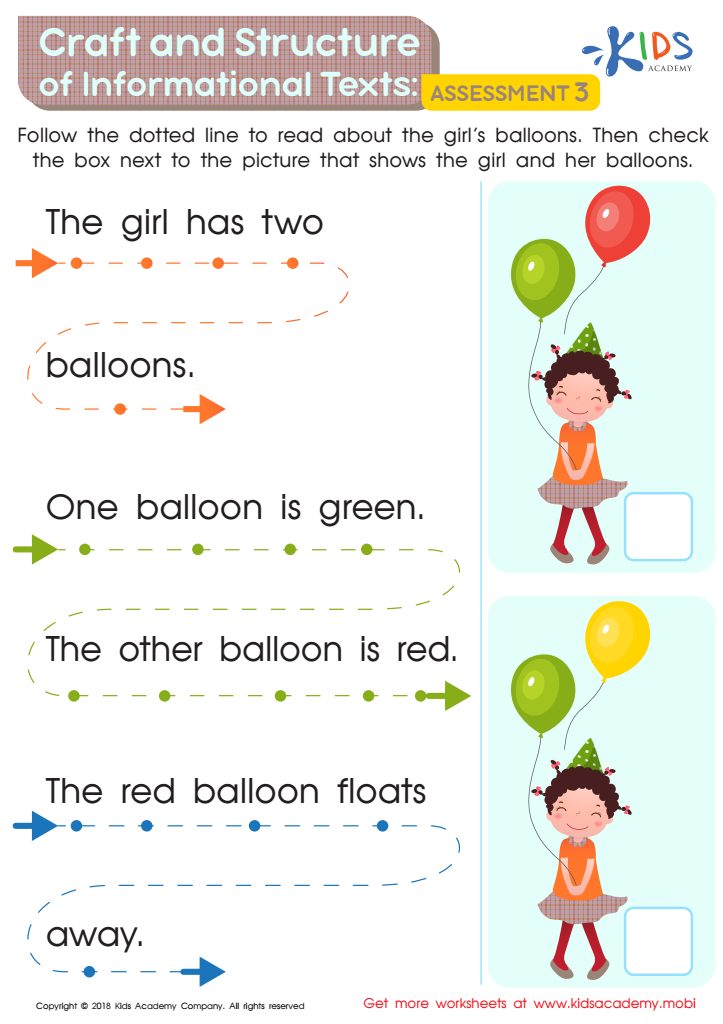
Craft and Structure of Informational Texts: Assessment 3 Worksheet








Parents and teachers should prioritize Normal Knowledge Check activities for children aged 3-9 because these early assessments serve as fundamental tools for understanding and supporting a child’s developmental progress. At this crucial stage of growth, children are rapidly acquiring language, cognitive, social, and emotional skills. Regularly implementing knowledge check activities helps identify strengths and areas needing improvement, guiding educators and parents in creating tailored learning experiences.
Moreover, these activities promote engagement, encouraging curiosity and a love for learning. By integrating diverse, interactive formats, such as games or hands-on tasks, children are more likely to stay motivated and active in their learning journey. Additionally, knowledge checks foster open communication channels between parents and teachers, ensuring consistent reinforcement of educational goals at home and in the classroom.
Early identification of developmental delays or learning challenges through these checks can lead to timely intervention, greatly enhancing educational outcomes. Simply put, Normal Knowledge Check activities empower parents and teachers to play proactive roles in child development, ultimately ensuring that every child has the opportunity to thrive academically and socially in their formative years.








