Word Problems Worksheets for Ages 3-6 - Page 2
112 filtered results
-
From - To
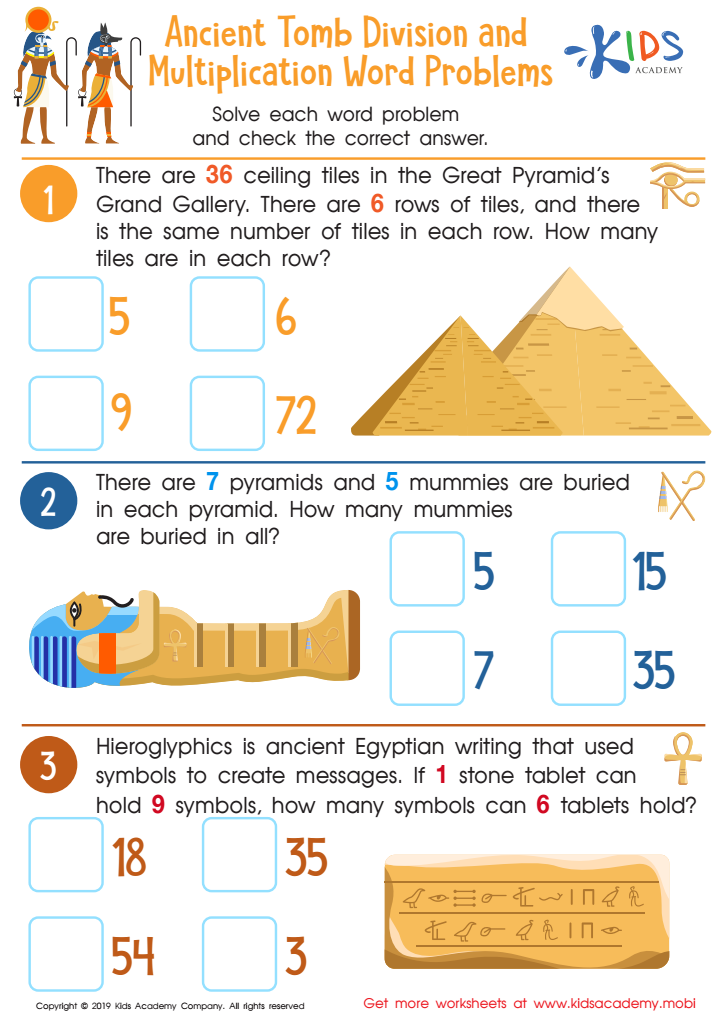
Ancient Tomb Division and Multiplication Word Problems Worksheet
 Assign to My Students
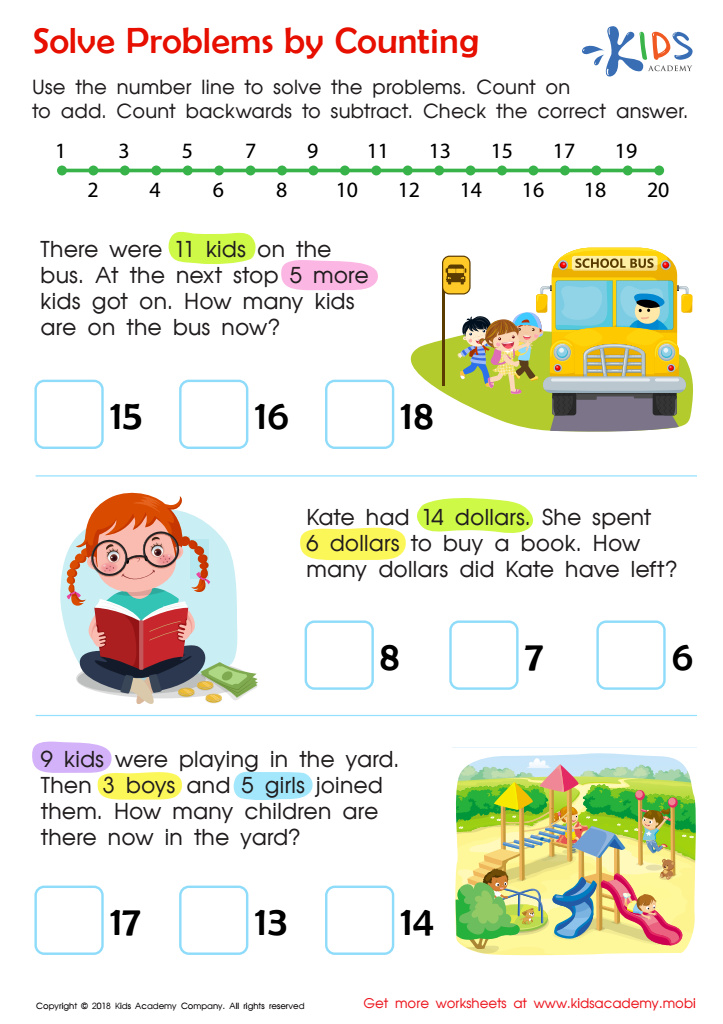
Solve Problems by Counting Worksheet
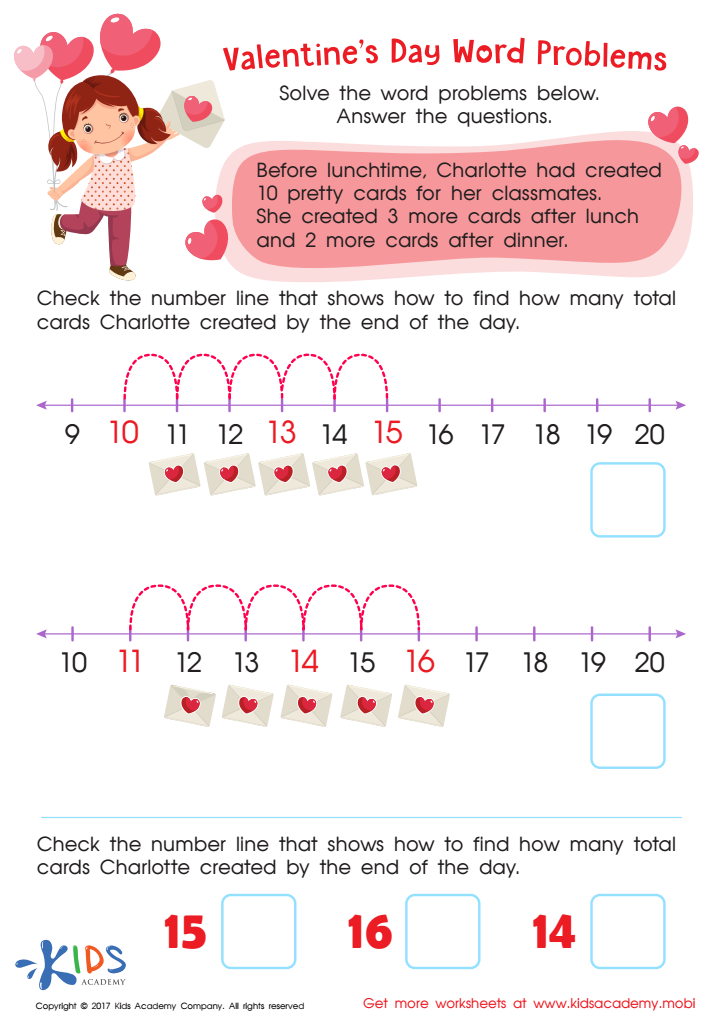
Valentines Day Word Problem Worksheet
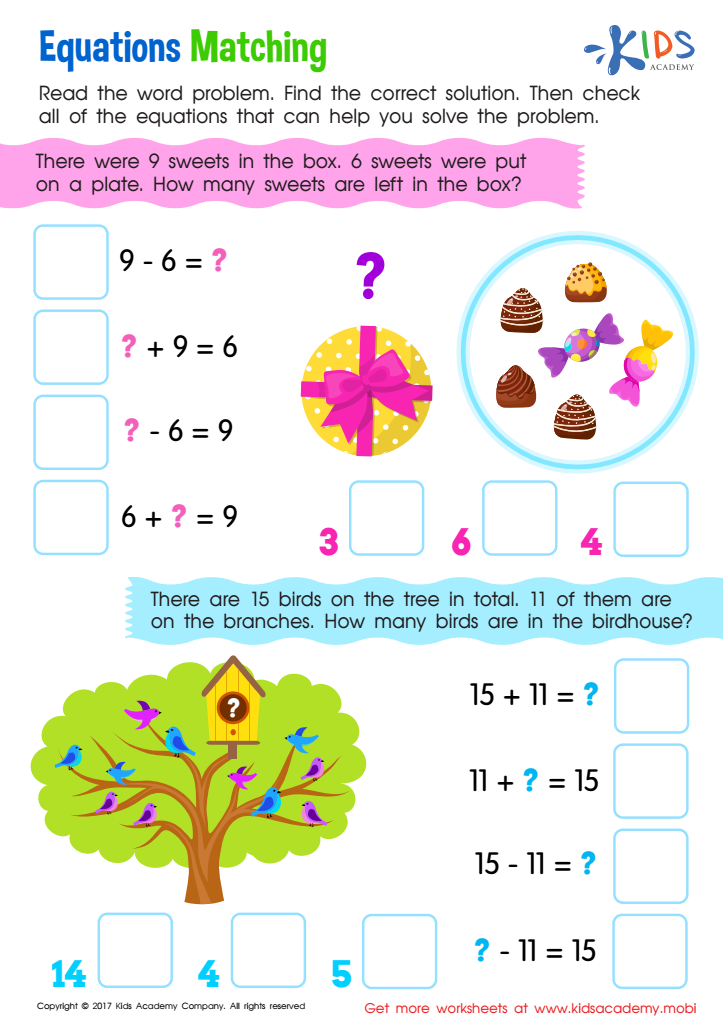
Equations Matching Word Problems Worksheet
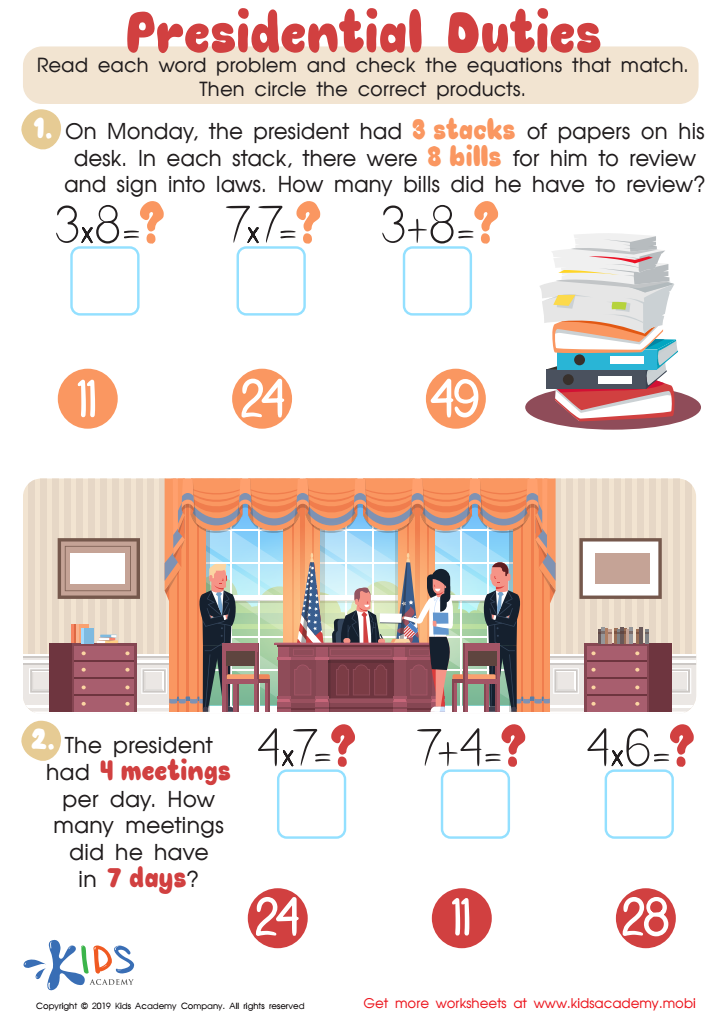
Presidential Duties Worksheet
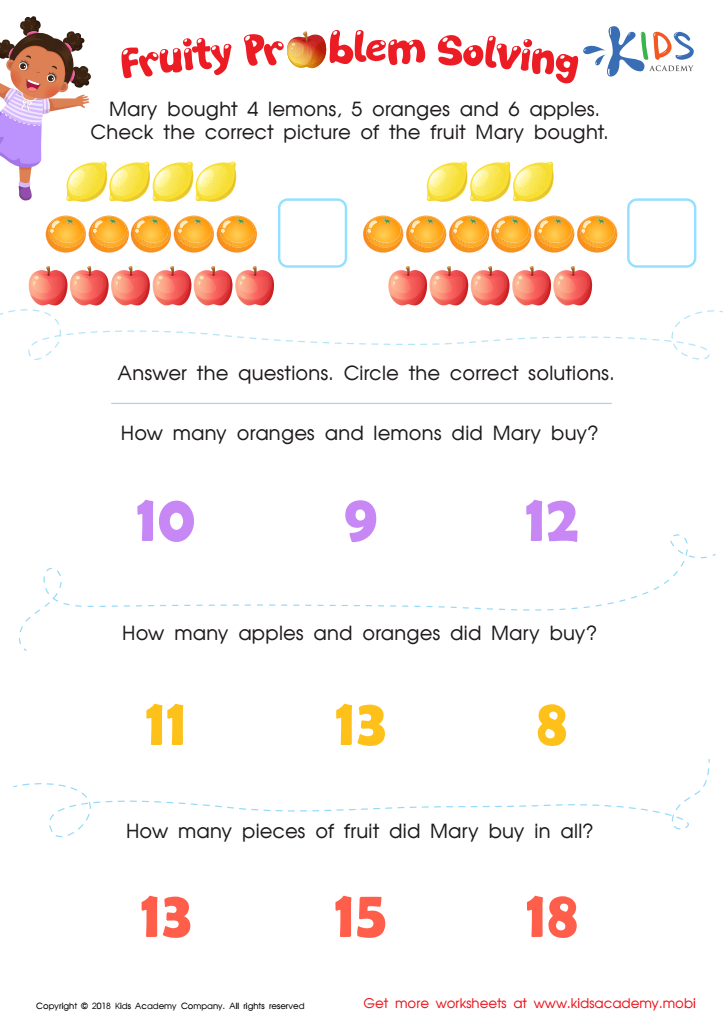
Fruity Problem Solving Worksheet
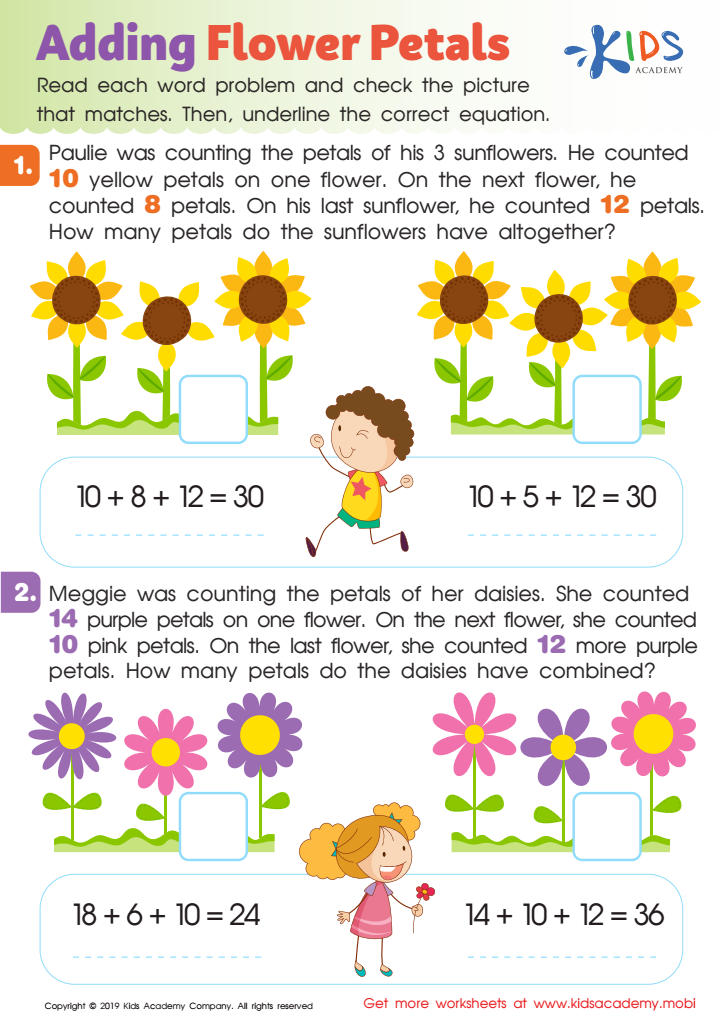
Adding Flower Petals Worksheet
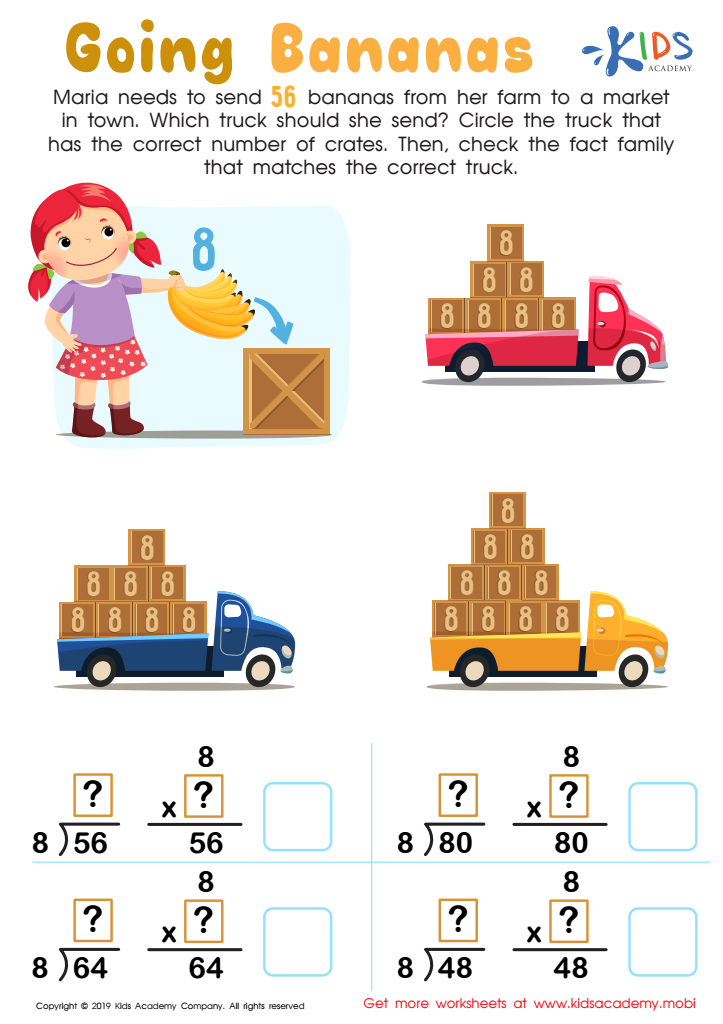
Going Bananas Worksheet
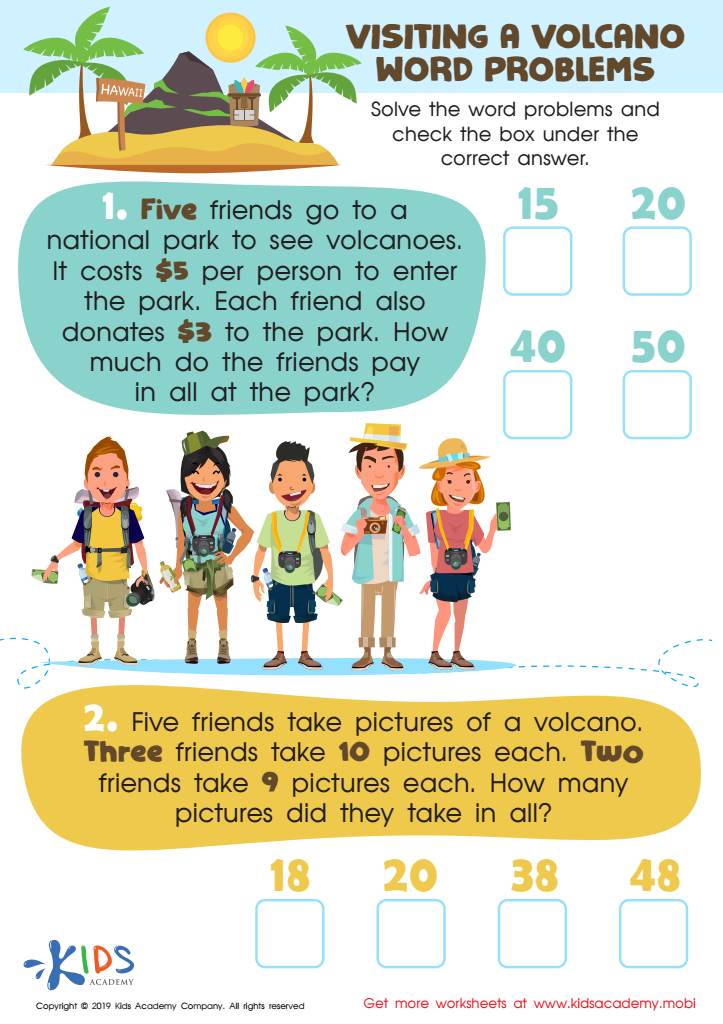
Visiting a Volcano Word Problems Worksheet
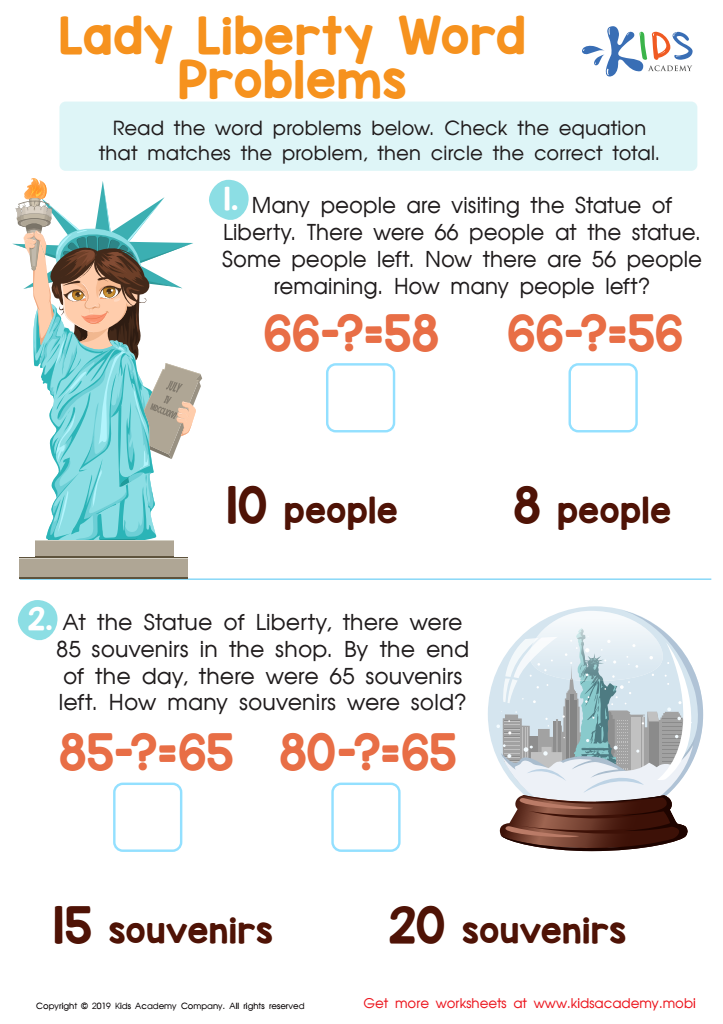
Lady Liberty Worksheet
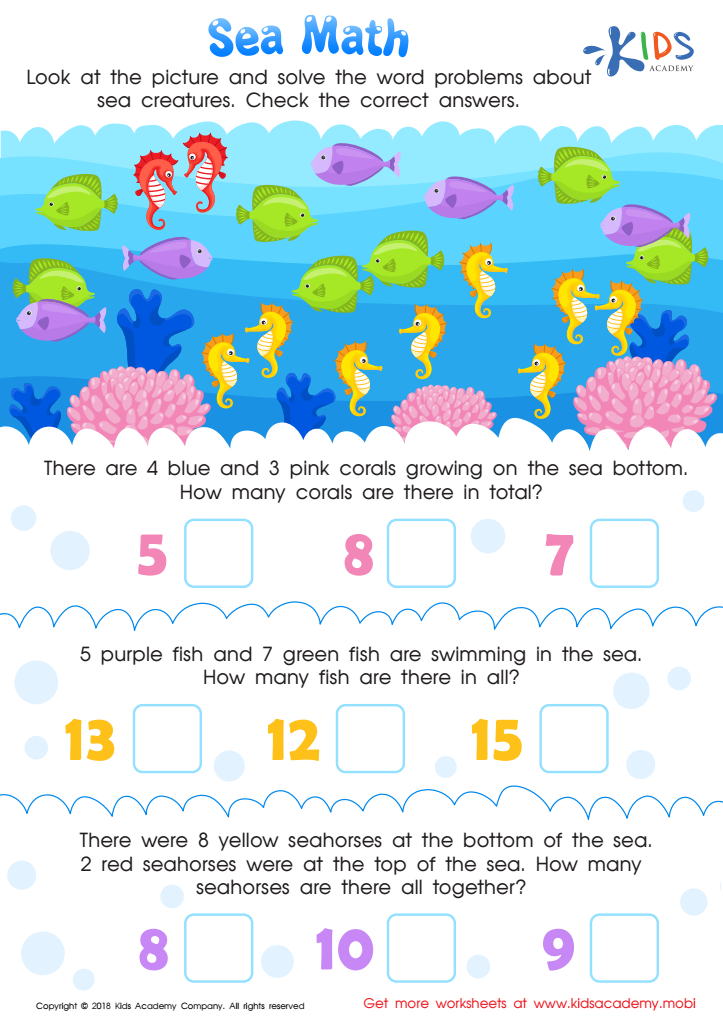
Sea Math Worksheet
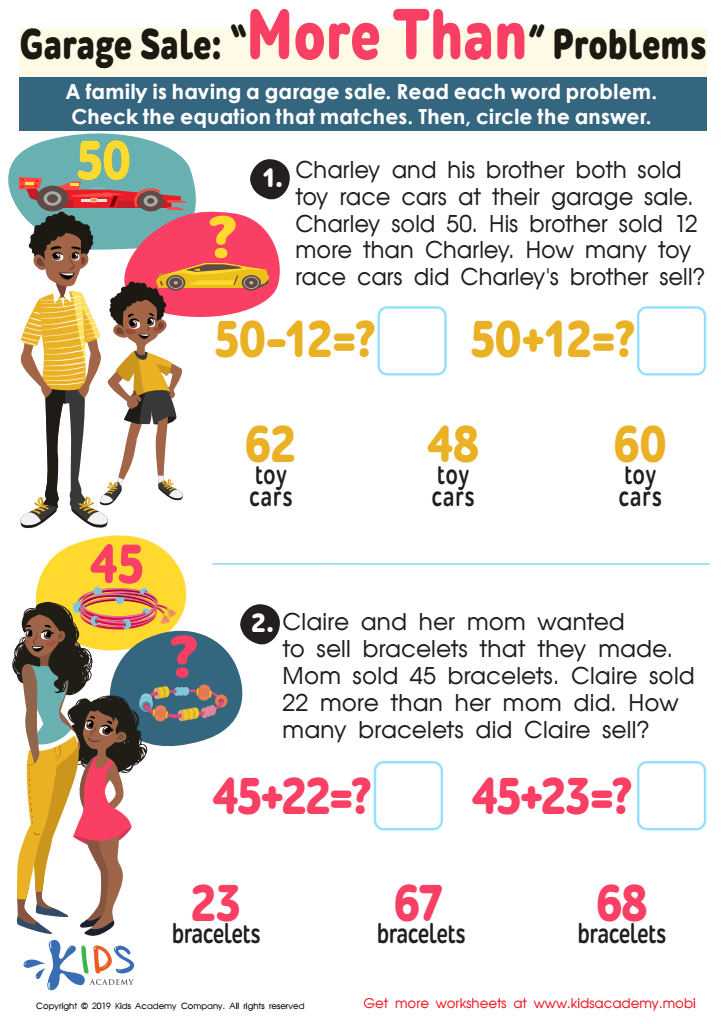
Garage Sale - More yhan Worksheet
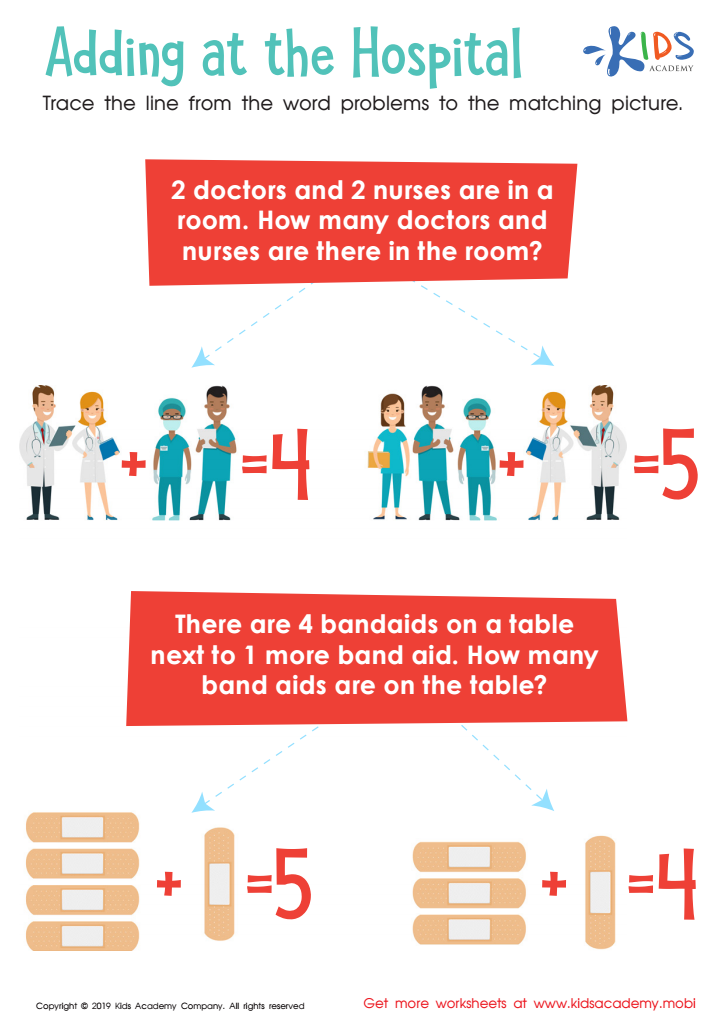
Adding at the Hospital Worksheet
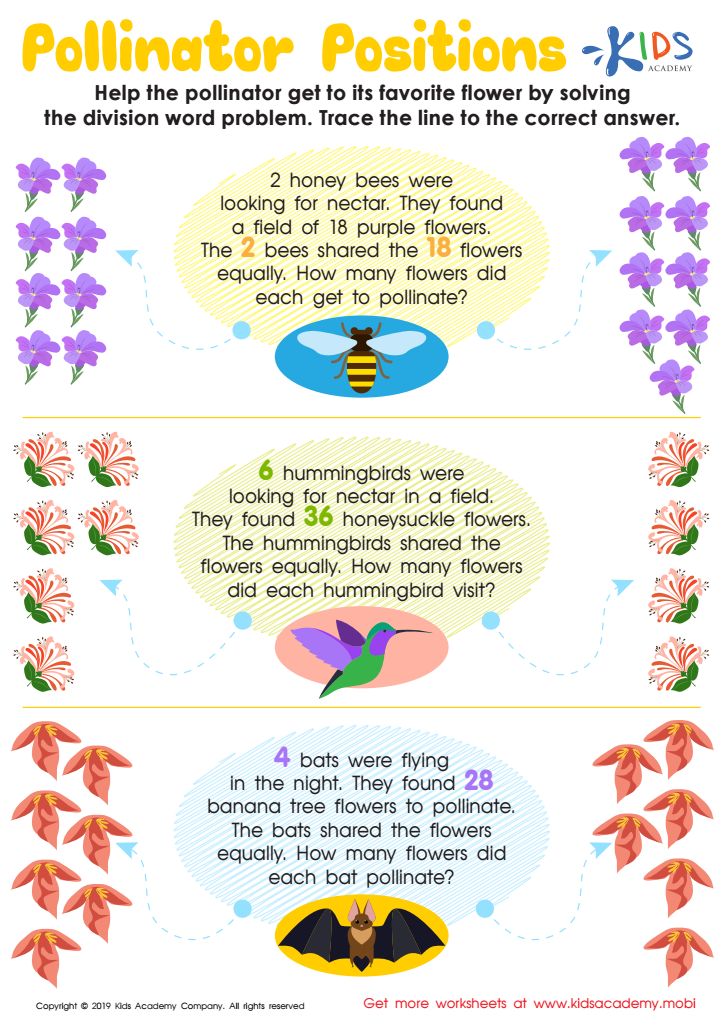
Pollinator Positions Worksheet
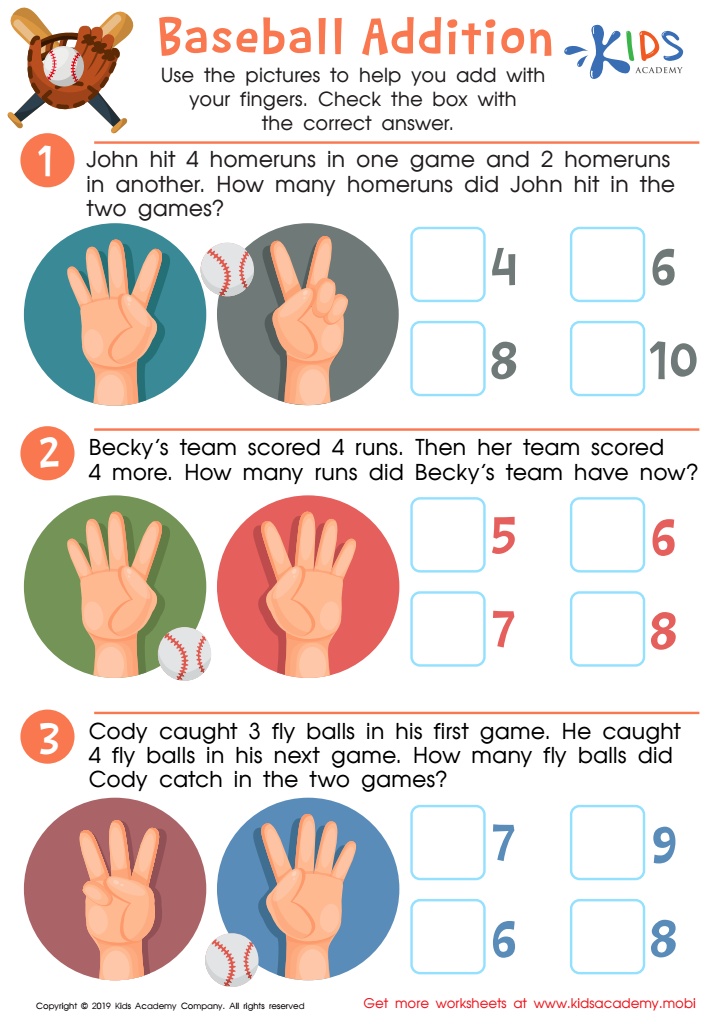
Baseball Addition Worksheet
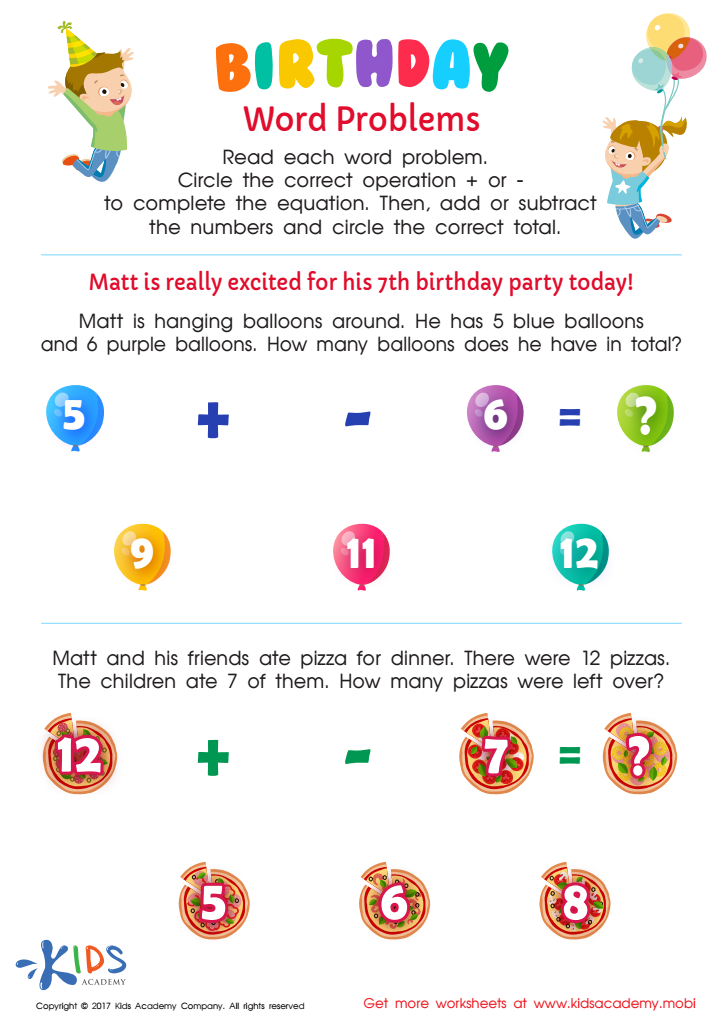
Birthday Word Problems Substraction Worksheet
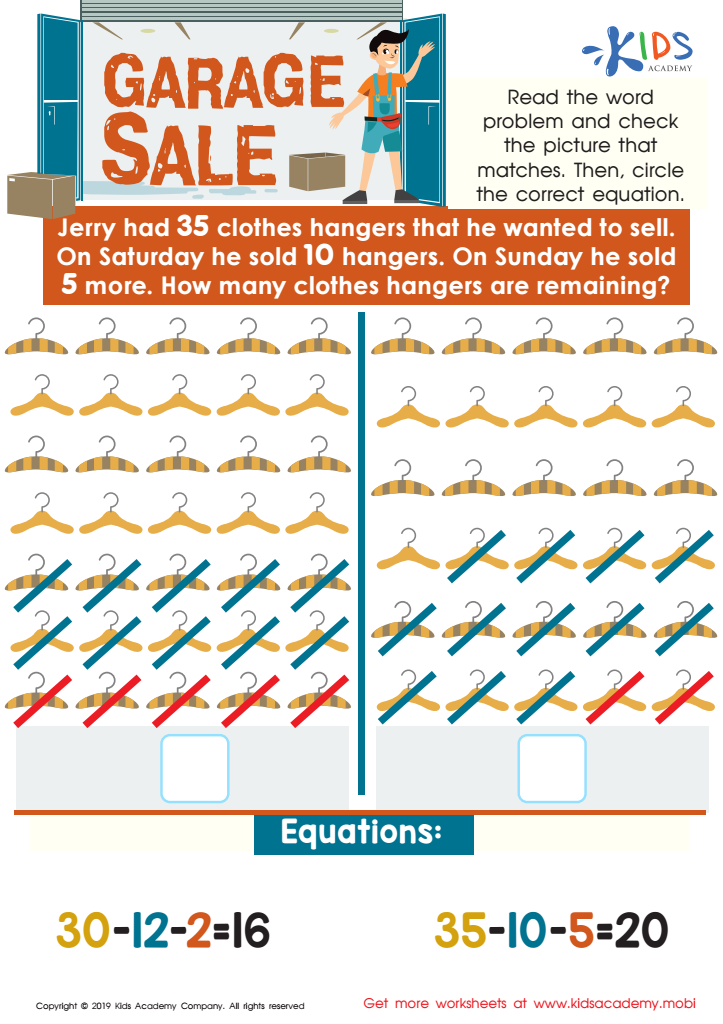
Garage Sale Worksheet
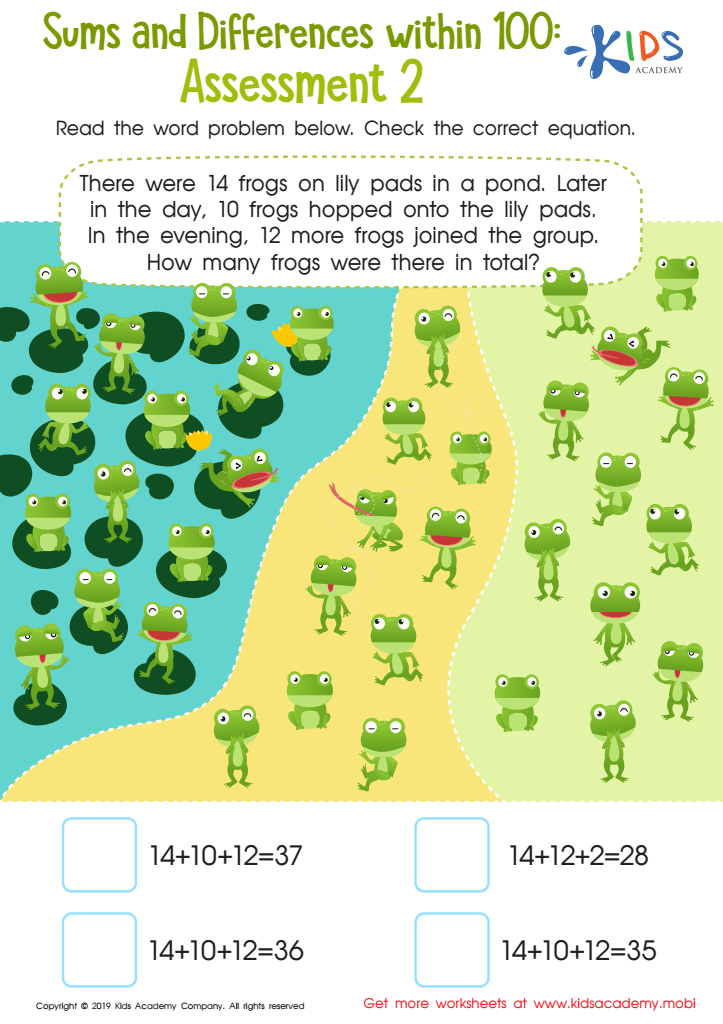
Sums and Differences Within 1 - Assessment 2 Worksheet
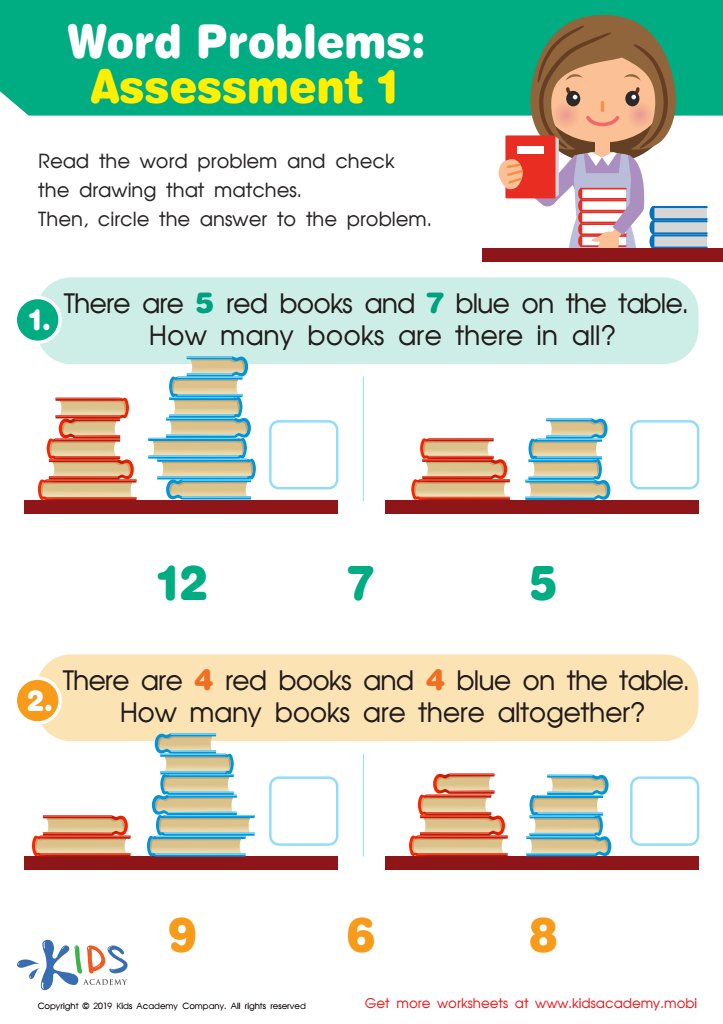
Word Problems: Assessment 1 Worksheet
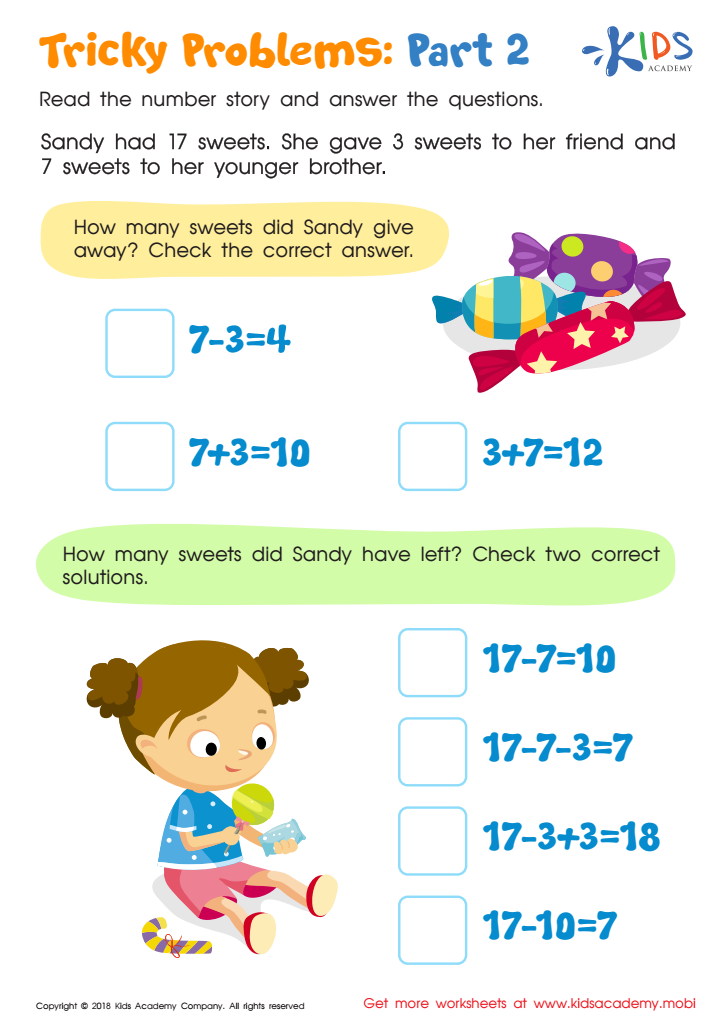
Tricky Problems Worksheet: Part 2
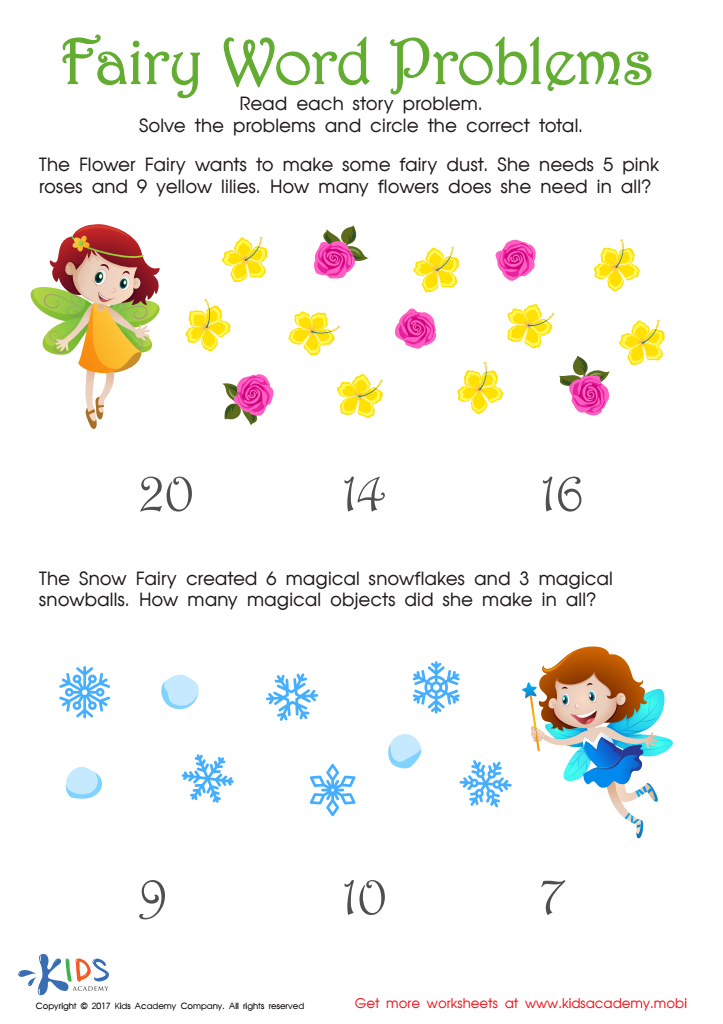
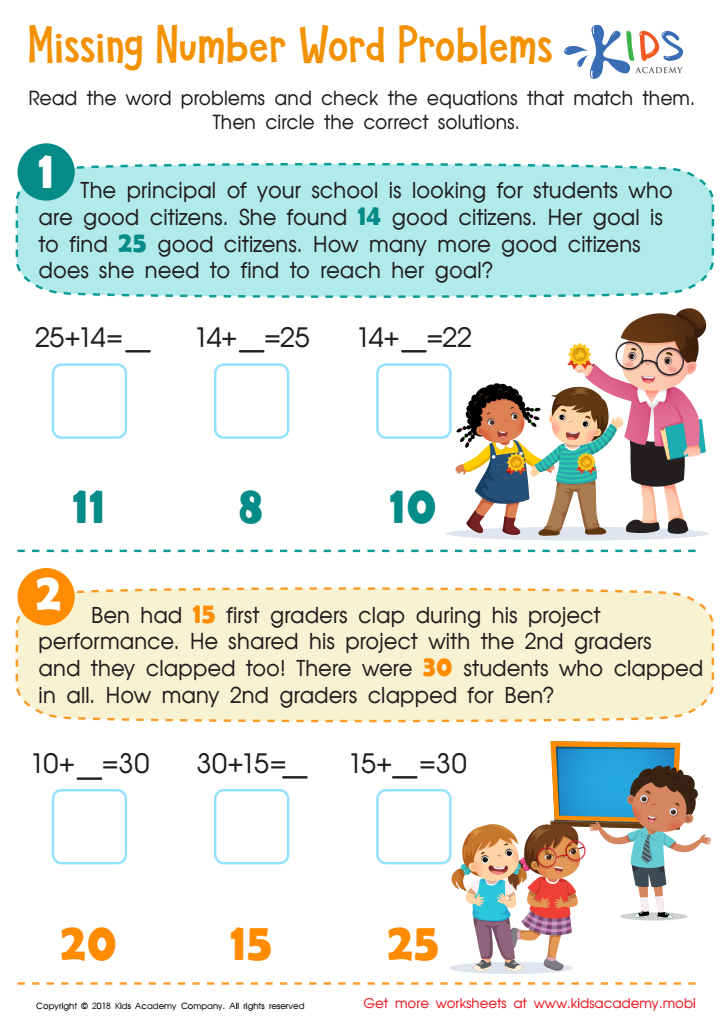
Missing Number Word Problems Worksheet
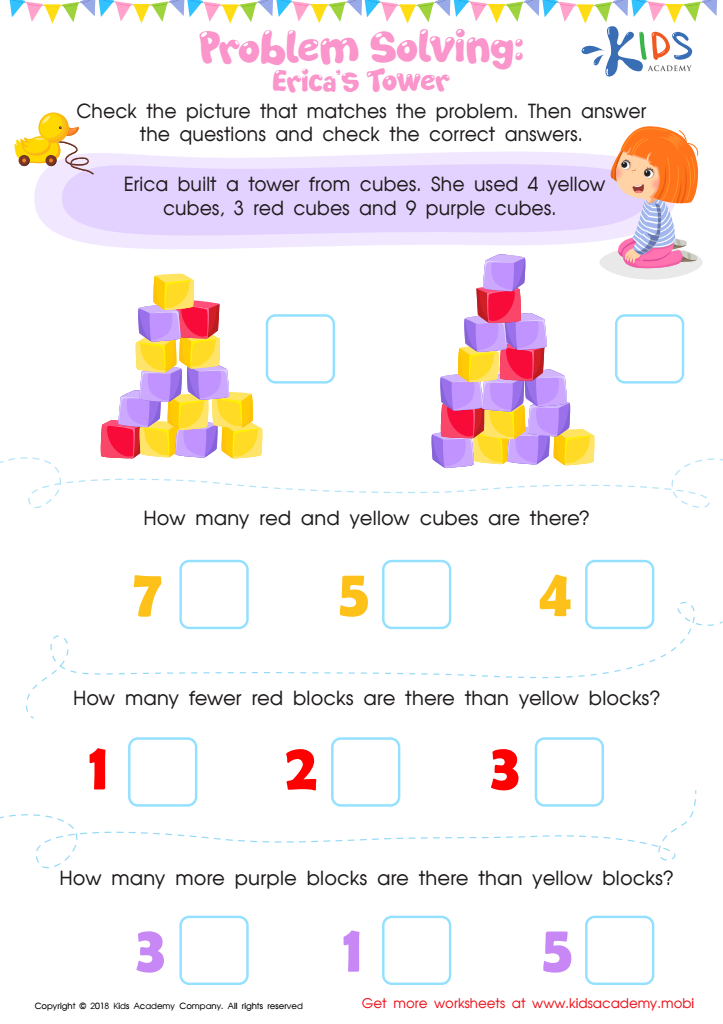
Problem Solving: Erica's Tower Worksheet
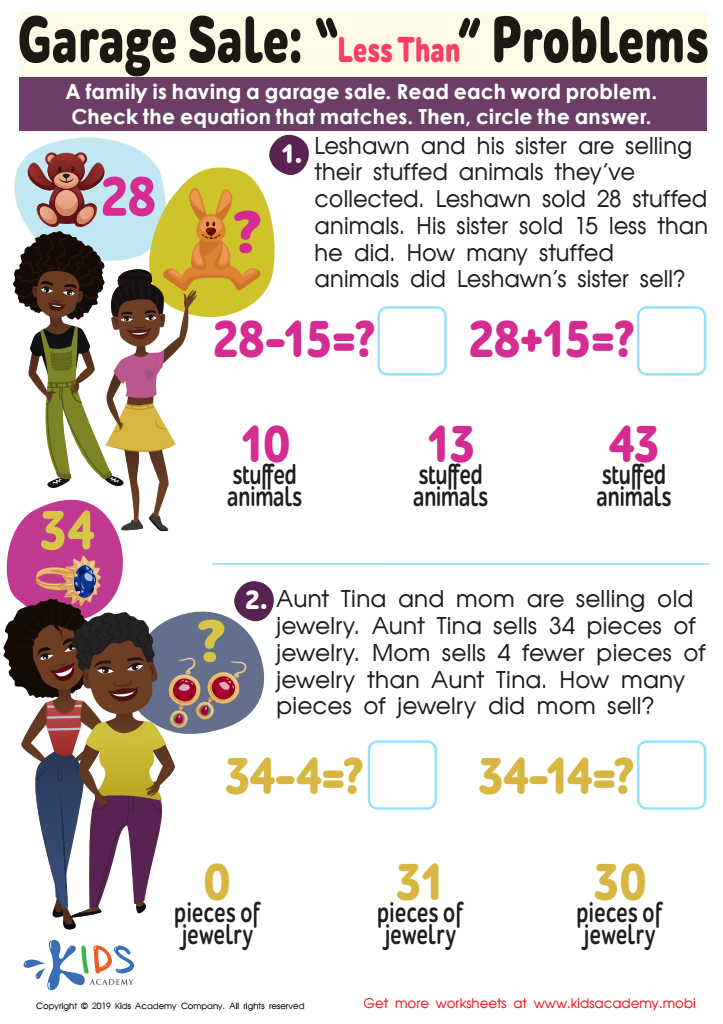
Garage Sale Less Than Worksheet








Word problems play a crucial role in the development of young children's mathematical skills, and parents and teachers should recognize their significance. For children aged 3-6, engaging with word problems fosters critical thinking and problem-solving abilities. These skills are essential not only for math but also for overall cognitive development. When children learn to interpret and solve word problems, they begin to understand how numbers relate to real-life situations, enhancing their ability to apply mathematical concepts practically.
Moreover, tackling word problems encourages literacy development. As children read and comprehend the text, they improve their language skills, enhancing vocabulary and comprehension abilities. This dual focus on math and language helps create a well-rounded educational foundation.
Additionally, word problems can boost engagement and motivation in young learners. They provide context and intrigue, capturing children's interest in math by demonstrating its relevance to everyday life. This makes learning more enjoyable and meaningful.
In summary, parents and teachers should care about word problems for ages 3-6 because they nurture essential cognitive skills, foster literacy development, and enhance engagement in learning, ultimately preparing children for future academic success.








