Geometry Worksheets for Ages 3-7 - Page 7
166 filtered results
-
From - To
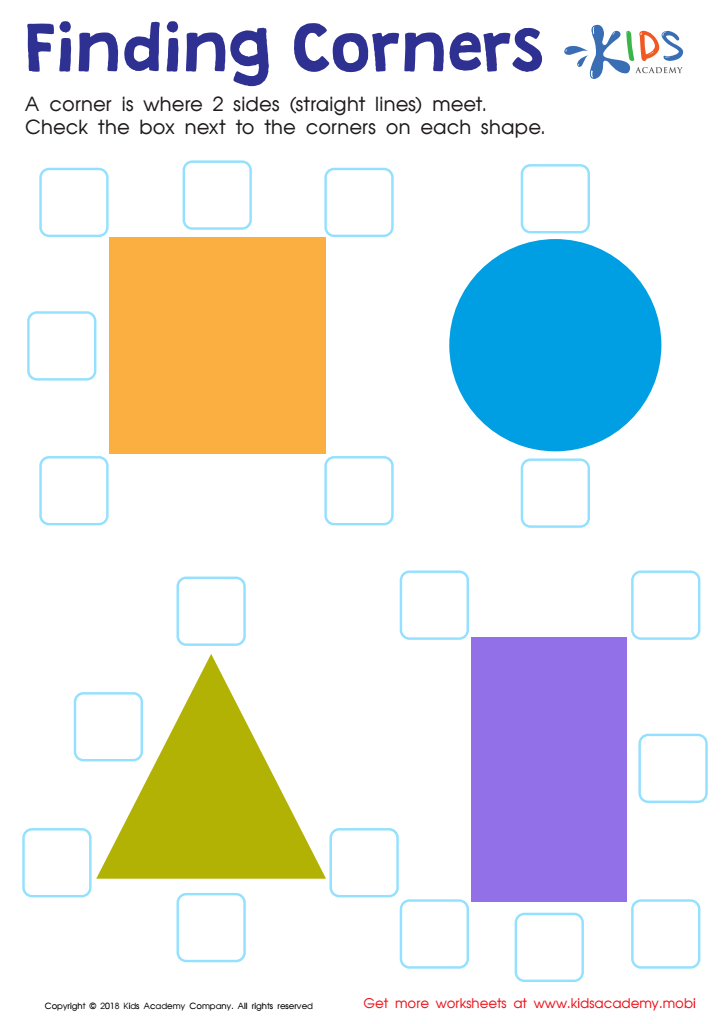
Finding Corners Worksheet
 Assign to My Students











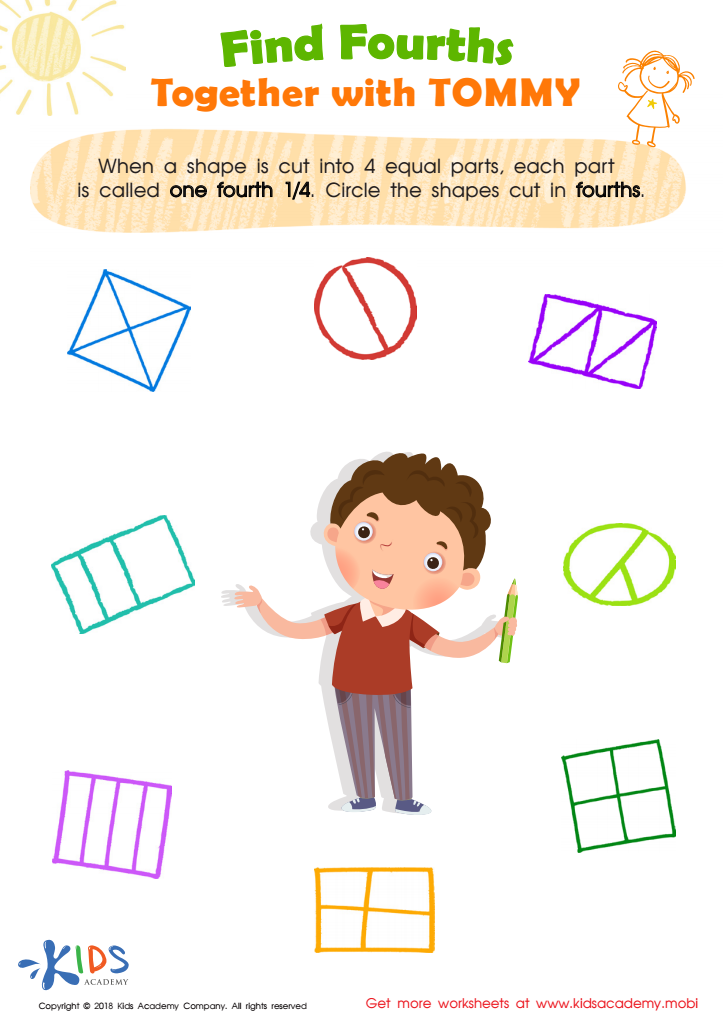
Find Fourths Together with Tommy Worksheet
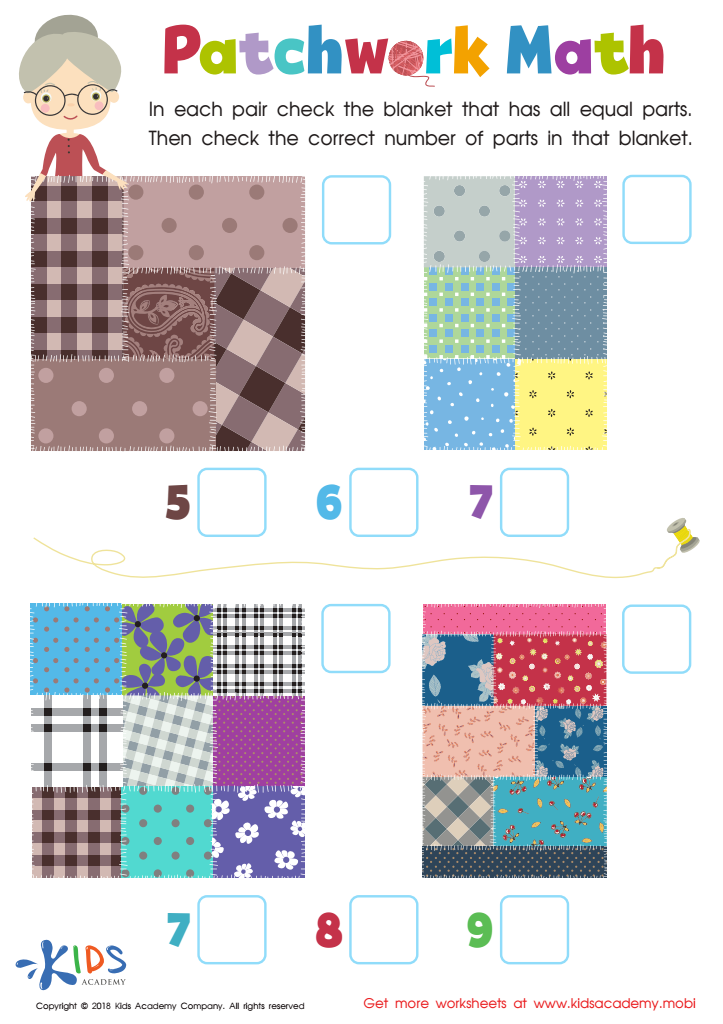
Patchwork Math Worksheet
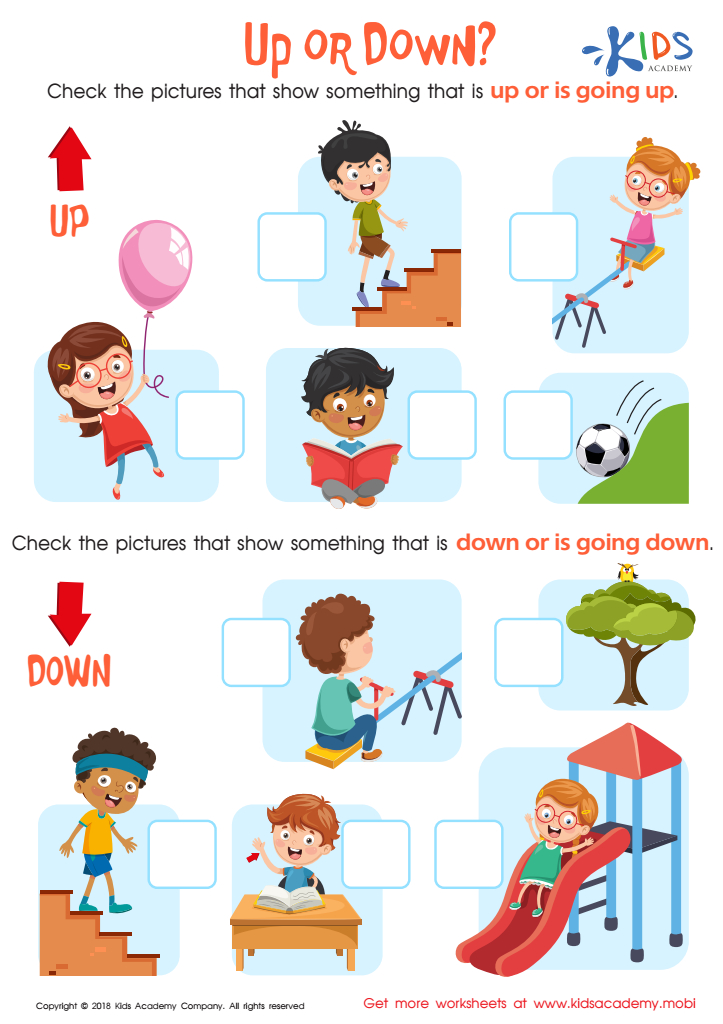
Up or Down Worksheet
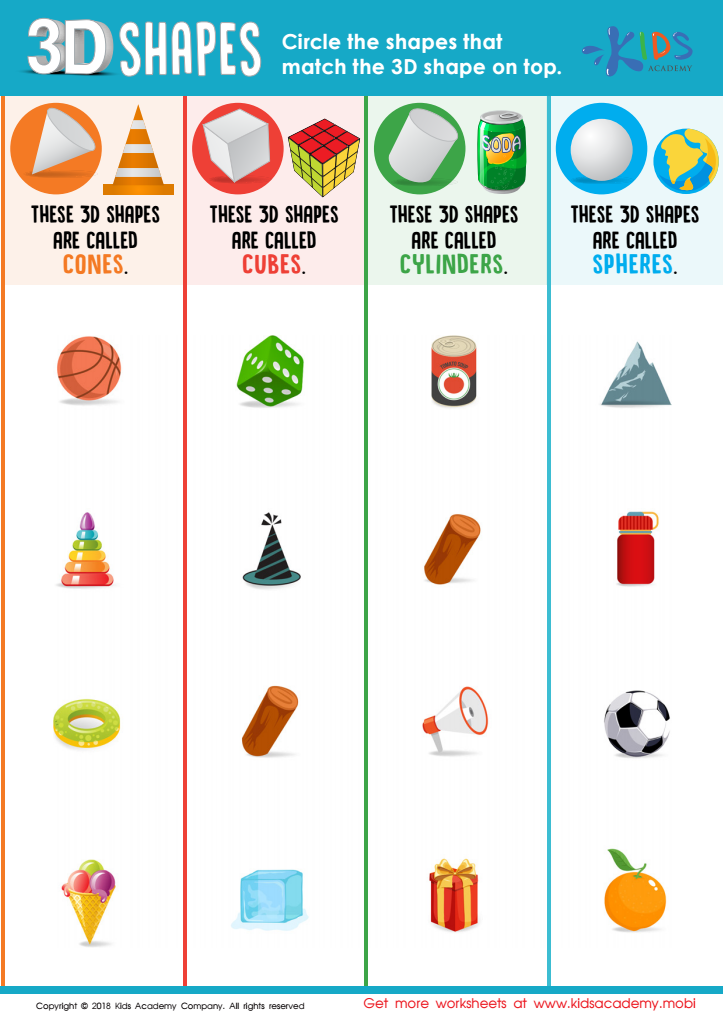
3D Shapes Worksheet
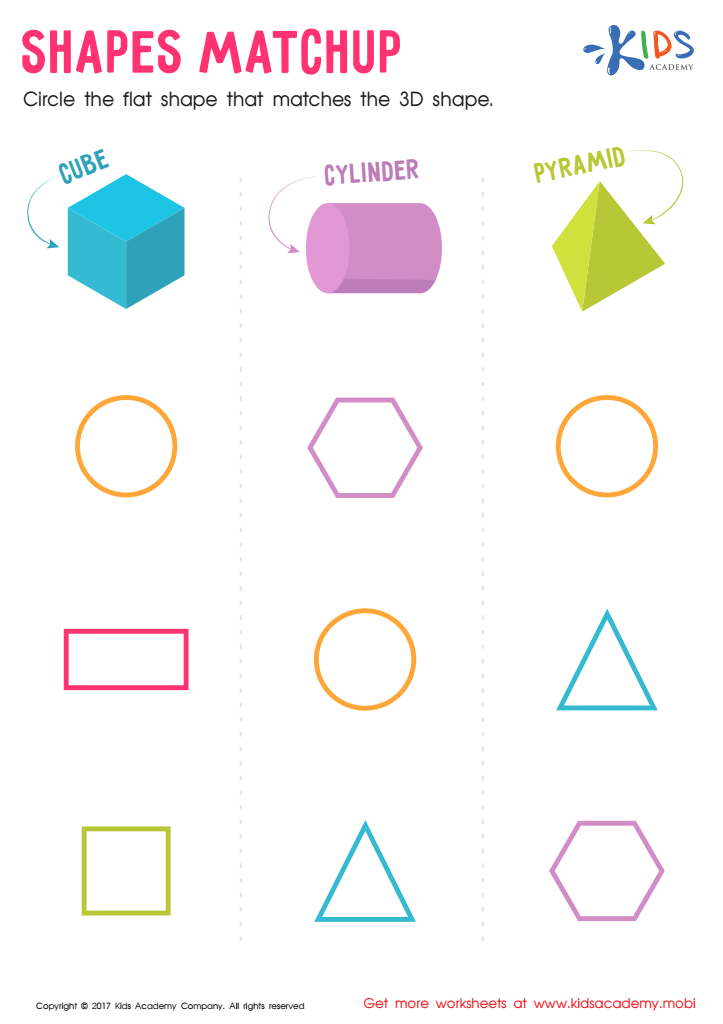
Shapes Matchup Worksheet
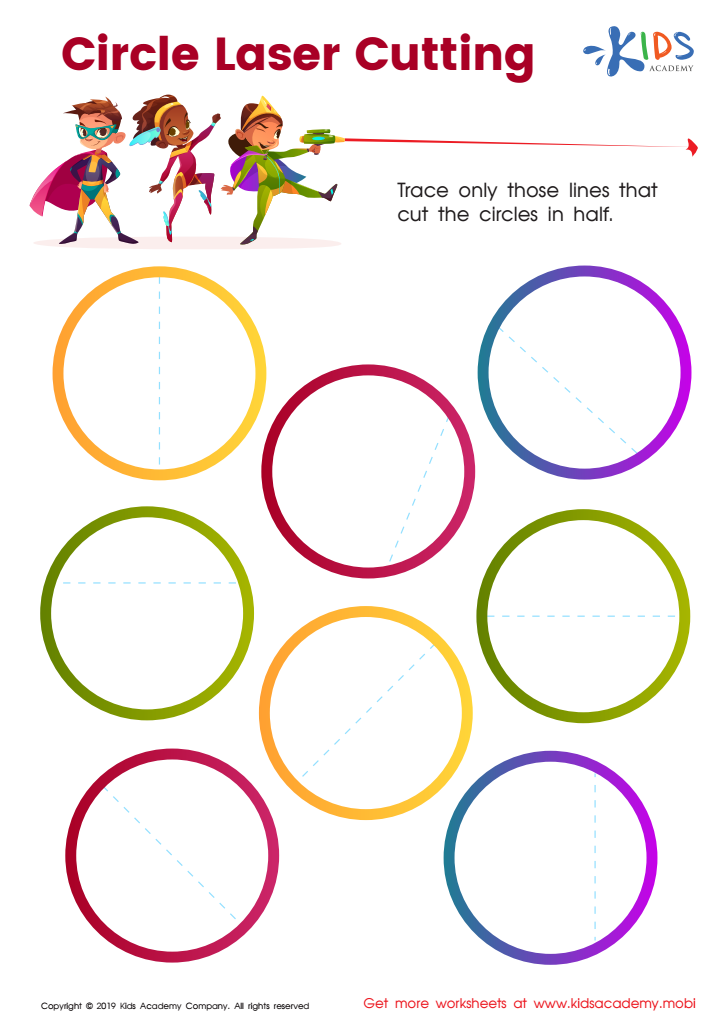
Circle Laser Cutting Worksheet
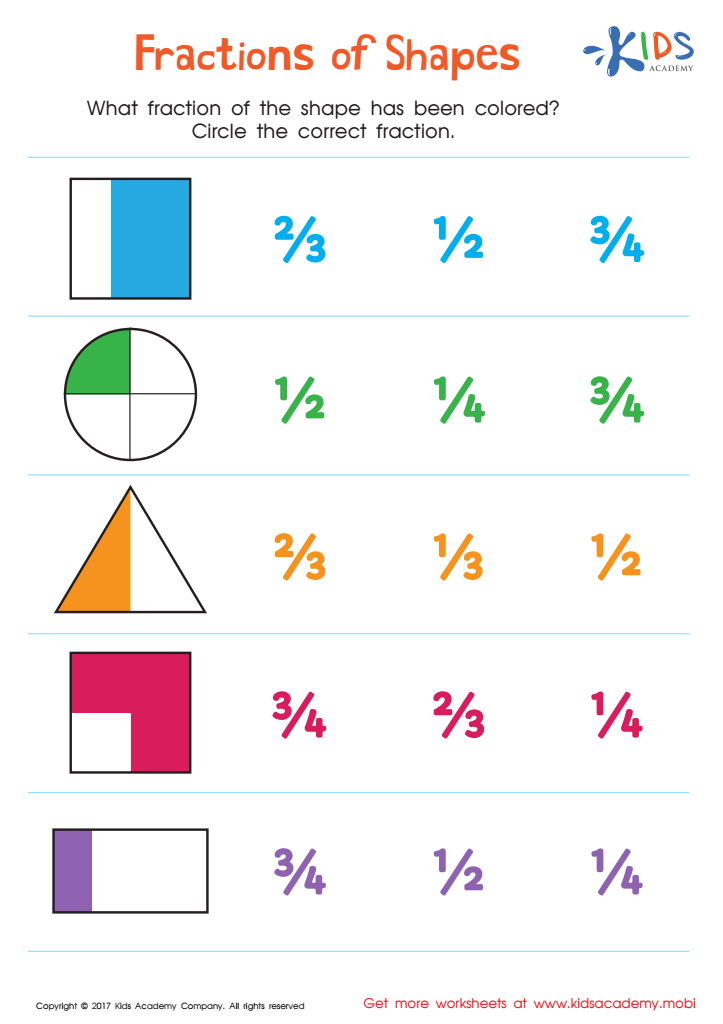
Fractions of Shapes: Math Concept Worksheet
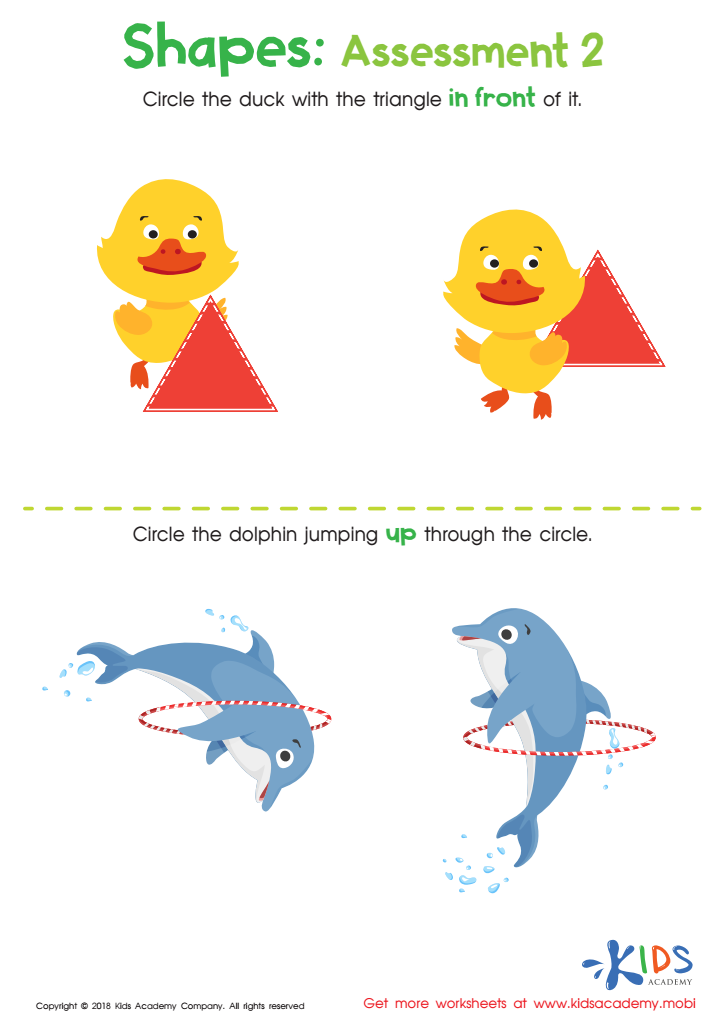
Geometry – Assessment 2 Worksheet
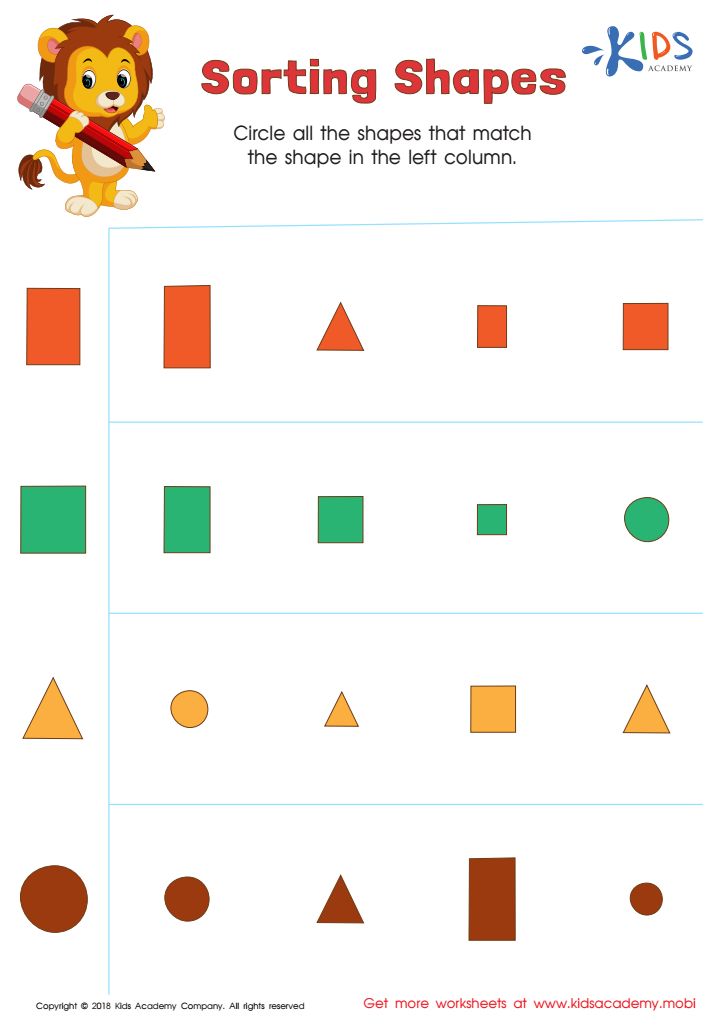
Sorting Shapes - Part 2 Worksheet
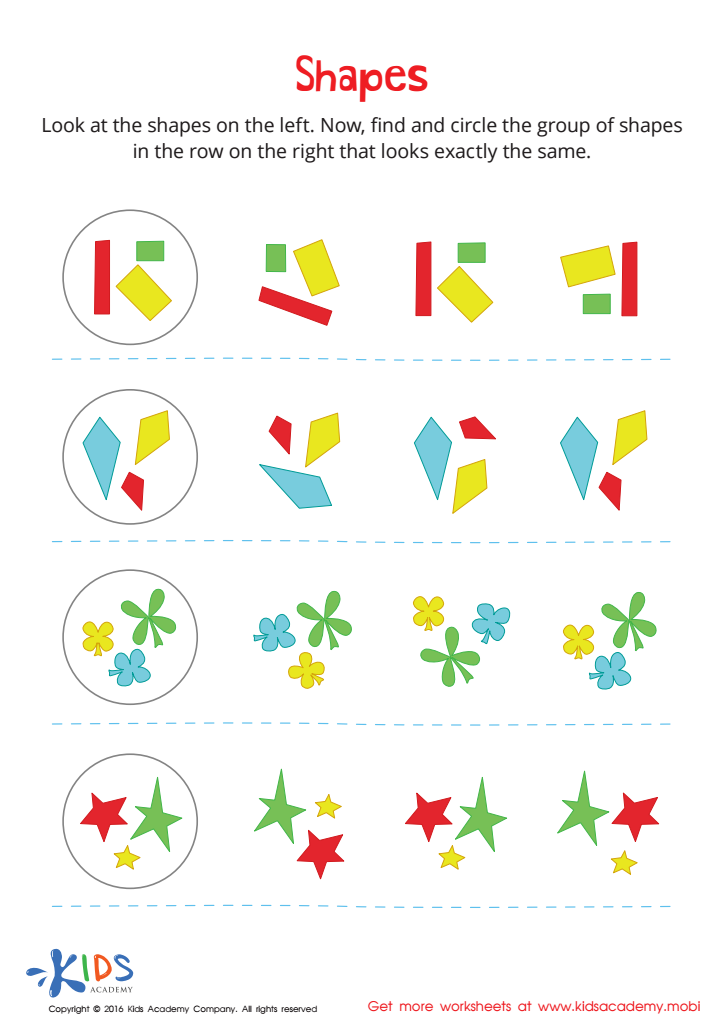
Shapes Worksheet
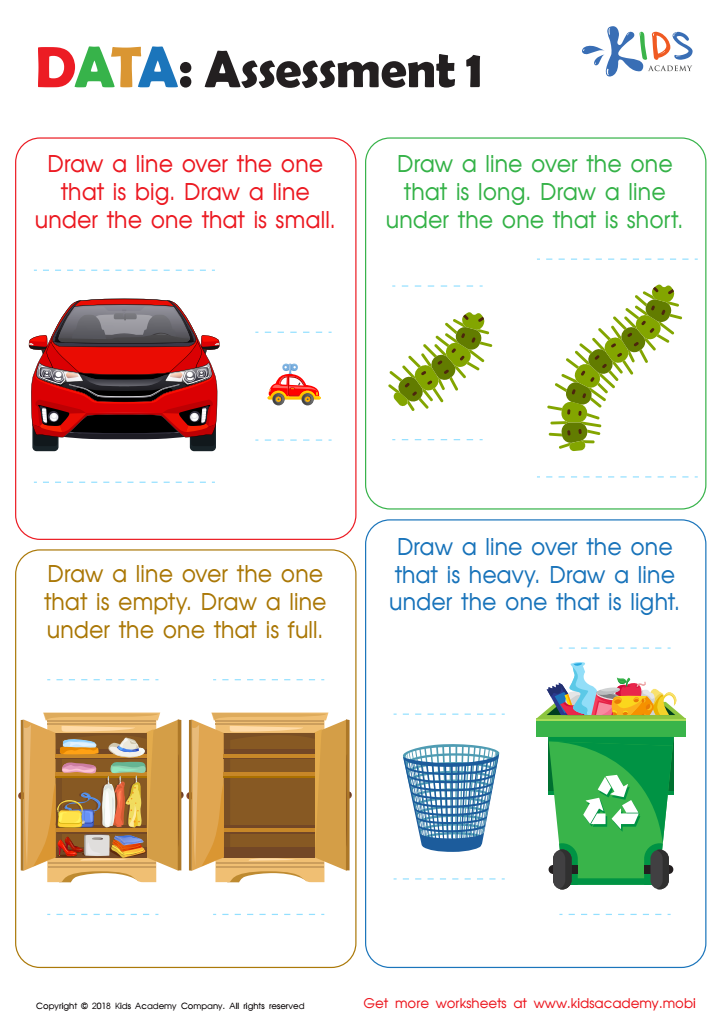
Data: Assessment 1 Worksheet
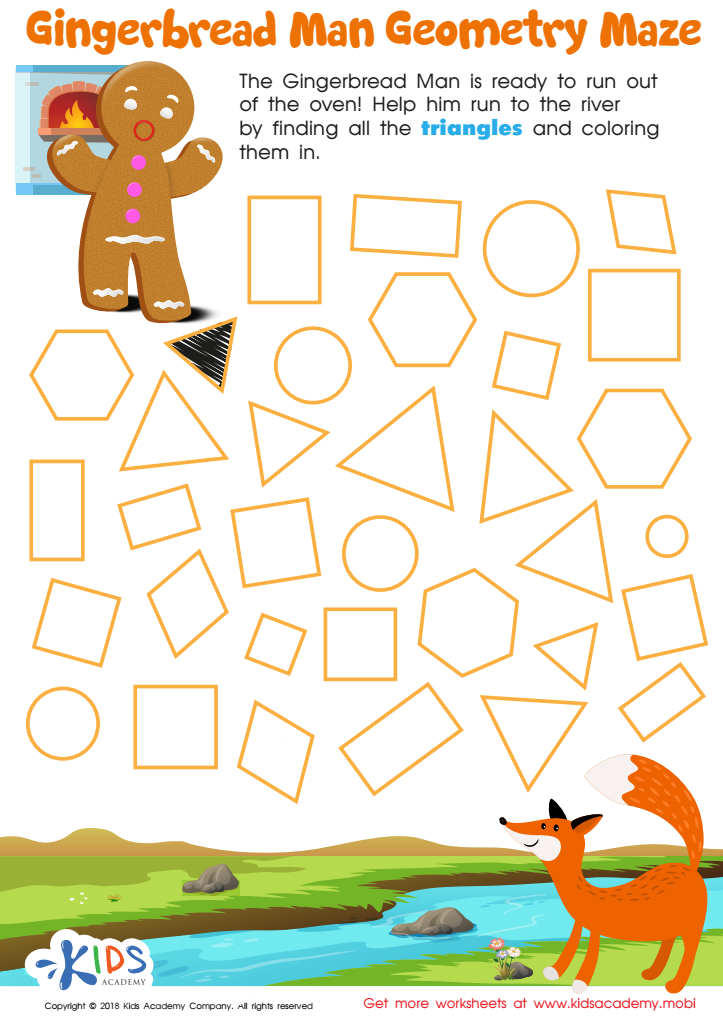
Gingerbread Man Geometry Maze Worksheet
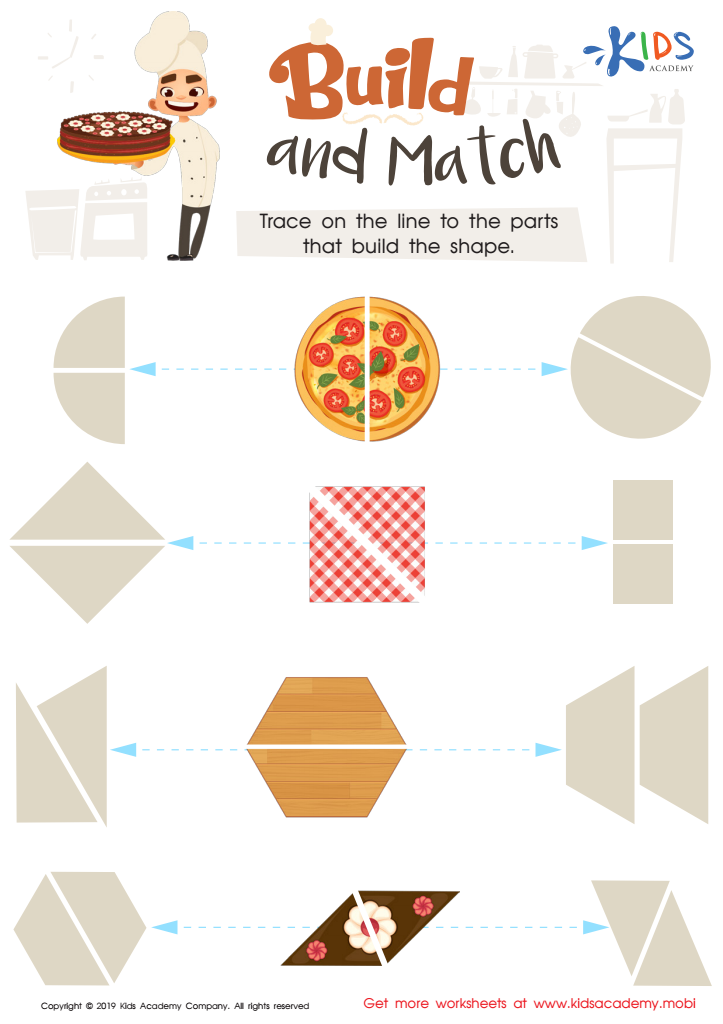
Build and Match Worksheet
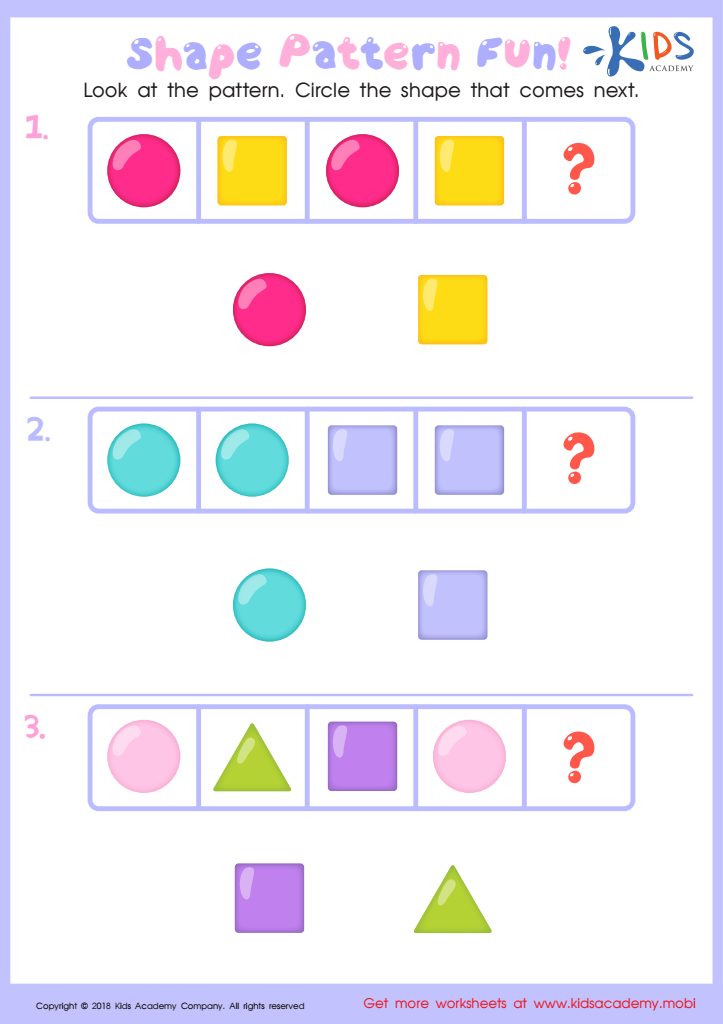
Shape Pattern Fun Worksheet
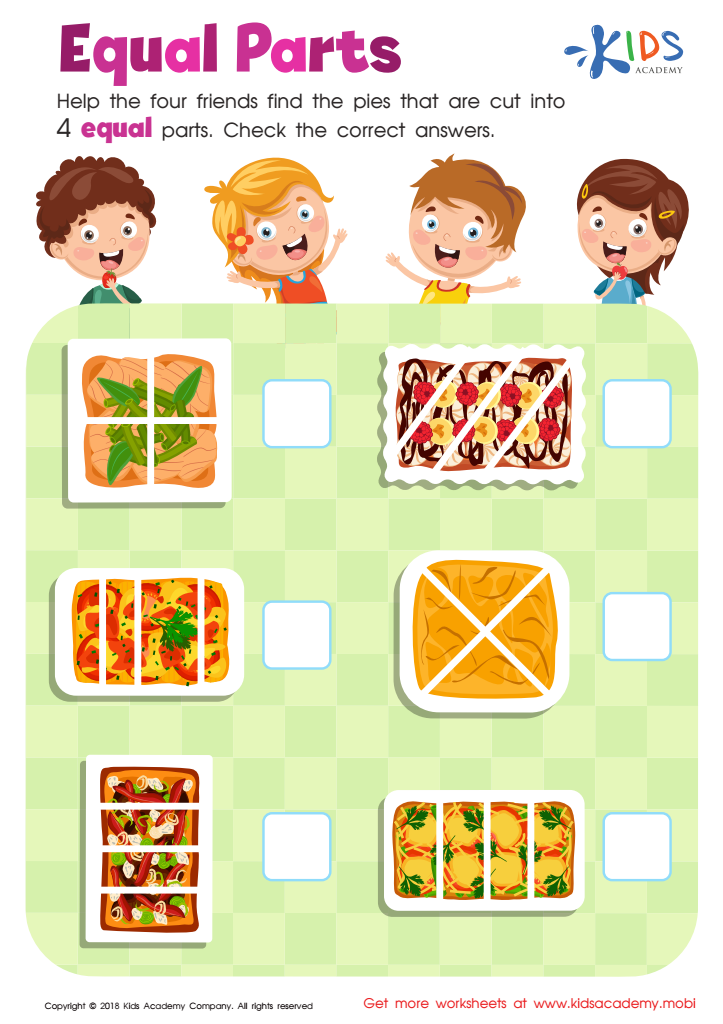
Equal Parts: Food Worksheet
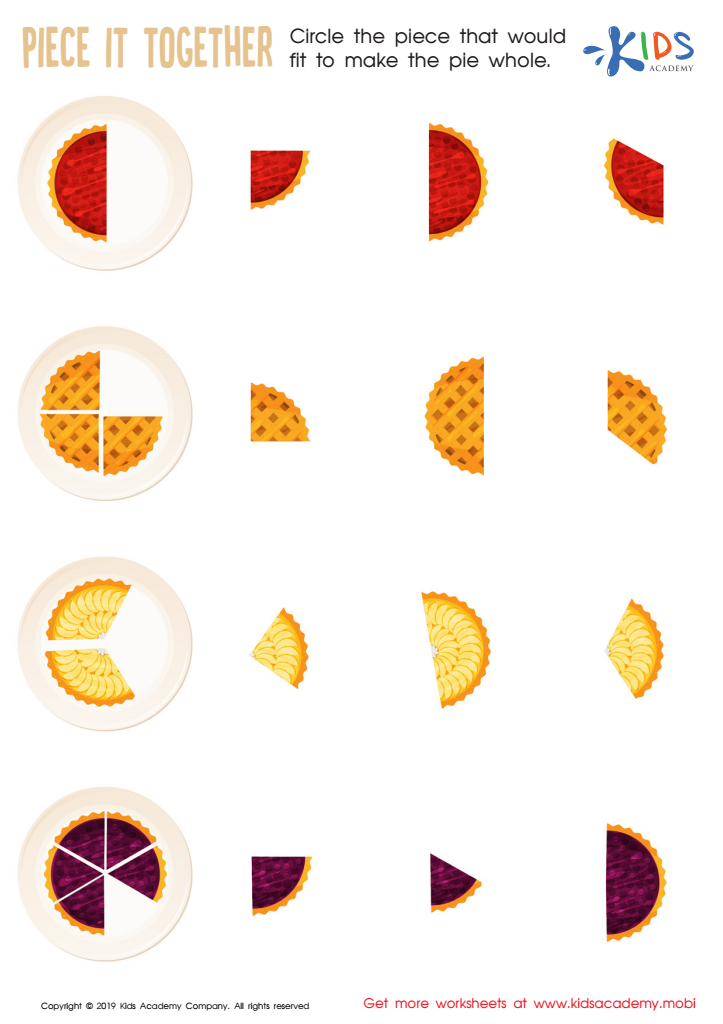
Piece it together Worksheet
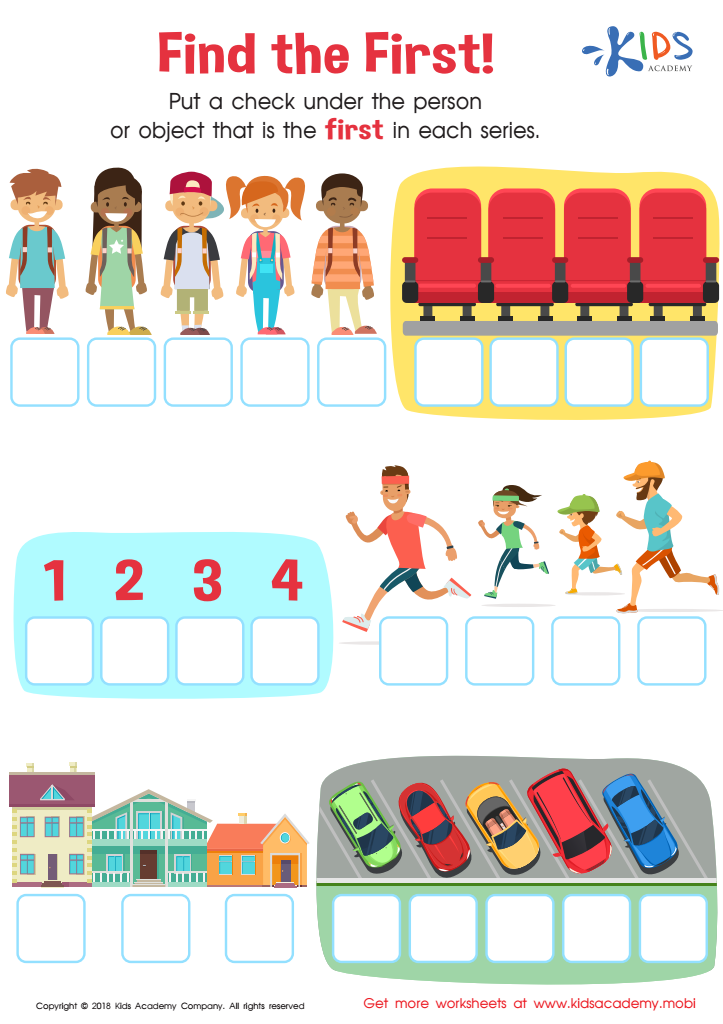
Find the First! Worksheet
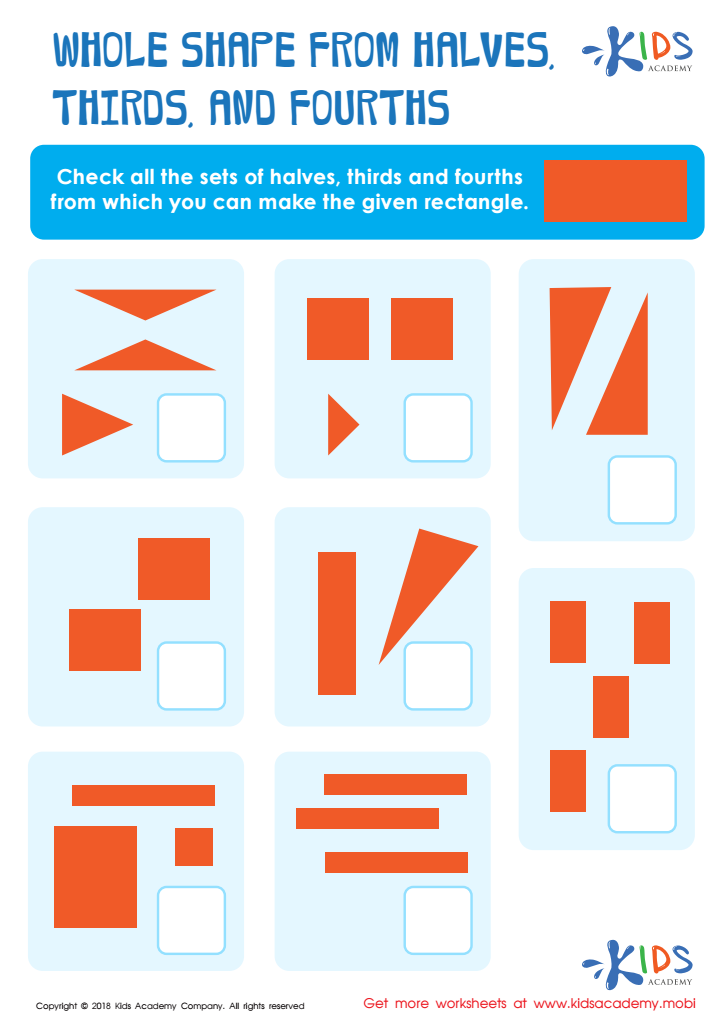
Whole Shape from Halves, Thirds and Fourths Worksheet
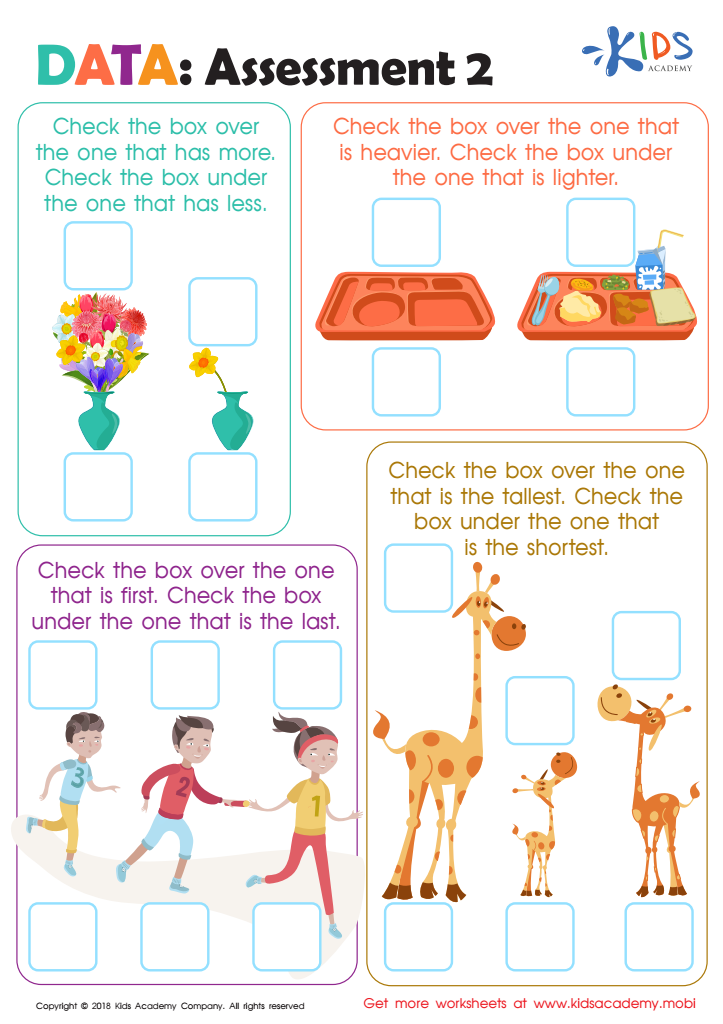
Data: Assessment 2 Worksheet
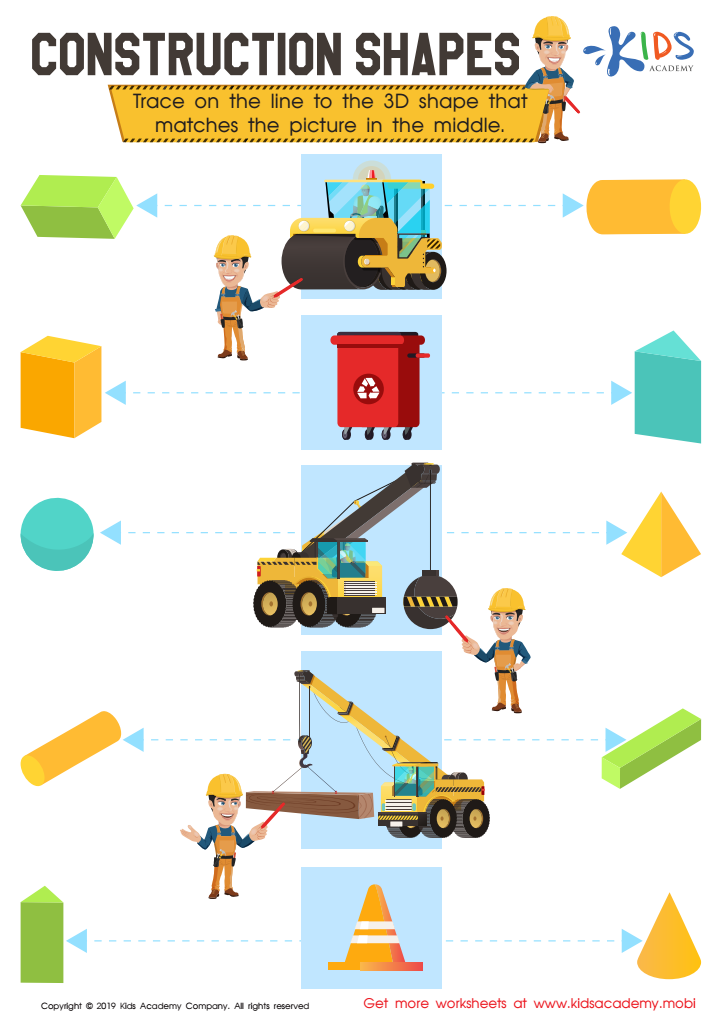
Construction Shapes Worksheet
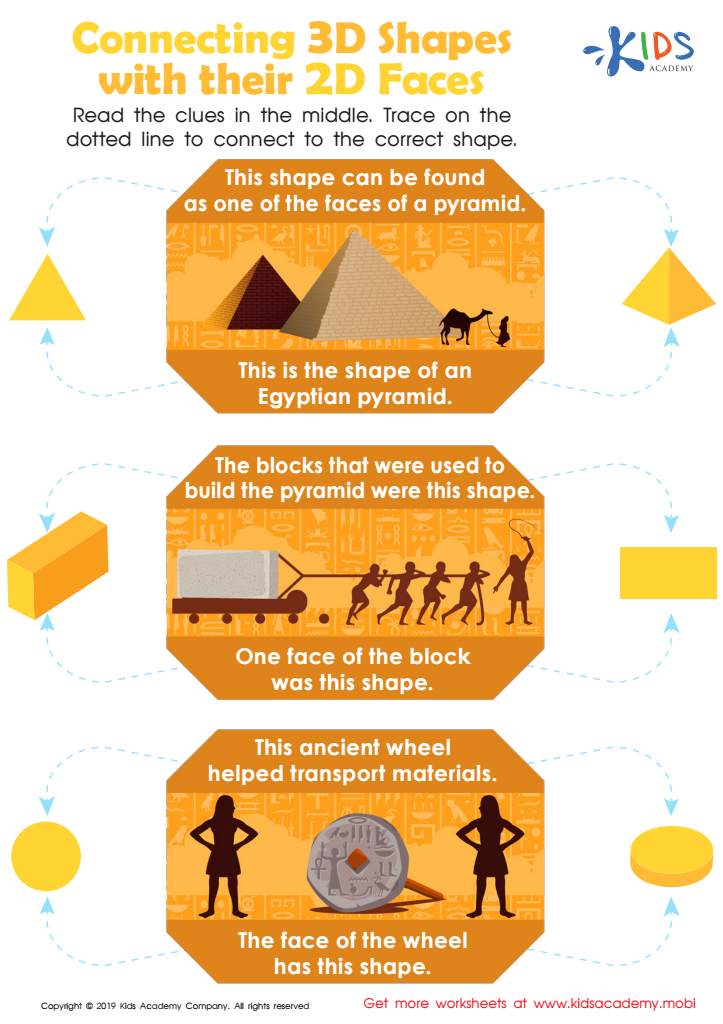
Connecting 3D Shapes with Their 2d Faces Worksheet








Geometry is a crucial area of early education for children ages 3-7, laying the foundation for spatial understanding and critical thinking skills. During these formative years, children's brains are highly receptive to new ideas and concepts, making it an ideal time to introduce geometric concepts such as shapes, sizes, and spatial relations.
First, understanding geometry helps children develop problem-solving abilities. Through activities like sorting objects by shape or size, they learn to make classifications and recognize patterns—skills that are essential for later mathematical success. Additionally, engaging with geometry promotes fine motor skills, as children manipulate shapes with tools like blocks and scissors.
Secondly, geometry is everywhere in our world, from architecture to nature. By fostering an early appreciation for shapes and spatial relationships, we cultivate children's curiosity and observational skills. For instance, recognizing how shapes fit together in a puzzle mirrors real-world design and engineering concepts, unlocking a path toward creativity and innovation.
Lastly, geometry fosters collaboration and communication when children work together in group activities. Building a solid foundation in geometry during early childhood sets the stage for a lifetime of mathematical literacy, spatial reasoning, and problem-solving competence, critical skills in our increasingly complex world. Thus, parents and teachers should prioritize geometric learning.








