Community Worksheets for Ages 3-7 - Page 3
121 filtered results
-
From - To
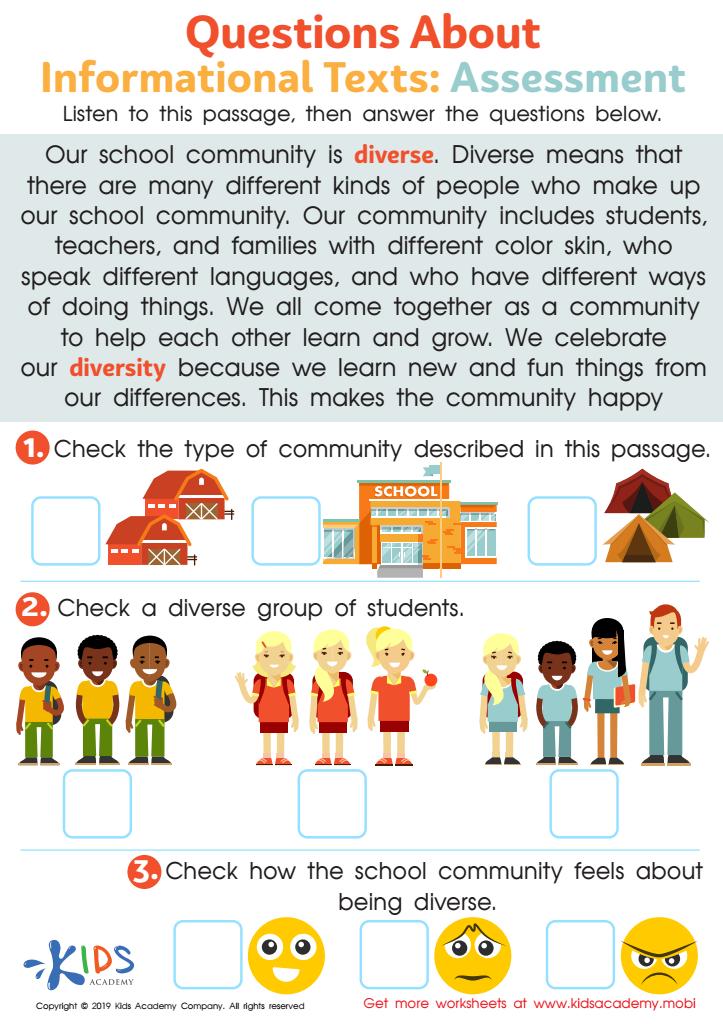
Questions About Informational Texts: Assessment 1 Worksheet
 Assign to My Students
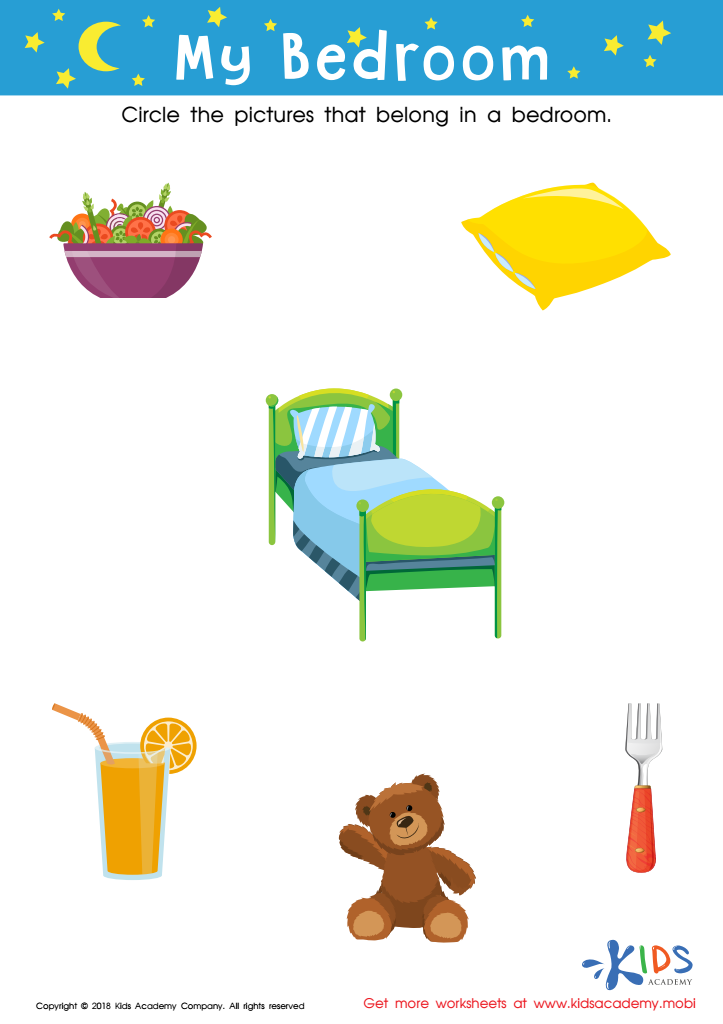
My Bedroom Worksheet
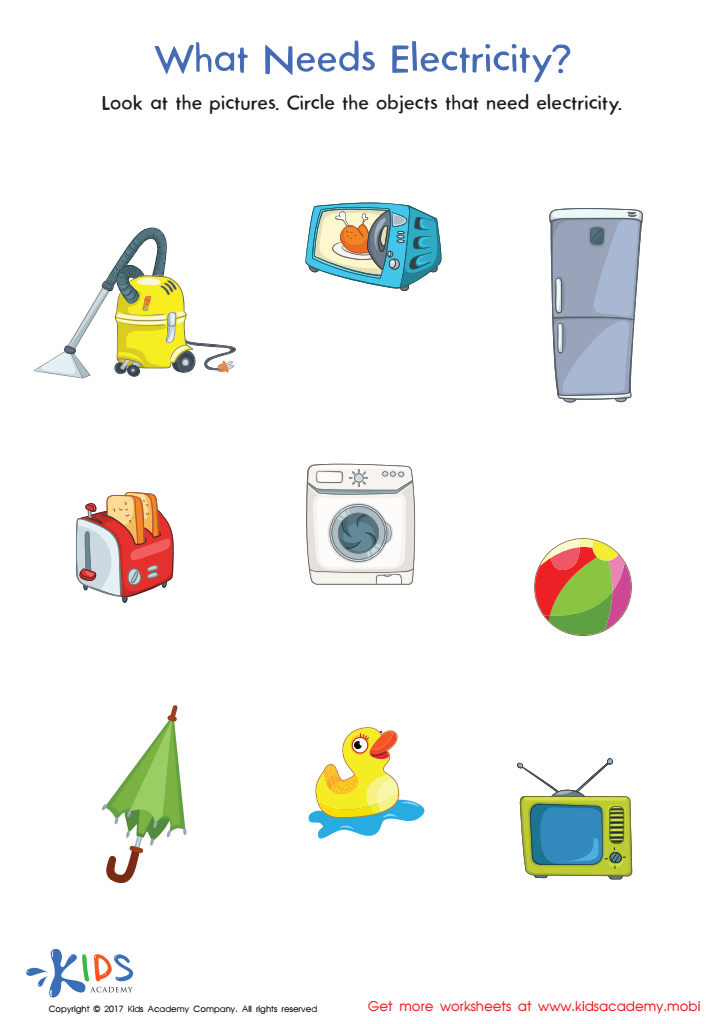
What Needs Electricity Printable

What Do you See at the Library? Worksheet
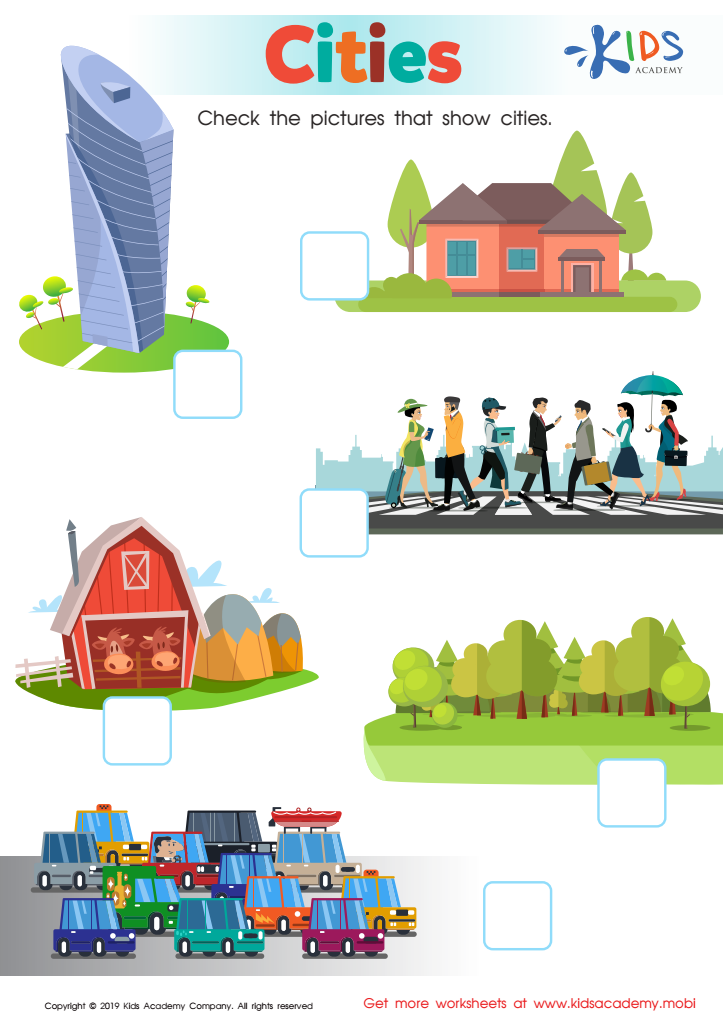
Cities Worksheet

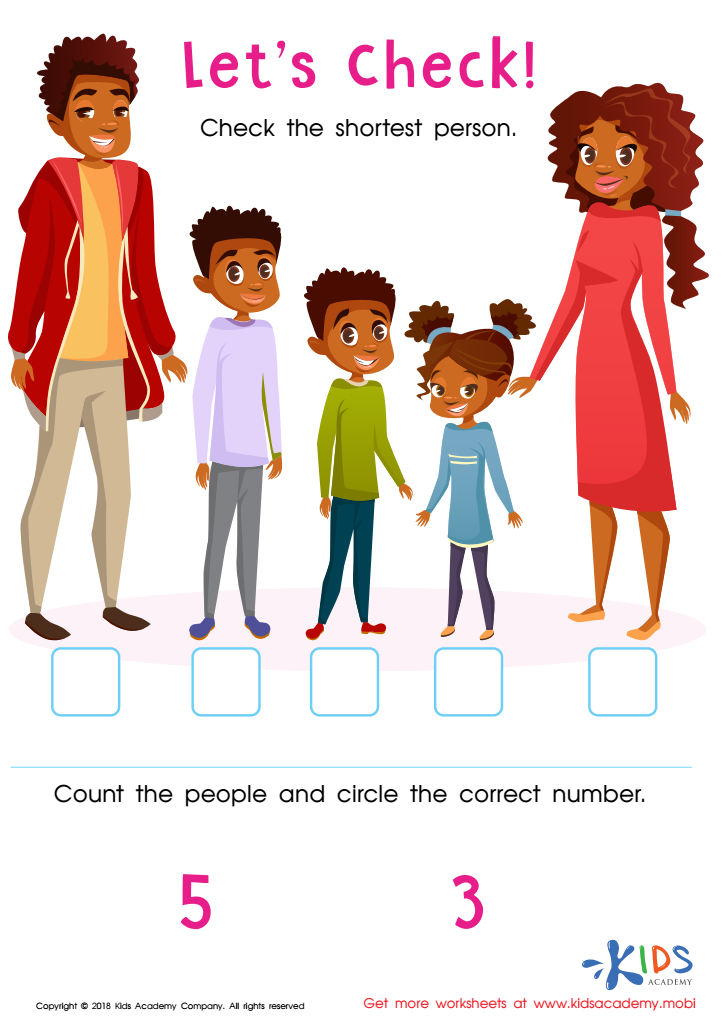
Let's Check! Assessment Worksheet
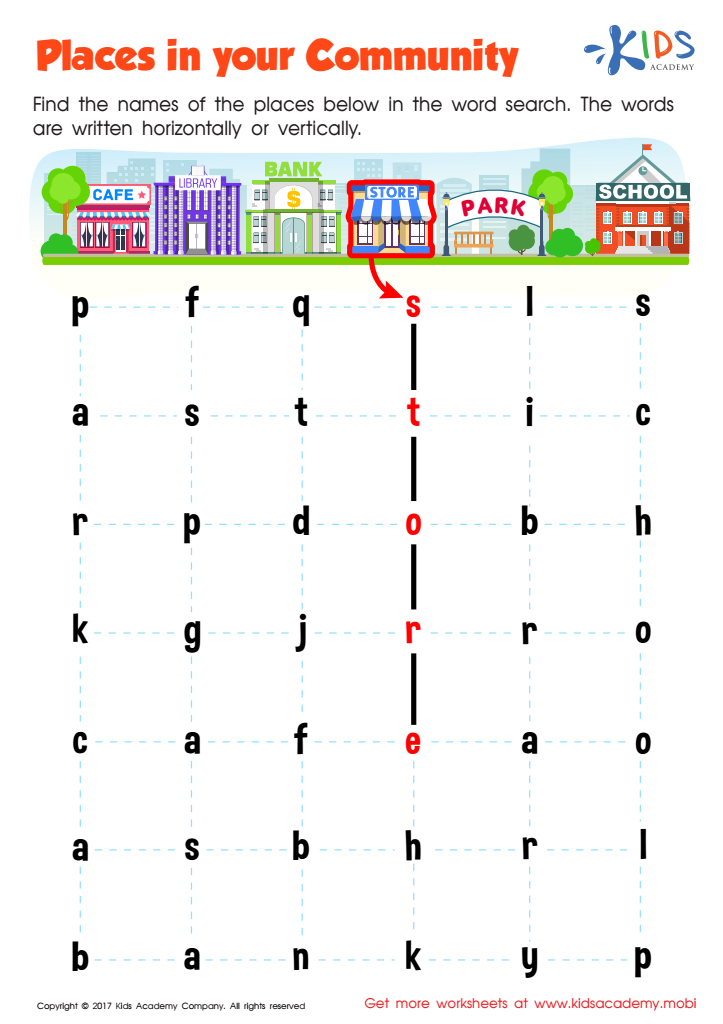
Places in Your Community Worksheet
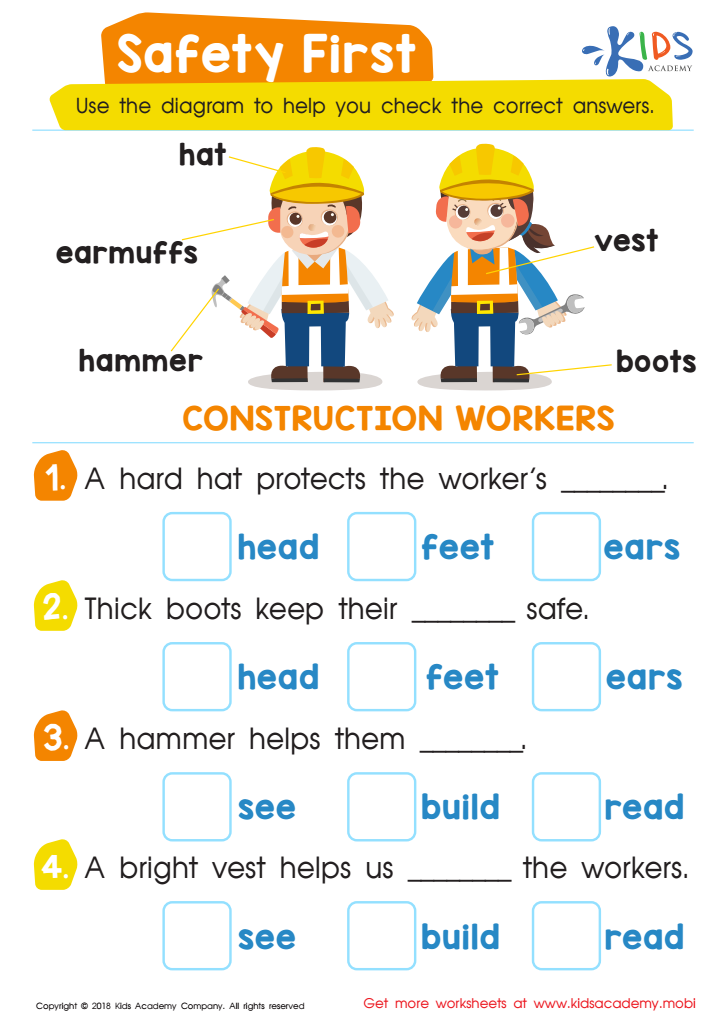
Safety First Worksheet
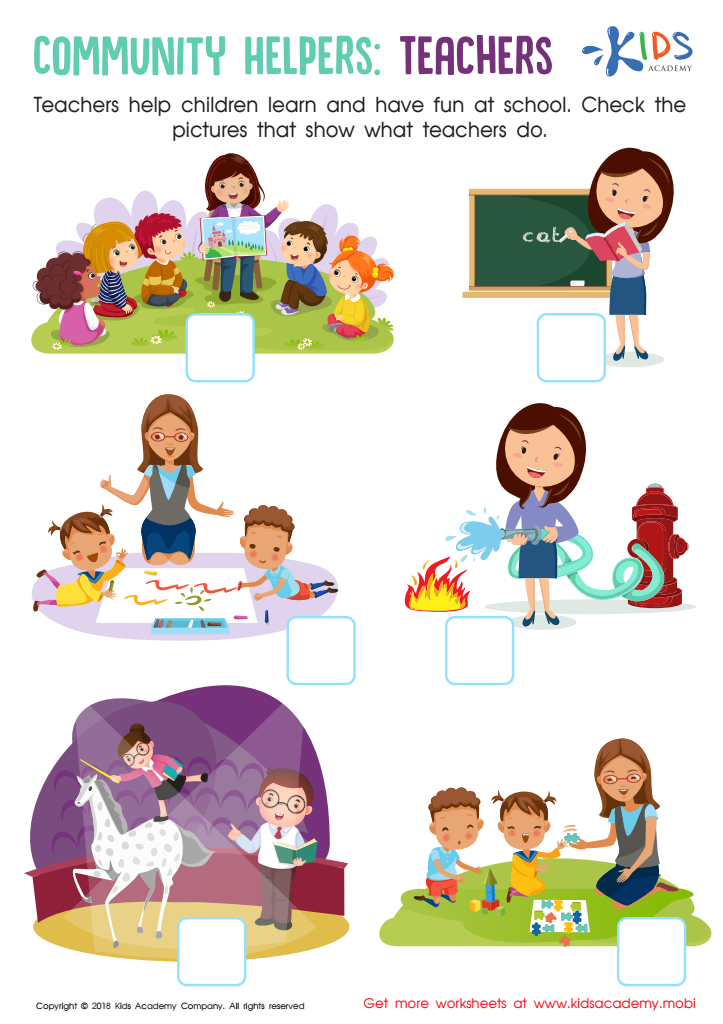
Teachers Community Helpers Worksheet
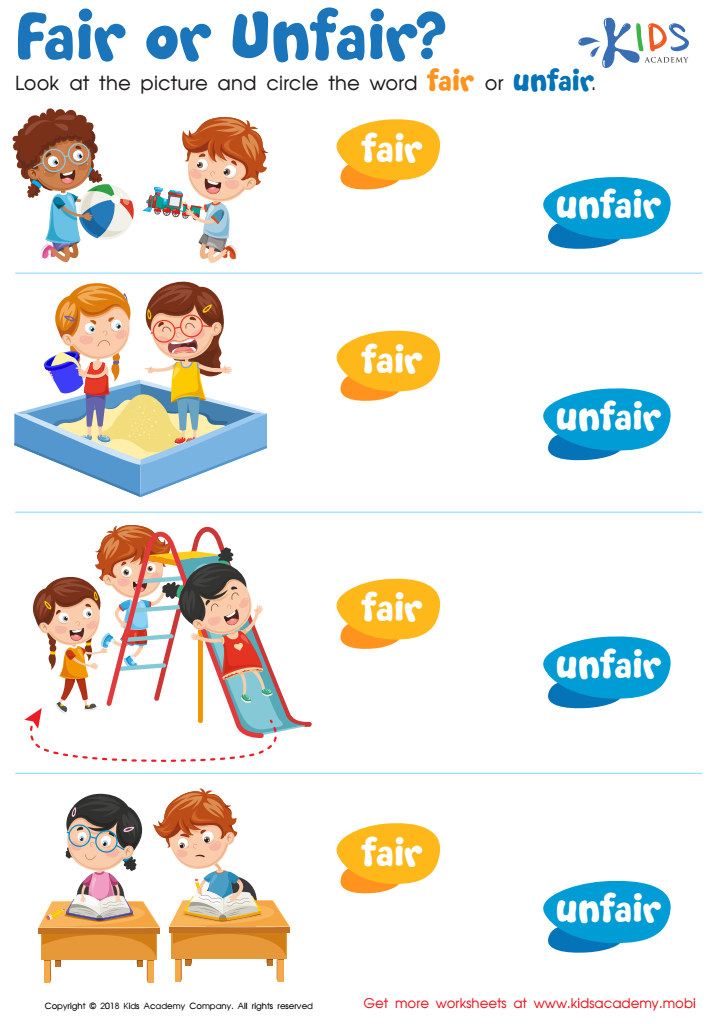
Fair or Unfair Worksheet
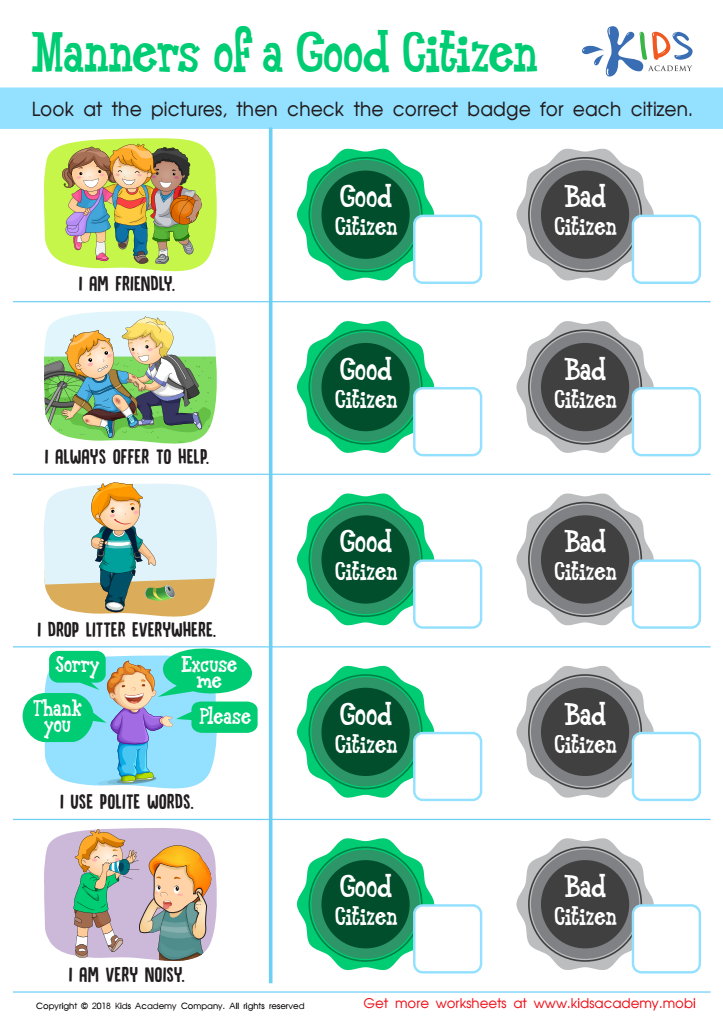
Manners of a Good Citizen Worksheet
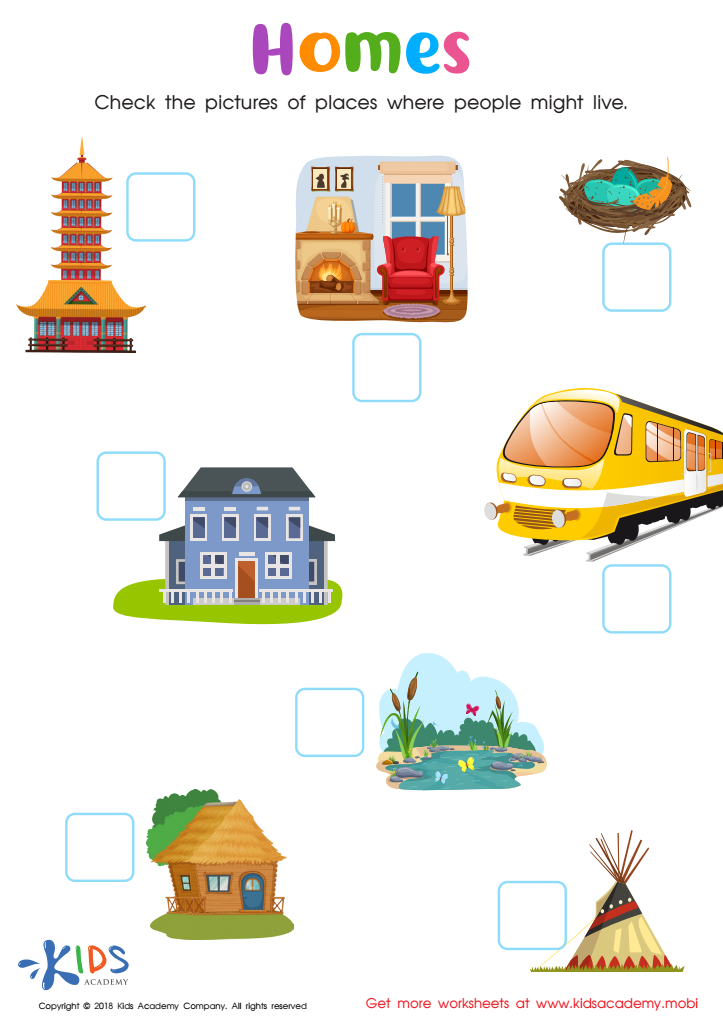
Homes Worksheet
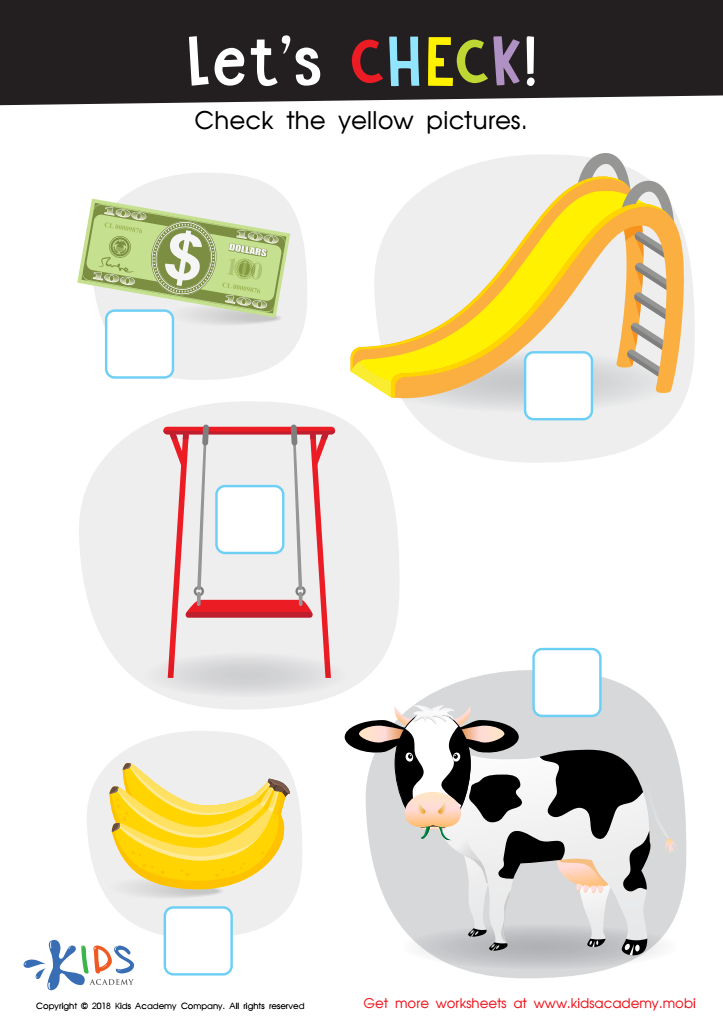
Let's Check! Worksheet
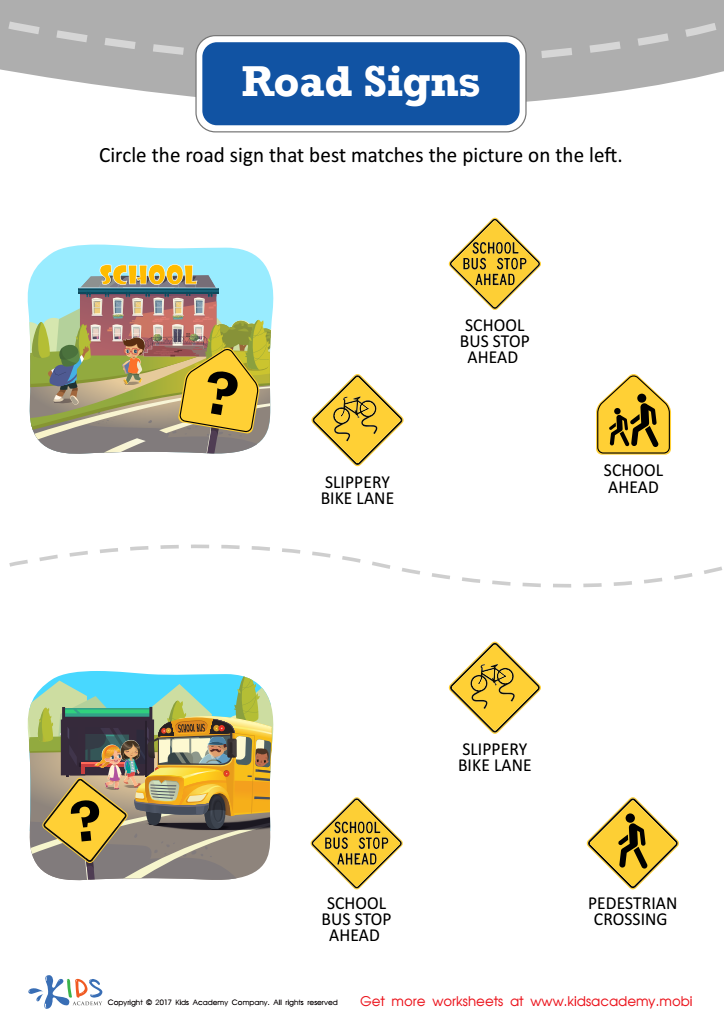
Road Signs (Part 1) Worksheet
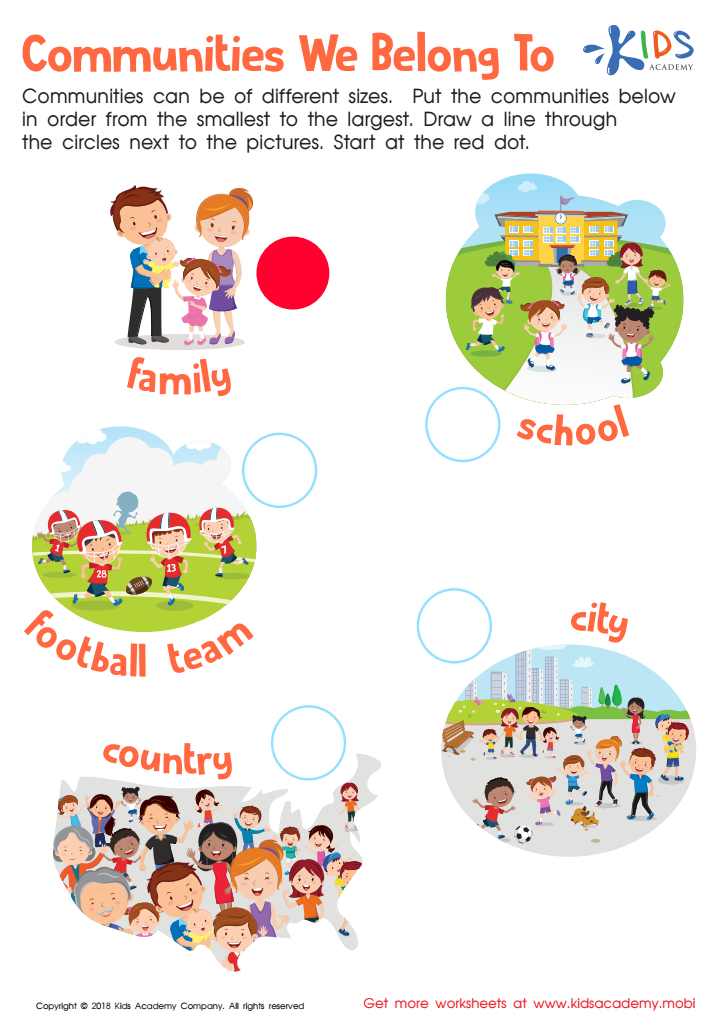
Communities We Belong to Worksheet
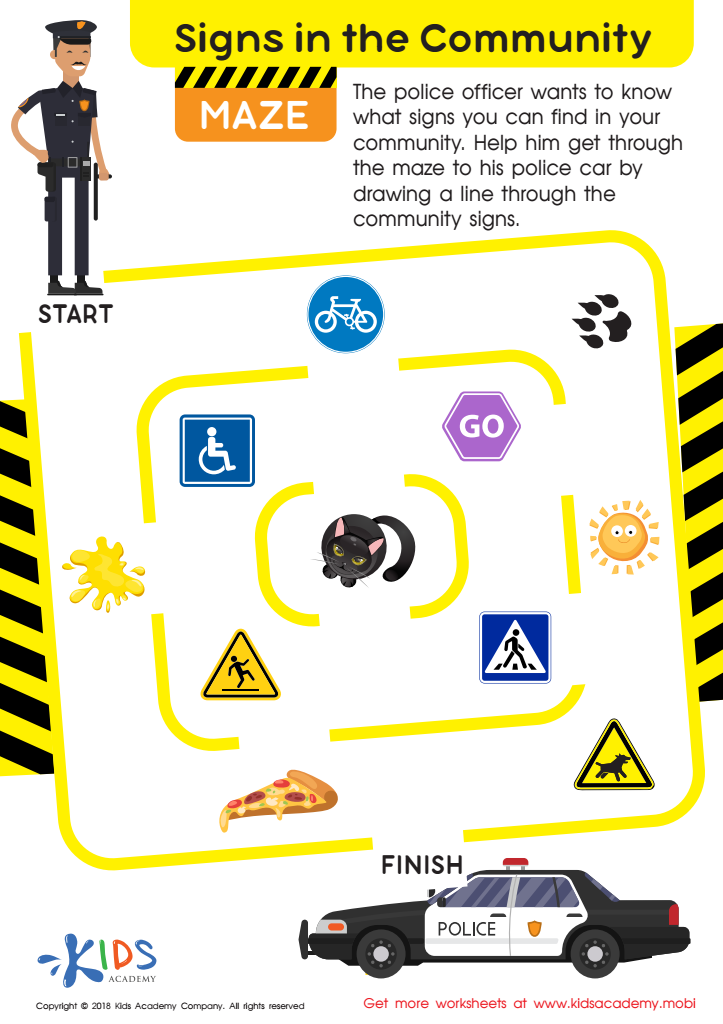
Signs in the Community: Maze Worksheet
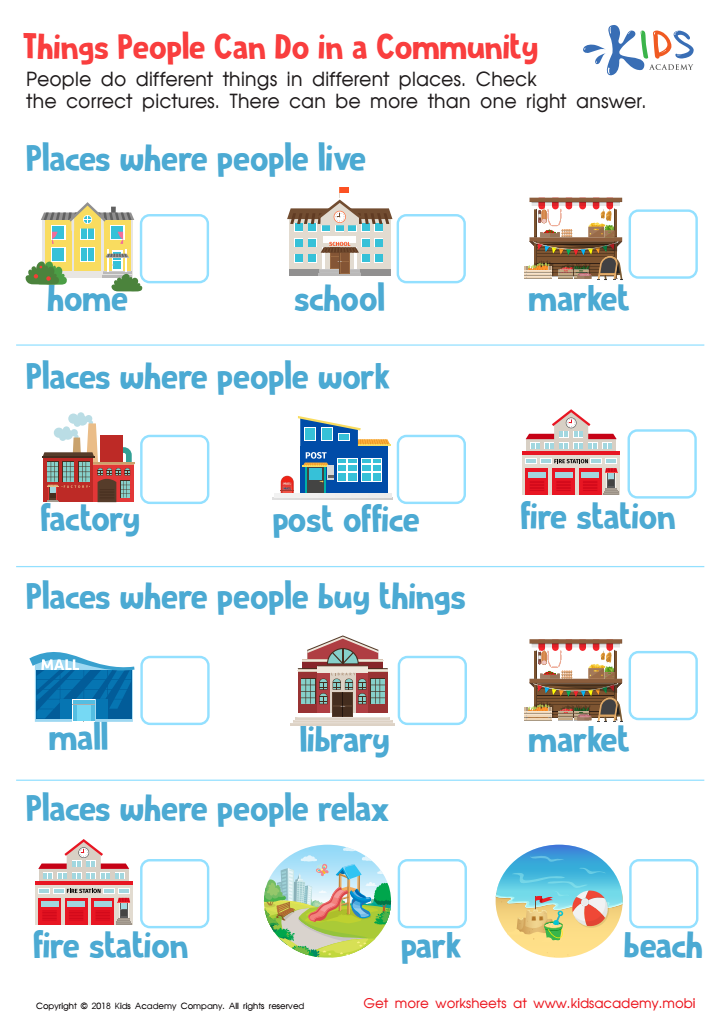
Things People Can Do in a Community Worksheet
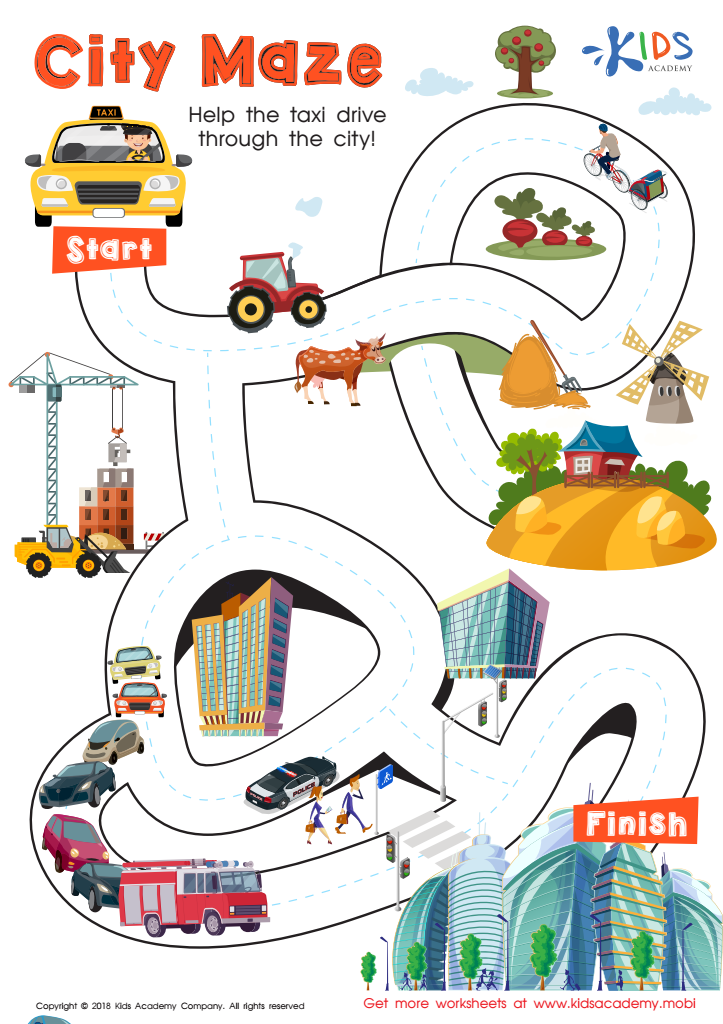
City Maze Worksheet
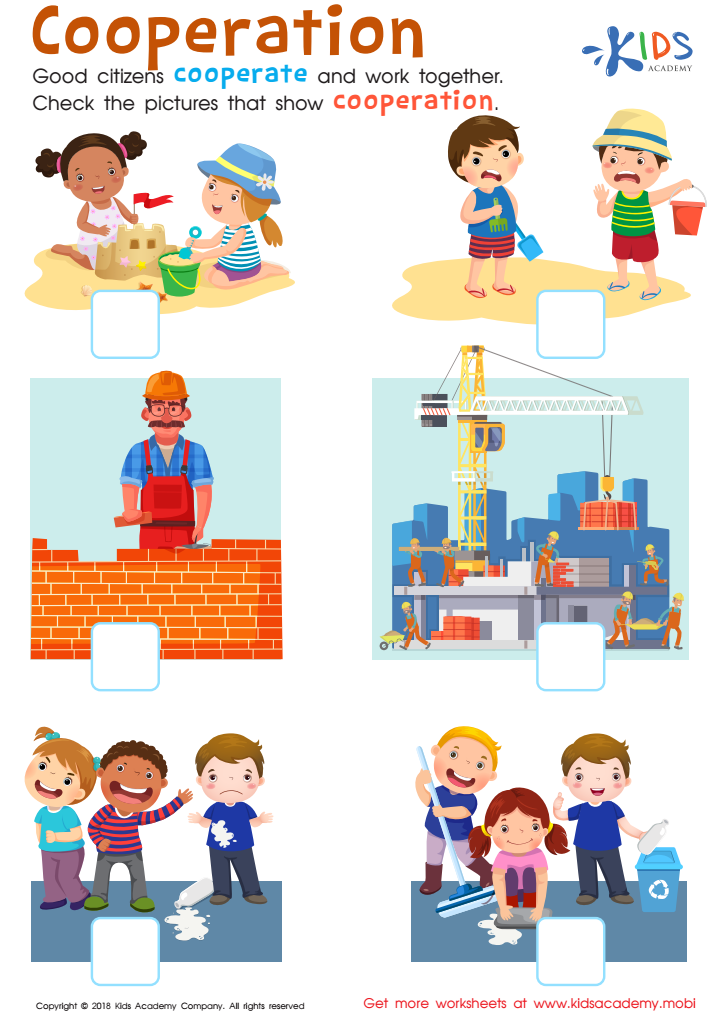
Cooperation Worksheet
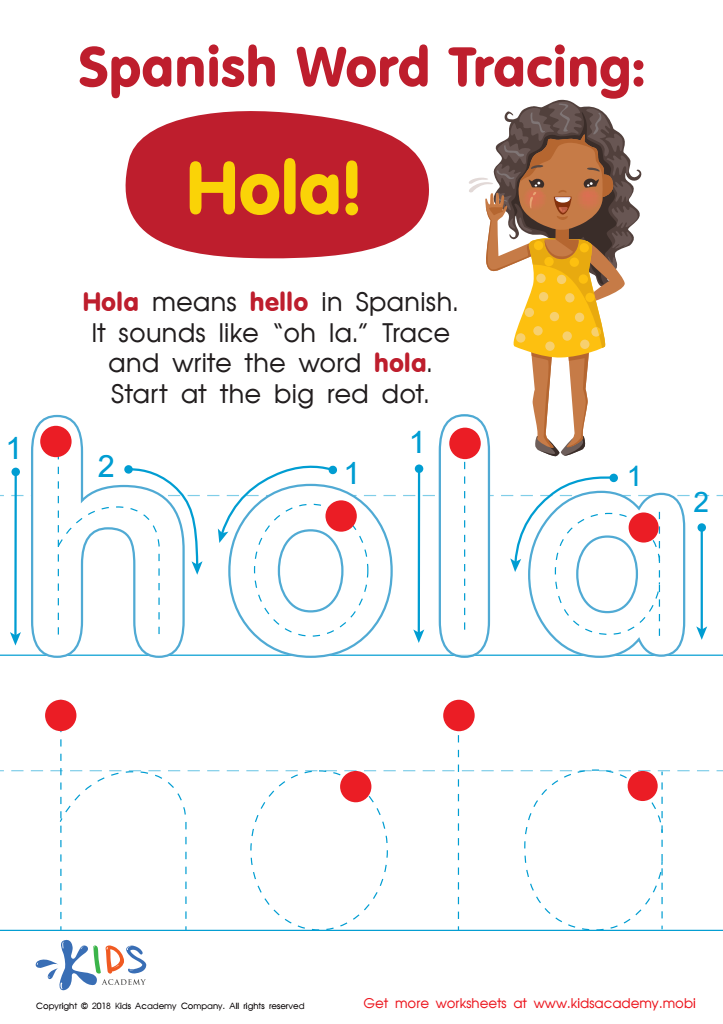
Spanish Word Tracing: Hola Worksheet
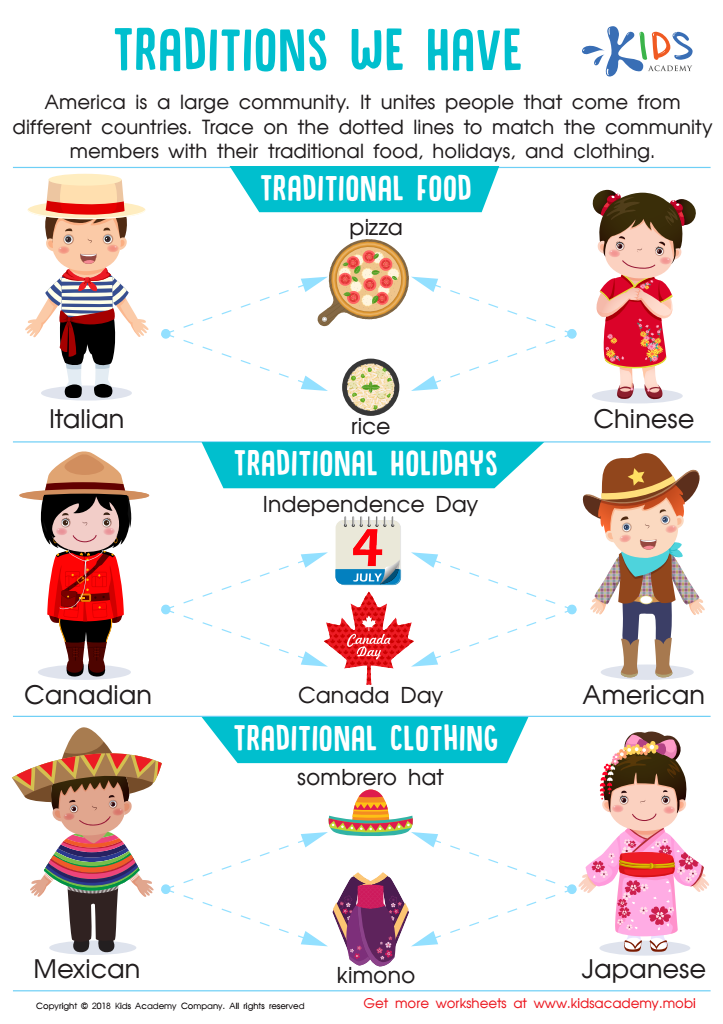
Traditions We Have Worksheet
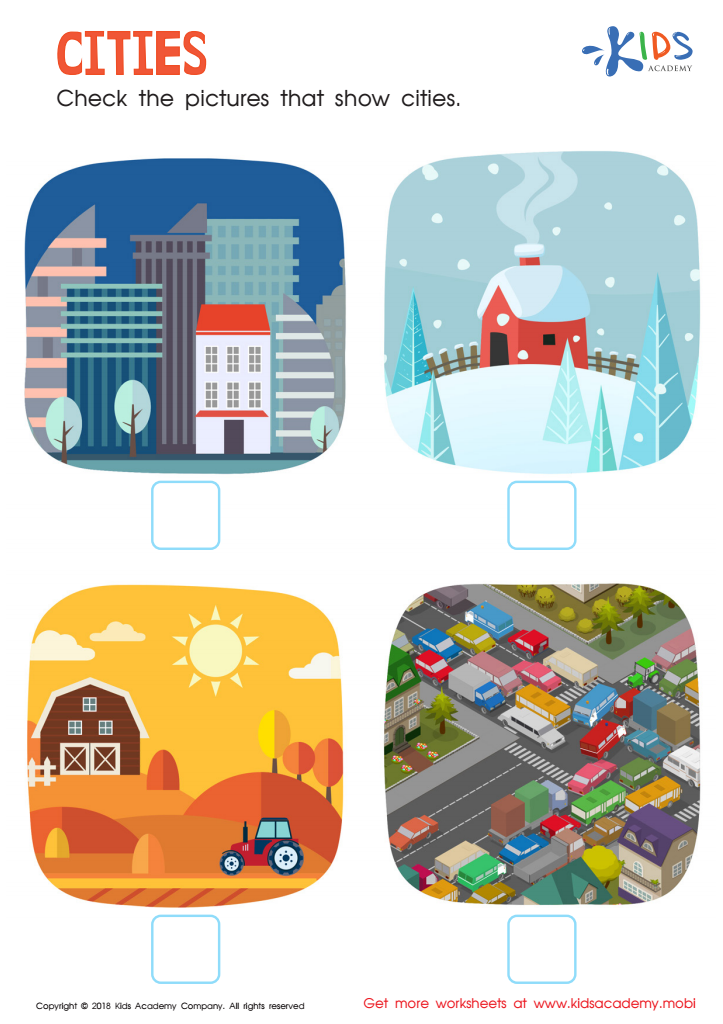
Cities Worksheet
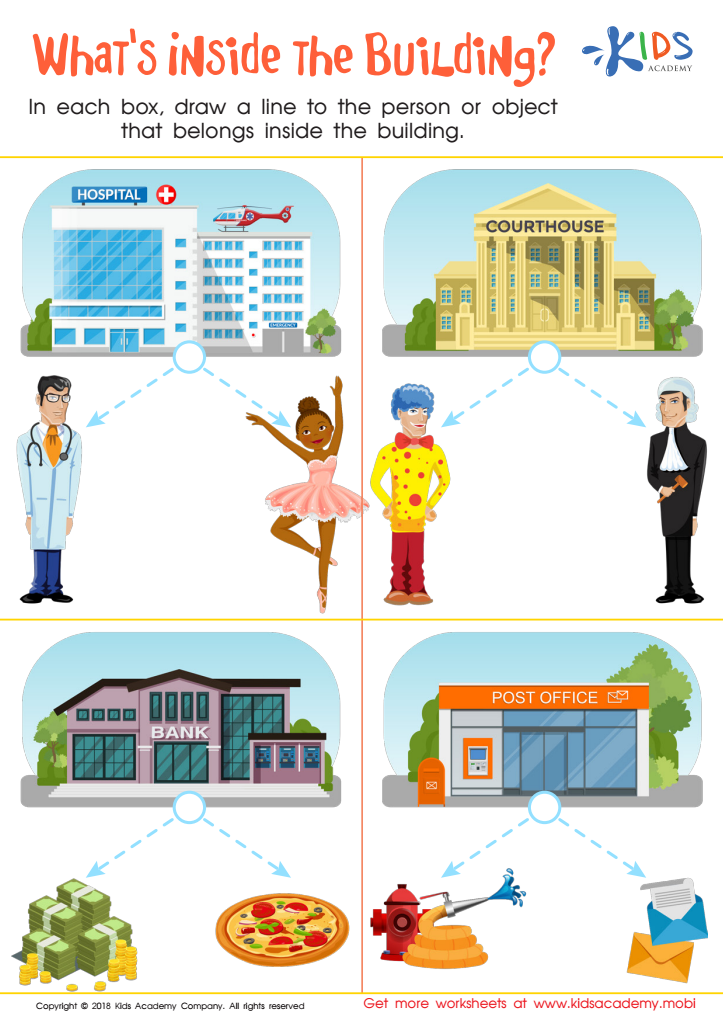
What's Inside the Building? Worksheet








Parents and teachers should care about community for children ages 3-7 because it plays a crucial role in their social, emotional, and cognitive development. During these early years, children are like sponges, absorbing experiences and learning how to interact with others. A supportive community provides a nurturing environment where children can develop essential social skills through shared play and collaboration. Engaging with peers in a community setting fosters teamwork, empathy, and problem-solving ability.
Communities also enrich the learning experience through diverse interactions and lessons. Visits to local parks, libraries, or community centers expose children to new ideas, cultures, and perspectives, broadening their understanding of the world. Moreover, active participation in community events can give children a sense of belonging, enhancing their self-esteem and emotional well-being.
For parents and teachers, promoting a strong sense of community makes it easier to support a child's educational journey. Partnerships between parents, educators, and local organizations can foster positive relationships and boost resources for children’s activities. Ultimately, caring about community helps create a solid foundation for lifelong learning and social engagement, preparing children for active, informed citizenship in the future. Investing in community today is an investment in a brighter tomorrow.








