Science Worksheets for Ages 3-8 - Page 4
400 filtered results
-
From - To
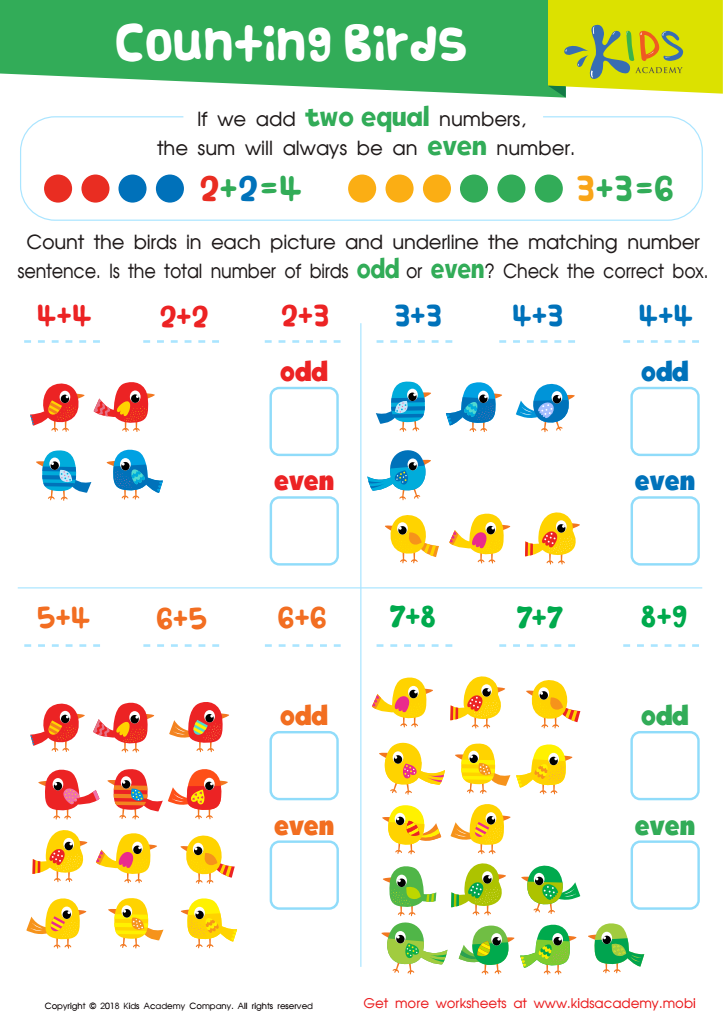
Counting Birds Worksheet
 Assign to My Students
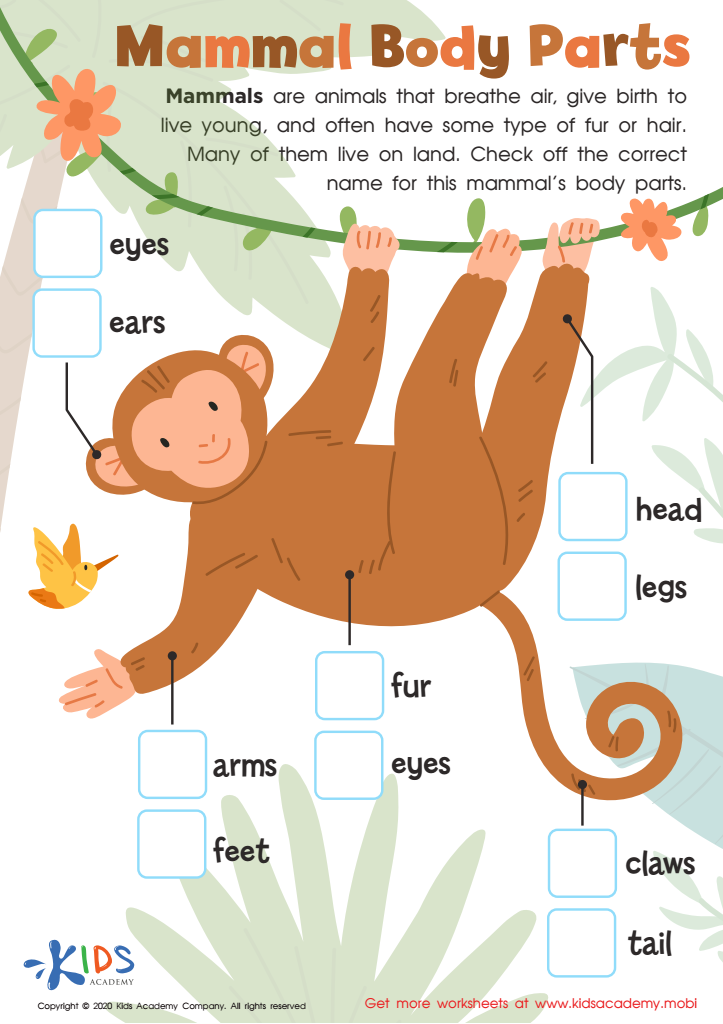
Mammal Body Parts Worksheet
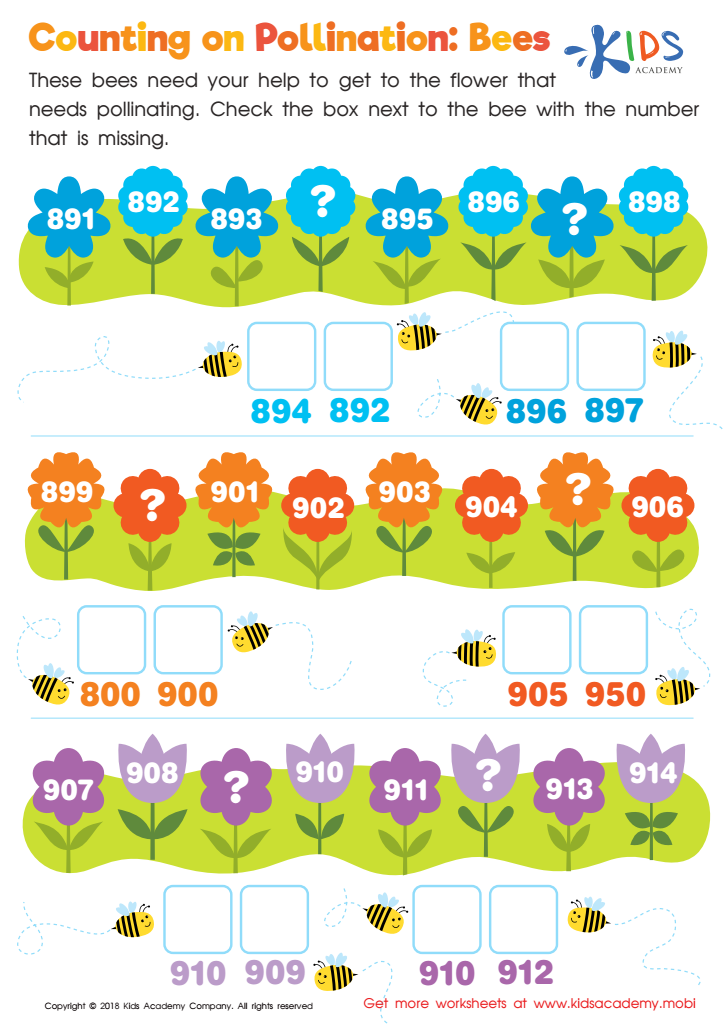
Counting on Pollination: Bees Worksheet
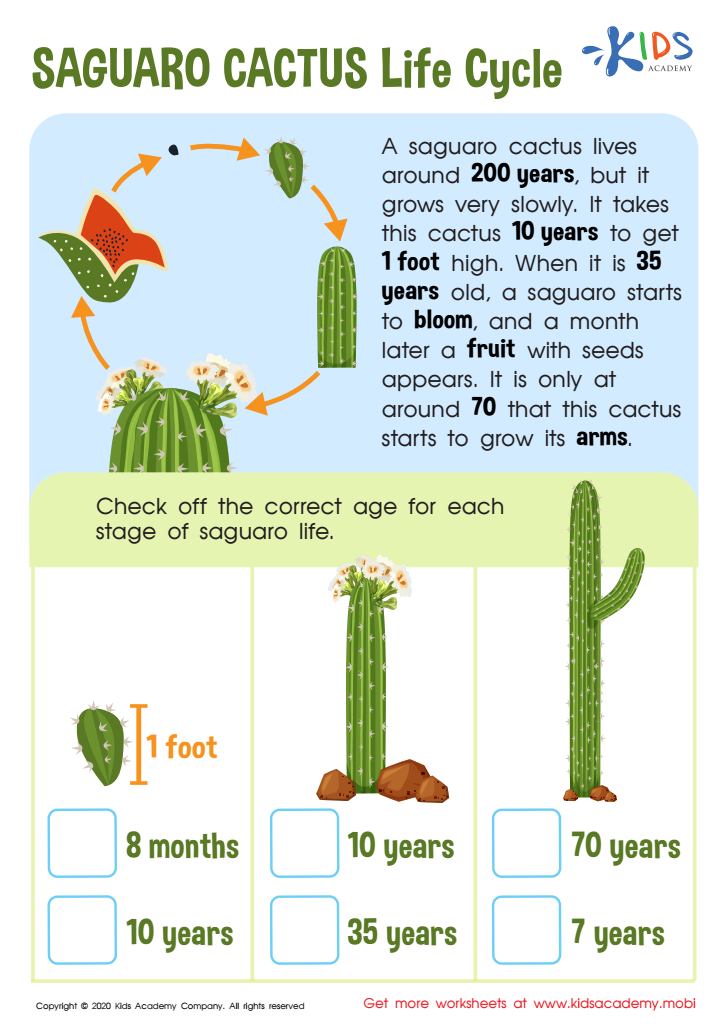
Saguaro Cactus Life Cycle Worksheet
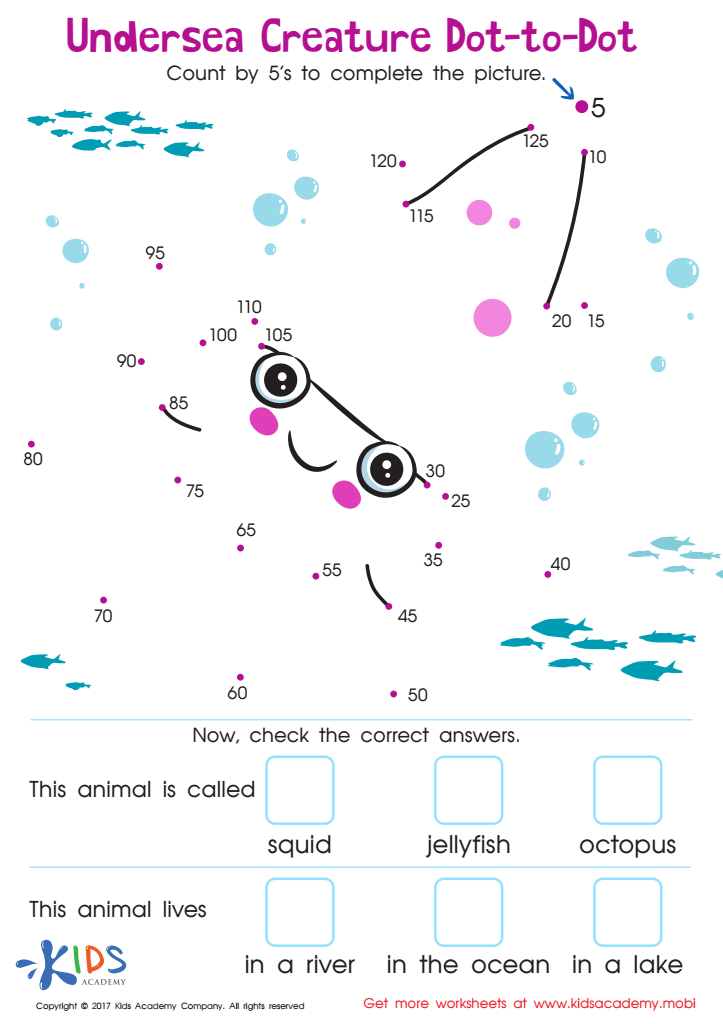
Undersea: Dot To Dot Worksheet
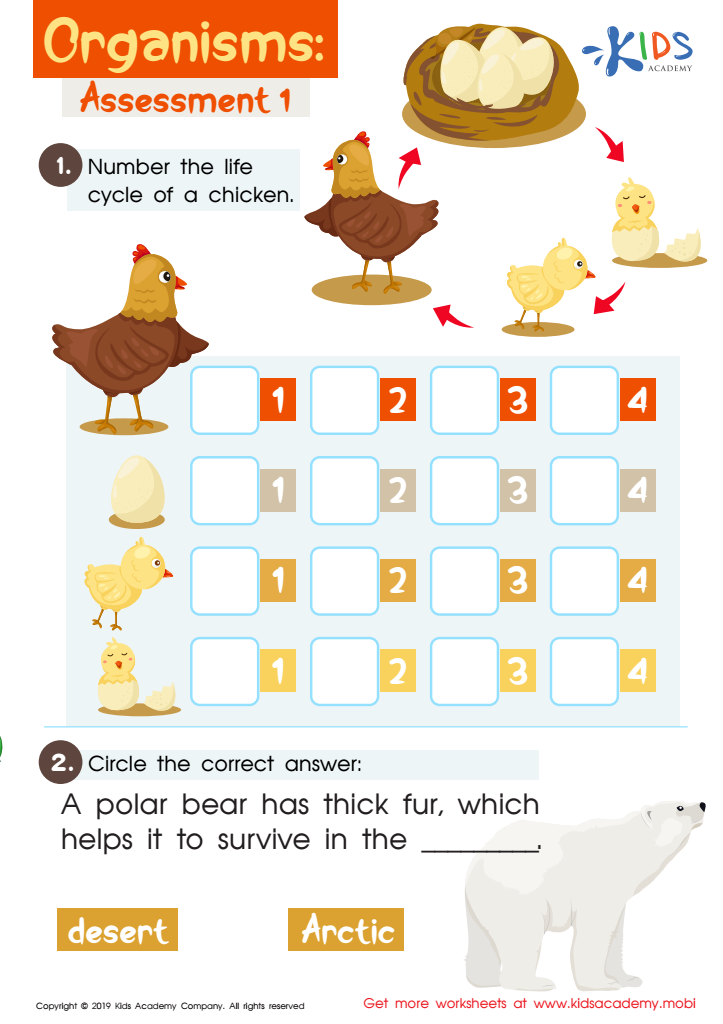
Organisms: Assessment 1 Worksheet
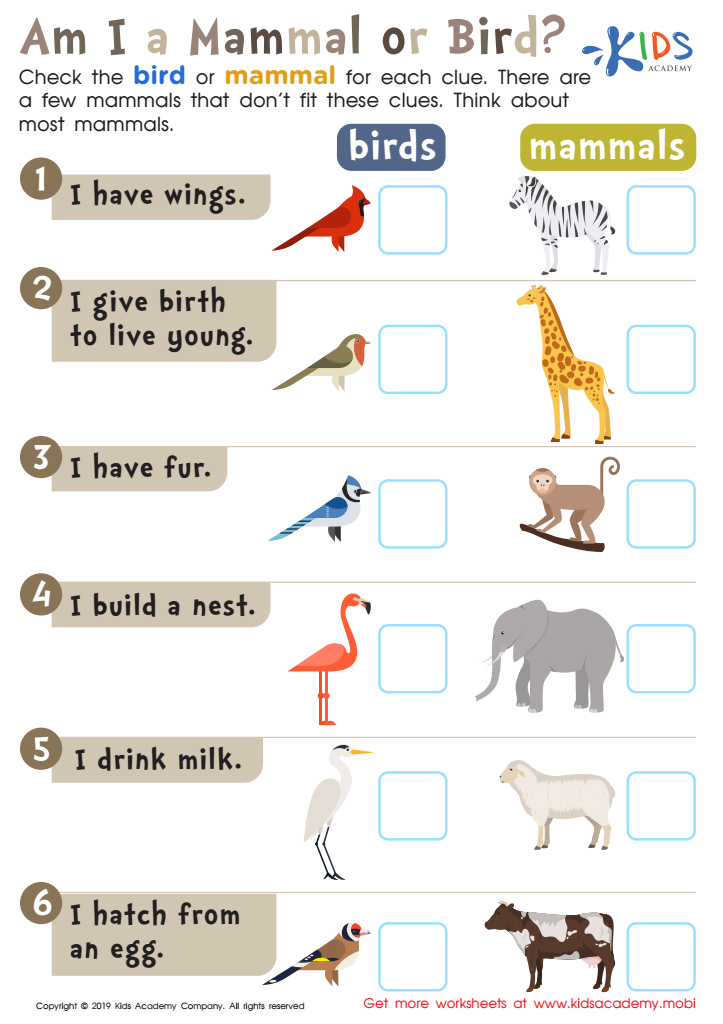
Am I a Mammal or Bird? Worksheet
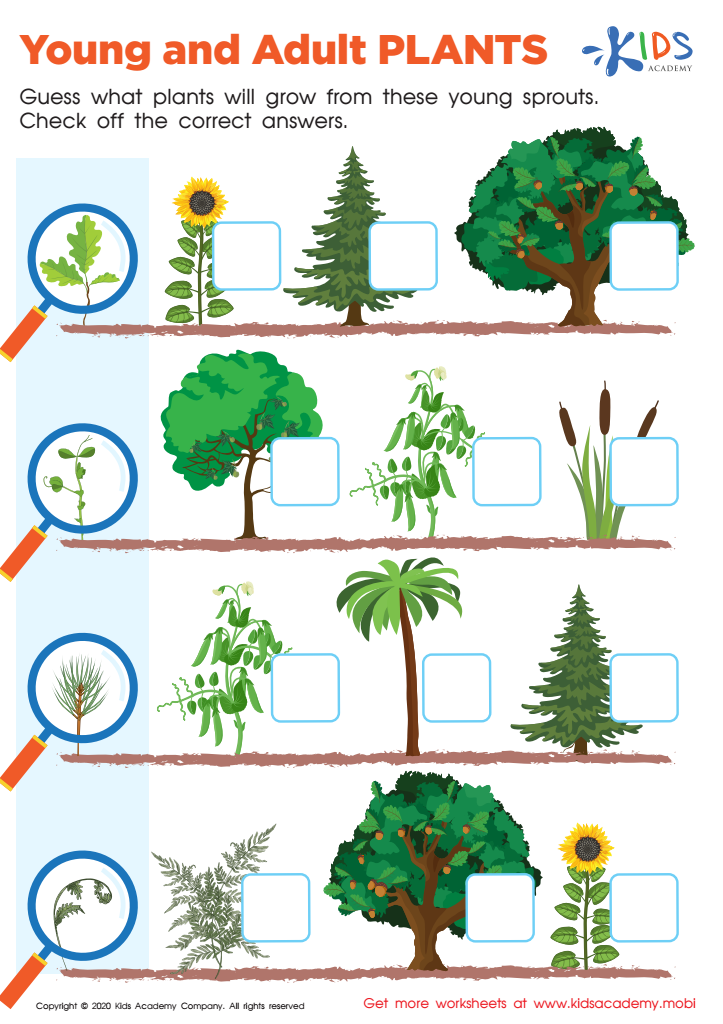
Young and Adult Plants Worksheet
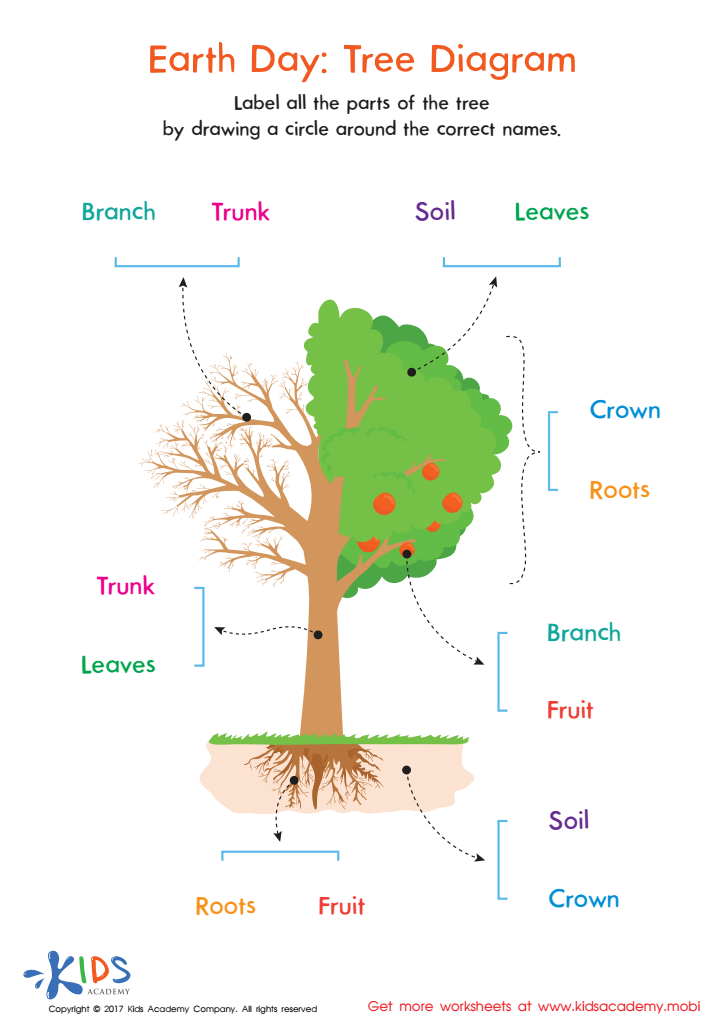
Earth Day: Tree Diagram Worksheet
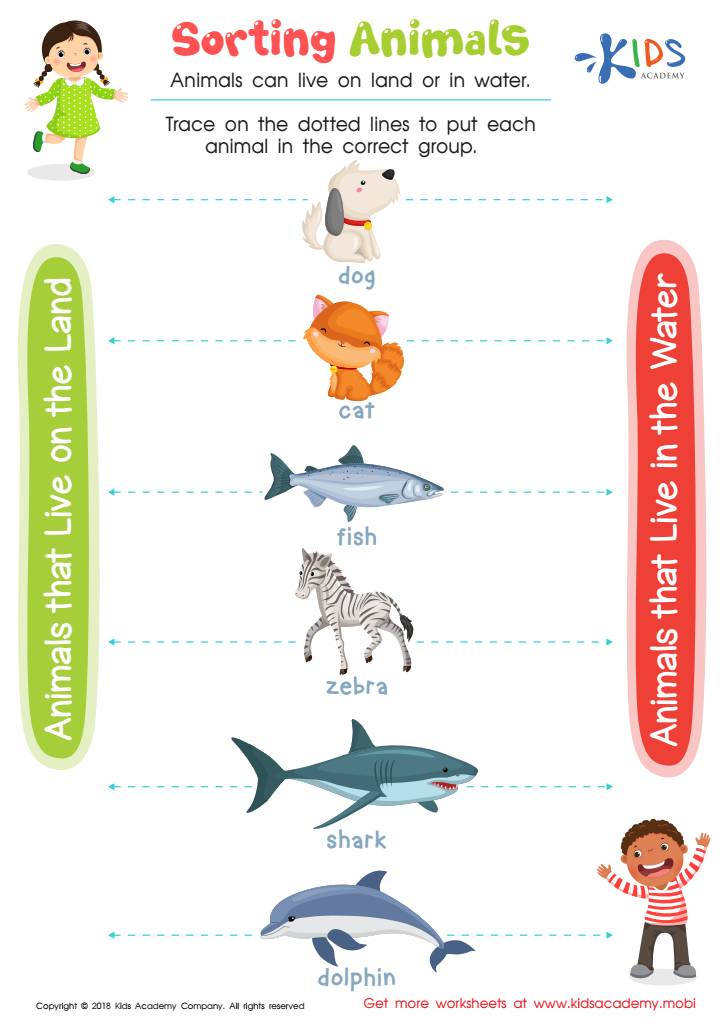
Sorting Animals Worksheet
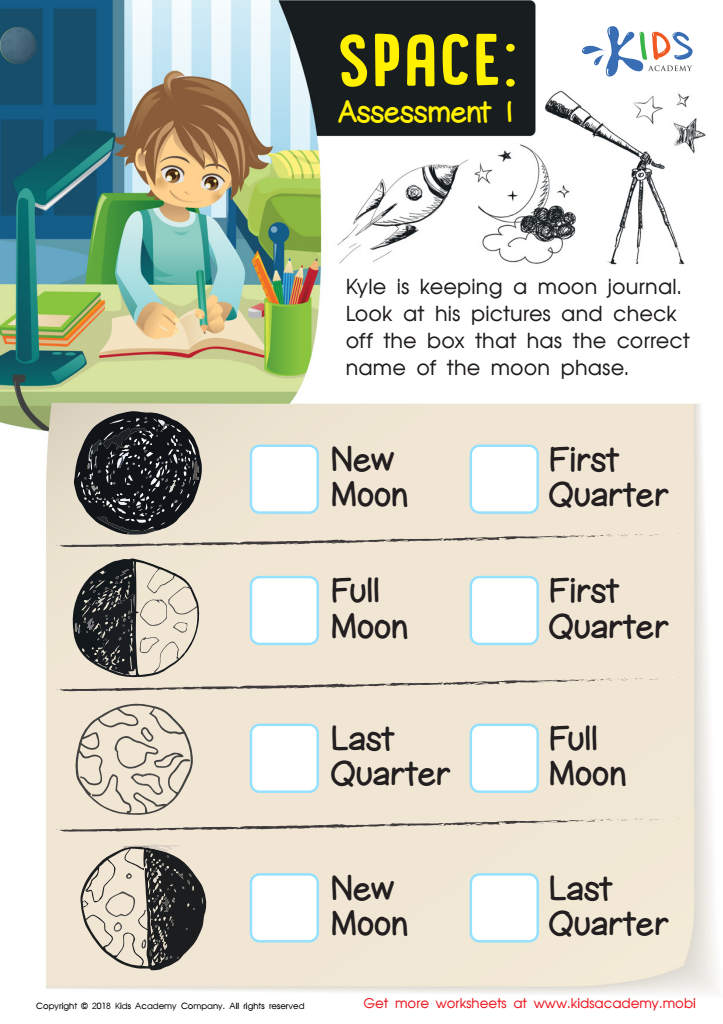
Space: Assessment 1 Worksheet
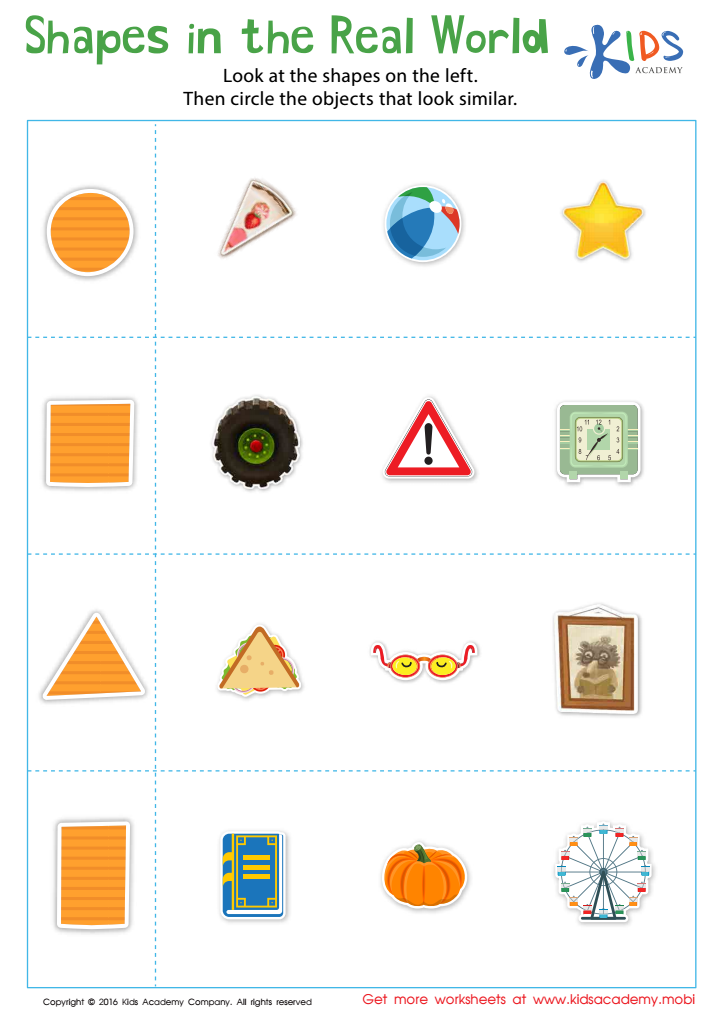
Shapes in the Real World Worksheet
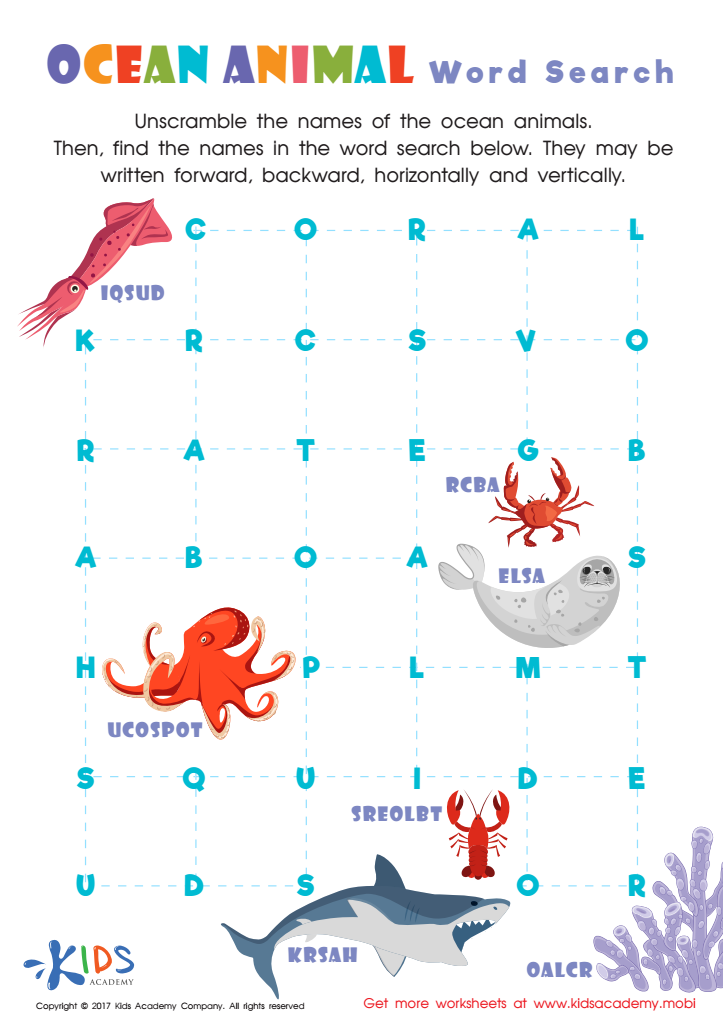
Ocean Animals Word Search Printable
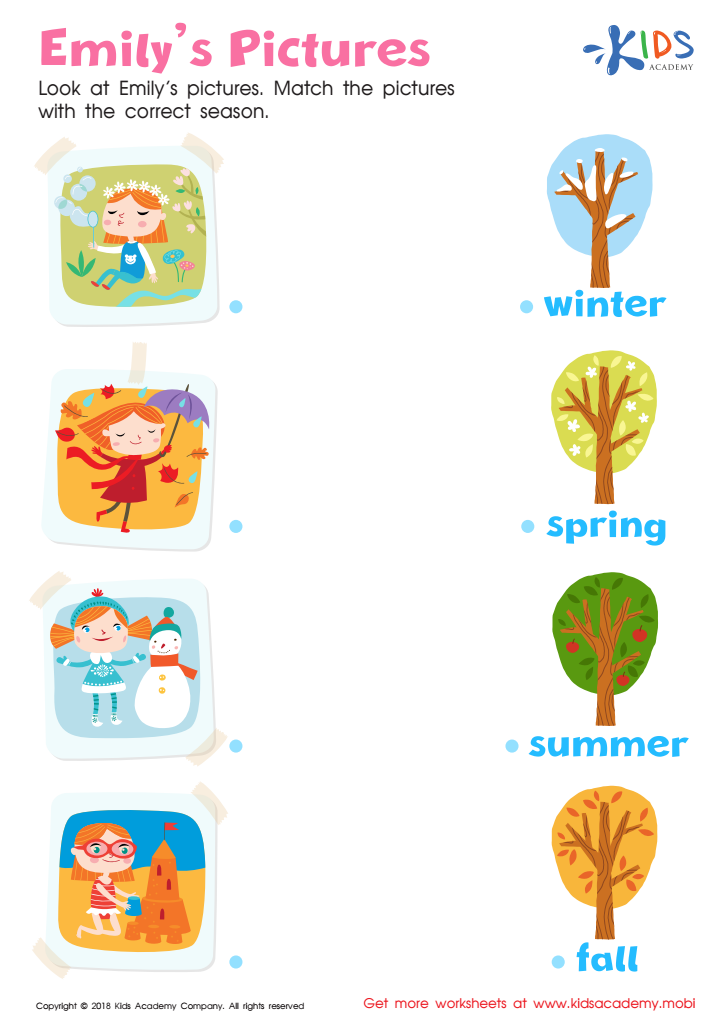
Emily's Pictures Worksheet
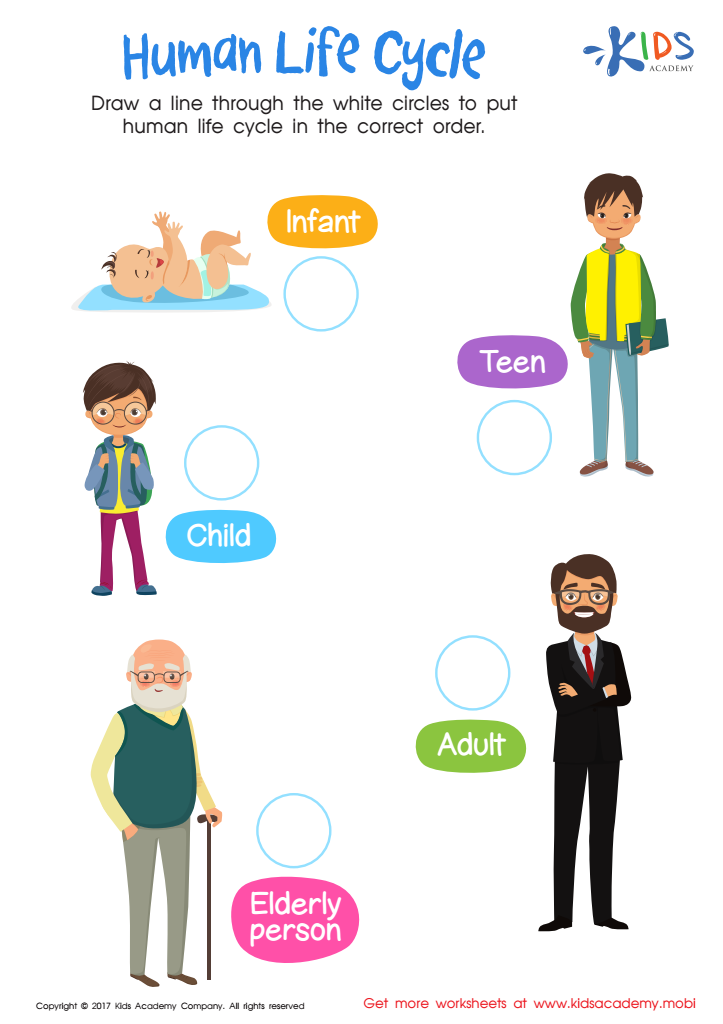
Human Life Cycle Worksheet
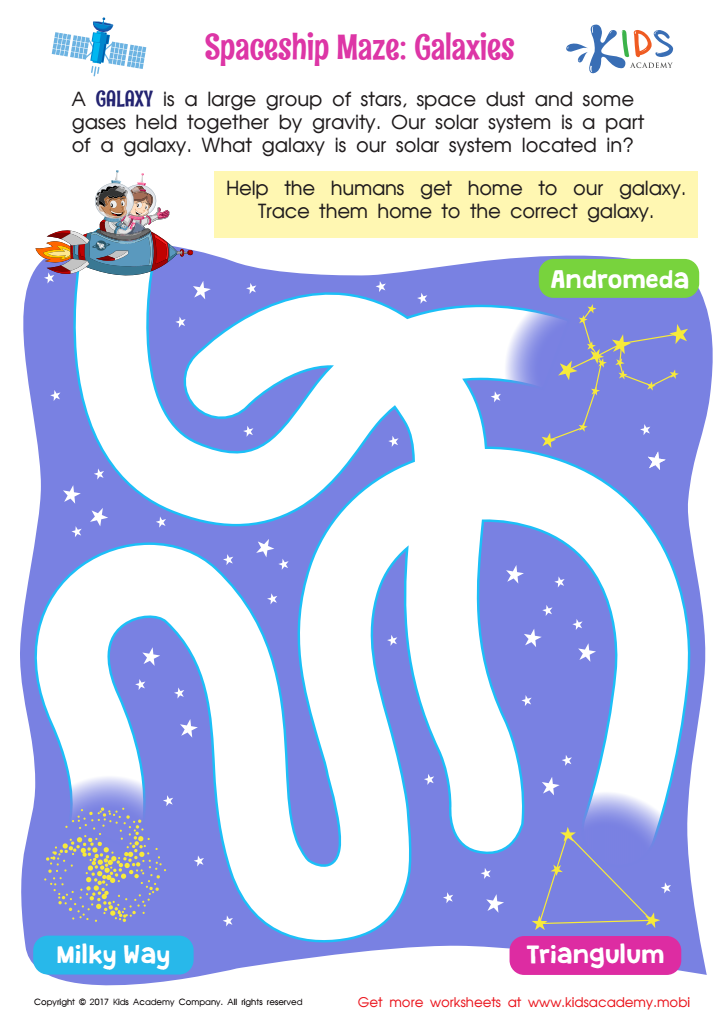
Spaceship Maze: Galaxies Worksheet
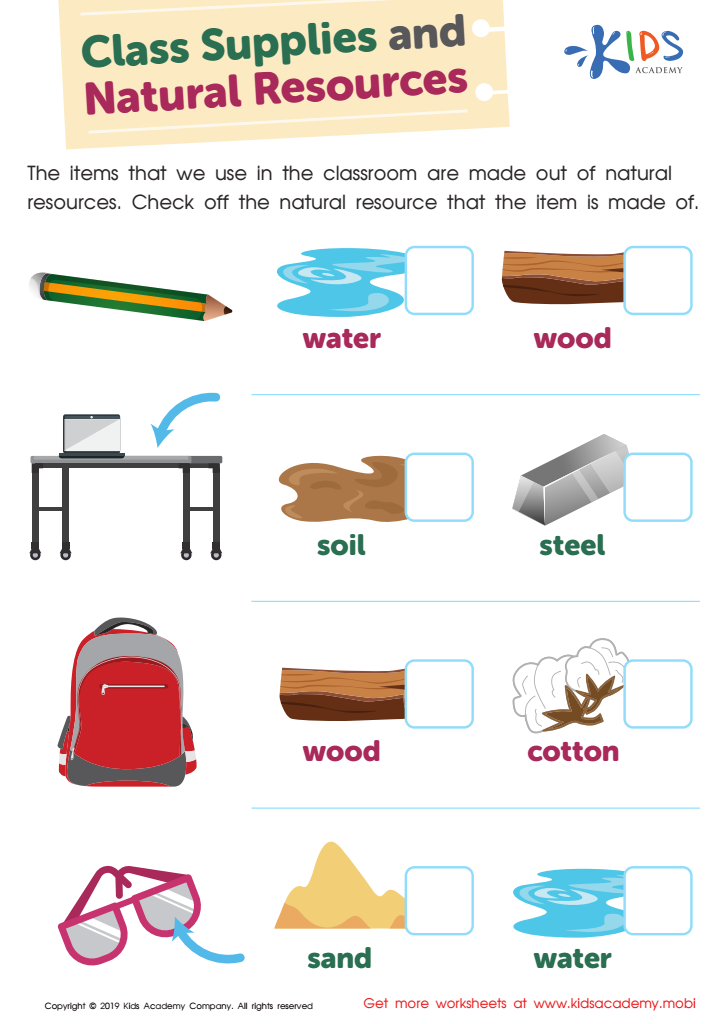
Class Supplies and Natural Resources Worksheet
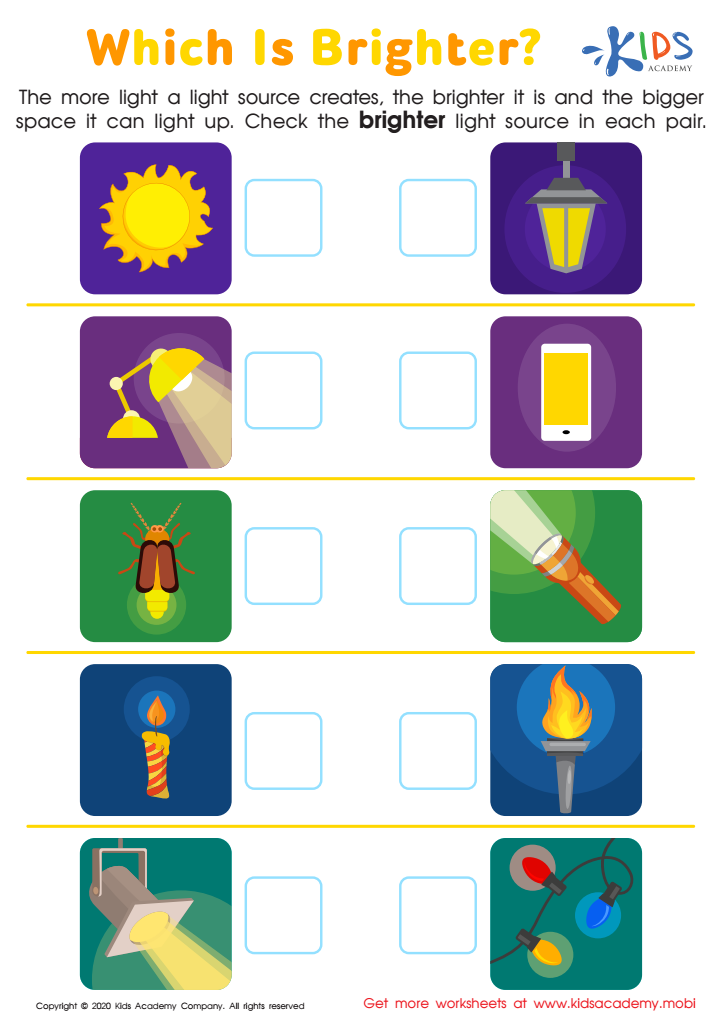
Which Is Brighter? Worksheet
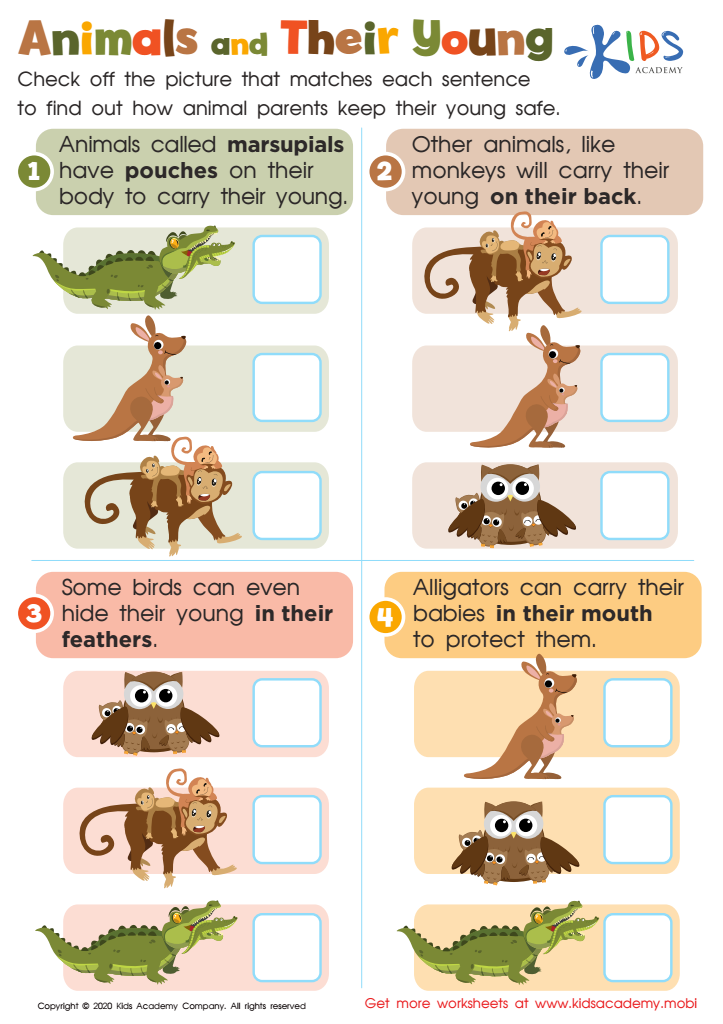
Animals and Their Young Worksheet
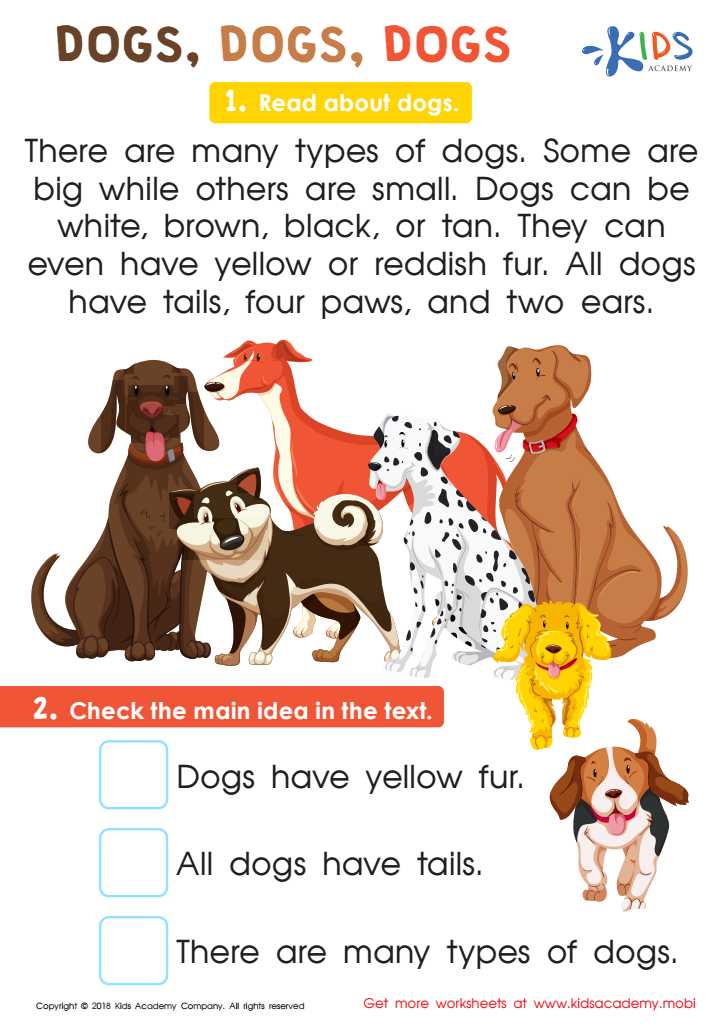
Dogs, Dogs Worksheet
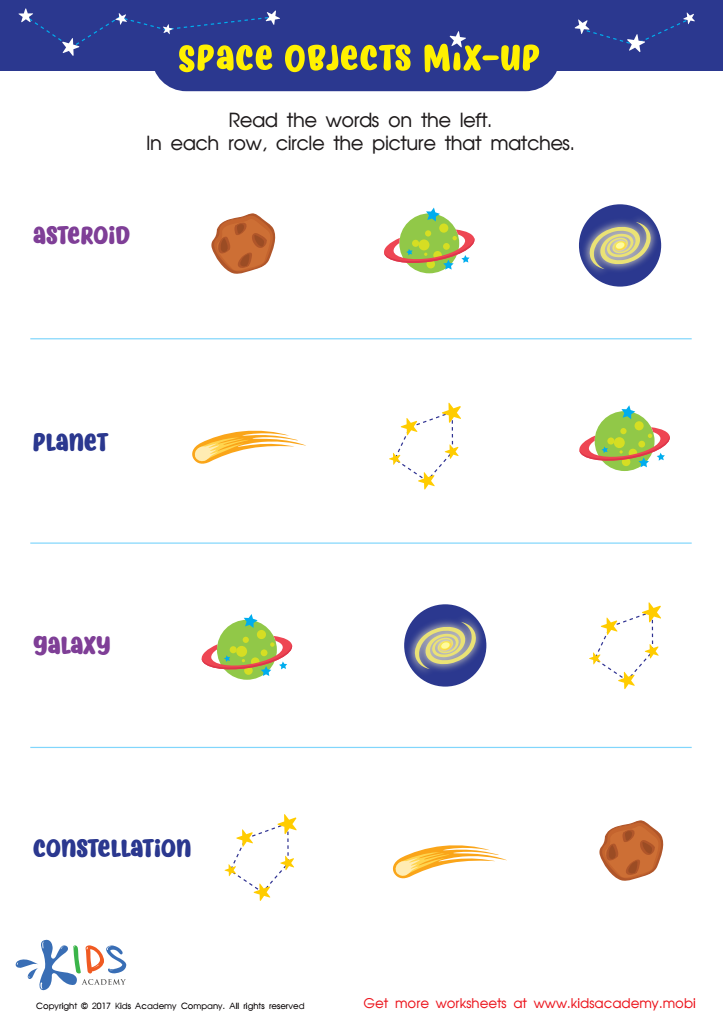
Science: Space Objects Worksheet
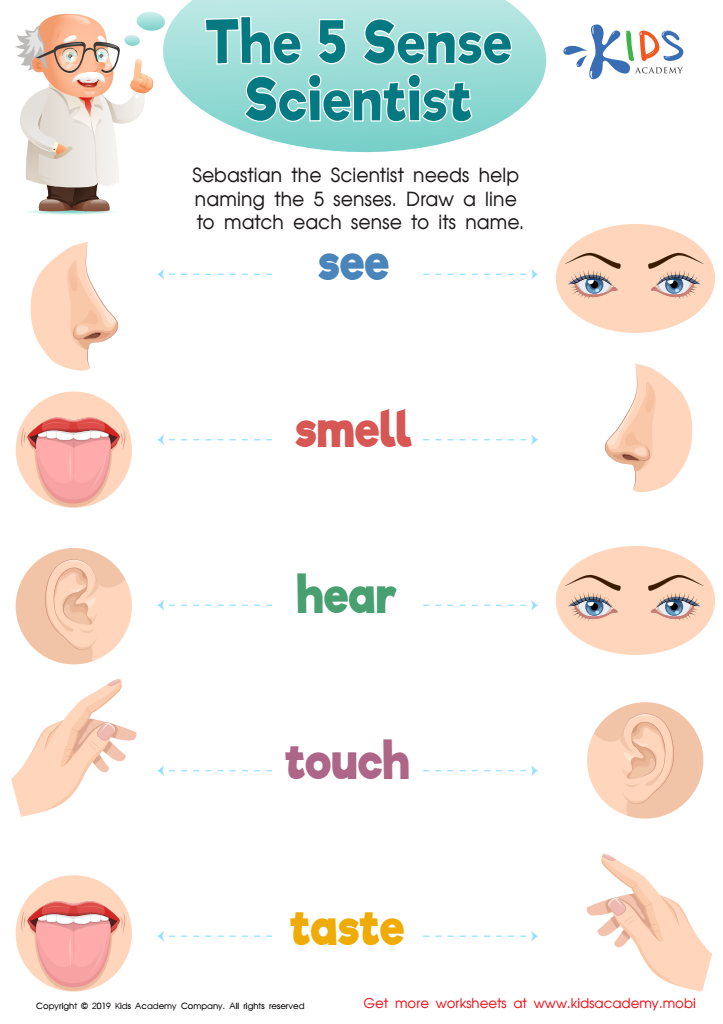
The 5 Sense Scientist Worksheet
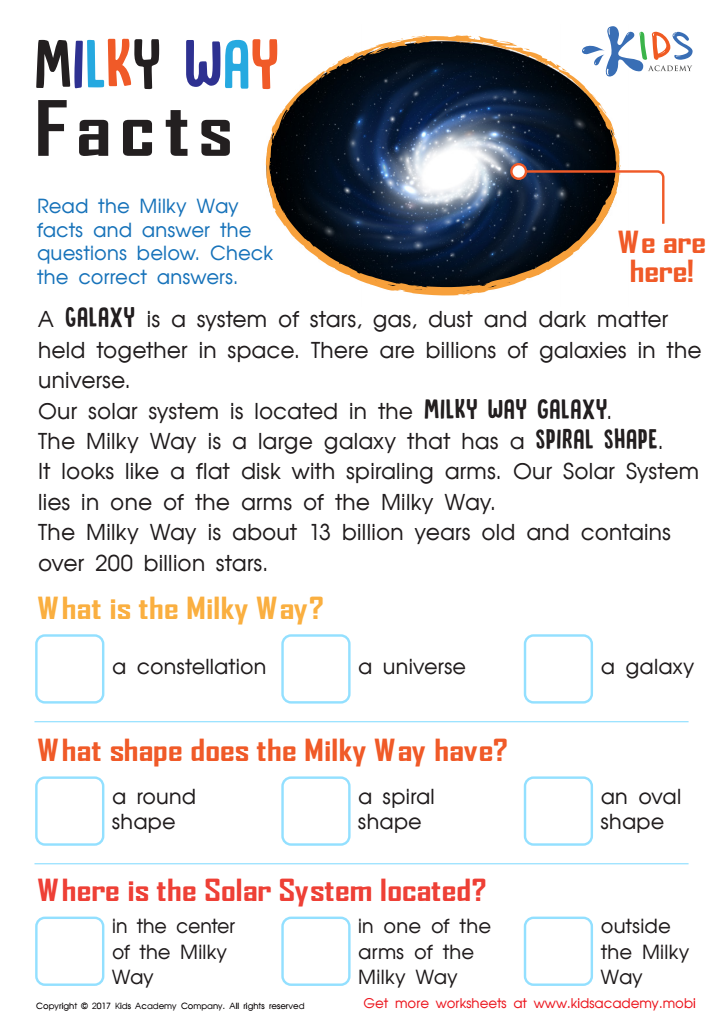
Milky Way Facts Worksheet


.jpg)

Science education for children ages 3-8 is crucial as it fosters curiosity, critical thinking, and a lifelong love for learning. At this developmental stage, children are naturally inquisitive, constantly asking questions about the world around them. Engaging them in scientific exploration helps channel this curiosity positively, allowing them to discover and understand basic scientific concepts.
Early exposure to science encourages hands-on learning, where children can experiment, observe changes, and draw conclusions. This process not only enhances their cognitive skills but also promotes fine motor skills and problem-solving abilities. Moreover, science teaches children how to ask questions and seek answers, laying the foundation for effective communication and analytical thinking.
Parents and teachers play a vital role in nurturing this environment. By integrating science into daily activities, like nature walks or simple kitchen experiments, they can show children how to think critically about their observations. Furthermore, science literacy promotes environmental awareness and appreciation for living organisms, bonding children to the world around them.
Ultimately, an early focus on science provides children with the essential skills they need to thrive academically and socially, preparing them for future challenges, and instilling a sense of responsibility towards the world they inhabit.







