Shape Recognition Geometry Worksheets for Ages 4-6
53 filtered results
-
From - To
Discover our engaging Shape Recognition Geometry Worksheets designed for young learners aged 4-6! These interactive worksheets encourage children to explore and identify various shapes such as circles, squares, triangles, and more. Tailored to foster early math skills, our resources feature colorful illustrations and hands-on activities that make learning fun. Each worksheet enhances cognitive development while helping kids build essential shape recognition abilities. Perfect for home or classroom use, these worksheets are a fantastic way to introduce fundamental geometry concepts. Support your child's learning journey with our printable shape recognition activities that inspire curiosity and build confidence in math skills!
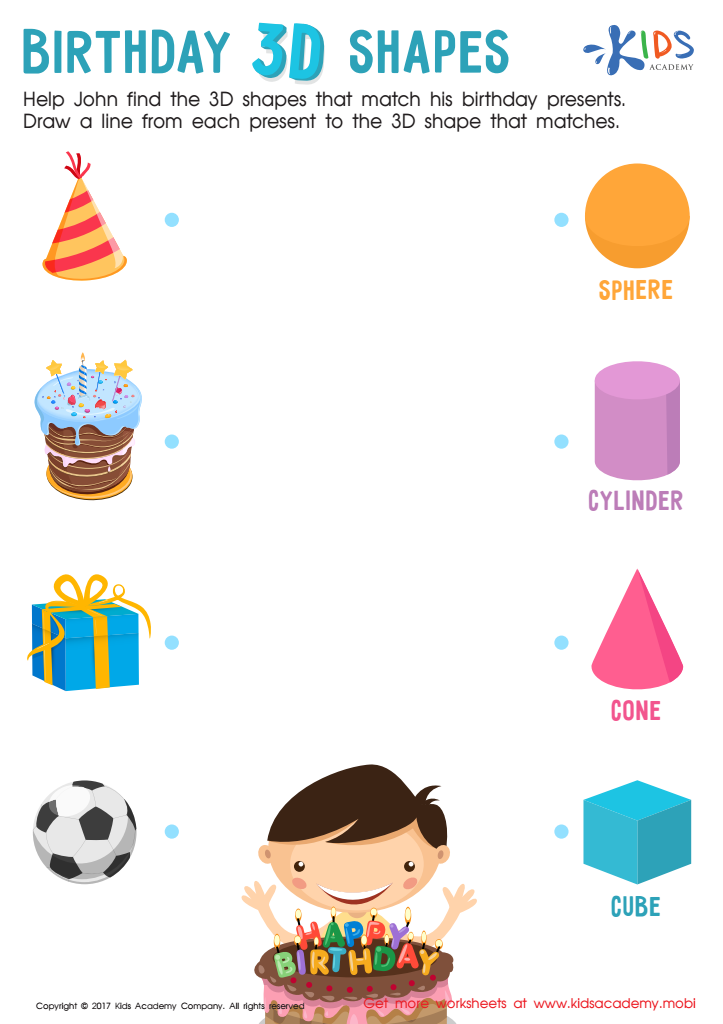
Birthday 3D Shapes Worksheet
 Assign to My Students











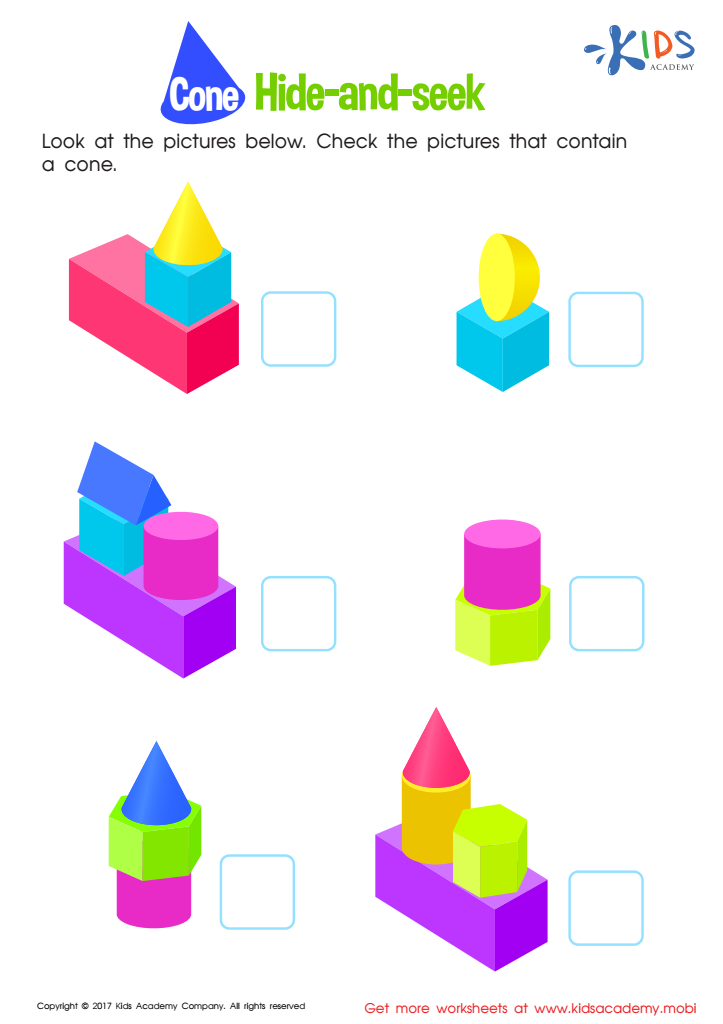
Cone Hide-and-Seek Worksheet
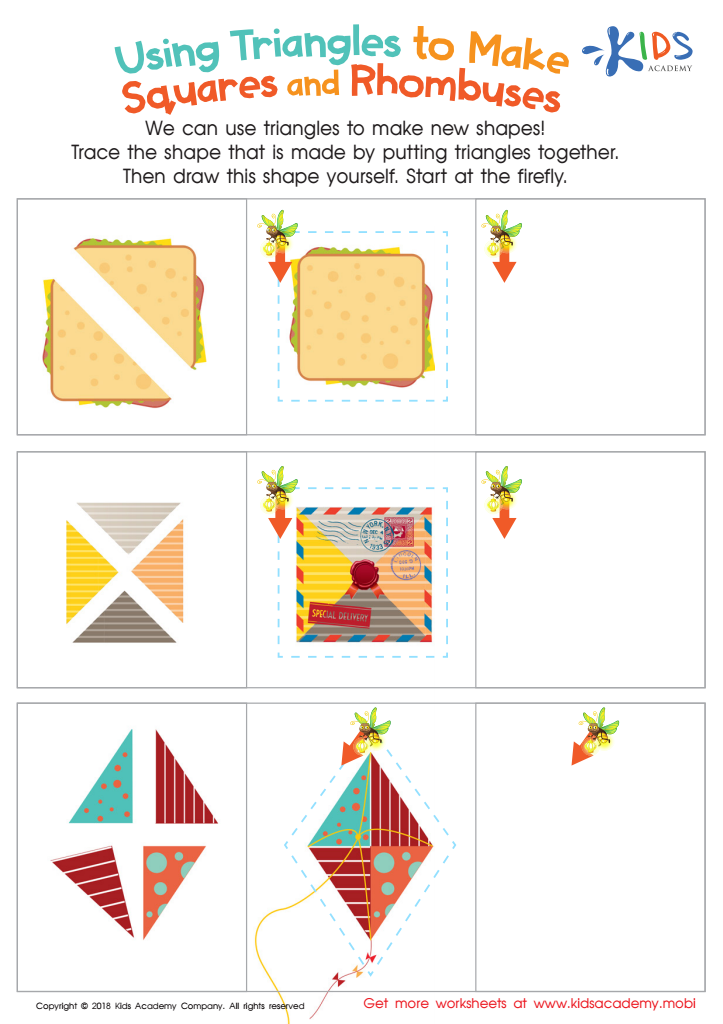
Using Triangles to Make Squares and Rhombuses Worksheet
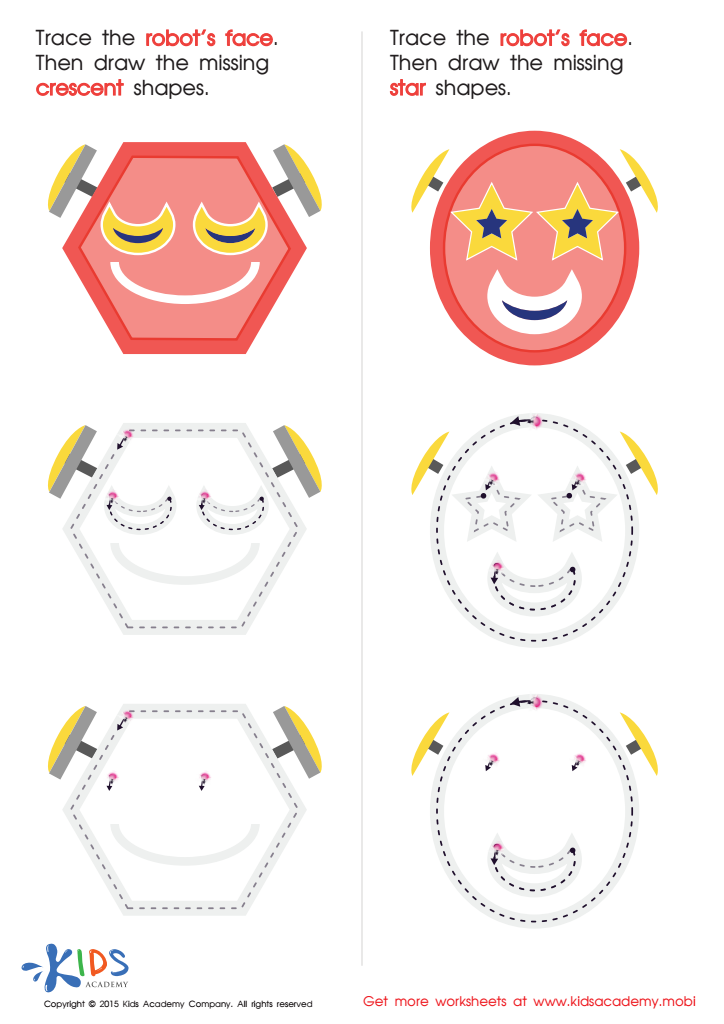
Composing a Robot's Face of Crescents And Stars Worksheet
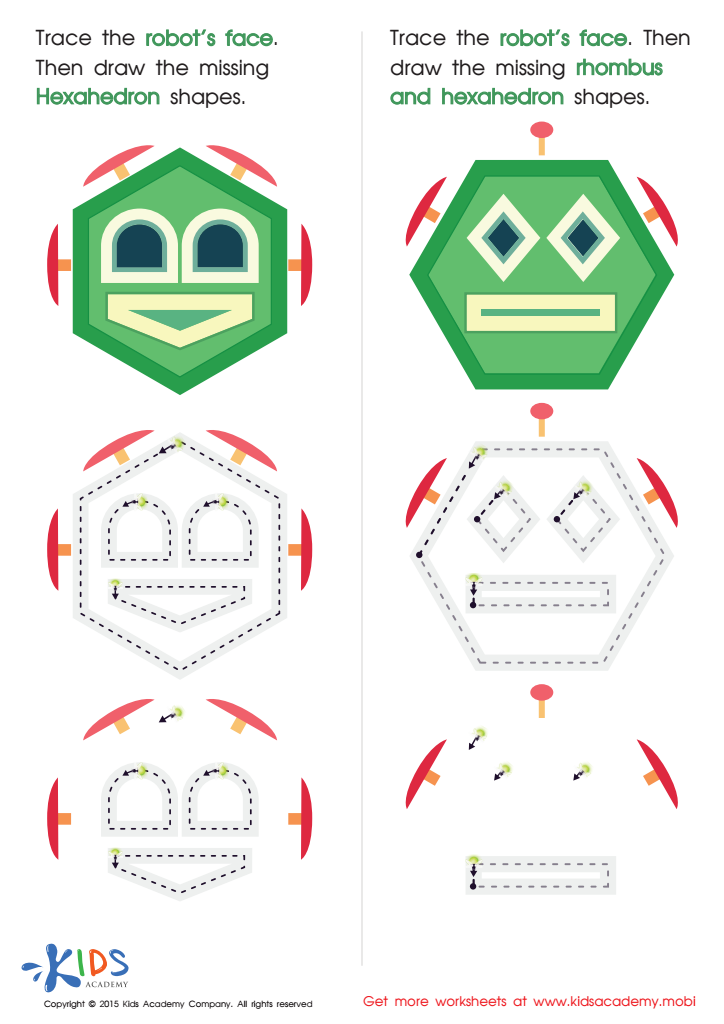
Practice Drawing Hexahedrons And a Rhombus Worksheet
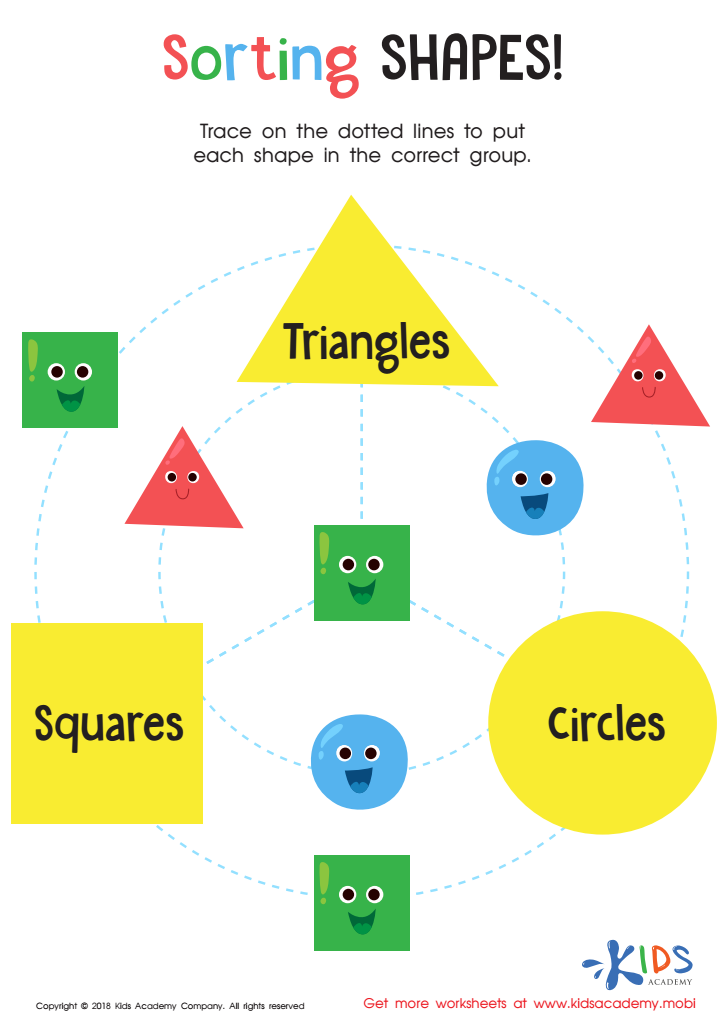
Sorting Shapes - Part 3 Worksheet
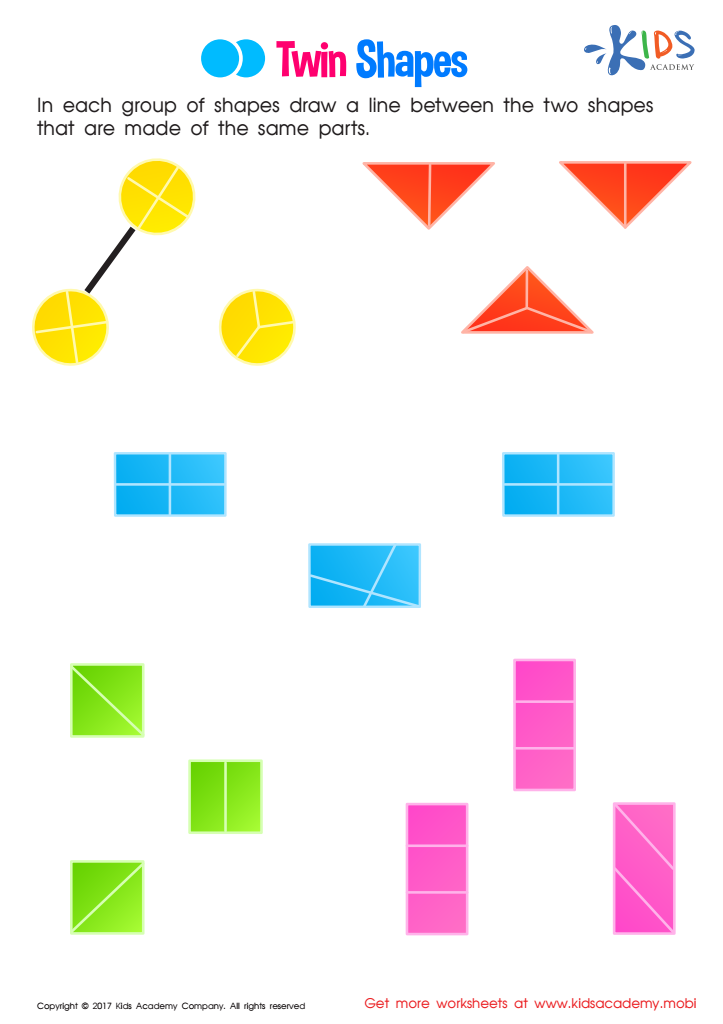
Twin Shapes Worksheet
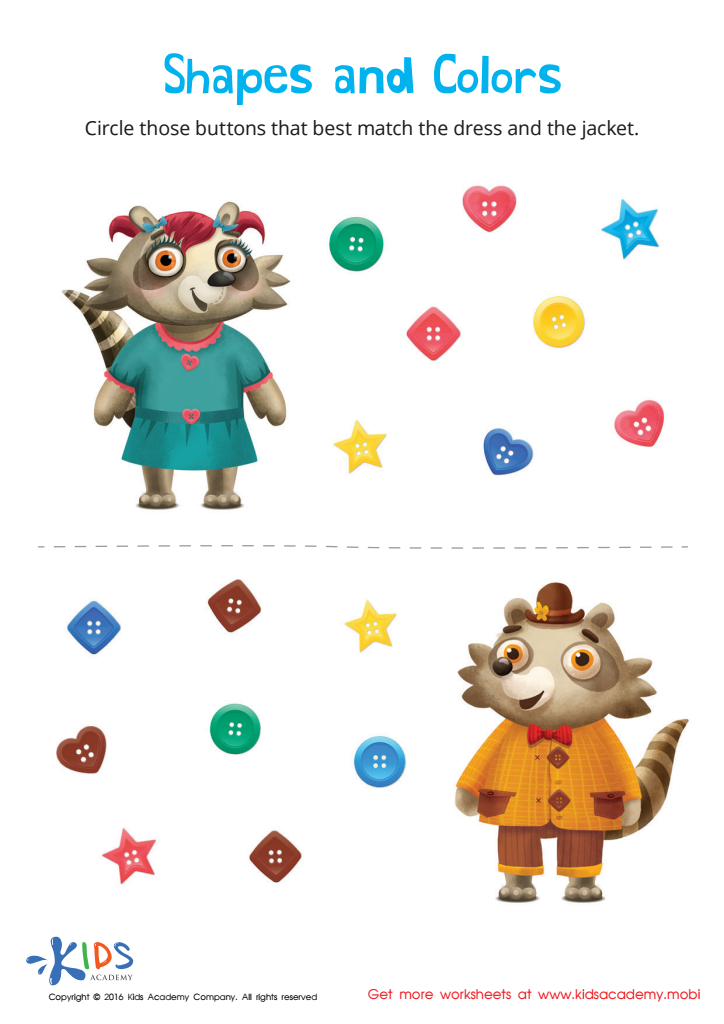
Matching: Shapes and Colors Worksheet
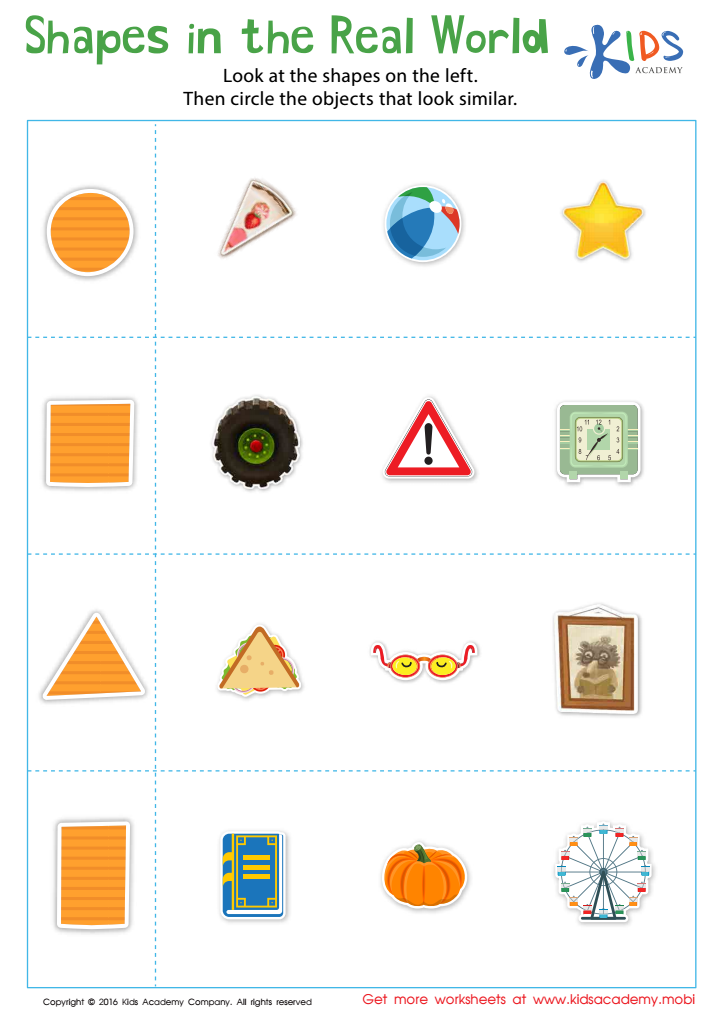
Shapes in the Real World Worksheet
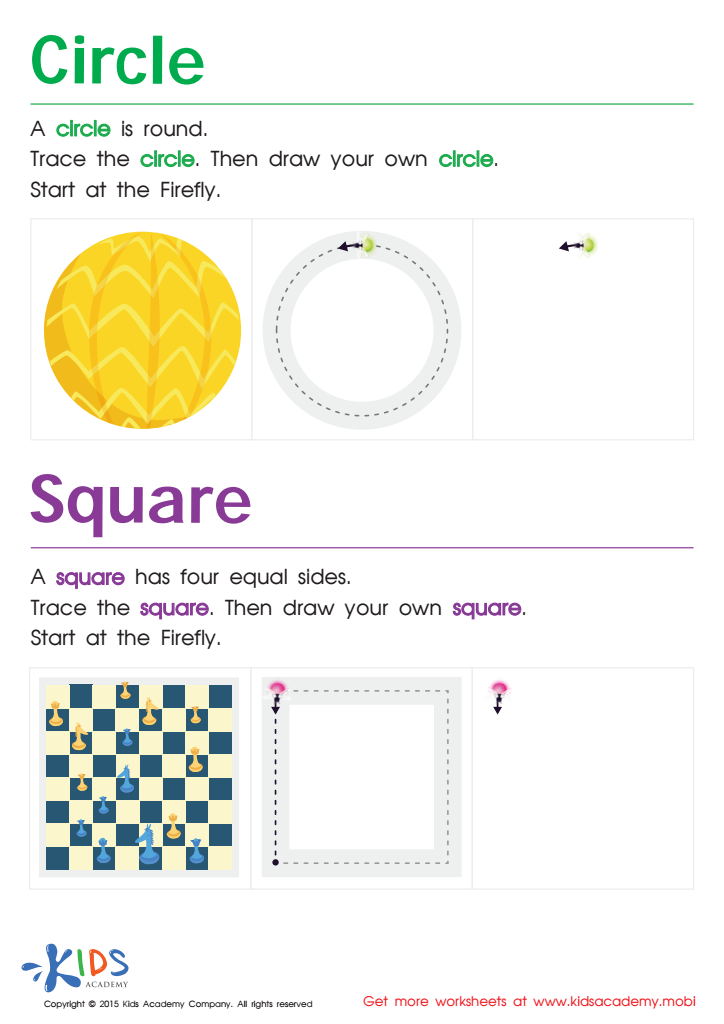
Trace And Draw a Circle And a Square Worksheet
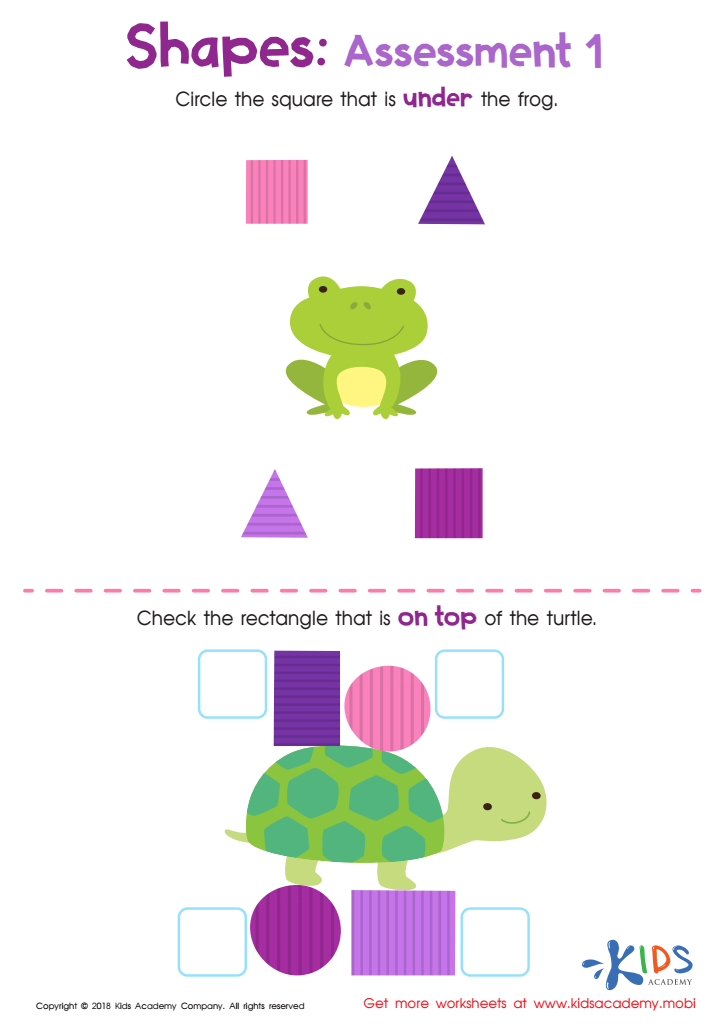
Geometry – Assessment 1 Worksheet
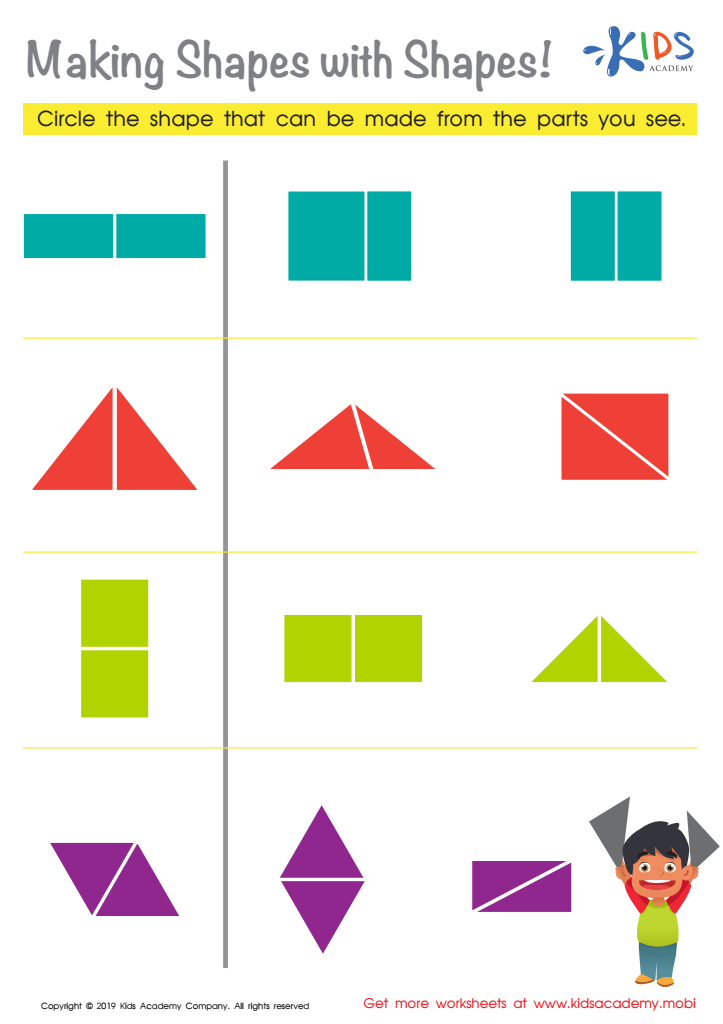
Making Shapes with Shapes Worksheet
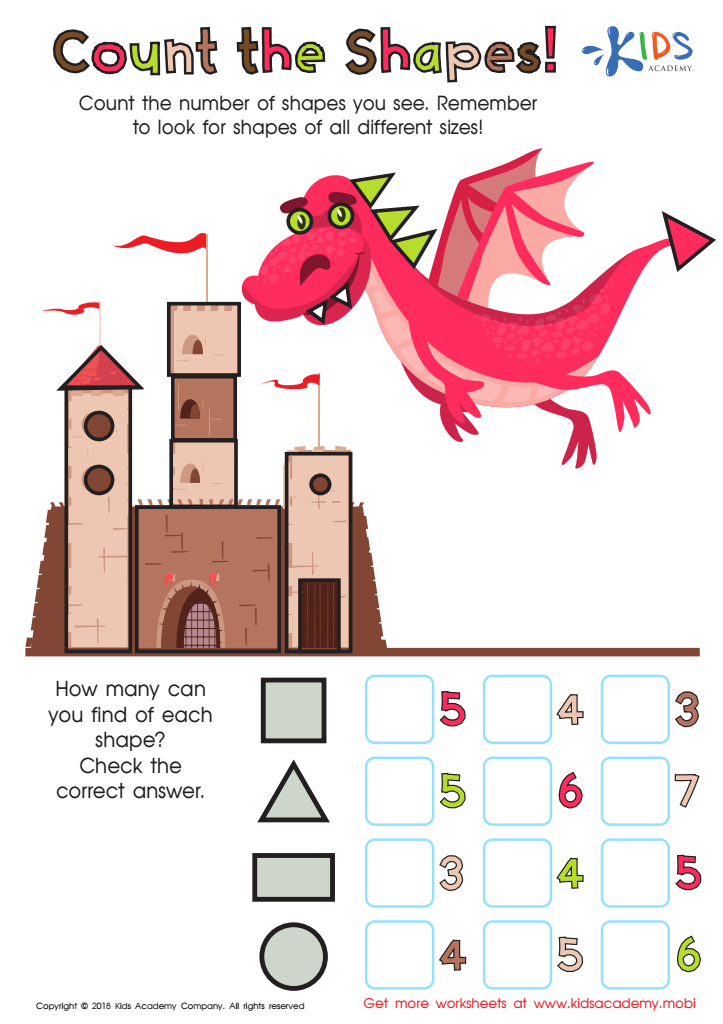
Count the Shapes Worksheet
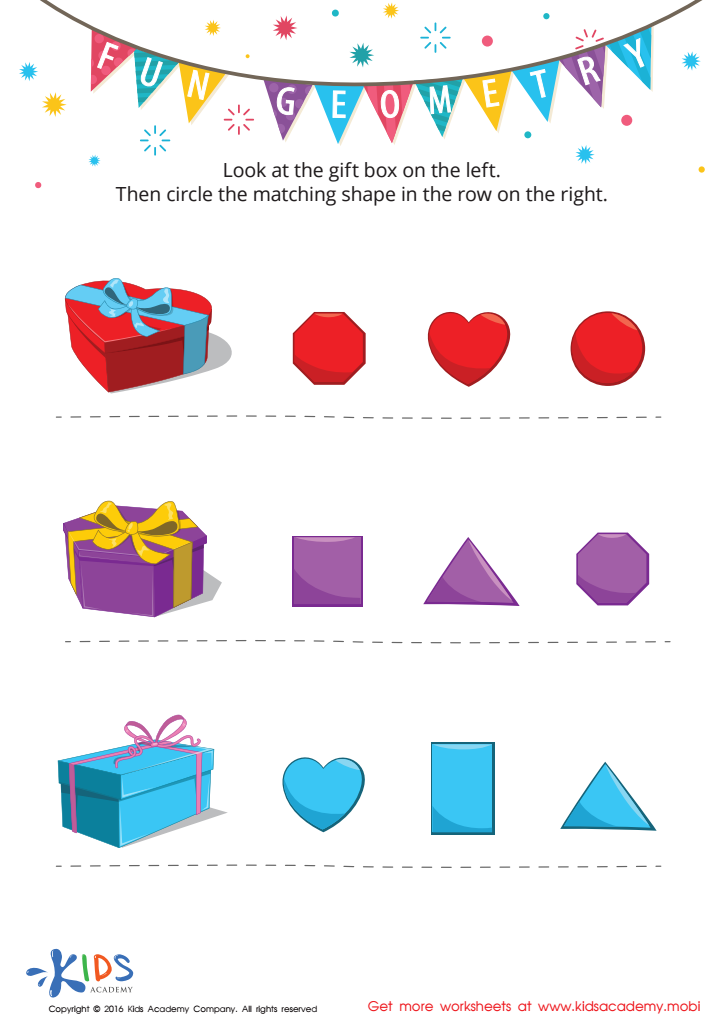
Fun Geometry Worksheet
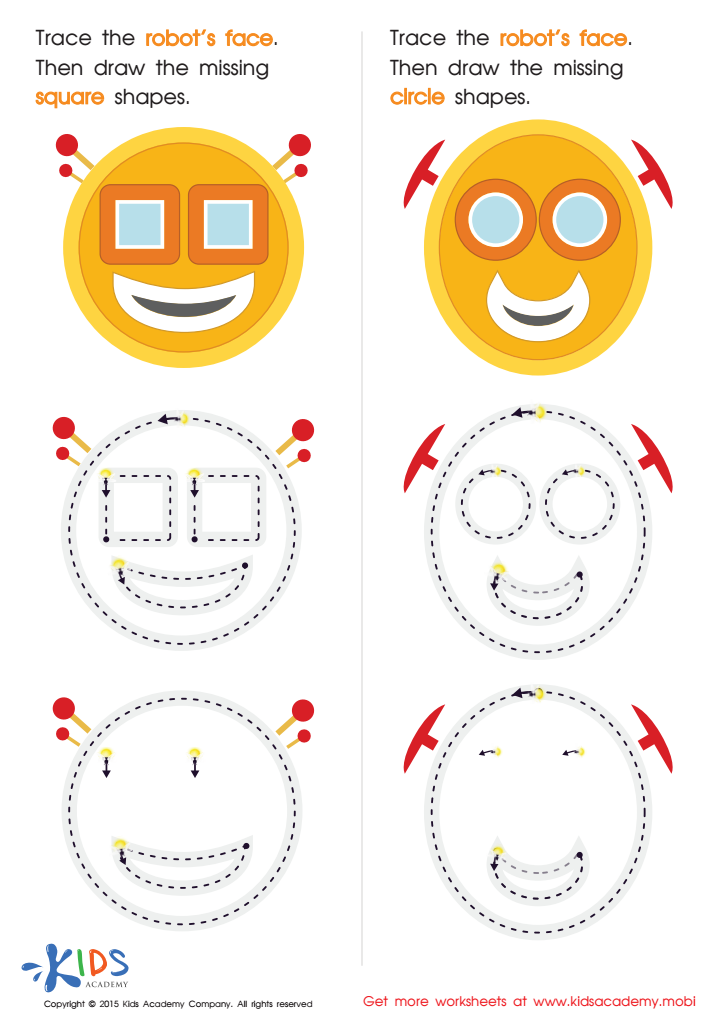
Practicing to Draw Circles And Squares Printable
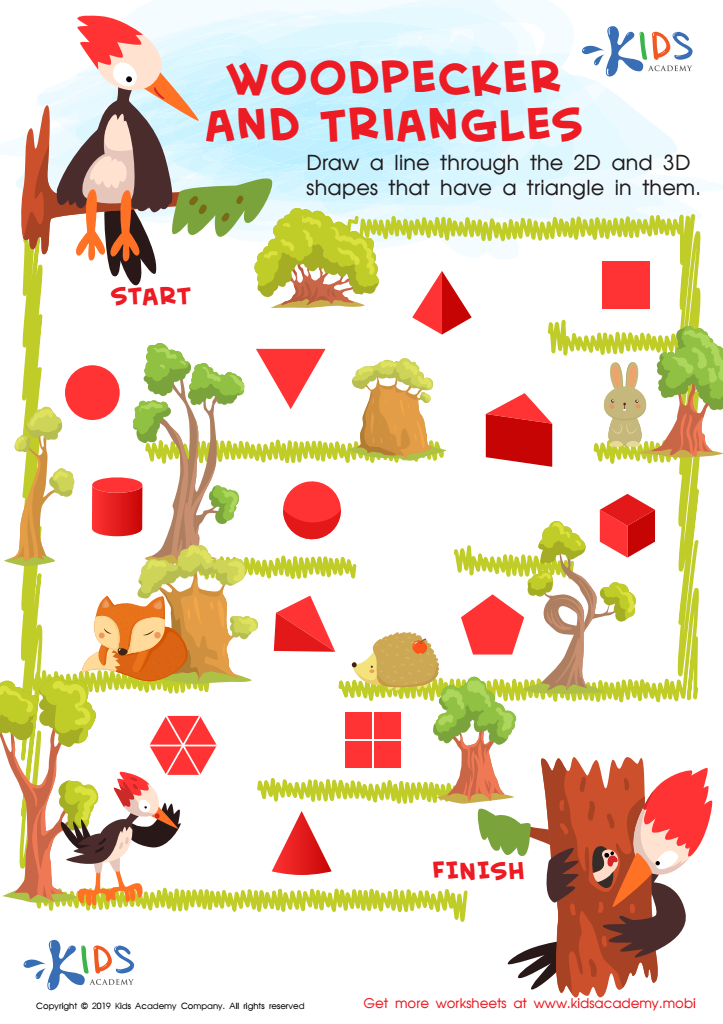
Woodpecker and Triangles Worksheet
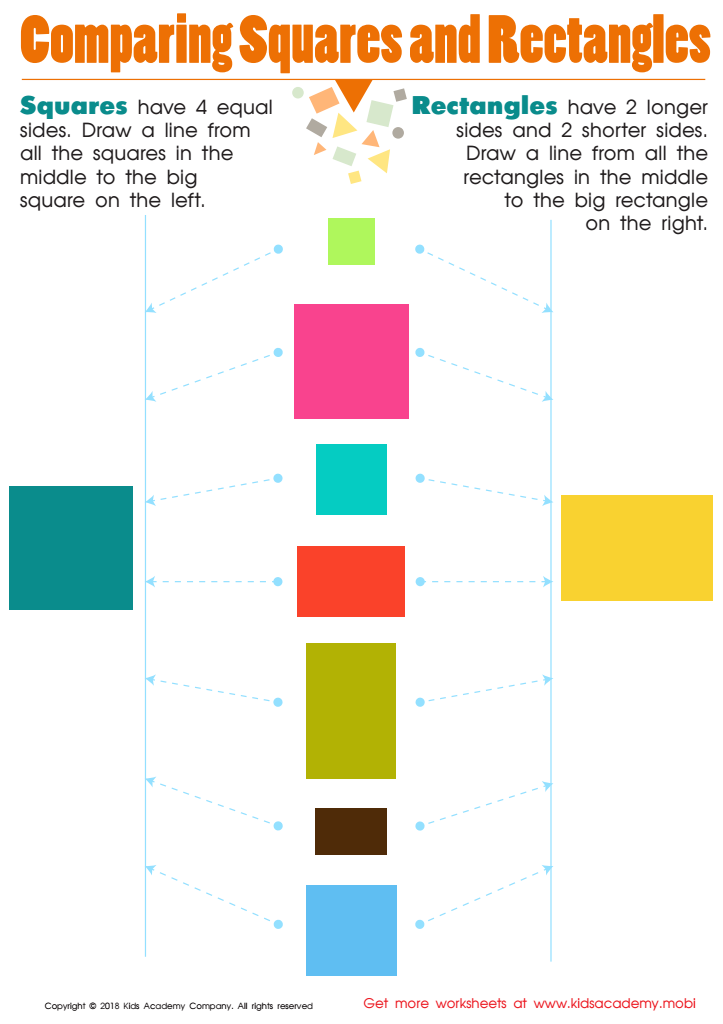
Comparing Squares Rectangles Worksheet
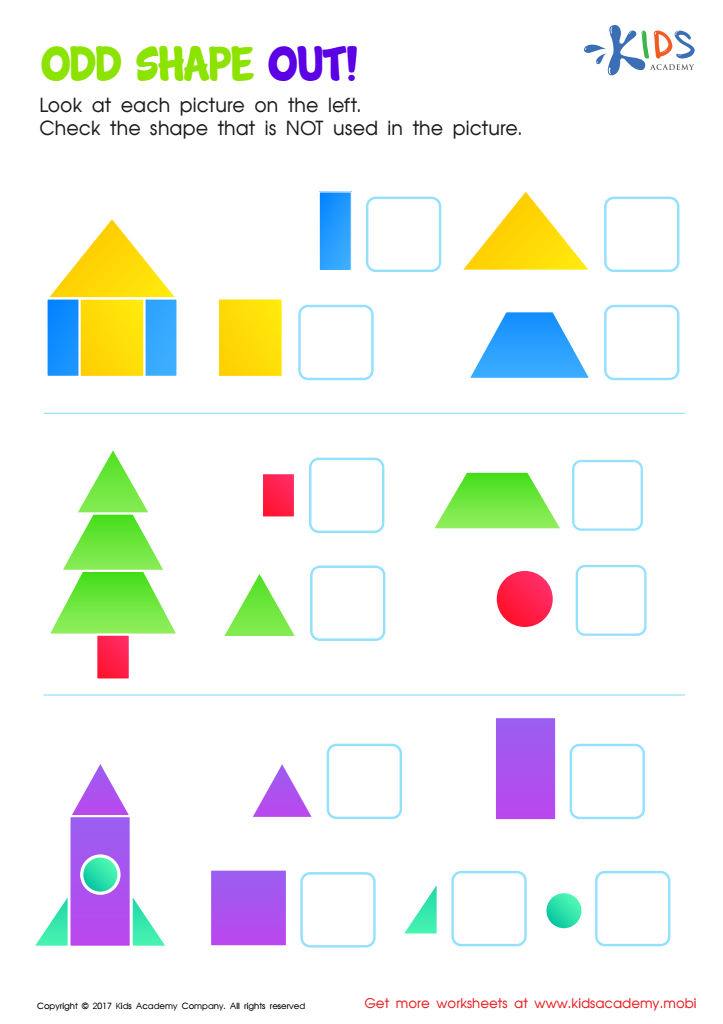
Odd Shape Out Worksheet for Grade 1
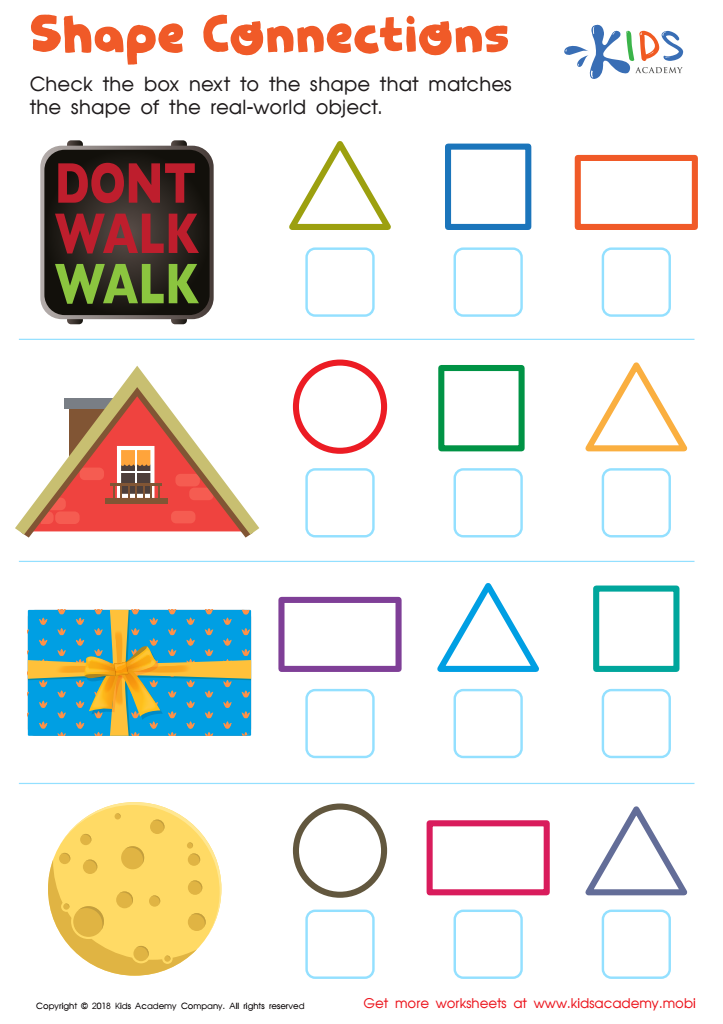
Shape Connections Worksheet
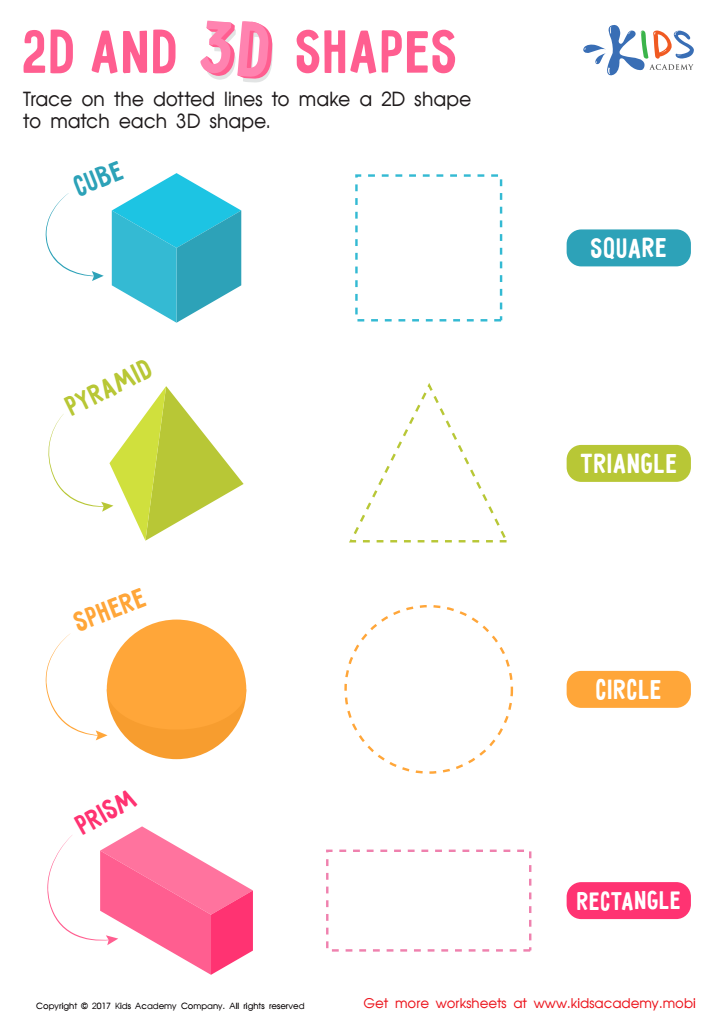
2D and 3D Shapes Worksheet
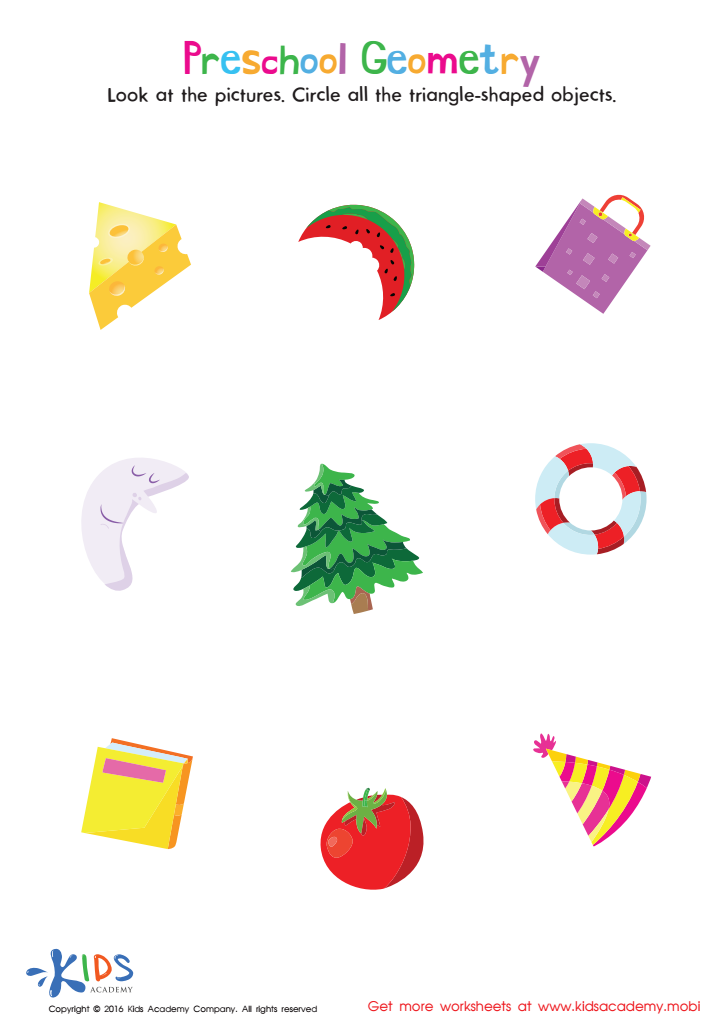
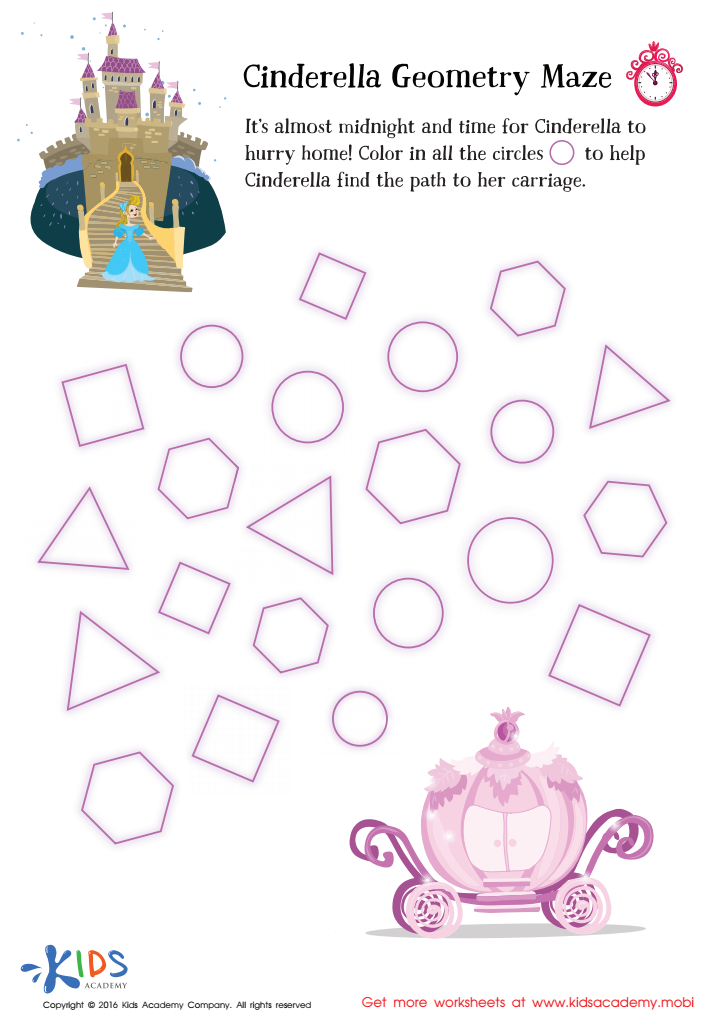
Cinderella Geometry Maze Worksheet
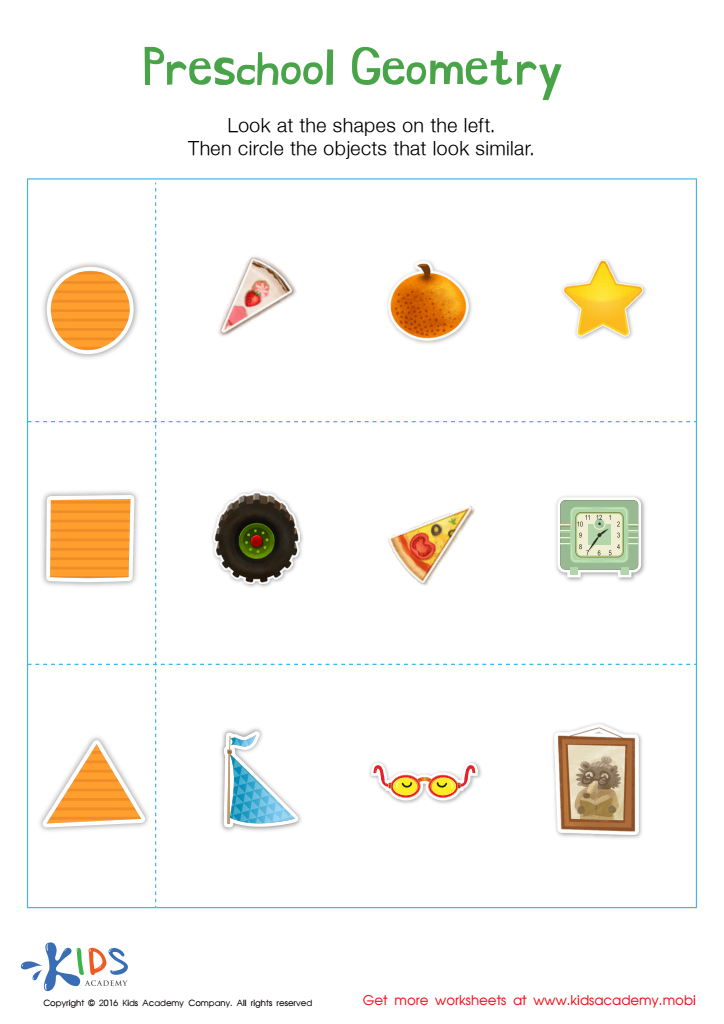
Preschool Geometry Match Up Worksheet
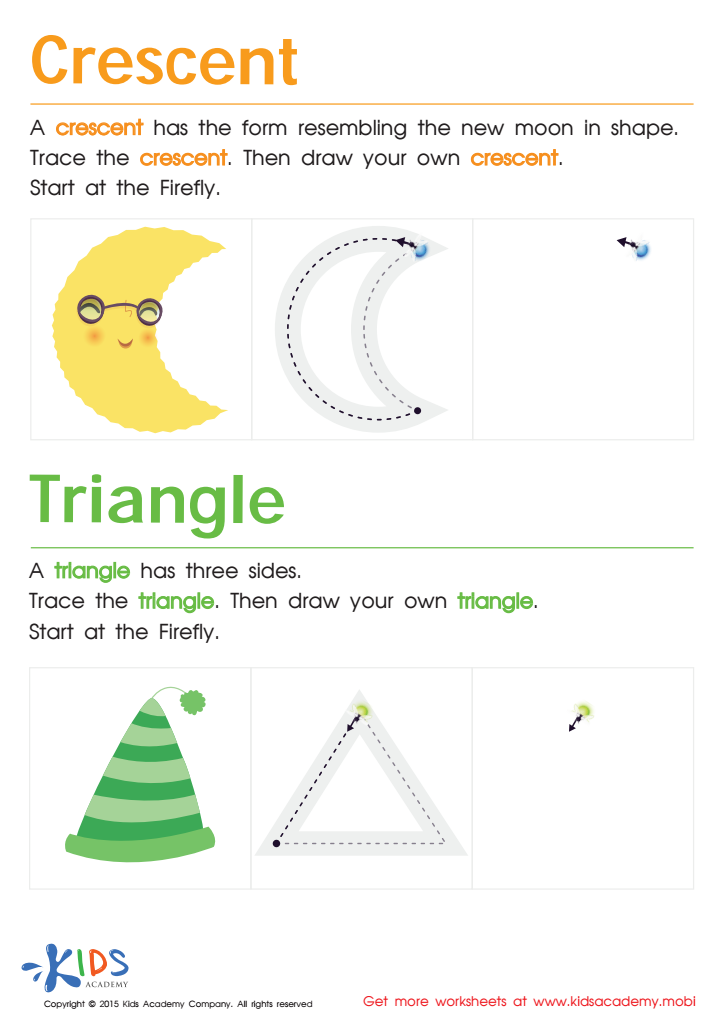
Learning to Draw Crescents And Triangles Worksheet








Shape recognition and geometry are essential foundational skills for children aged 4-6, serving as building blocks for future learning. Understanding shapes helps children develop spatial awareness, critical thinking, and problem-solving skills. When kids can identify and differentiate between shapes—such as triangles, circles, and squares—they begin to understand the world around them, facilitating early math skills through counting, measurement, and even basic addition and subtraction.
Moreover, engaging in shape-related activities enhances fine motor skills as children draw, mold, or arrange shapes. This tactile experience supports artistic expression and creativity, all while learning mathematical concepts. Shape recognition also plays a crucial role in language development. As children learn to describe shapes, they expand their vocabulary and improve communication abilities.
For parents and teachers, prioritizing shape recognition provides opportunities for interactive play, fostering a love for learning. Simple games, puzzles, and everyday examples—like recognizing shapes in a park or kitchen—encourage exploration and curiosity. Ultimately, establishing a strong grounding in geometry not only prepares children for academic success in math but also nurtures skills vital for real-world problem-solving, leading to well-rounded development. Thus, supporting shape recognition merits significance in early education.








