Problem-Solving Skills Science Worksheets for Ages 4-8
24 filtered results
-
From - To
Unlock your child's potential with our Problem-Solving Skills Science Worksheets designed for ages 4-8! These engaging worksheets foster critical thinking and encourage young learners to explore scientific concepts creatively. Through fun, age-appropriate activities, children will tackle intriguing problems, enhancing their analytical skills while exploring topics like simple machines, nature, and basic physics. Our printable resources are perfect for parents and educators seeking to support cognitive development in an interactive way. Help your little ones build a strong foundation in problem-solving and scientific reasoning, setting them up for success in school and beyond. Dive into learning with our exciting worksheets today!
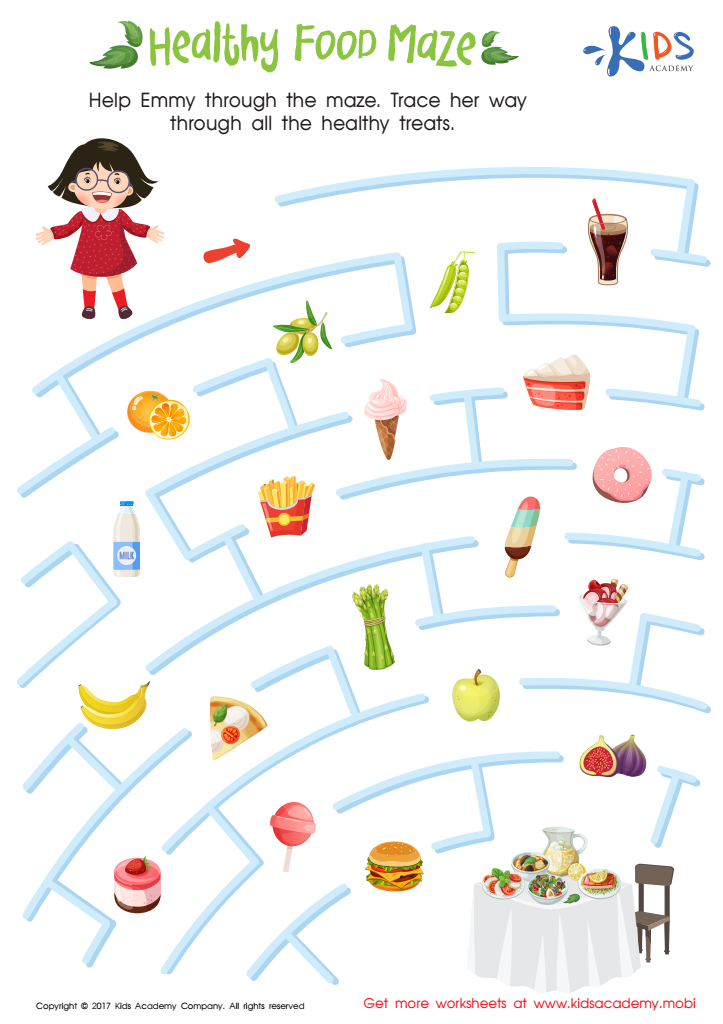
Healthy Food Maze Printable
 Assign to My Students
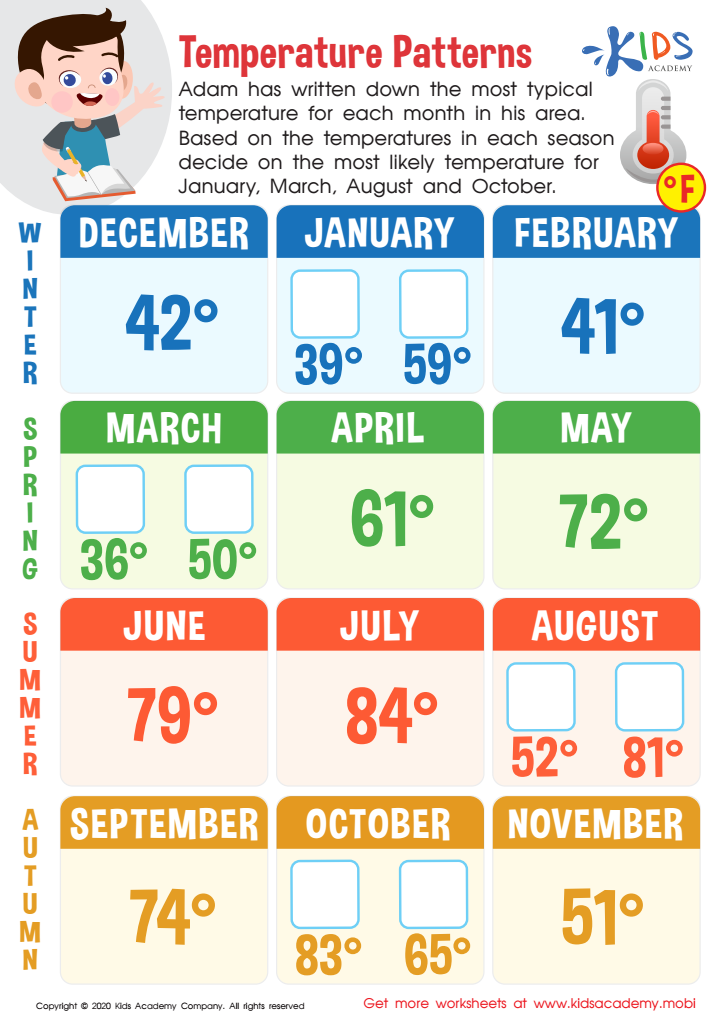
Temperature Patterns Worksheet
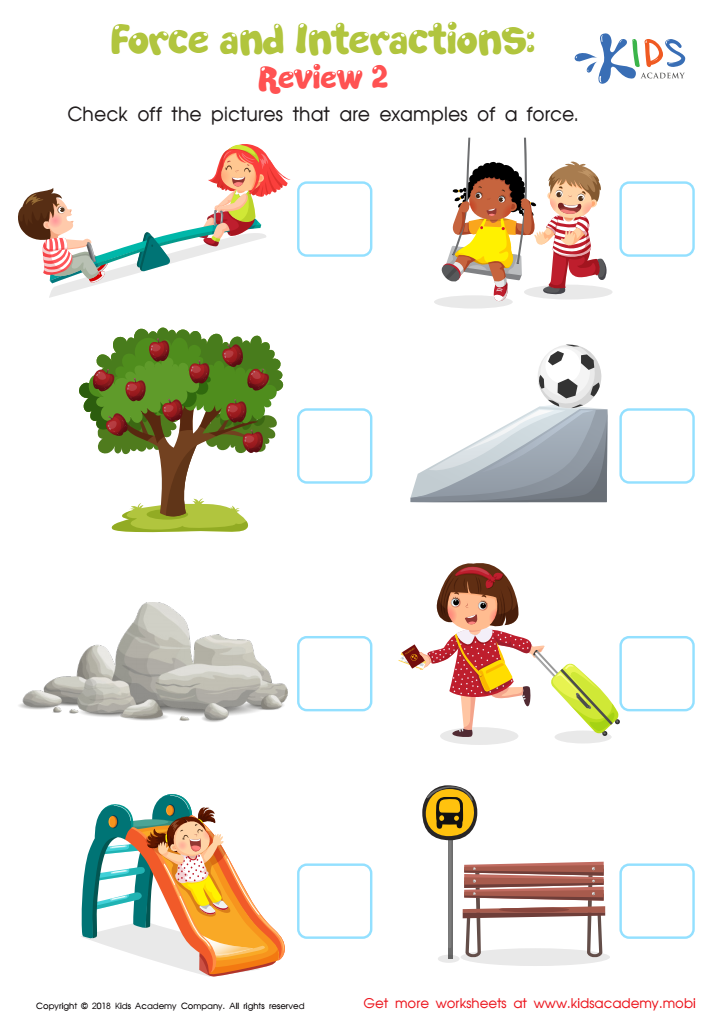
Force and Interactions: Review 2 Worksheet
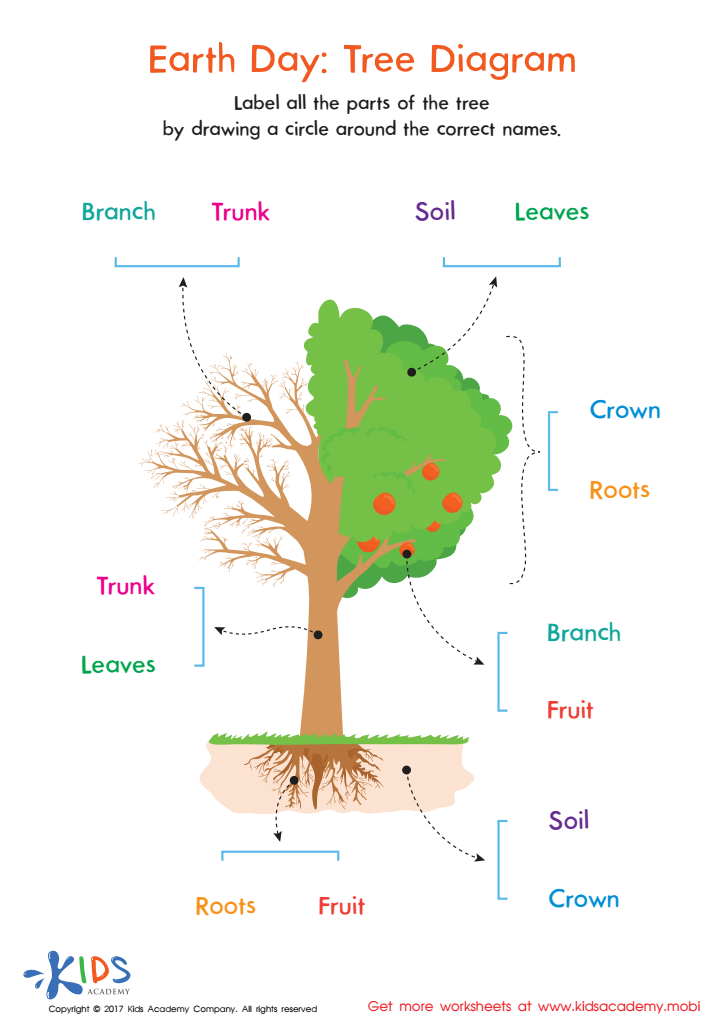
Earth Day: Tree Diagram Worksheet
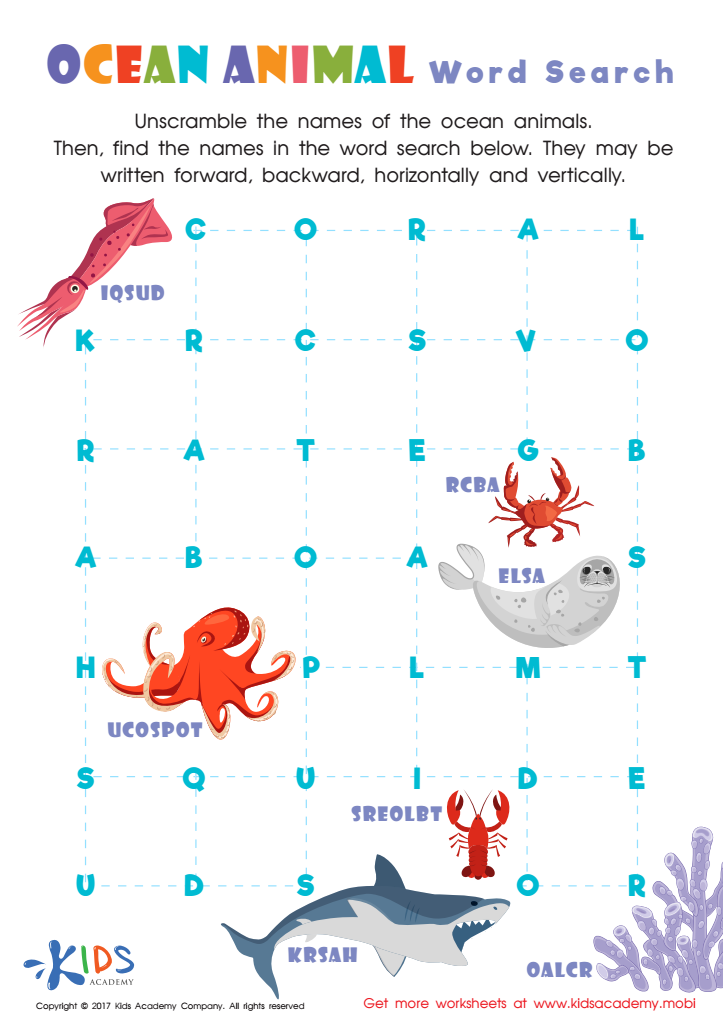
Ocean Animals Word Search Printable
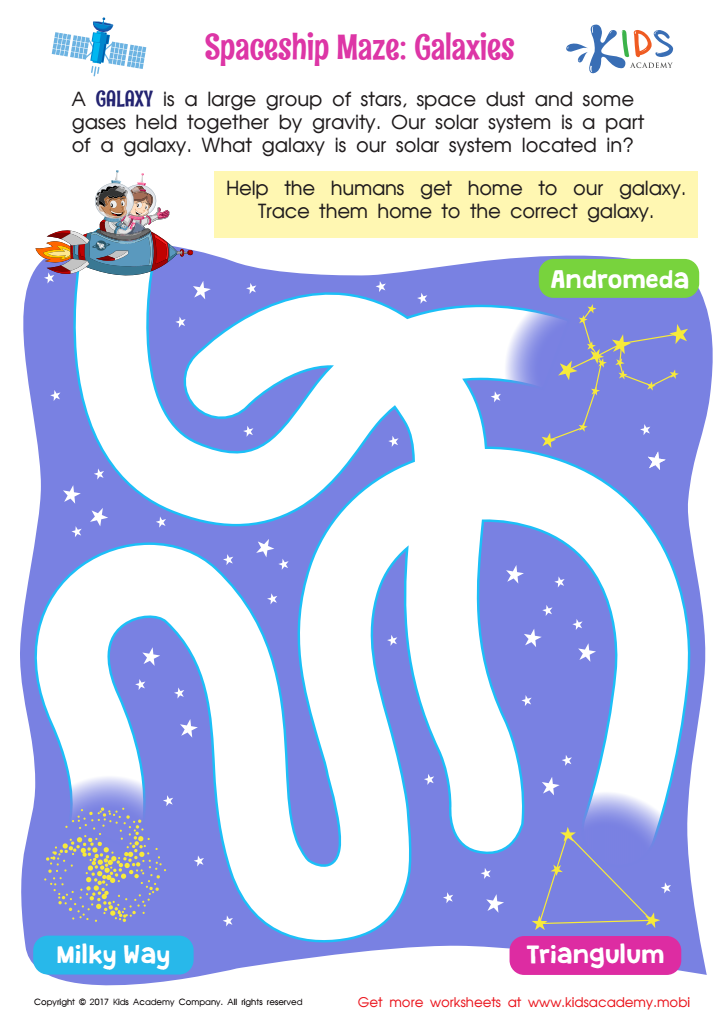
Spaceship Maze: Galaxies Worksheet
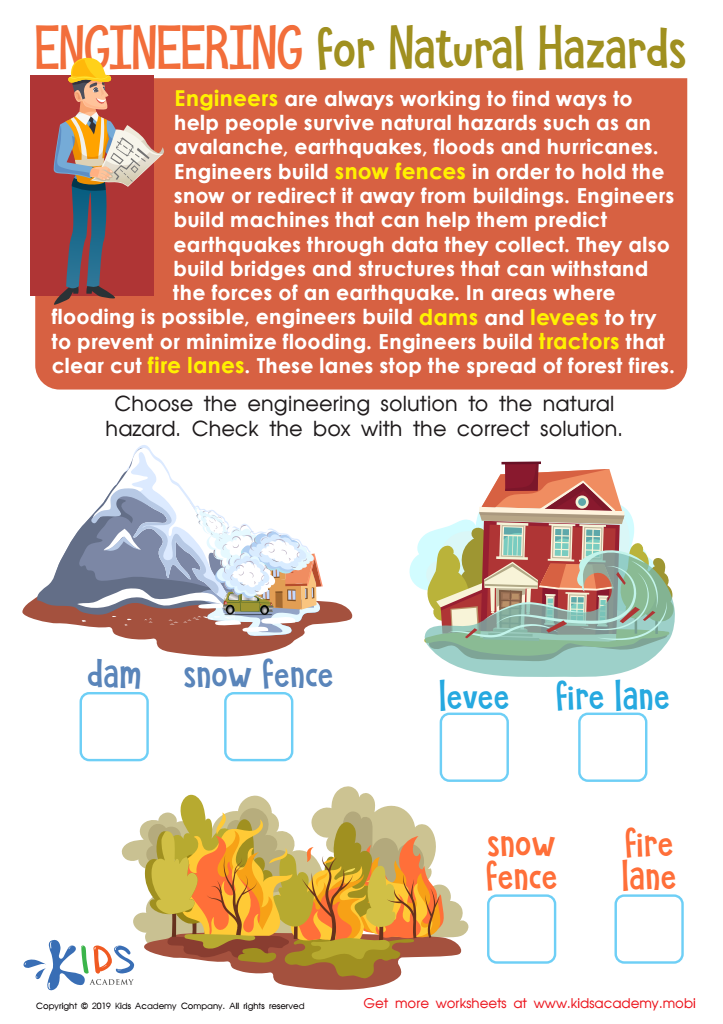
Engineering Natural Hazards Worksheet
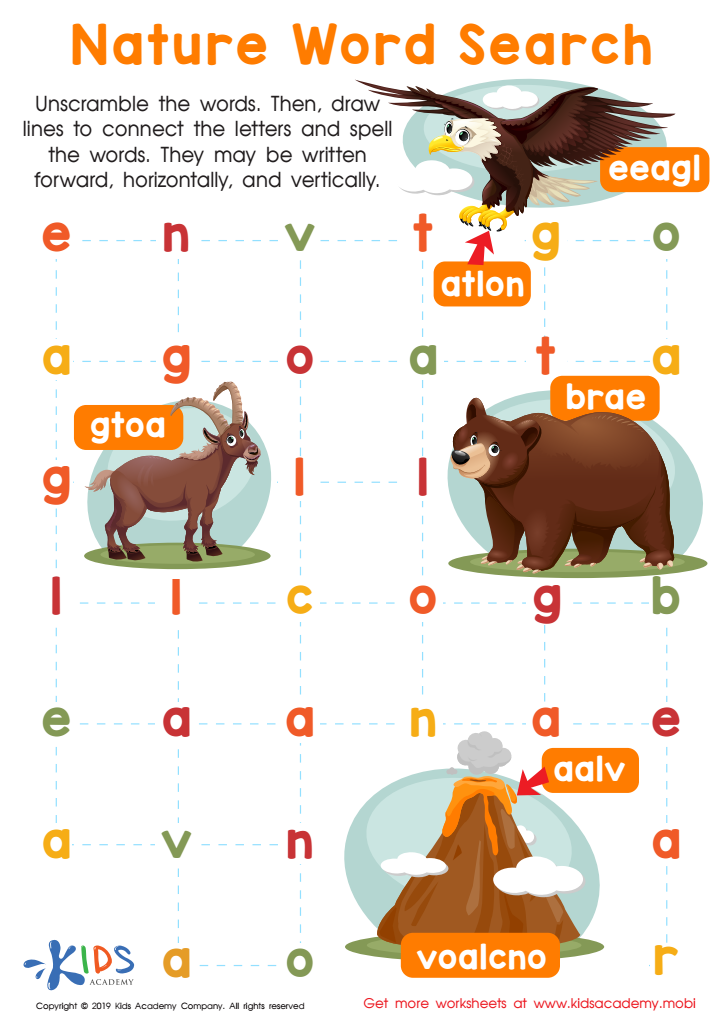
Nature Word Search Worksheet
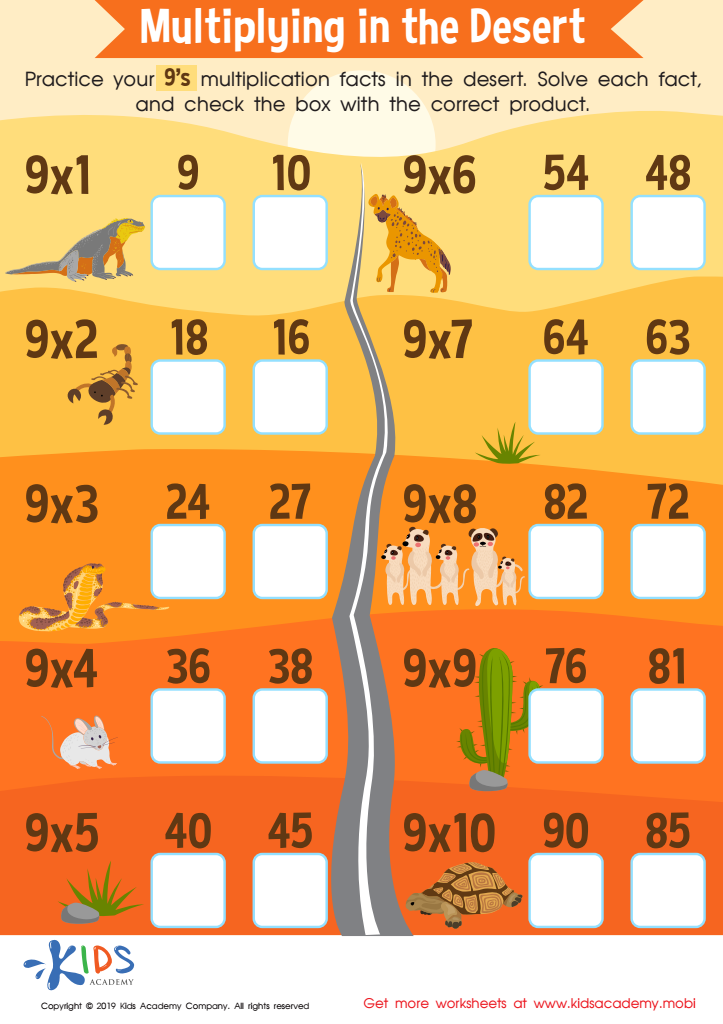
Multiplying in the Desert Worksheet
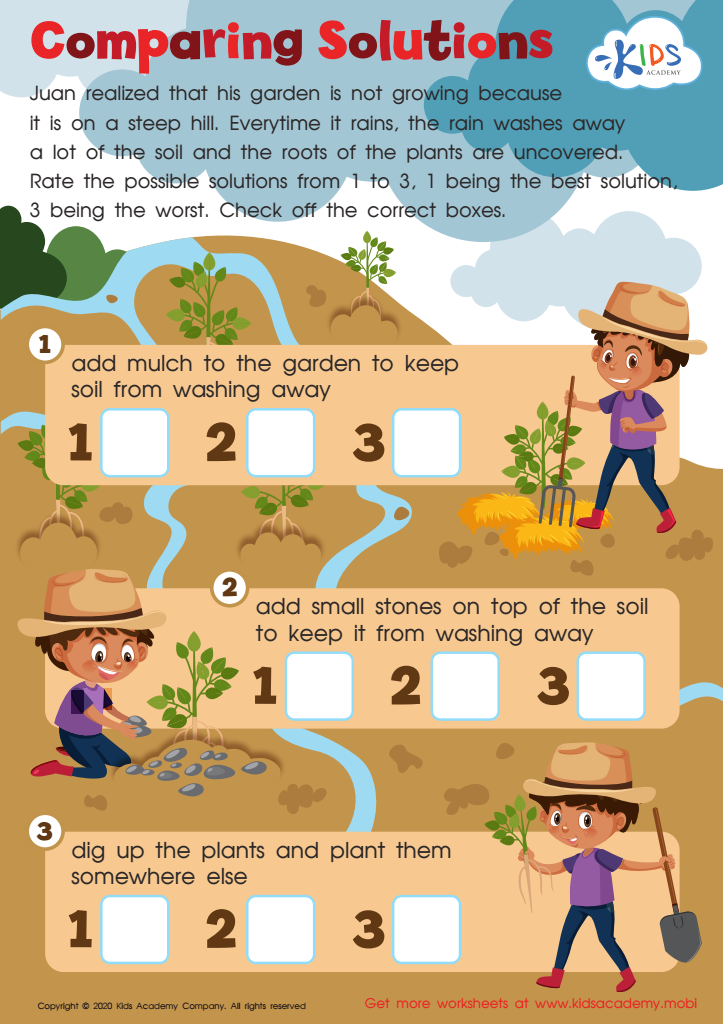
Comparing Solutions Worksheet
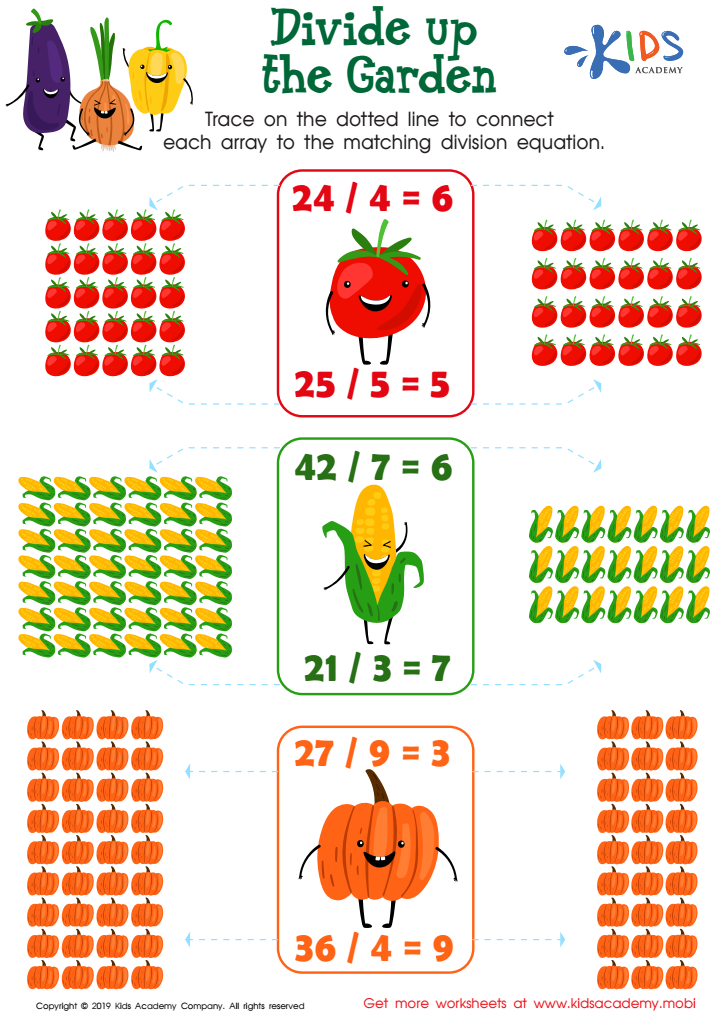
Divide up the Garden Worksheet
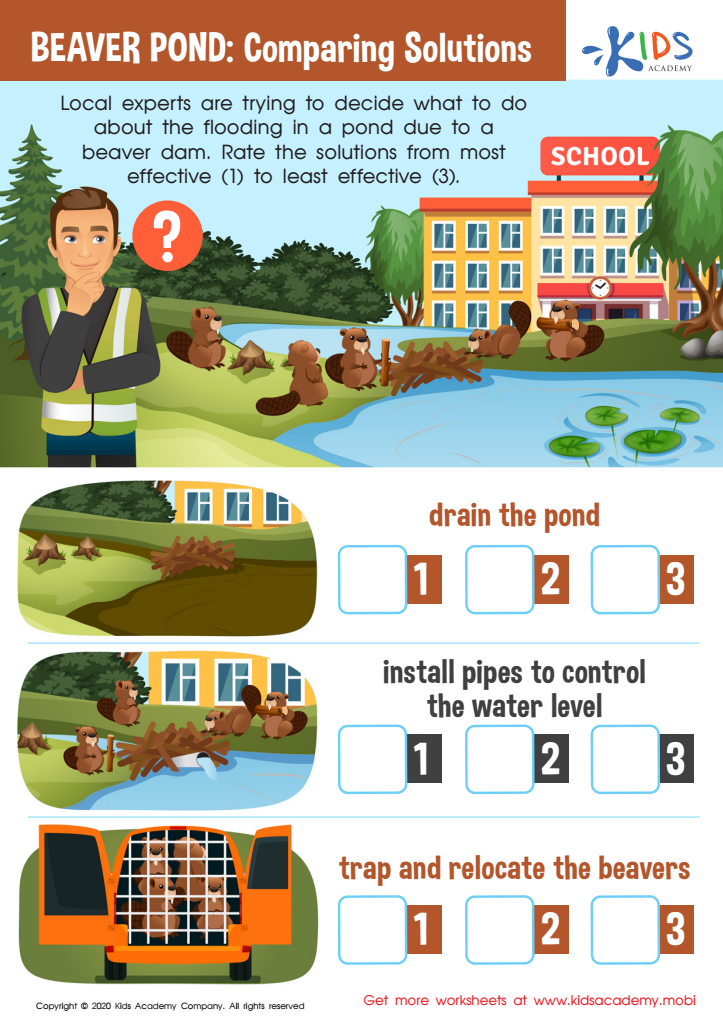
Beaver Pond: Comparing Solutions Worksheet
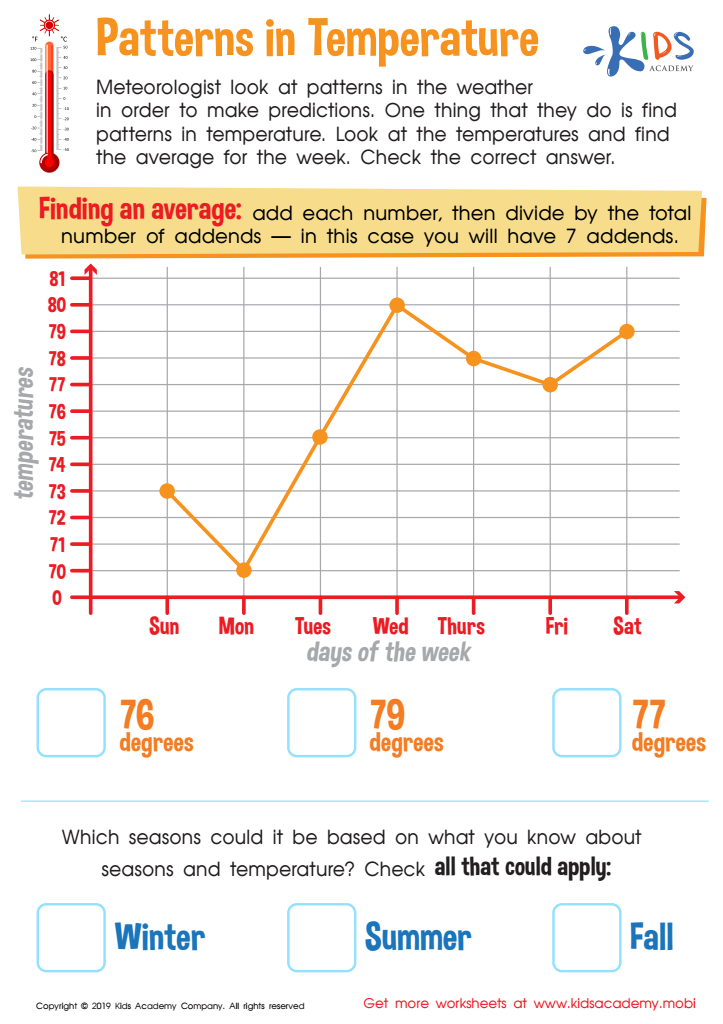
Patterns in Temperature Worksheet
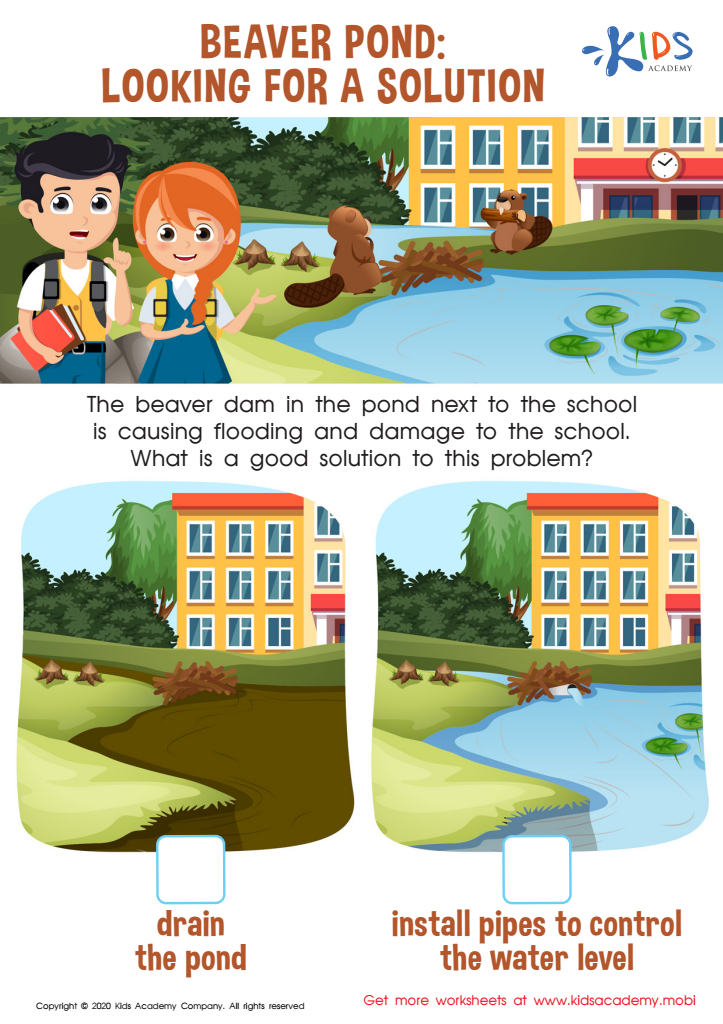
Beaver Pond: Looking for a Solution Worksheet
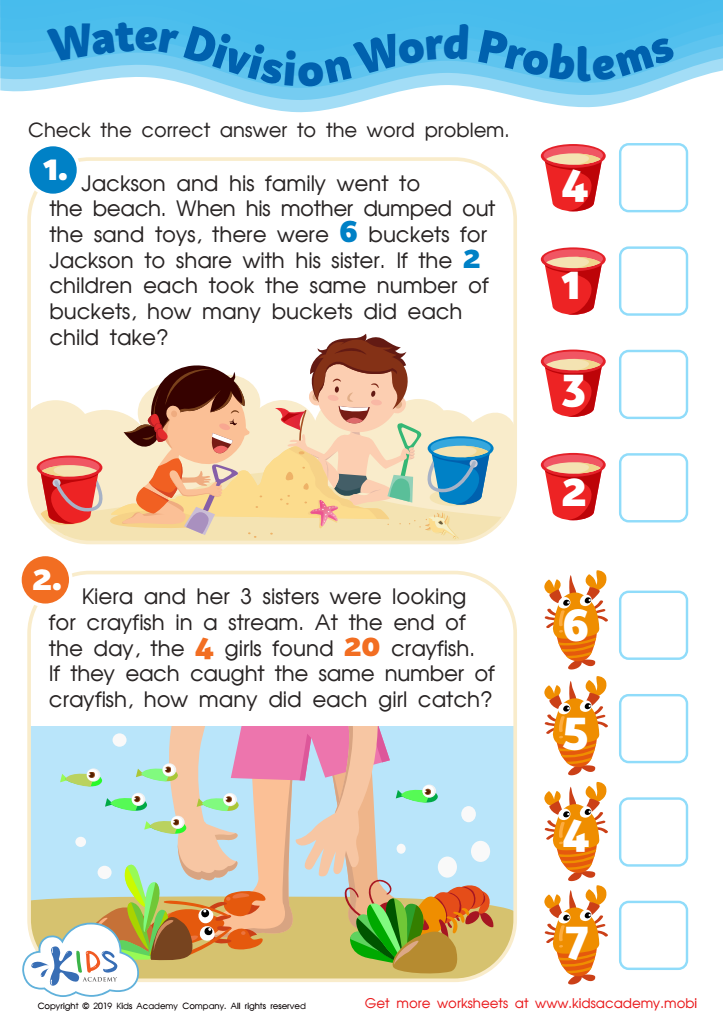
Water Division Word Problems Worksheet
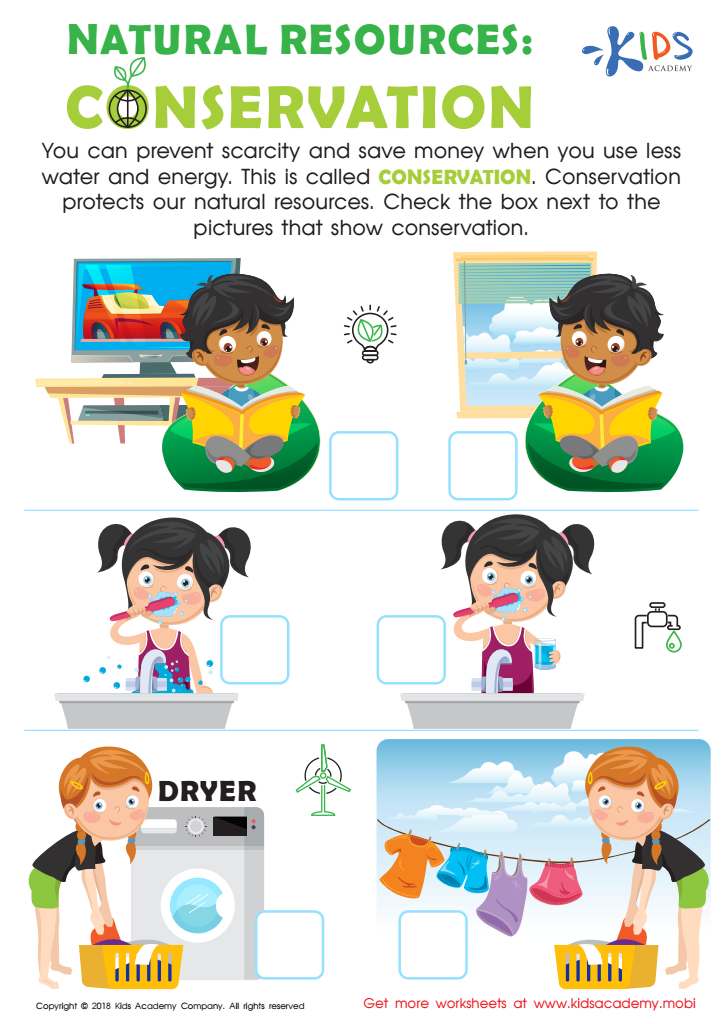
Natural Resources: Conservation Worksheet
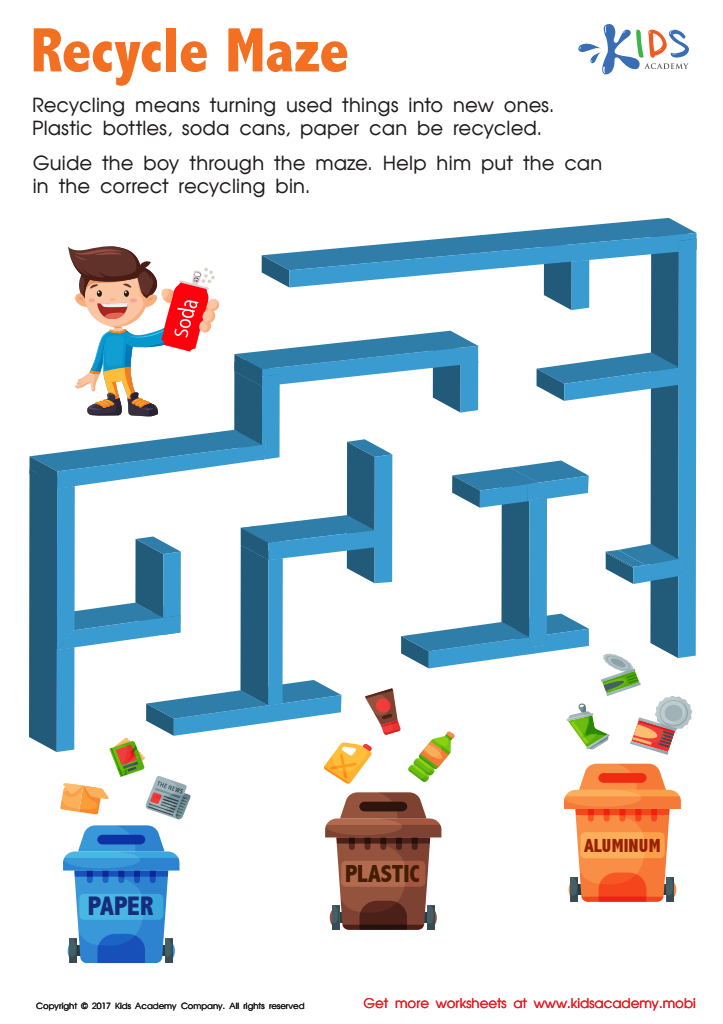
Recycle Maze Worksheet
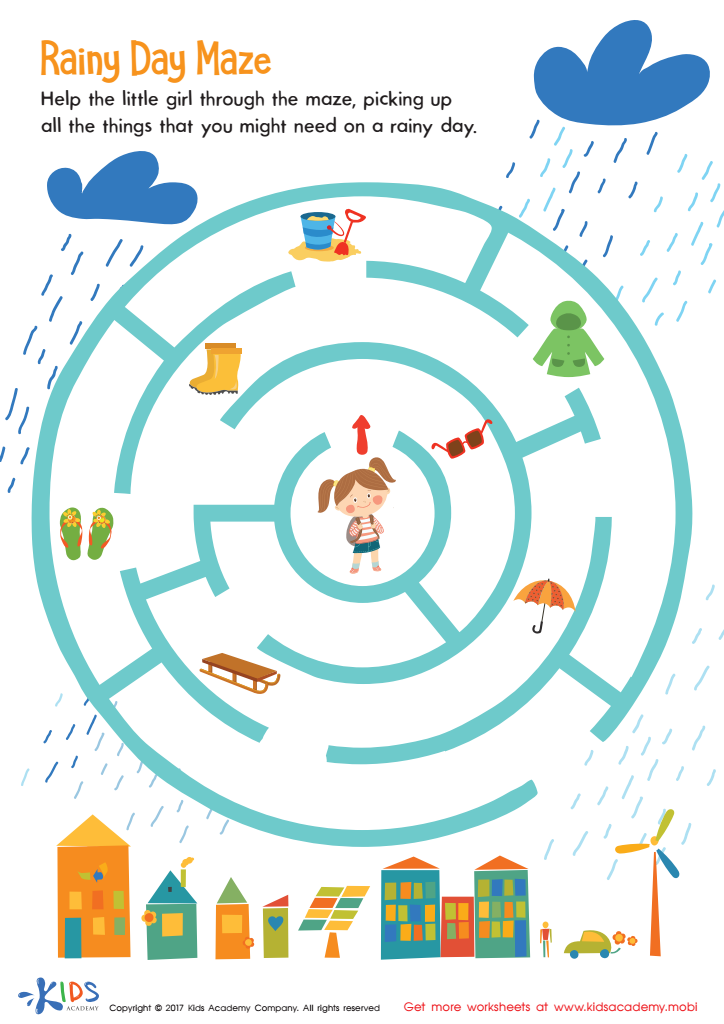
Rainy Day Maze Worksheet
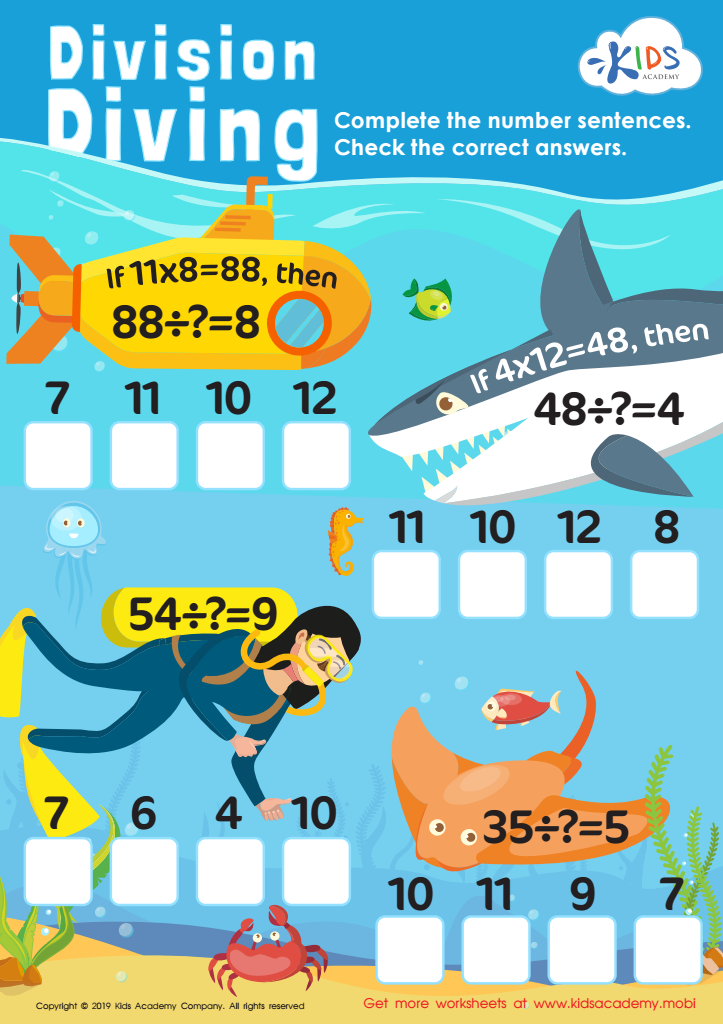
Division Diving Worksheet
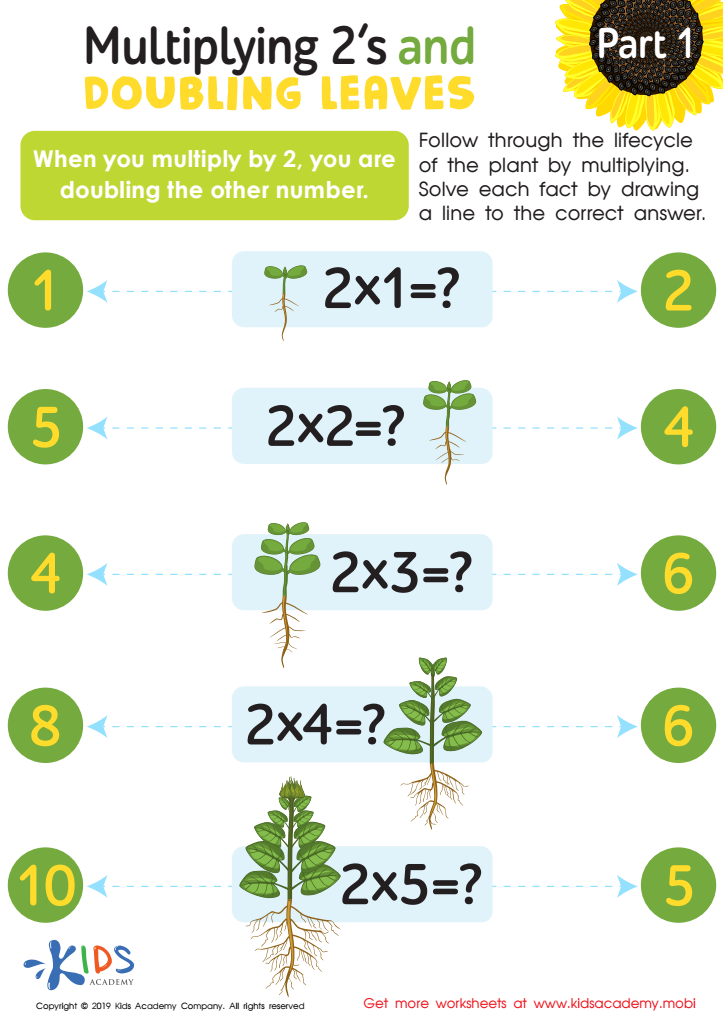
Multiplying 2’s and Doubling Leaves Part 1 Worksheet
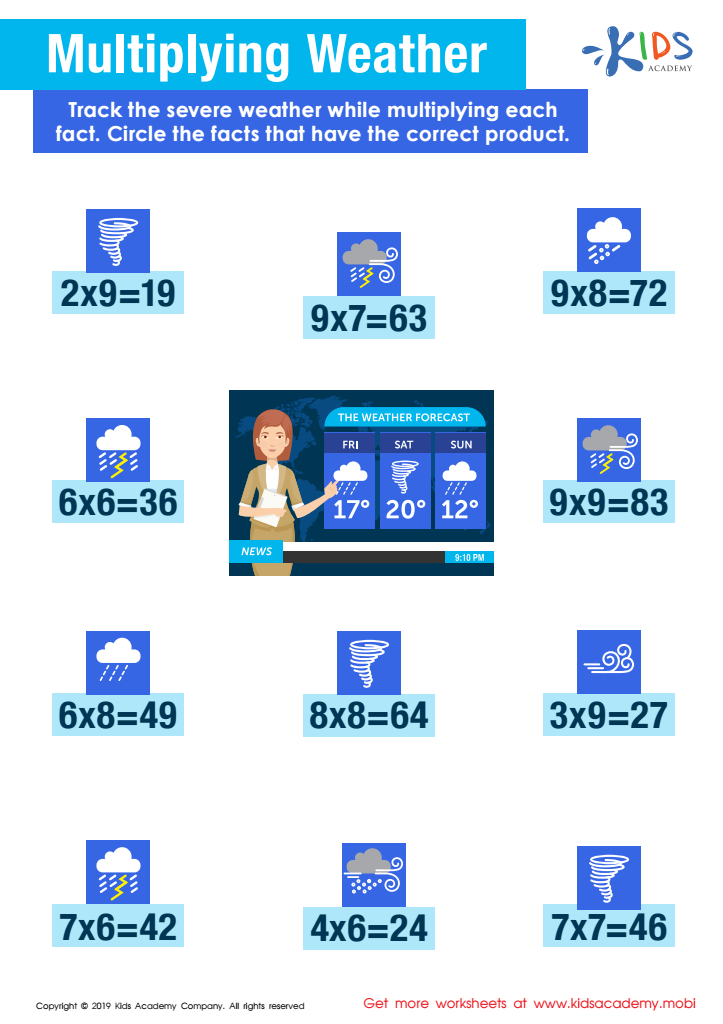
Multiplying Weather Worksheet
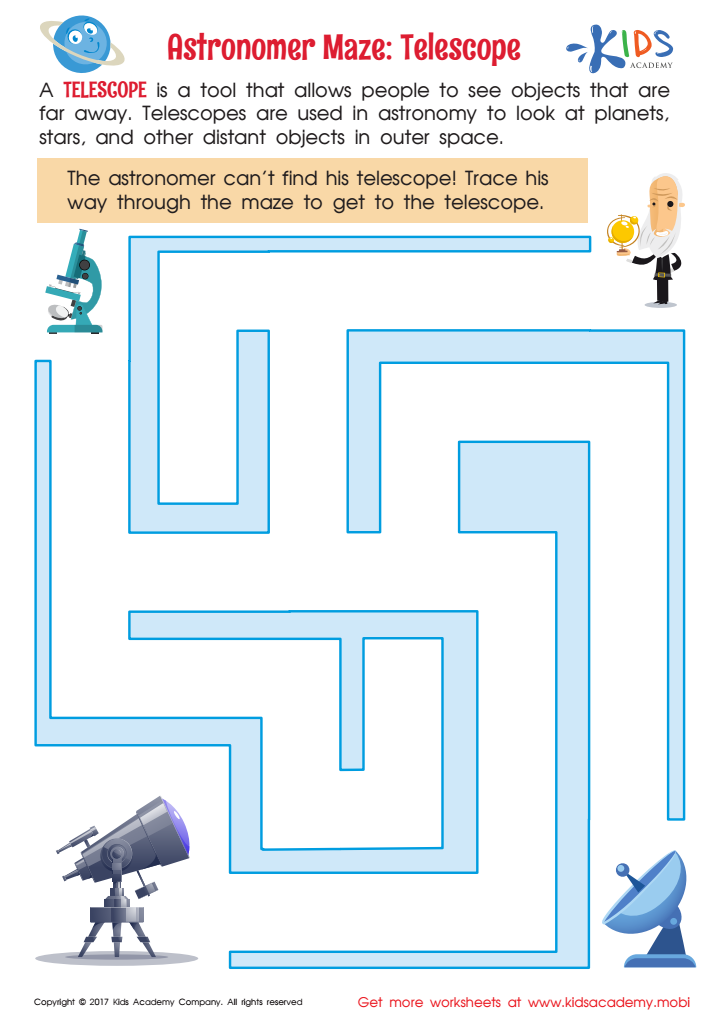
Astronomer Maze: Telescope Worksheet
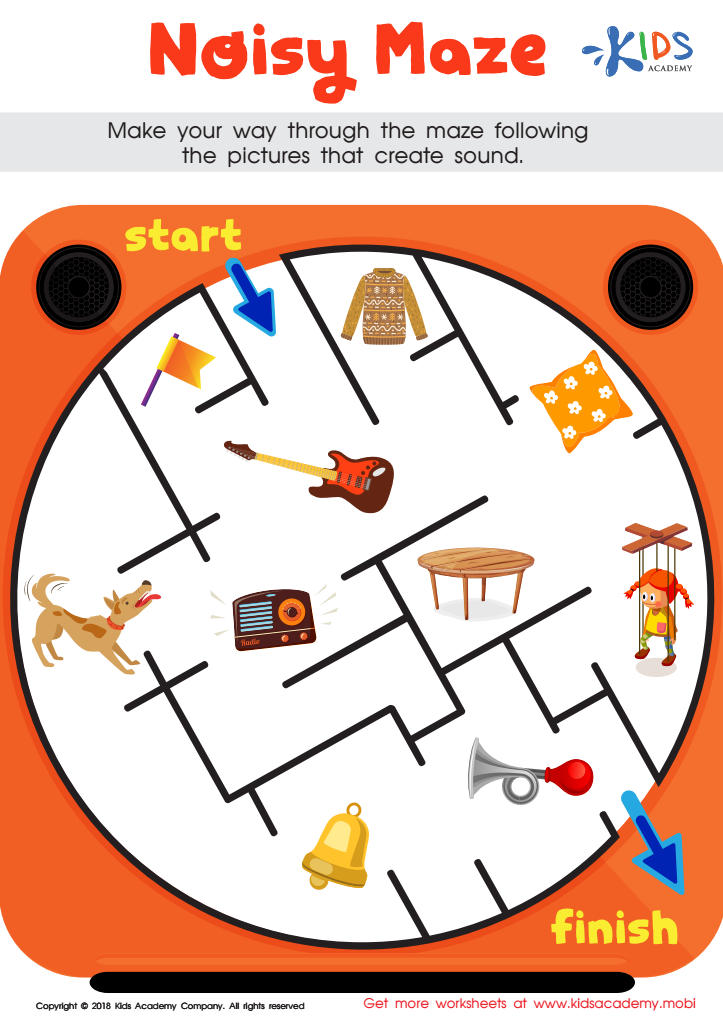
Noisy Maze Worksheet







Problem-solving skills are fundamental for children aged 4-8 because they lay the groundwork for critical thinking and resilience in learning. These skills are not only essential in science but also across various disciplines, enabling children to tackle real-world challenges with creativity and logical reasoning. By engaging young learners in science-oriented problem-solving activities, parents and teachers can foster curiosity and a love for inquiry, essential qualities in our increasingly complex world.
Developing problem-solving skills also enhances children's cognitive abilities, encouraging them to analyze situations, generate solutions, and evaluate outcomes. This process bolsters their self-confidence, as they learn to face challenges independently, making mistakes and learning from them. Early exposure to iterative problem-solving, prevalent in science education, teaches children that difficulty often leads to discovery, cultivating a growth mindset.
Furthermore, these skills promote collaboration, as children often work together on experiments and projects, enhancing their social interactions and communication abilities. In an age where STEM (Science, Technology, Engineering, Mathematics) education is becoming increasingly vital, instilling strong problem-solving skills early on can set the stage for future academic success and develop responsible, innovative thinkers who contribute positively to society. This is why fostering a love for problem-solving in science should be a priority for parents and educators alike.







