Geometry Worksheets for Ages 4-9 - Page 9
201 filtered results
-
From - To
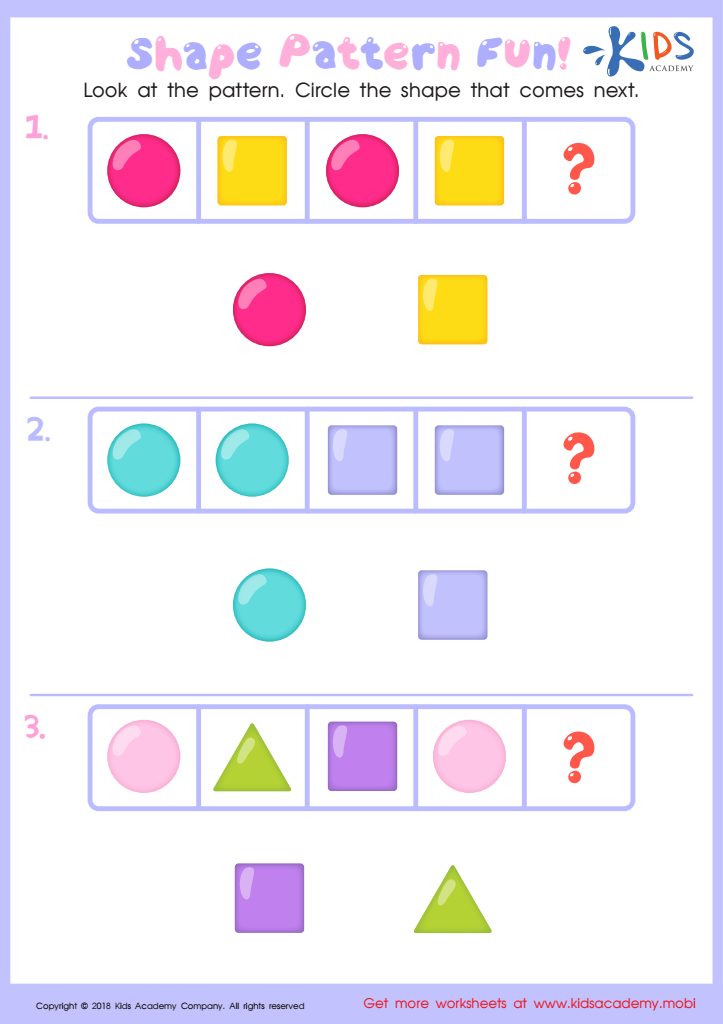
Shape Pattern Fun Worksheet
 Assign to My Students











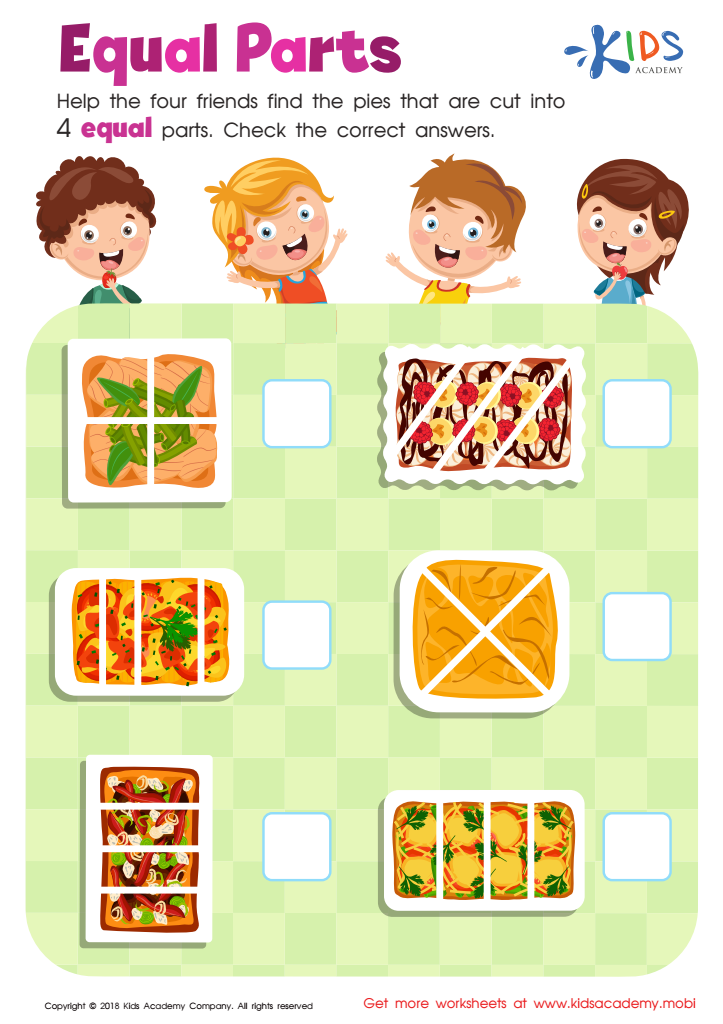
Equal Parts: Food Worksheet
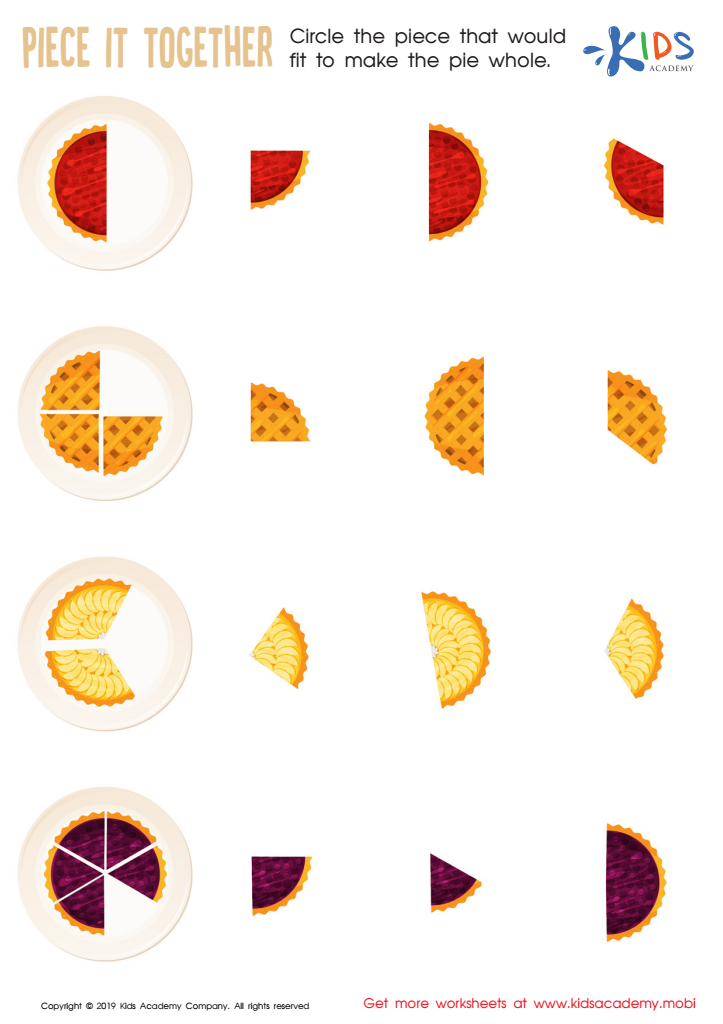
Piece it together Worksheet
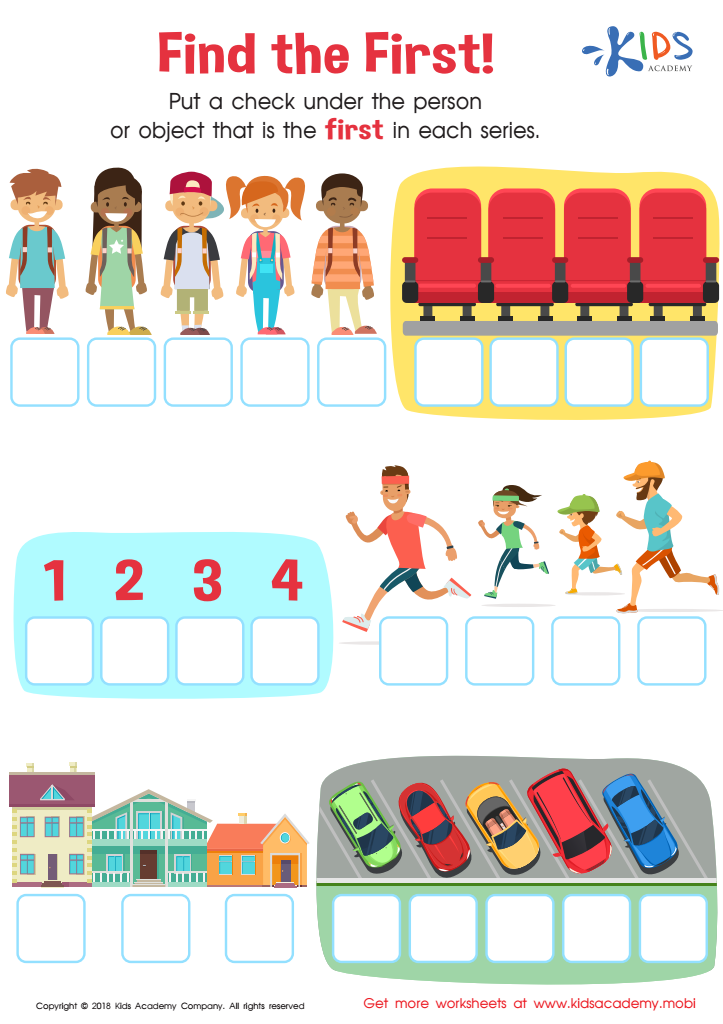
Find the First! Worksheet
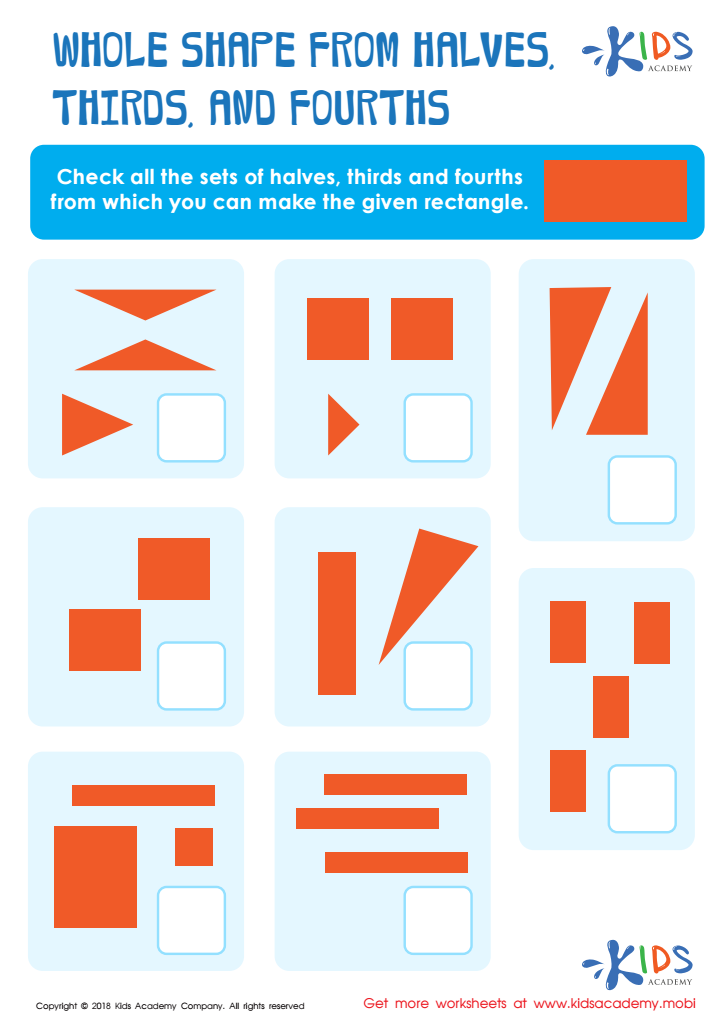
Whole Shape from Halves, Thirds and Fourths Worksheet
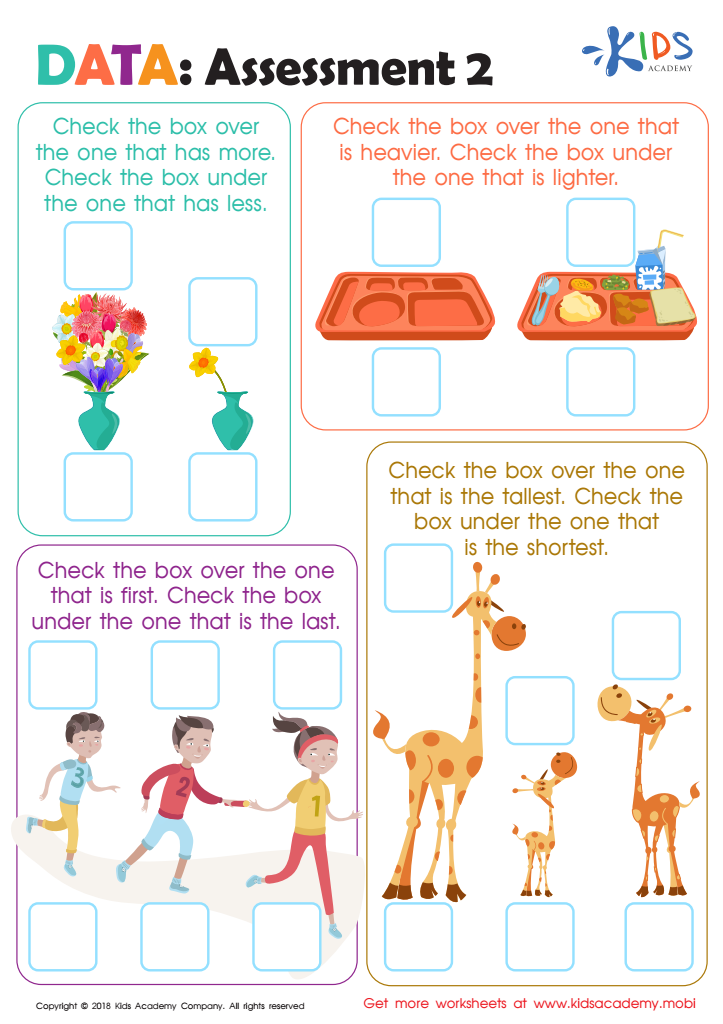
Data: Assessment 2 Worksheet
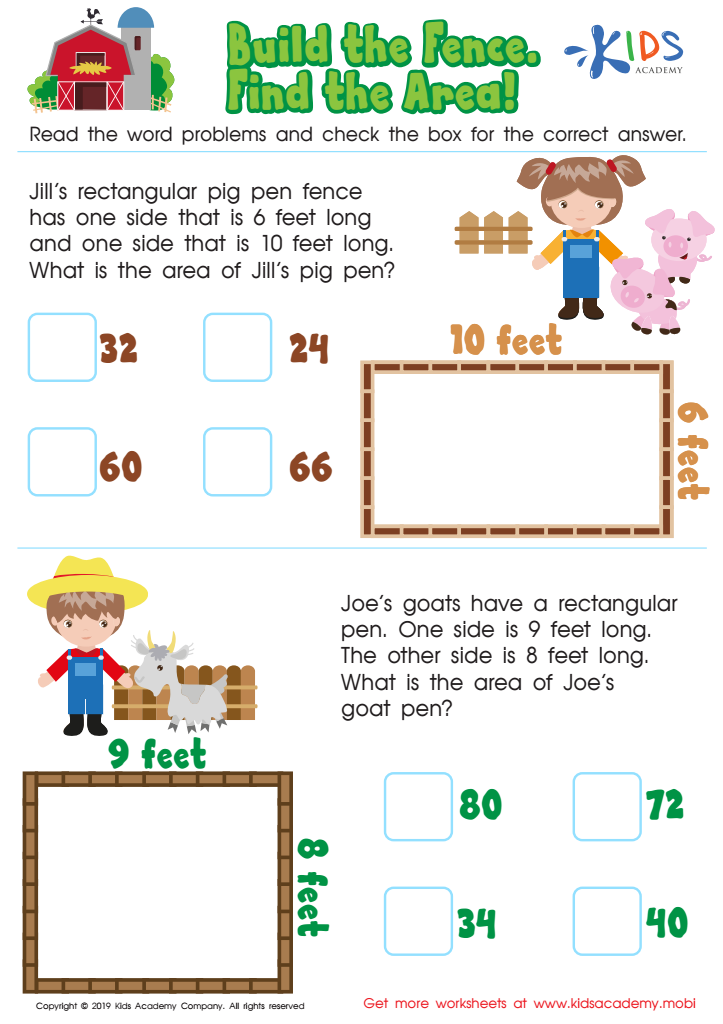
Build the Fence, Find the Area Worksheet
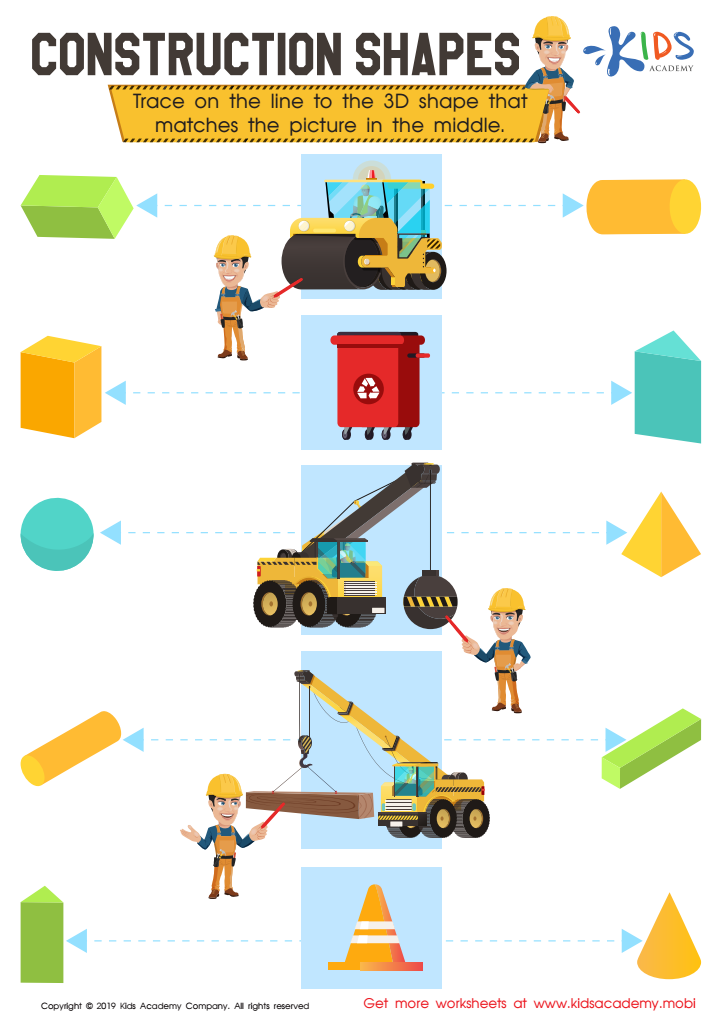
Construction Shapes Worksheet
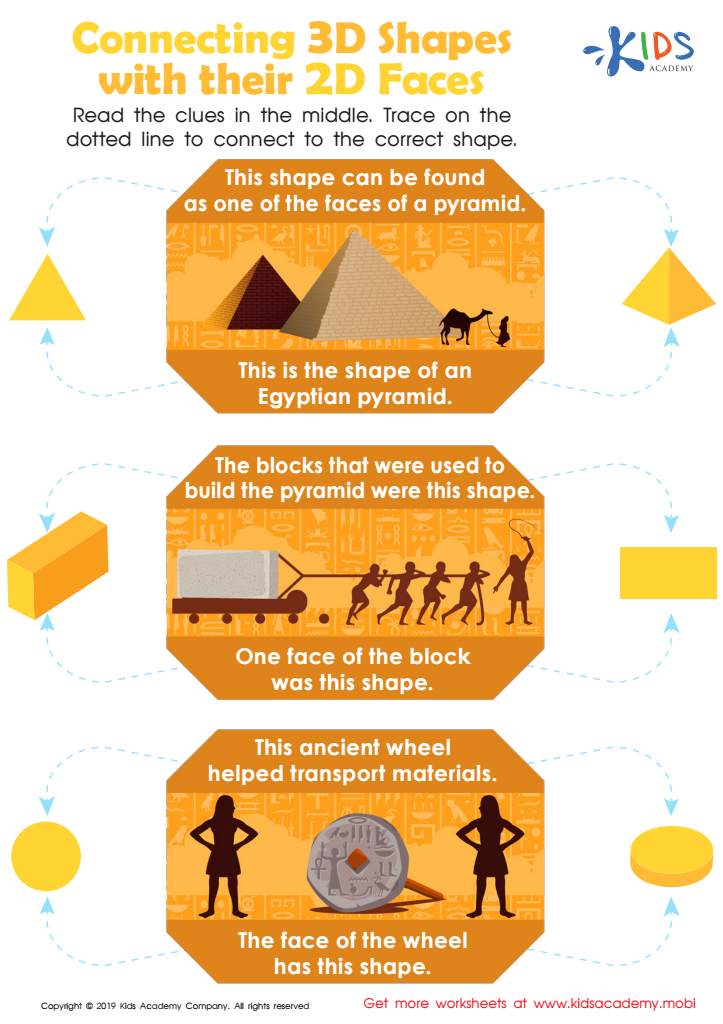
Connecting 3D Shapes with Their 2d Faces Worksheet








Geometry is a crucial foundation for young learners aged 4-9, as it plays a significant role in their cognitive development and real-world interactions. Understanding geometric concepts helps children recognize shapes, patterns, and spatial relationships, which are integral in developing critical thinking and problem-solving skills. Geometry fosters creativity and imagination by encouraging children to visualize and manipulate objects in their minds, laying the groundwork for more complex mathematical concepts later on.
Additionally, geometry is deeply intertwined with everyday life, from identifying shapes in architecture to understanding geometric patterns in nature. Teachers and parents should therefore emphasize it to enhance children's observational skills and empower them to make sense of their environment. Engaging children with age-appropriate geometric activities, such as building shapes with blocks, allows for hands-on learning while simultaneously promoting fine motor skills.
Furthermore, early exposure to geometry develops the foundational skills necessary for future success in STEM (Science, Technology, Engineering, Mathematics) subjects. By prioritizing geometry, educators and parents can cultivate not just mathematical competence, but also confidence in children as they discover and interact with the world around them, preparing them for lifelong learning and exploration.








