Matching Worksheets for Ages 4-9 - Page 4
82 filtered results
-
From - To
 Assign to My Students
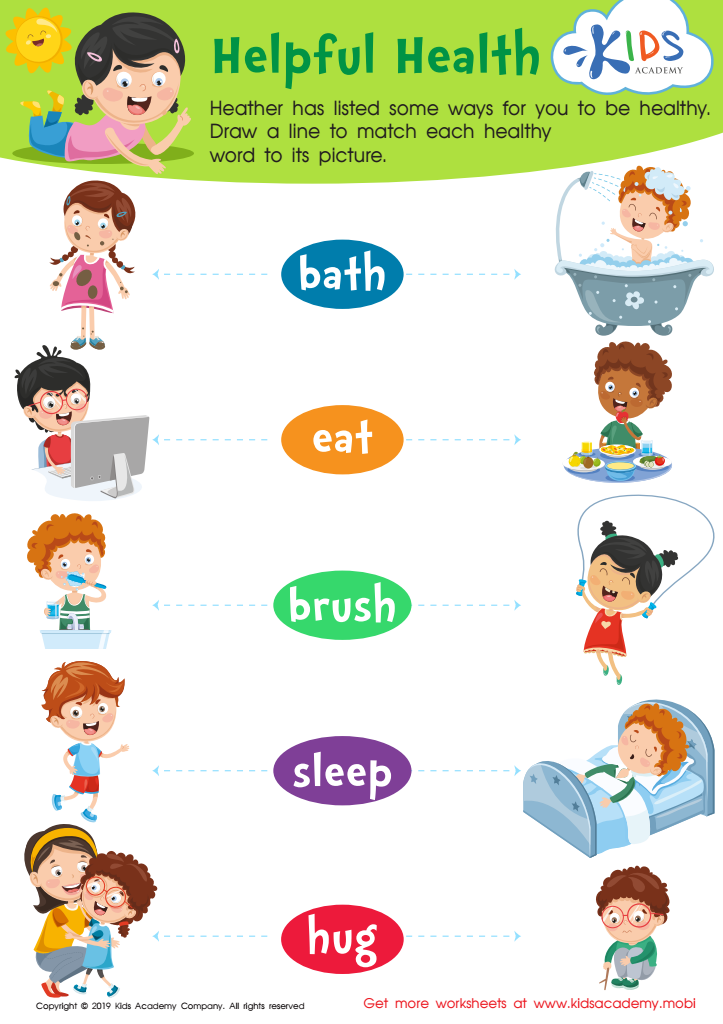
Helpful Health Worksheet
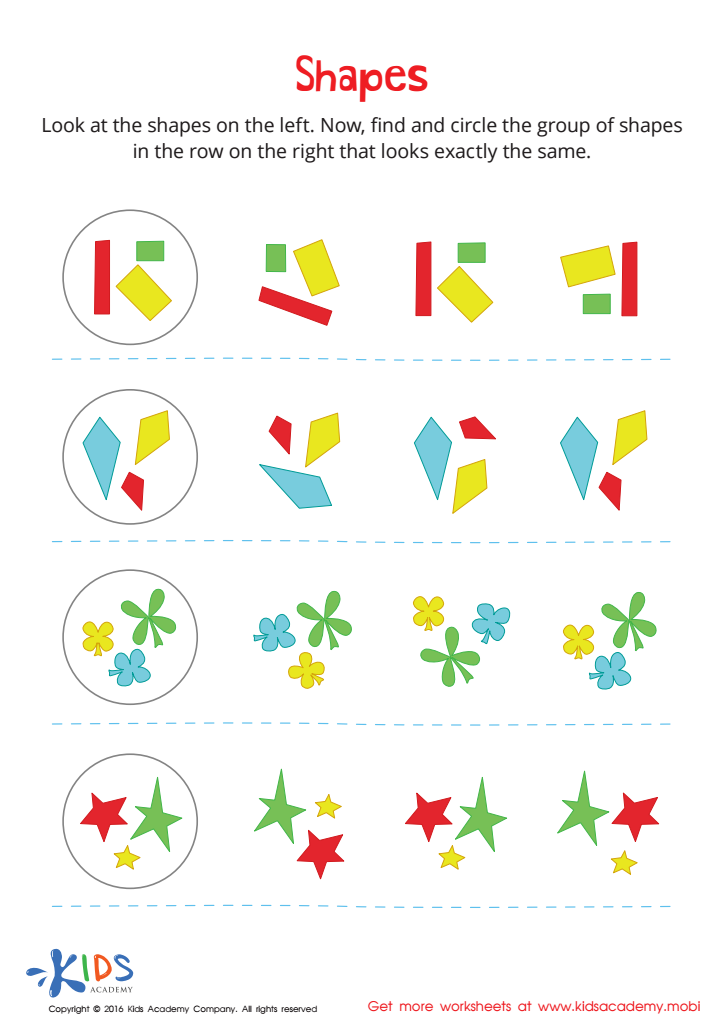
Shapes Worksheet
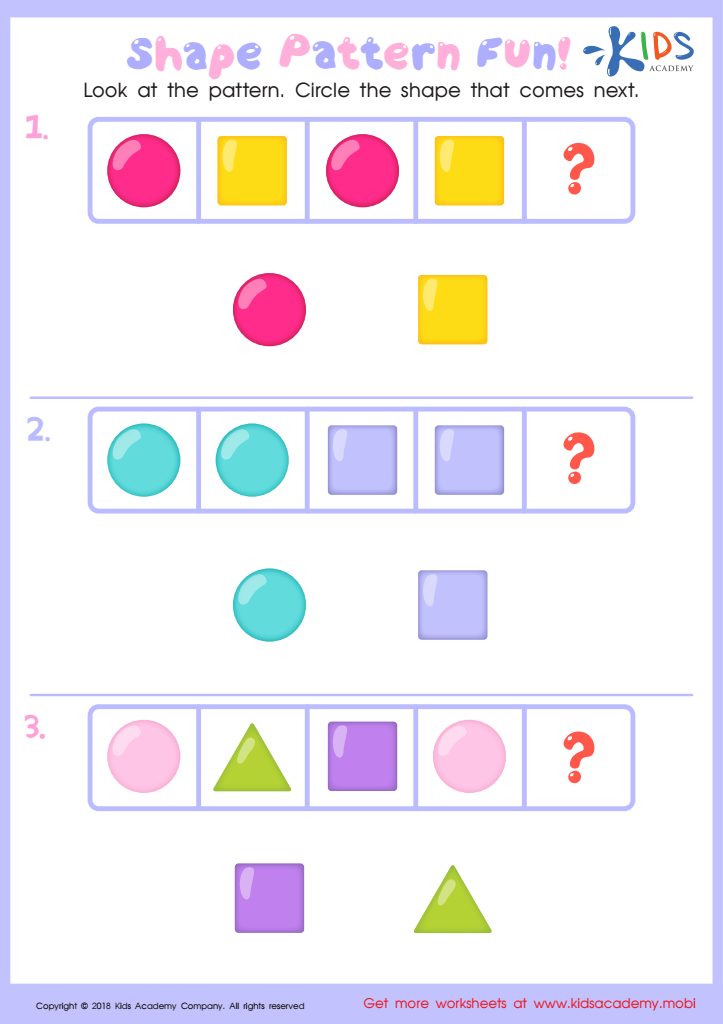
Shape Pattern Fun Worksheet
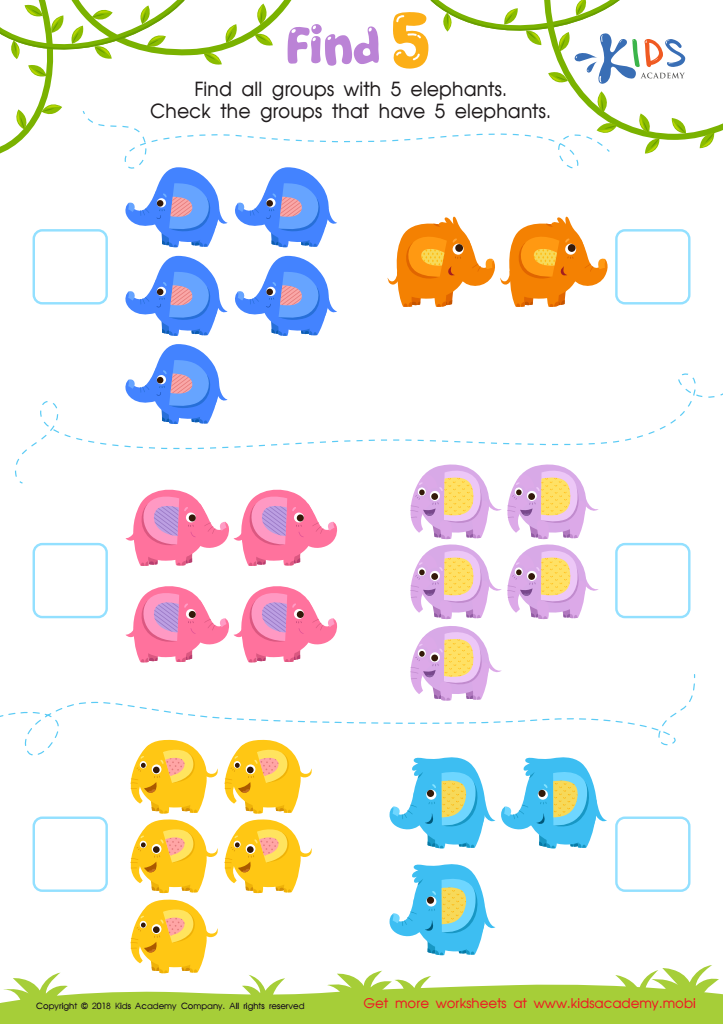
Find 5 Worksheet
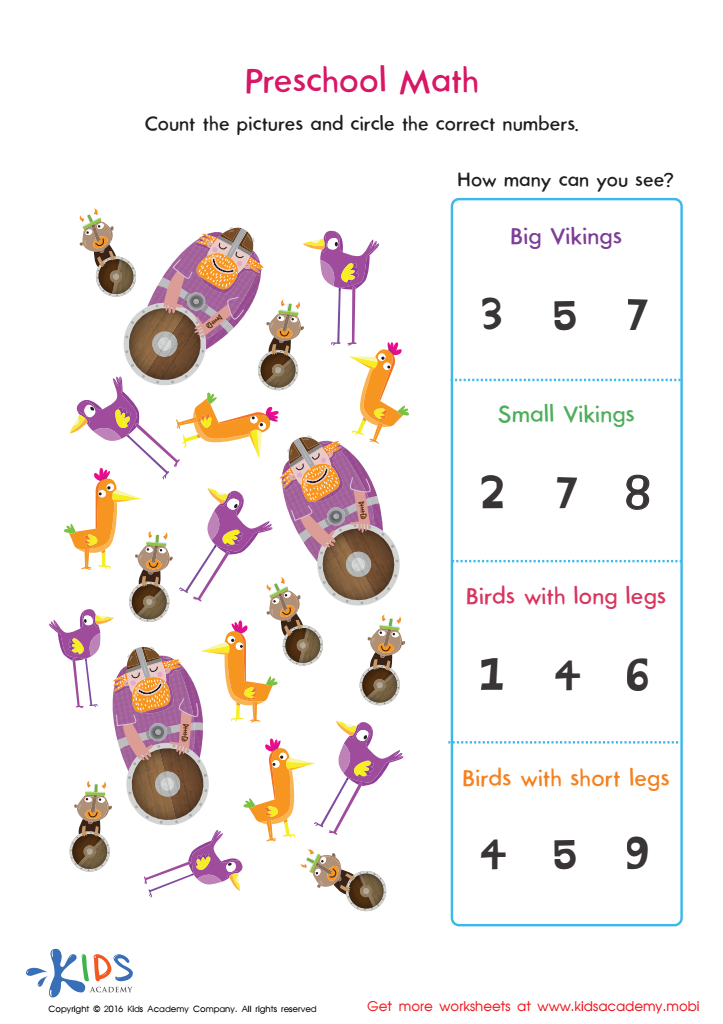
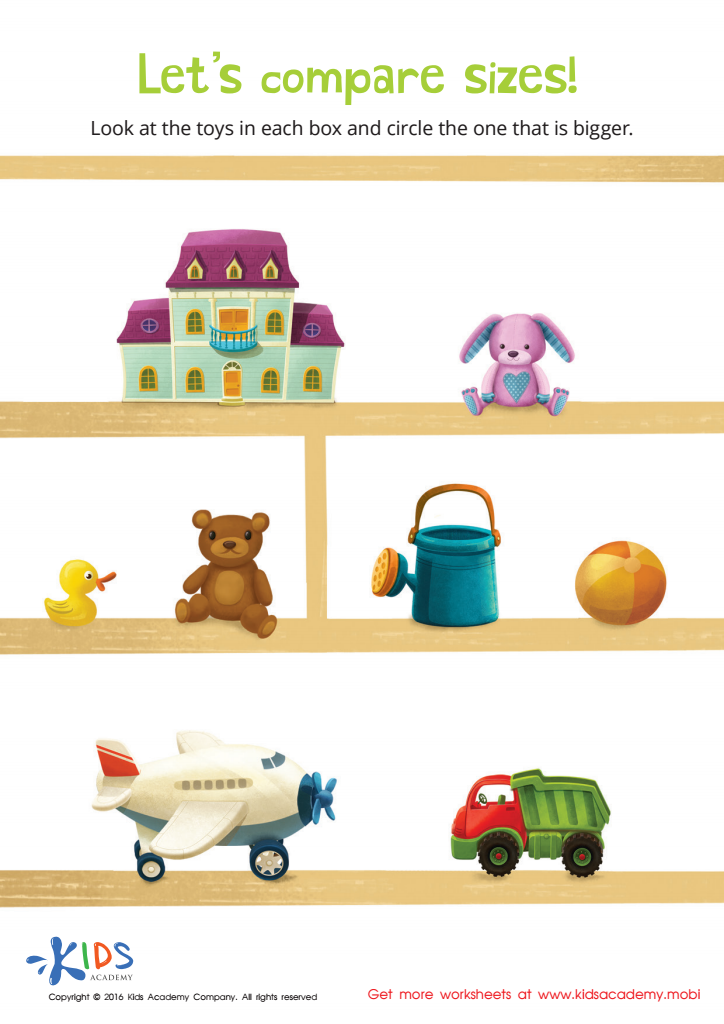
Classifying by Size Sorting Worksheet
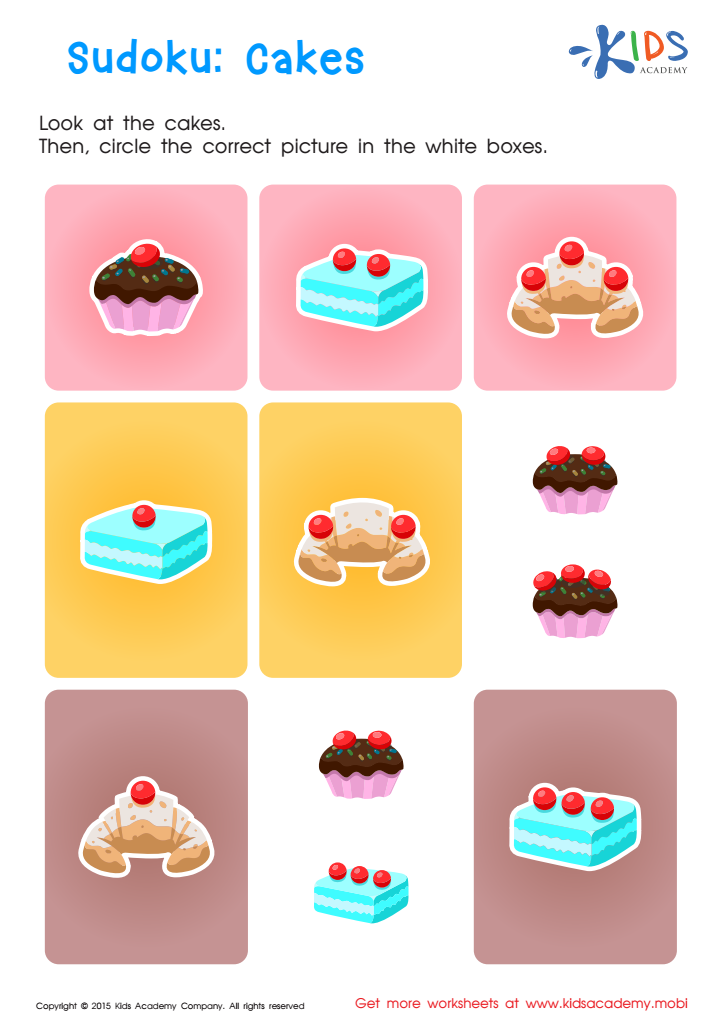
Sudoku Worksheet
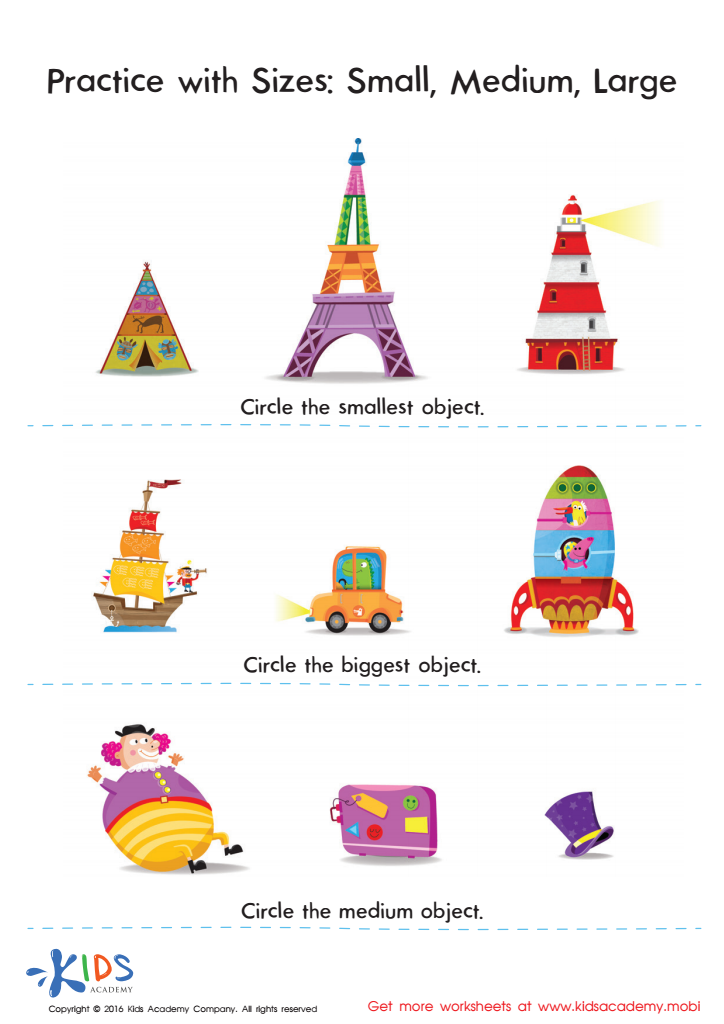








Matching activities for children aged 4-9 are crucial for cognitive development and learning. At this age, children are honing their ability to recognize patterns, categorize information, and enhance their memory – all foundational skills for future academic success. Engaging in matching games helps improve their attention span and focus, as children learn to concentrate on finding pairs and connections.
Moreover, matching activities foster social skills when done in group settings. Kids collaborate, take turns, and practice patience as they engage with peers, enhancing their interpersonal skills. Teachers and parents should also recognize the social-emotional benefits; successful matching experiences can boost self-esteem and confidence.
Additionally, matching games can be tailored to different educational themes, including numbers, letters, shapes, and even vocabulary, making learning multisensory and fun. These activities often incorporate visuals that cater to various learning styles – visual, auditory, and kinesthetic – ensuring inclusivity in learning.
By prioritizing matching games, adults empower children to build critical thinking skills, develop a love for learning, and establish foundational knowledge that supports future academic growth. Ultimately, advocating for these activities is an investment in a child’s emotional, social, and cognitive development.








