Rounding Worksheets for Ages 4-9
21 filtered results
-
From - To
Discover engaging rounding worksheets designed for children ages 4-9! Our colorful and interactive resources help young learners grasp the important concept of rounding numbers in a fun and friendly way. These worksheets incorporate playful illustrations and step-by-step instructions to make learning easy and enjoyable. Perfect for home or classroom use, our activities cater to various learning styles, ensuring that every child can succeed in mastering rounding. Enhance math skills, boost confidence, and stimulate creativity with our carefully crafted exercises. Explore our collection today and support your child's mathematical journey with resources that promote understanding and enjoyment!
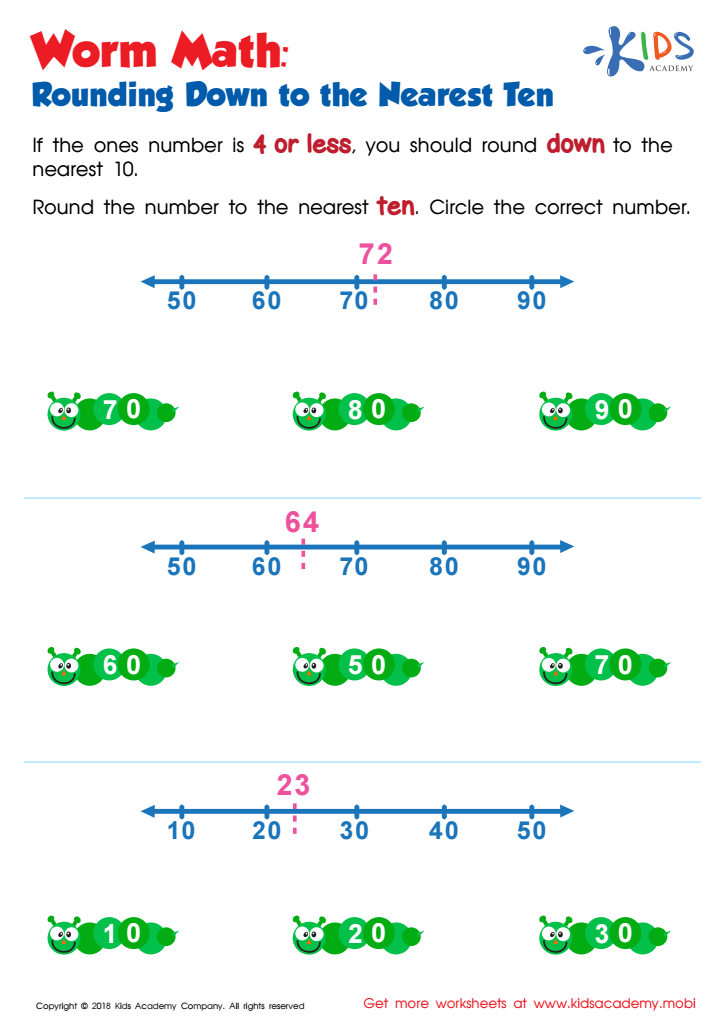
Worm Math Rounding Down to the Nearest Ten Worksheet
 Assign to My Students
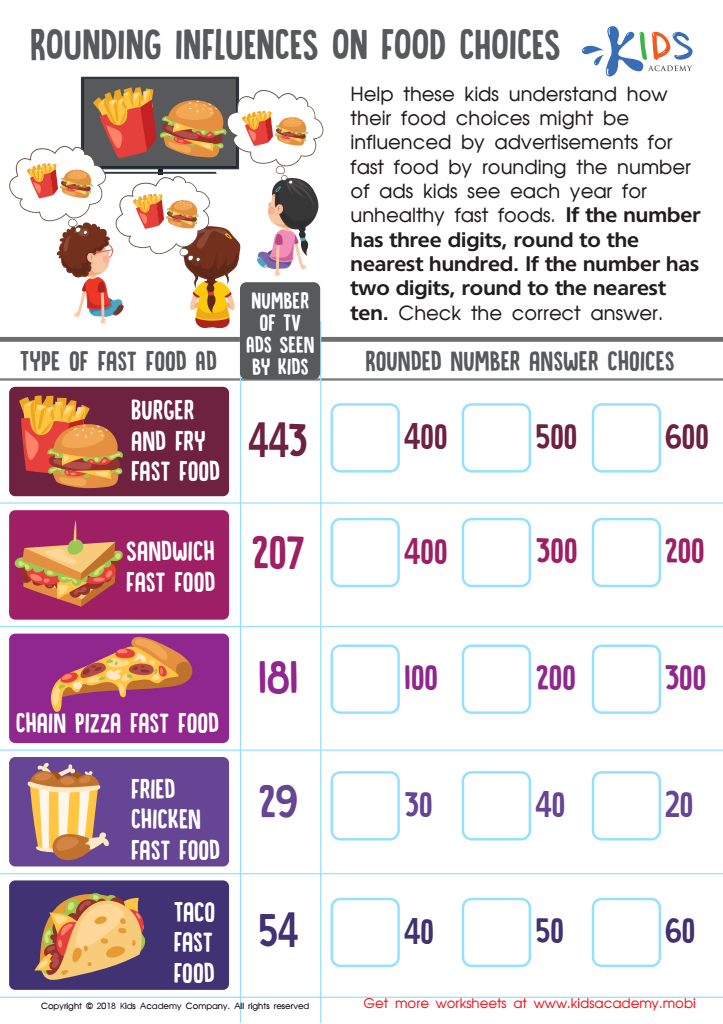
Rounding Influences Food Choices Worksheet
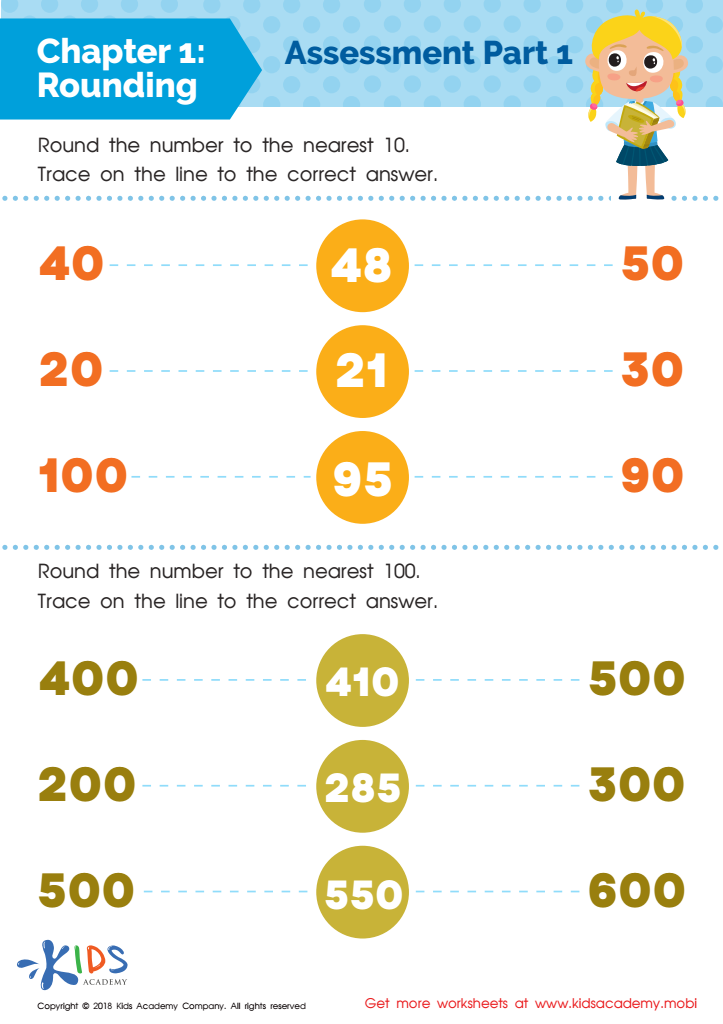
Rounding Worksheet 3rd Grade
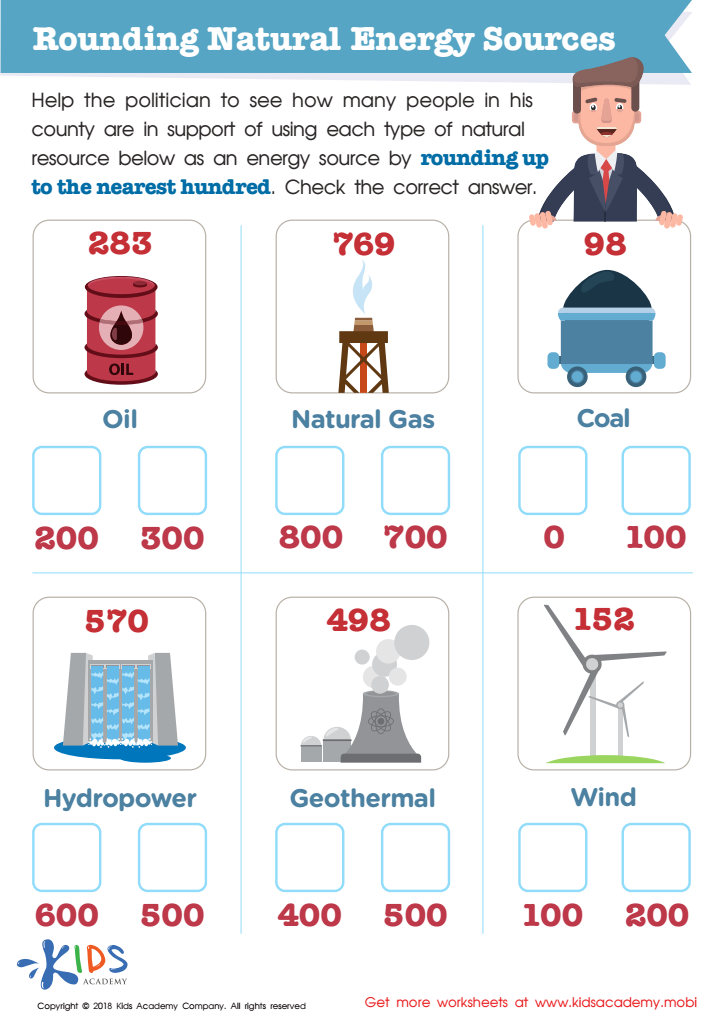
Rounding Natural Energy Sources Worksheet
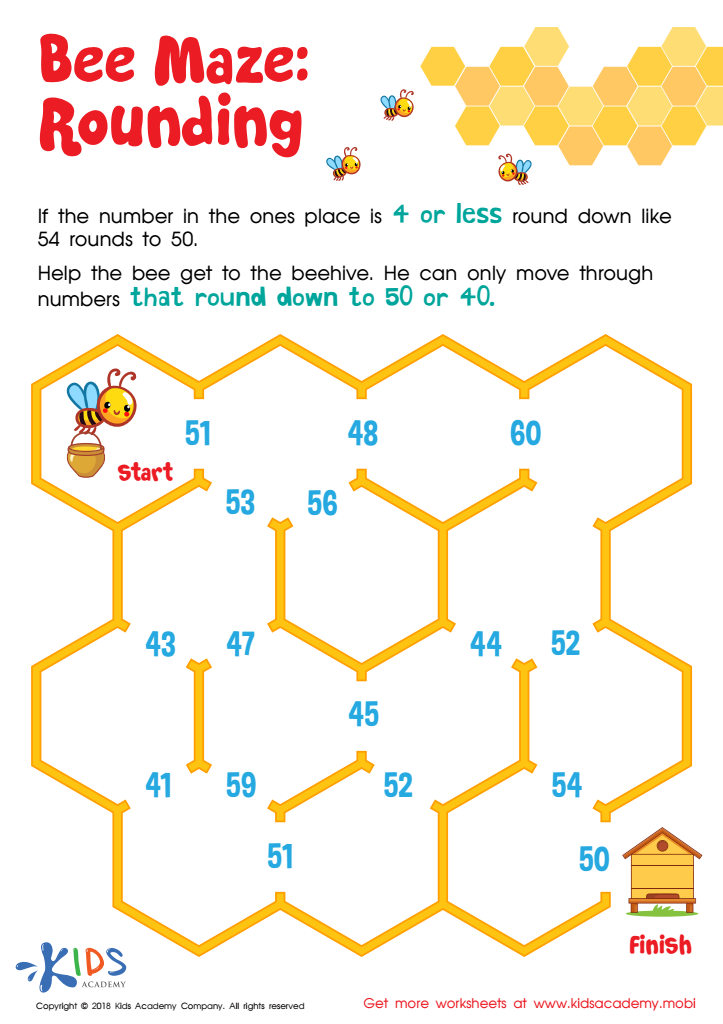
Rounding Down Printable Worksheet
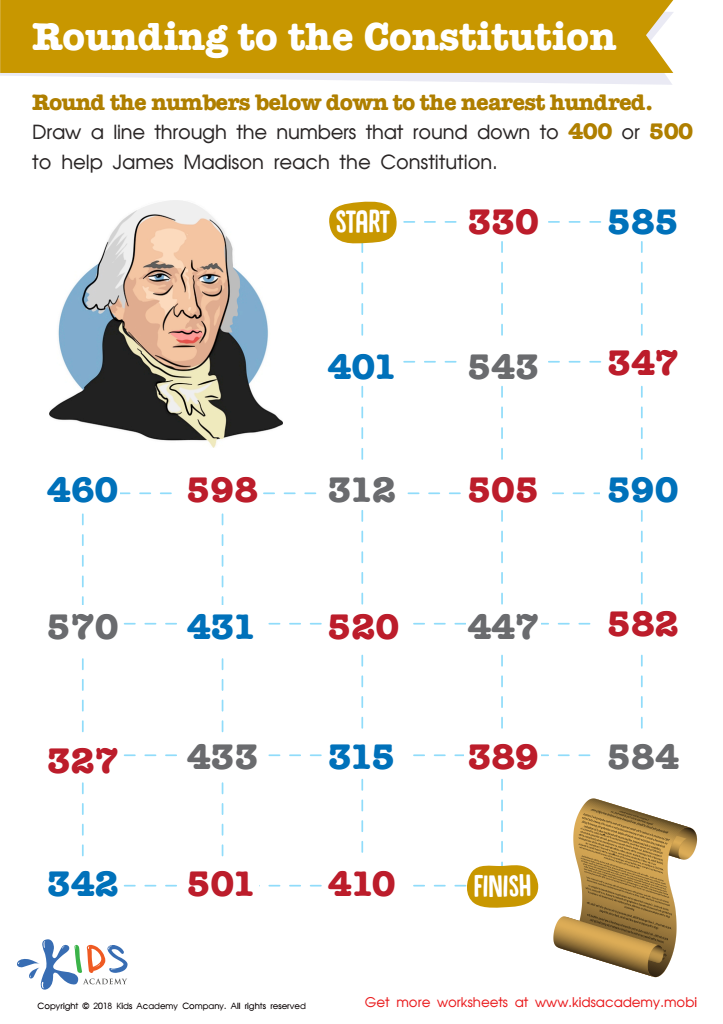
Rounding to the Constitution Worksheet
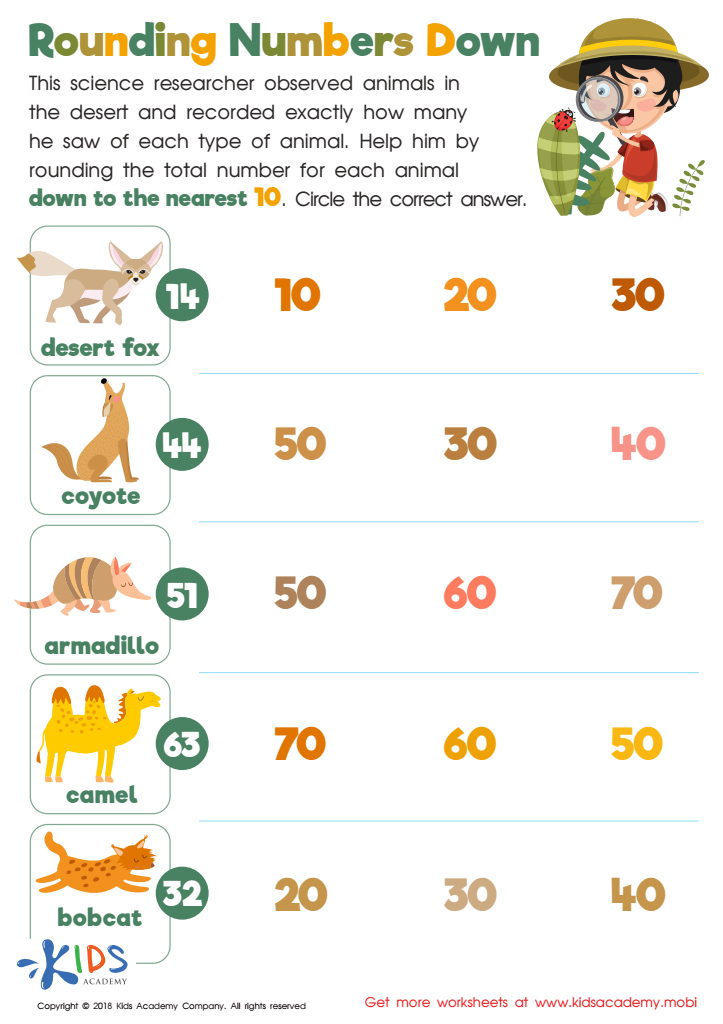
Rounding Numbers Down Worksheet
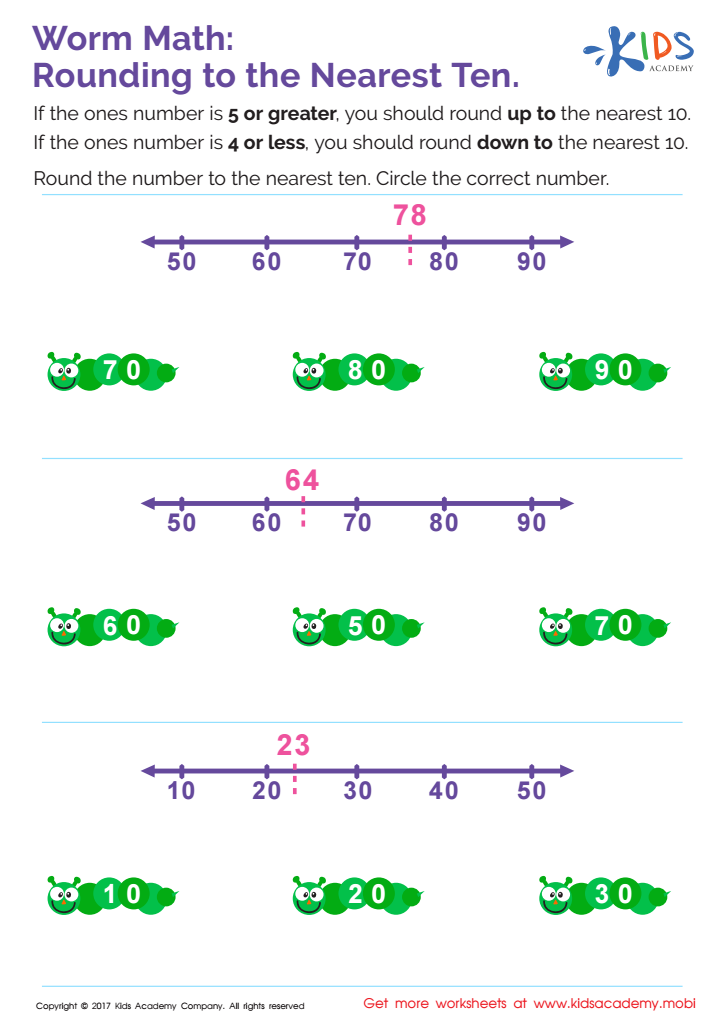
Rounding to the Nearest Ten Worksheet
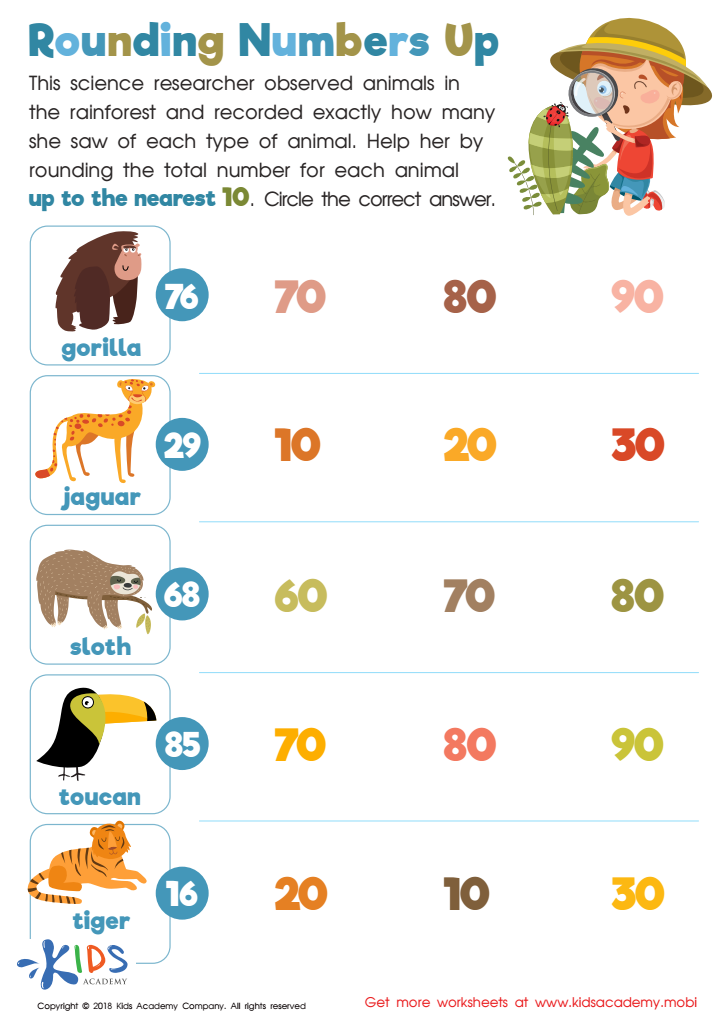
Rounding Numbers Up Worksheet
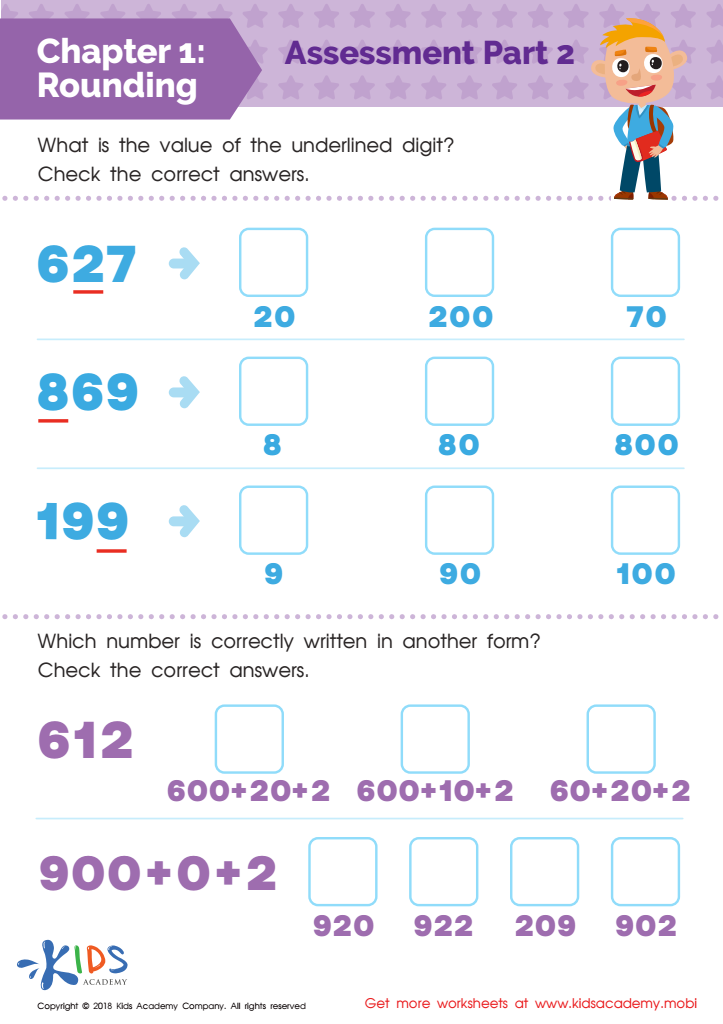
Rounding 3 Digit Numbers Worksheet
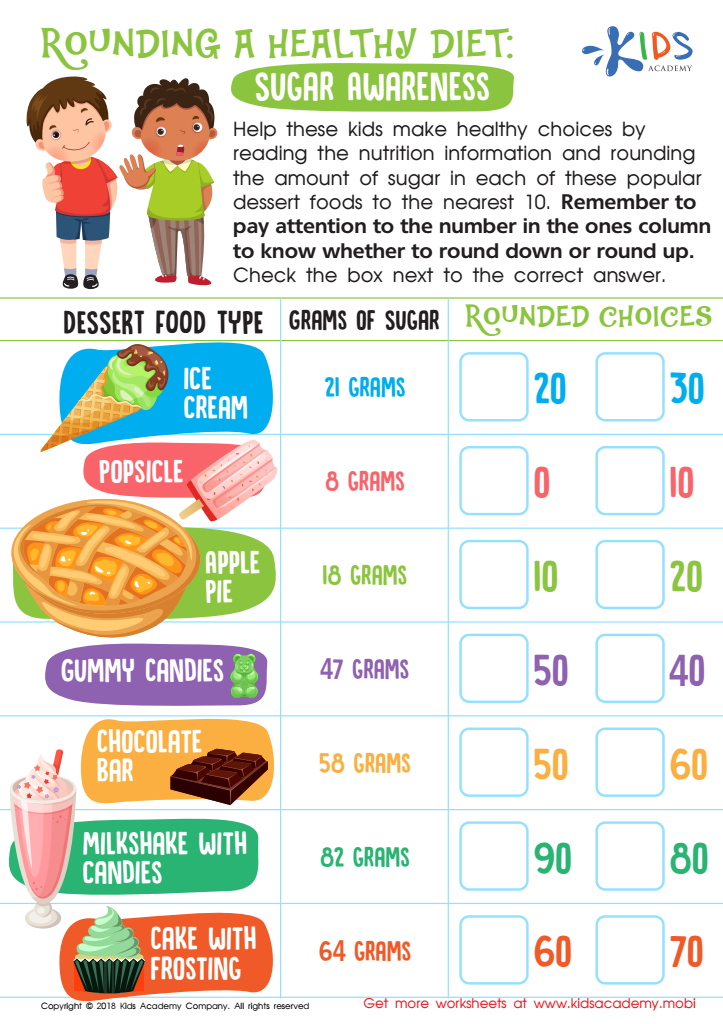
Rounding Healthy Diet Worksheet
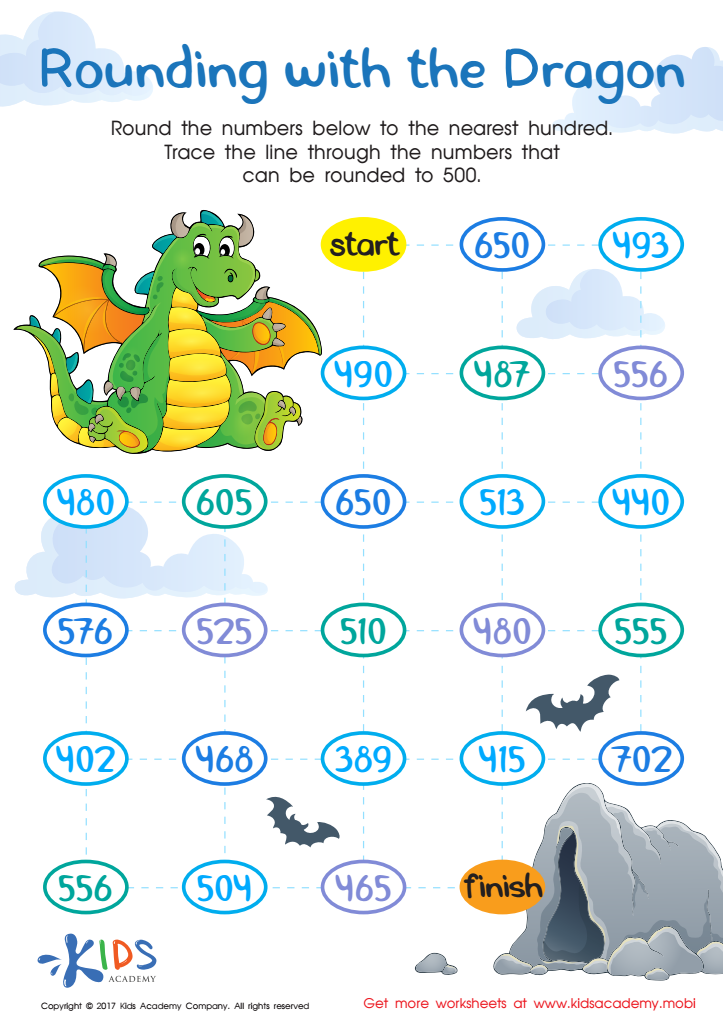
Rounding to the Nearest Hundred Worksheet
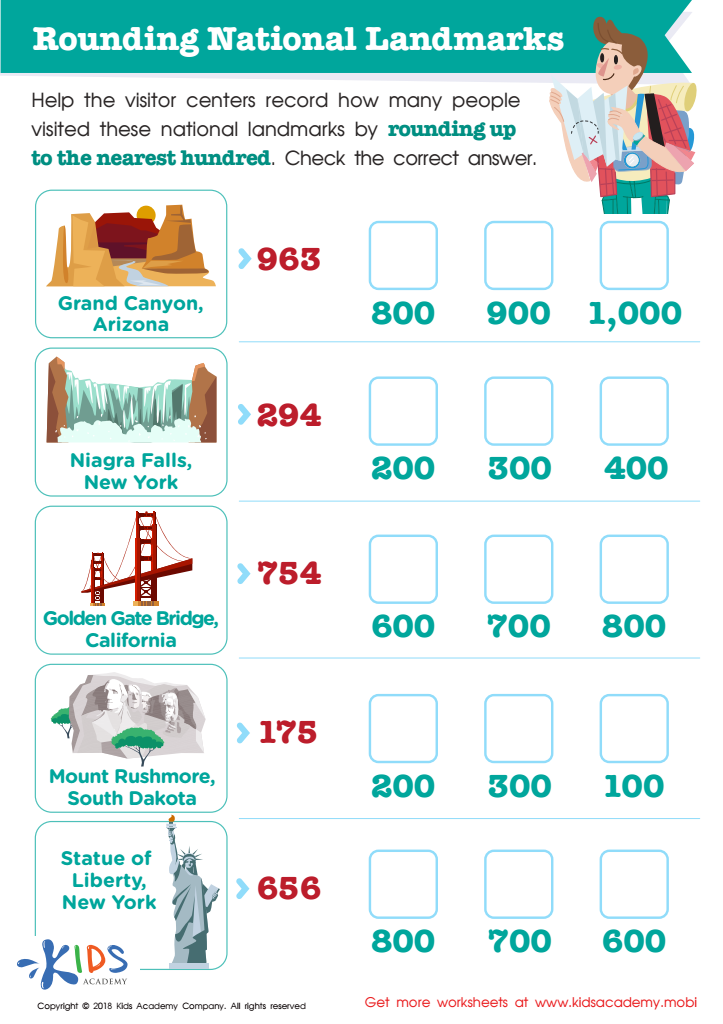
Rounding National Landmarks Worksheet
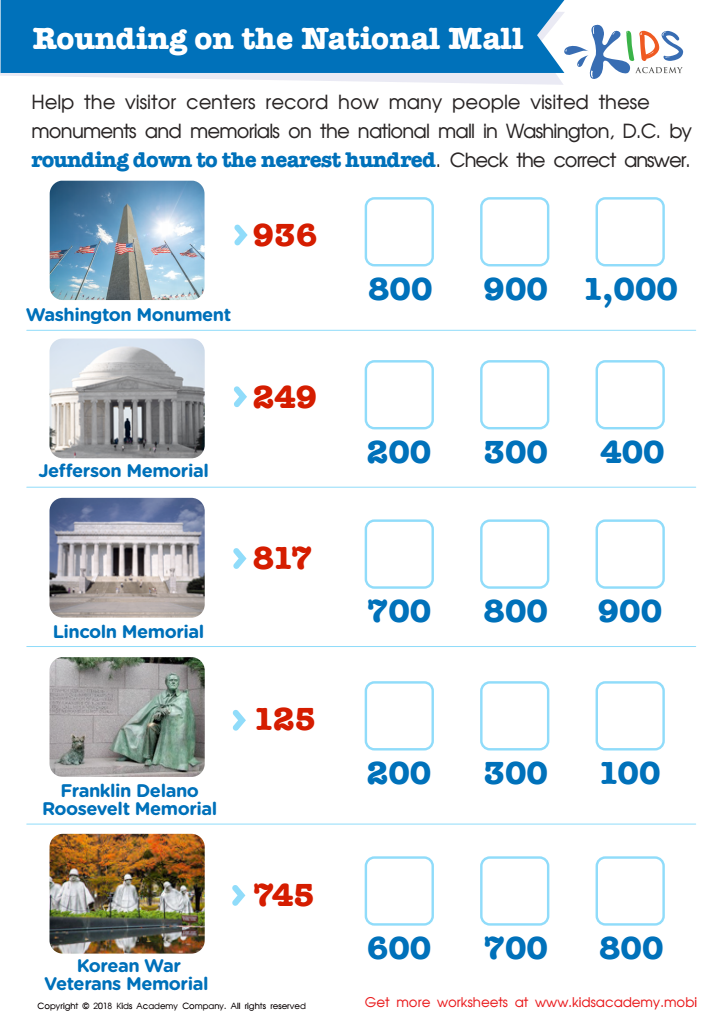
Rounding on the National Mall Worksheet
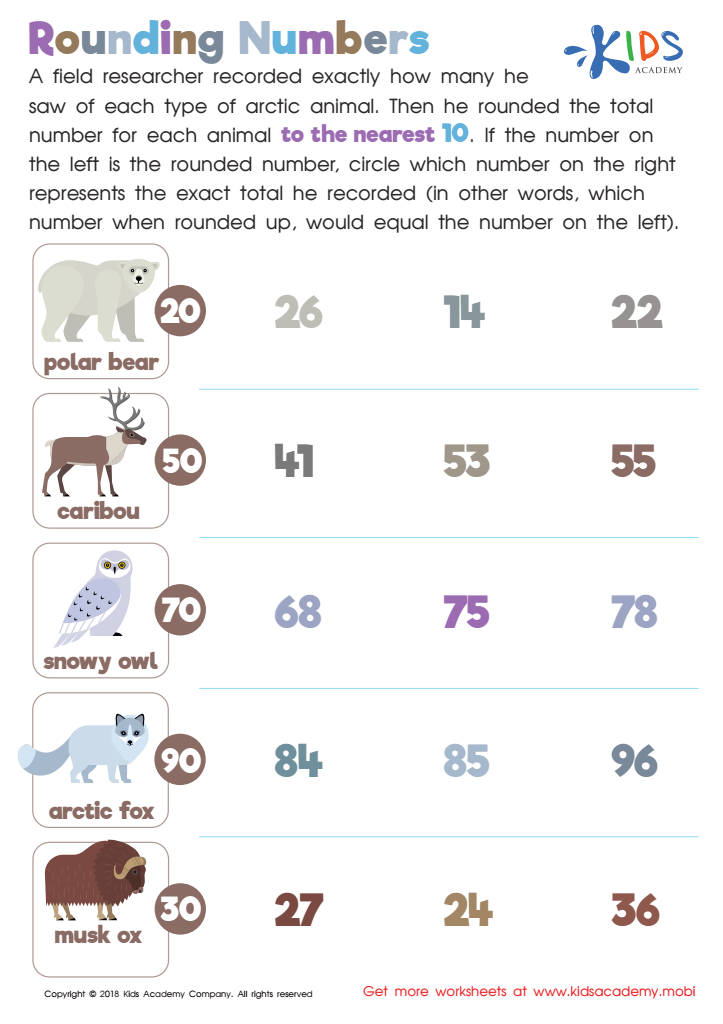
Rounding Numbers Worksheet
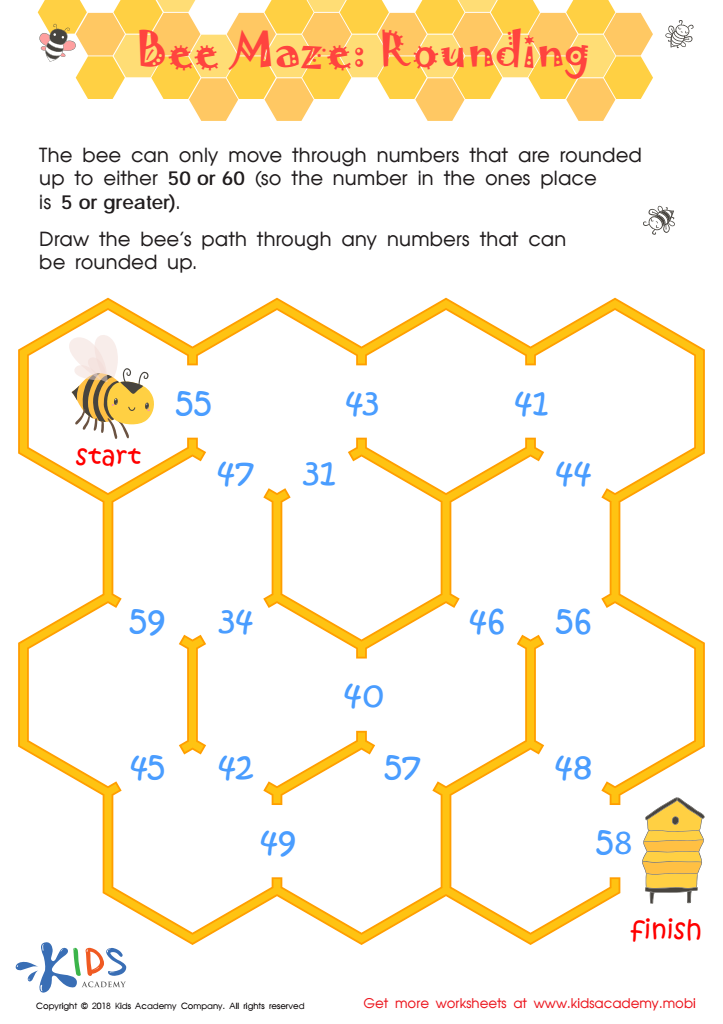
Bee Maze Rounding Worksheet
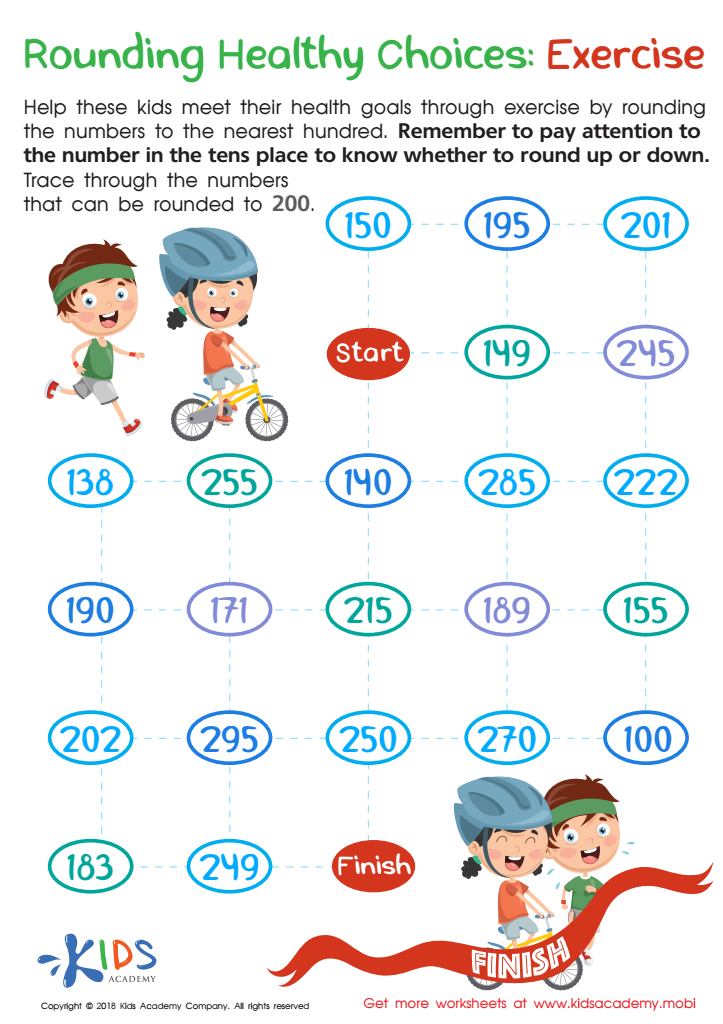
Rounding Healthy Choices Exercise Worksheet
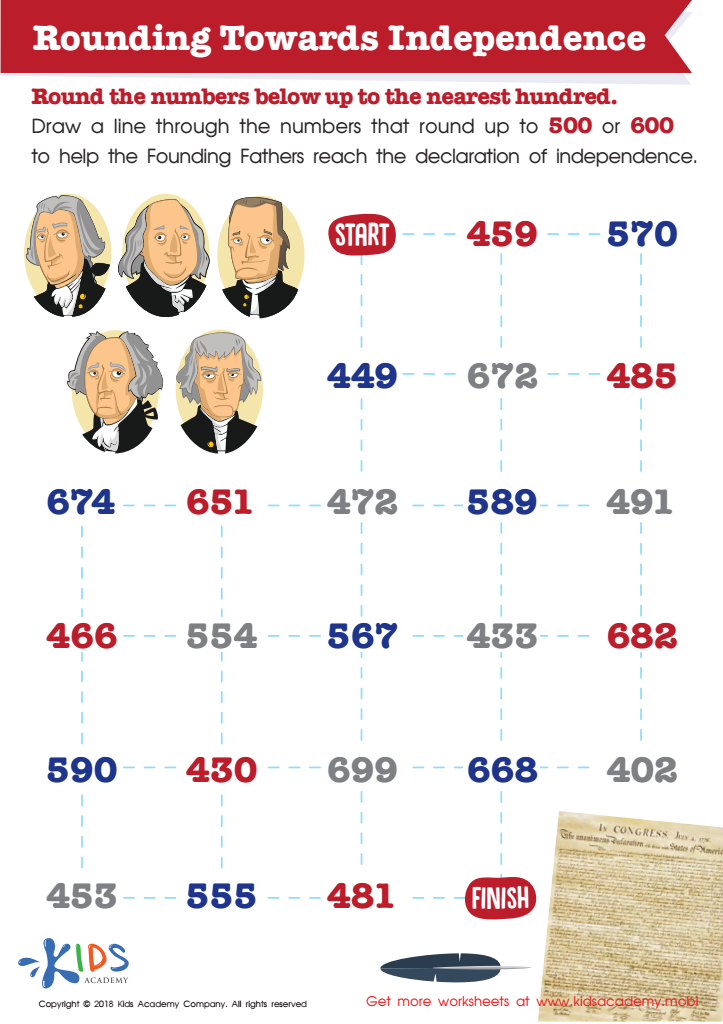
Rounding Towards Independence Worksheet
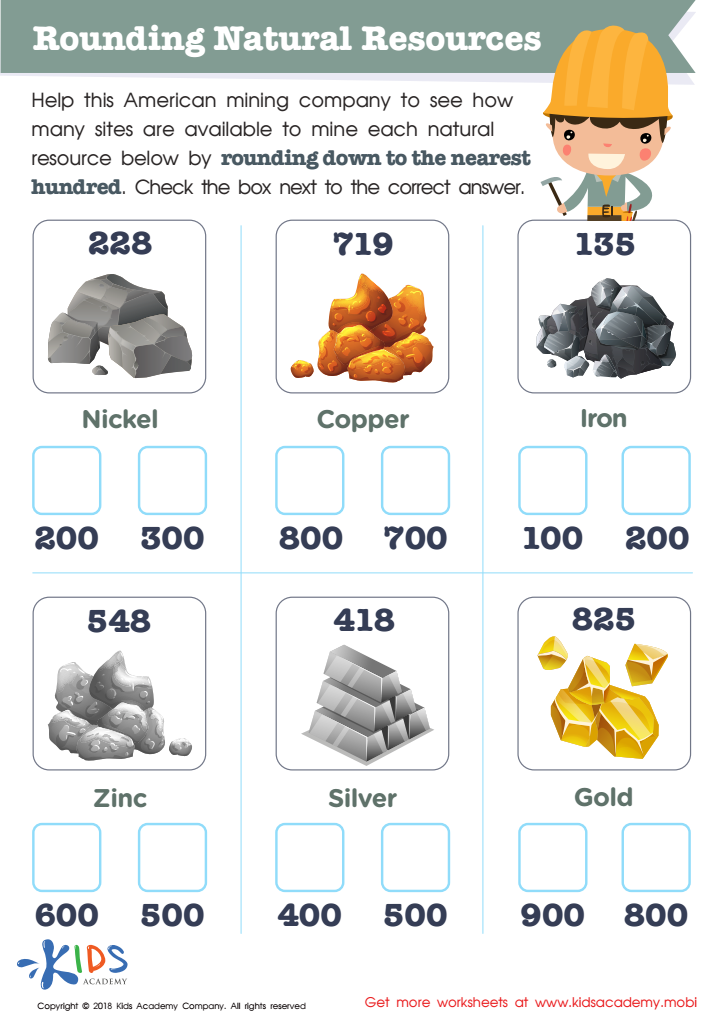
Rounding Natural Resources Worksheet
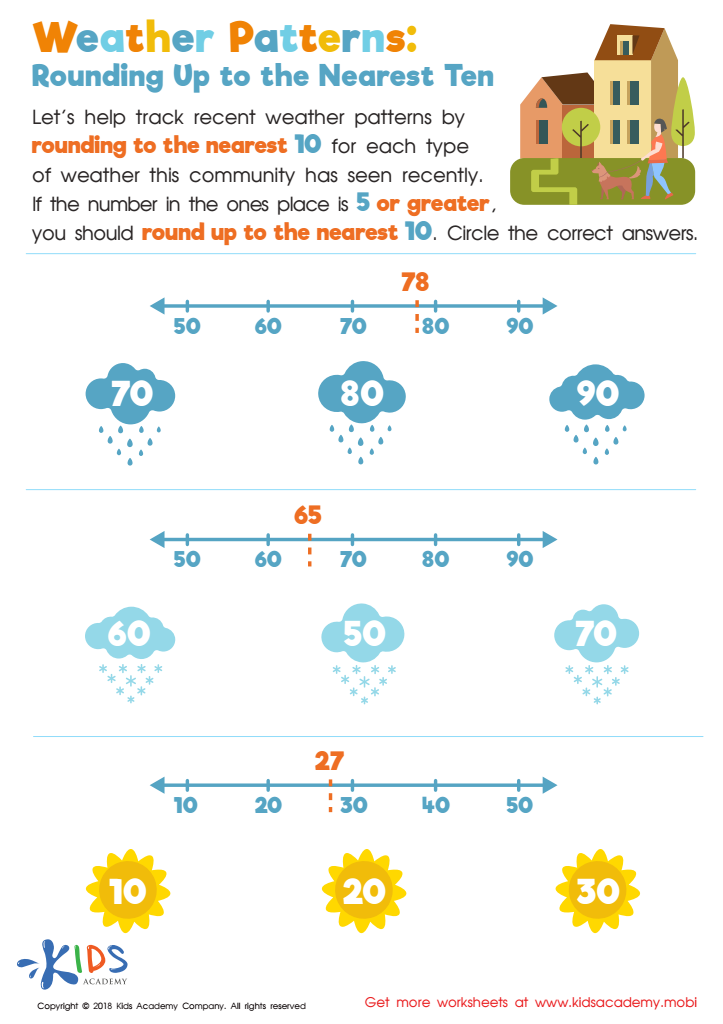
Weather Patterns Worksheet
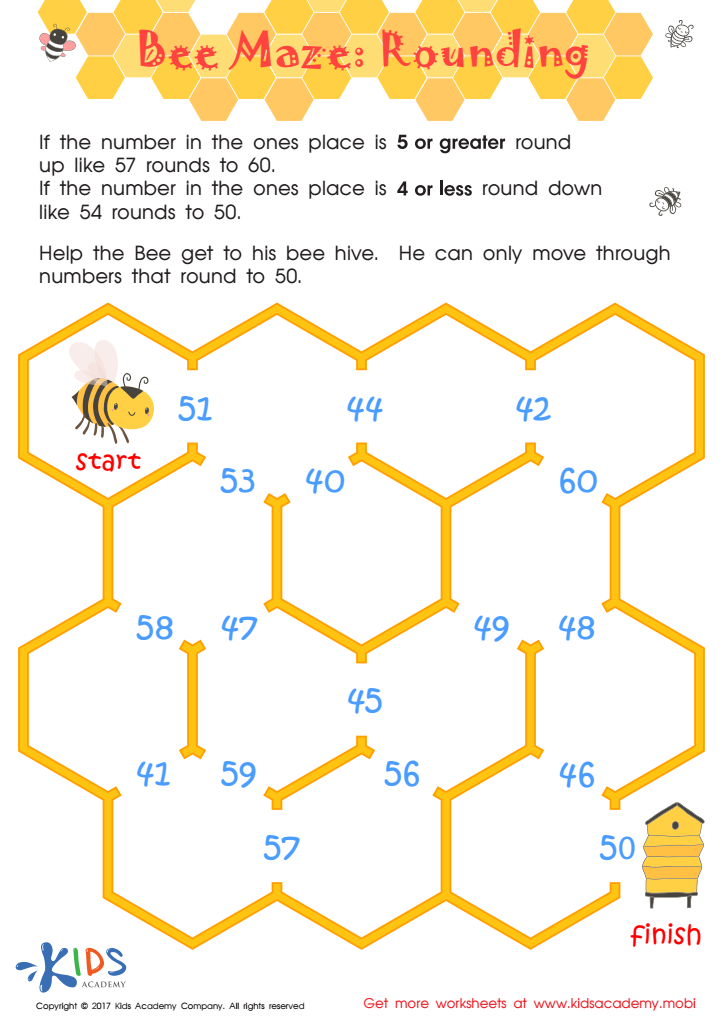
Bee Maze Worksheet






Rounding is a fundamental mathematical skill that plays a crucial role in building a strong foundation for young learners aged 4-9. Understanding the concept of rounding helps children simplify complex numbers, making math more manageable and intuitive. For parents and teachers, emphasizing rounding can aid in enhancing children's problem-solving skills and numerical fluency.
Children who grasp rounding can estimate answers more effectively, an essential skill in everyday life situations, like shopping and budgeting. This ability fosters critical thinking and decision-making, allowing them to make quick, reasonable judgments when precise calculations aren’t necessary.
Moreover, rounding lessons can engage students in meaningful discussions about number values and their approximations, enhancing comprehension of place value and differences between large and small numbers. This understanding paves the way for grasping more advanced math concepts in later years.
For parents and teachers, incorporating rounding activities—like games or real-life scenarios—in lessons makes math fun and relatable. Ultimately, nurturing rounding skills empowers children with confidence in their numerical abilities, positively influencing their overall academic journey and equipping them for future educational challenges. Thus, nurturing this skill should be a priority in early education.