Sorting Worksheets for Ages 4-9
27 filtered results
-
From - To
Discover our engaging Sorting Worksheets for children ages 4 to 9, designed to enhance early math skills through fun and interactive activities. These worksheets introduce sorting concepts using vibrant visuals and relatable themes, helping young learners categorize objects based on attributes such as size, shape, and color. Perfect for classroom or at-home learning, our printable resources encourage critical thinking and develop organizational skills in a playful manner. Whether your child is sorting animals, toys, or everyday objects, these worksheets provide a solid foundation for understanding fundamental math concepts. Get started today and watch your child’s sorting skills flourish!
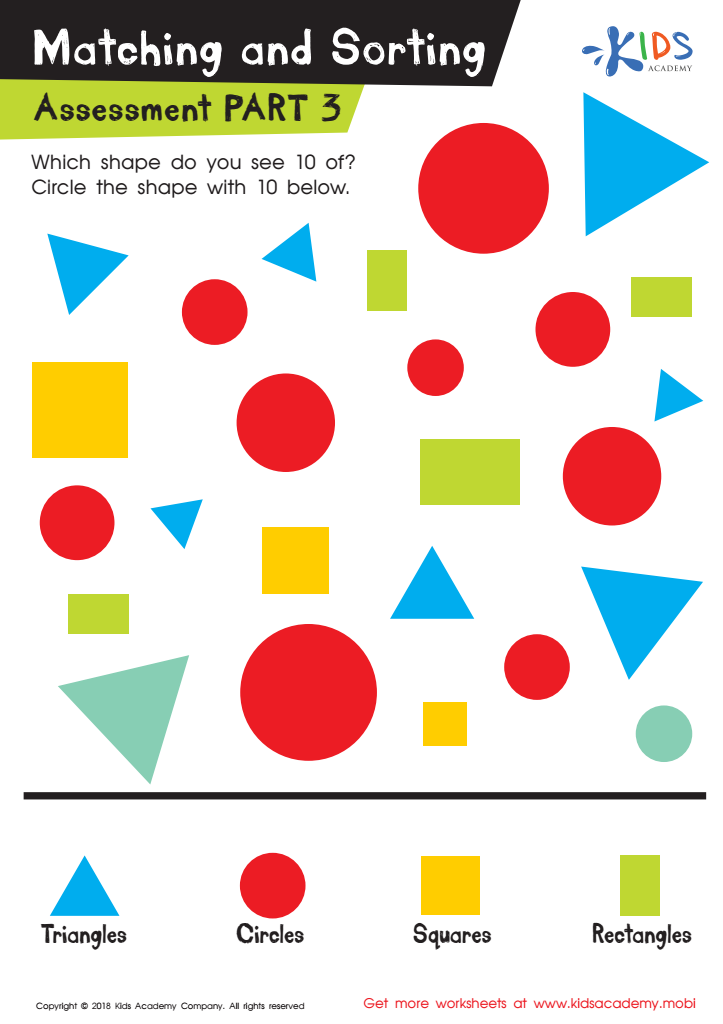
Matching and Sorting for Kindergarten: Assessment 3 Worksheet
 Assign to My Students
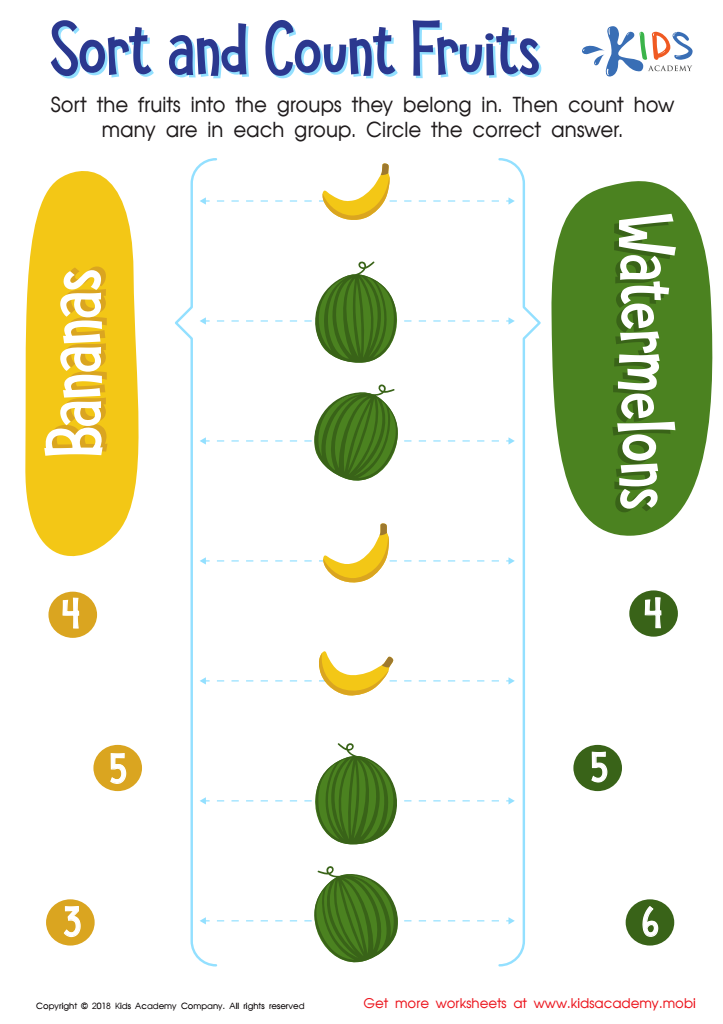
Sort and Count Fruits Worksheet
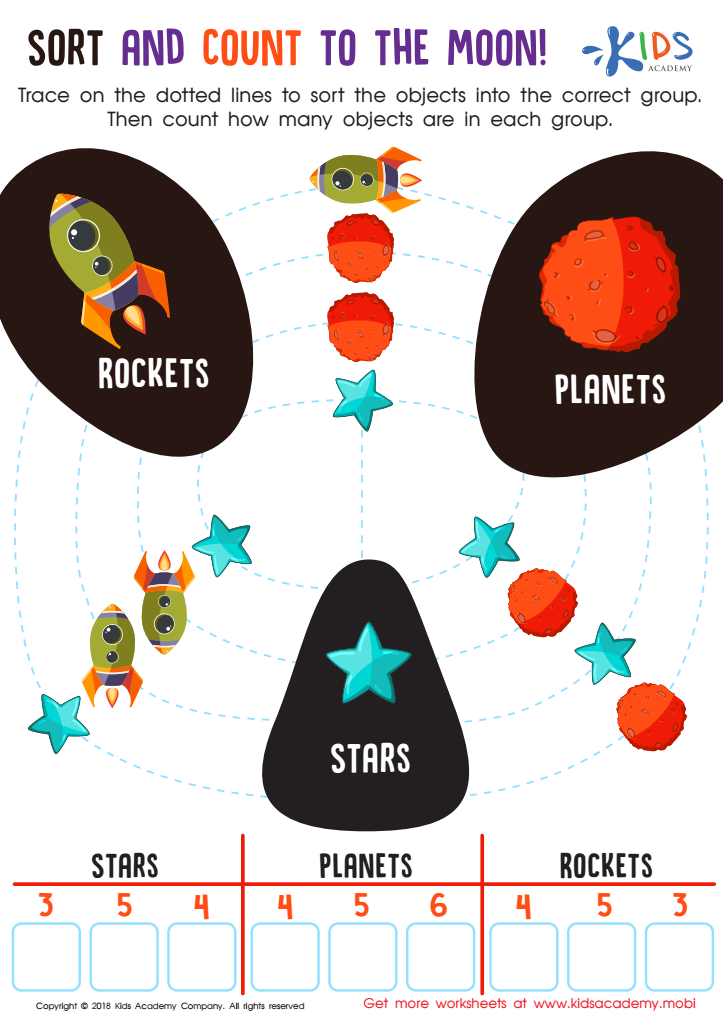
Sort and Count to the Moon Worksheet
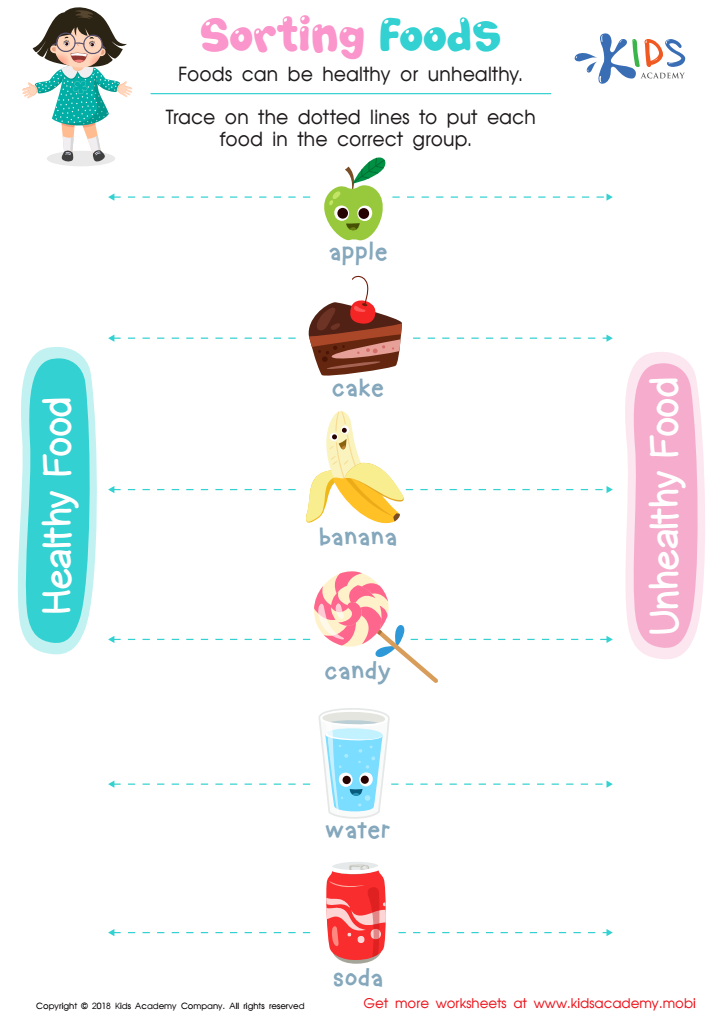
Sorting Food Worksheet
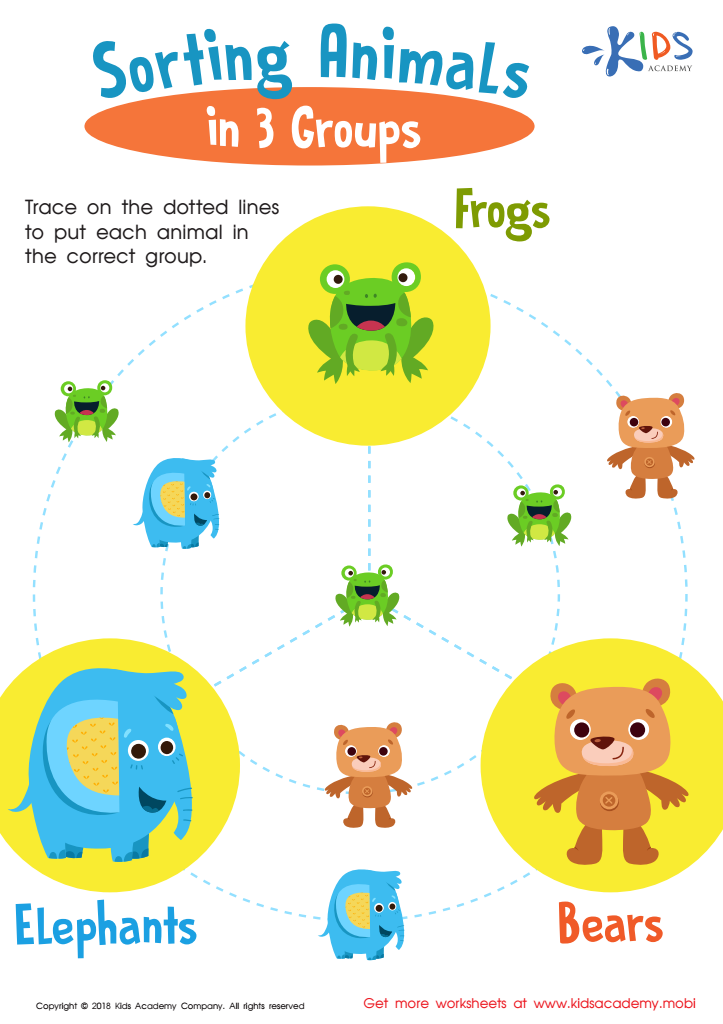
Sorting Animals in 3 Groups Worksheet
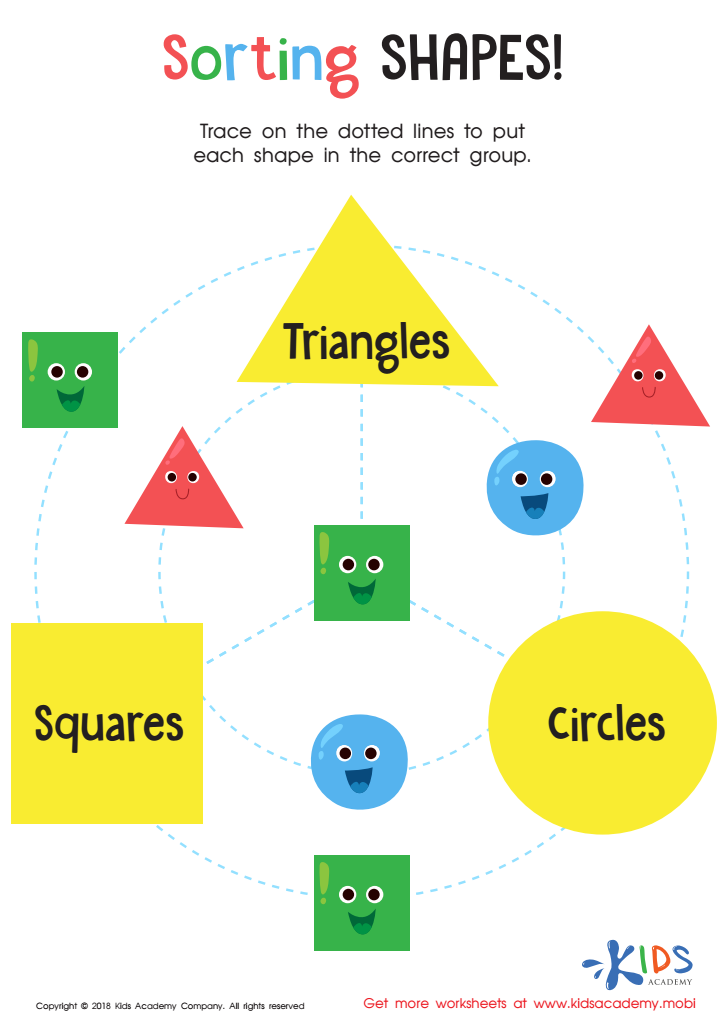
Sorting Shapes - Part 3 Worksheet
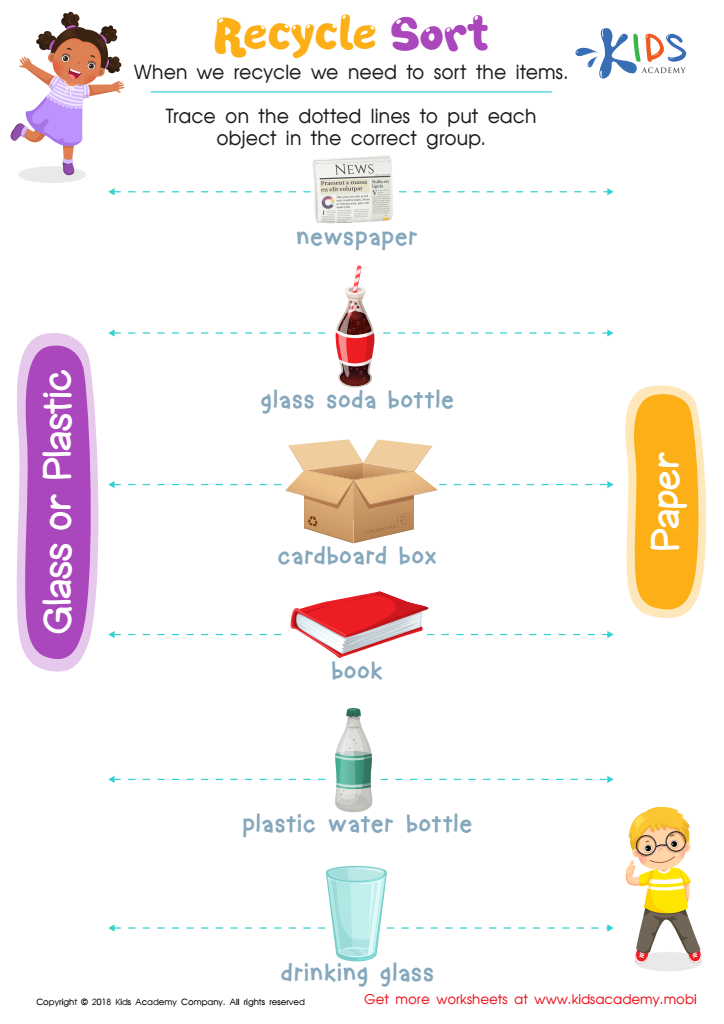
Recycle Sort Worksheet
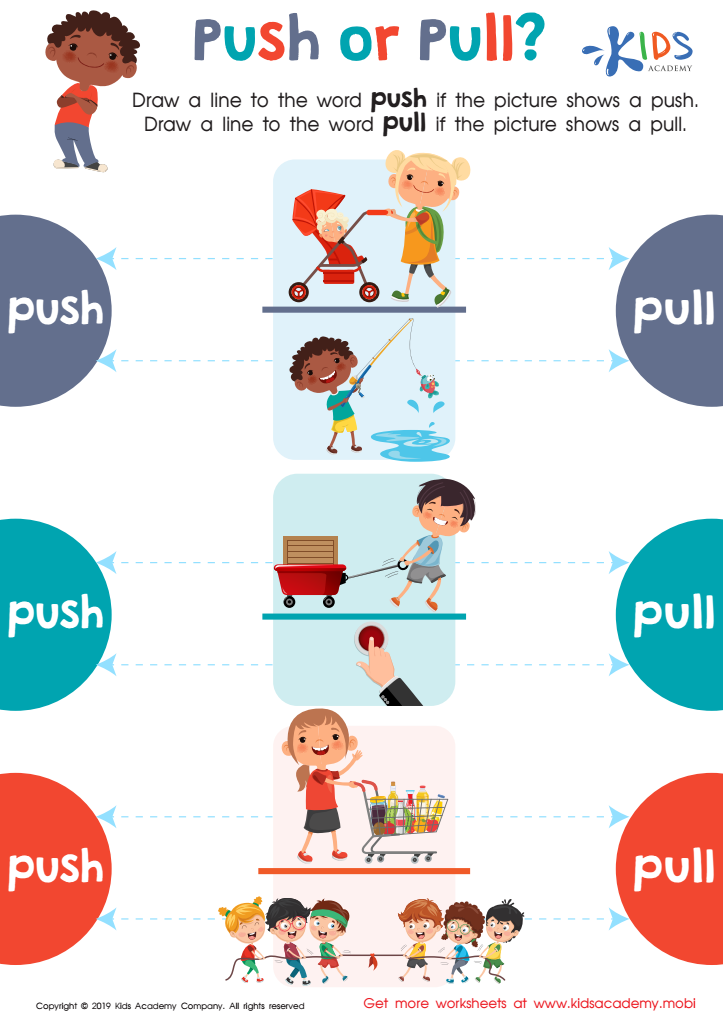
Push or Pull? Worksheet
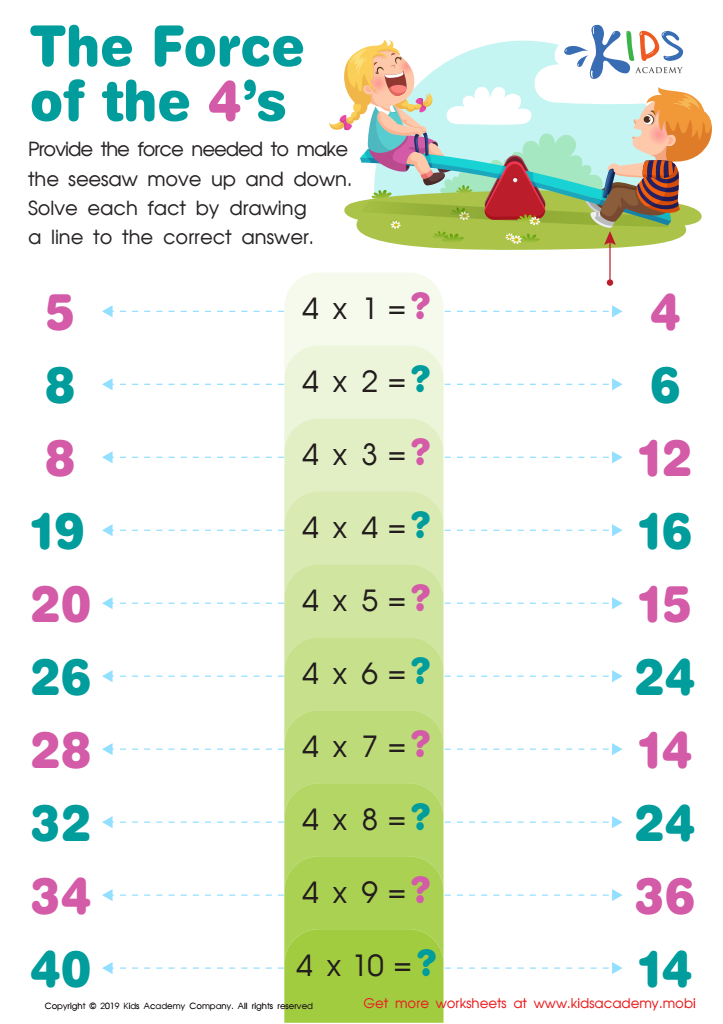
The Force of the 4's Worksheet
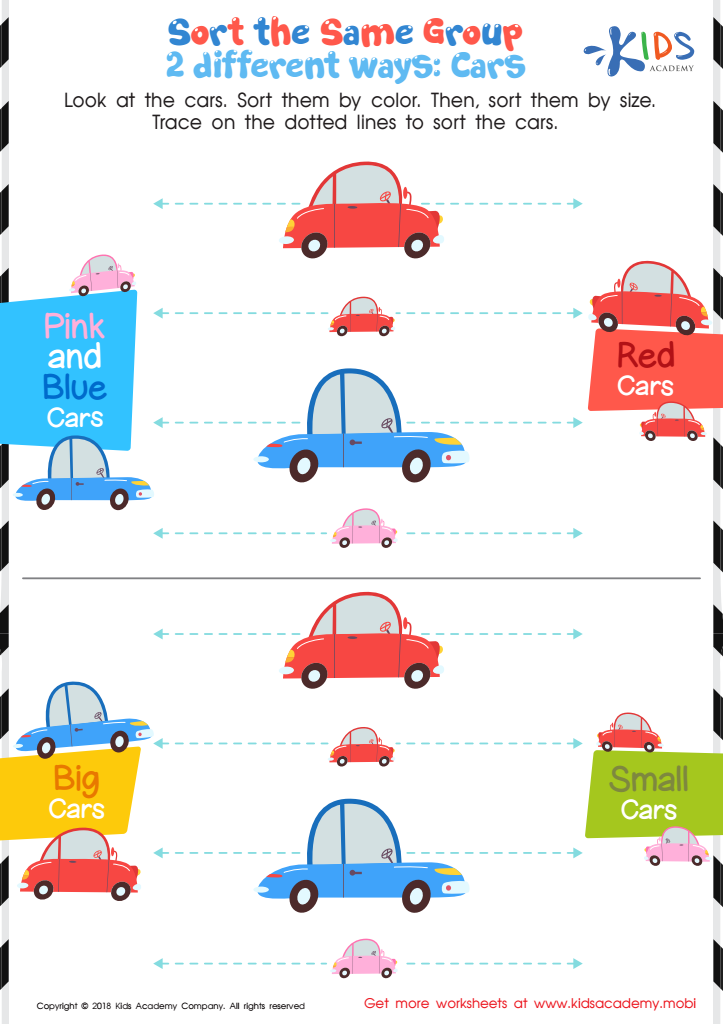
Sort the Same Group 2 Different Ways: Cars Worksheet
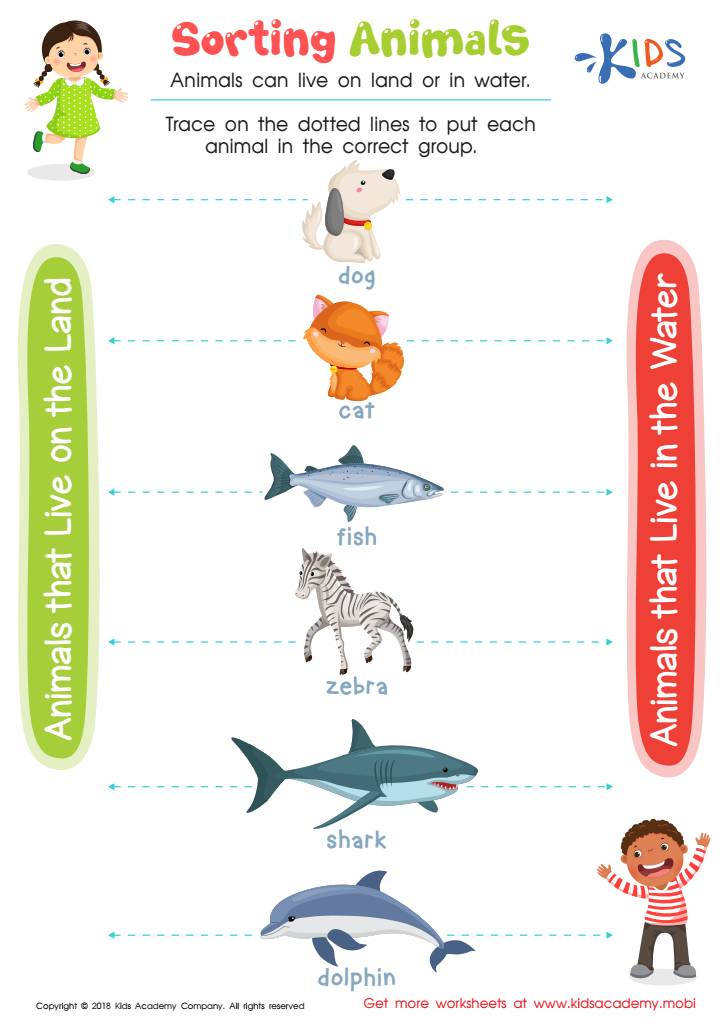
Sorting Animals Worksheet
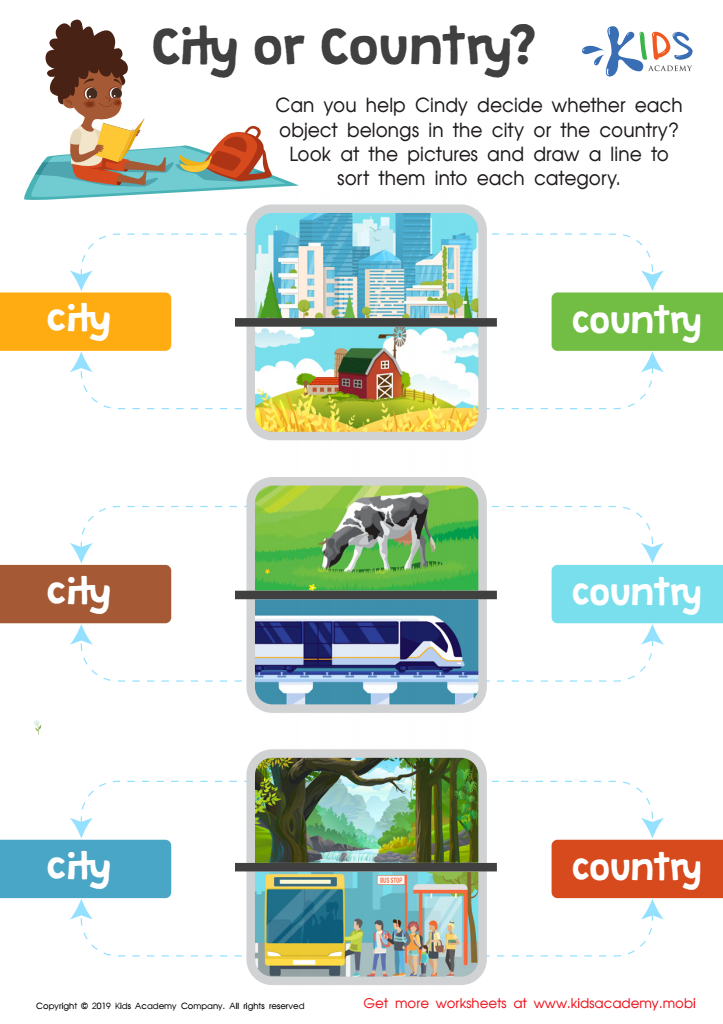
City or Country? Worksheet
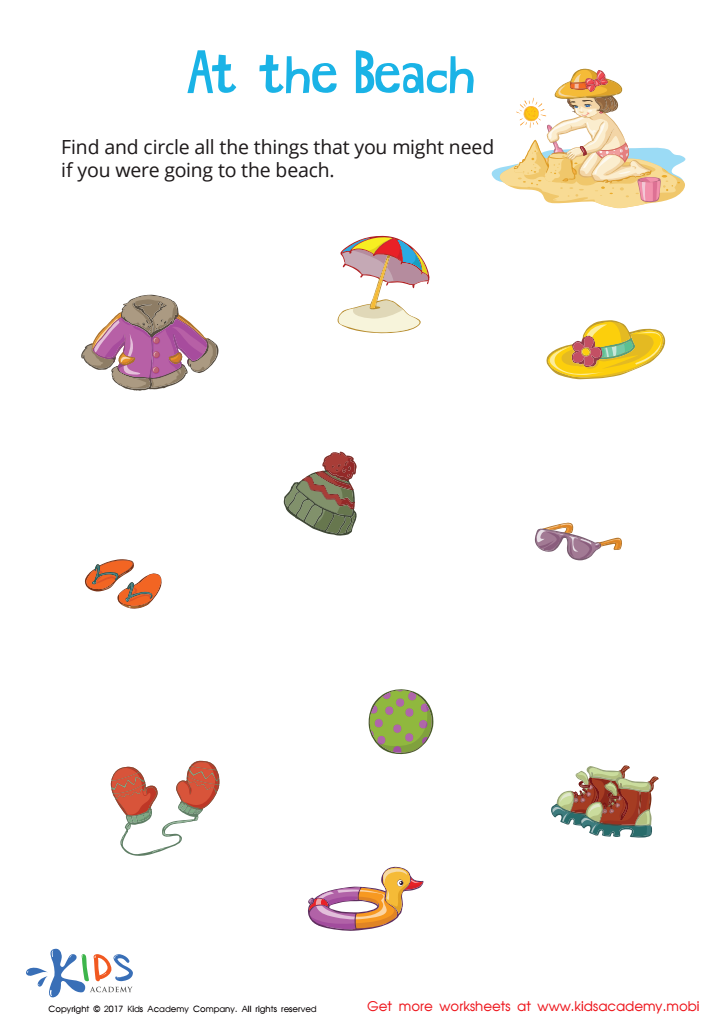
At the Beach Sorting Worksheet
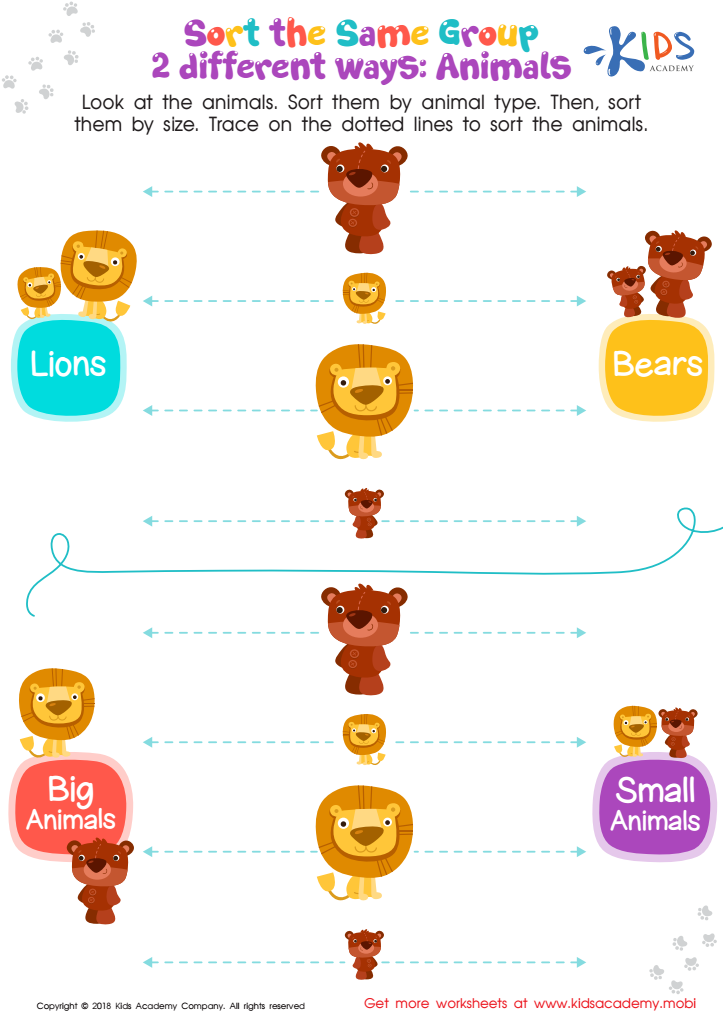
Sort the Same Group 2 Different Ways: Animals Worksheet
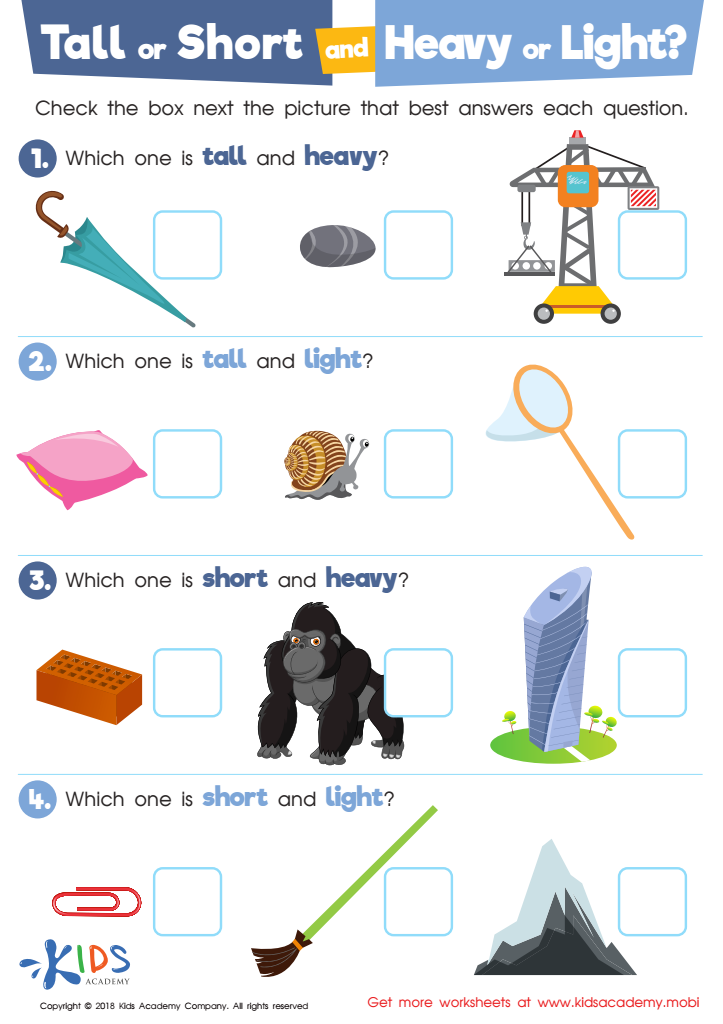
Tall or Short and Heavy or Light? Worksheet
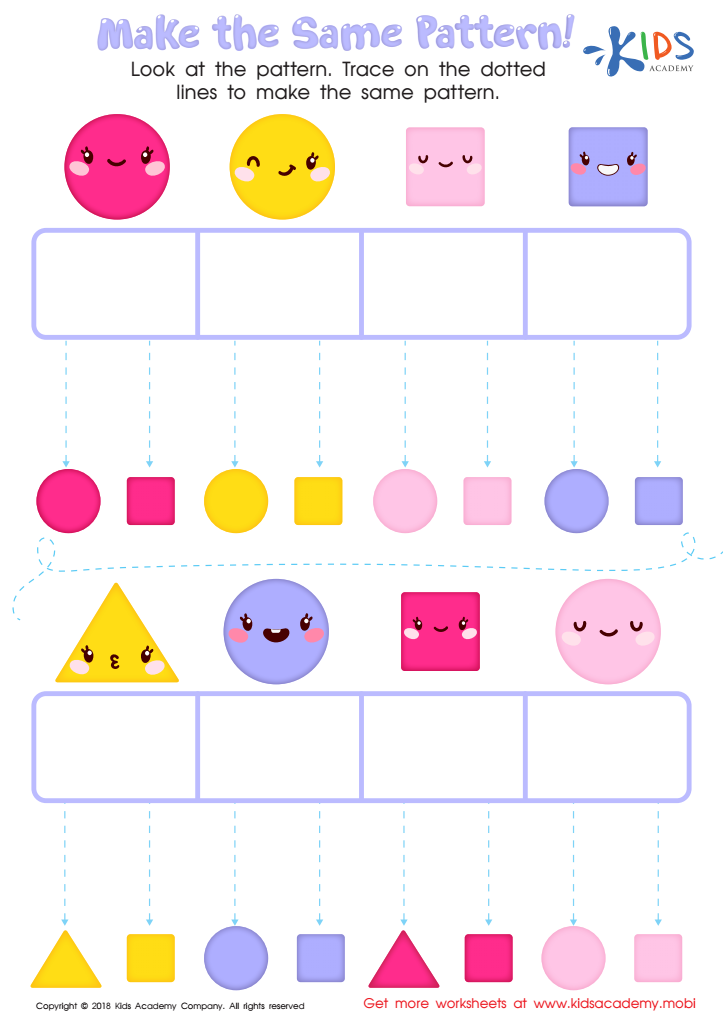
Make the Same Pattern Worksheet
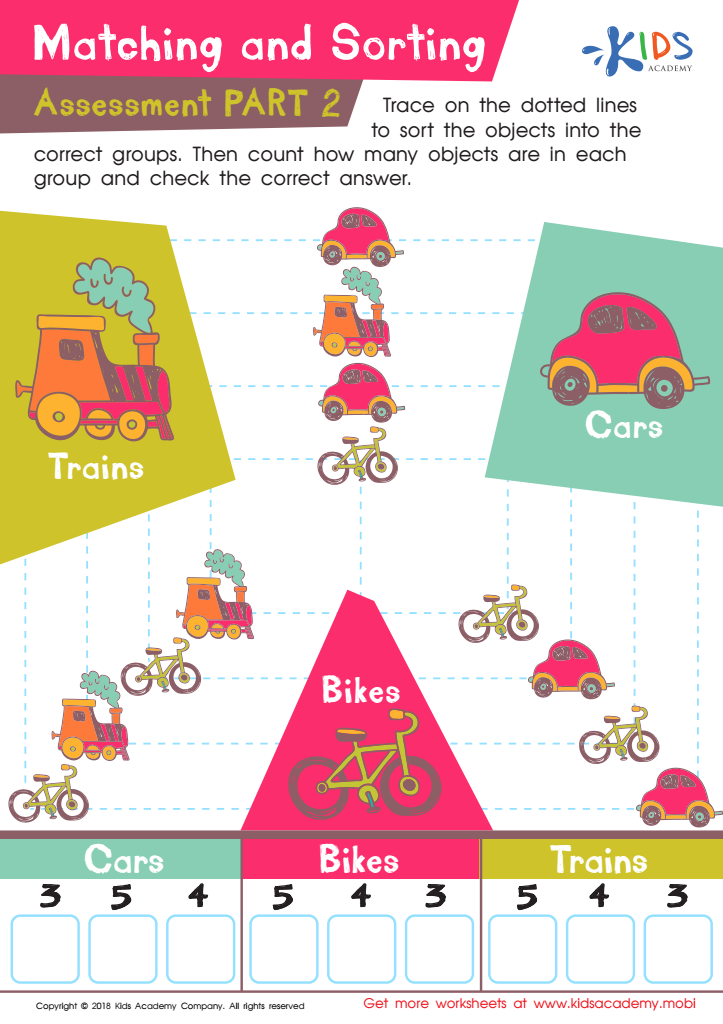
Matching and Sorting for Kindergarten: Assessment 2 Worksheet
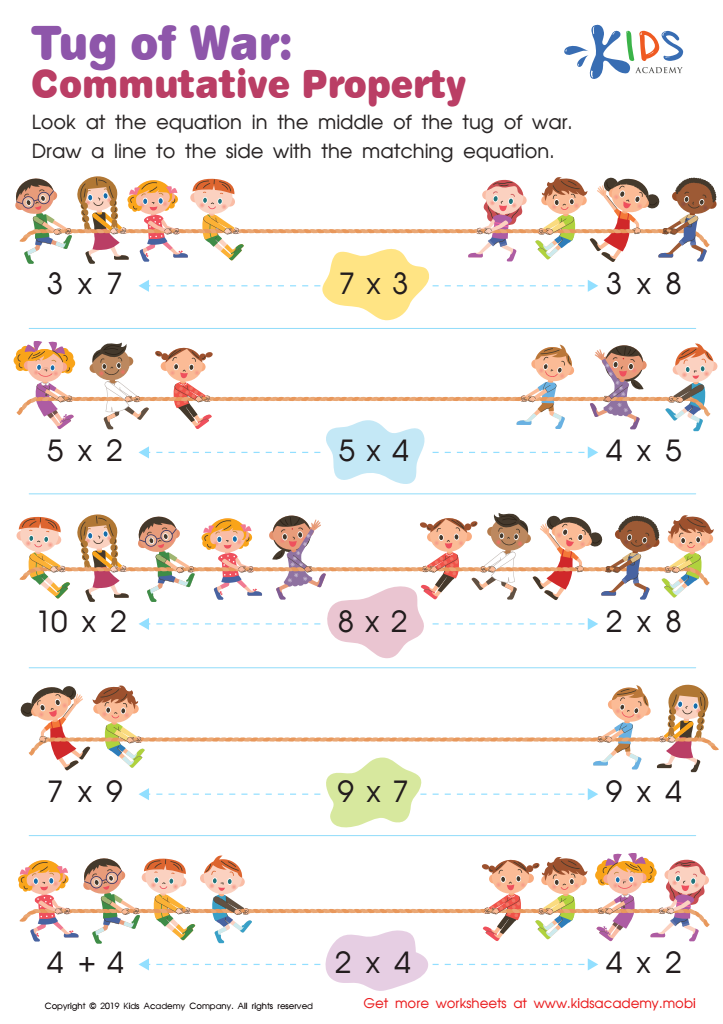
Tug of War: Commutative Property Worksheet
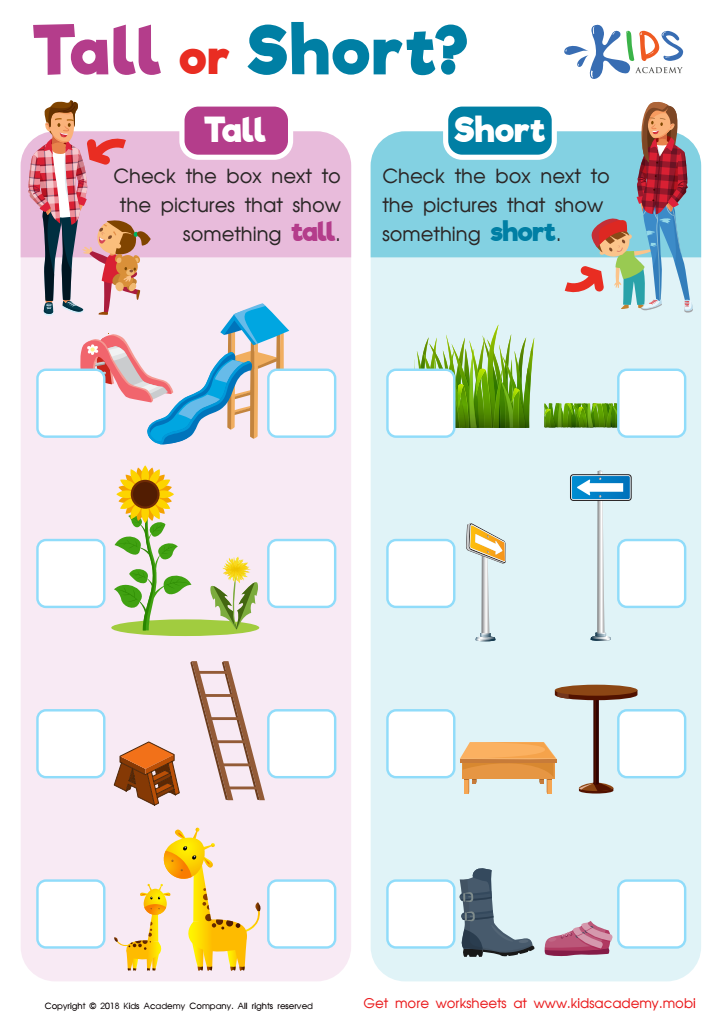
Tall or Short? Worksheet
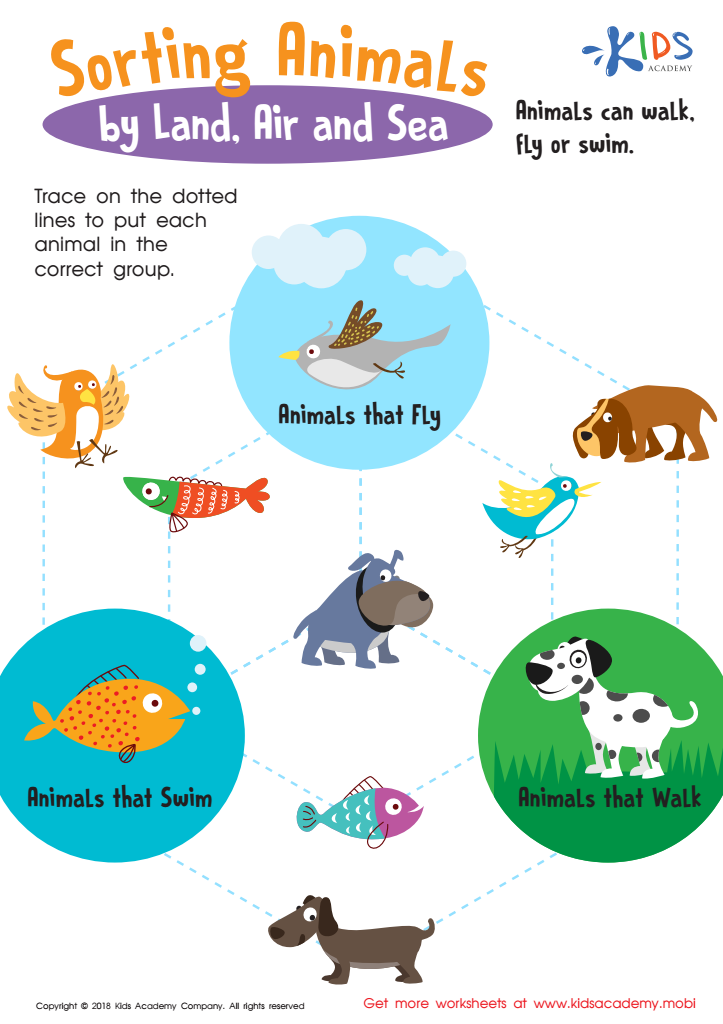
Sorting Animals by Land, Air and Sea Worksheet
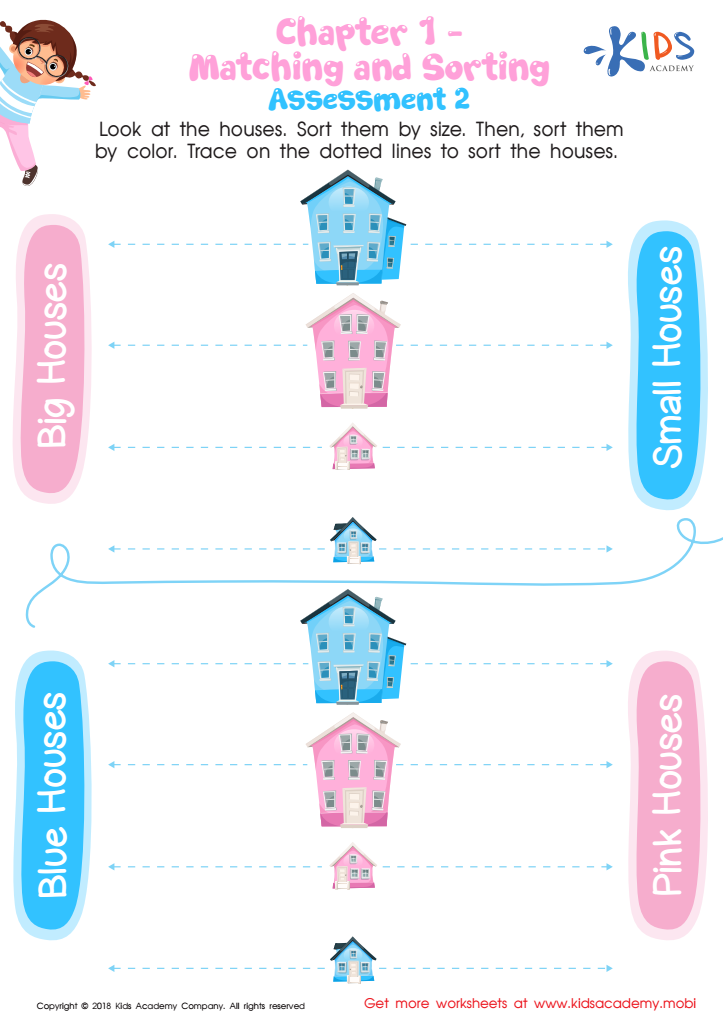
Matching and Sorting for Preschool: Assessment 2 Worksheet
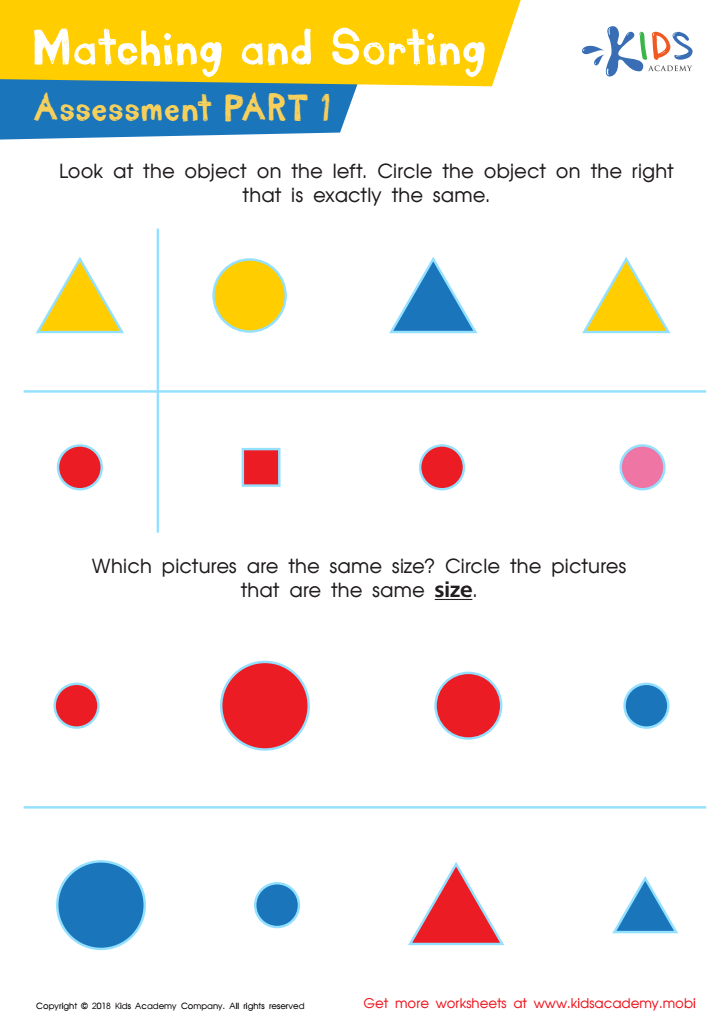
Matching and Sorting for Kindergarten: Assessment 1 Worksheet
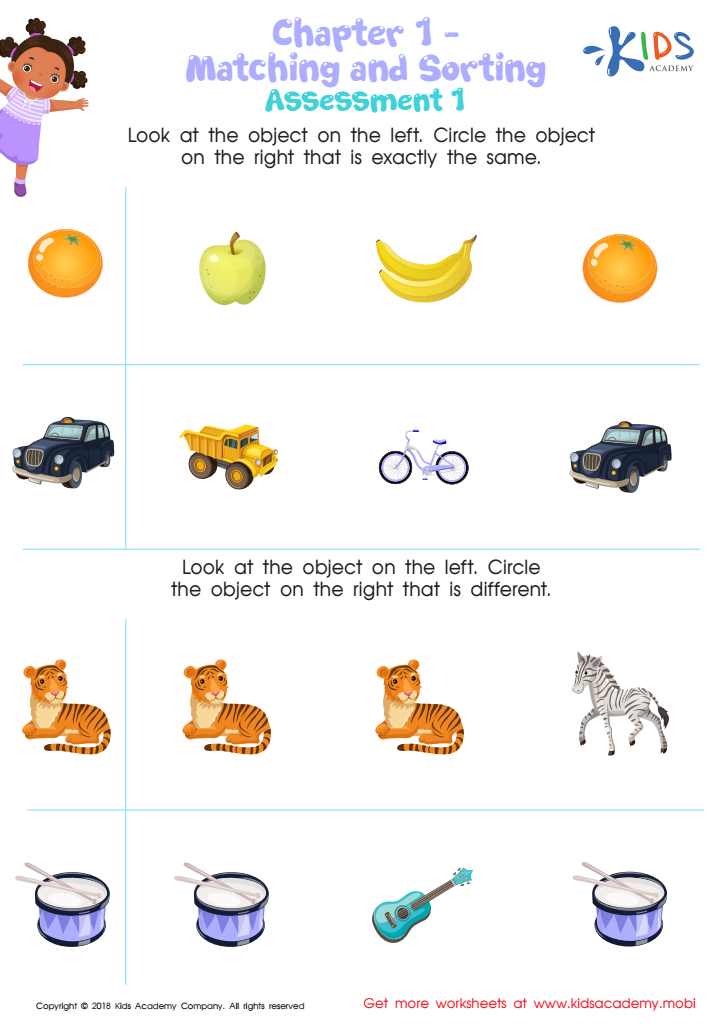
Matching and Sorting for Preschool: Assessment 1 Worksheet








Sorting is a fundamental cognitive skill that promotes critical thinking and problem-solving abilities in children aged 4-9. At this developmental stage, kids are actively exploring their environment and categorizing information. By engaging in sorting activities, children learn to recognize patterns, differentiate between objects, and understand relationships—a foundation for more complex mathematical concepts.
Parents and teachers should care about sorting because it develops both cognitive and social skills. Sorting encourages children to verbalize their thought processes, fostering language development and communication skills. It also enhances fine motor skills through the manipulation of objects, such as sorting blocks or colored items.
Participating in sorting helps children build their organizational skills, an essential life skill that will serve them in school and beyond. The practice of classifying objects based on attributes such as size, shape, or color cultivates a sense of early mathematical reasoning, setting the stage for arithmetic learnings.
Moreover, sorting can be an enjoyable, interactive activity that promotes cooperative play, teaching children how to work with peers and take turns. Hence, emphasizing sorting activities at home or in the classroom not only aids intellectual development but also nurtures social and emotional growth during these formative years.








