Life Science Worksheets for Ages 4-9
36 filtered results
-
From - To
Explore our engaging Life Science Worksheets designed specifically for children ages 4 to 9! Perfect for early learners, these worksheets introduce key concepts of life sciences, including plants, animals, ecosystems, and more. Our interactive activities encourage children to observe, hypothesize, and draw conclusions about the world around them. With colorful illustrations and age-appropriate language, these printable resources make learning fun and exciting. Ideal for both classroom use and homeschooling, our worksheets help young students develop critical thinking skills while fostering a love for nature and science. Discover the wonders of life on Earth with our thoughtfully crafted materials today!
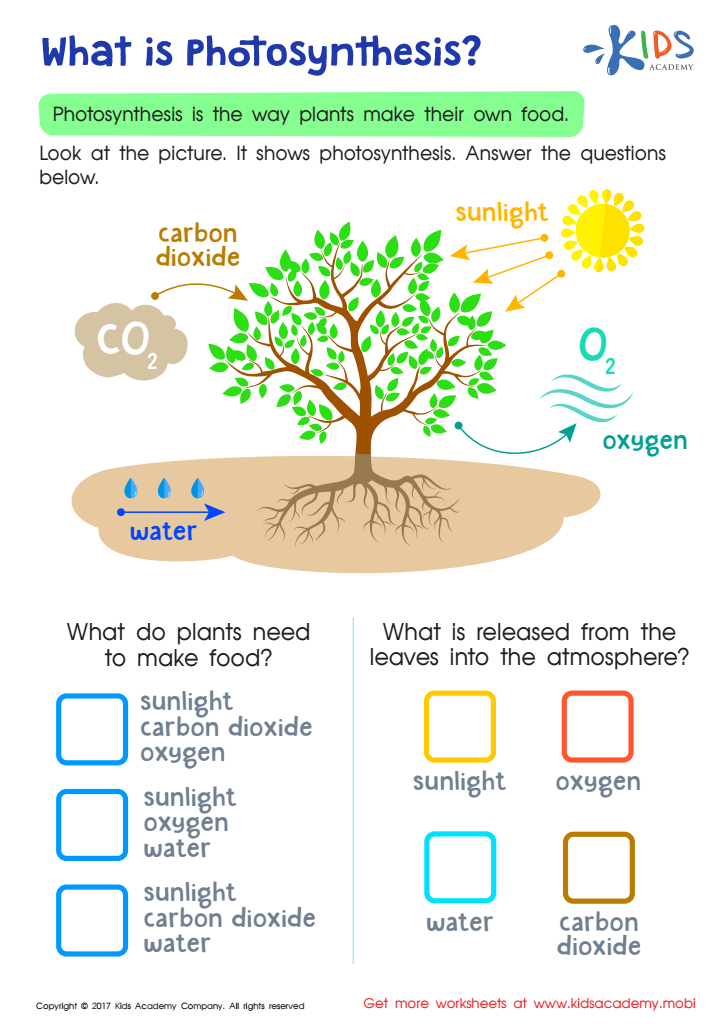
What is Photosynthesis Printable
 Assign to My Students
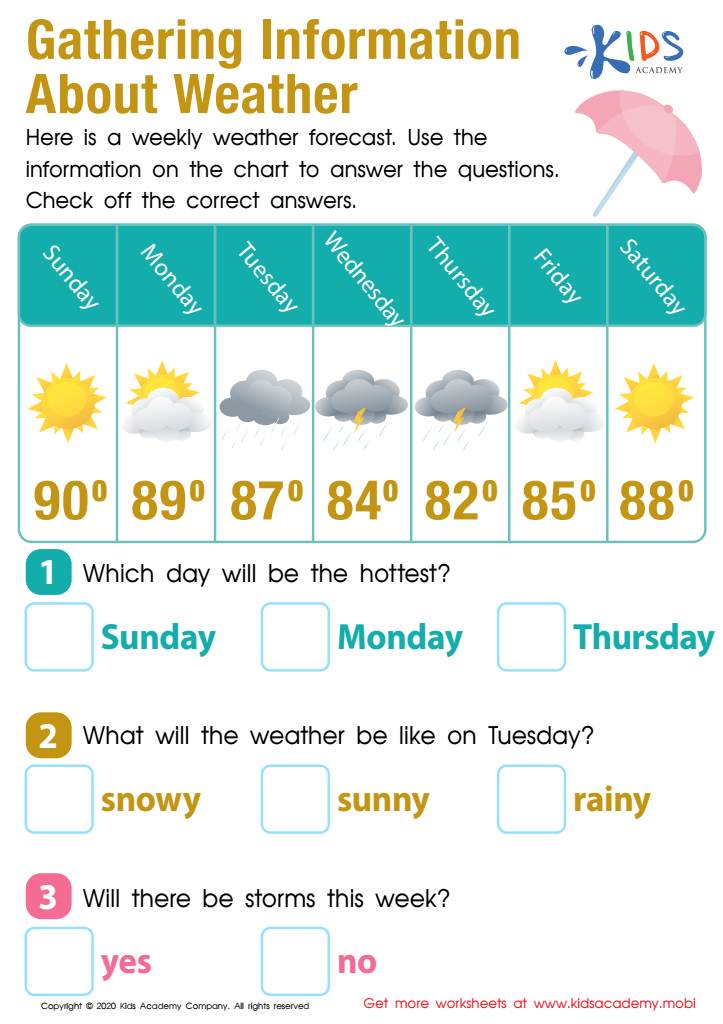
Gathering Information About the Weather Worksheet
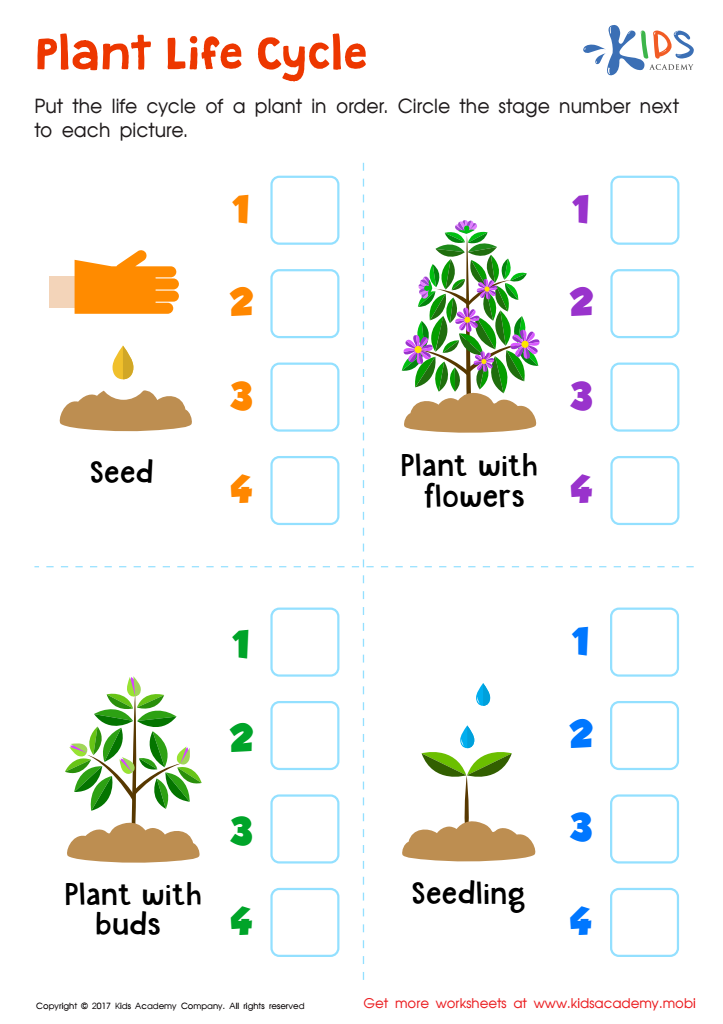
Plant Life Cycle Printable
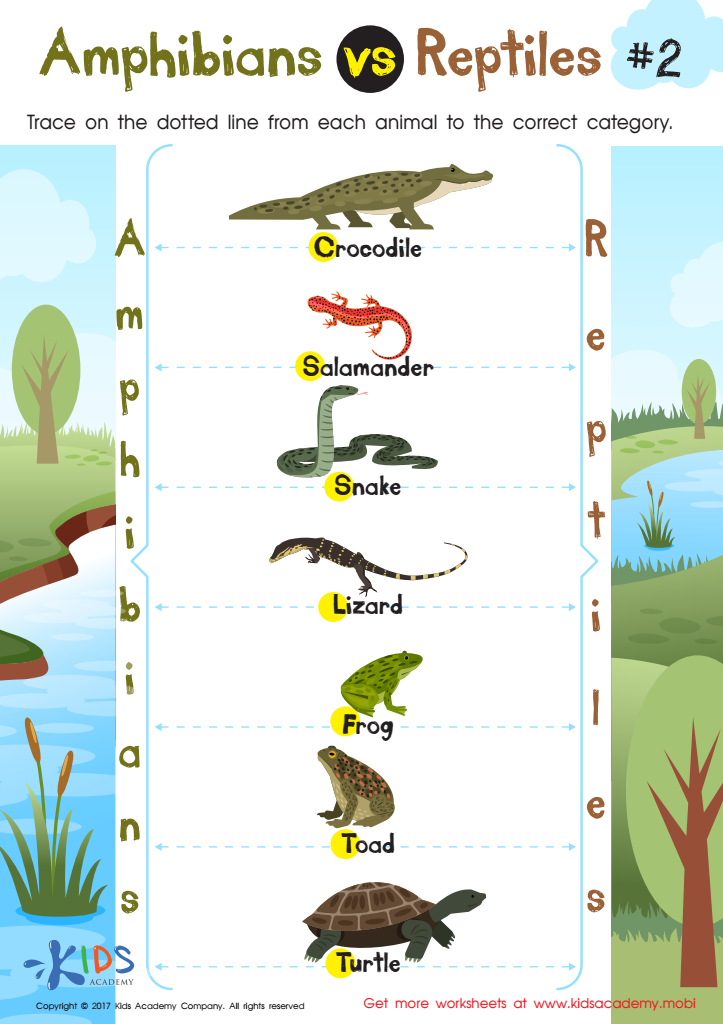
Amphibians vs Reptiles Worksheet for 3rd Grade
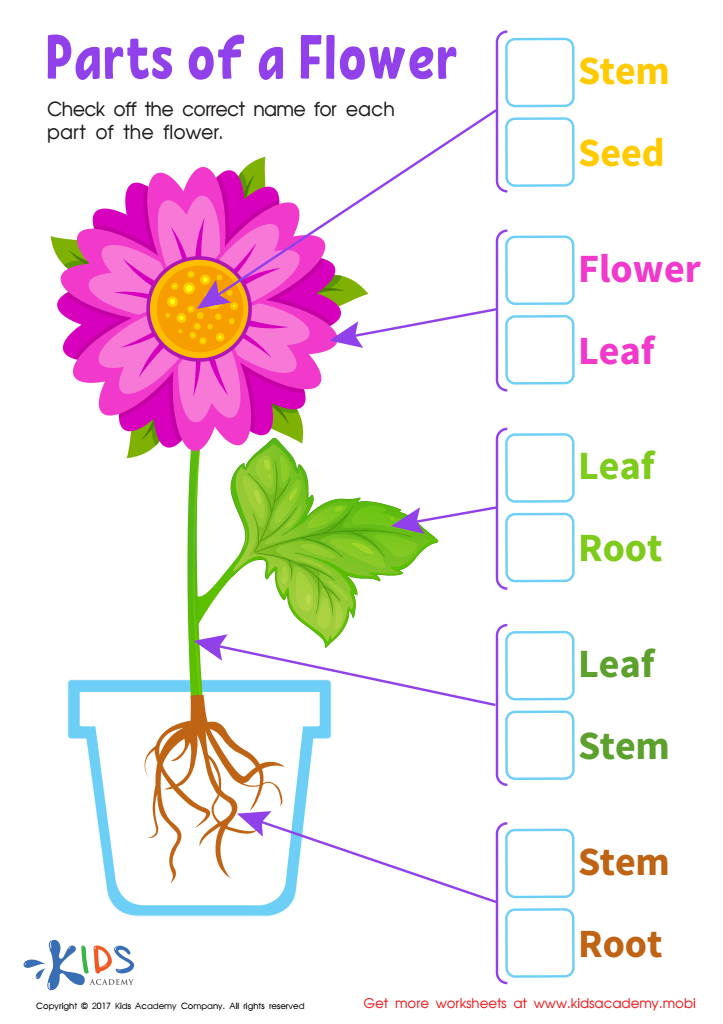
Parts Flower Printable
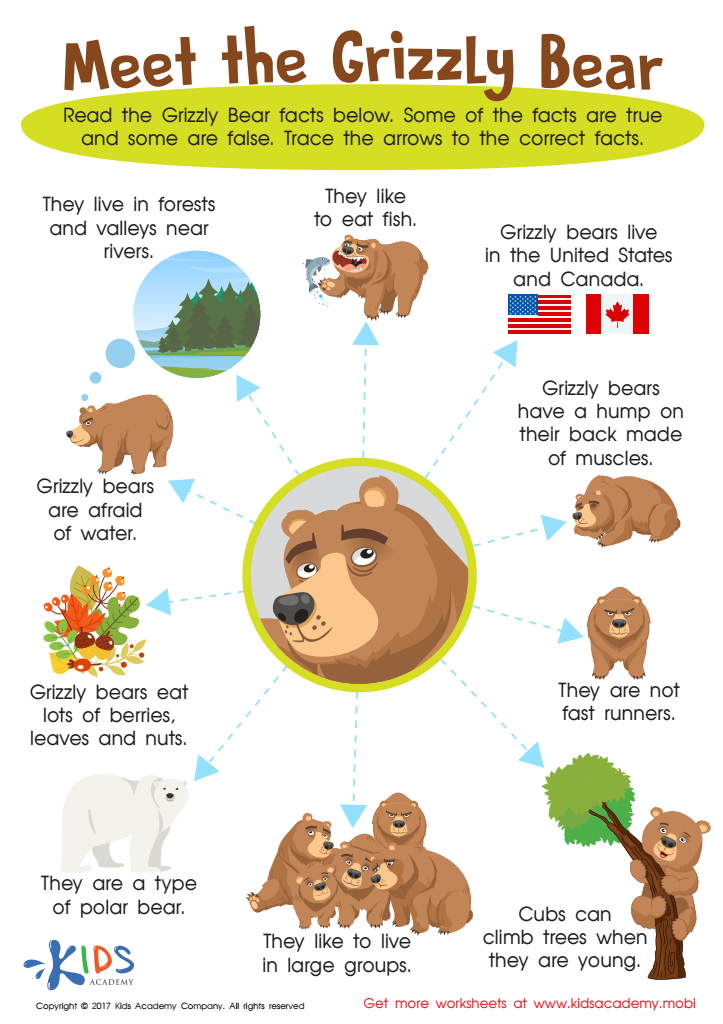
Grizzly Bear Facts Worksheet
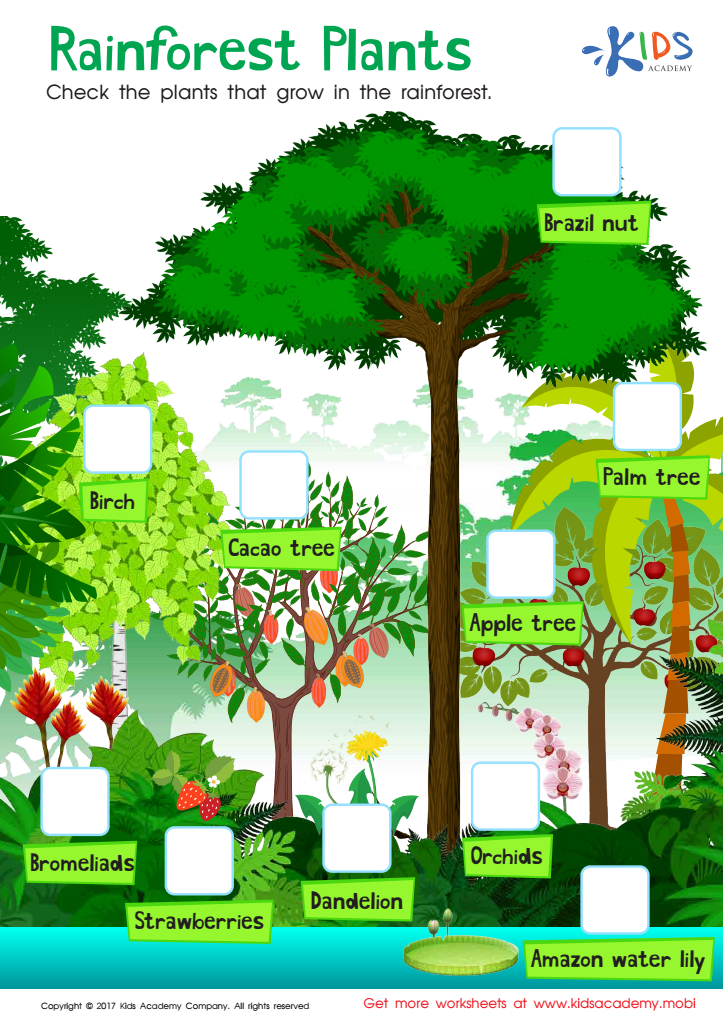
Rainforest Plants Worksheet
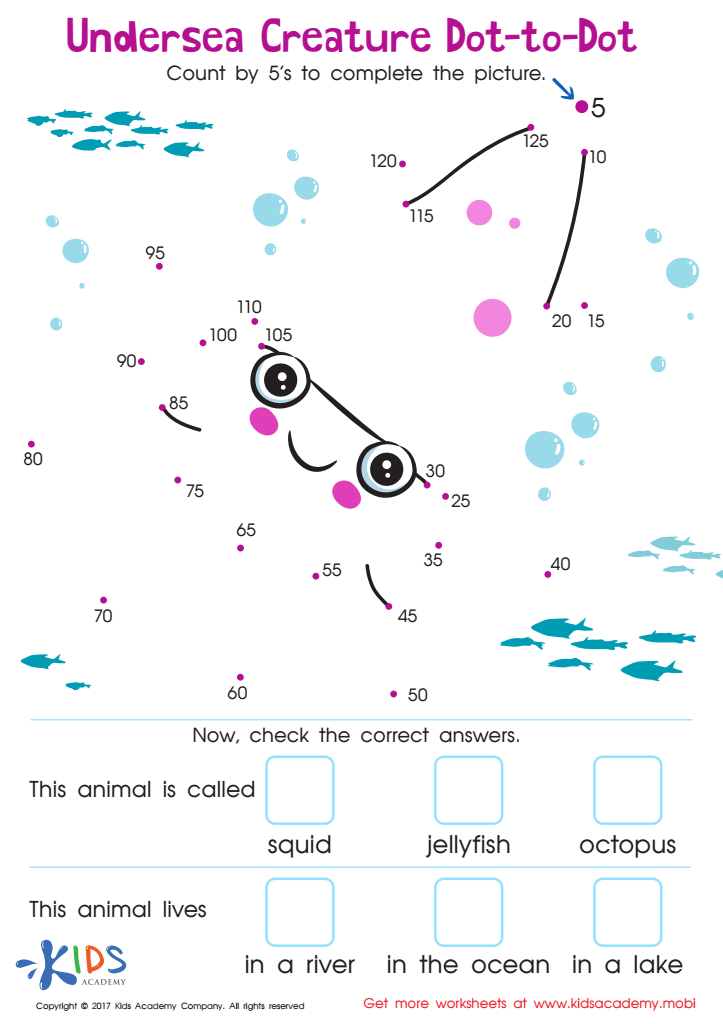
Undersea: Dot To Dot Worksheet
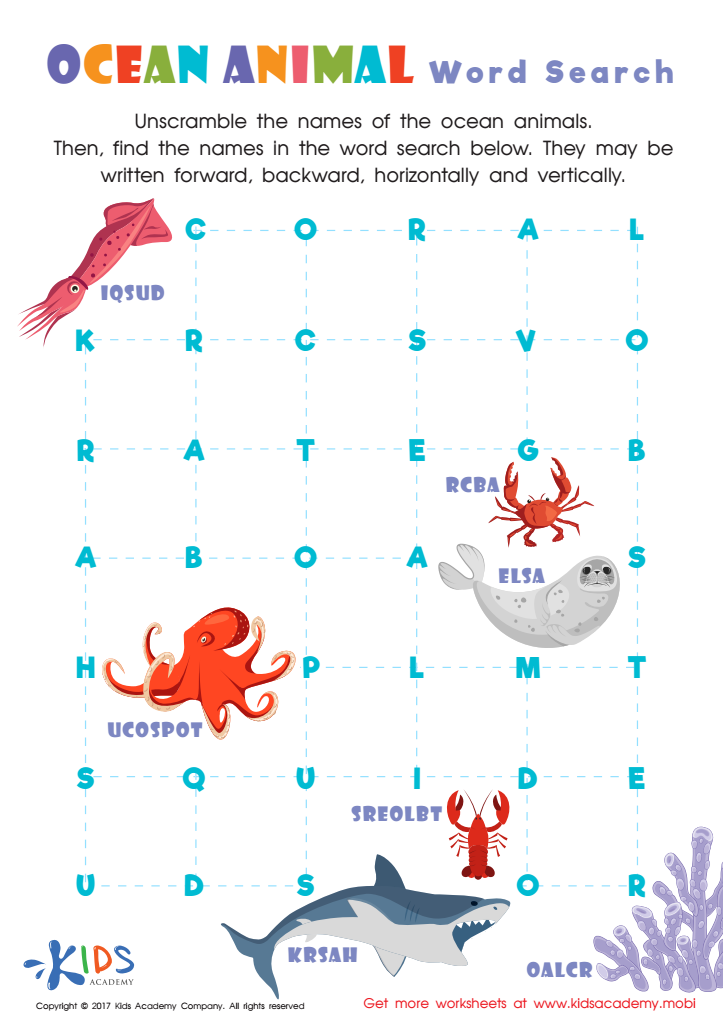
Ocean Animals Word Search Printable
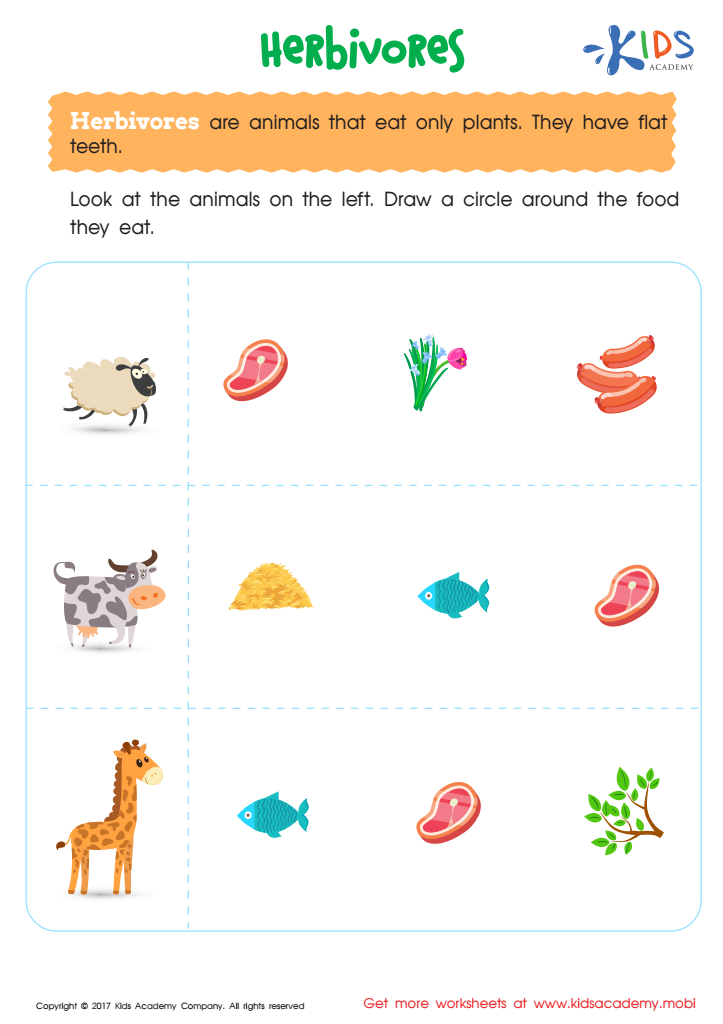
Herbivores Printable
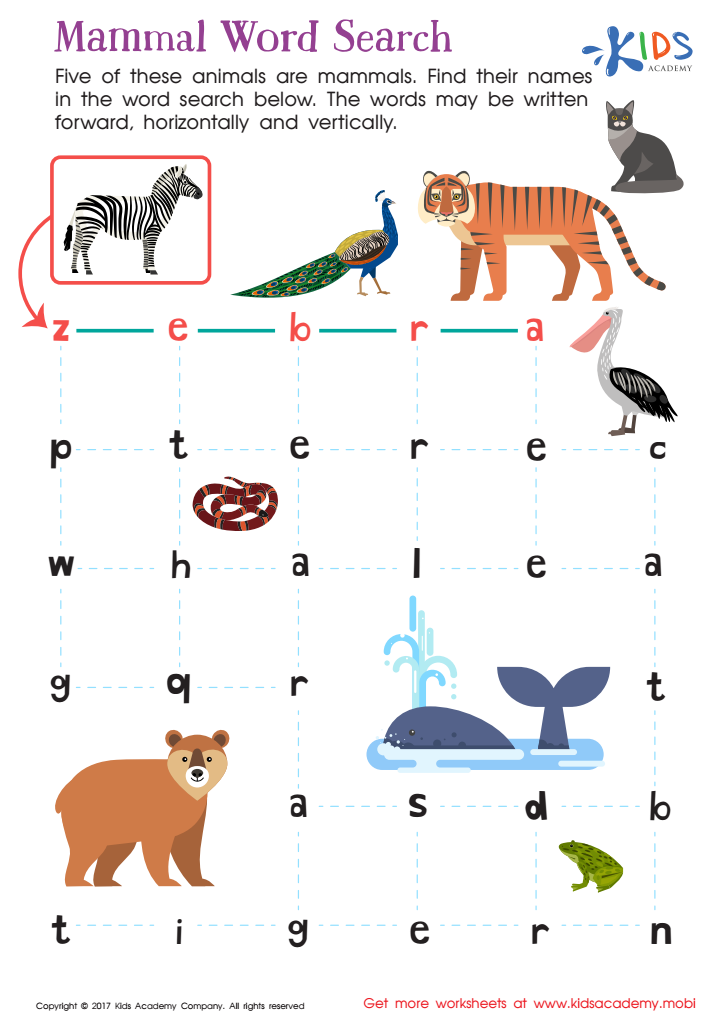
Printable Mammal Word Search
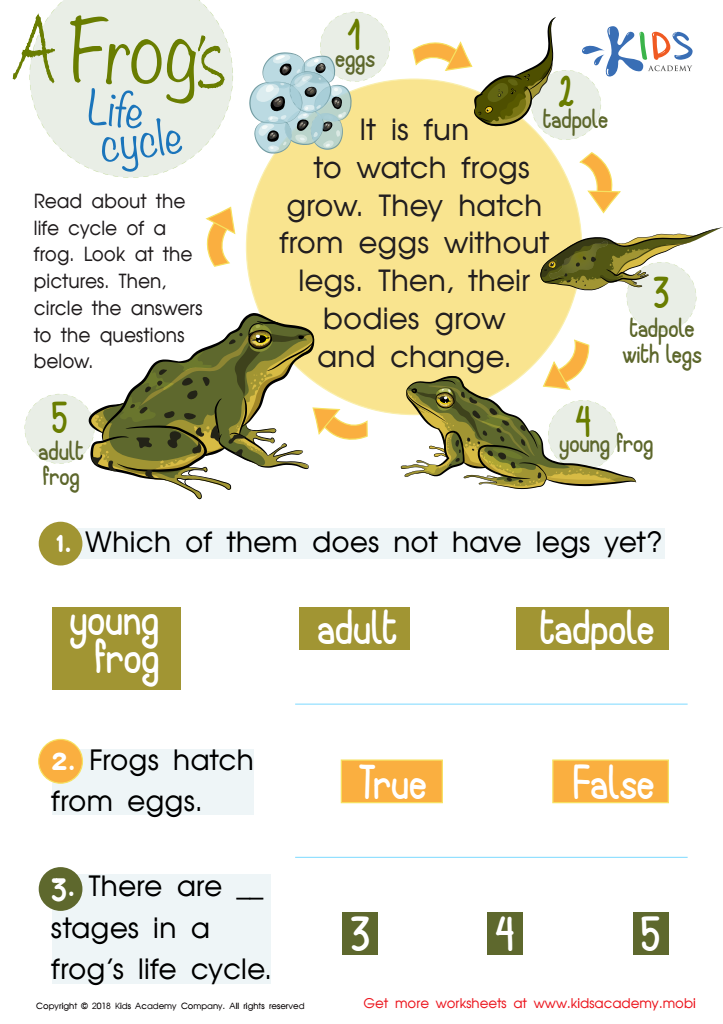
A Frog’s Life Cycle Worksheet
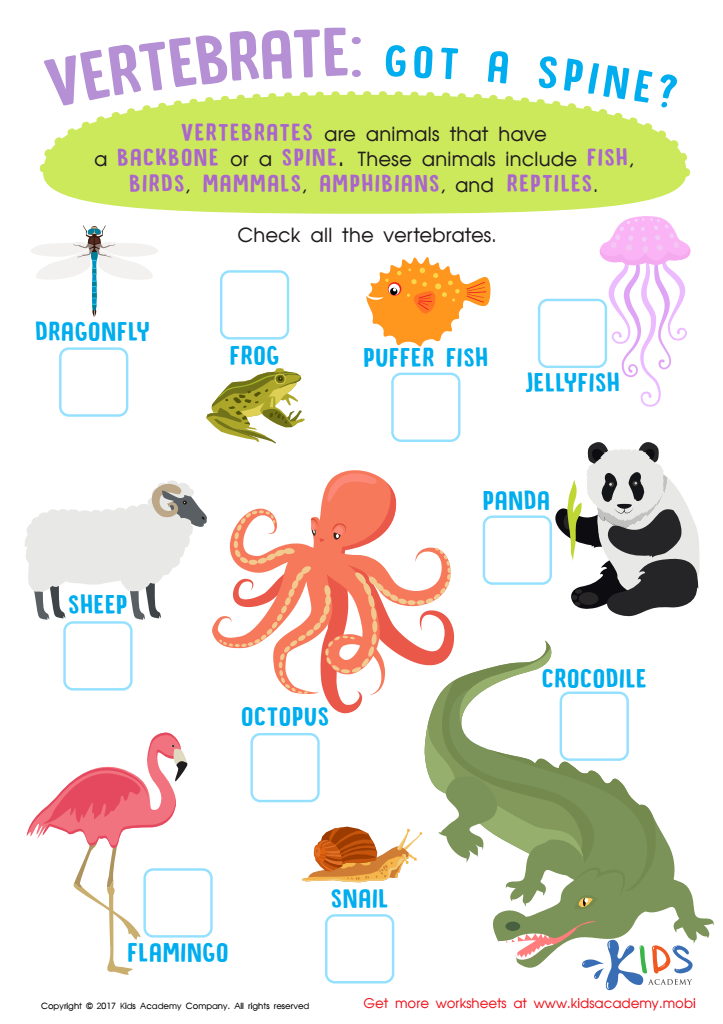
Vertebrates Animals Worksheet for 3rd Grade
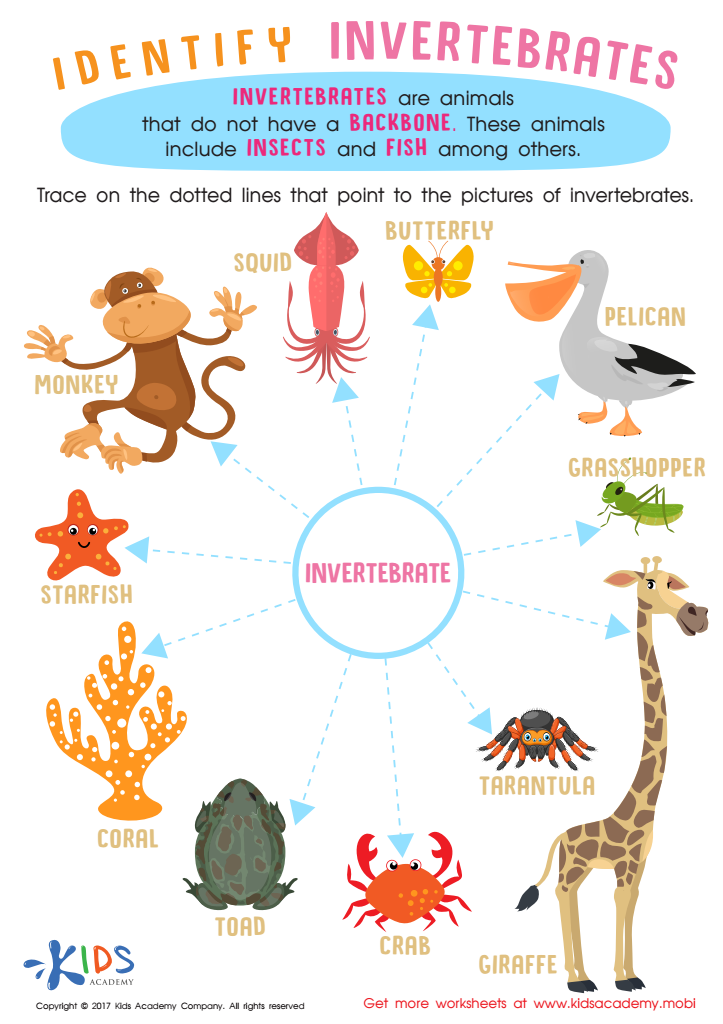
Invertebrates Worksheet for Grade 3
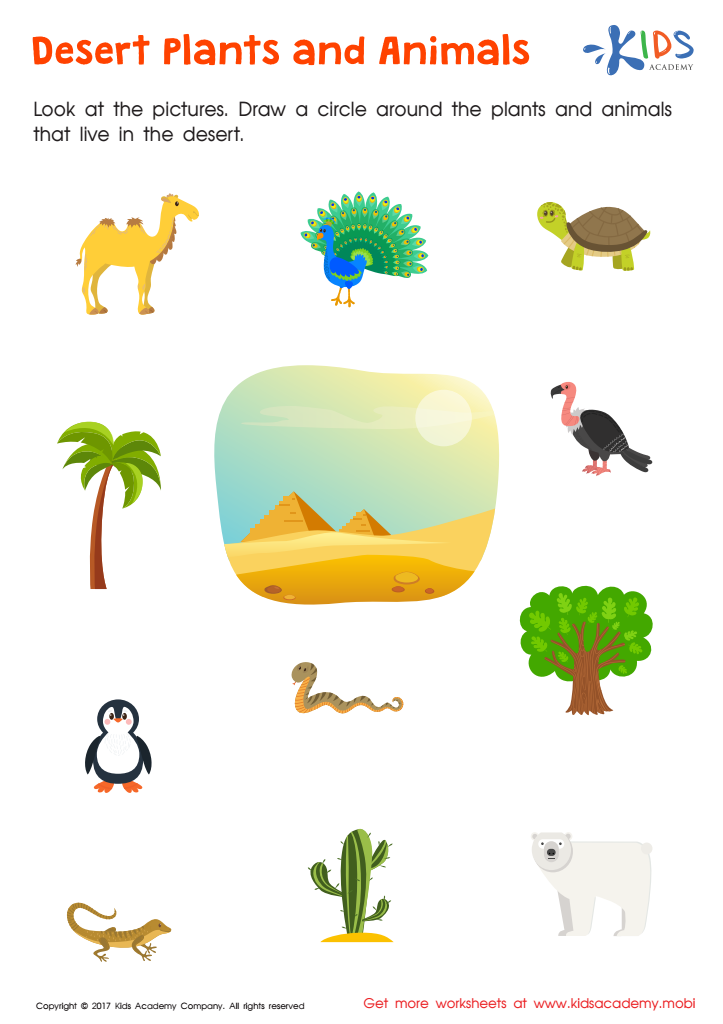
Desert Plants Animals Printable
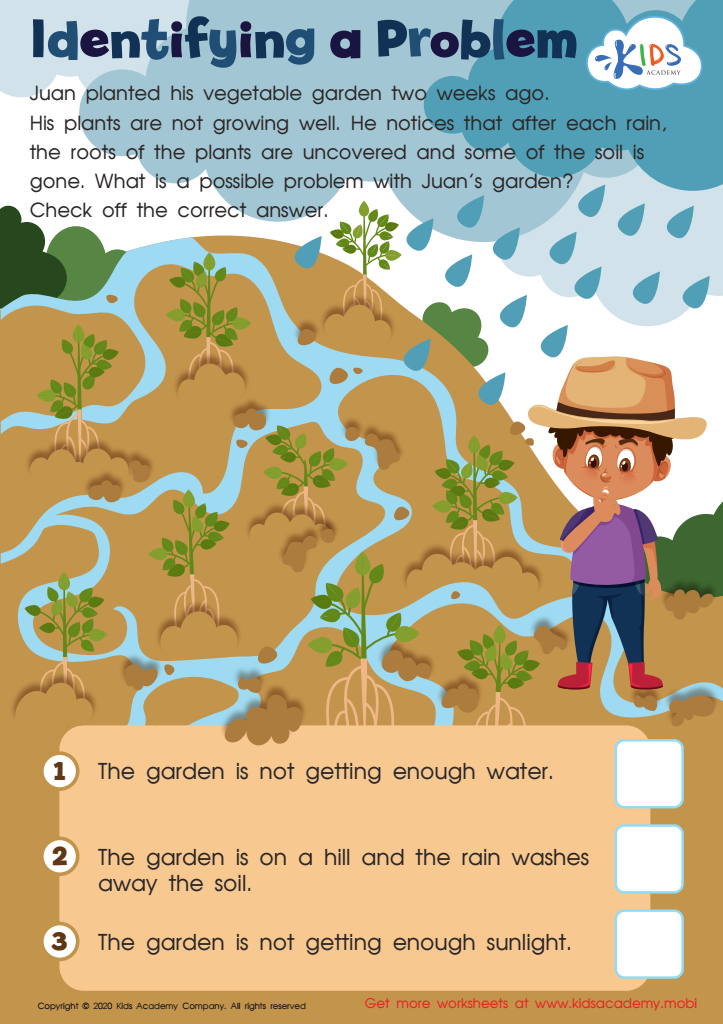
Identifying a Problem Worksheet
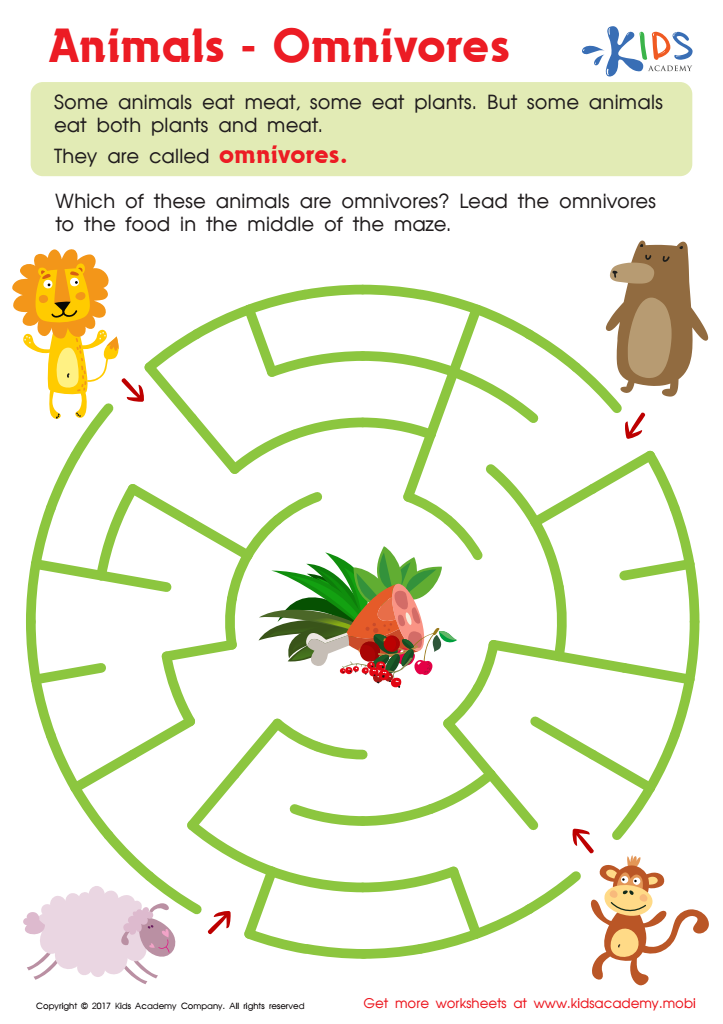
Omnivores Animals Worksheet
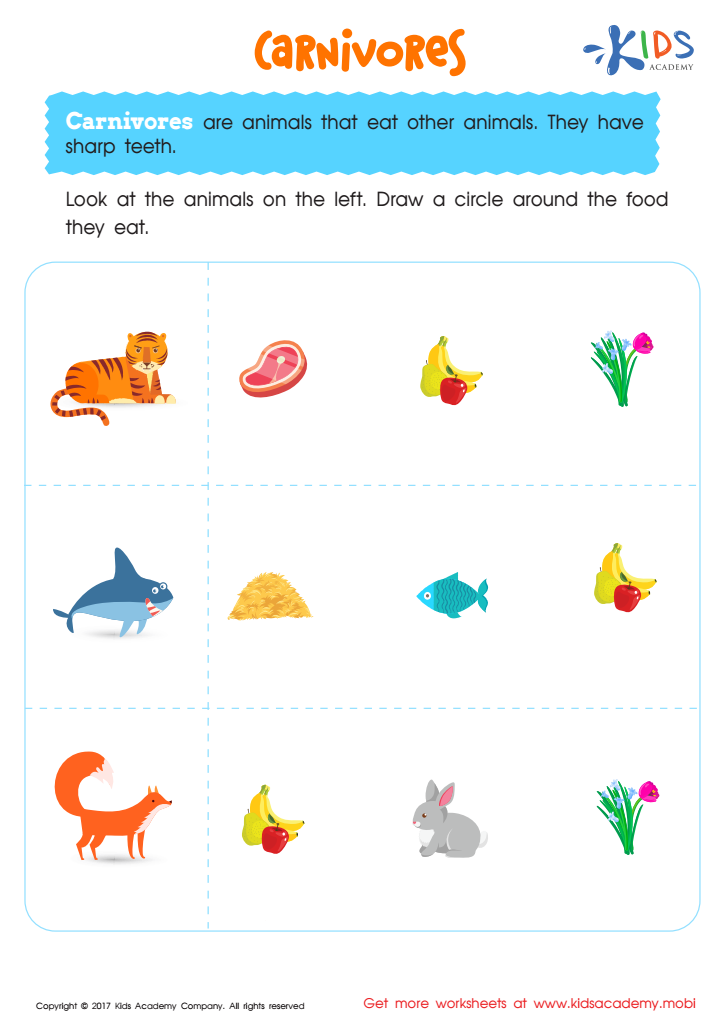
Carnivores Worksheet
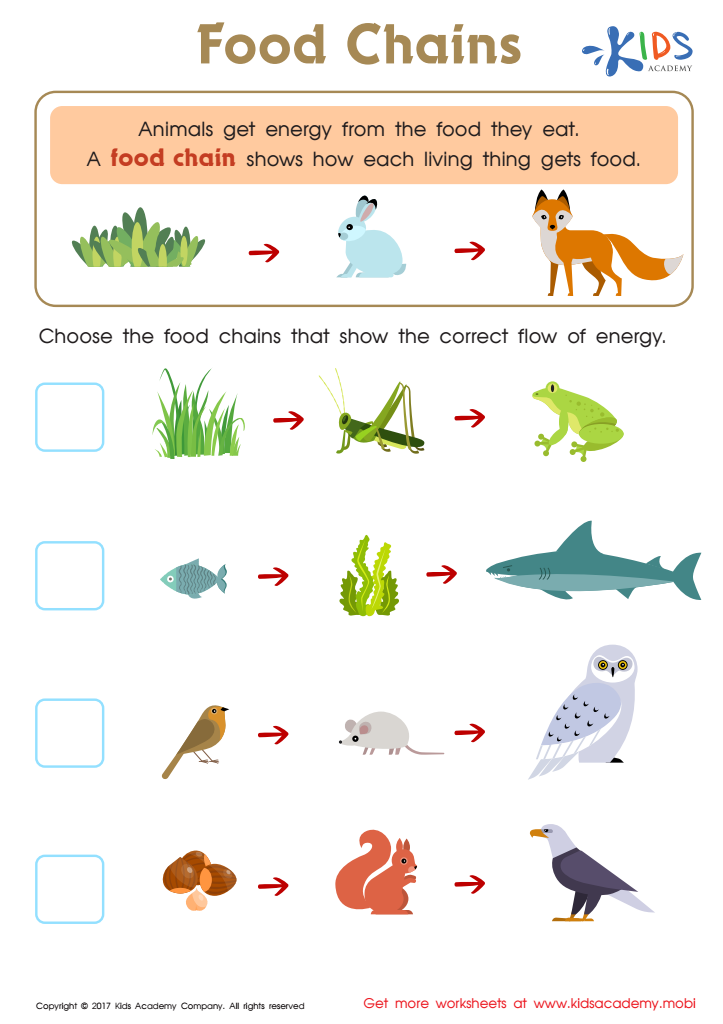
Food Webs and Food Chains Worksheet
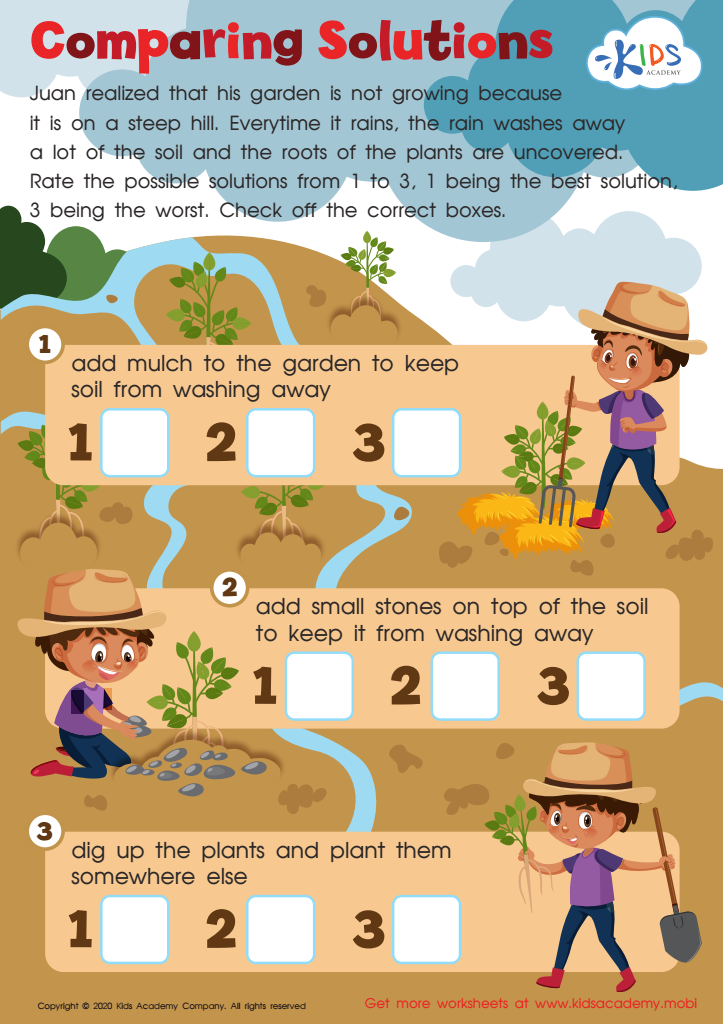
Comparing Solutions Worksheet
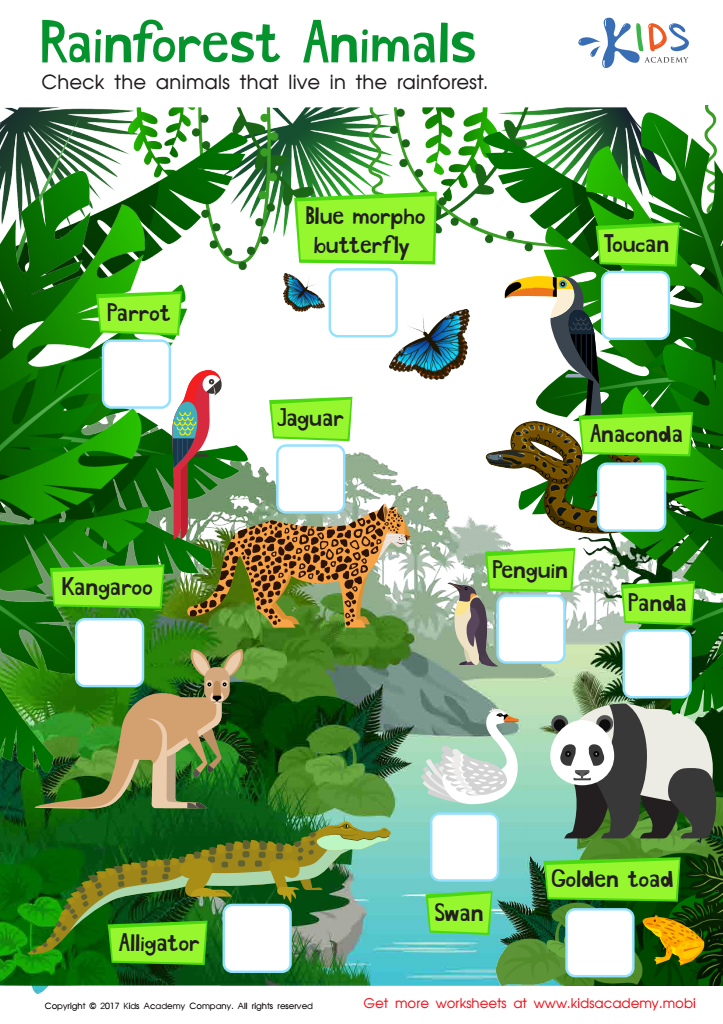
Rainforest Animals Worksheet
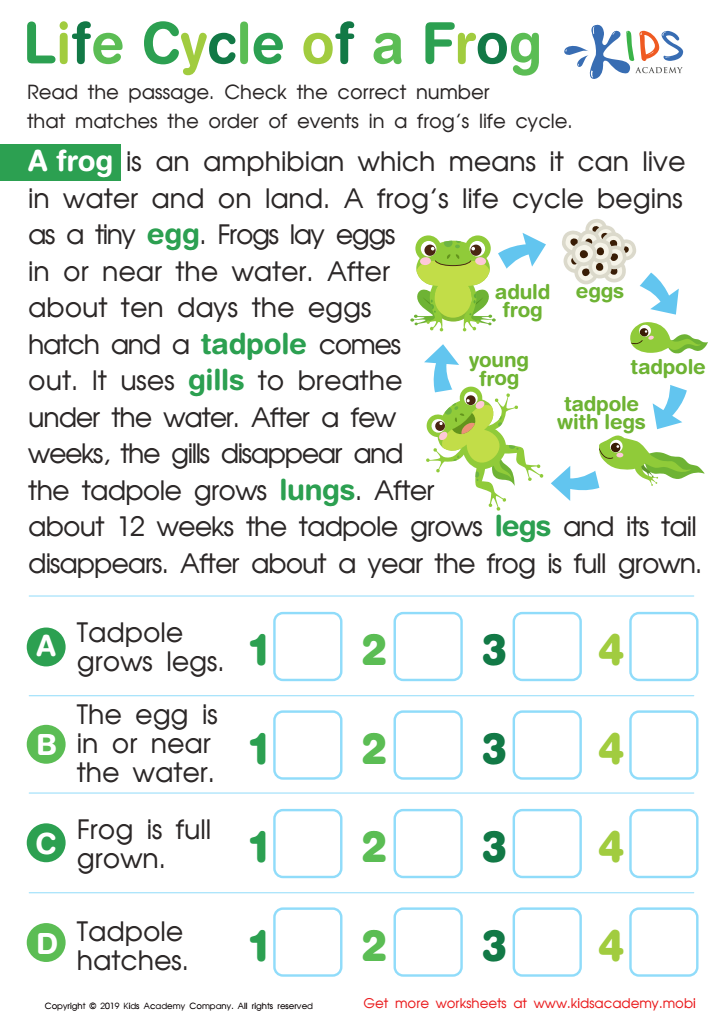
Life Cycle of a Frog Worksheet
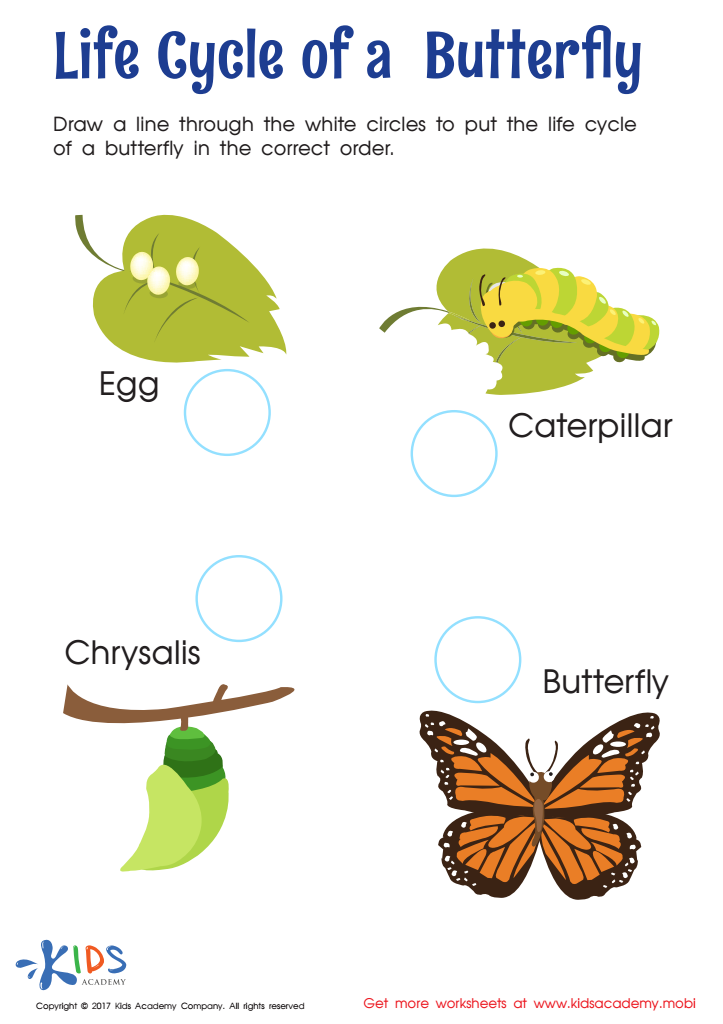
Life Cycle of Butterfly Worksheet
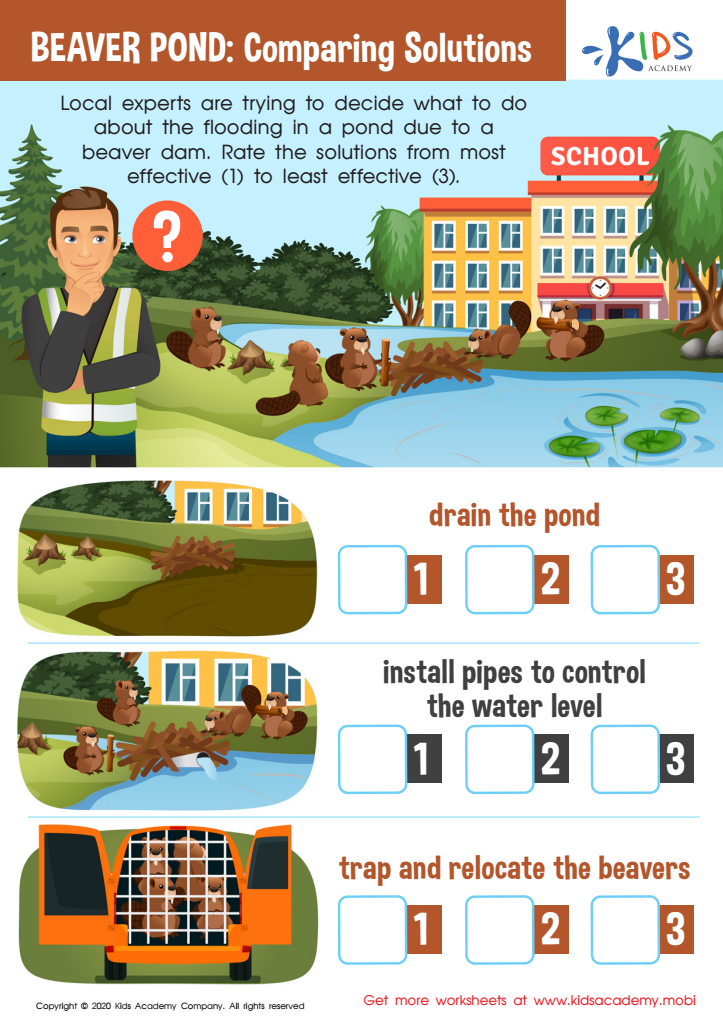
Beaver Pond: Comparing Solutions Worksheet



%20(1).jpg)




Parents and teachers should care about Life Science for children aged 4-9 because it serves as a crucial foundation for understanding the world around them. At this developmental stage, children are naturally curious and eager to learn about living things, including humans, animals, and ecosystems. Engaging in Life Science promotes critical thinking and observational skills as children explore concepts such as growth, habitats, and interdependence among living organisms.
Life Science education fosters a sense of wonder and respect for nature, nurturing an appreciation for biodiversity and environmental stewardship. By learning about life processes, children develop the ability to connect their experiences and observations to scientific concepts, which enhances their overall understanding of science.
Additionally, early exposure to Life Science encourages inquiry-based learning, where children ask questions, conduct simple experiments, and explore their surroundings. This hands-on approach not only supports cognitive development but also builds essential skills like problem-solving and collaboration.
Understanding Life Science also prepares children for a journey toward more advanced scientific studies in higher grades, ultimately fostering a generation that values science literacy, scientific thinking, and environmental awareness. Overall, prioritizing Life Science for young learners has profound implications for their education and the health of our planet.








