Letter Recognition Worksheets for Ages 5-7 - Page 4
125 filtered results
-
From - To
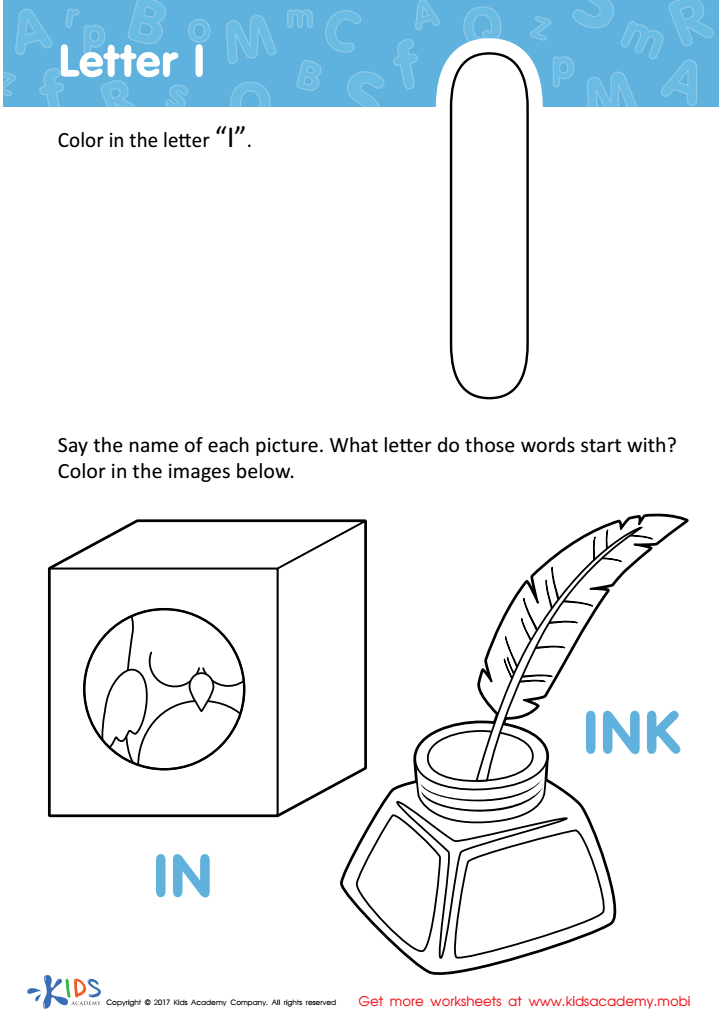
Letter I Coloring Sheet
 Assign to My Students
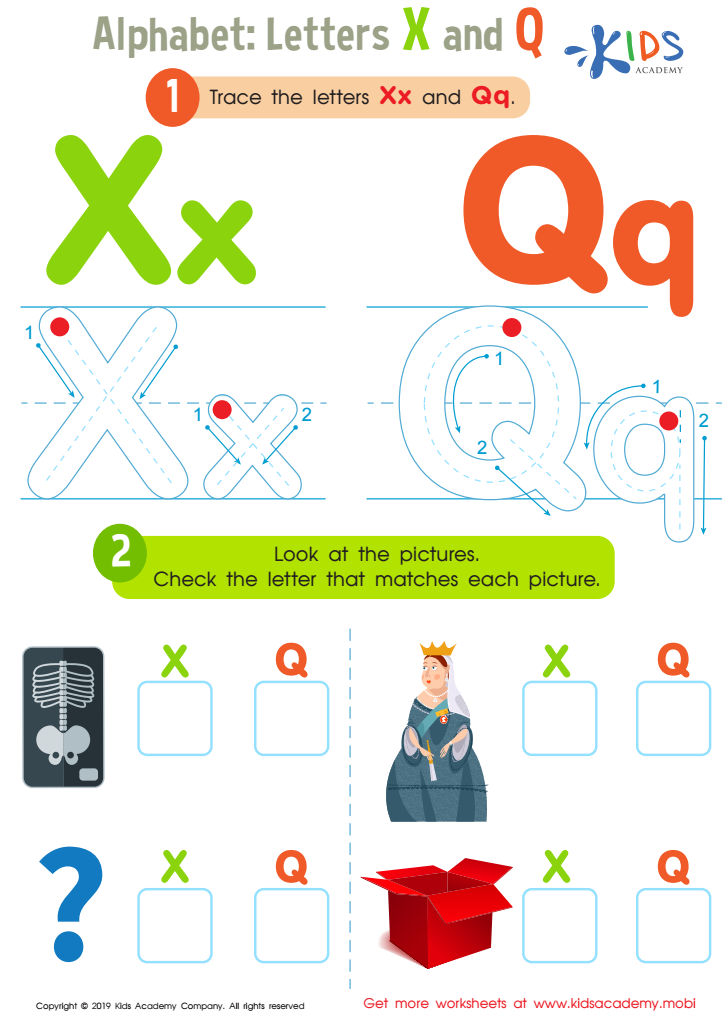
Letters X and Q Tracing Worksheet
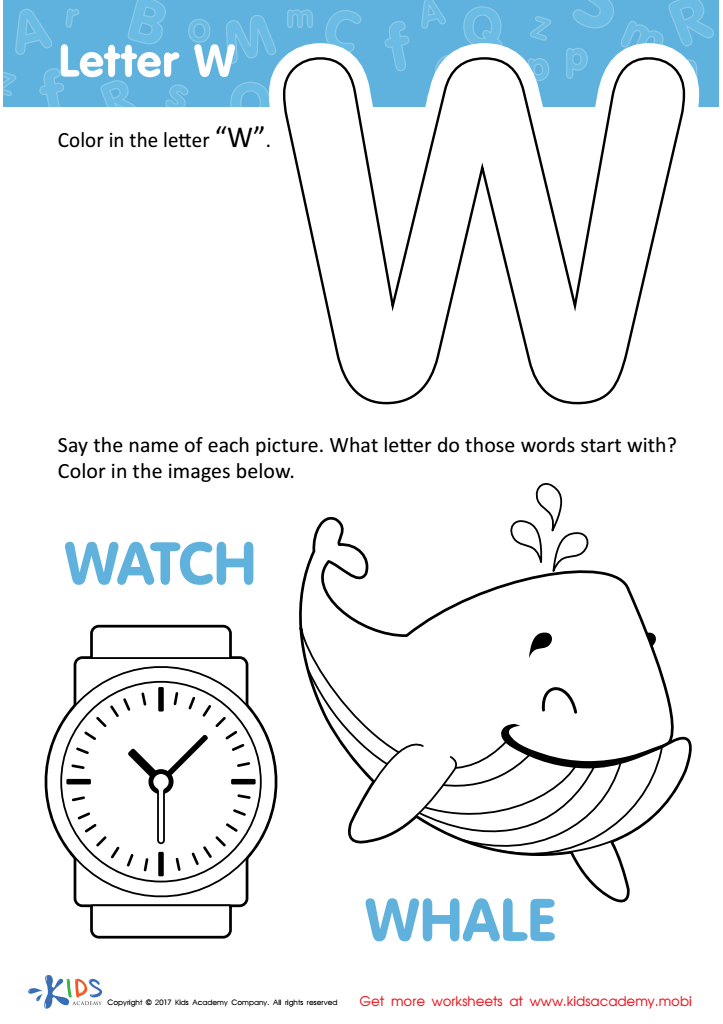
Letter W Coloring Sheet
Assign to My Students
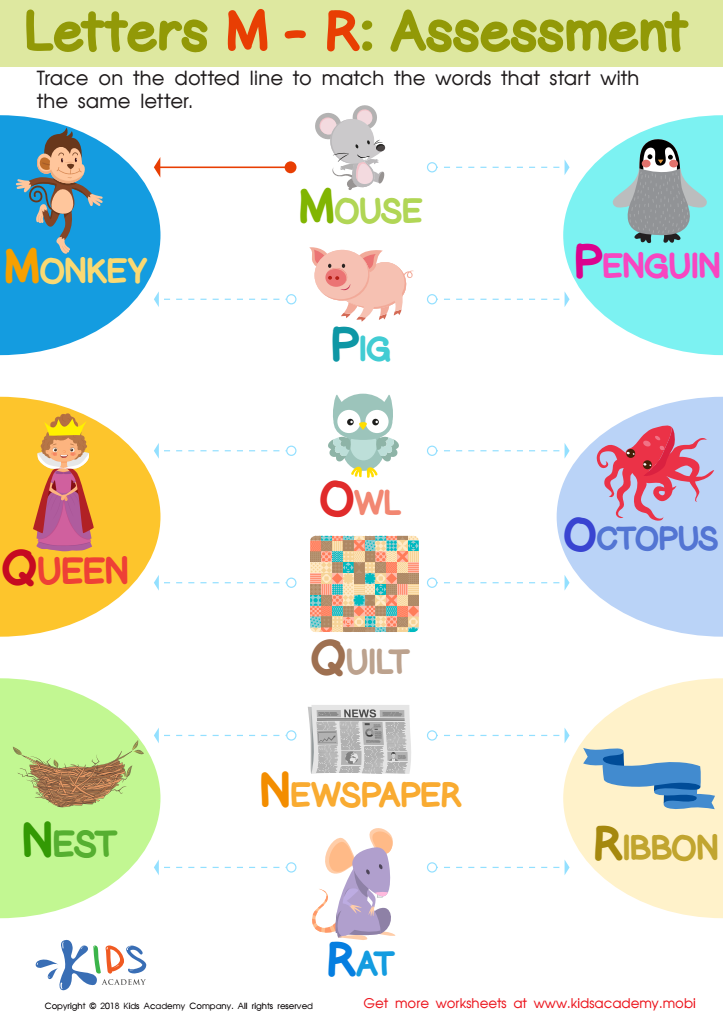
Letters M-R Tracing Worksheet
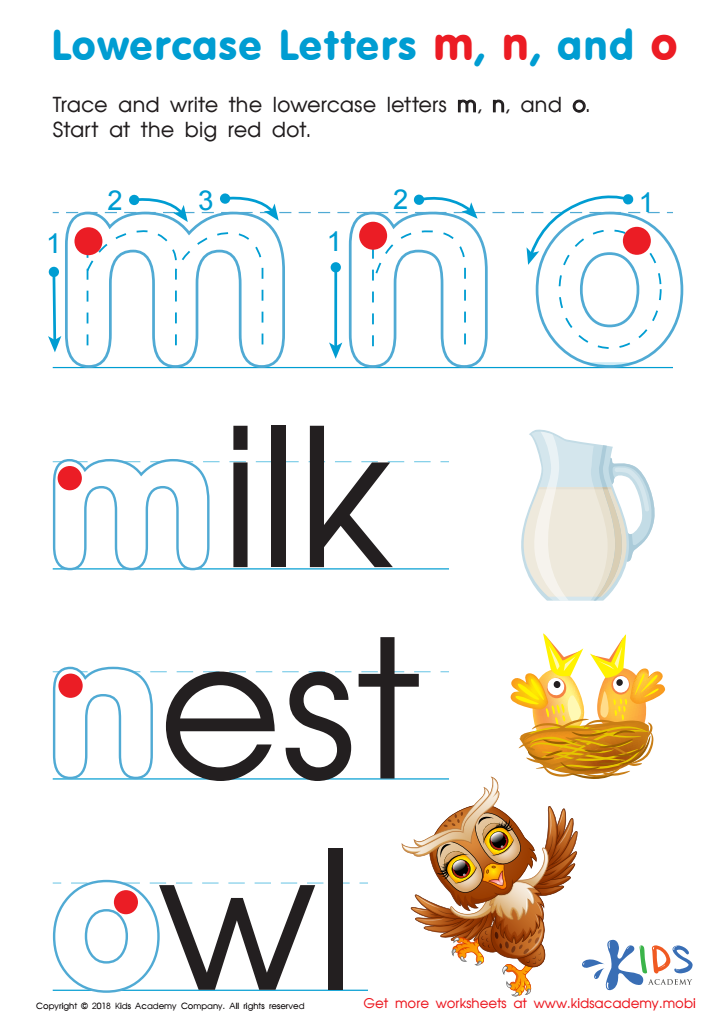
Lowercase Letters m n o Worksheet
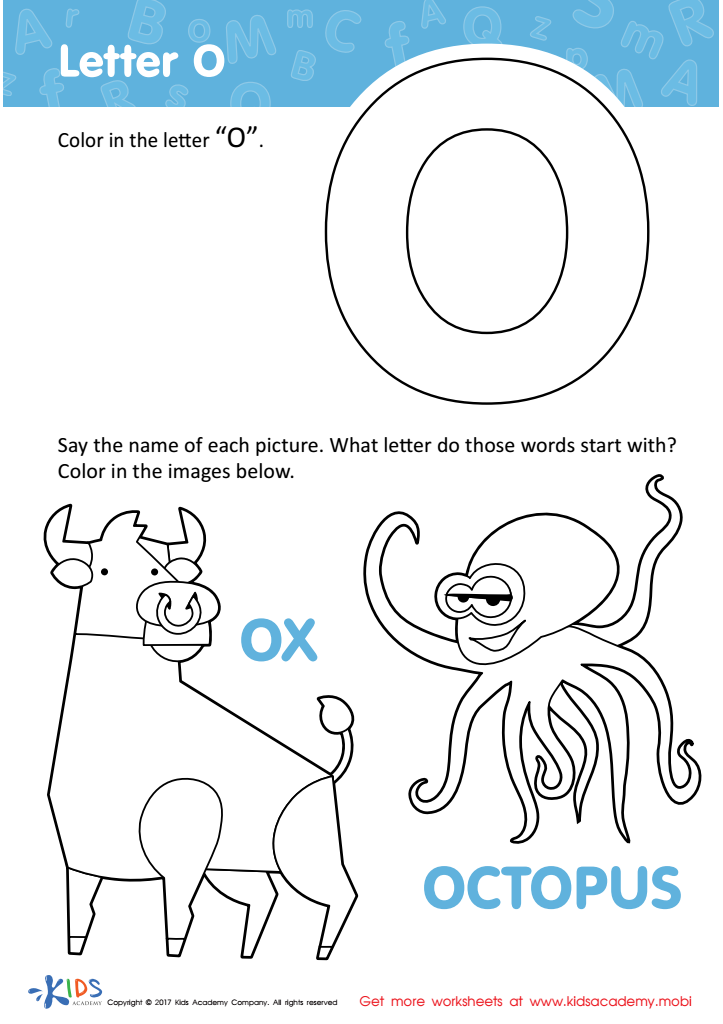
Letter O Coloring Sheet
Assign to My Students
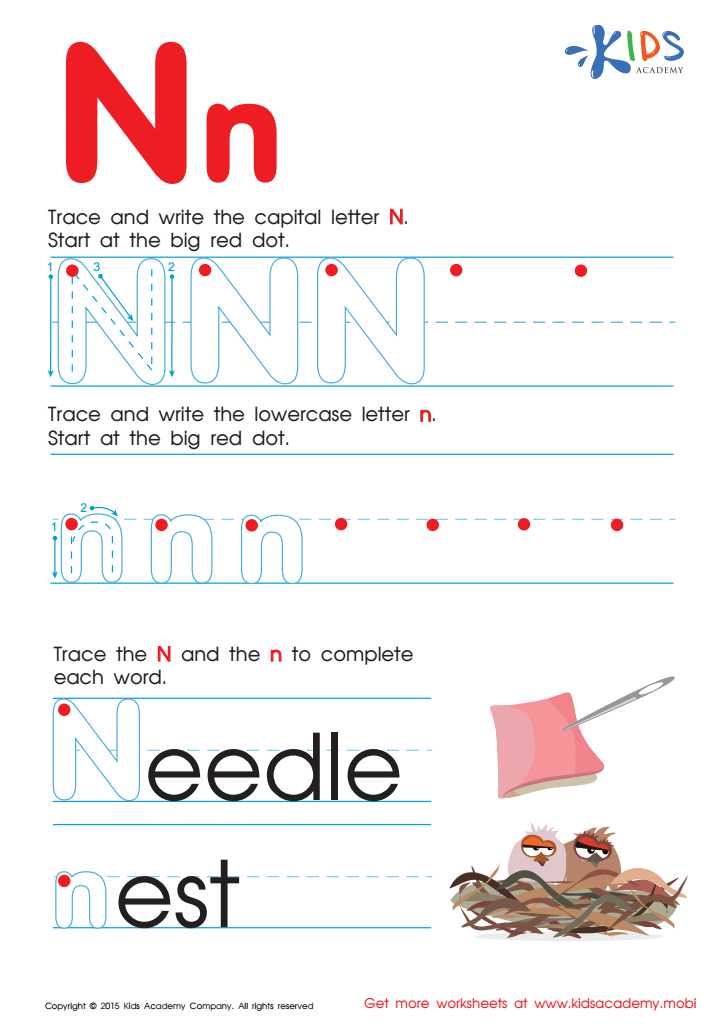
Letter N Tracing Page
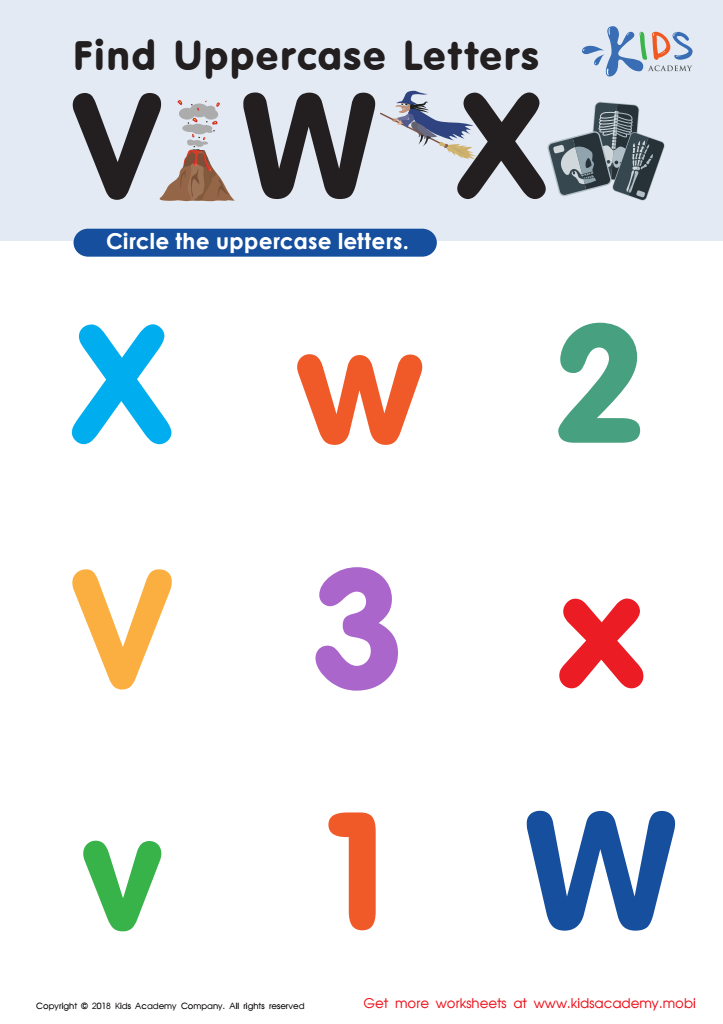
Find Uppercase Letters V, W, X Worksheet
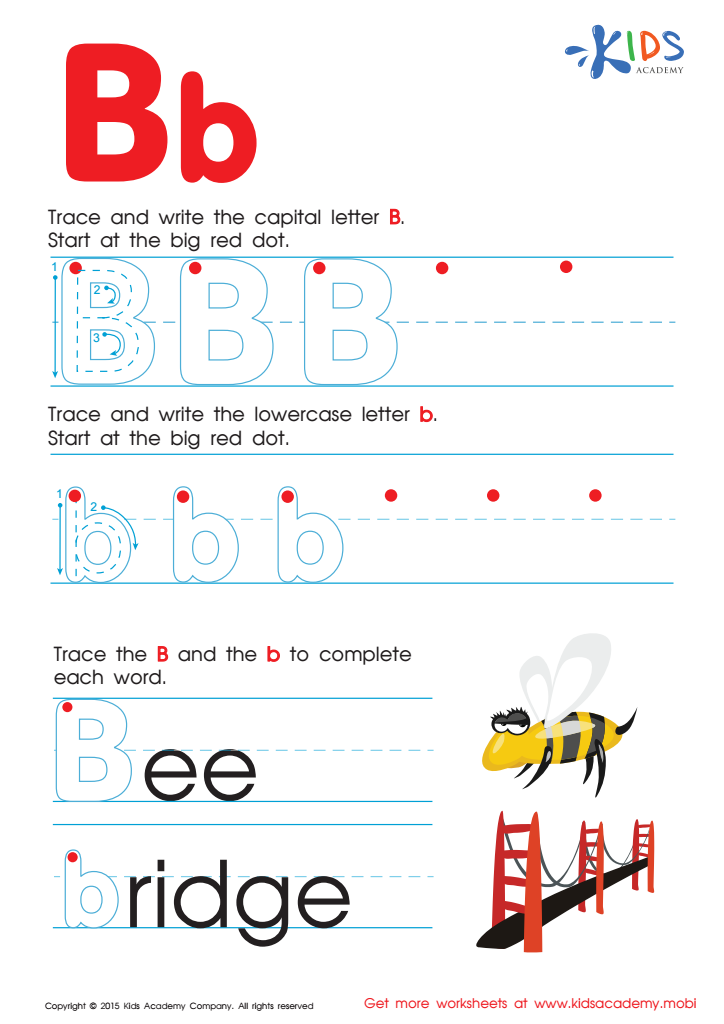
Letter B Tracing Page
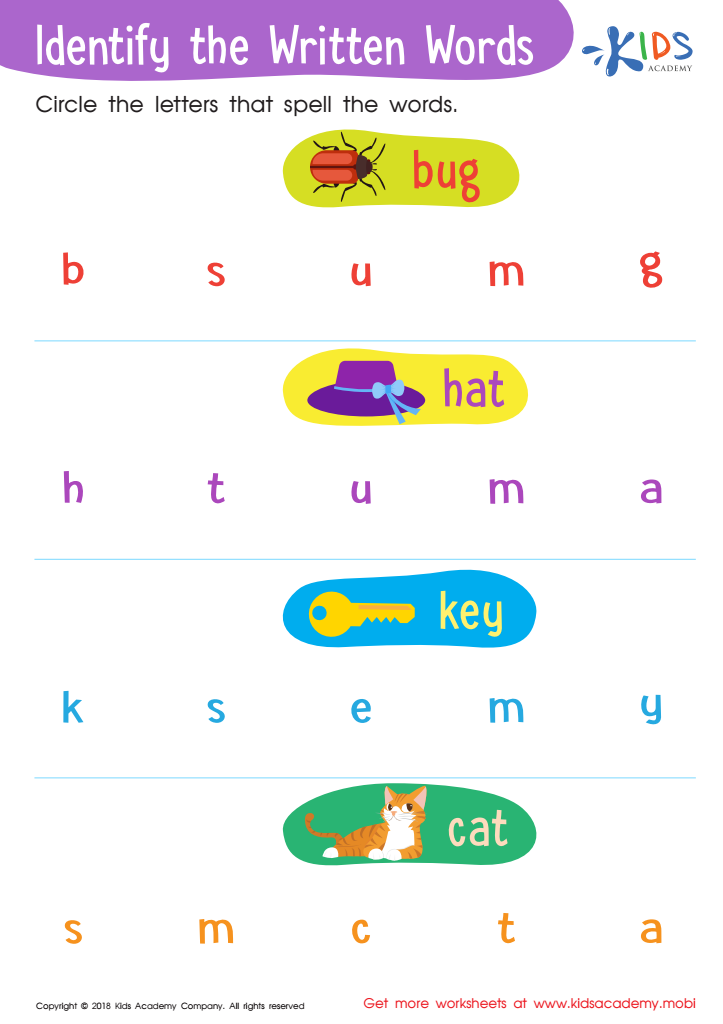
Identify the Written Words Worksheet
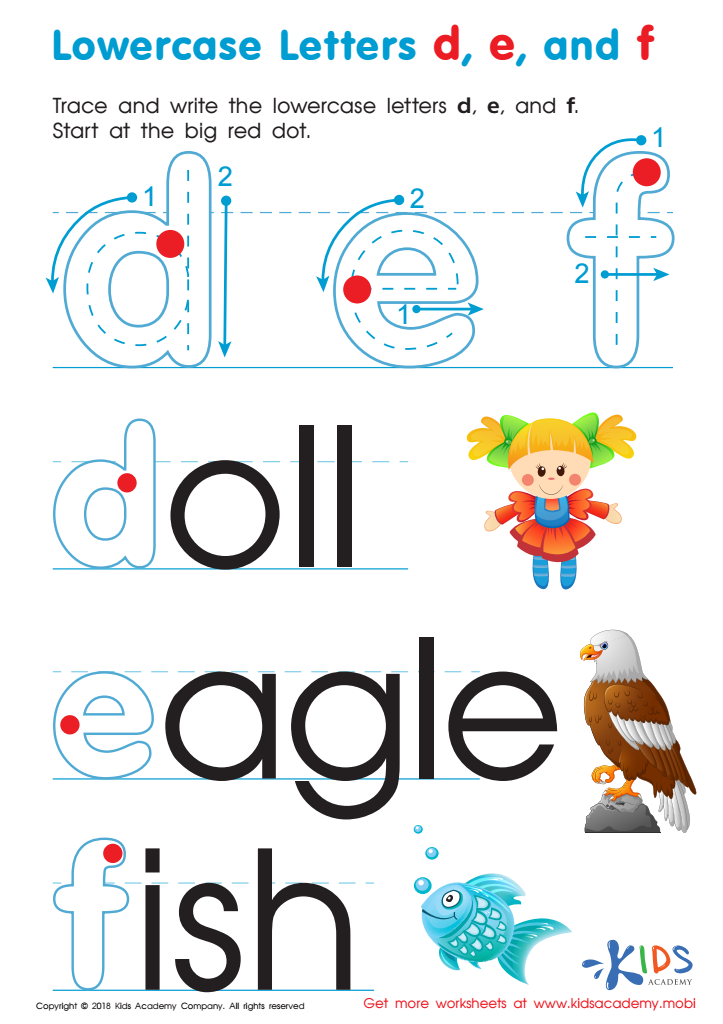
Lowercase Letters d e f Worksheet
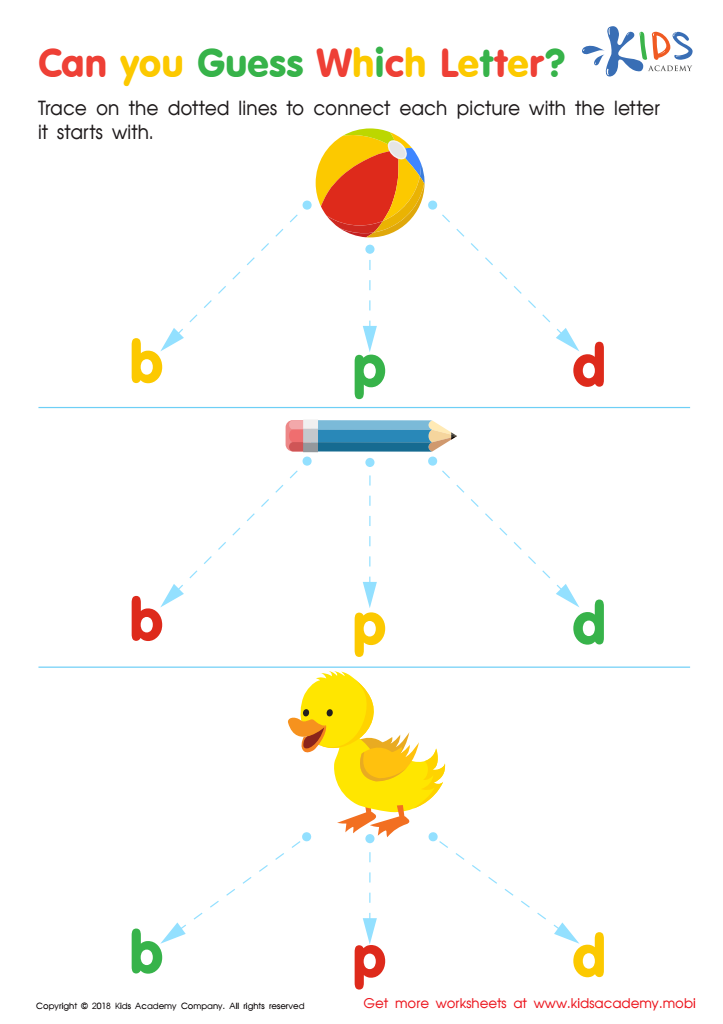
Can you Guess Which Letter? Worksheet
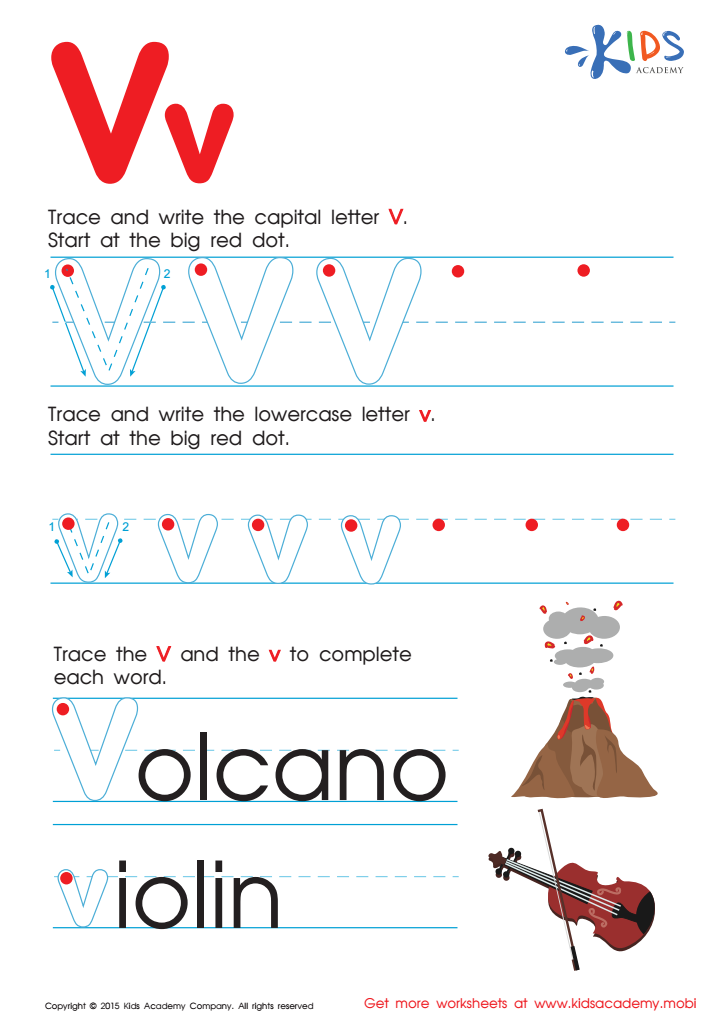
Letter V Tracing Page
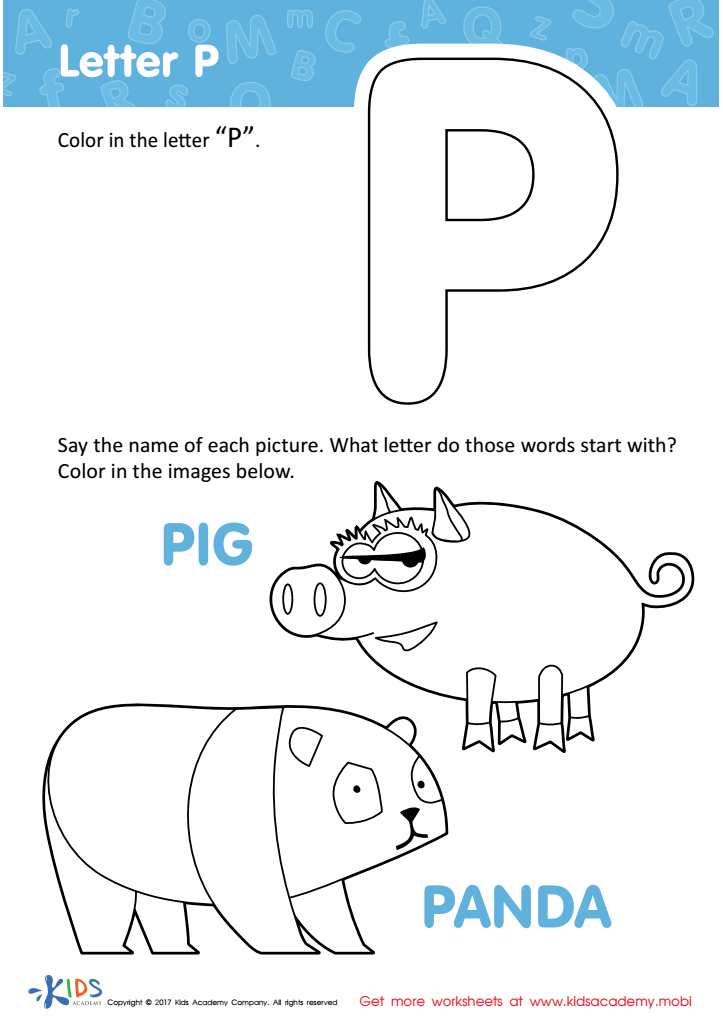
Letter P Coloring Sheet
Assign to My Students
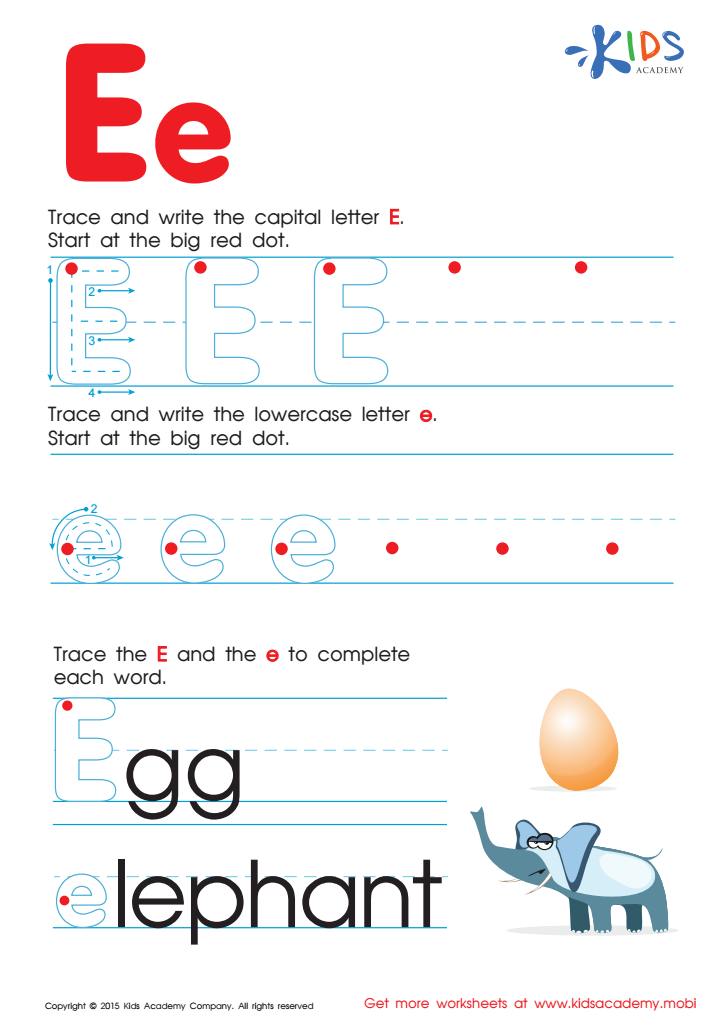
Letter E Tracing Page
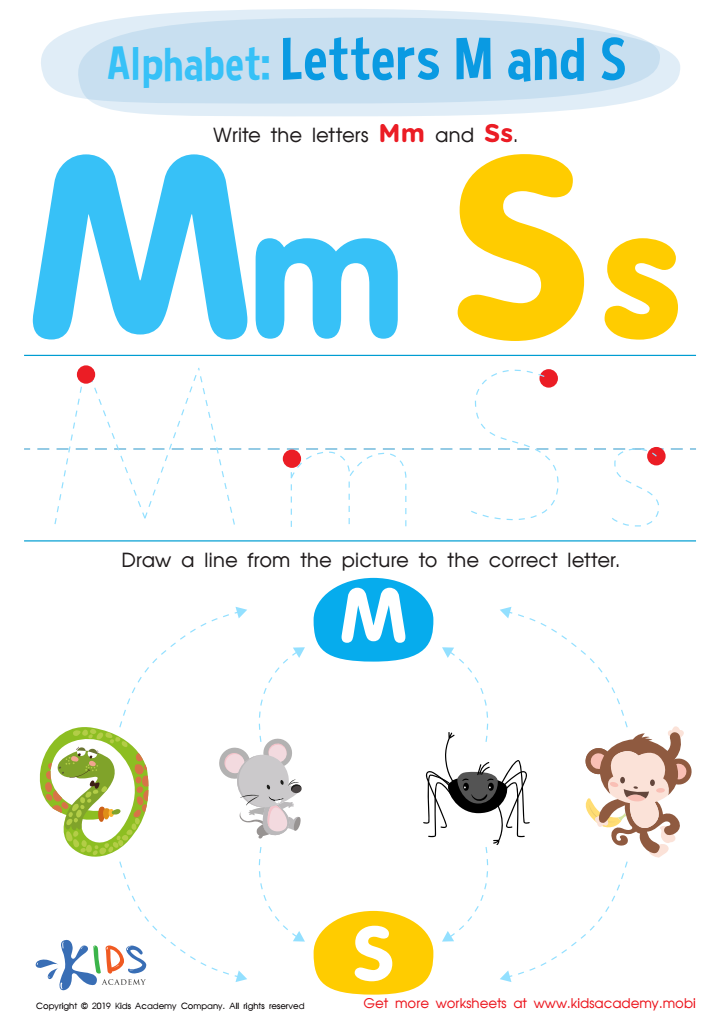
Letters M and S Tracing Worksheet
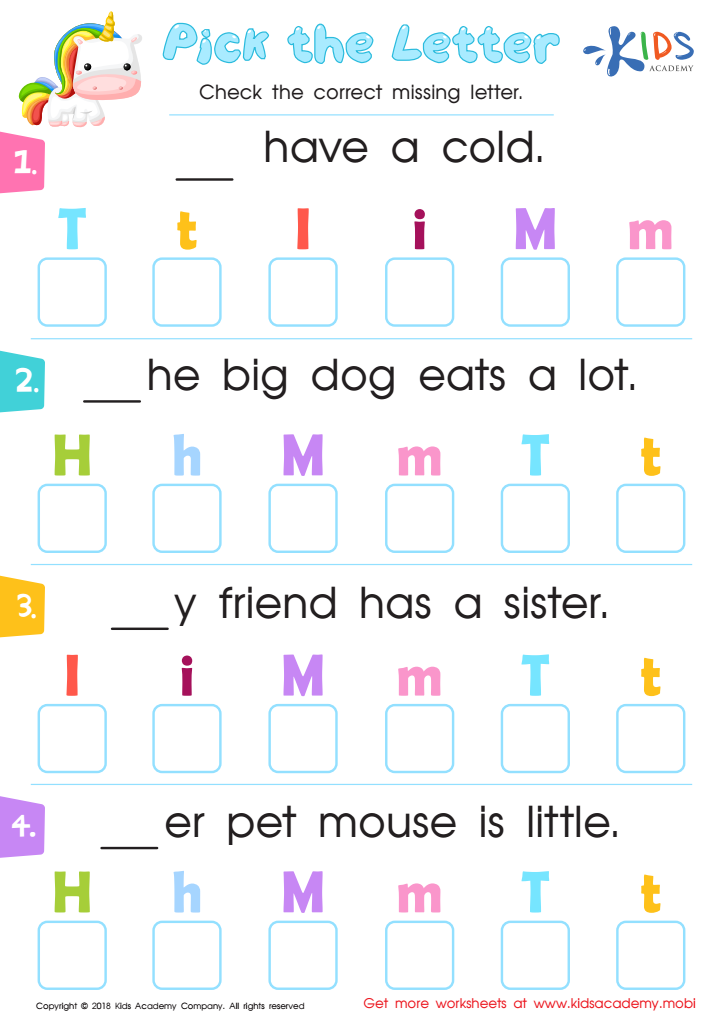
Pick the Letter Worksheet
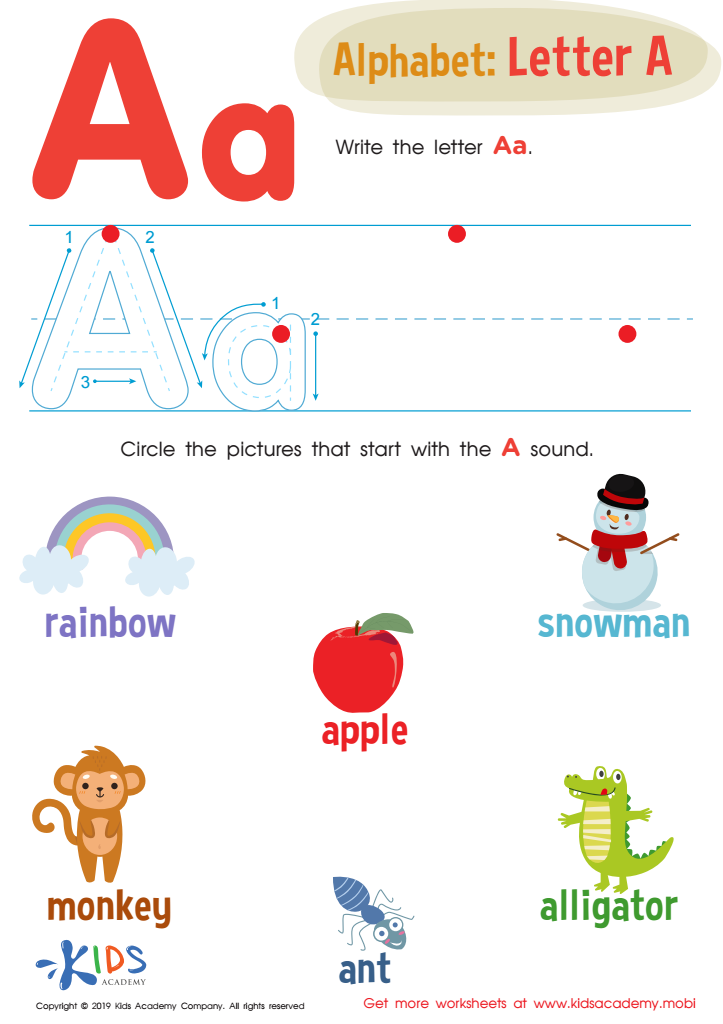
Letter A Tracing Worksheet
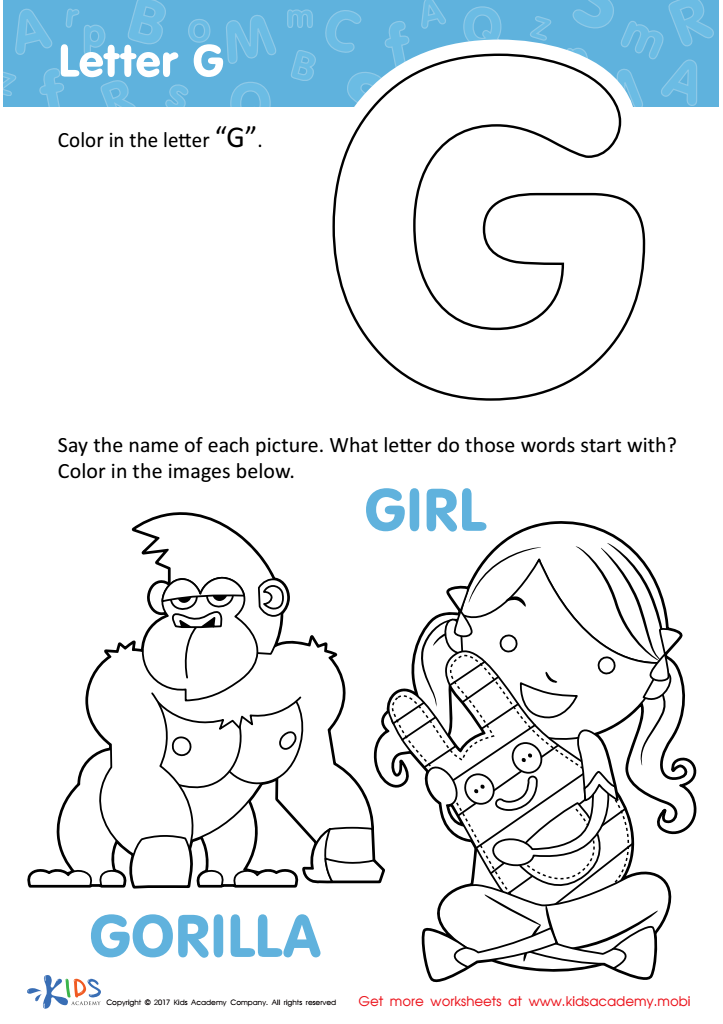
Letter G Coloring Sheet
Assign to My Students
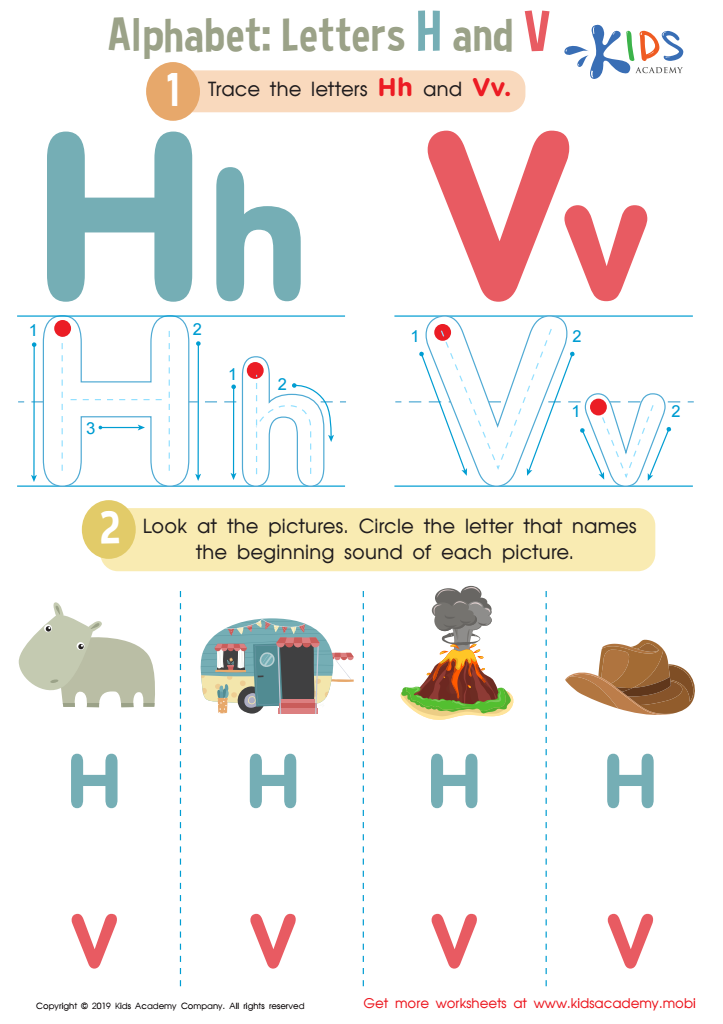
Letters H and V Tracing Worksheet
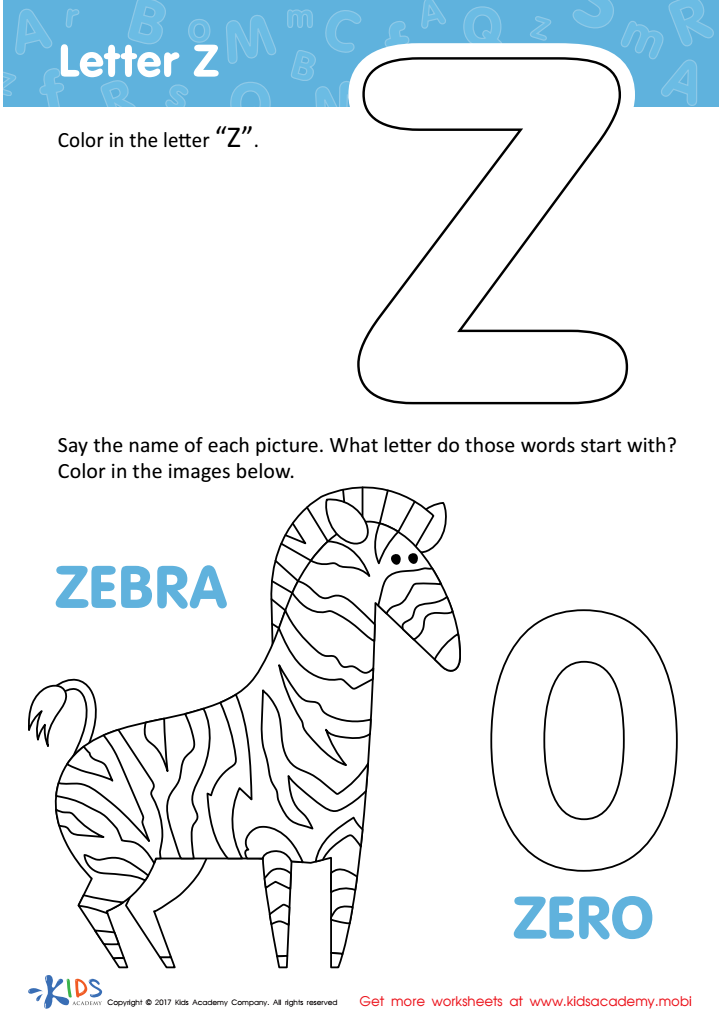
Letter Z Coloring Sheet
Assign to My Students
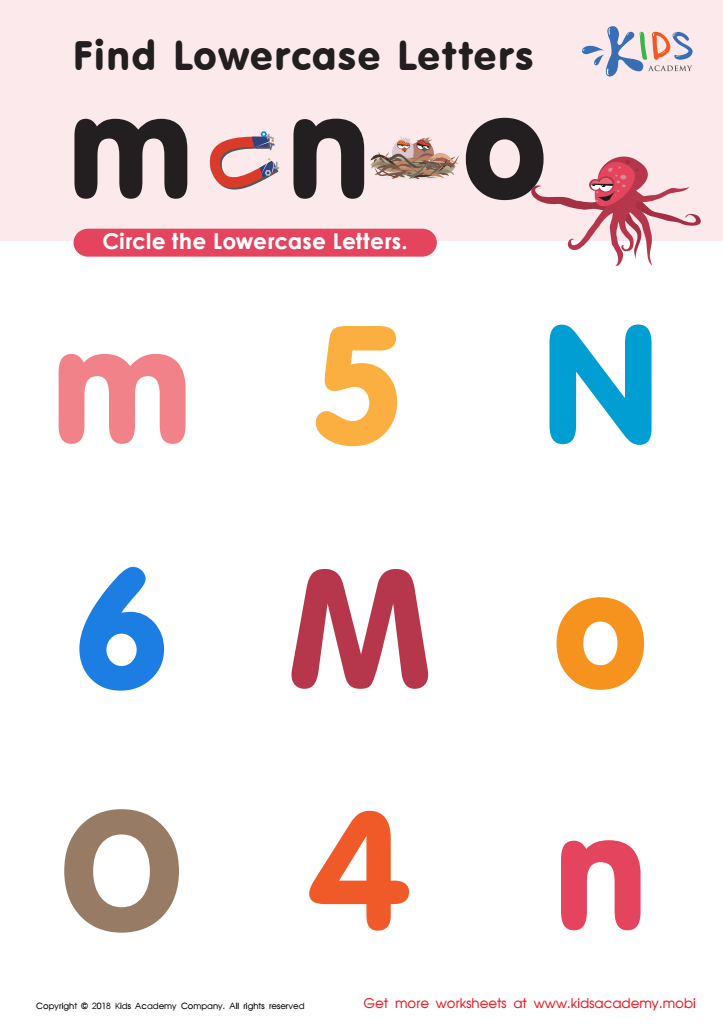
Find Lowercase Letters m n o Worksheet
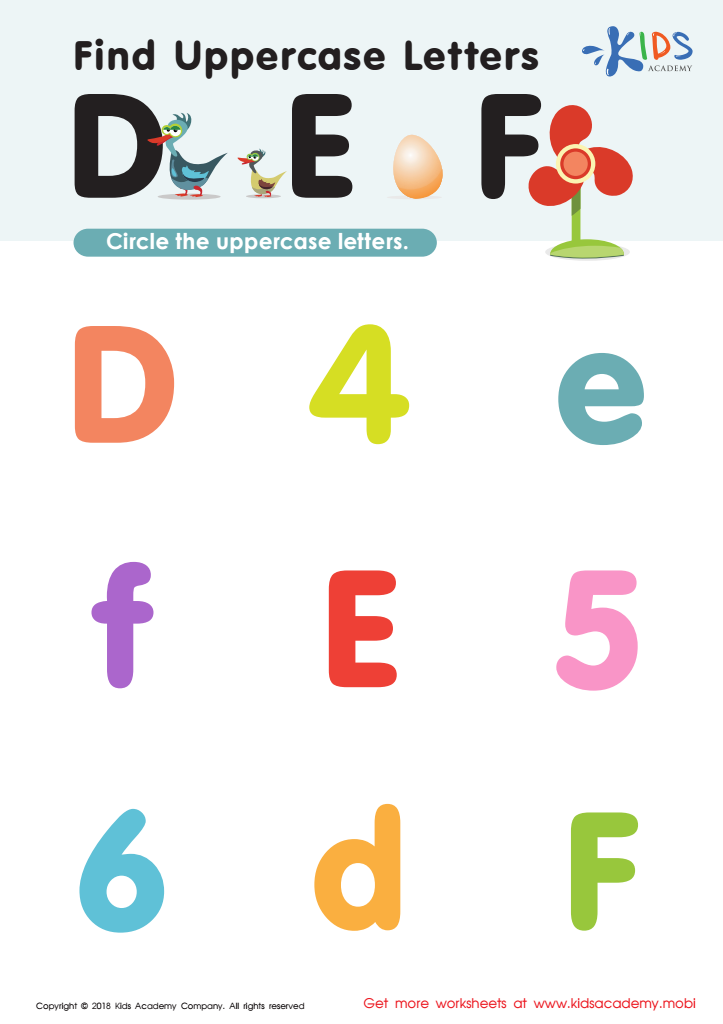
Find Uppercase Letters D, E, and F Worksheet
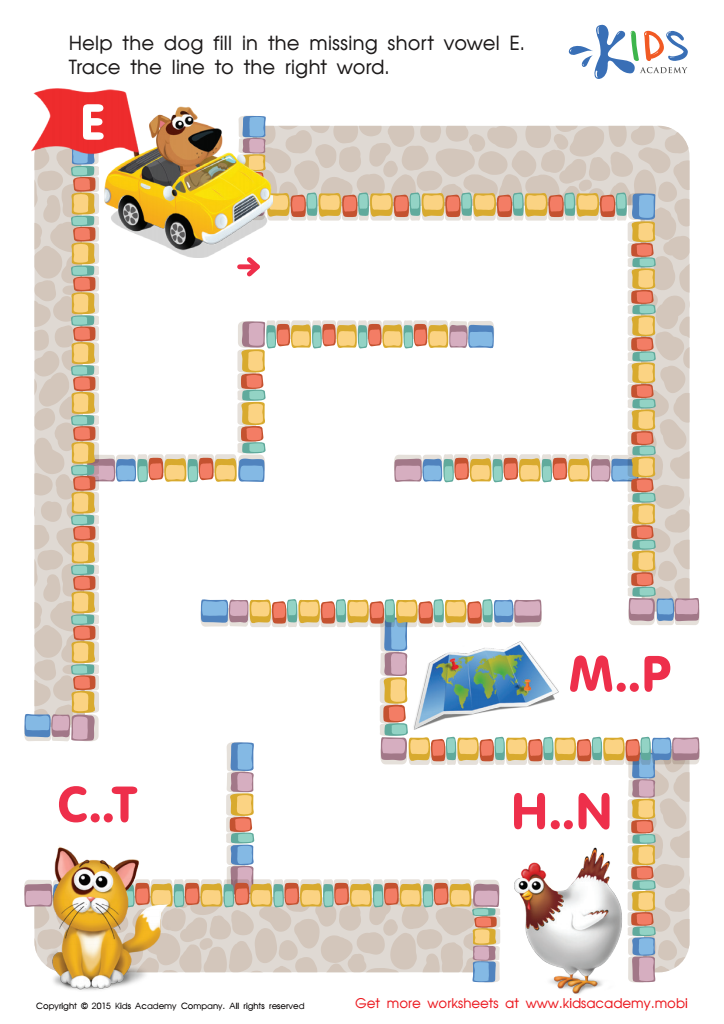
Short Vowel Sound E Worksheet








Letter recognition is crucial for children aged 5-7, as it significantly impacts their reading and writing development. During these formative years, children are exposed to literacy concepts that lay the groundwork for their future academic success. Recognizing letters is the first step towards decoding words and understanding that printed text carries meaning.
When children can identify both uppercase and lowercase letters, they become more confident in engaging with books, which promotes reading fluency. Fluent readers tend to have a richer vocabulary, foster better comprehension, and develop essential critical thinking skills. This skill is not just about letters; it also encompasses understanding letter sounds or phonics, which is vital for early spelling and reading strategies.
Moreover, a solid foundation in letter recognition is linked to overall confidence and motivation in learning. When parents and teachers emphasize its importance through engaging activities, children are more likely to enjoy reading and writing, leading to lifelong literacy habits. Investing time in helping children learn their letters sets them on a positive academic trajectory. It also provides parents and teachers with opportunities to bond with children over fun learning activities, thereby fostering a love for reading from a young age.







