Letter Sounds Worksheets for Ages 5-7 - Page 2
33 filtered results
-
From - To
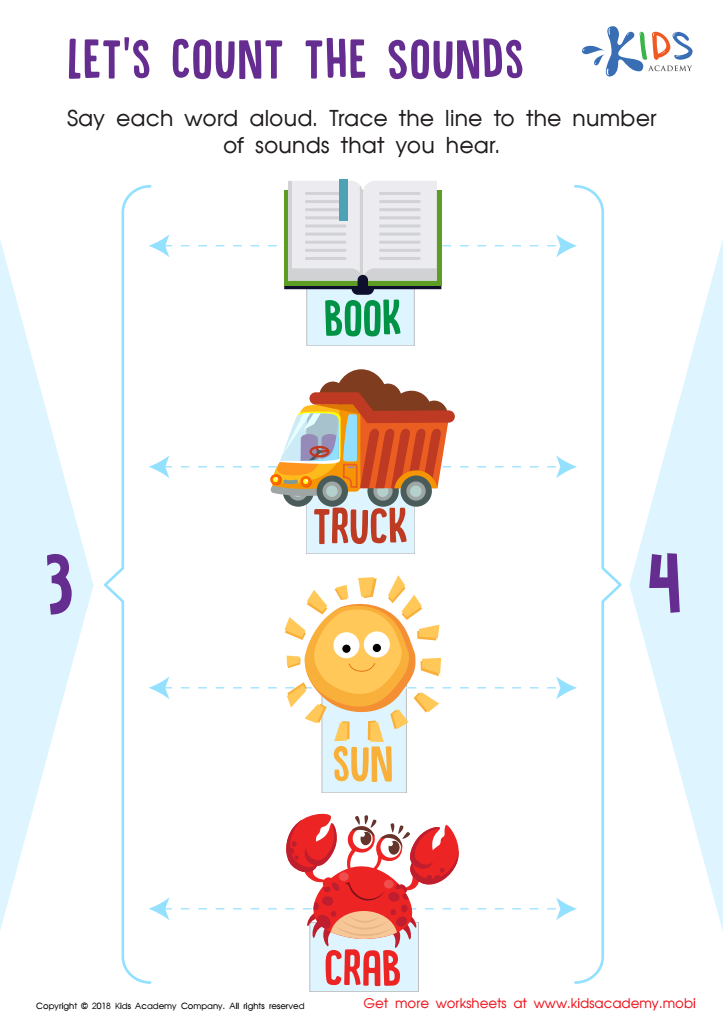
Let's Count the Sounds Worksheet
 Assign to My Students
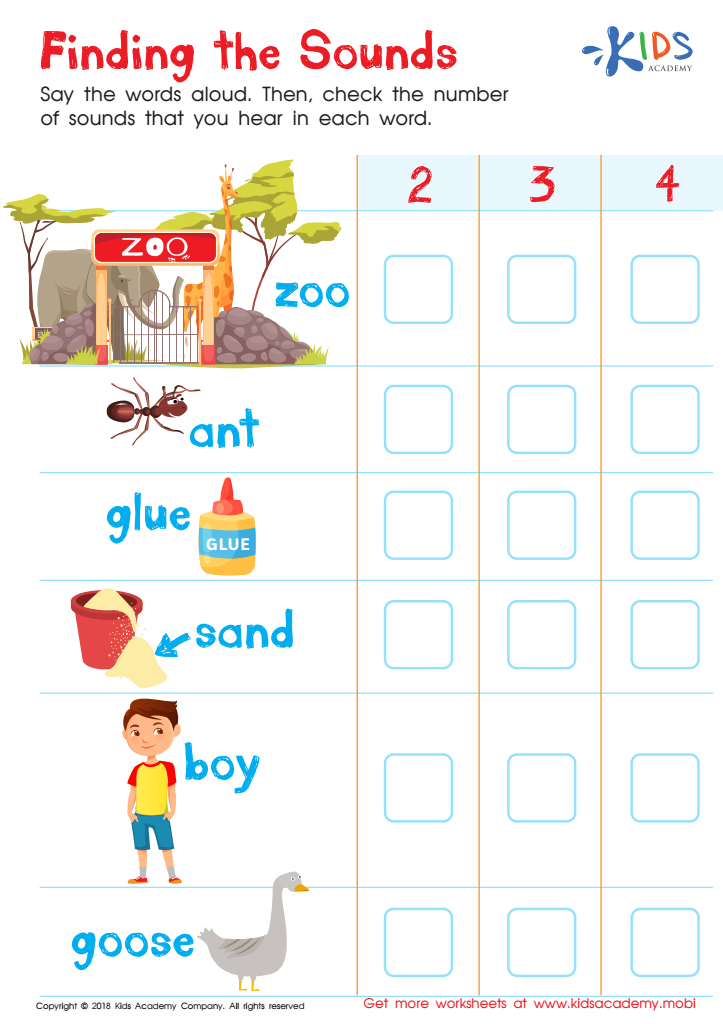
Finding the Sounds Worksheet
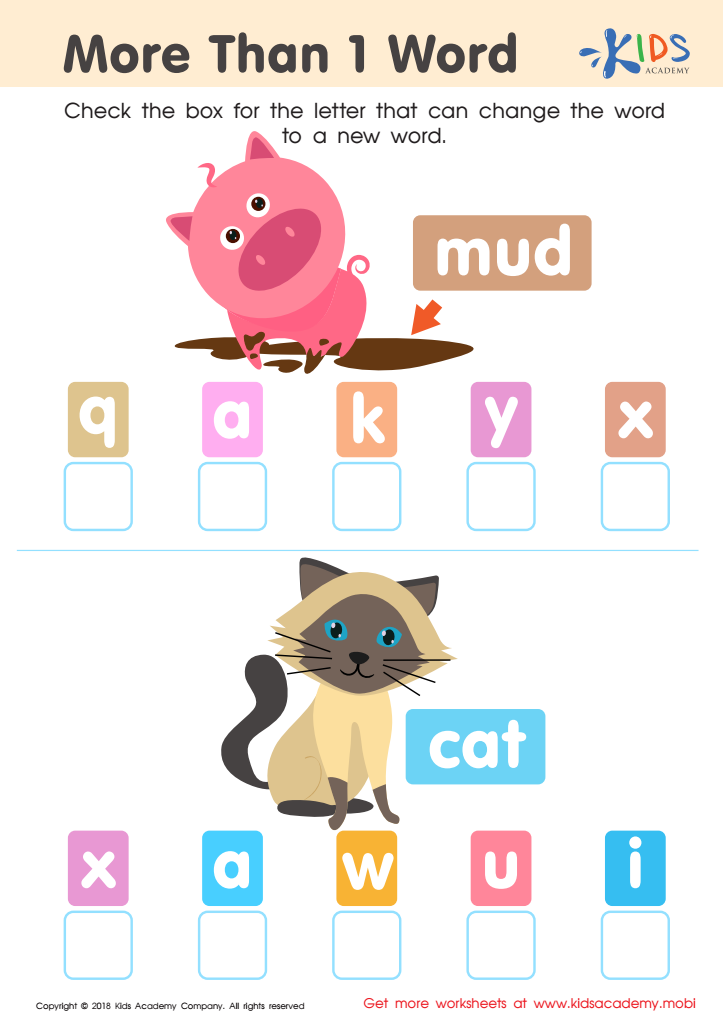
More than 1 word Worksheet
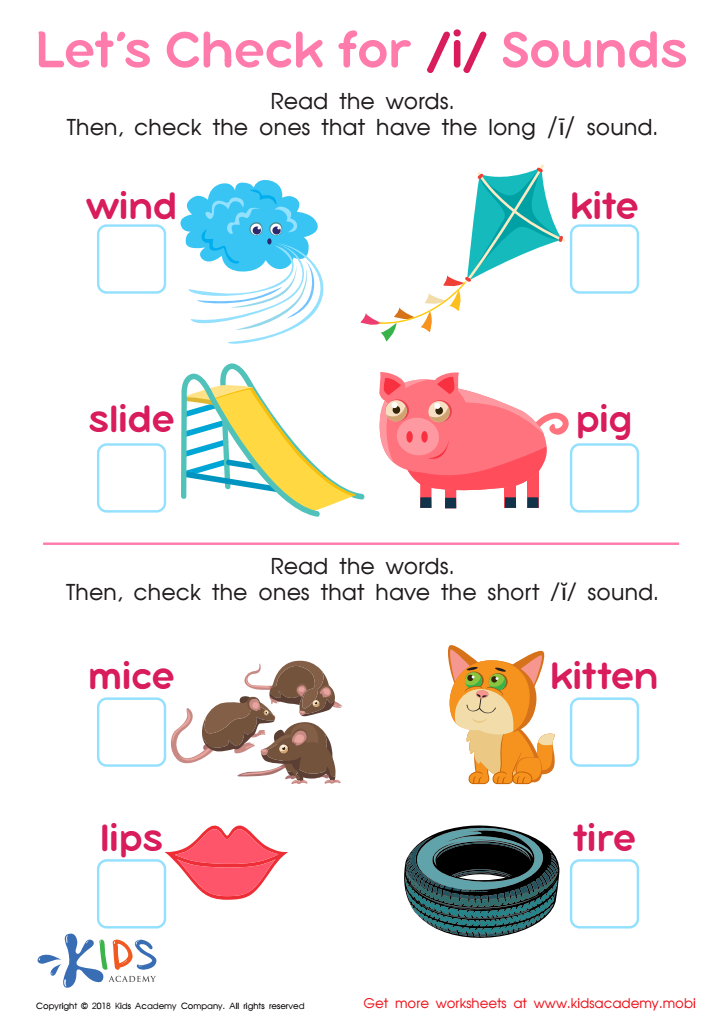
Let's Check for «i» Sounds Worksheet
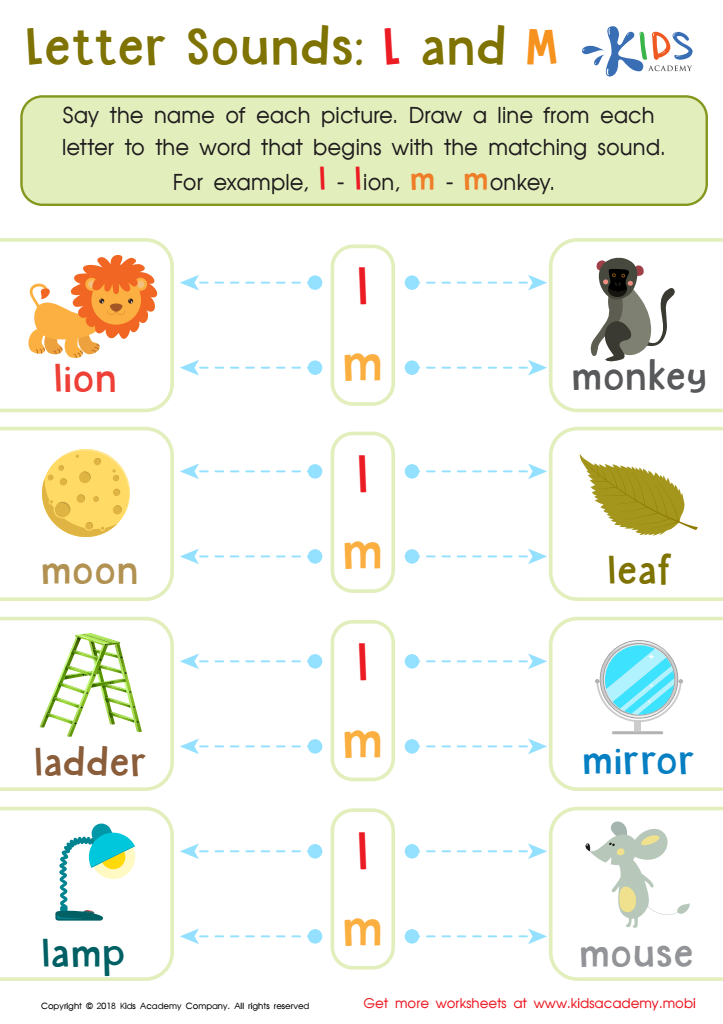
Letter l and M Sounds Worksheet
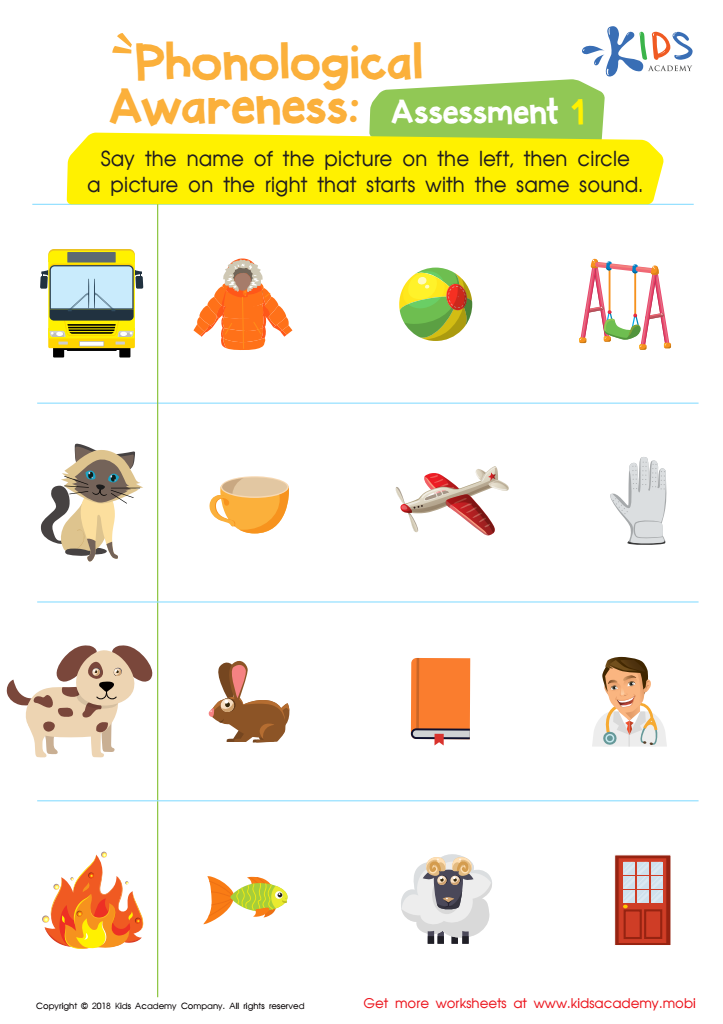
Phonological Awareness: Assessment 1 Worksheet
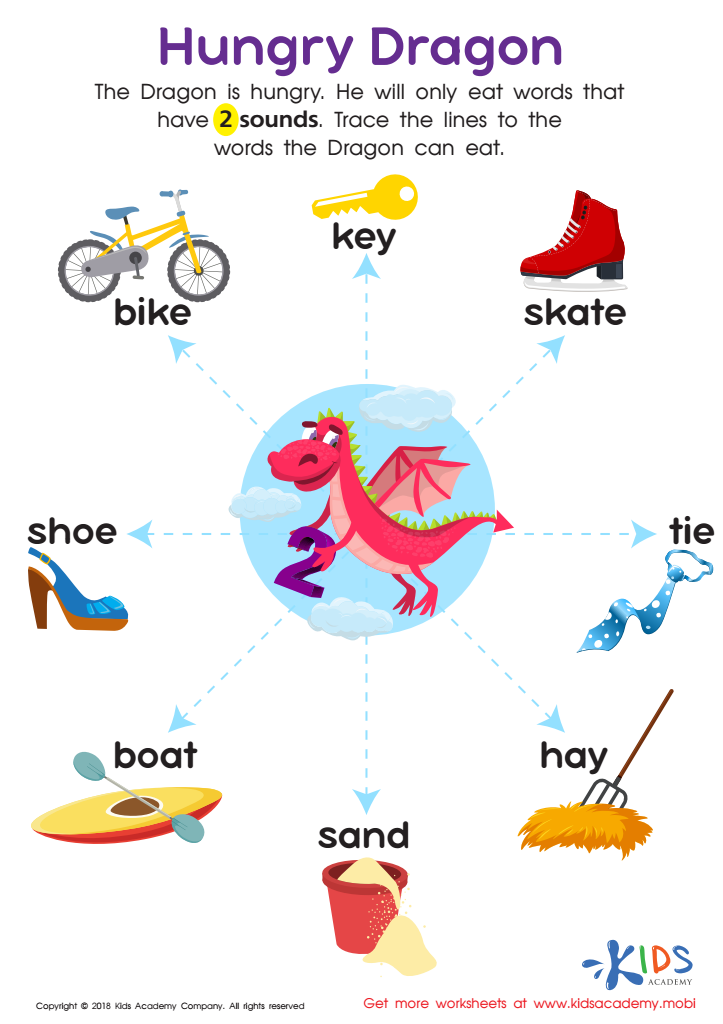
Hungry Dragon Worksheet
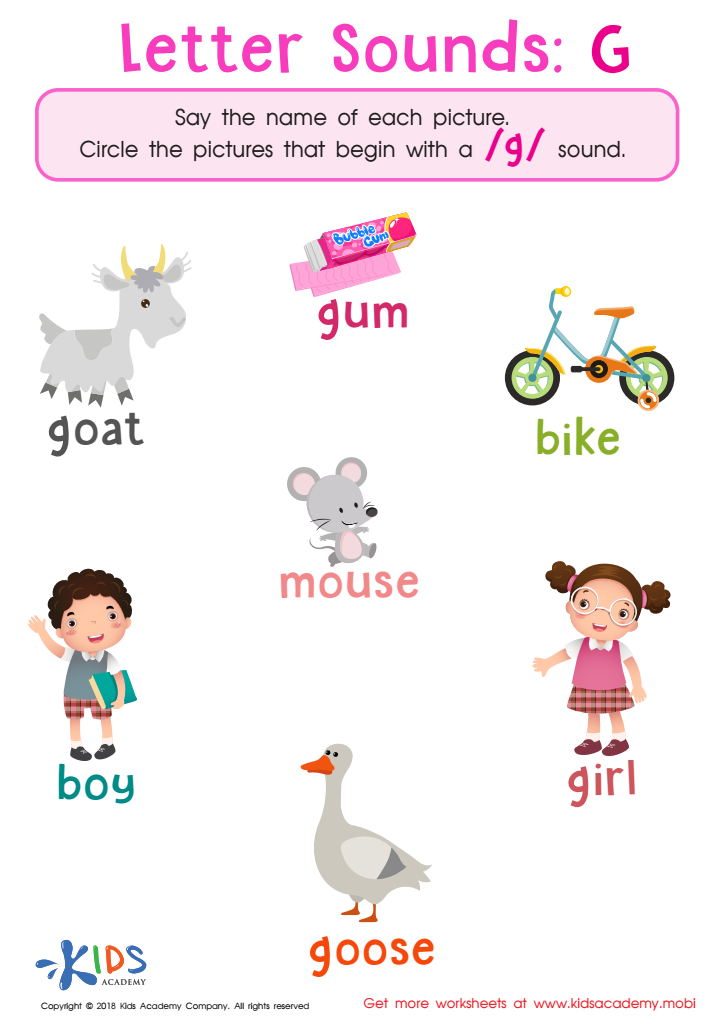
Letter G Sounds Worksheet
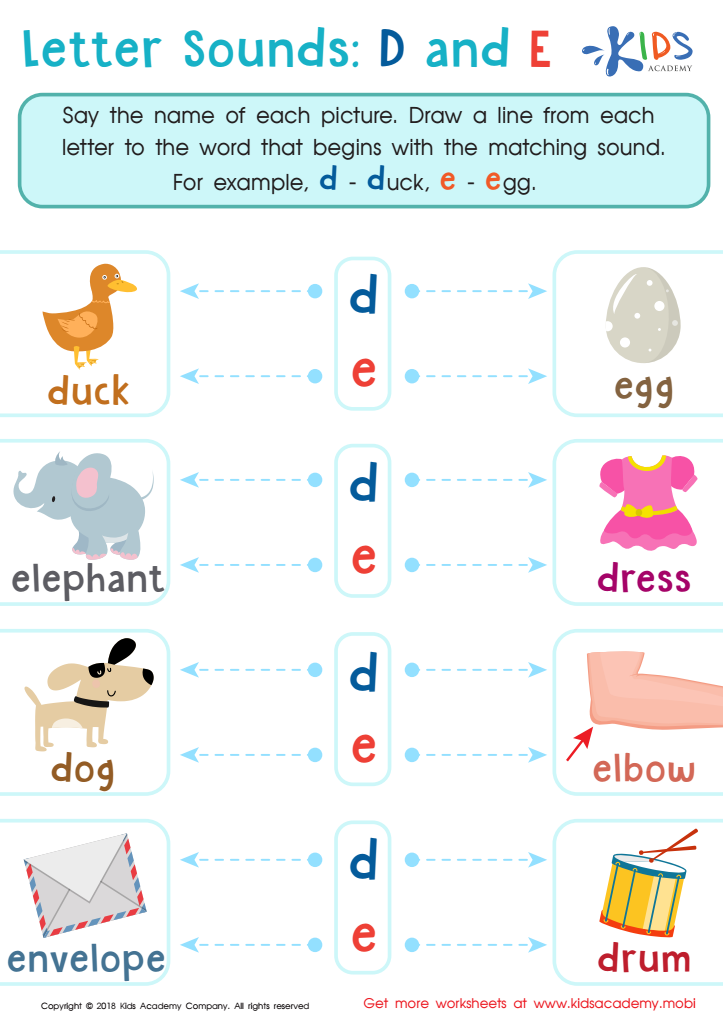
Letter D and E Sounds Worksheet








Parents and teachers should care about letter sounds for ages 5-7 because this foundational skill is crucial for literacy development. Understanding letter sounds, or phonemic awareness, helps children decode words, making reading easier and more enjoyable. When children learn to associate specific sounds with their corresponding letters, they build the essential bridge needed for reading fluency and comprehension.
By focusing on letter sounds, educators and parents can foster a love of reading, as children become more confident in their abilities to tackle written language. Early exposure to phonics training enhances vocabulary development, allowing young learners to express themselves effectively and engage fully in their academic environment.
Moreover, strong reading skills contribute to overall academic success, impacting subjects beyond literacy. Children who grasp letter sounds are better equipped to understand science, math, and social studies since reading comprehension plays a significant role across the curriculum.
Additionally, nurturing these skills creates positive learning environments where children can thrive. When parents and teachers collaborate to support phonics education, they instill lifelong learning habits and a passion for knowledge, ultimately benefitting children's personal growth and future educational endeavors. Prioritizing letter sounds is, therefore, an investment in a child's cognitive and emotional well-being.







