Life Science Worksheets for Ages 5-7 - Page 2
29 filtered results
-
From - To
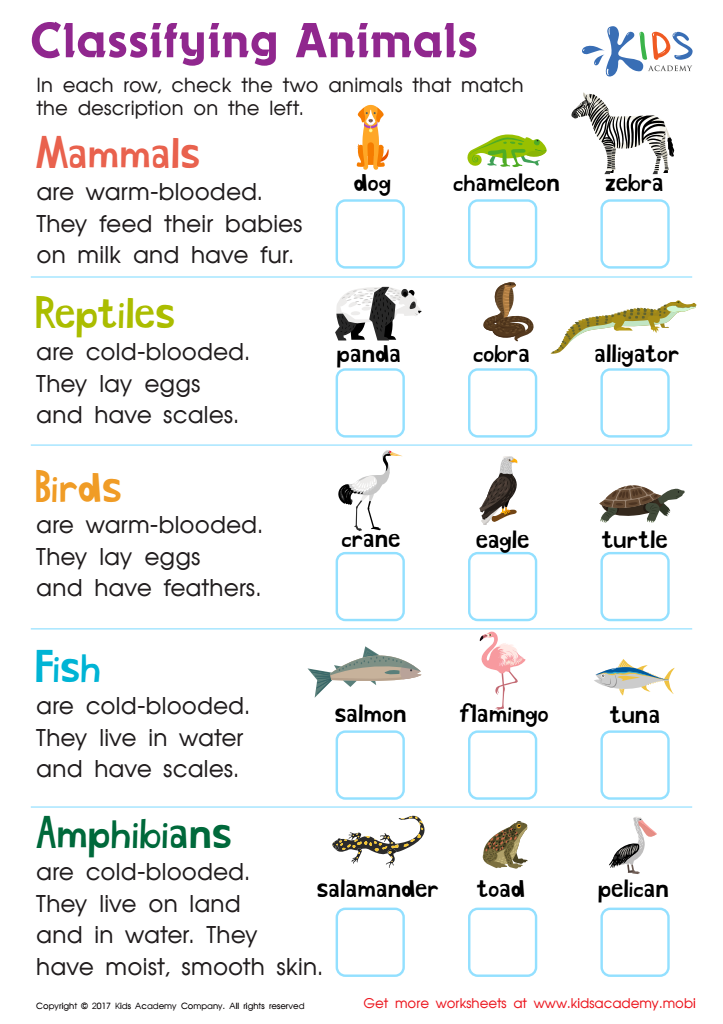
Classifying Animals Worksheet
 Assign to My Students
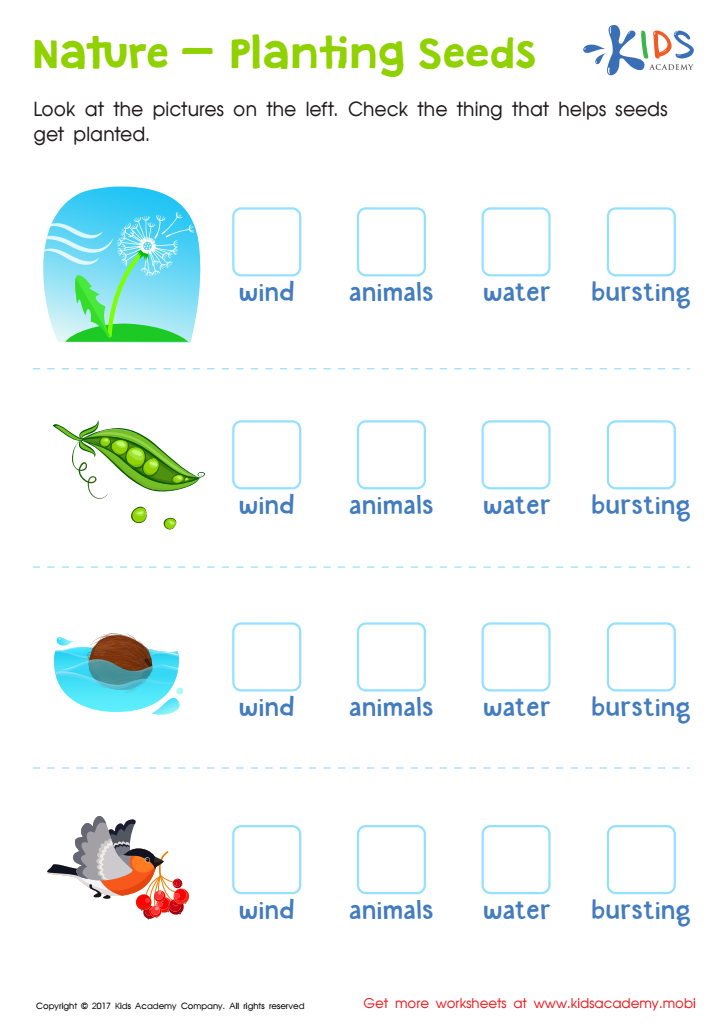
Nature Planting Seeds Worksheet
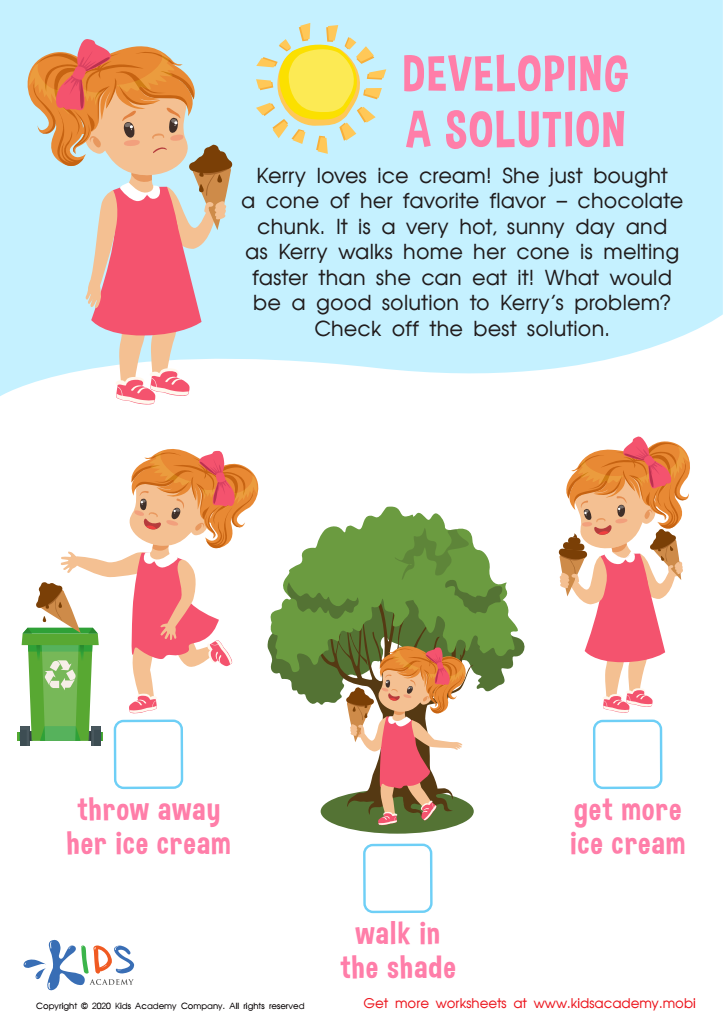
Developing Solution Worksheet
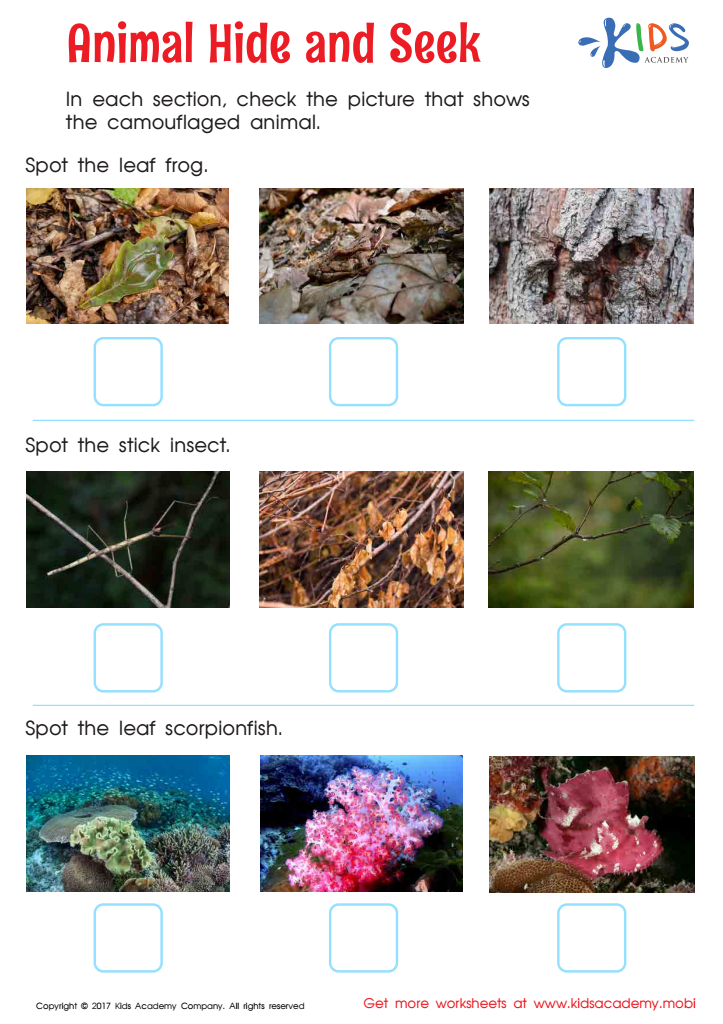
Animal Hide and Seek Worksheet
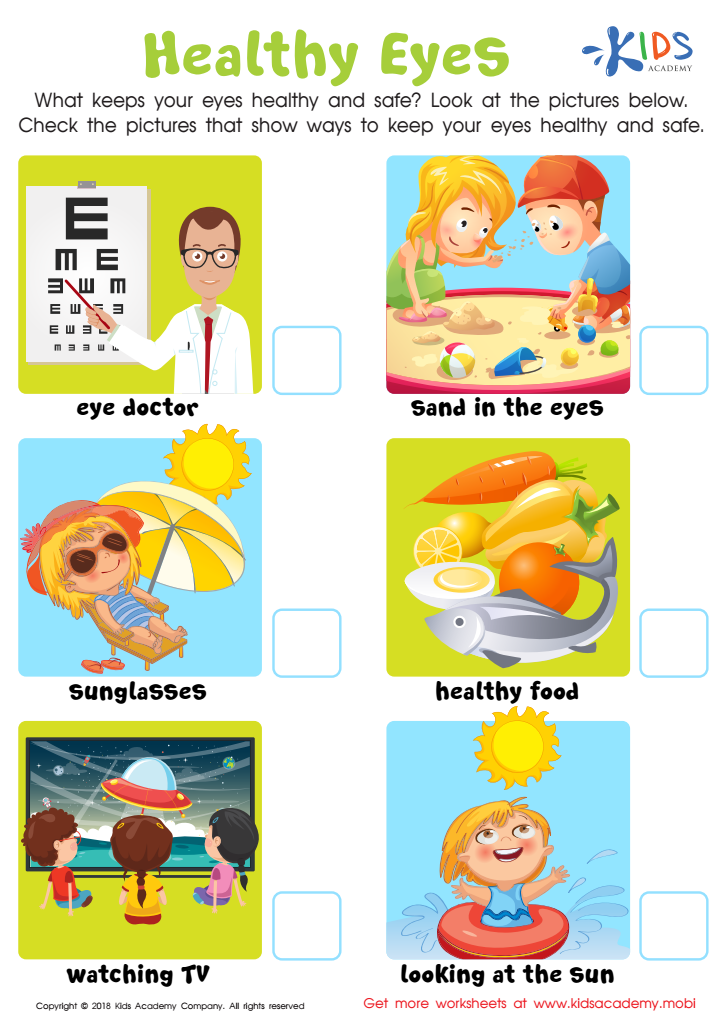
Healthy Eyes Worksheet




%20(1).jpg)

Life Science is crucial for children aged 5-7 as it lays the foundation for understanding the natural world. At this developmental stage, curiosity about living organisms, plants, and ecosystems is at its peak. Engaging children in Life Science nurtures their innate sense of wonder, empowering them to ask questions, observe, and explore. This hands-on approach to learning cultivates critical thinking and scientific reasoning, skills that are essential for future academic success.
By incorporating Life Science into education, parents and teachers foster a sense of responsibility towards the environment and living things. Children learn the importance of biodiversity, the interdependence of ecosystems, and how their actions impact the world around them. This awareness encourages empathy and stewardship, key qualities for responsible citizenship.
Additionally, studies show that early exposure to Life Science can inspire future interests in health, environmental science, and biology, opening pathways for future careers in STEM fields. Creating a strong grasp of fundamental concepts about life processes enables children not only to excel academically but also to connect more deeply with their environment, promoting lifelong learning and curiosity. In essence, nurturing a love for Life Science at an early age sets the stage for an informed, engaged, and thoughtful generation.








