Matching Worksheets for Ages 5-8 - Page 4
82 filtered results
-
From - To
 Assign to My Students
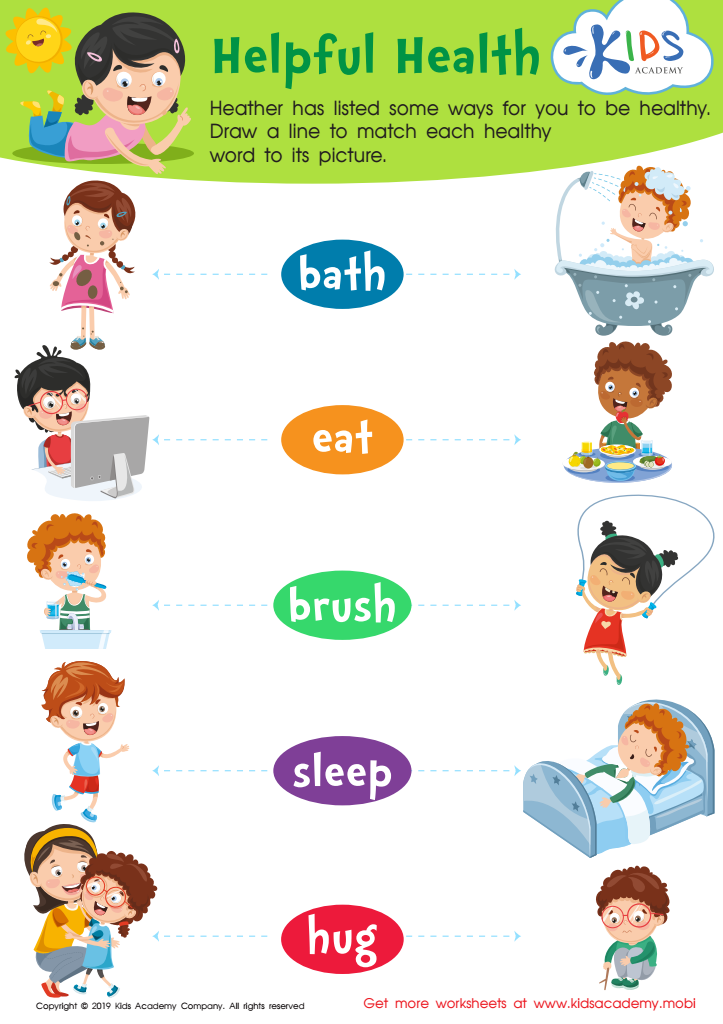
Helpful Health Worksheet
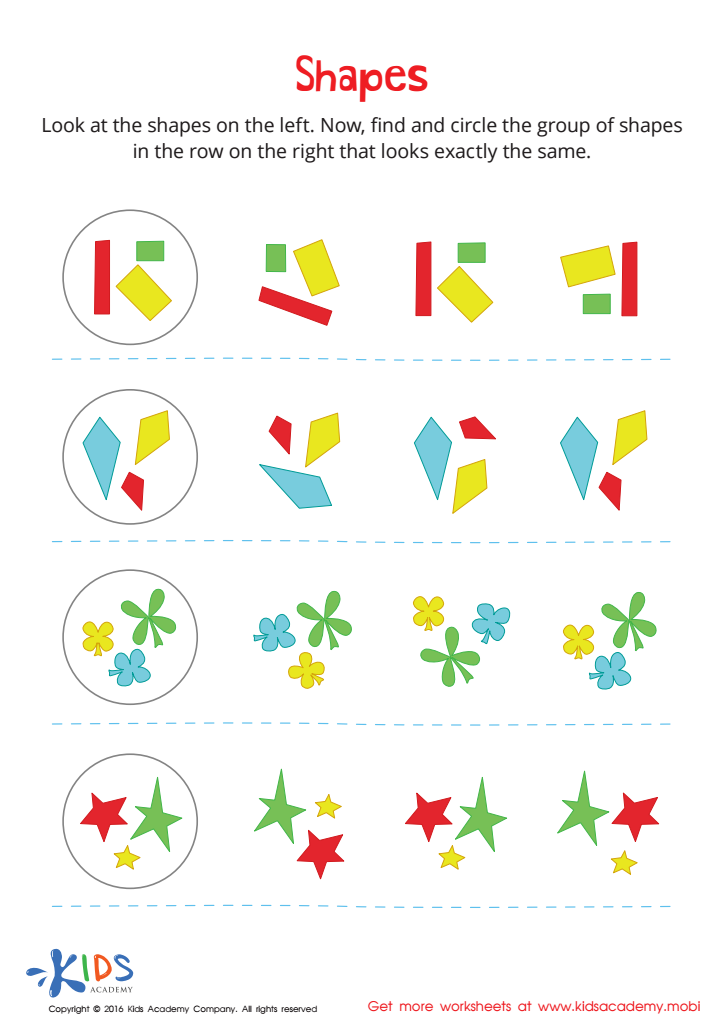
Shapes Worksheet
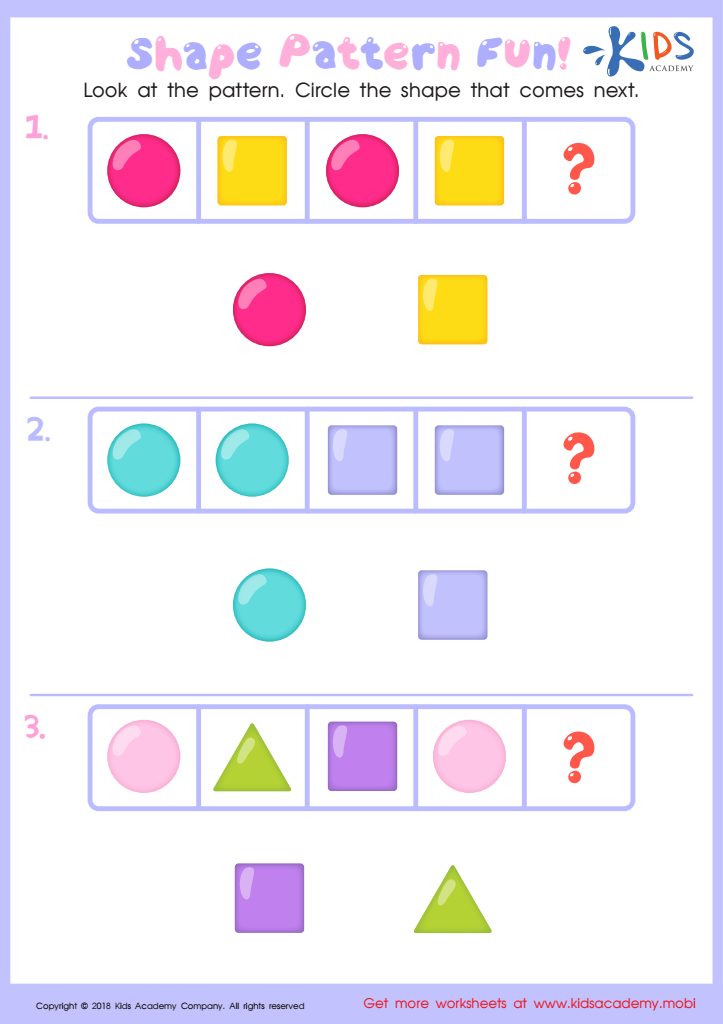
Shape Pattern Fun Worksheet
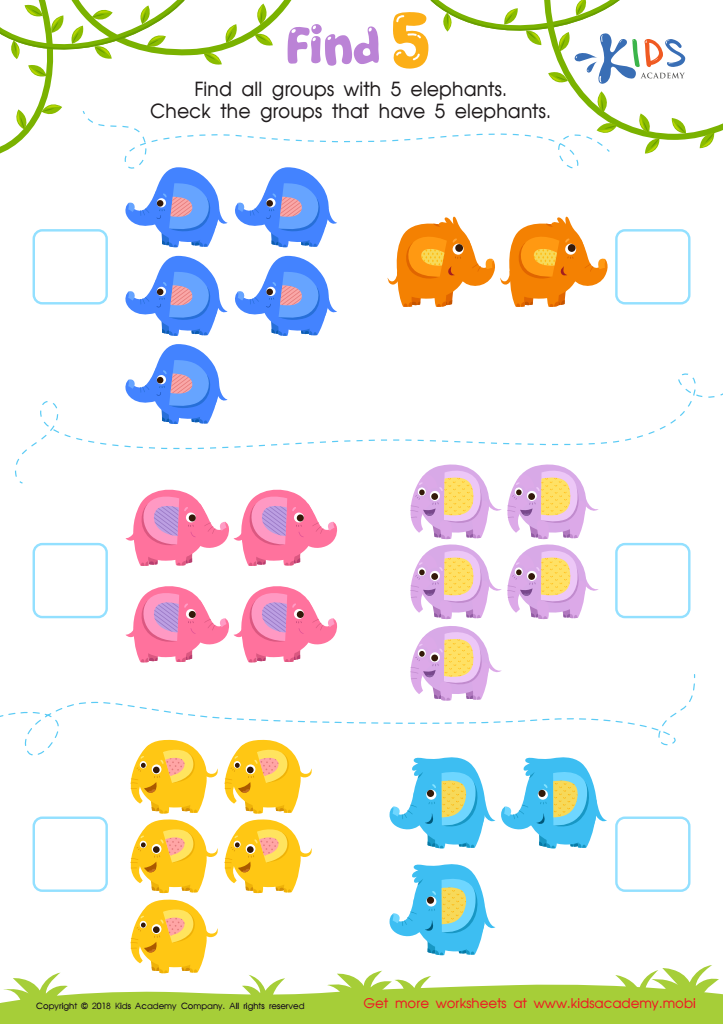
Find 5 Worksheet
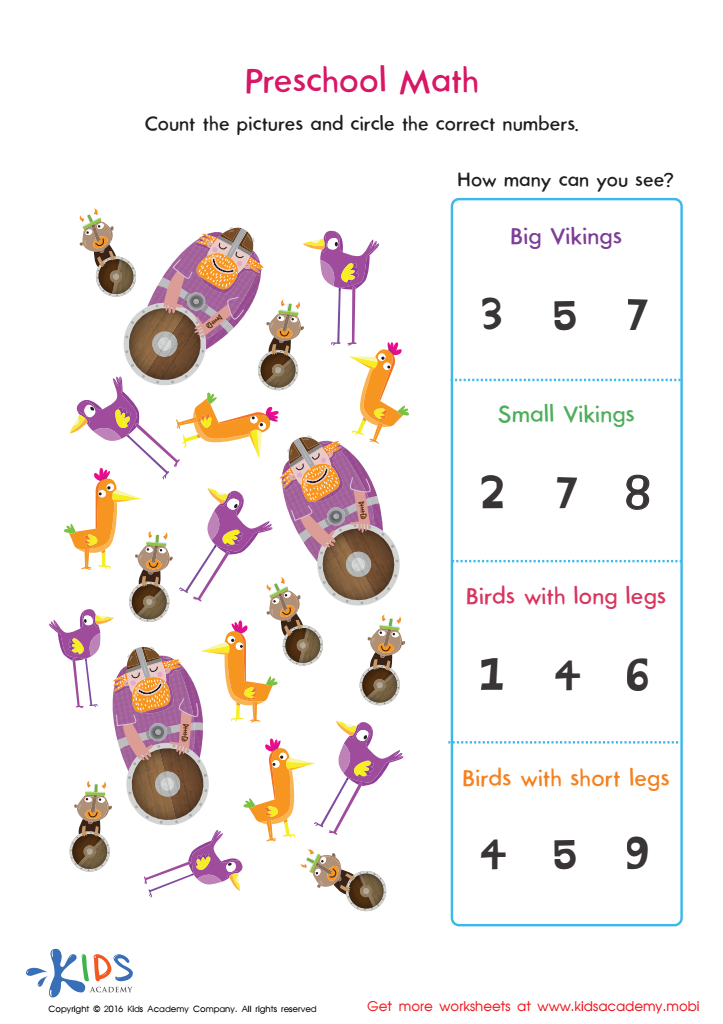
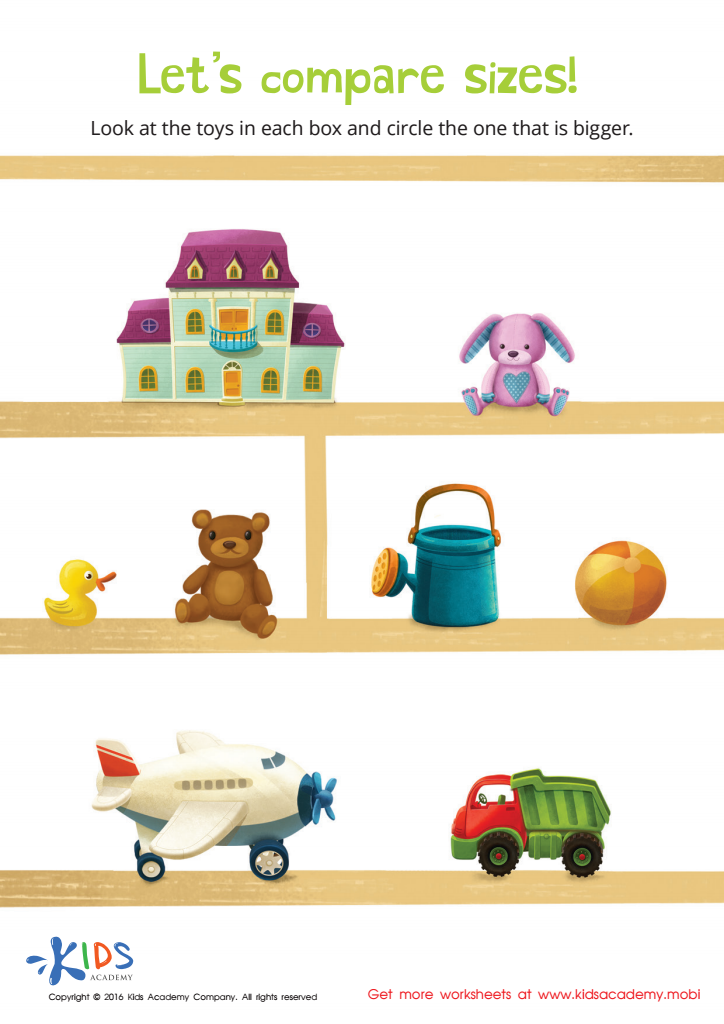
Classifying by Size Sorting Worksheet
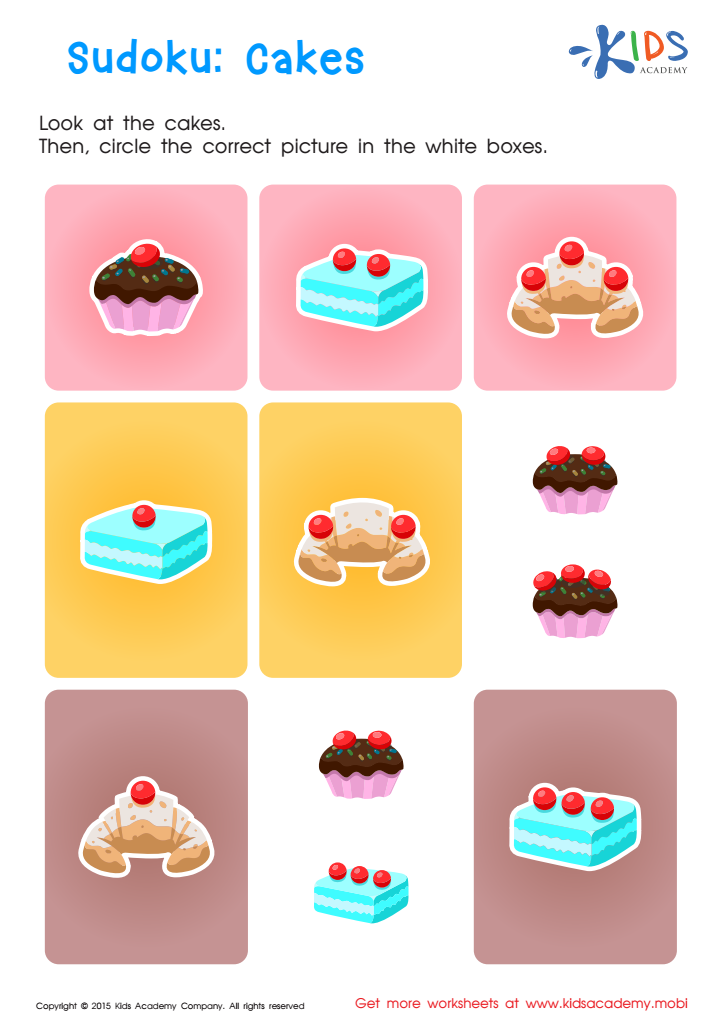
Sudoku Worksheet







Matching activities for children aged 5-8 are crucial for several reasons, making it essential for parents and teachers to prioritize them. First, these activities promote cognitive development by enhancing memory, attention, and cognitive processing skills. As young learners begin to make connections between different items, they strengthen their problem-solving abilities and critical thinking skills.
Additionally, matching games help develop essential language skills. When children engage in matching tasks, they often verbalize their thought processes and describe the items they see, thus expanding their vocabulary and comprehension skills within a playful context.
Social development is another key benefit. Participation in matching games can foster teamwork and social interaction as children often engage with peers in cooperative learning settings, promoting skills like turn-taking and communication.
Furthermore, matching tasks can serve as a foundational tool for further learning in areas such as mathematics and literacy, helping children make associations between symbols, letters, numbers, and their meanings. Finally, these activities can build confidence and self-esteem, as children experience success through mastering challenges. Encouraging matching activities in playful yet educational ways provides a well-rounded approach to early childhood learning, forming a solid base for future academic growth.








