Life Science Worksheets for Ages 5-8 - Page 2
36 filtered results
-
From - To
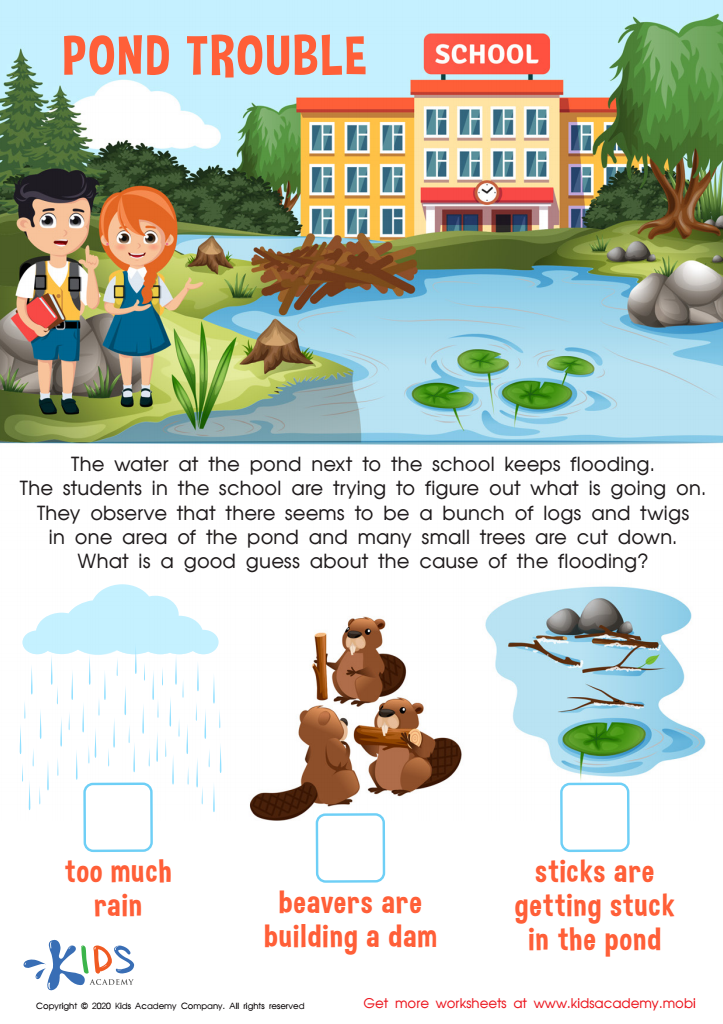
Pond Trouble Worksheet
 Assign to My Students
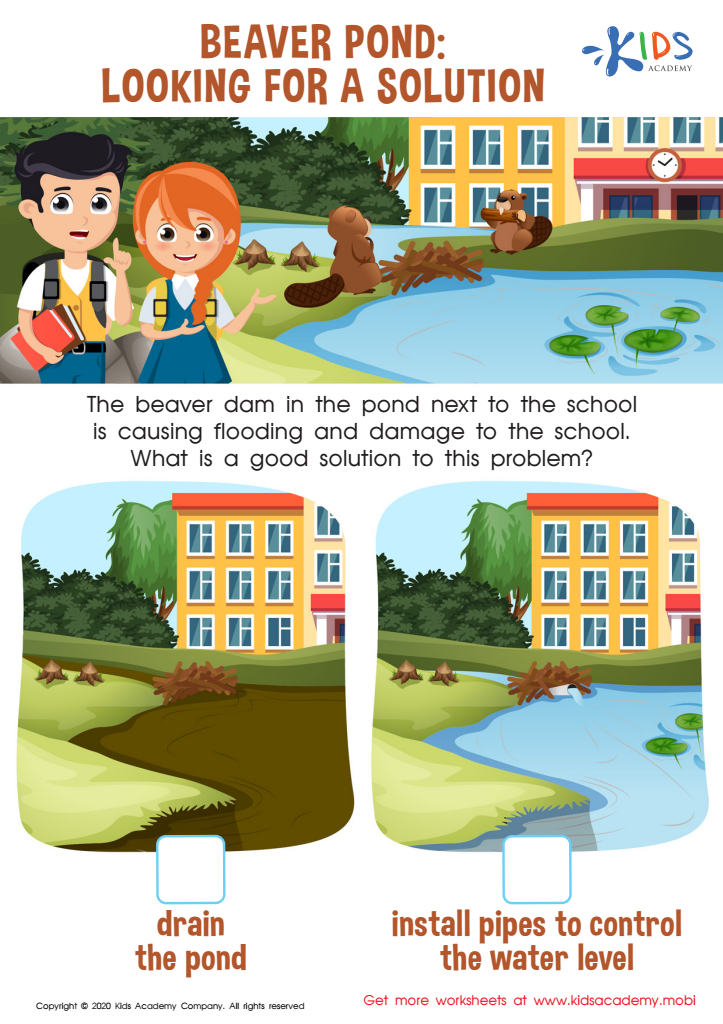
Beaver Pond: Looking for a Solution Worksheet
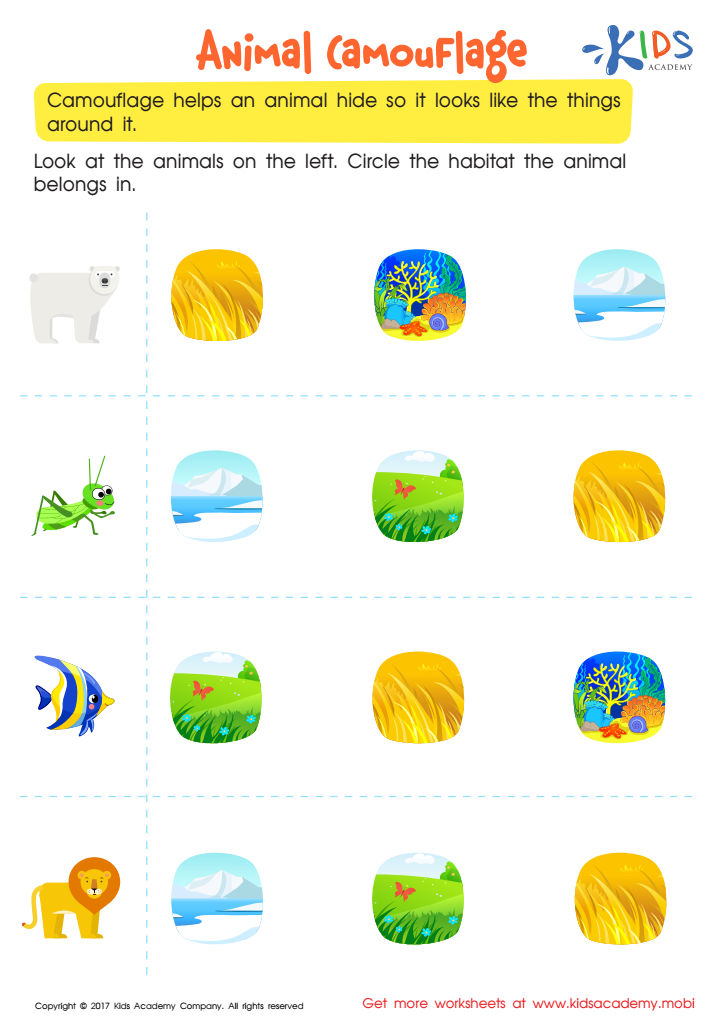
Animal Camouflage Worksheet
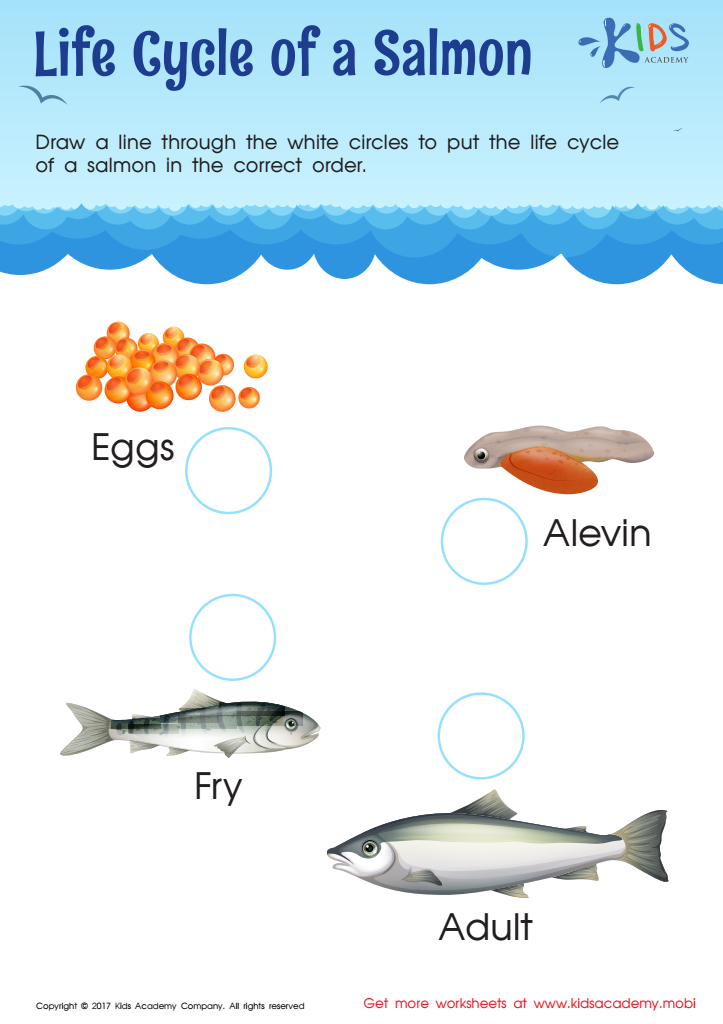
Cycle Of Salmon Worksheet
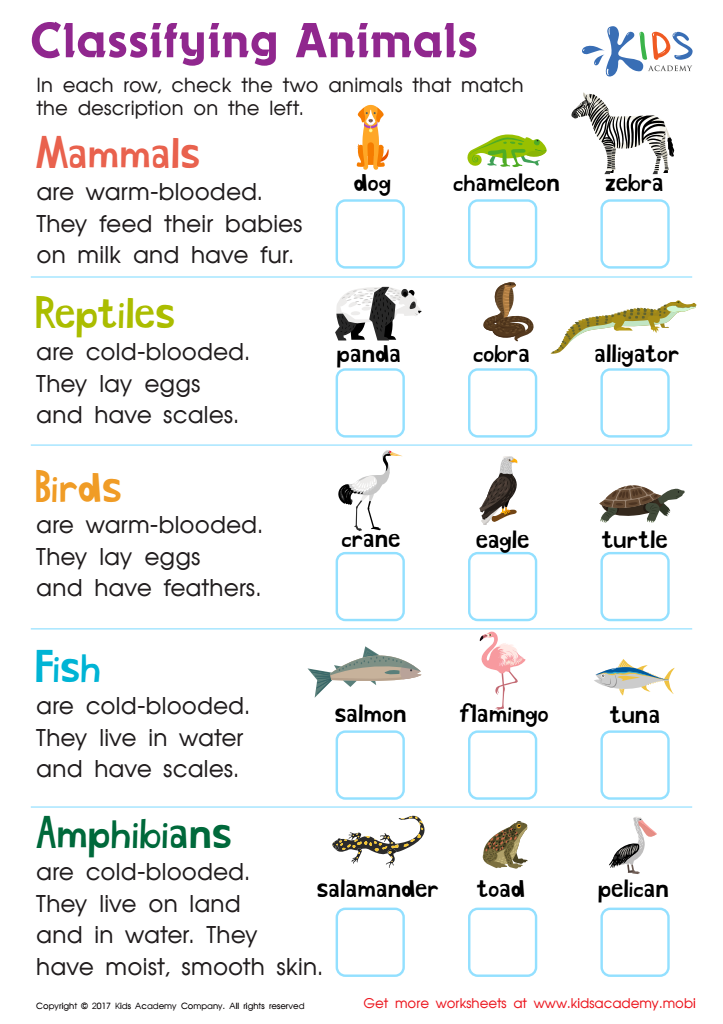
Classifying Animals Worksheet
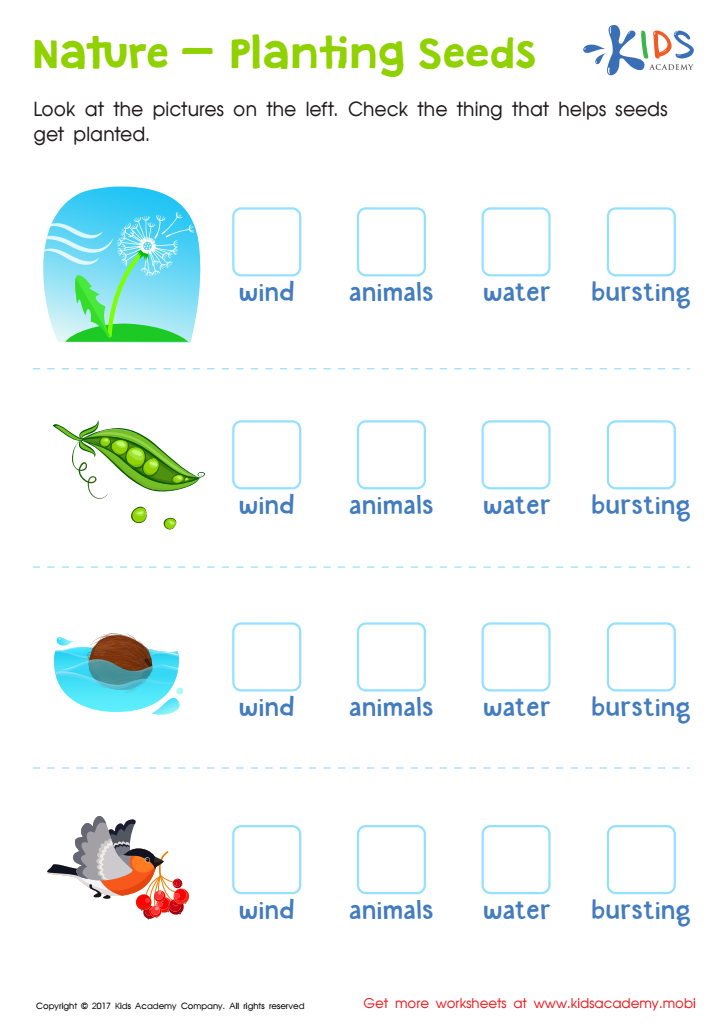
Nature Planting Seeds Worksheet
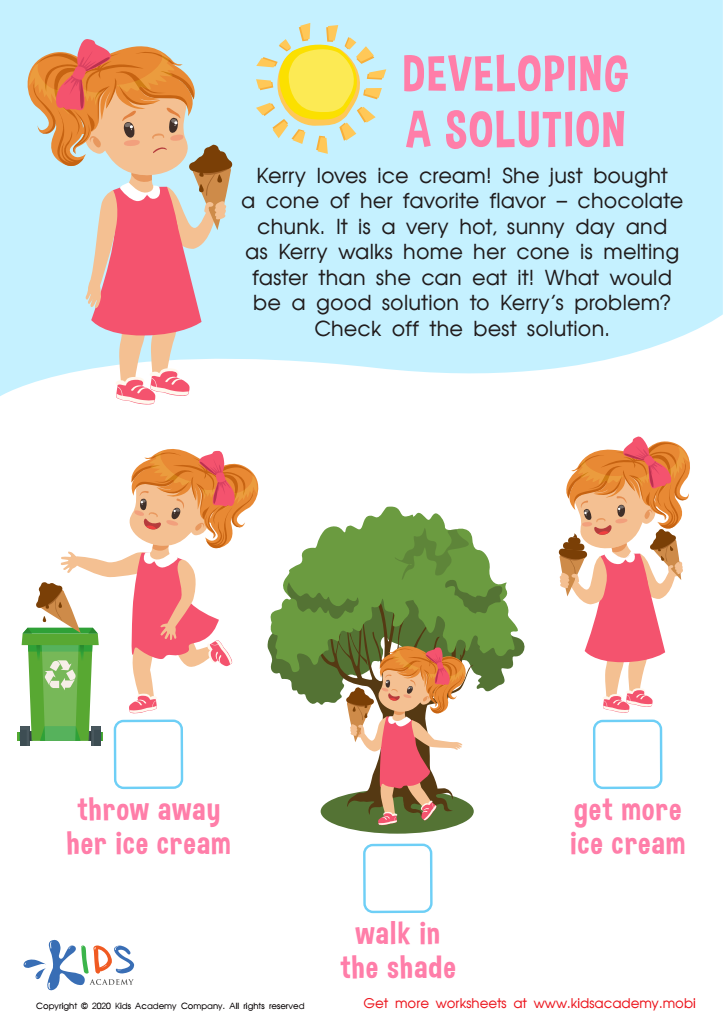
Developing Solution Worksheet
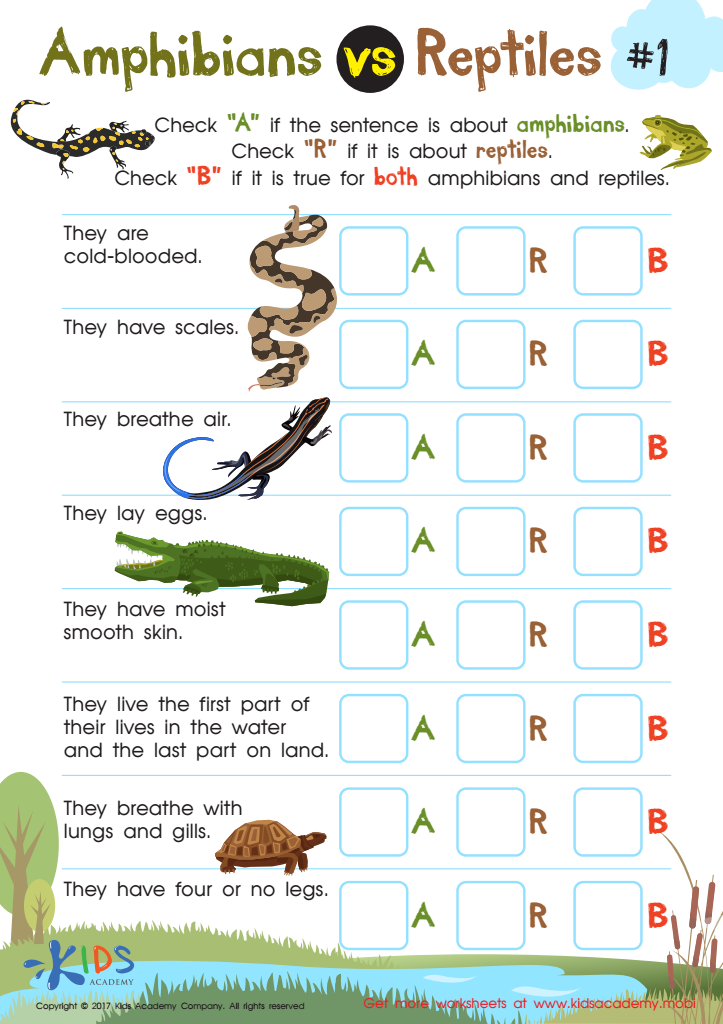
Amphibians vs Reptiles Worksheet
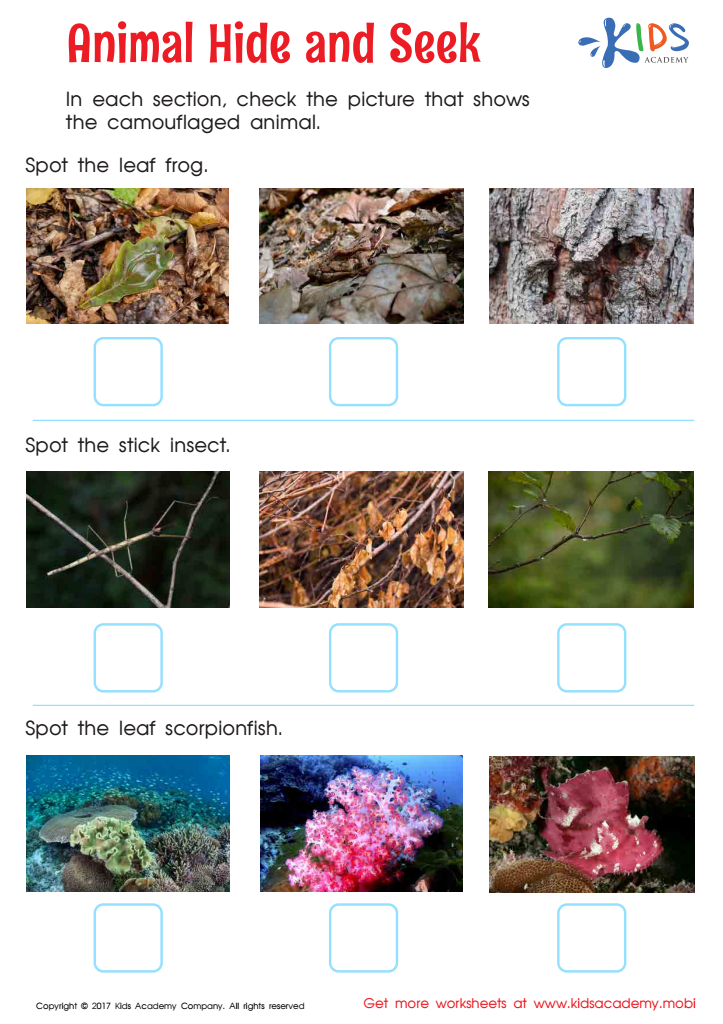
Animal Hide and Seek Worksheet
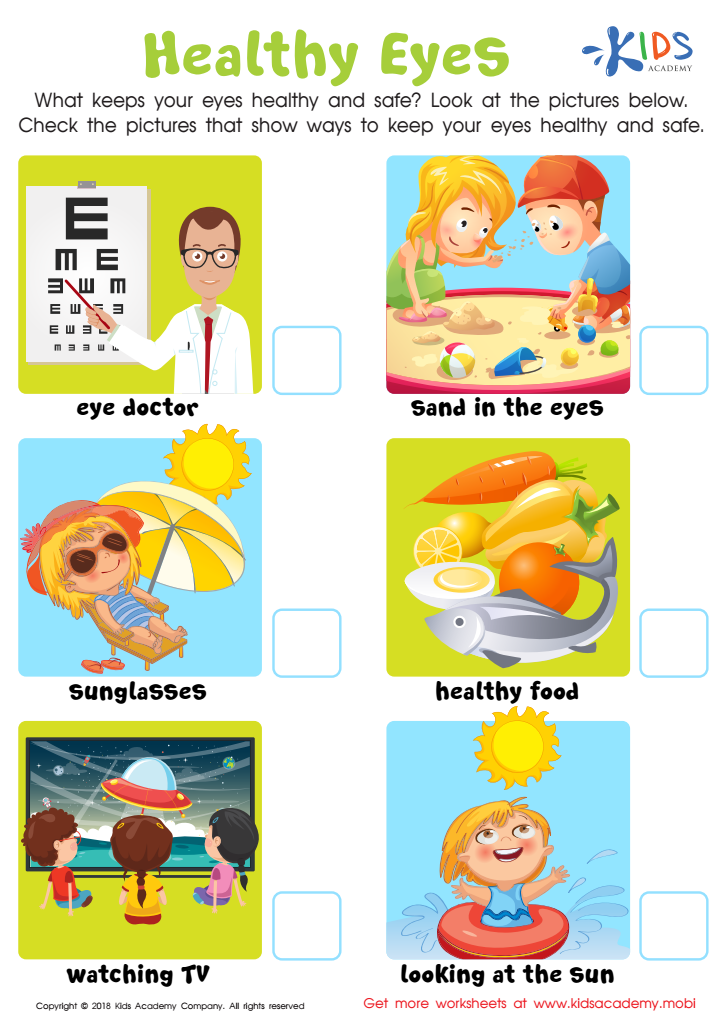
Healthy Eyes Worksheet
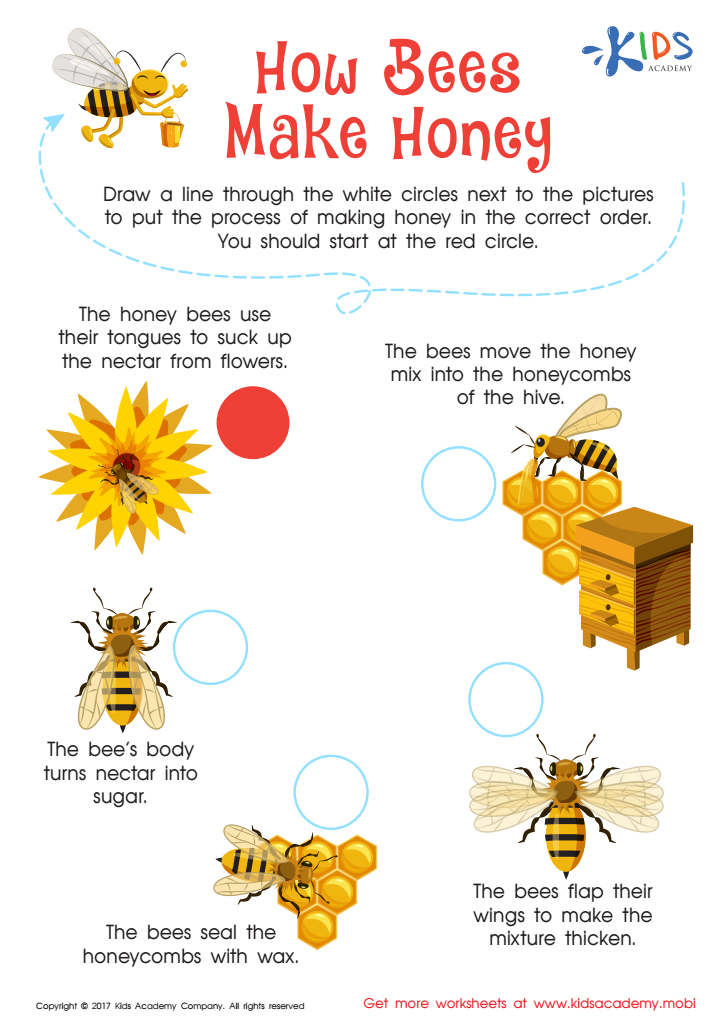
Honey Bee Worksheet
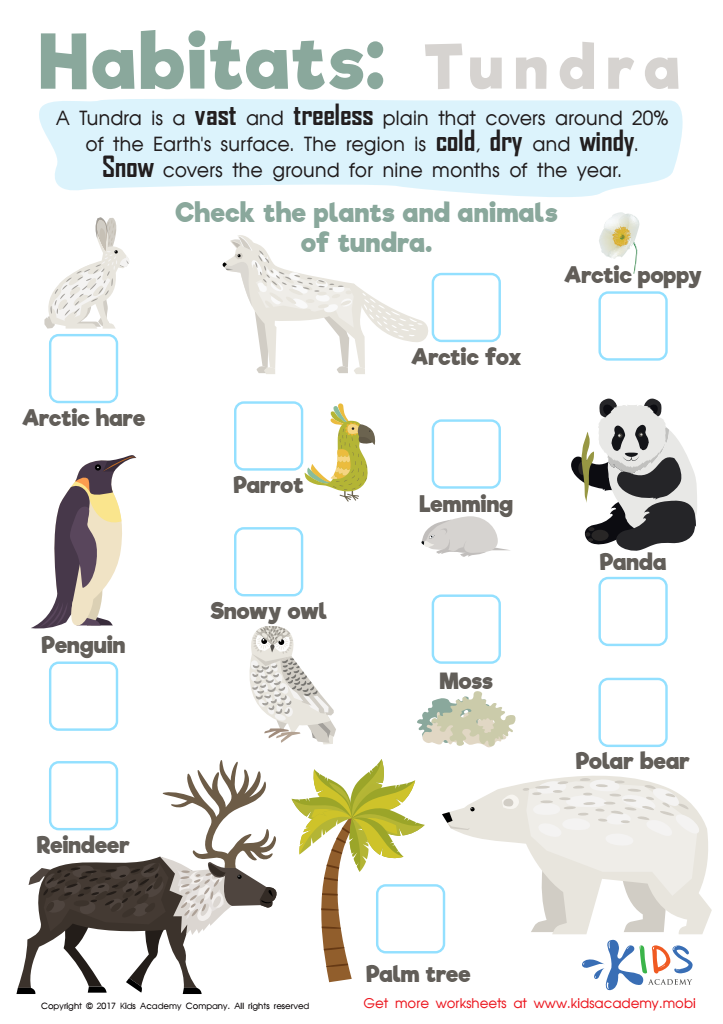
Tundra Habitats Worksheet



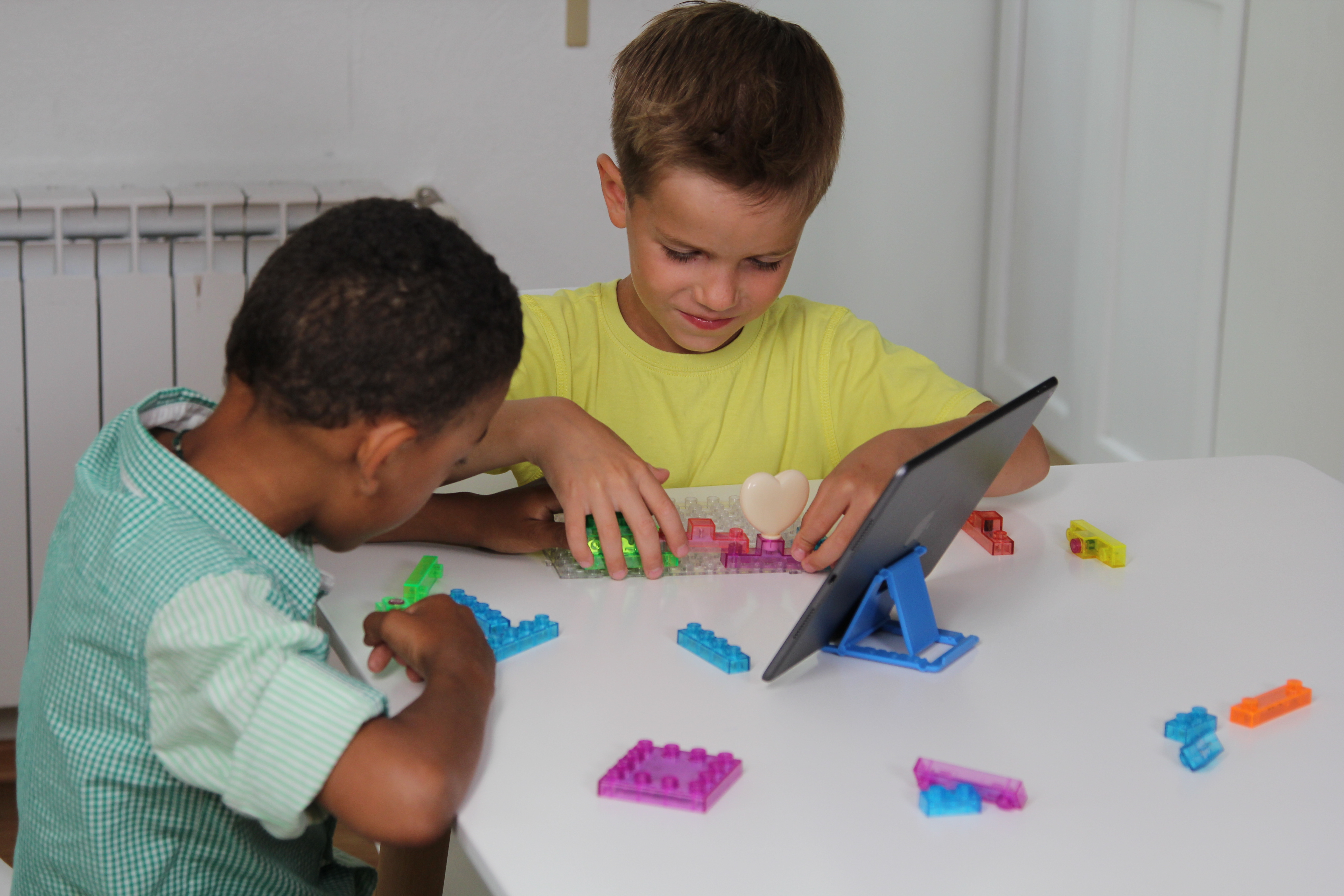



Life Science is a crucial subject for children aged 5-8, as it lays a vital foundation for understanding the natural world and fostering scientific curiosity. At this formative age, kids are naturally curious and eager to explore, making them receptive to lessons about living organisms and their environments. Introducing Life Science at this early stage helps children develop observational skills and critical thinking, as they learn to inquire about the world around them.
By studying basic concepts such as habitats, plant and animal life cycles, and ecosystems, young learners begin to grasp the interconnectedness of life. This early education ensures that they appreciate the importance of biodiversity and environmental conservation. For parents and teachers, fostering this awareness is crucial because it promotes responsible citizenship and motivates children to protect the planet from a young age.
Moreover, learning Life Science supports academic growth by integrating elements of reading, math, and social studies, providing a well-rounded educational experience. Activities like observing nature, conducting simple experiments, and caring for classroom plants or pets offer hands-on learning experiences that make scientific concepts tangible.
In essence, cultivating a love for Life Science in early childhood not only sparks lifelong interest in science but also instills values of responsibility and stewardship for the environment.








