Addition Facts Worksheets for Ages 6-9 - Page 2
42 filtered results
-
From - To
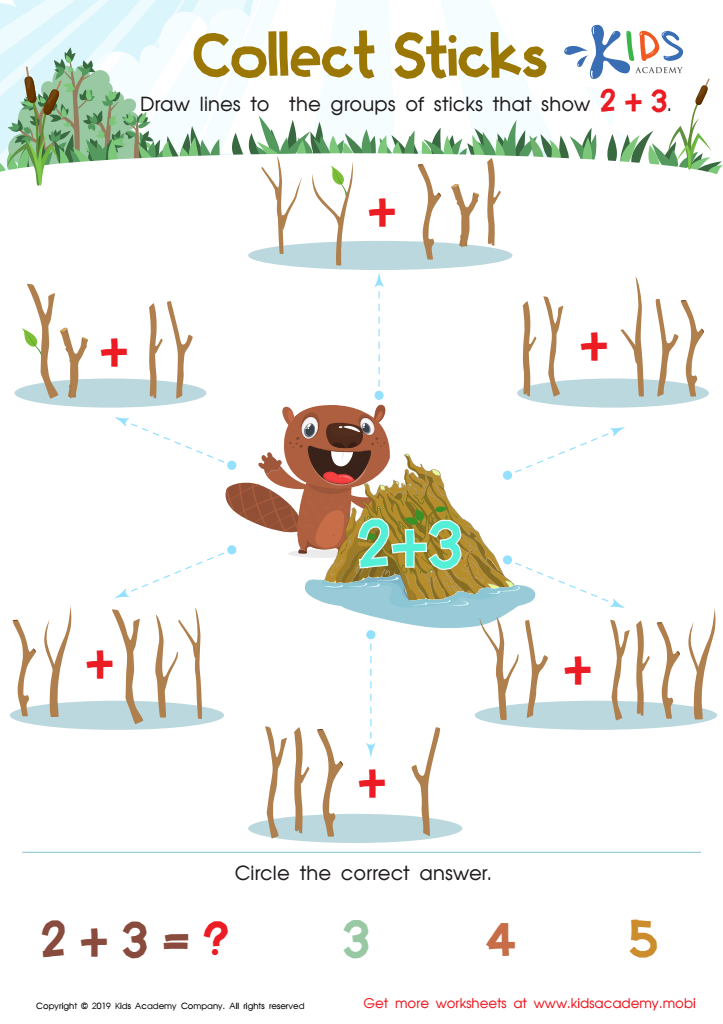
Collect Sticks Worksheet
 Assign to My Students
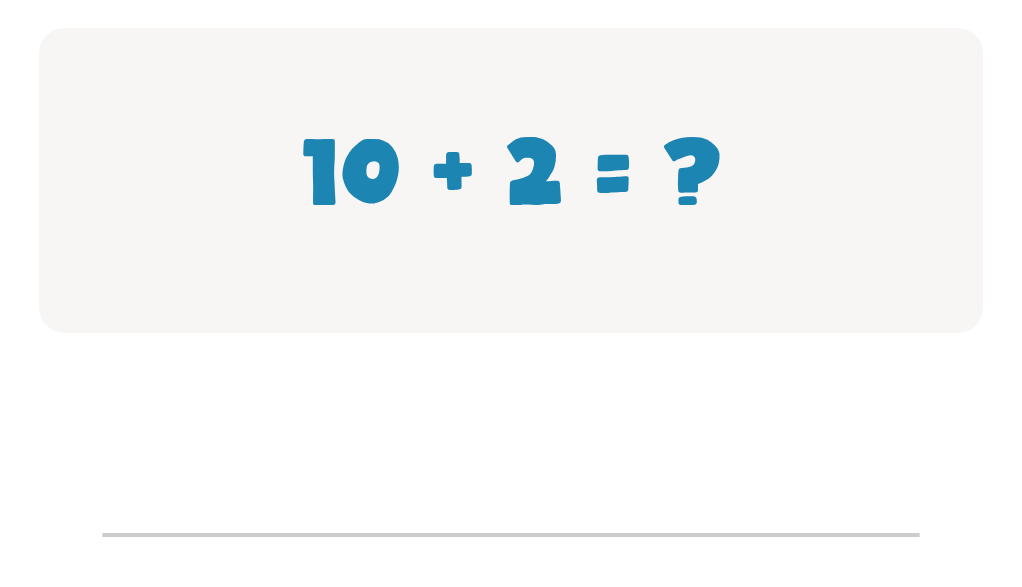


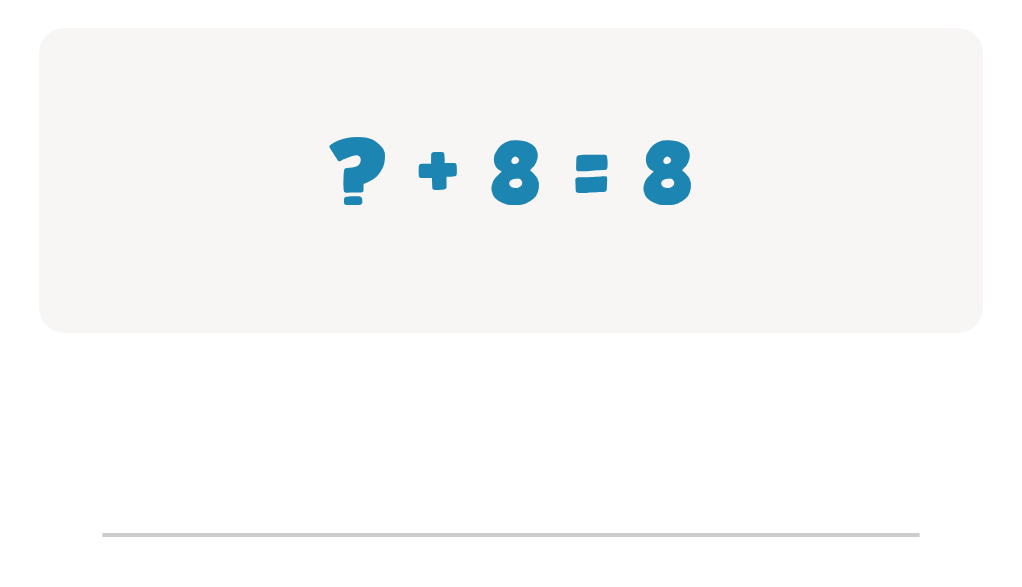
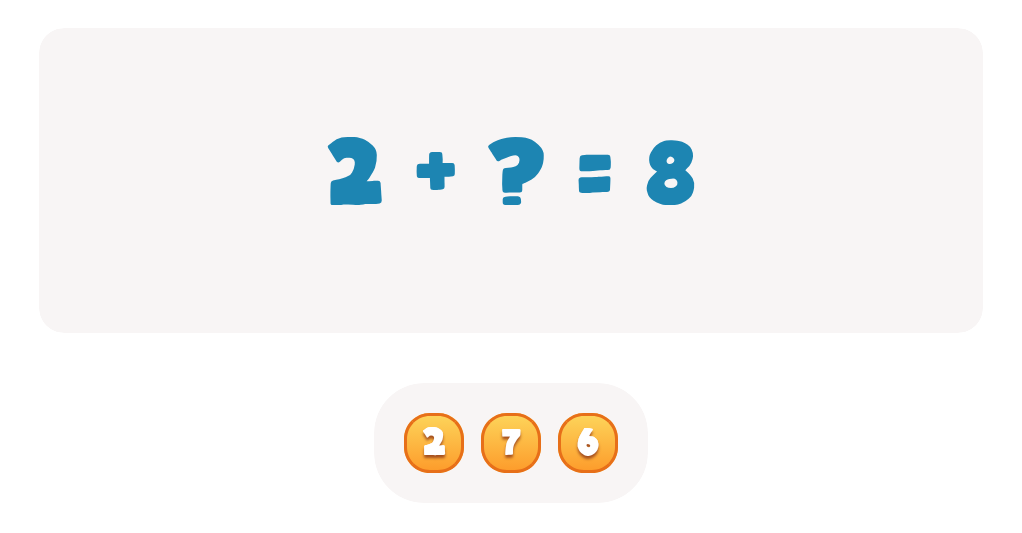

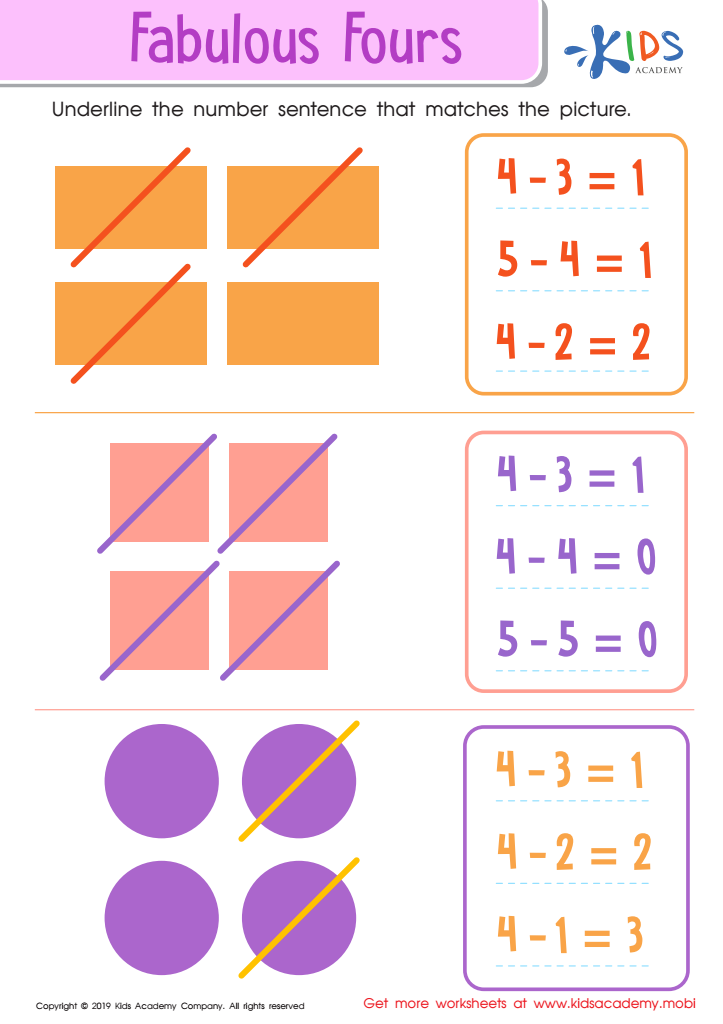
Fabulous Fours Worksheet
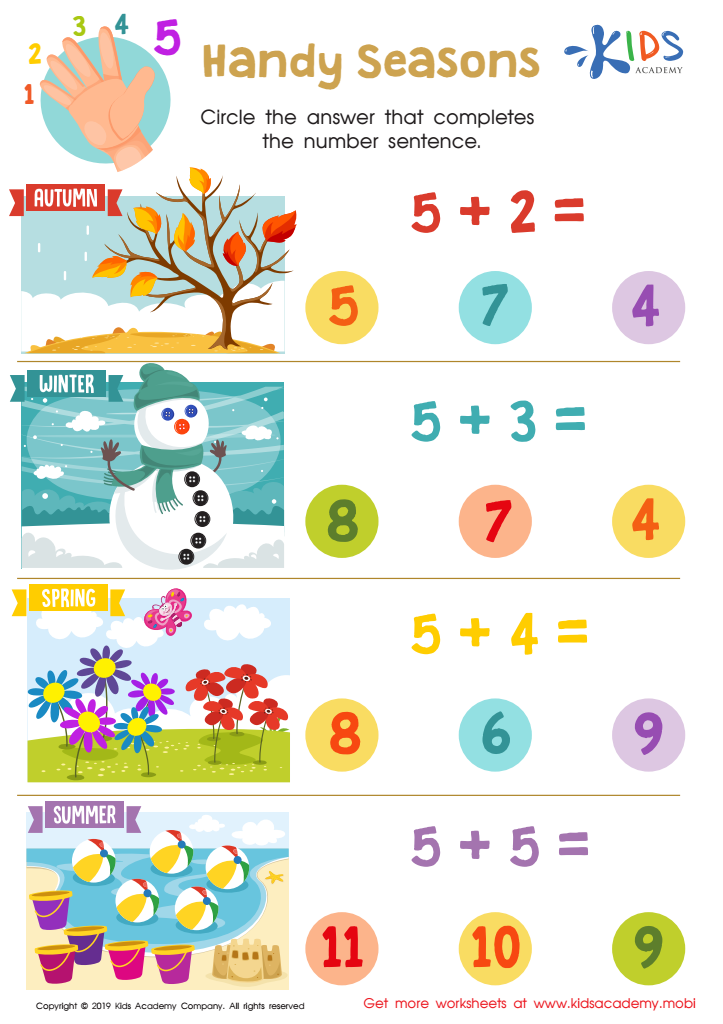
Handy Seasons Worksheet
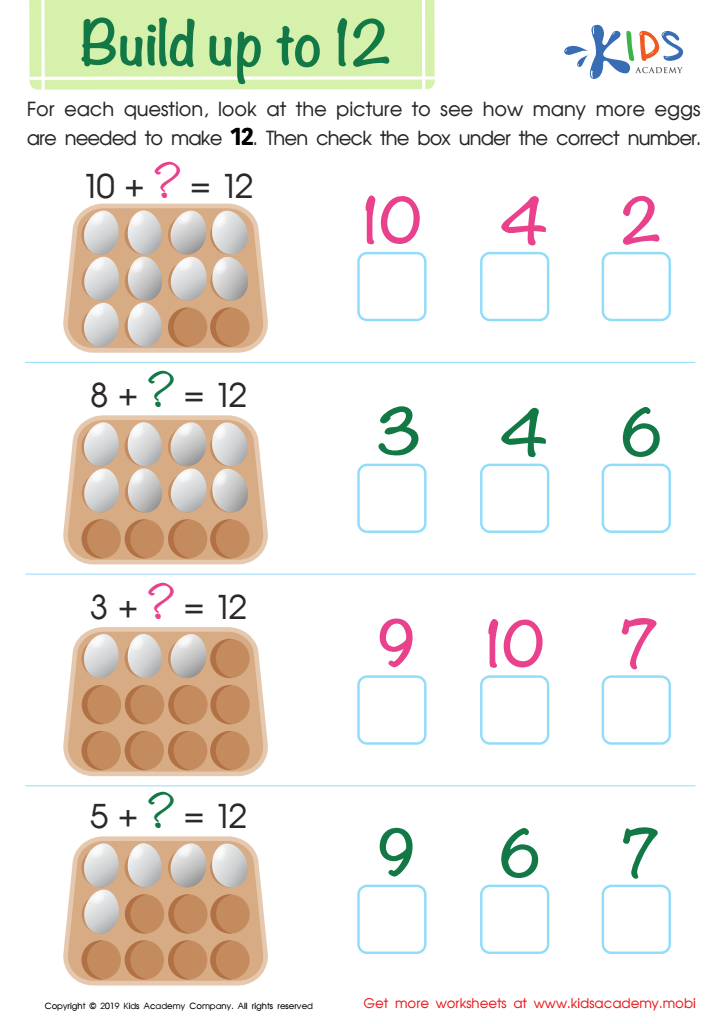
Build up to 12 Worksheet
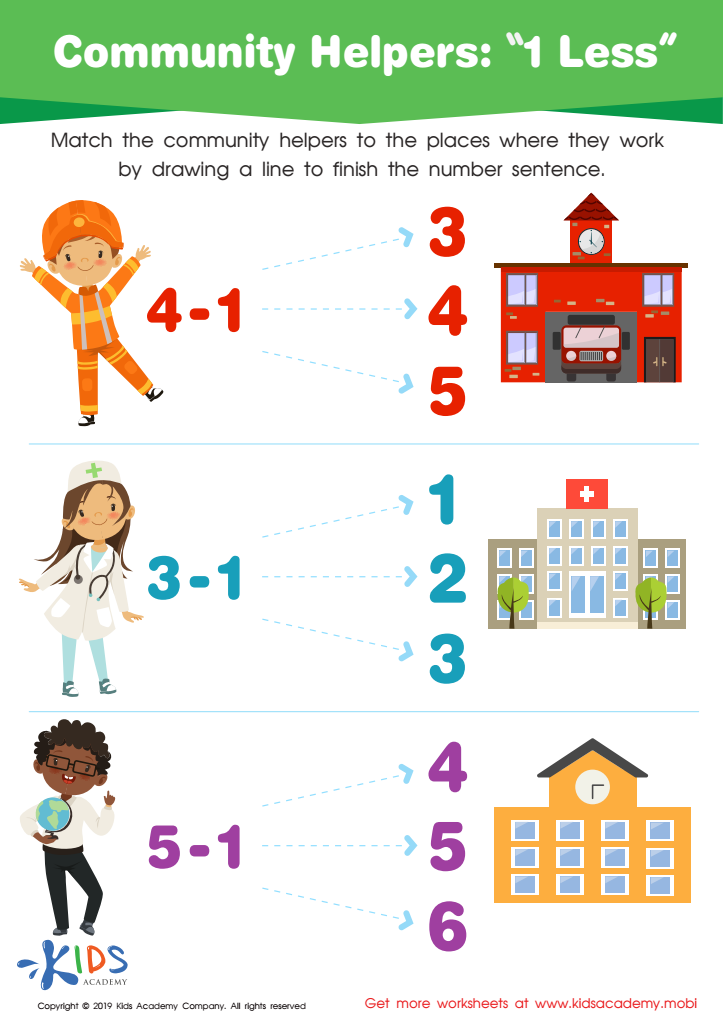
Community Helpers: 1 less Worksheet
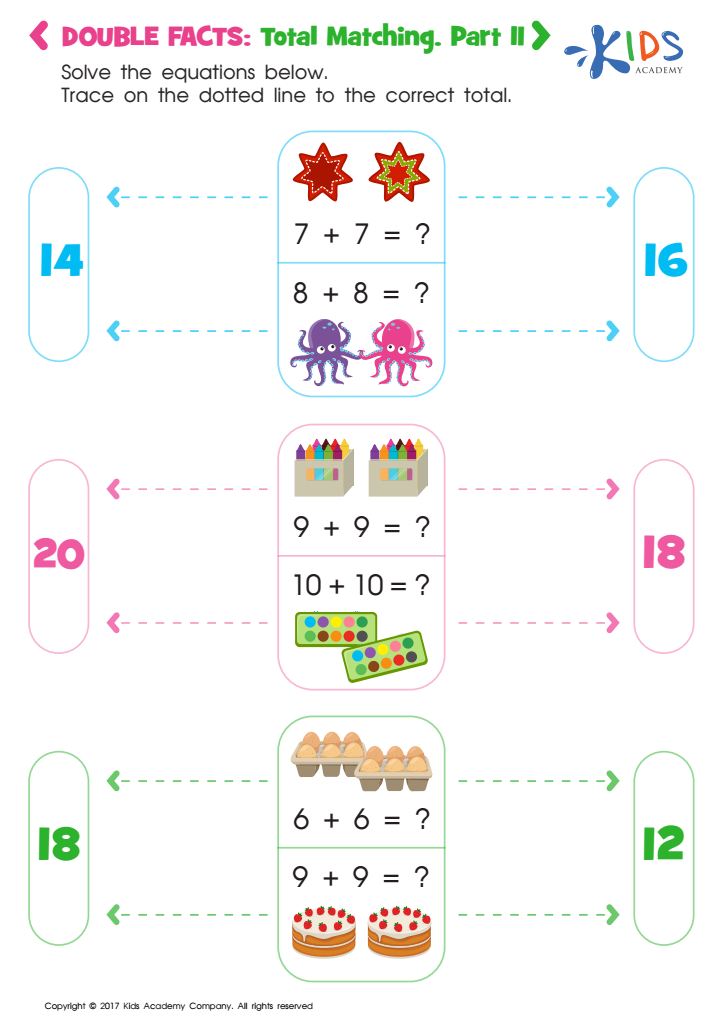
Double Facts: Total Matching 2 Worksheet
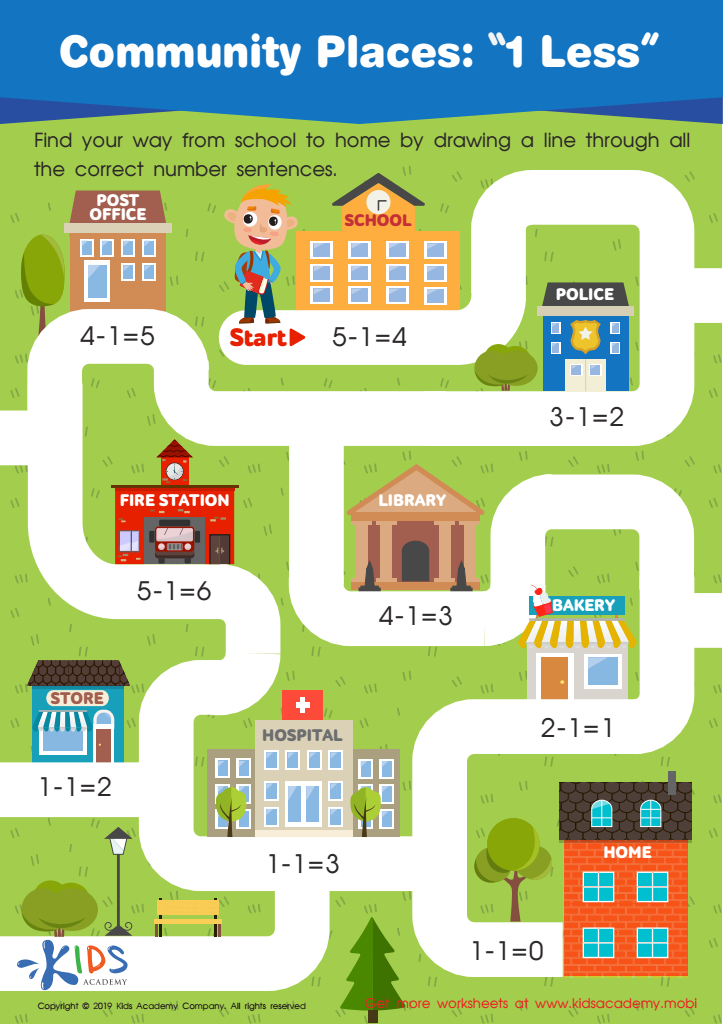
Community Places: 1 Less Worksheet
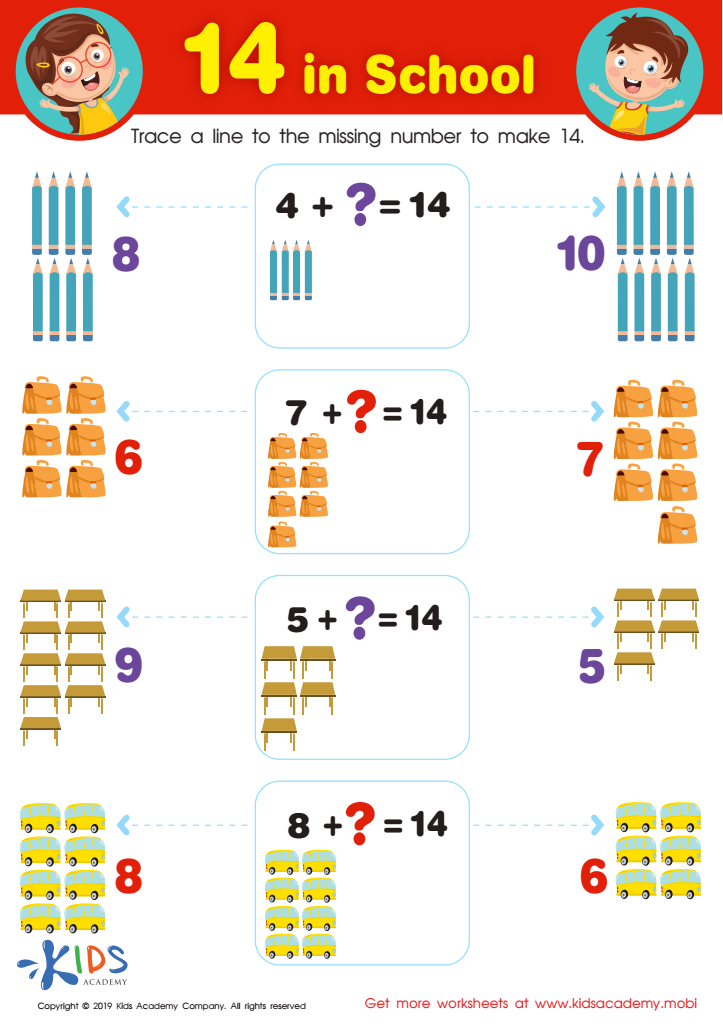
14 in School Worksheet
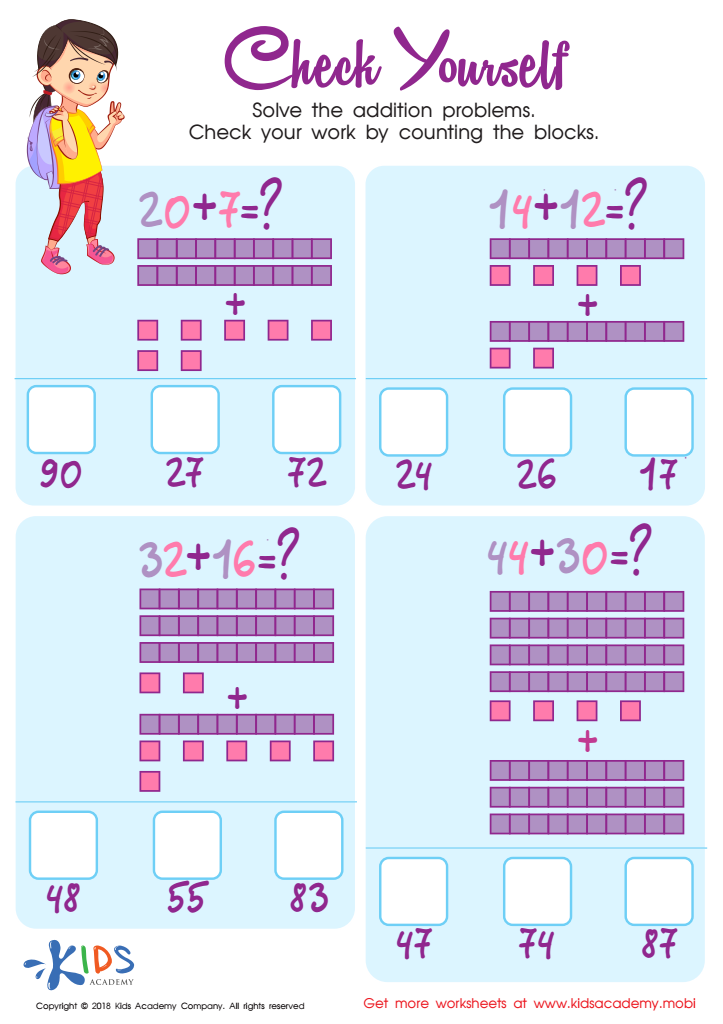
Adding with Base 1 Blocks Worksheet: Check Yourself
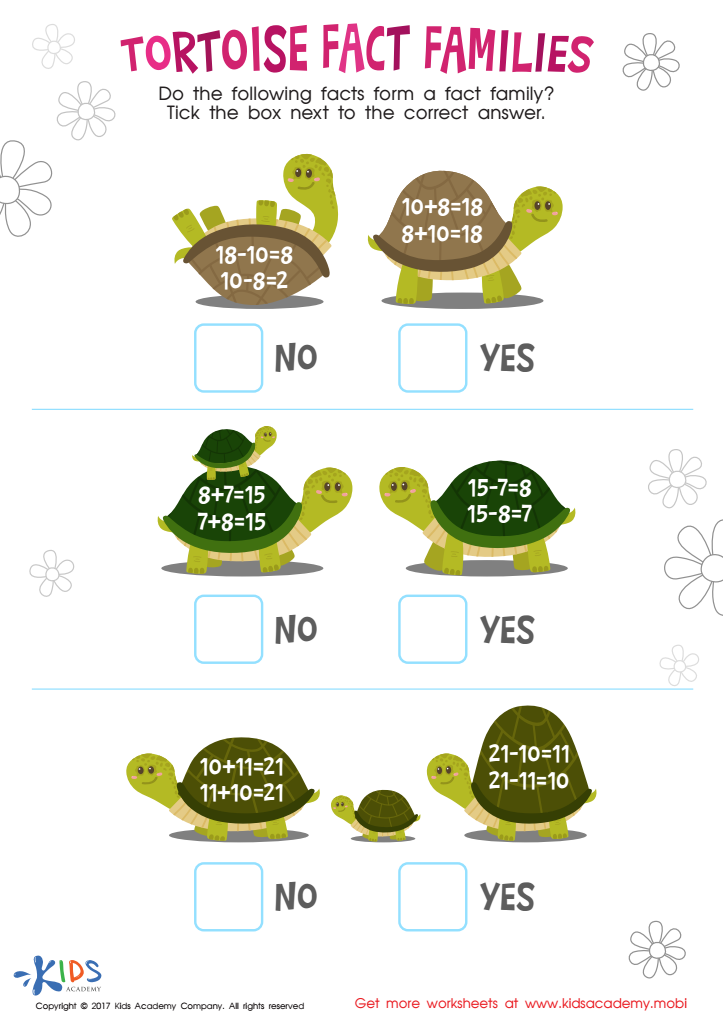
Tortoise Fact Families Printable
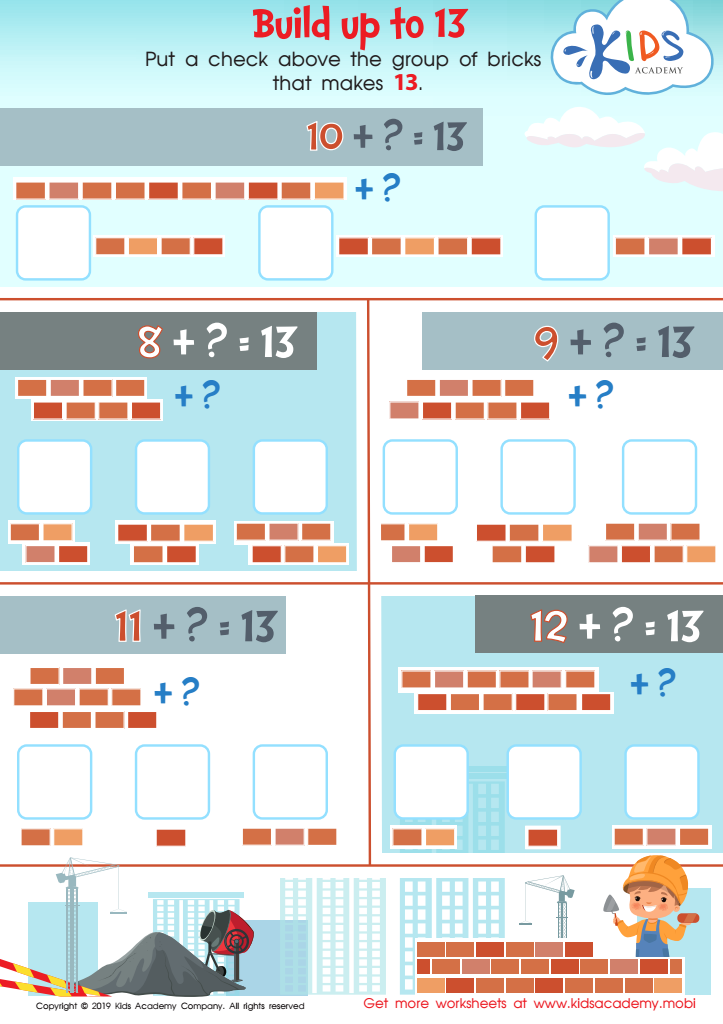
Build up to 13 Worksheet
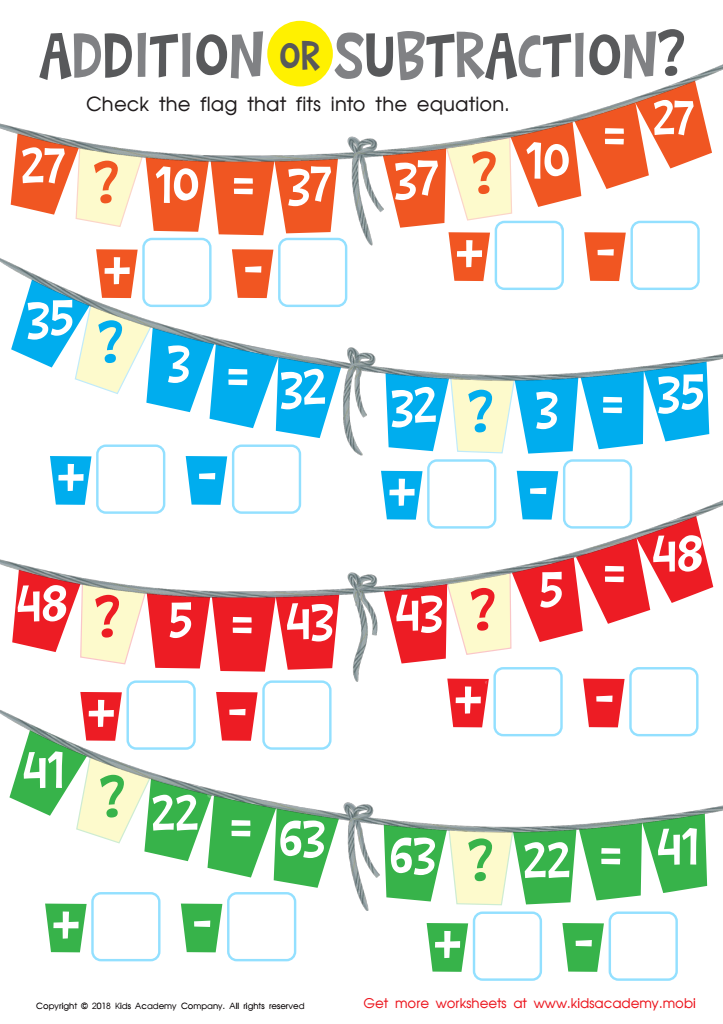
Addition or Subtraction? Worksheet
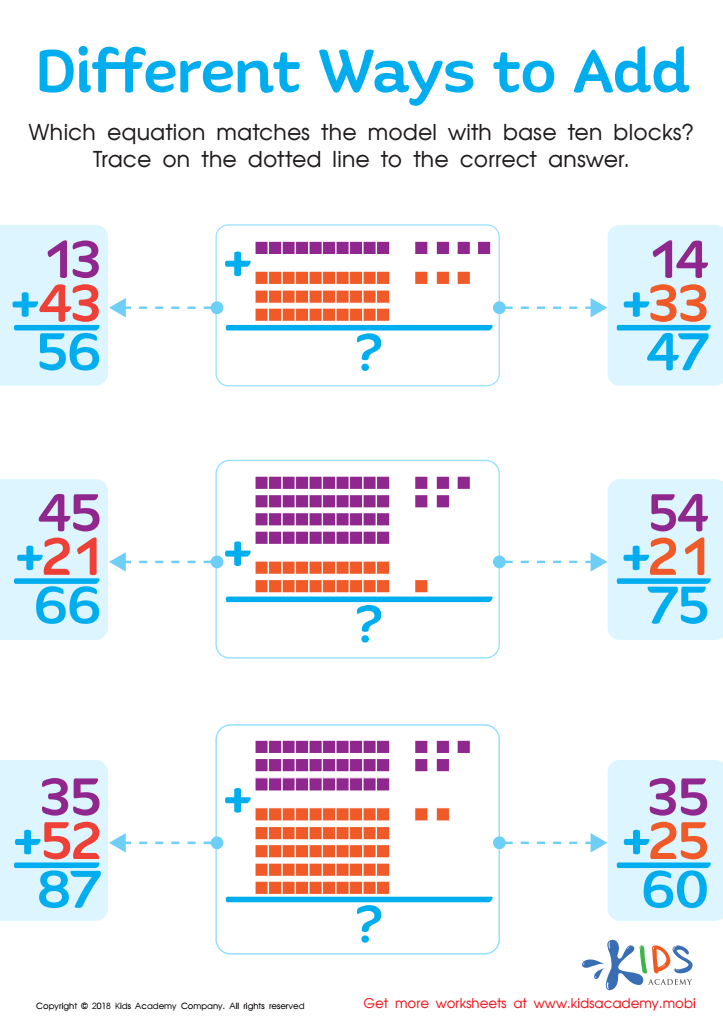
Different Ways to Add Worksheet
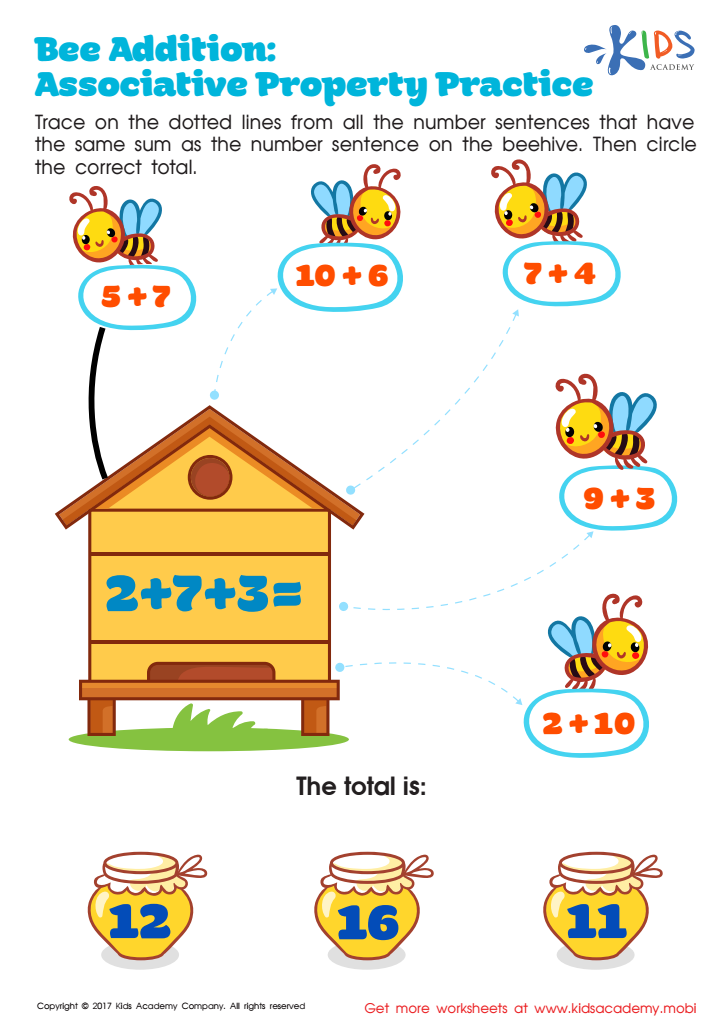
Bee Addition: Associative Property Practice Worksheet
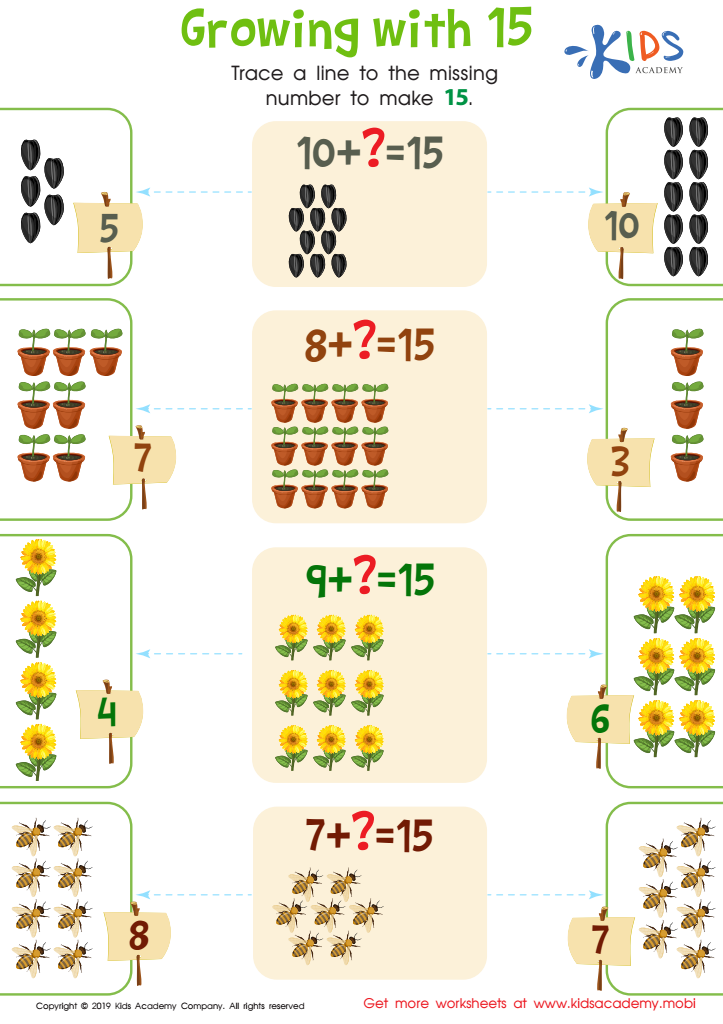
Growing with 15 Worksheet
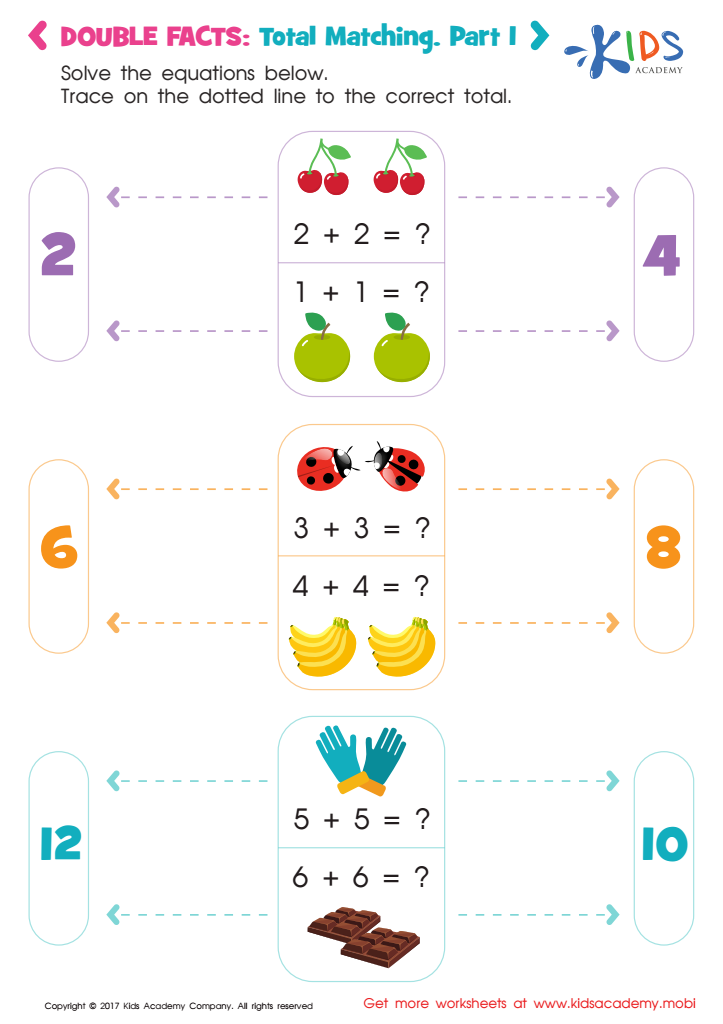
Double Facts: Total Matching Worksheet: Part 1
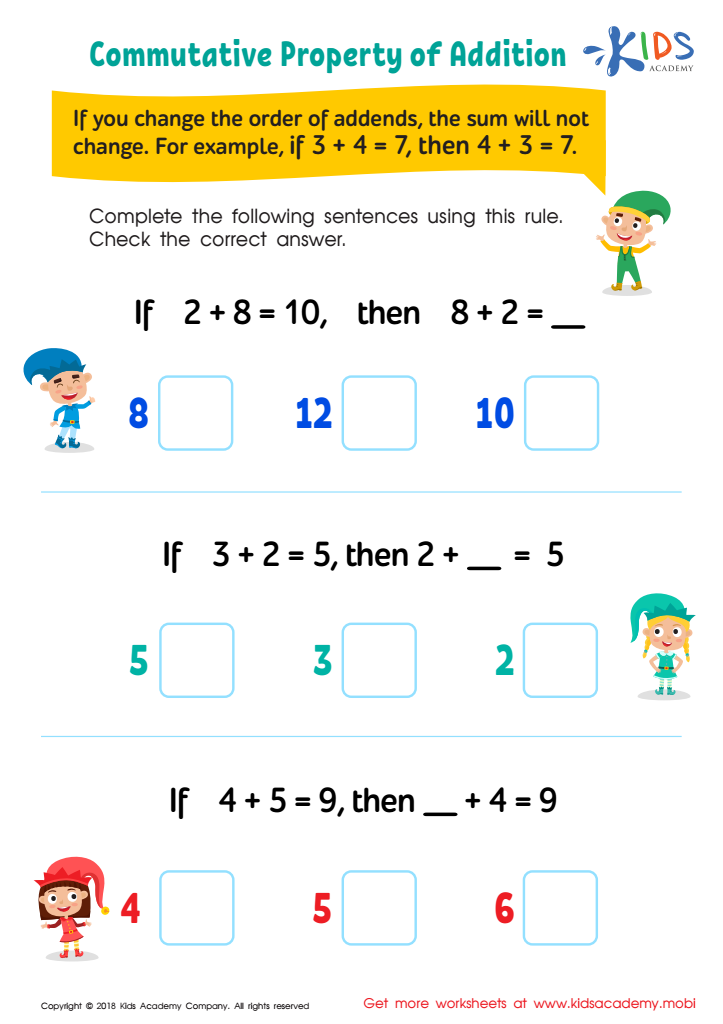
Commutative Property of Addition Worksheet
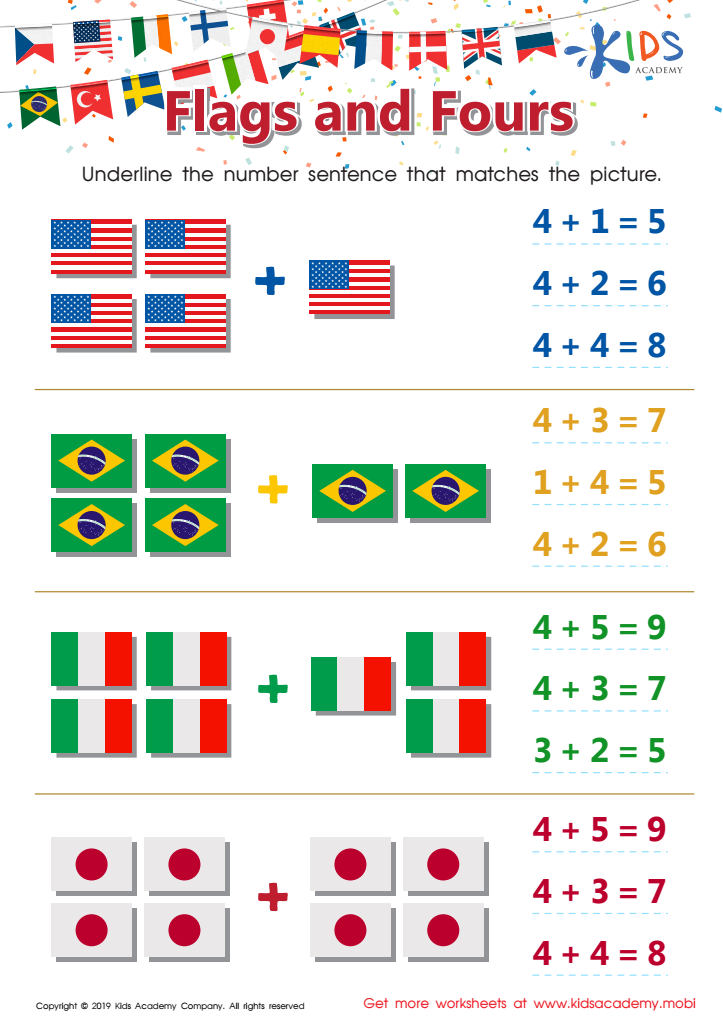
Flags and Fours Worksheet



.jpg)




Parents and teachers should care about addition facts for children aged 6-9 because mastering these foundational skills is essential for their overall mathematical development. At this age, children's brains are particularly receptive to learning and cementing basic arithmetic concepts, which serves as the building blocks for more complex math topics they will encounter in later grades.
Knowing addition facts fluently allows children to solve problems quicker and with greater confidence. This fluency reduces cognitive load, meaning that children can devote their mental resources to understanding more advanced concepts rather than getting bogged down in the basics. For instance, a child who can quickly sum 7 and 8 won't struggle when they encounter these numbers in more complex problems.
Furthermore, mastery of addition facts has practical, everyday applications. Whether estimating costs while shopping or calculating scores in games, quick and accurate addition makes daily tasks easier. This cultivated confidence can spark a child's interest and positive attitude toward mathematics.
Lastly, early success in math promotes a growth mindset. Children who experience mastery and feel the accomplishment that comes with it are more likely to develop persistence and resilience in learning. Thus, attention to and practice of addition facts during these formative years set the stage for lifelong numeracy and logical problem-solving skills.








