Comparing Numbers Worksheets for Ages 6-9 - Page 2
52 filtered results
-
From - To
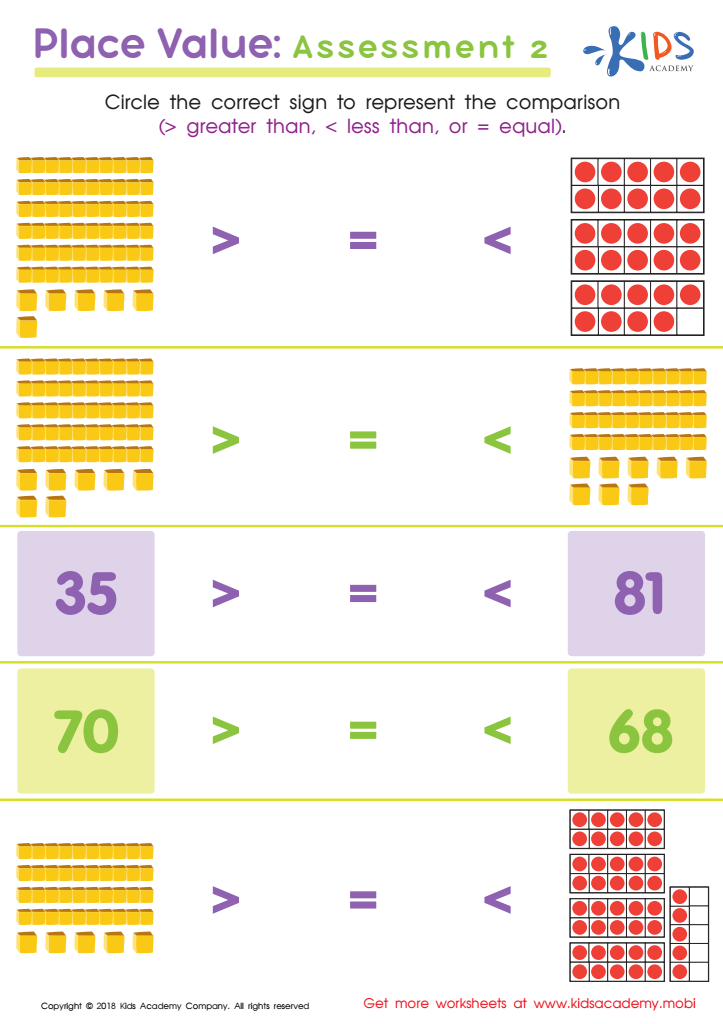
Place Value: Assessment 2 Worksheet
 Assign to My Students
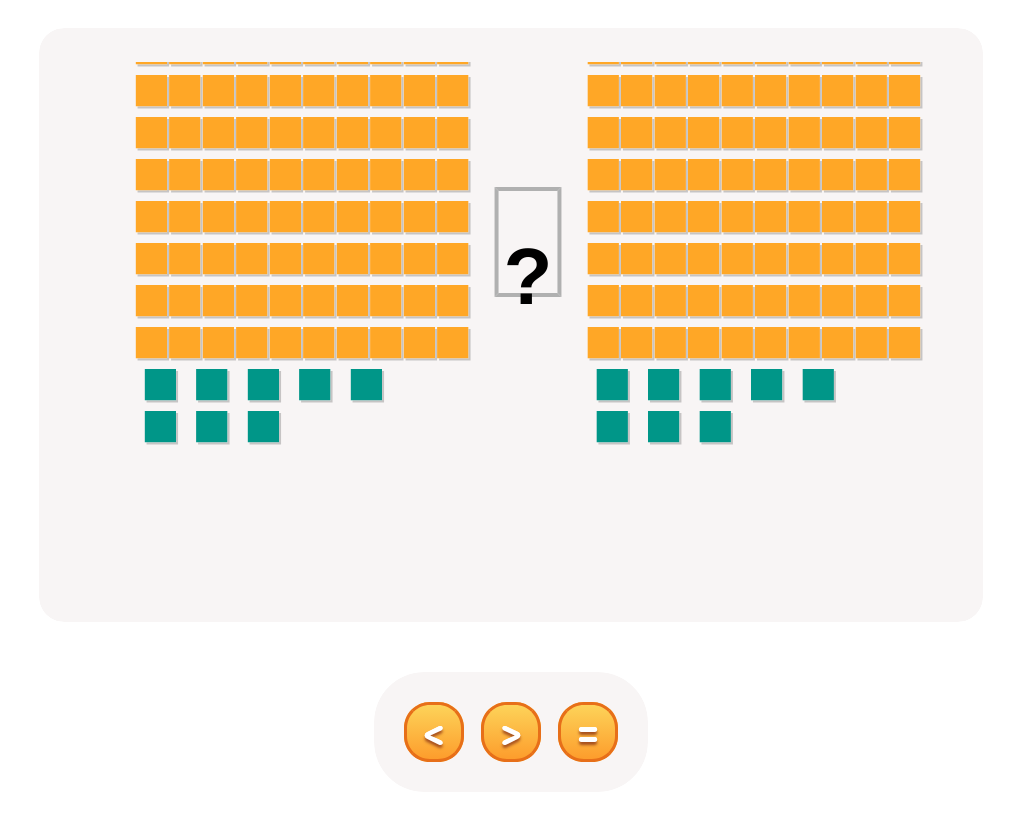

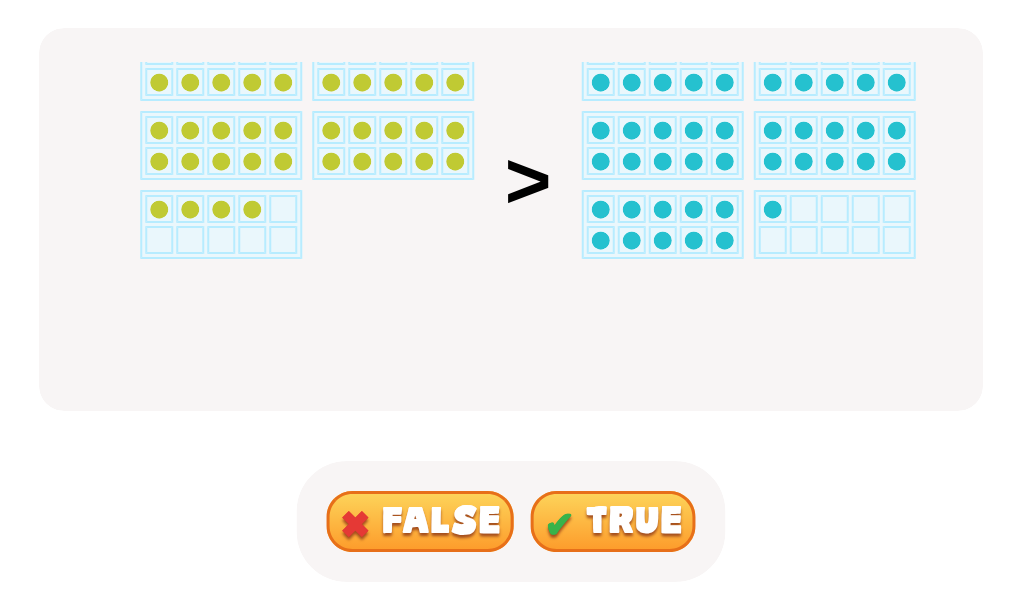
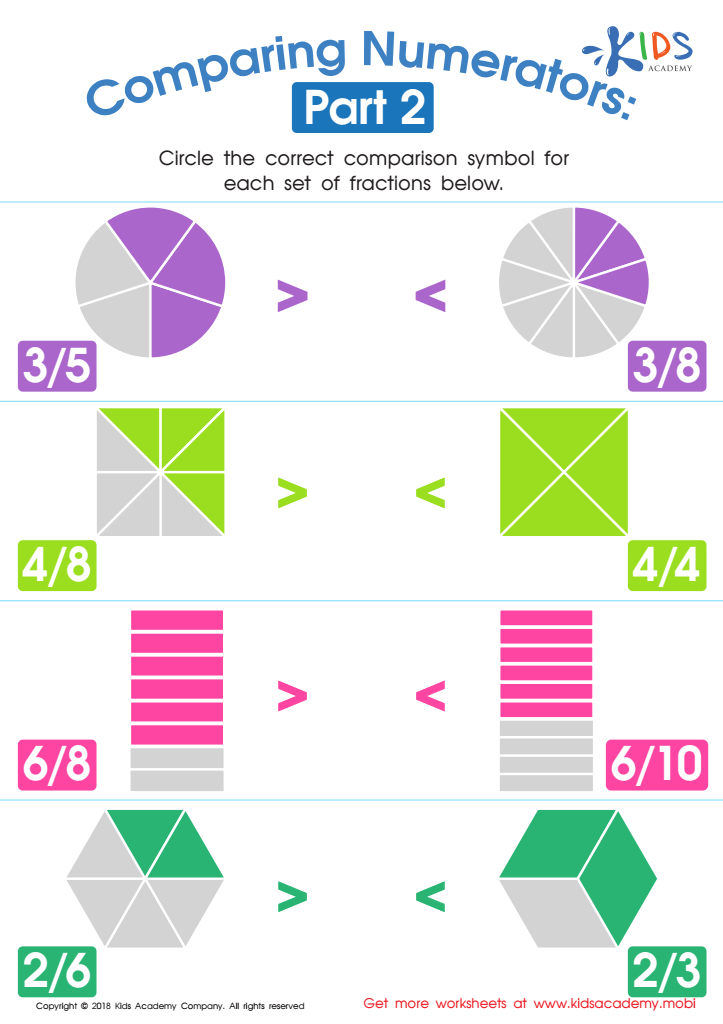
Comparing Numerators Part 2 Worksheet
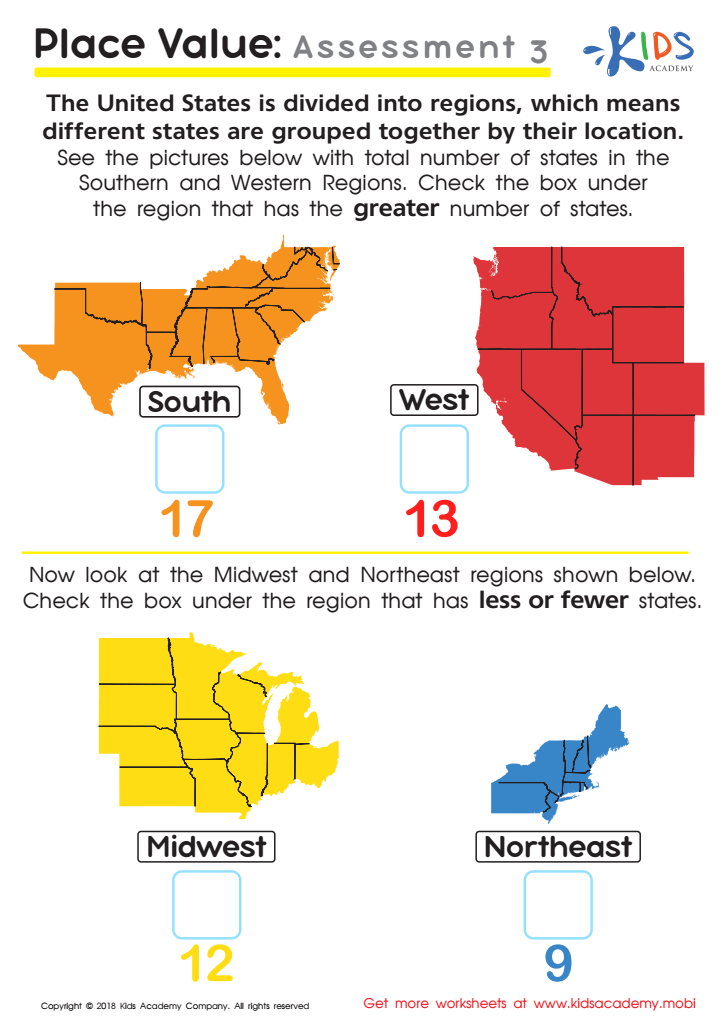
Place Value: Assessment 3 Worksheet
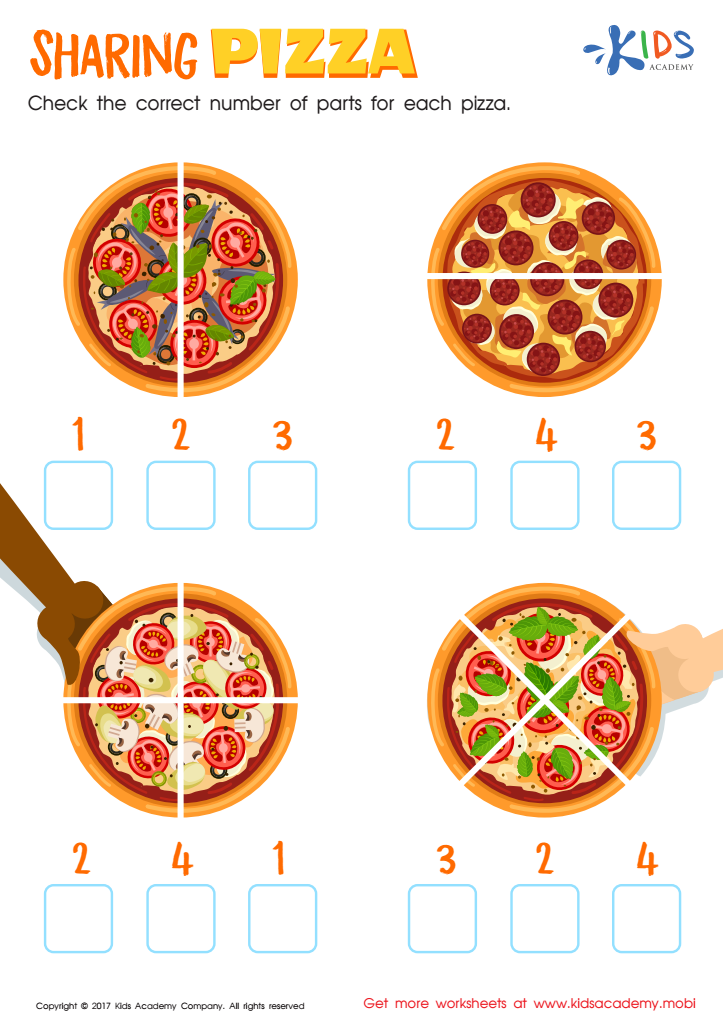
Sharing Pizza Worksheet
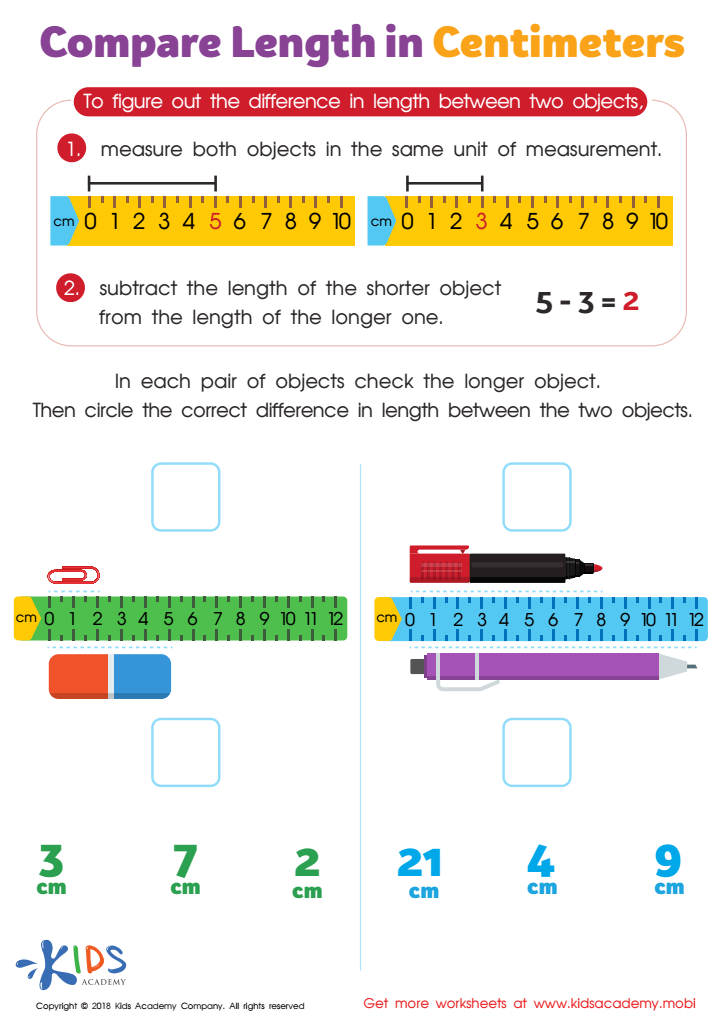
Compare Length in Centimeters Worksheet
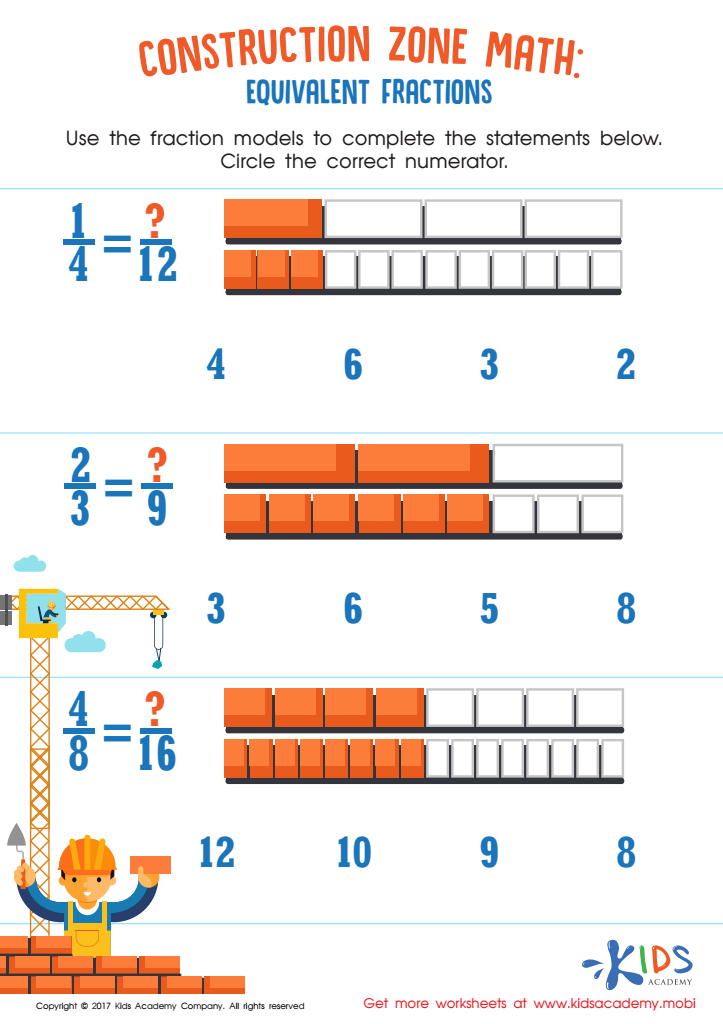
Equivalent Fractions Worksheet
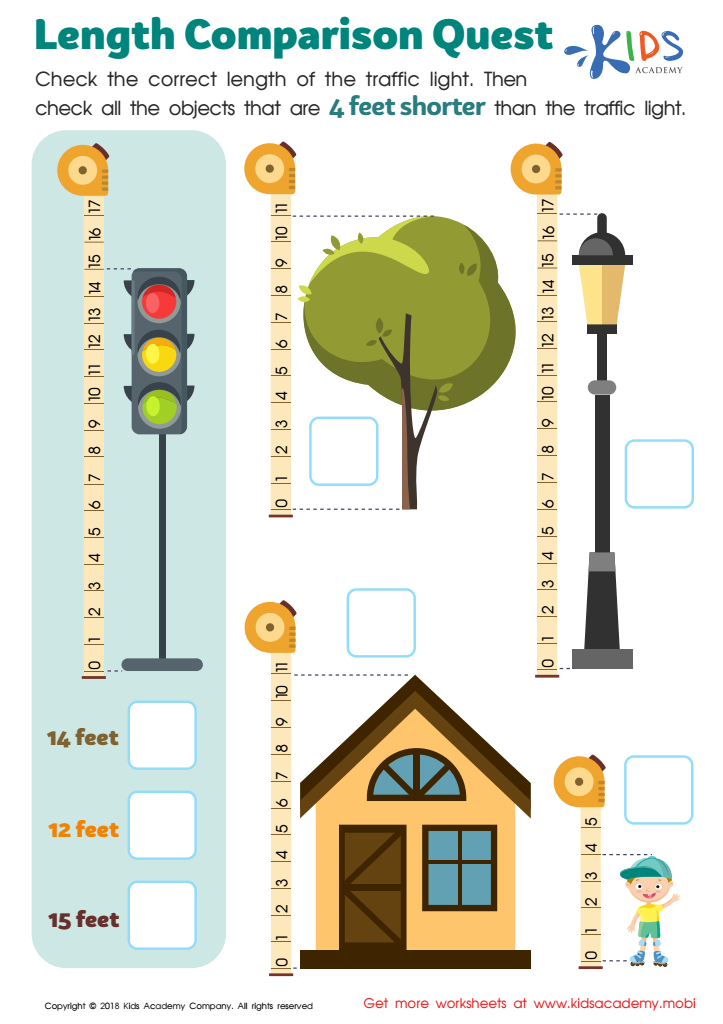
Length Comparison Quest Worksheet
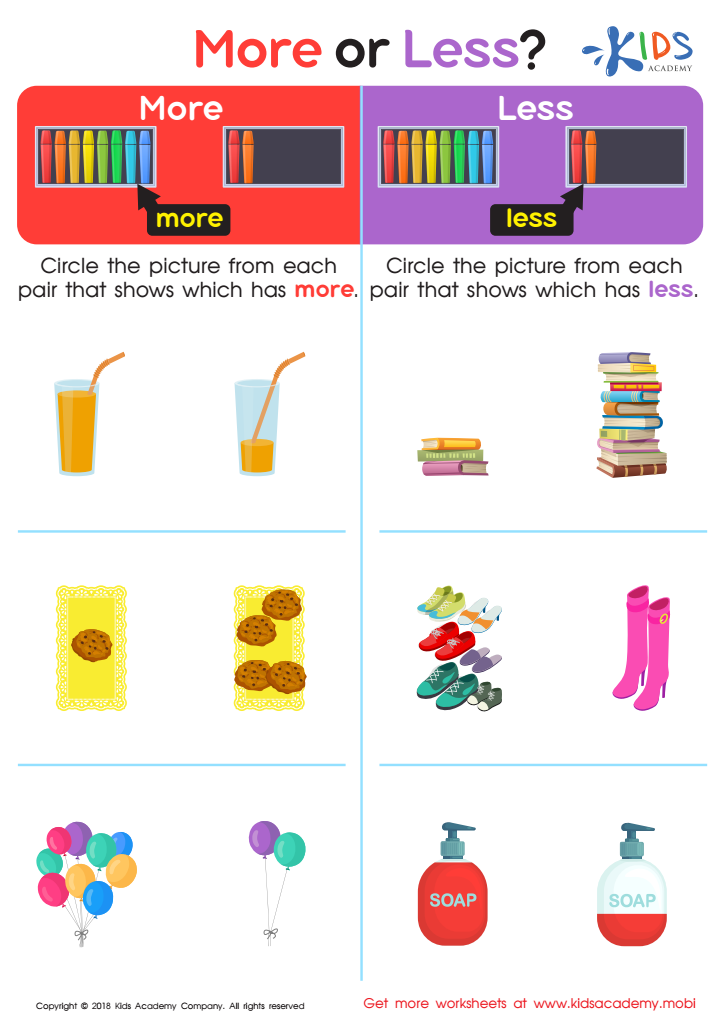
More or Less? Worksheet
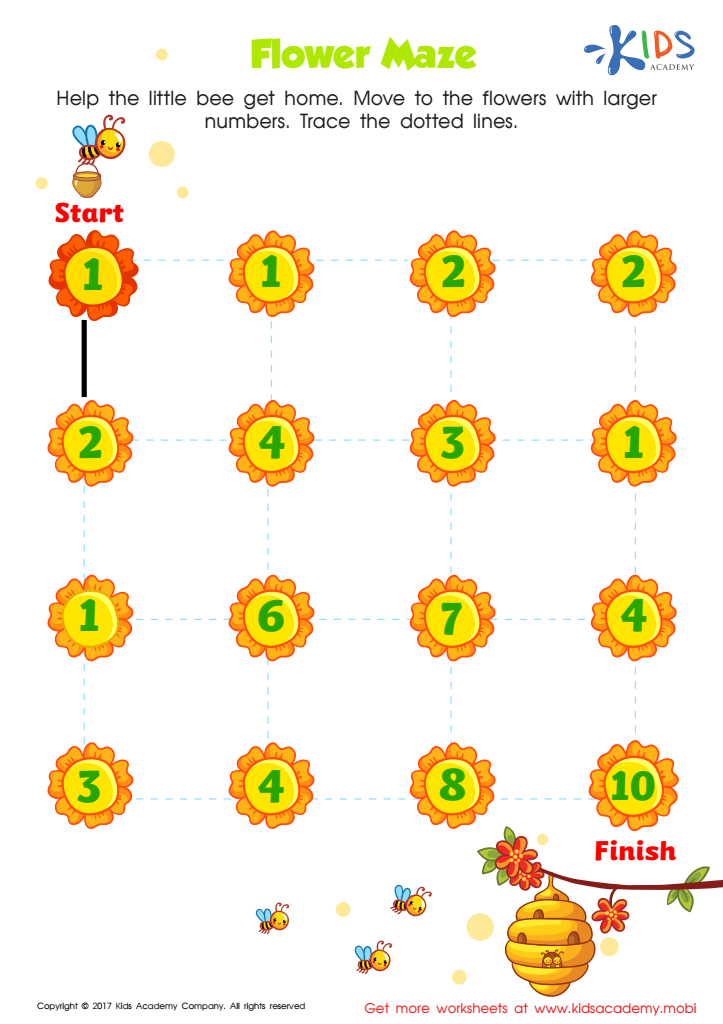
Number Maze For Kindergarten Printable
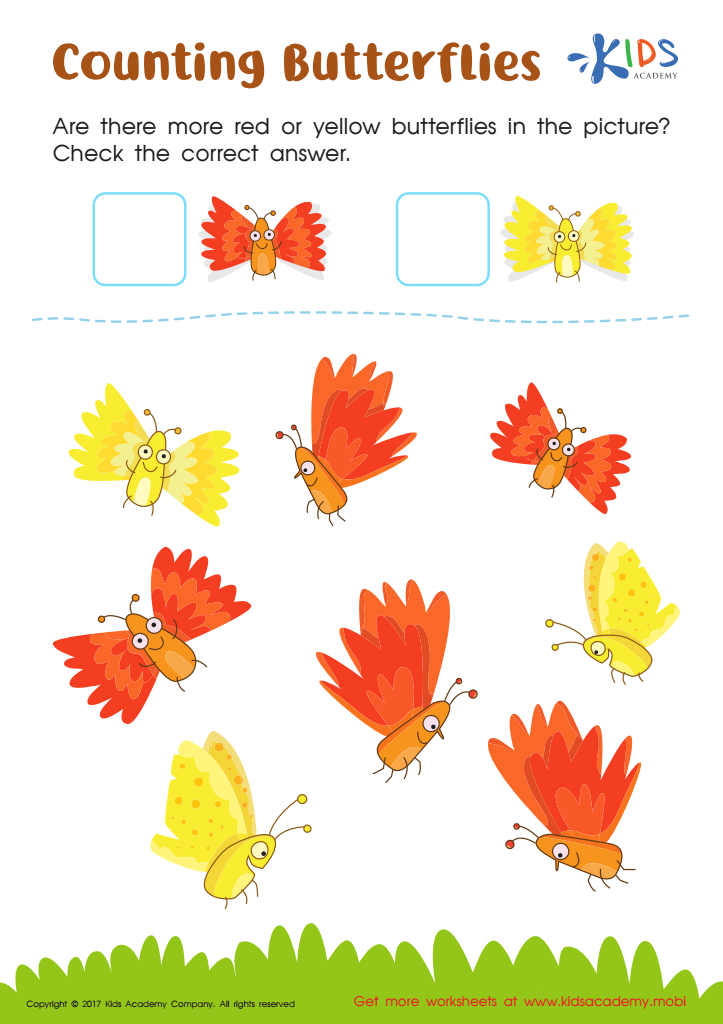
Counting Butterflies Worksheet
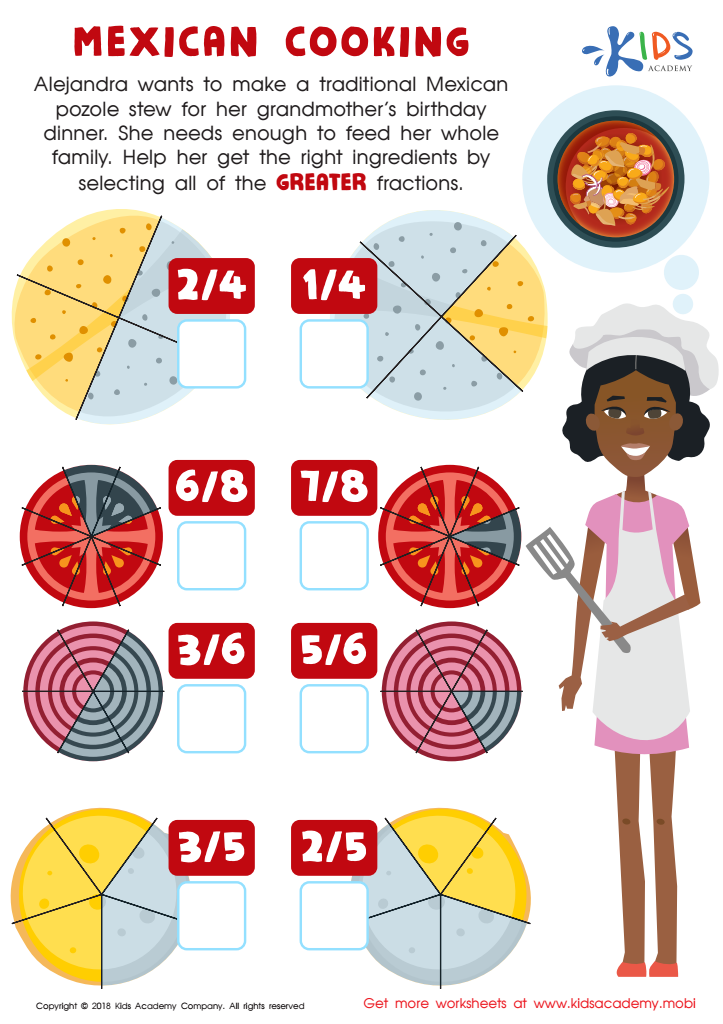
Mexican Cooking Worksheet
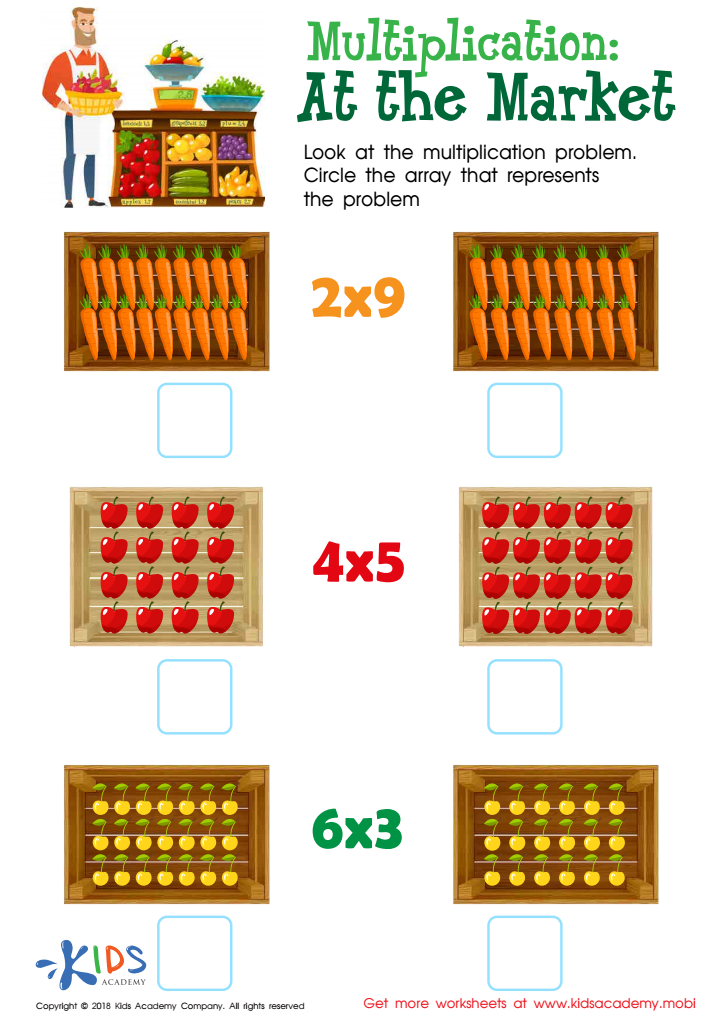
At the Market Worksheet
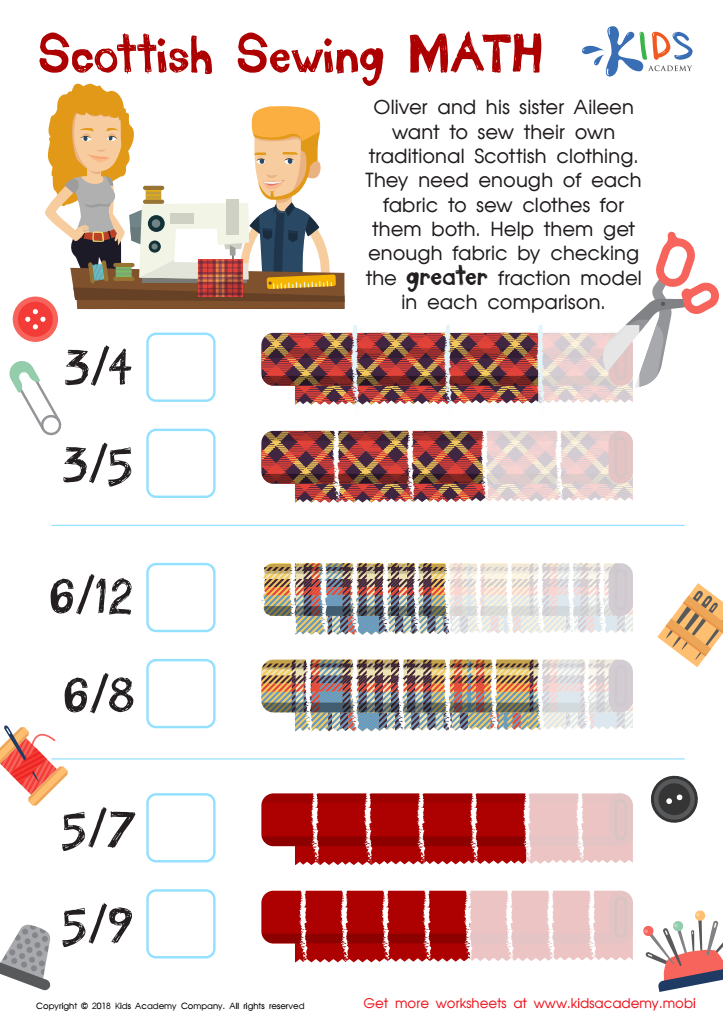
Scottish Sewing Math Worksheet
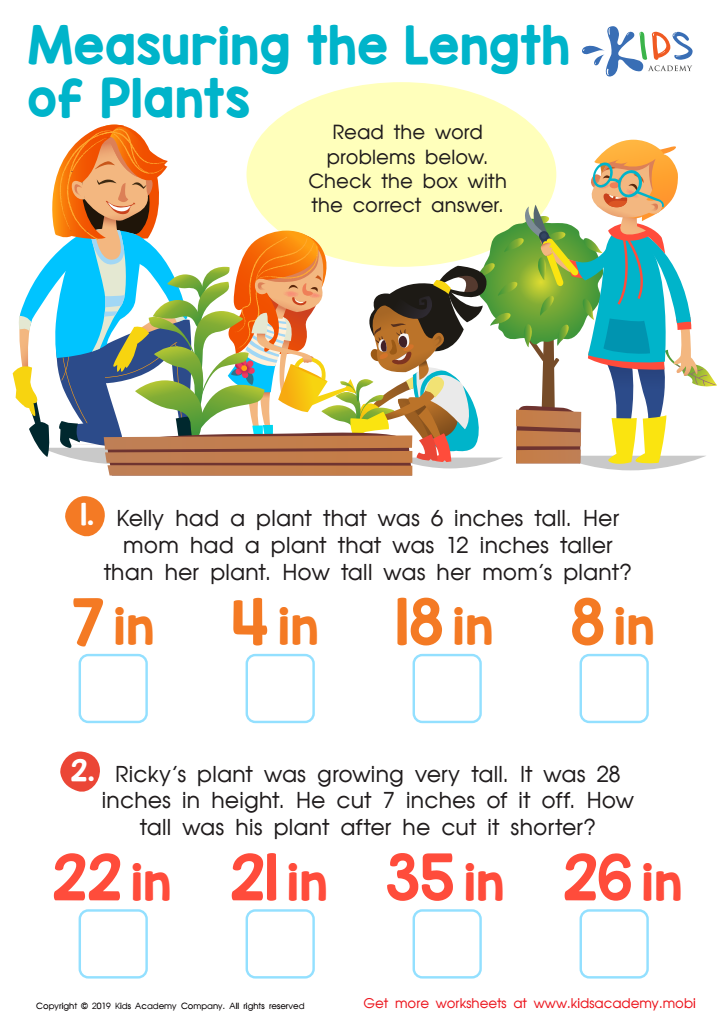
Measuring the Length of Plants Worksheet
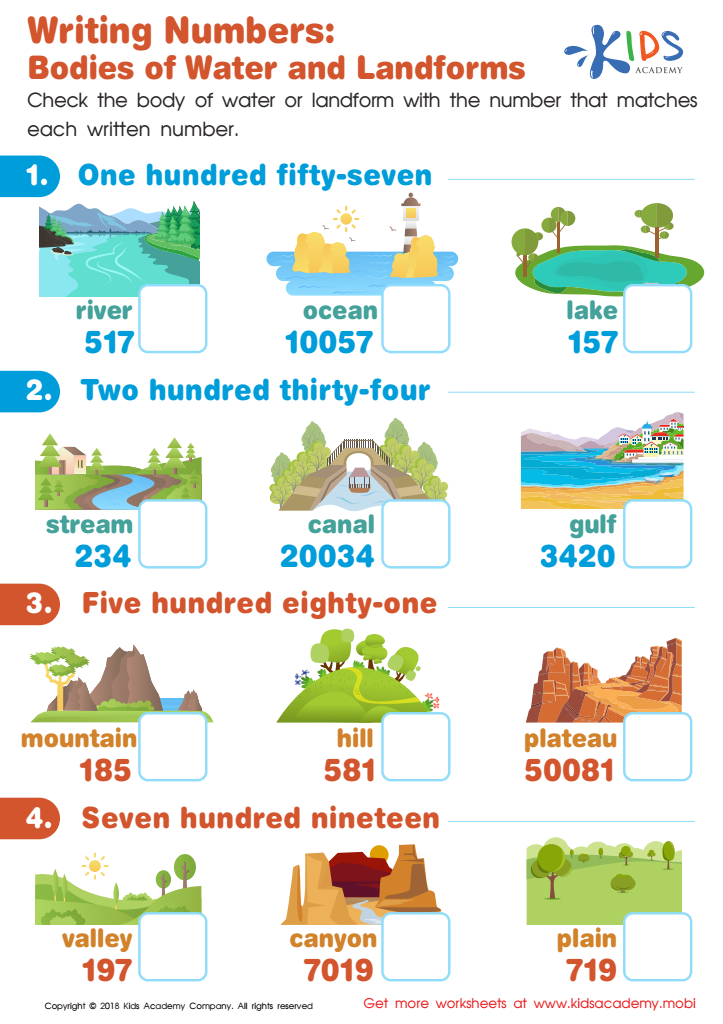
Bodies of Water and Landforms Writing Numbers Worksheet
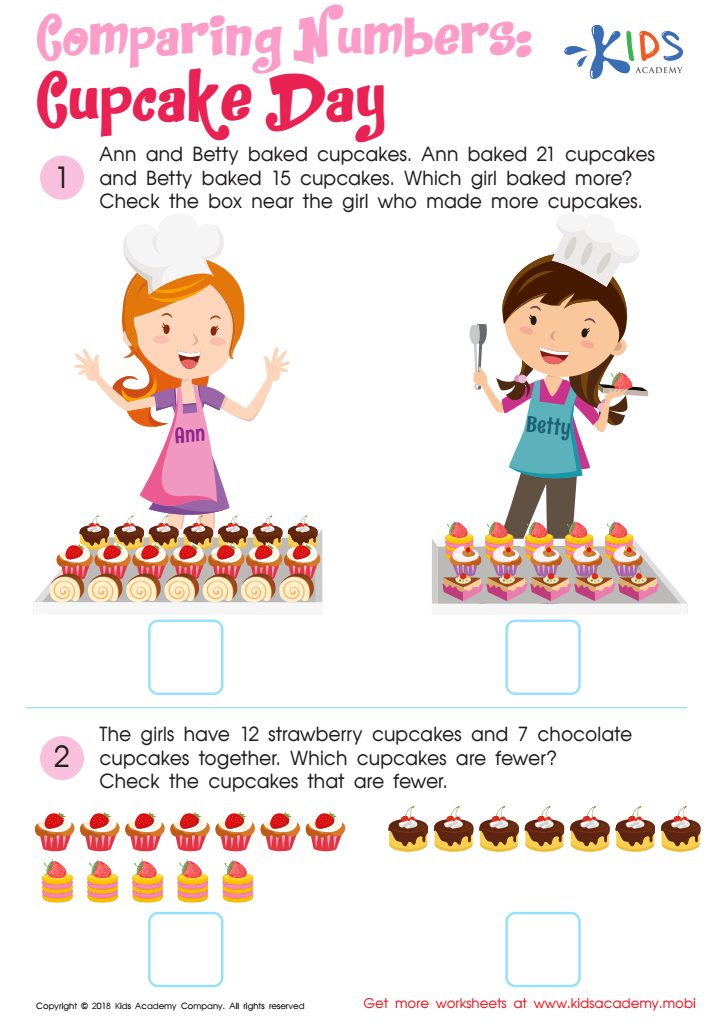
Cupcake Day Worksheet
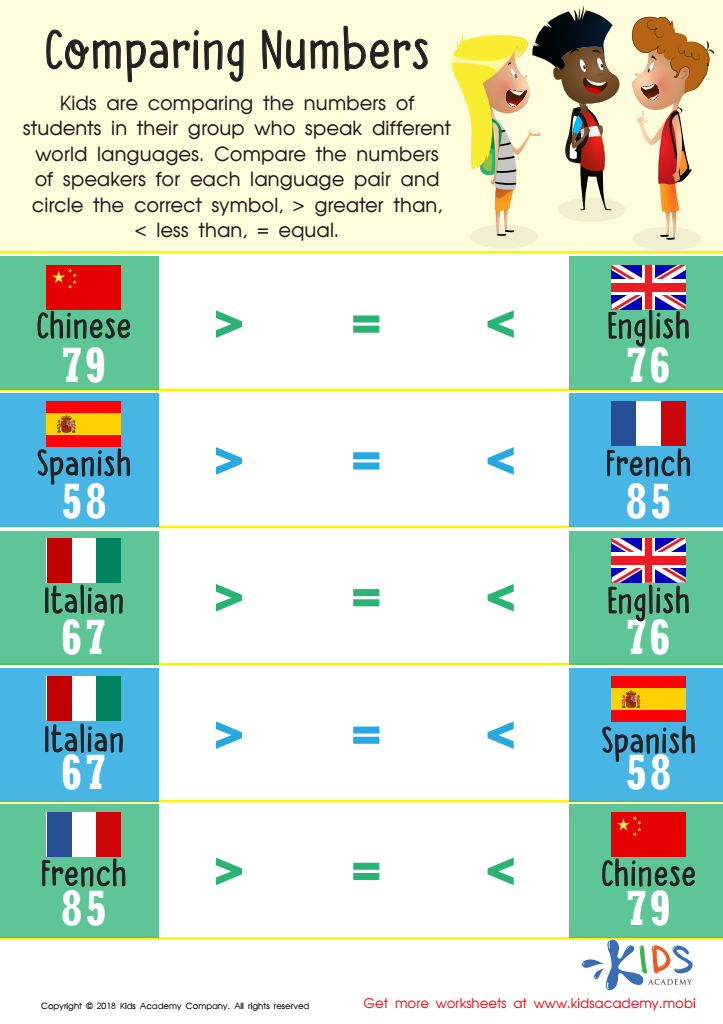
Comparing Numbers Worksheet for 1st Grade
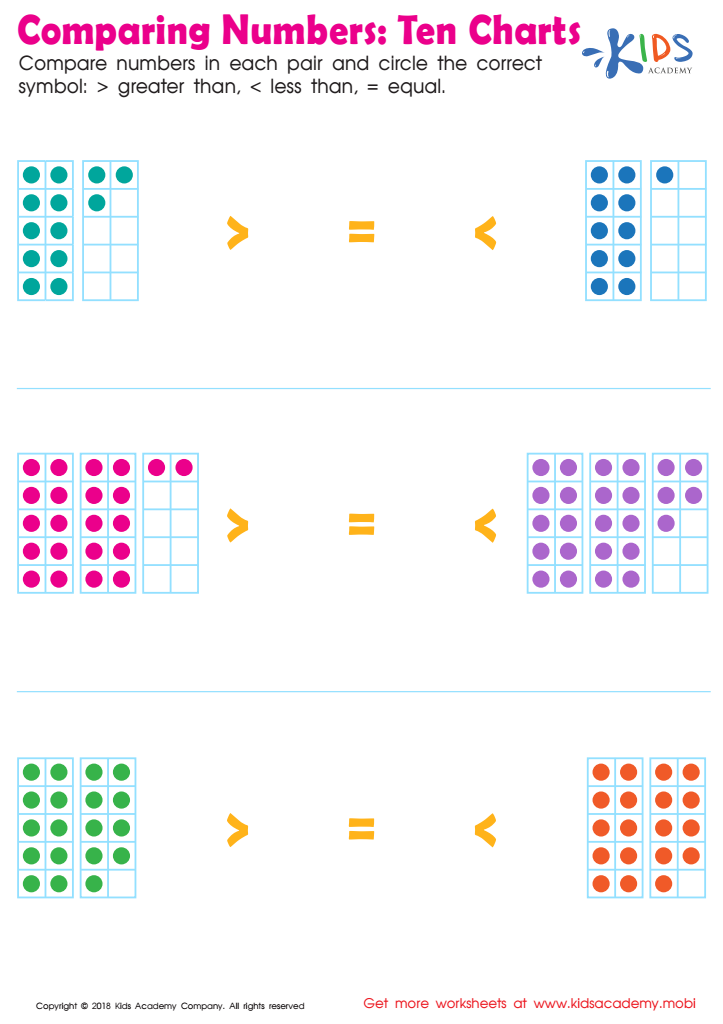
Ten Charts Worksheet
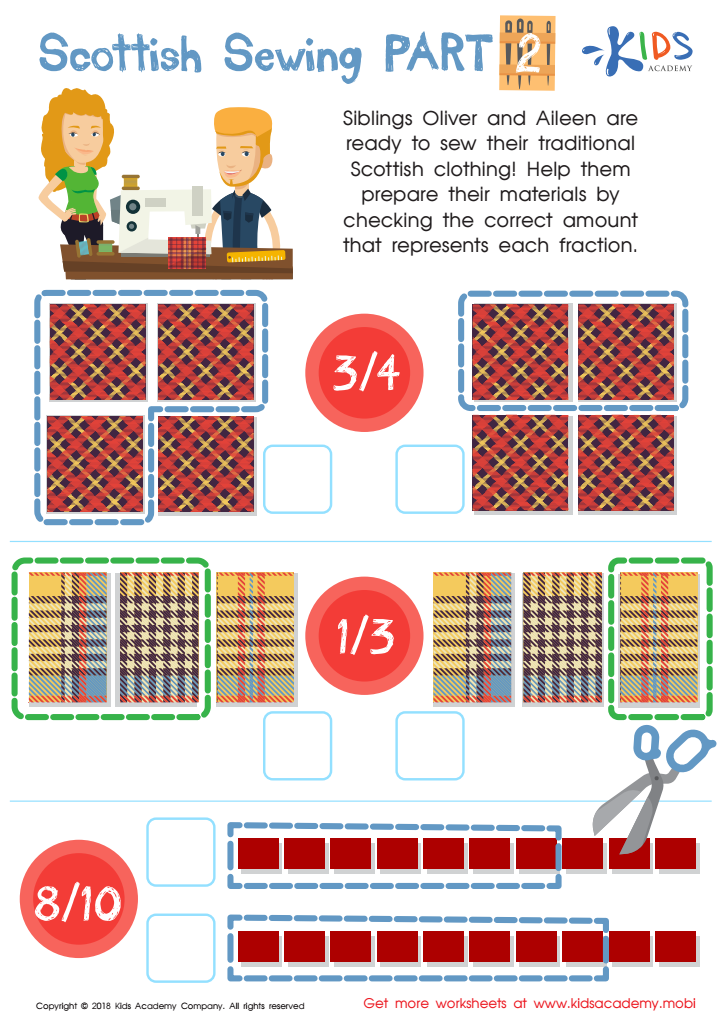
Scottish Sewing Part 2 Worksheet
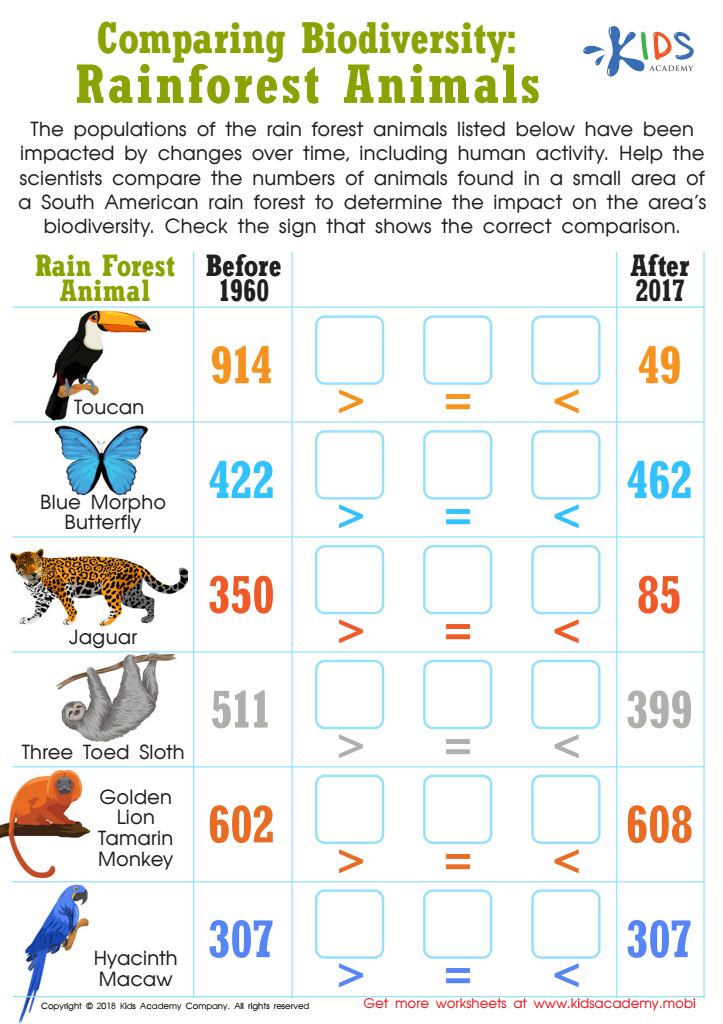
Comparing Biodiversity: Rainforest Animals Worksheet
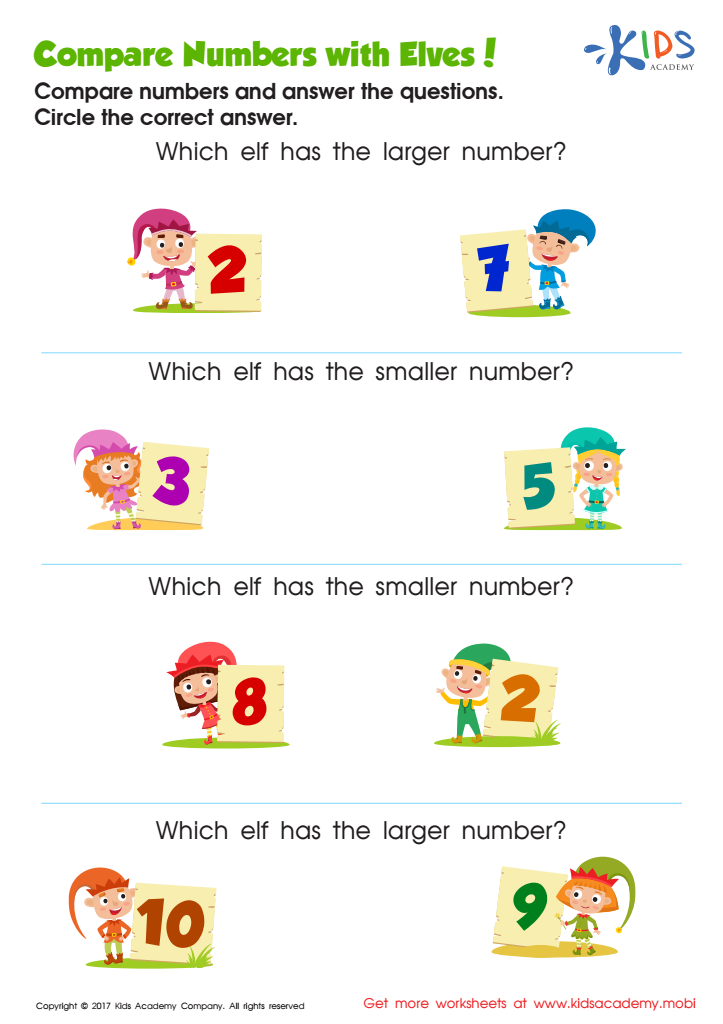
Comparing Numbers Worksheet for Kindergarten
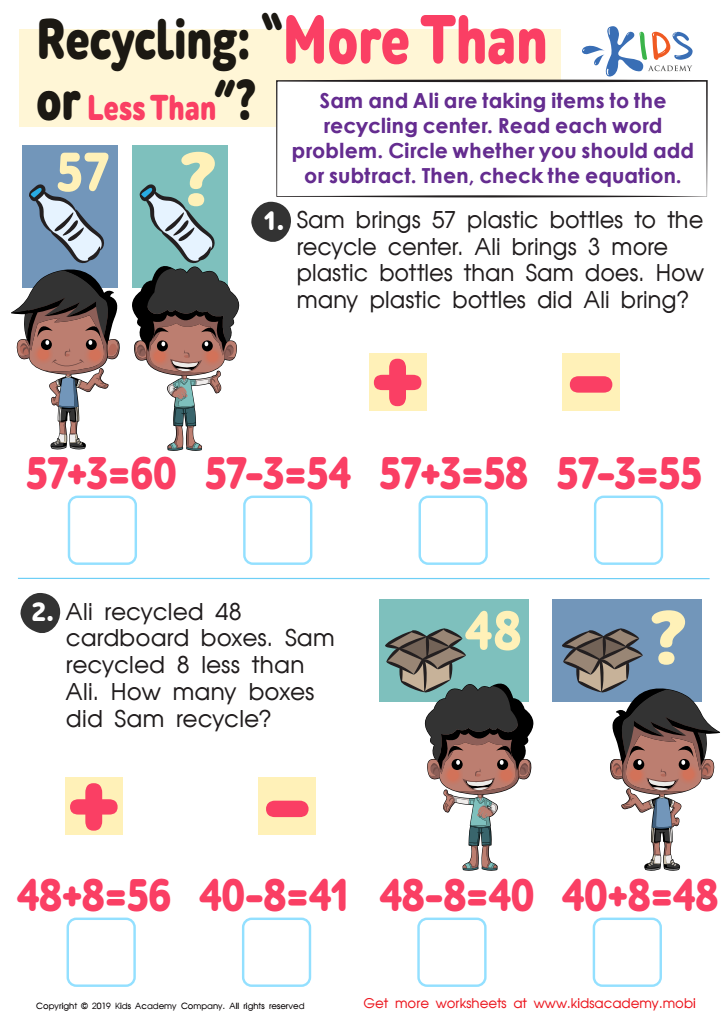
Recycling - More or Less Worksheet
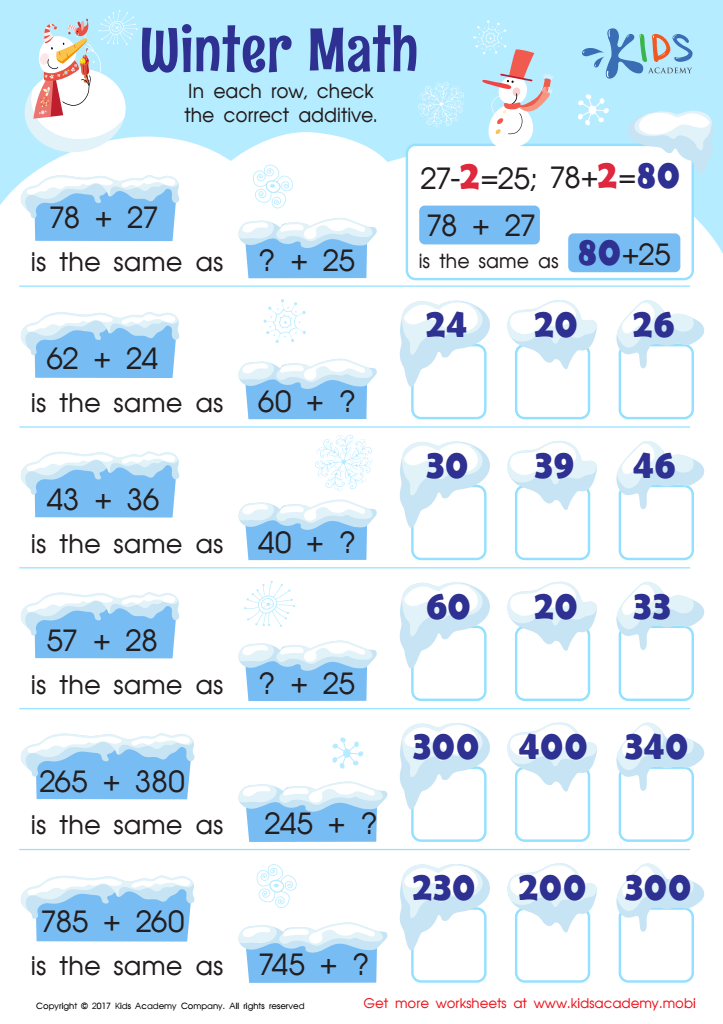
Free Addition Worksheet
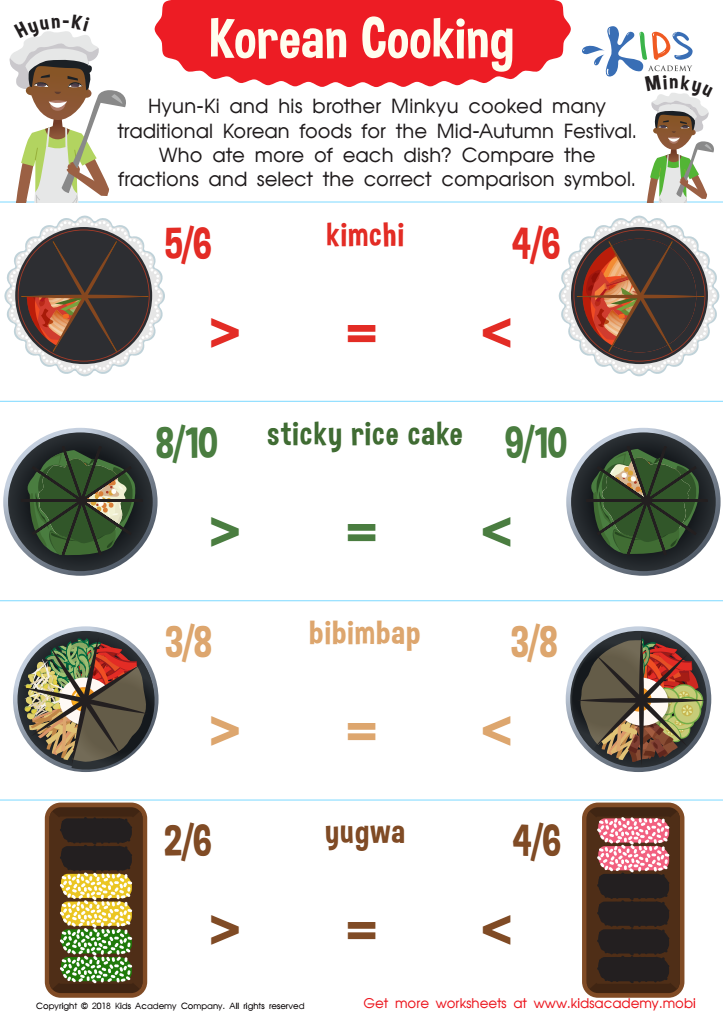
Korean Cooking Worksheet




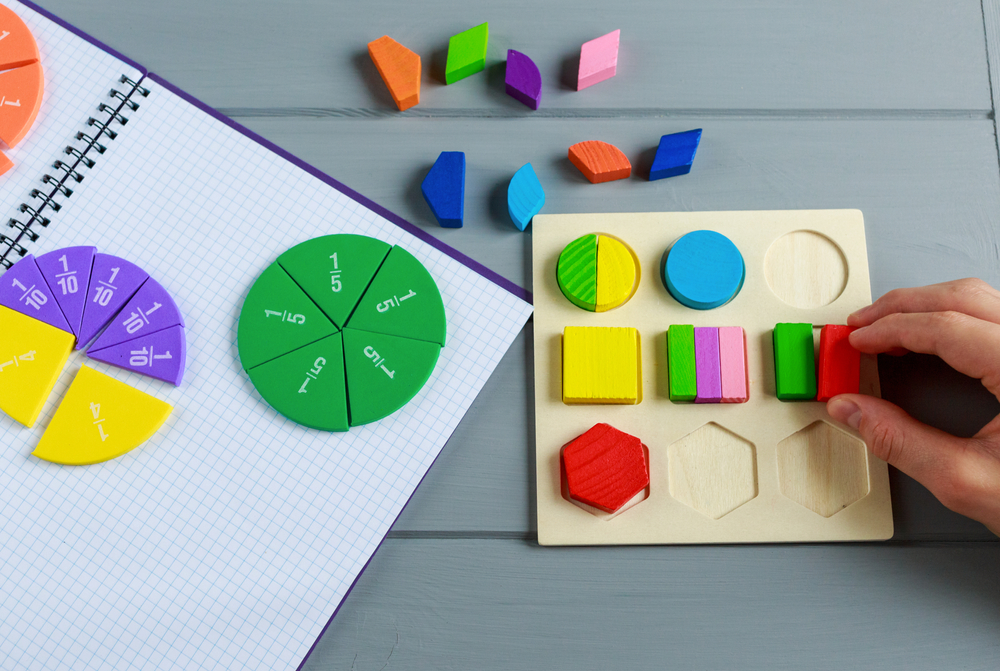



Comparing numbers is an essential skill that children aged 6-9 need to master, as it forms the cornerstone of their mathematical development. For both parents and teachers, recognizing the importance of this skill can have a profound impact on a child's academic journey. When children learn to compare numbers, they begin to understand relationships between quantities, which is fundamental for higher-level math concepts such as addition, subtraction, multiplication, and division.
At this age, children are naturally curious and developing their number sense. Learning to compare numbers helps them to make sense of the world around them, enhancing their ability to reason, think critically, and make decisions. For instance, understanding which of two amounts is greater can help them in daily activities like deciding which of two toys has more parts or determining the duration of one activity compared to another.
Furthermore, comparing numbers is directly related to other important mathematical skills, such as sequencing, pattern recognition, and problem-solving. These skills are not confined to the four walls of a math classroom but extend to real-life applications, such as understanding time, managing money, and grasping basic data.
By prioritizing this foundational skill, parents and teachers can provide targeted activities and practices that make learning engaging and effective, thereby setting children on a path to mathematical confidence and competence.