Fine Motor Skills Geometry Worksheets for Ages 6-9
27 filtered results
-
From - To
Enhance your child's fine motor skills with our Geometry Worksheets designed for ages 6-9. These printable resources from Kids Academy combine the fundamentals of geometry with engaging activities to improve hand-eye coordination, precision, and control. Each worksheet covers essential geometric concepts like shapes, patterns, and symmetry, providing a balanced mix of fun and education. Perfect for young learners, our worksheets are crafted to strengthen their fine motor skills while fostering a love for math. Ideal for classroom use or at-home practice, introduce your child to the joy of learning geometry today.
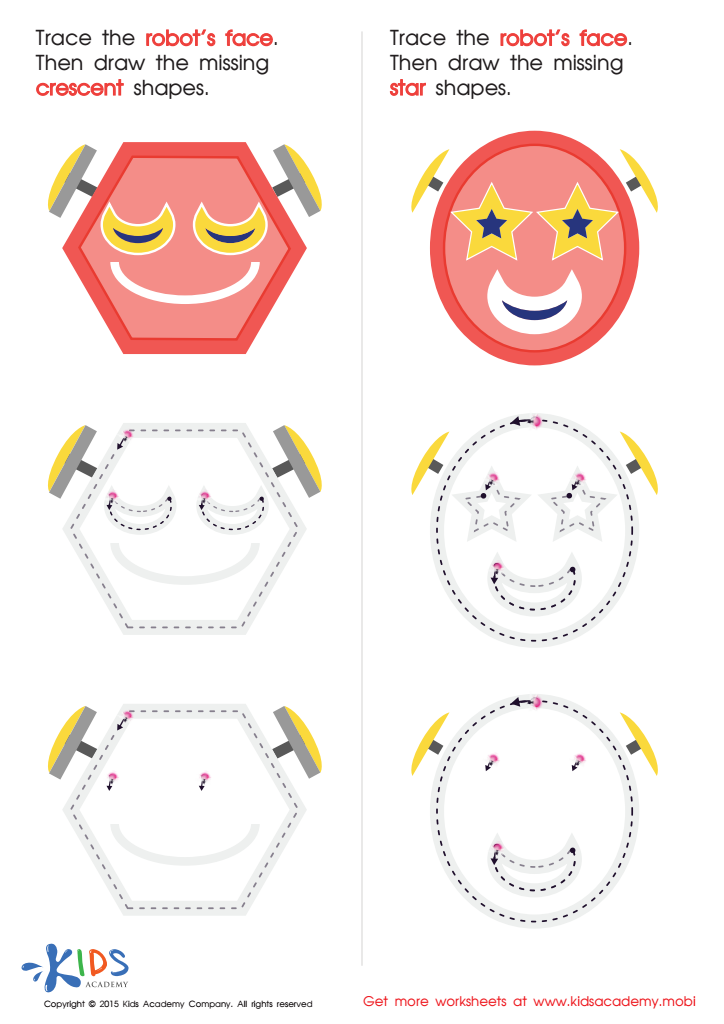
Composing a Robot's Face of Crescents And Stars Worksheet
 Assign to My Students











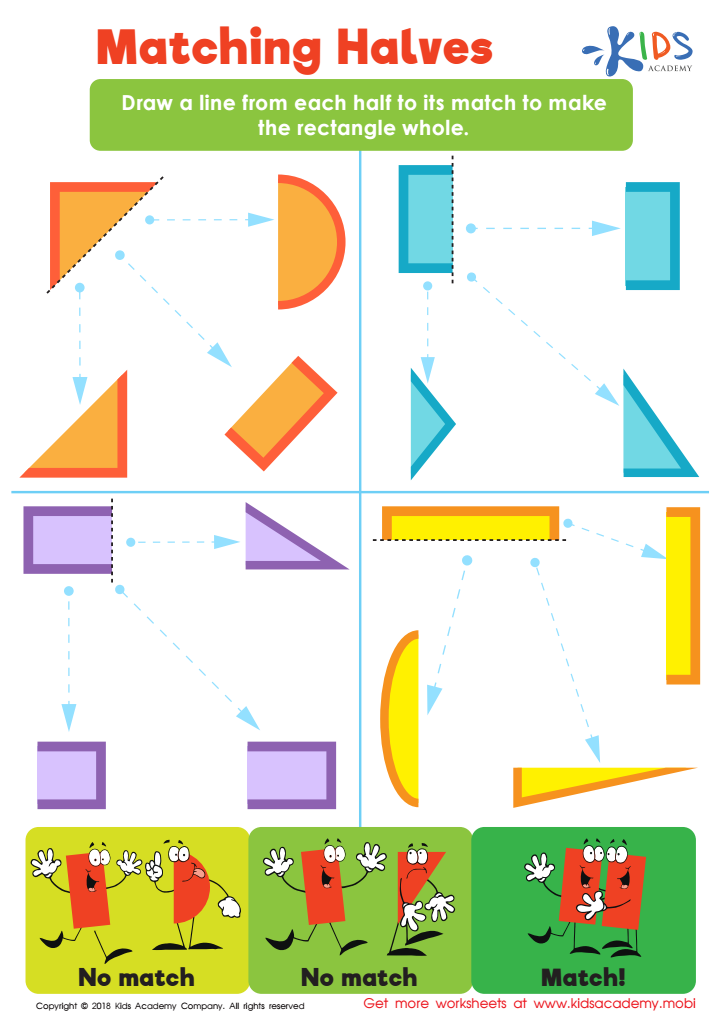
Matching Halves Worksheet
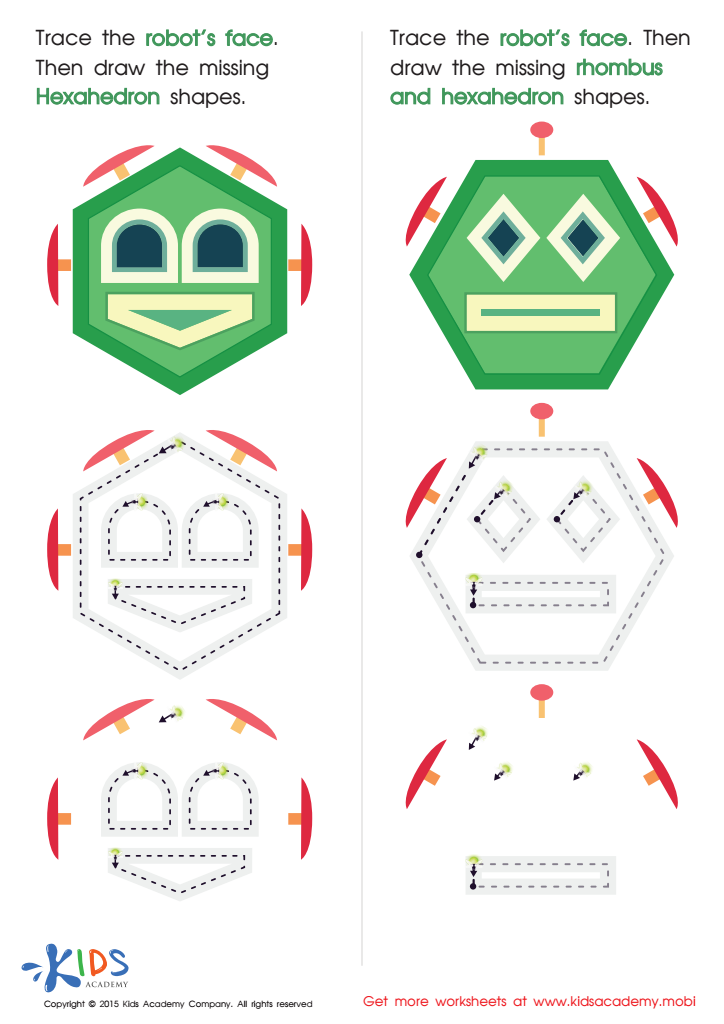
Practice Drawing Hexahedrons And a Rhombus Worksheet
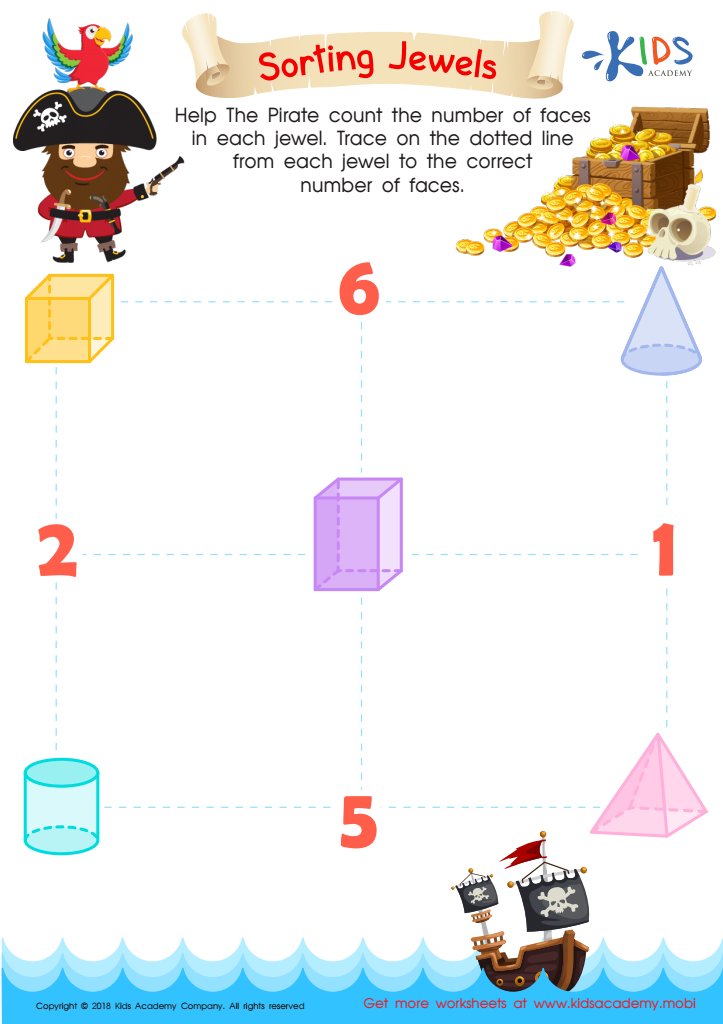
Sorting Jewels Worksheet
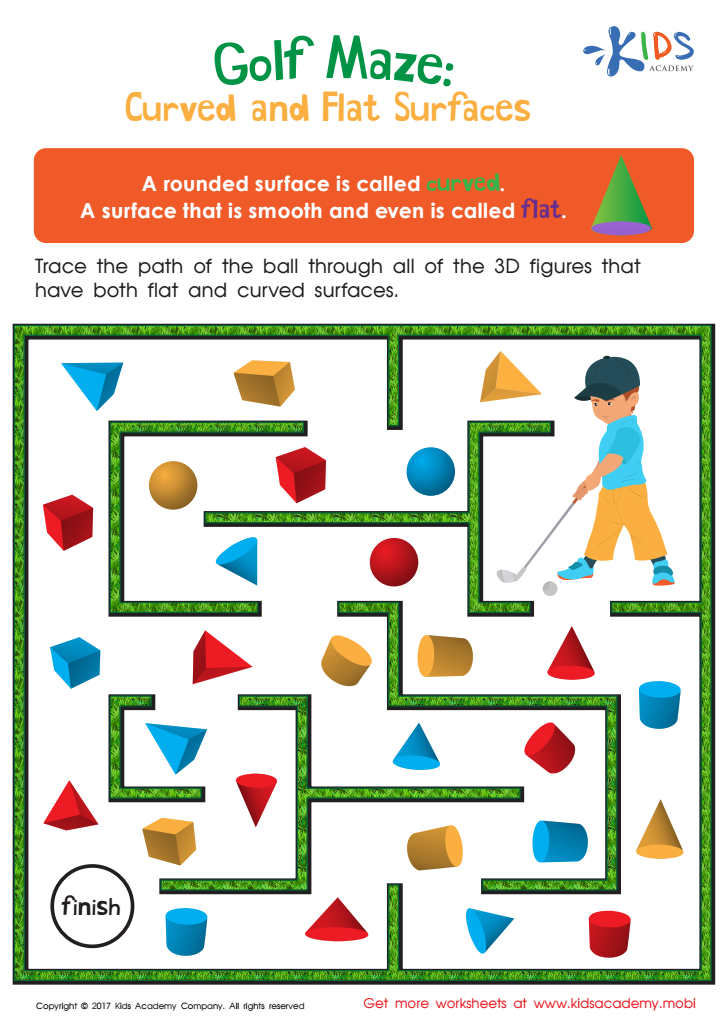
Golf Maze: Curved and Flat Surfaces Worksheet
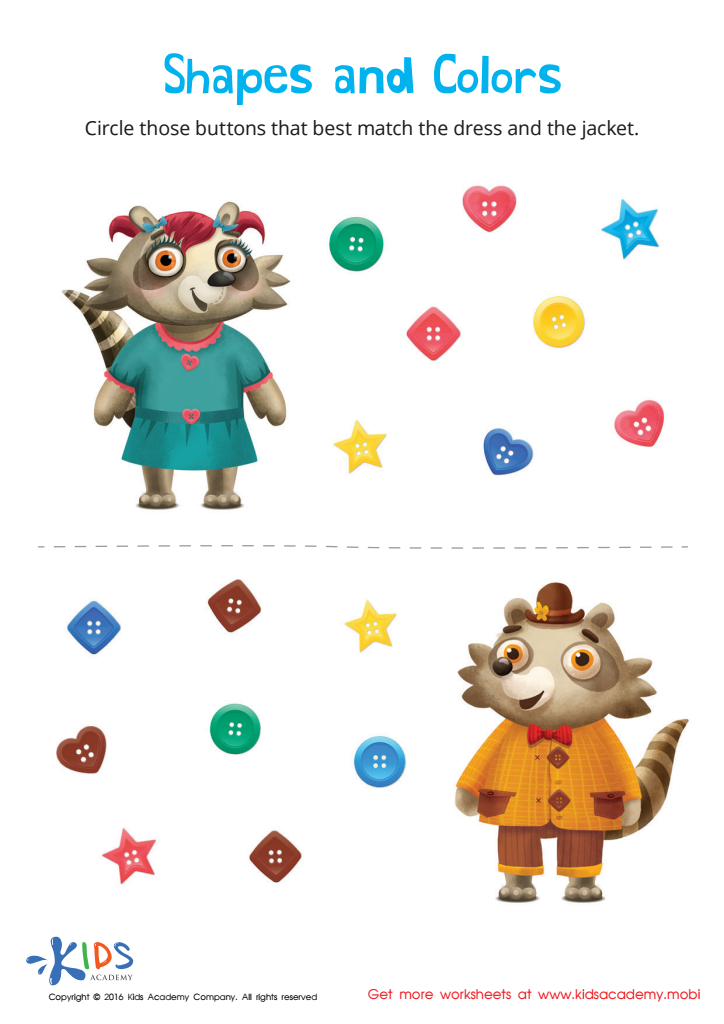
Matching: Shapes and Colors Worksheet
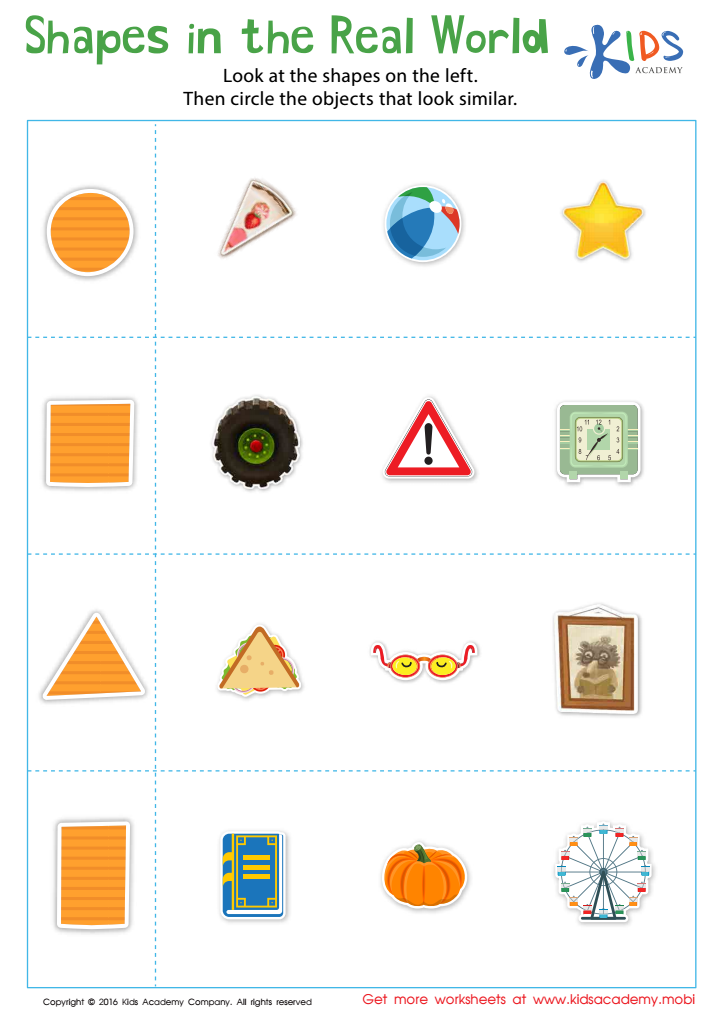
Shapes in the Real World Worksheet
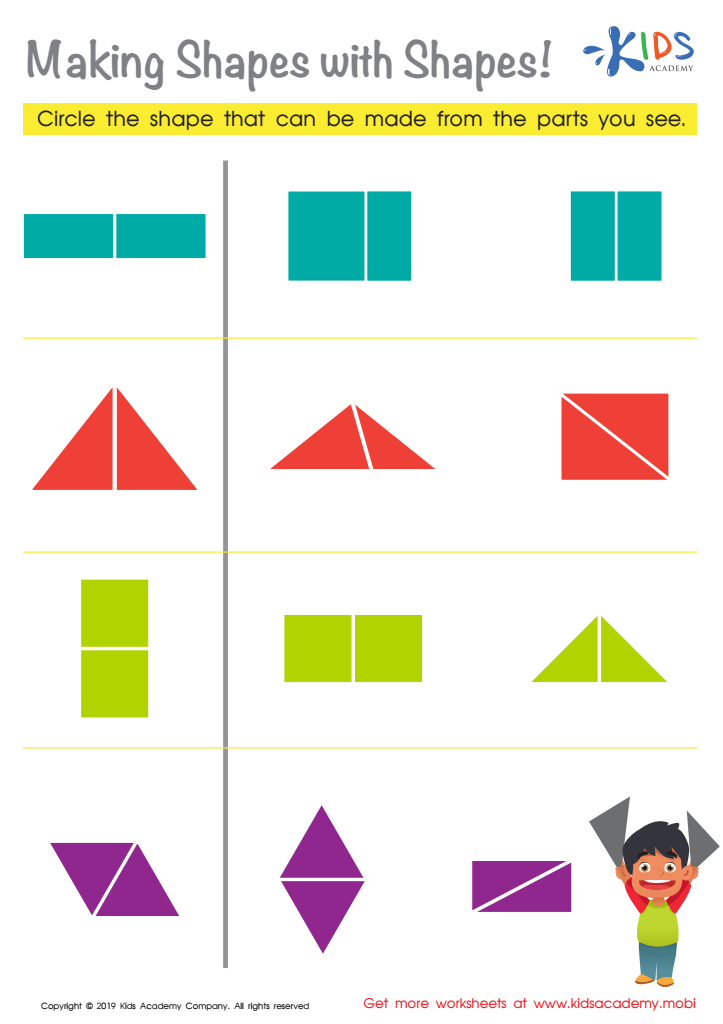
Making Shapes with Shapes Worksheet
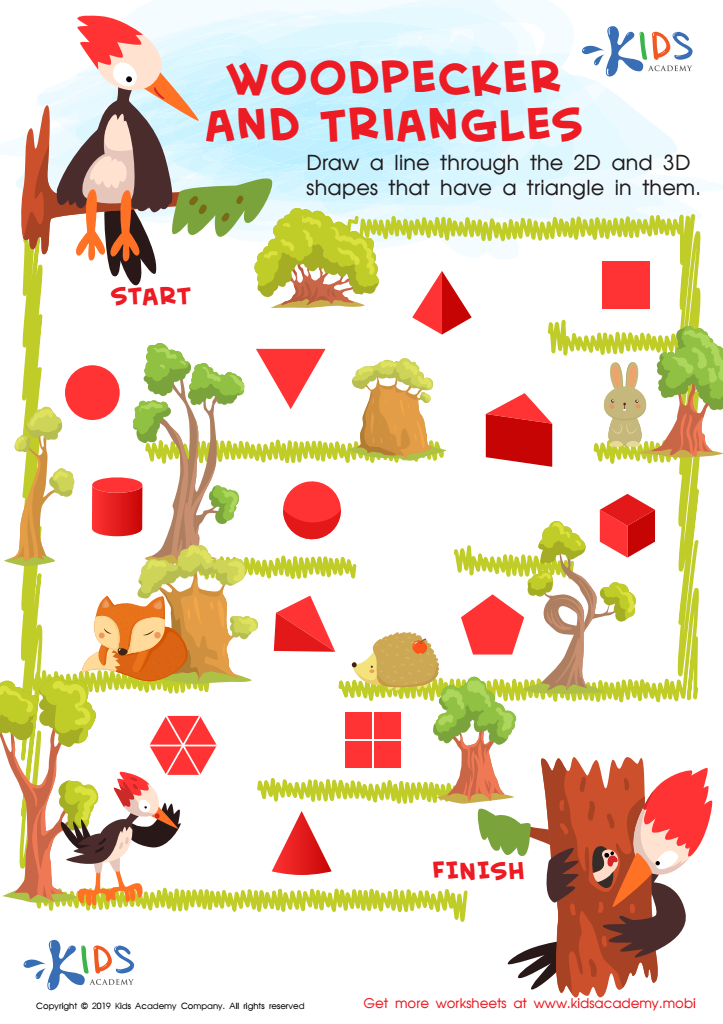
Woodpecker and Triangles Worksheet
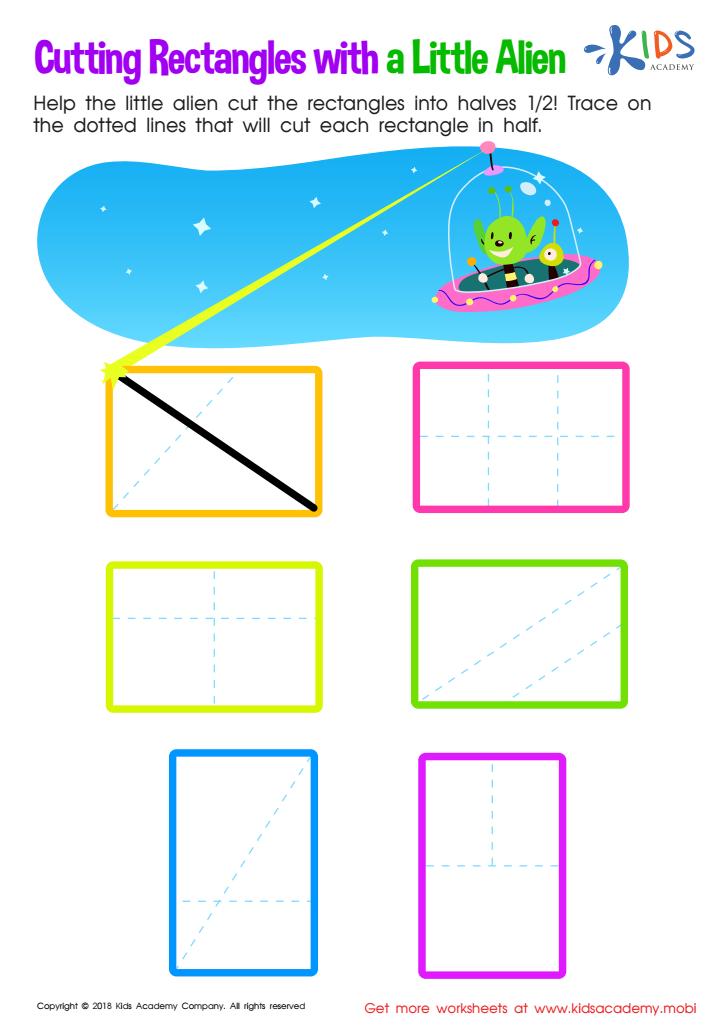
Cutting Rectangles with Alien Worksheet
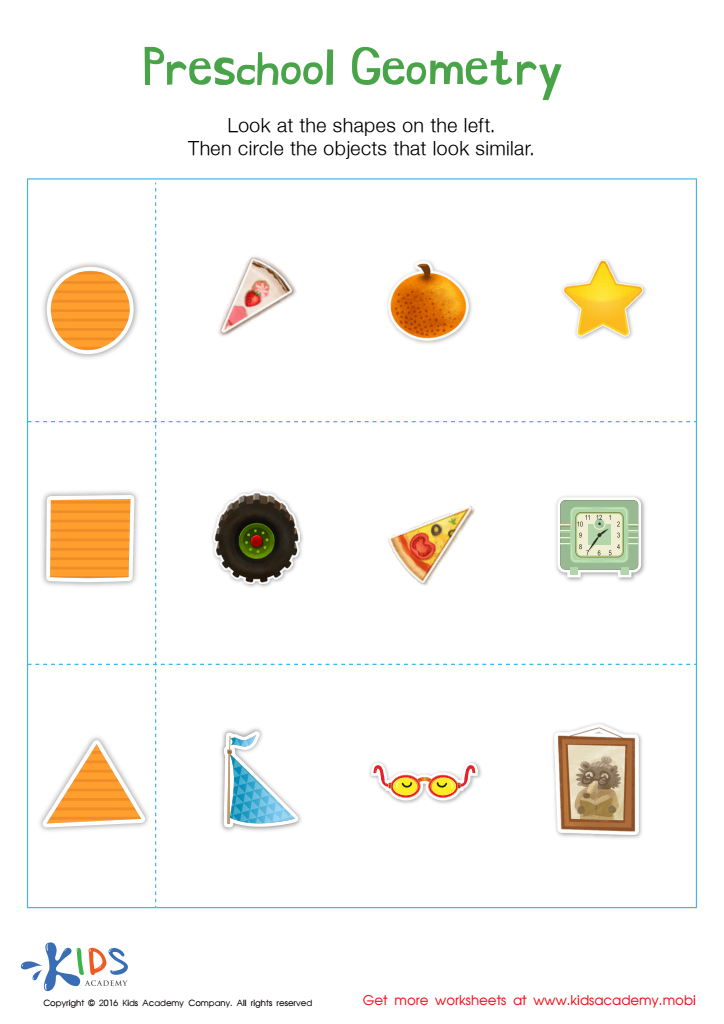
Preschool Geometry Match Up Worksheet
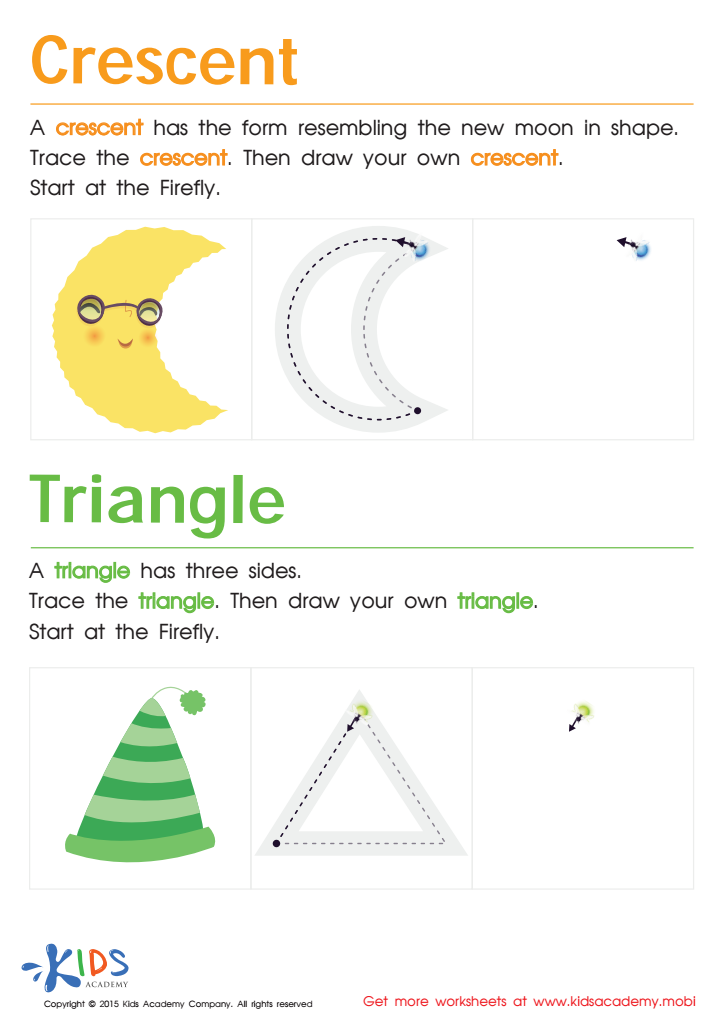
Learning to Draw Crescents And Triangles Worksheet
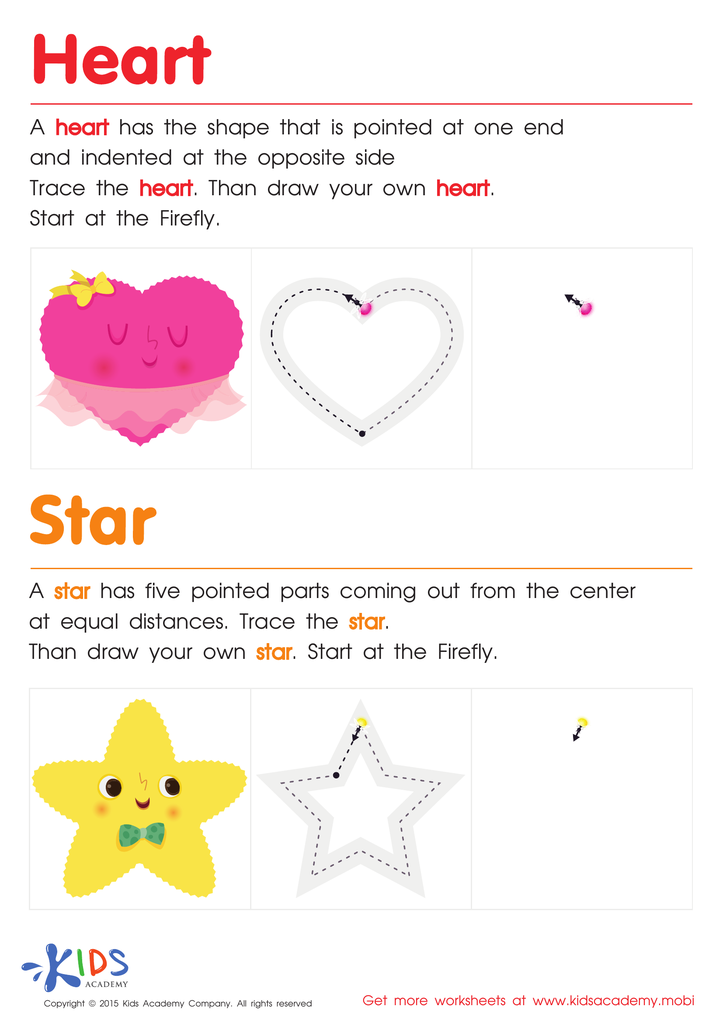
Let's Learn to Draw Hearts And Stars Printable
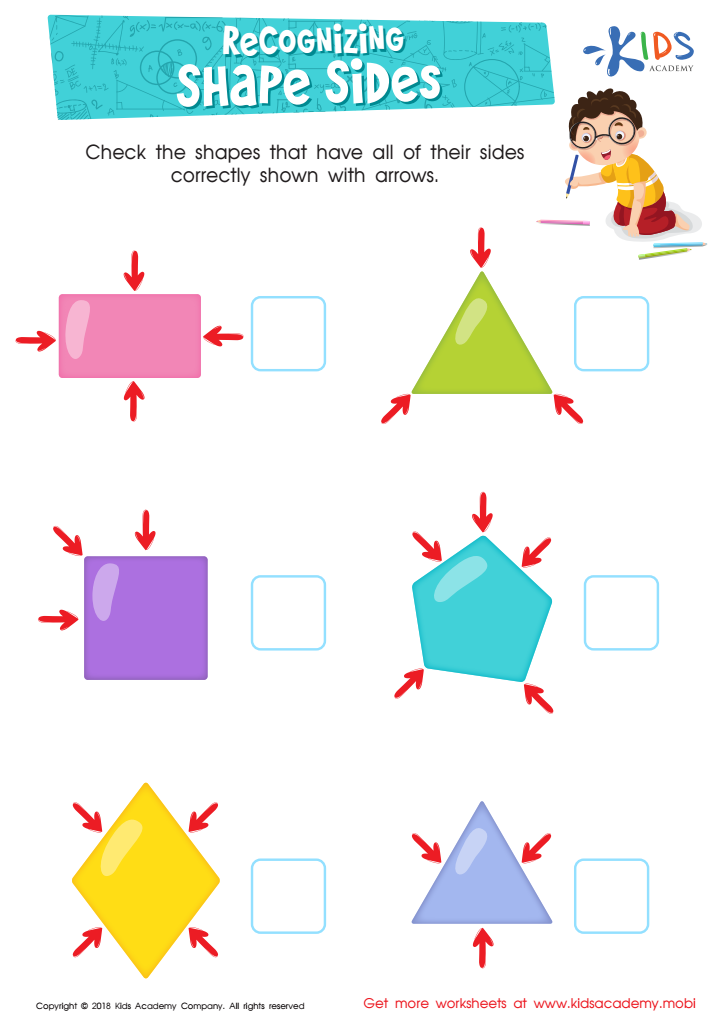
Recognizing Shape Sides Worksheet
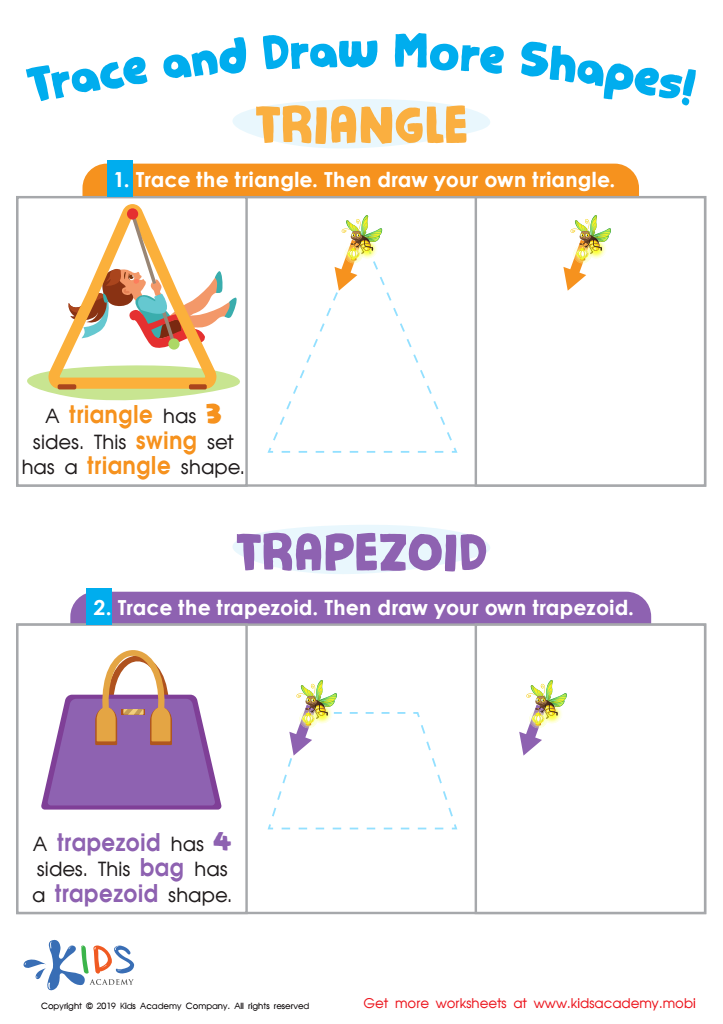
Trace and Draw More Shapes Worksheet
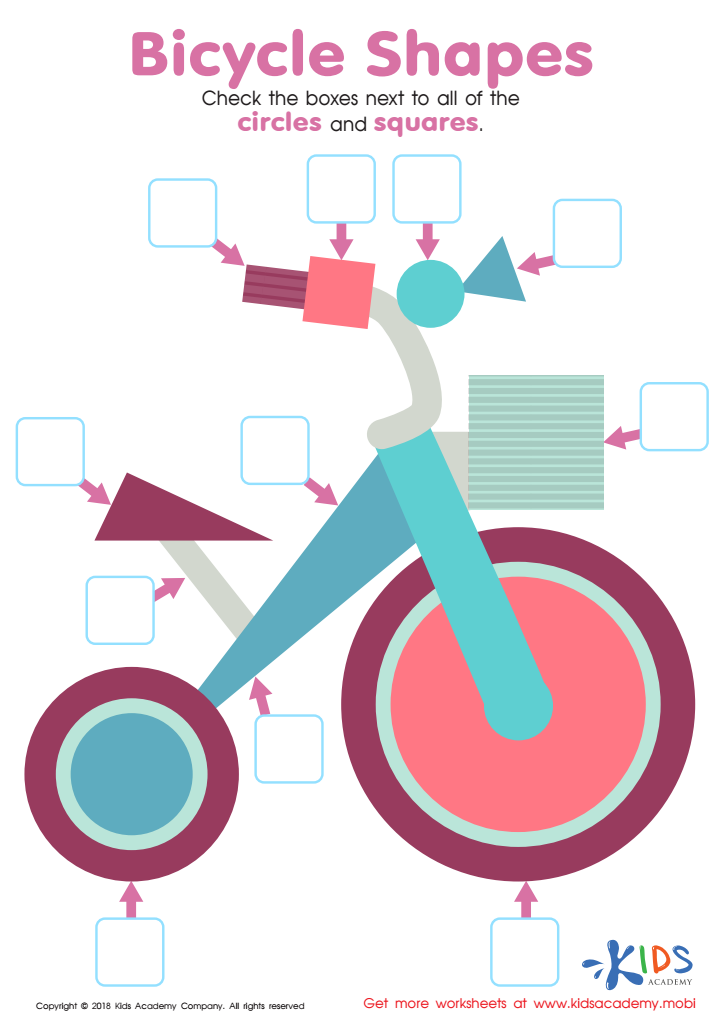
Bicycle Shapes Worksheet
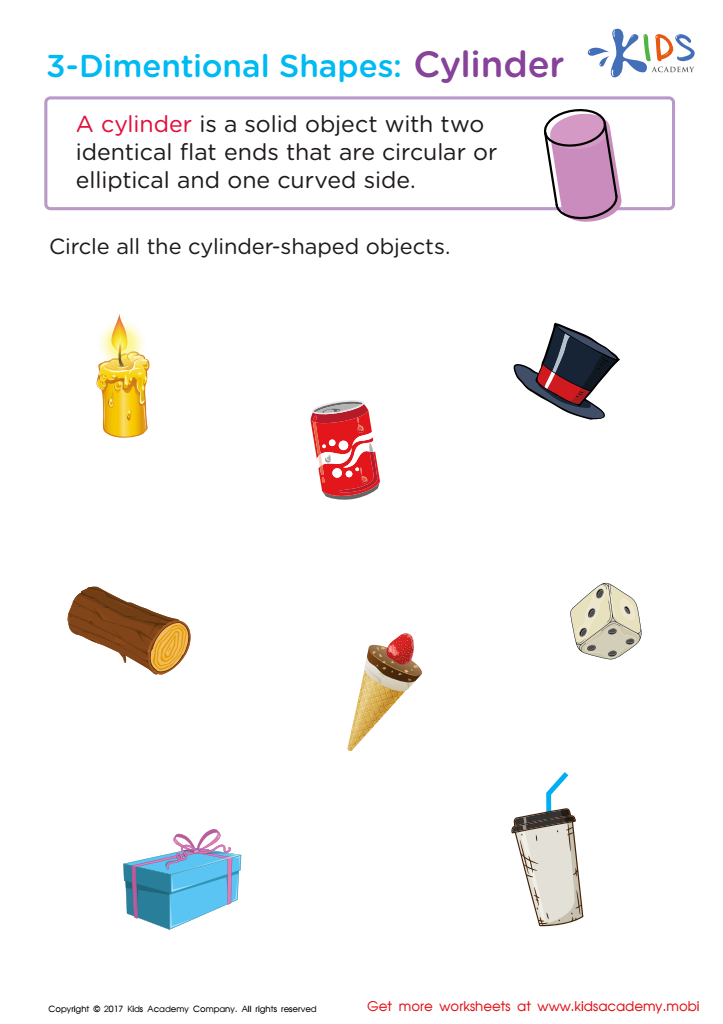
Three–Dimensional Shapes: Cylinder Worksheet
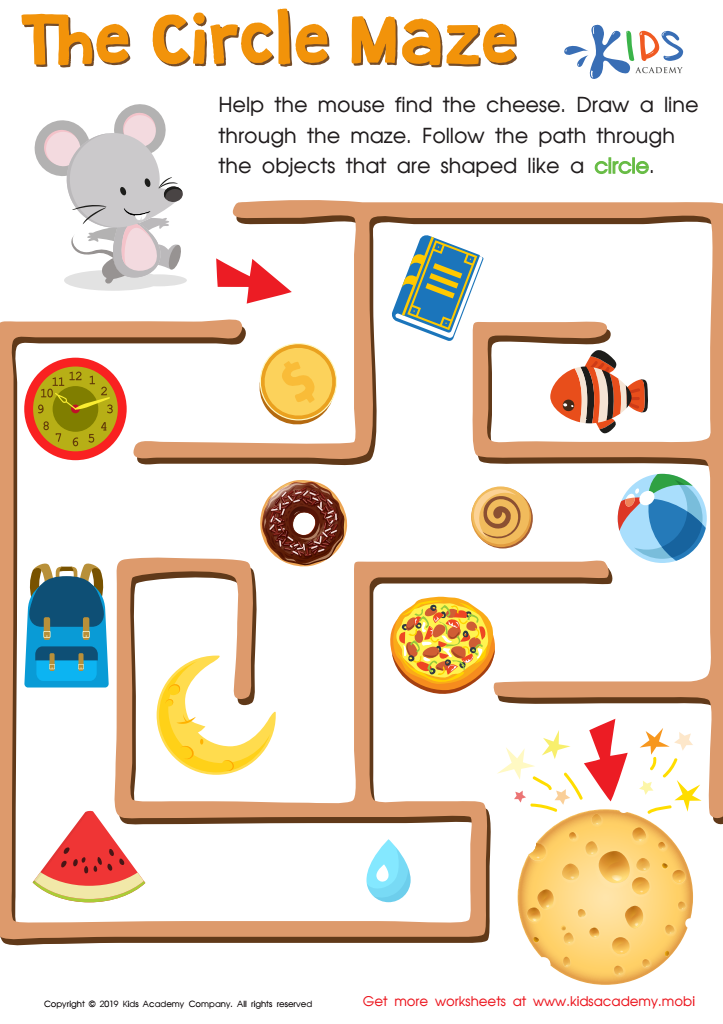
The Circle Maze Worksheet
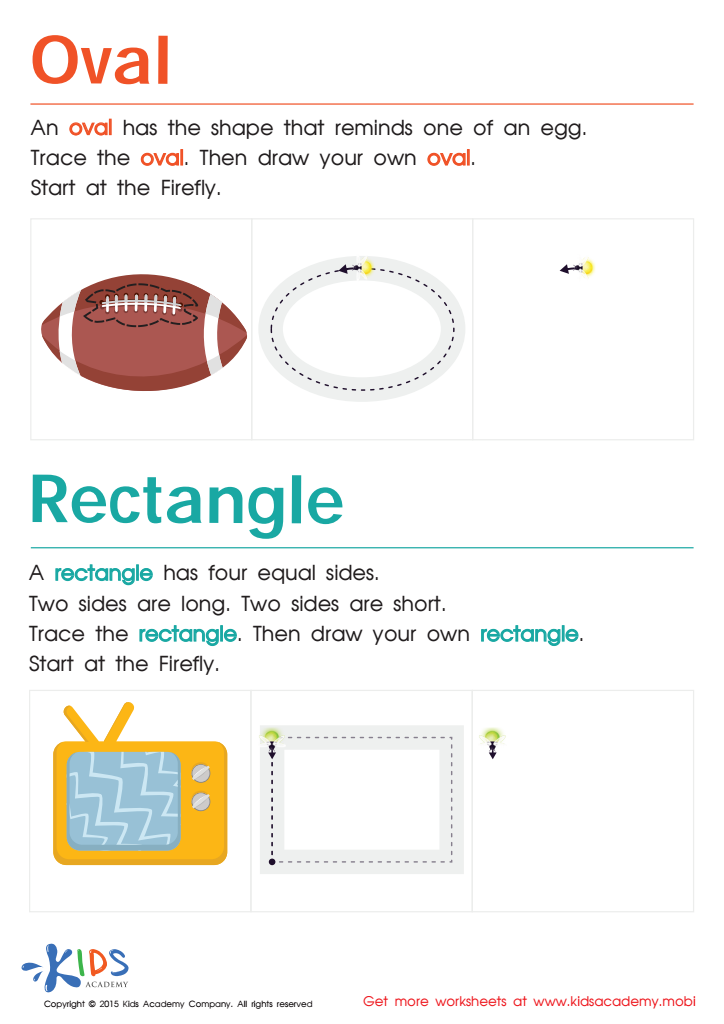
Easy Drawing of Ovals And Rectangles Worksheet
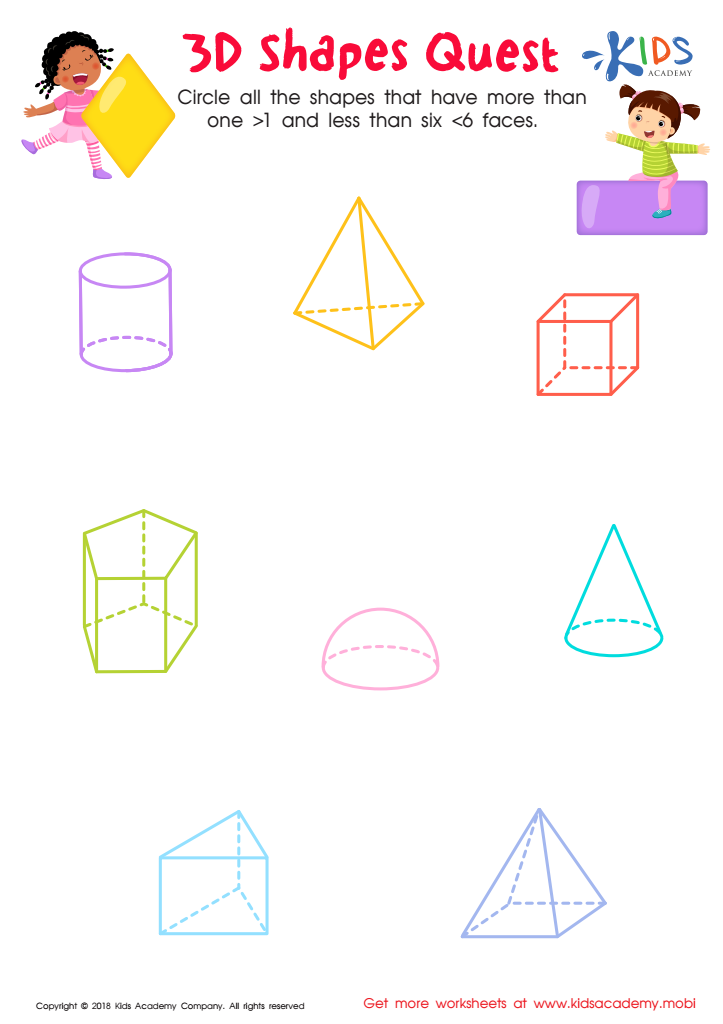
3D Shapes Quest Worksheet
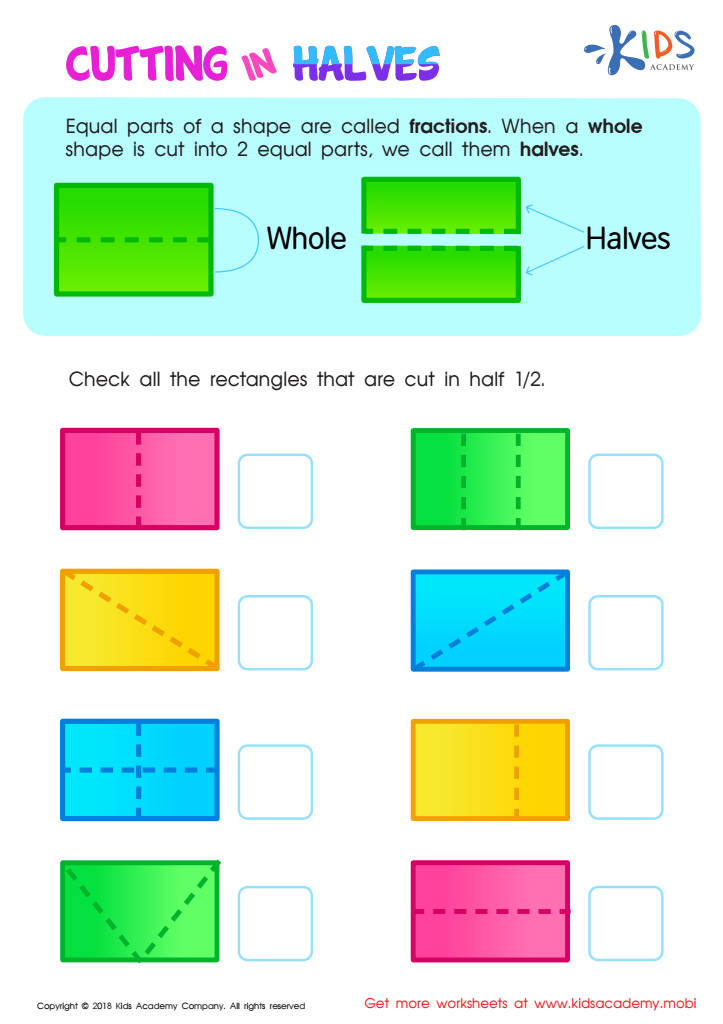
Cutting in Halves Worksheet
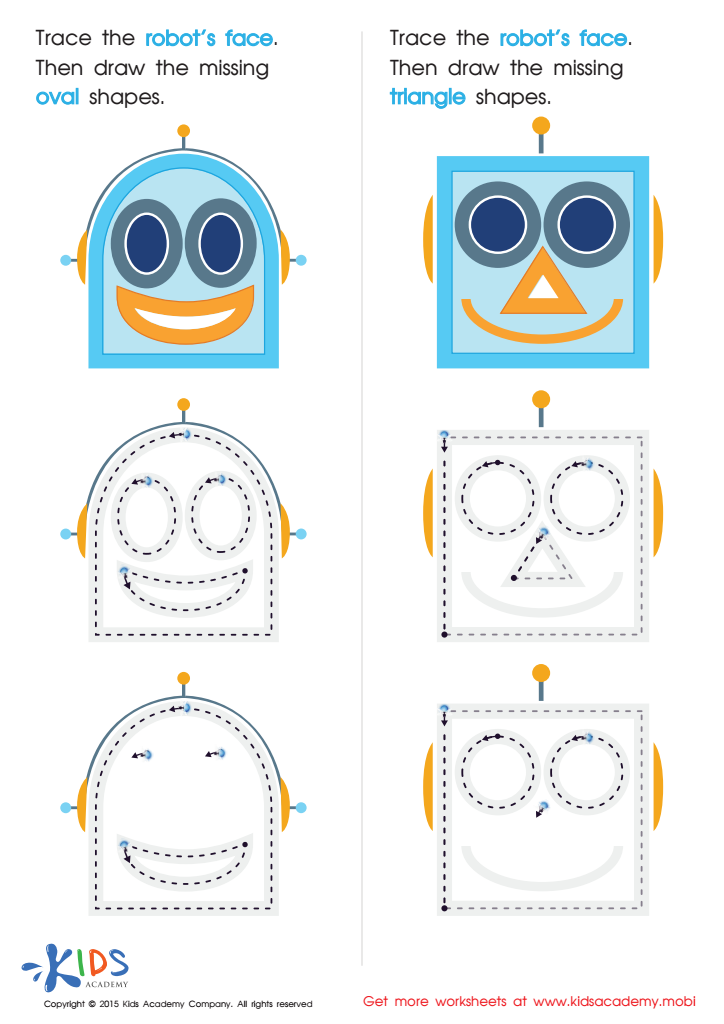
Drawing Ovals And Triangles with Fun Printable
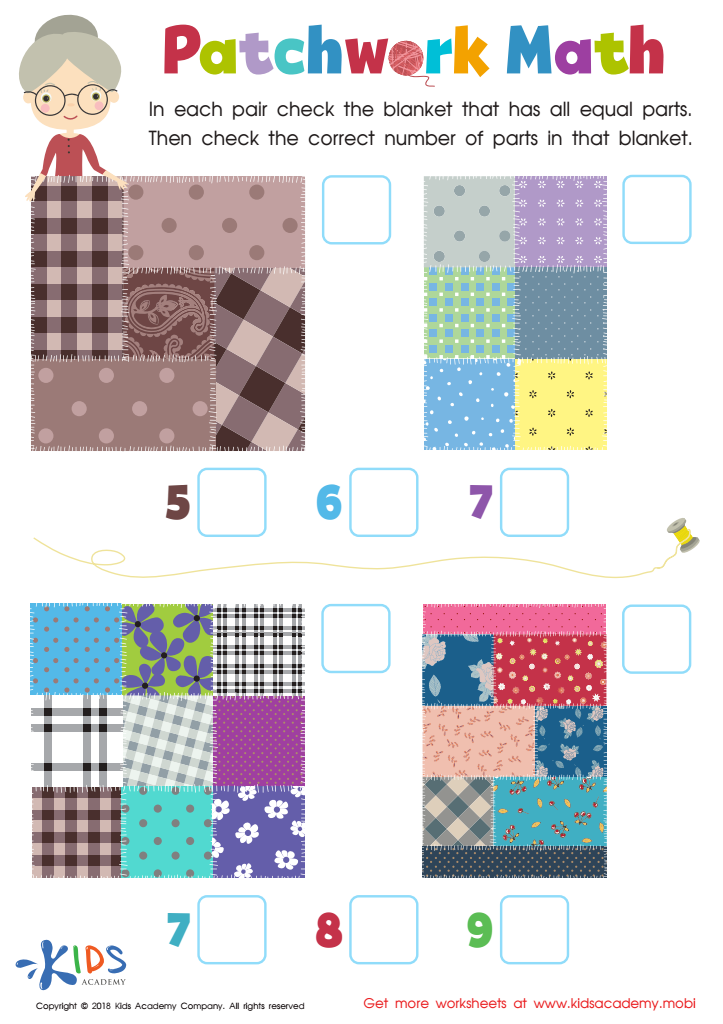
Patchwork Math Worksheet
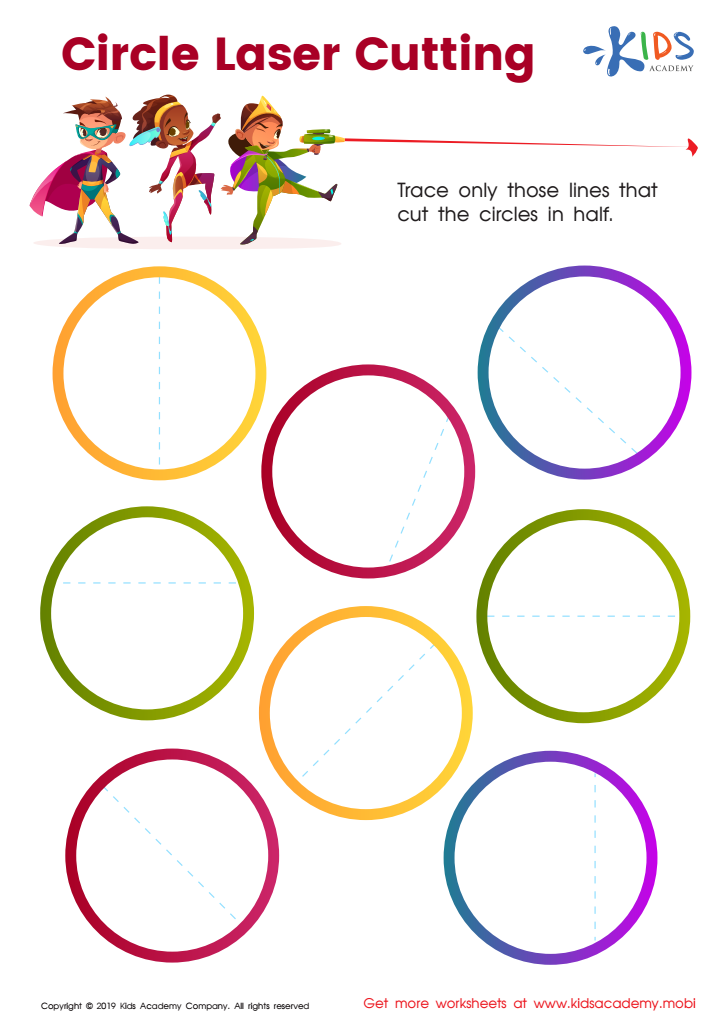
Circle Laser Cutting Worksheet








Fine motor skills geometry is vital for children aged 6-9 as it serves as a cornerstone for their cognitive and physical development, enhancing both academic and daily life activities. Fine motor skills refer to the small movements of the hands, wrists, and fingers, which are crucial for tasks such as writing, cutting with scissors, and buttoning clothes. At this developmental stage, children become more proficient at complex motor tasks, and integrating geometrical activities can significantly boost their skillset.
Geometry, with its focus on shapes, patterns, and spatial understanding, teaches children how to visually and conceptually relate objects in their environment, thereby honing their spatial awareness. Coupling geometry with fine motor skill practice helps children to refine their dexterity through hands-on activities like drawing geometrical shapes, tracing, using tangrams, or creating 3-D models with clay. These activities not only improve hand-eye coordination but also strengthen the muscles involved in precise movements.
Moreover, fine motor skills geometry nurtures problem-solving skills and logical thinking, making it easier for children to grasp more complex mathematical concepts in the future. Investing time in these developmental practices lays a firm foundation, setting children up for academic success and everyday competence, boosting their confidence and independence. Thus, parents and teachers should prioritize and incorporate fine motor skill activities with a focus on geometry to foster well-rounded growth.








