Problem-Solving Skills Geometry Worksheets for Ages 6-9
27 filtered results
-
From - To
Discover our engaging Problem-Solving Skills Geometry Worksheets designed specifically for children aged 6-9! These interactive resources help young learners enhance their geometry understanding while improving critical thinking and problem-solving skills. Each worksheet features colorful visuals and age-appropriate challenges that make learning fun and effective. Whether it's identifying shapes, working with basic transformations, or exploring patterns, our worksheets provide a solid foundation in geometric concepts. Ideal for classroom use or at-home practice, these activities foster confidence and enthusiasm in math. Empower your child with the skills they need to tackle problems and succeed in geometry today!
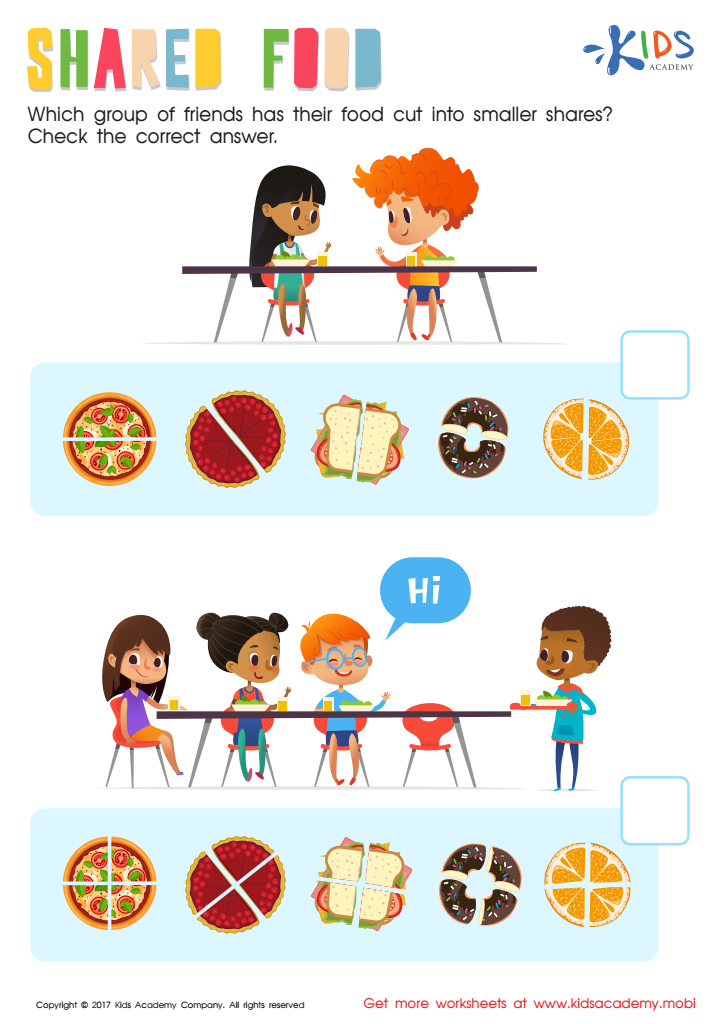
Shared Food Worksheet
 Assign to My Students











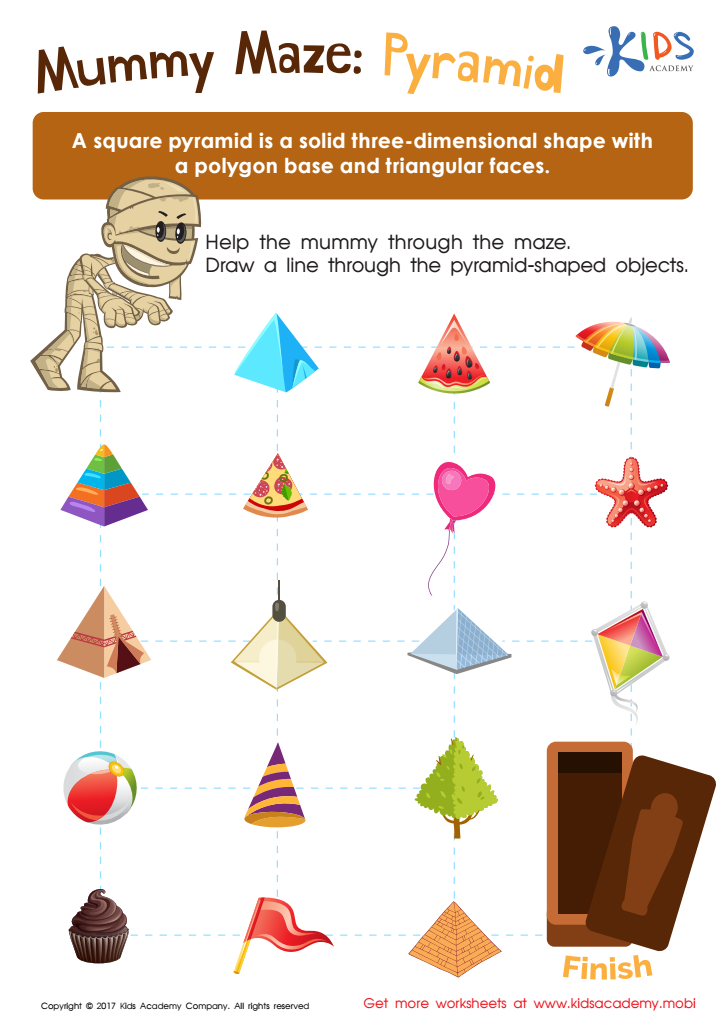
Mummy Maze: Pyramid Printable
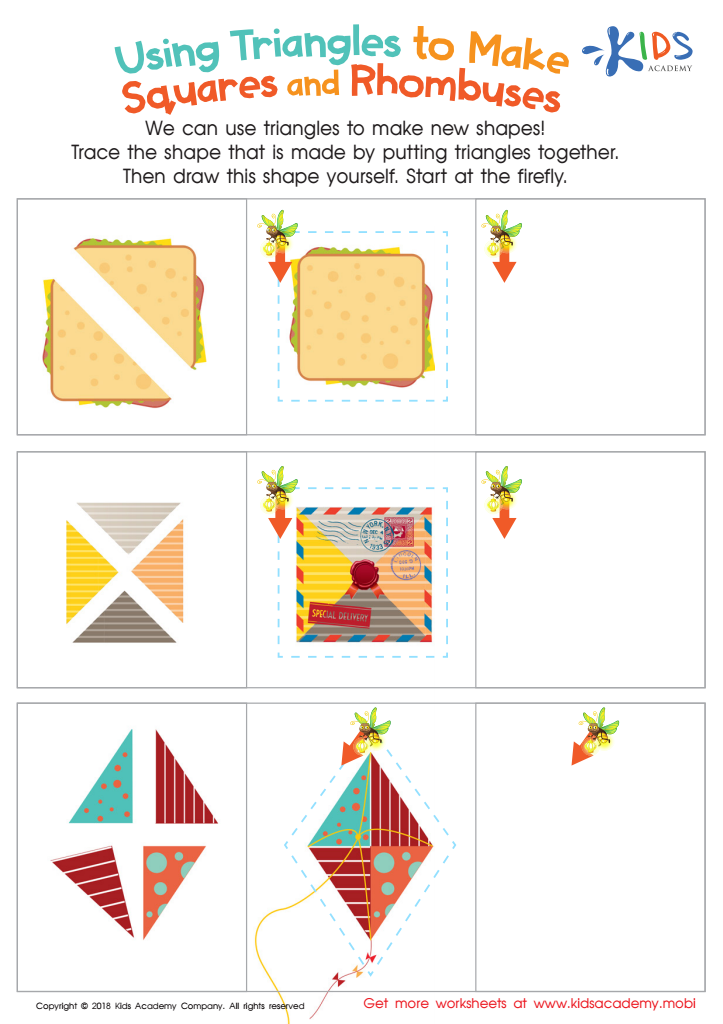
Using Triangles to Make Squares and Rhombuses Worksheet
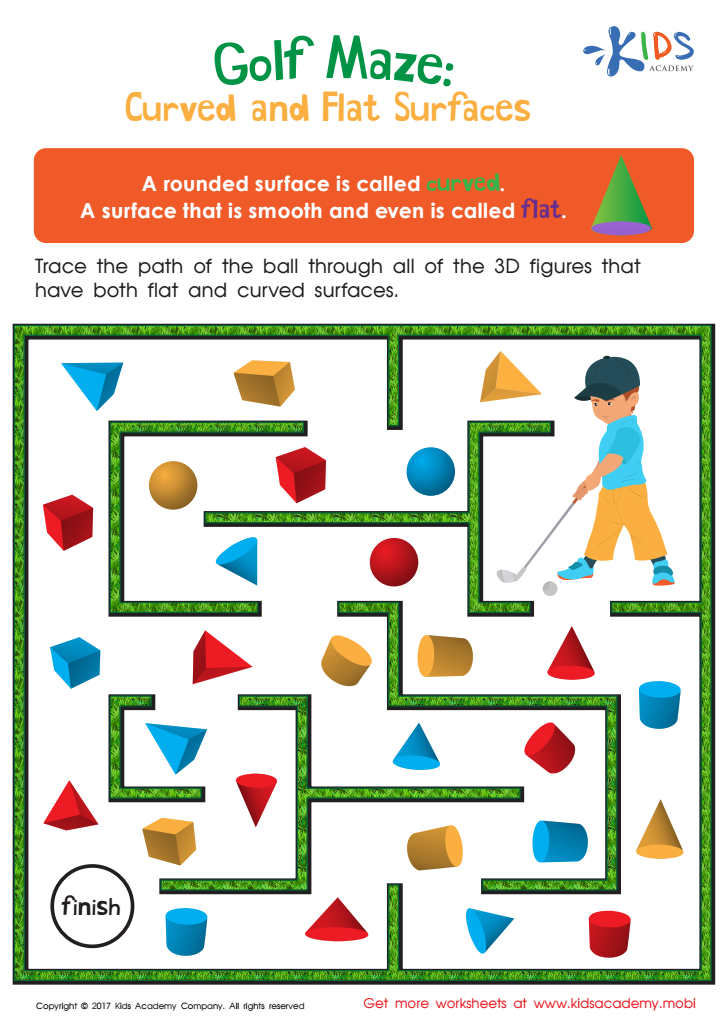
Golf Maze: Curved and Flat Surfaces Worksheet
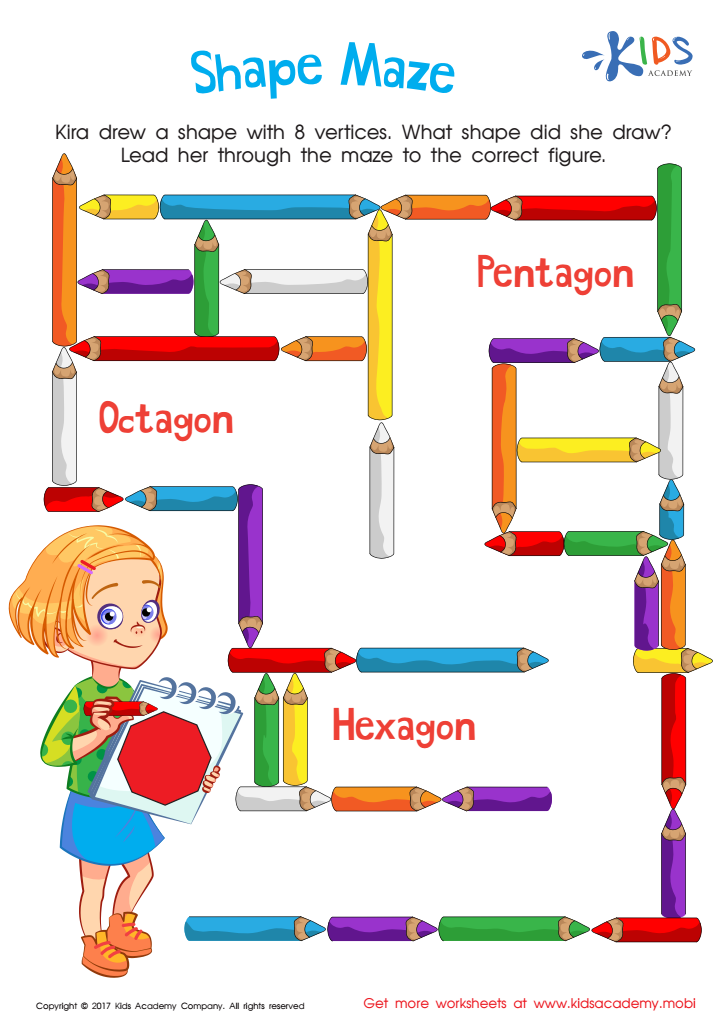
Shape Maze Worksheet
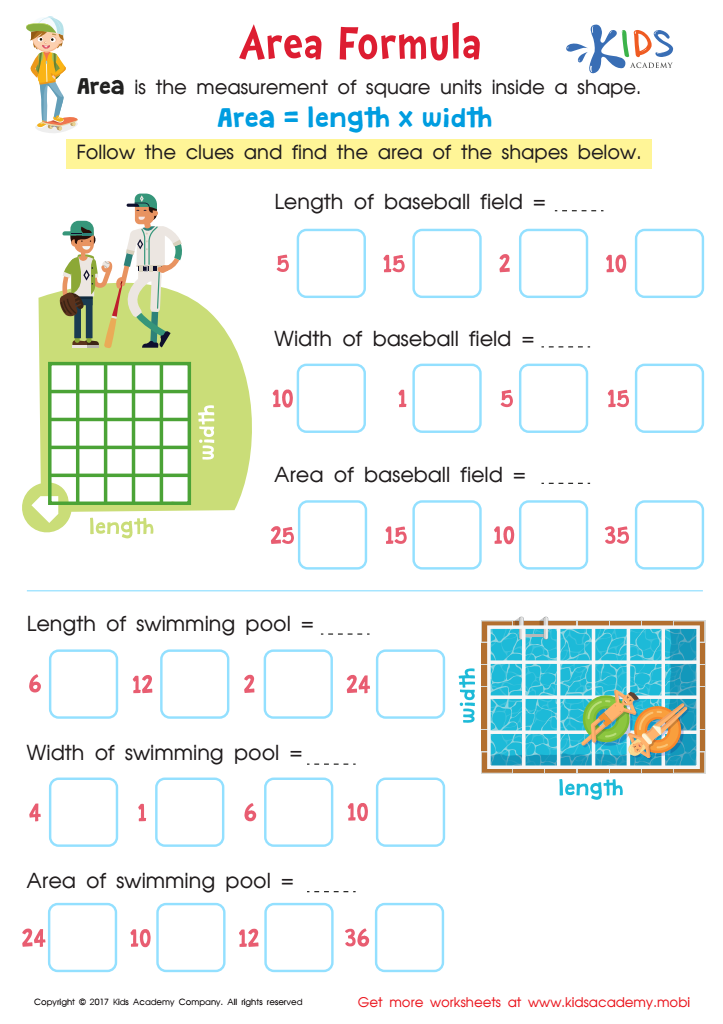
Area Formula Worksheet
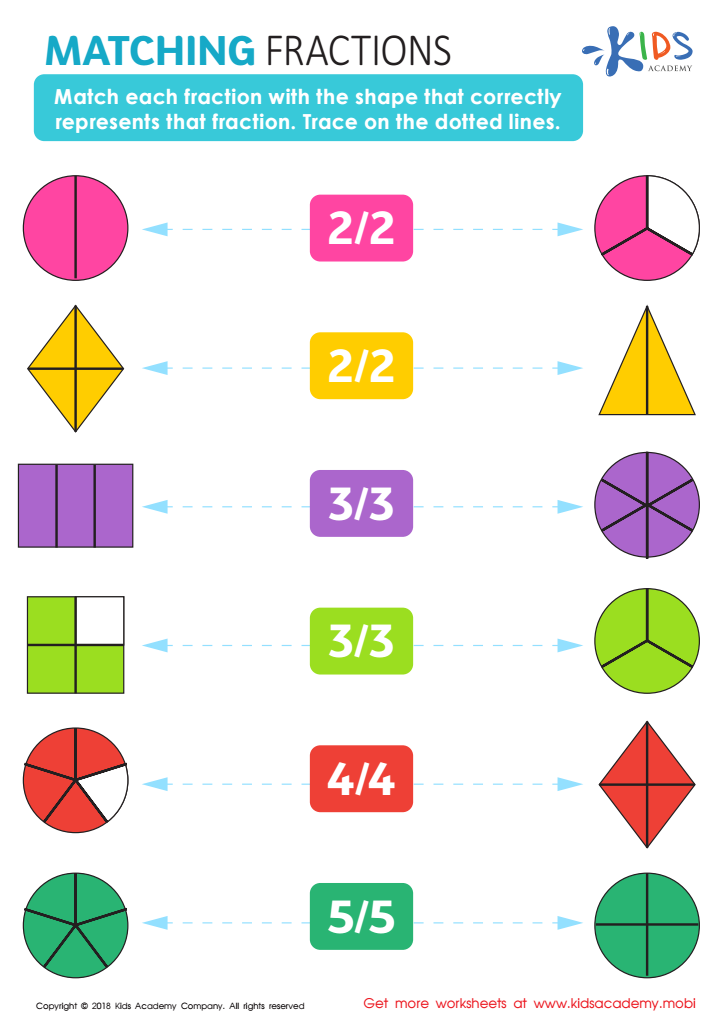
Matching Fractions Worksheet
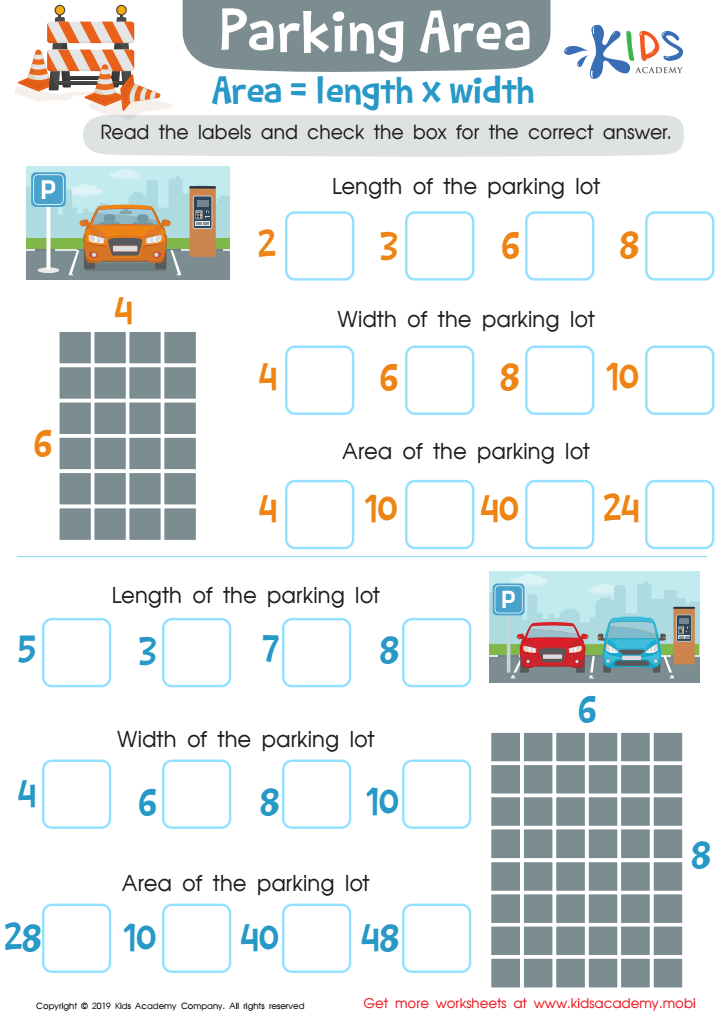
Parking Area Worksheet
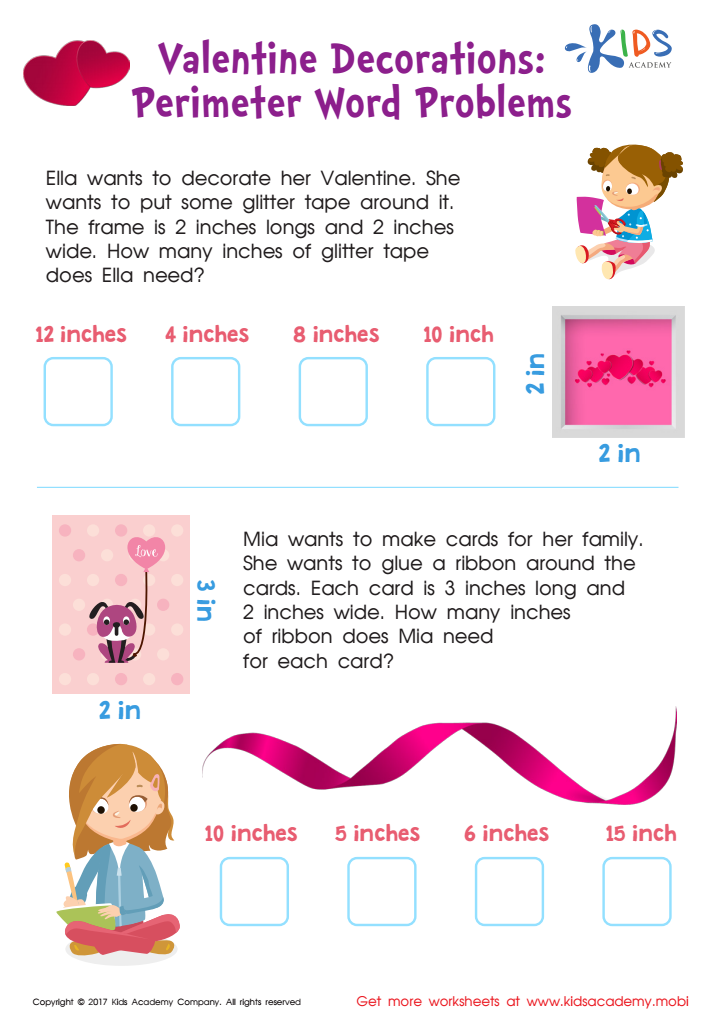
Perimeter Word Problems Worksheet
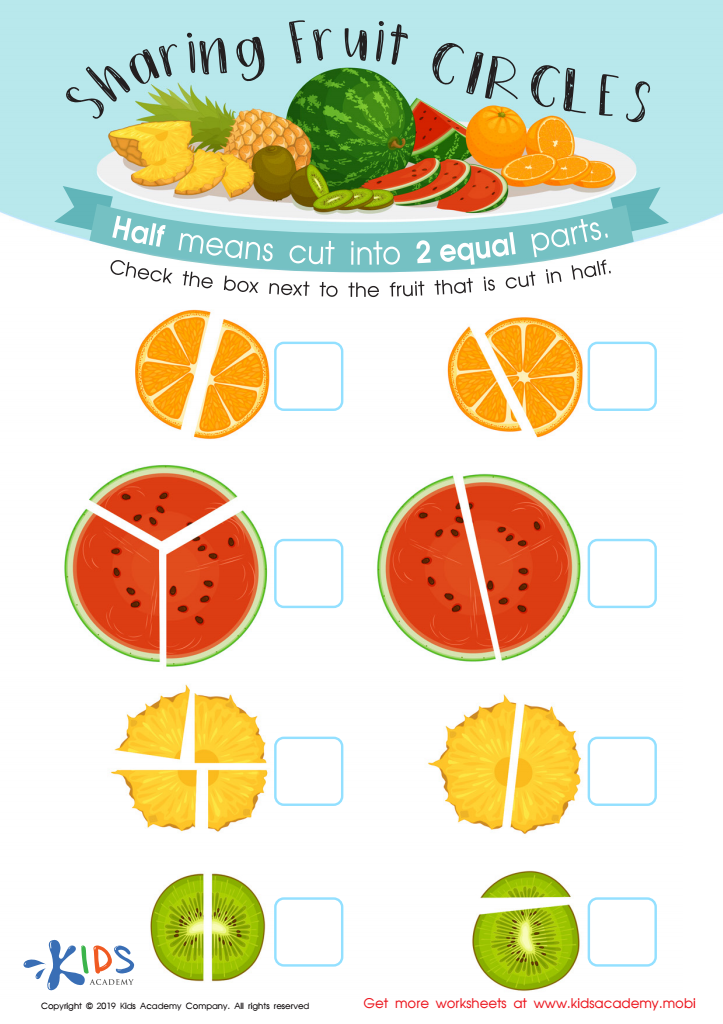
Sharing Fruit Circles Worksheet
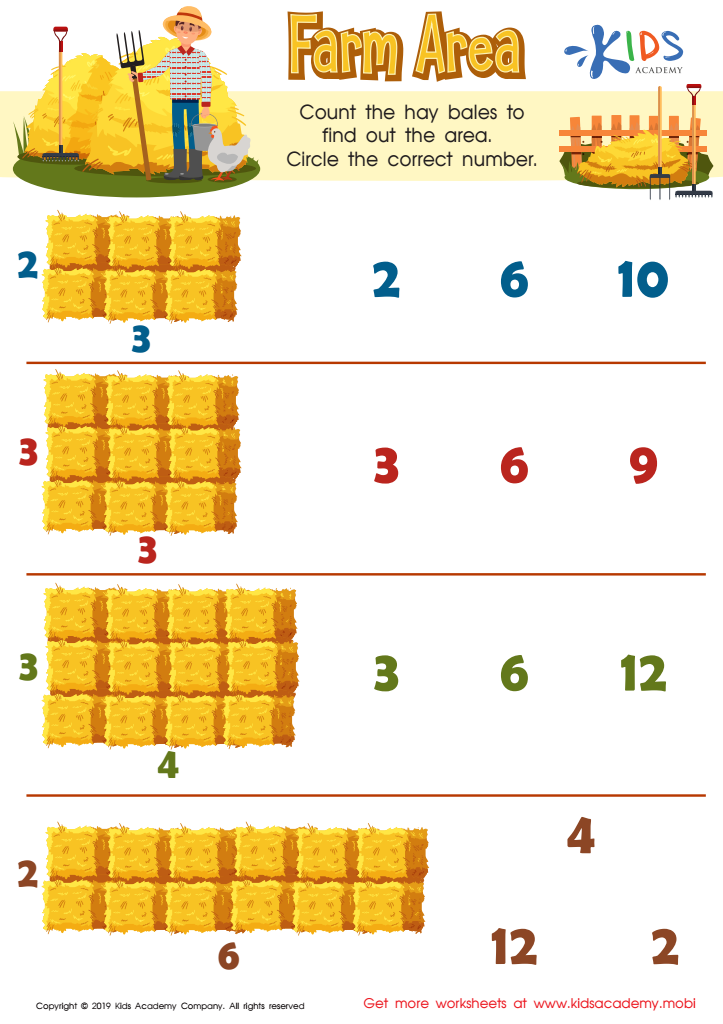
Farm Area Worksheet
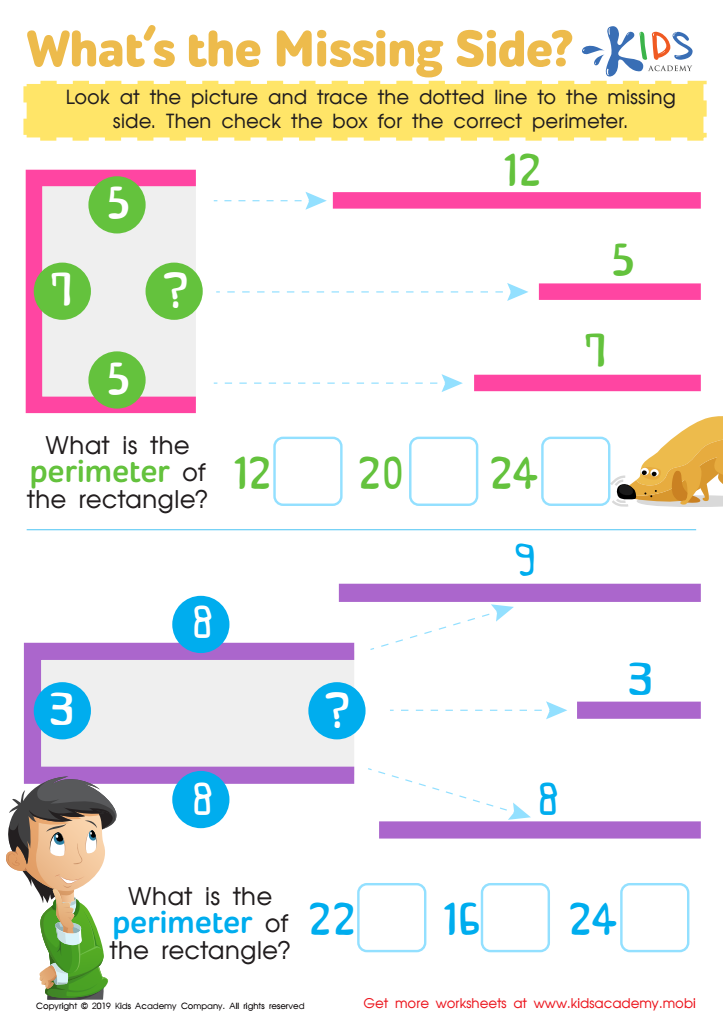
What's the Missing Side Worksheet
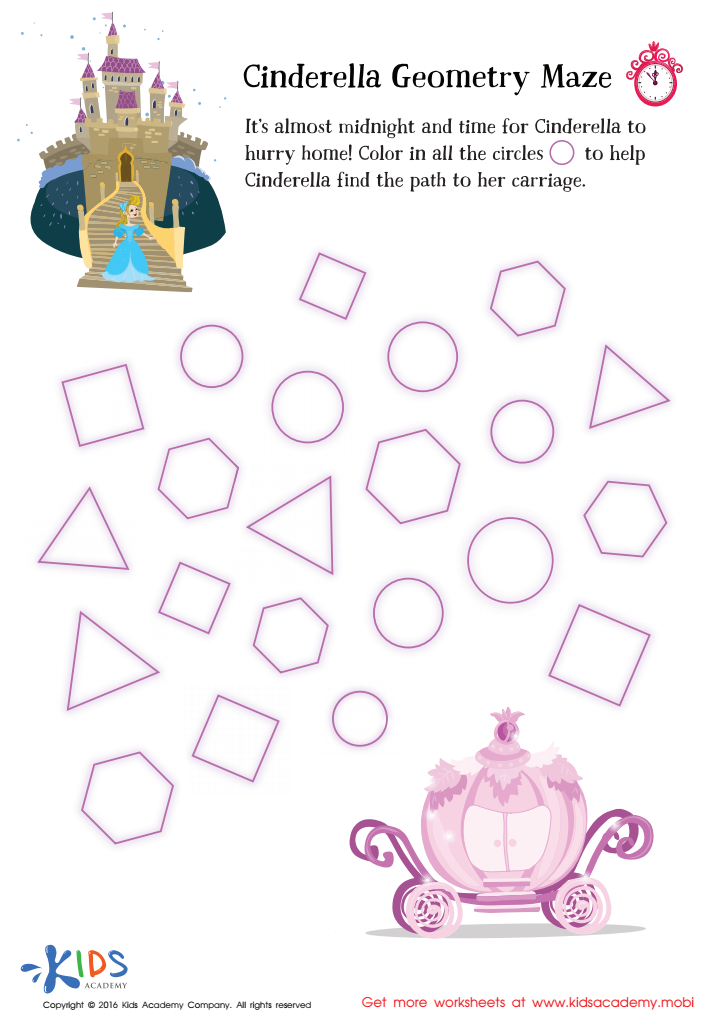
Cinderella Geometry Maze Worksheet
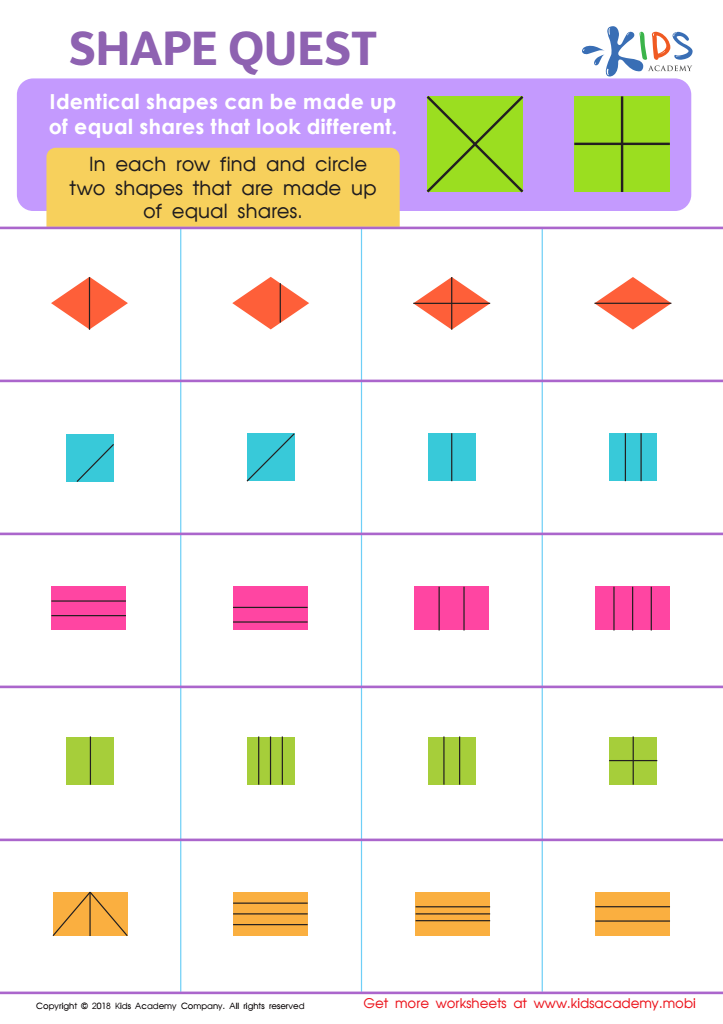
Shape Quest Worksheet
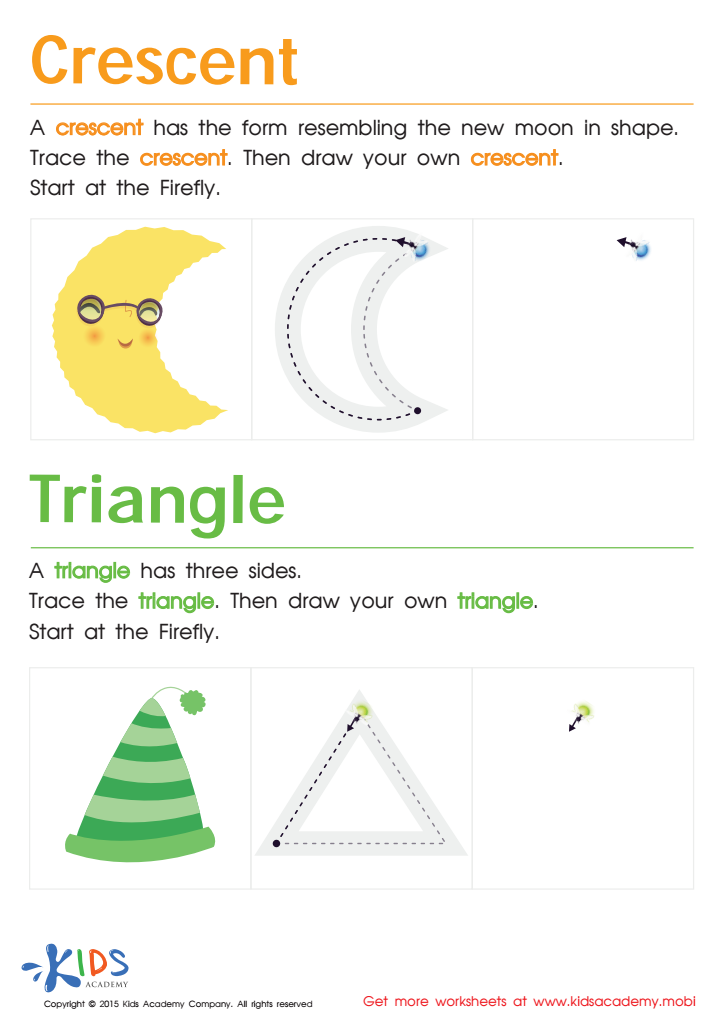
Learning to Draw Crescents And Triangles Worksheet
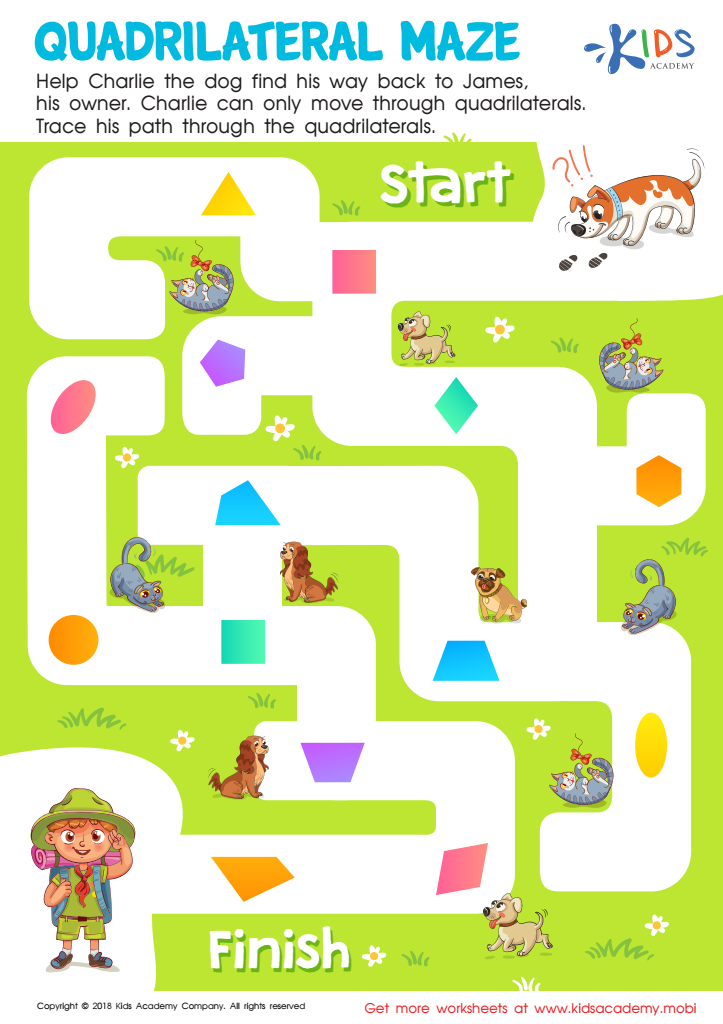
Quadrilateral Maze Worksheet
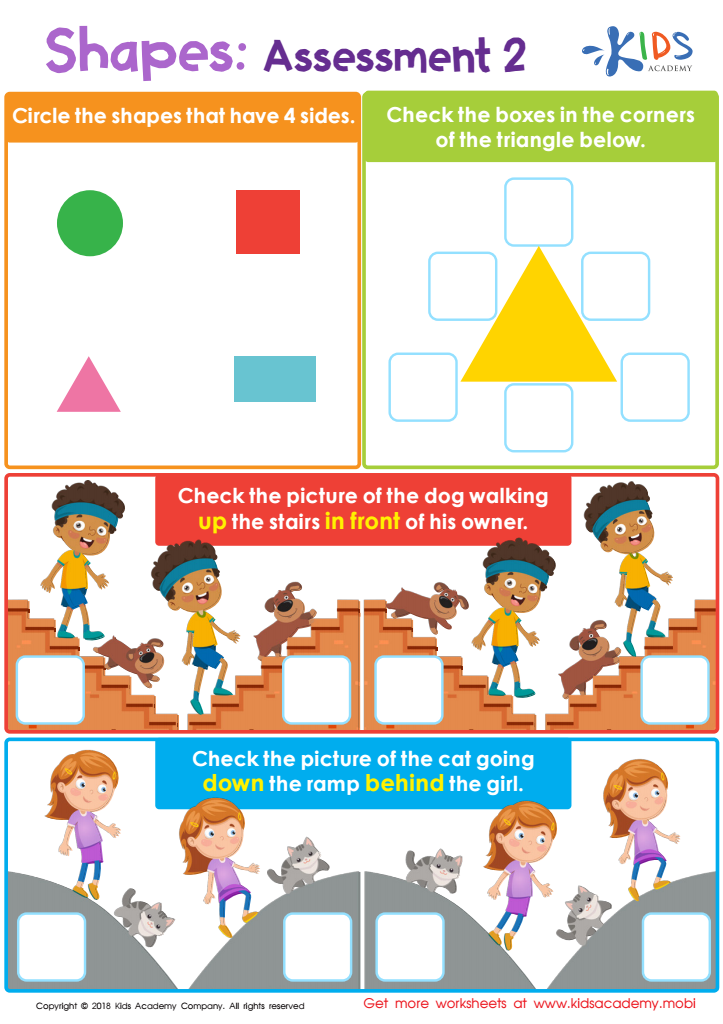
Shapes: Assessment 2 Worksheet
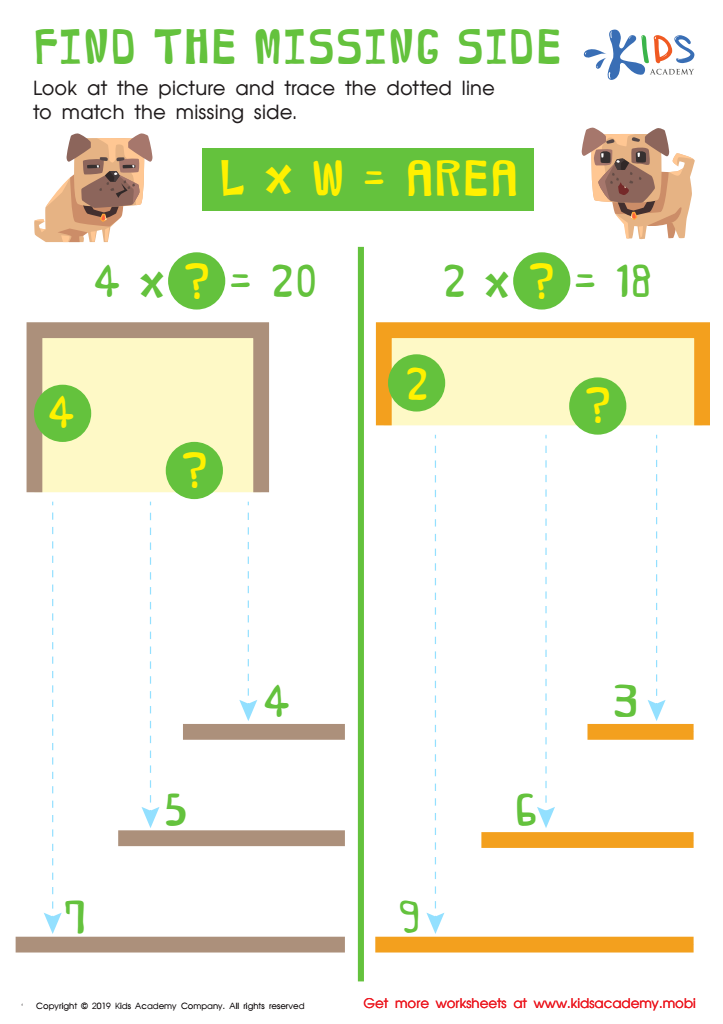
Find the Missing Side Worksheet
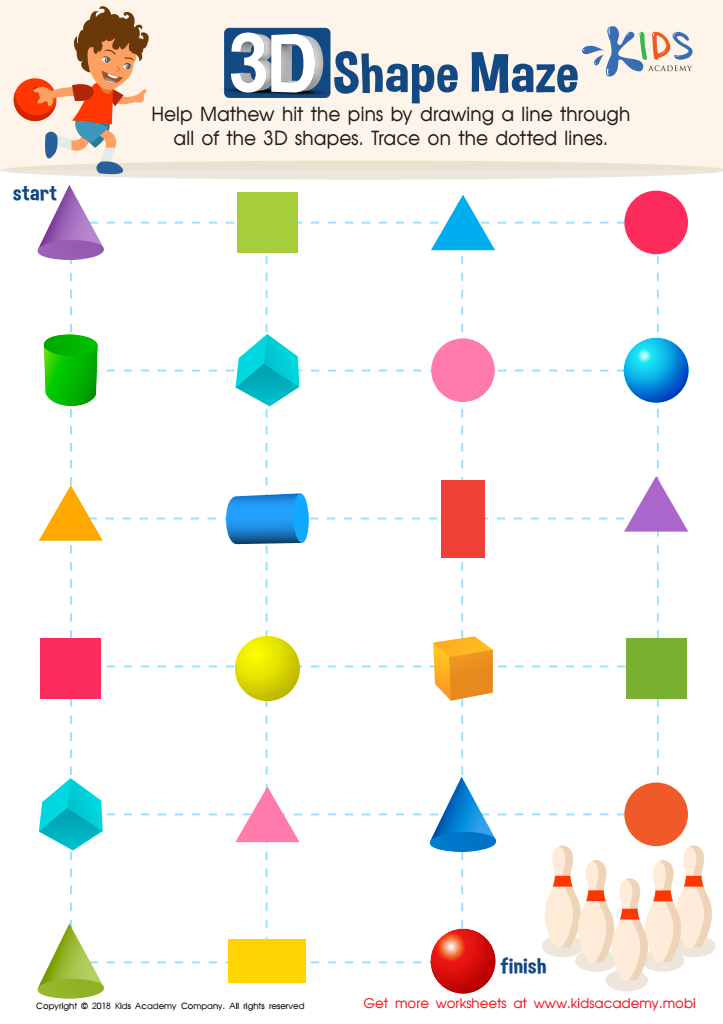
Shapes Maze Geometry Worksheet
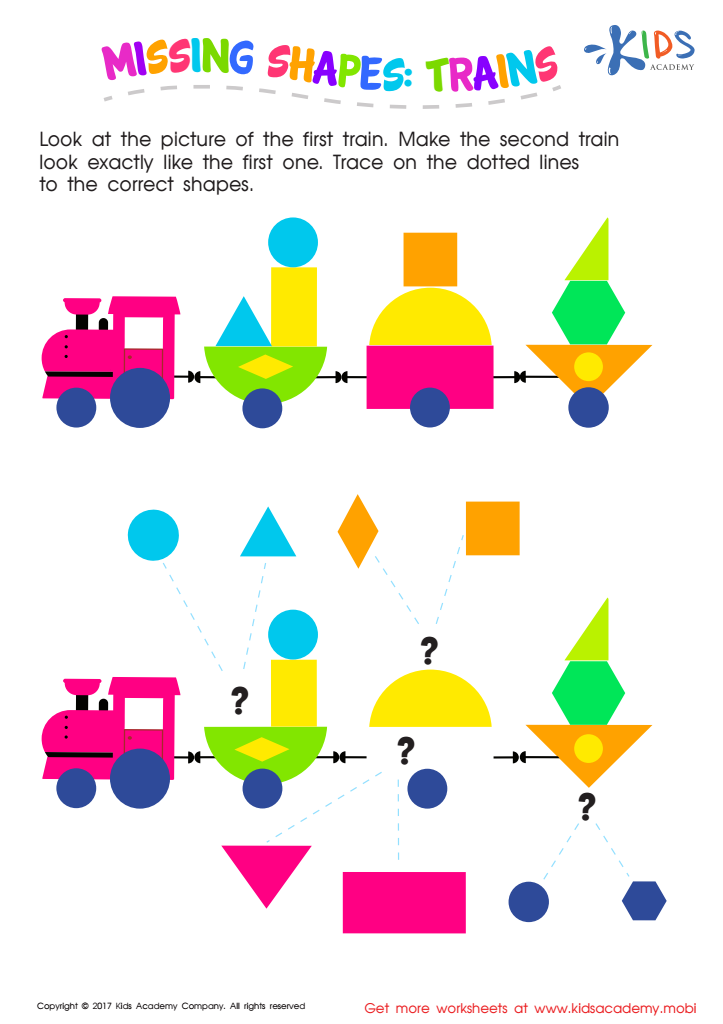
Missing Shapes: Trains Worksheet
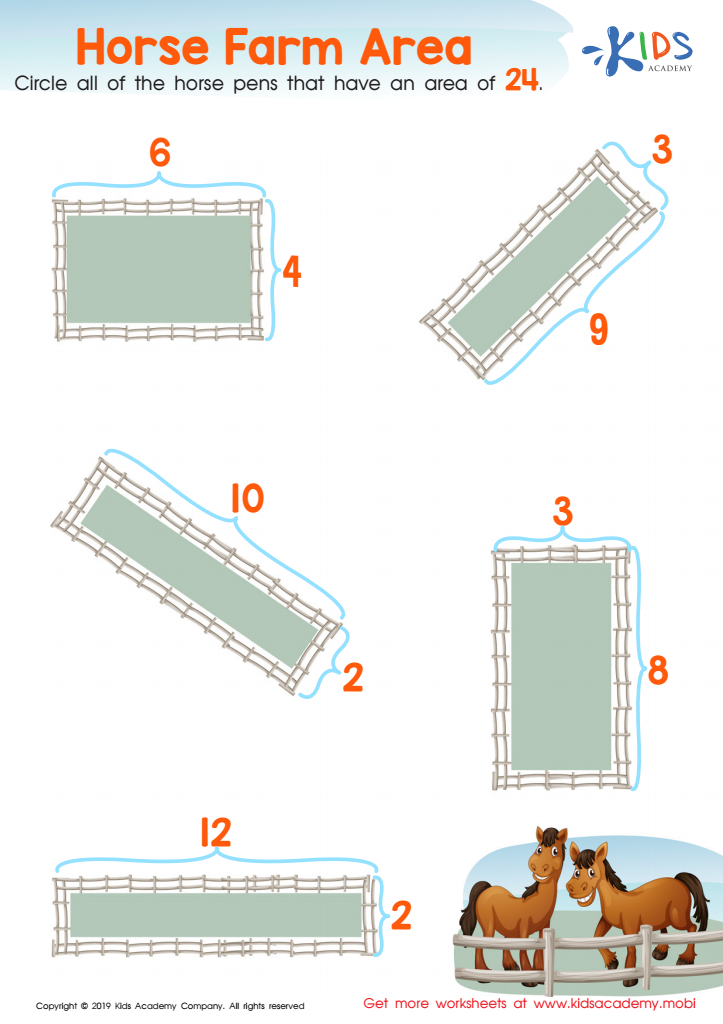
Horse Farm Area Worksheet
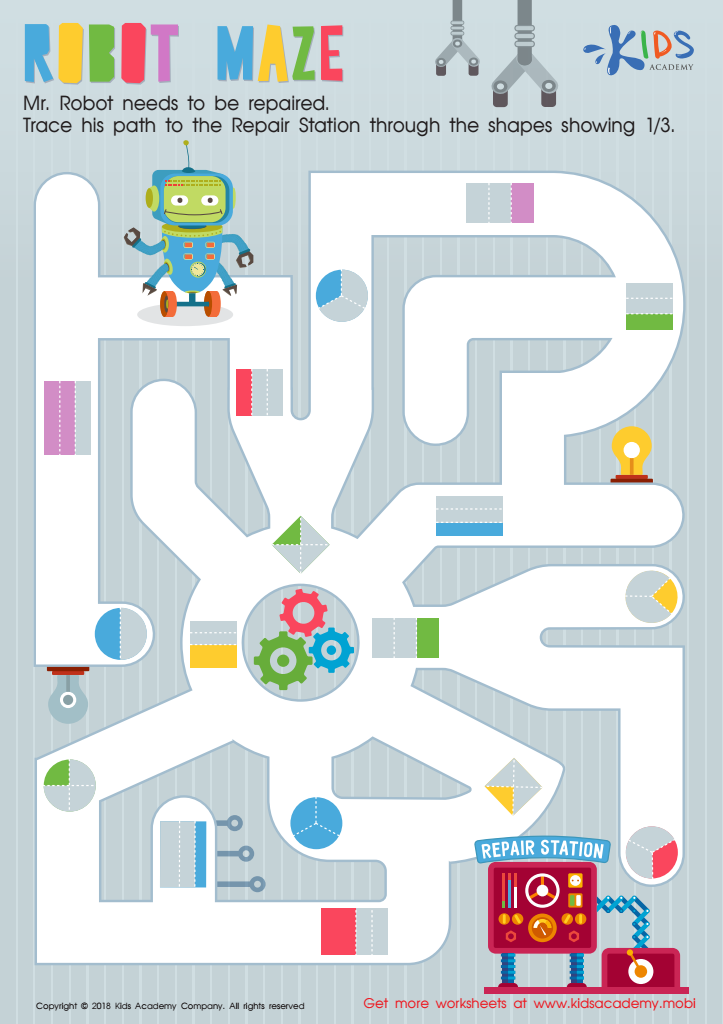
Robot Maze Worksheet
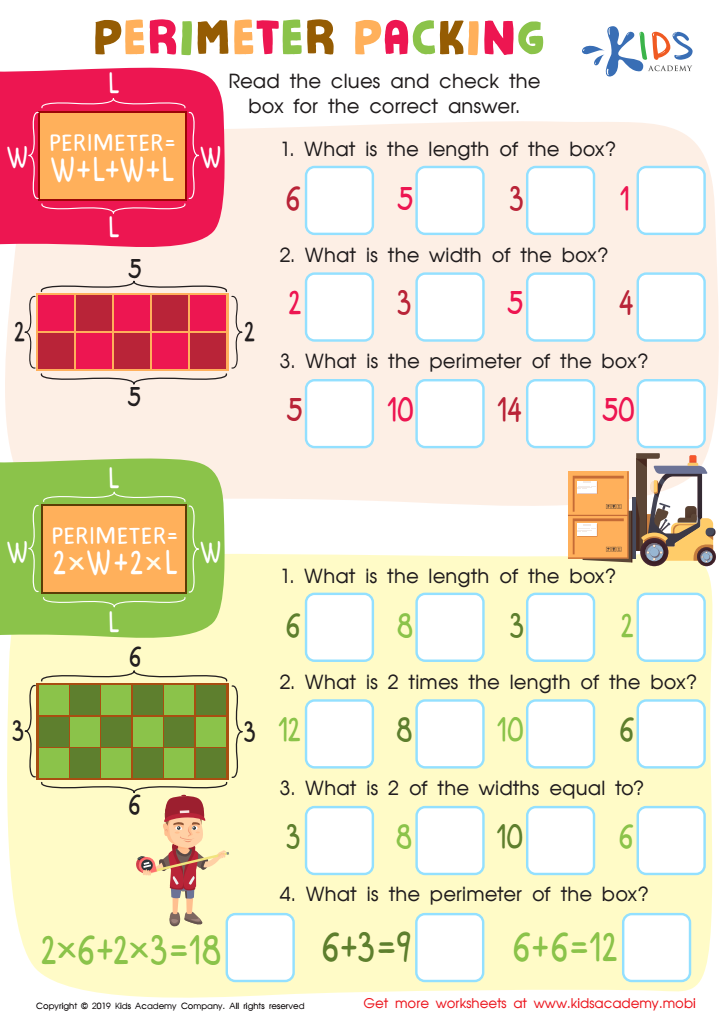
Perimeter Parking Worksheet
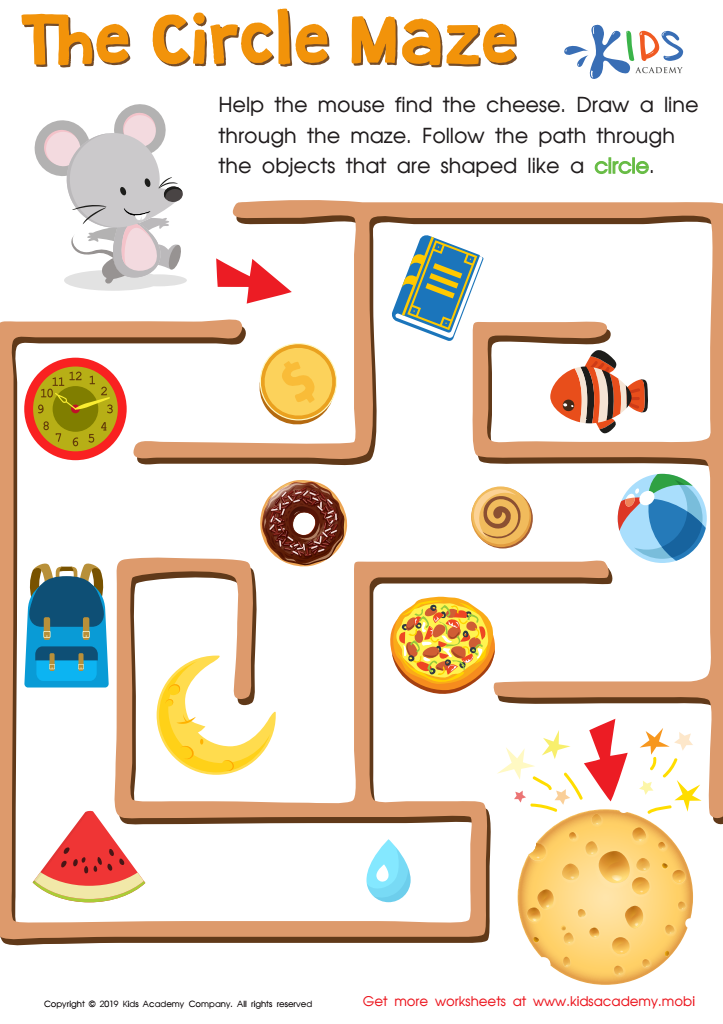
The Circle Maze Worksheet








Parents and teachers should prioritize problem-solving skills in geometry for children aged 6-9 because these foundational skills set the stage for future mathematical understanding and critical thinking. At this age, children are naturally curious and eager to explore their environment, making it an ideal time to introduce geometric concepts through engaging activities.
Problem-solving in geometry helps students recognize shapes, understand spatial relationships, and develop the ability to visualize problems. These skills are not only essential for mathematics but also for everyday scenarios, such as planning layouts or understanding maps. By nurturing these abilities, educators and parents foster creative thinking, persistence, and analytical skills in young learners.
Moreover, learning geometry through problem-solving encourages collaboration and communication among peers, promoting social skills and teamwork. It also lays the groundwork for more advanced subjects in later years. When children begin to tackle geometric challenges, they learn to approach problems methodically, test hypotheses, and evaluate outcomes, building resilience and confidence.
Ultimately, emphasizing problem-solving skills in geometry empowers students to become lifelong learners who can think critically in a variety of contexts, making it an essential focus for parents and educators alike.








