Shape Recognition 2D Shapes Worksheets for 6-Year-Olds
30 filtered results
-
From - To
Unlock your child's potential with our engaging Shape Recognition 2D Shapes Worksheets designed specifically for 6-year-olds! These worksheets help young learners identify and understand various 2D shapes through fun activities and vibrant illustrations. Whether it’s circles, squares, triangles, or rectangles, our resources make learning shapes enjoyable and interactive. With easy-to-follow instructions, children can practice matching, coloring, and labeling shapes, building a strong foundation in math and critical thinking skills. Perfect for at-home learning or classroom use, these printable worksheets offer a delightful way to enhance shape recognition and instill a lifelong love for learning in your young ones. Start exploring today!
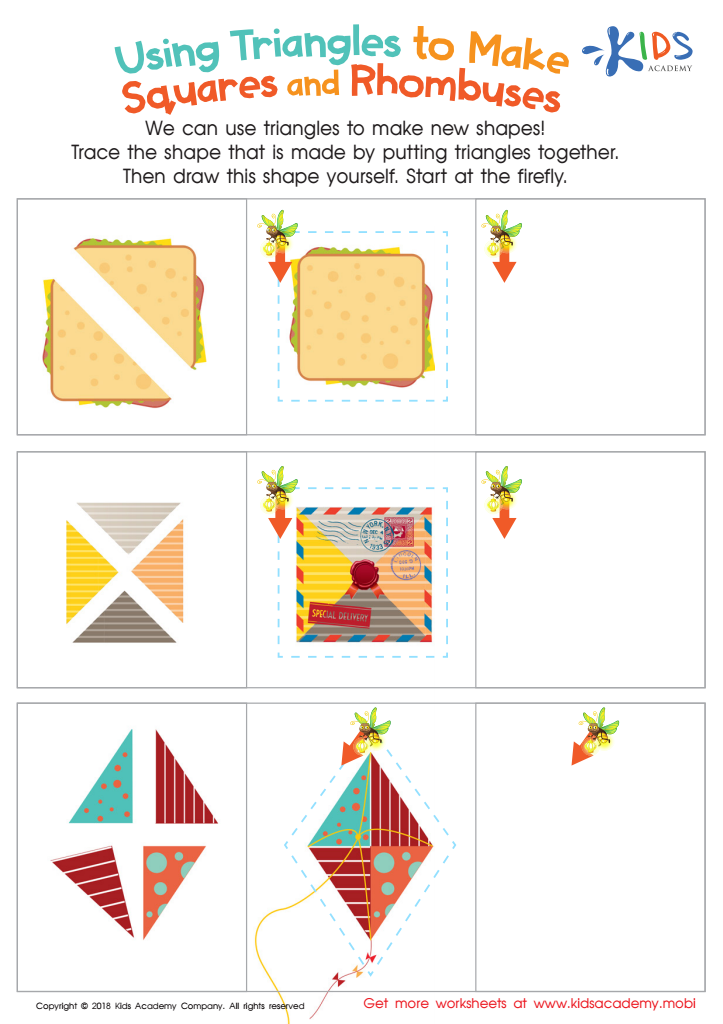
Using Triangles to Make Squares and Rhombuses Worksheet
 Assign to My Students



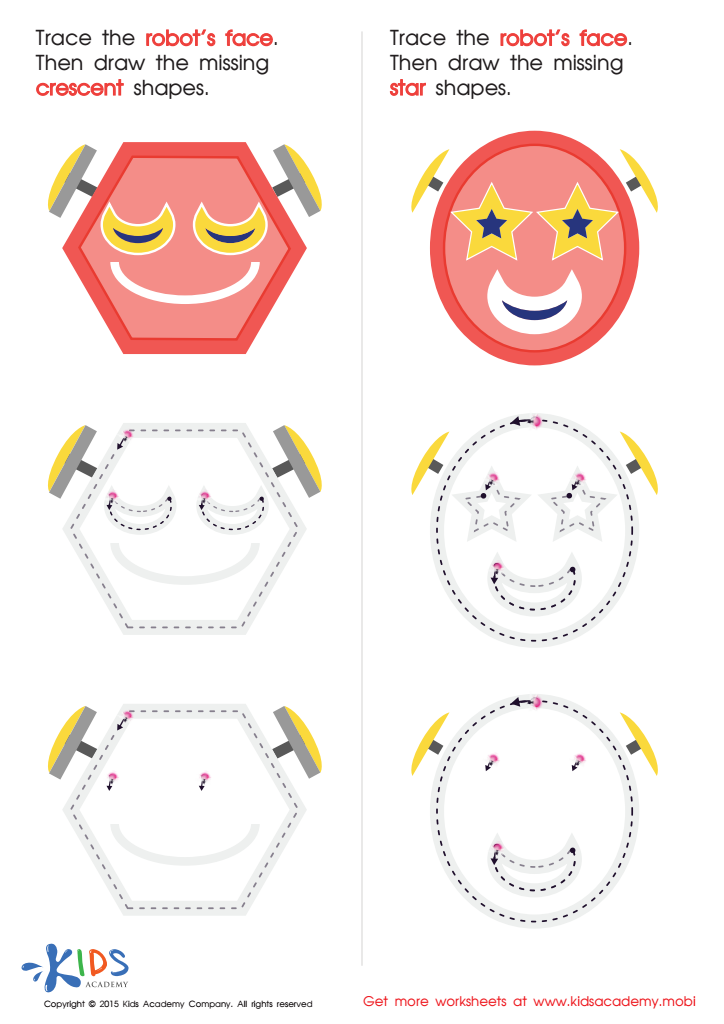
Composing a Robot's Face of Crescents And Stars Worksheet
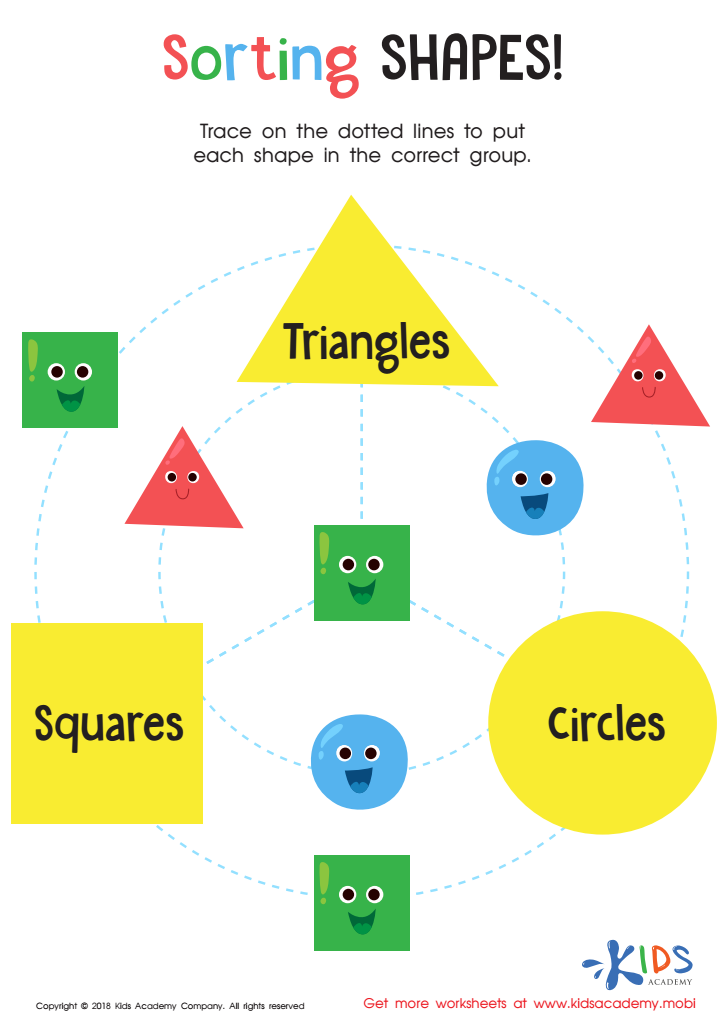
Sorting Shapes - Part 3 Worksheet
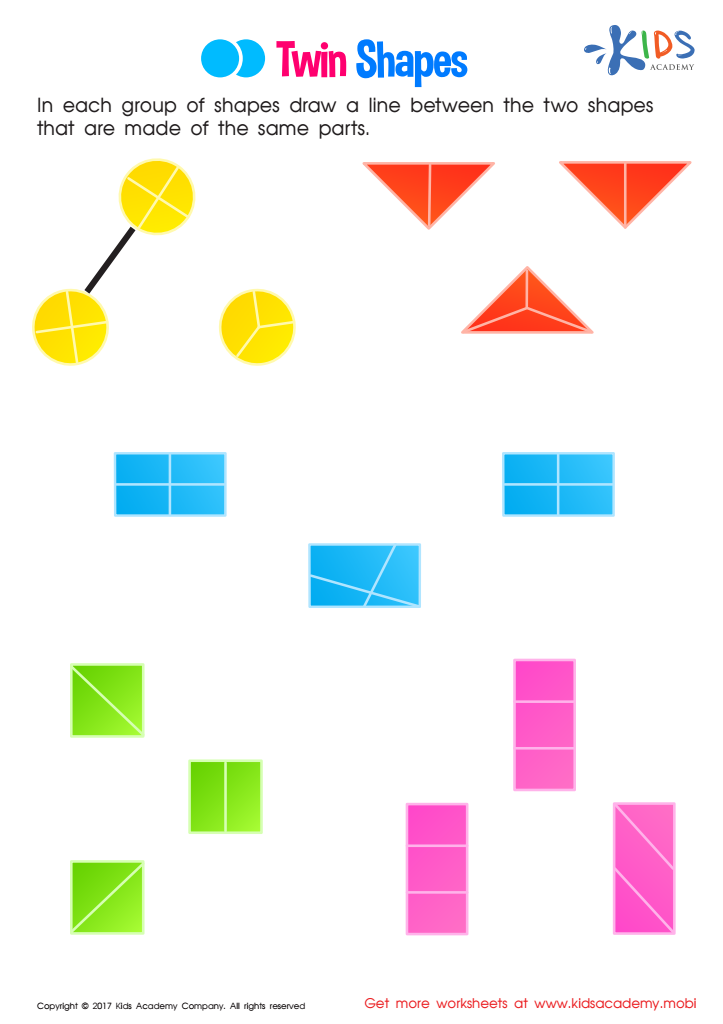
Twin Shapes Worksheet
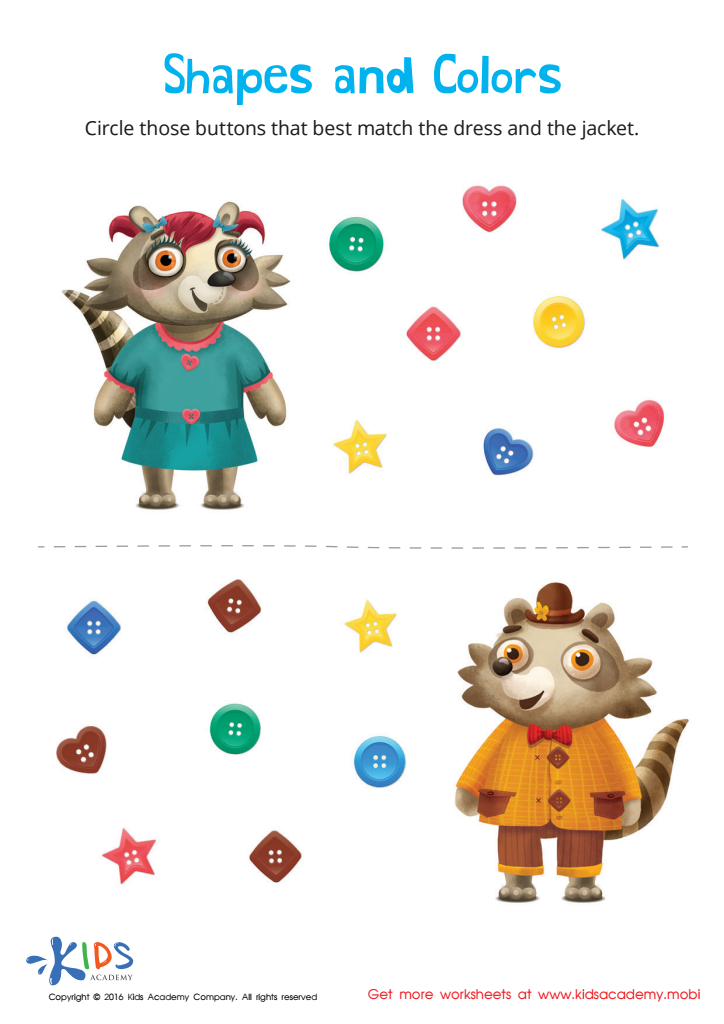
Matching: Shapes and Colors Worksheet
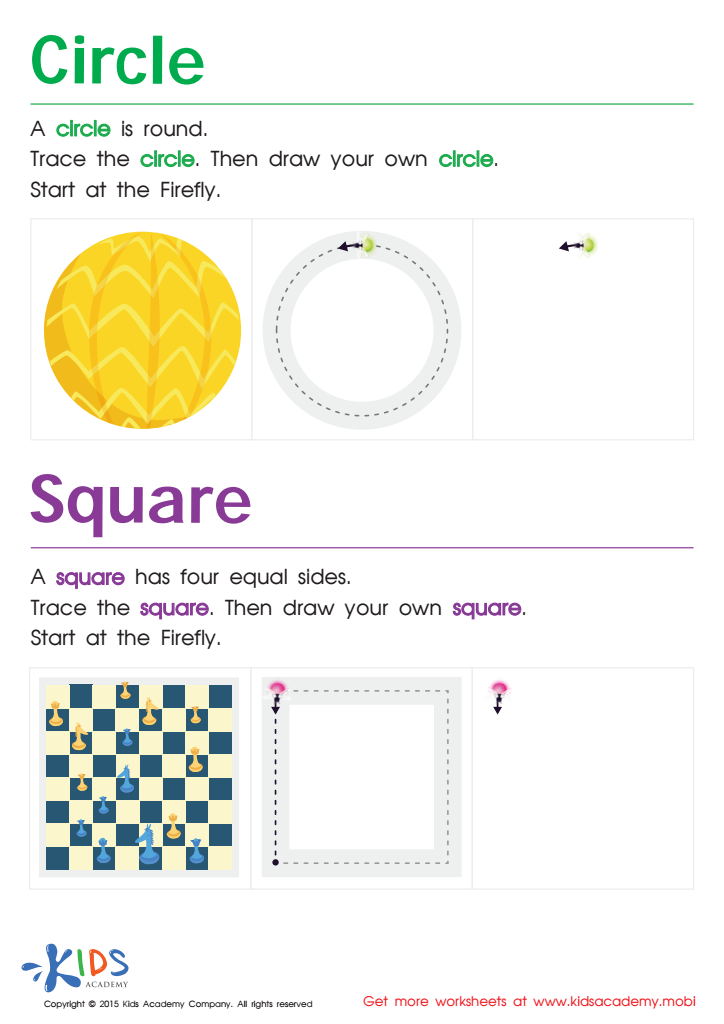
Trace And Draw a Circle And a Square Worksheet
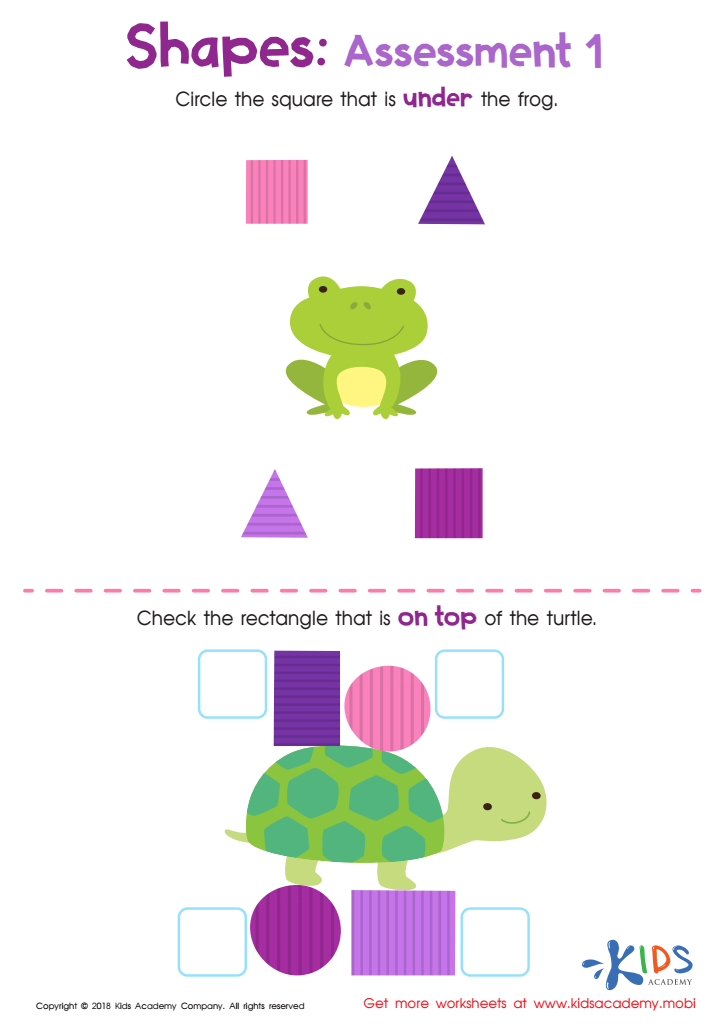
Geometry – Assessment 1 Worksheet
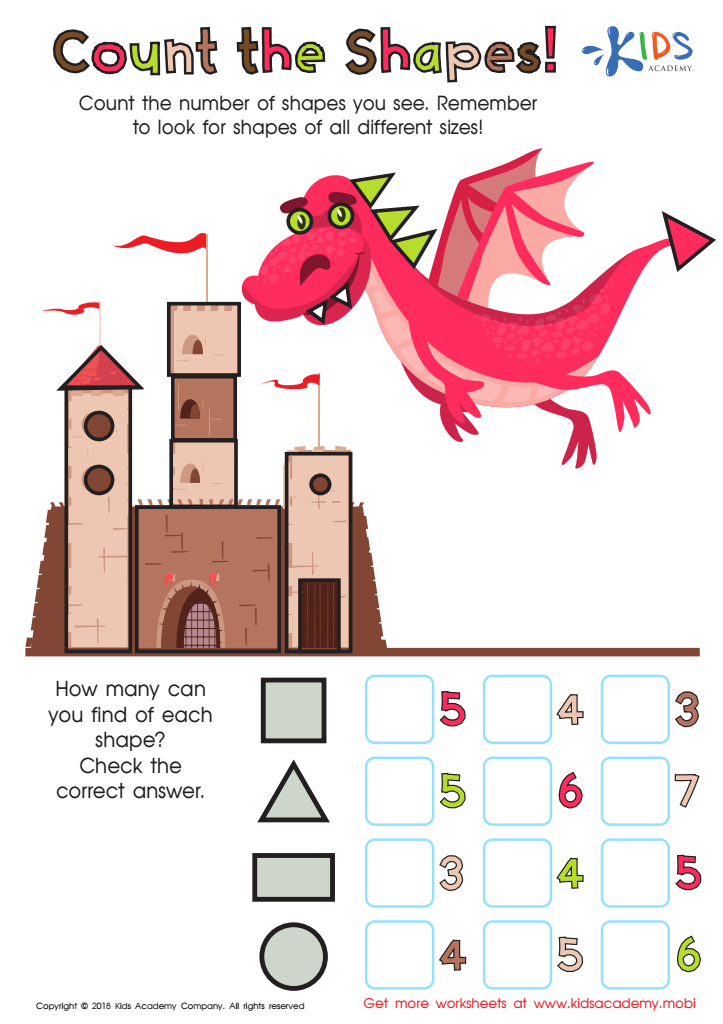
Count the Shapes Worksheet
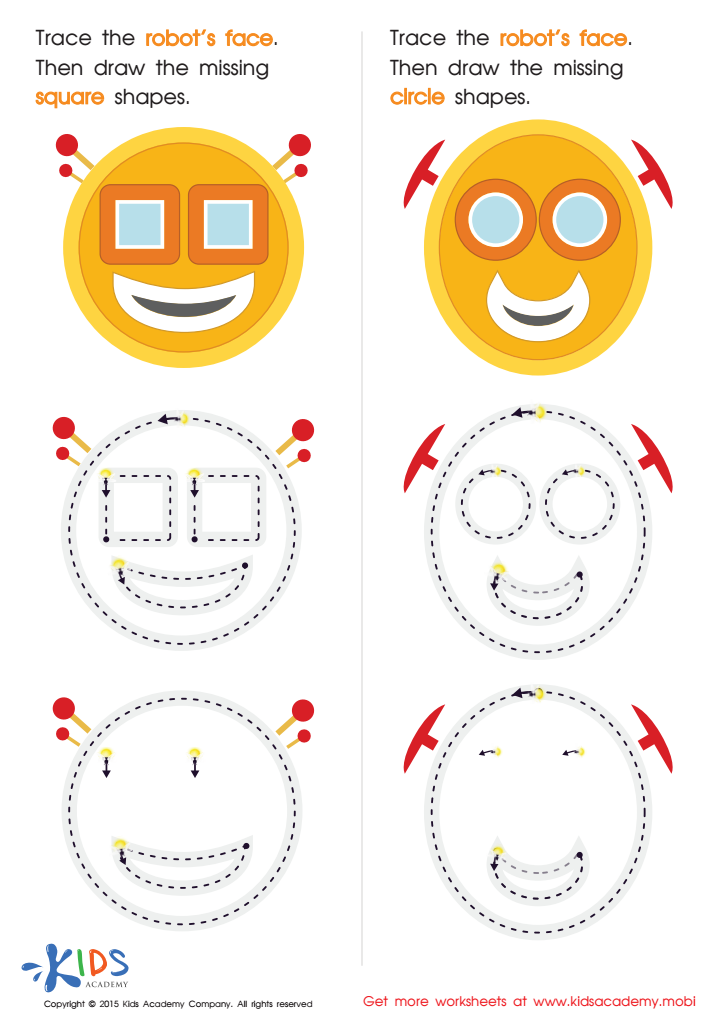
Practicing to Draw Circles And Squares Printable
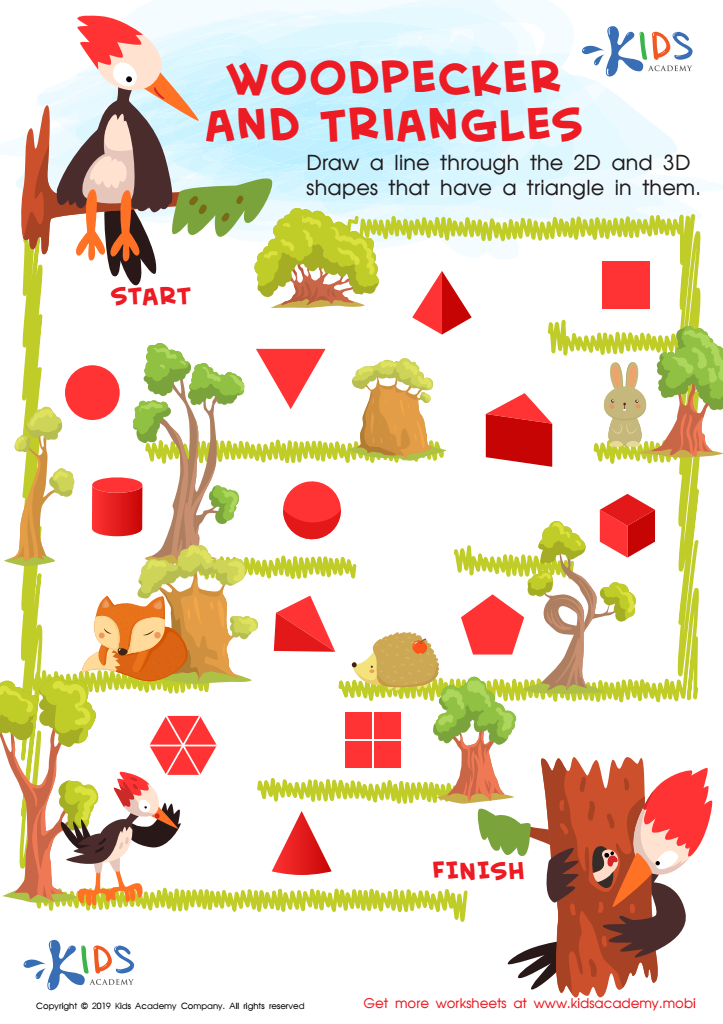
Woodpecker and Triangles Worksheet
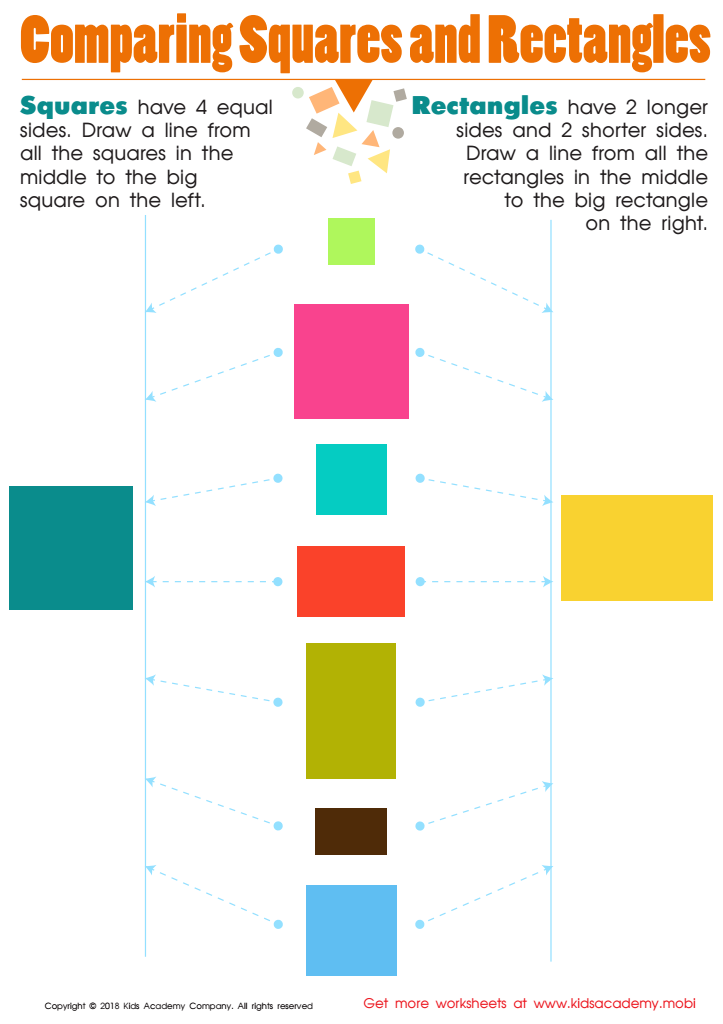
Comparing Squares Rectangles Worksheet
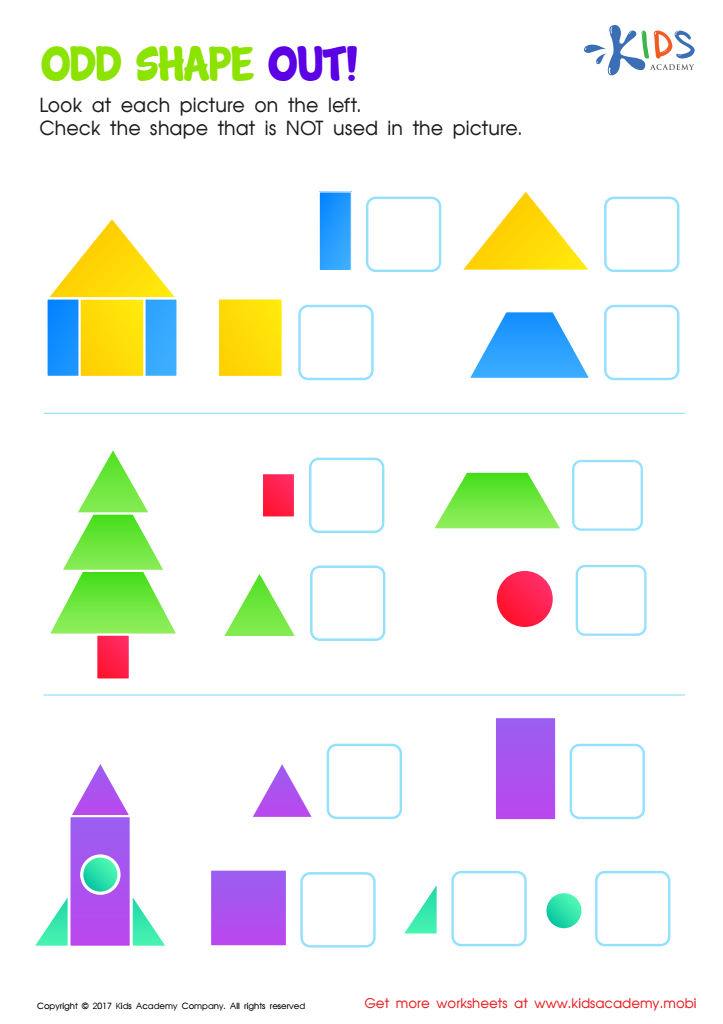
Odd Shape Out Worksheet for Grade 1
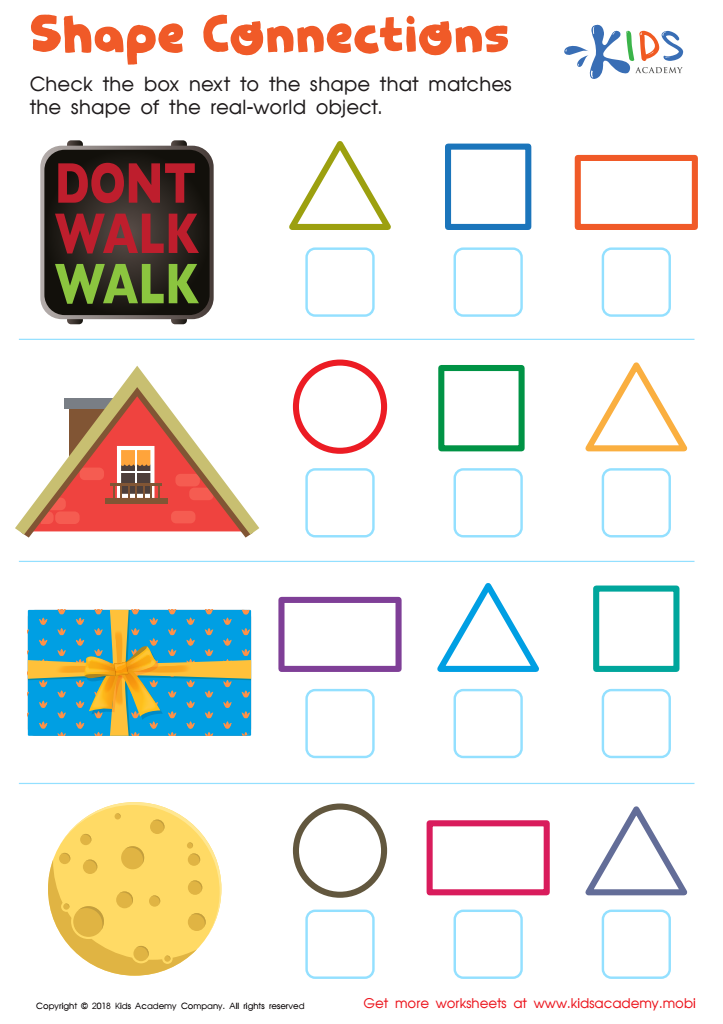
Shape Connections Worksheet
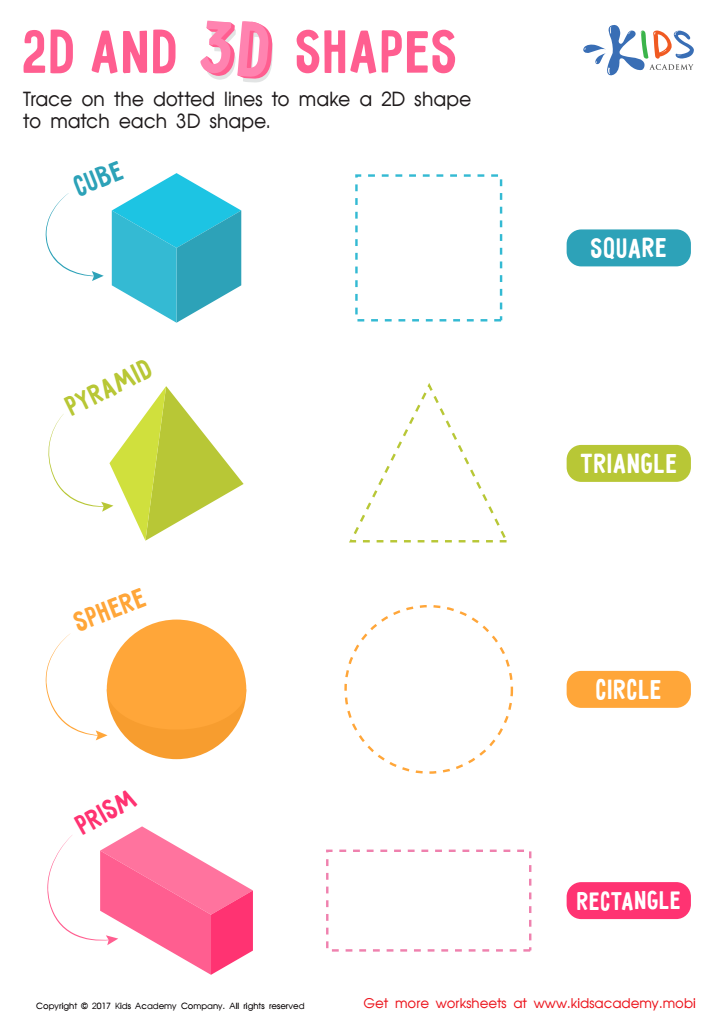
2D and 3D Shapes Worksheet
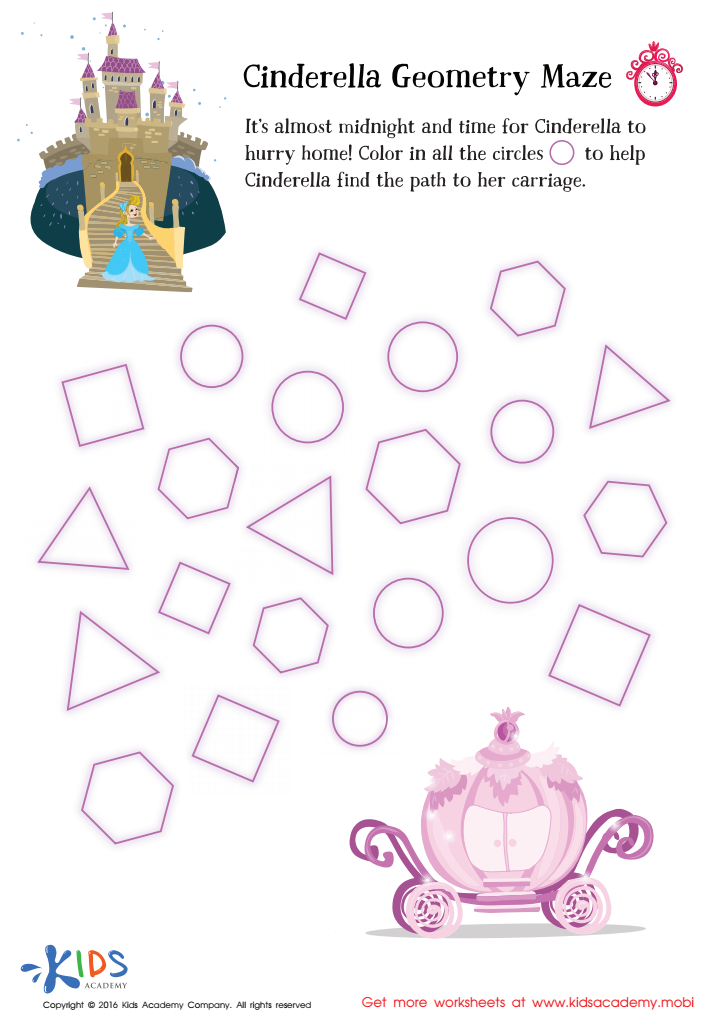
Cinderella Geometry Maze Worksheet
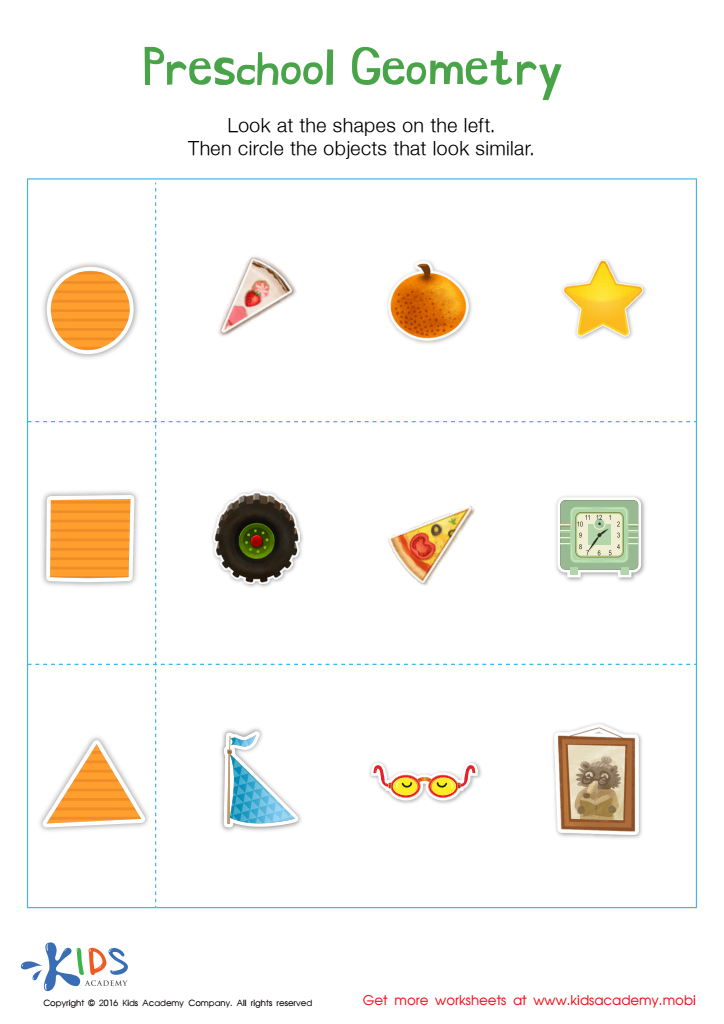
Preschool Geometry Match Up Worksheet
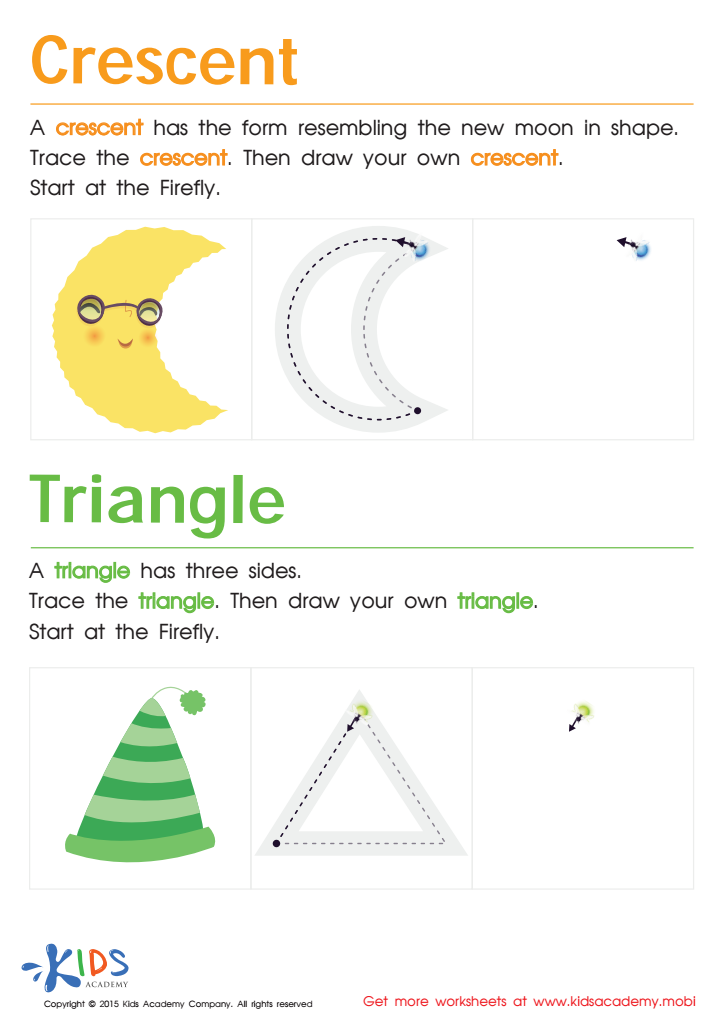
Learning to Draw Crescents And Triangles Worksheet
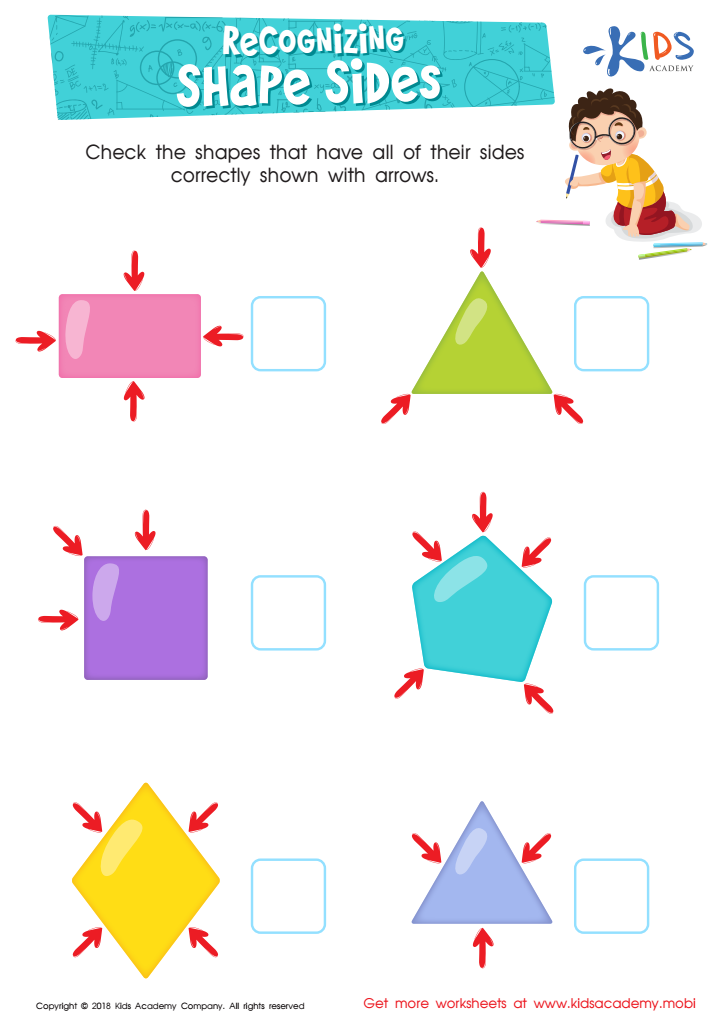
Recognizing Shape Sides Worksheet
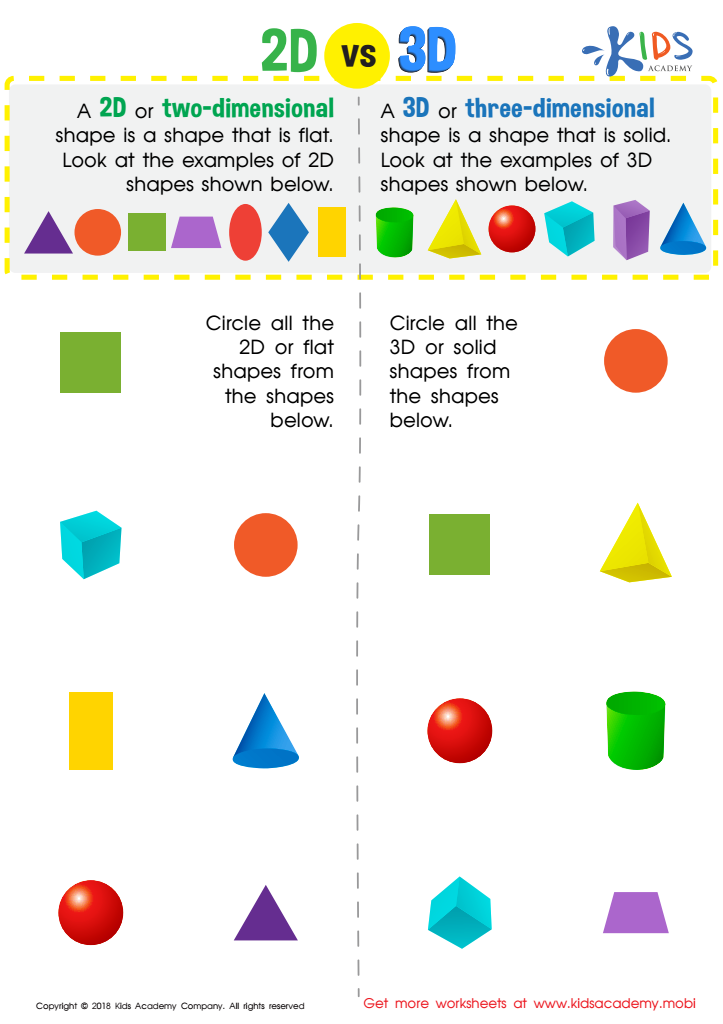
2D vs 3D Shapes Worksheet
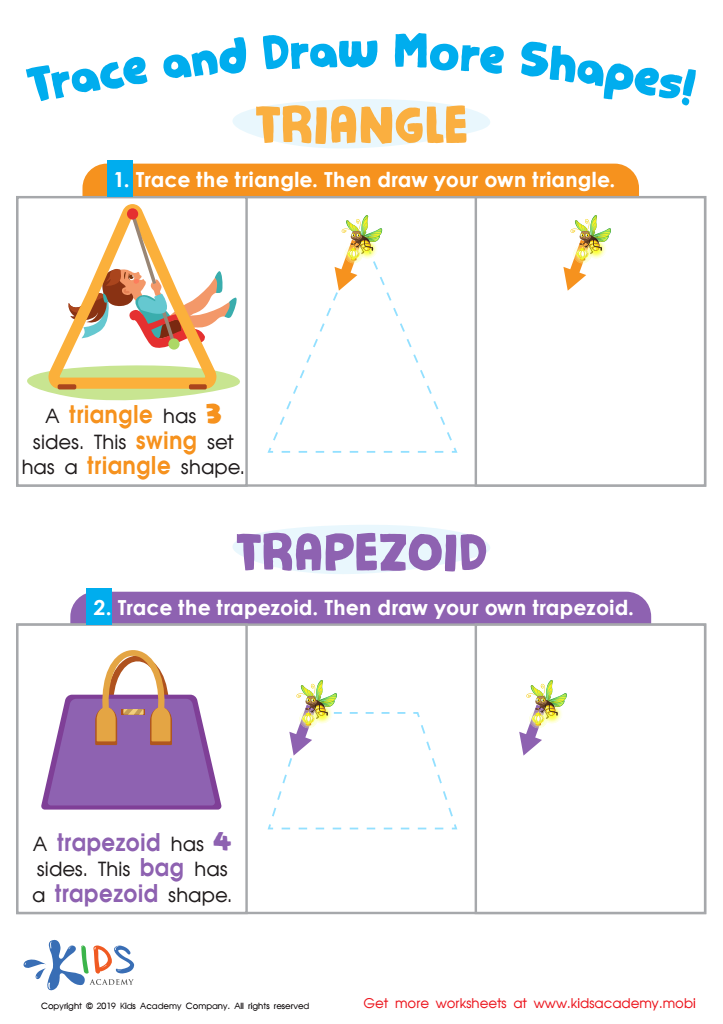
Trace and Draw More Shapes Worksheet
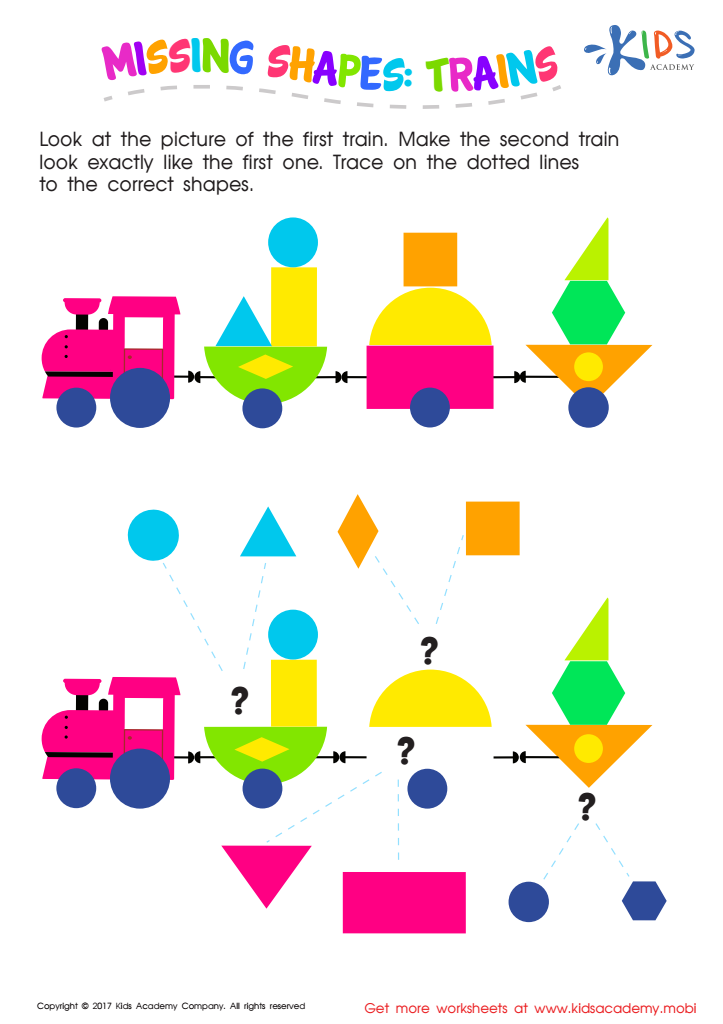
Missing Shapes: Trains Worksheet
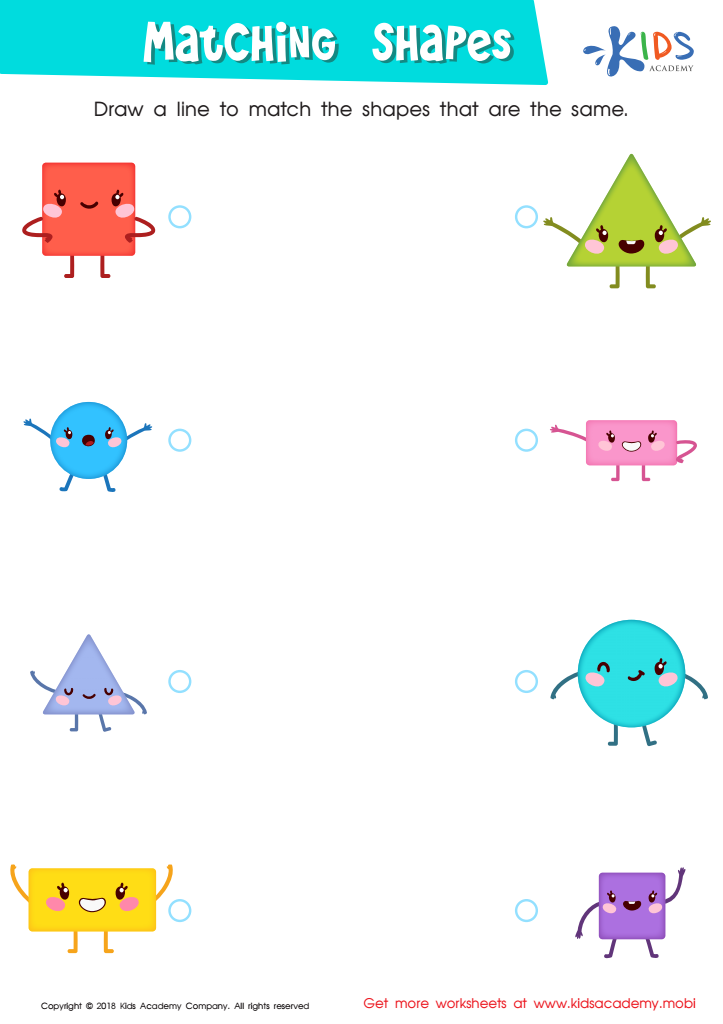
Matching Shapes Worksheet
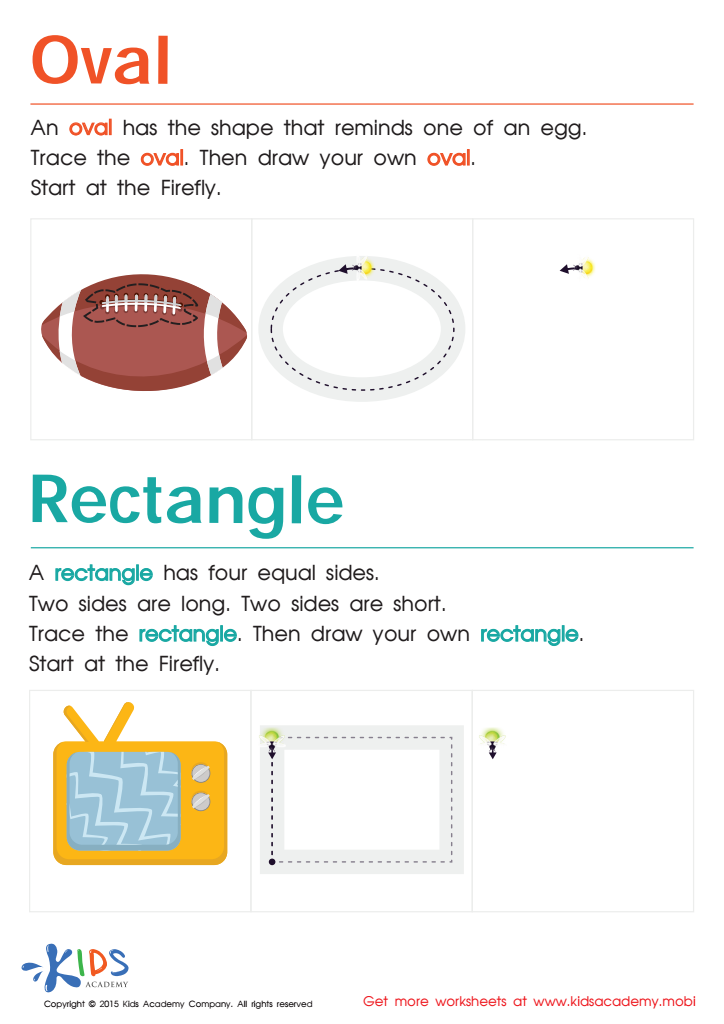
Easy Drawing of Ovals And Rectangles Worksheet
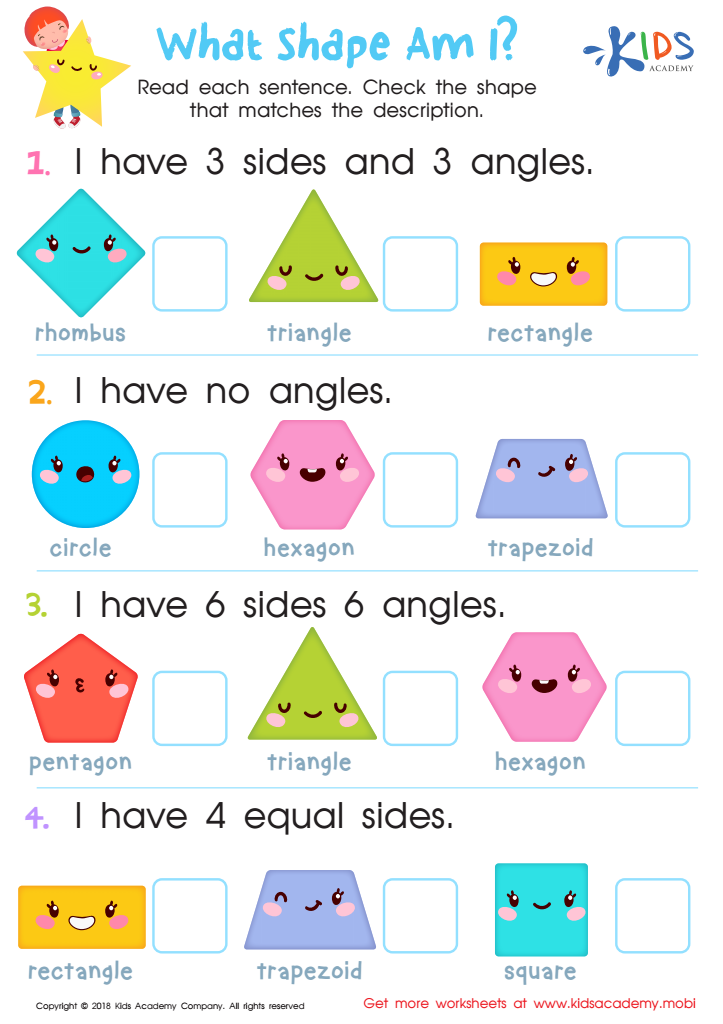
What Shape Am I? Worksheet








Shape recognition is a critical foundational skill for 6-year-olds that supports their cognitive, mathematical, and spatial development. Parents and teachers should prioritize this learning because it serves as the building block for more advanced math concepts, such as geometry and measurement. Understanding 2D shapes—like squares, circles, triangles, and rectangles—encourages critical thinking and problem-solving abilities as children learn to identify, categorize, and compare shapes based on their attributes.
Moreover, shape recognition helps children develop their vocabulary and communication skills, as they learn to describe shapes and articulate their features. This skill also enhances fine motor development as children engage in activities like drawing, cutting, and constructing shapes.
Additionally, strong shape recognition skills contribute to better spatial awareness, which is essential for everyday tasks, such as navigating spaces and interpreting maps. By integrating shape recognition into play and daily activities, parents and teachers can foster a love of learning while reinforcing key concepts that will serve children well in their academic journey. Encouraging exploration through games and hands-on activities makes learning shapes engaging and enjoyable, illustrating the importance of this skill in educational development and everyday life.