Measurement Worksheets for Ages 7-9 - Page 2
81 filtered results
-
From - To
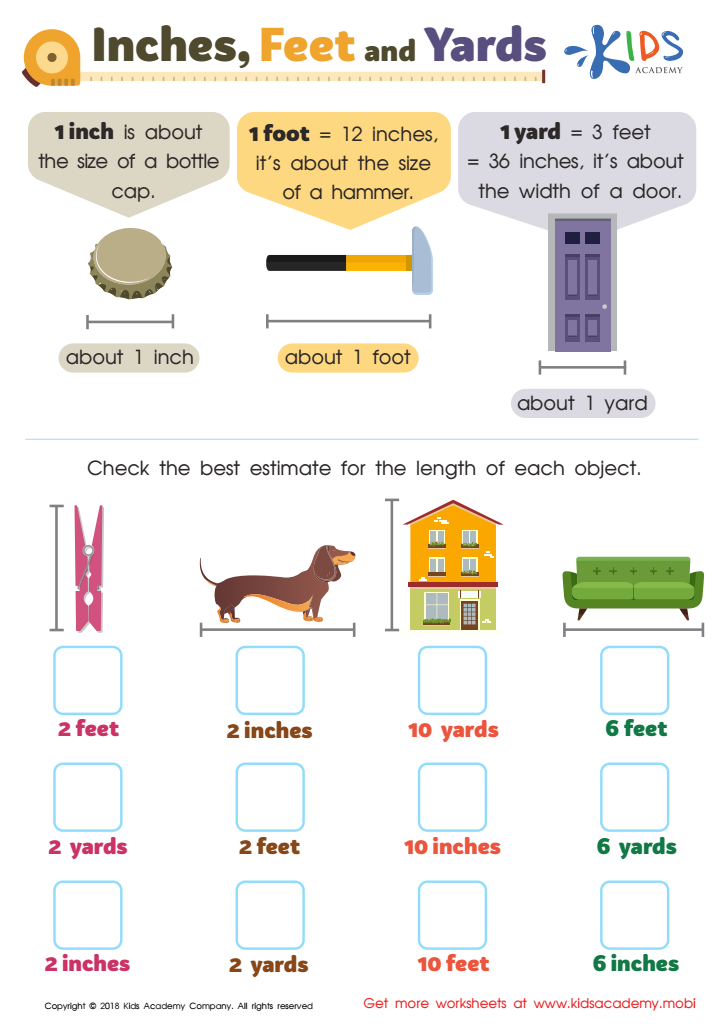
Inches, Feet and Yards Worksheet
 Assign to My Students
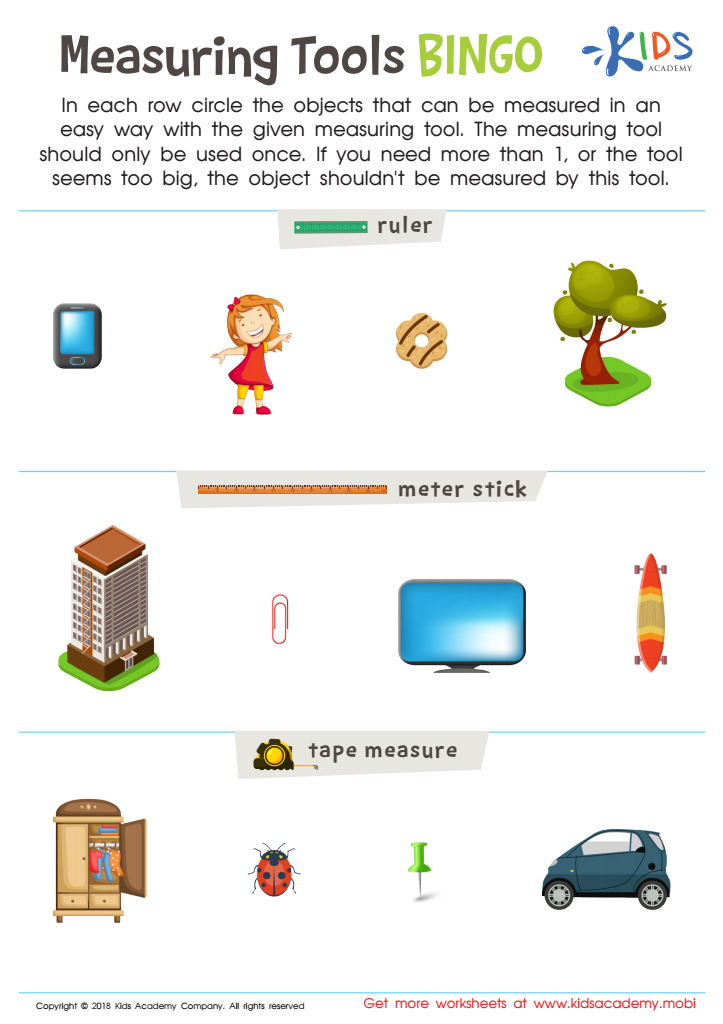
Measuring Tools Bingo Worksheet
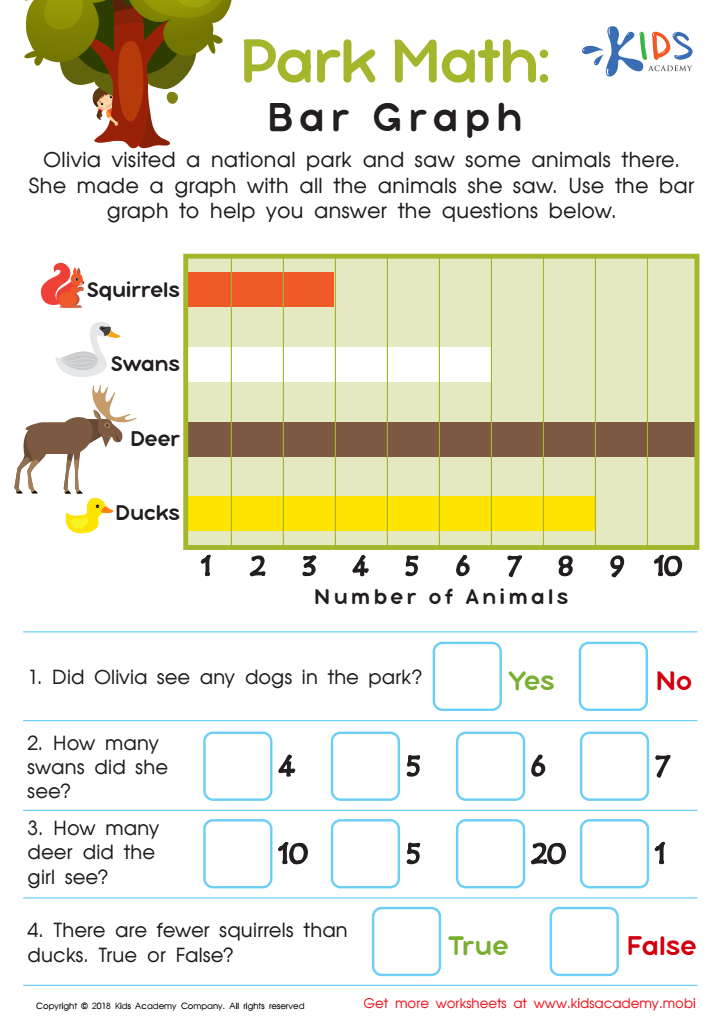
Park Math: Bar Graph Worksheet
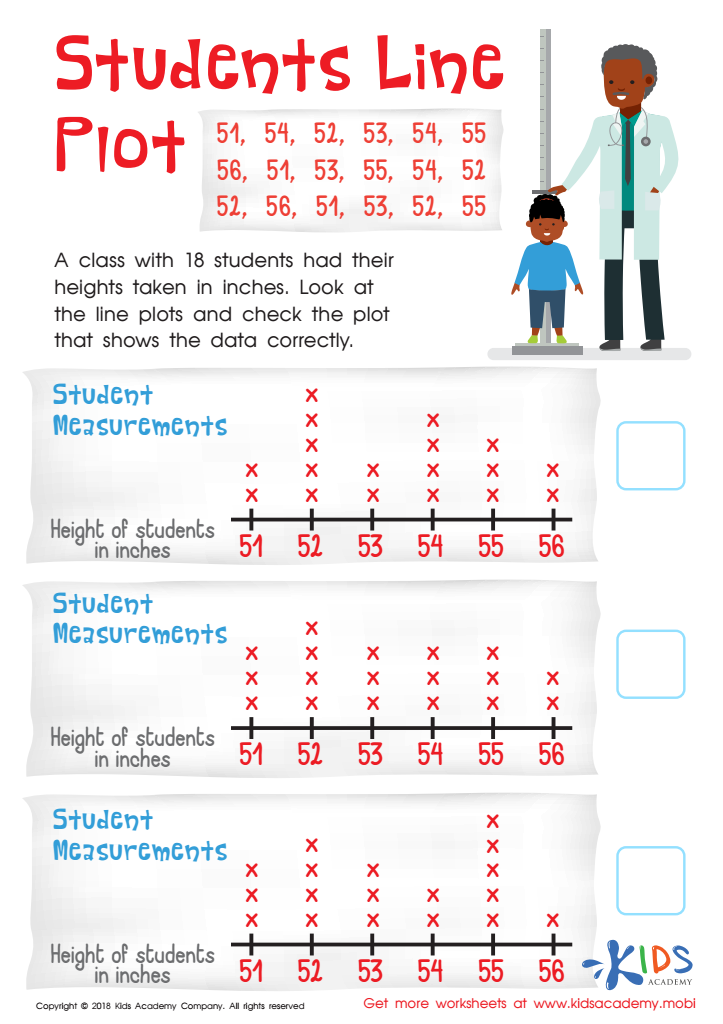
Students Line Plot Worksheet
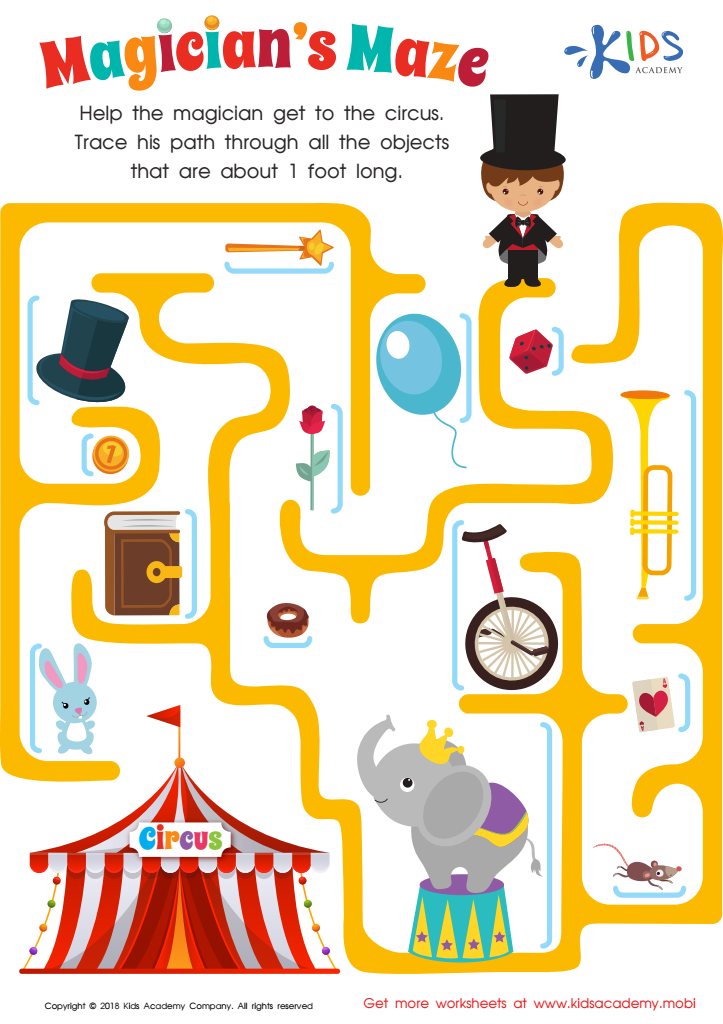
Estimating Length: Magician's Maze Worksheet
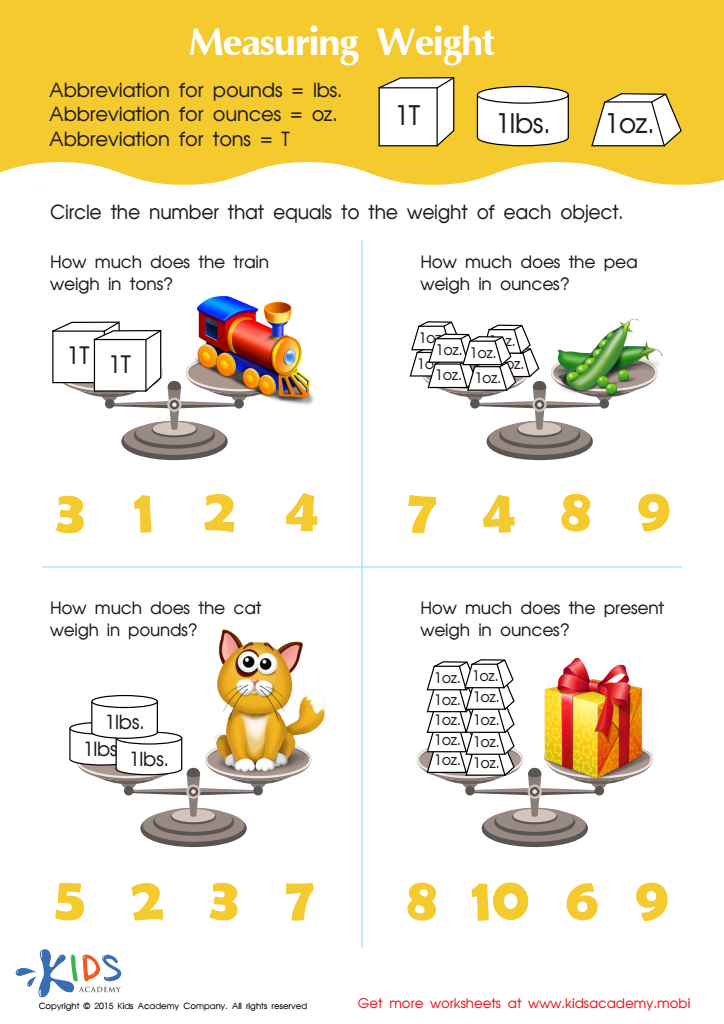
Measuring Weight in Ounces, Pounds and Tons Worksheet
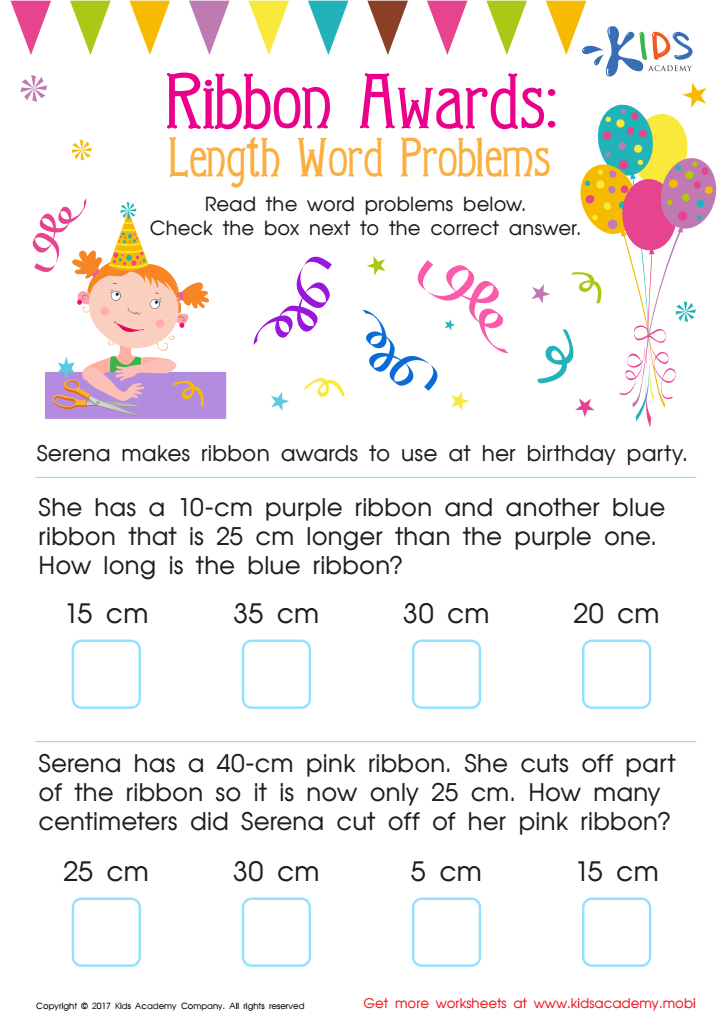
Length Word Problems Worksheet
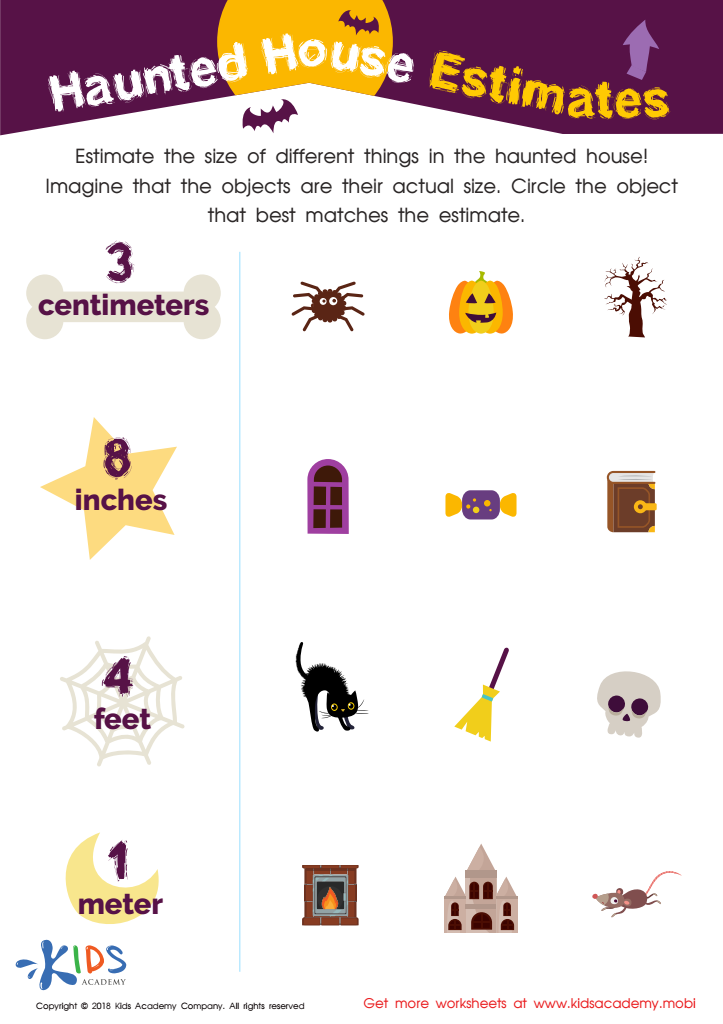
Haunted House Estimates Worksheet
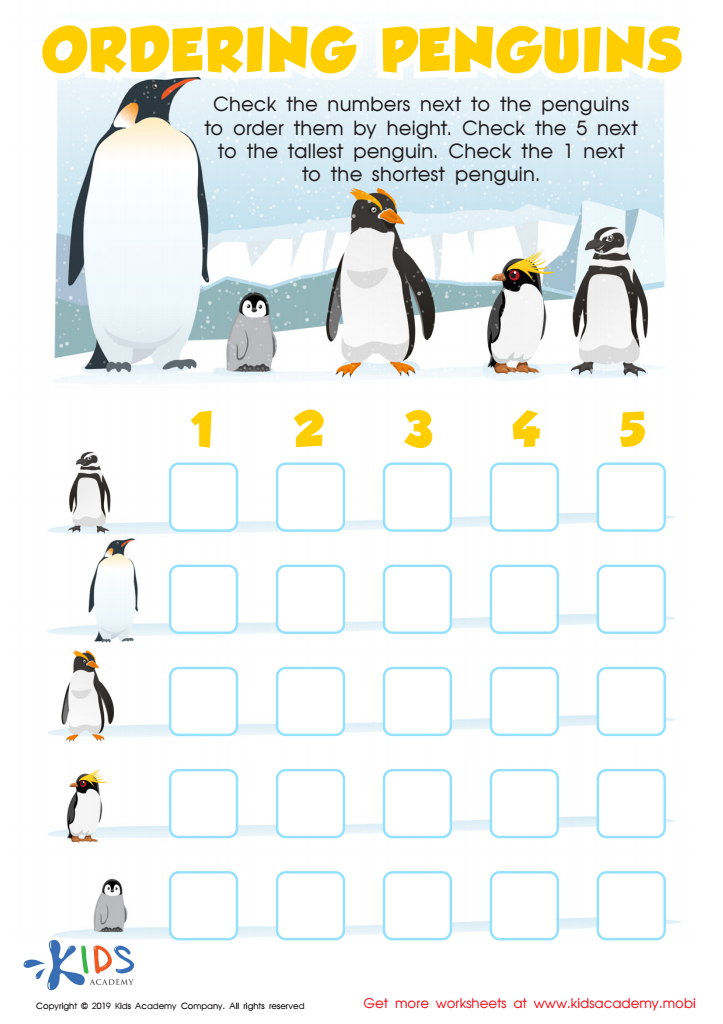
Ordering Penguins Worksheet
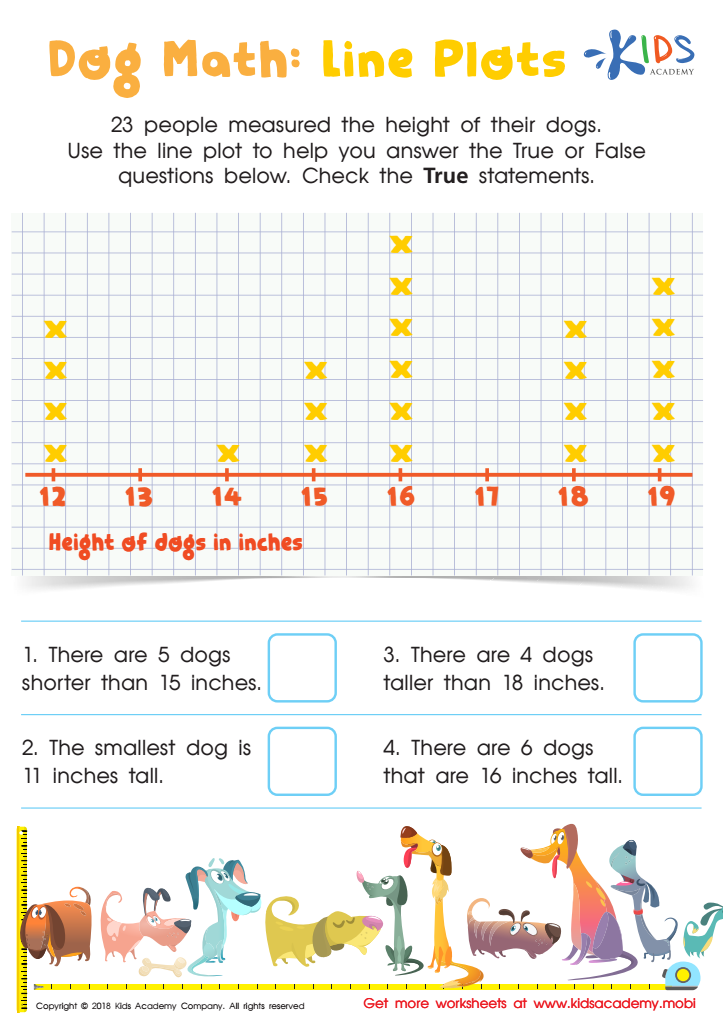
Dog Math: Line Plots Worksheet
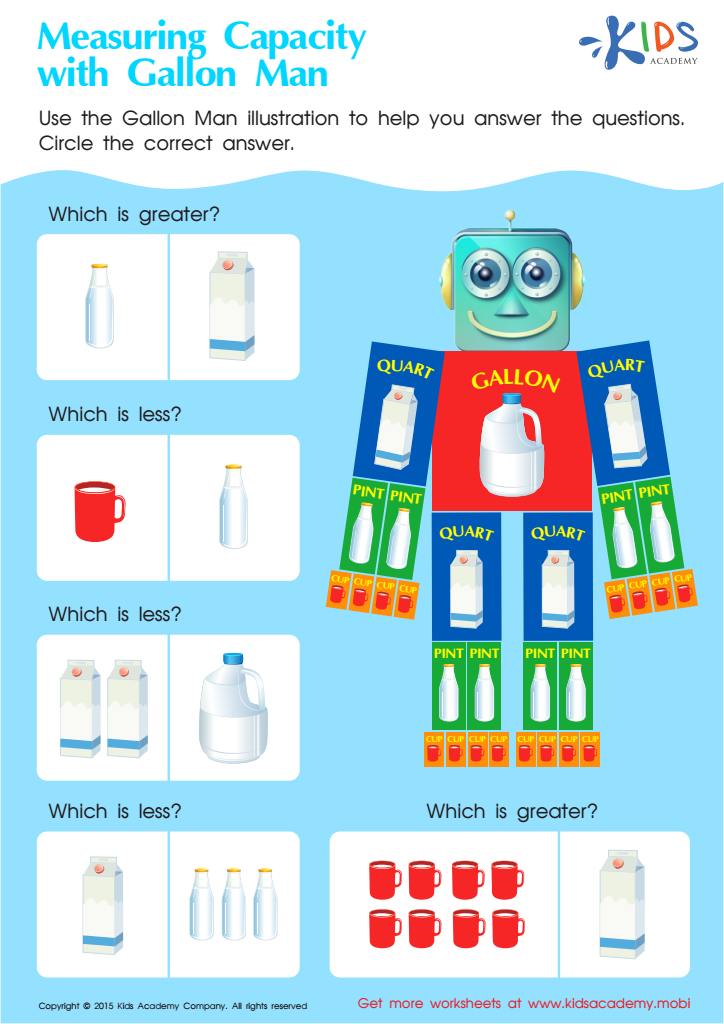
Measurement: Measuring Capacity with Gallon Man Worksheet
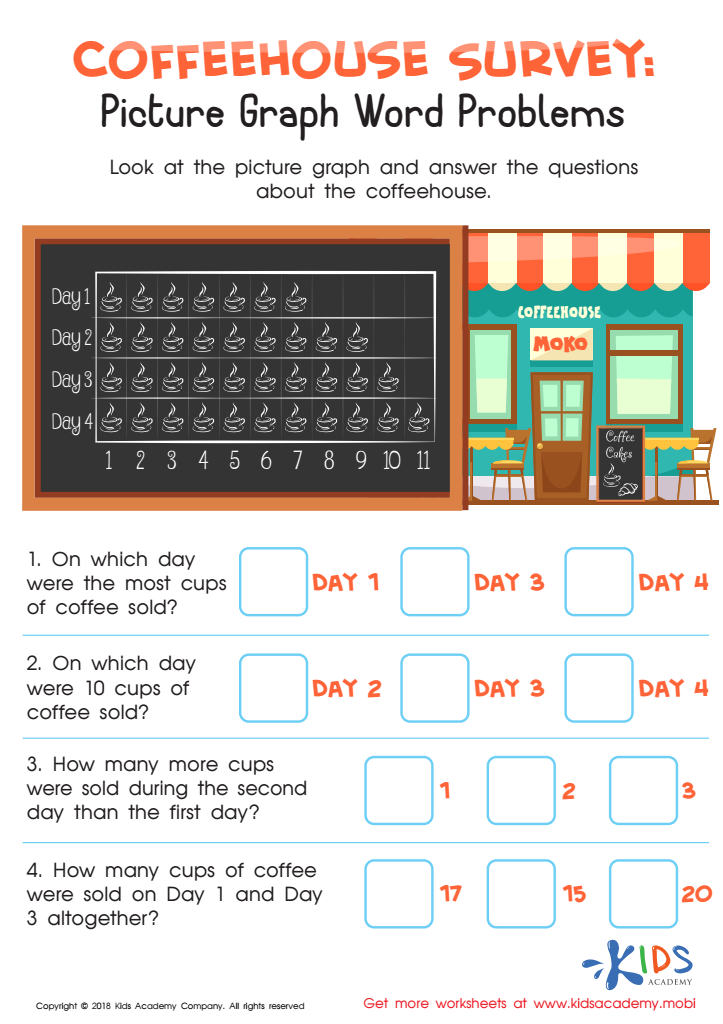
Coffeehouse Survey: Picture Graph Word Problems Worksheet
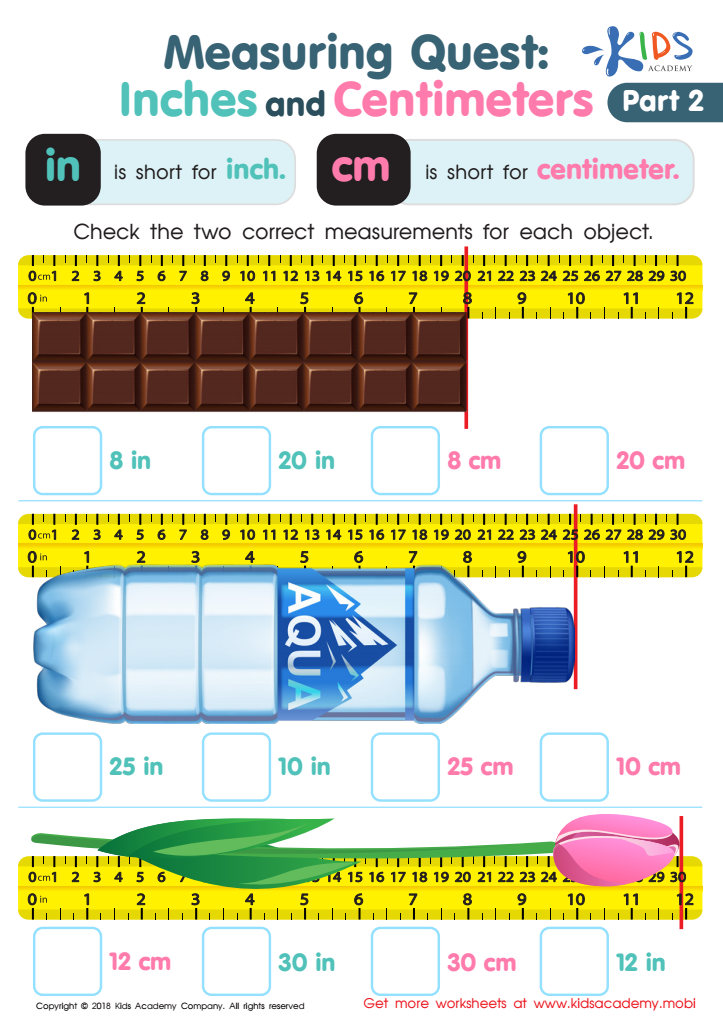
Measuring Quest: Inches and Centimeters - Part 2 Worksheet
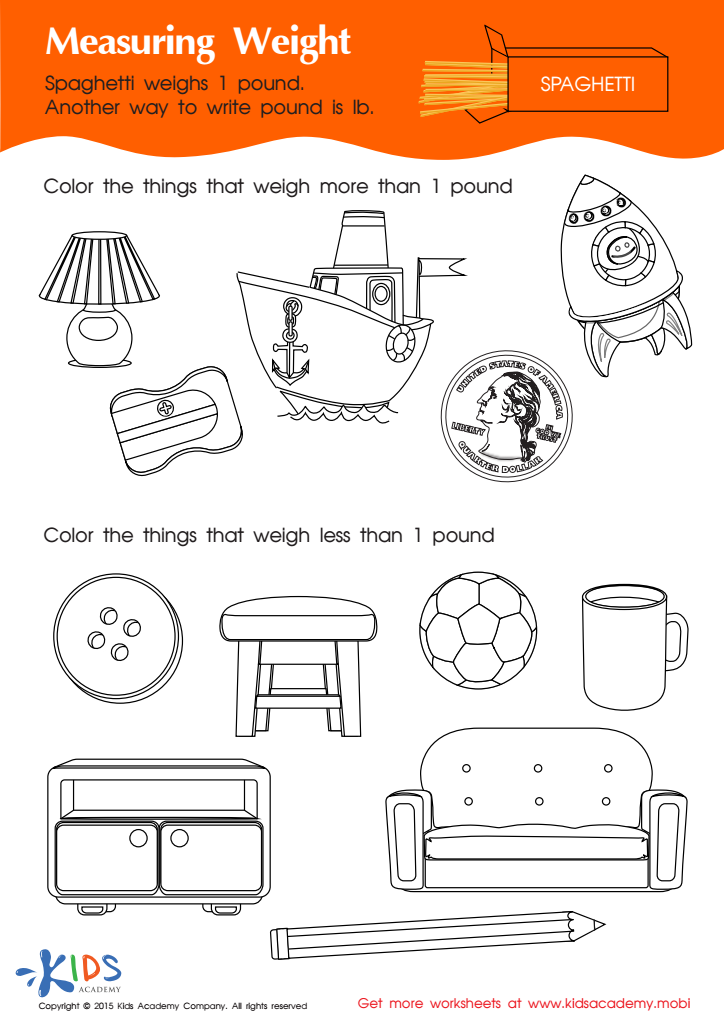
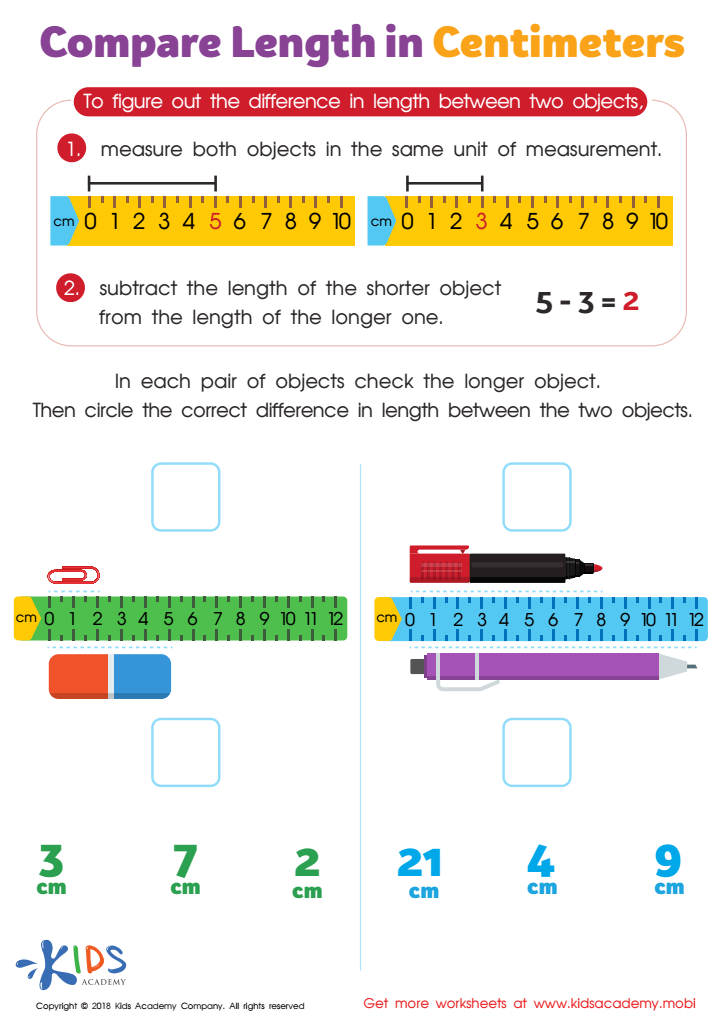
Compare Length in Centimeters Worksheet
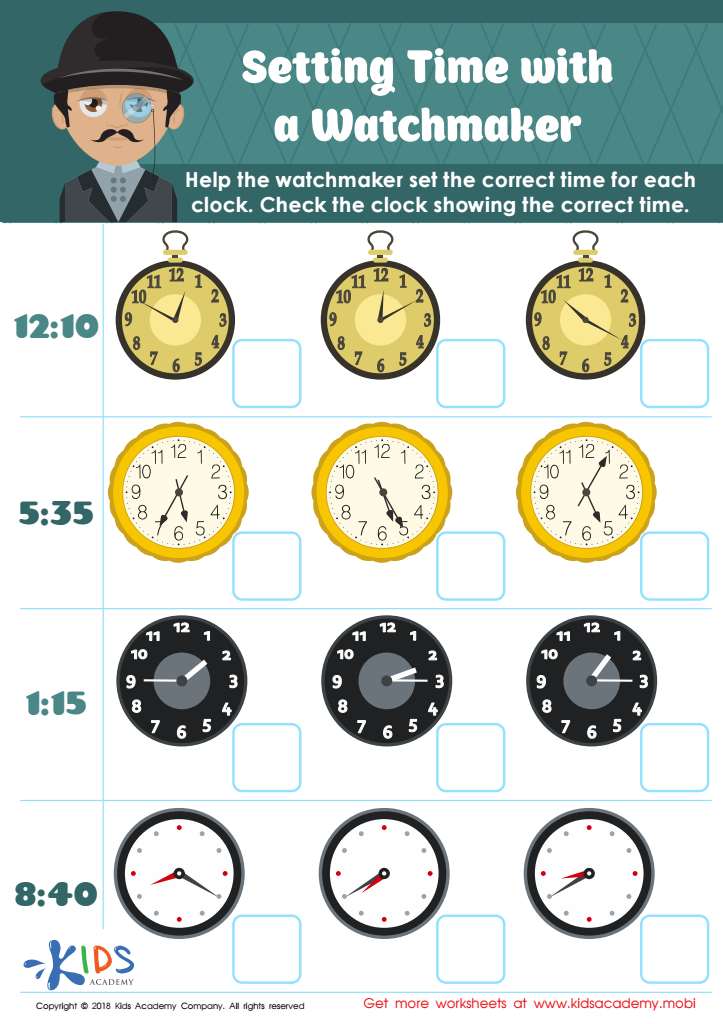
Setting Time with Watchmaker Worksheet
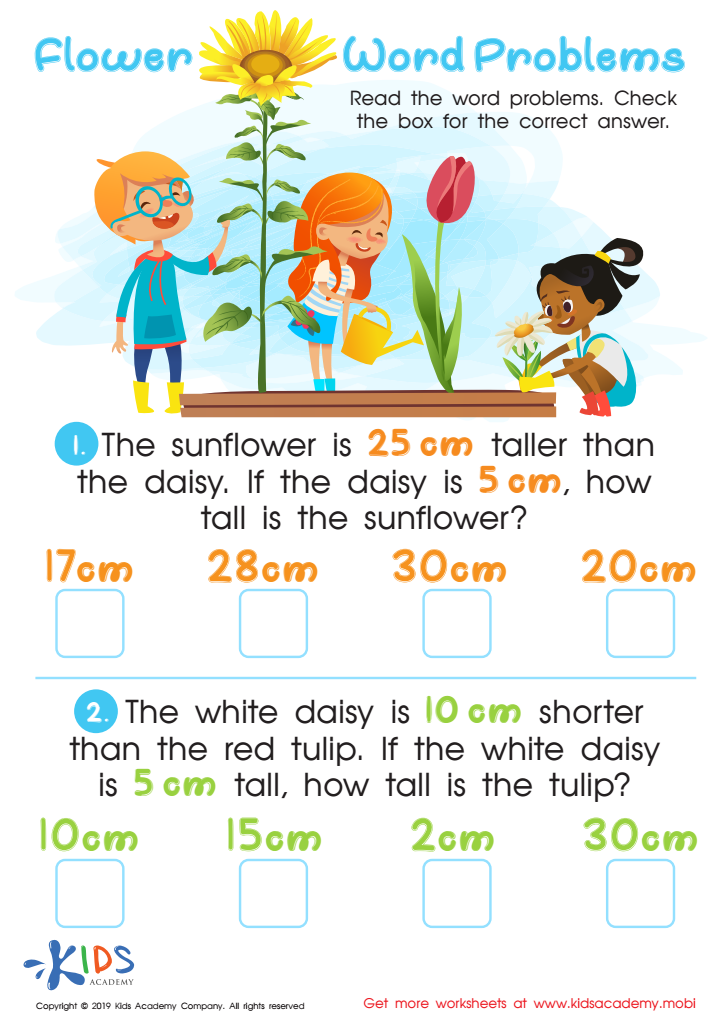
Flower Word Problems Worksheet
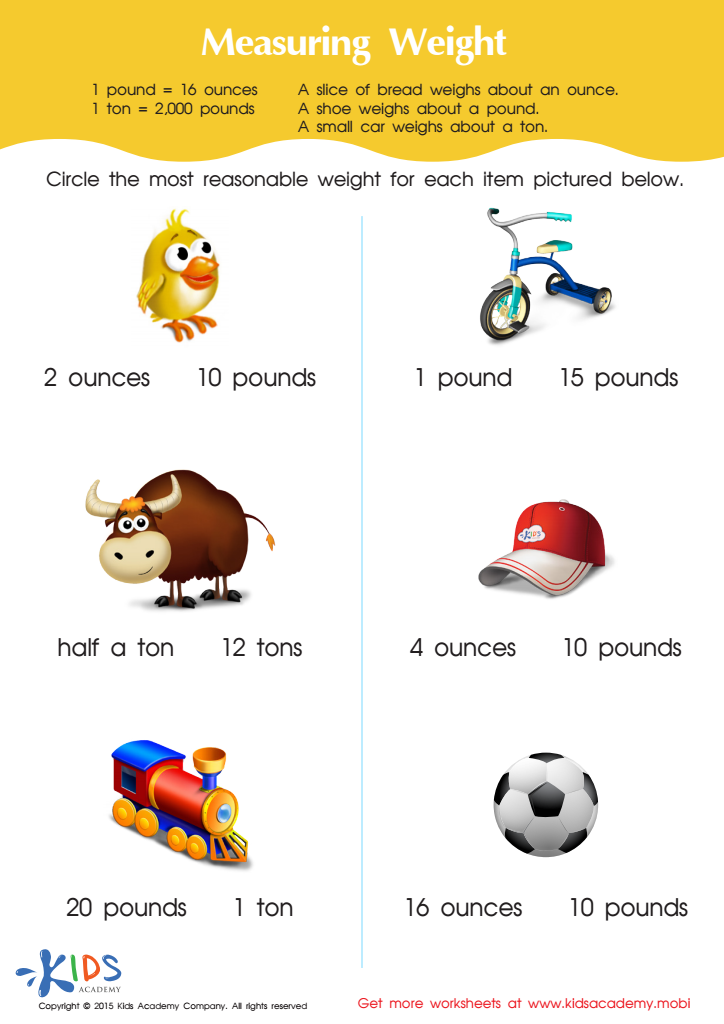
Measuring Weight in Ounces, Pounds and Tons (Part 2) Worksheet
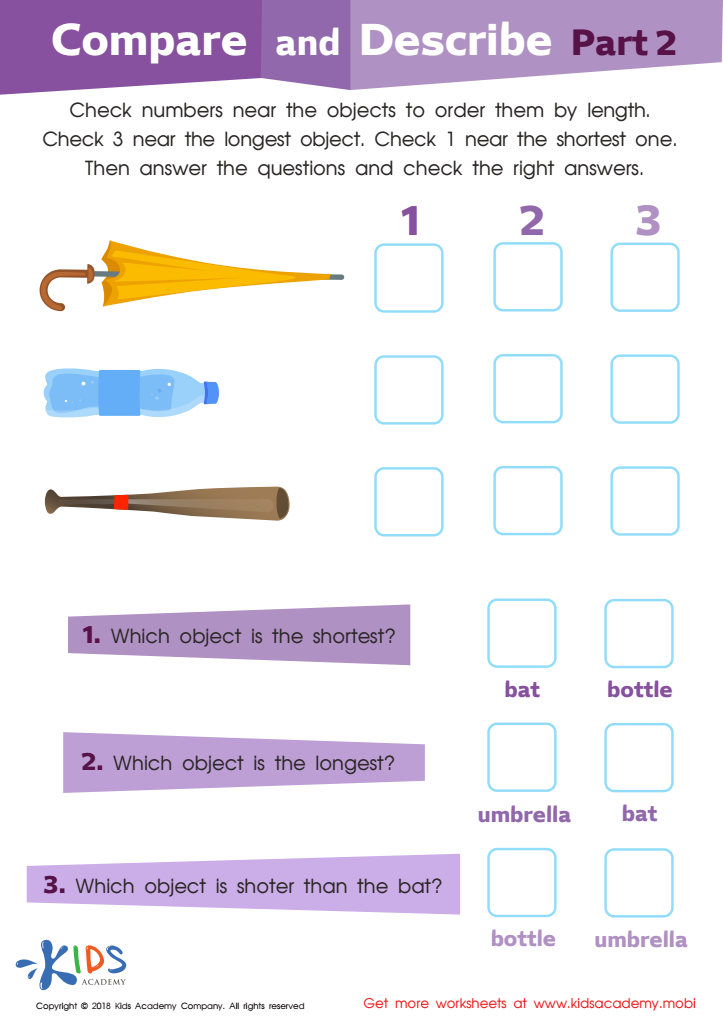
Compare and Describe: Part 2 Worksheet
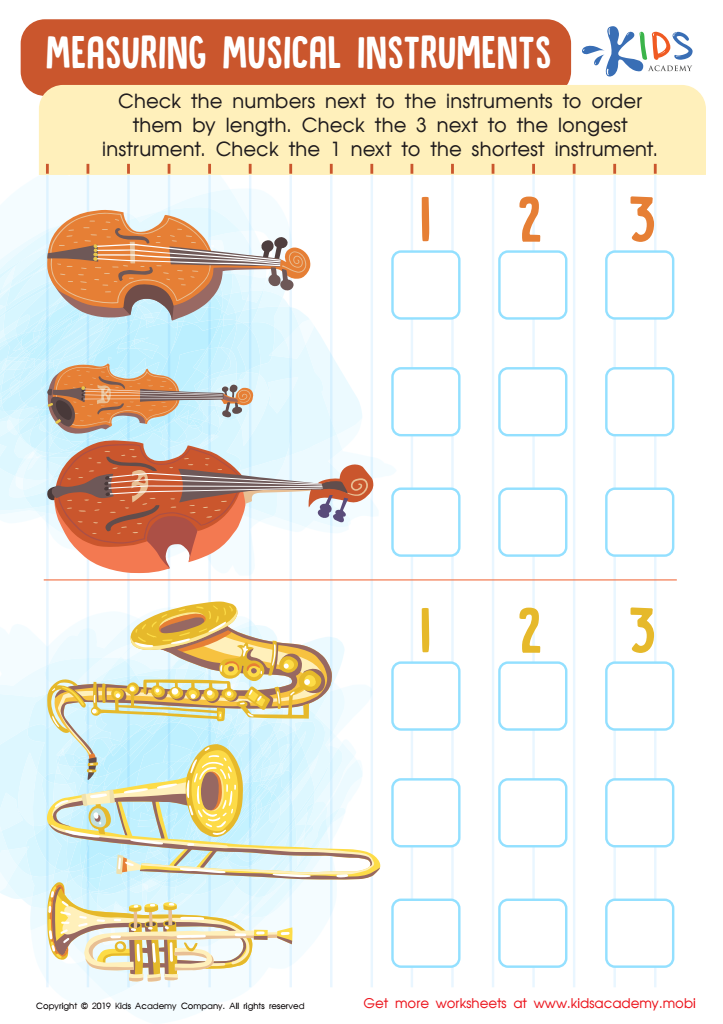
Measuring Musical Instruments Worksheet
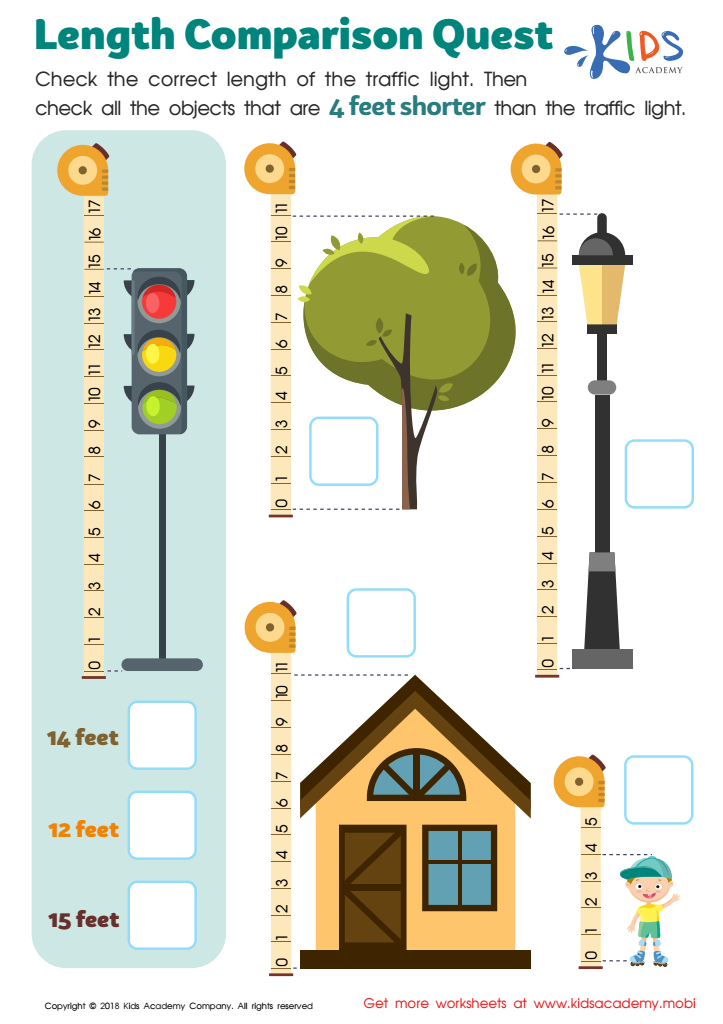
Length Comparison Quest Worksheet
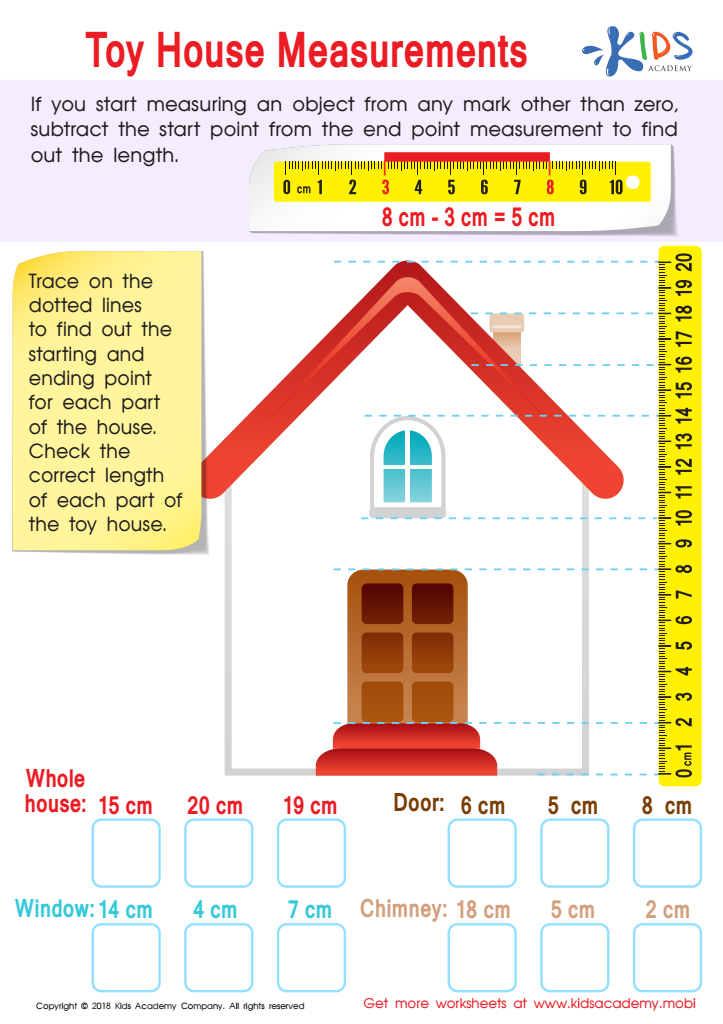
Toy House Measurements Worksheet
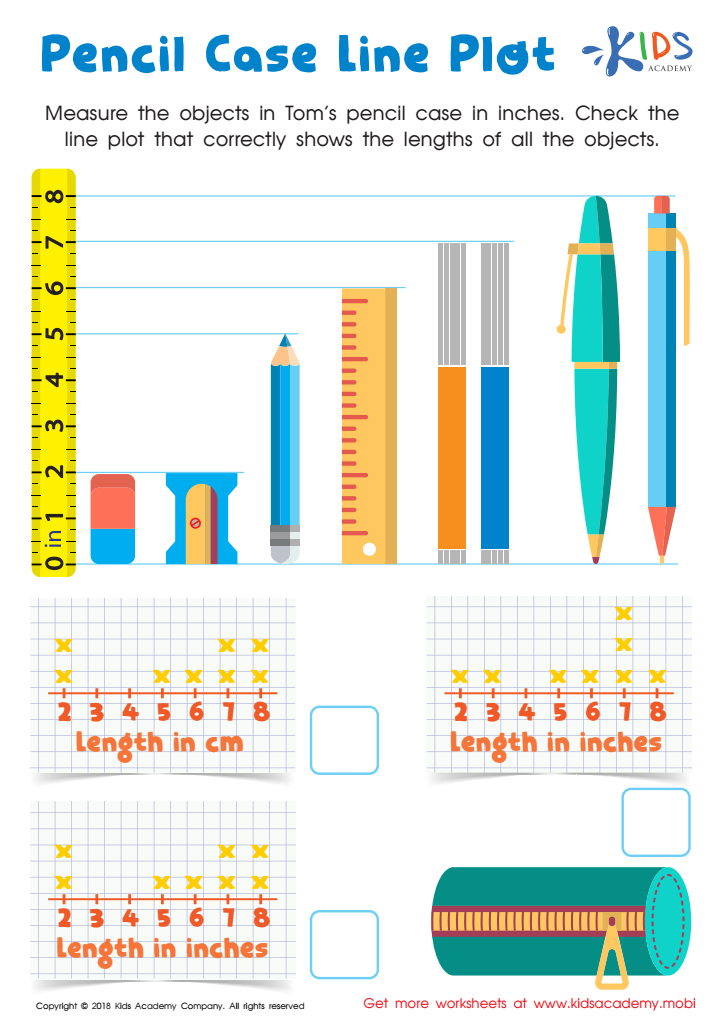
Pencil Case Line Plot Worksheet
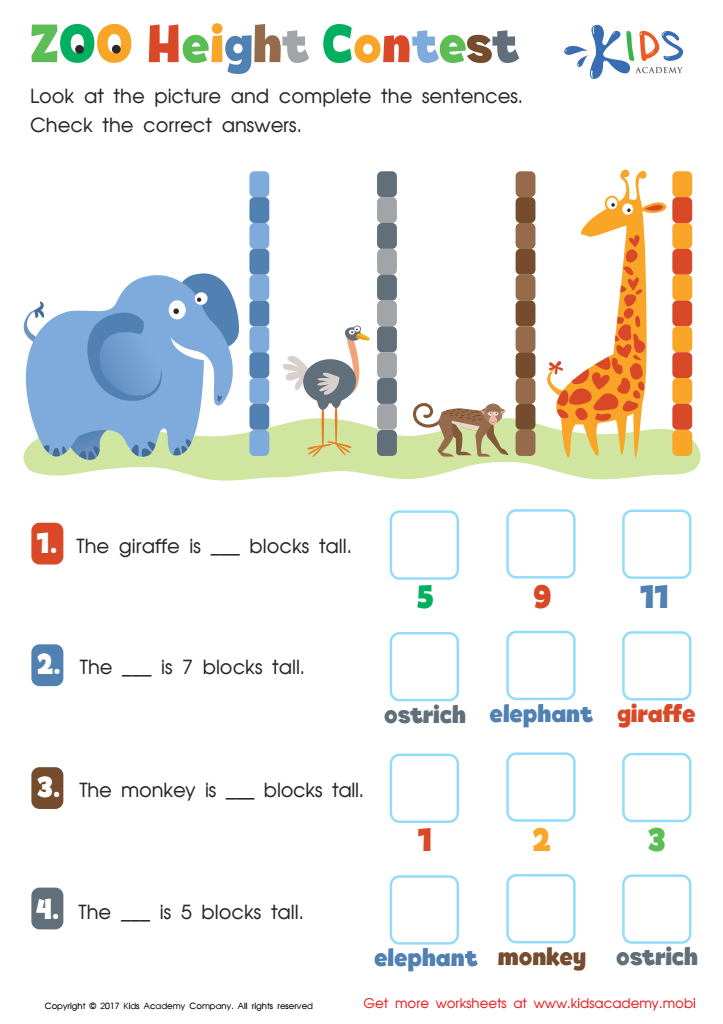
Zoo Height Contest Worksheet








Measurement is a fundamental skill that holds significant importance for children aged 7 to 9, and both parents and teachers should prioritize its understanding. During this developmental stage, children enhance their cognitive abilities, and measurement serves as a practical application of mathematical concepts they encounter in everyday life. Learning about length, weight, volume, and time equips children with essential skills for problem-solving and critical thinking.
Parents and teachers can foster a deep appreciation for measurement by creating real-life experiences. For instance, cooking together allows children to practice measuring ingredients, reinforcing concepts of volume and weight. Outdoor activities, such as measuring distances or observing clock times, offer dynamic opportunities to apply these skills.
Furthermore, measurement forms the basis for more complex math concepts in the future, including geometry, arithmetic, and data analysis. Early mastery lays the groundwork for academic success.
Additionally, understanding measurement encourages children to explore and make sense of the world around them. It cultivates curiosity, promotes observational skills, and builds confidence in their ability to engage with mathematical tasks. By emphasizing measurement, parents and teachers play a crucial role in nurturing well-rounded, capable learners equipped for future challenges.








