Plants and Animals Worksheets for Ages 7-9 - Page 5
113 filtered results
-
From - To
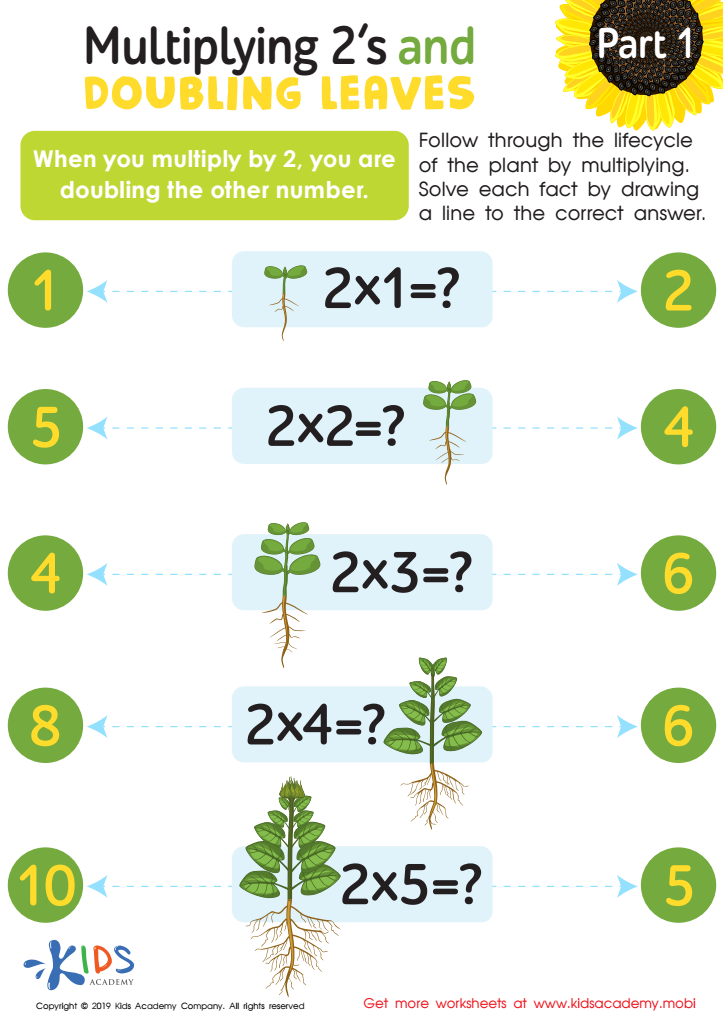
Multiplying 2’s and Doubling Leaves Part 1 Worksheet
 Assign to My Students











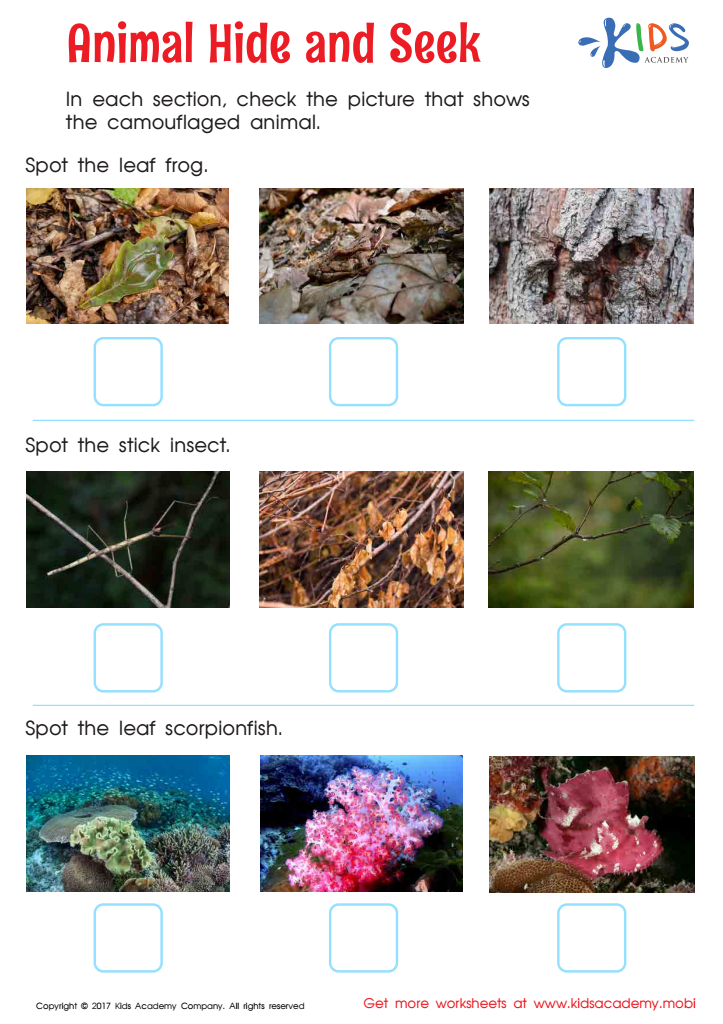
Animal Hide and Seek Worksheet
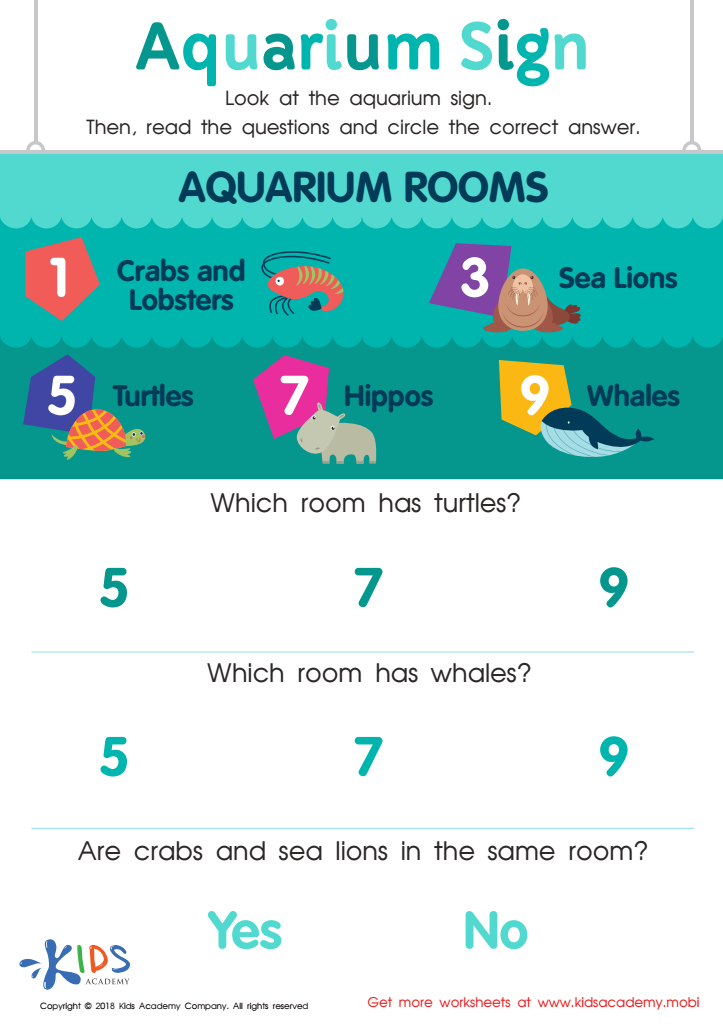
Assessment: Aquarium Sign Worksheet
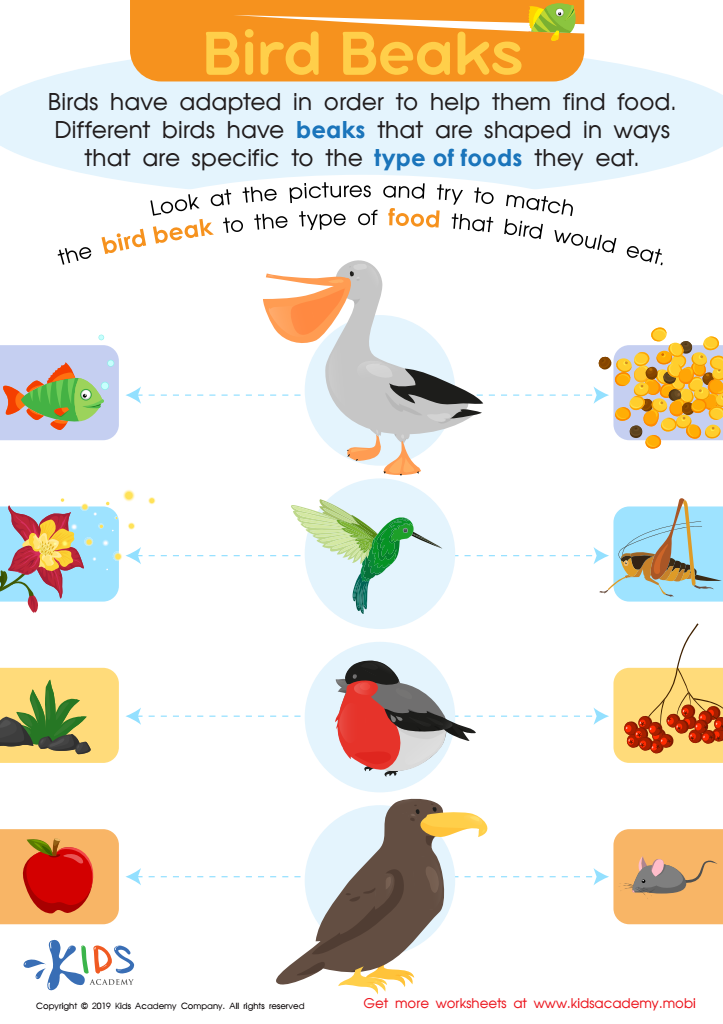
Bird Beaks Worksheet

Arctic Animals: Polar Bear Worksheet
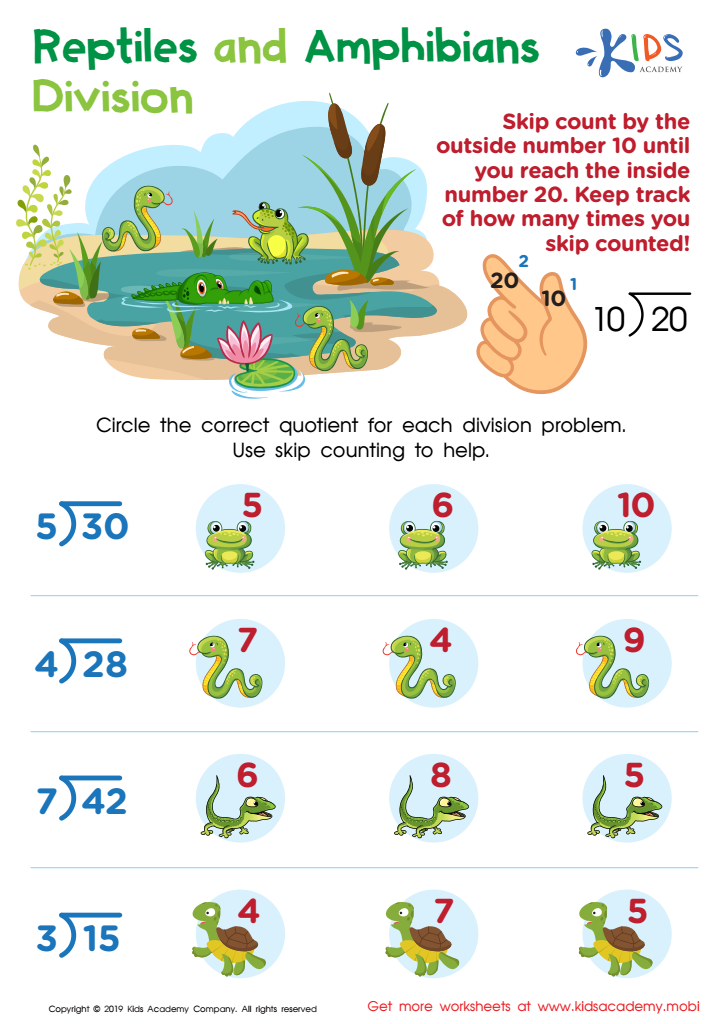
Reptile and Amphibians Division Worksheet
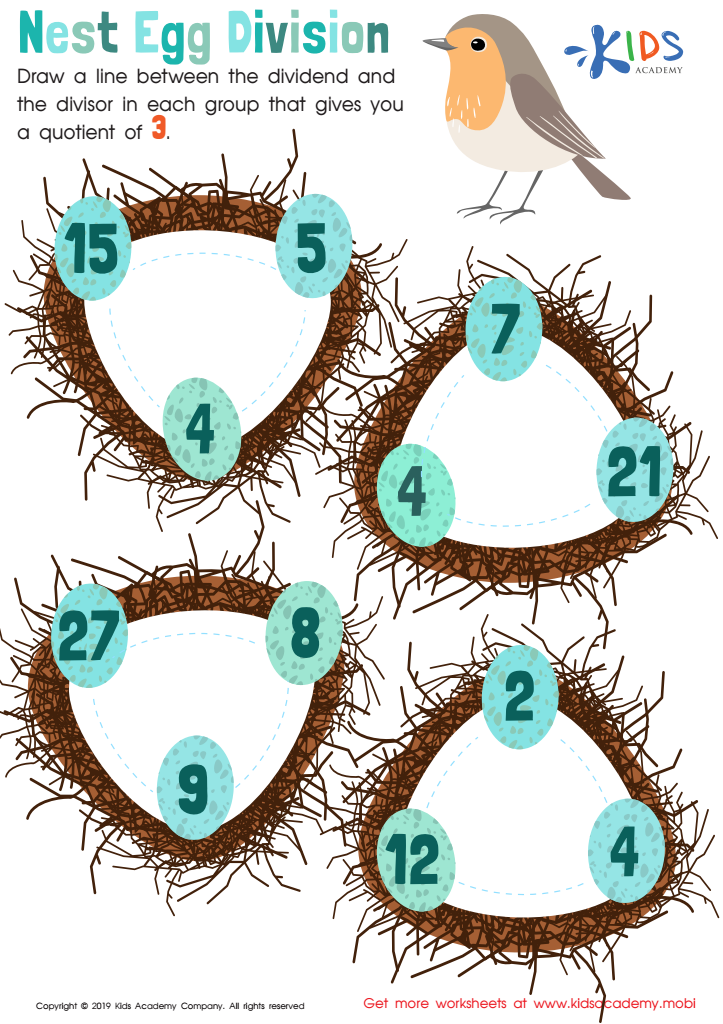
Nest Egg Division Worksheet
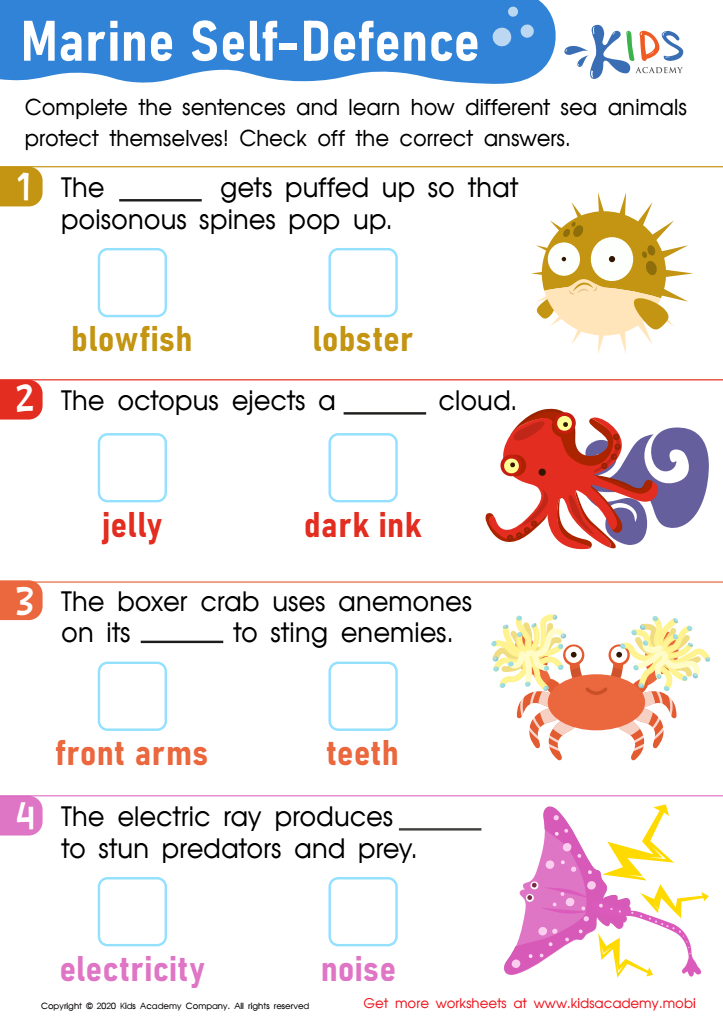
Marine Self-Defence Worksheet
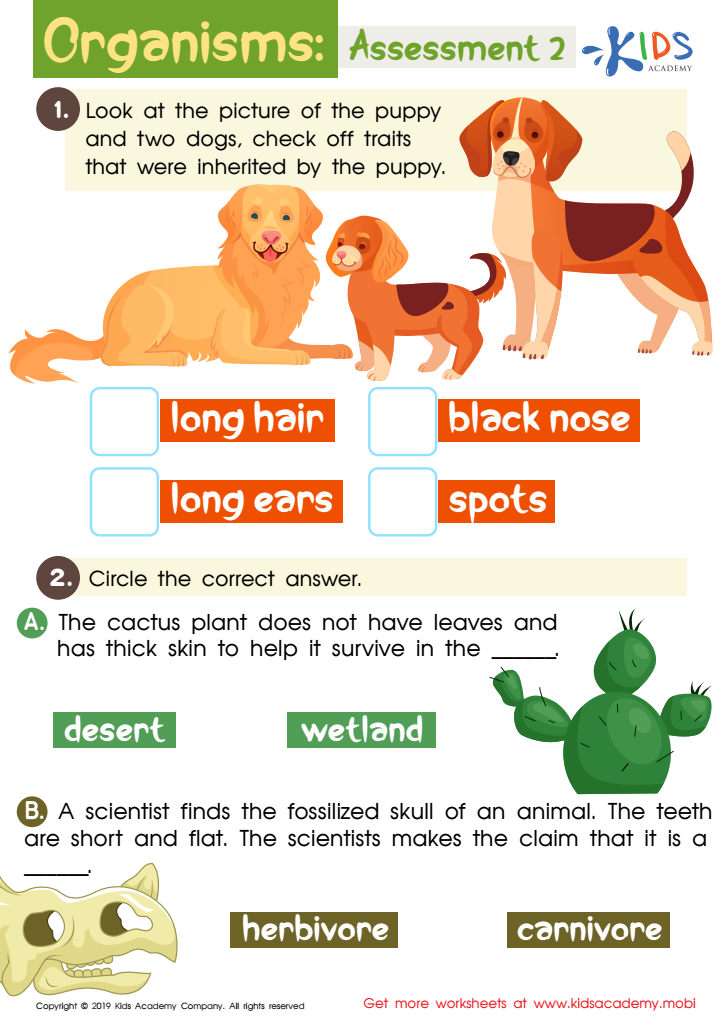
Organisms: Assessment 2 Worksheet
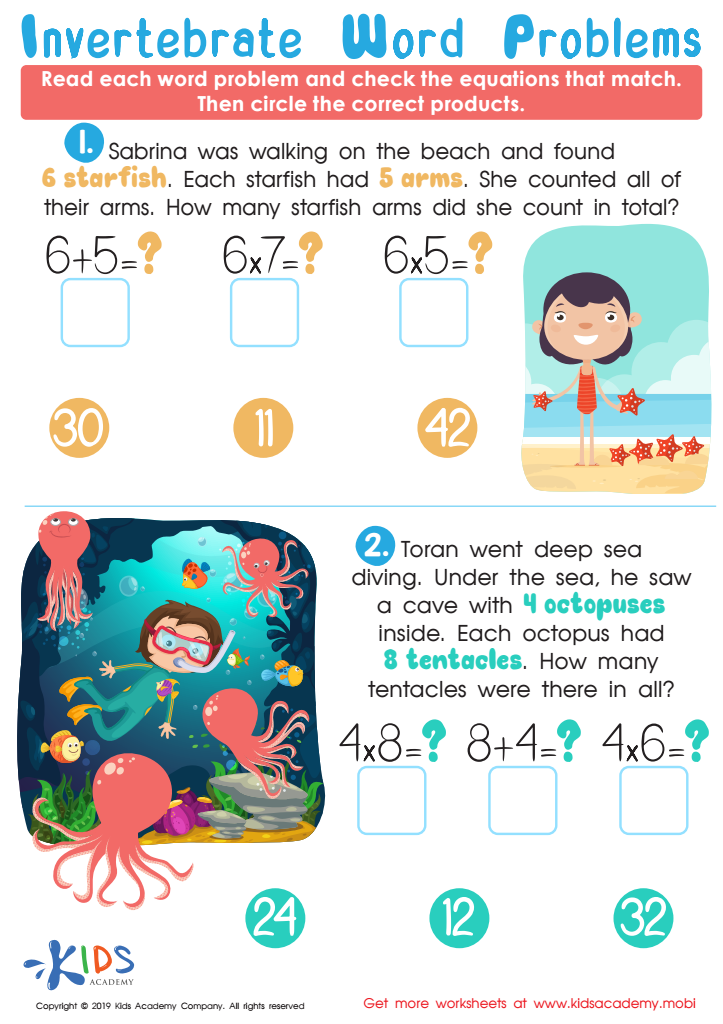
Invertebrate Problems Worksheet
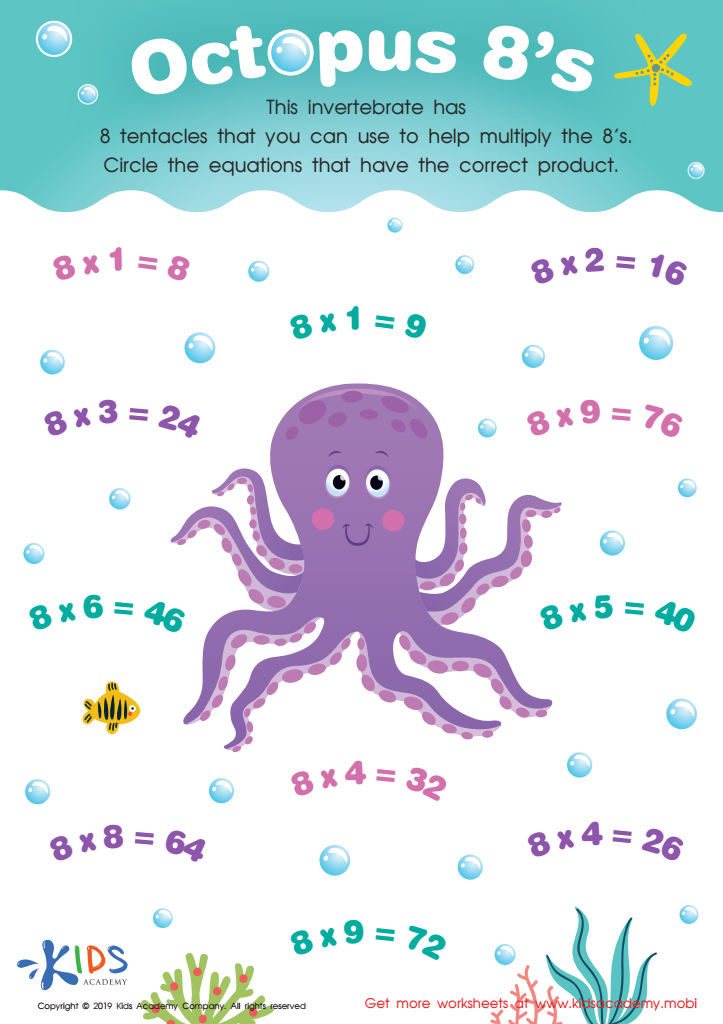
Octopus 8’s Worksheet
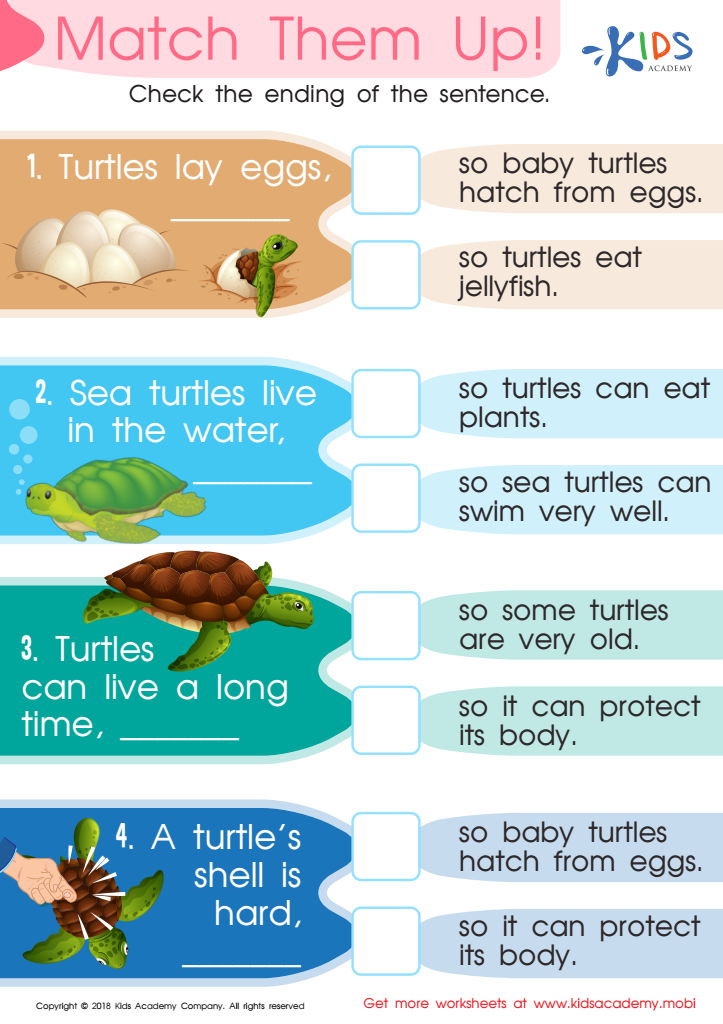
Match Them Up Worksheet
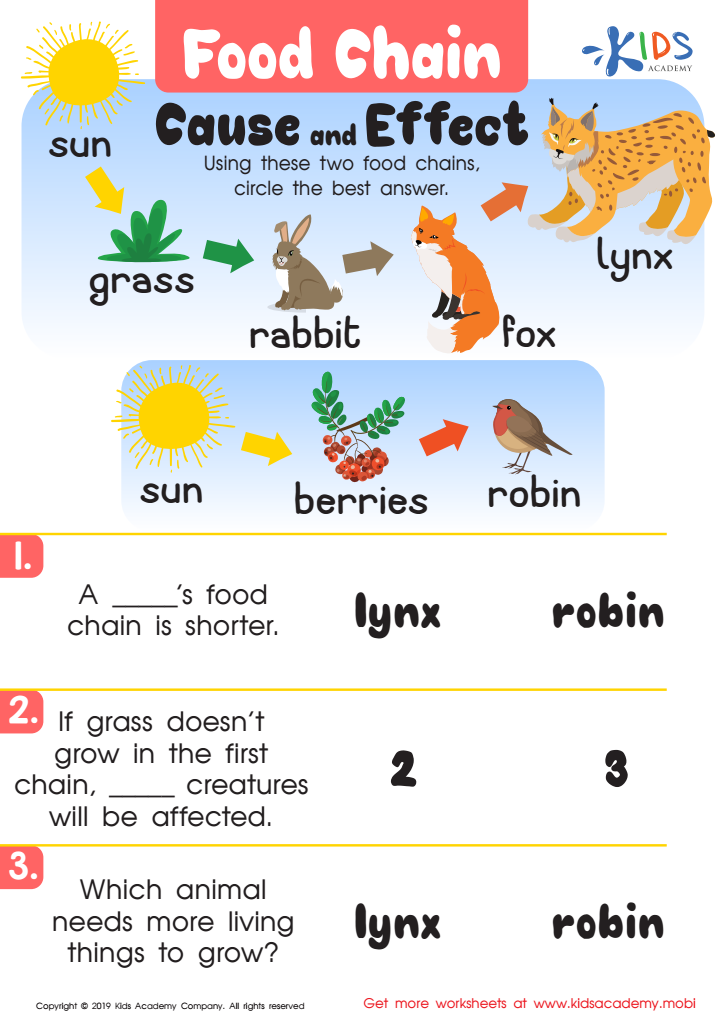
Food Chain Cause Worksheet
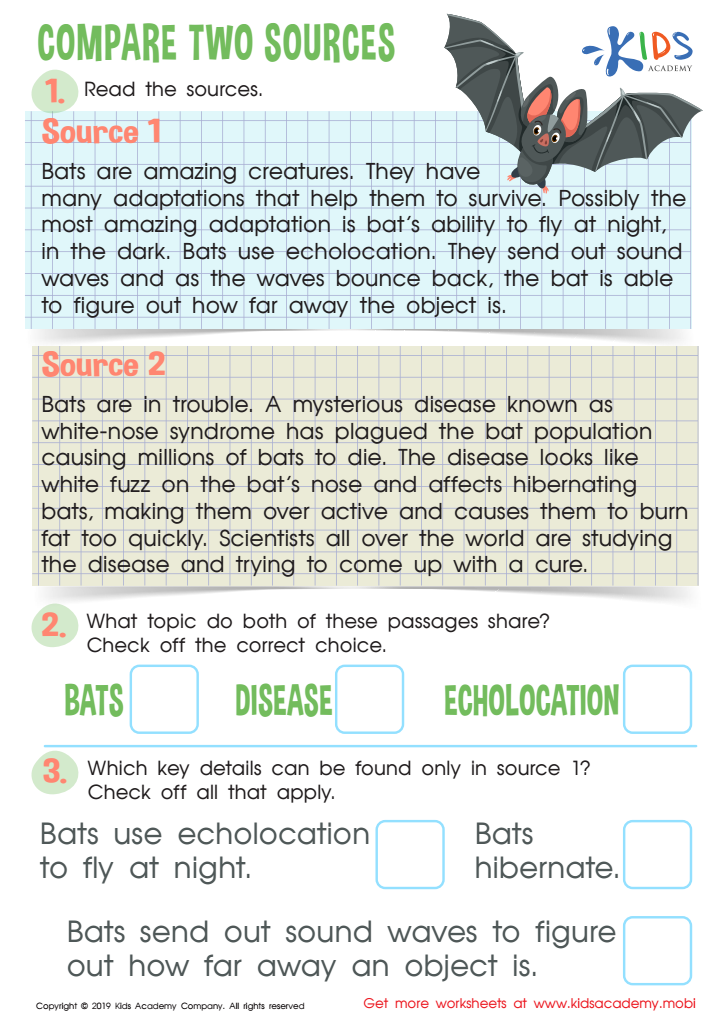
Compare Two Sources Worksheet
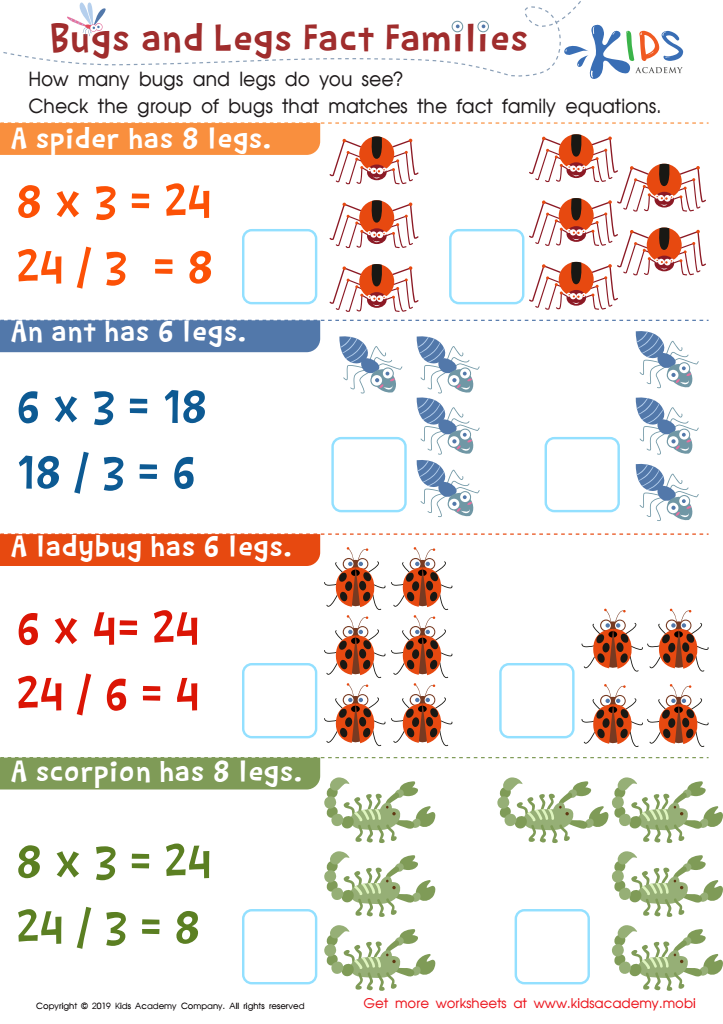
Bugs and Legs Fact Families Worksheet
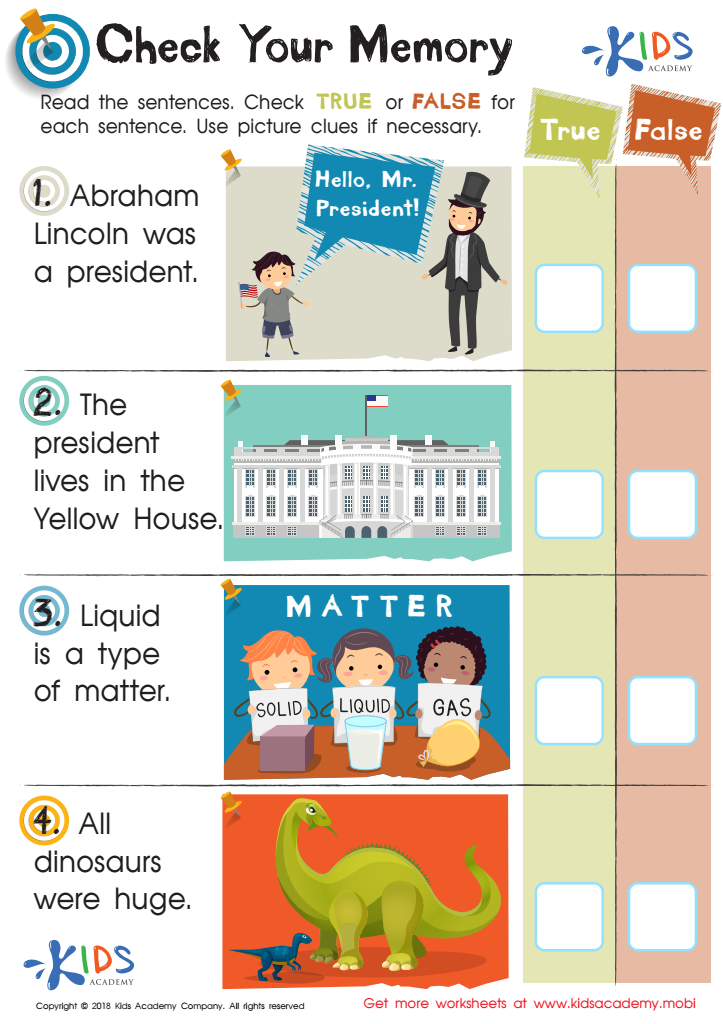
Check Memory Worksheet








Caring about plants and animals is vital for children aged 7-9 because it fosters a sense of responsibility and environmental stewardship from a young age. At this impressionable age, kids are naturally curious and eager to learn about the world around them. Understanding the essential roles plants and animals play in ecosystems helps children appreciate biodiversity's importance.
Plants are primary producers that form the base of the food chain, providing oxygen, food, and habitats for various animals. Similarly, animals, whether as pollinators, predators, or prey, maintain ecological balance. Recognizing this interconnectedness enhances children's scientific thinking and conceptual understanding, a key objective in early education.
Interaction with plants and animals also promotes emotional and social development. Caring for a garden or a classroom pet can teach children valuable life skills like empathy, responsibility, and patience. These activities encourage teamwork and communication whether they are part of school projects or family activities.
Furthermore, understanding environmental issues like habitat destruction and extinction can inspire children to think critically and act sustainably. As future leaders and caretakers of Earth, these early lessons in ecology can equip young minds with the knowledge and passion to protect our planet.
Overall, plants and animals offer rich, hands-on learning experiences that are crucial for the holistic development of children in this age group.








