Critical Thinking Science Worksheets for Ages 8-9
14 filtered results
-
From - To
Explore our engaging Critical Thinking Science Worksheets designed for children aged 8-9! These interactive resources promote analytical skills while making learning enjoyable. Each worksheet is crafted to inspire curiosity and encourage students to explore scientific concepts through problem-solving and creative thinking. Ideal for classroom use or home study, our worksheets cover various topics, including ecosystems, simple machines, and the scientific method. Your child will develop essential critical thinking skills as they work through challenges that foster reasoning and comprehension. Download our worksheets today and help your young learners build a solid foundation in science while enhancing their critical thinking abilities!
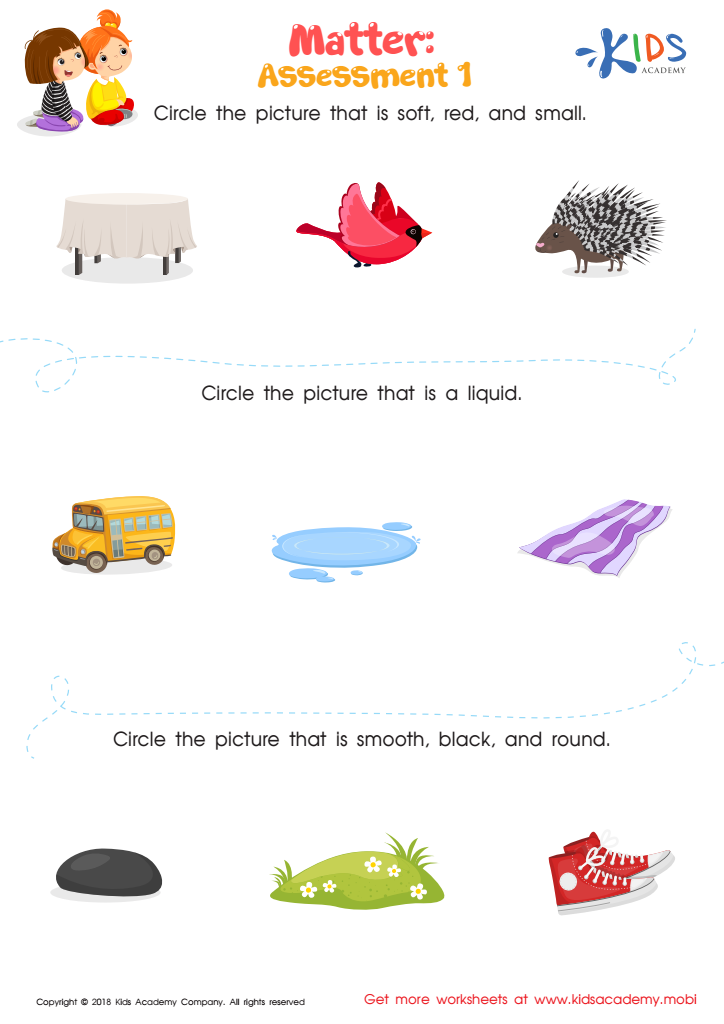
Matter: Assessment 1 Worksheet
 Assign to My Students
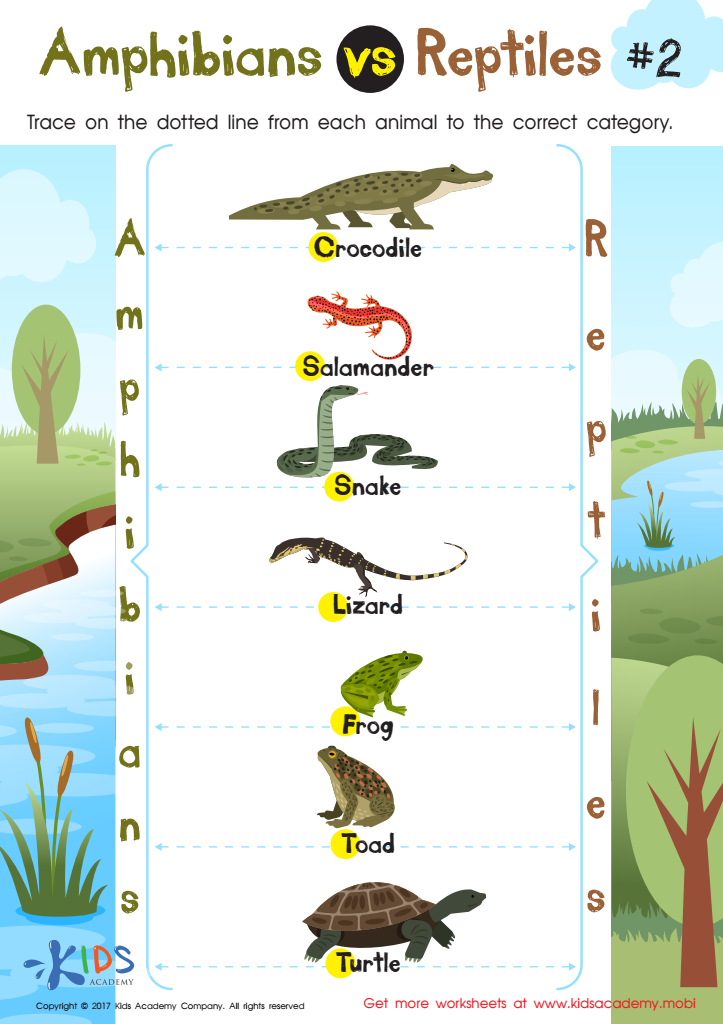
Amphibians vs Reptiles Worksheet for 3rd Grade
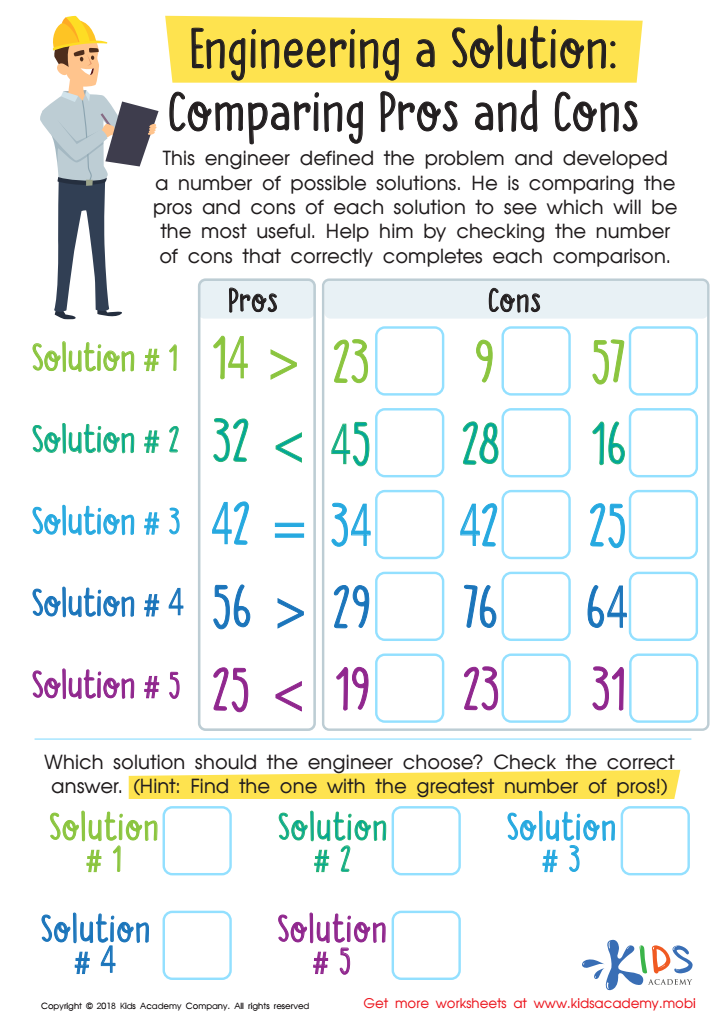
Engineering a Solution: Comparing Pros and Cons Worksheet
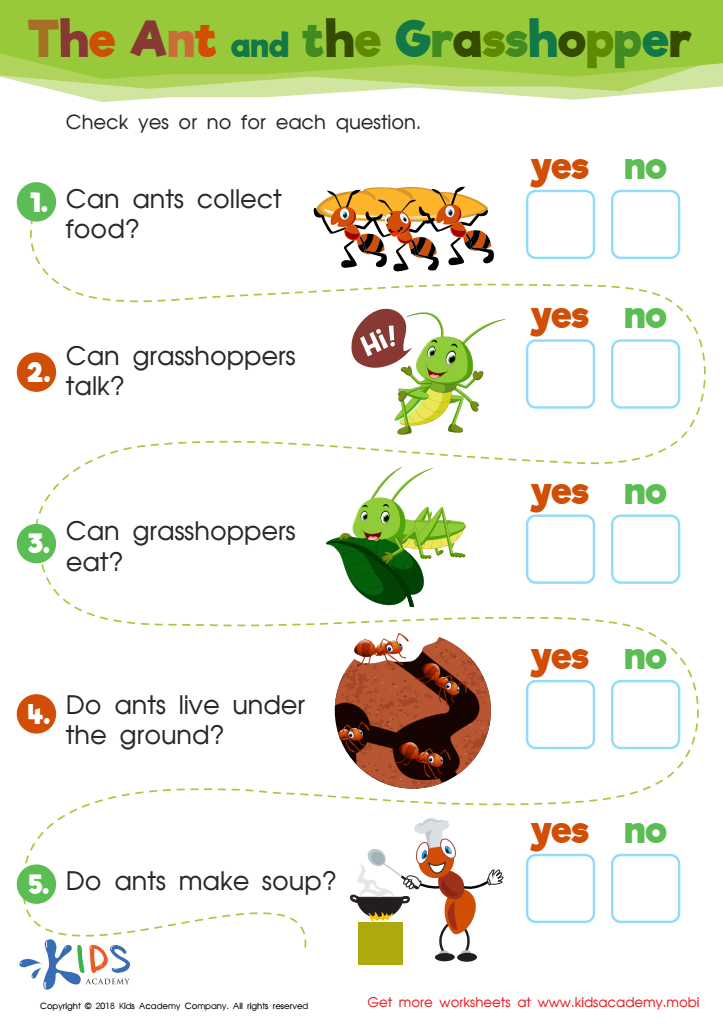
The Ant and The Grasshopper Worksheet
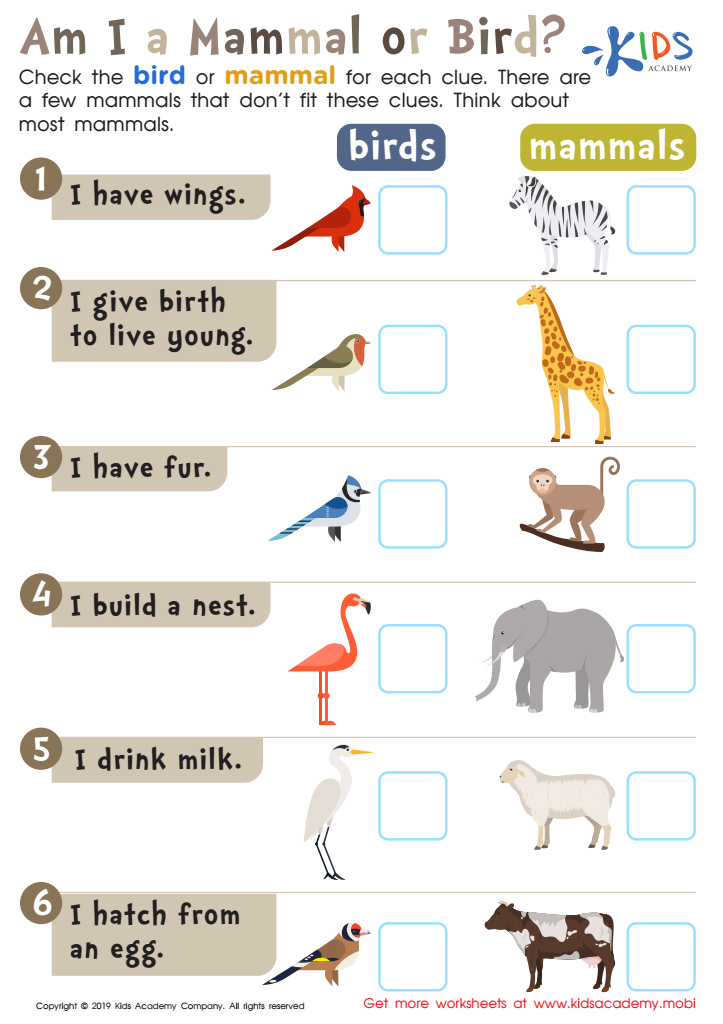
Am I a Mammal or Bird? Worksheet
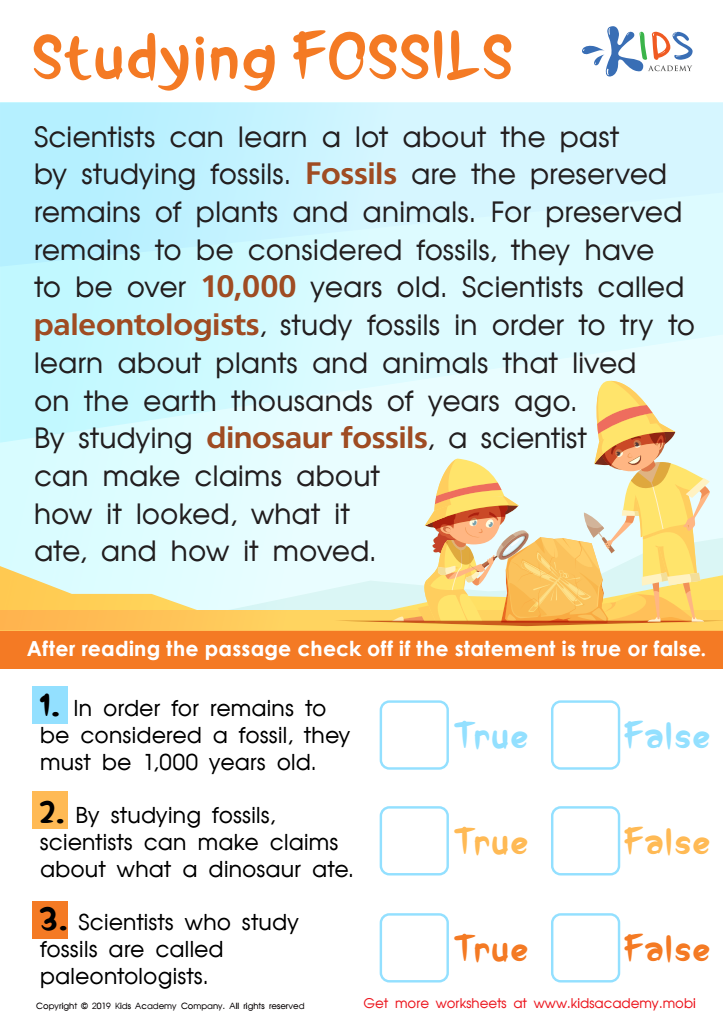
Studying Fossils Worksheet
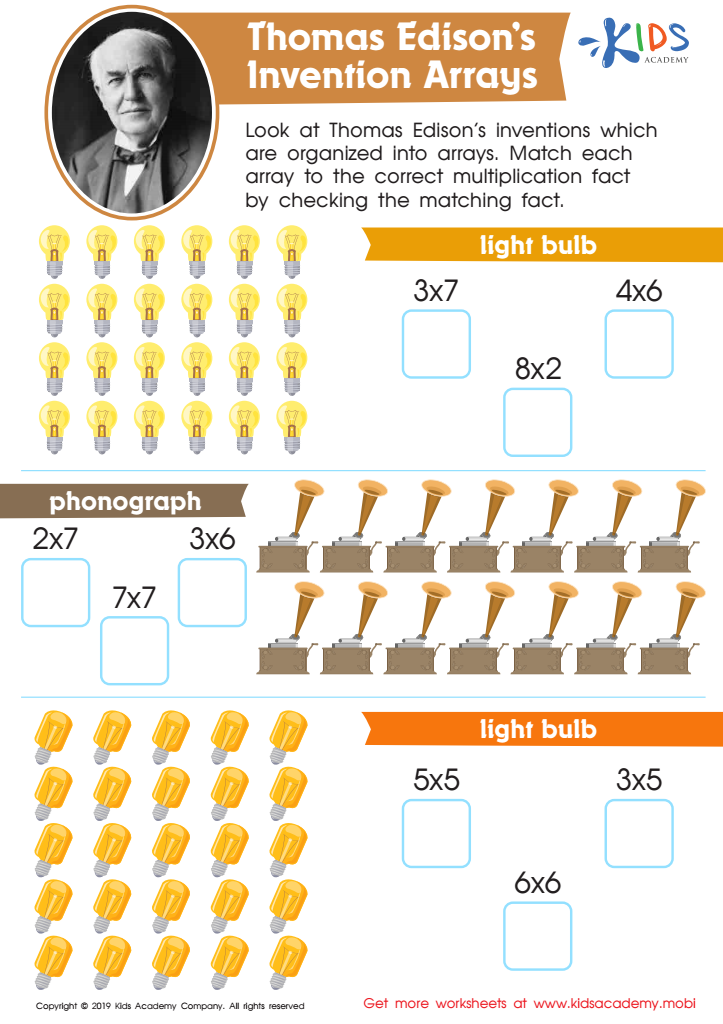
Thomas Edison’s Invention Arrays Worksheet
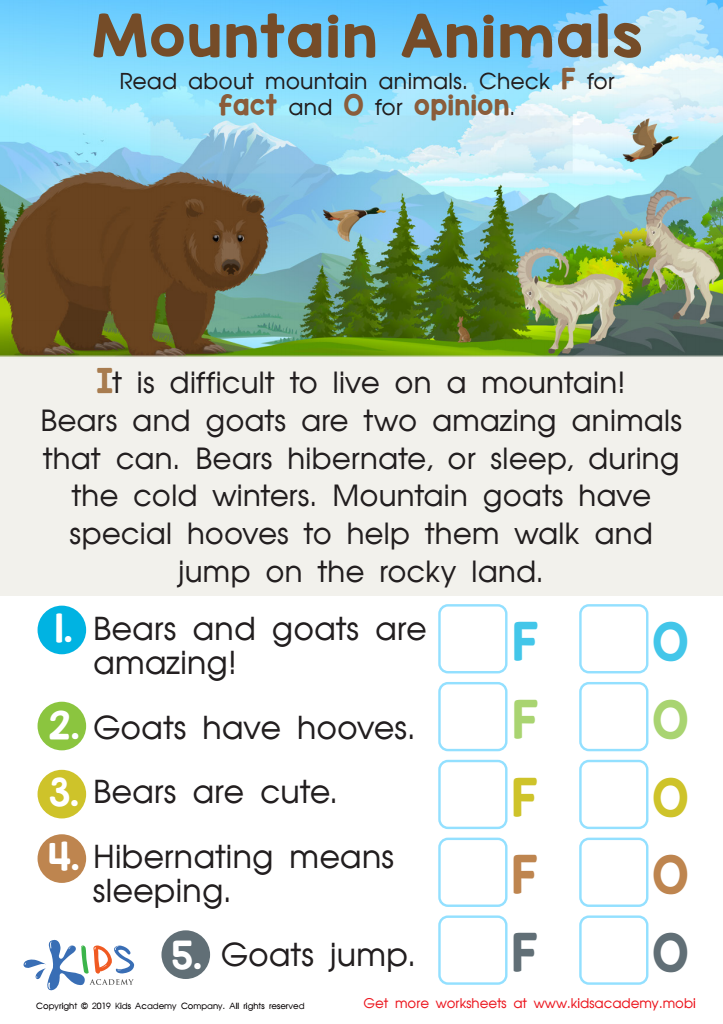
Mountain Animals Worksheet
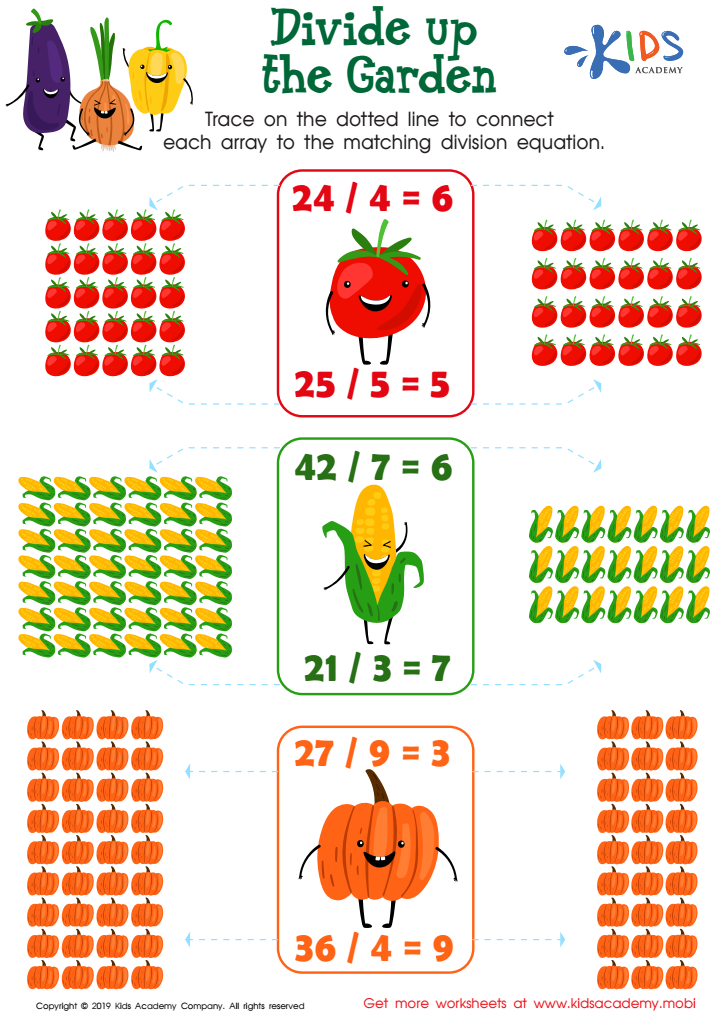
Divide up the Garden Worksheet
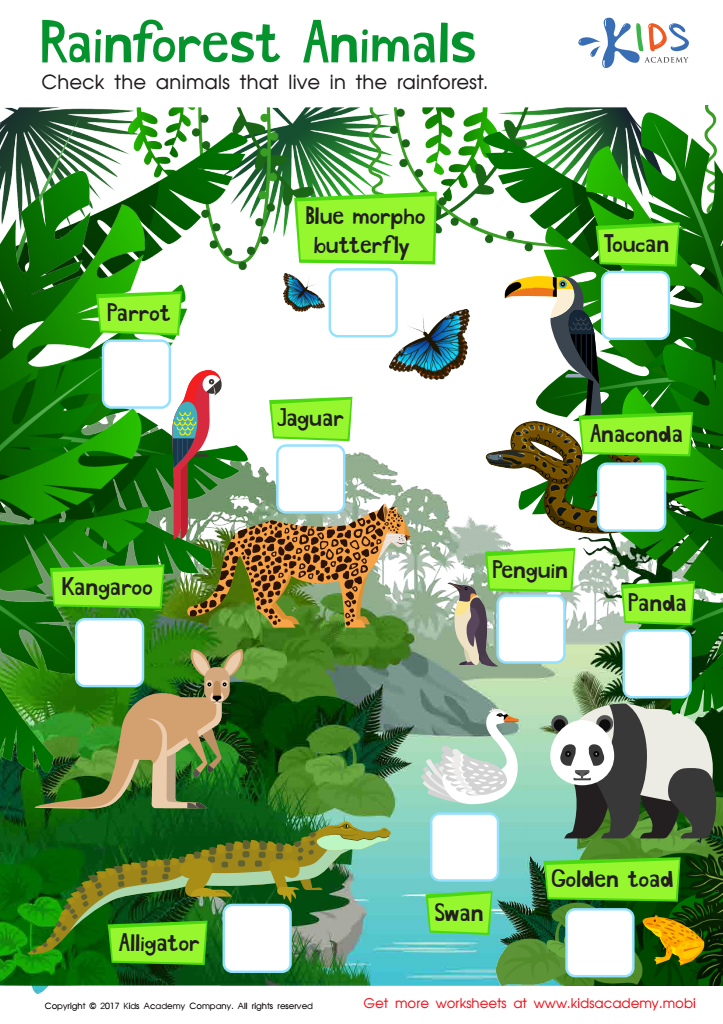
Rainforest Animals Worksheet
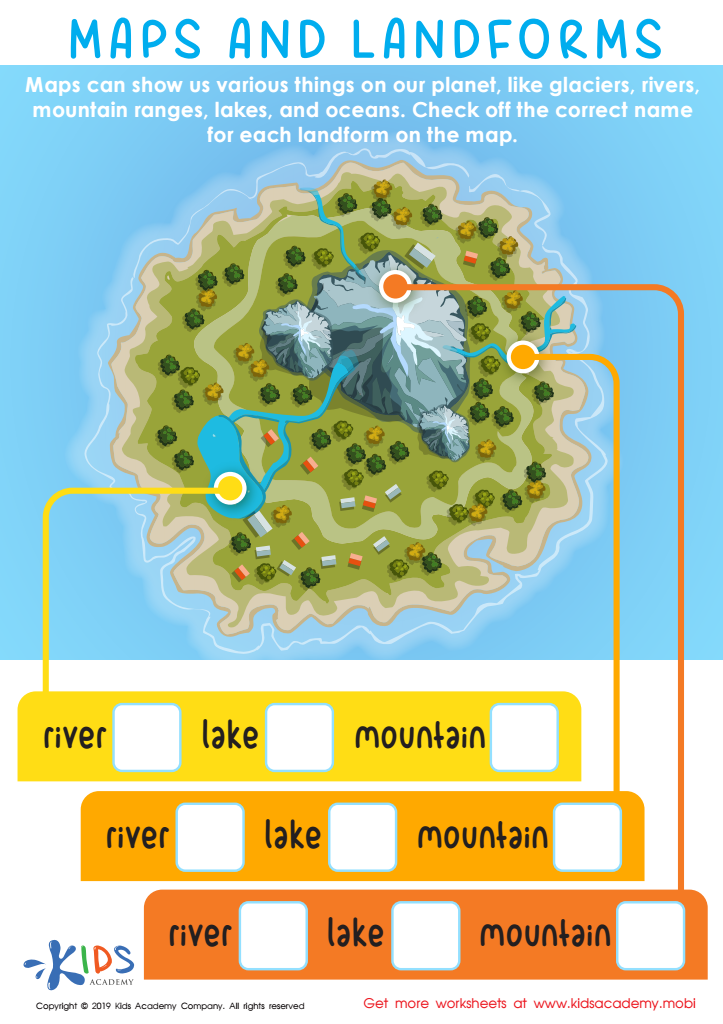
Maps and Landforms Worksheet
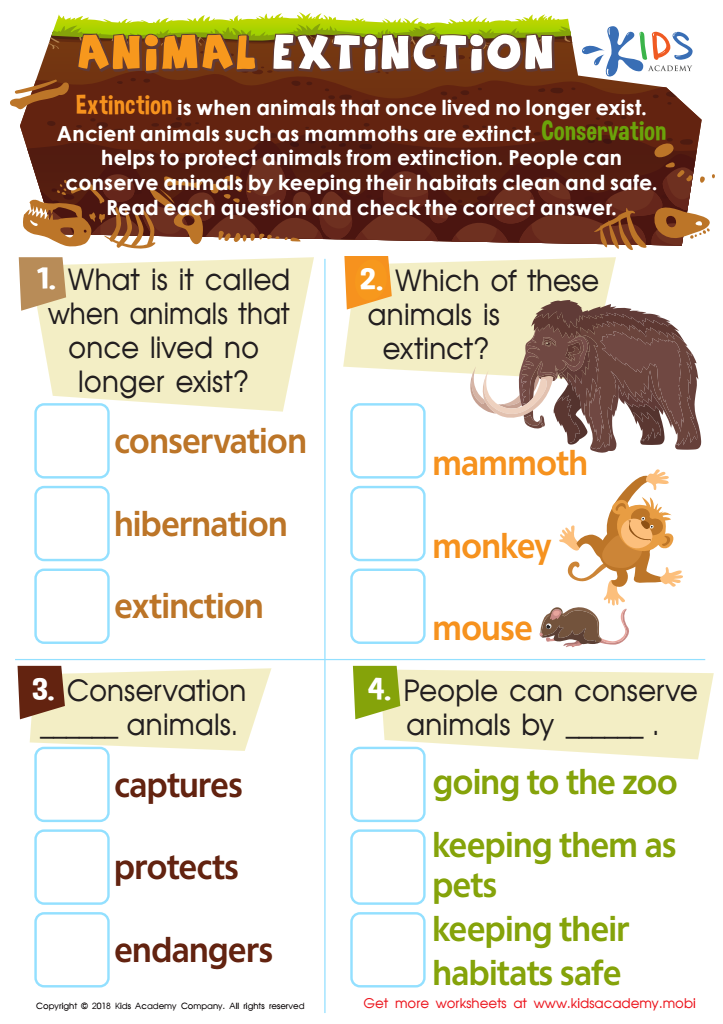
Animal Extinction Worksheet
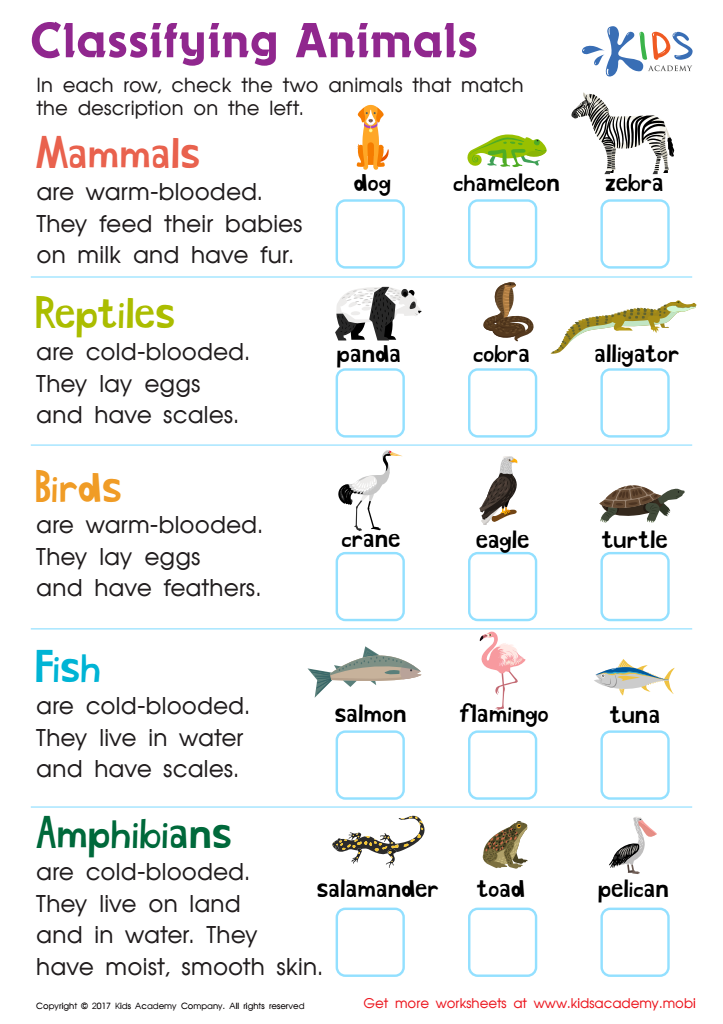
Classifying Animals Worksheet
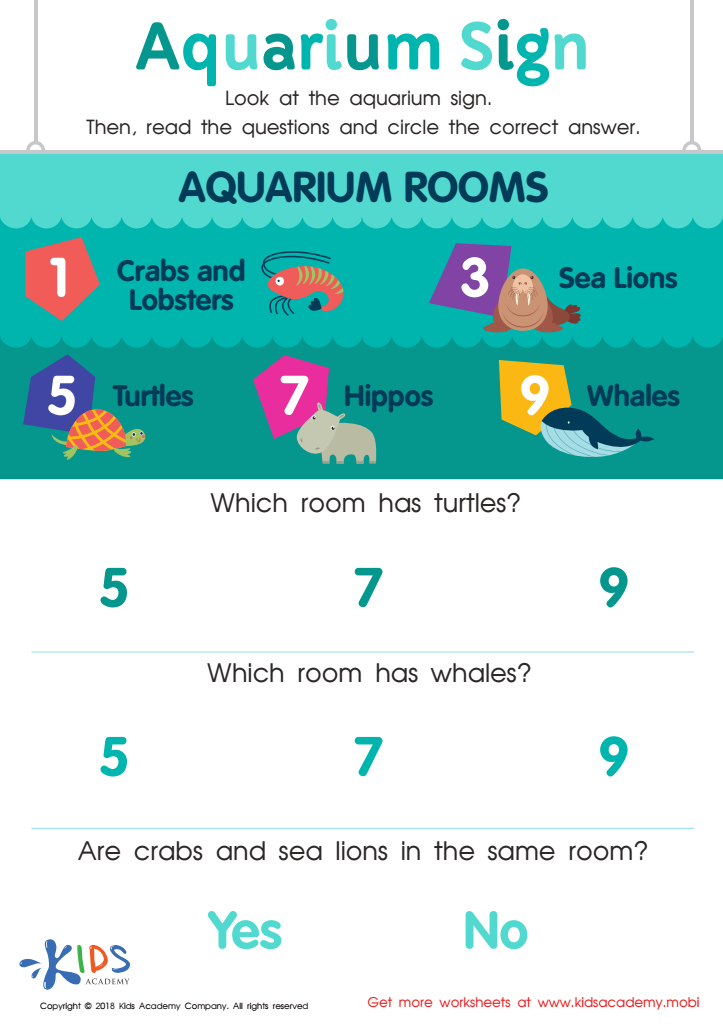
Assessment: Aquarium Sign Worksheet








Critical Thinking Science for ages 8-9 is essential for nurturing a foundation of analytical skills in young learners. At this age, children are naturally curious and eager to explore the world around them. Introducing critical thinking concepts in science helps them enhance their ability to question, analyze, and synthesize information, fostering a genuine love for learning.
By engaging in critical thinking tasks, children develop problem-solving skills vital for real-world situations. They learn to observe phenomena, ask pertinent questions, formulate hypotheses, conduct experiments, and draw conclusions based on evidence. This interdisciplinary approach encourages them to think independently, allowing them to approach challenges creatively.
Moreover, teaching critical thinking through science prepares children for future academic success. It is increasingly important as educational institutions and workplaces value these skills; comprehension and application of scientific principles are integral in various fields.
Lastly, involving parents and teachers in this developmental process creates a supportive learning environment. Children thrive when they can collaboratively discuss ideas and tackle challenges with trusted adults, making science an enjoyable and meaningful experience. Ultimately, cultivating critical thinking in young children lays the groundwork for informed, innovative, and responsible future citizens.







