Comparison Worksheets for Ages 3-6
19 filtered results
-
From - To
Nurture critical thinking in young learners with our Comparison Worksheets for Ages 3-6! Specifically crafted for toddlers and preschool children, these practice worksheets offer engaging activities that teach fundamental comparison skills, such as identifying differences and similarities. Fun illustrations and interactive tasks will captivate young minds, helping them grasp concepts like bigger vs. smaller, more vs. fewer, and other essential math skills. Ideal for parents and educators, these worksheets provide a solid foundation for future maths success. Download now and make learning easy and fun for your child or students!
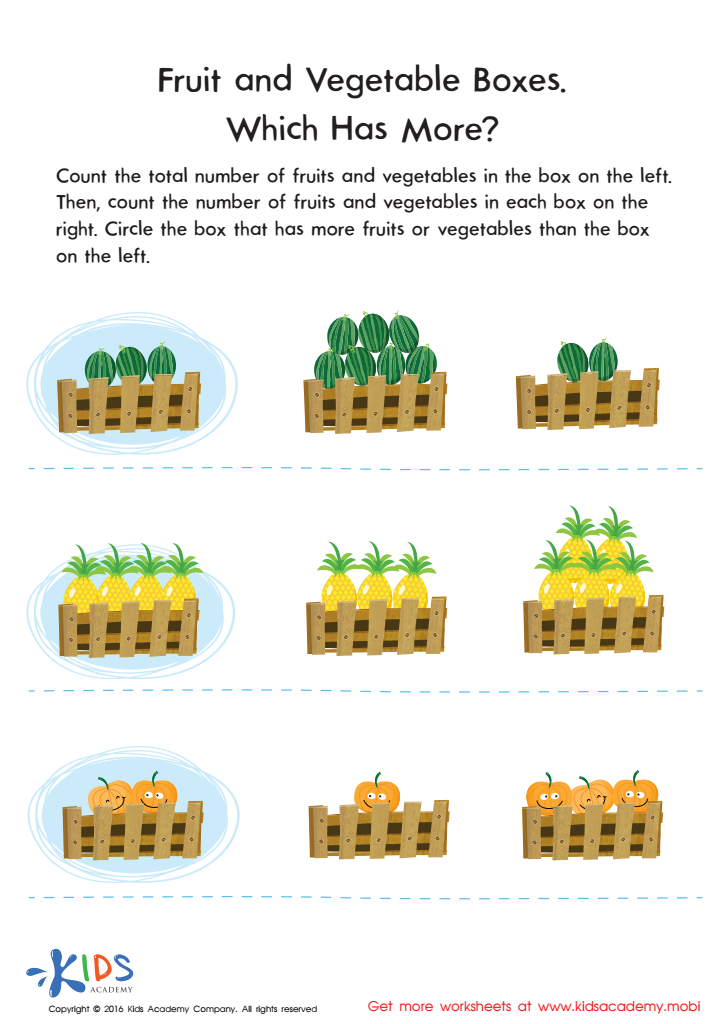
Which Has More? Size Worksheet
 Assign to My Students
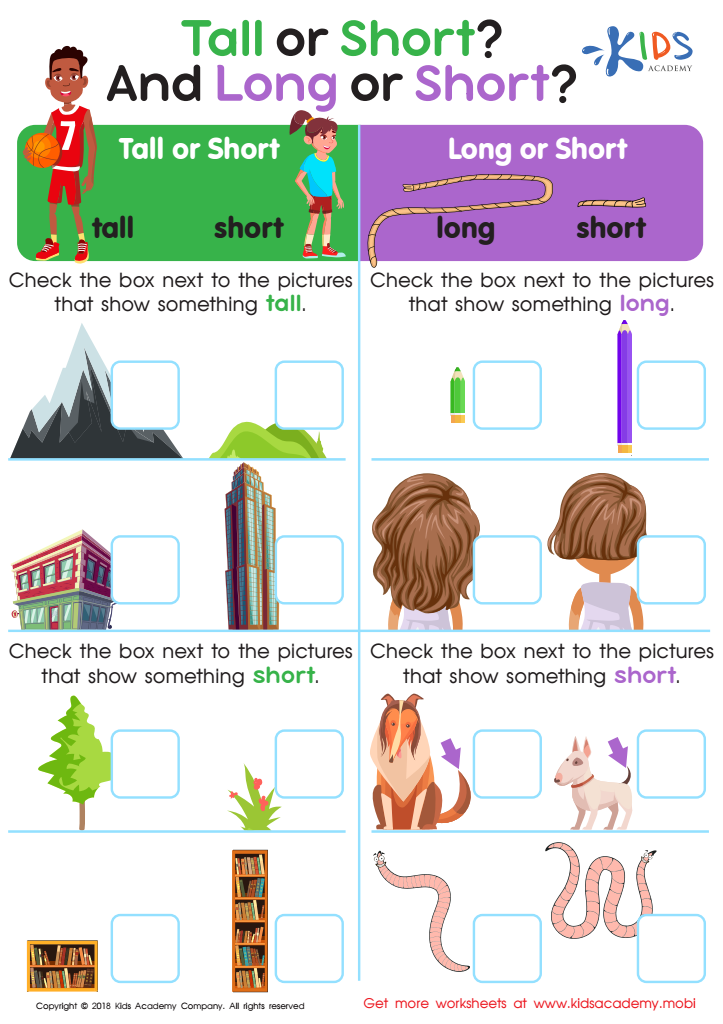
Tall or Short and Long or Short? Worksheet
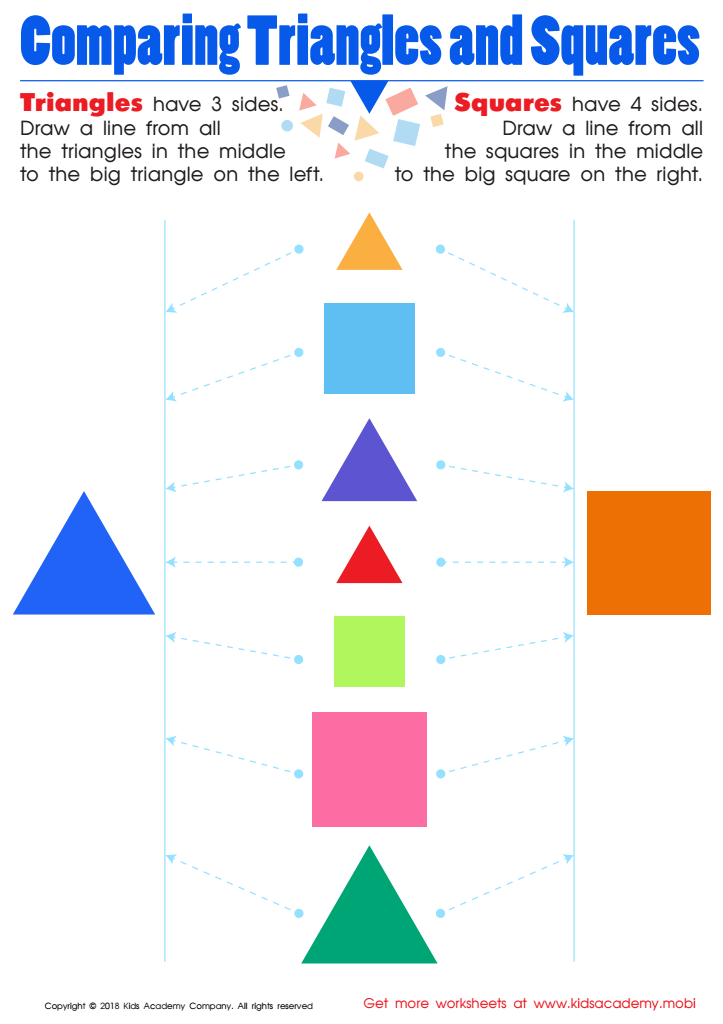
Comparing Triangles Squares Worksheet
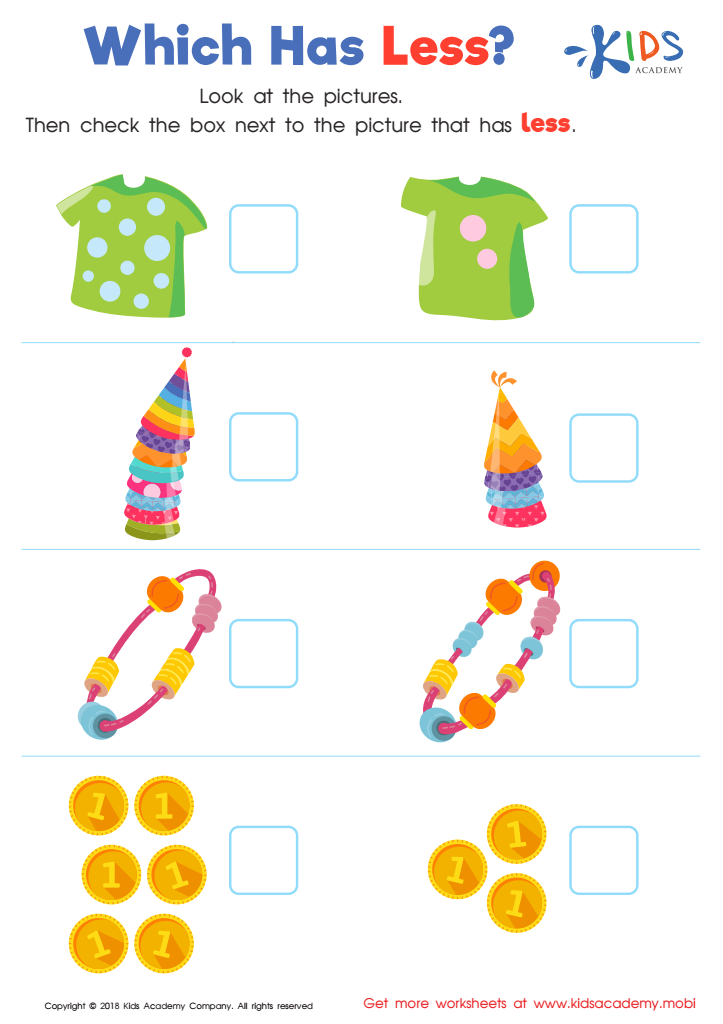
Which Has Less? Worksheet
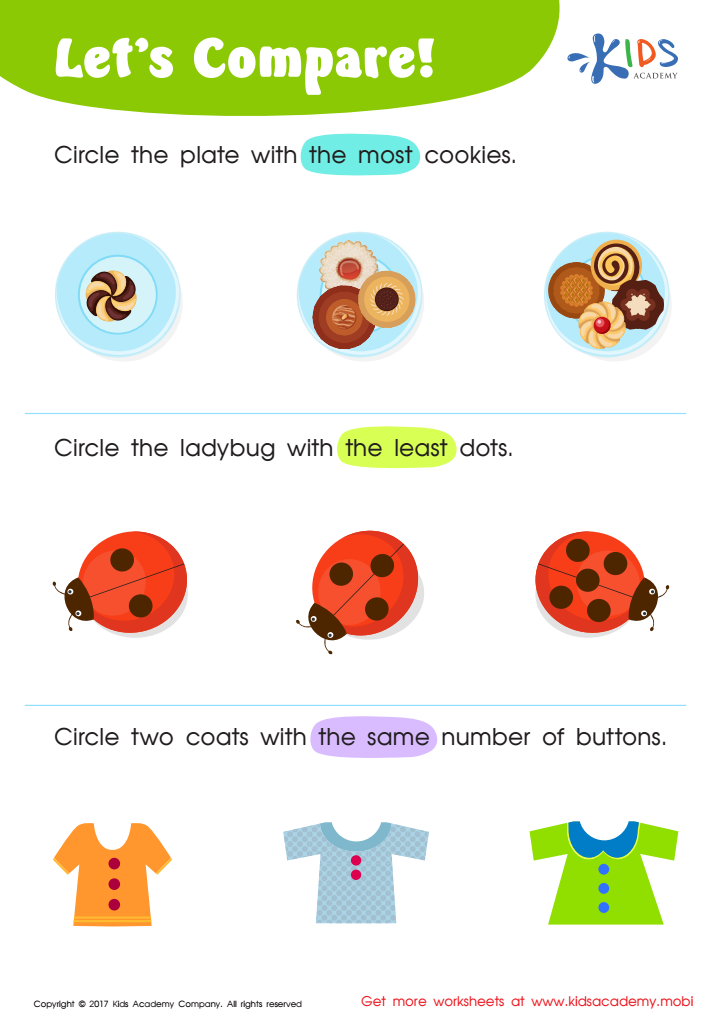
Matching: Classifying Toys by Size Worksheet
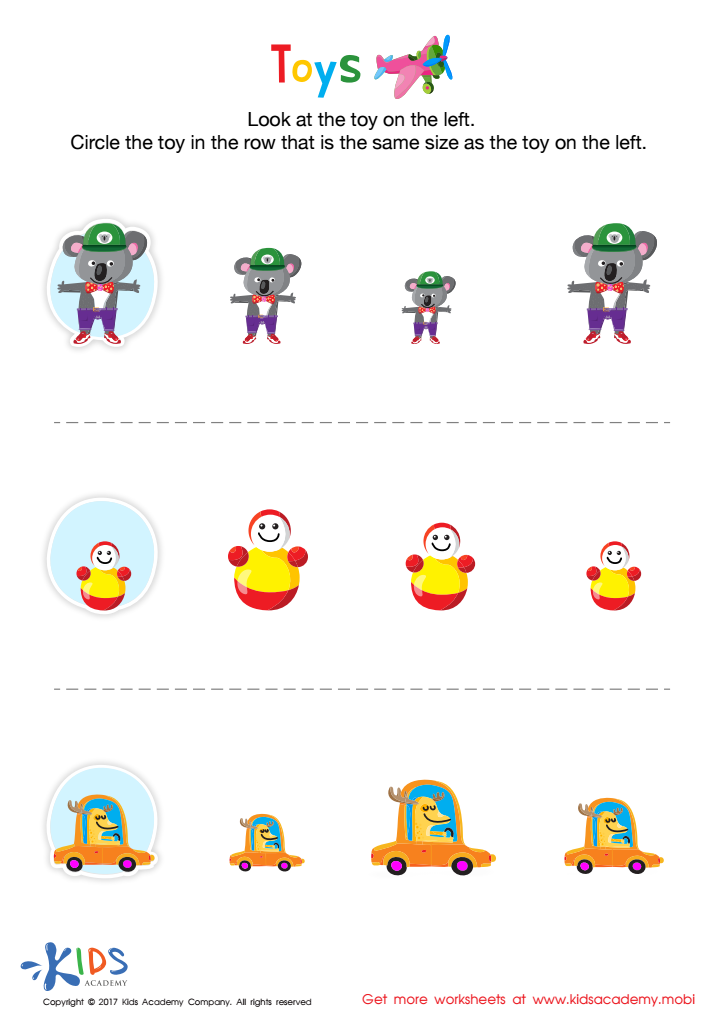
Matching: Classifying Toys by Size Worksheet
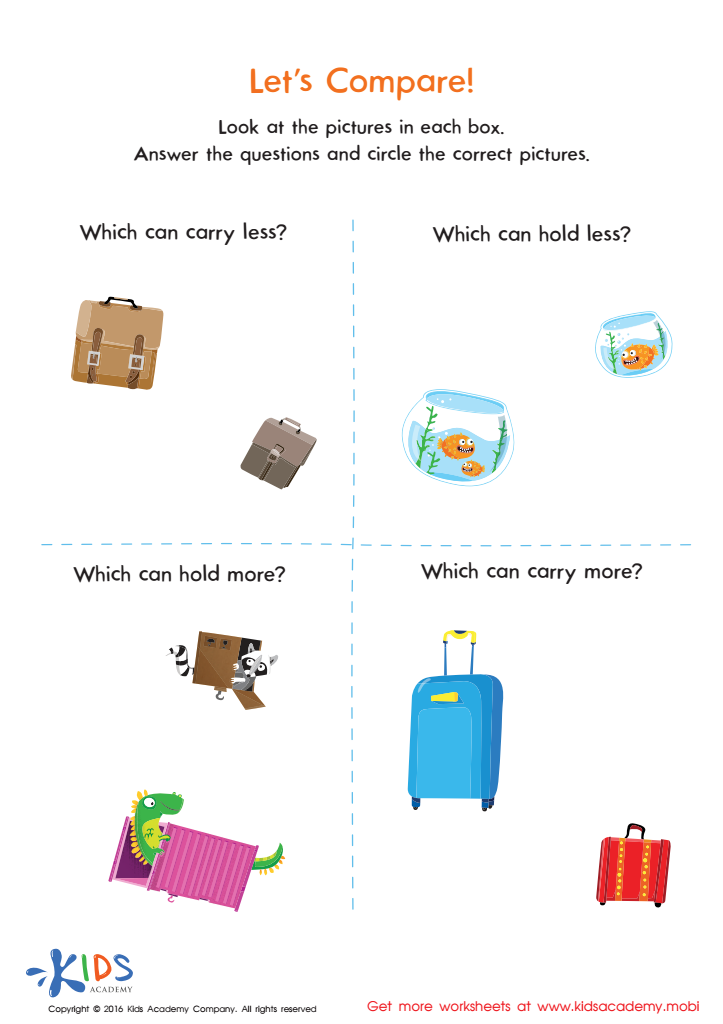
Let's Compare Worksheet: Big or Small
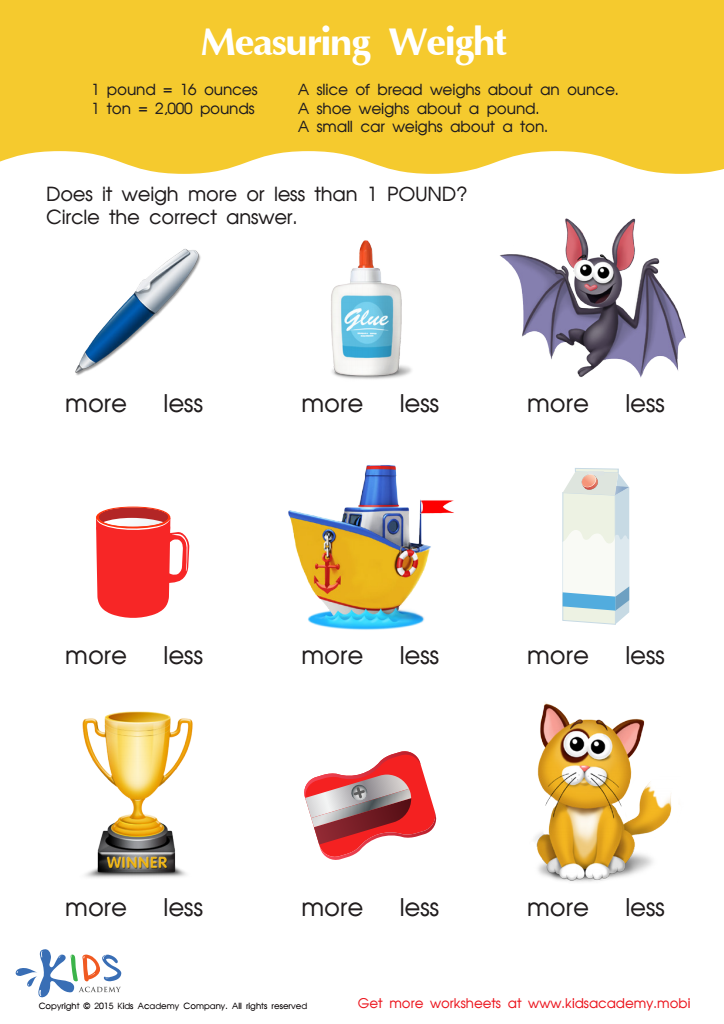
Measuring weight in pounds Worksheet
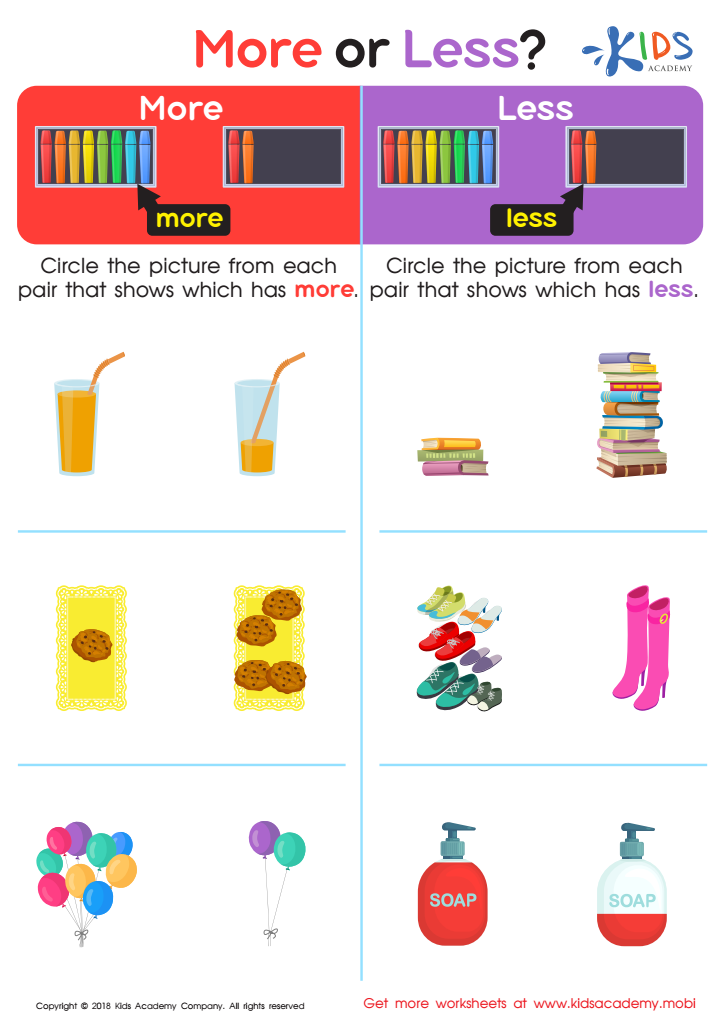
More or Less? Worksheet
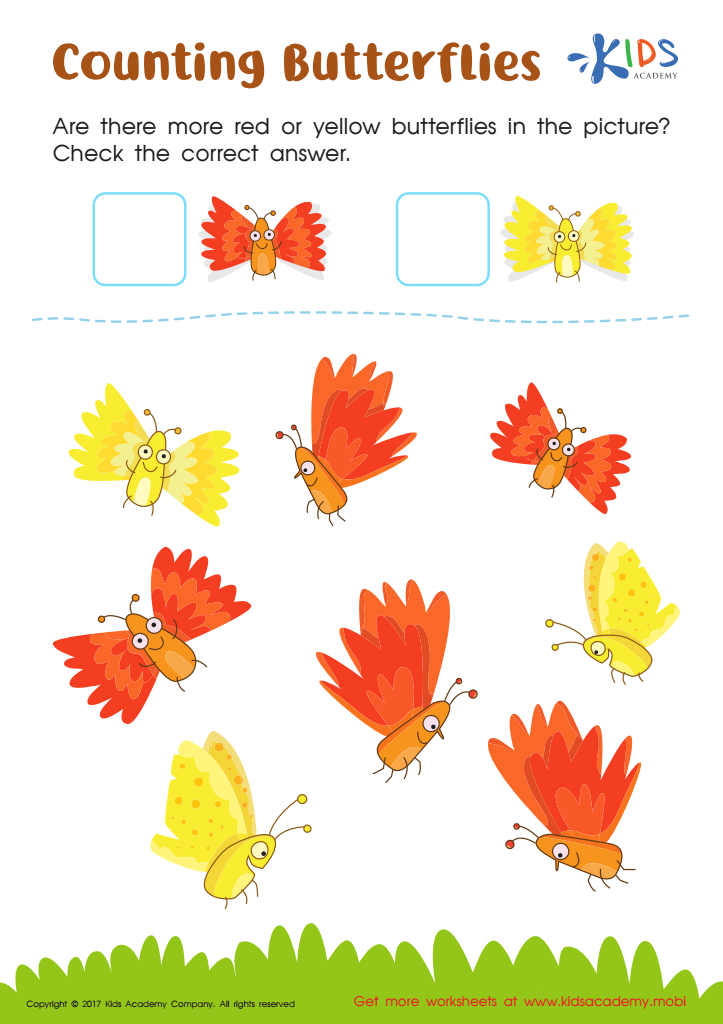
Counting Butterflies Worksheet
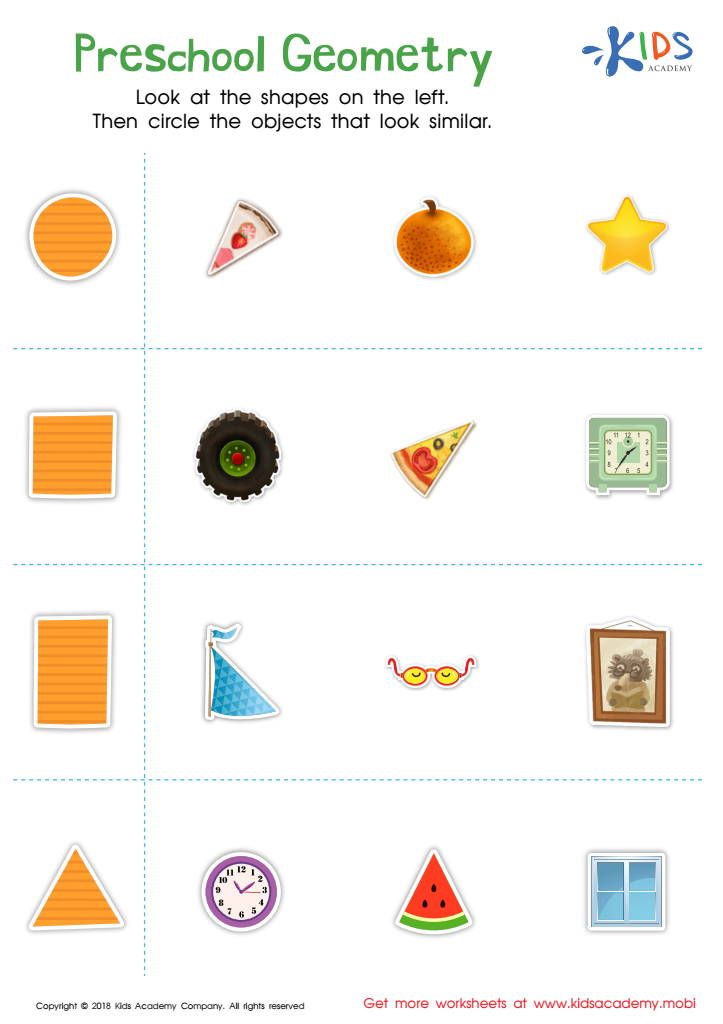
Preschool Geometry Worksheet
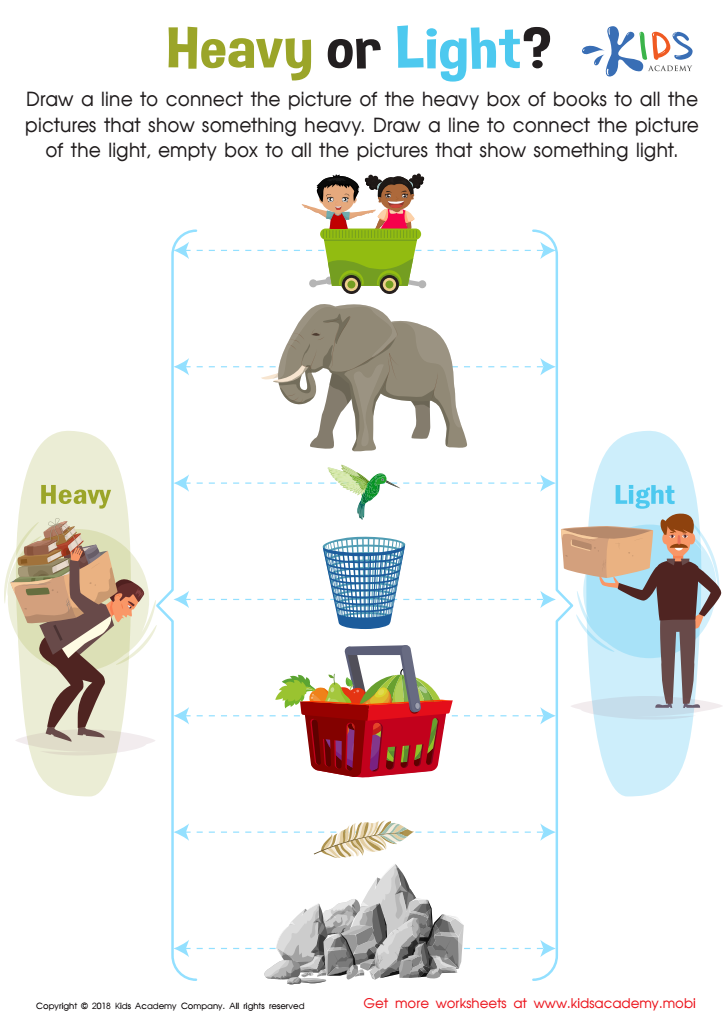
Heavy or Light? Worksheet
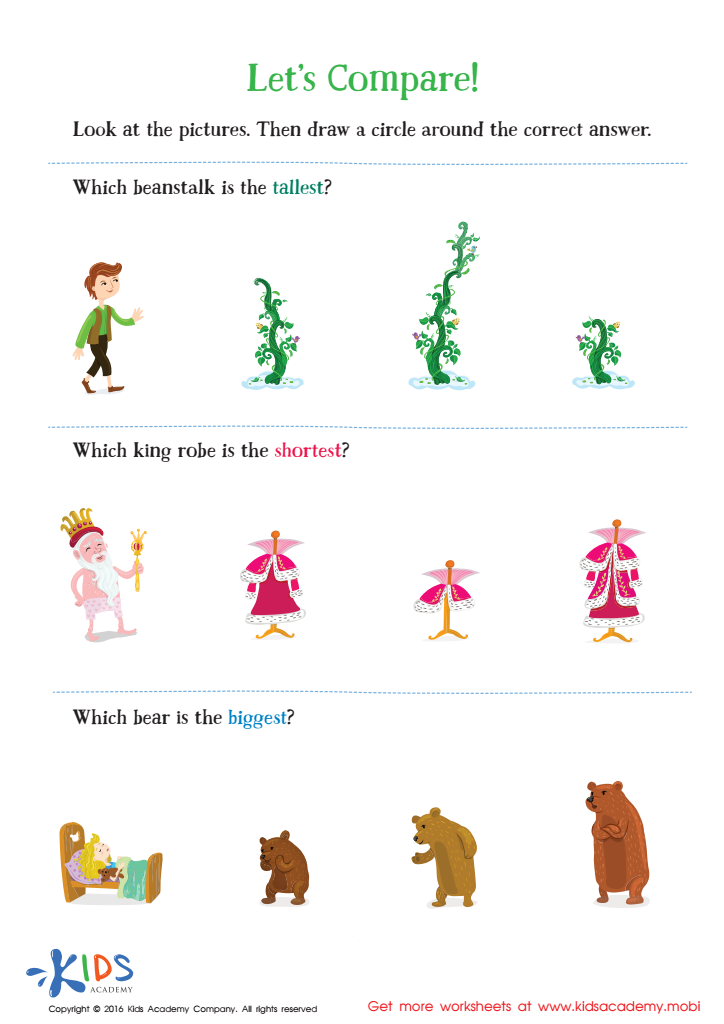
Fairy Tale Worksheet: Let's Compare
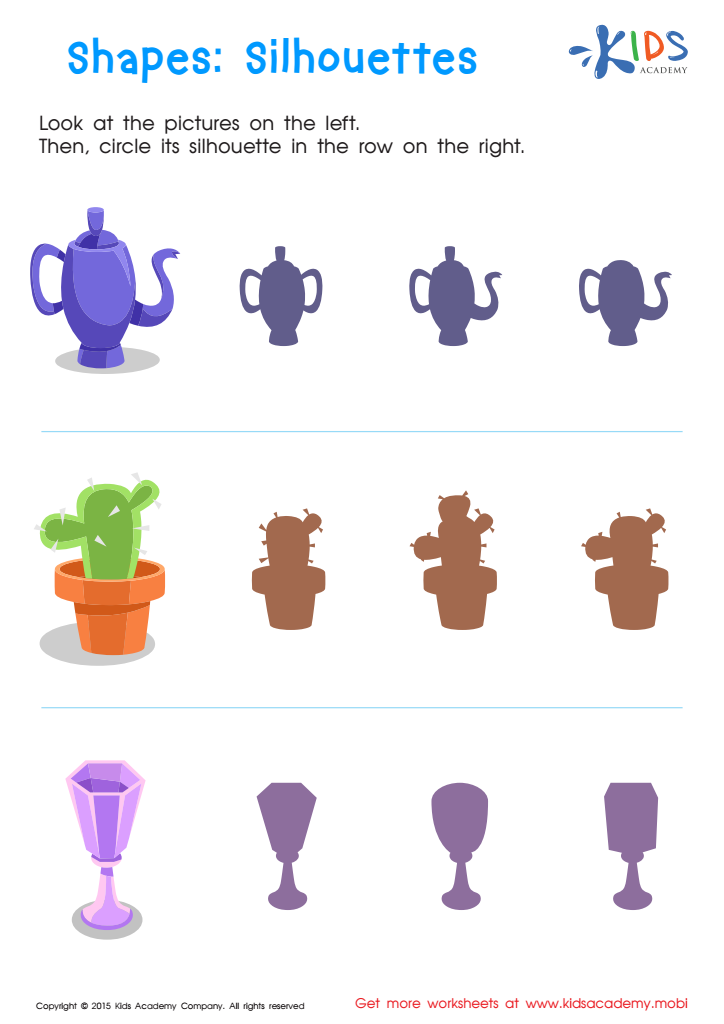
Silhouettes – Shapes Worksheet
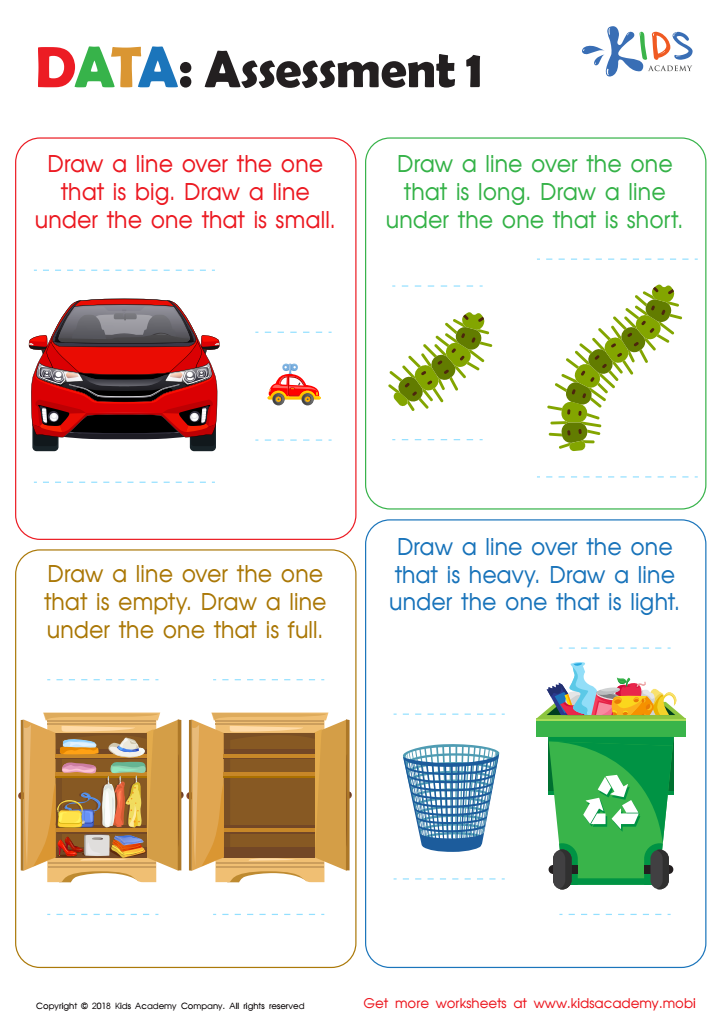
Data: Assessment 1 Worksheet
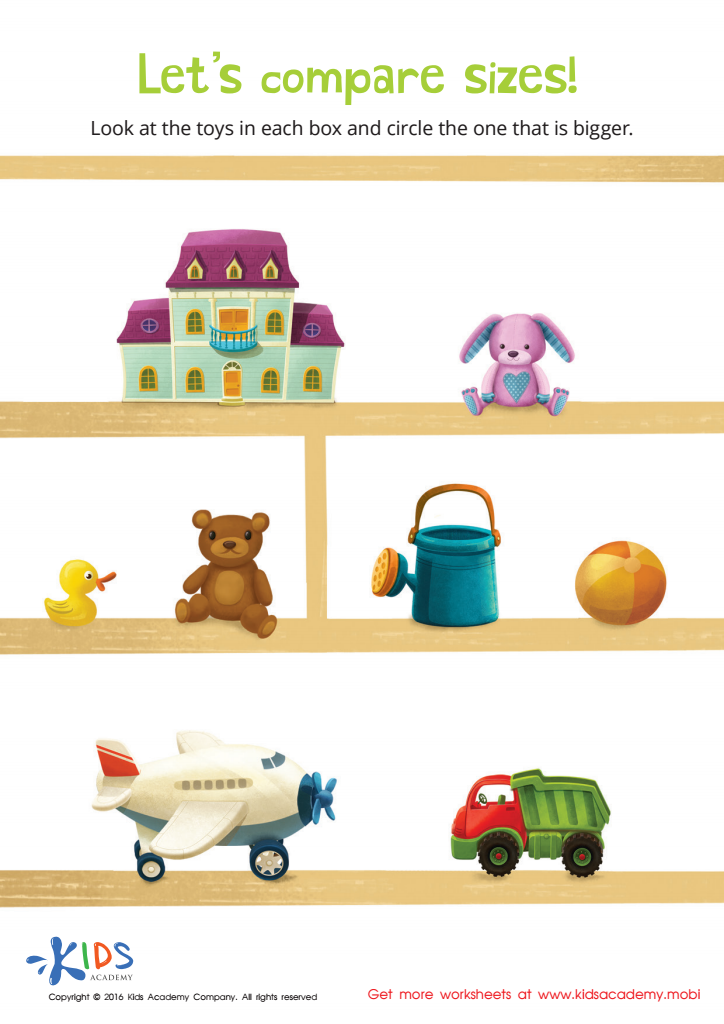
Classifying by Size Sorting Worksheet
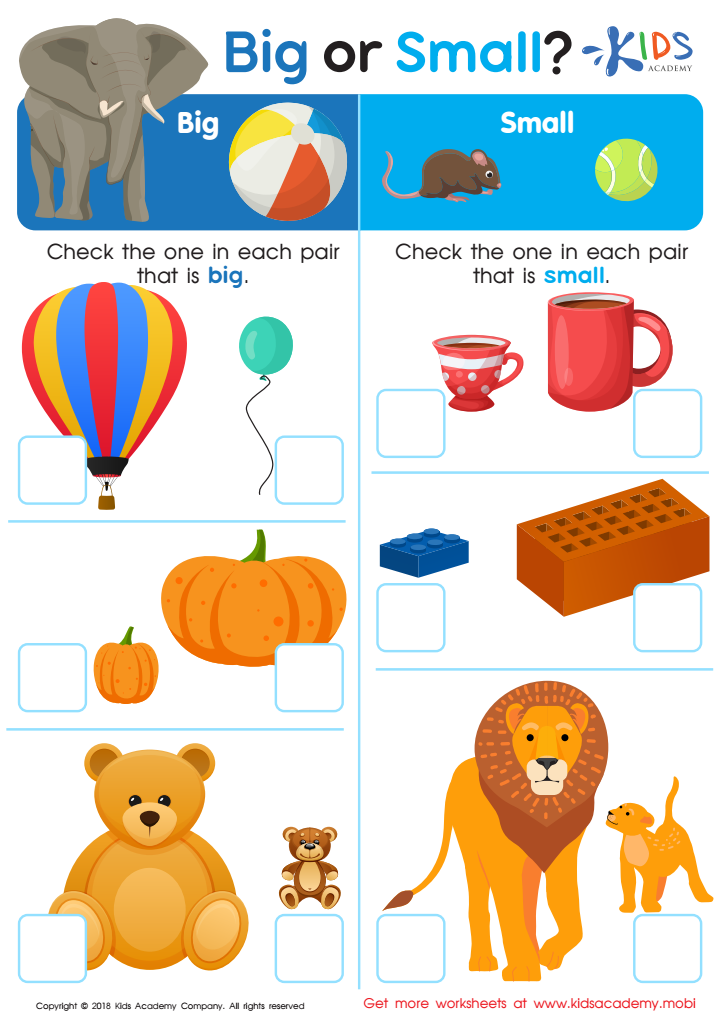
Big or Small? Worksheet
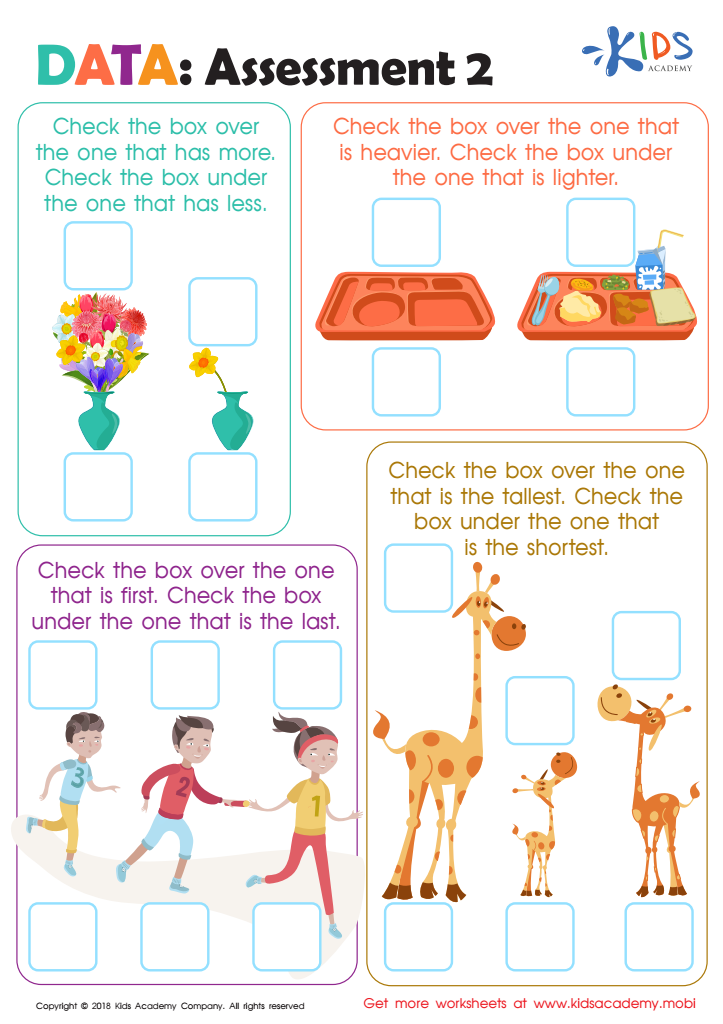
Data: Assessment 2 Worksheet
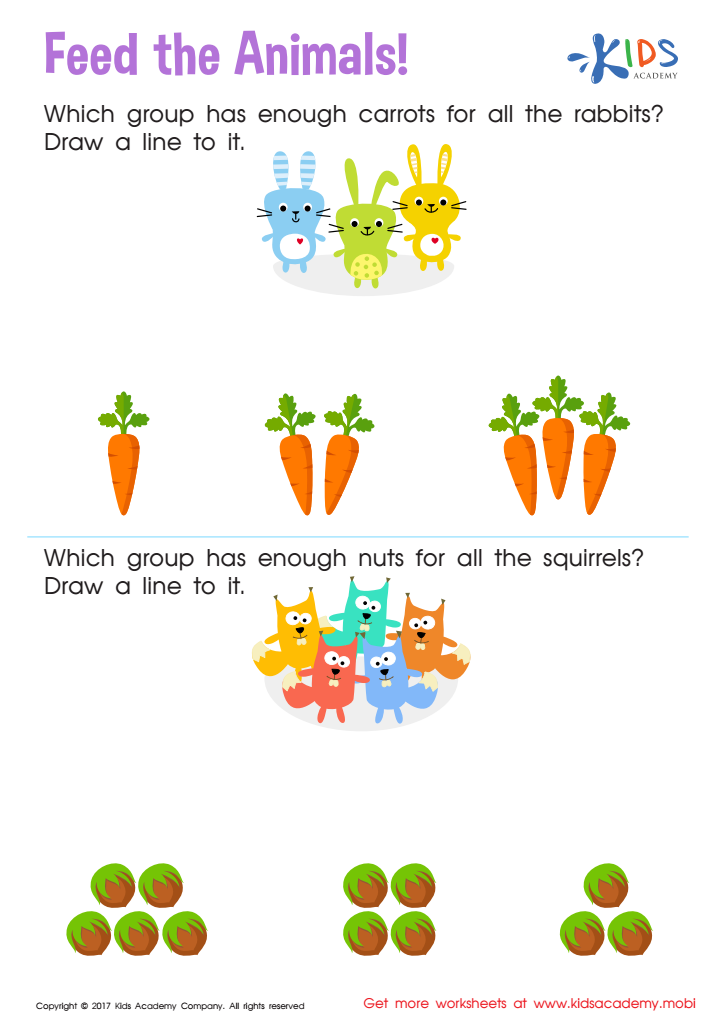
Count and Match: Feed the Animals Worksheet


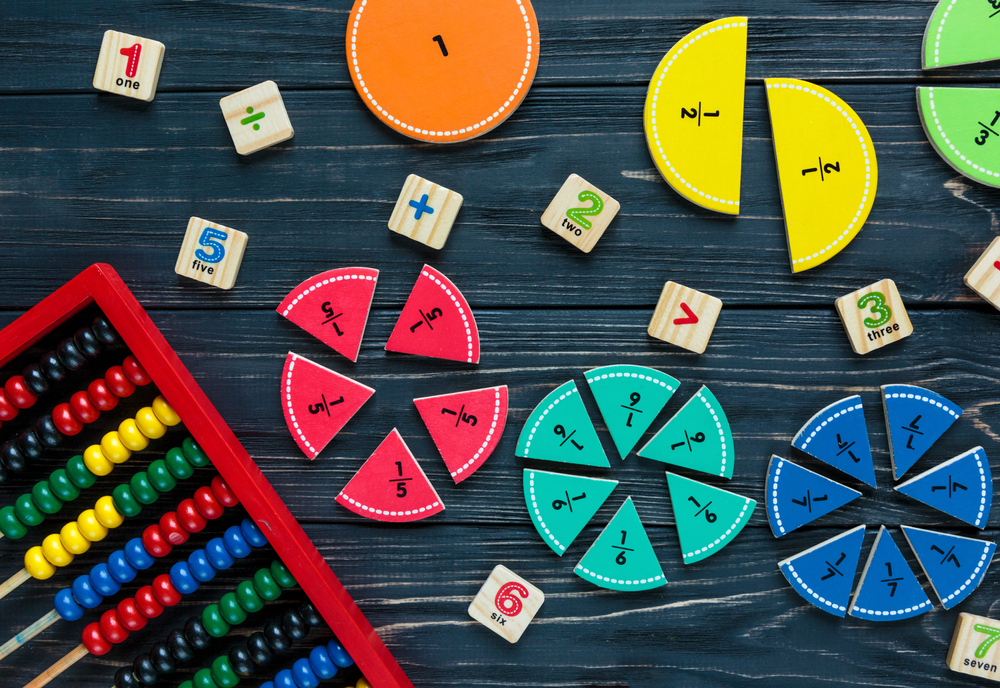



In the critical developmental stages of ages 3 to 6, fostering comparison skills holds significant value for children's cognitive and social growth. Comparison helps children understand relationships and differences among objects, people, and ideas, laying the groundwork for basic math concepts such as measurement, categorization, and numeracy. When children compare sizes, weights, and quantities, they enhance their observational skills and understand the world around them more comprehensively.
Moreover, comparison aids in language development. By encouraging children to articulate how two items are alike or different, parents and teachers help expand their vocabulary and expressive capabilities. For instance, asking a child to compare two fruits can introduce descriptive words like "bigger," "smaller," "sweeter," and "more sour."
Socially and emotionally, comparison skills can foster empathy and self-awareness. When children compare experiences or emotions, they learn to articulate their feelings and understand others'. However, adults need to guide these comparisons healthily, ensuring they build self-esteem and do not provoke jealousy or inadequacy.
Ultimately, parents and teachers play crucial roles in creating environments where children engage in meaningful comparisons. Through structured play, guided discussions, and everyday activities, adults can help children develop these foundational skills, essential for lifelong learning and social interaction.








