Numbers Worksheets for Ages 3-6 - Page 2
381 filtered results
-
From - To
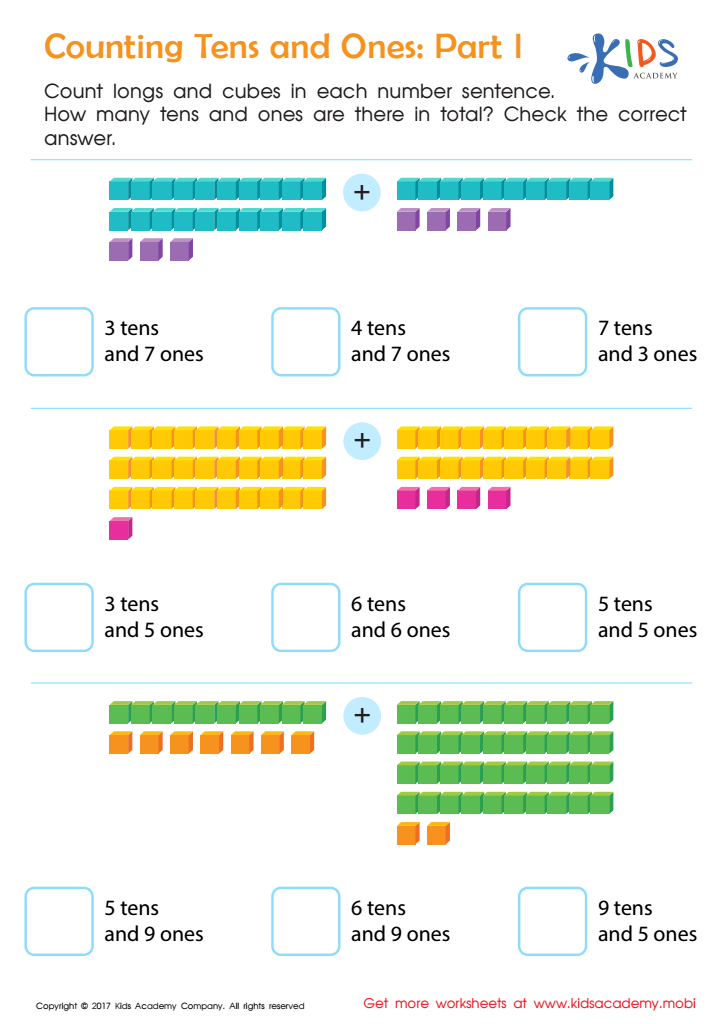
Counting Tens and Ones: Part 1 Worksheet
 Assign to My Students
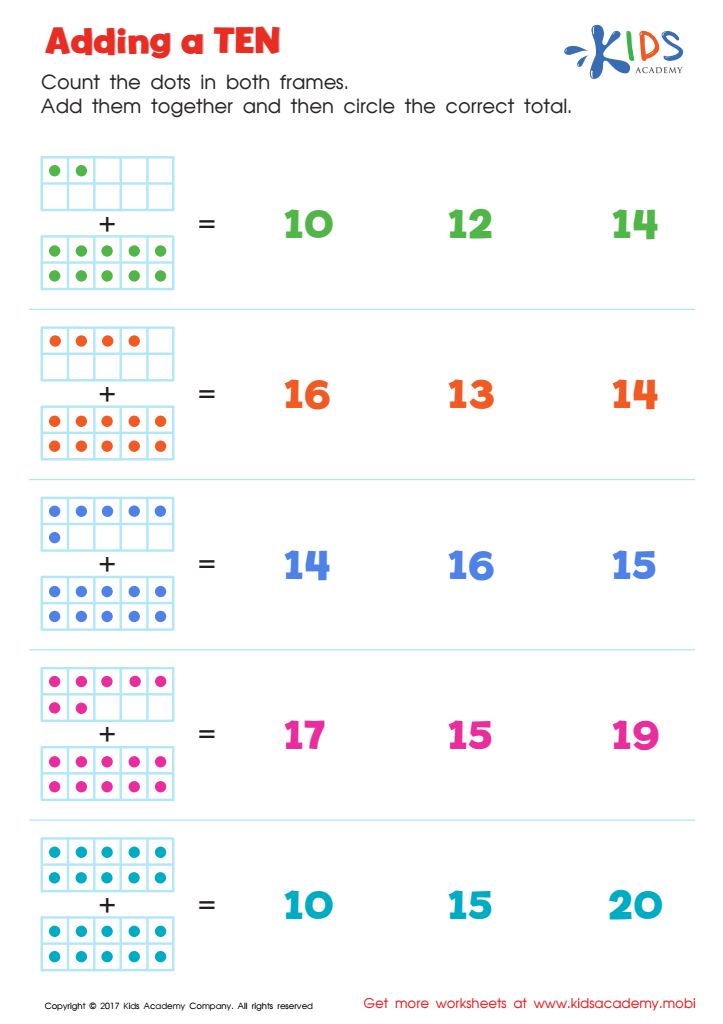
Adding a Ten Worksheet
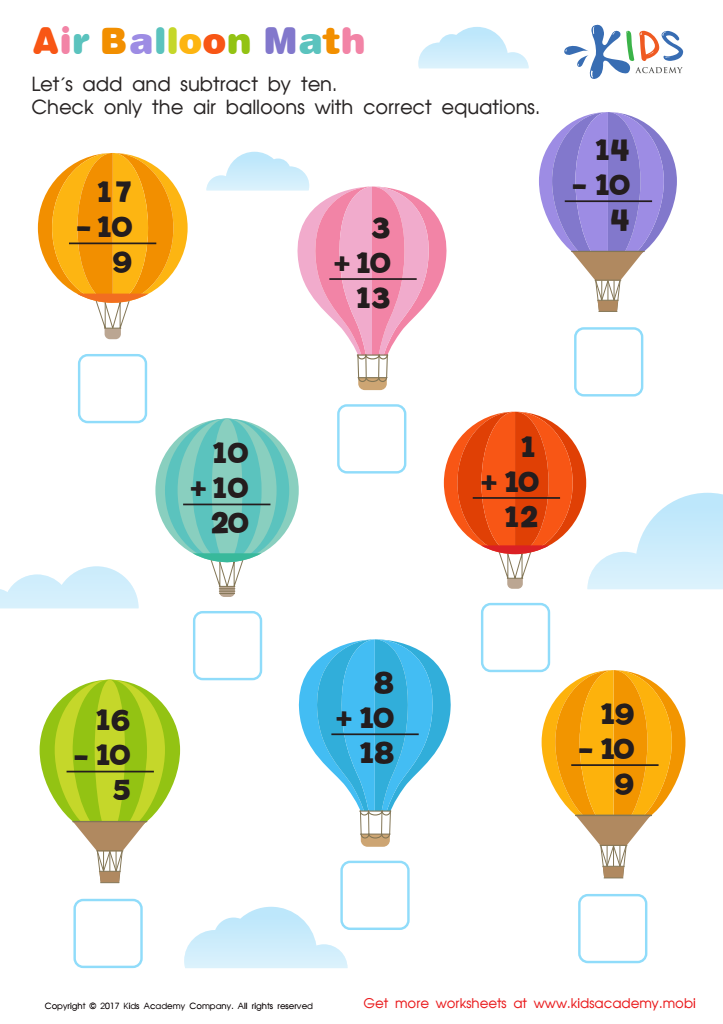
Air Balloon Math Worksheet
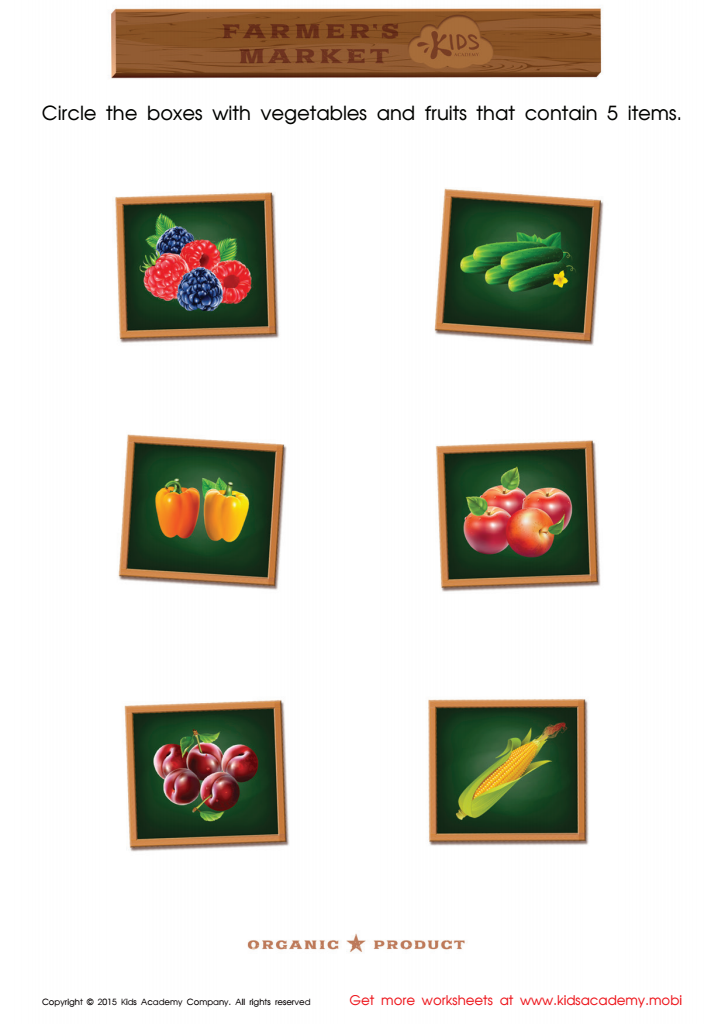
Count and Match Vegetables 1 – 7 Math Worksheet
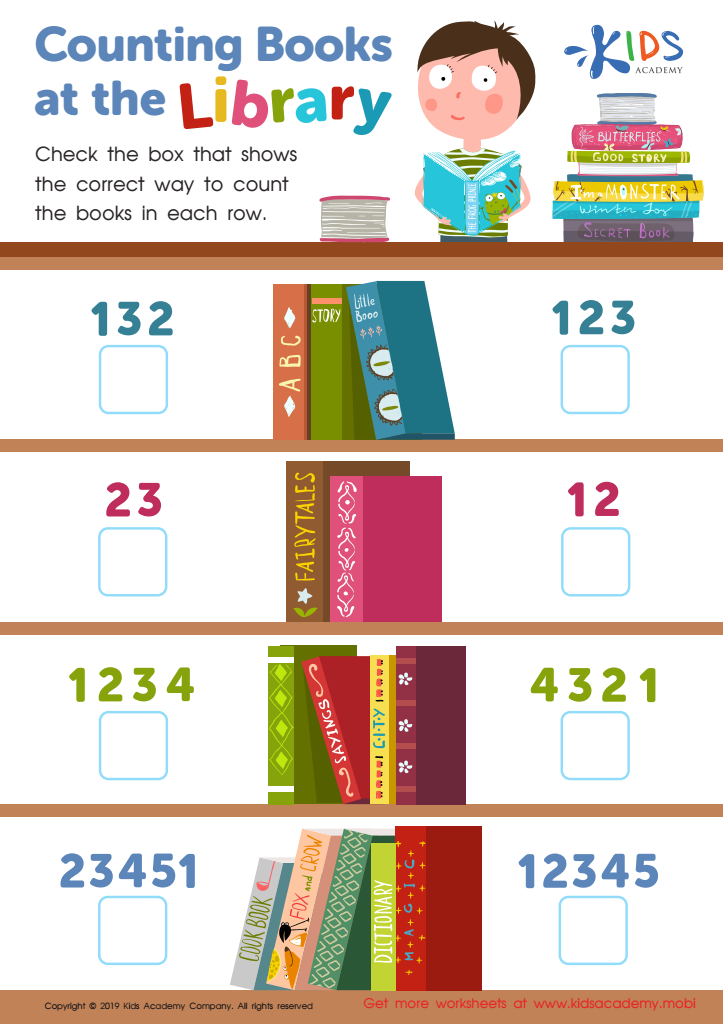
Counting Books at the Library Worksheet
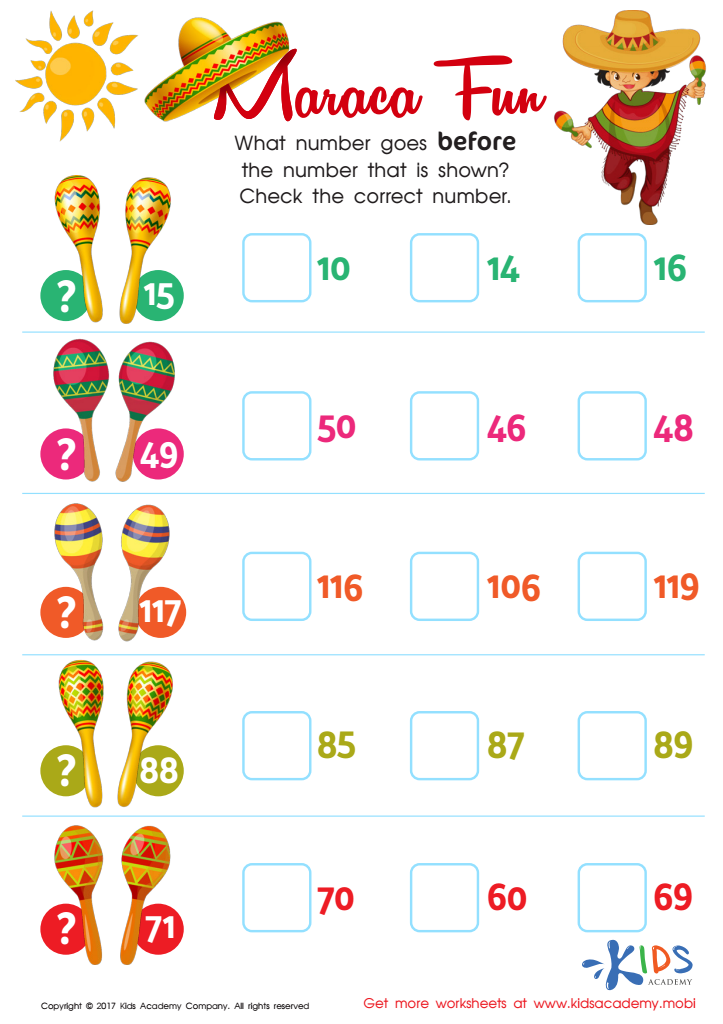
Counting: Maraca Fun Worksheet
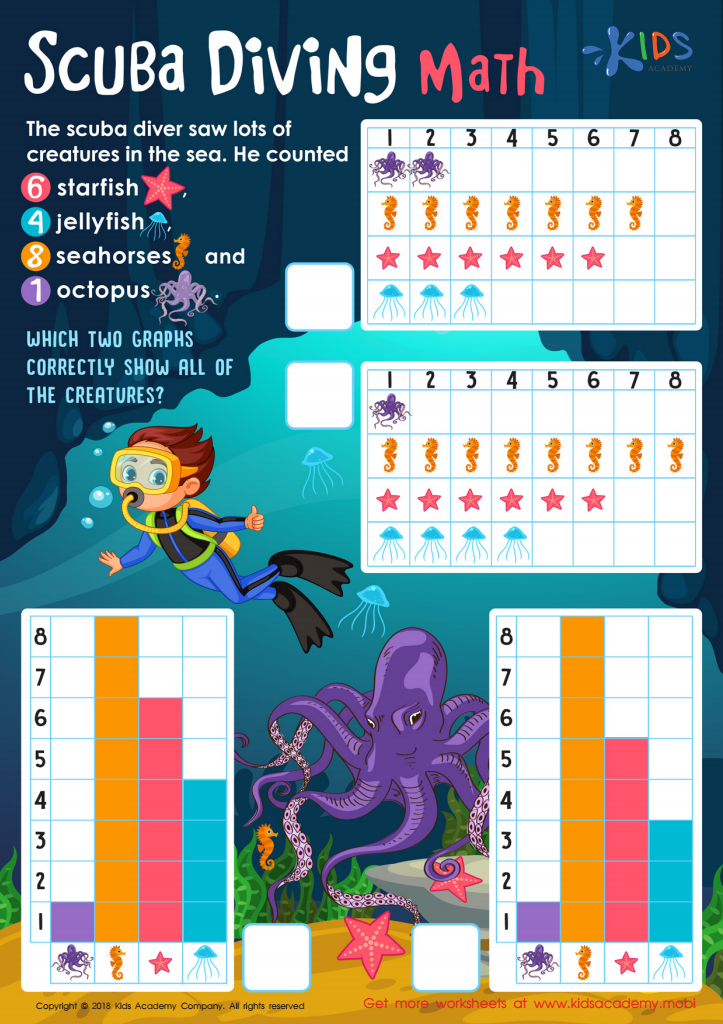
Scuba Diving Math Worksheet
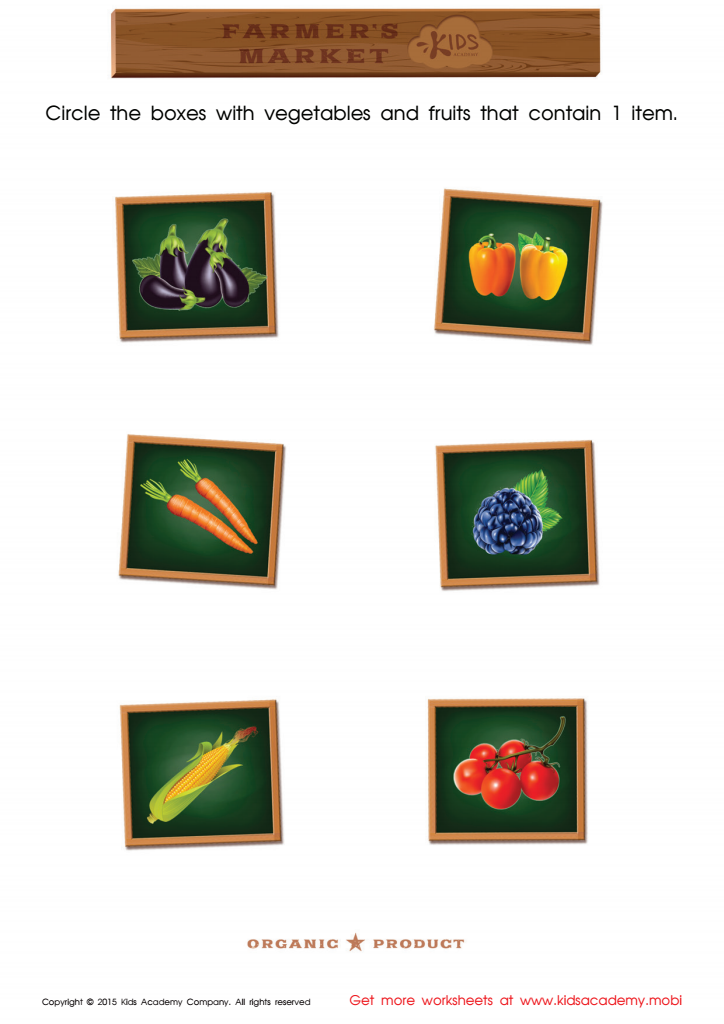
Count and Match Boxes with Vegetables
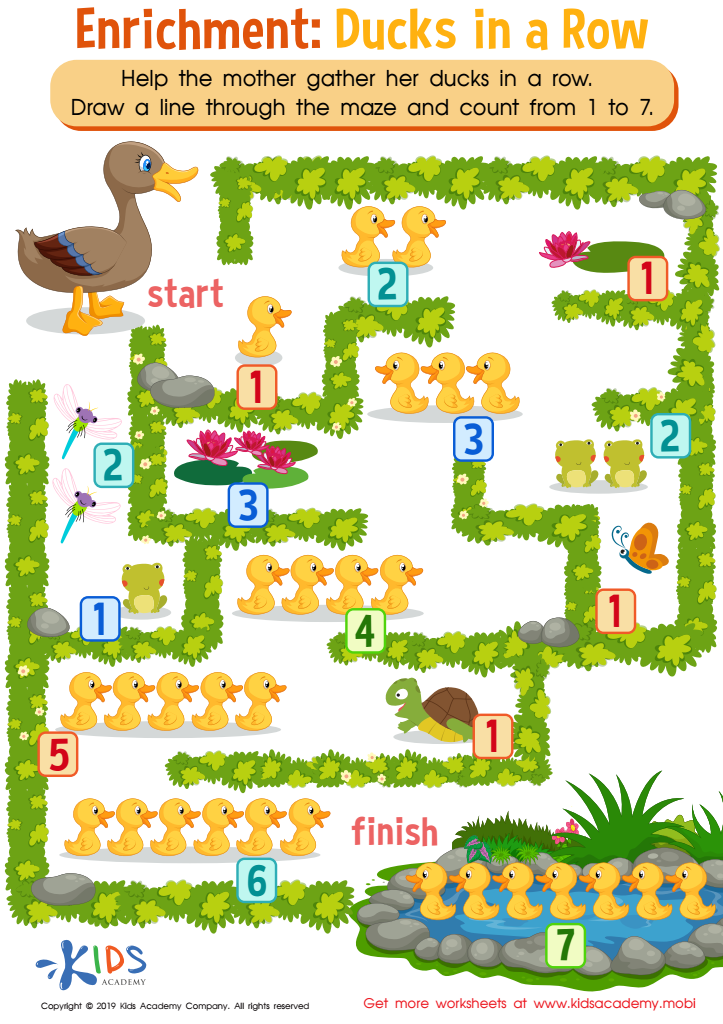
Ducks in a Row Worksheet
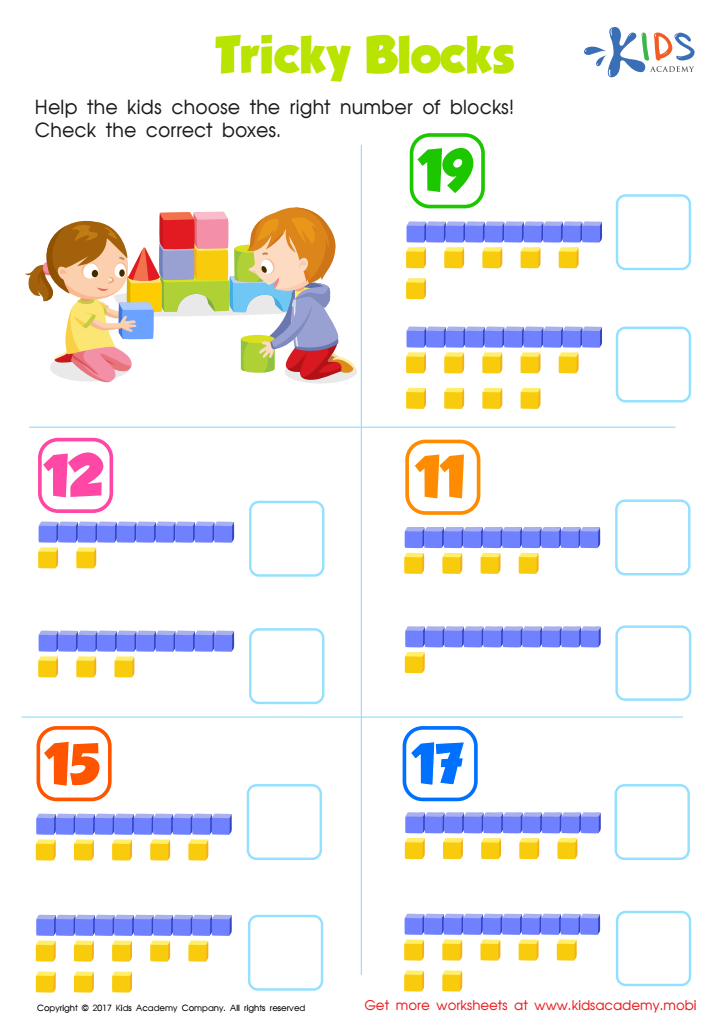
Tricky Blocks Worksheet
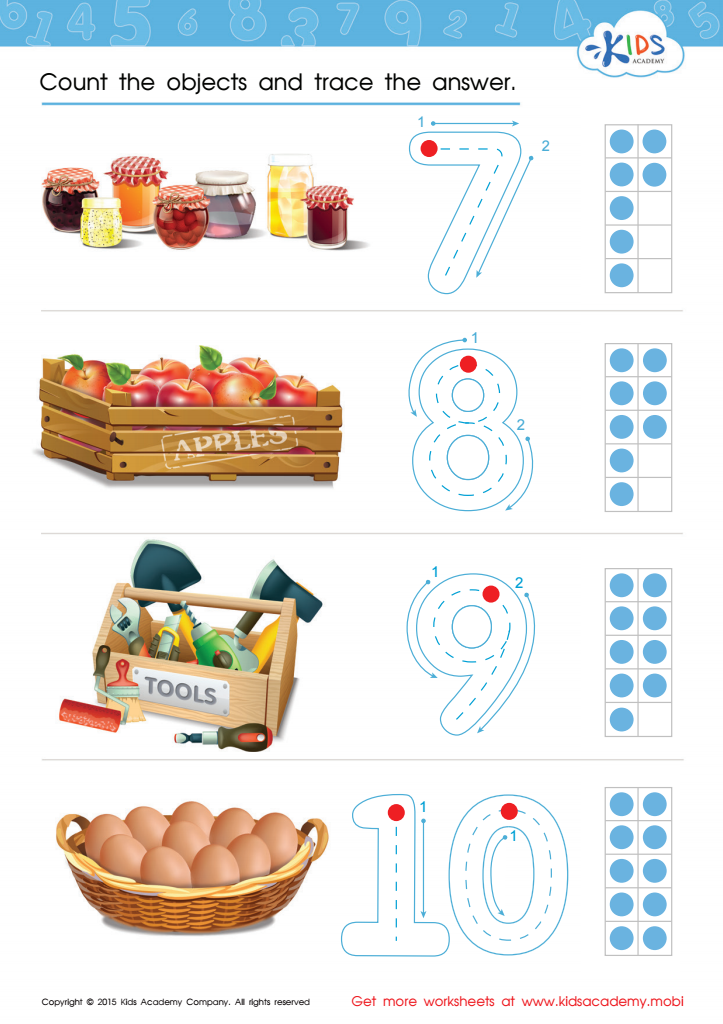
Count and Trace 7 – 10 Worksheet
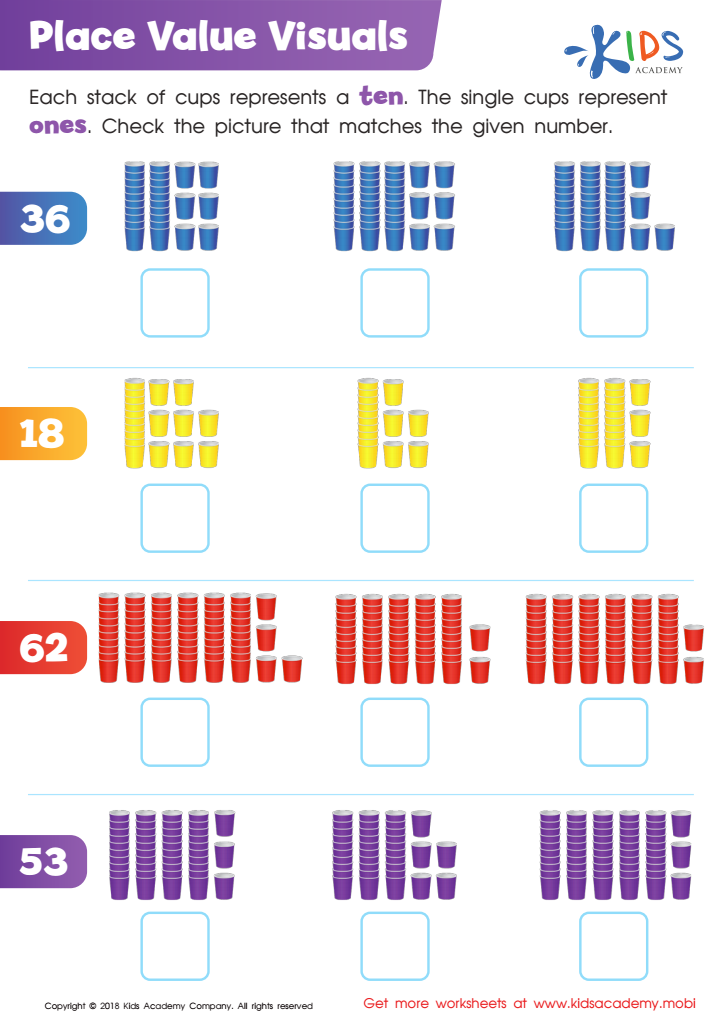
Place Value Visuals Worksheet
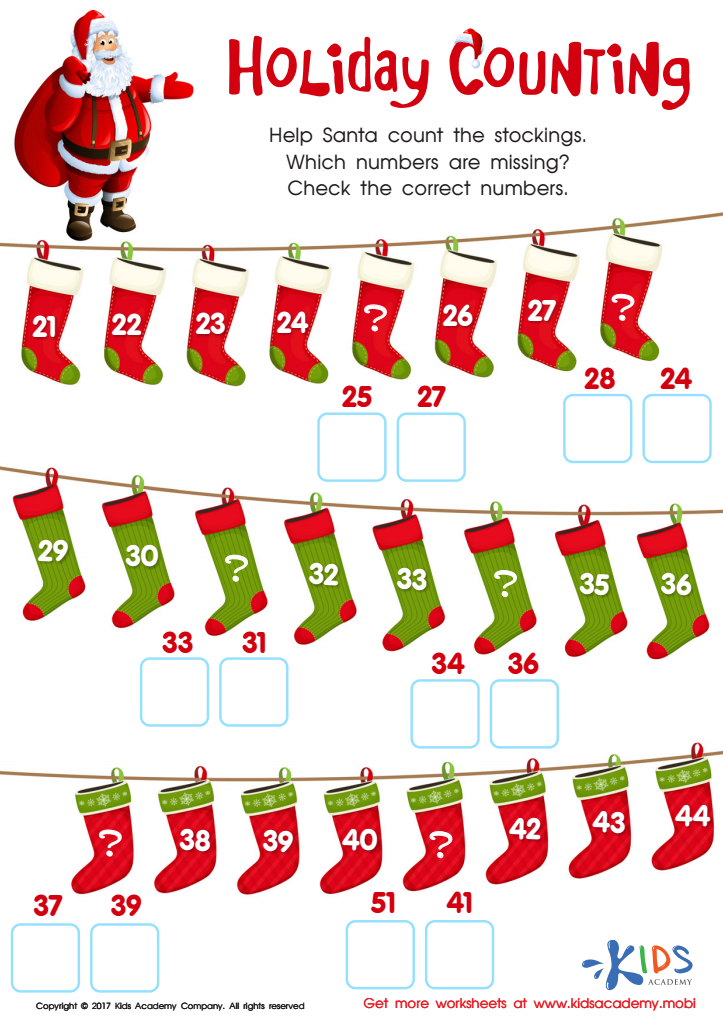
Holiday Counting Worksheet
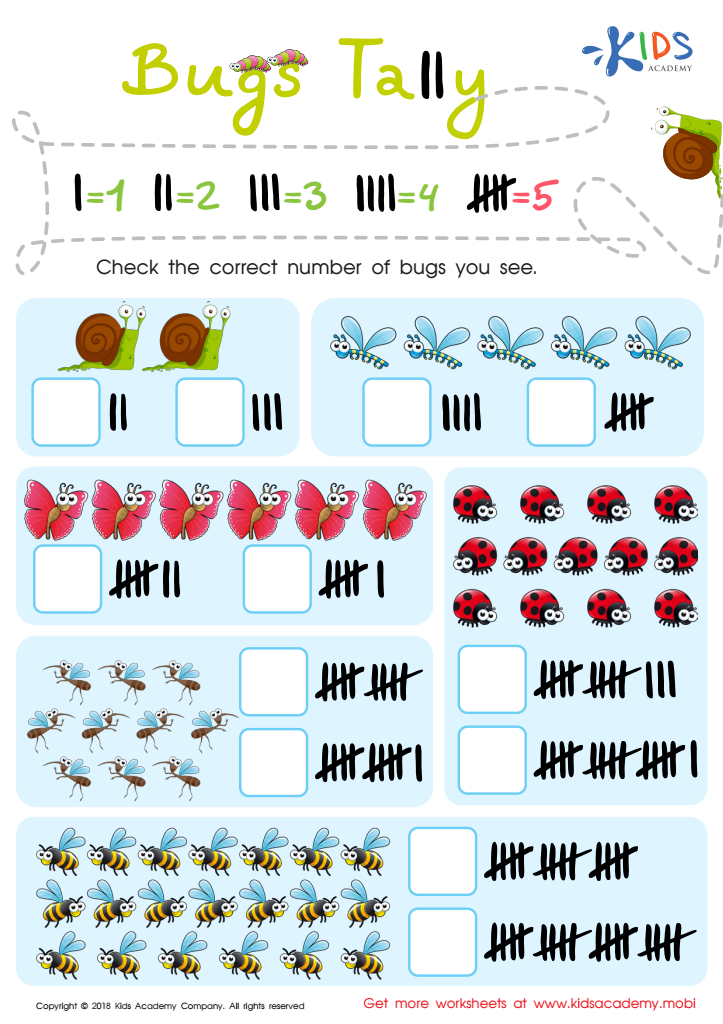
Bugs Tally Worksheet
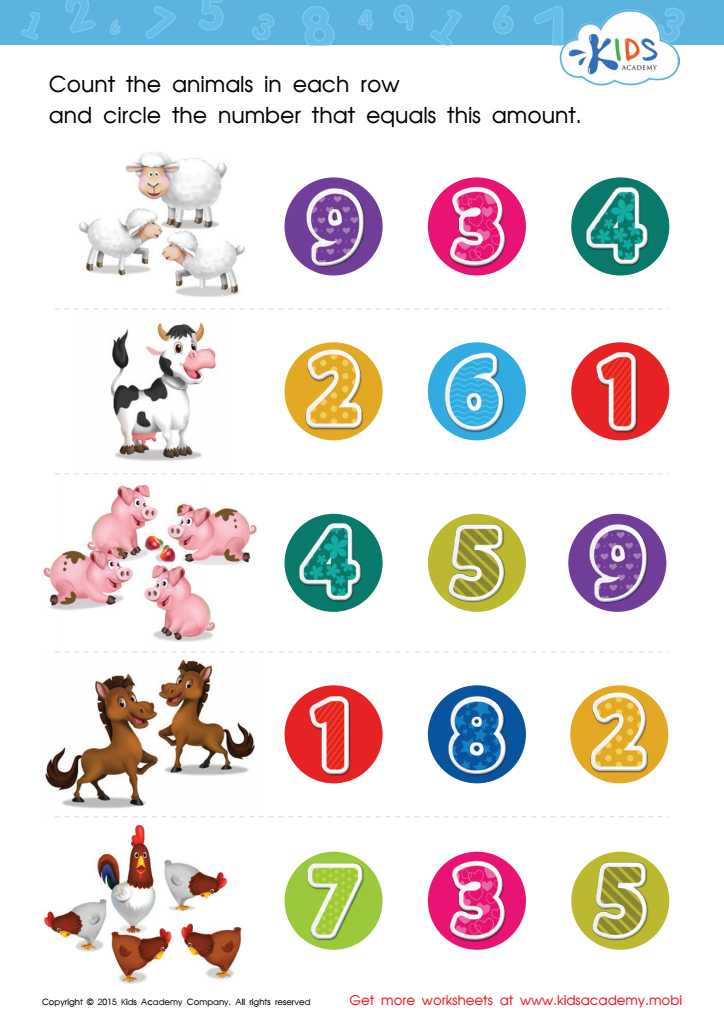
Count and Match 1 – 5 Math Worksheet
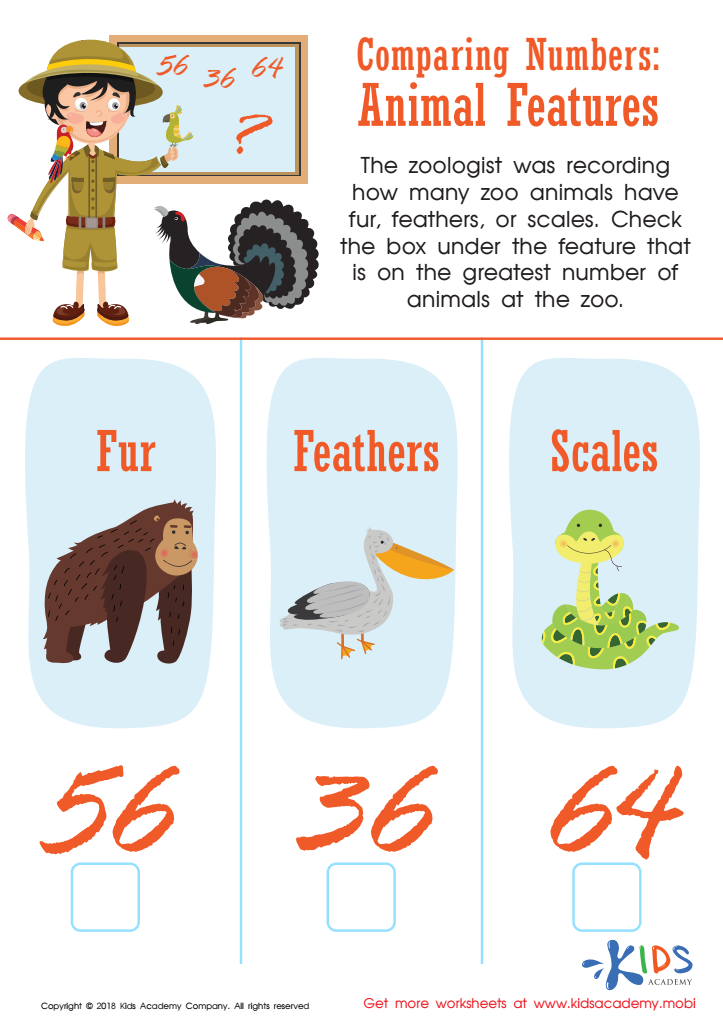
Animal Features Worksheet
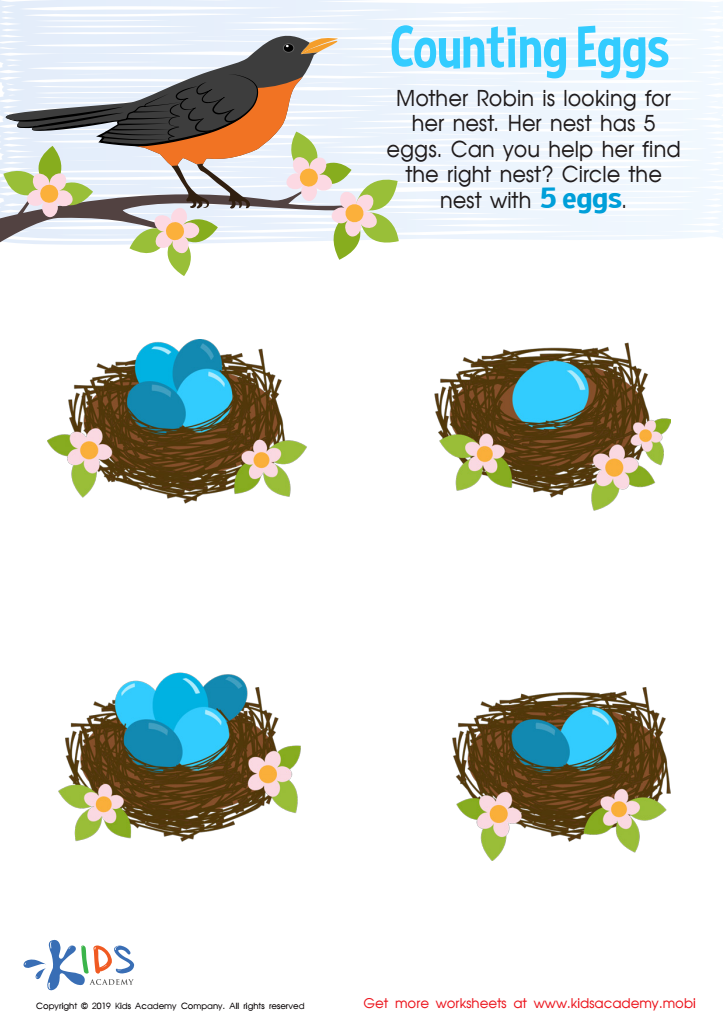
Counting Eggs Worksheet
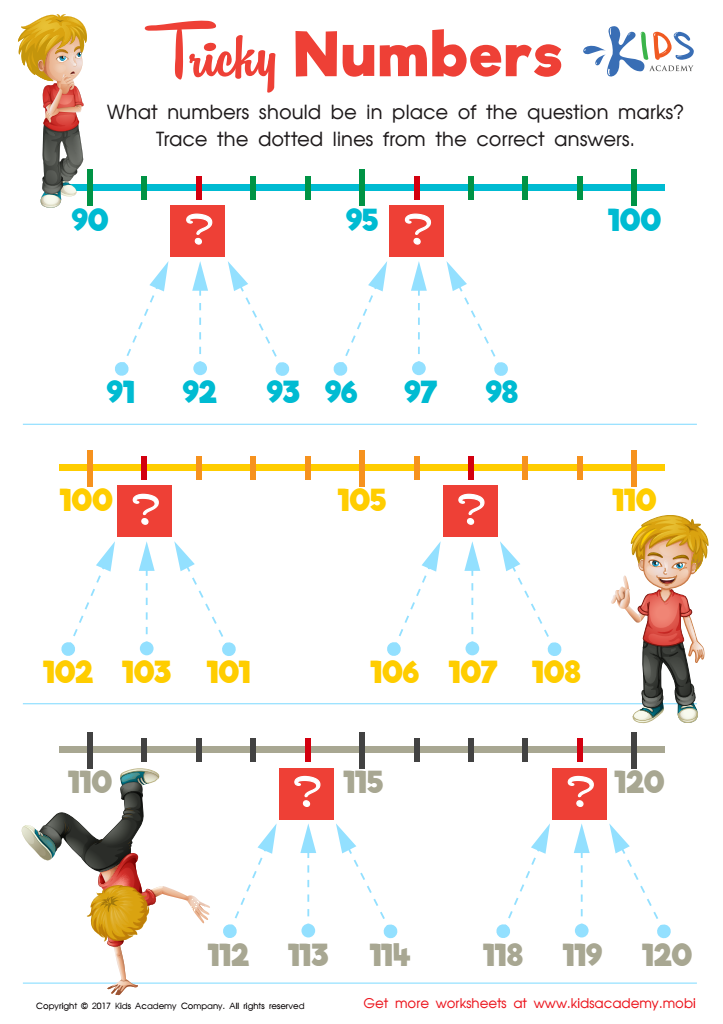
Tricky Numbers Worksheet
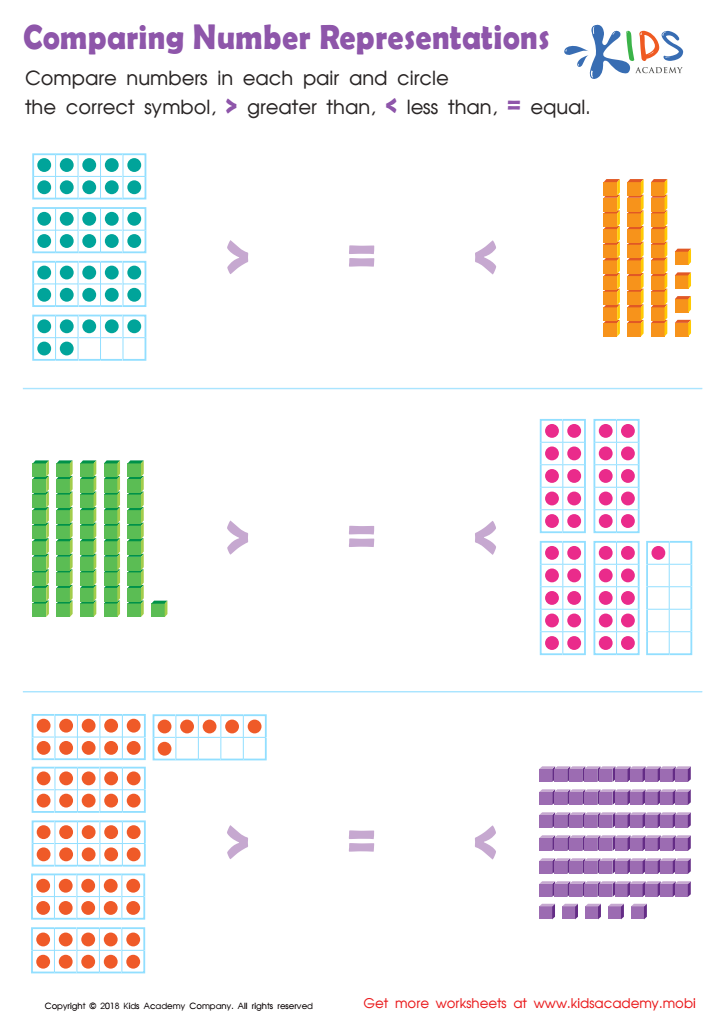
Comparing Number Representations Worksheet
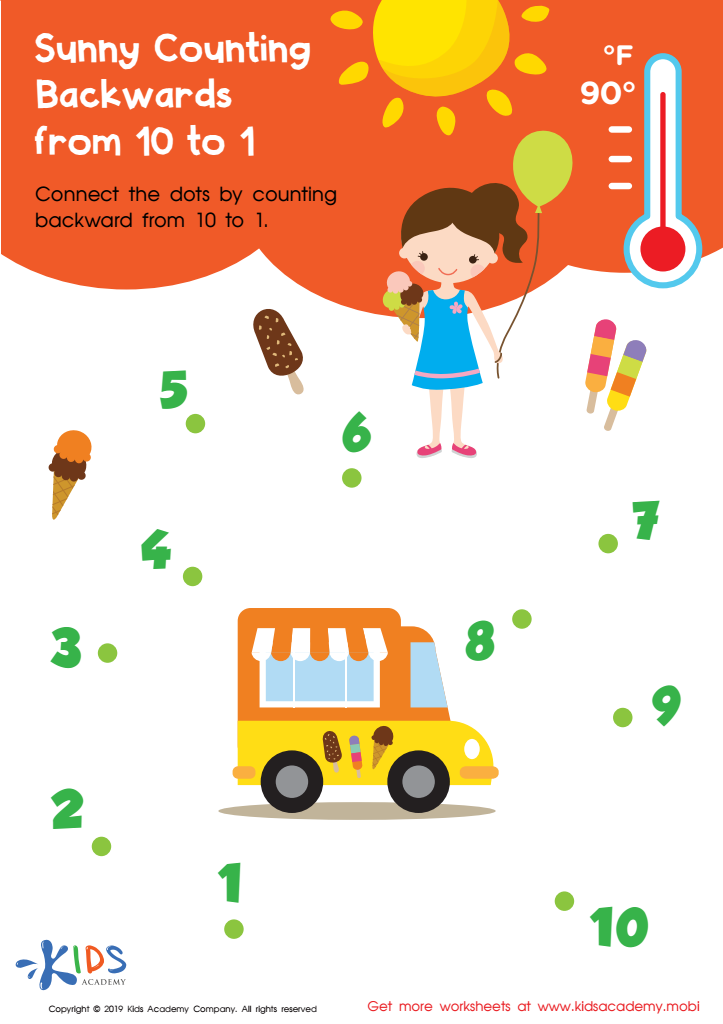
Sunny Counting Backwards from 10 to 1 Worksheet
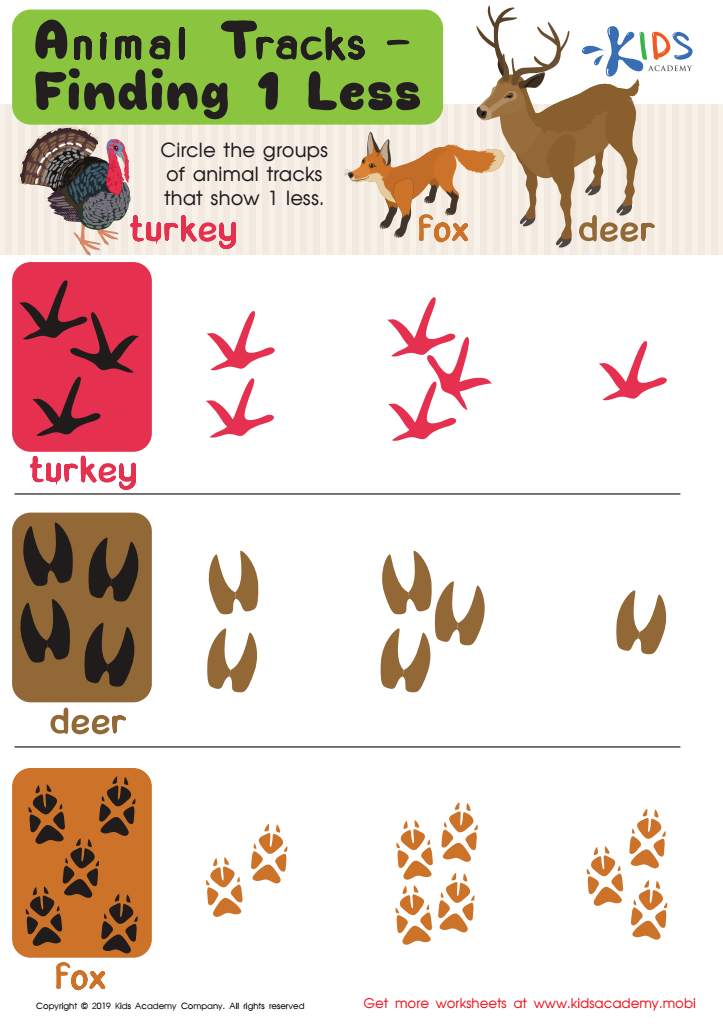
Animal Tracks: Find 1 Less Worksheet
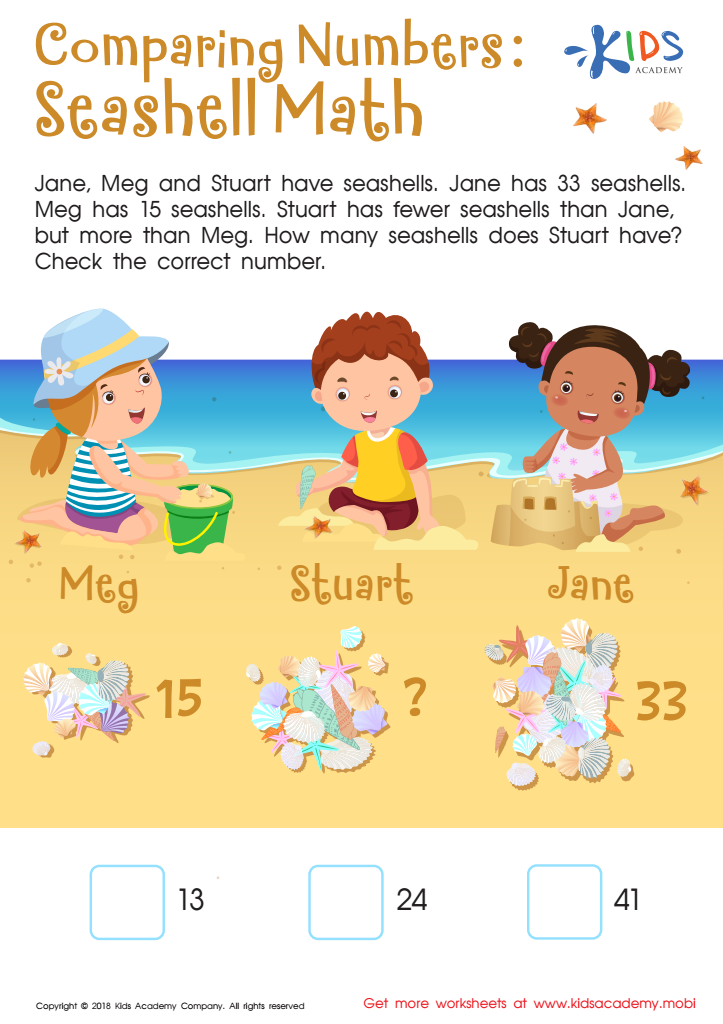
Seashell Collectors Worksheet
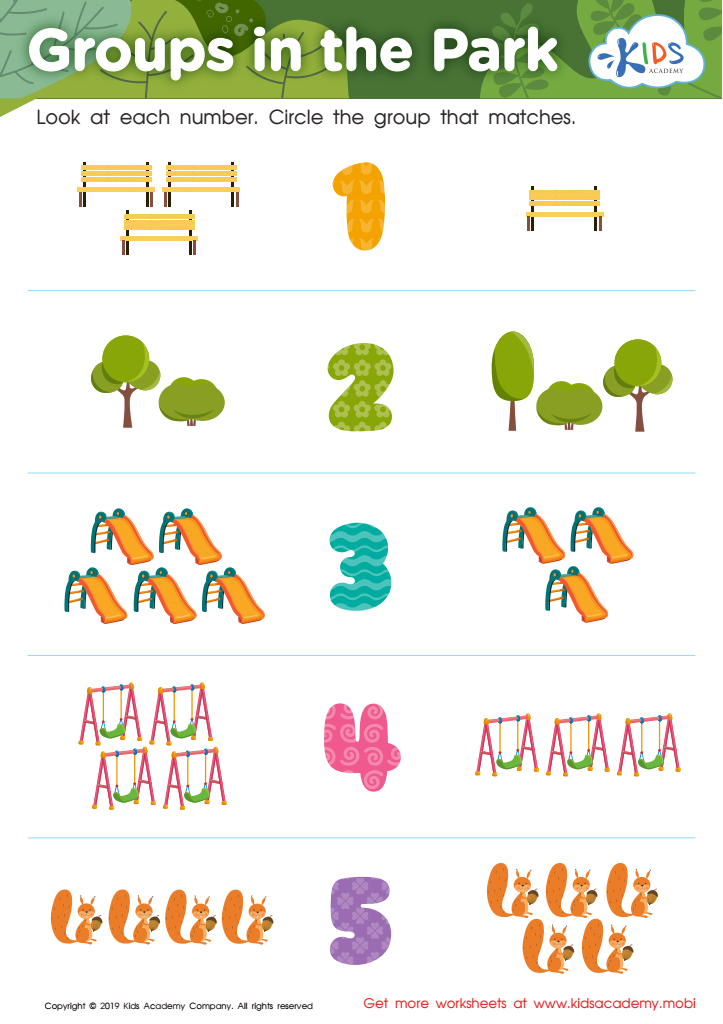
Groups in the Park Worksheet





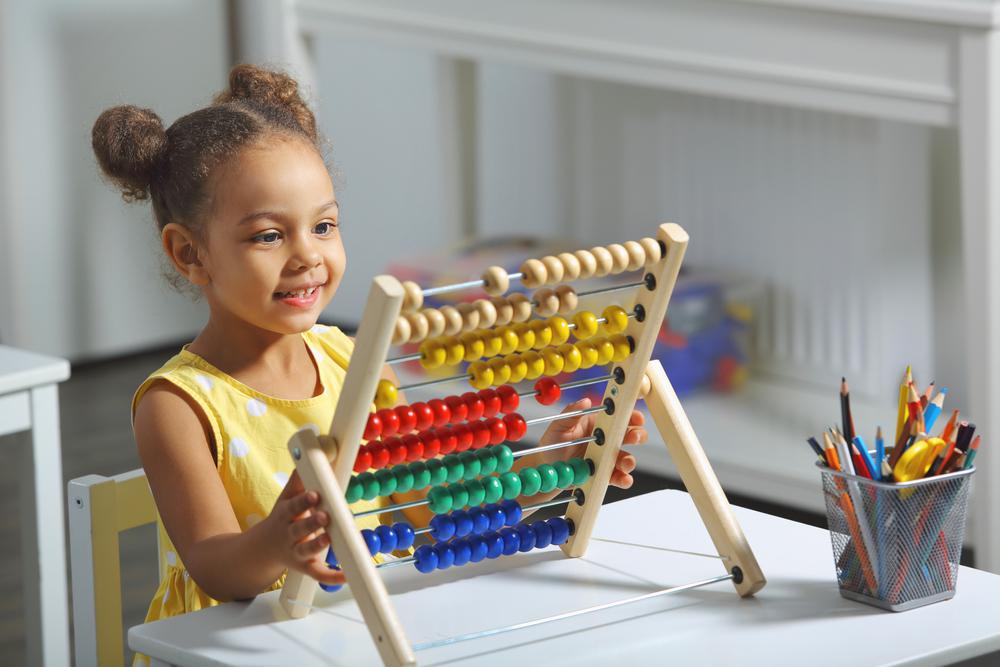


Parents and teachers should prioritize numeracy for children aged 3-6 because this foundational skill set is crucial for their overall cognitive development and future academic success. Early exposure to numbers helps foster critical thinking, problem-solving abilities, and spatial awareness, which are essential for everyday tasks and advanced learning in mathematics and sciences.
At this age, children's brains are highly adaptable, making it the perfect time to instill a love for numbers through playful and engaging activities. Simple counting games, sorting activities, and everyday situations involving numbers help children develop a positive attitude toward math and learning. Additionally, understanding numbers lays the groundwork for more complex concepts, such as addition, subtraction, and basic geometry, encountered in later schooling.
Moreover, being numerically literate boosts a child's confidence and self-esteem. It empowers them to engage in discussions about numbers and mathematics, bridging connections in various aspects of learning. By investing time and resources into developing numeracy skills in early childhood, parents and teachers not only enrich children’s educational journeys but also equip them with essential tools for successful futures in a numerically driven world. Engaging kids in early math exploration not only prepares them academically but also enhances their everyday life skills.








