Matching Worksheets for Ages 3-6 - Page 2
77 filtered results
-
From - To
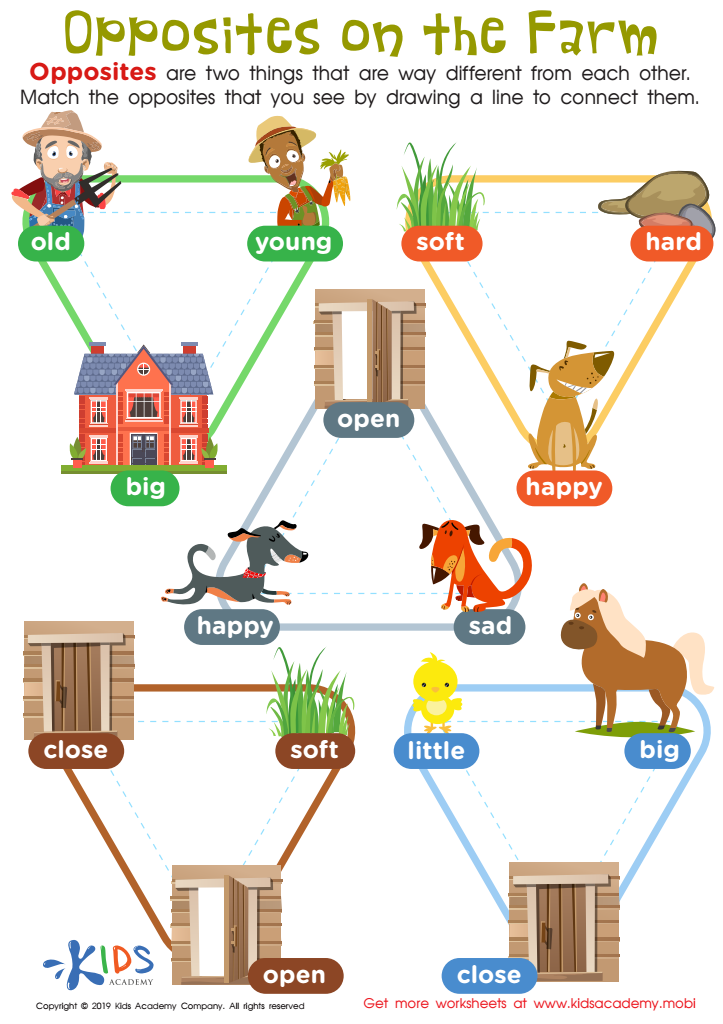
Opposites on the Farm Worksheet
 Assign to My Students
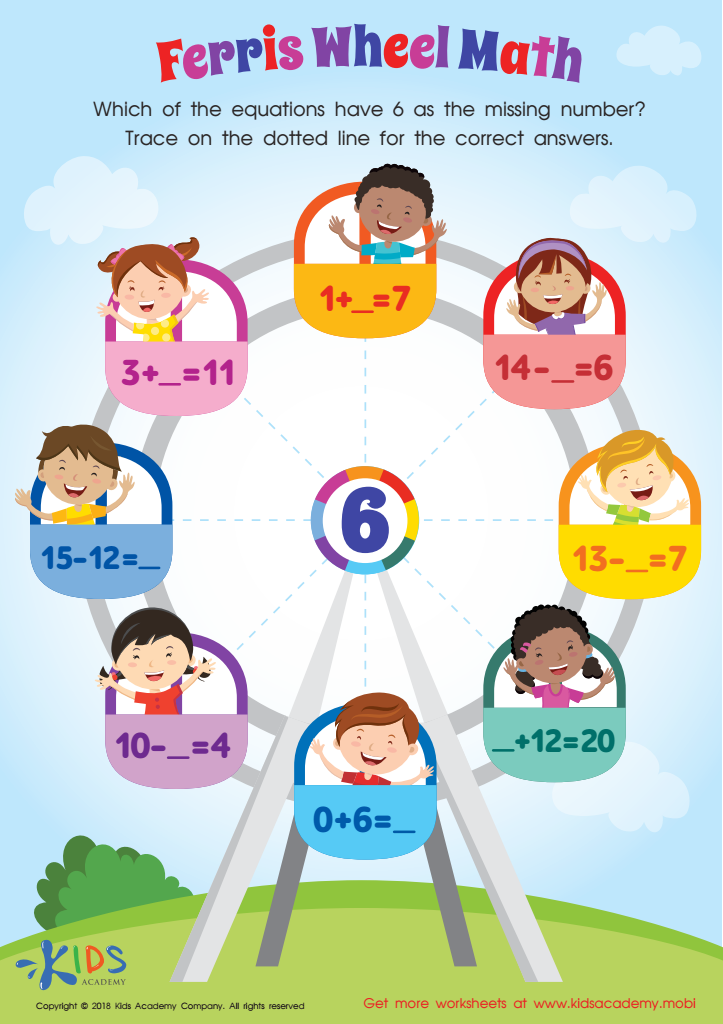
Missing Number: Ferris Wheel Math Worksheet
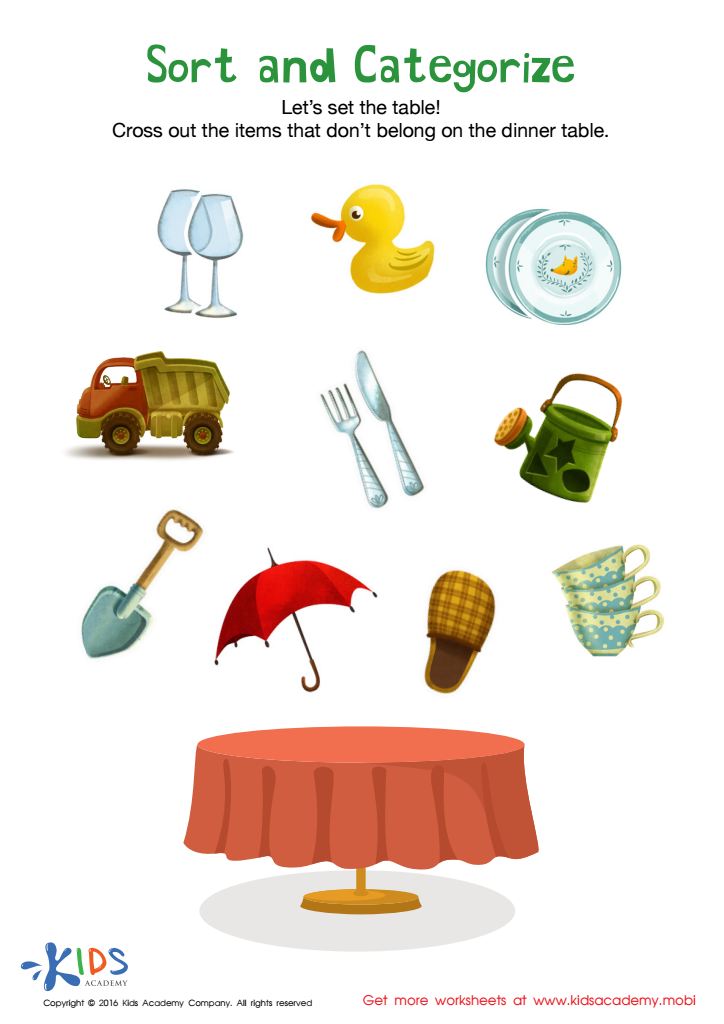
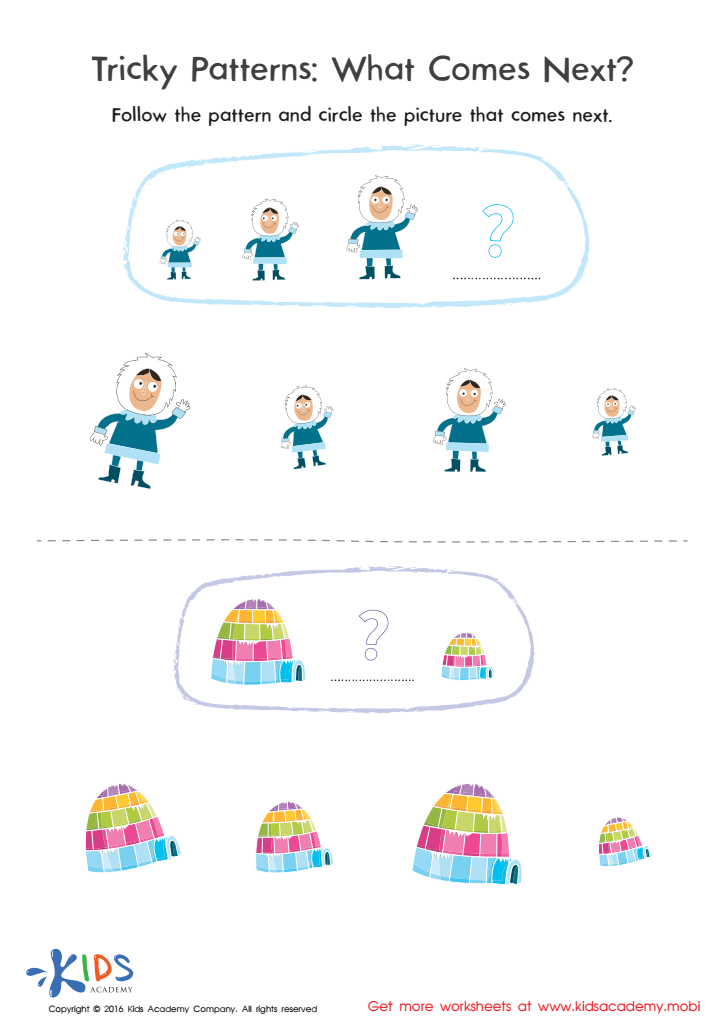
Tricky Patterns Size Worksheet
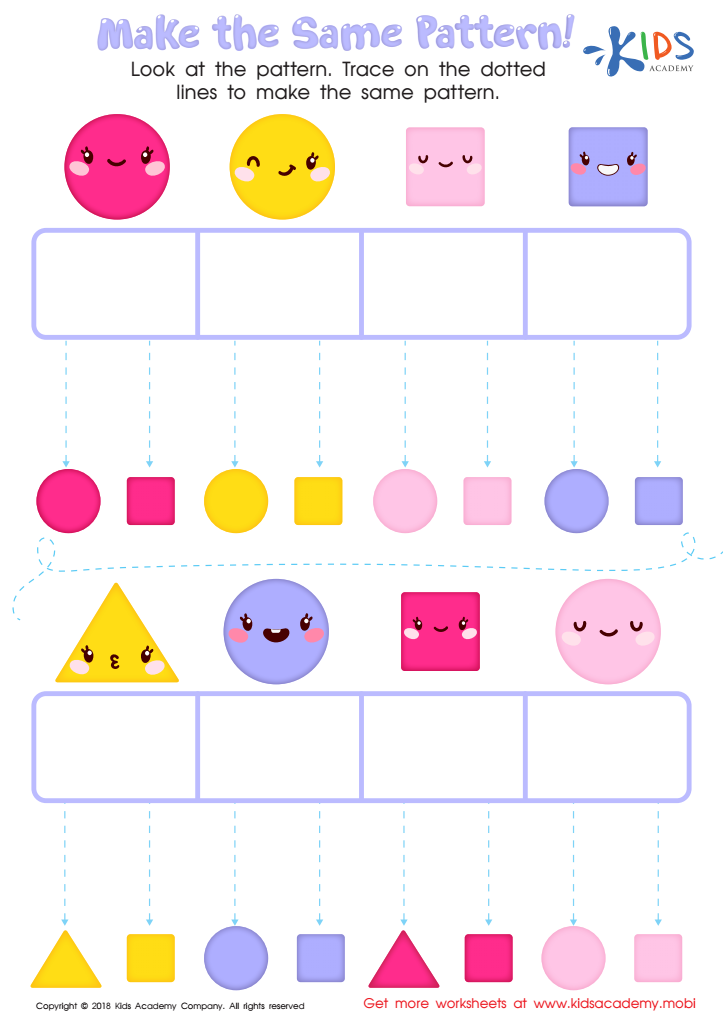
Make the Same Pattern Worksheet
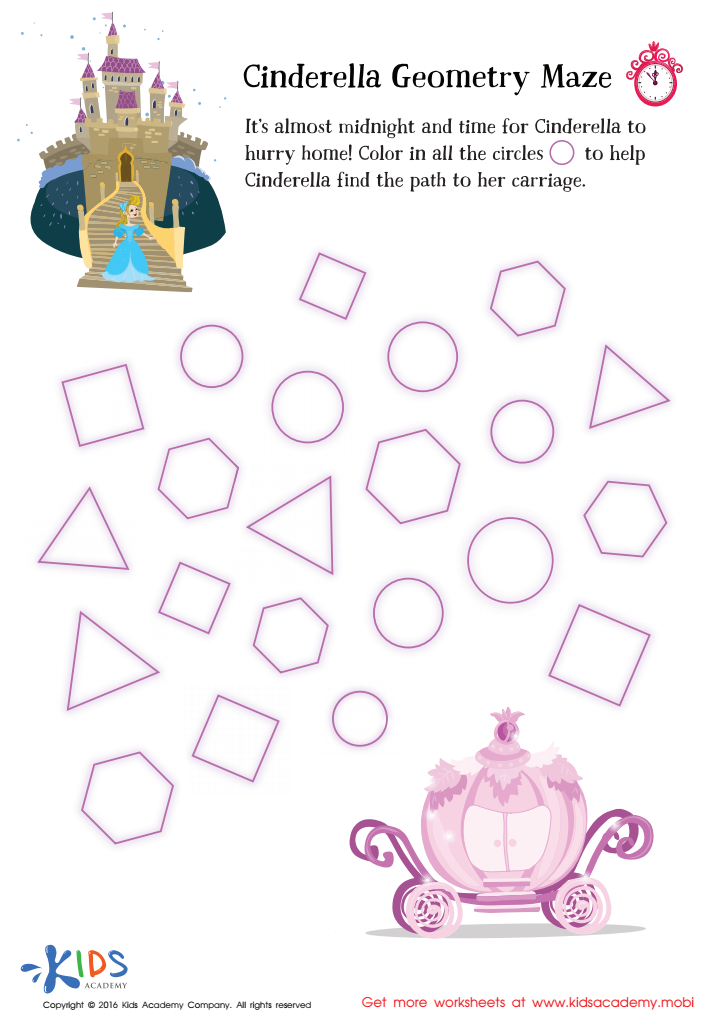
Cinderella Geometry Maze Worksheet
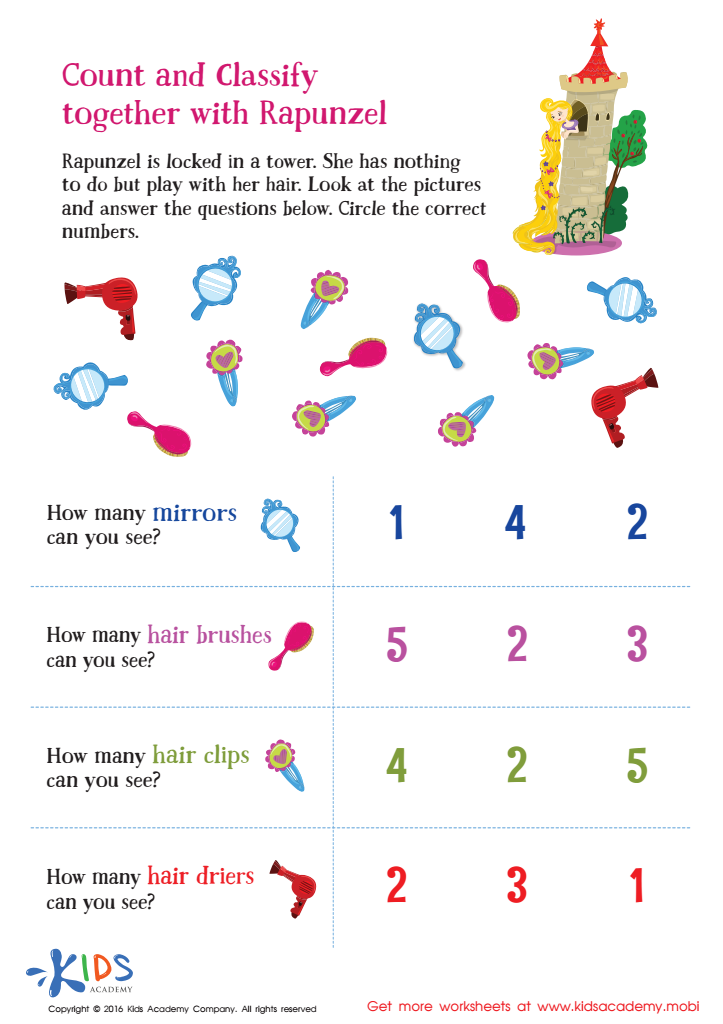
Fairy Tale Worksheet: Count and Classify with Rapunzel
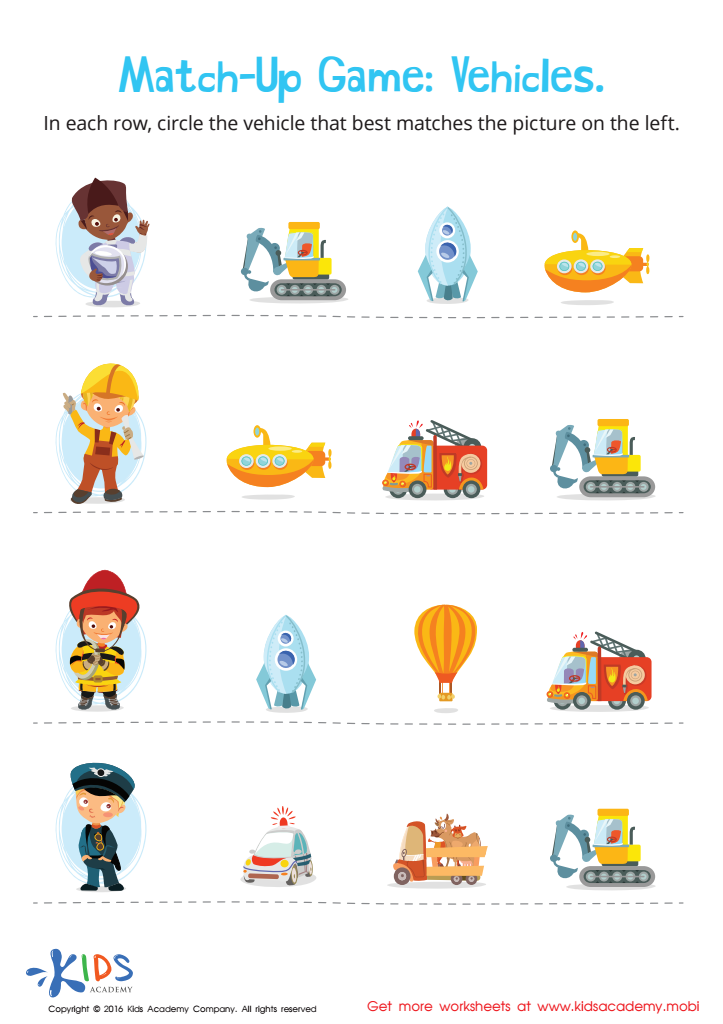
Vehicles Worksheet
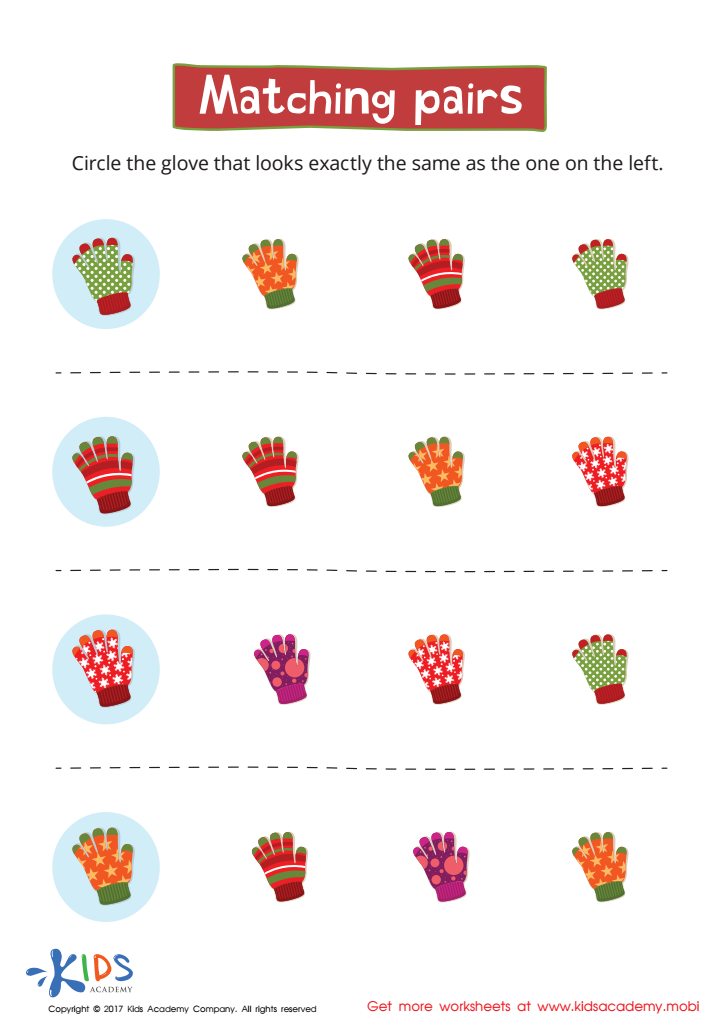
Matching: Matching Pairs Worksheet
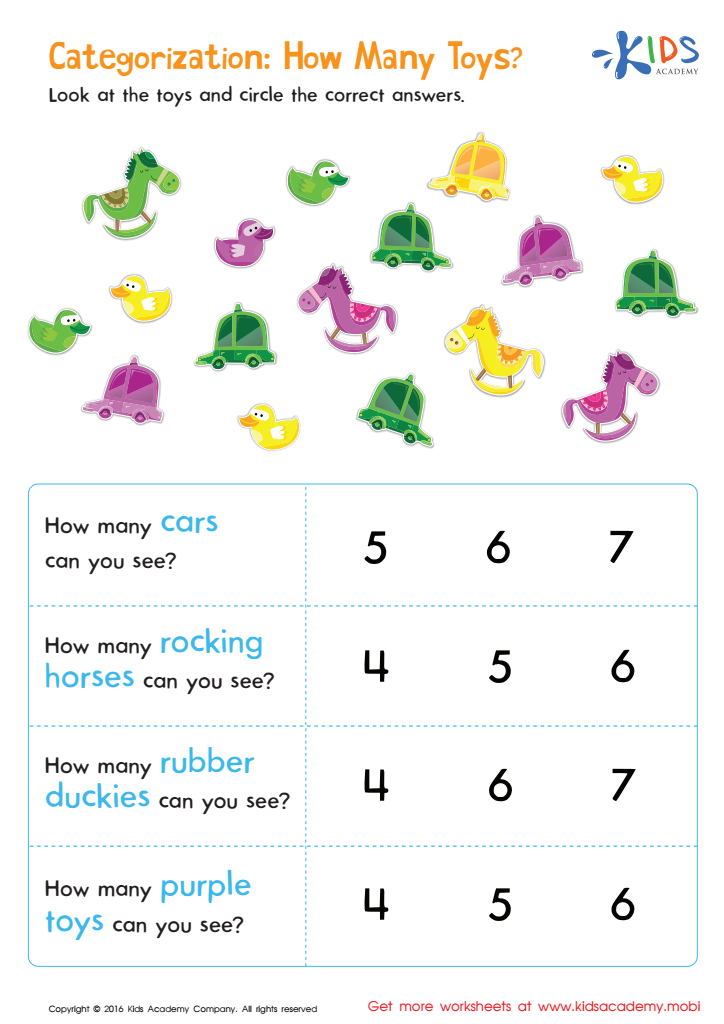
Classifying Toys by Type and Color Sorting Worksheet
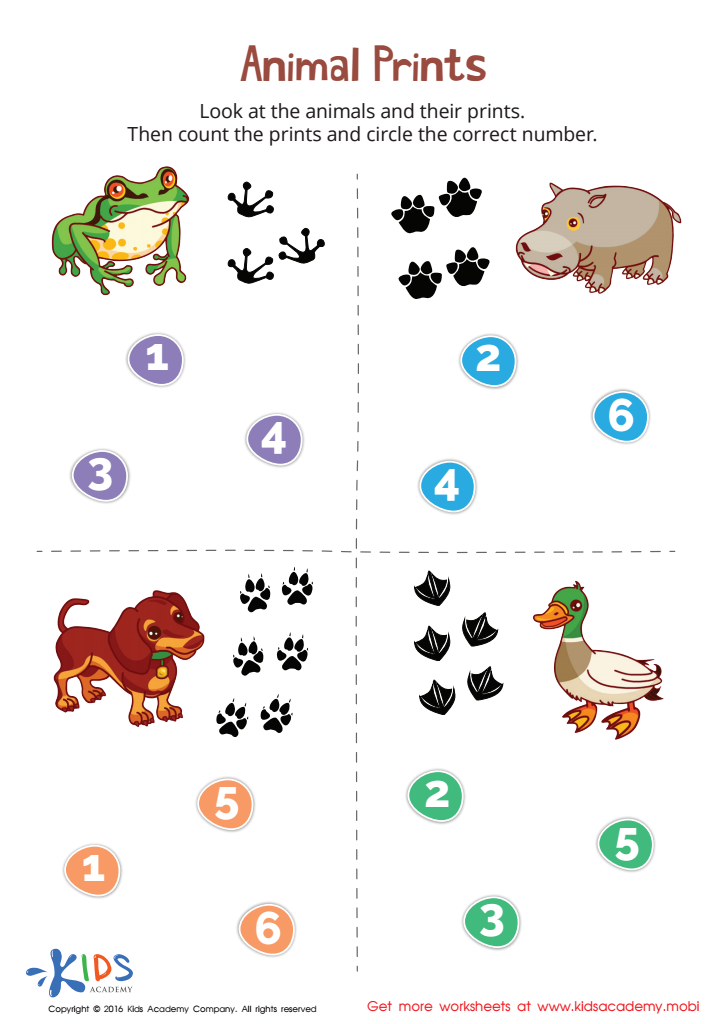
Animal Prints Match-Up Worksheet
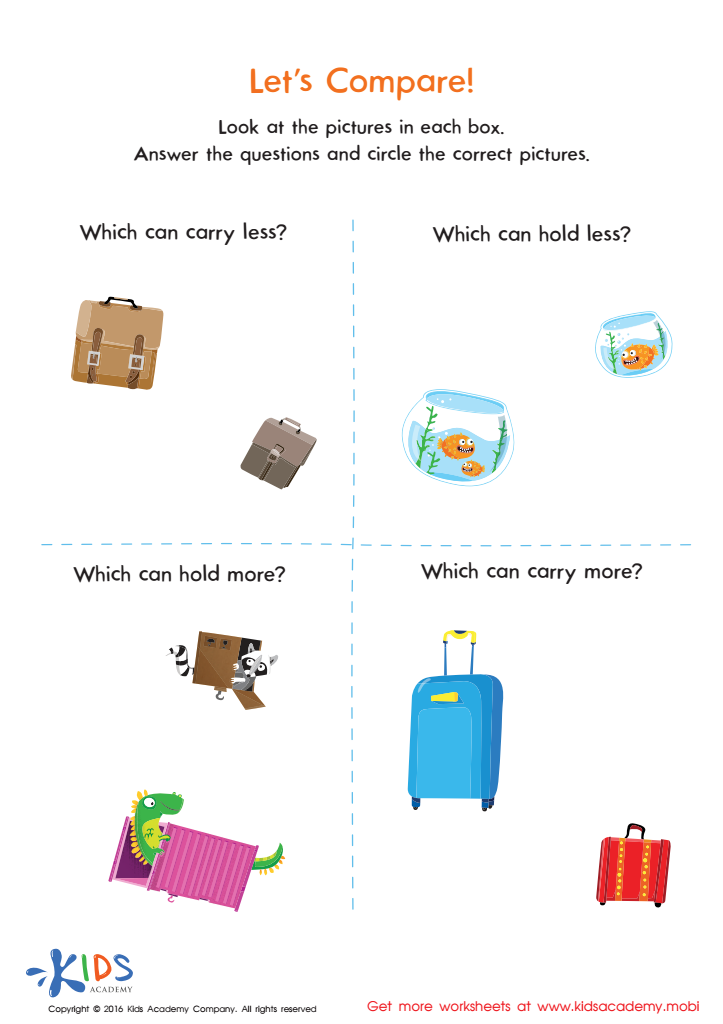
Let's Compare Worksheet: Big or Small
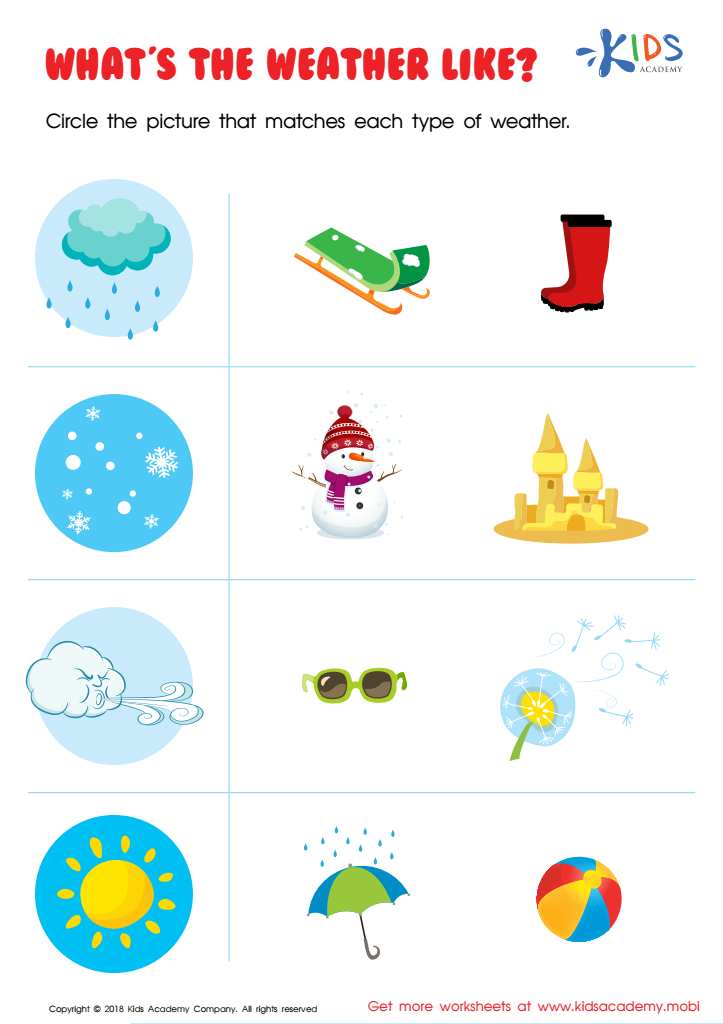
What's the Weather Like? Worksheet
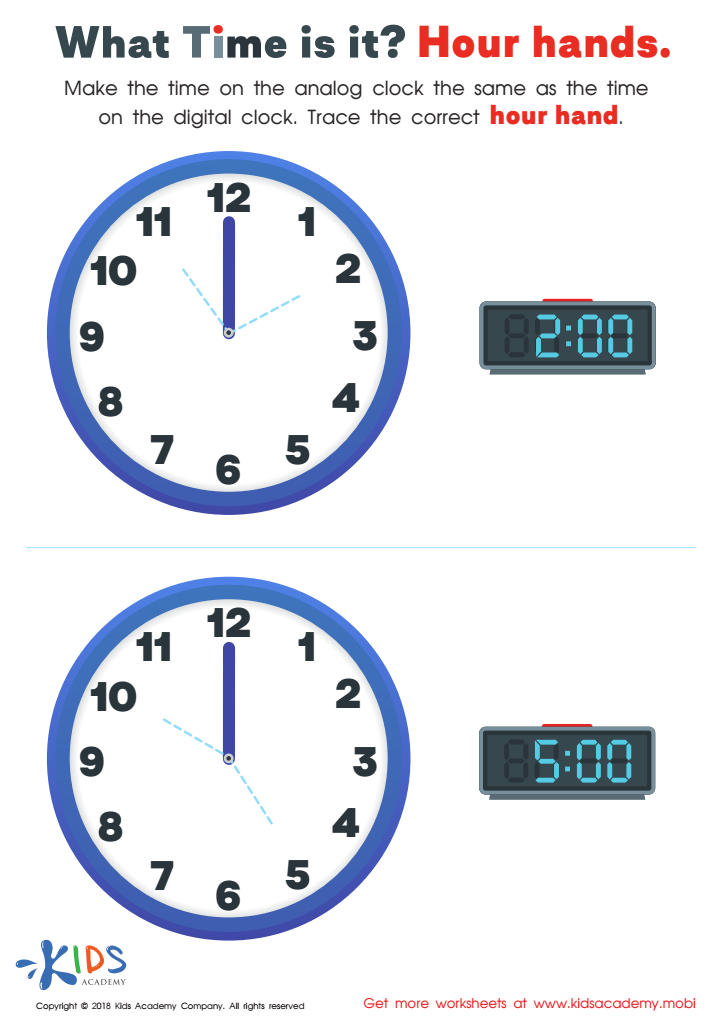
What Time Is it? Hour Hands Worksheet
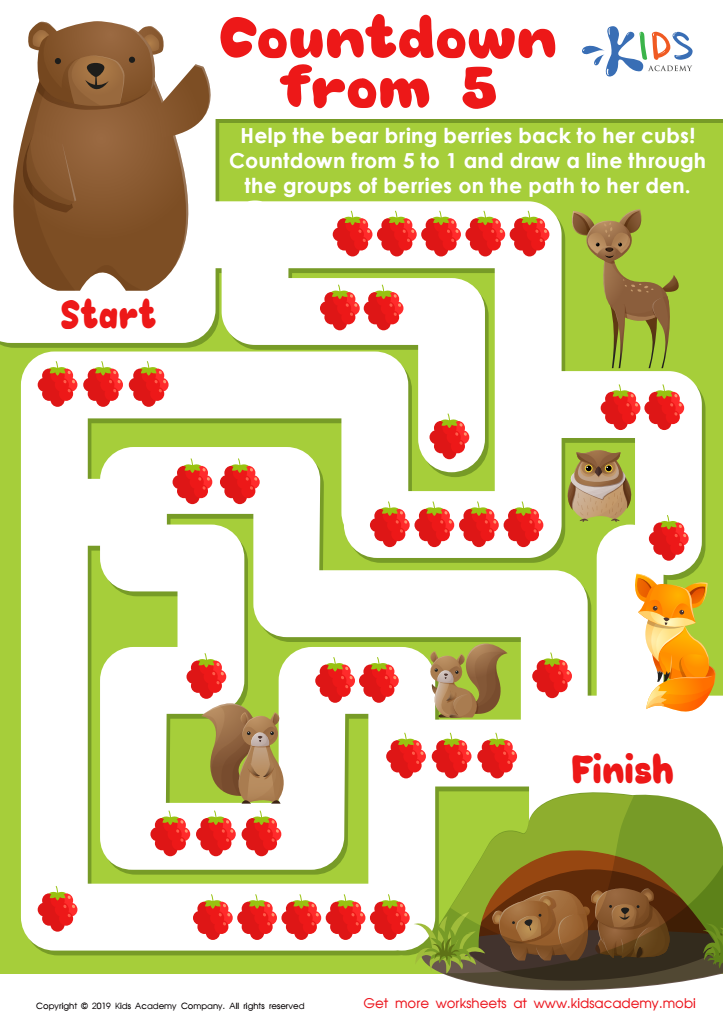
Countdown from 5 Worksheet
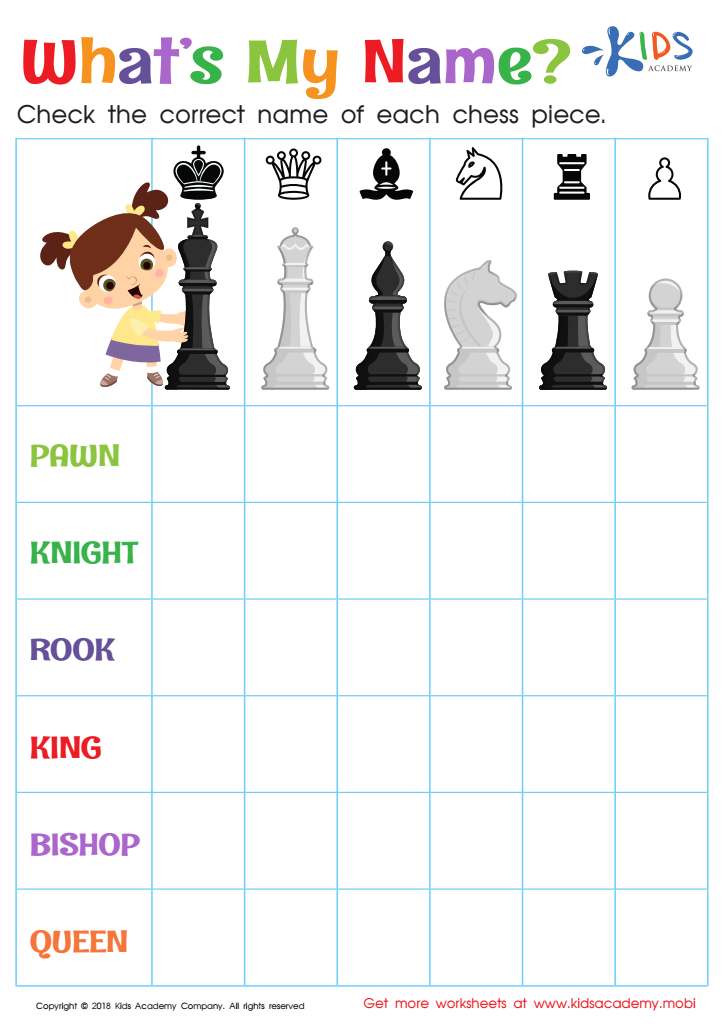
What's My Name? Worksheet
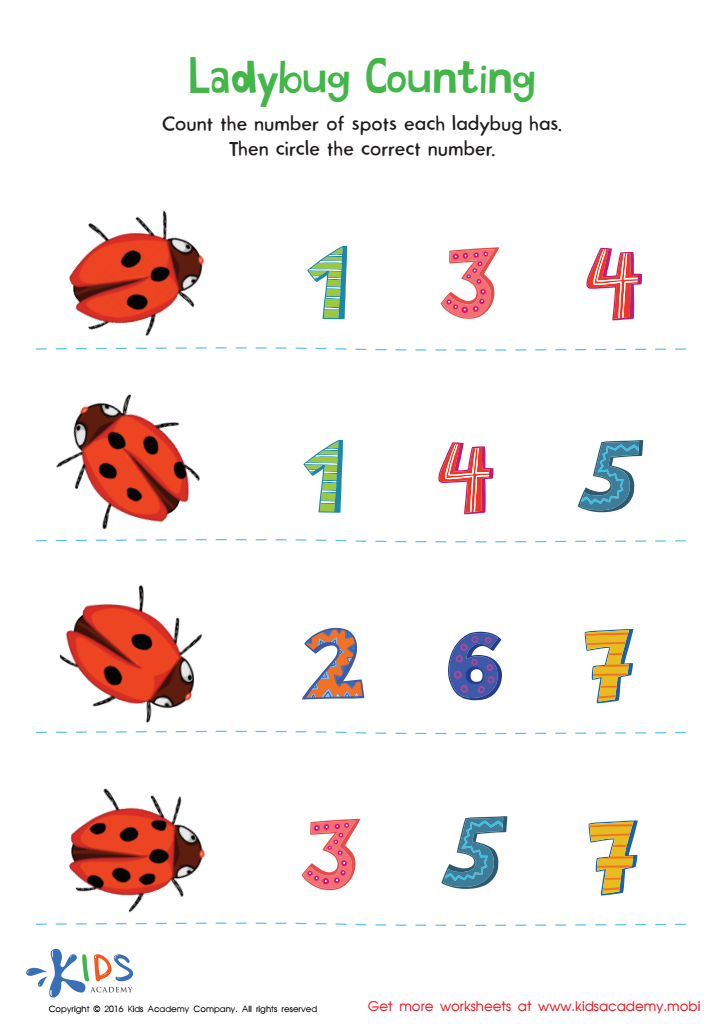
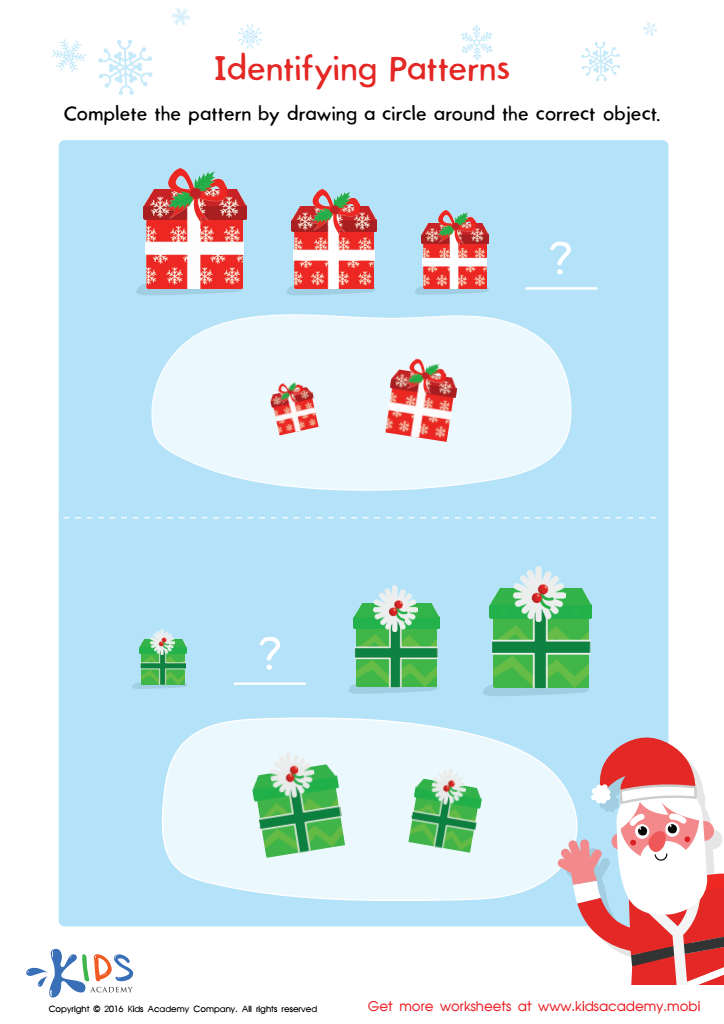
Identifying Patterns Worksheet
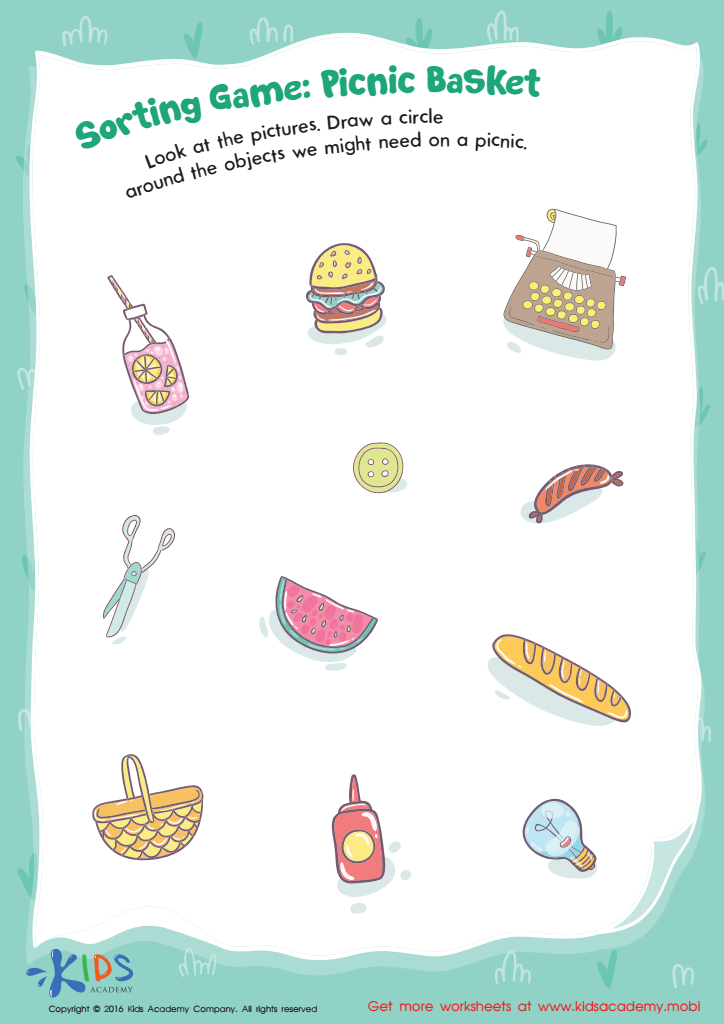
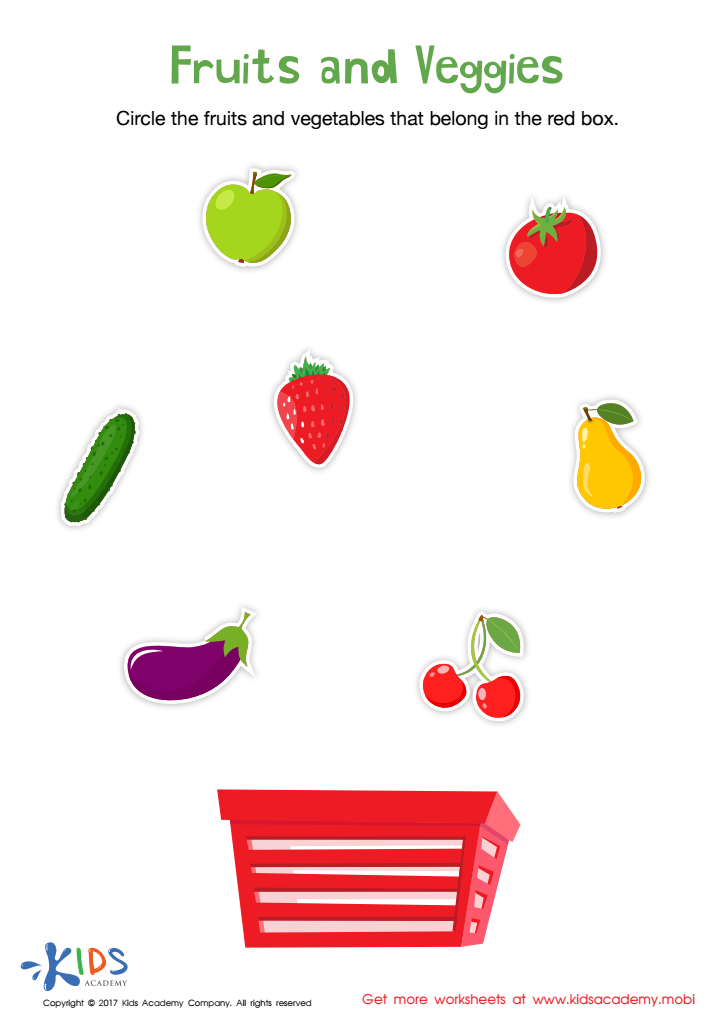
Picnic Basket Sorting Worksheet
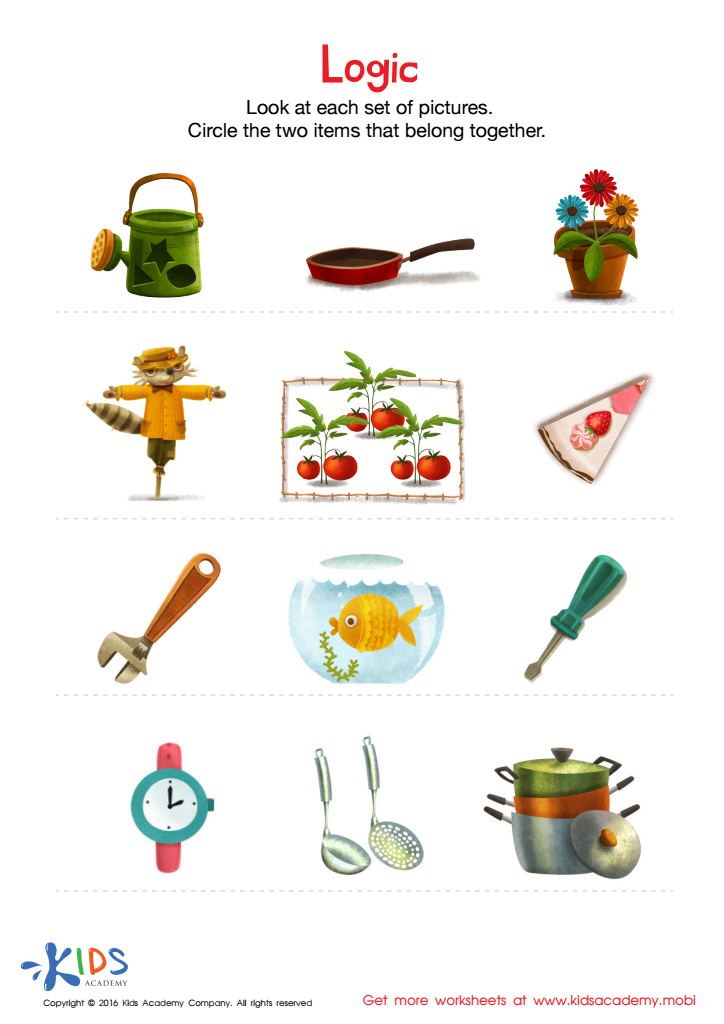
Logic Game Sorting Worksheet
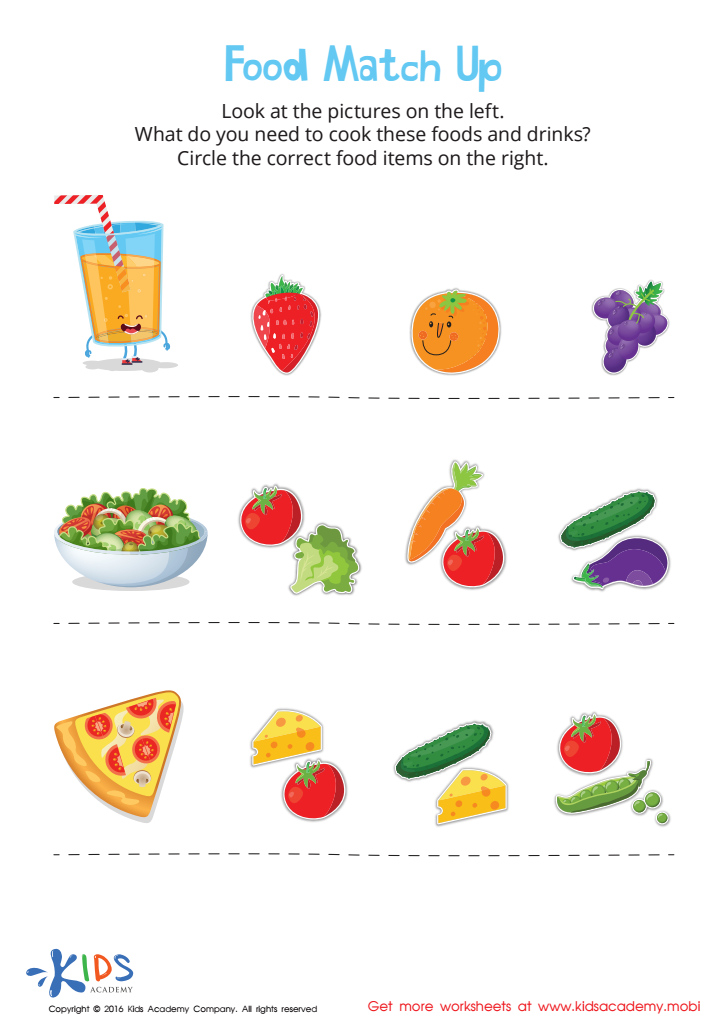
Food Match Up Worksheet
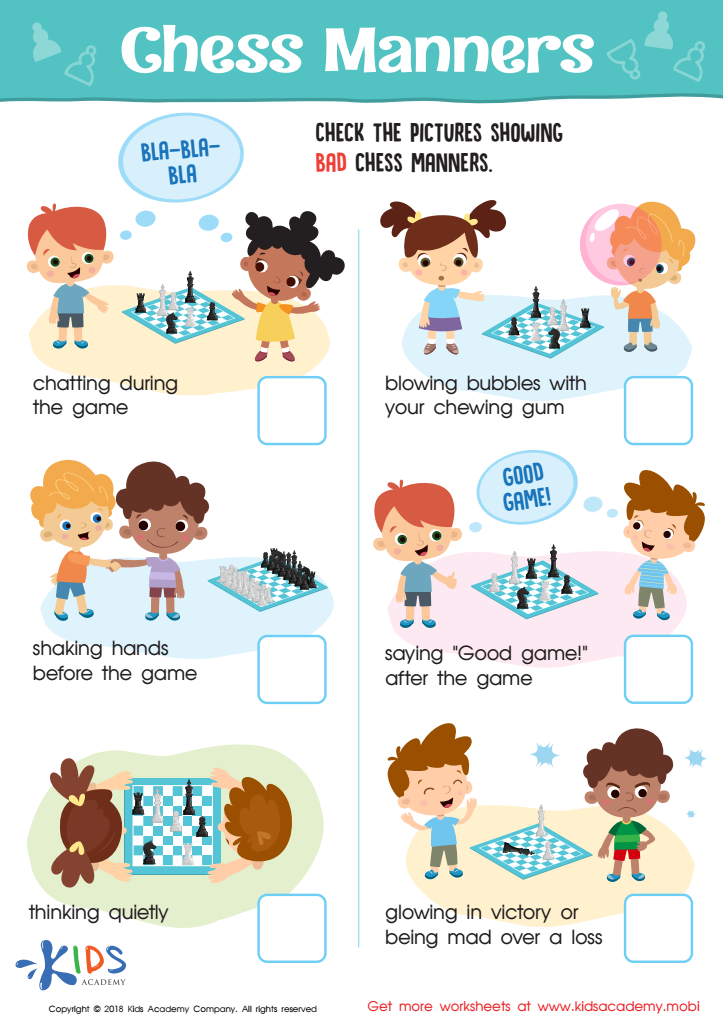
Chess Manners Worksheet







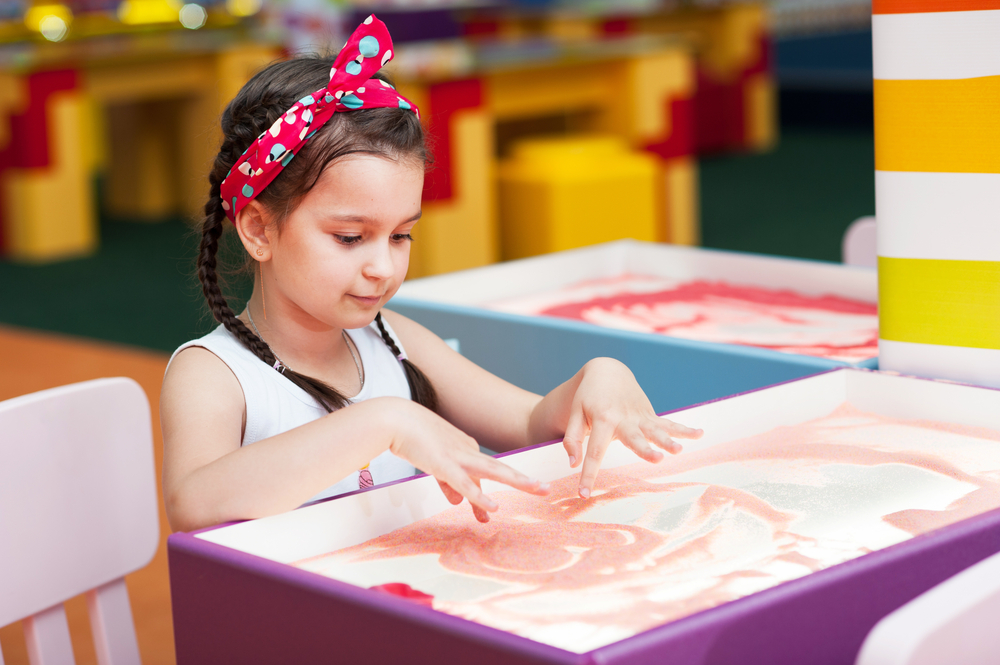
Matching activities are crucial for young children ages 3-6, laying the foundation for essential cognitive skills that will benefit them throughout their educational journey. Both parents and teachers should prioritize these activities because they play a significant role in developing critical thinking, visual discrimination, and fine motor skills. When children engage in matching games, they enhance their ability to recognize similarities and differences, which strengthens their problem-solving abilities and attention to detail.
Moreover, matching games help reinforce early math skills such as sorting and categorizing, foundational concepts for more advanced mathematical thinking. They also support language development by introducing new vocabulary related to the items being matched. Socially and emotionally, these activities encourage cooperative play and can boost a child’s confidence through successful completion.
Imaginative themes and colorful designs in matching games keep young children engaged and excited about learning. They offer a playful, low-pressure environment that makes learning enjoyable and effective. Therefore, by incorporating matching activities into daily routines, parents and teachers can significantly contribute to a child’s cognitive growth, promoting a positive attitude toward learning and setting a strong educational groundwork for future academic success.








