Measurement Worksheets for Ages 3-6 - Page 2
58 filtered results
-
From - To
 Assign to My Students
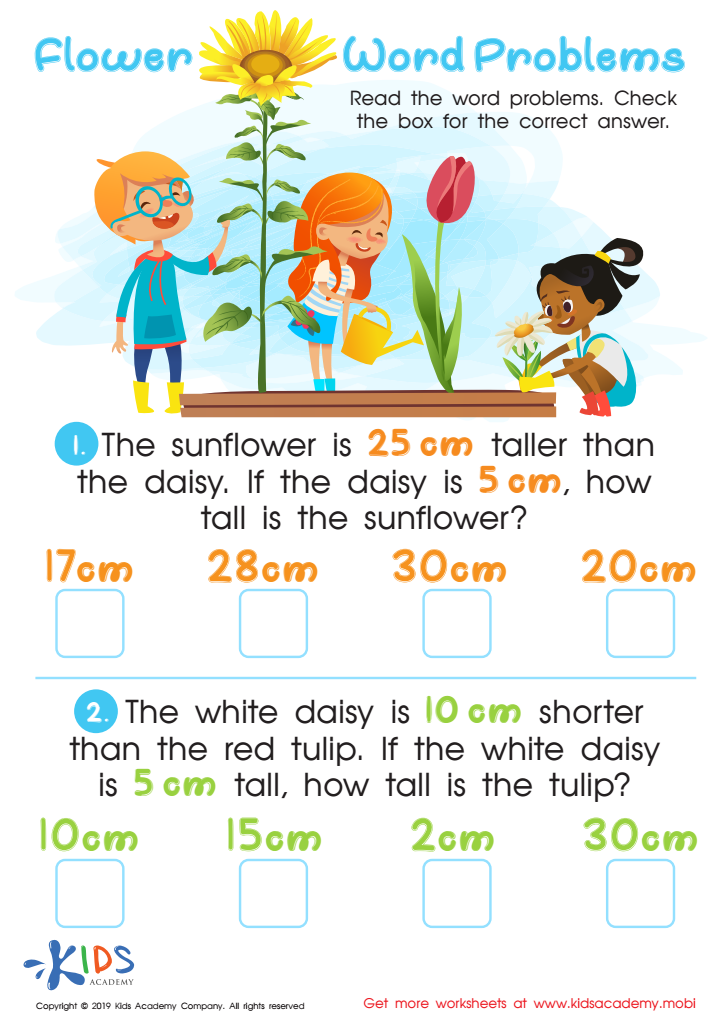
Flower Word Problems Worksheet
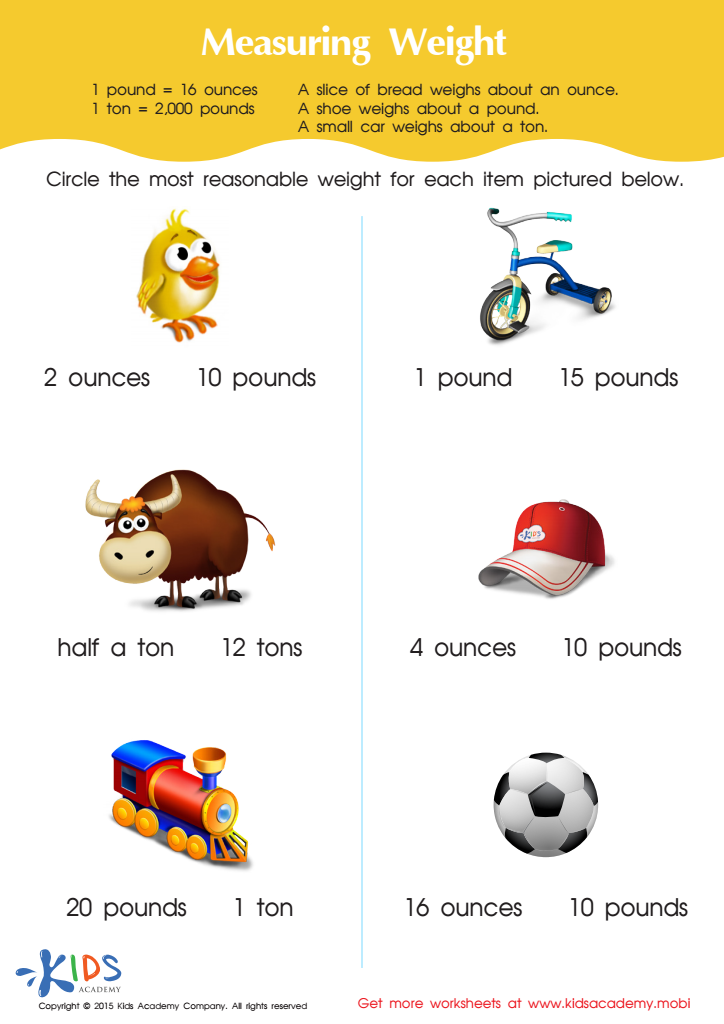
Measuring Weight in Ounces, Pounds and Tons (Part 2) Worksheet
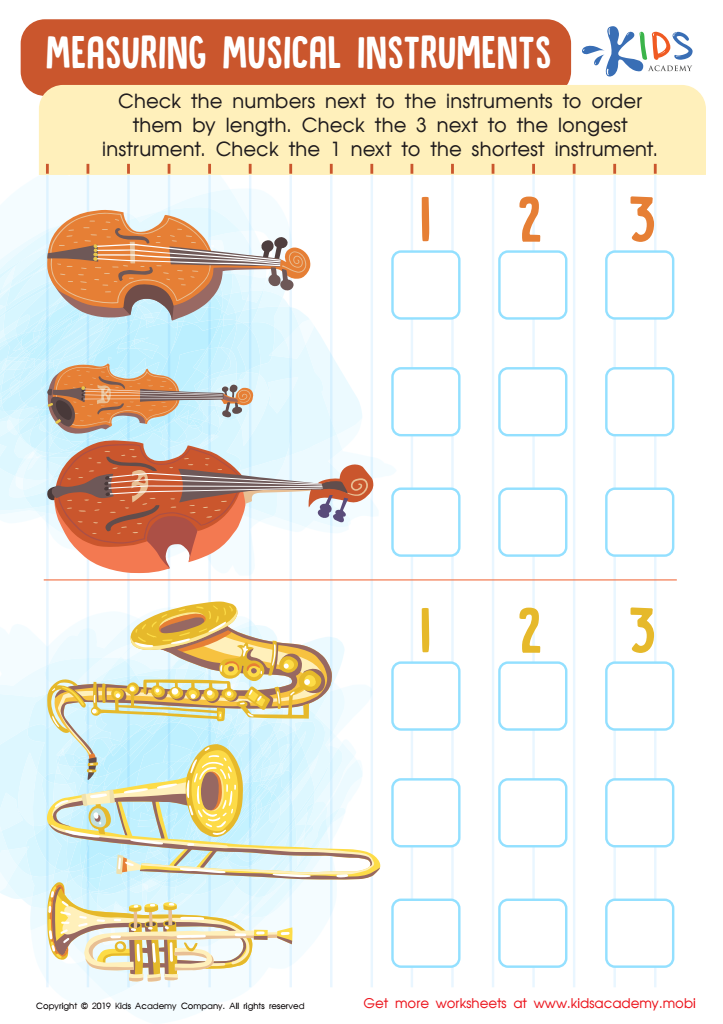
Measuring Musical Instruments Worksheet
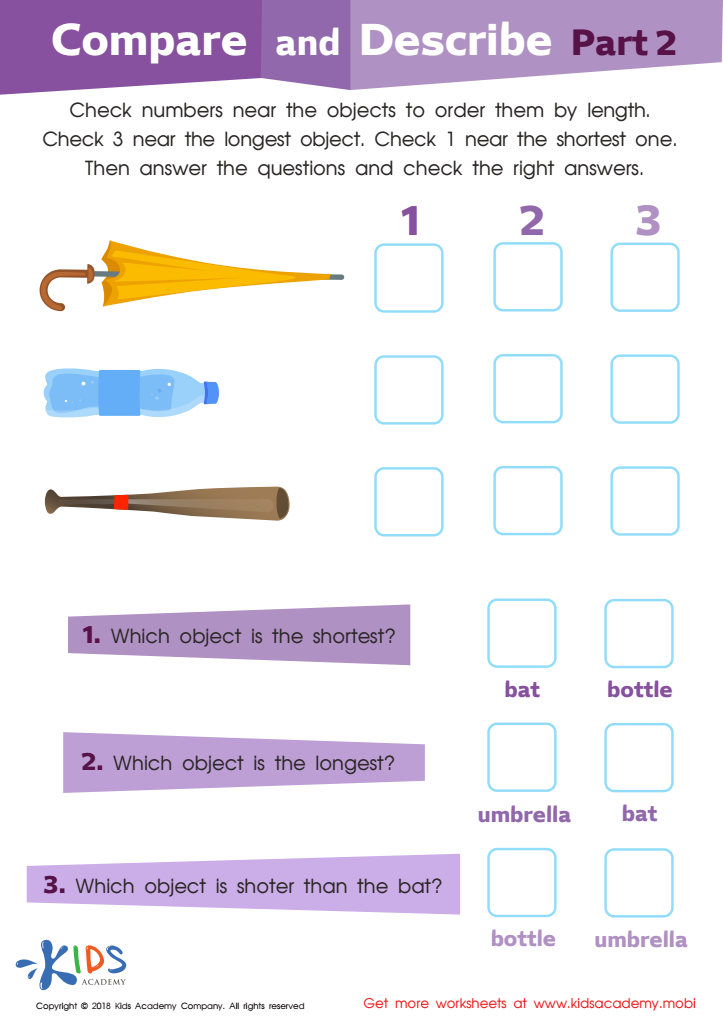
Compare and Describe: Part 2 Worksheet
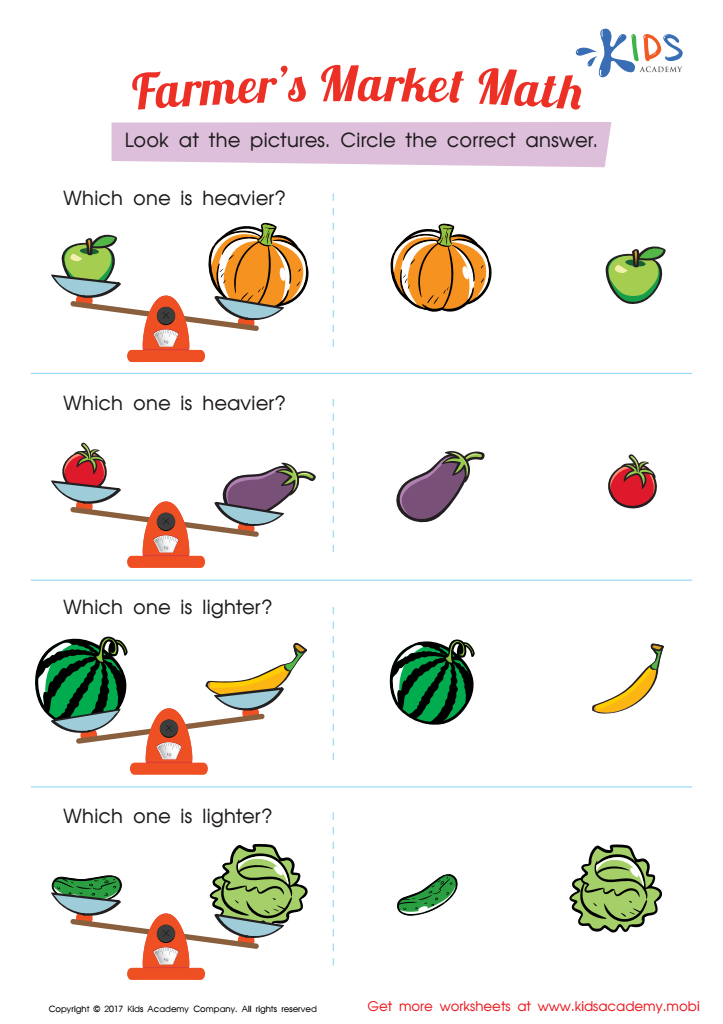
Which One Is Heavier Worksheet
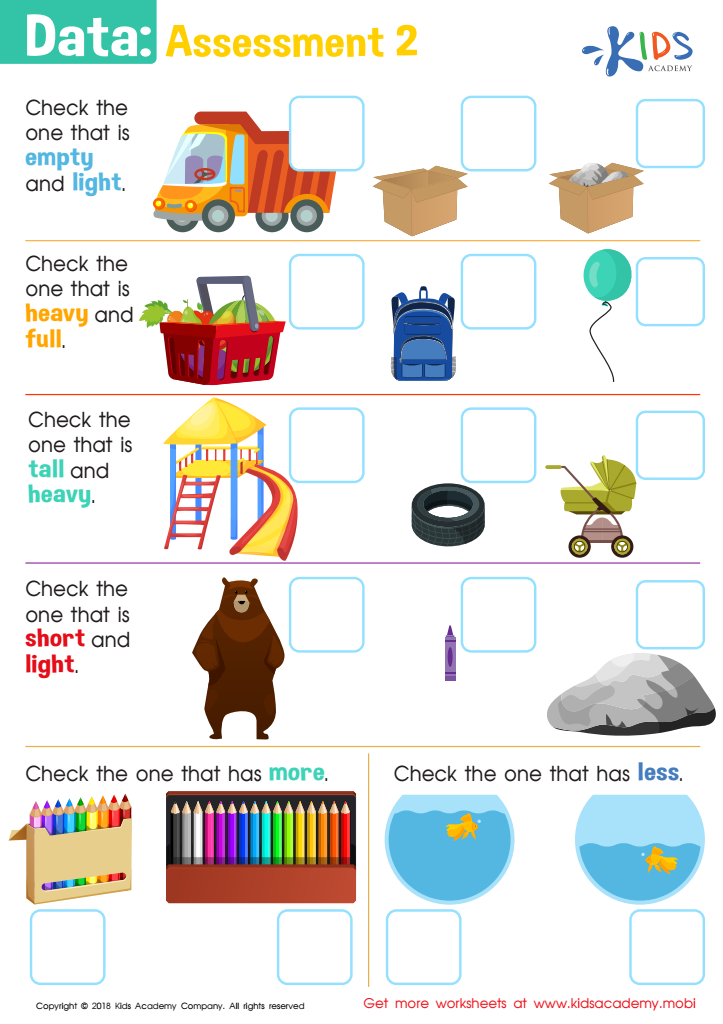
Data: Assessment 2 Worksheet
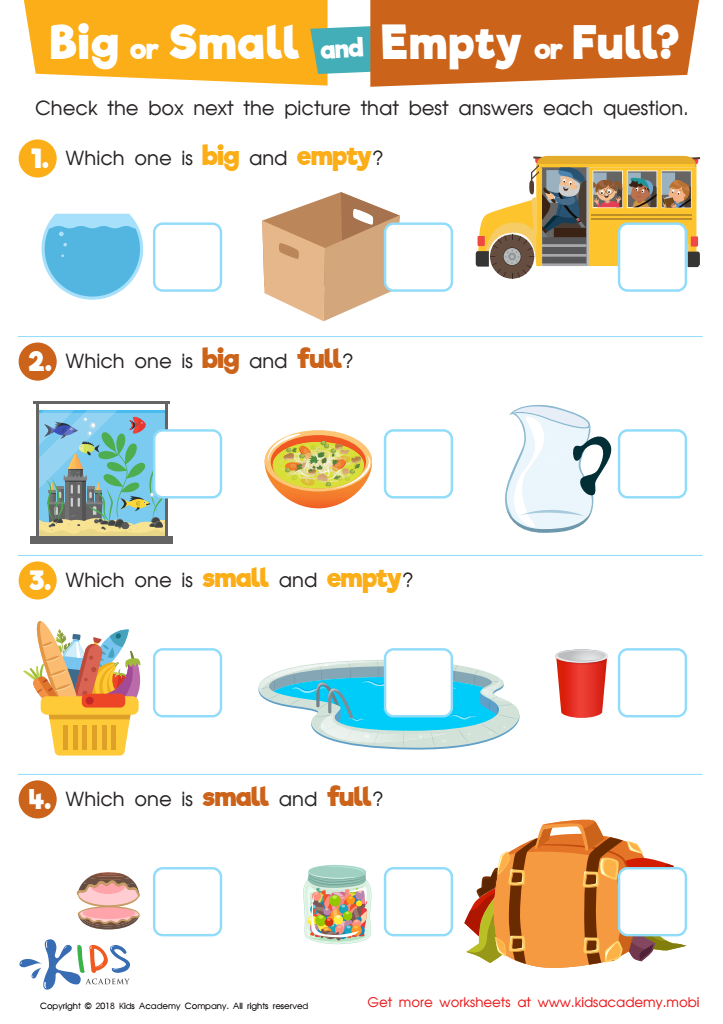
Big or Small and Empty or Full? Worksheet
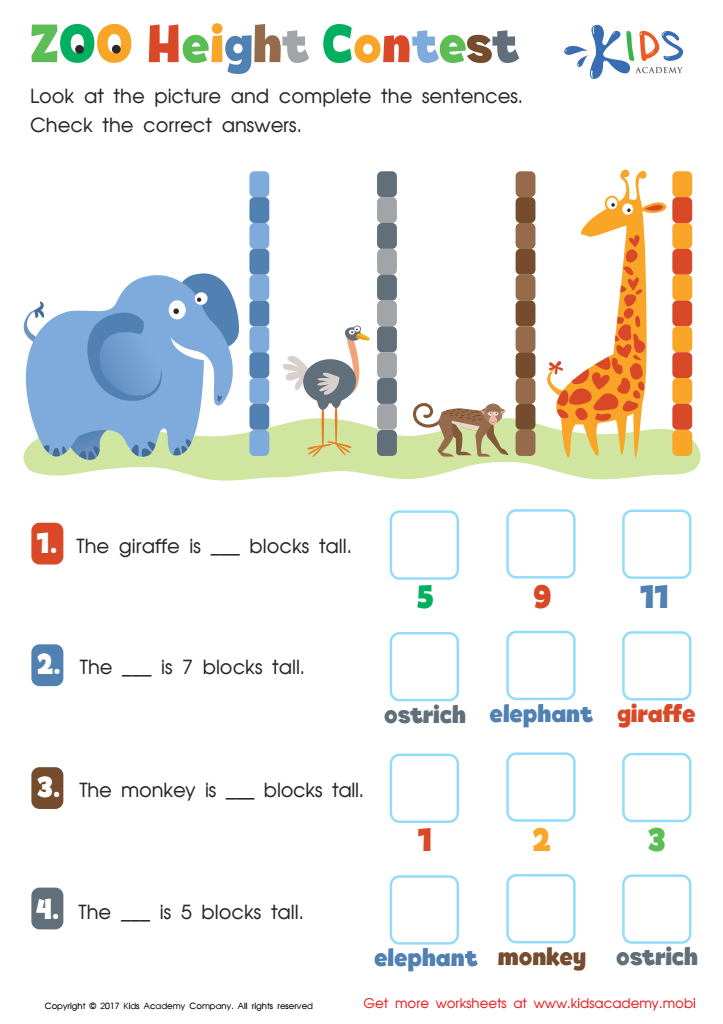
Zoo Height Contest Worksheet
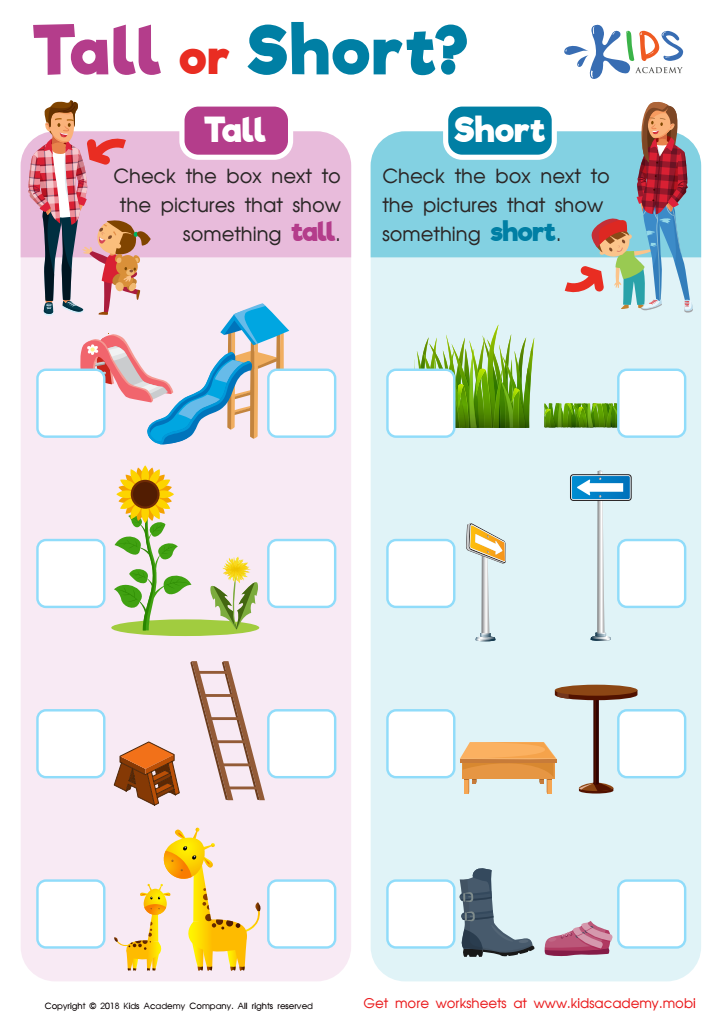
Tall or Short? Worksheet
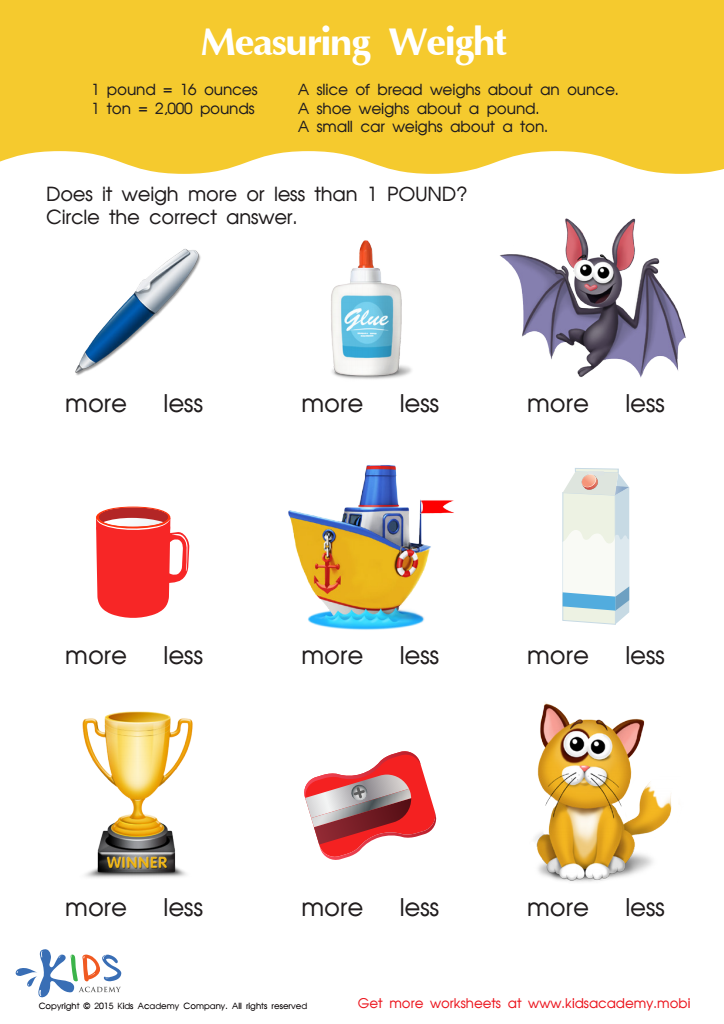
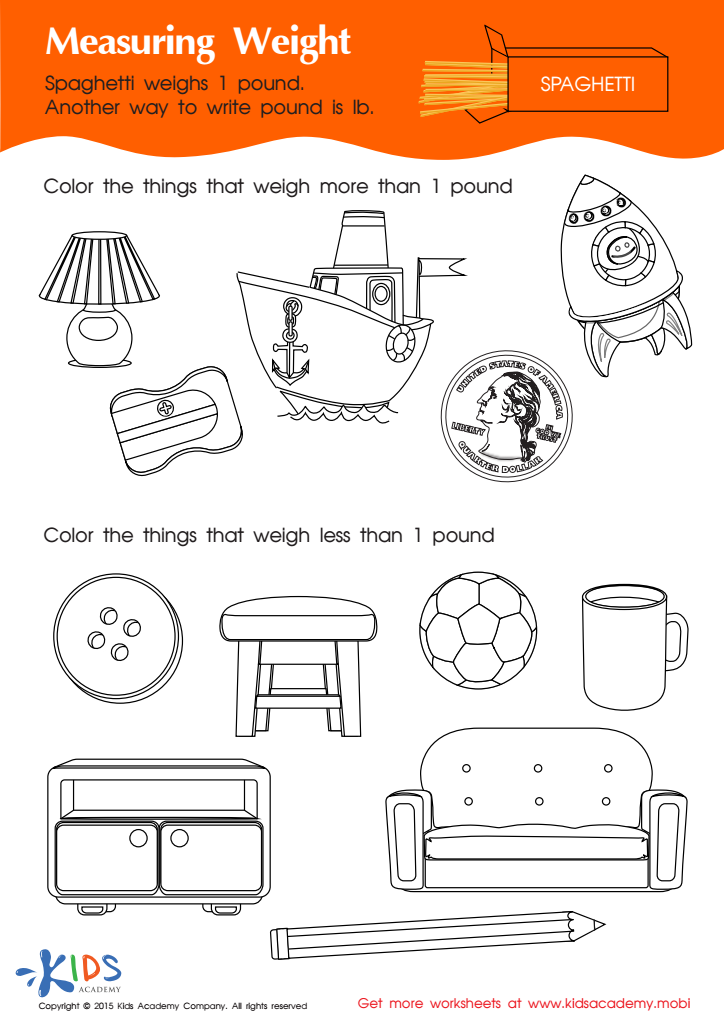
Measuring weight in pounds Worksheet
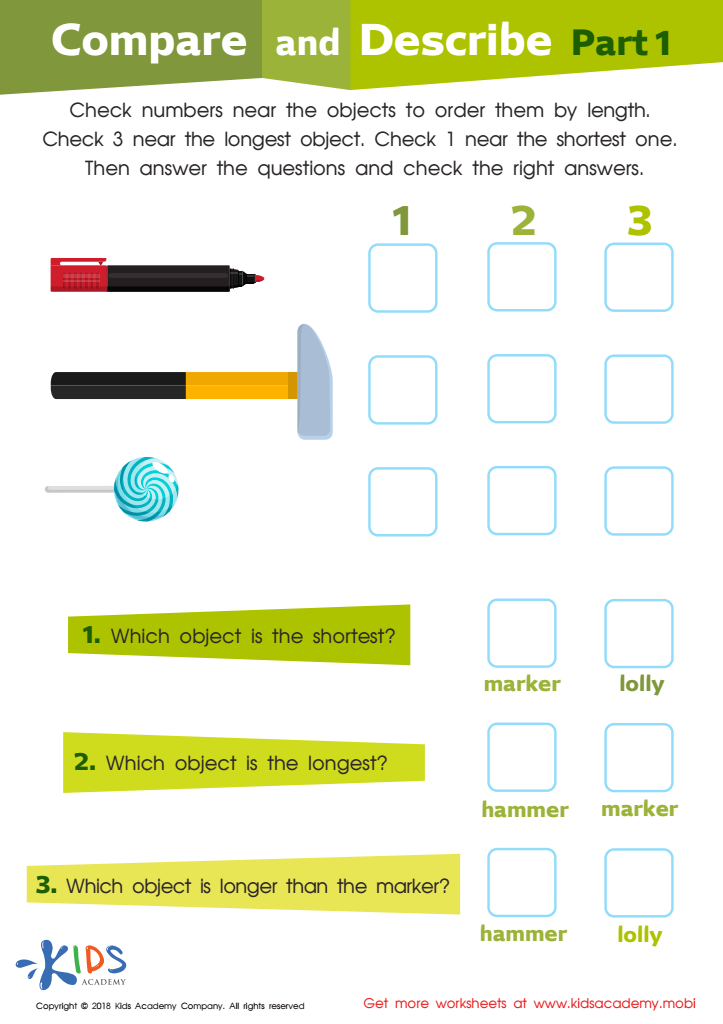
Compare and Describe: Part 1 Worksheet
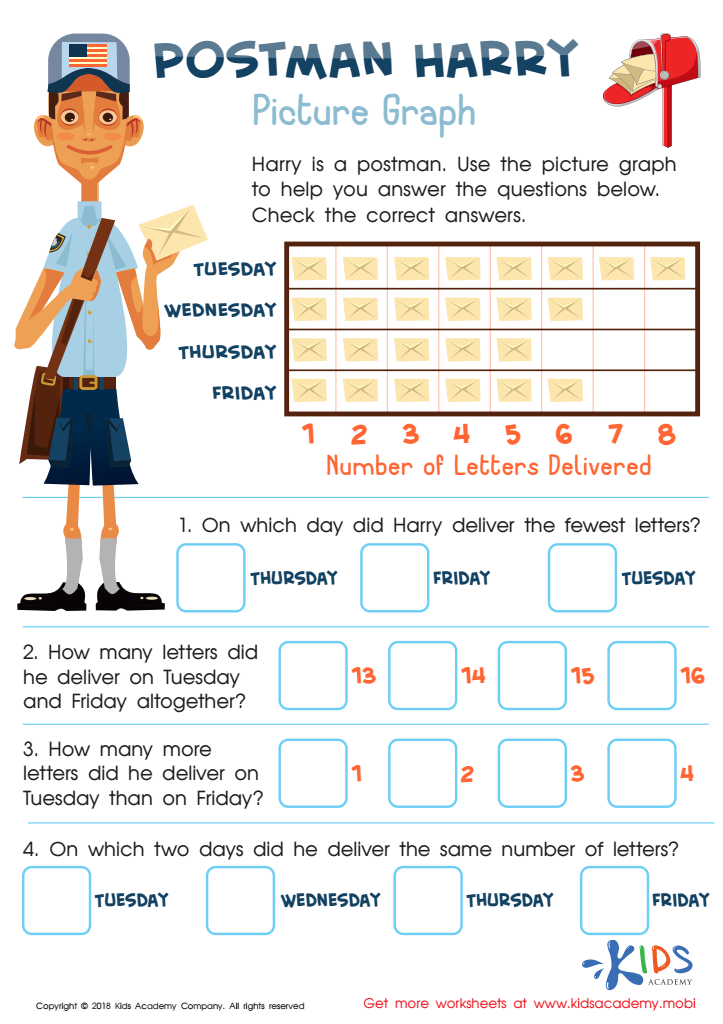
Postman Harry: Picture Graph Worksheet
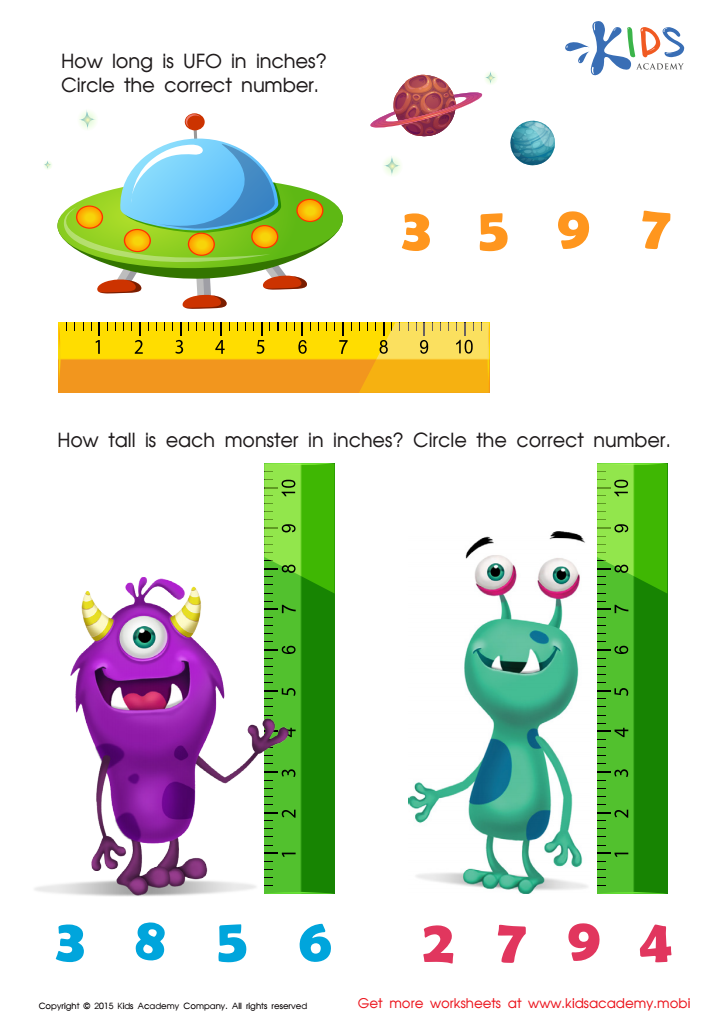
Measuring in Inches Worksheet
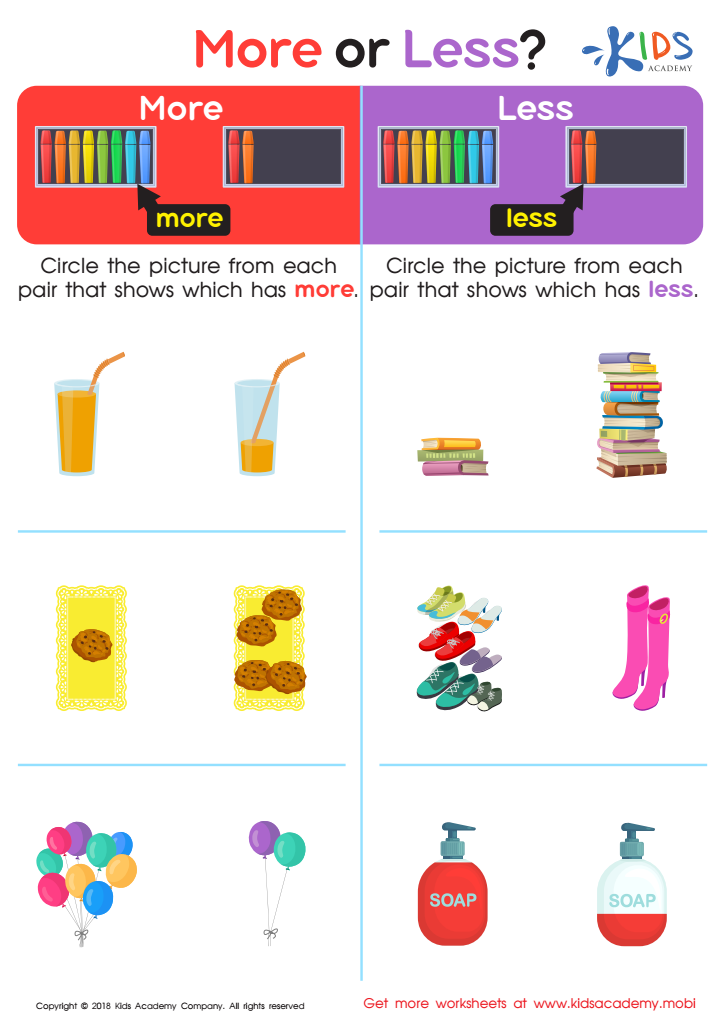
More or Less? Worksheet
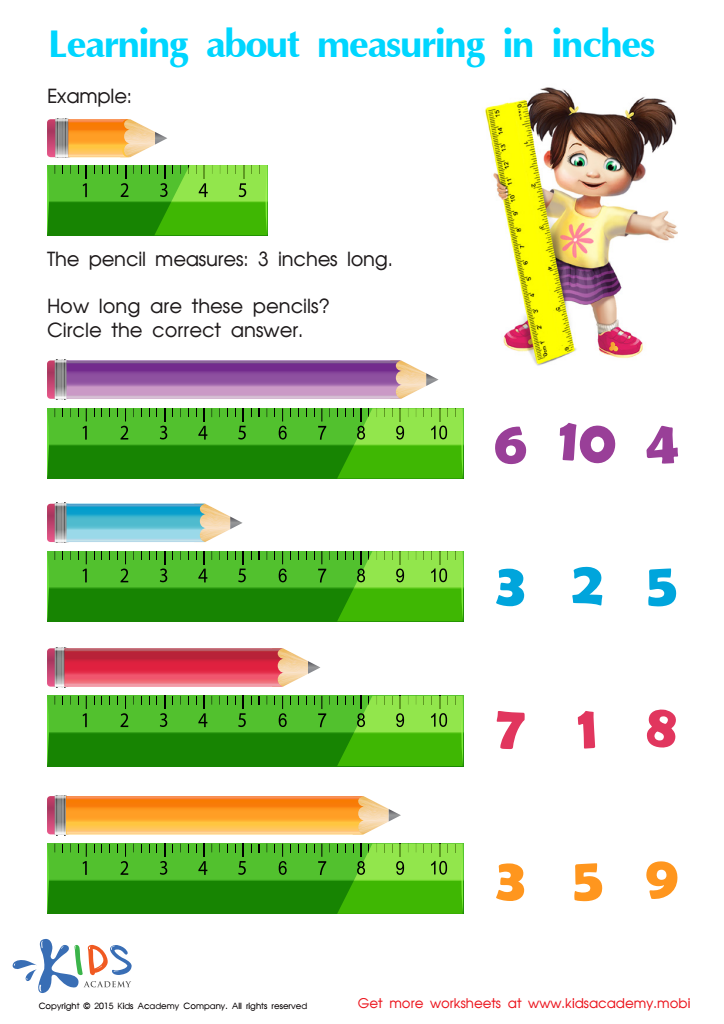
Learning About Measuring In Inches Printable
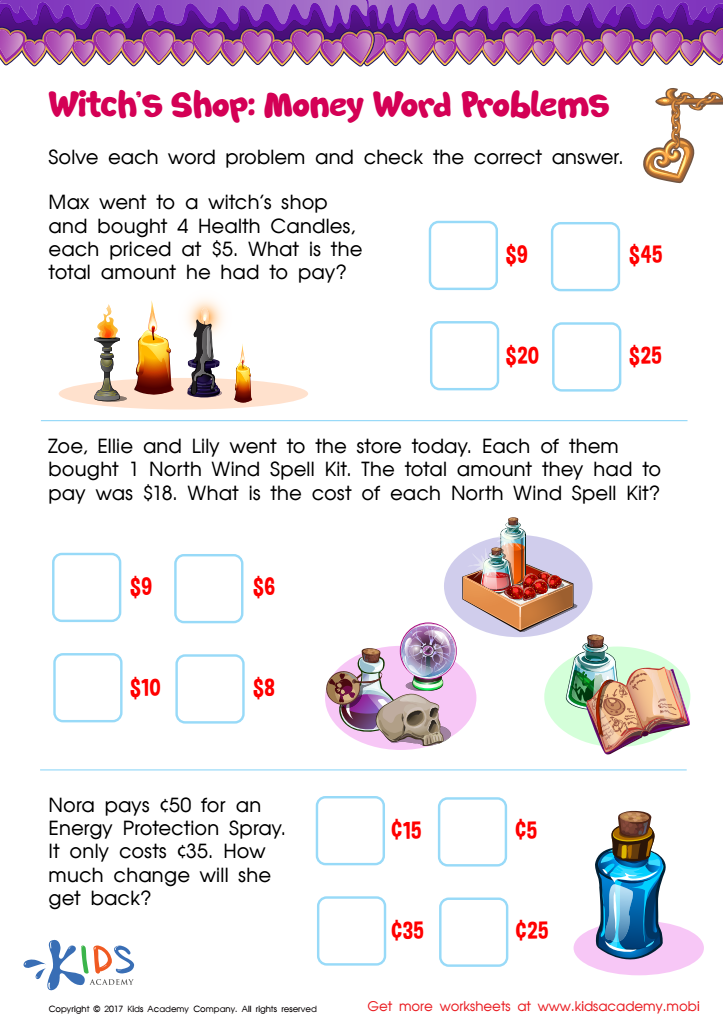
Money Word Problems Printable
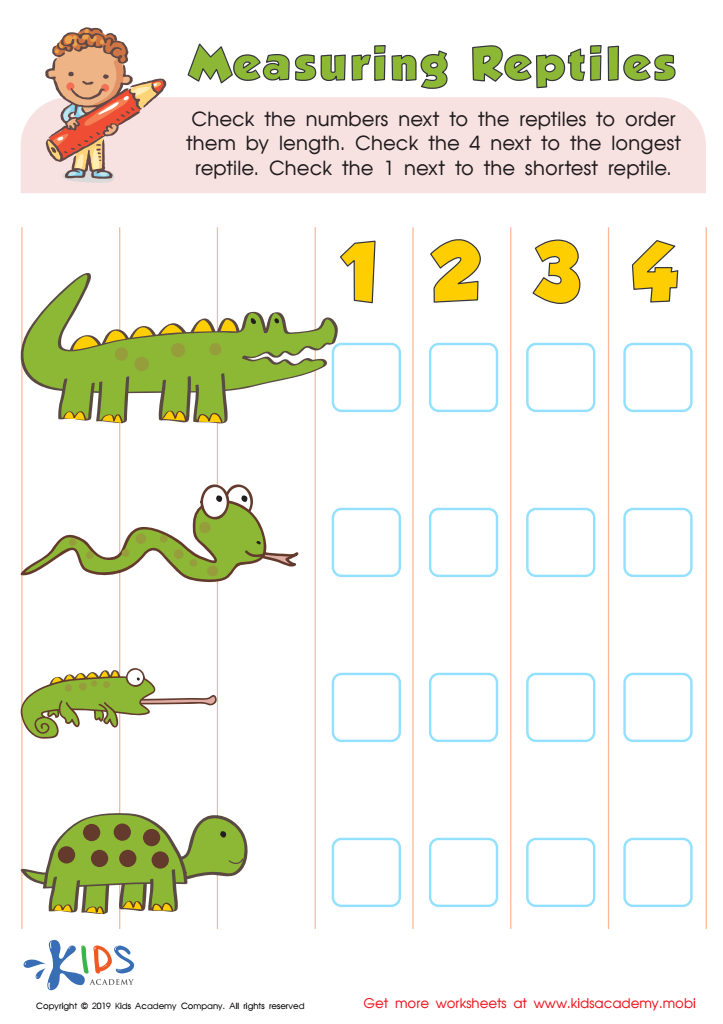
Measuring Reptiles Worksheet
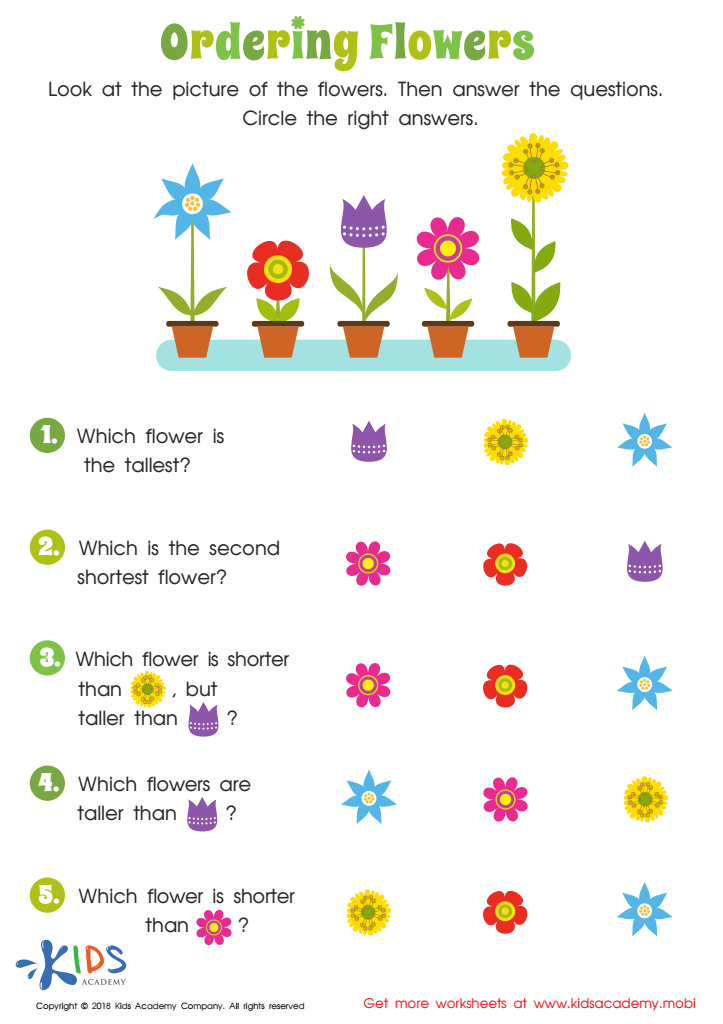
Ordering Flowers Worksheet
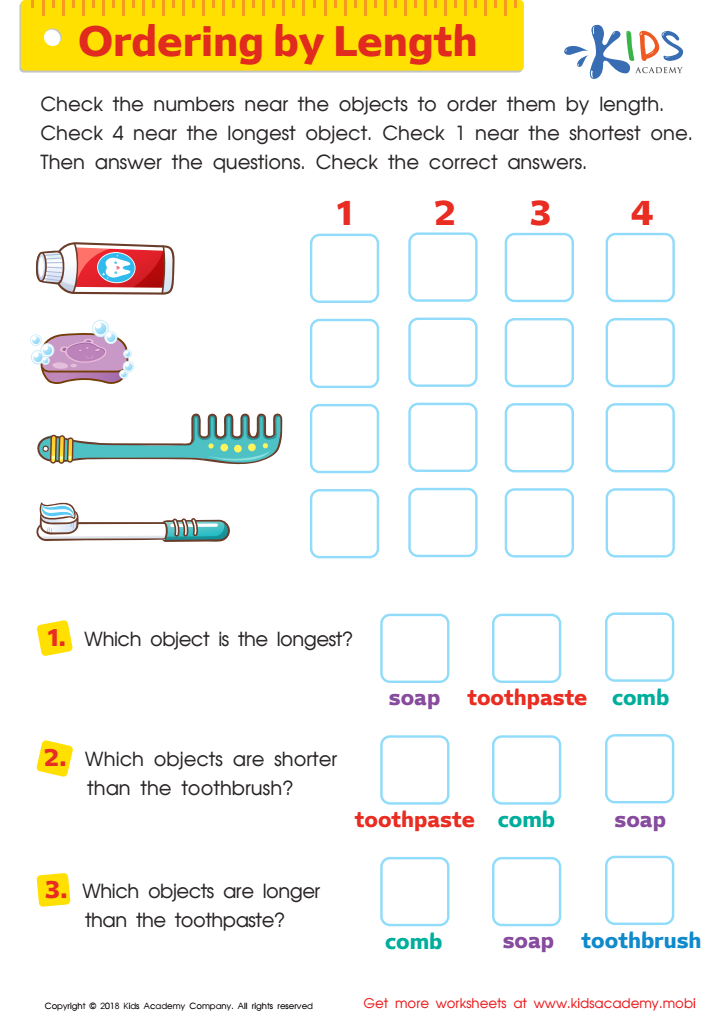
Ordering by Length Worksheet
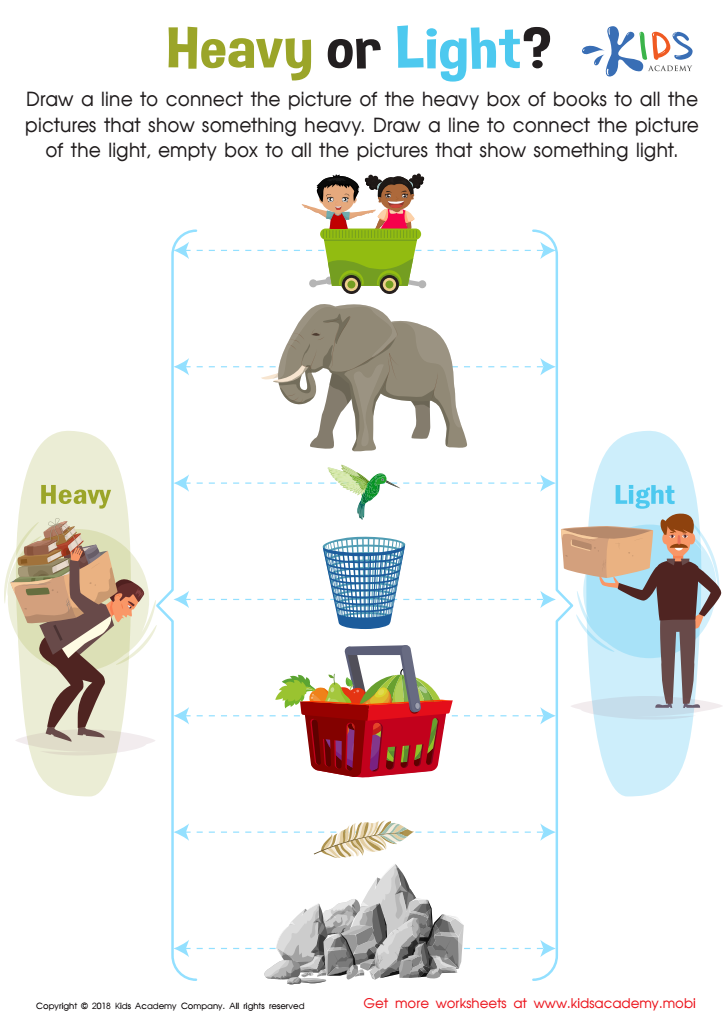
Heavy or Light? Worksheet
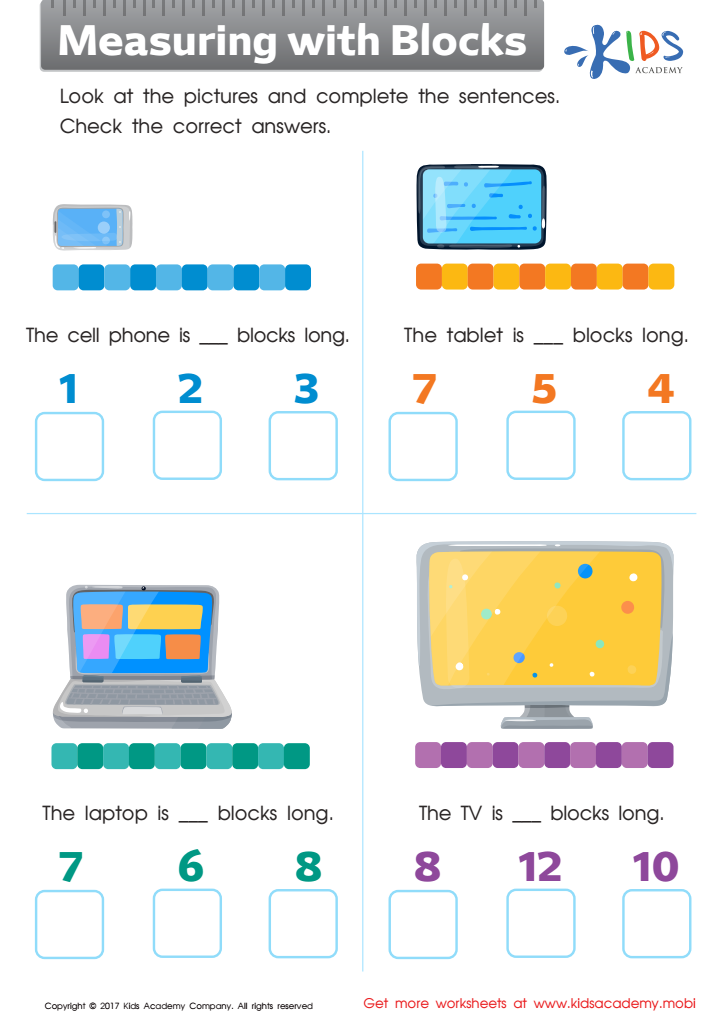
Measuring with Blocks Worksheet
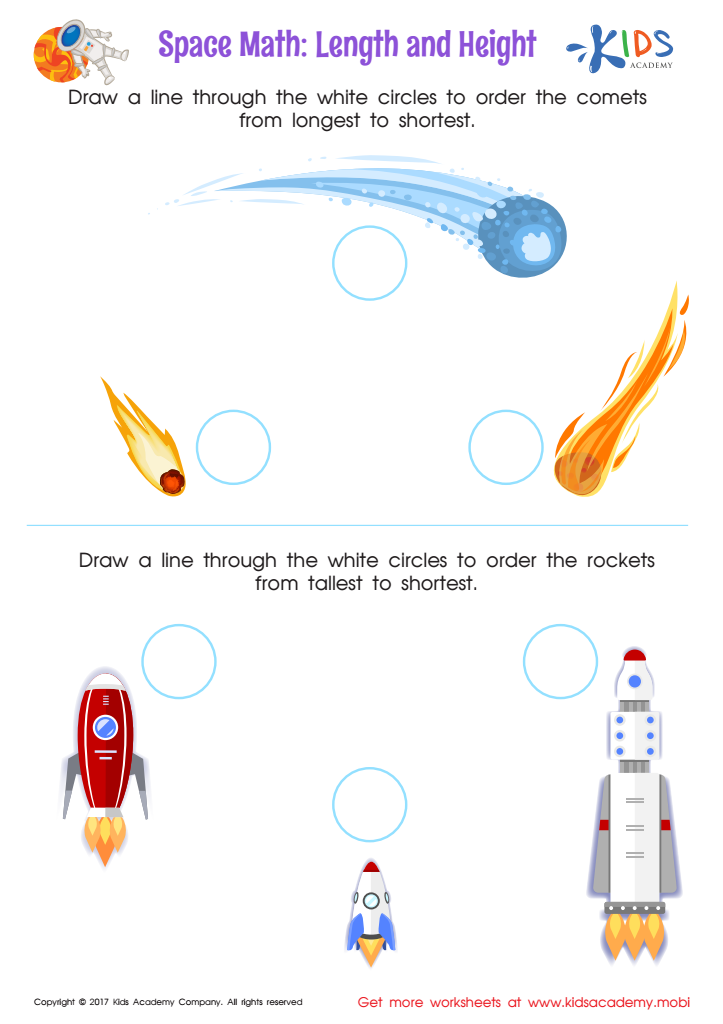
Space Math Worksheet
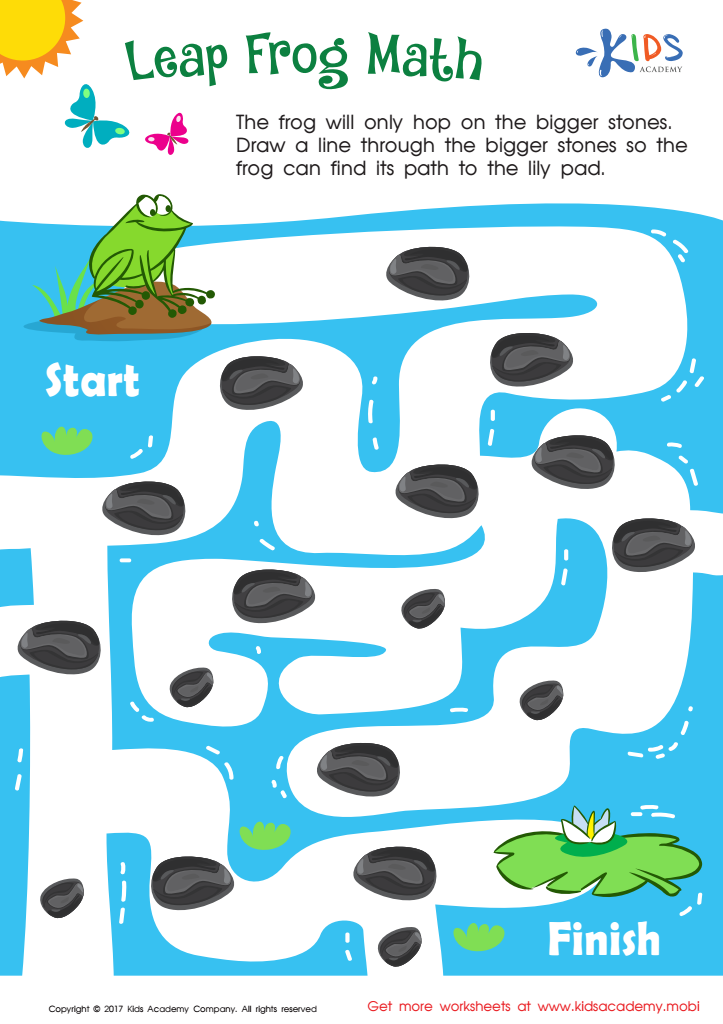
Math Puzzle Worksheet








Measurement is a fundamental concept that helps young children understand the world around them. For ages 3-6, engaging with measurement fosters critical thinking and problem-solving skills. When parents and teachers focus on measurements in early education, they lay the groundwork for mathematical understanding and concepts like length, weight, volume, and time.
Caring about measurement at this stage also supports children’s cognitive development. Activities that involve measuring, such as cooking or building, encourage hands-on exploration and allow children to compare, estimate, and categorize objects. These experiences stimulate curiosity and promote active learning.
Moreover, measurement links to everyday life, making it relevant and relatable for young learners. Whether it’s measuring ingredients for a recipe or comparing heights of plants in a garden, children begin to see the practical application of math beyond the classroom.
Incorporating measurement in playful environments, such as through games and crafts, can also enhance social skills. Children learn to communicate, cooperate, and share ideas as they work together on measurement-related tasks. By prioritizing measurement in early education, parents and teachers help pave the way for successful future math skills, critical life skills, and a lifelong love of learning.








