Plants and Animals Worksheets for Ages 3-6 - Page 3
77 filtered results
-
From - To
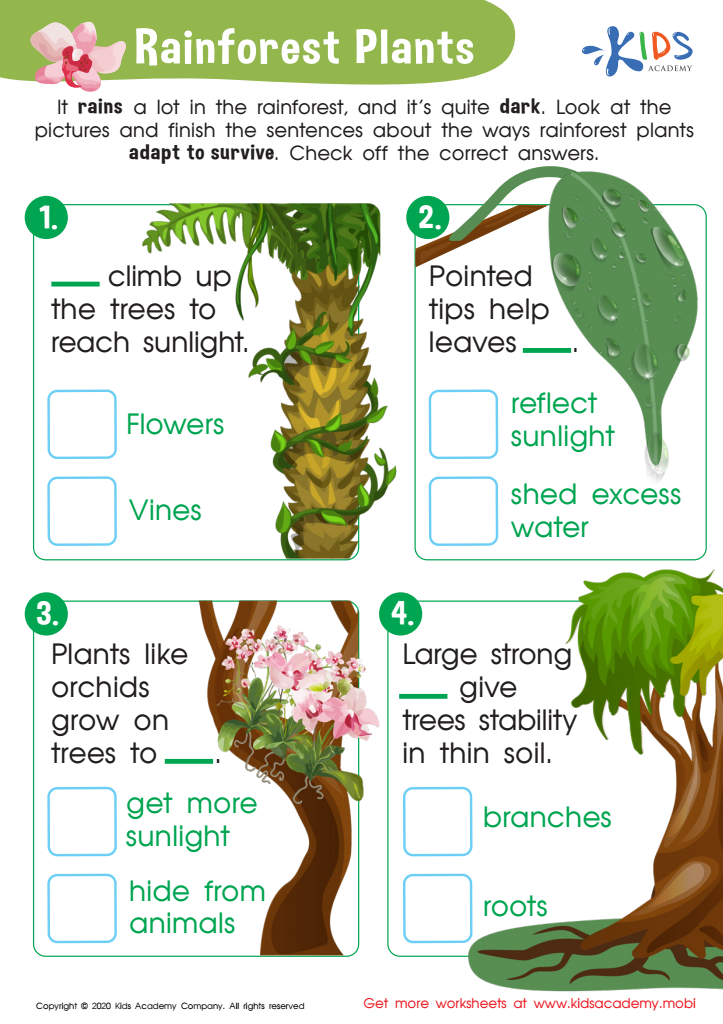
Rainforest Plants Worksheet
 Assign to My Students
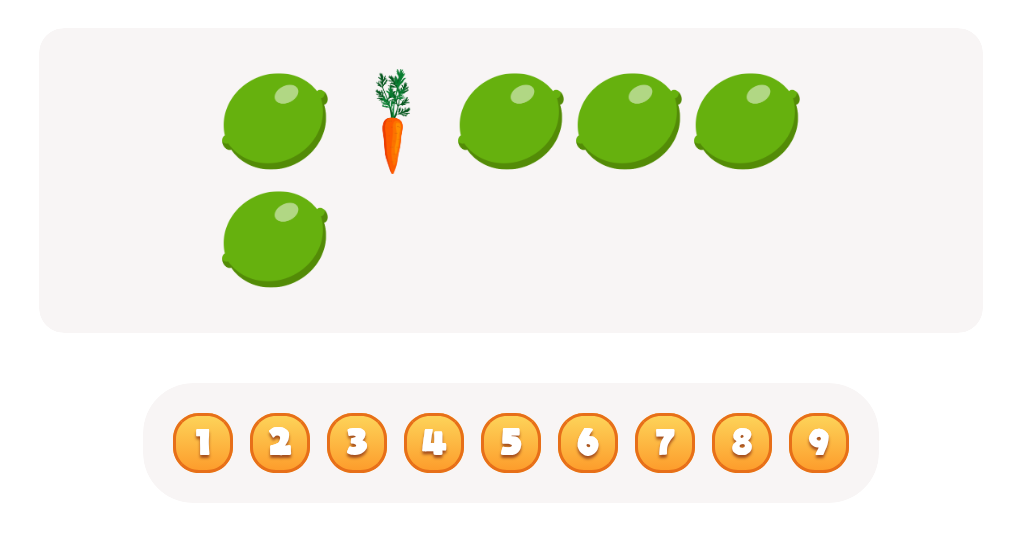


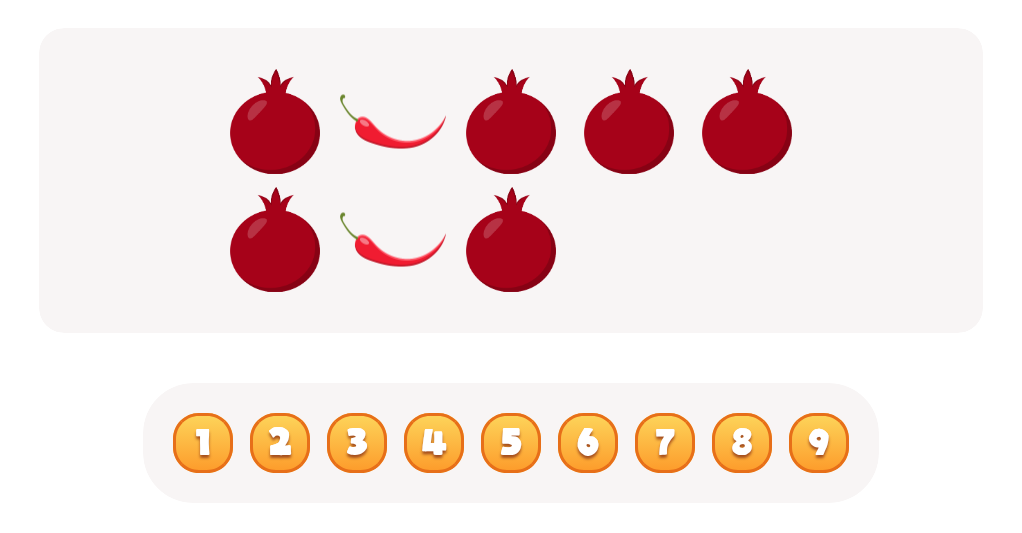
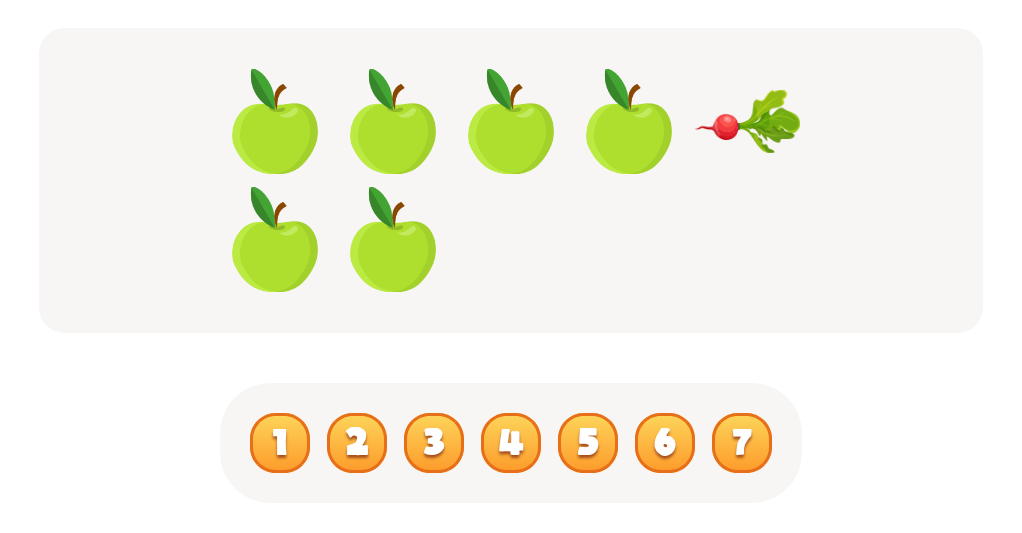
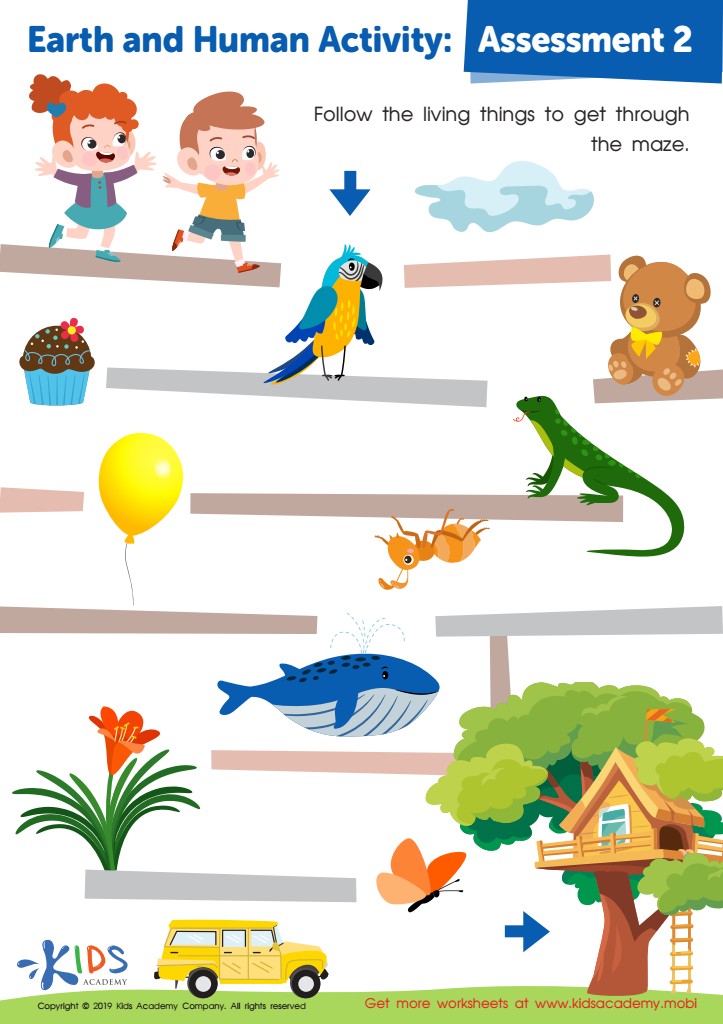
Earth and Human Activity: Assessment 2 Worksheet
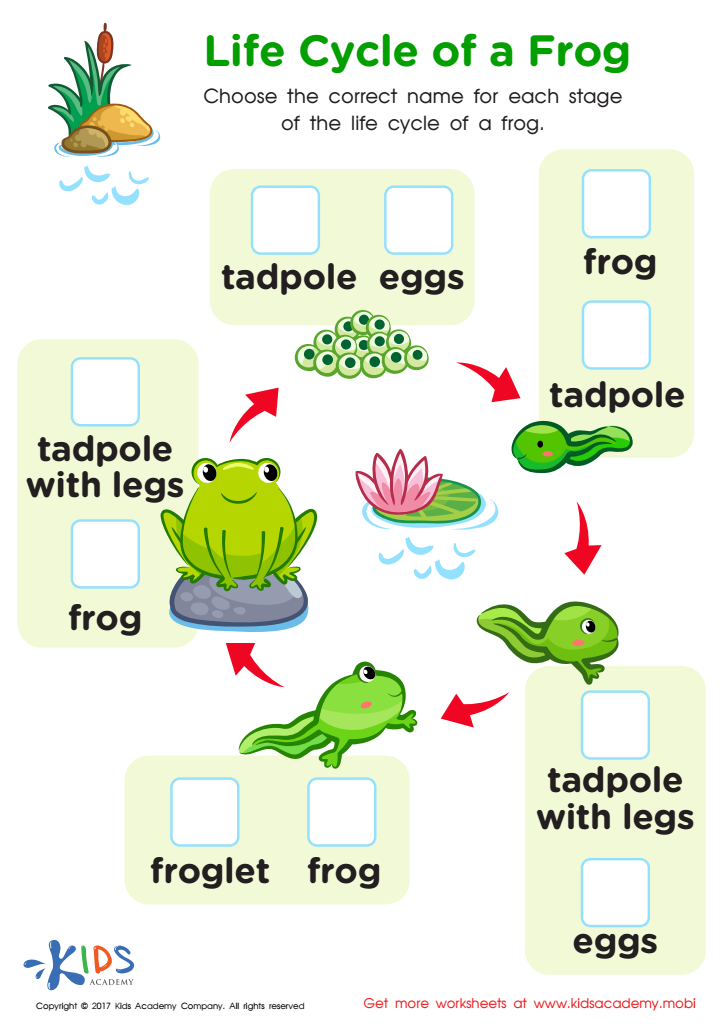
Life Cycle Frog Printable
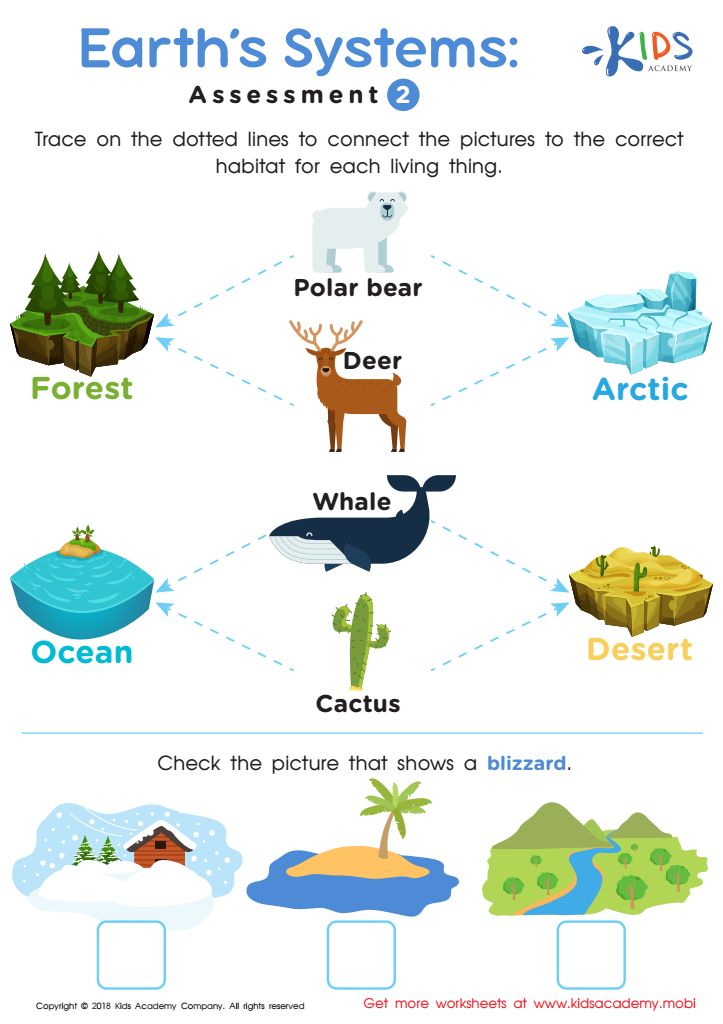
Earth's Systems: Assessment 2
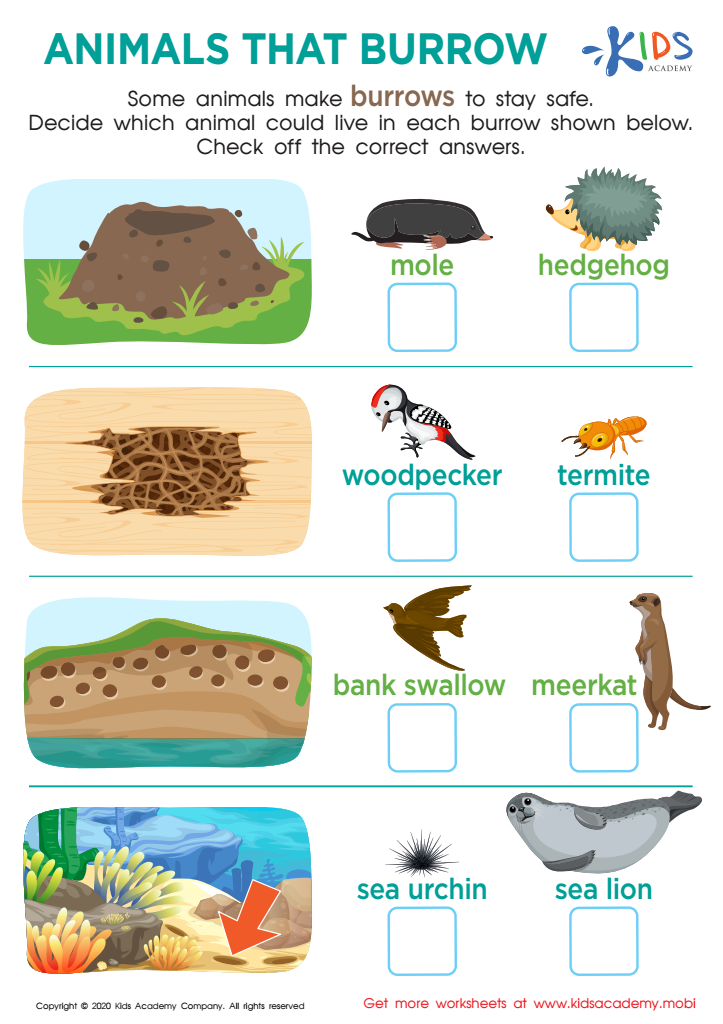
Animals That Burrow Worksheet
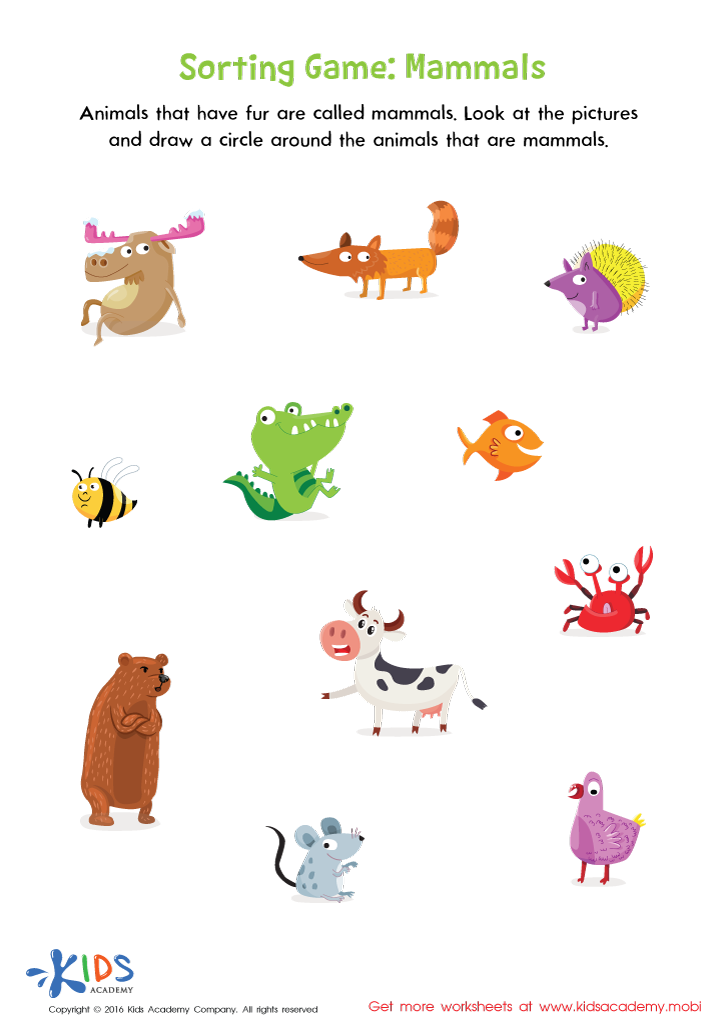
Mammals Sorting Worksheet
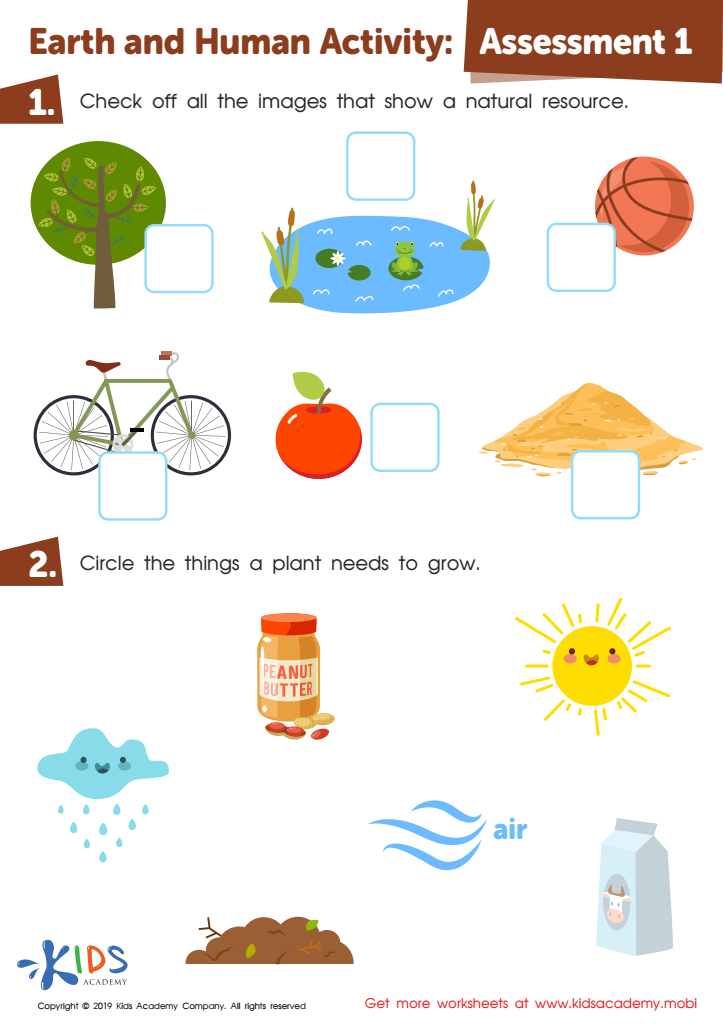
Earth and Human Activity: Assessment 1 Worksheet
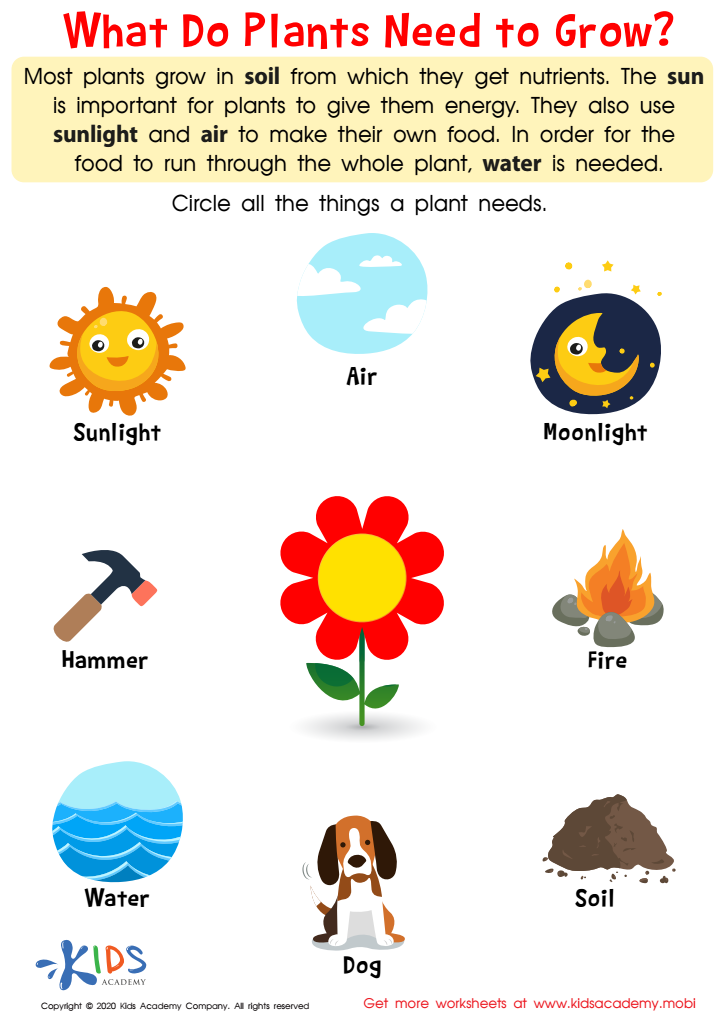
What Do Plants Need to Grow Worksheet
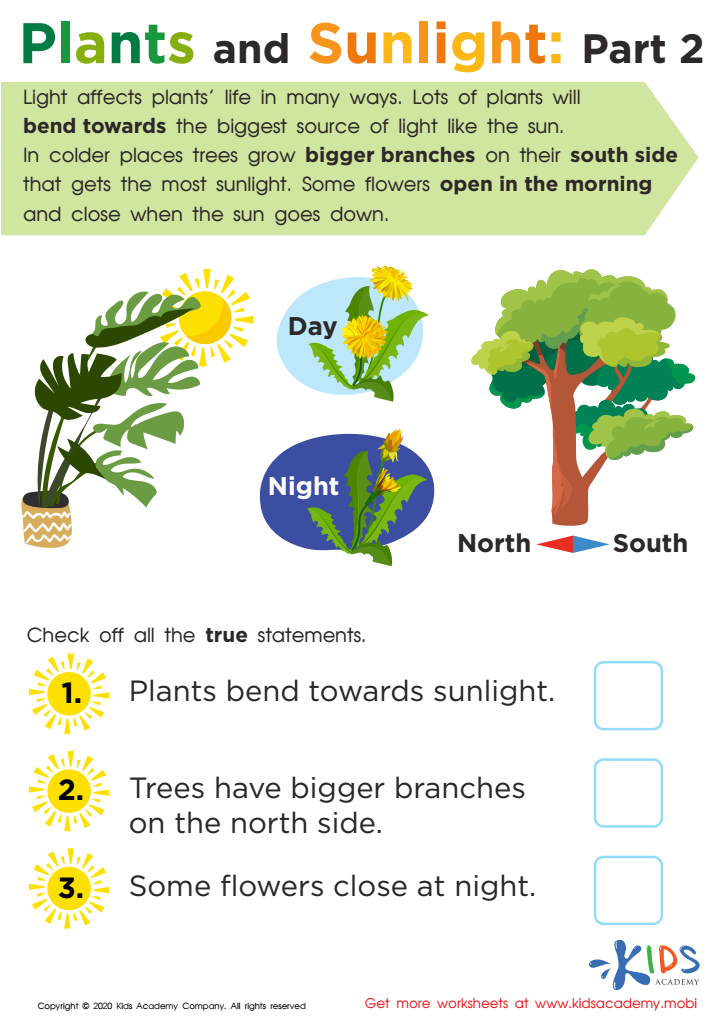
Plants and Sunlight: Part 2 Worksheet
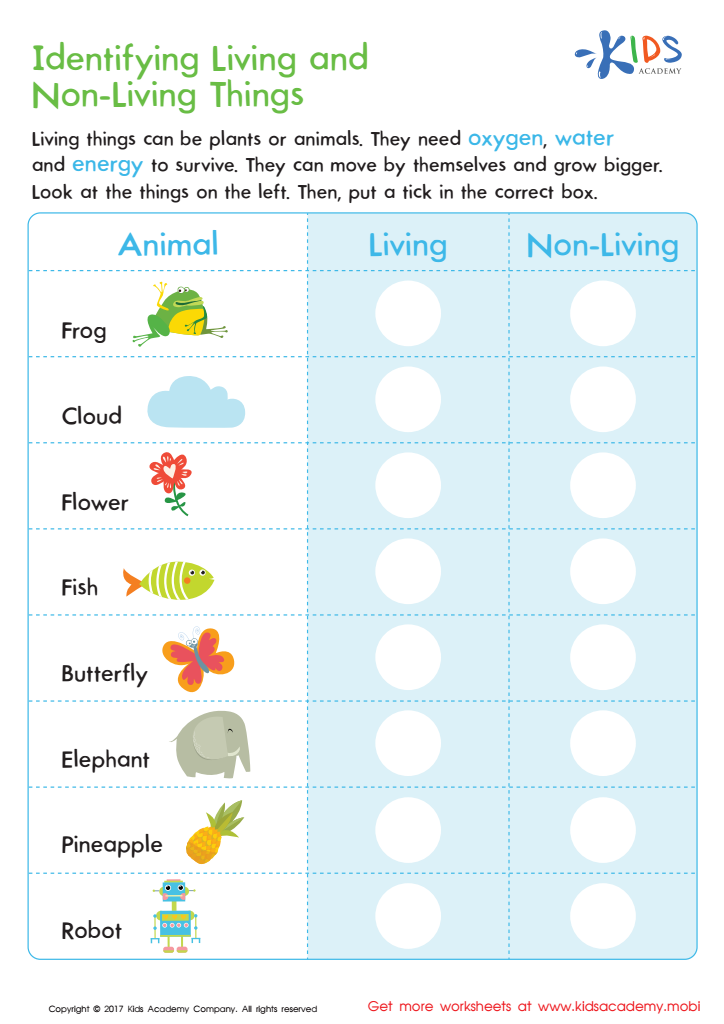
Identifying Living or Non–living Worksheet
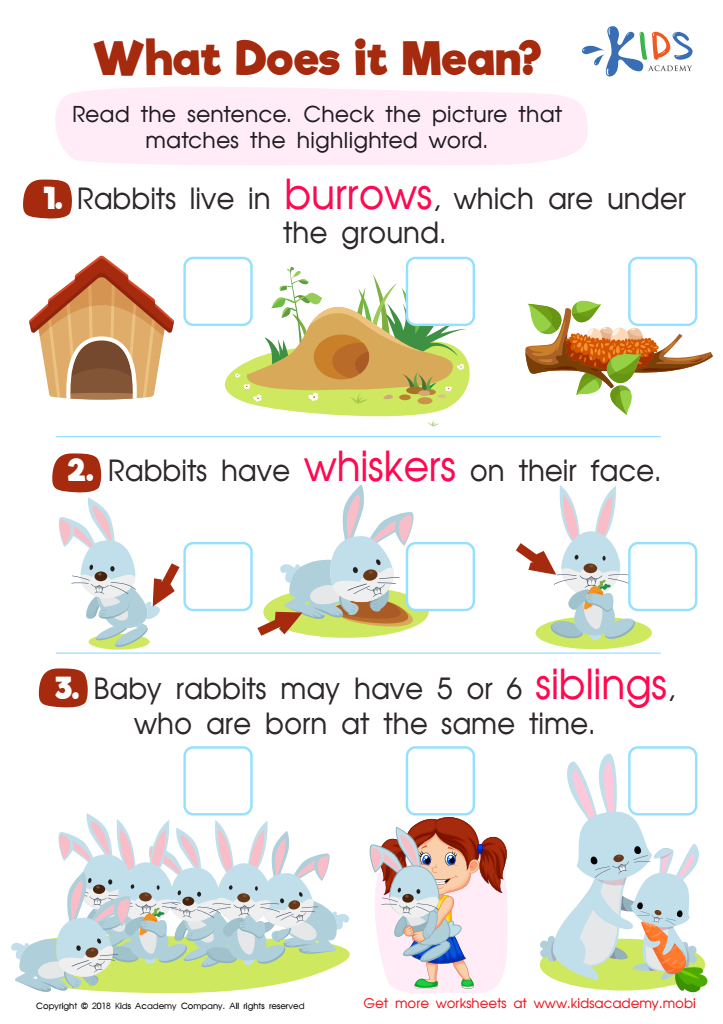
What Does It Mean? Worksheet
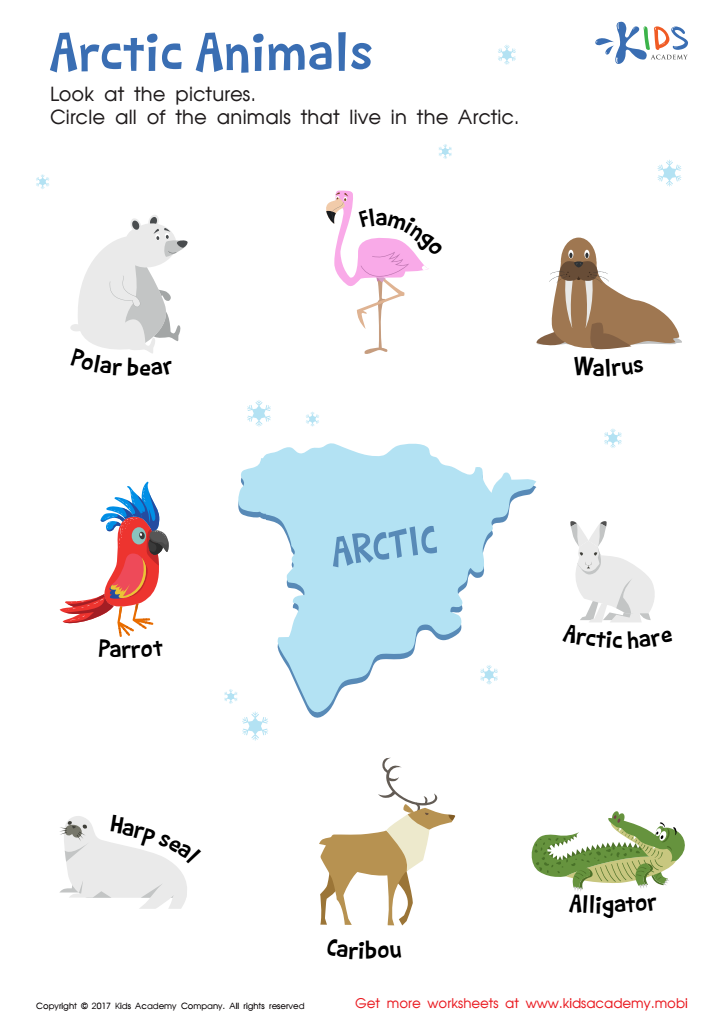
Arctic Animals Worksheet
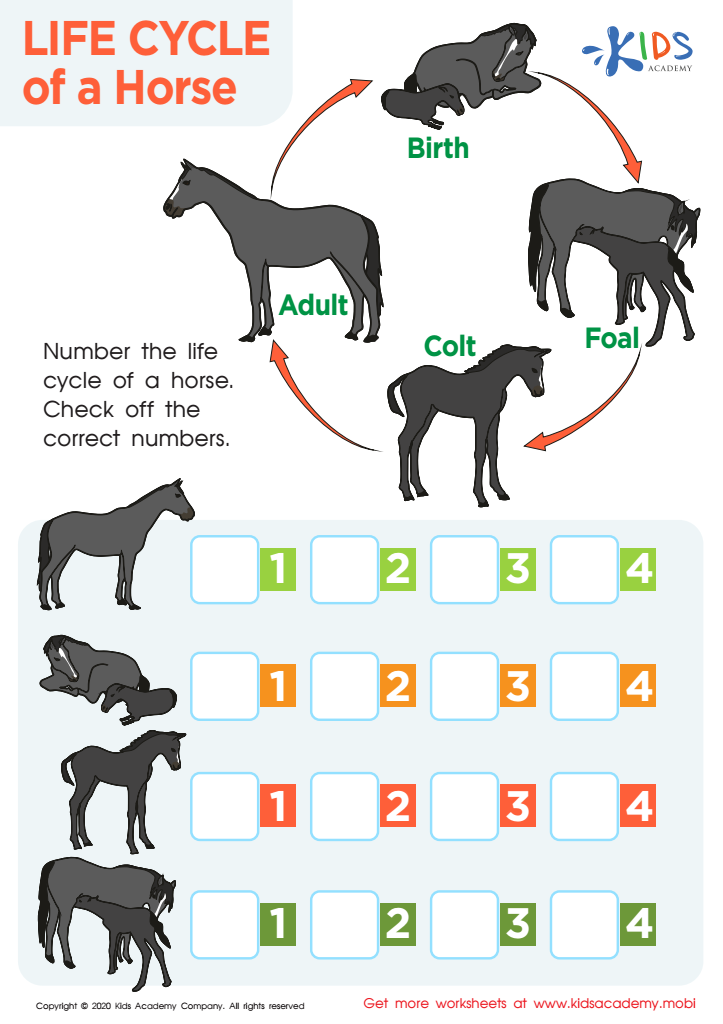
Life Cycle of a Horse Worksheet
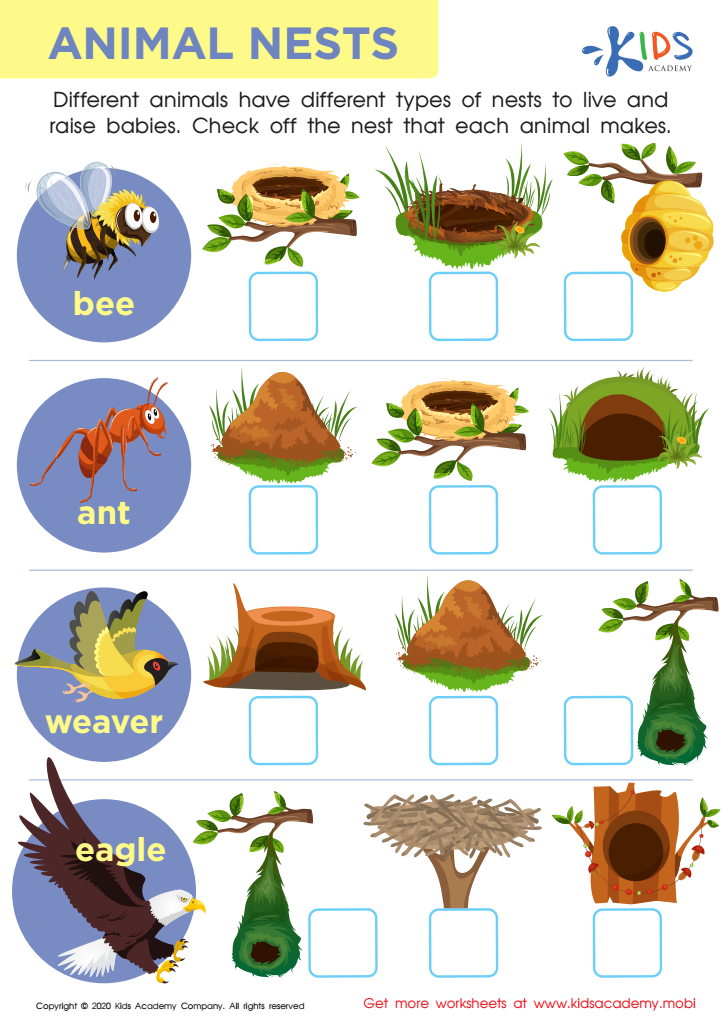
Animal Nests Worksheet
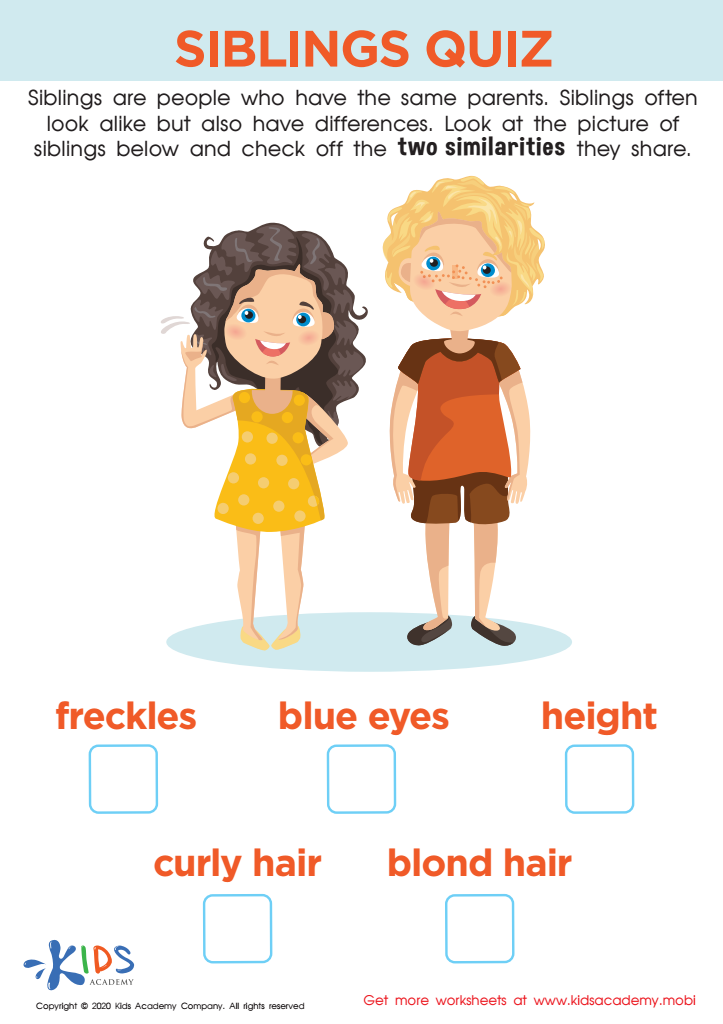
Siblings Quiz Worksheet
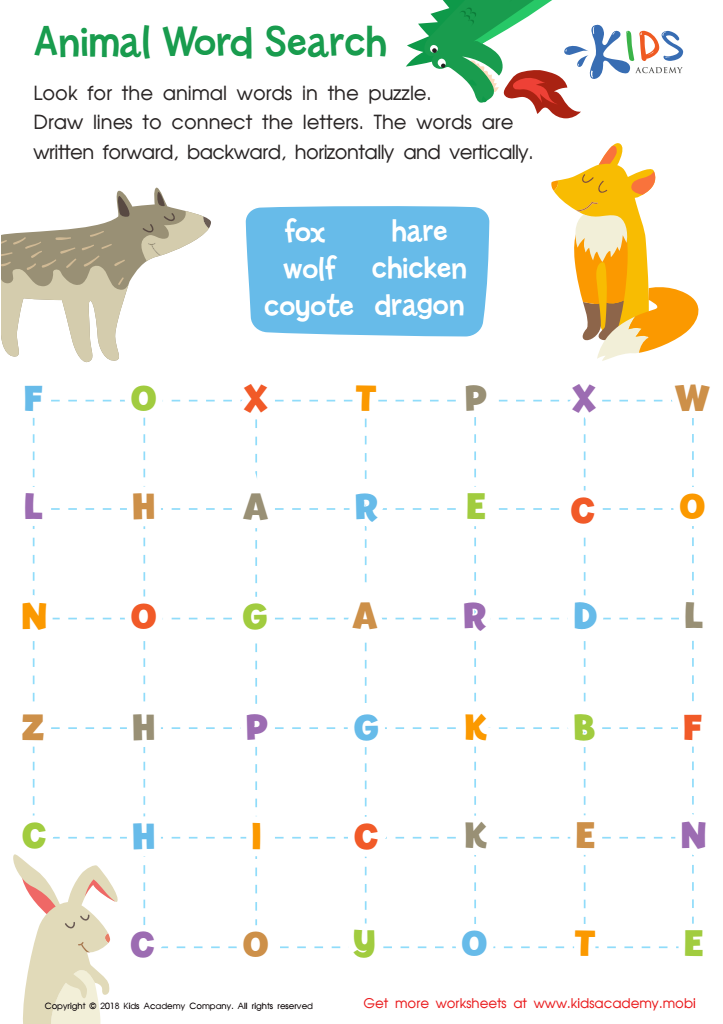
Animal Word Search Worksheet
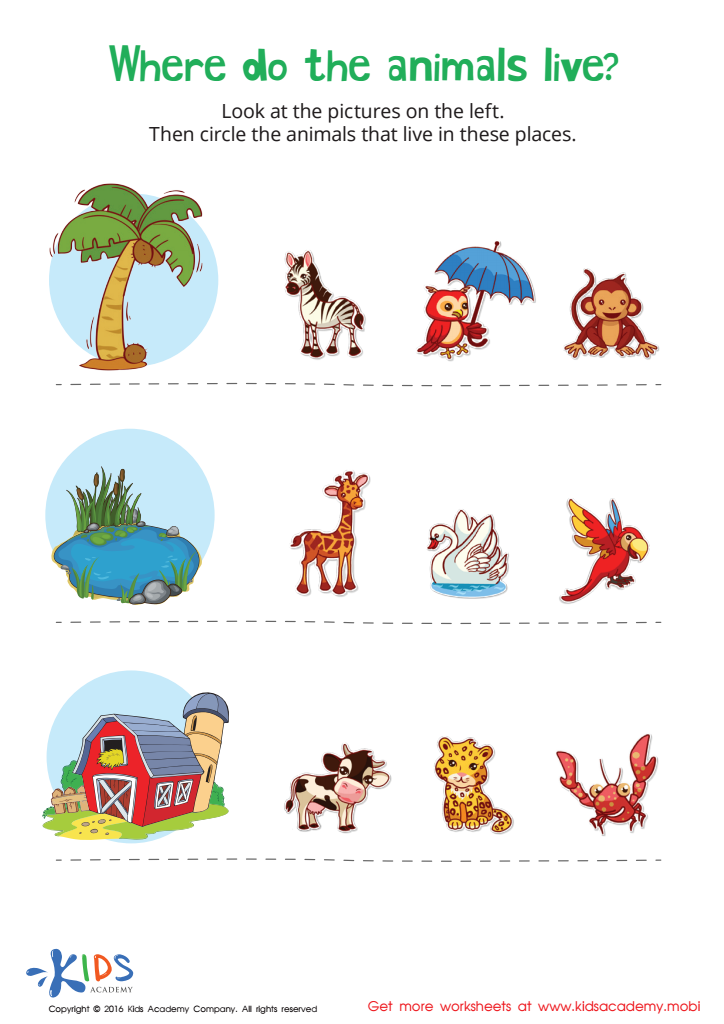
Where Animals Live Worksheet
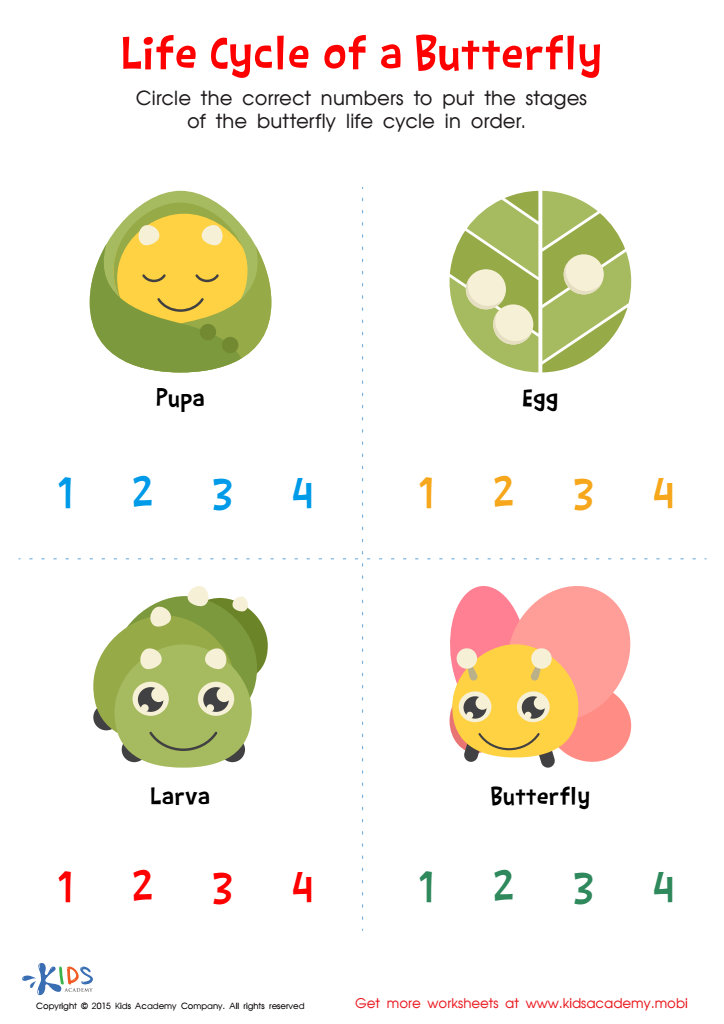
Life Cycle of Butterfly Printable
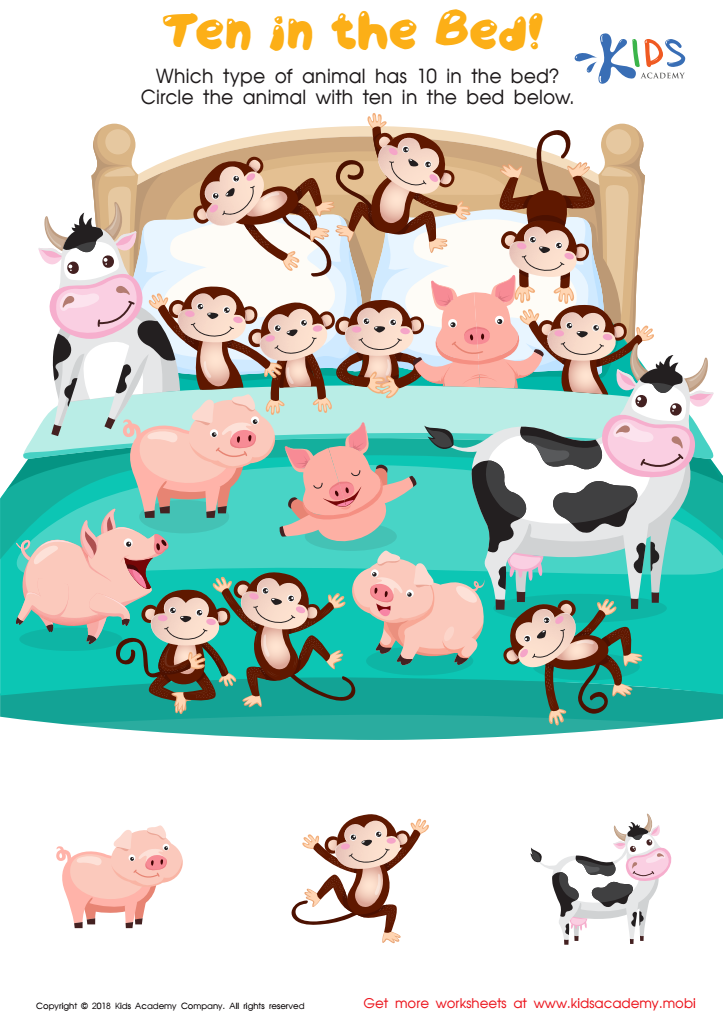
Ten in the Bed Worksheet
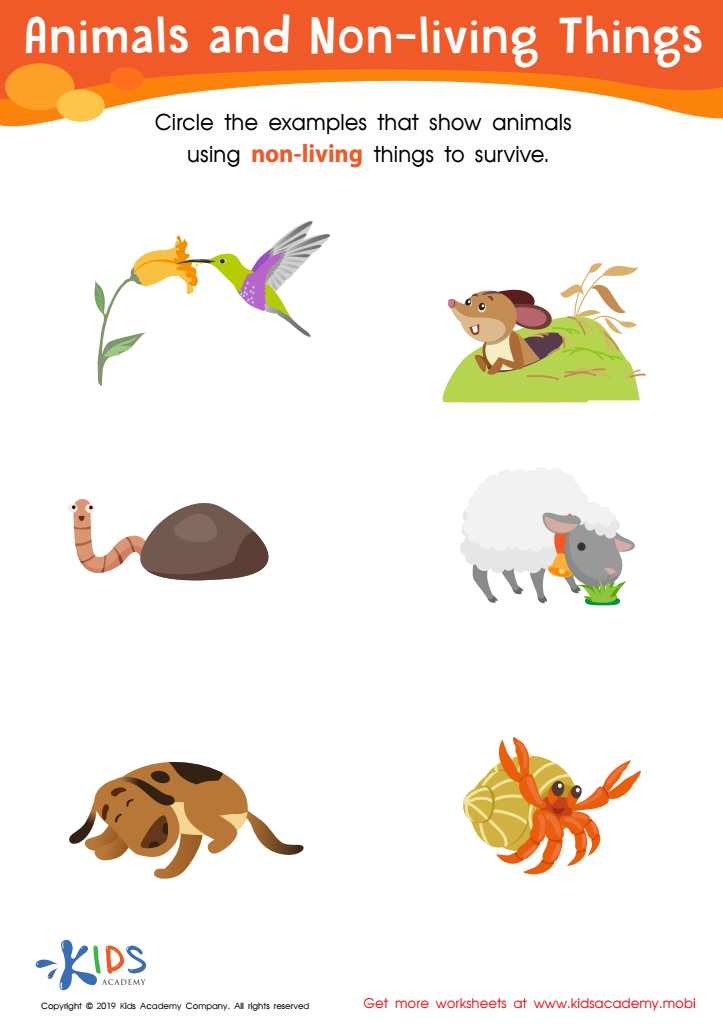
Animals and Non-Living Things Worksheet

Arctic Animals: Polar Bear Worksheet
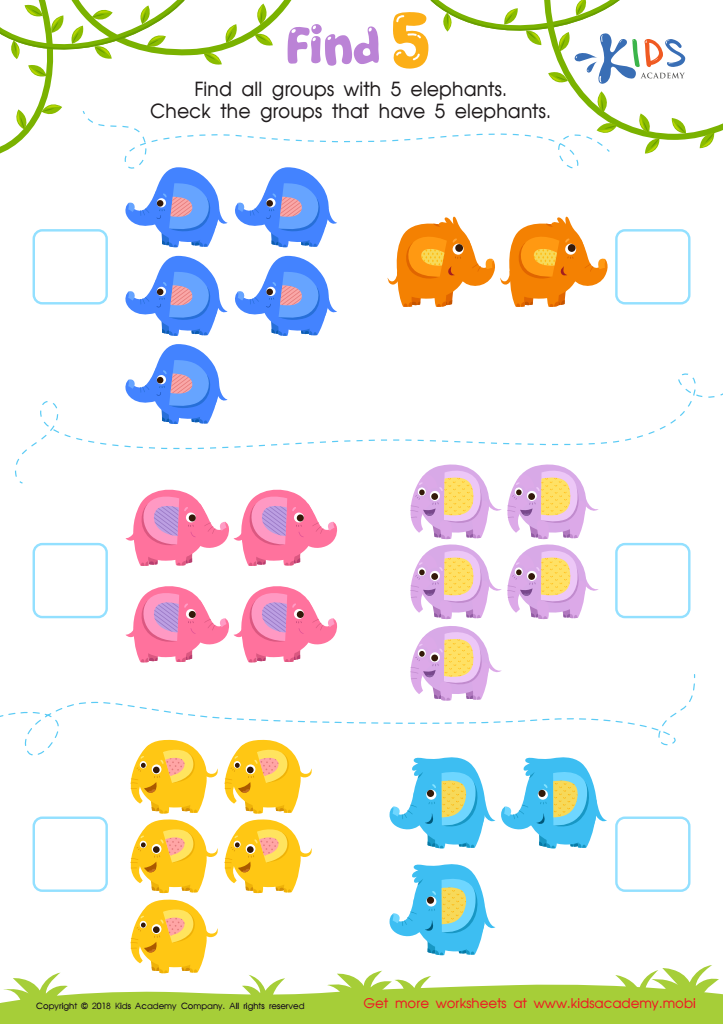
Find 5 Worksheet
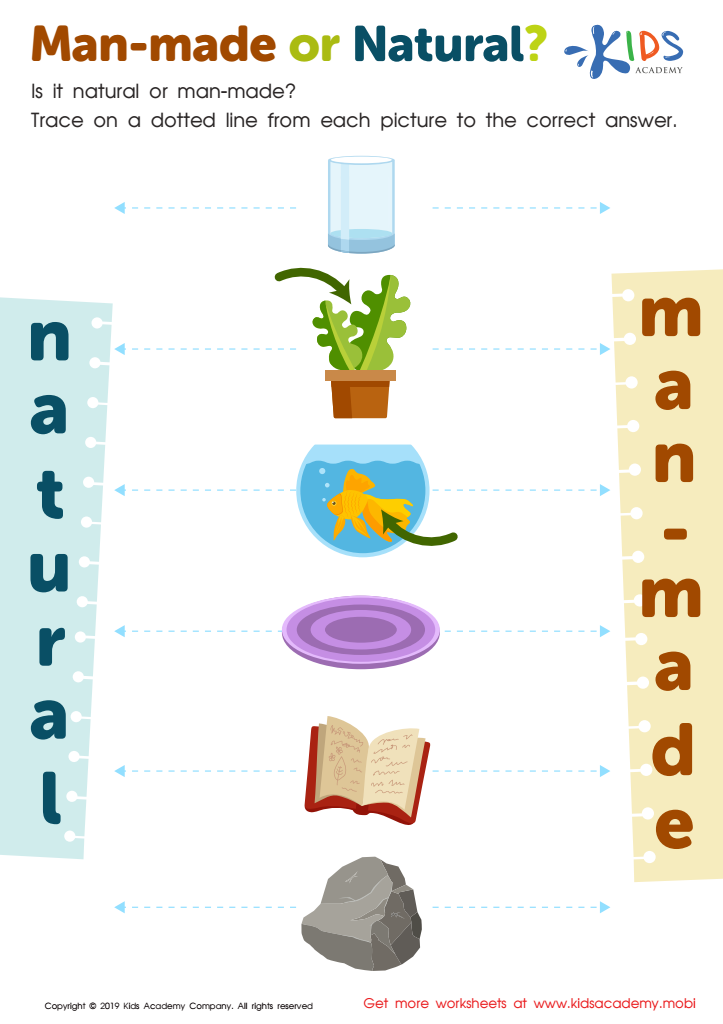
Man-Made or Natural? Worksheet
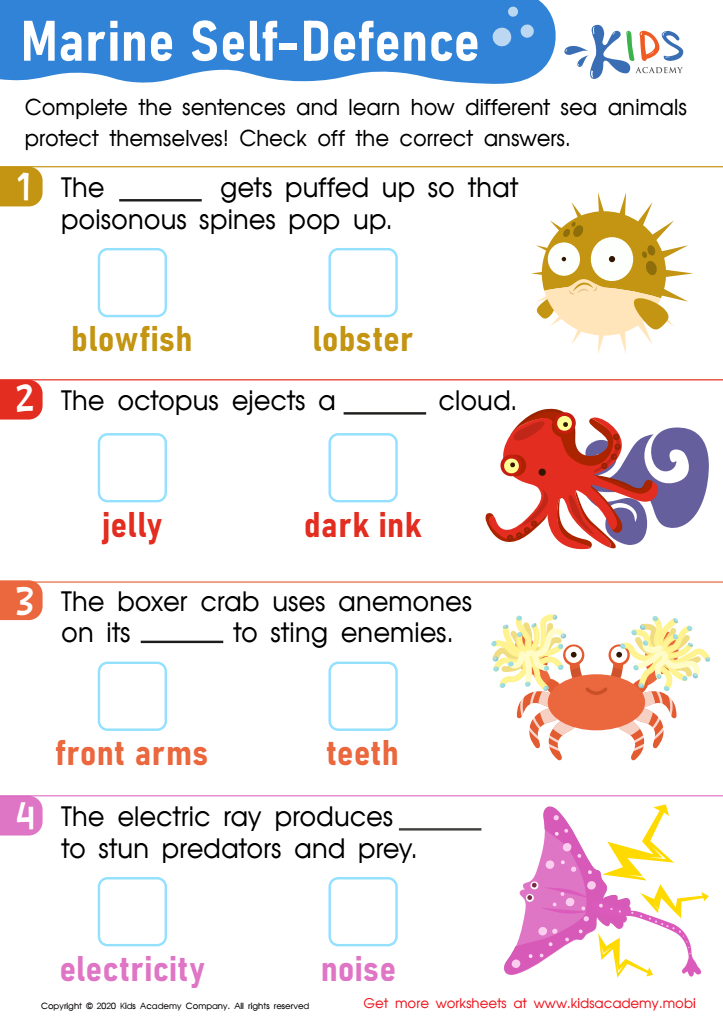
Marine Self-Defence Worksheet






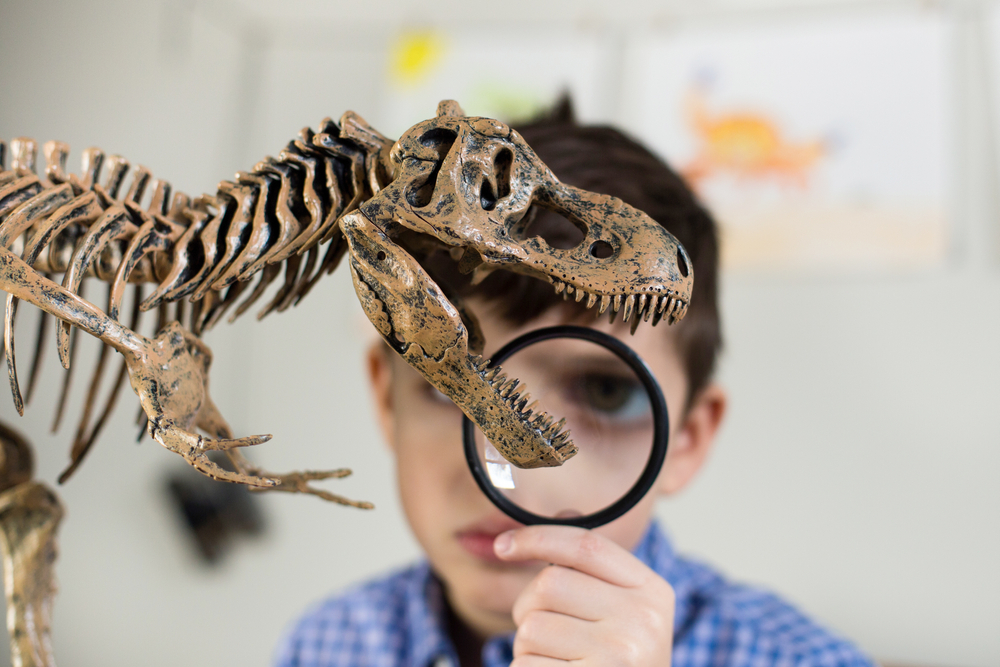

Parents and teachers should care about introducing plants and animals to children aged 3-6 because this knowledge fosters a deep appreciation for the natural world, which can significantly influence their cognitive and emotional development. Early exposure to nature allows children to develop observational skills, critical thinking, and curiosity as they learn about different species, their habitats, and the interdependence within ecosystems.
Moreover, engaging with plants and animals supports essential life skills such as responsibility and empathy, as children are taught how to care for living things. These lessons can promote mindfulness and a sense of belonging to the planet. Additionally, interacting with nature boosts physical activity and encourages outdoor exploration, which is vital for healthy growth and development.
Hands-on experiences, such as gardening or visiting a zoo, create memorable learning opportunities that can ignite passion for environmental stewardship from a young age. By nurturing an understanding and respect for both flora and fauna, we help shape the next generation to be thoughtful, environmentally-conscious citizens. In summary, focusing on plants and animals during these formative years enriches children's education, promoting a holistic understanding of their world and their place within it.








