Addition Worksheets for Ages 3-7 - Page 5
120 filtered results
-
From - To
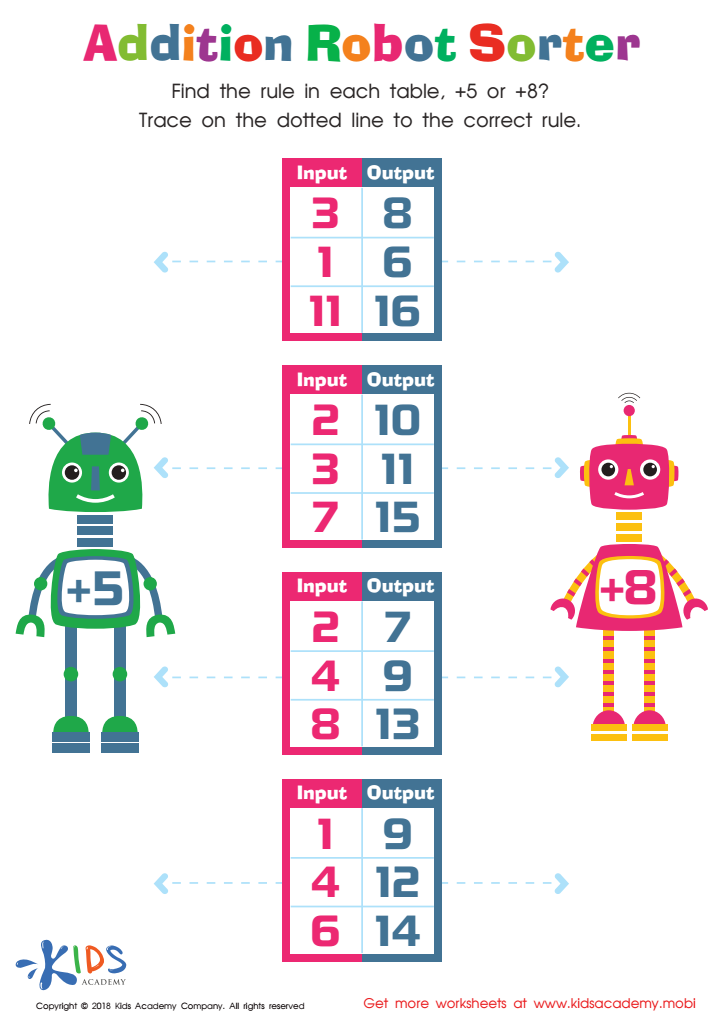
Addition Robot Sorter Worksheet
 Assign to My Students
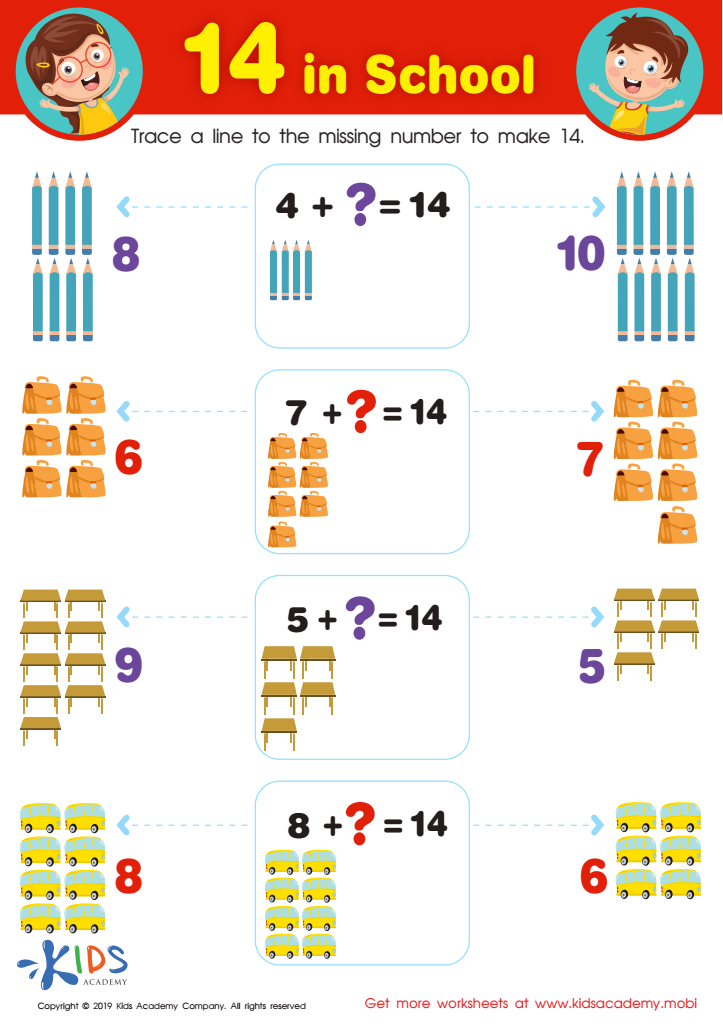
14 in School Worksheet
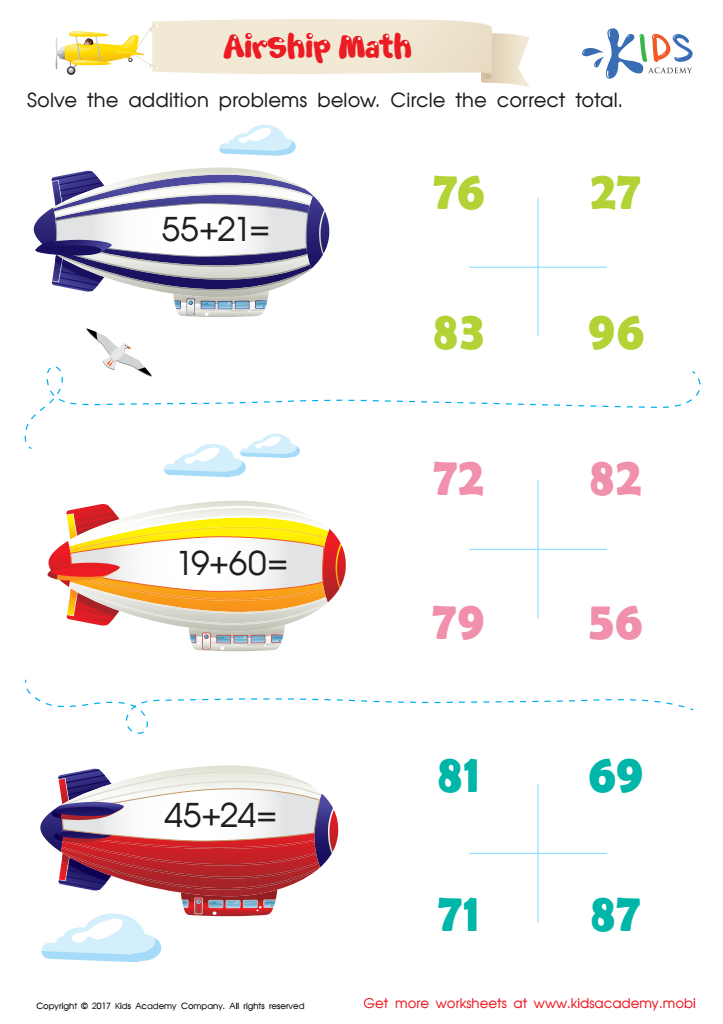
Airship Math Addition Printable
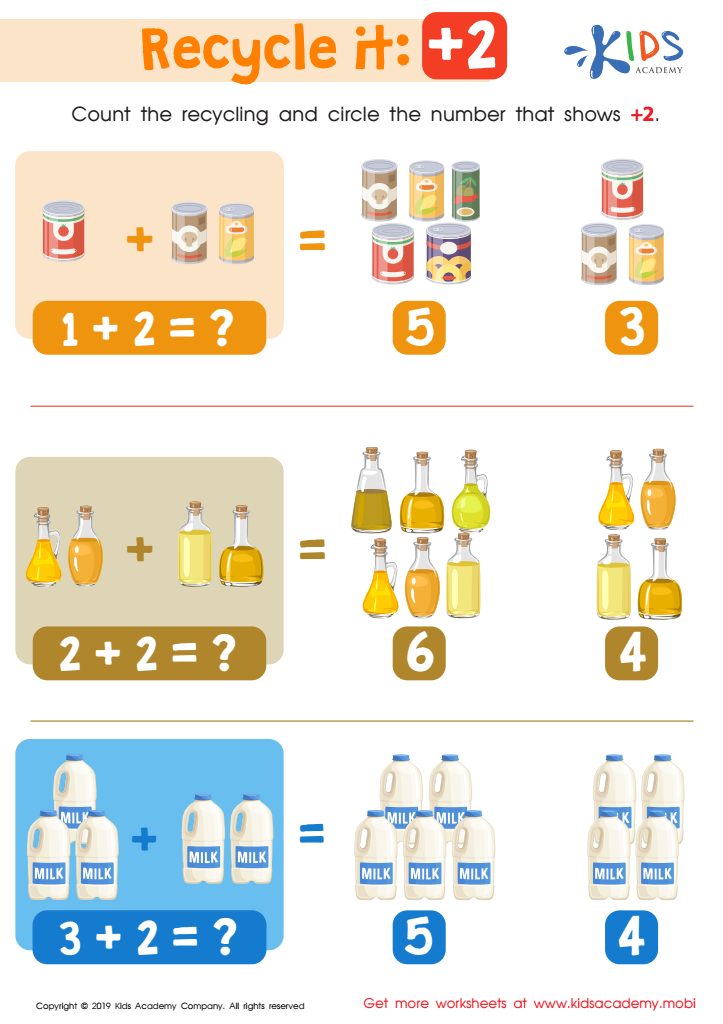
Recycle It: +2 Worksheet
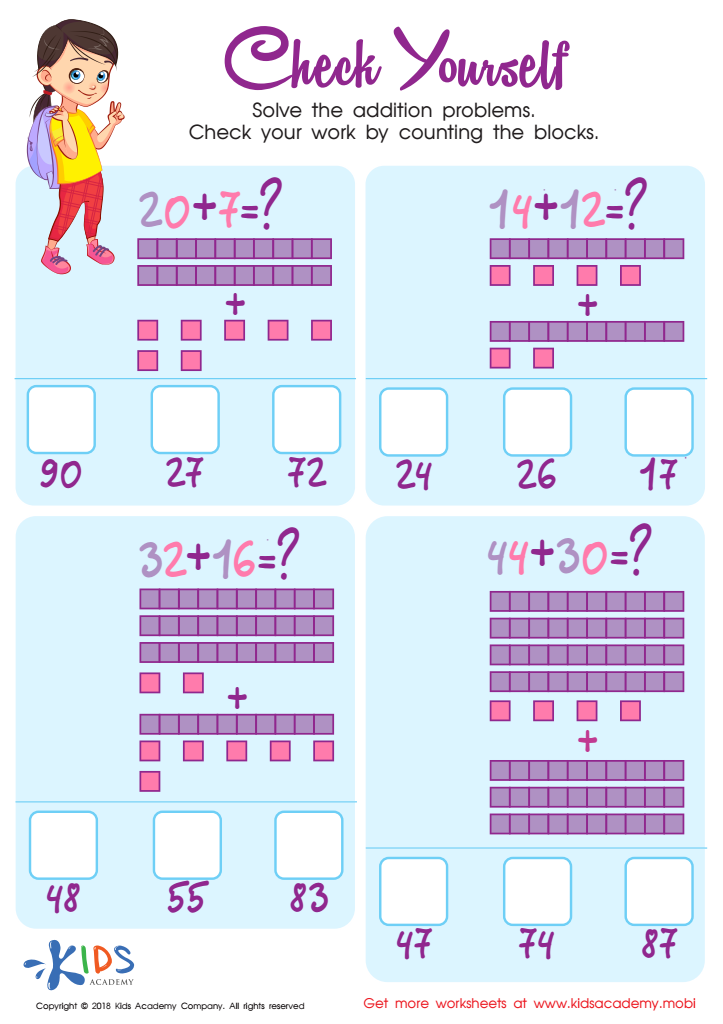
Adding with Base 1 Blocks Worksheet: Check Yourself
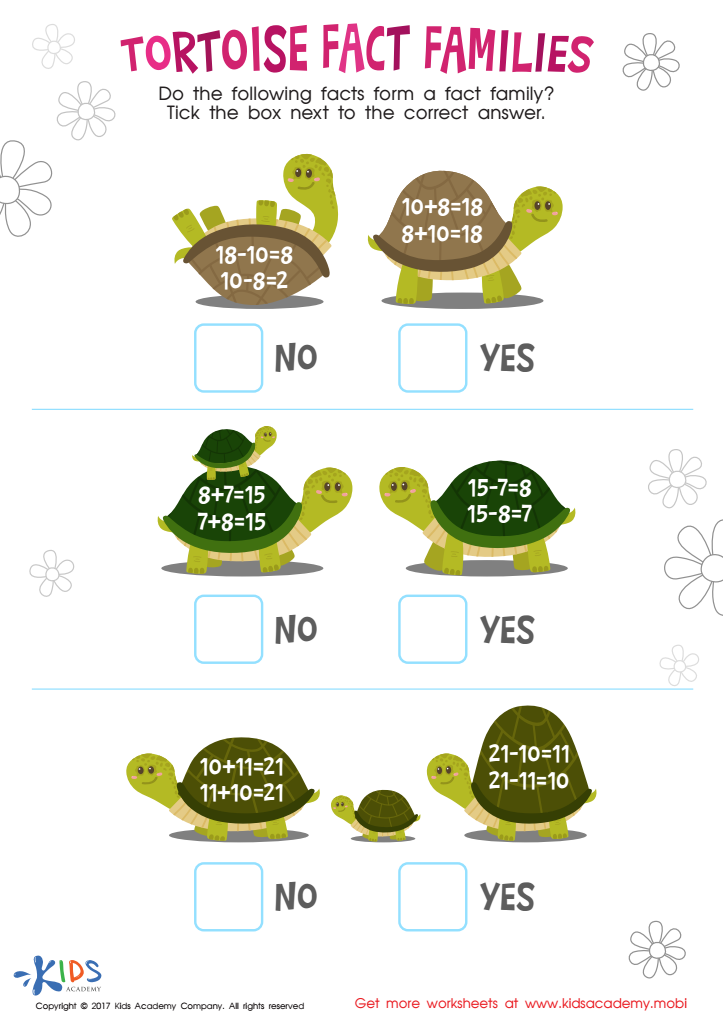
Tortoise Fact Families Printable
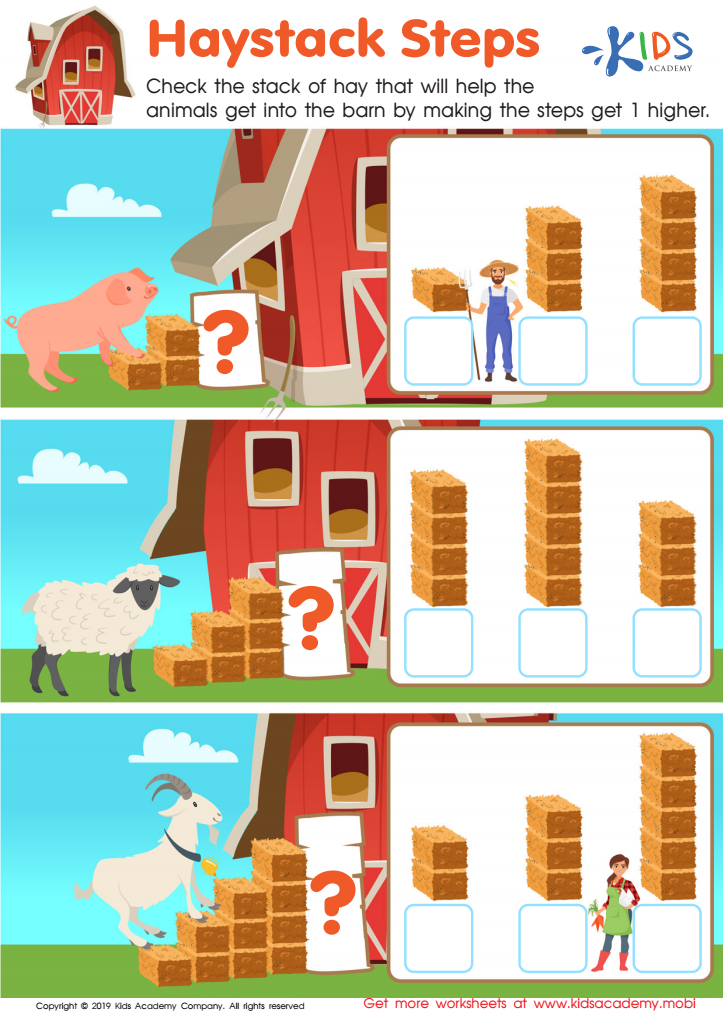
Haystack Steps Worksheet
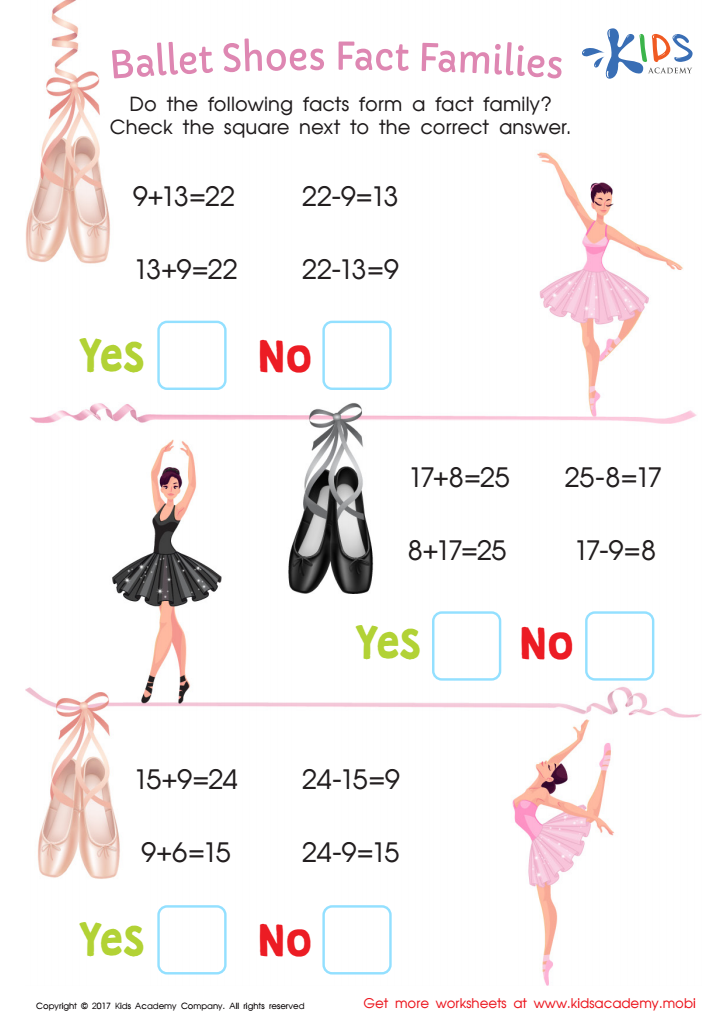
Ballet Shoes Fact Family Printable
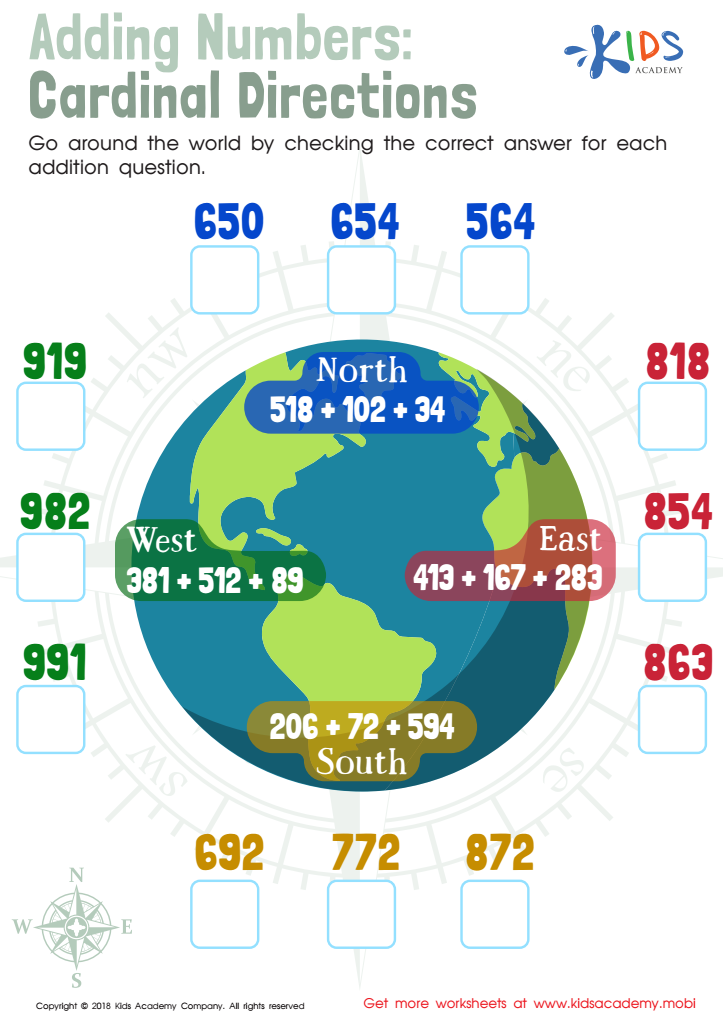
Adding Numbers: Cardinal Directions Worksheet
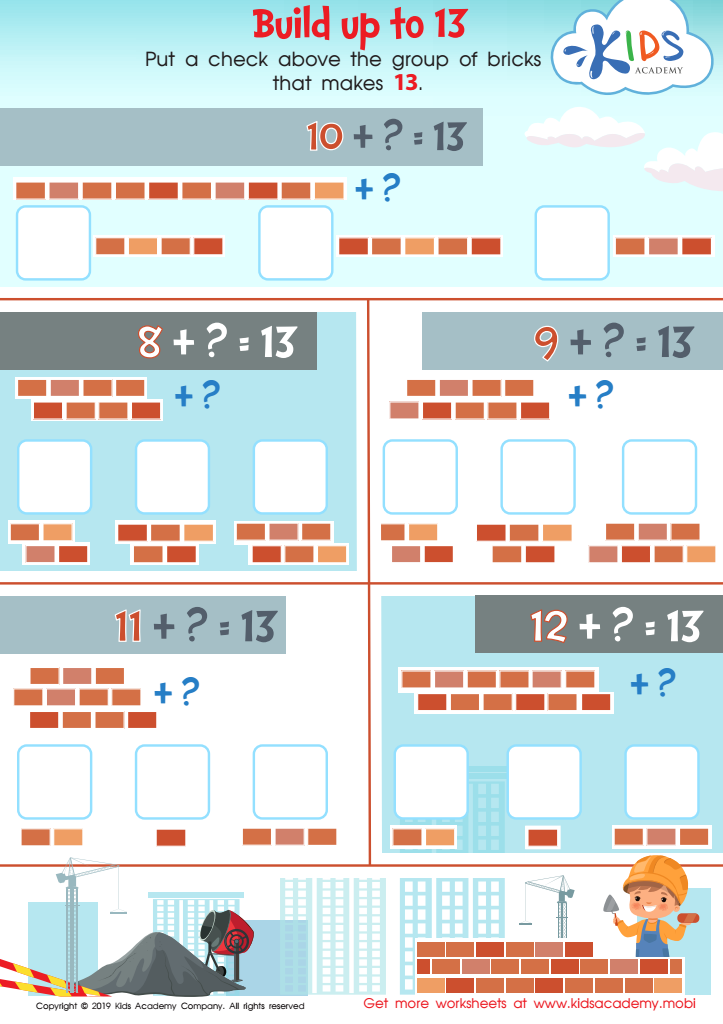
Build up to 13 Worksheet
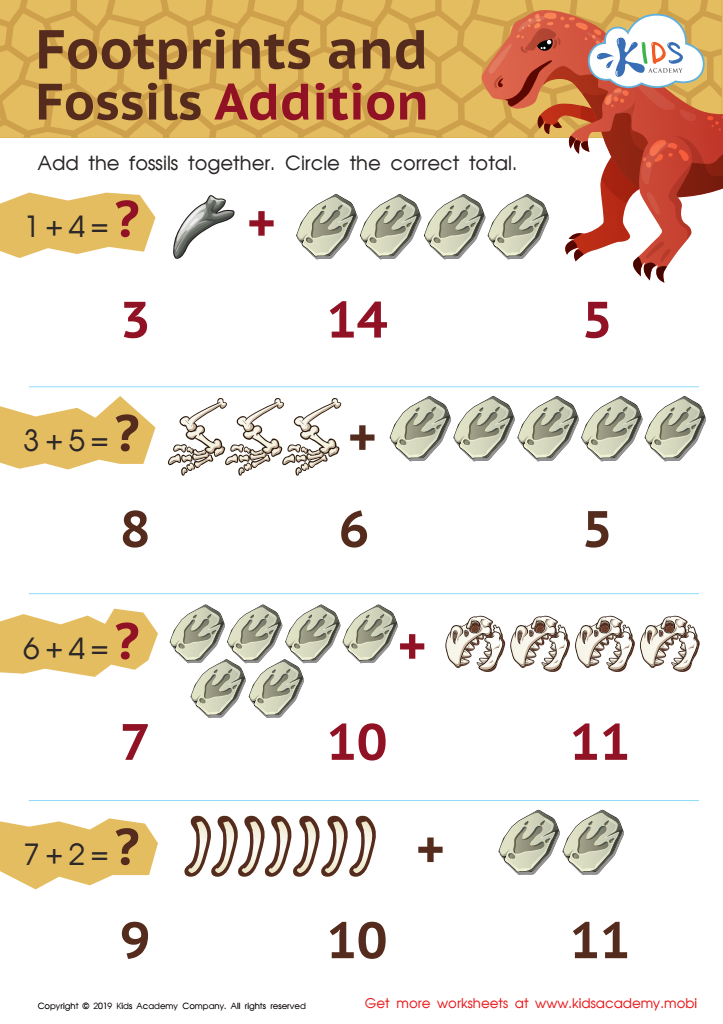
Footprints and Fossils Addition Worksheet
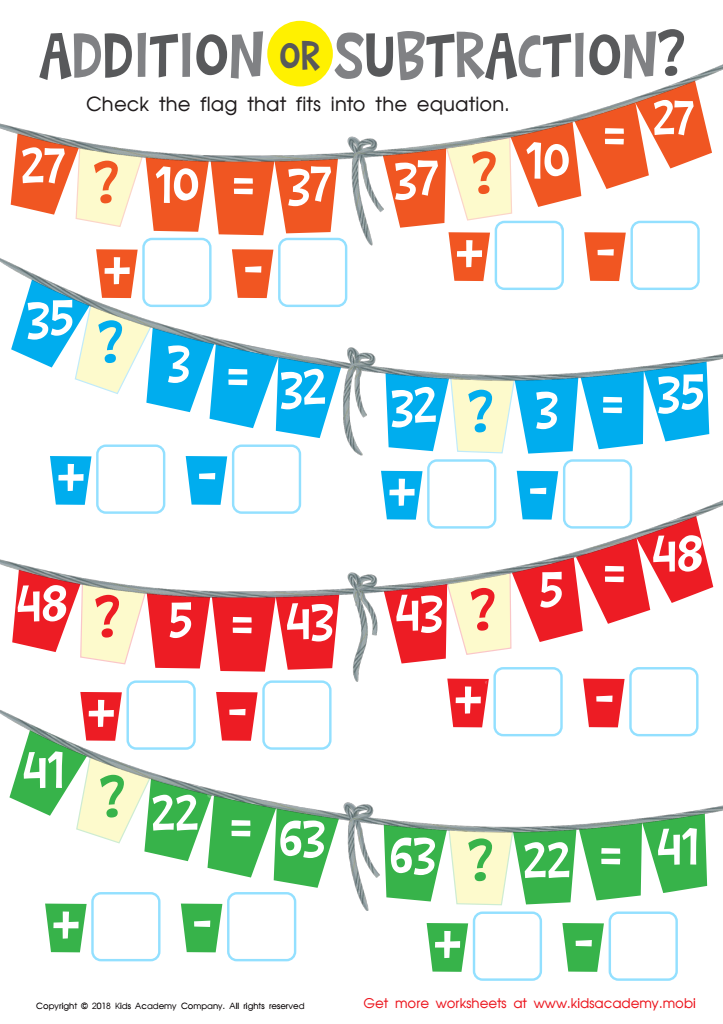
Addition or Subtraction? Worksheet
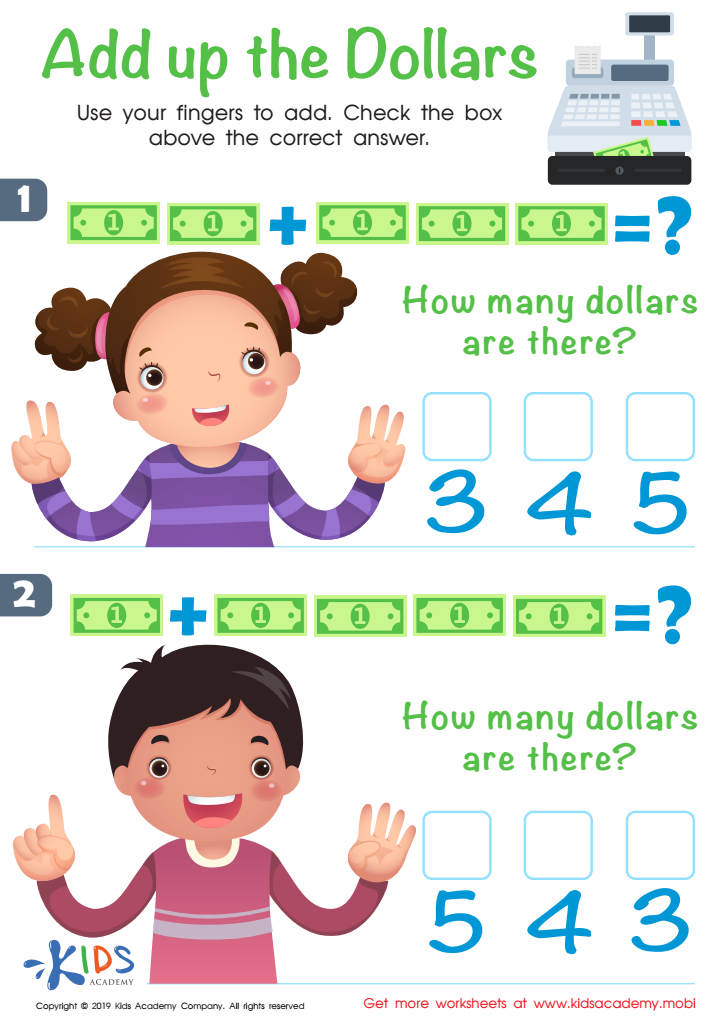
Add up the Dollars Worksheet
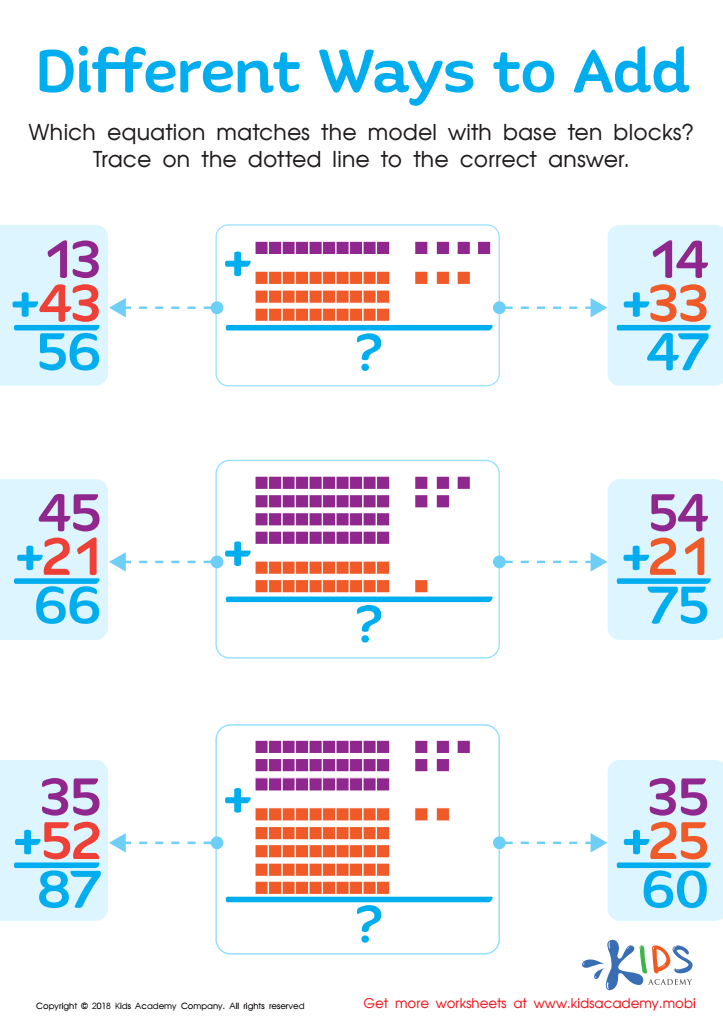
Different Ways to Add Worksheet
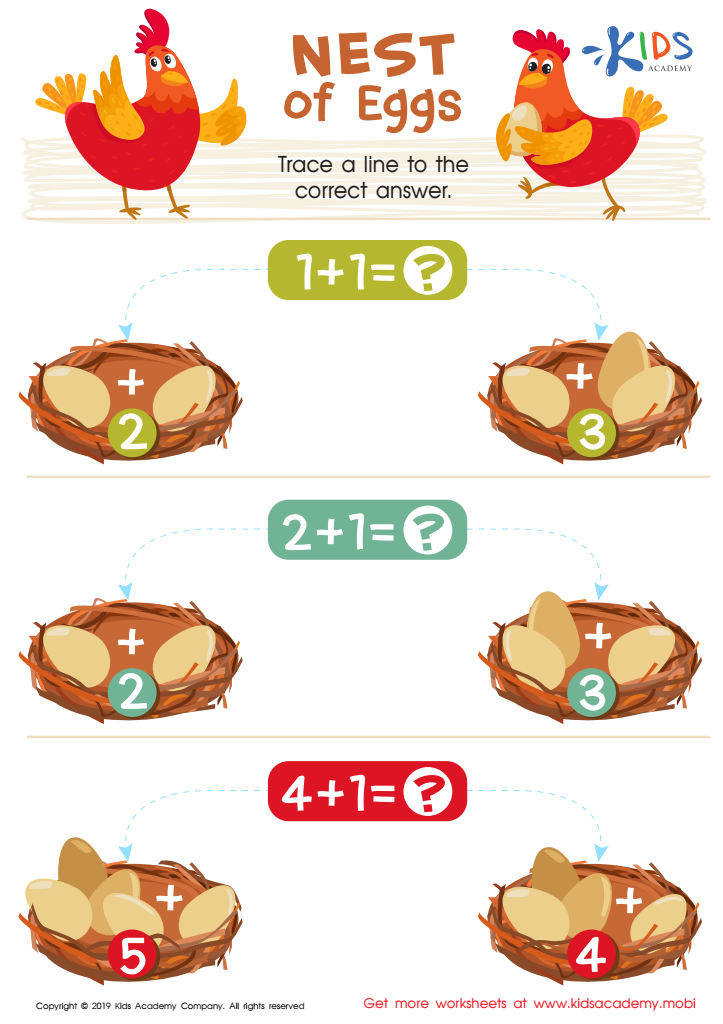
Nest of Eggs Worksheet
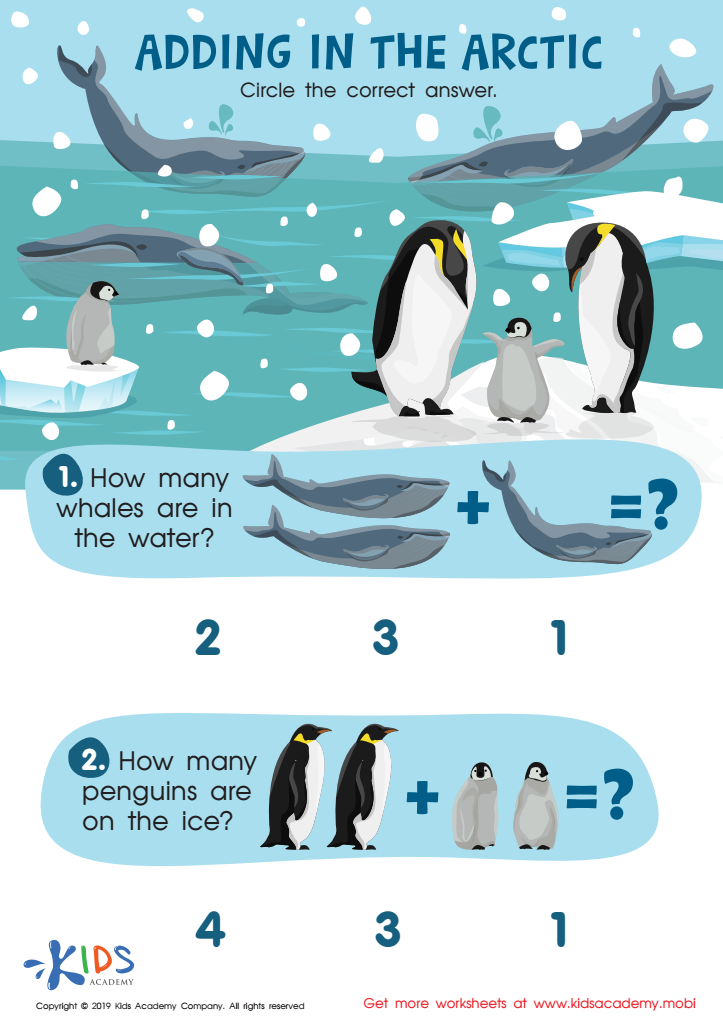
Adding in the Arctic Worksheet
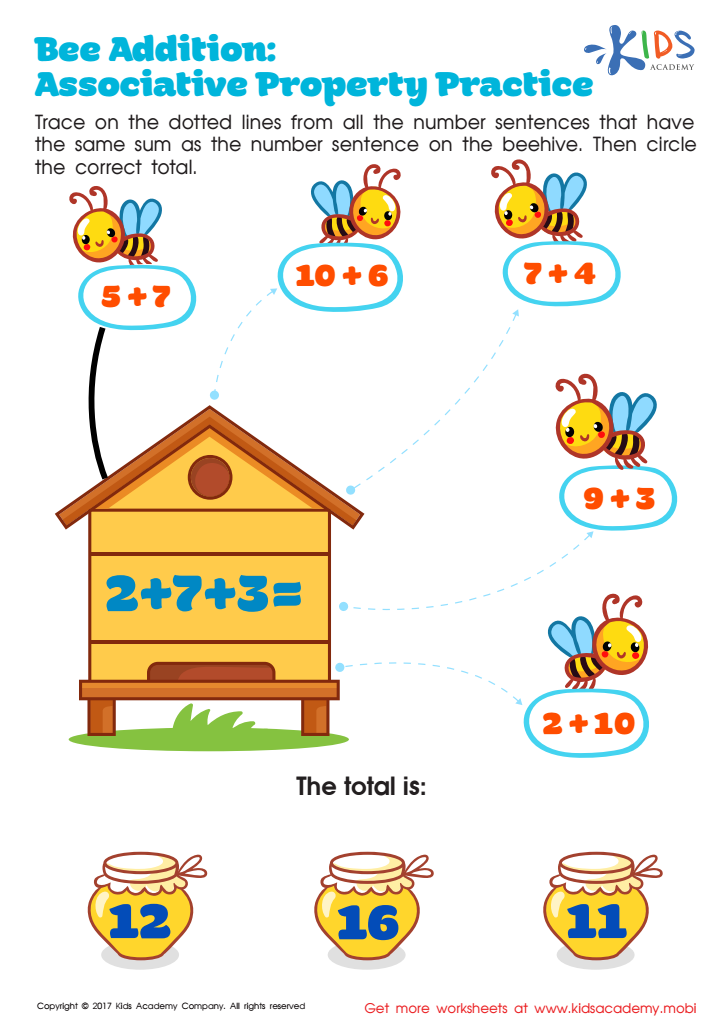
Bee Addition: Associative Property Practice Worksheet
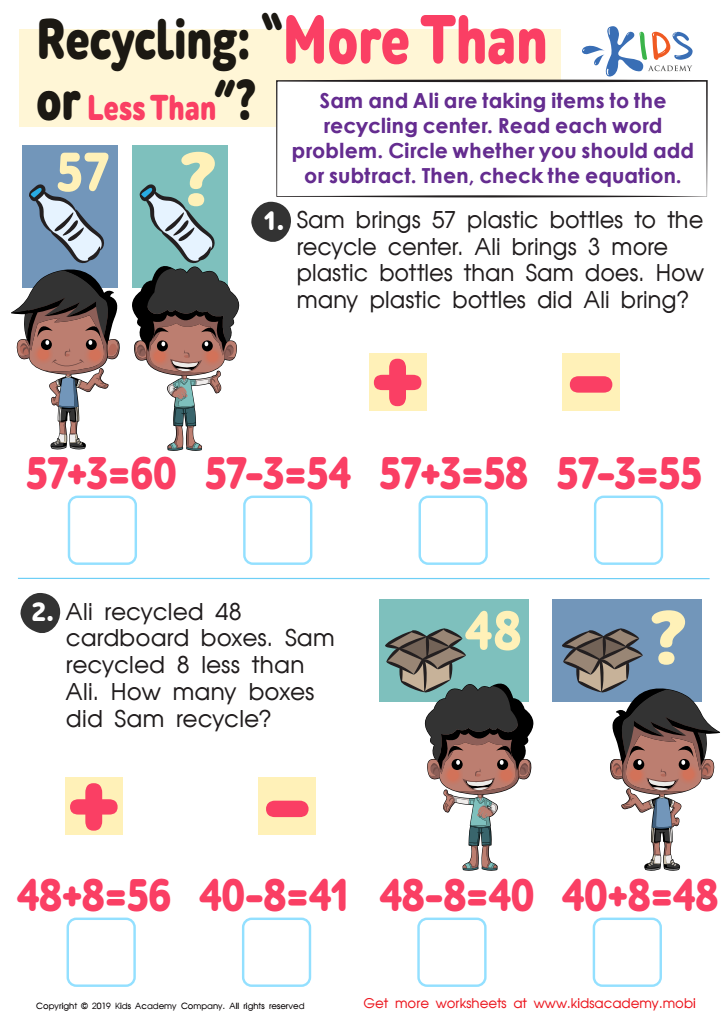
Recycling - More or Less Worksheet
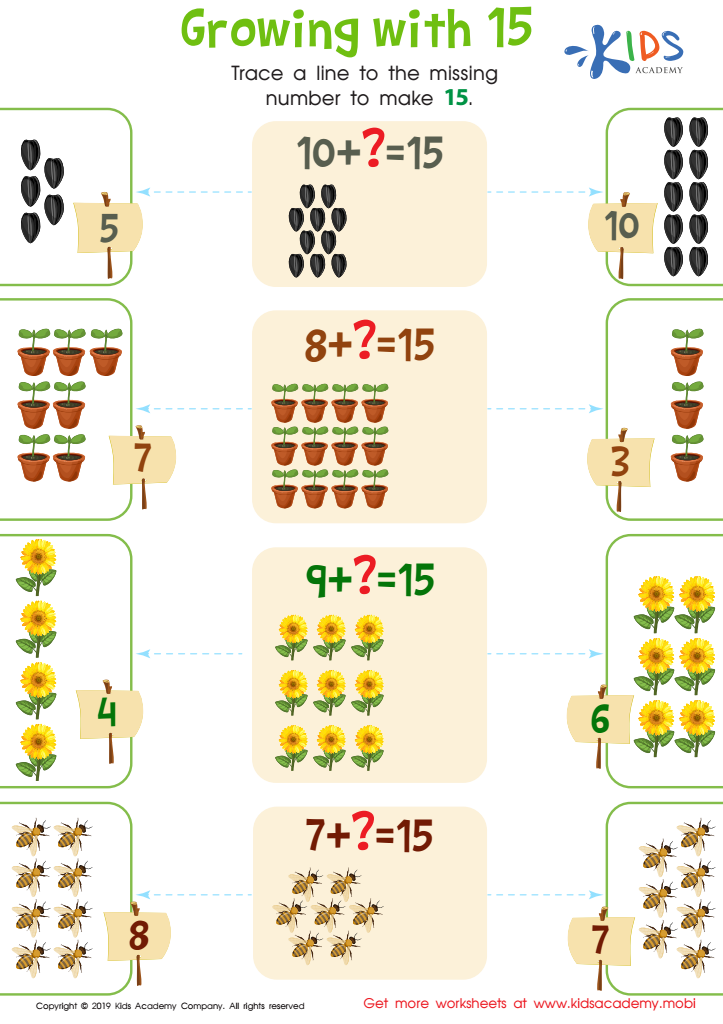
Growing with 15 Worksheet
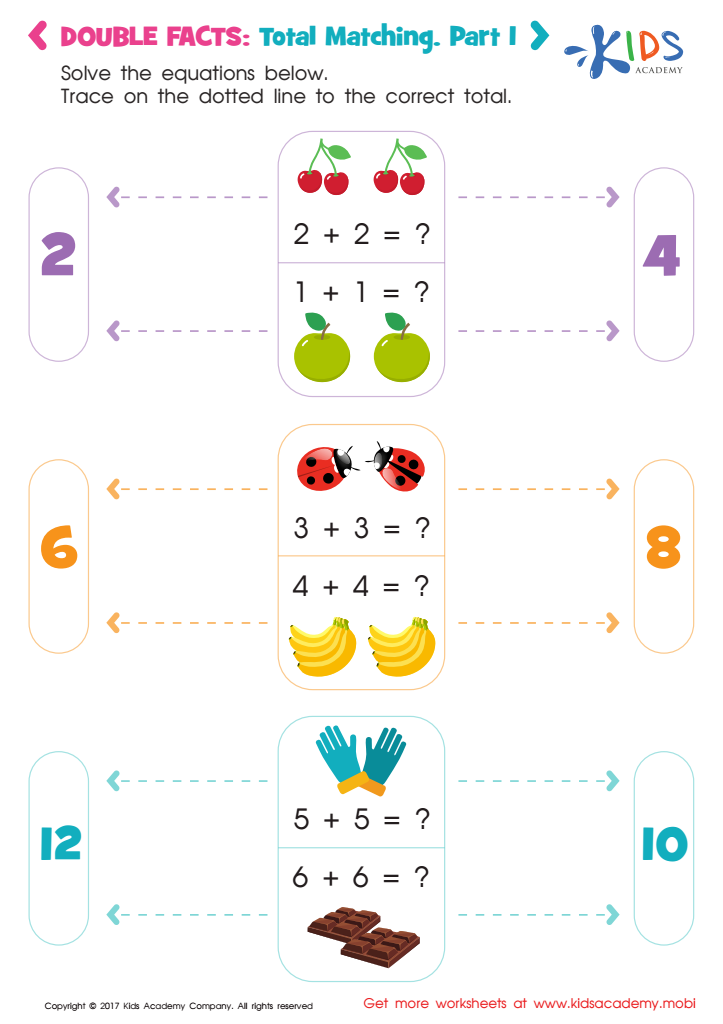
Double Facts: Total Matching Worksheet: Part 1
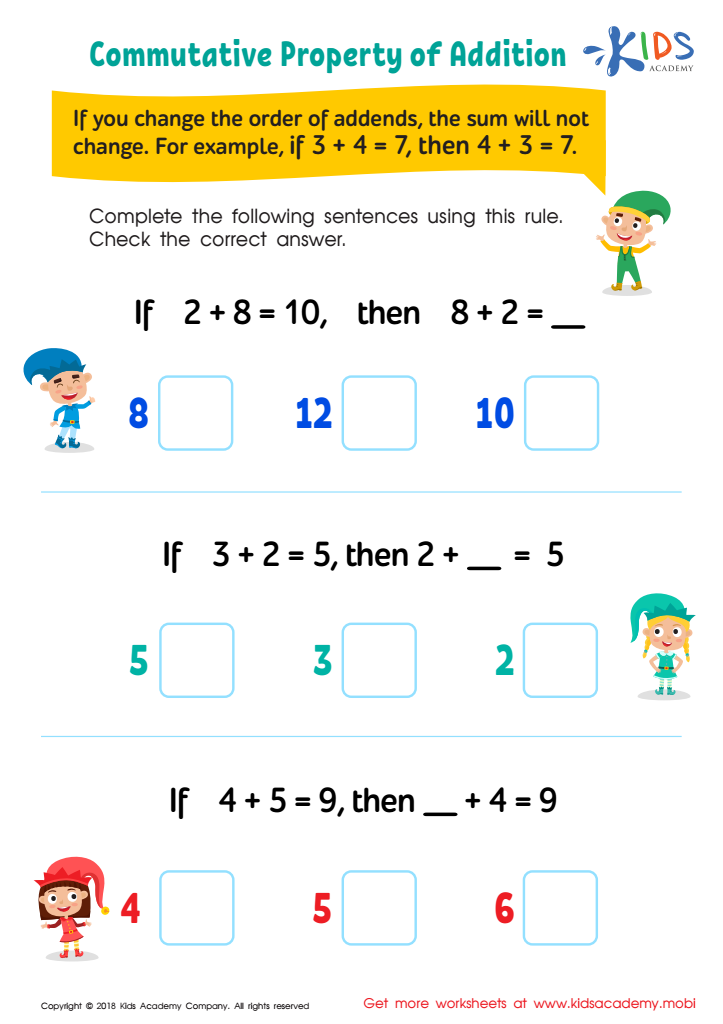
Commutative Property of Addition Worksheet
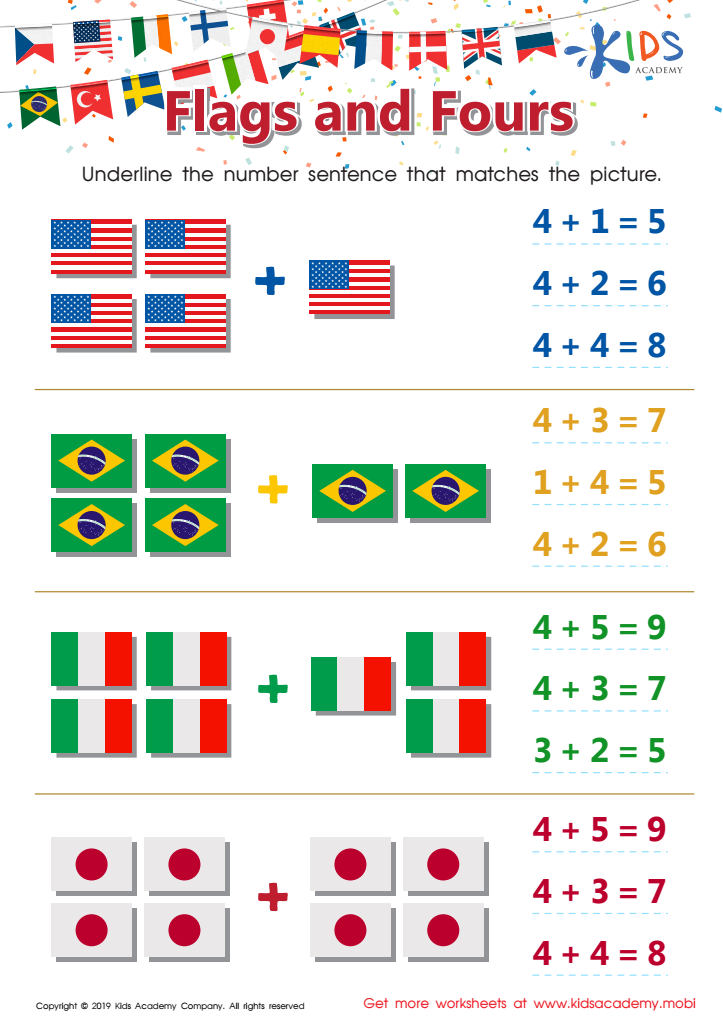
Flags and Fours Worksheet
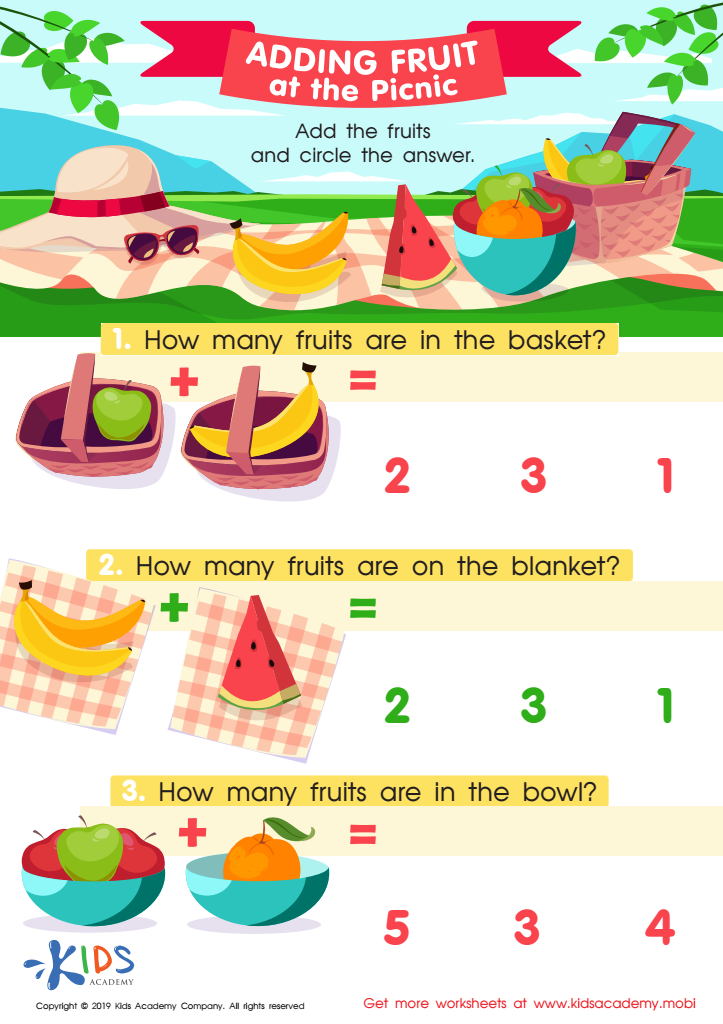
Adding Fruit at the Picnic Worksheet








Addition is a foundational mathematical skill that plays a crucial role in a child's cognitive development from ages 3-7. During this stage, children begin to engage with numbers and use them in practical ways, such as counting objects, sharing items, and measuring ingredients. By instilling a strong understanding of addition early on, parents and teachers can equip children with essential problem-solving skills that will benefit them throughout their academic lives.
Moreover, mastery of addition supports the development of critical thinking and logic. Engaging children in hands-on activities, games, and interactive lessons can make learning fun and accessible. It encourages a positive attitude toward math, boosting confidence and laying the groundwork for future mathematical concepts like subtraction, multiplication, and division.
Parents and teachers are pivotal in nurturing these skills, as their involvement can enhance learning experiences. By recognizing the importance of addition, they can create a supportive environment that promotes curiosity and enthusiasm about mathematics. This early exposure not only helps children develop essential math skills but also fosters a lifelong appreciation for learning, contributing to well-rounded, numerically literate citizens. Focusing on addition at this critical age ensures that children are prepared for more complex mathematical challenges as they grow.








