Science Worksheets for Ages 3-7 - Page 12
301 filtered results
-
From - To
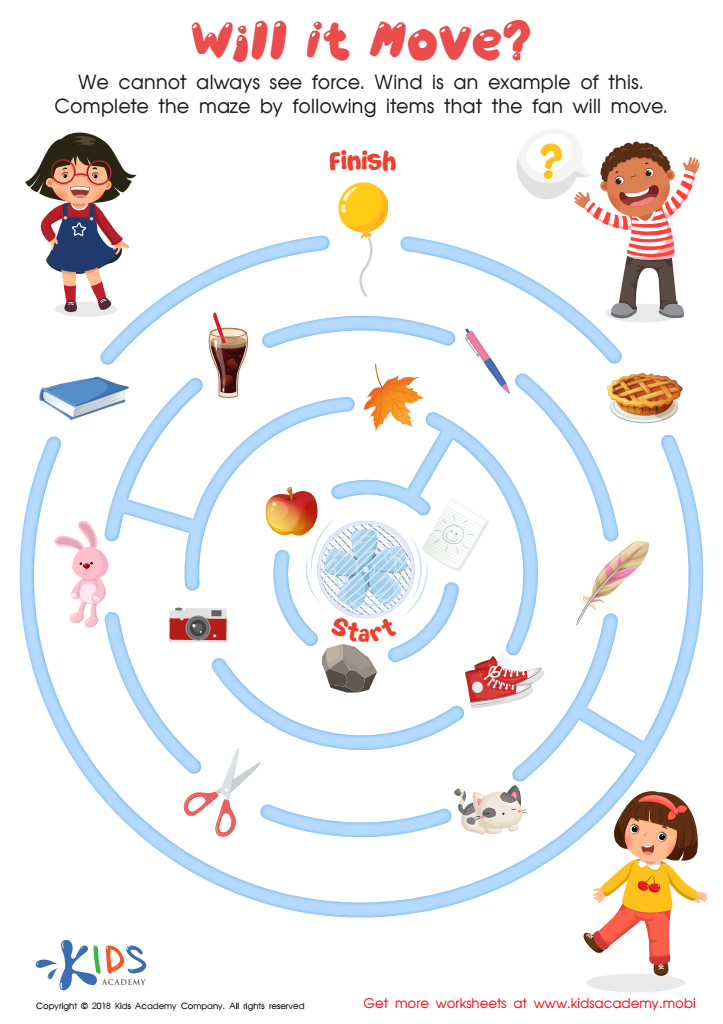
Will it Move? Worksheet
 Assign to My Students
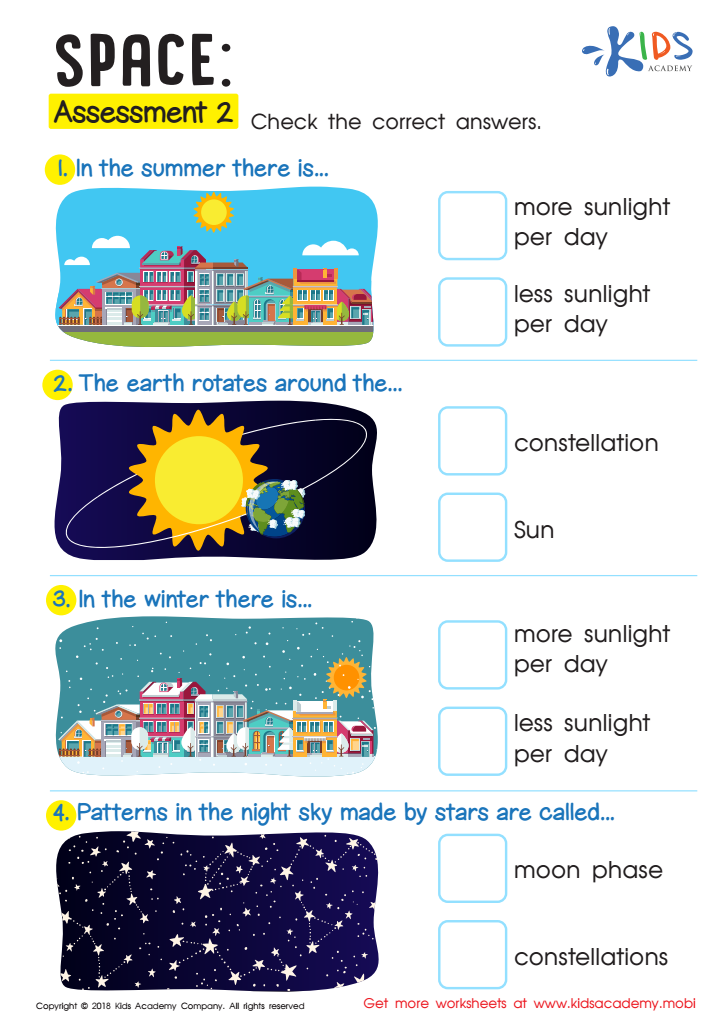
Space: Assessment 2 Worksheet
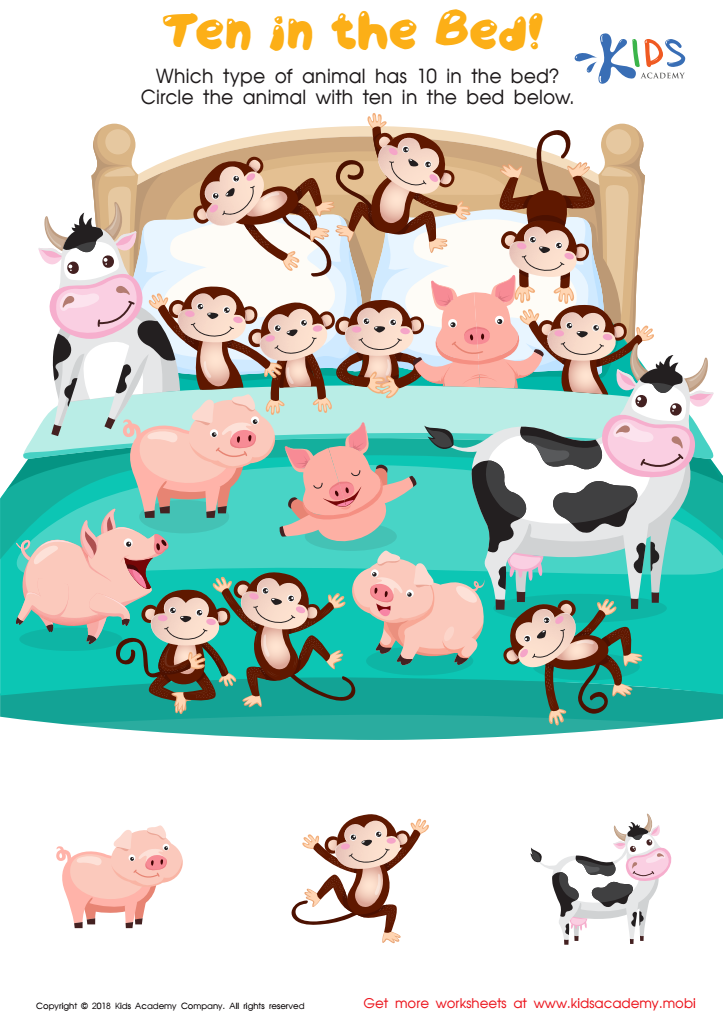
Ten in the Bed Worksheet
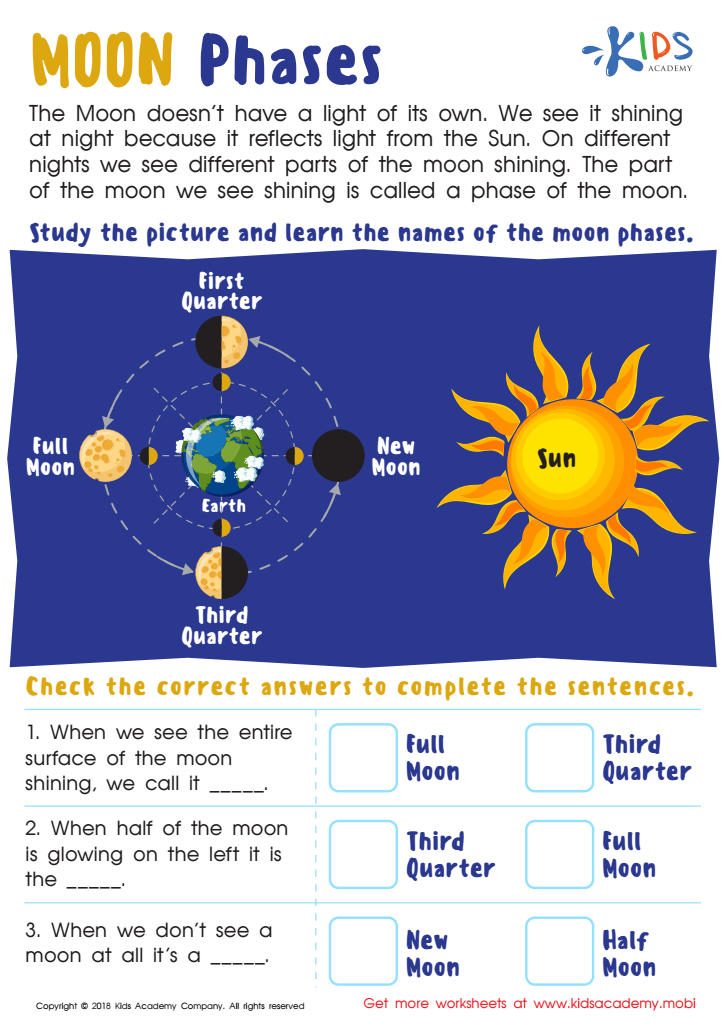
Moon Phases Worksheet
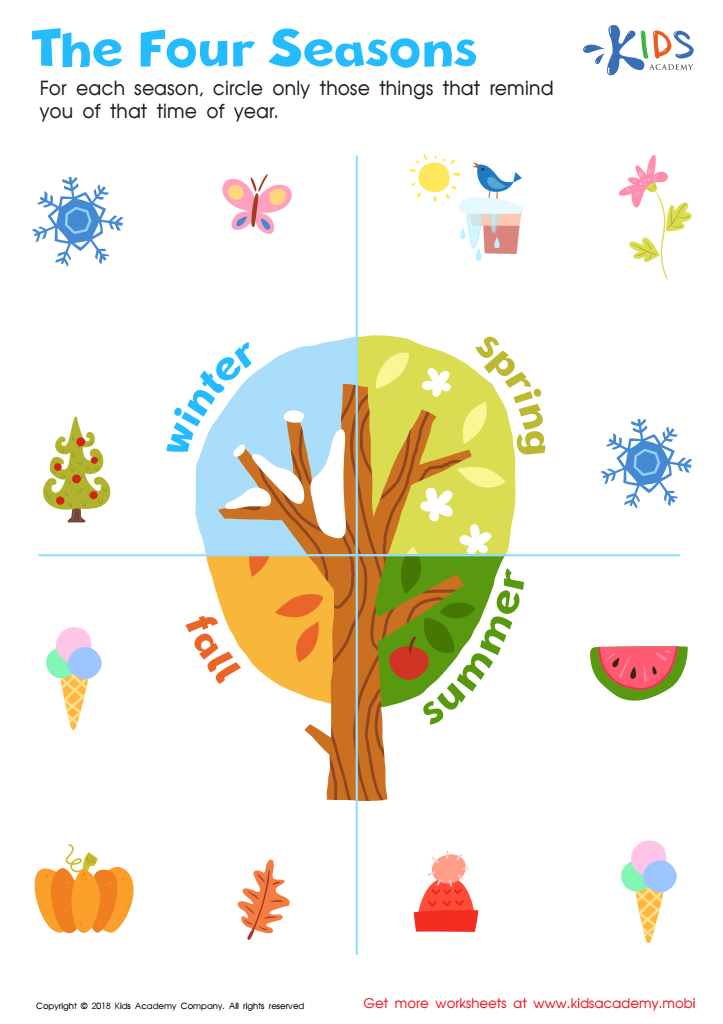
The Four Seasons Worksheet
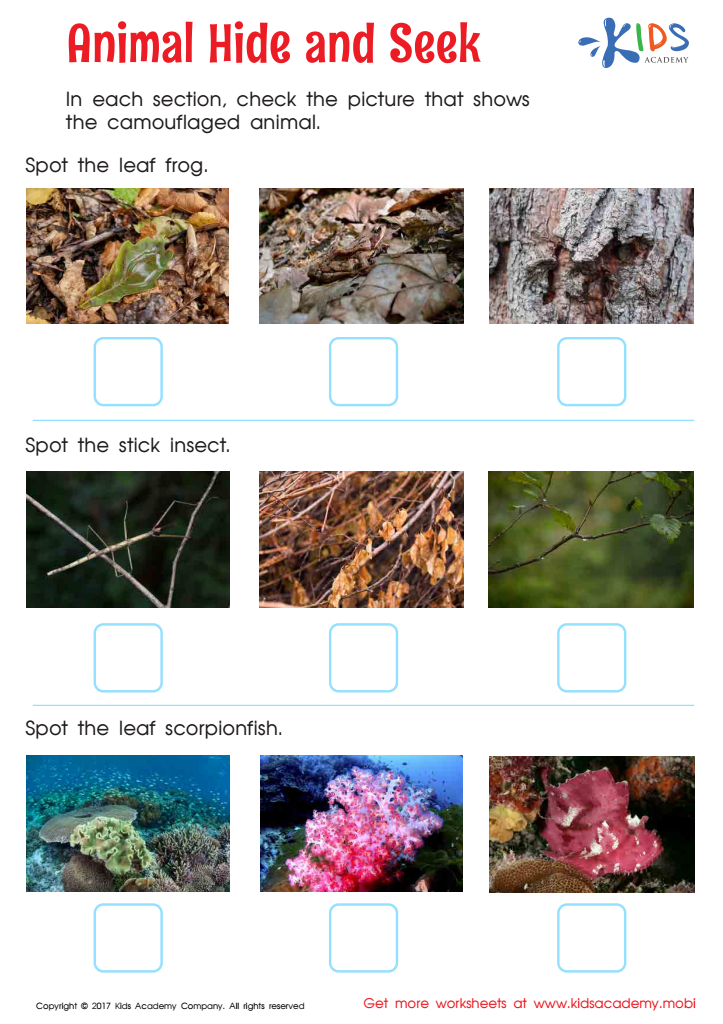
Animal Hide and Seek Worksheet
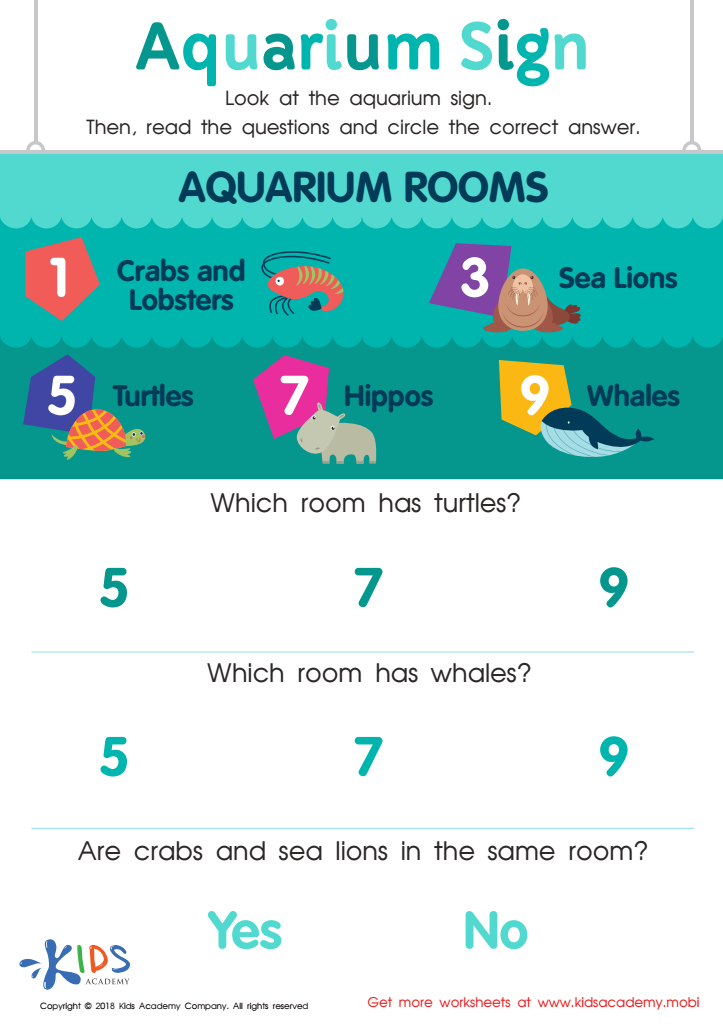
Assessment: Aquarium Sign Worksheet
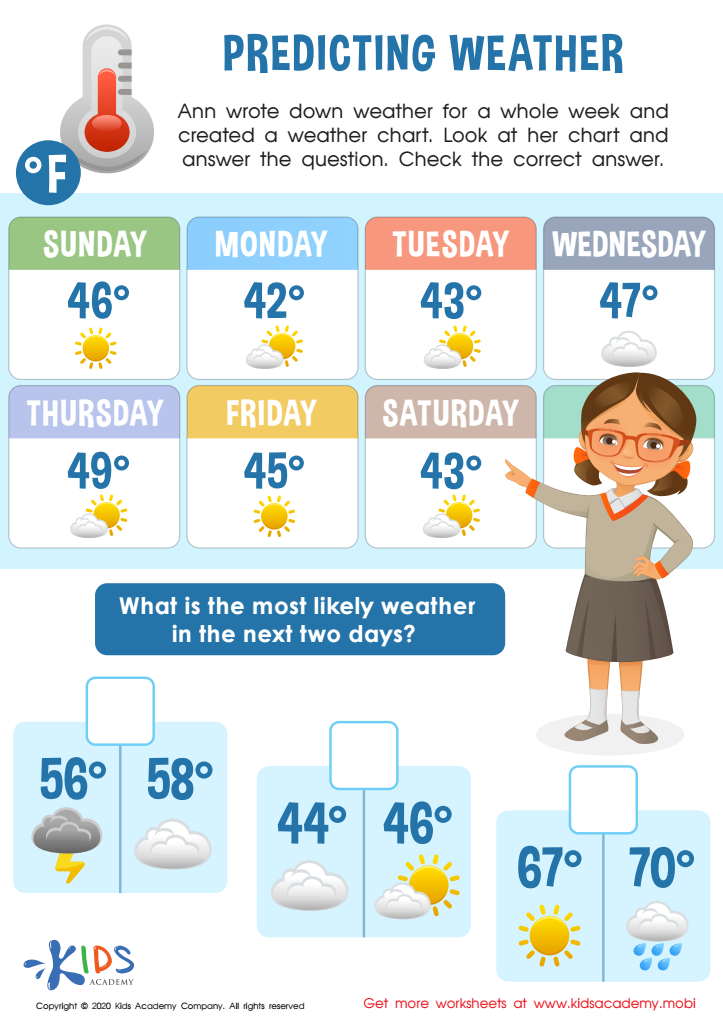
Predicting Weather Worksheet
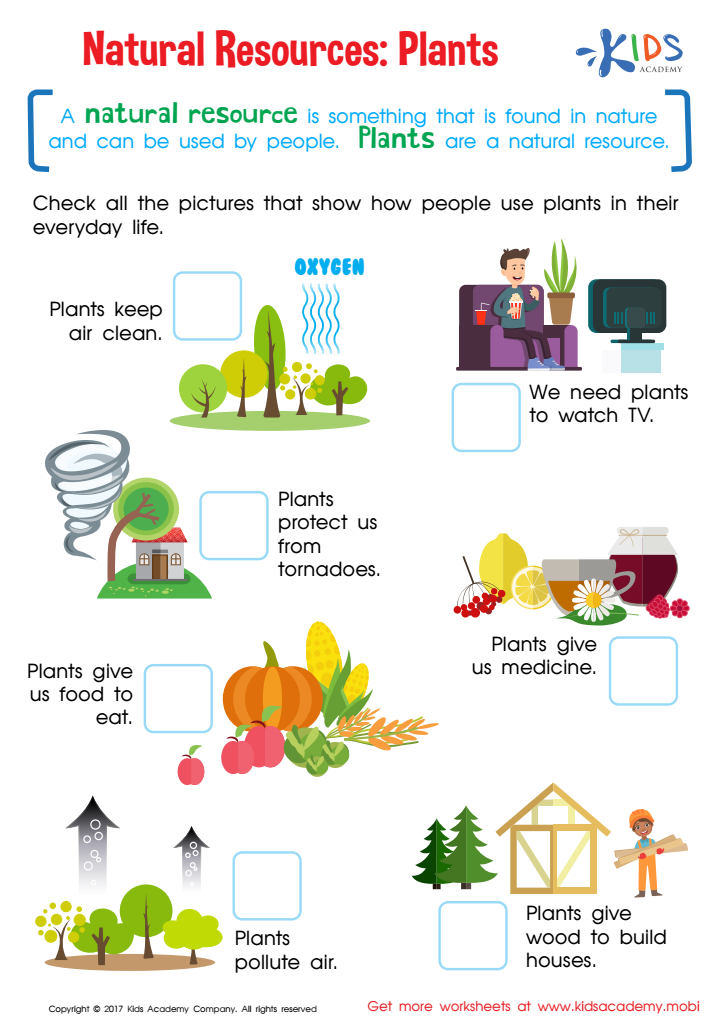
Natural Resources: Plants Worksheet
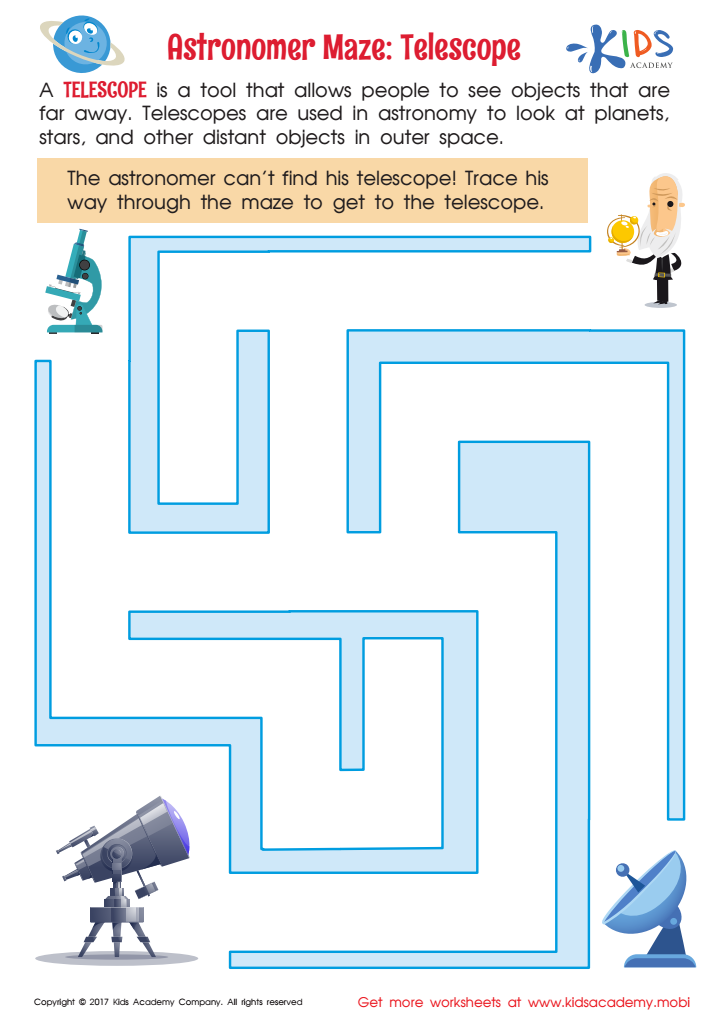
Astronomer Maze: Telescope Worksheet
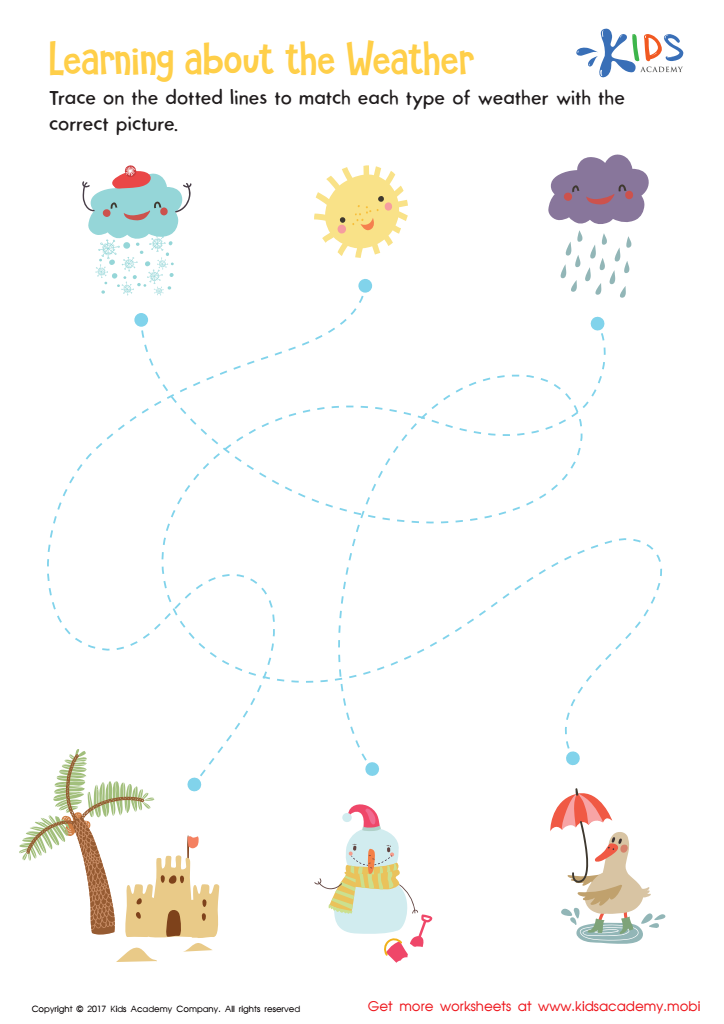
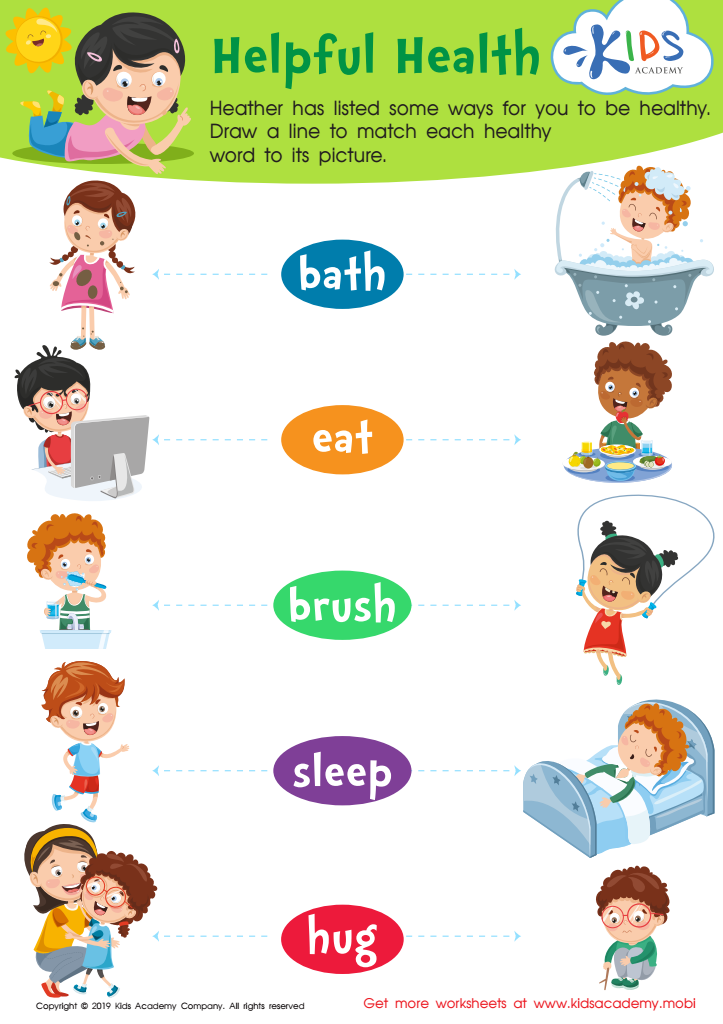
Helpful Health Worksheet
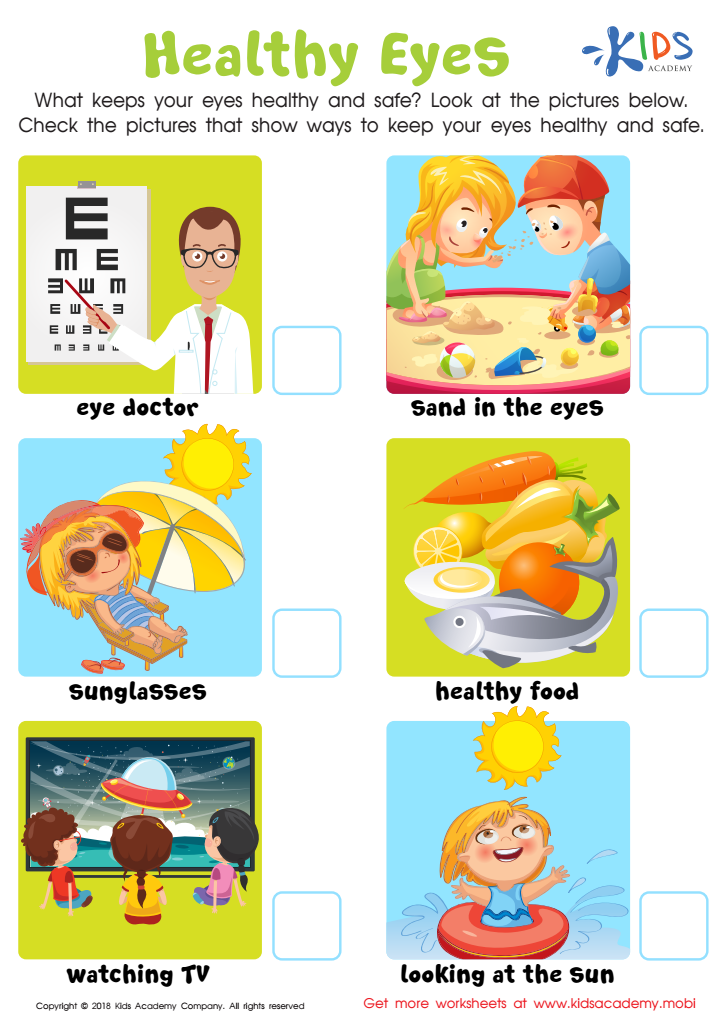
Healthy Eyes Worksheet
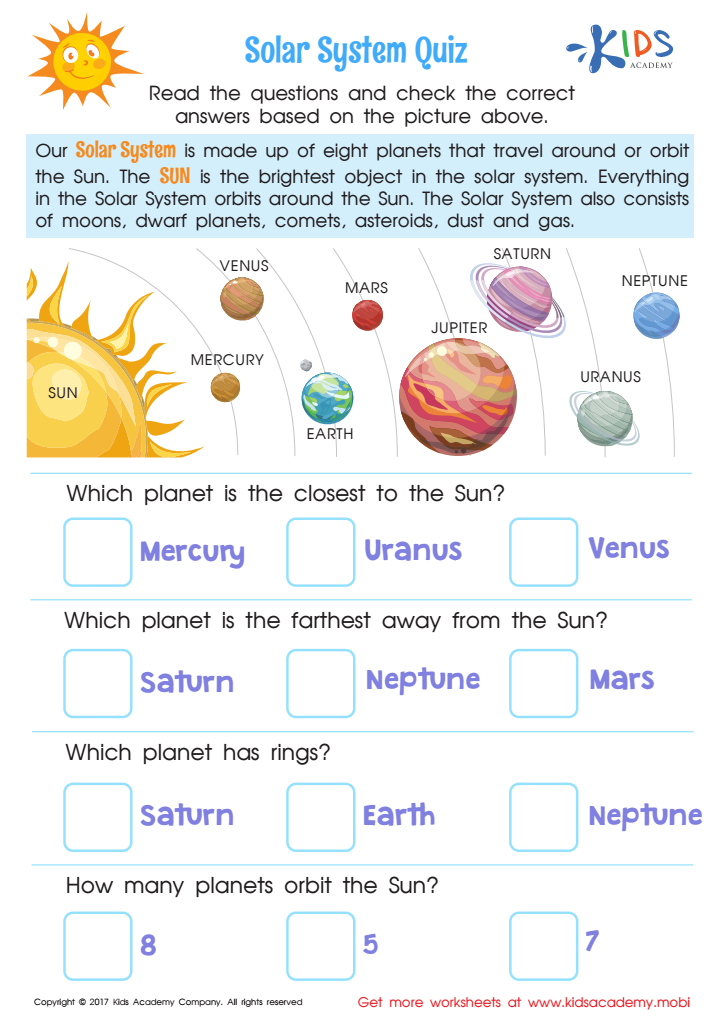
Solar System Quiz Printable
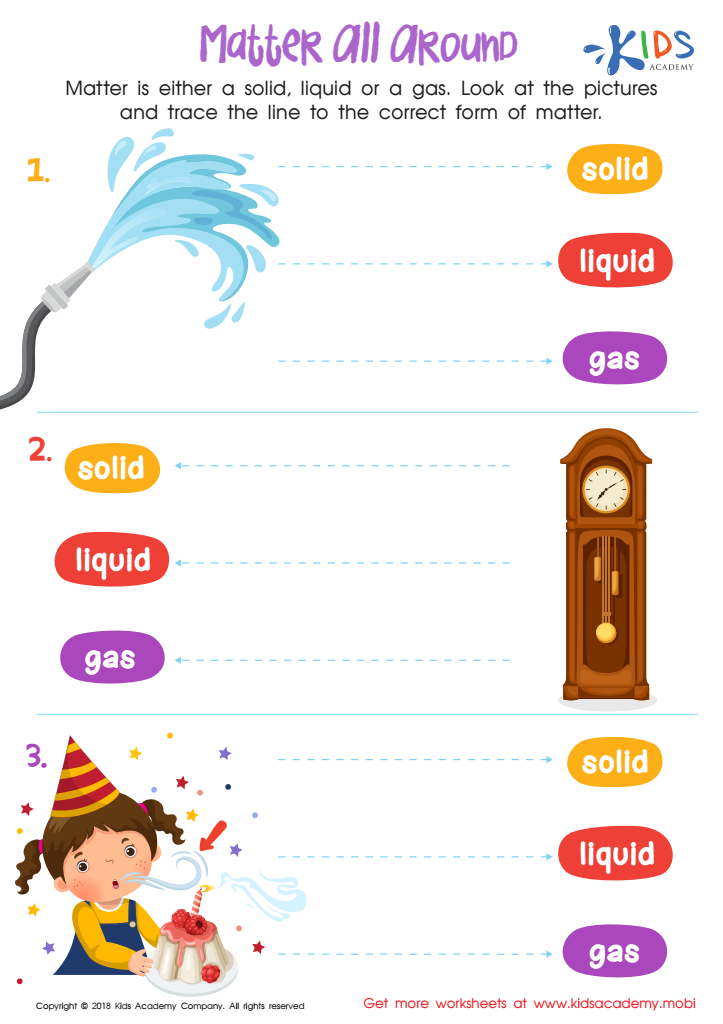
Matter all Around Worksheet
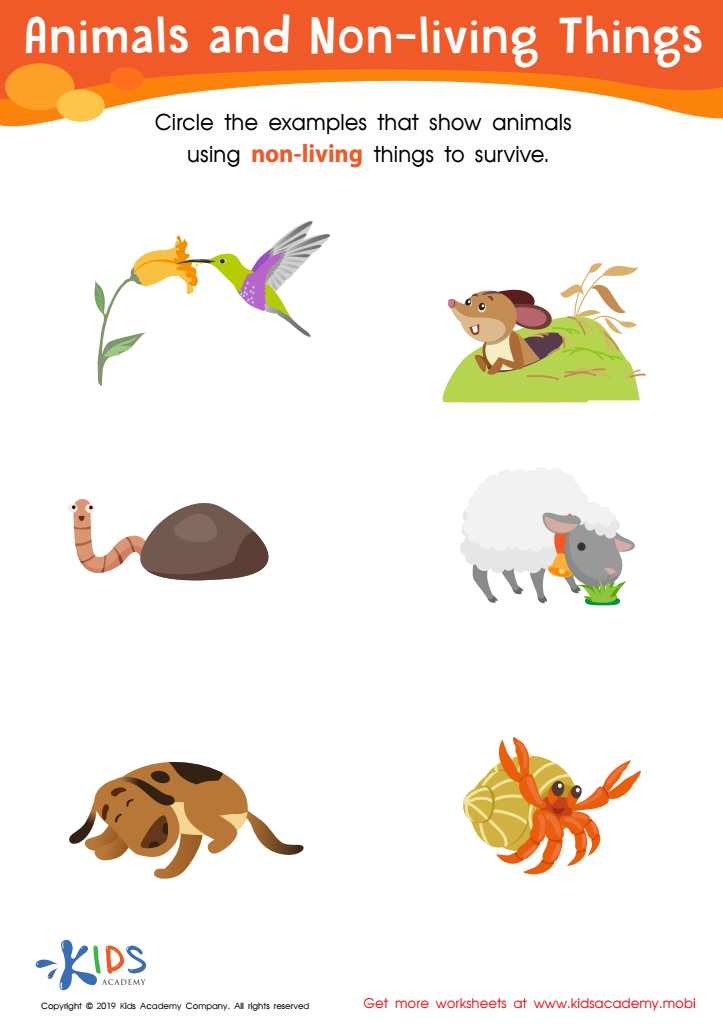
Animals and Non-Living Things Worksheet
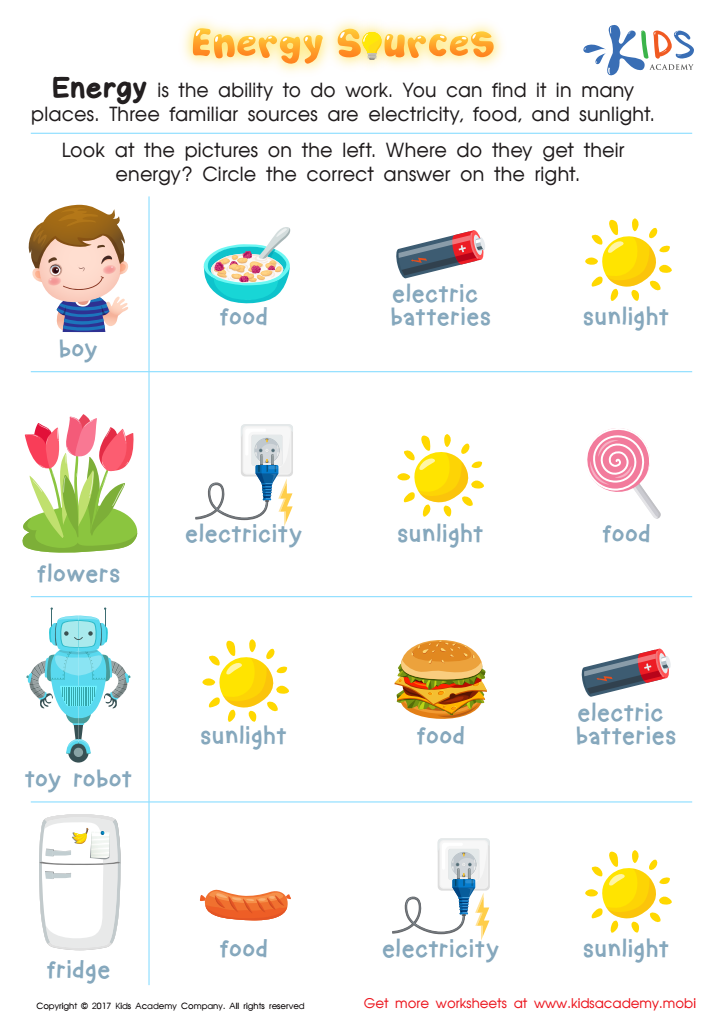
Energy Sources Printable
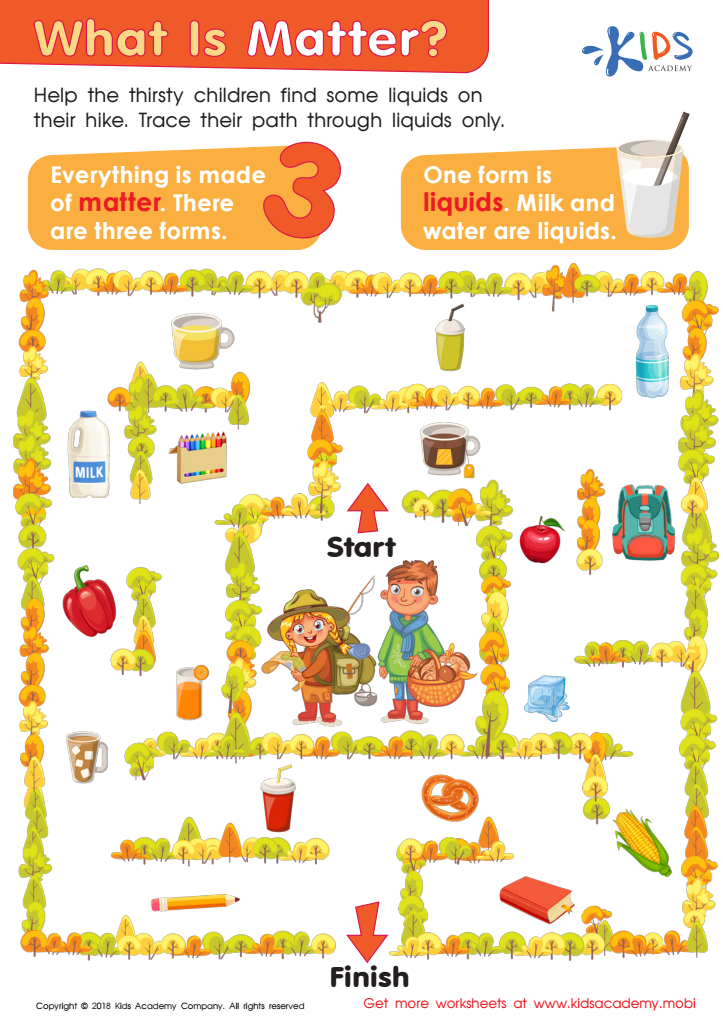
What Is Matter? Worksheet
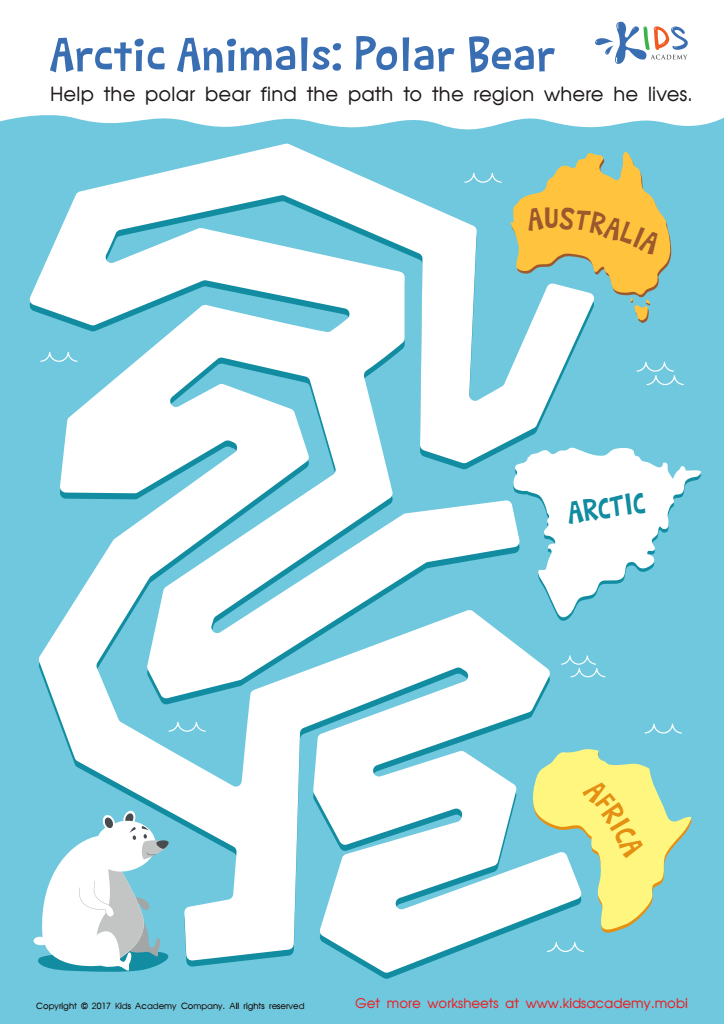
Arctic Animals: Polar Bear Worksheet
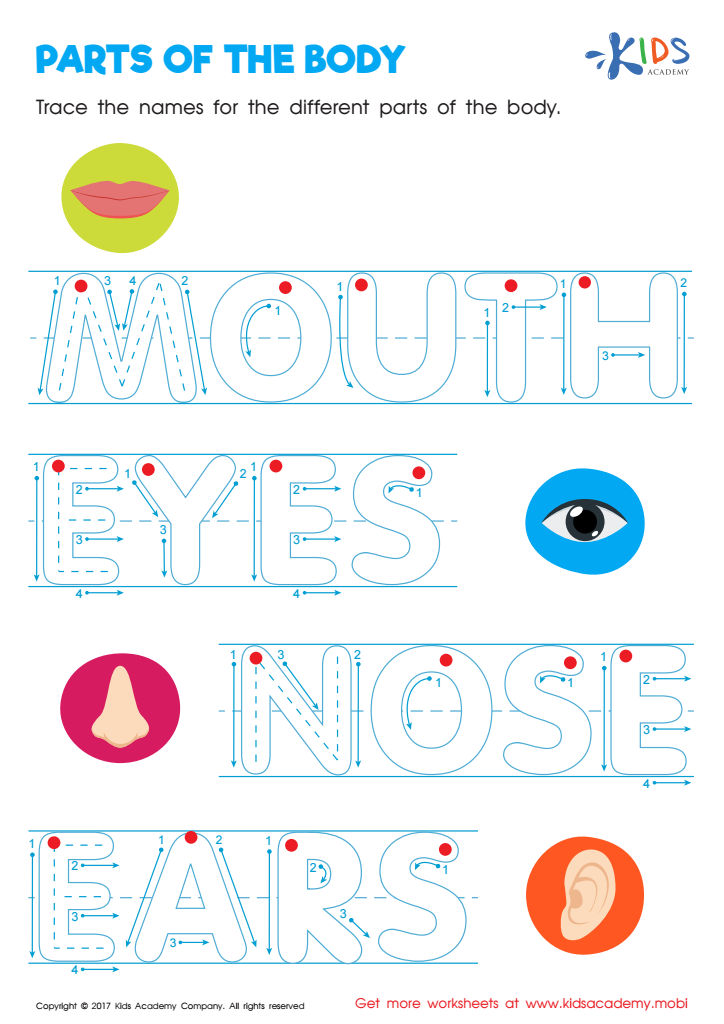
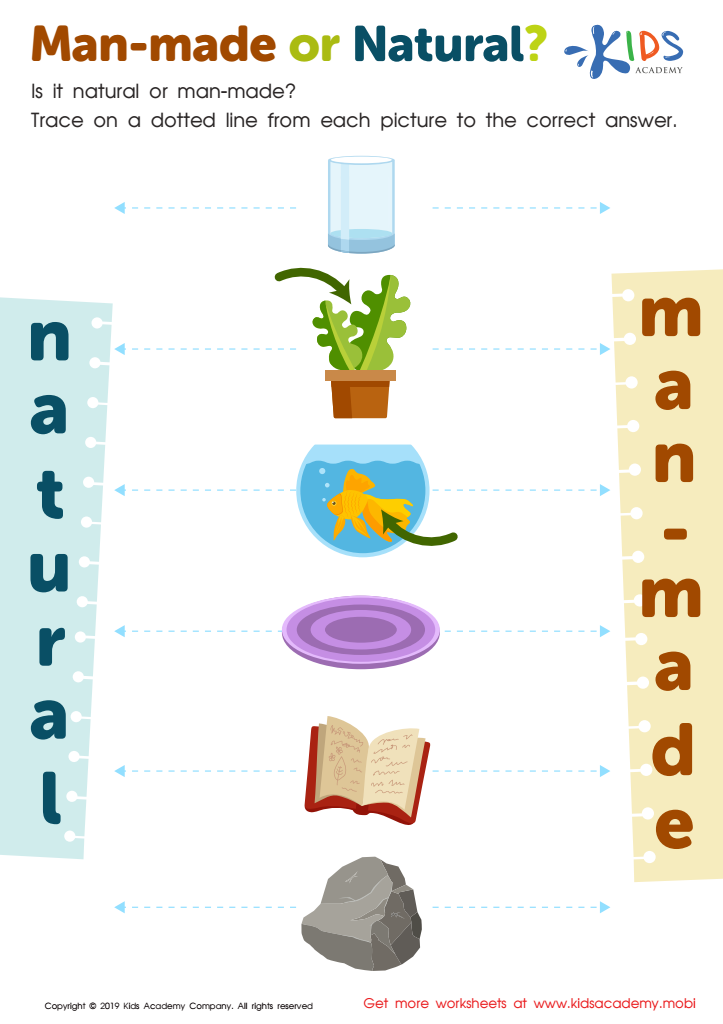
Man-Made or Natural? Worksheet
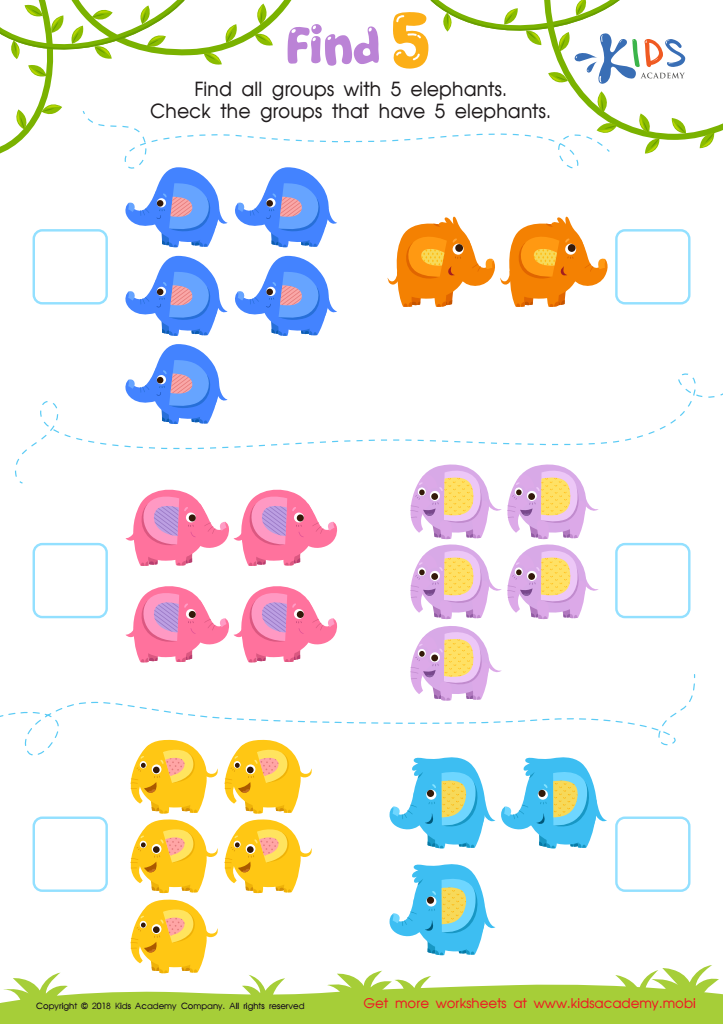
Find 5 Worksheet
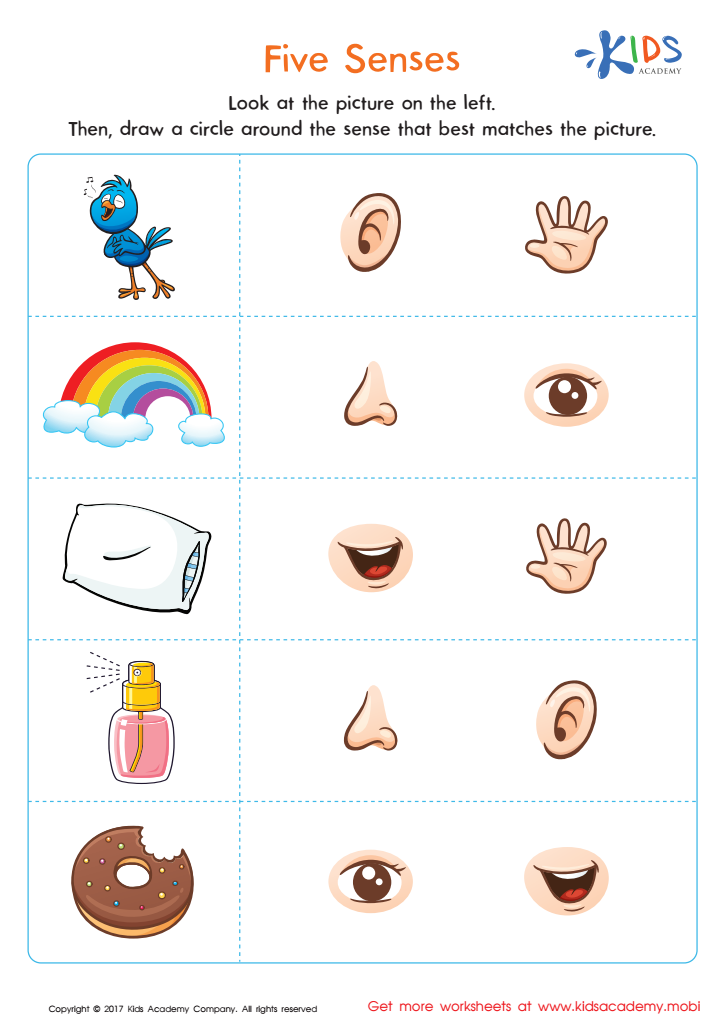
Five Senses Printable
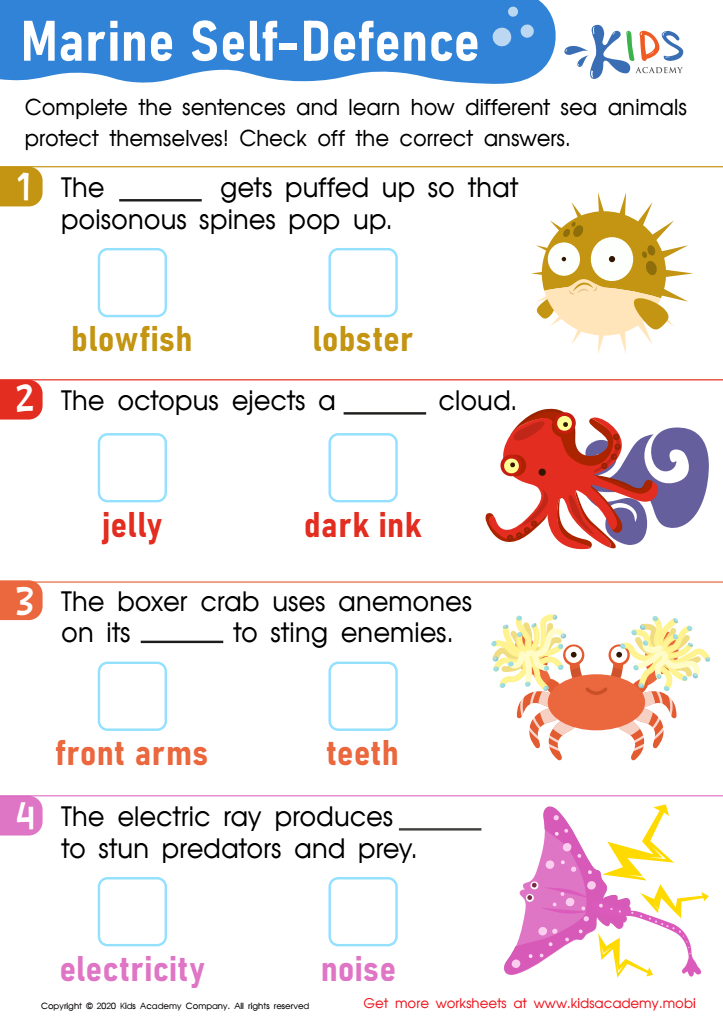
Marine Self-Defence Worksheet






.jpg)
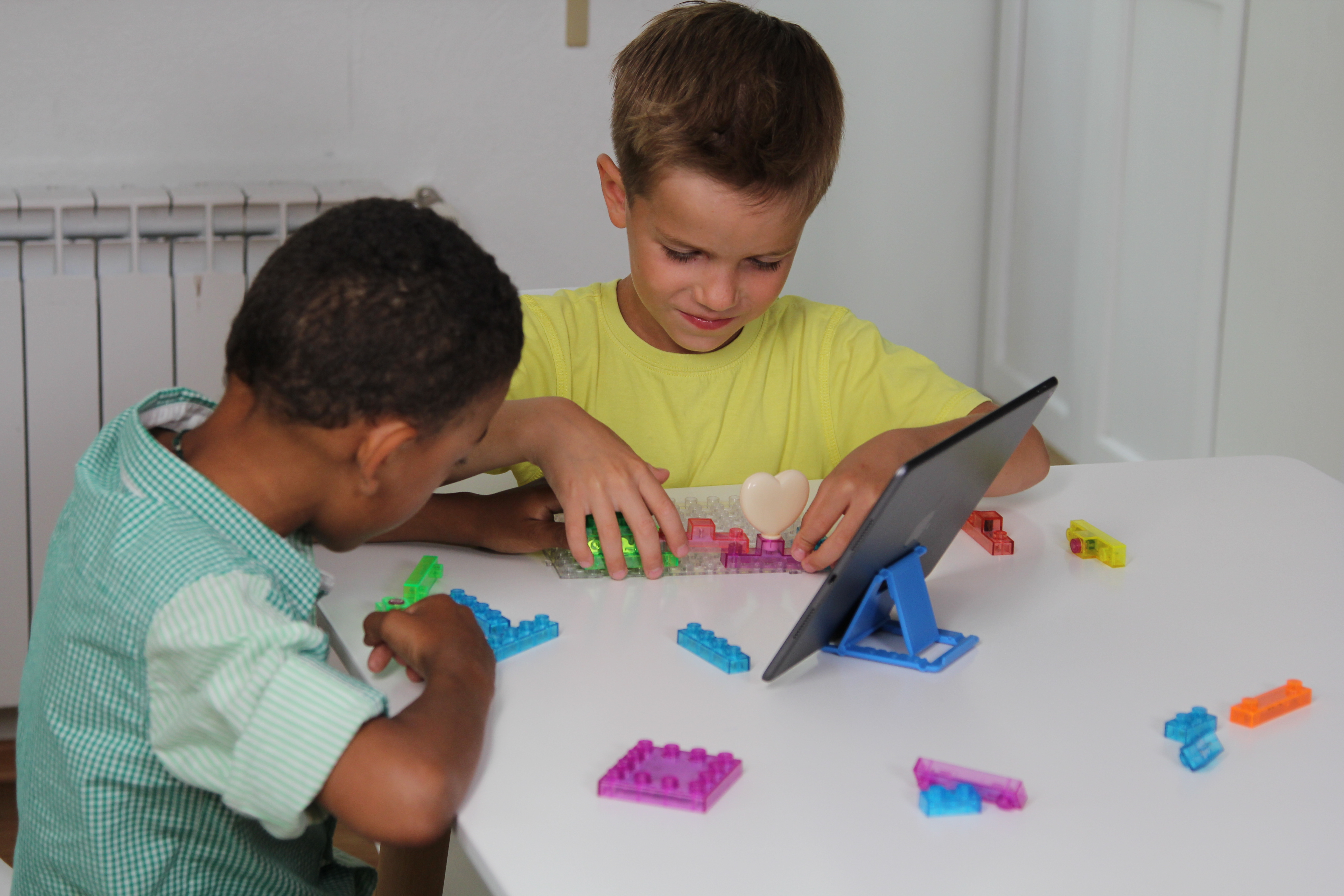
Science education for children aged 3 to 7 is essential for several reasons. First, this period is a critical time for cognitive and emotional development, where young learners are naturally curious about the world around them. Engaging in science helps nurture their innate curiosity, encouraging them to ask questions, explore, and develop critical thinking skills.
Second, introducing basic scientific concepts lays the foundation for future learning. Early exposure to science topics—like nature, weather, and simple physics—promotes a positive attitude towards the subject, making children more likely to pursue science-related studies later on.
Additionally, learning science in these formative years fosters key skills such as observation, experimentation, and problem-solving, all of which are applicable across various areas of learning. It also enhances collaborative skills through group projects, instilling a sense of teamwork.
Finally, understanding basic science concepts can help young children make sense of their environment and develop the ability to think critically about everyday occurrences. For parents and teachers, promoting science at this age nurtures well-rounded, inquisitive, and capable learners who are prepared for the challenges of the future. Prioritizing science in early childhood education sets the stage for lifelong curiosity and learning.







