Measurement Worksheets for Ages 4-8 - Page 2
109 filtered results
-
From - To
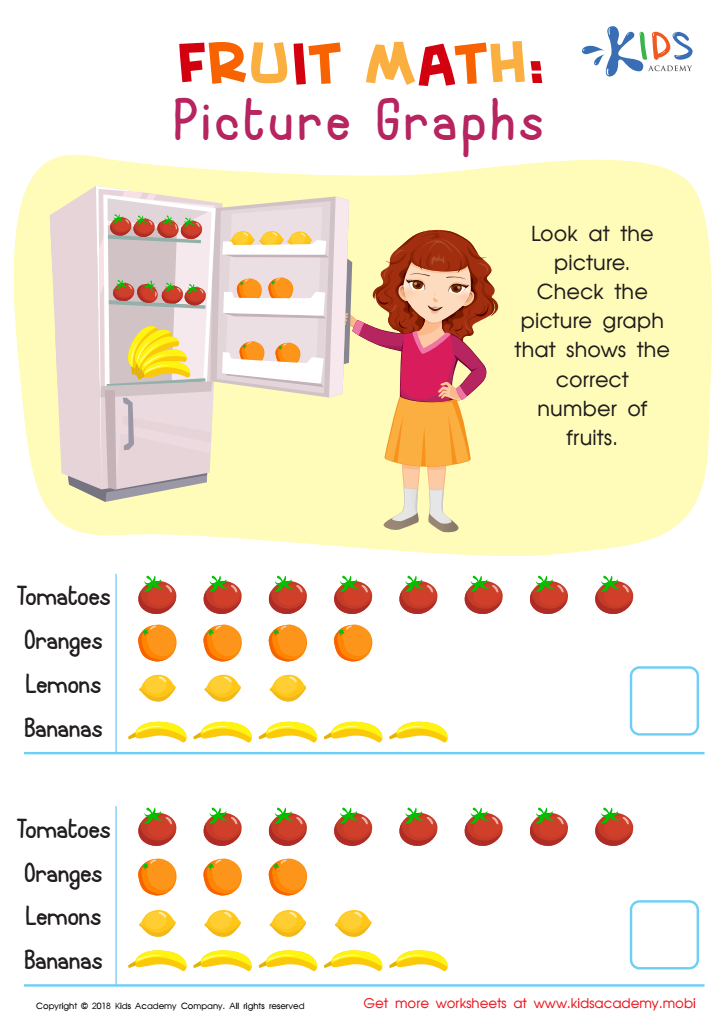
Fruit Math: Picture Graphs Worksheet
 Assign to My Students
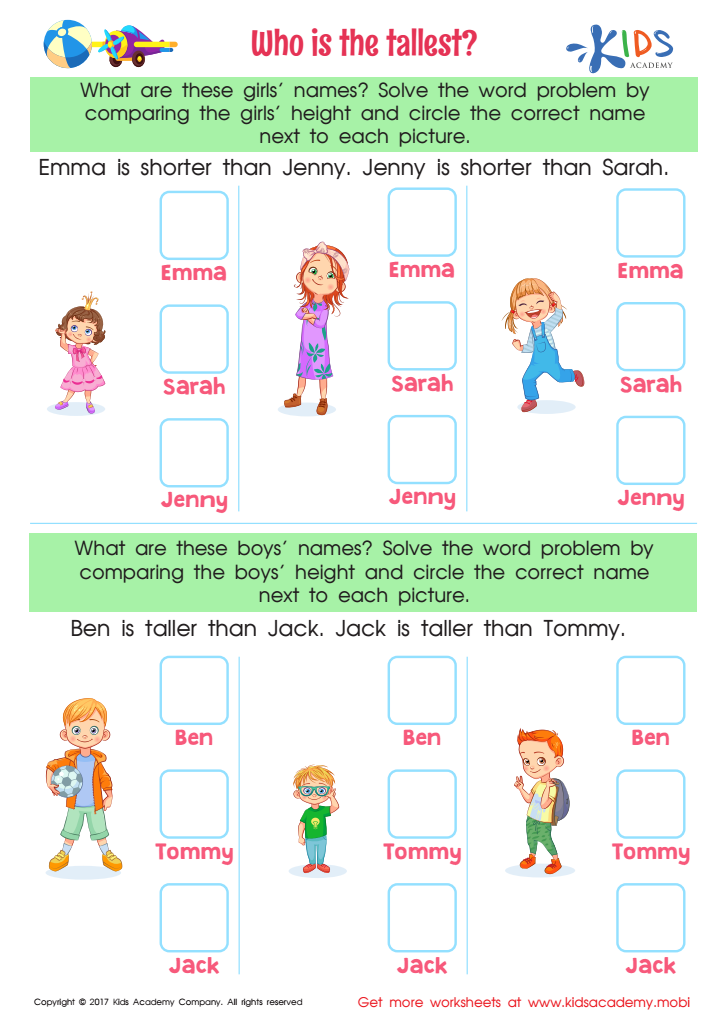
Who Tallest Printable
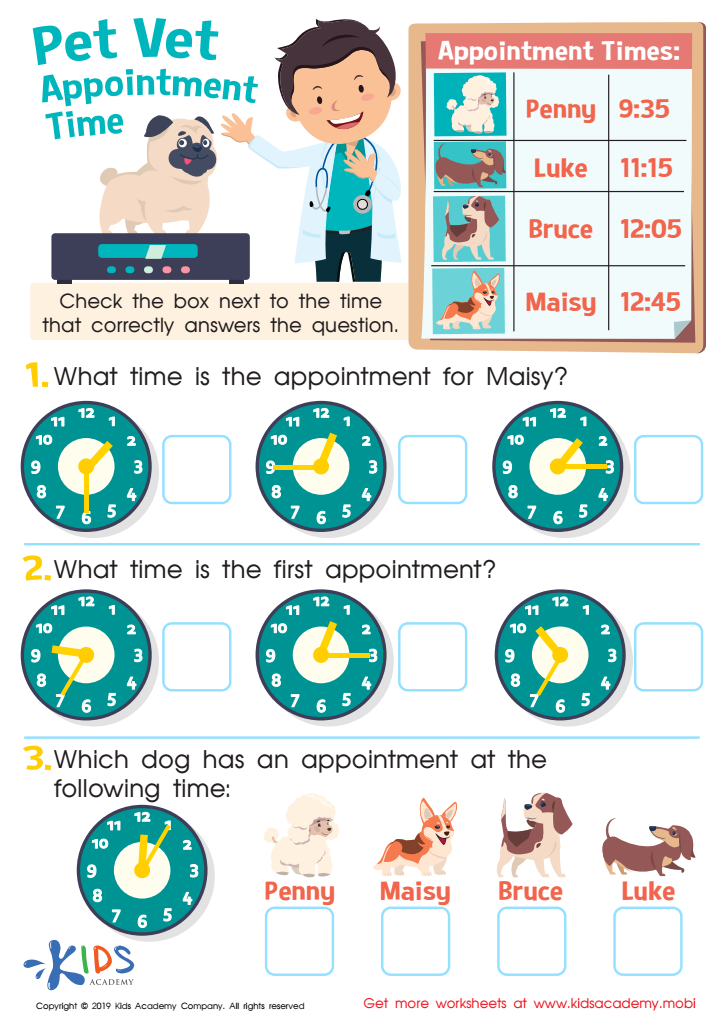
Pet Vet Appointment Time Worksheet
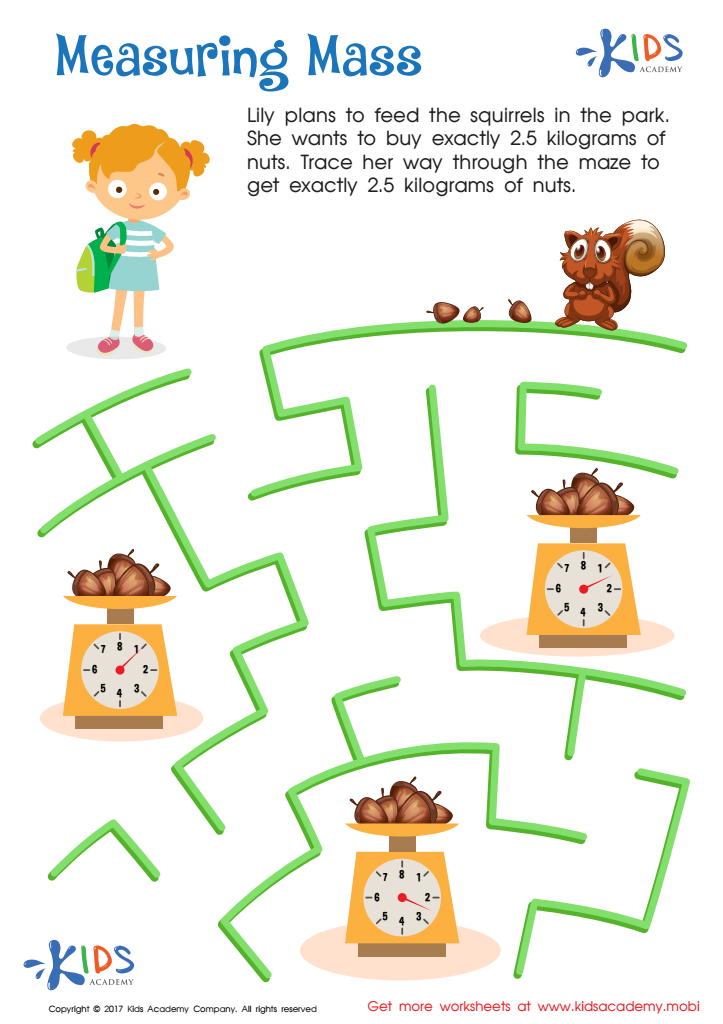
Measuring Mass Worksheet
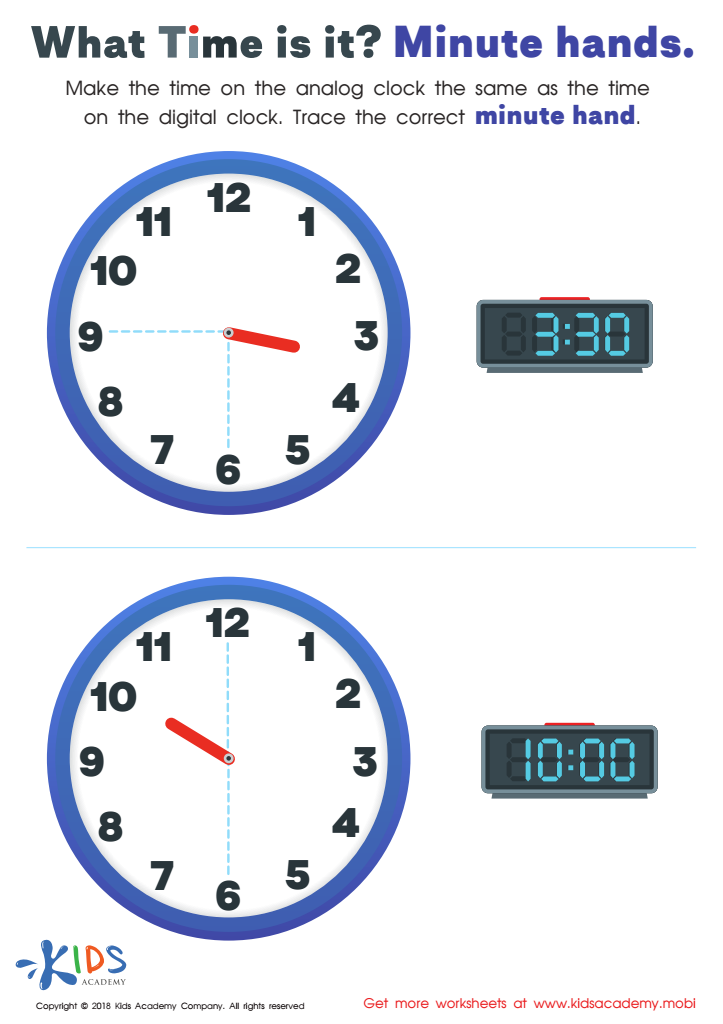
What Time Is it? Minute Hands Worksheet
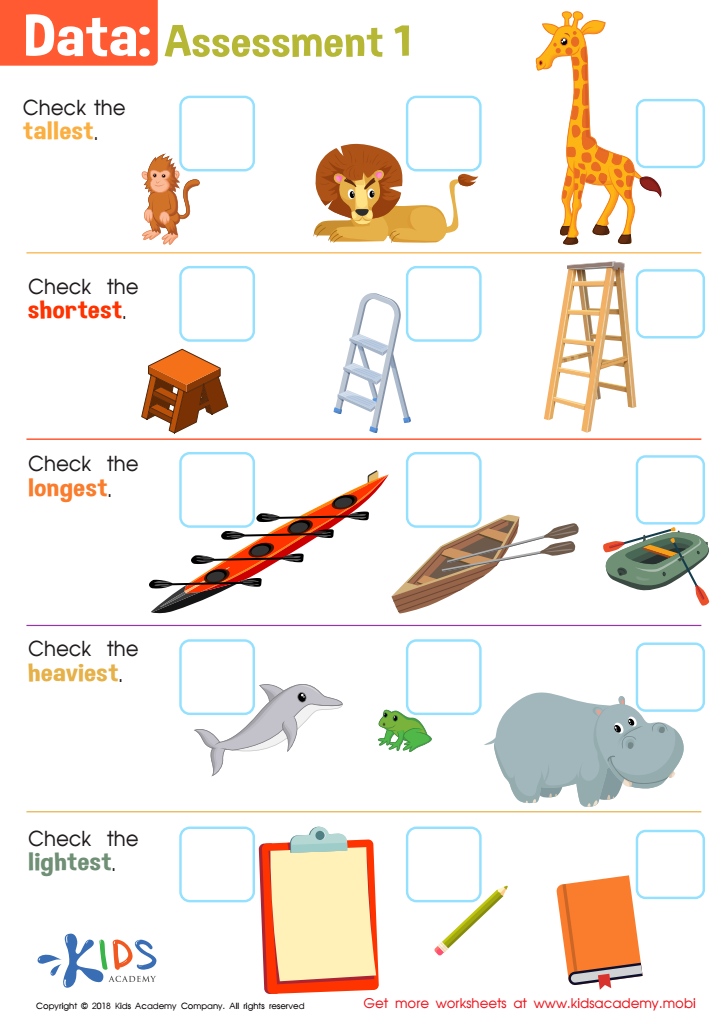
Data: Assessment 1 Worksheet
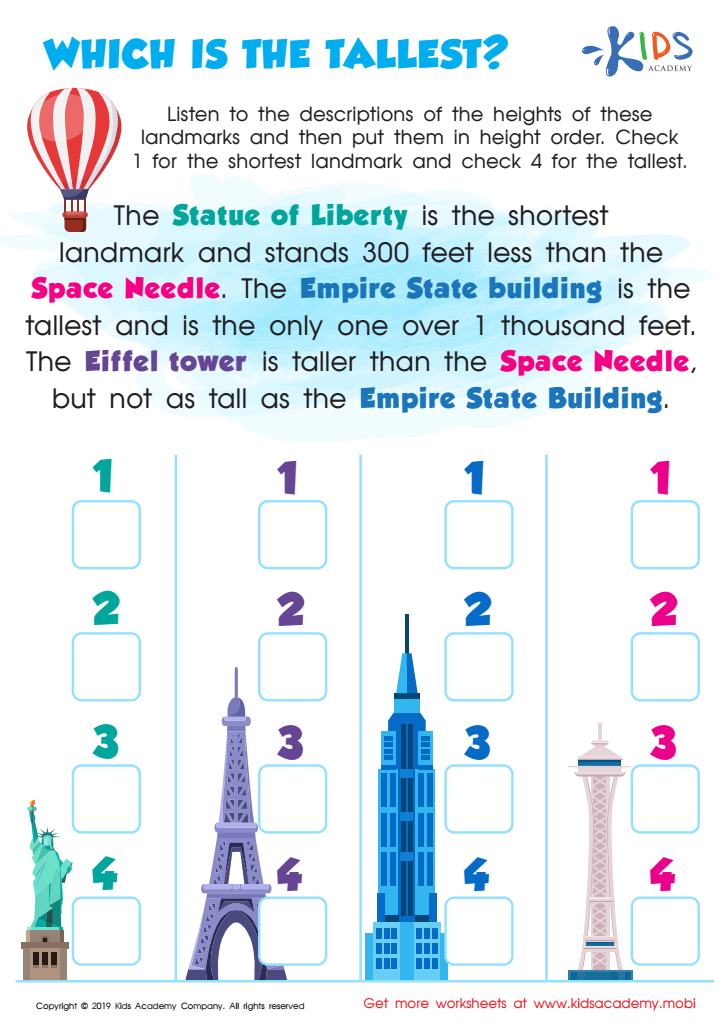
Which is the Tallest? Worksheet
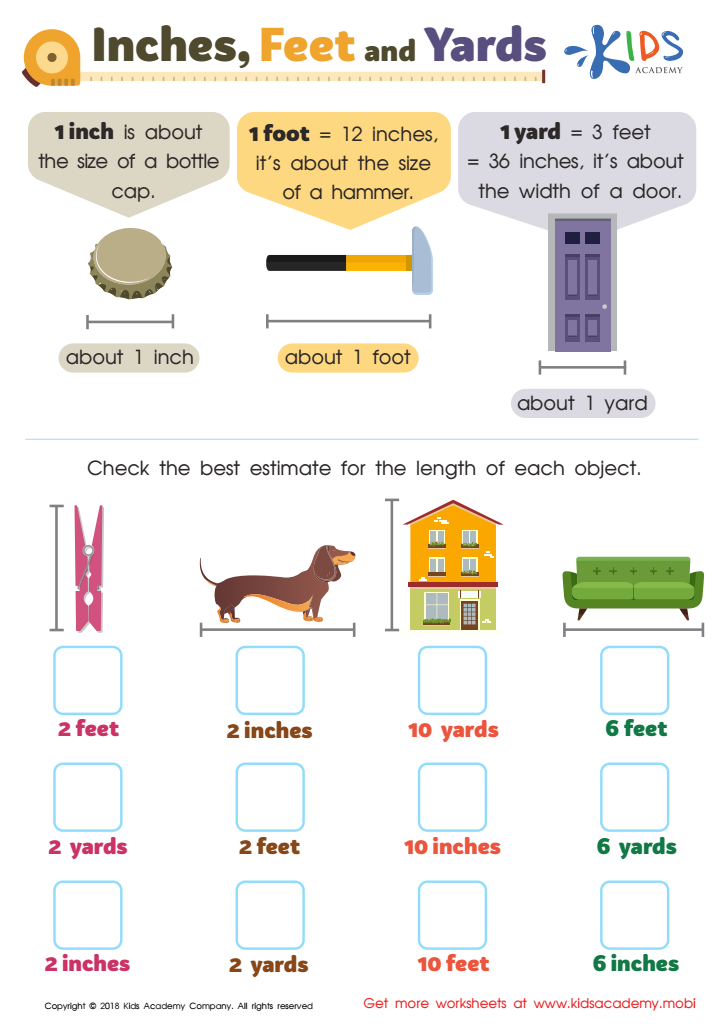
Inches, Feet and Yards Worksheet
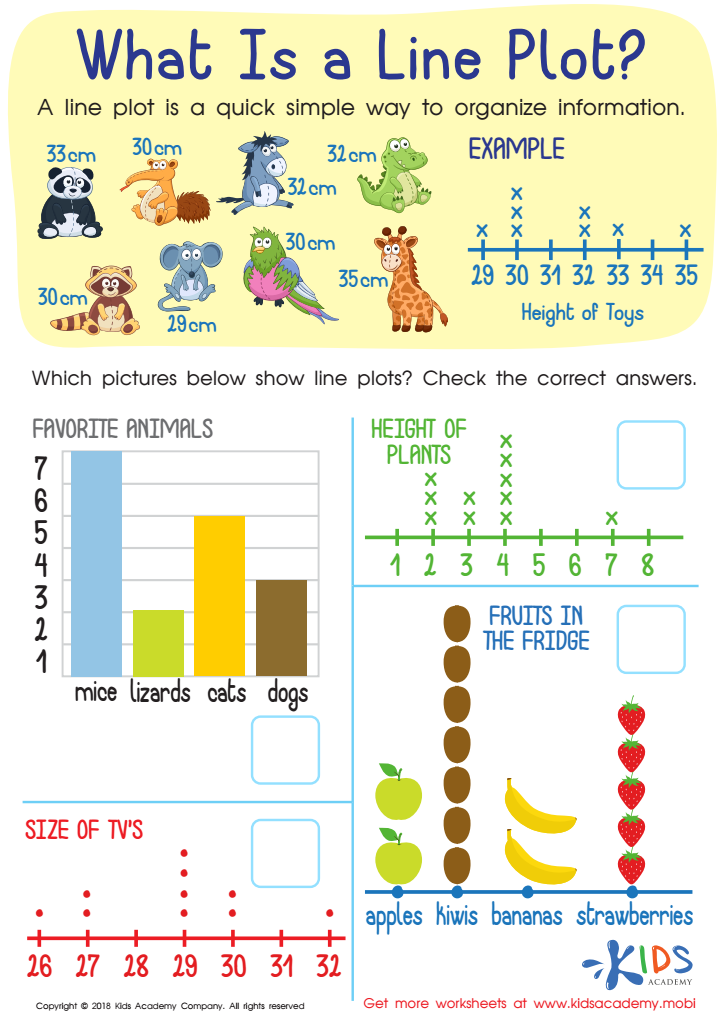
What Is a Line Plot? Worksheet
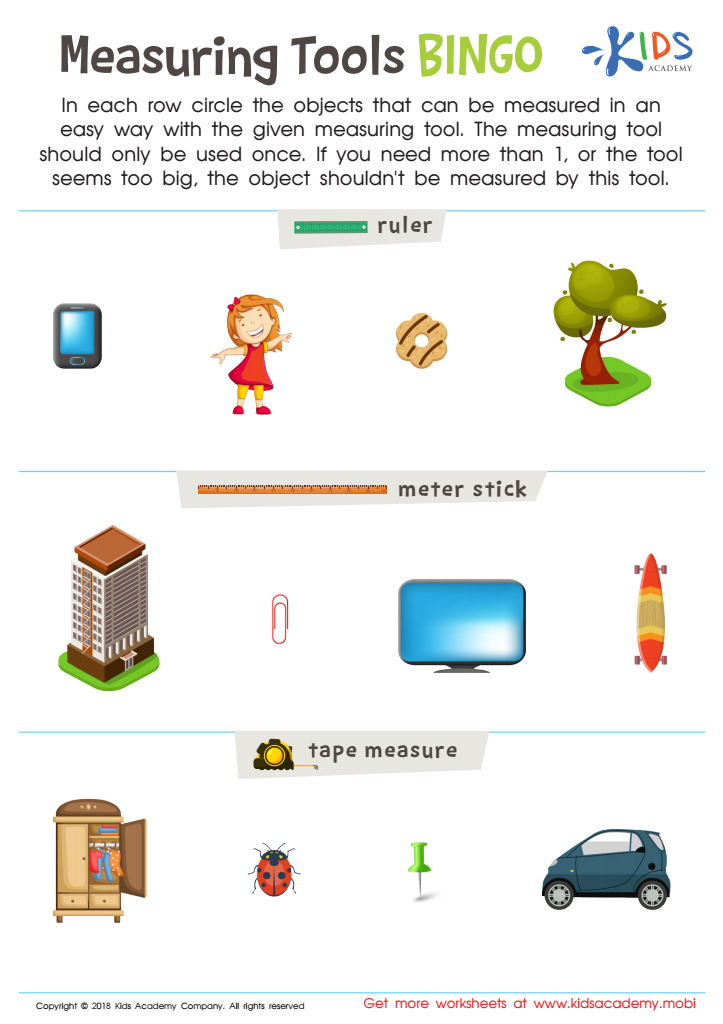
Measuring Tools Bingo Worksheet
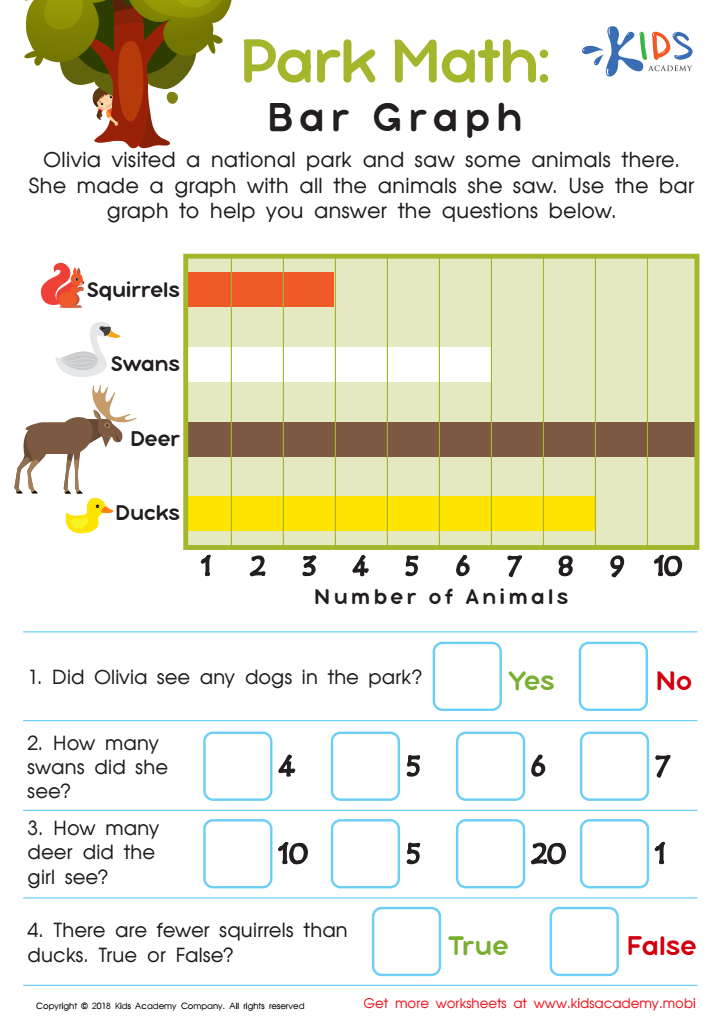
Park Math: Bar Graph Worksheet
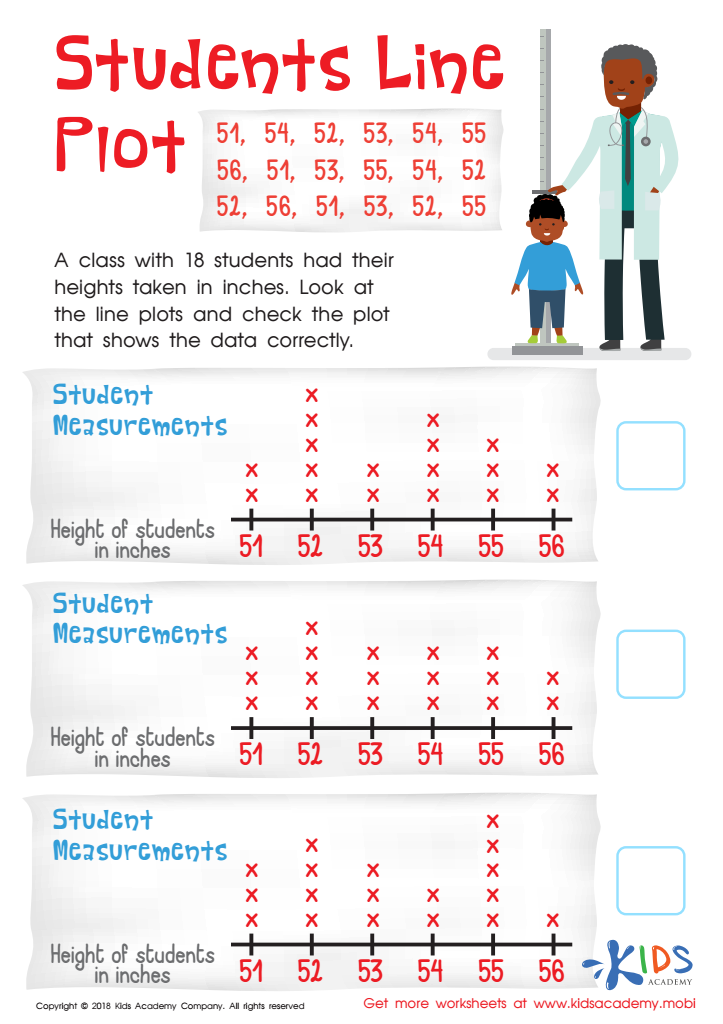
Students Line Plot Worksheet
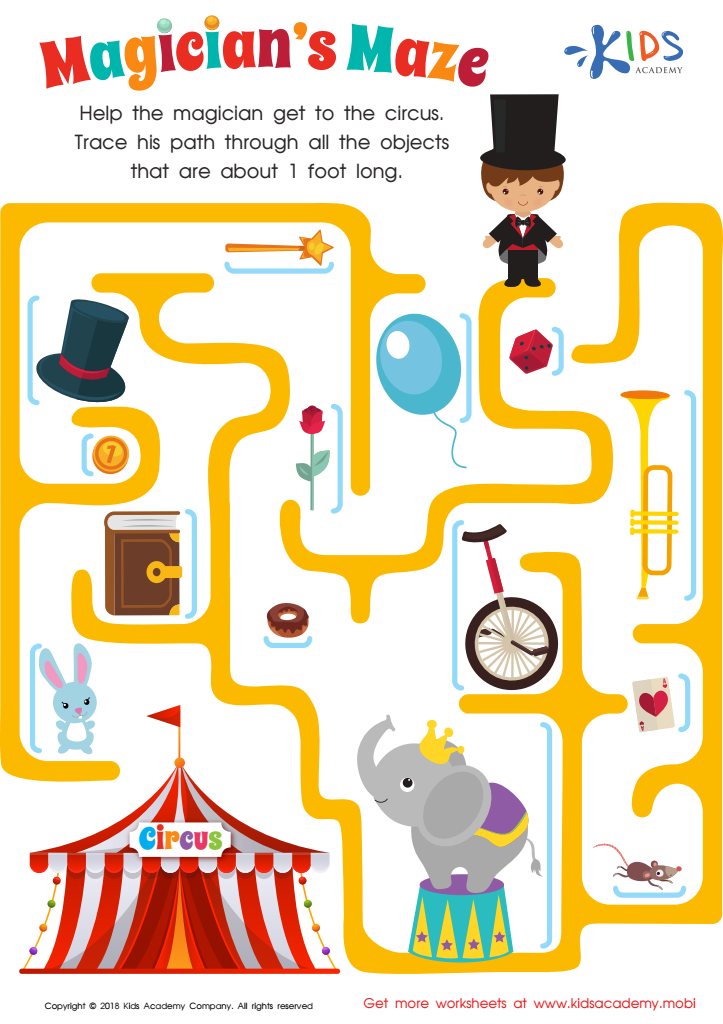
Estimating Length: Magician's Maze Worksheet
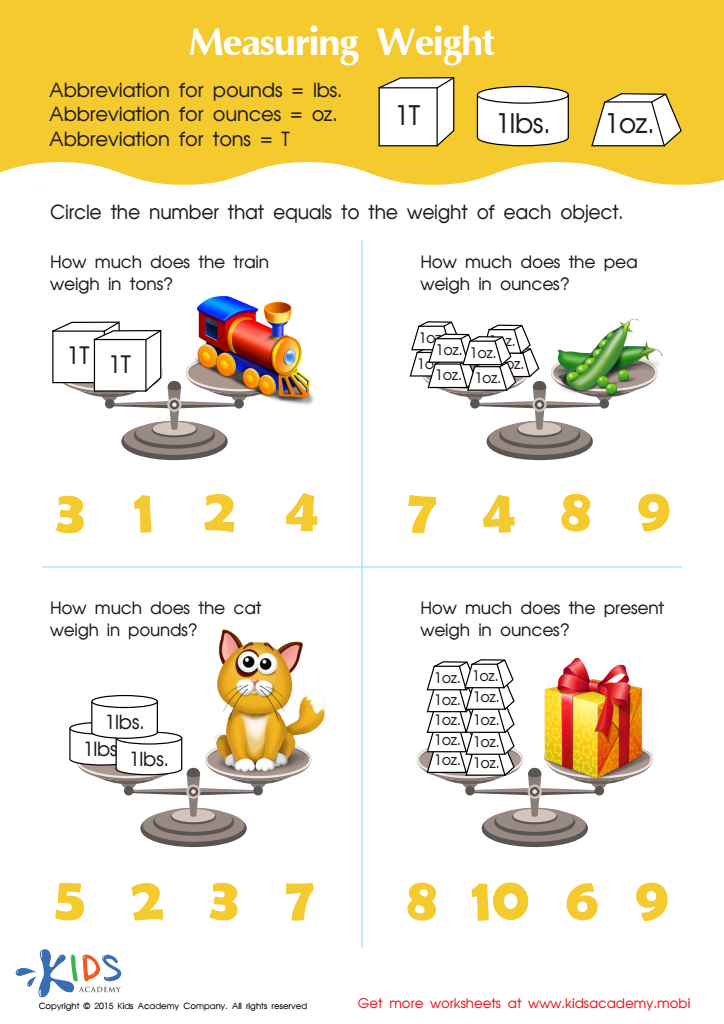
Measuring Weight in Ounces, Pounds and Tons Worksheet
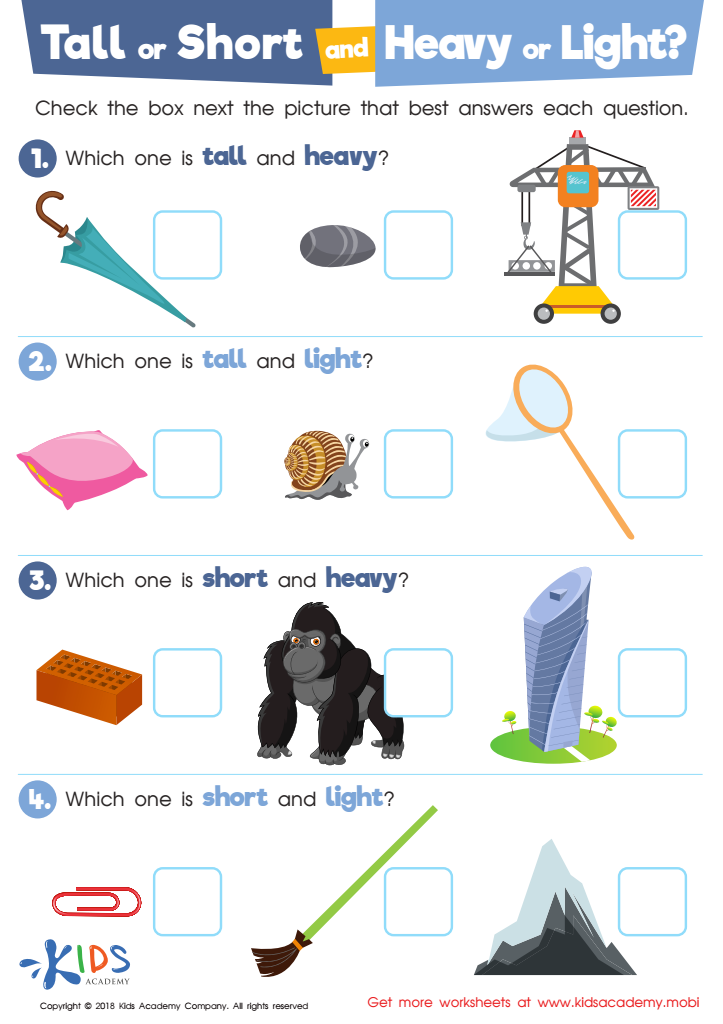
Tall or Short and Heavy or Light? Worksheet
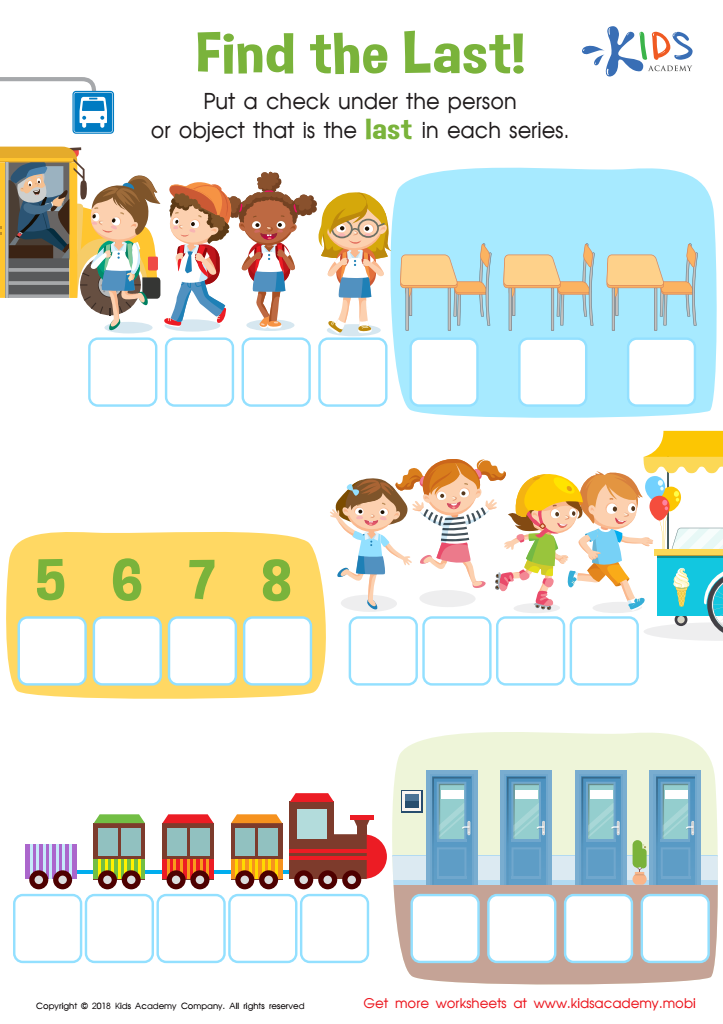
Find the Last! Worksheet
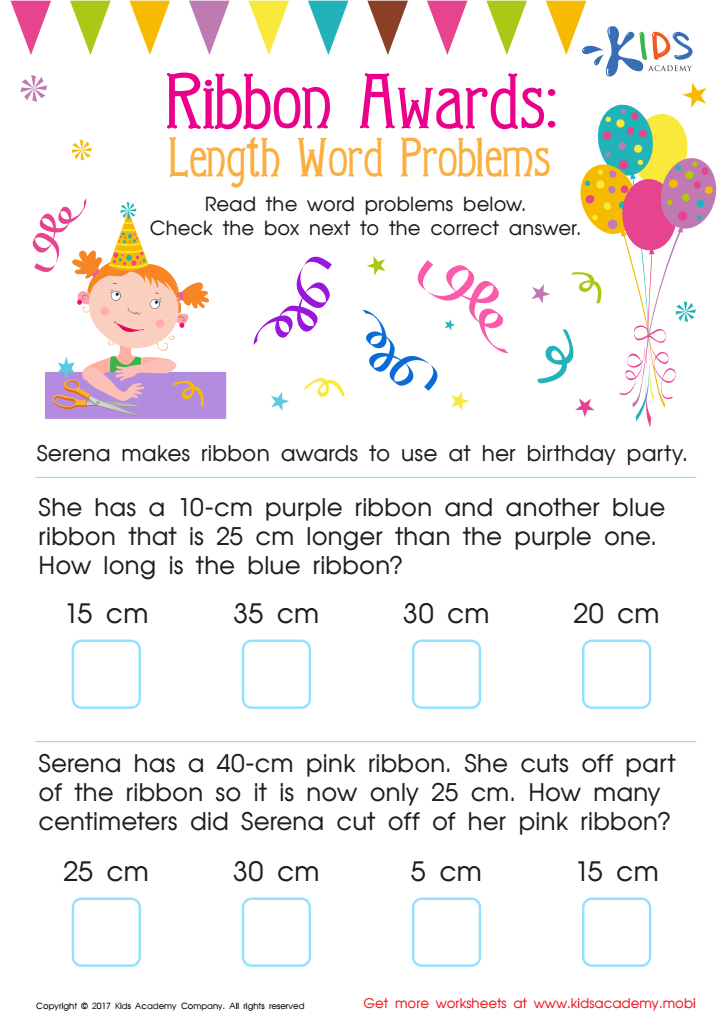
Length Word Problems Worksheet
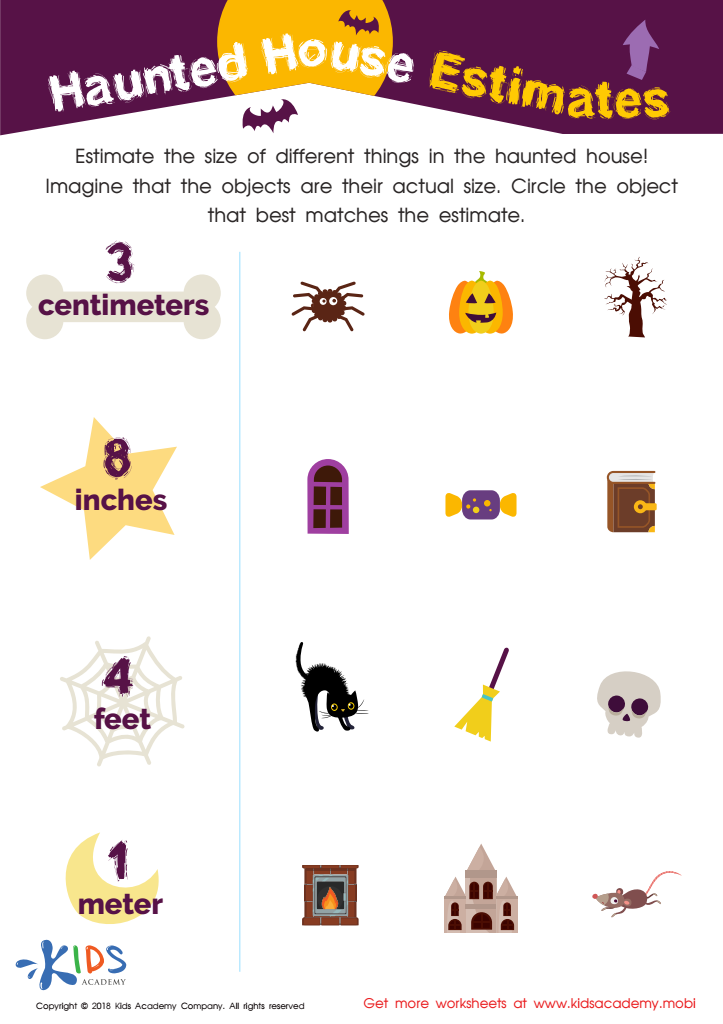
Haunted House Estimates Worksheet
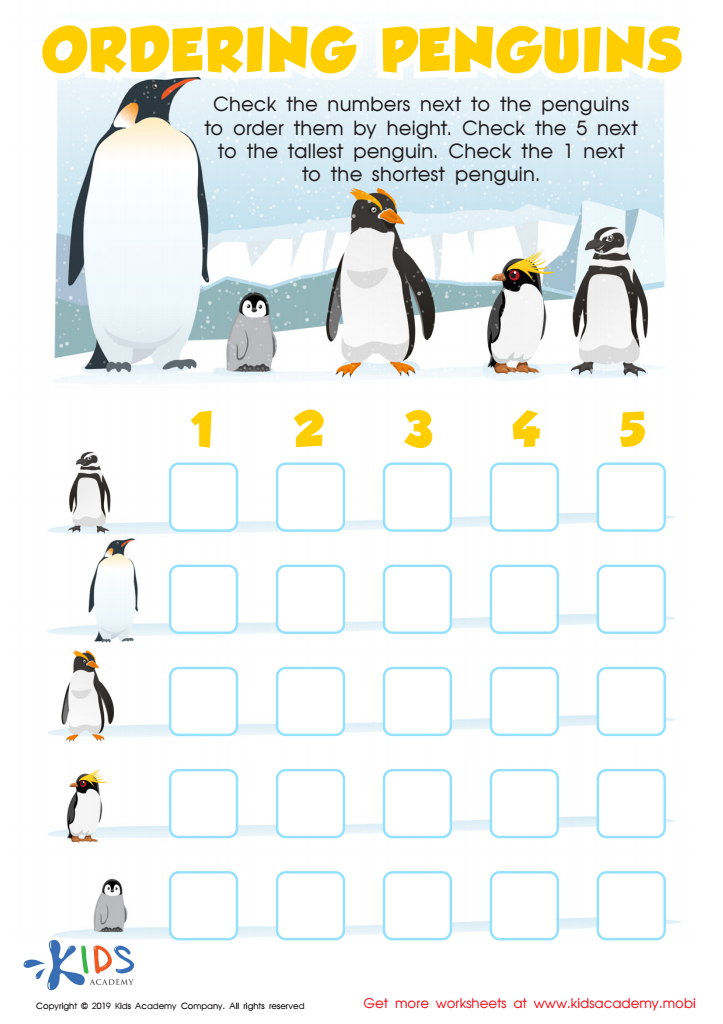
Ordering Penguins Worksheet
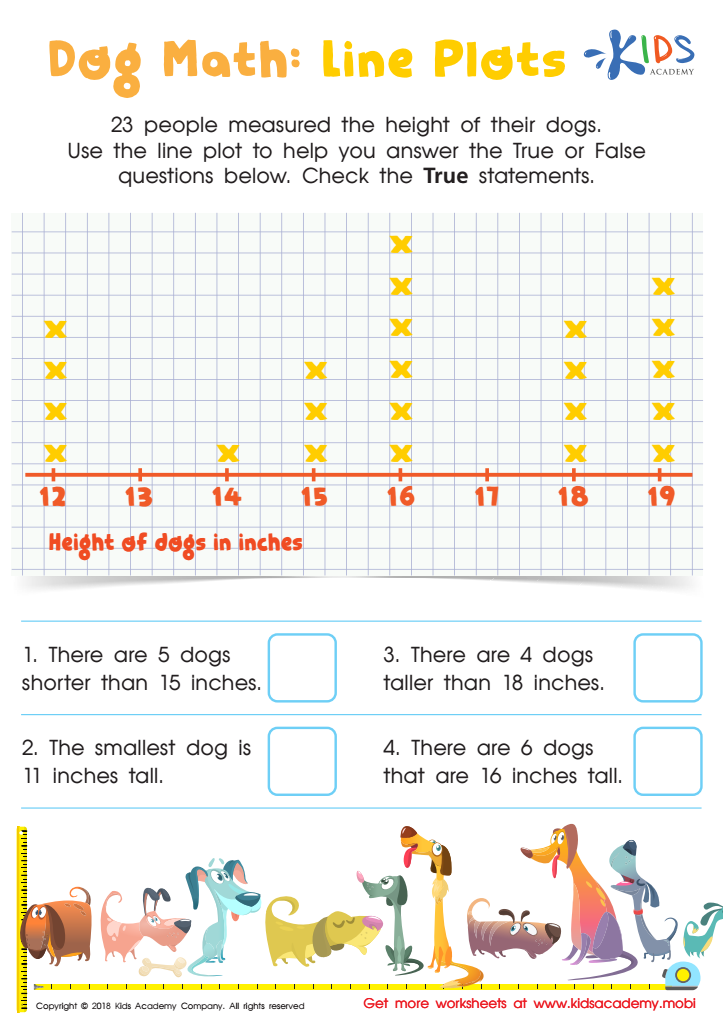
Dog Math: Line Plots Worksheet
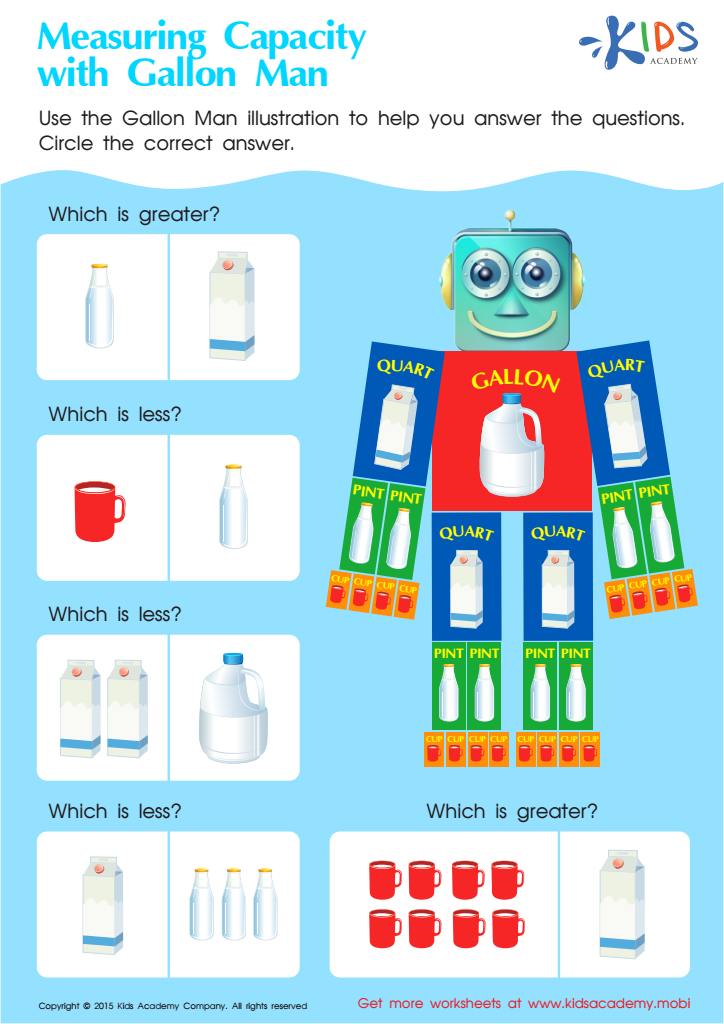
Measurement: Measuring Capacity with Gallon Man Worksheet
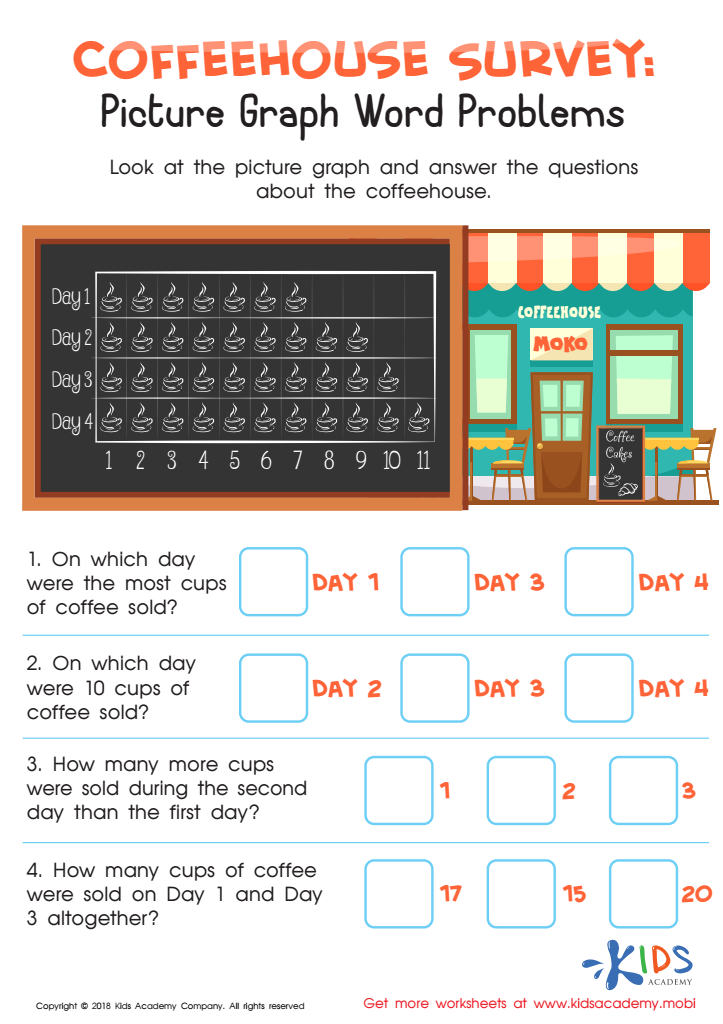
Coffeehouse Survey: Picture Graph Word Problems Worksheet
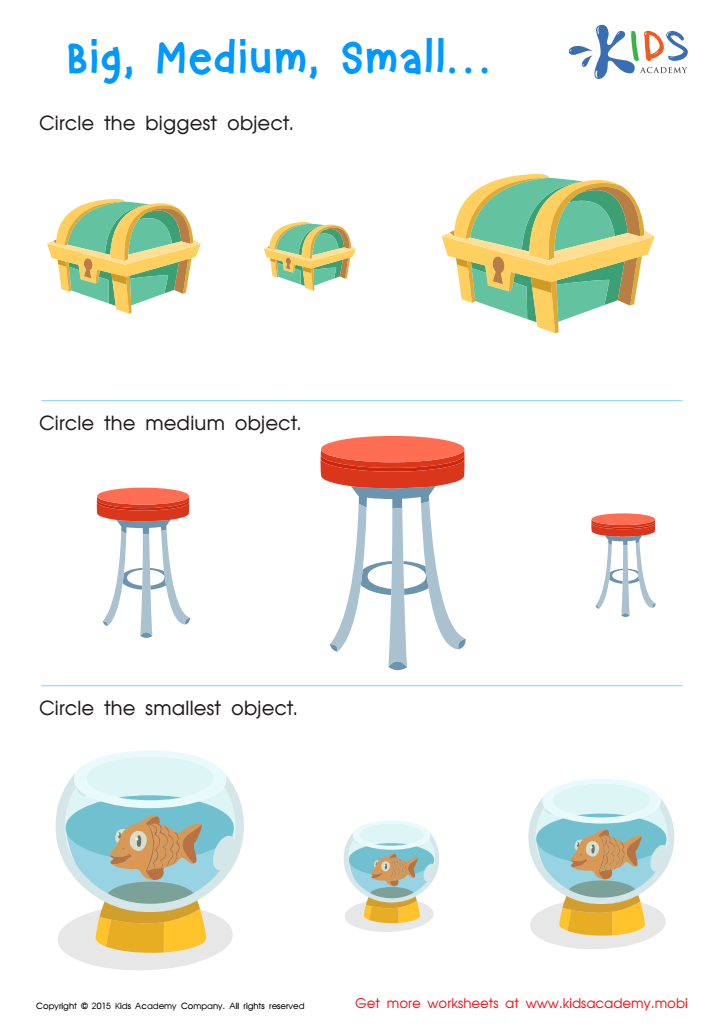
Big Medium Small Worksheet
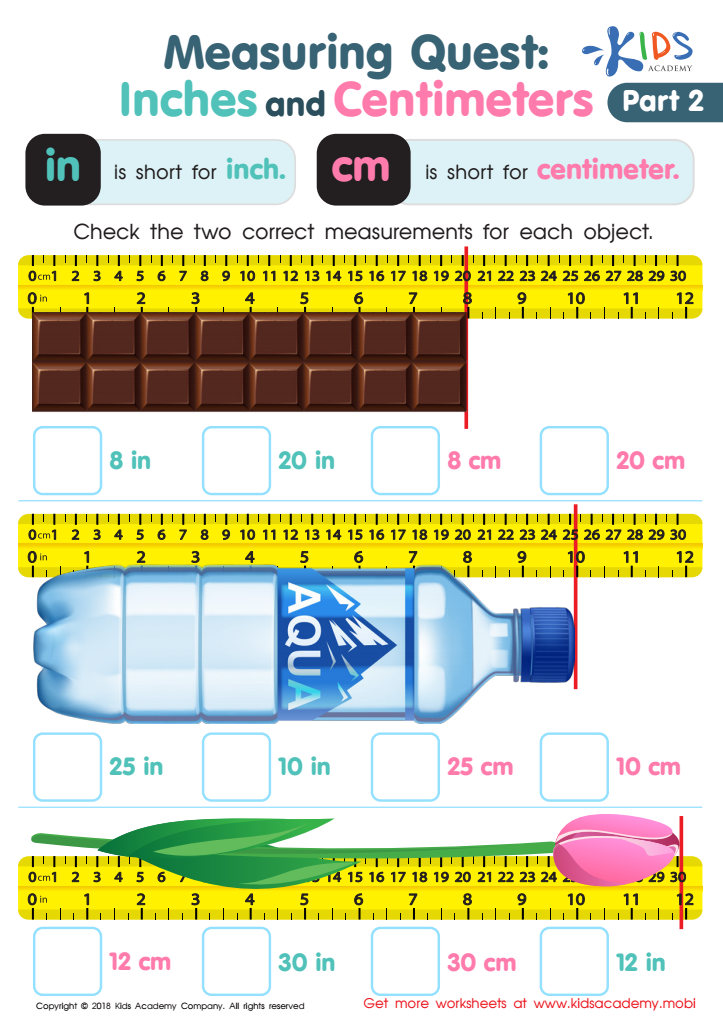
Measuring Quest: Inches and Centimeters - Part 2 Worksheet








Measurement is a fundamental skill that plays a crucial role in a child's early education, particularly between the ages of 4-8. At this developmental stage, children are naturally curious and eager to explore the world around them. Introducing measurement concepts helps them make sense of their environment and enhances their understanding of abstract mathematical concepts.
For parents and teachers, fostering measurement skills offers numerous benefits. It encourages critical thinking and problem-solving abilities as children learn to compare, estimate, and quantify objects. Engaging in measurement activities—like measuring ingredients during cooking or comparing heights of friends—makes math tangible and relevant, promoting a better grasp of both mathematics and everyday life.
Moreover, measurement serves as a foundation for future learning in various subject areas. By mastering units of measurement such as length, weight, and volume, children can tackle more complex math concepts later on. Teaching measurement also provides opportunities to develop language skills, as children learn the vocabulary associated with measurement, such as "longer," "shorter," "heavier," and "lighter."
Ultimately, incorporating measurement in learning instills confidence and curiosity, equipping children with the skills they will need not just academically, but in their everyday interactions, fostering a lifelong love for learning.








