Normal Math Worksheets for Ages 3-7 - Page 3
438 filtered results
-
From - To
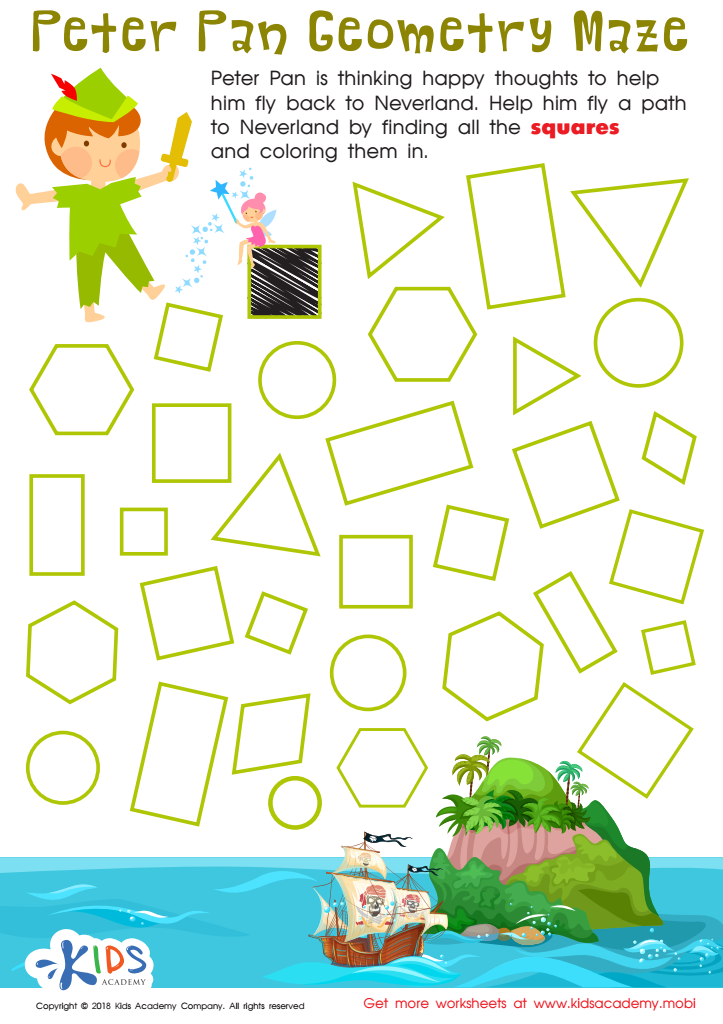
Peter Pan Worksheet
 Assign to My Students
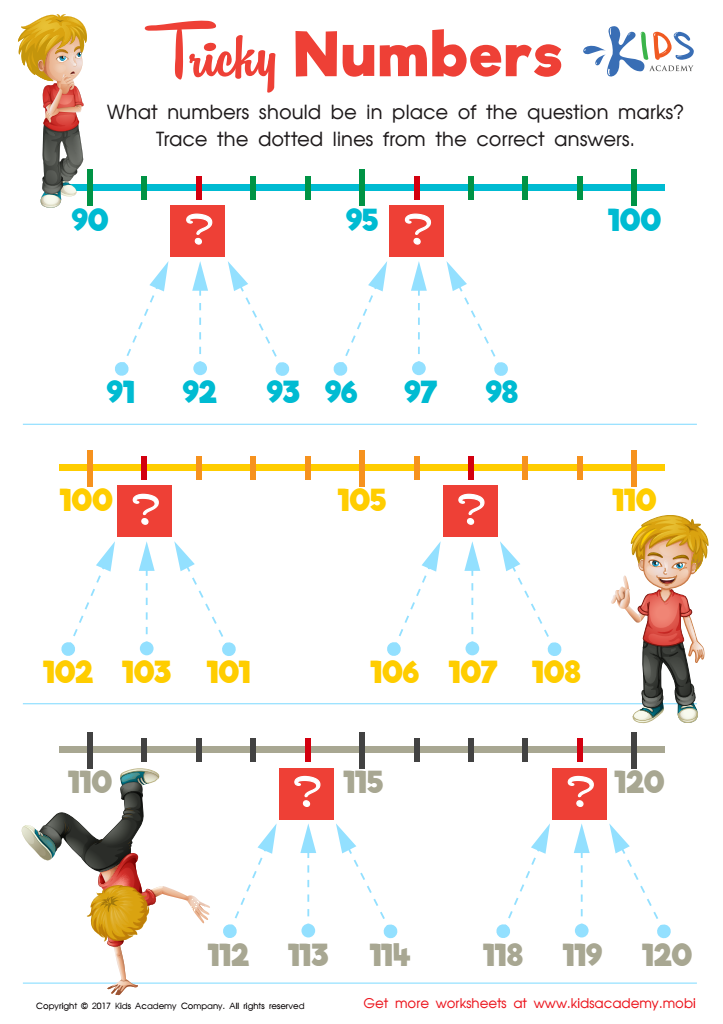
Tricky Numbers Worksheet
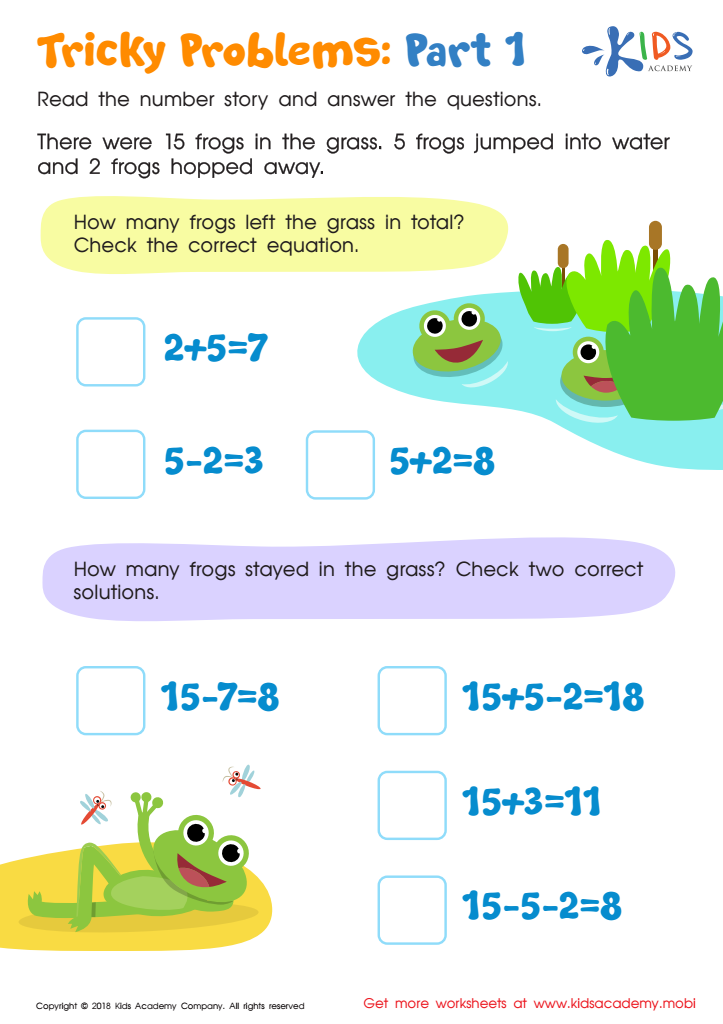
Tricky Problems Worksheet: Part 1
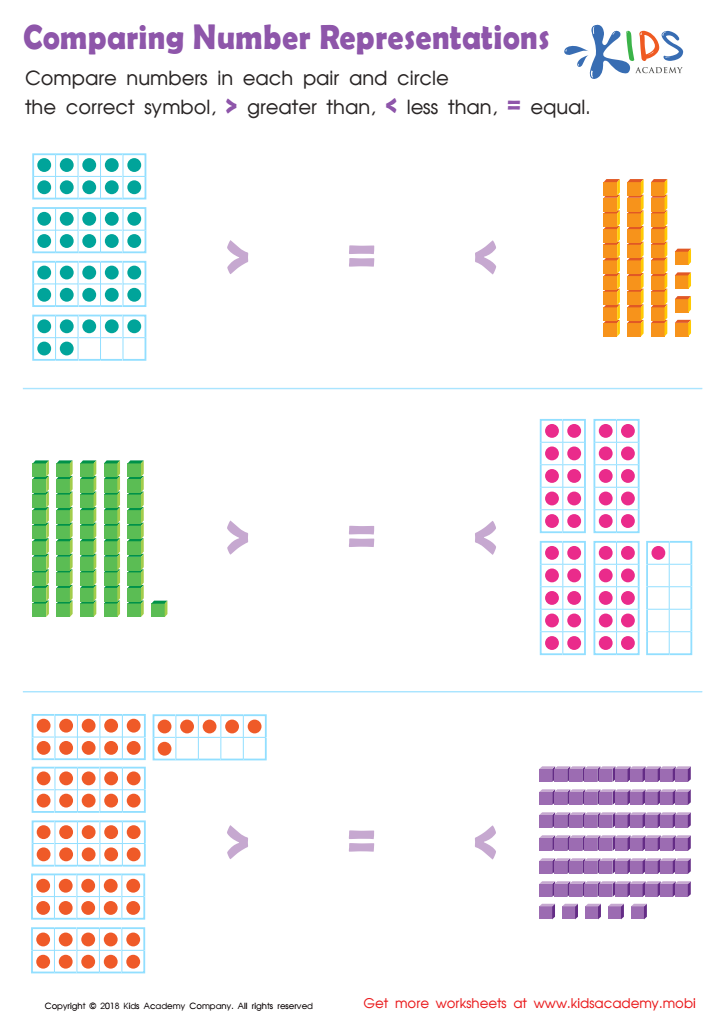
Comparing Number Representations Worksheet
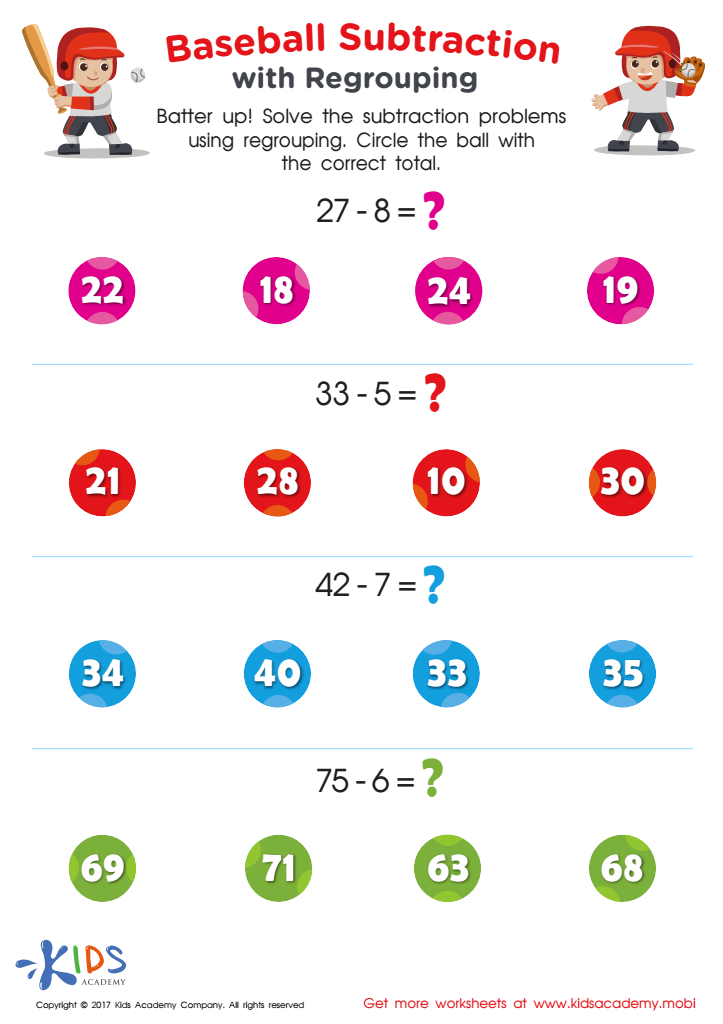
Subtraction With Regrouping for 2nd Grade Worksheet
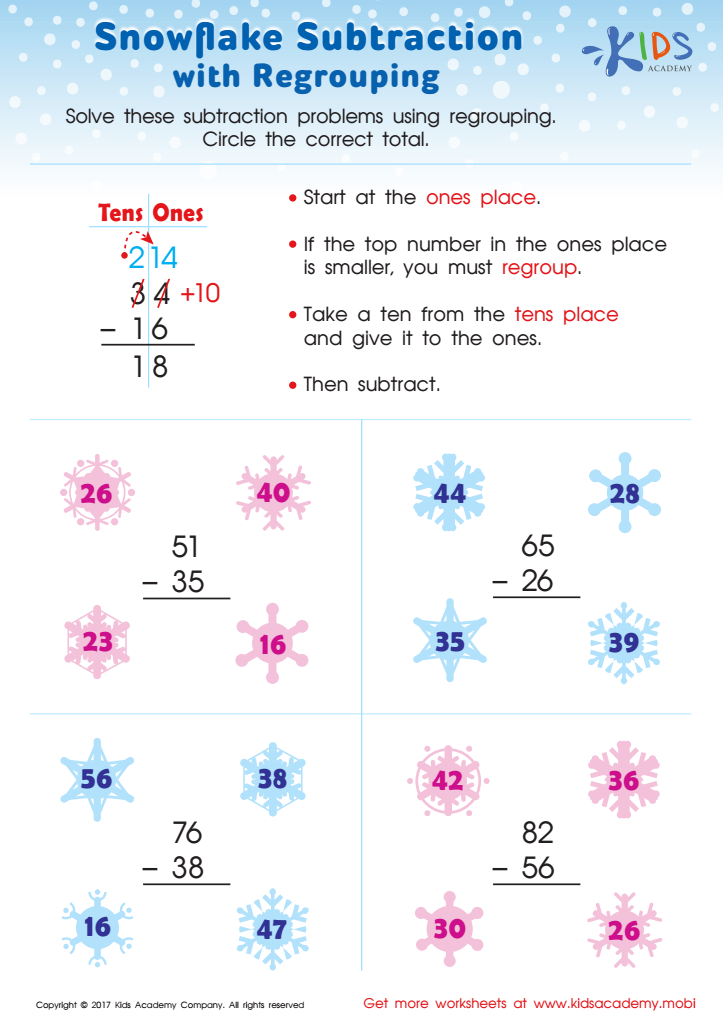
Subtraction With Regrouping Worksheet: Snowflake
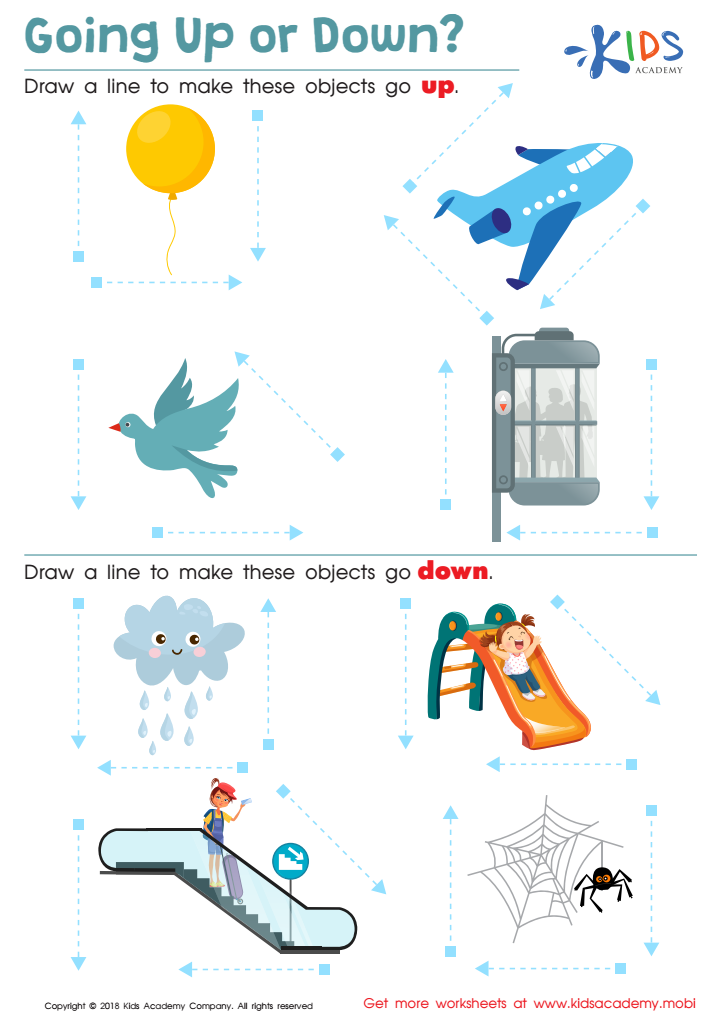
Going up or Down? Worksheet
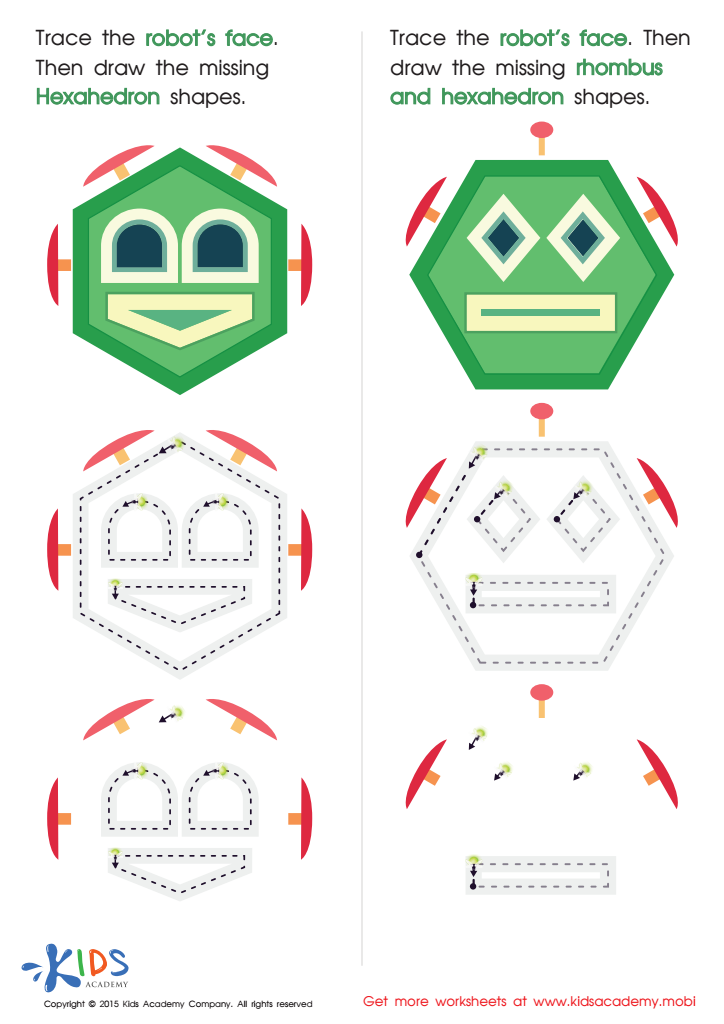
Practice Drawing Hexahedrons And a Rhombus Worksheet
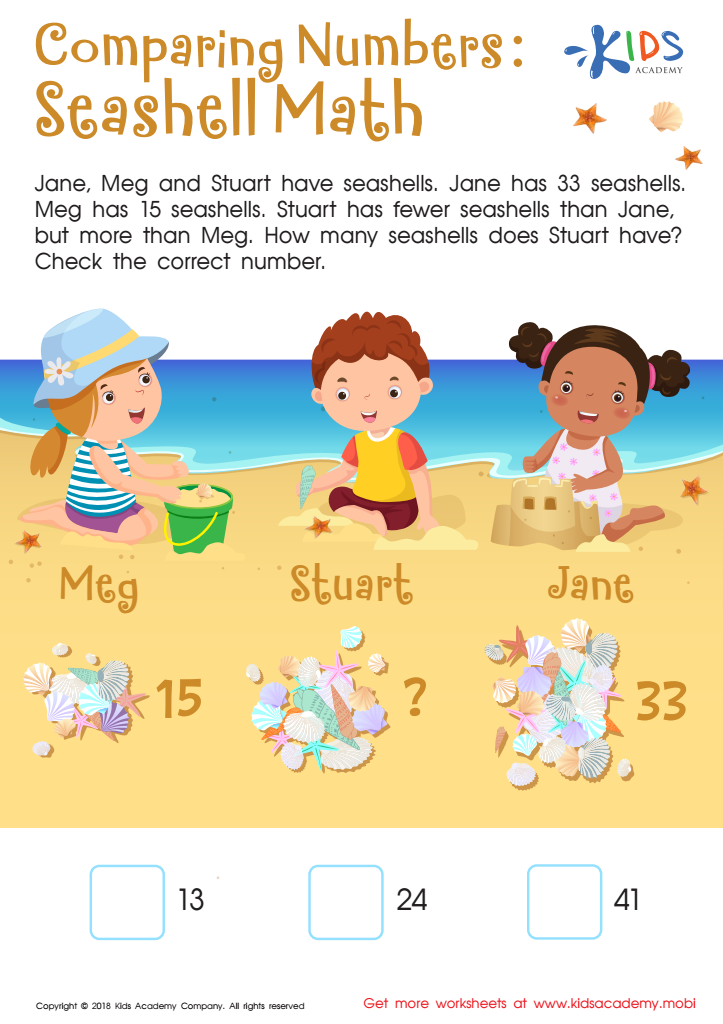
Seashell Collectors Worksheet
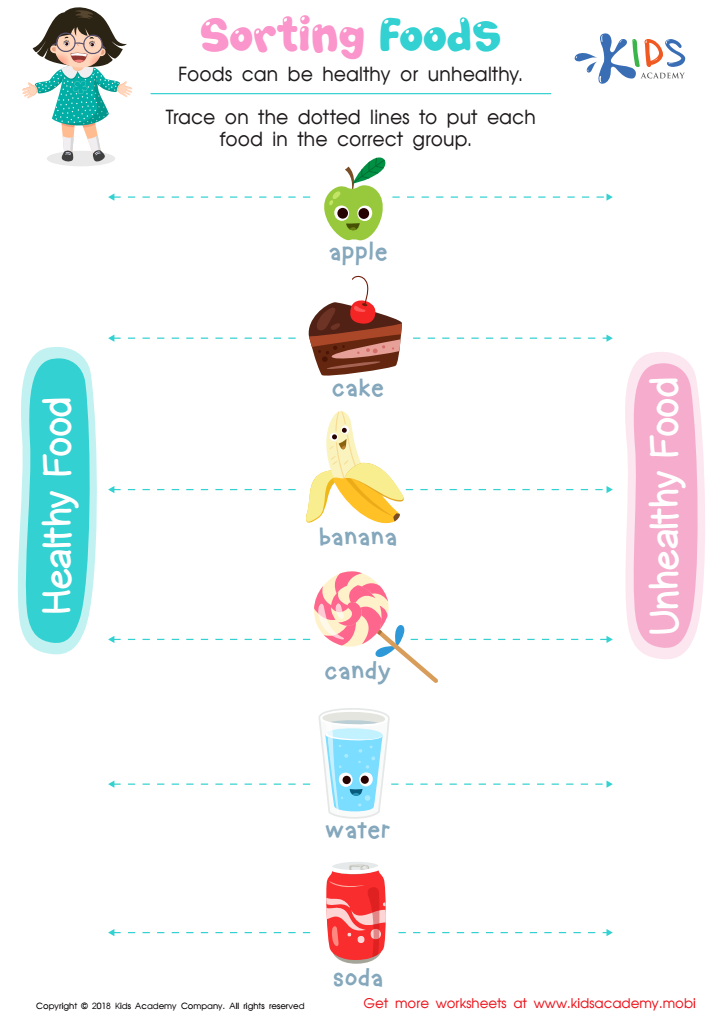
Sorting Food Worksheet
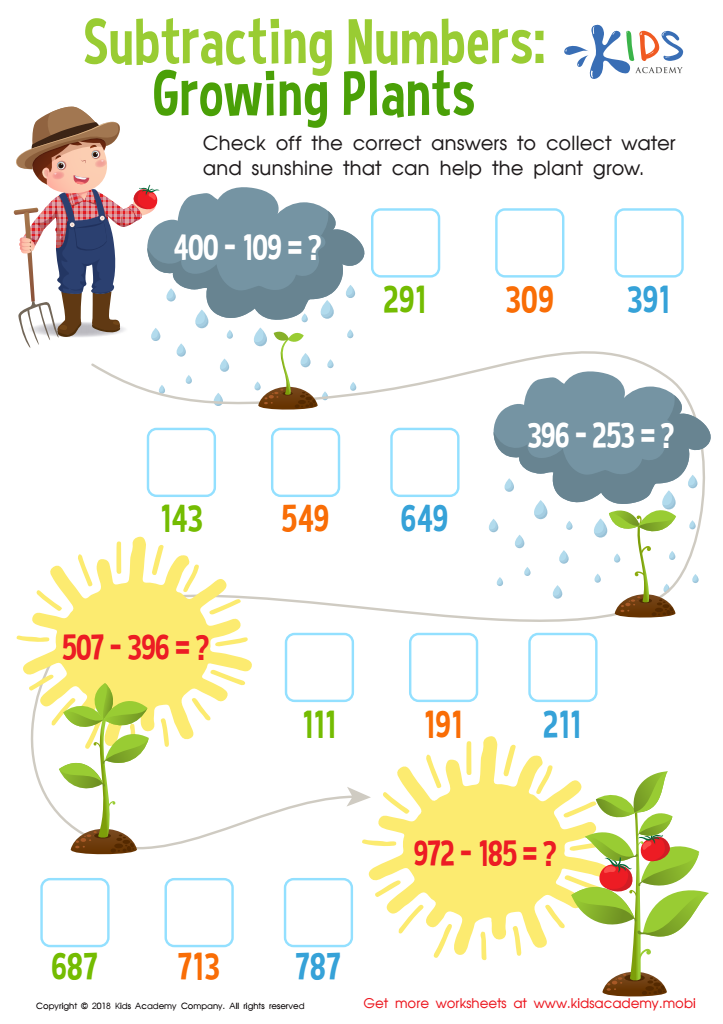
Subtracting Numbers: Growing Plants Worksheet
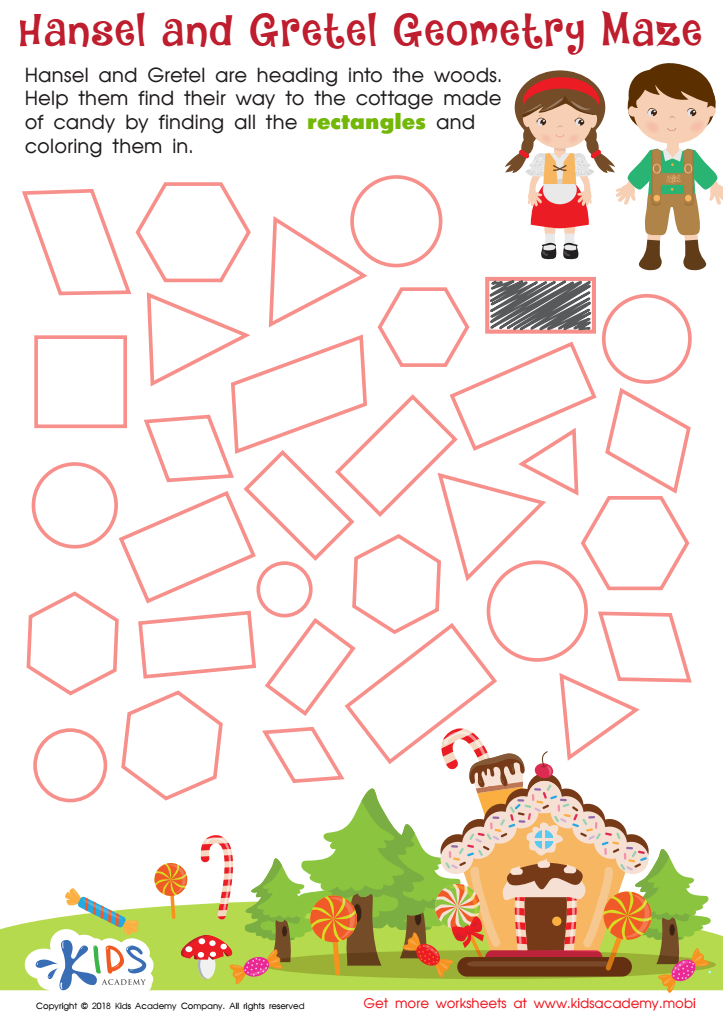
Hansel and Gretel Geometry Maze Worksheet
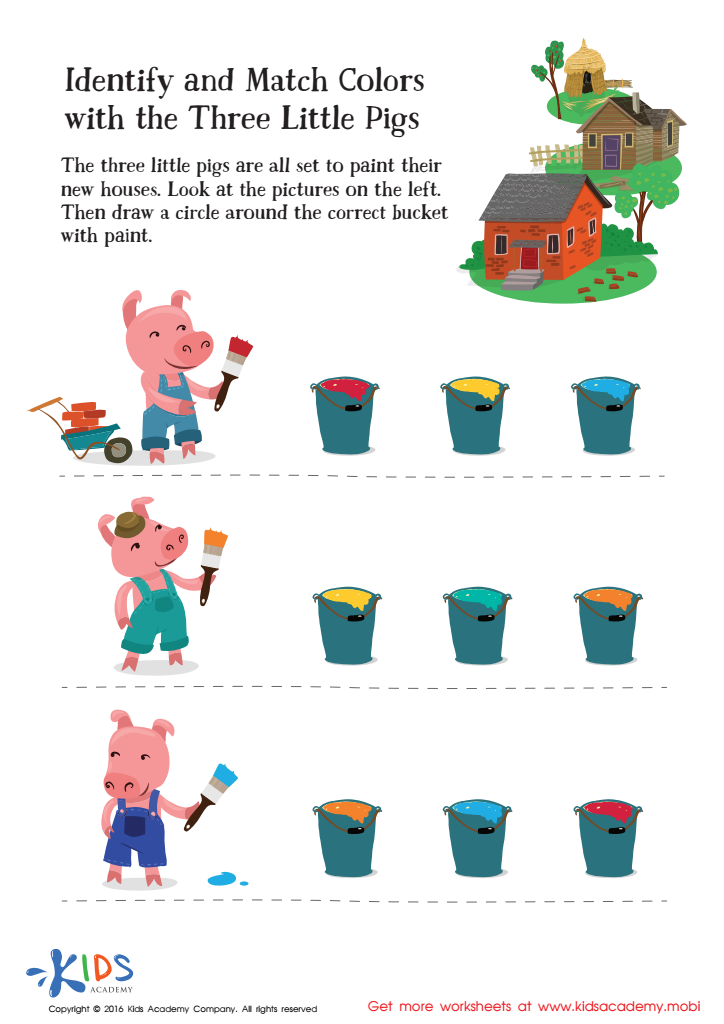
Fairy Tale Worksheet: Identify and Match Colors with Three Little Pigs
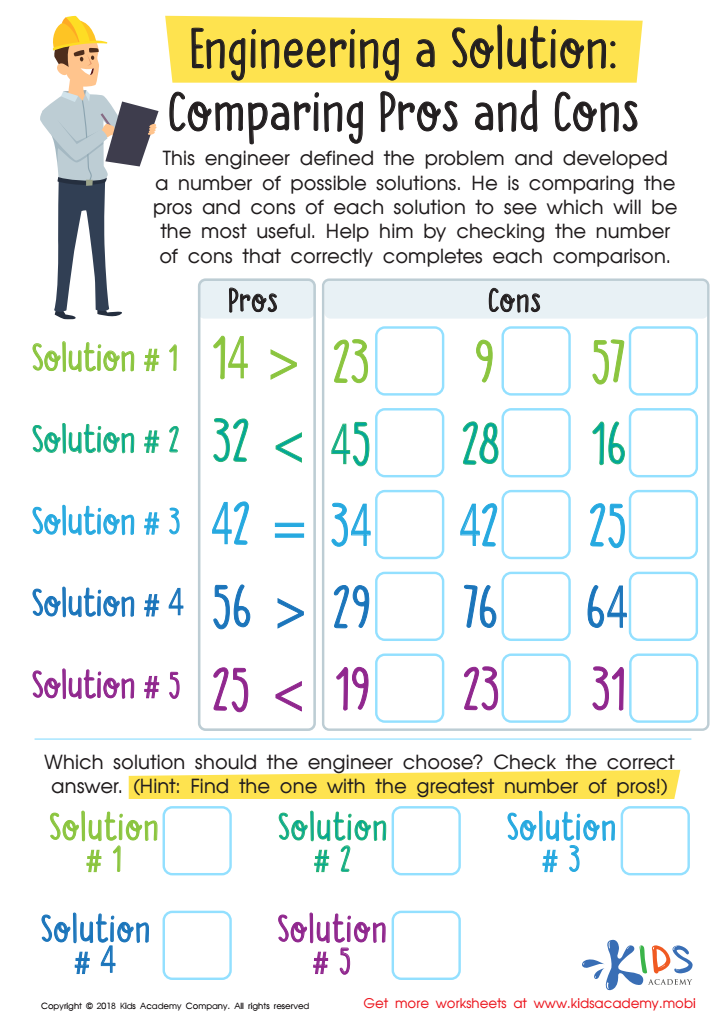
Engineering a Solution: Comparing Pros and Cons Worksheet
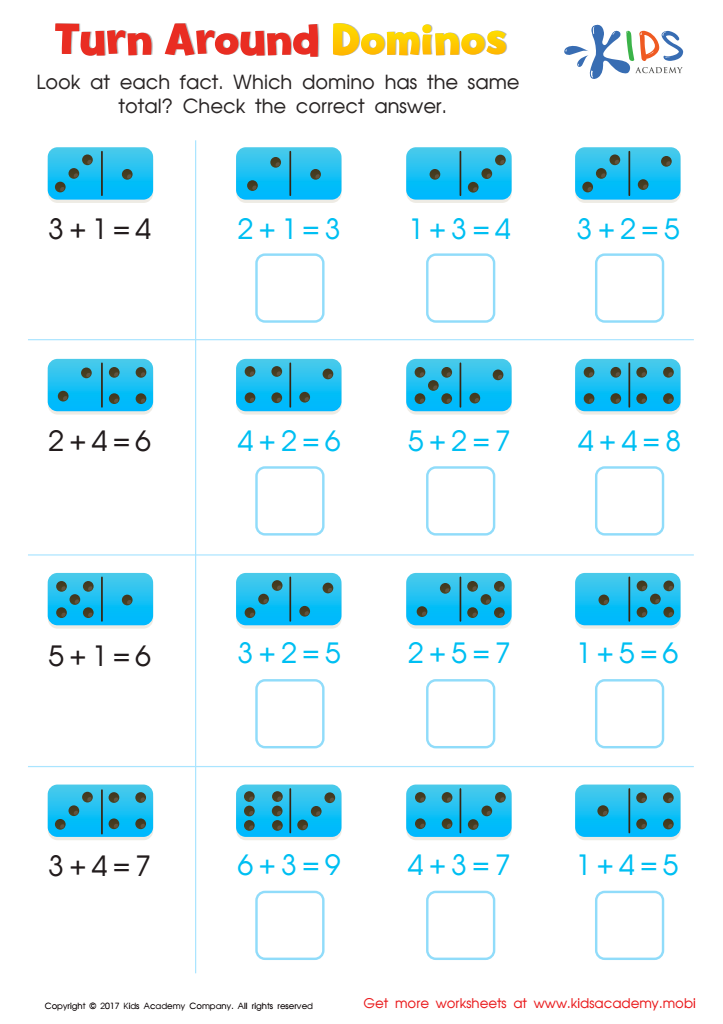
Turn Around Dominos Worksheet
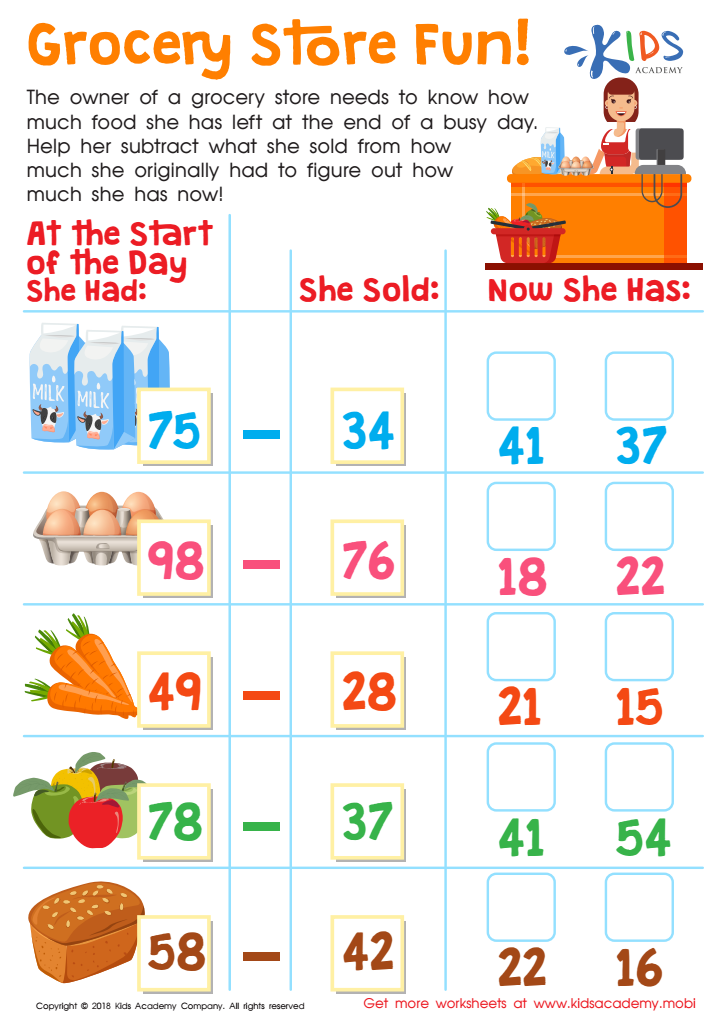
Grocery Store Fun! Worksheet
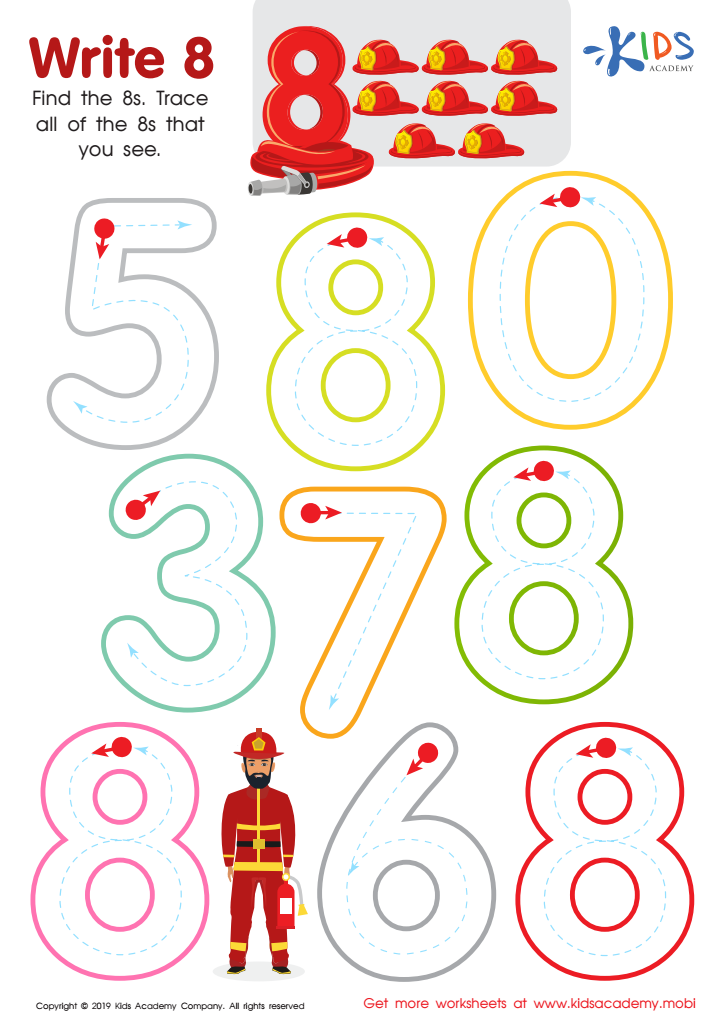
Write 8 Worksheet
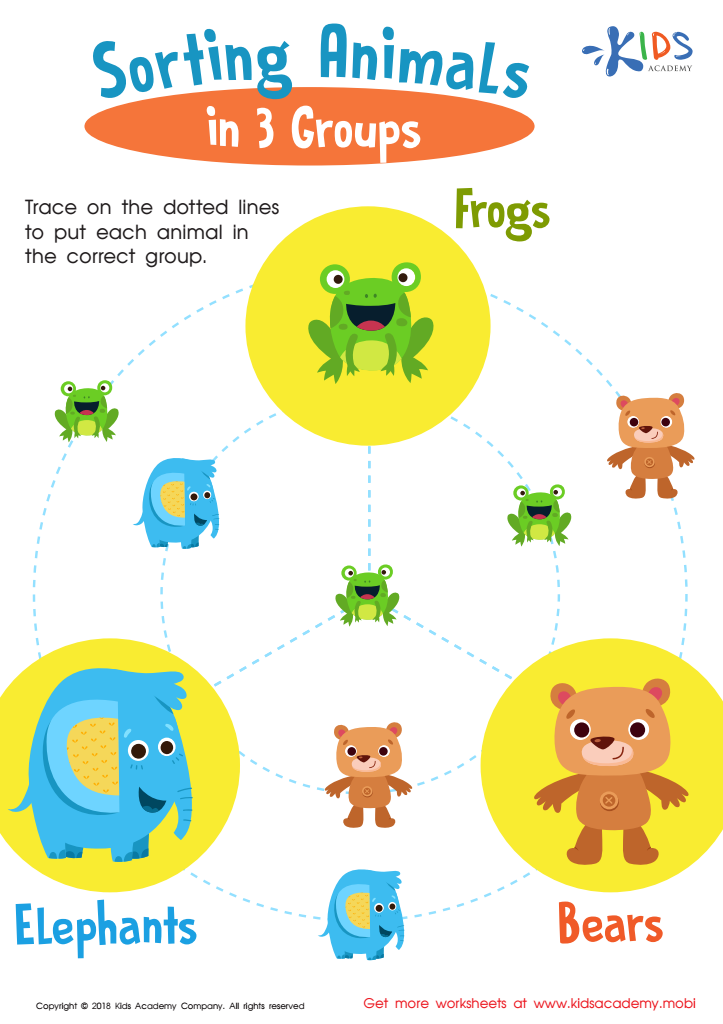
Sorting Animals in 3 Groups Worksheet
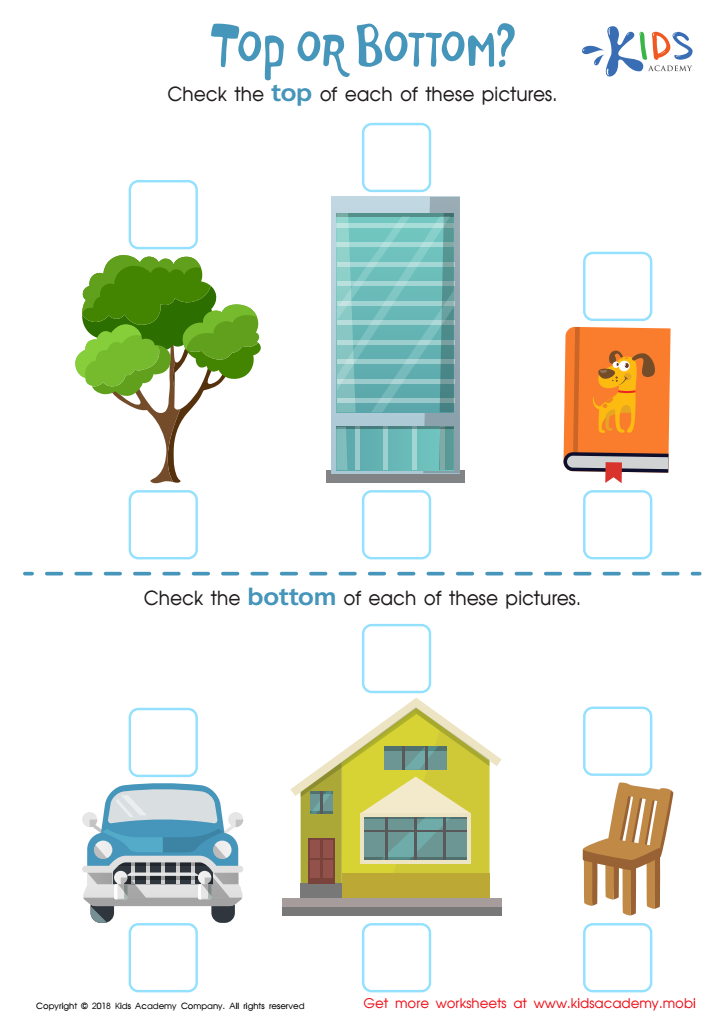
Top or Bottom Worksheet
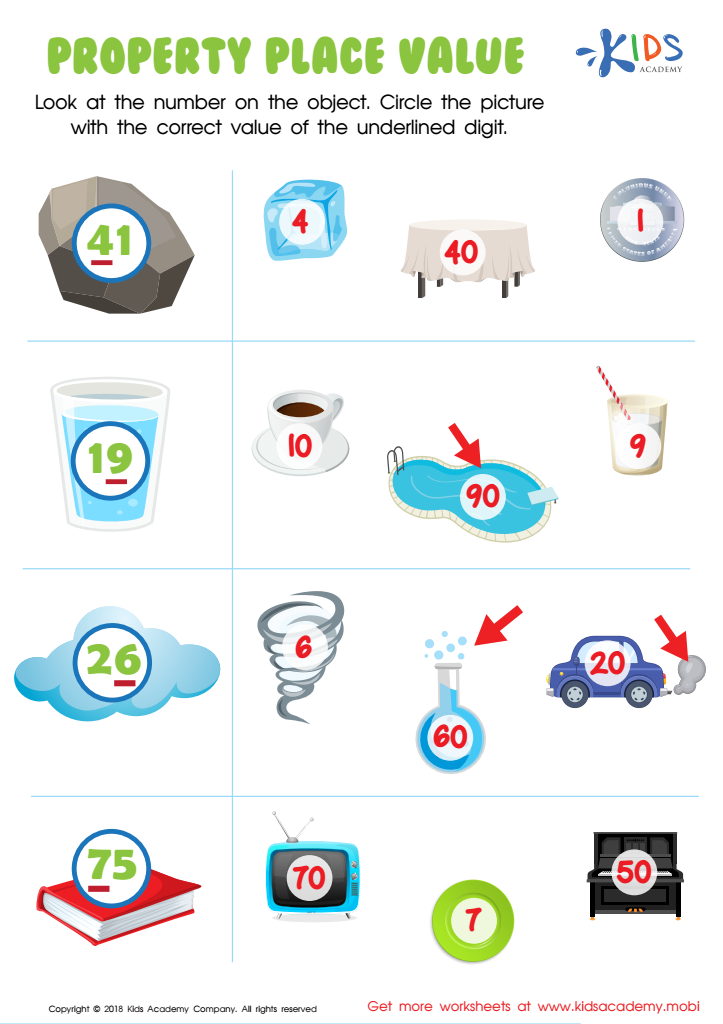
Property Place Value Worksheet
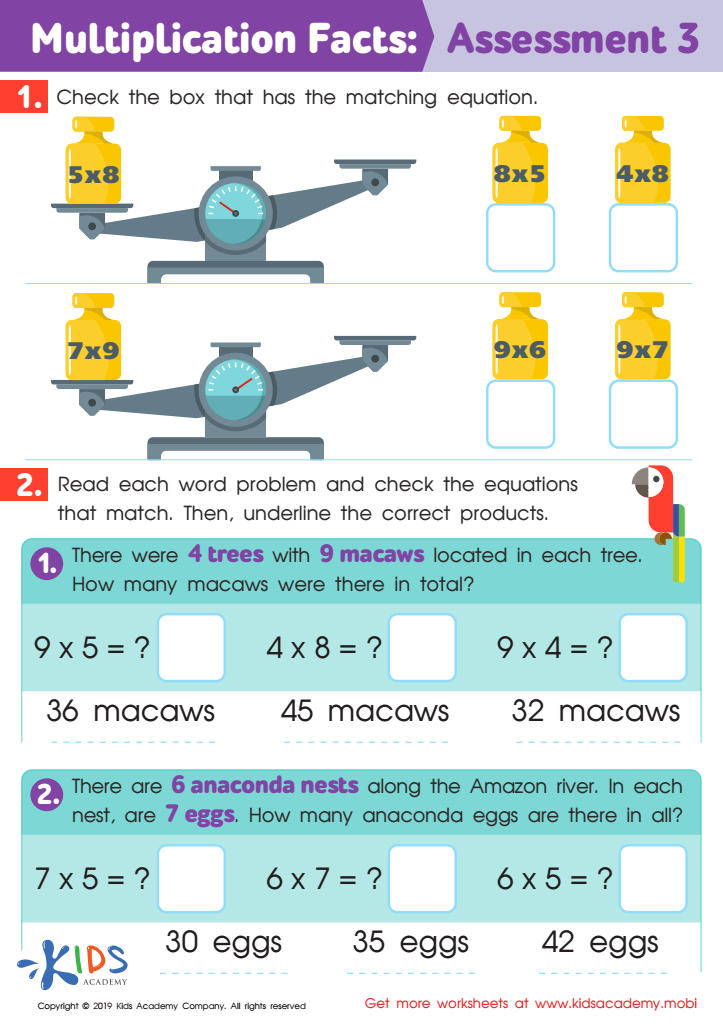
Multiplication Facts: Assessment 3 Worksheet
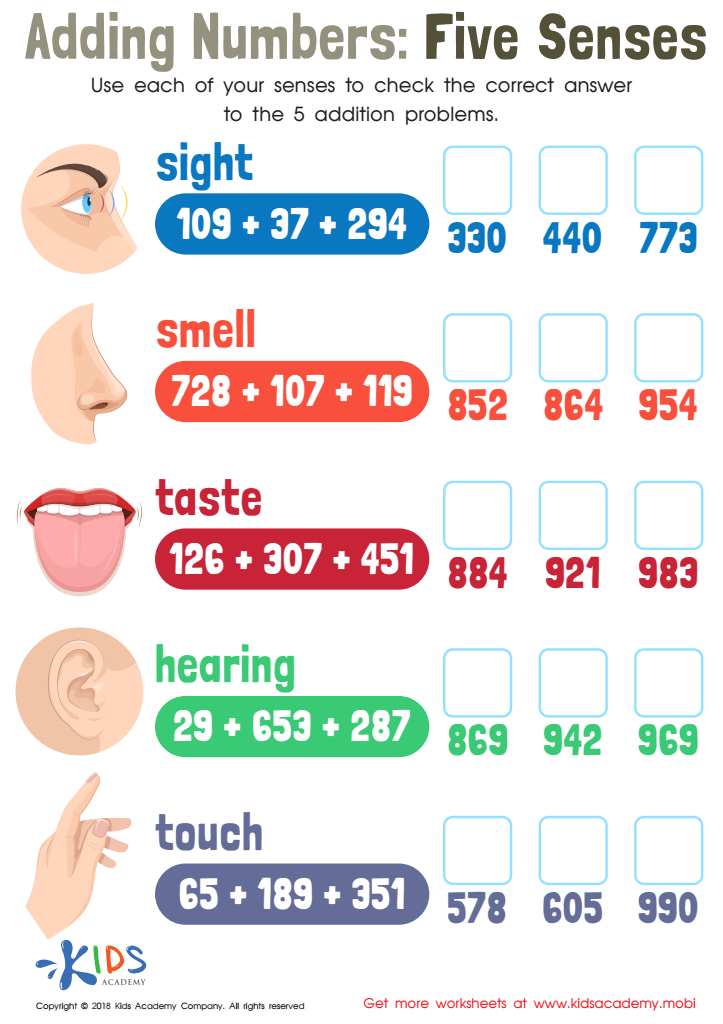
Adding Numbers: Five Senses Worksheet
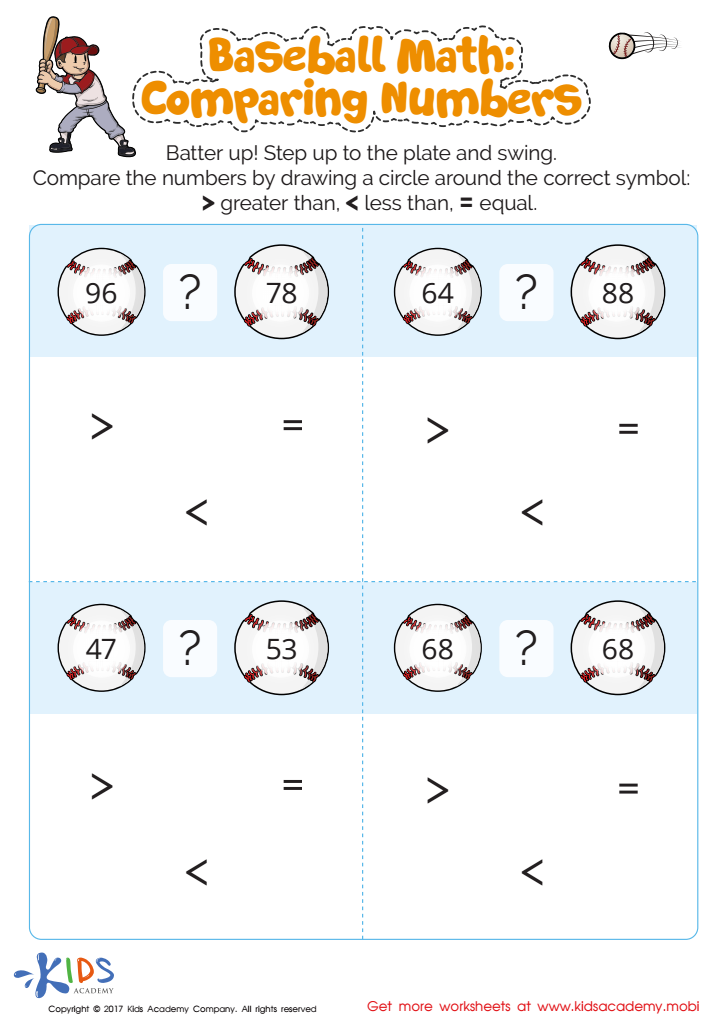
Compare Numbers Printable
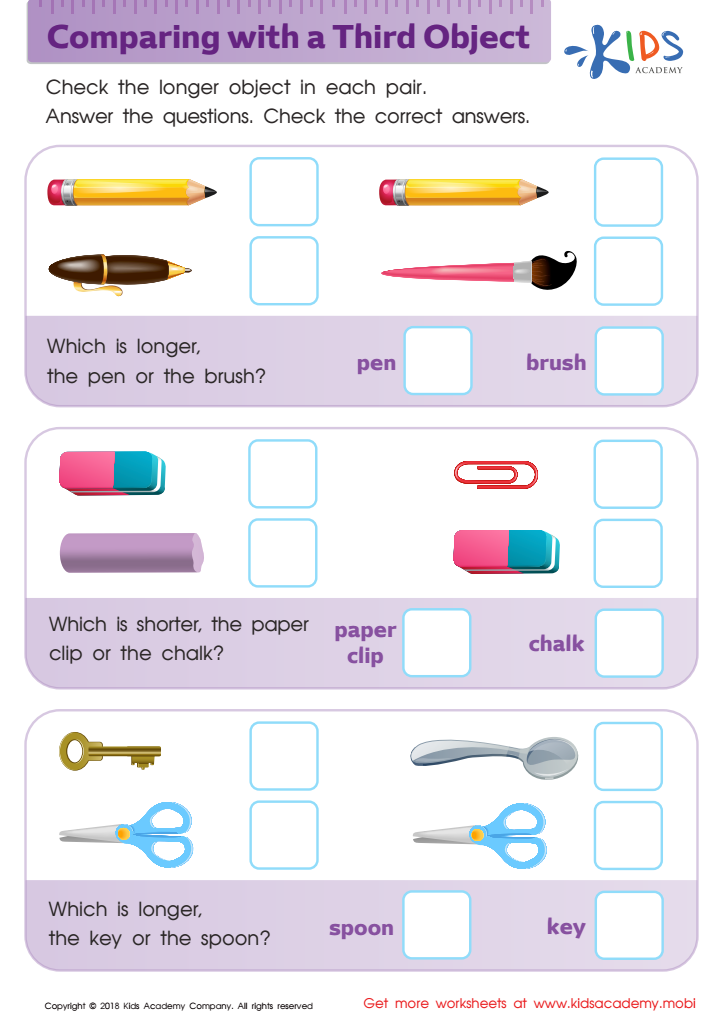
Comparing with a Third Object Worksheet







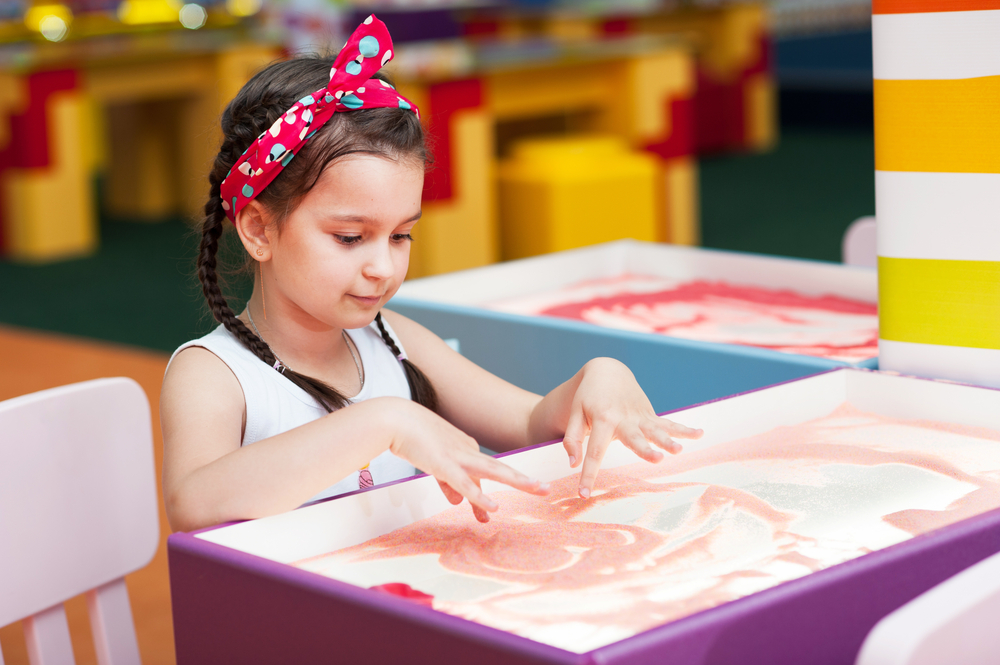
Parents and teachers should care about normal math for ages 3-7 because early math skills are foundational to a child’s future academic success and overall cognitive development. During these formative years, children are highly receptive to learning and curiosity is at its peak. Introducing basic math concepts such as counting, sorting, recognizing patterns, and basic addition and subtraction fosters critical thinking, problem-solving skills, and logical reasoning.
Math is not just about numbers; it’s embedded in daily life, from measuring ingredients for a recipe to sorting toys by color or size. Engaging young children in math-related activities helps them make sense of the world around them and builds confidence that math can be fun and relevant. It also sets the stage for more advanced mathematical understanding as they progress in their education.
Research shows that early exposure to math strengthens brain connections and academic achievement in later years. Teachers and parents who support positive math experiences help diminish math anxiety and promote a growth mindset, ensuring that children see challenges as opportunities to learn. Moreover, integrating math into everyday activities encourages a love for learning and creates foundational skills that extend beyond math, positively impacting language development and overall educational performance.








